

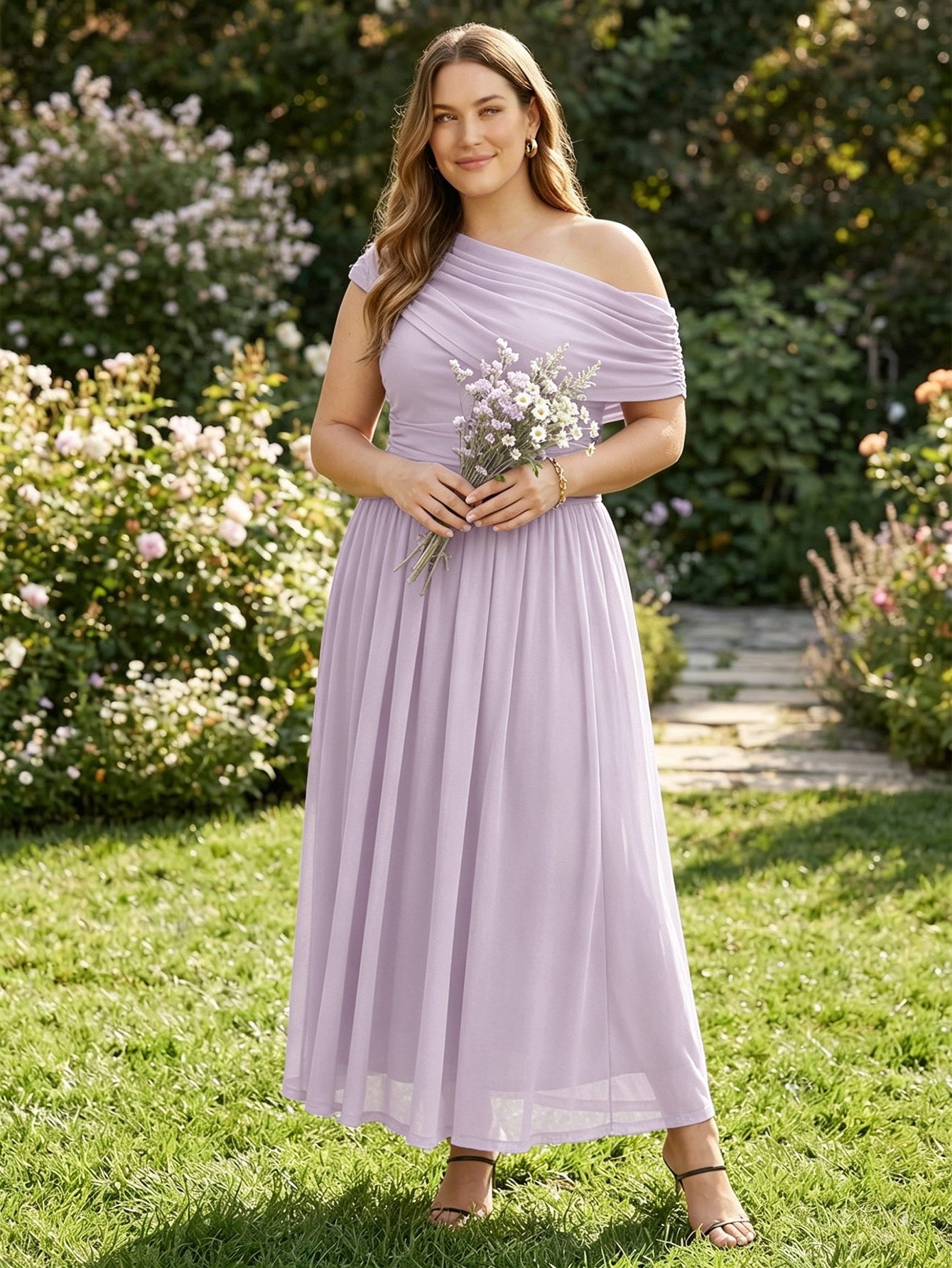
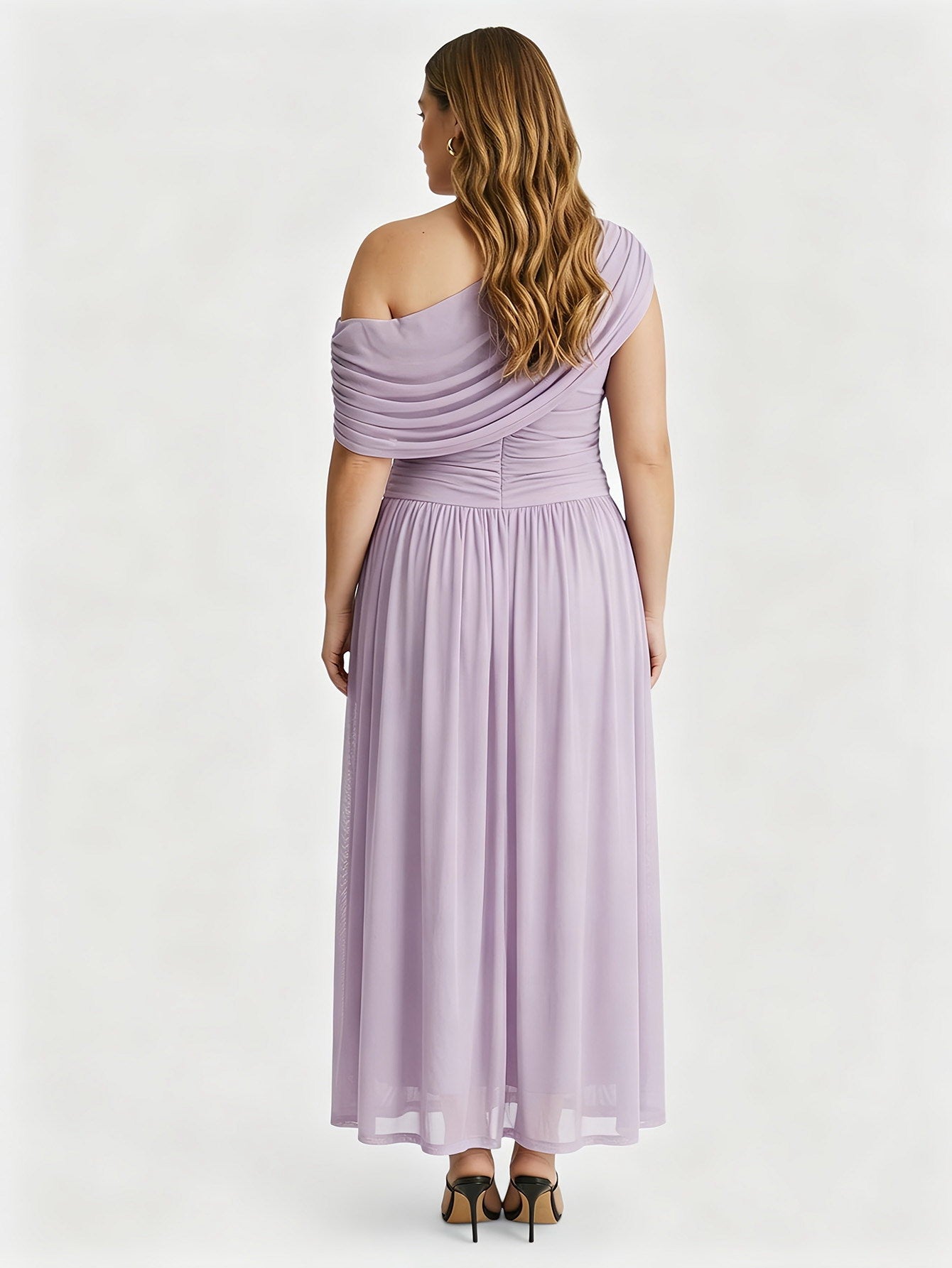
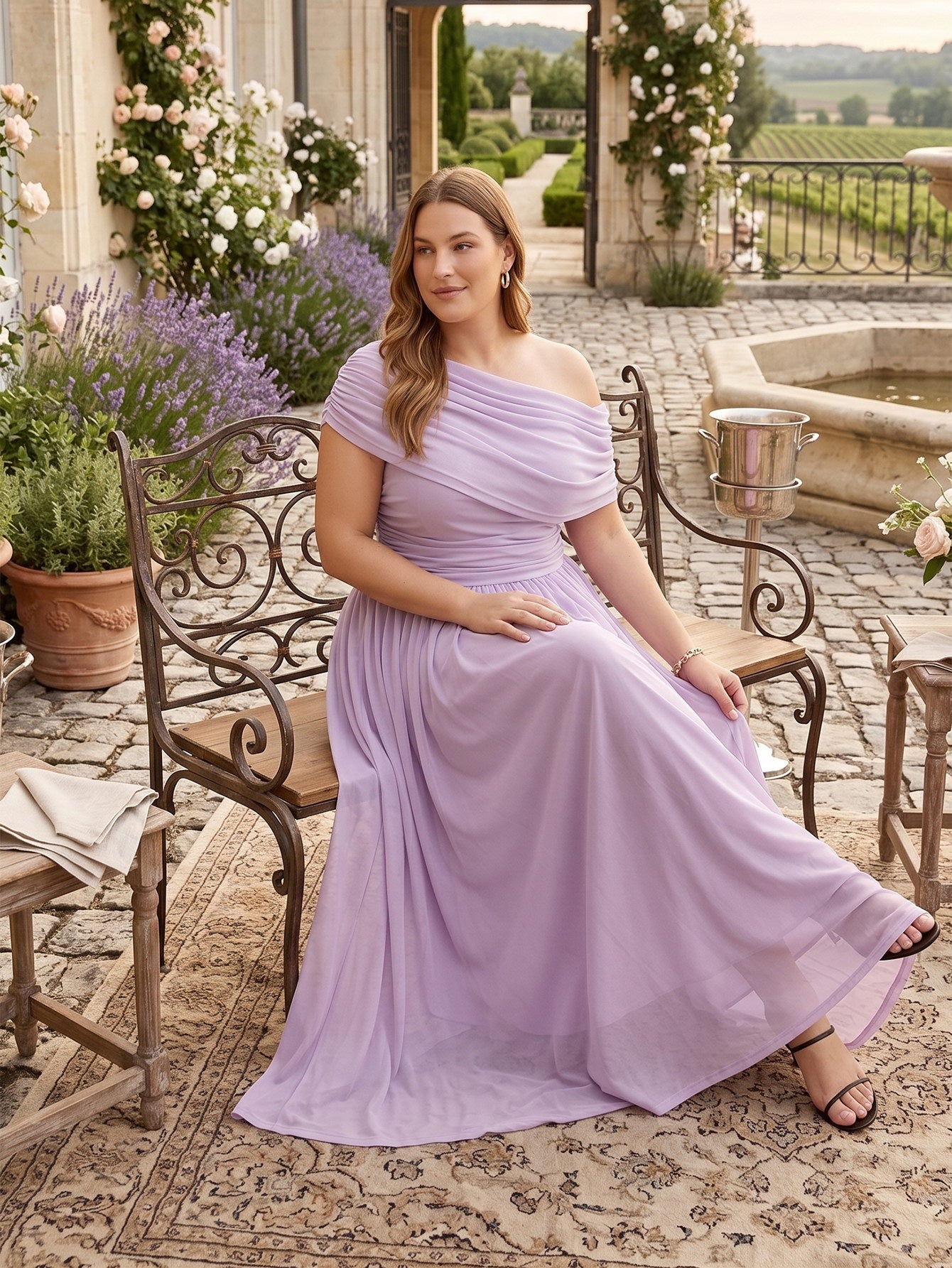
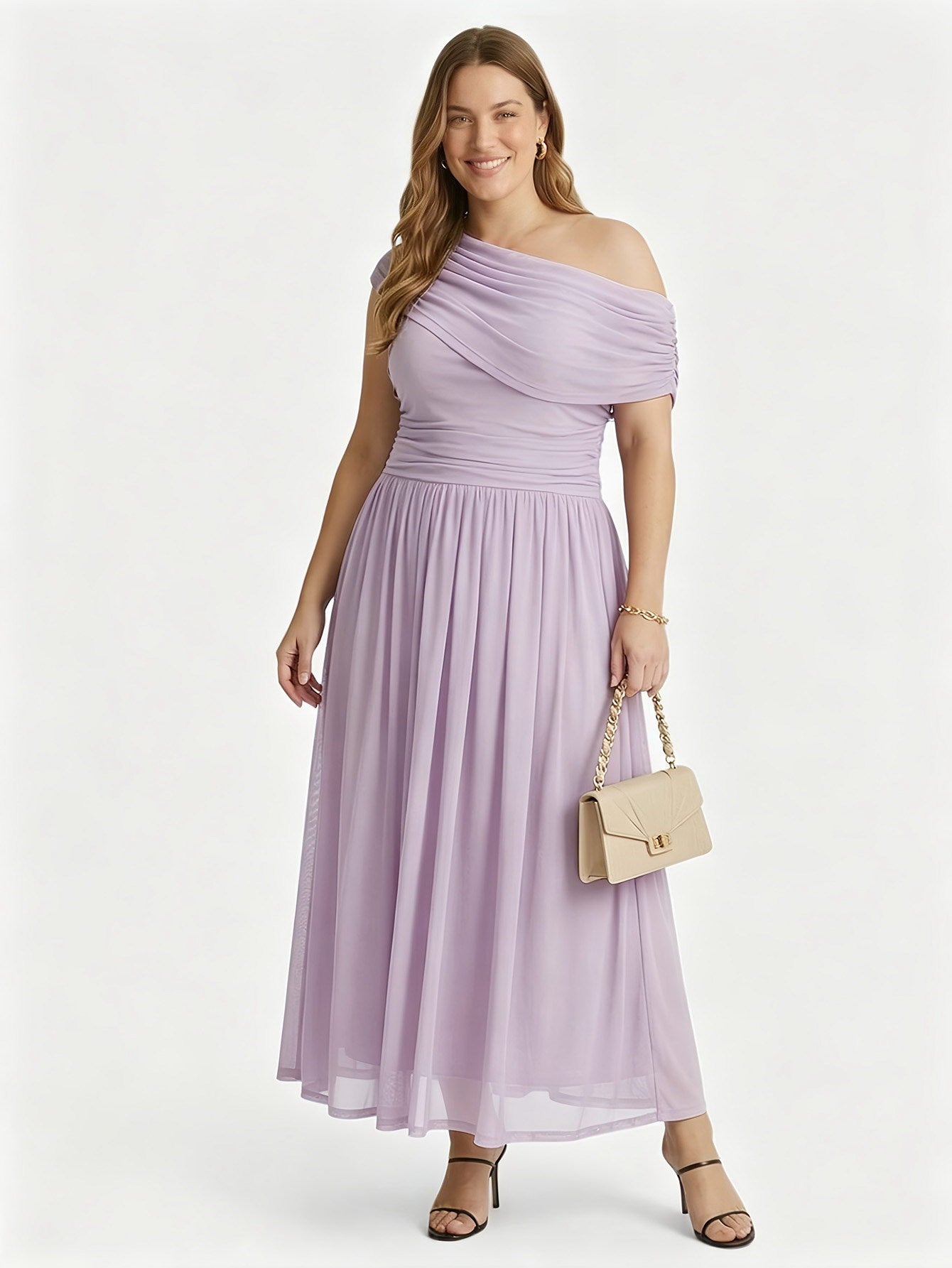
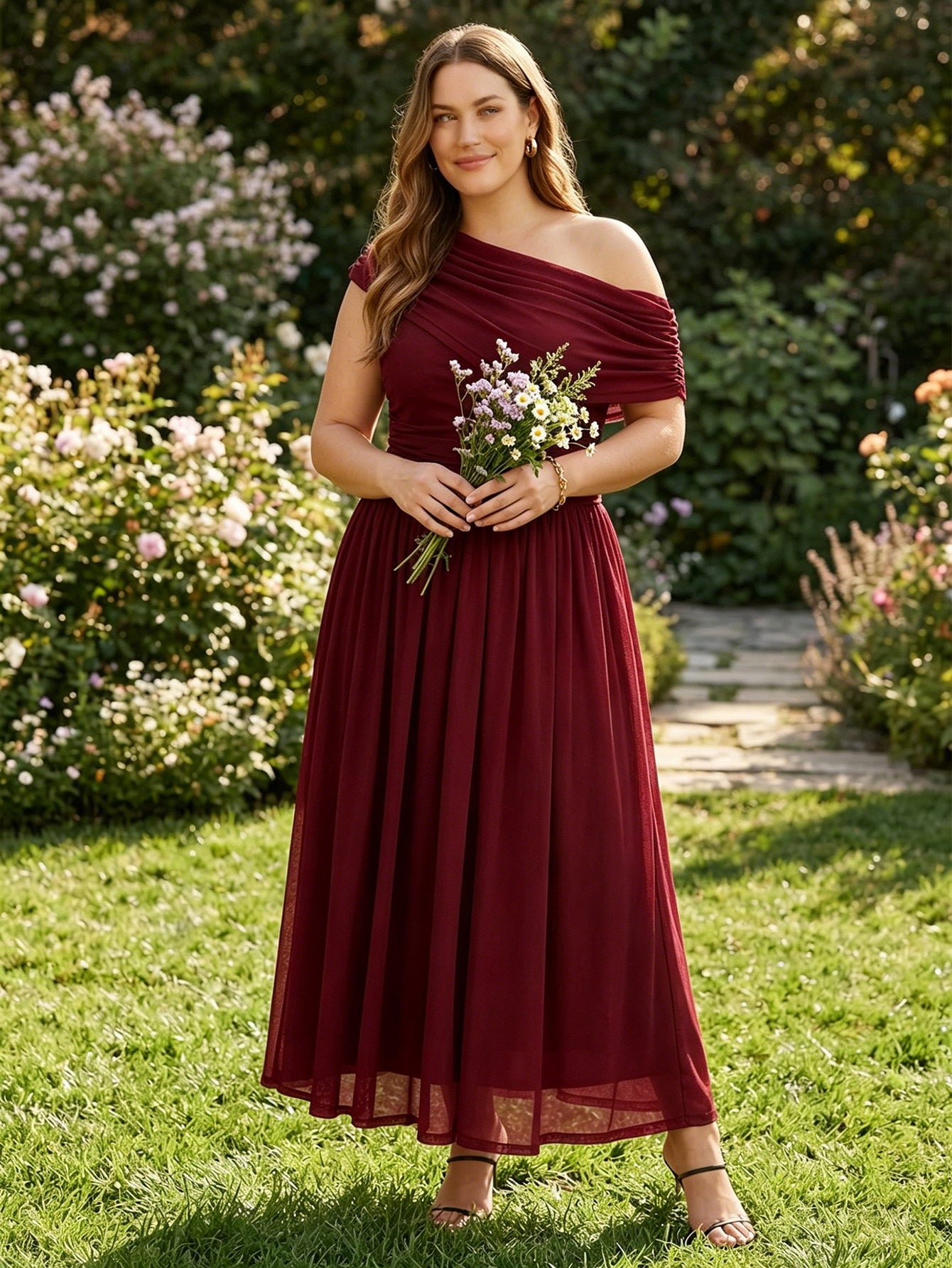
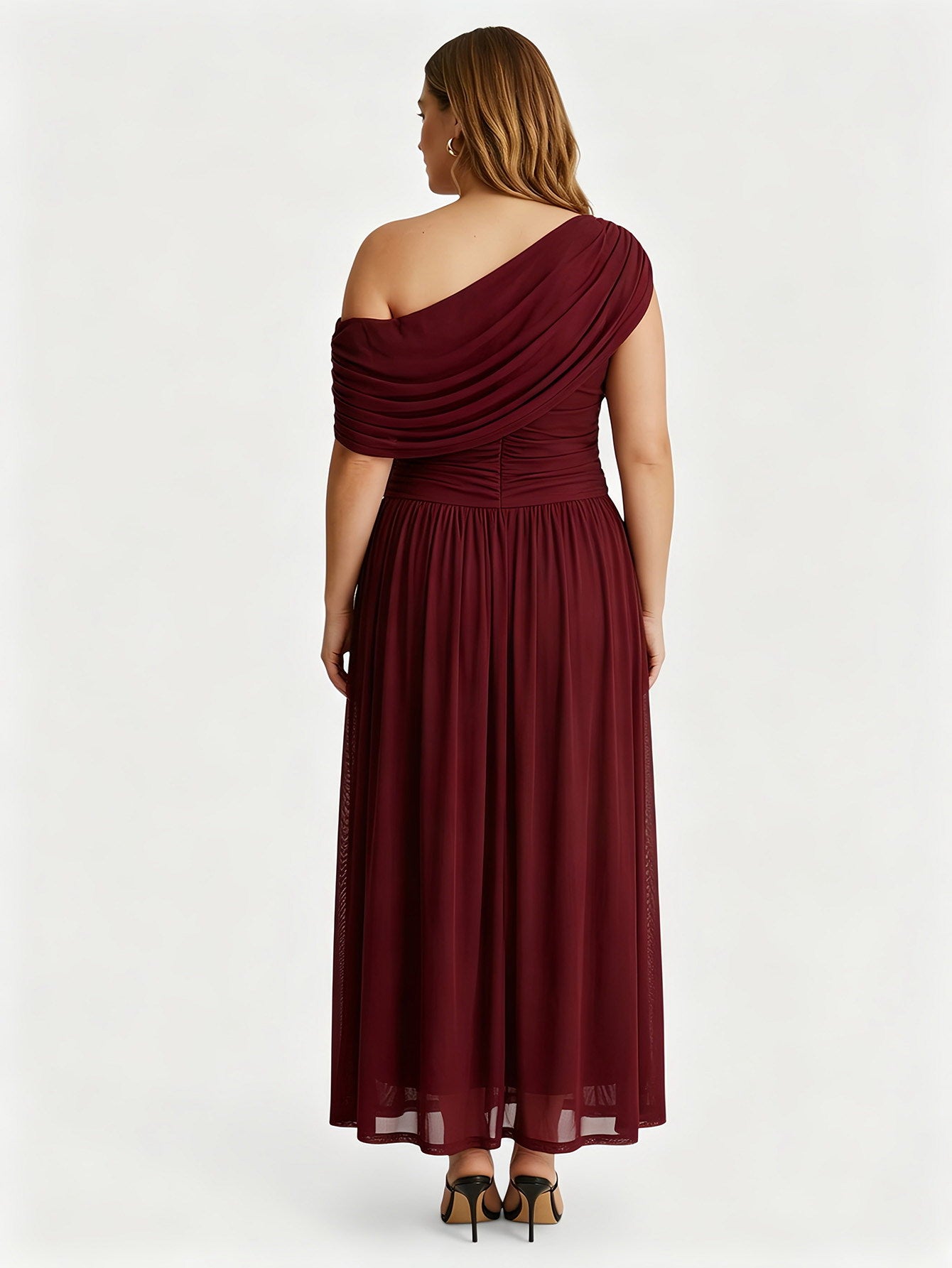
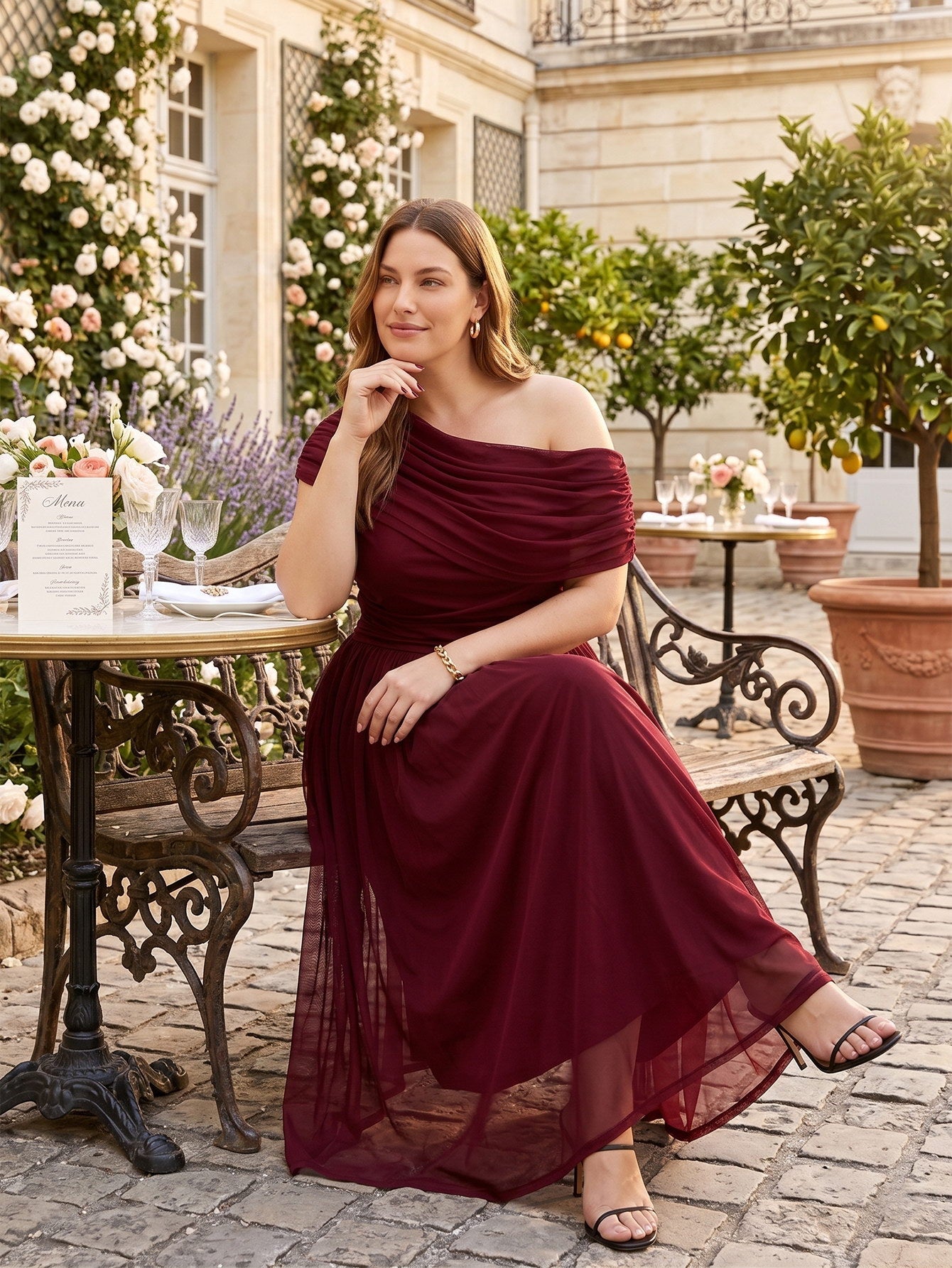
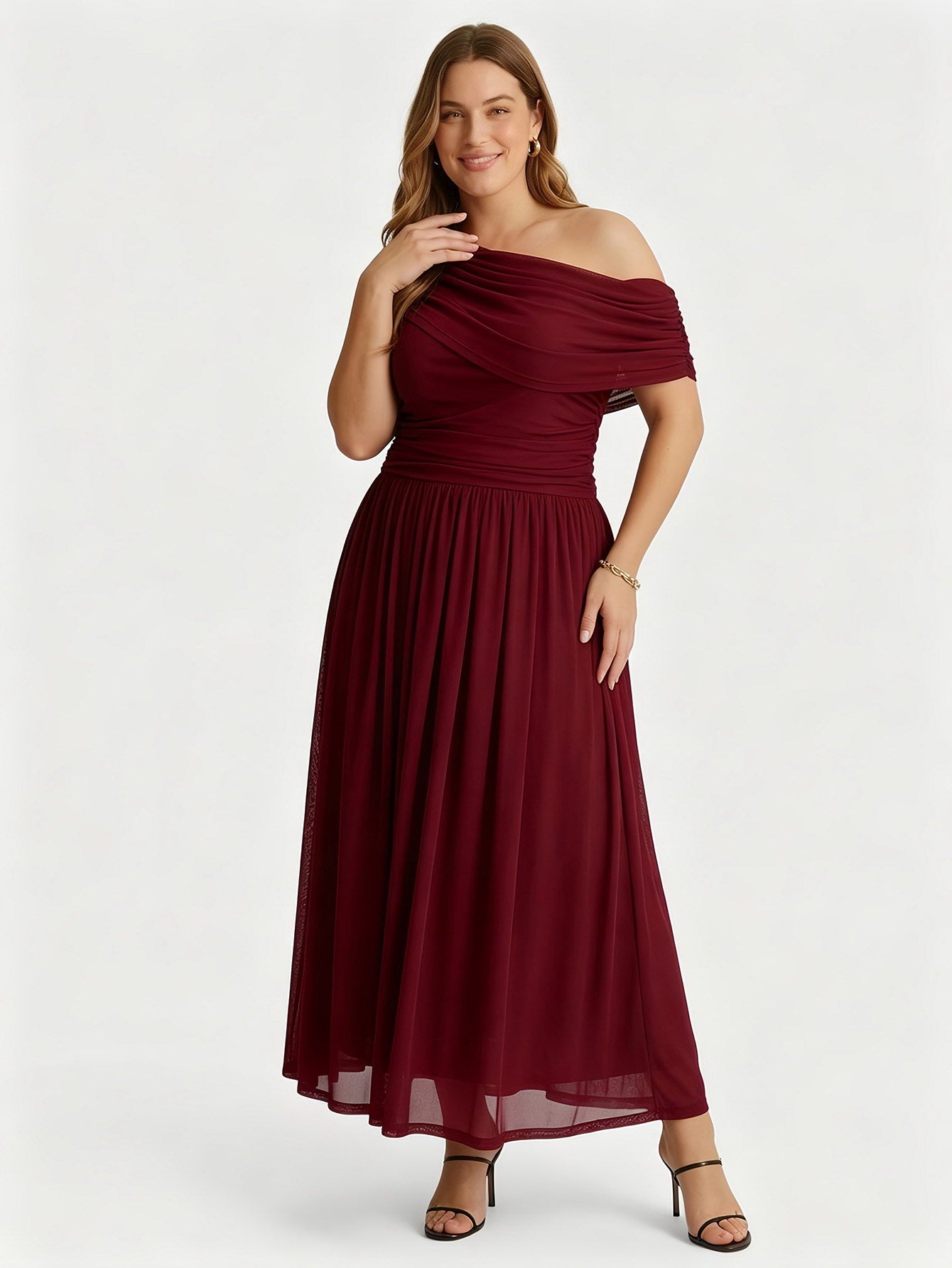
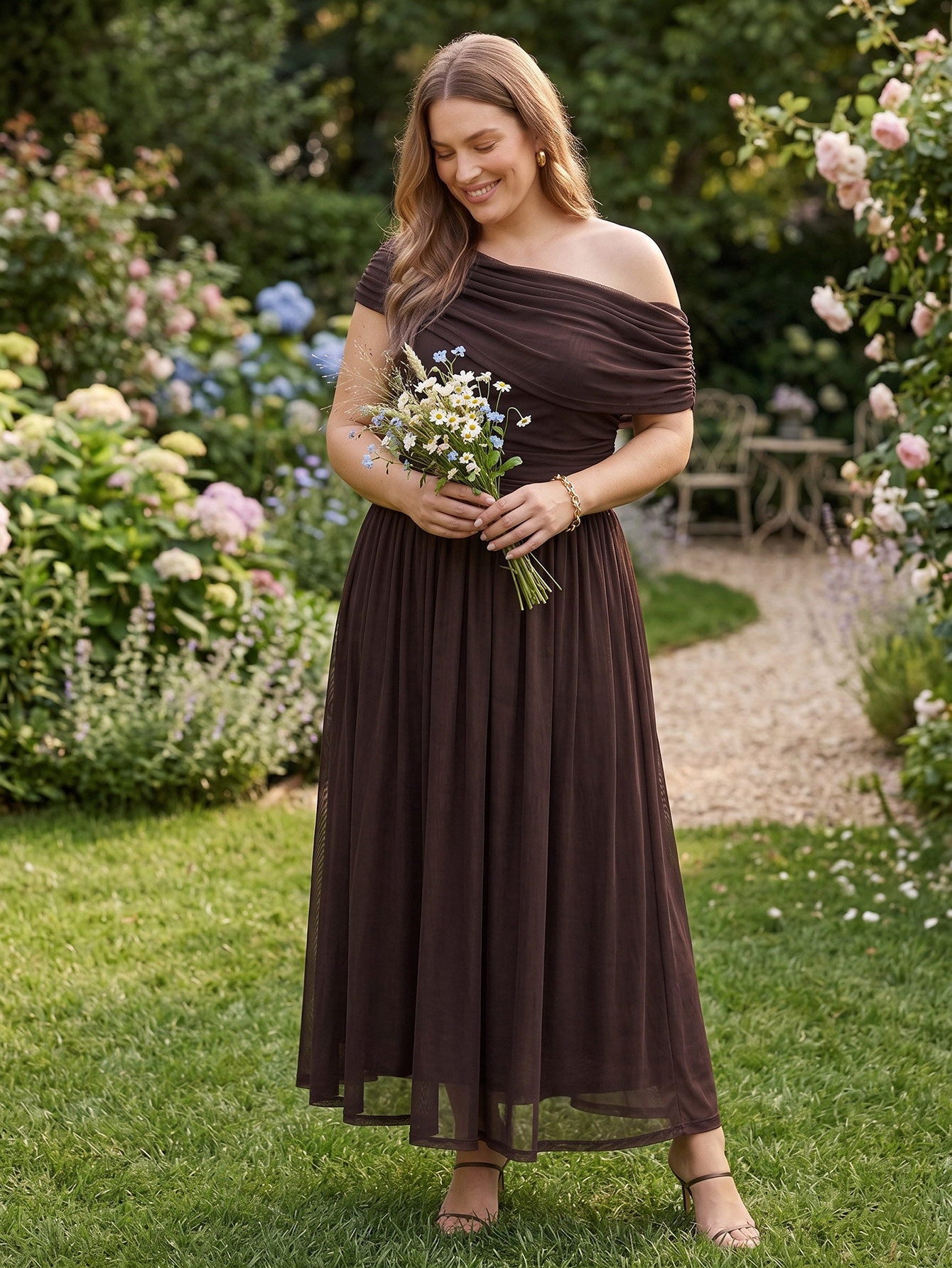
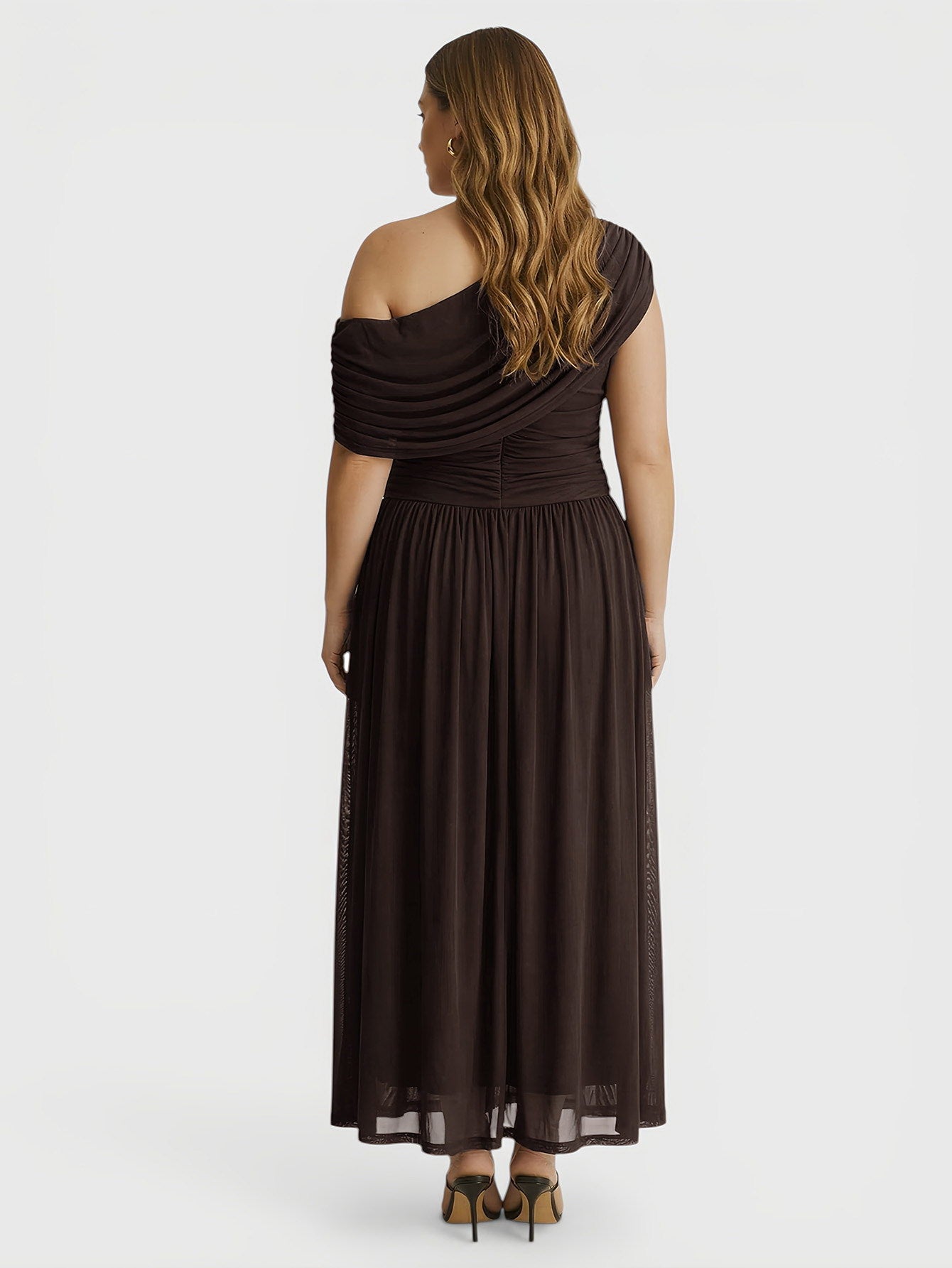
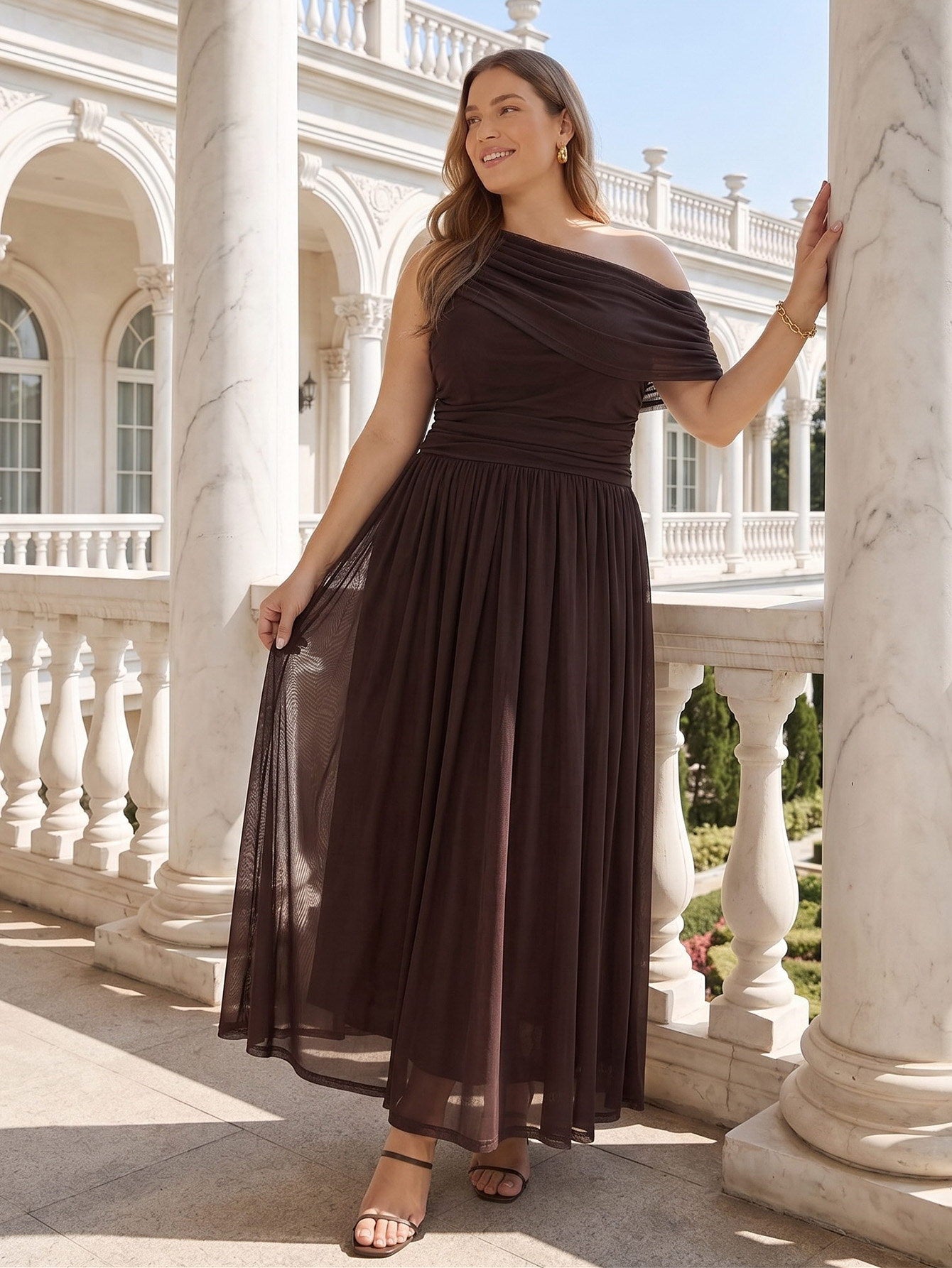
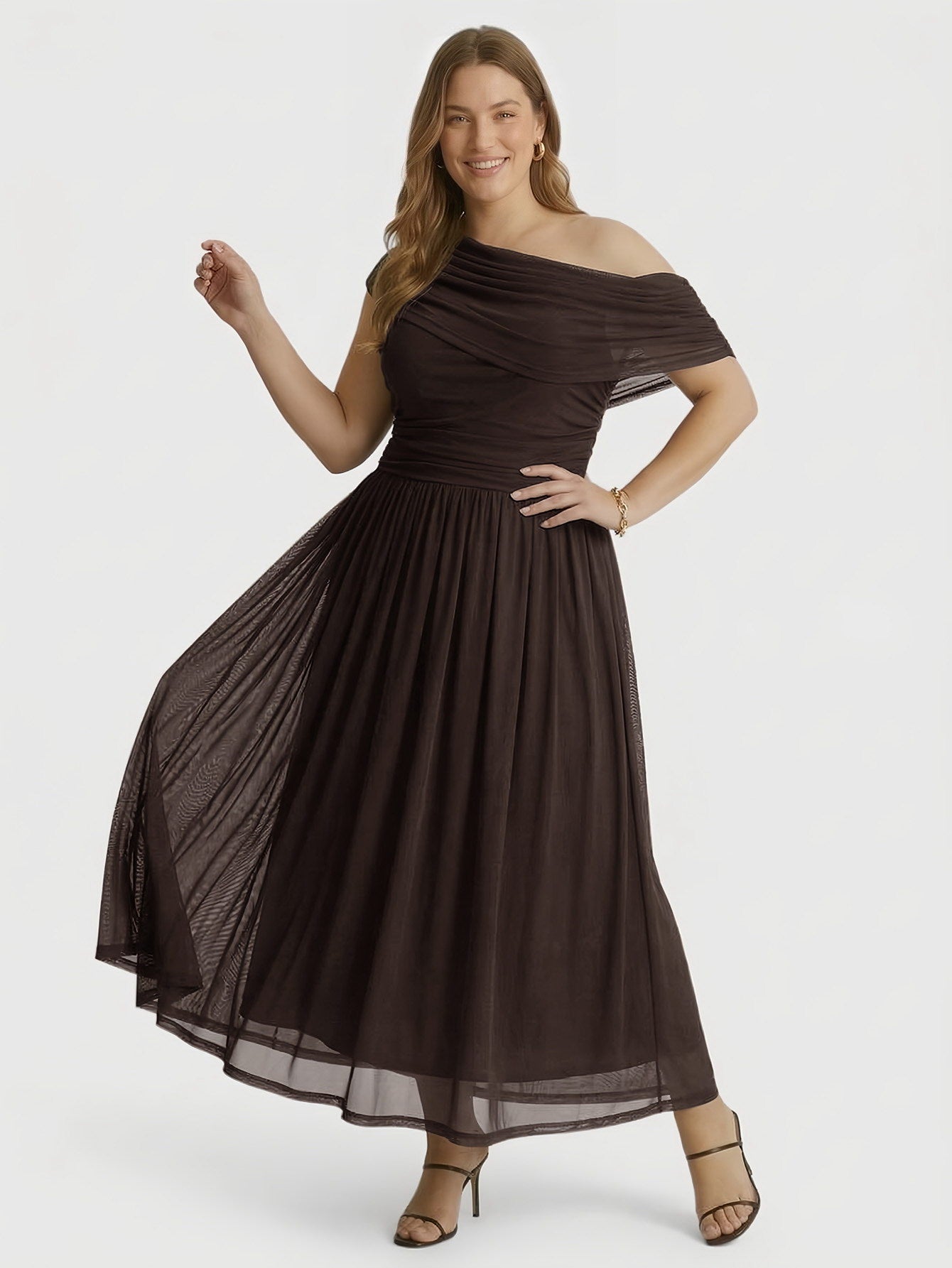





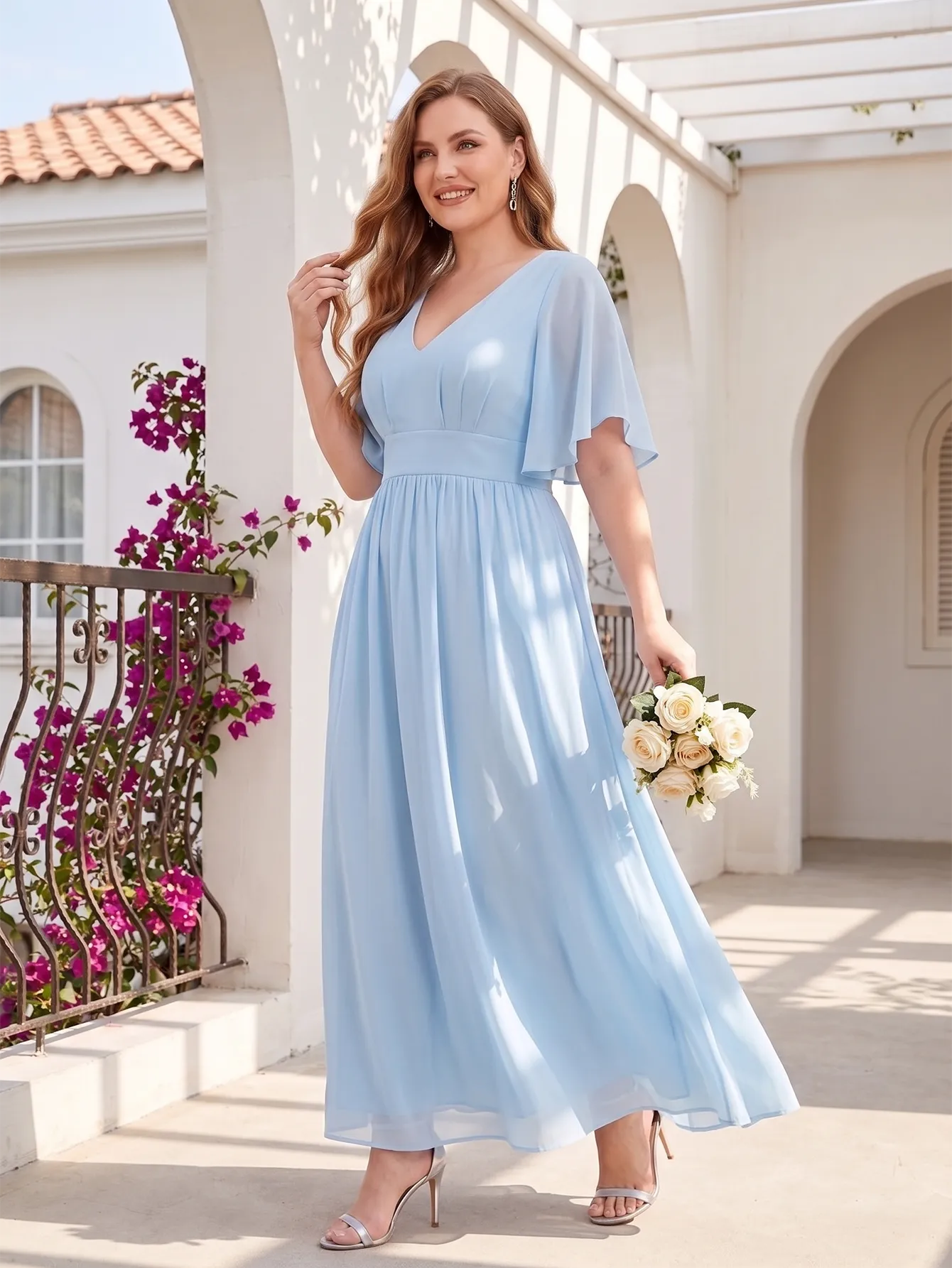
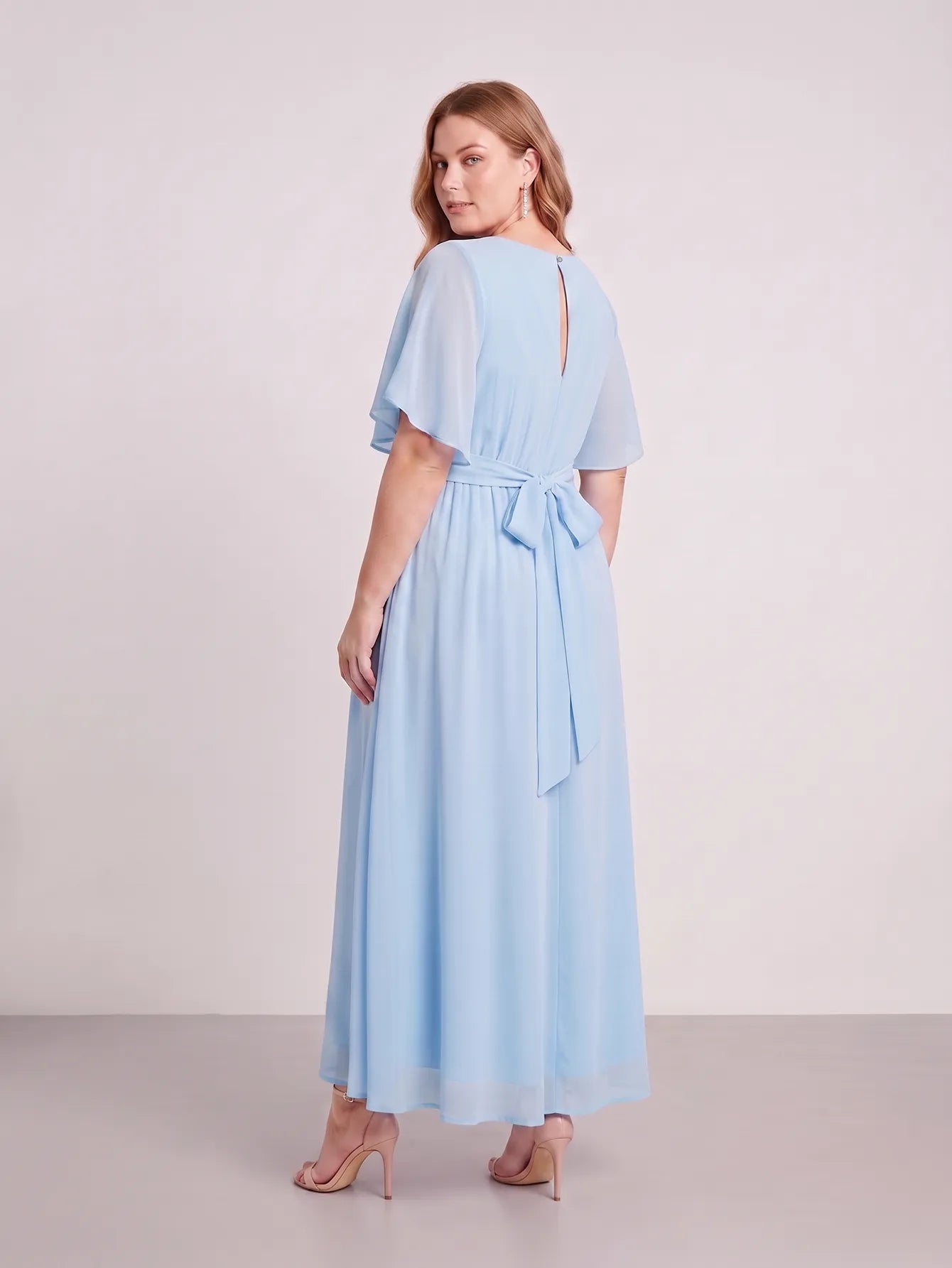

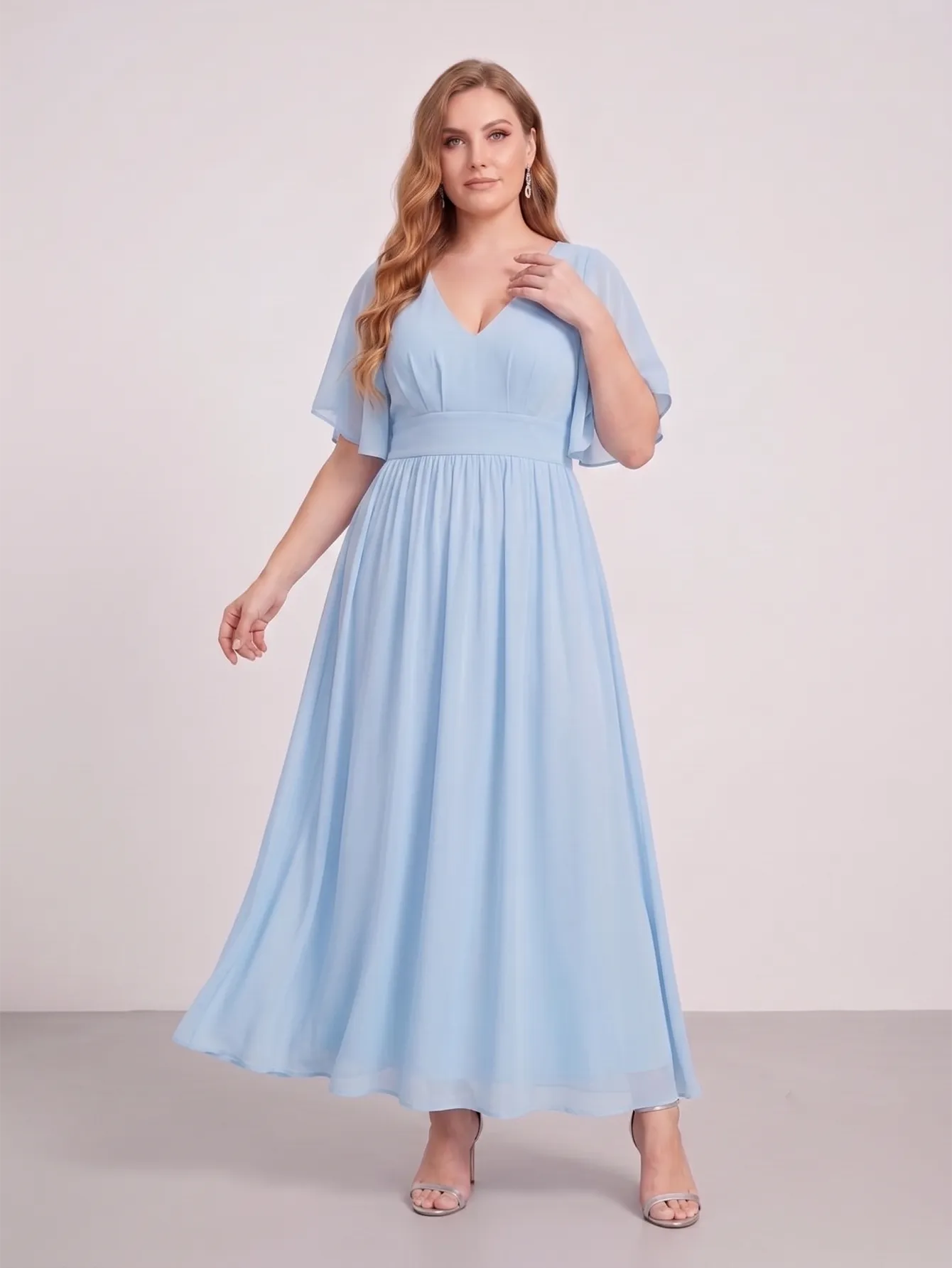
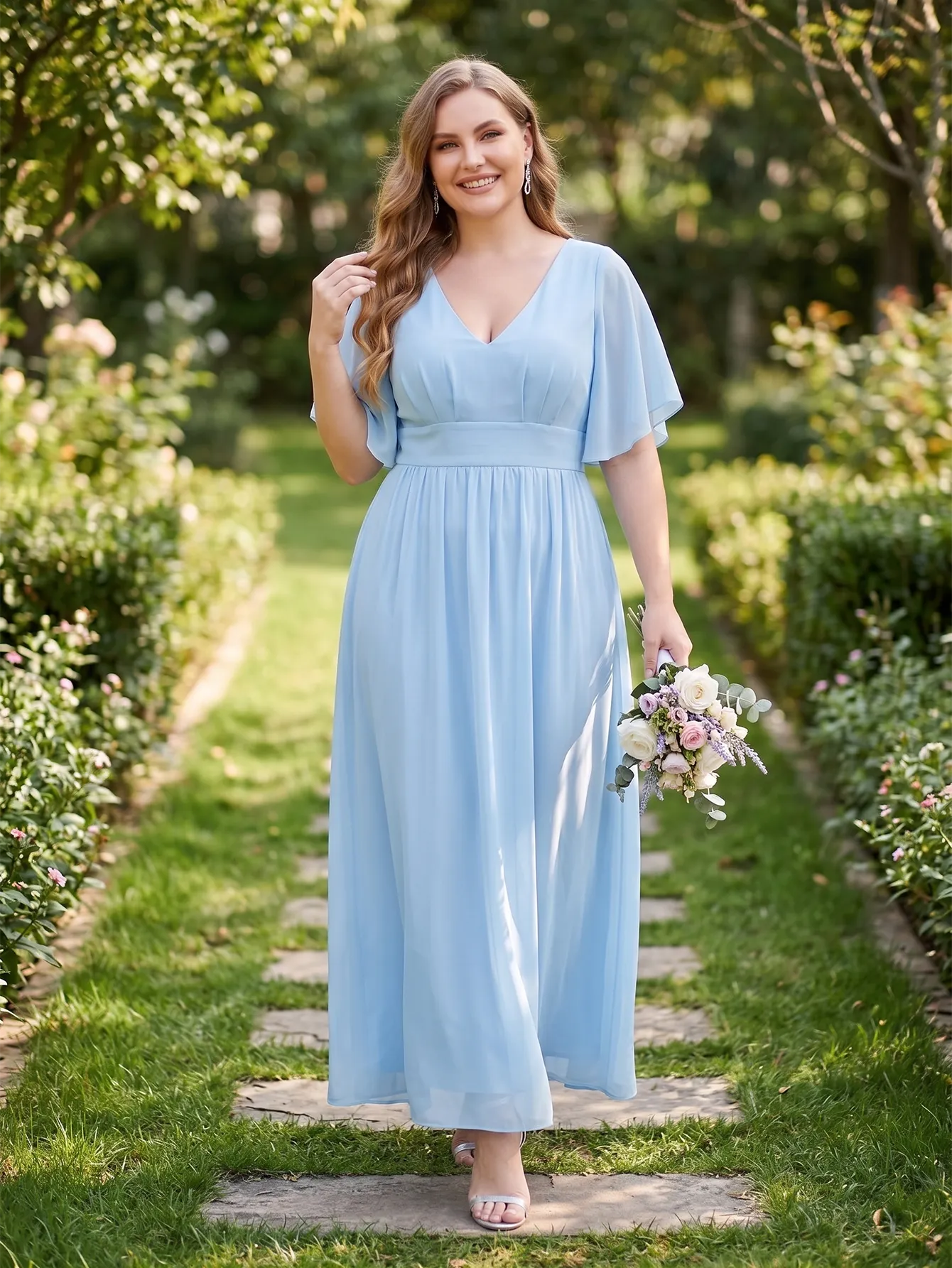
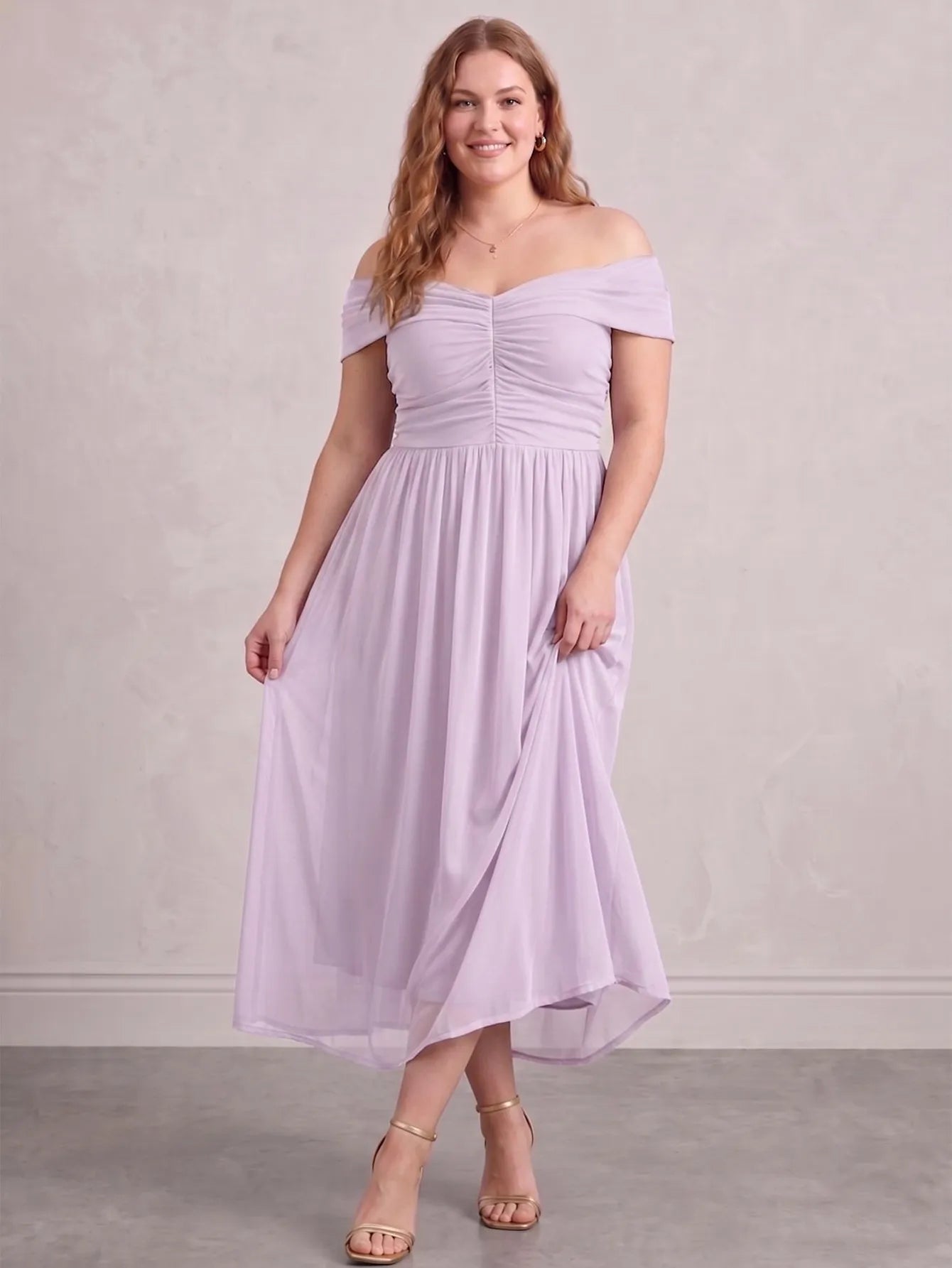
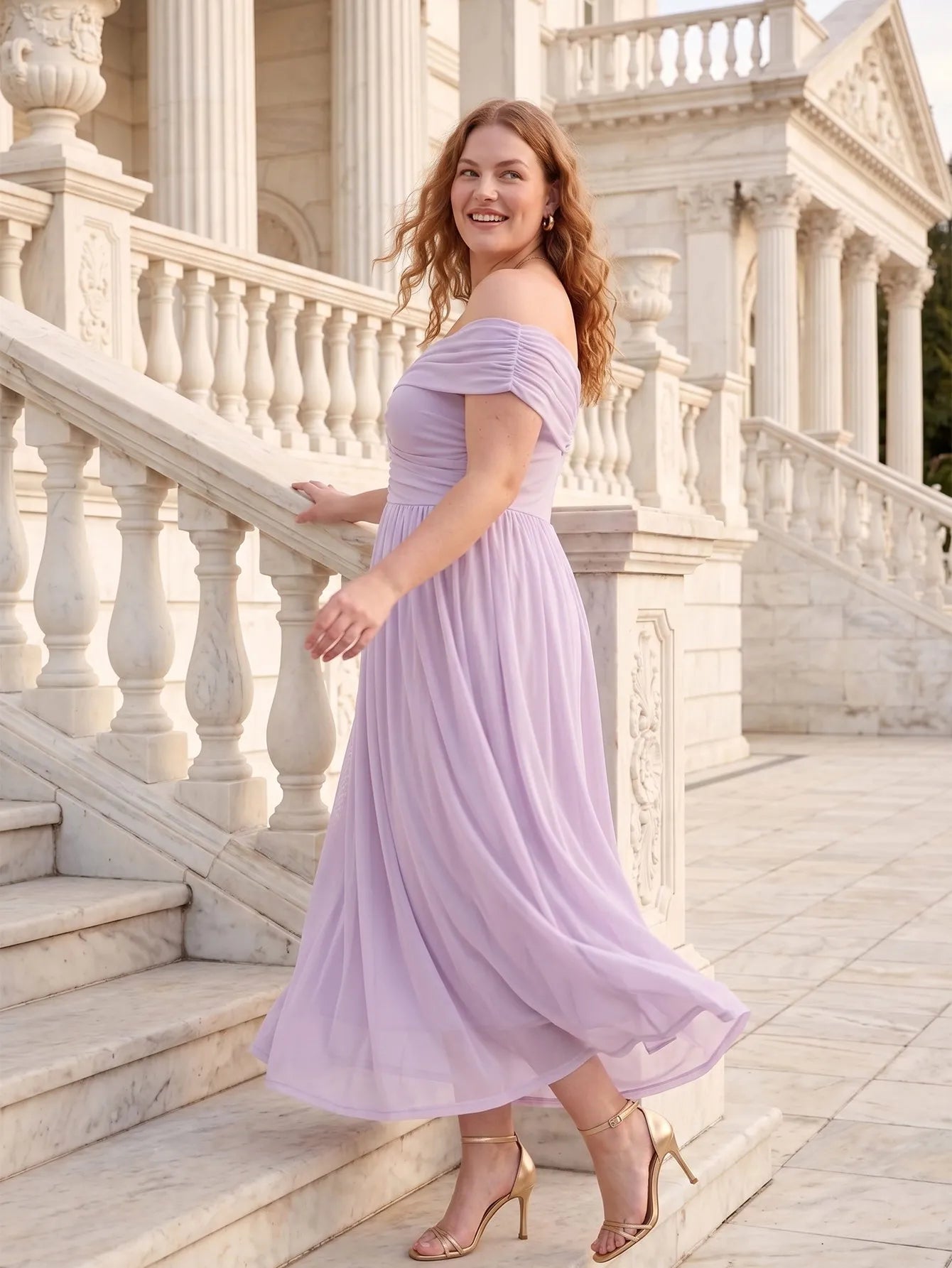
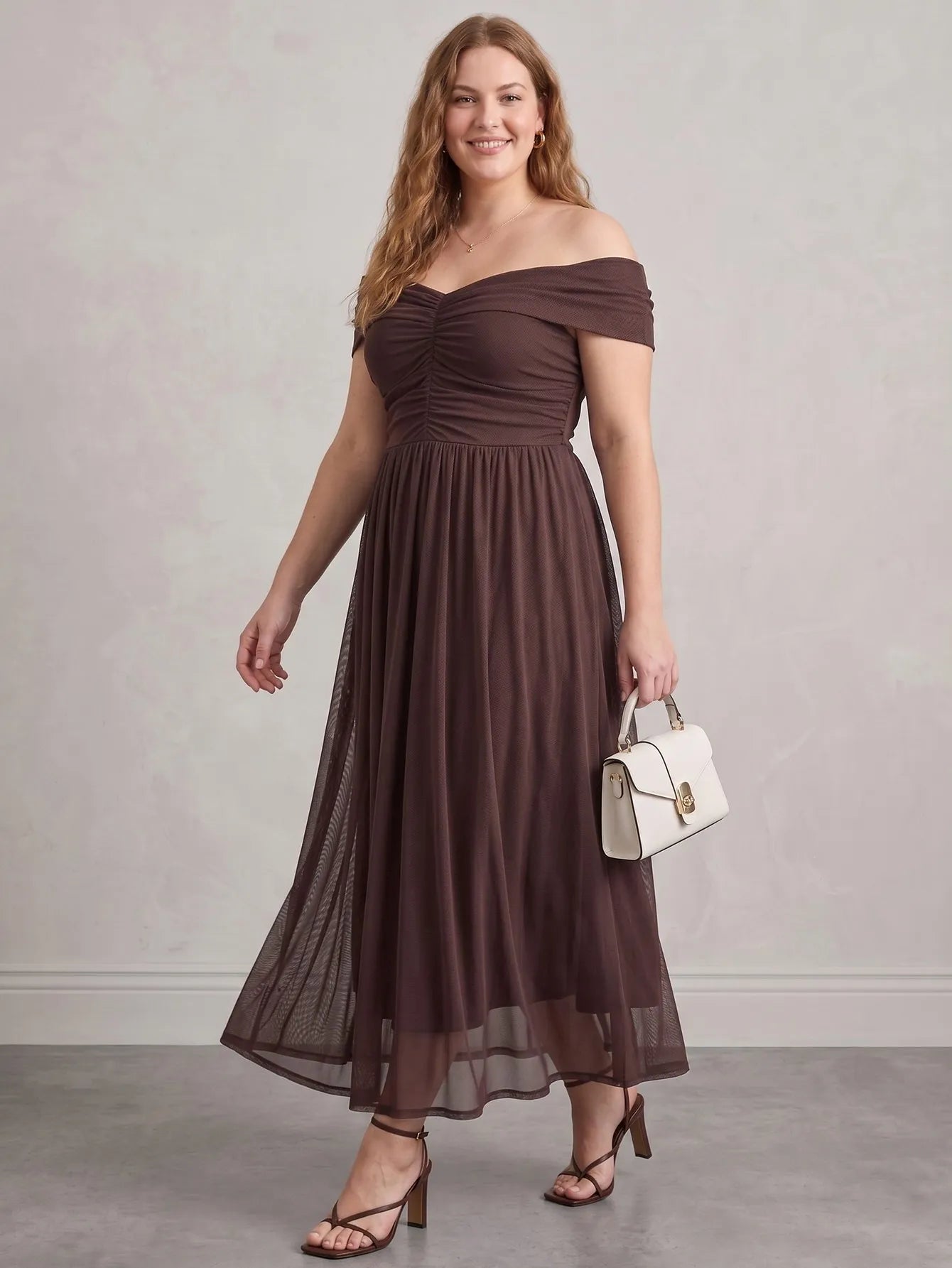
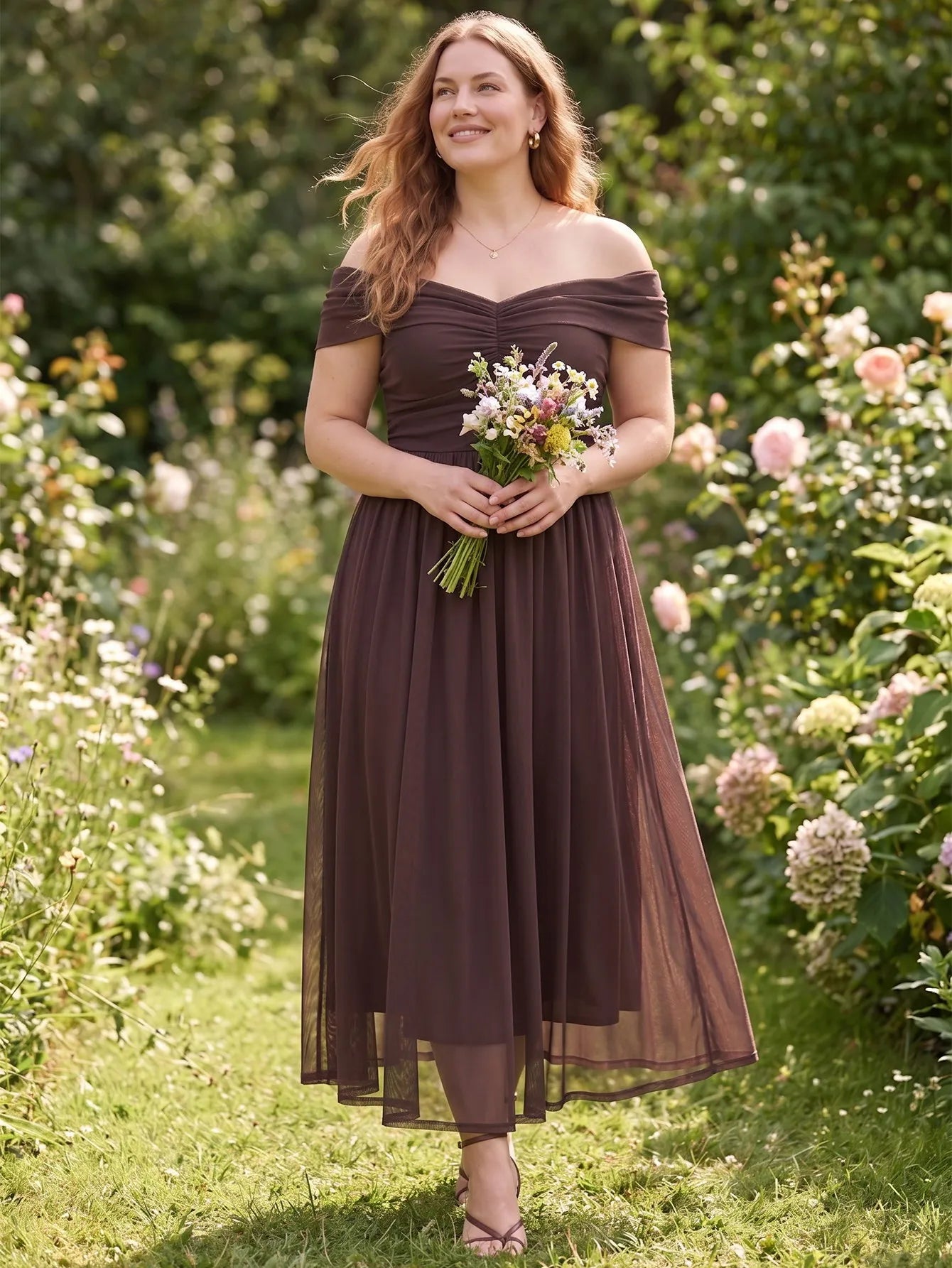
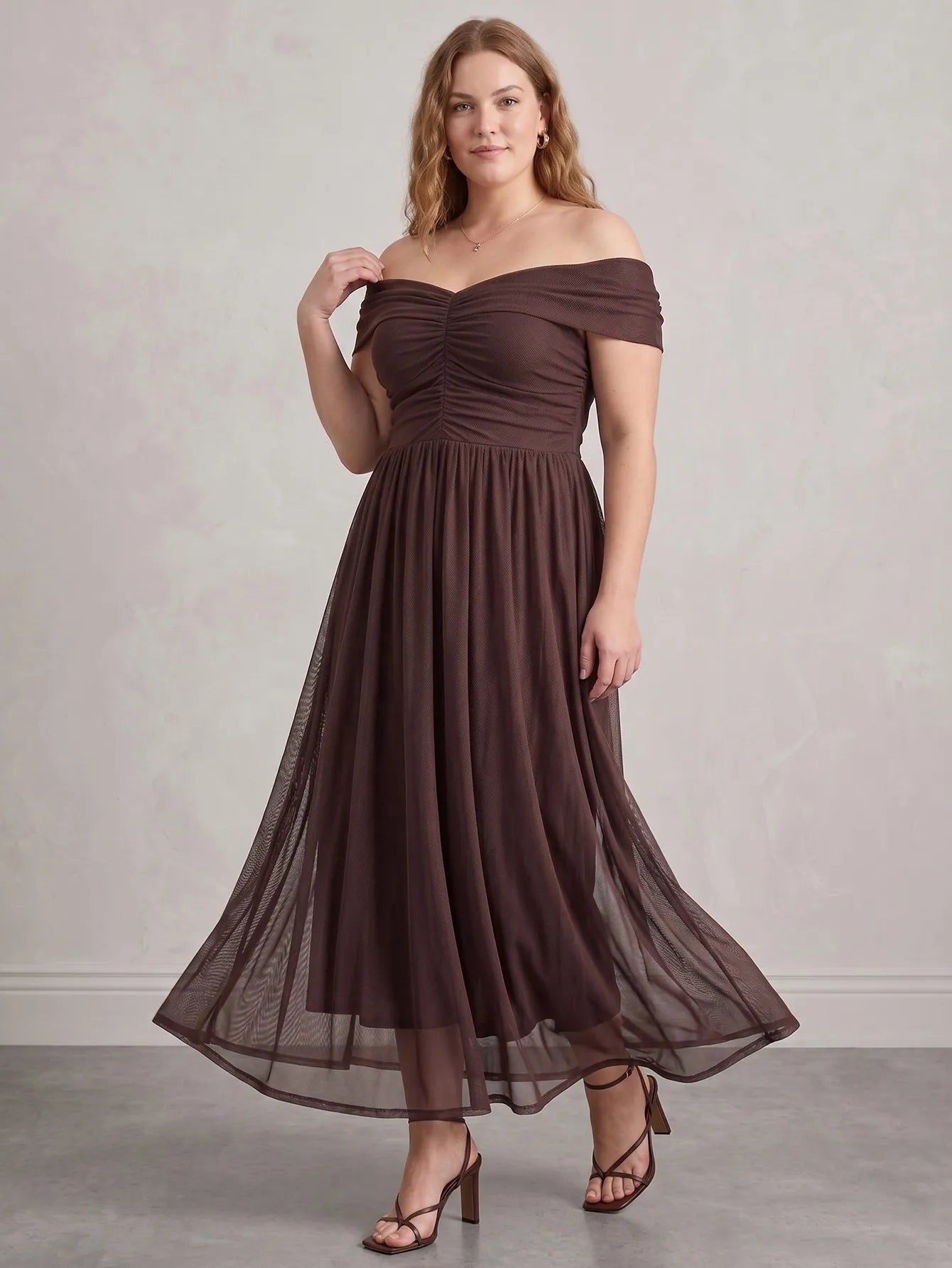
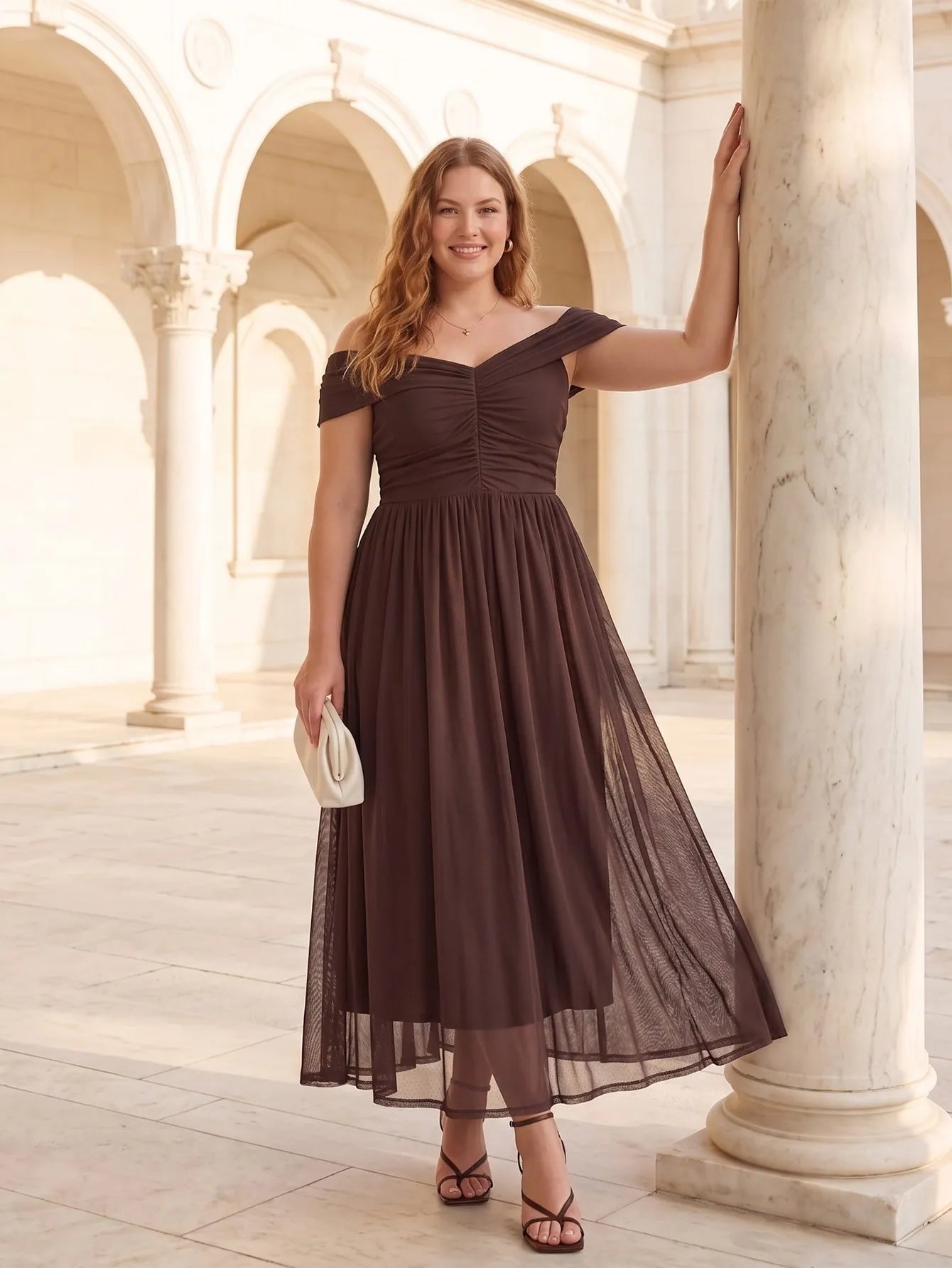
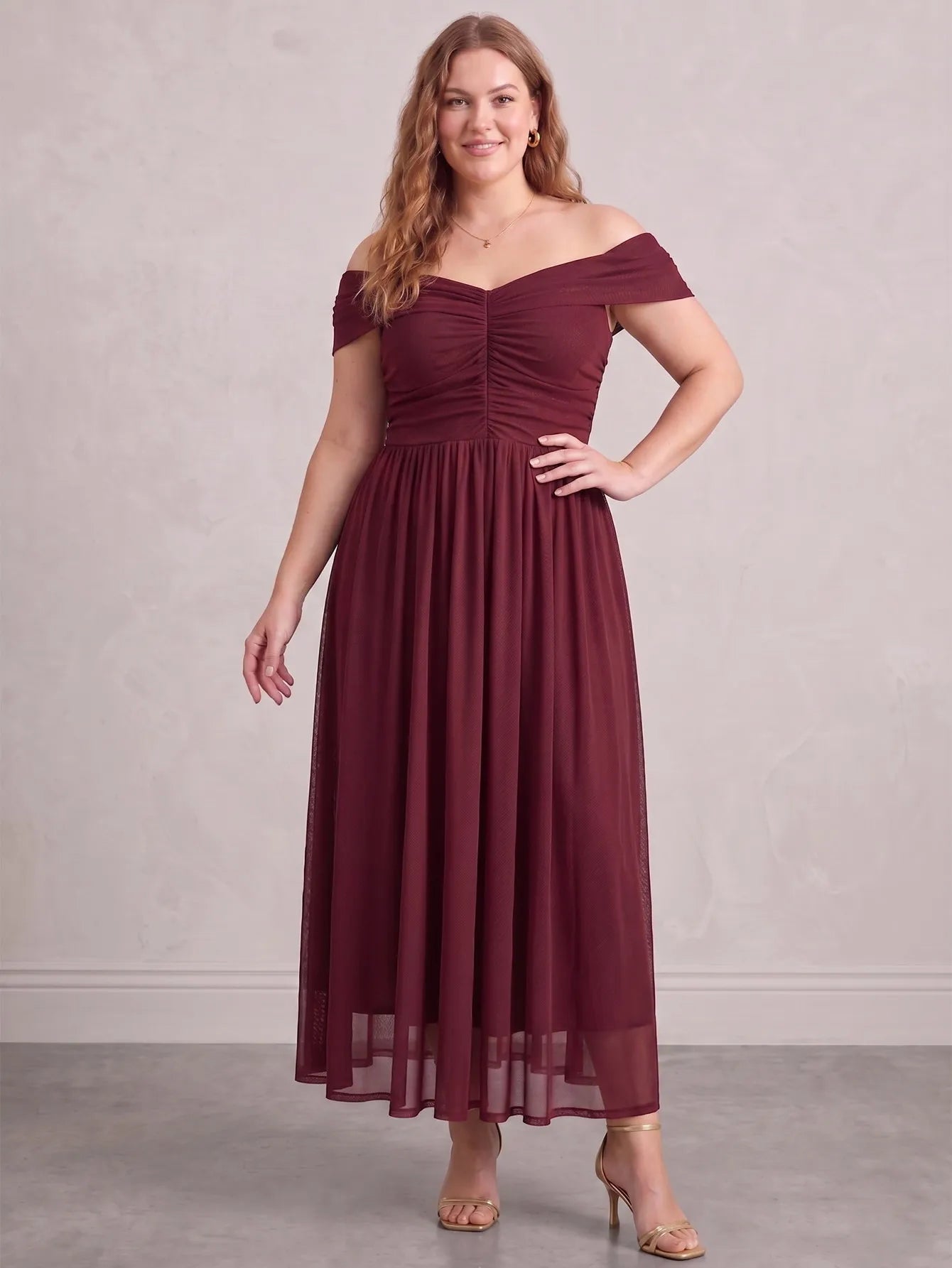
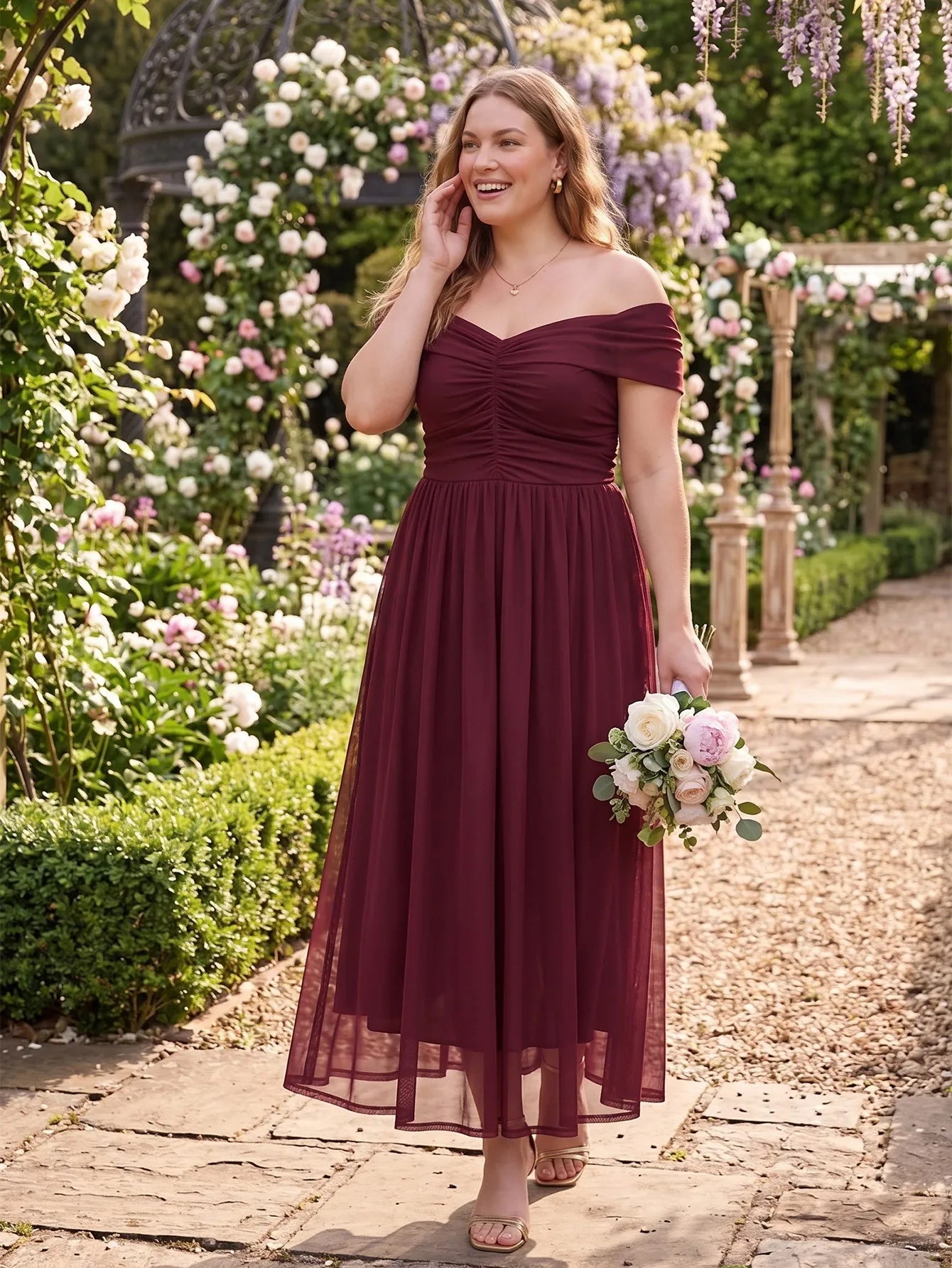












What to Wear to a Black-Tie Summer Wedding
Choosing an outfit is easier when dress code, comfort, movement and verified garment information come before generic body-shape rules. This guide offers a practical framework for women seeking an elegant, comfortable formal wedding guest outfit.
Start with the invitation, not the trend
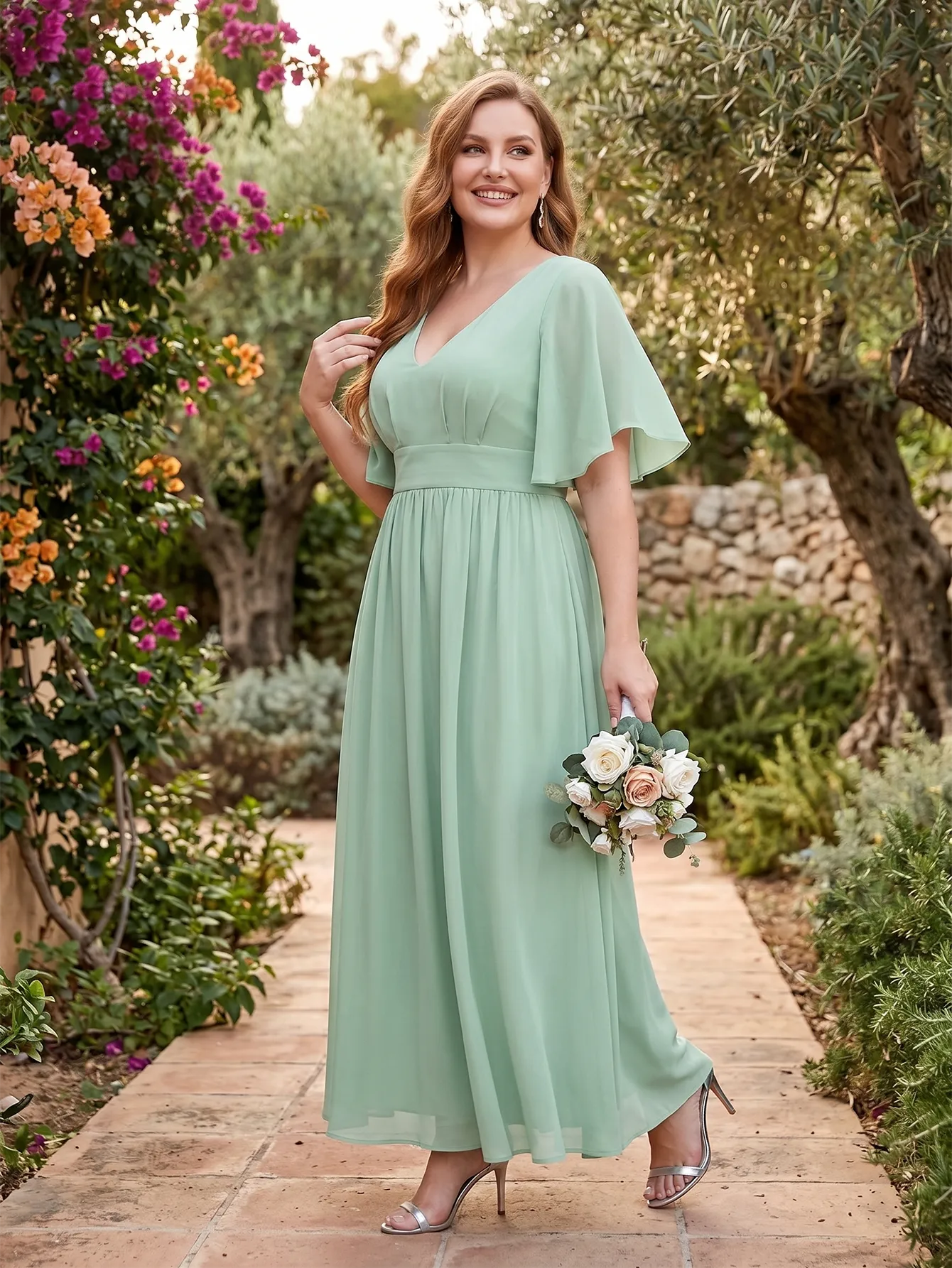
Black tie usually calls for an elevated evening look, but the invitation and venue remain the most reliable guides. A formal hotel reception, a garden ceremony and a coastal venue can all use the same dress code while creating different practical needs.
Check the stated time, venue, cultural expectations and any color guidance before deciding on a silhouette. If the wording is unclear, asking the couple or planner is more useful than relying on a universal rule.
Choose a length that feels formal and workable
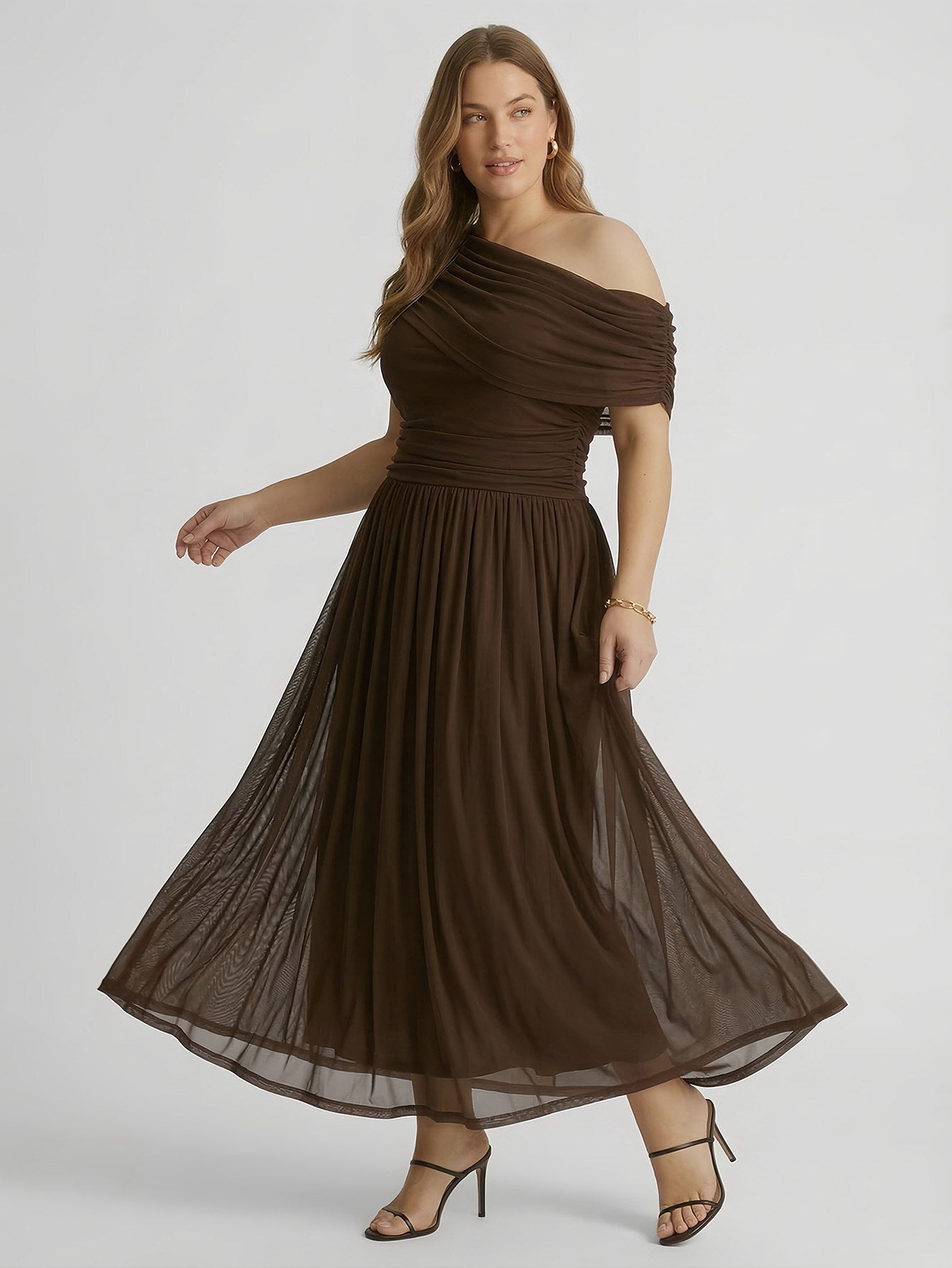
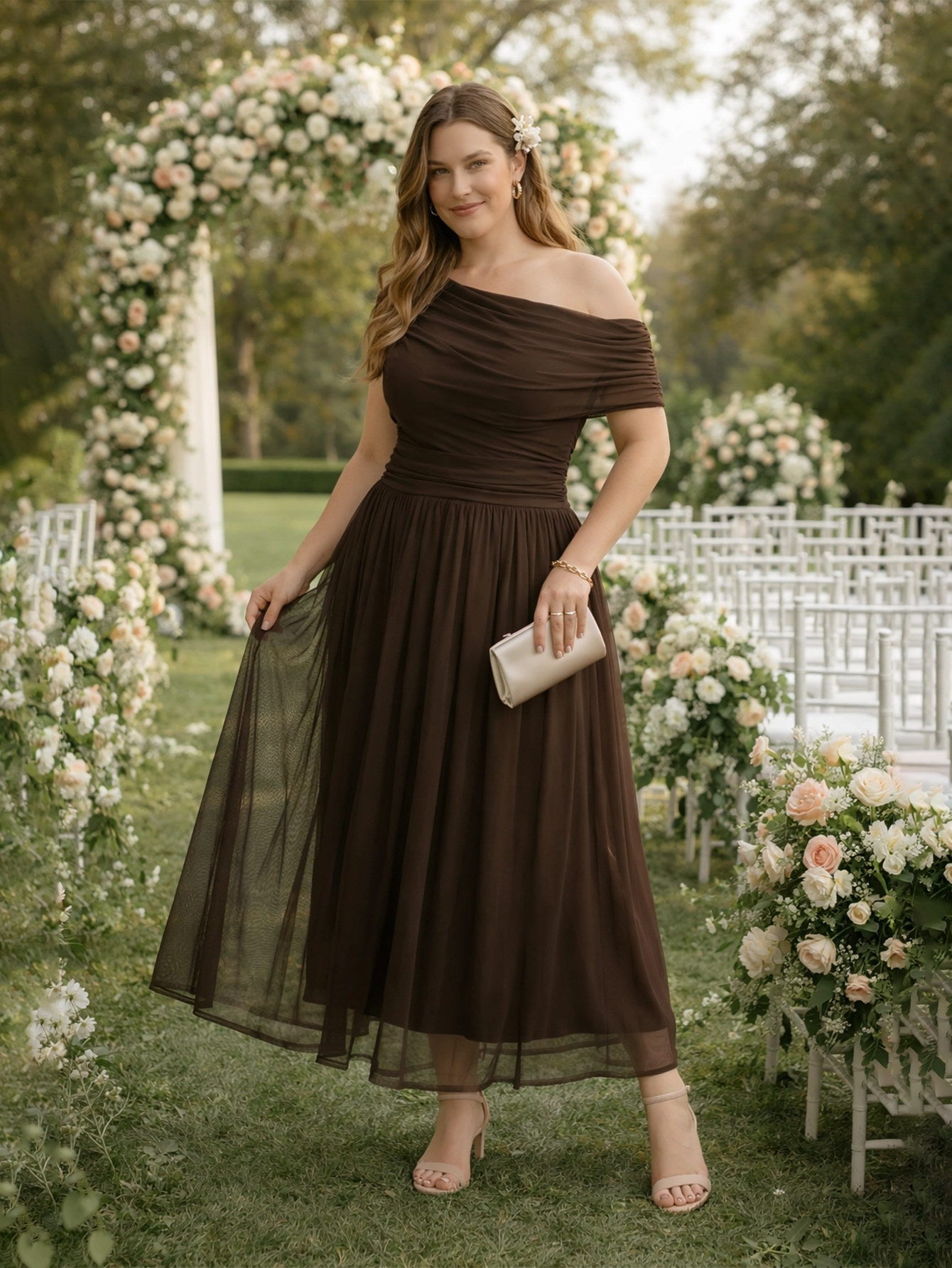
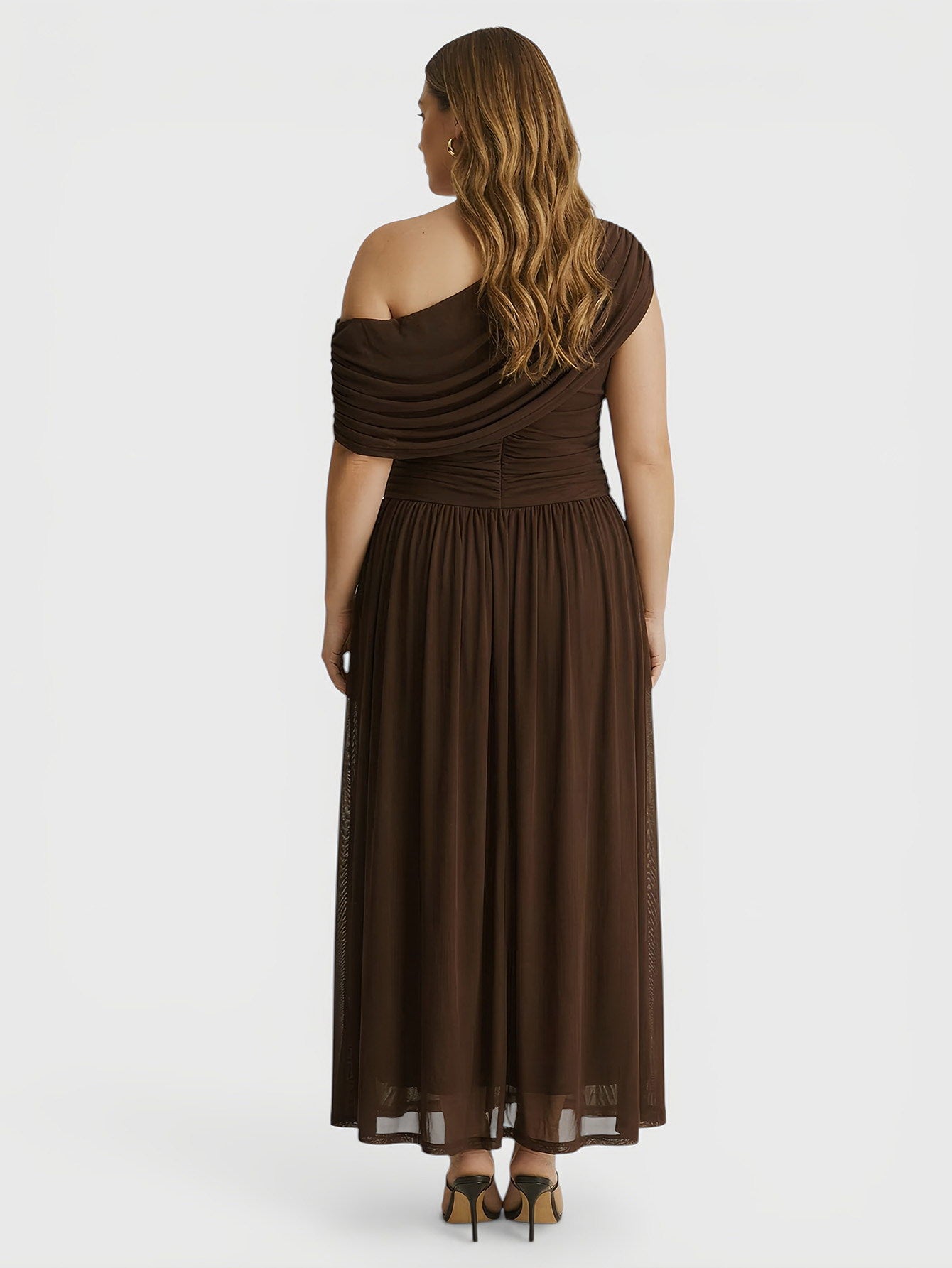
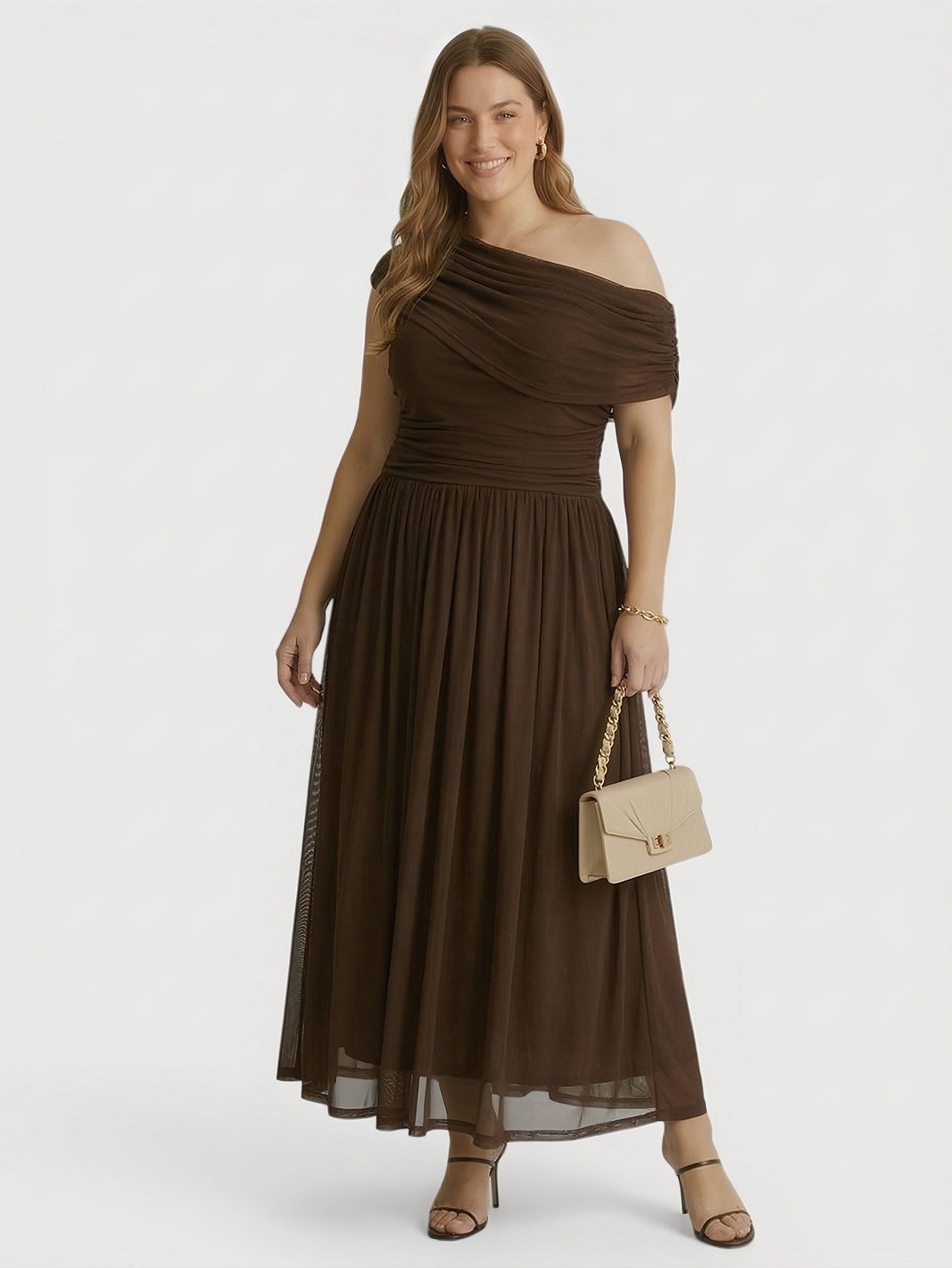
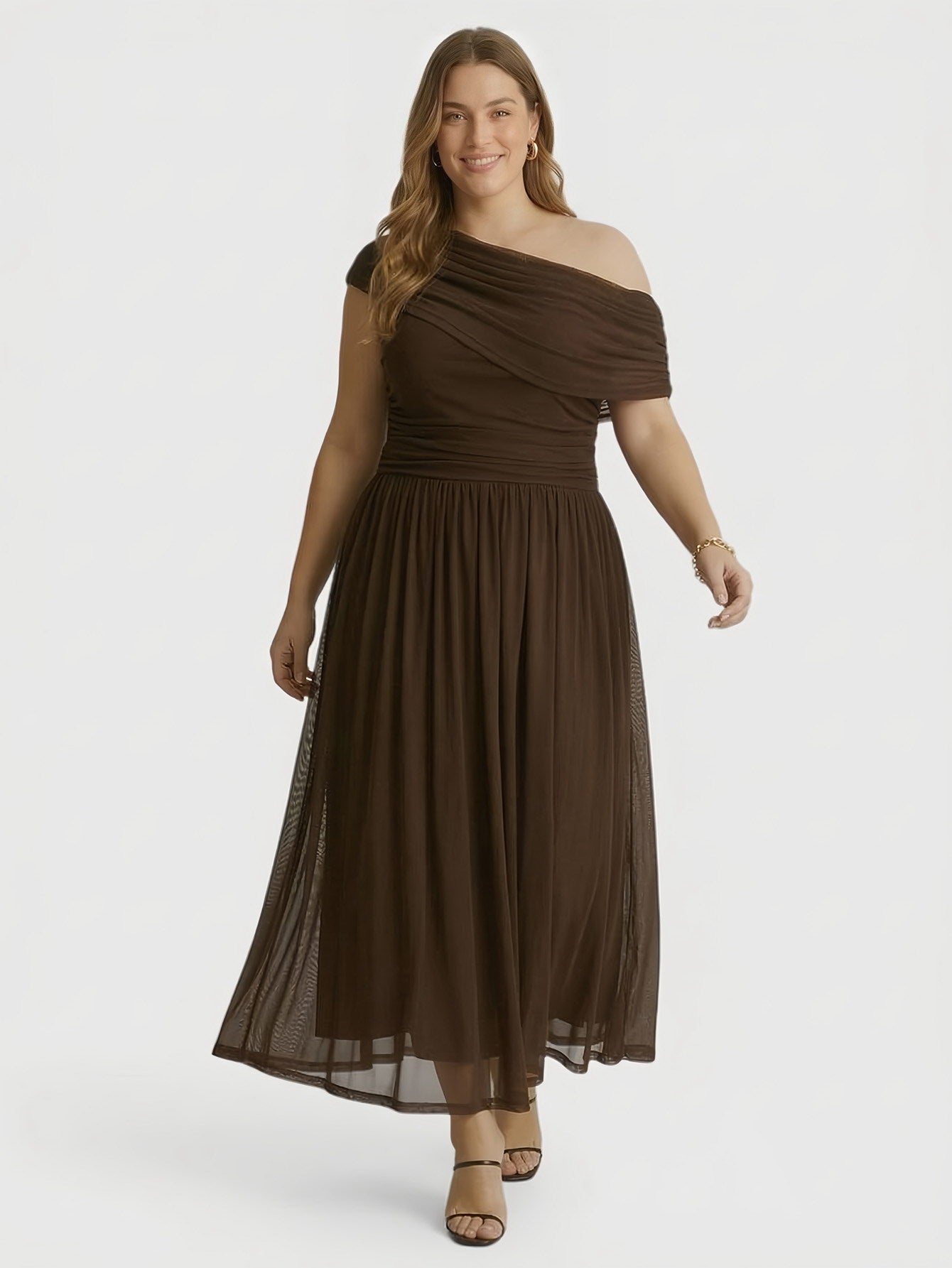
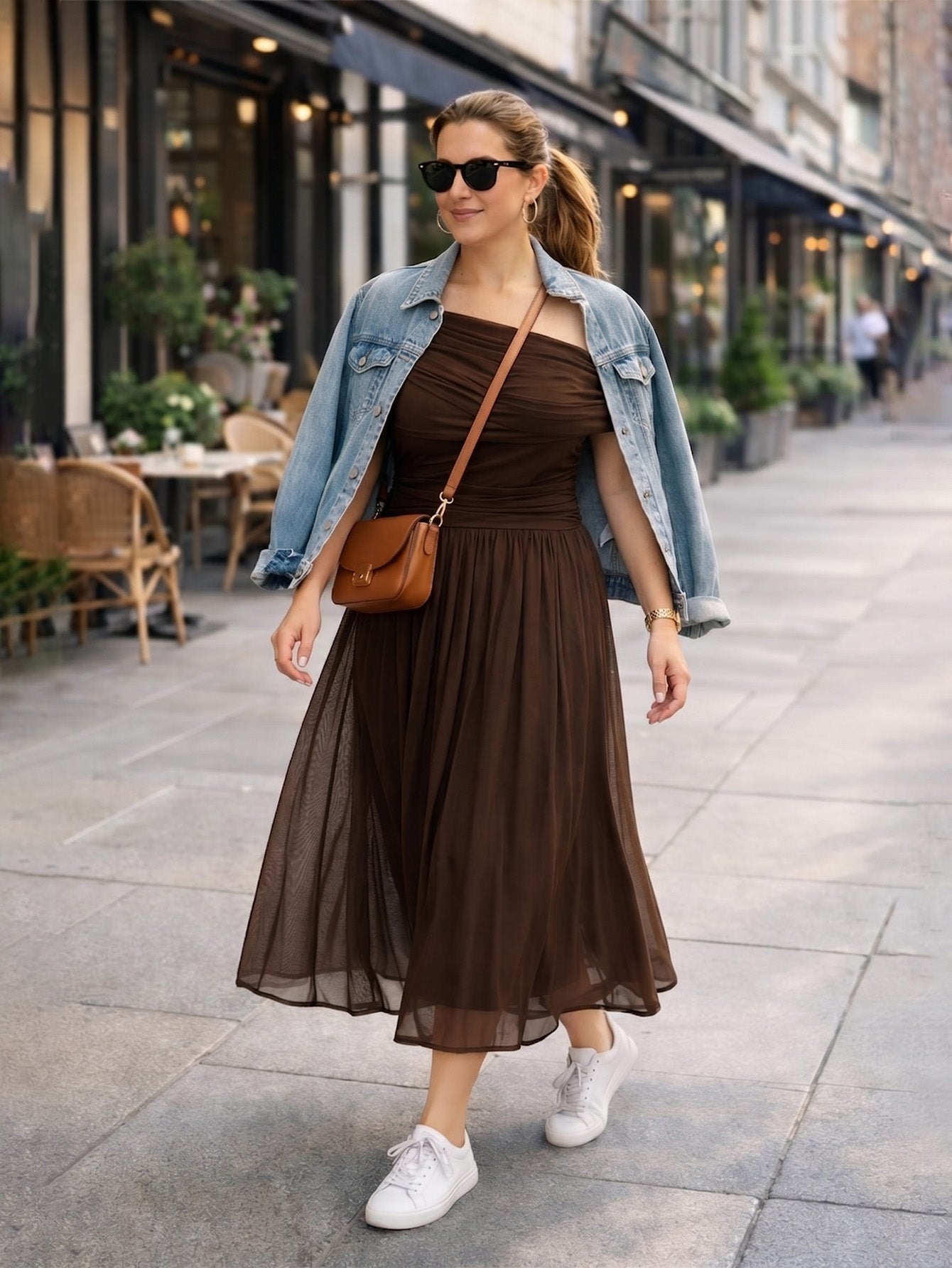
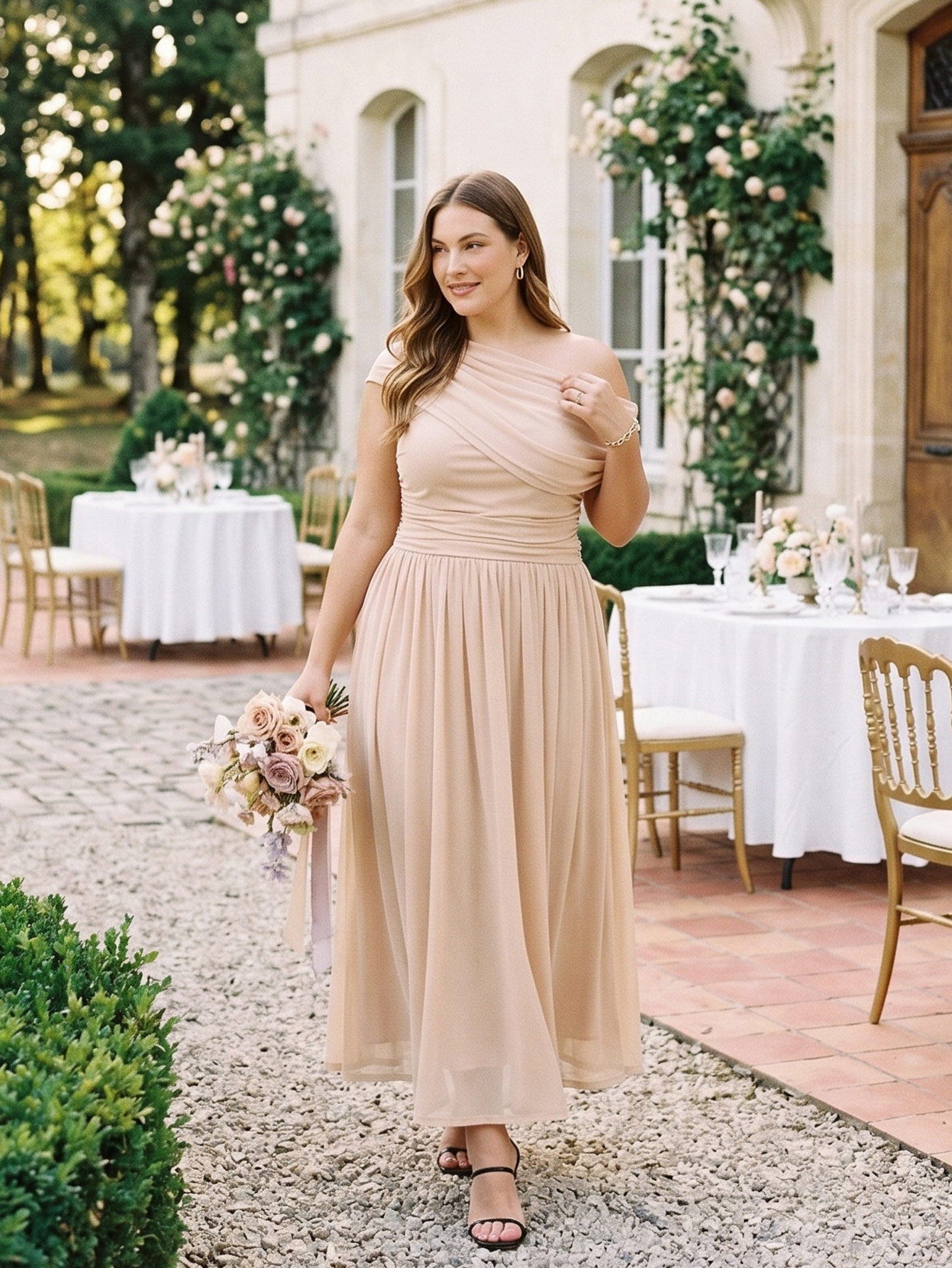
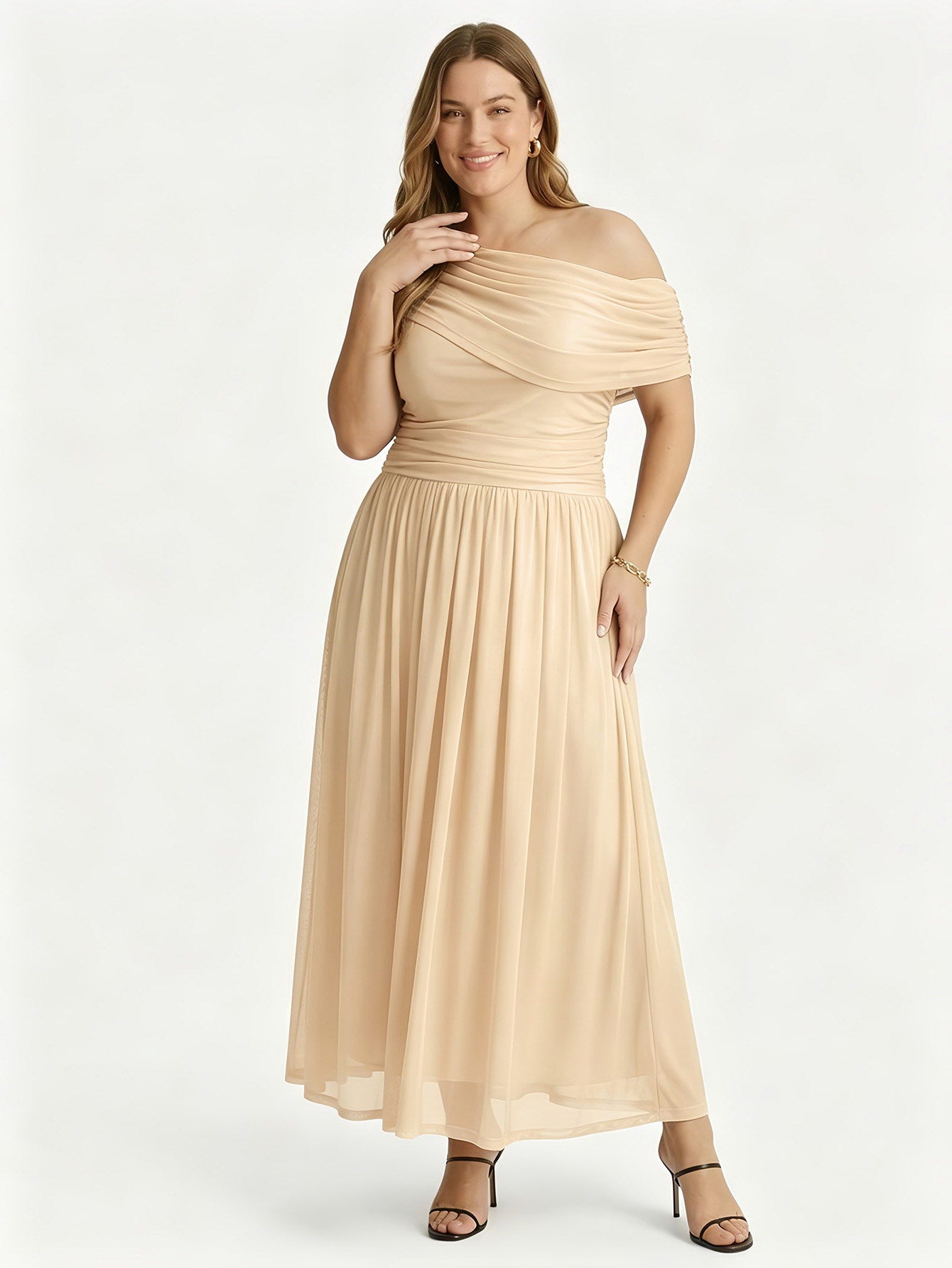
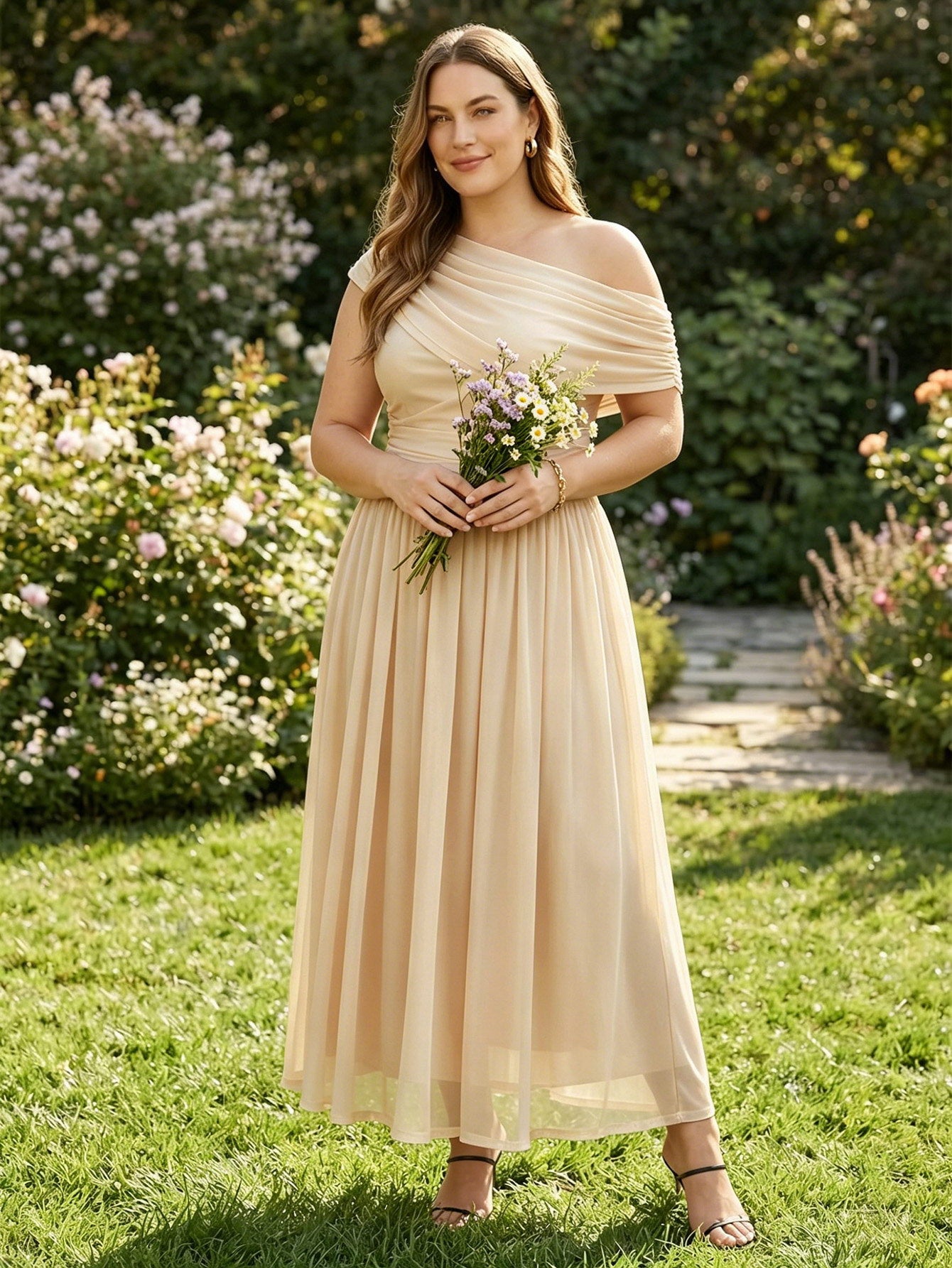
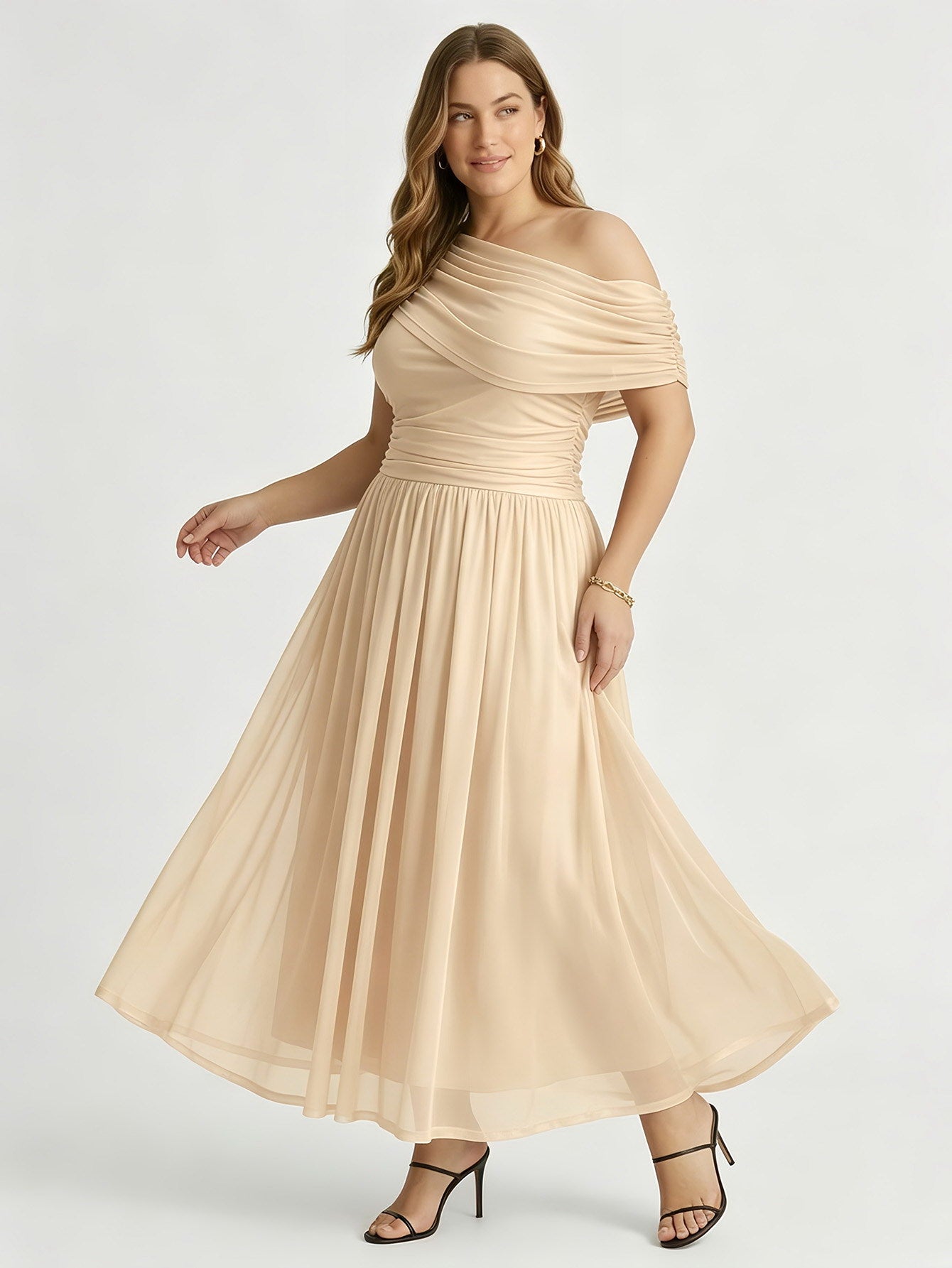
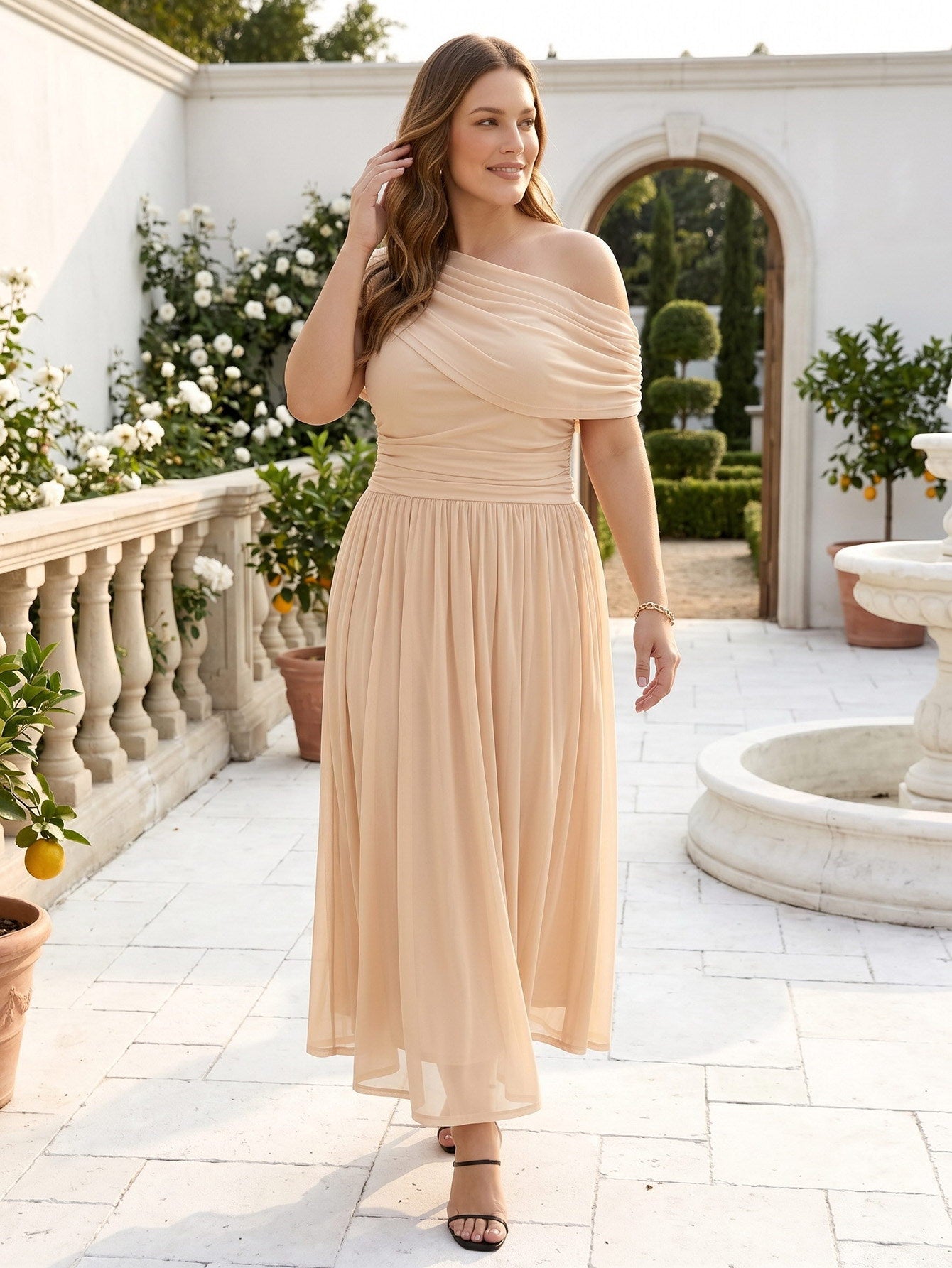
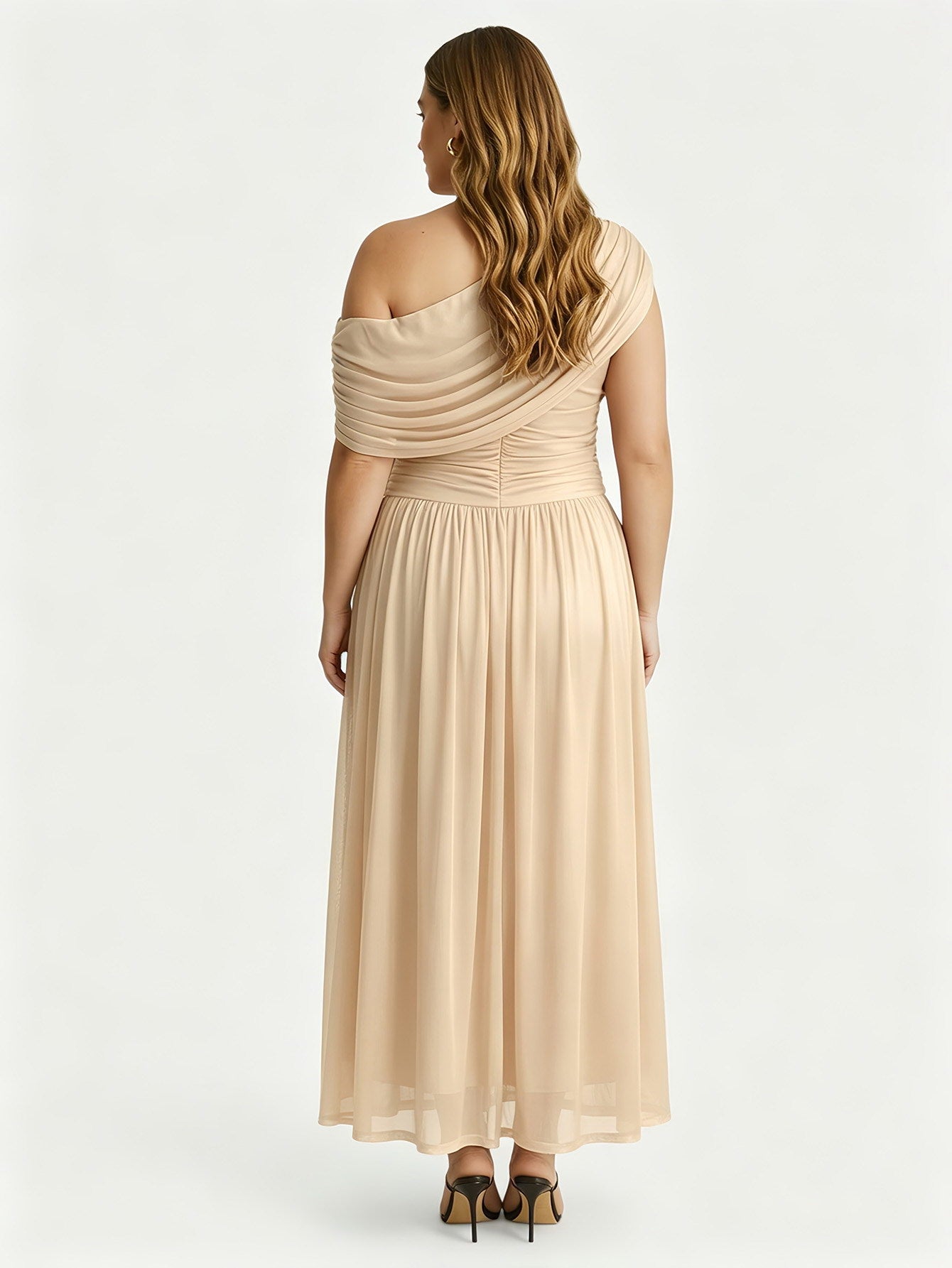
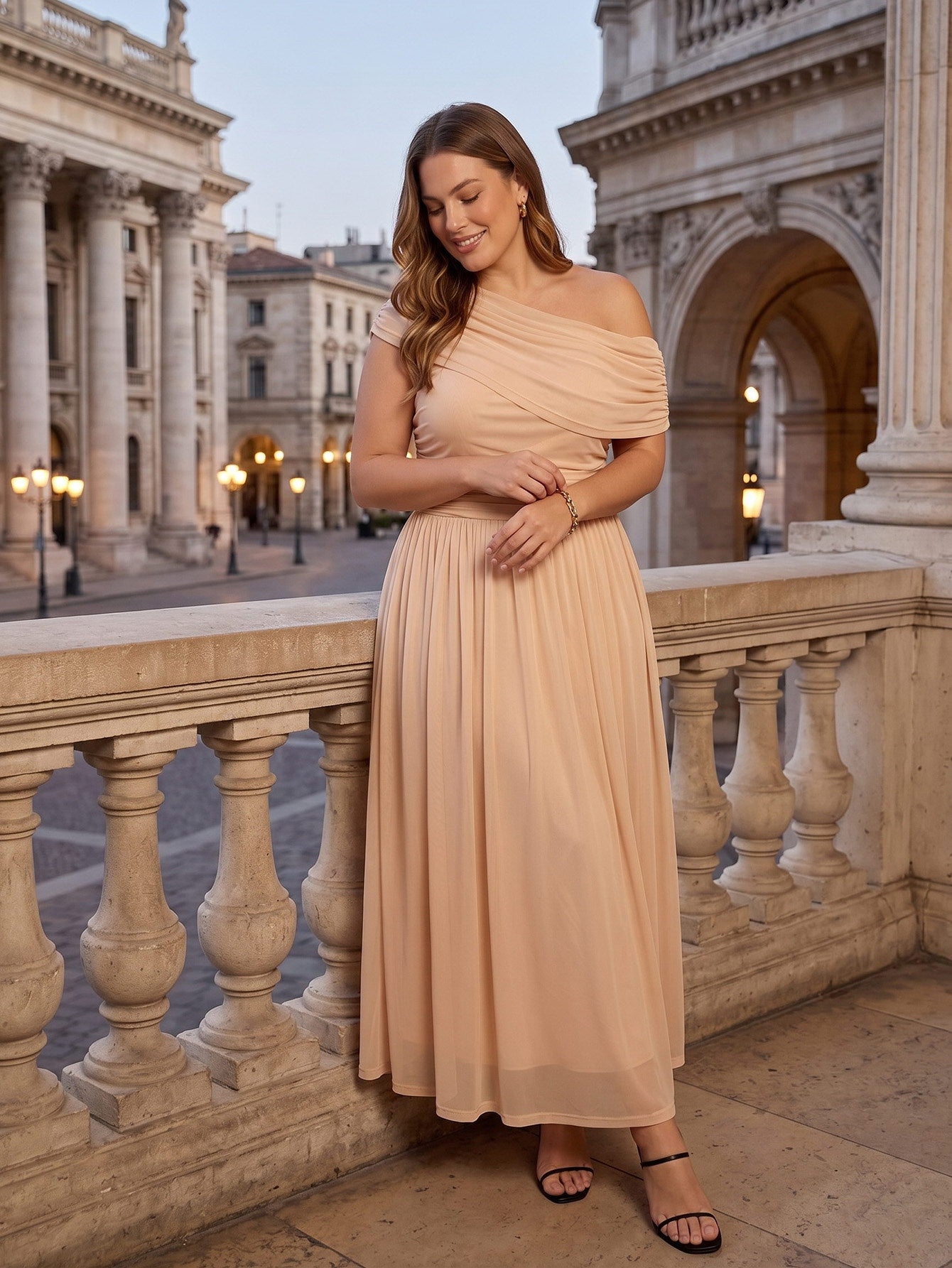
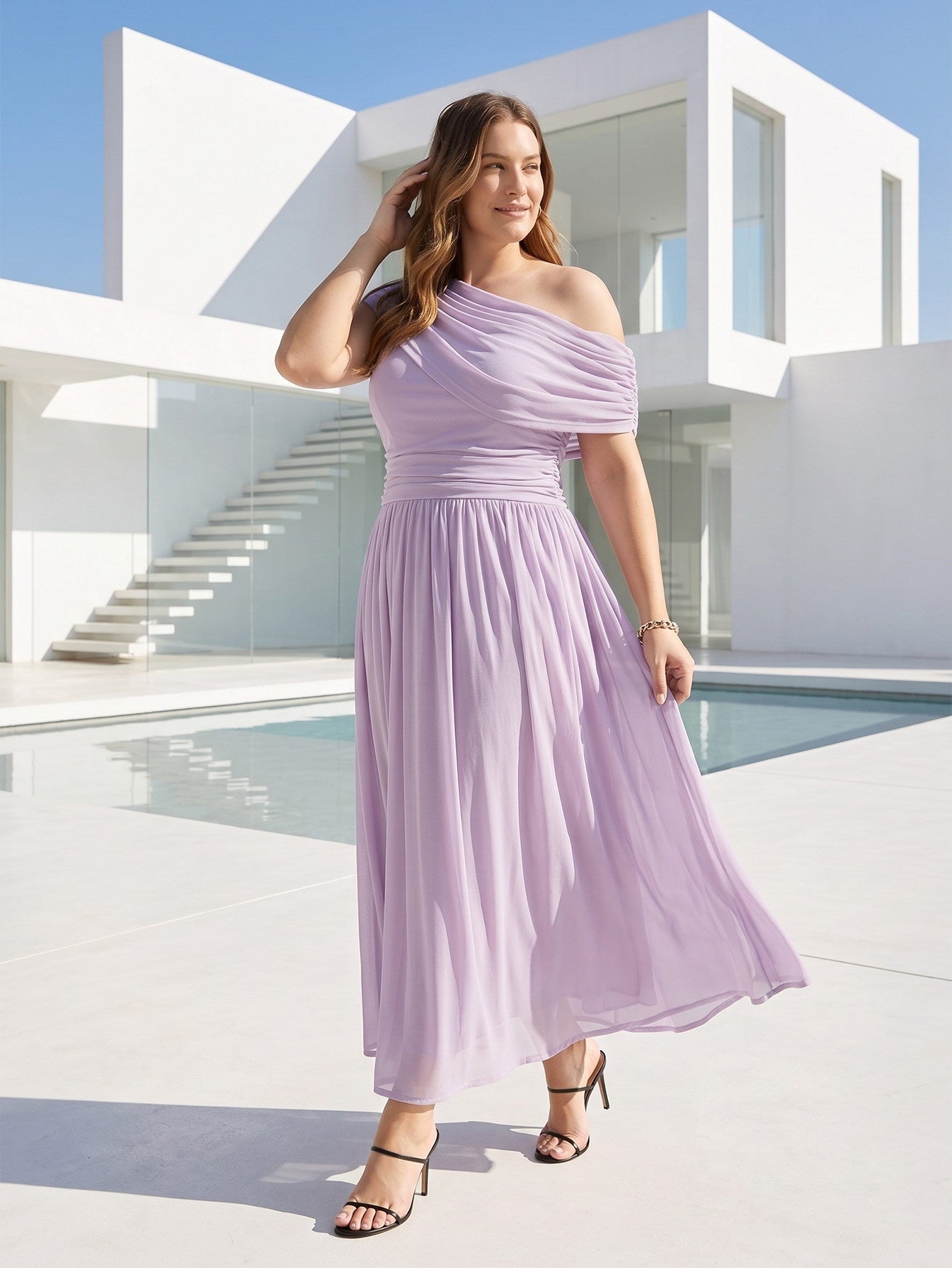
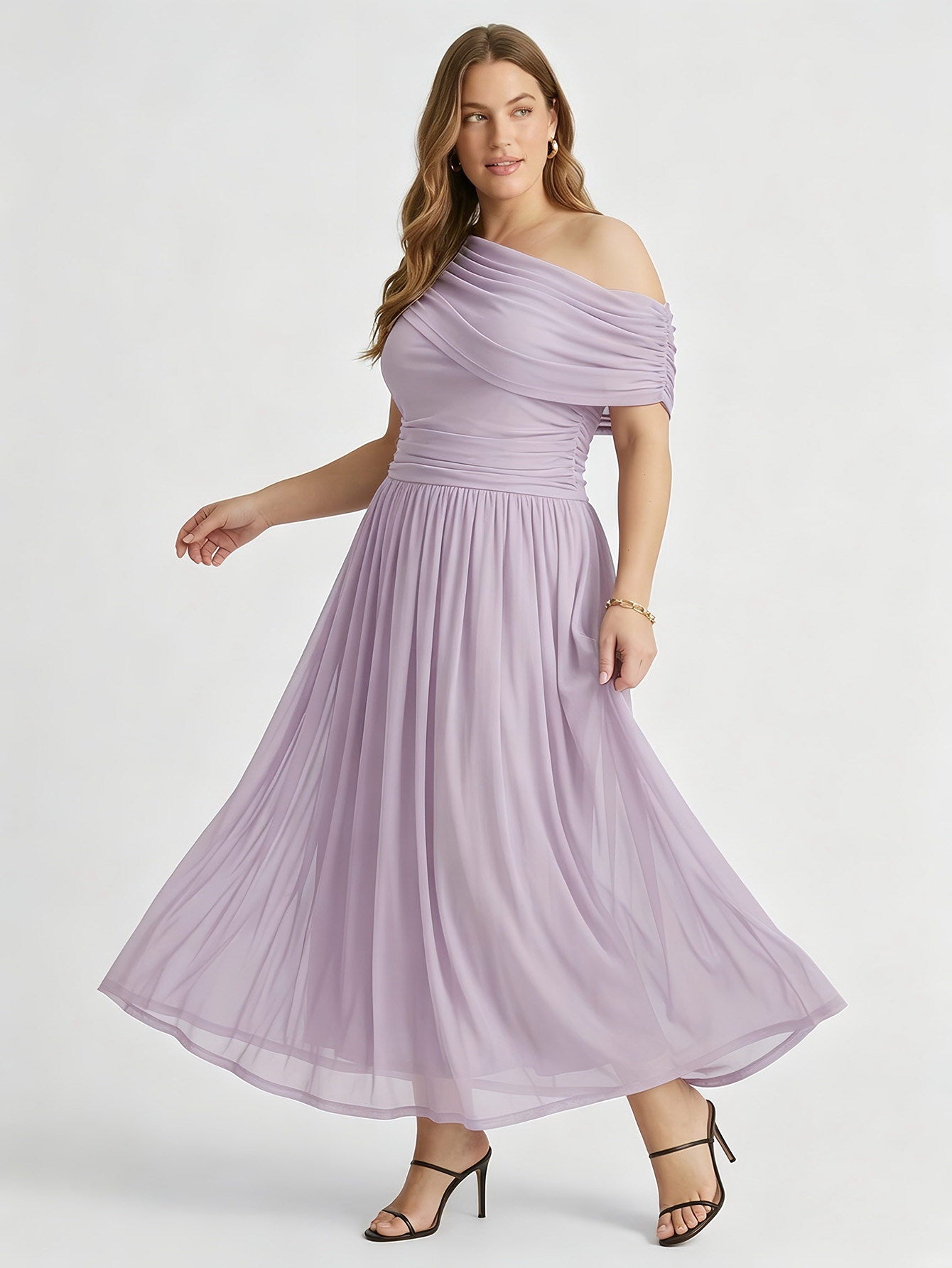
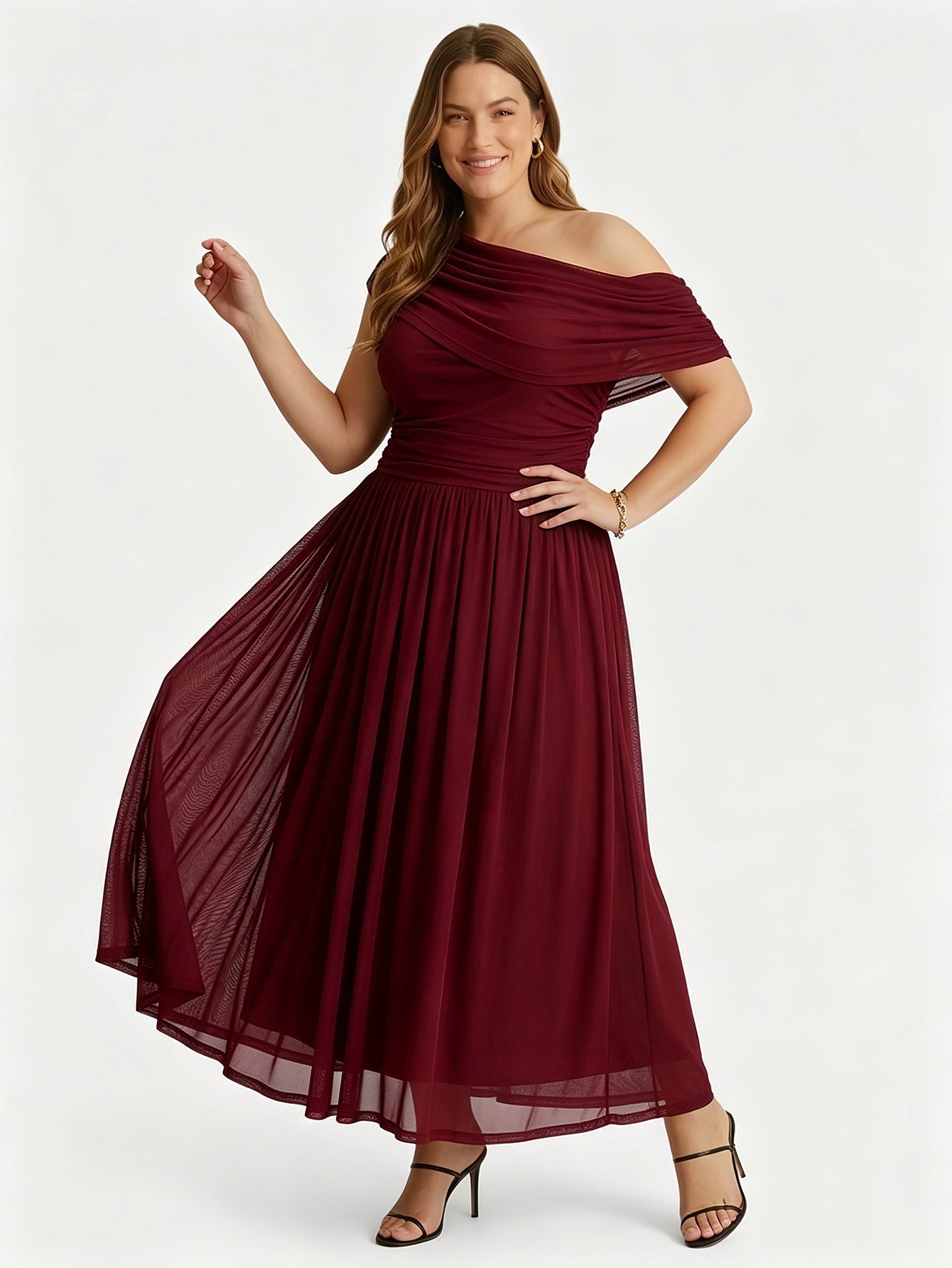
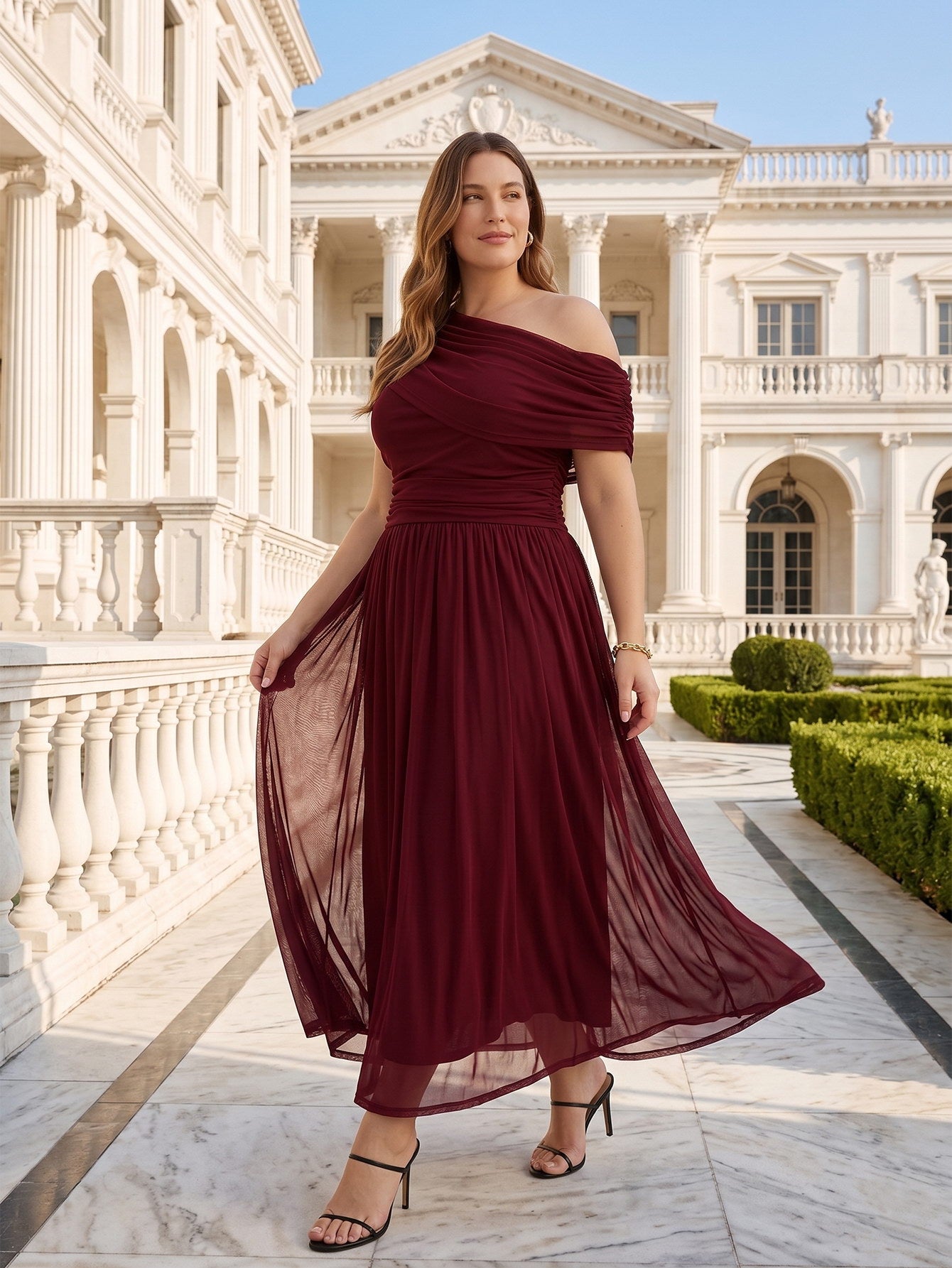
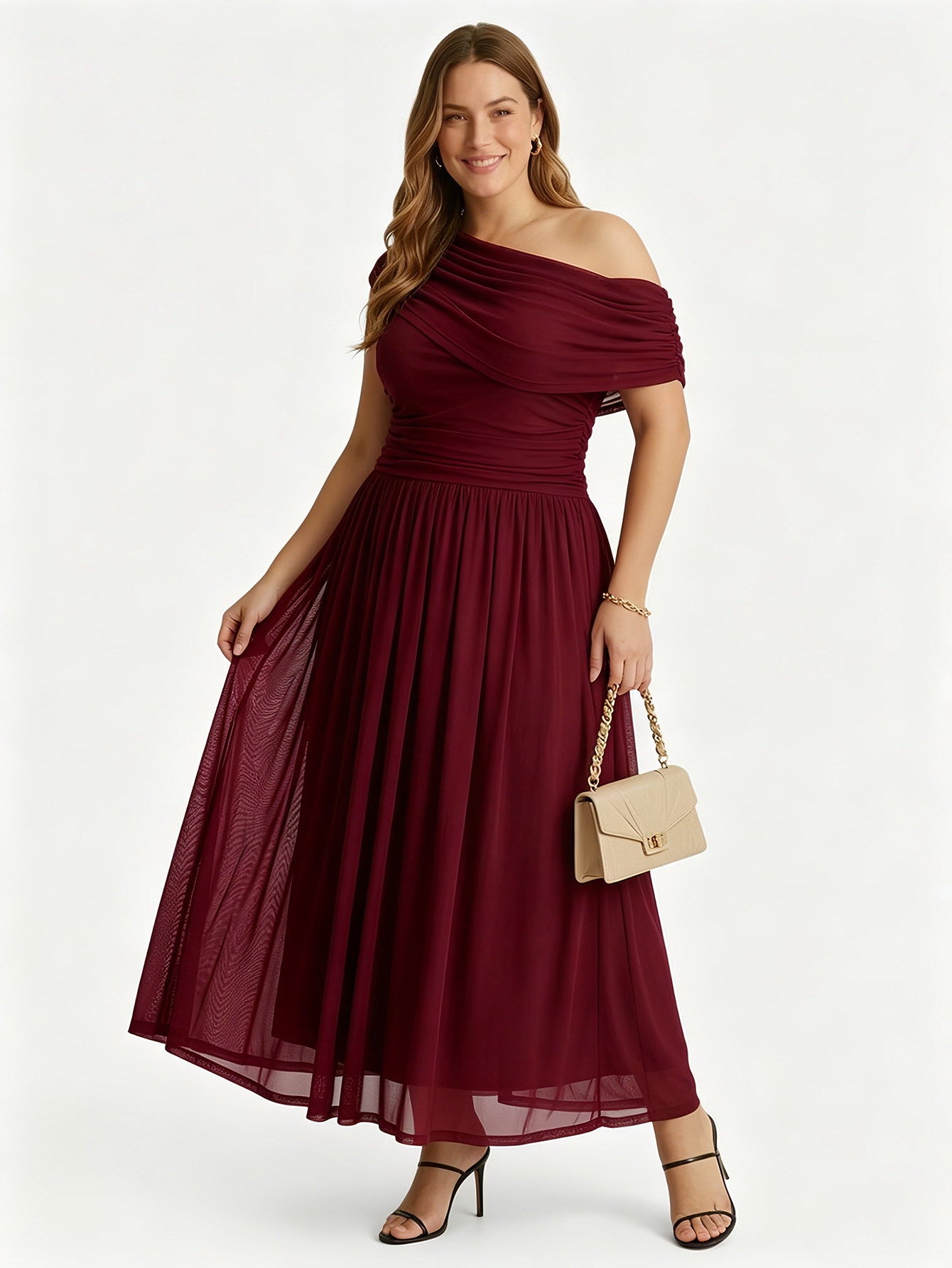
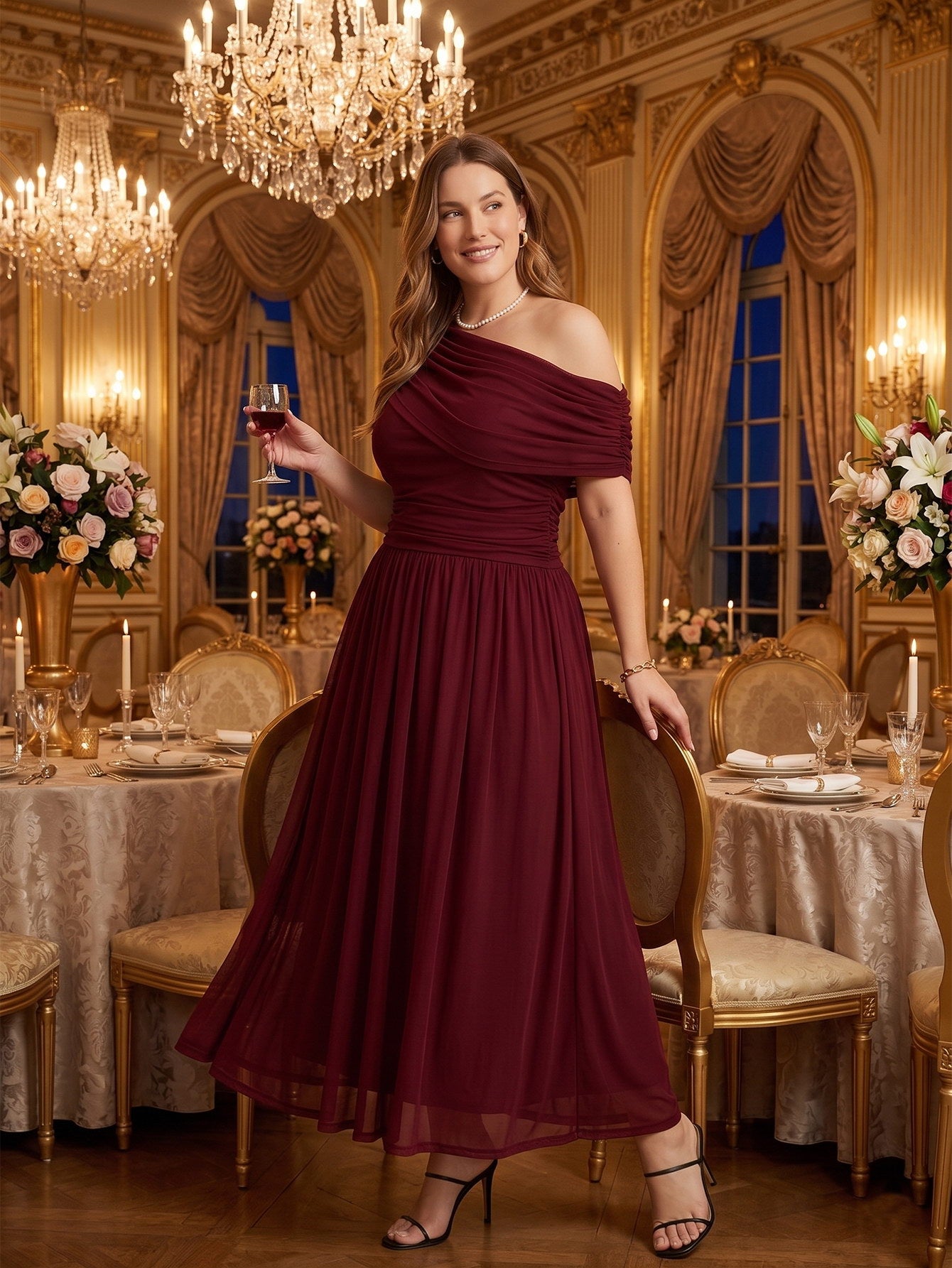
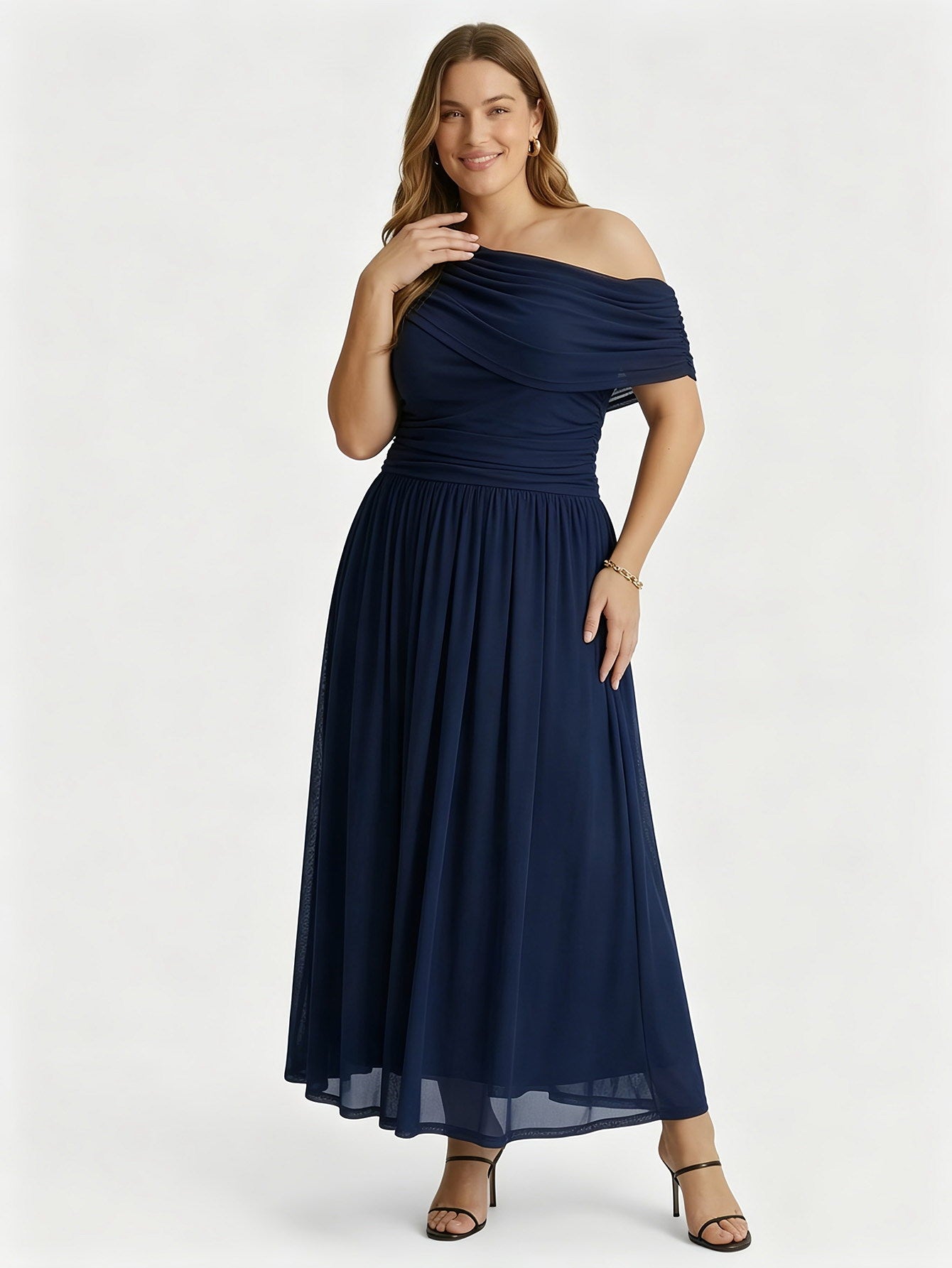
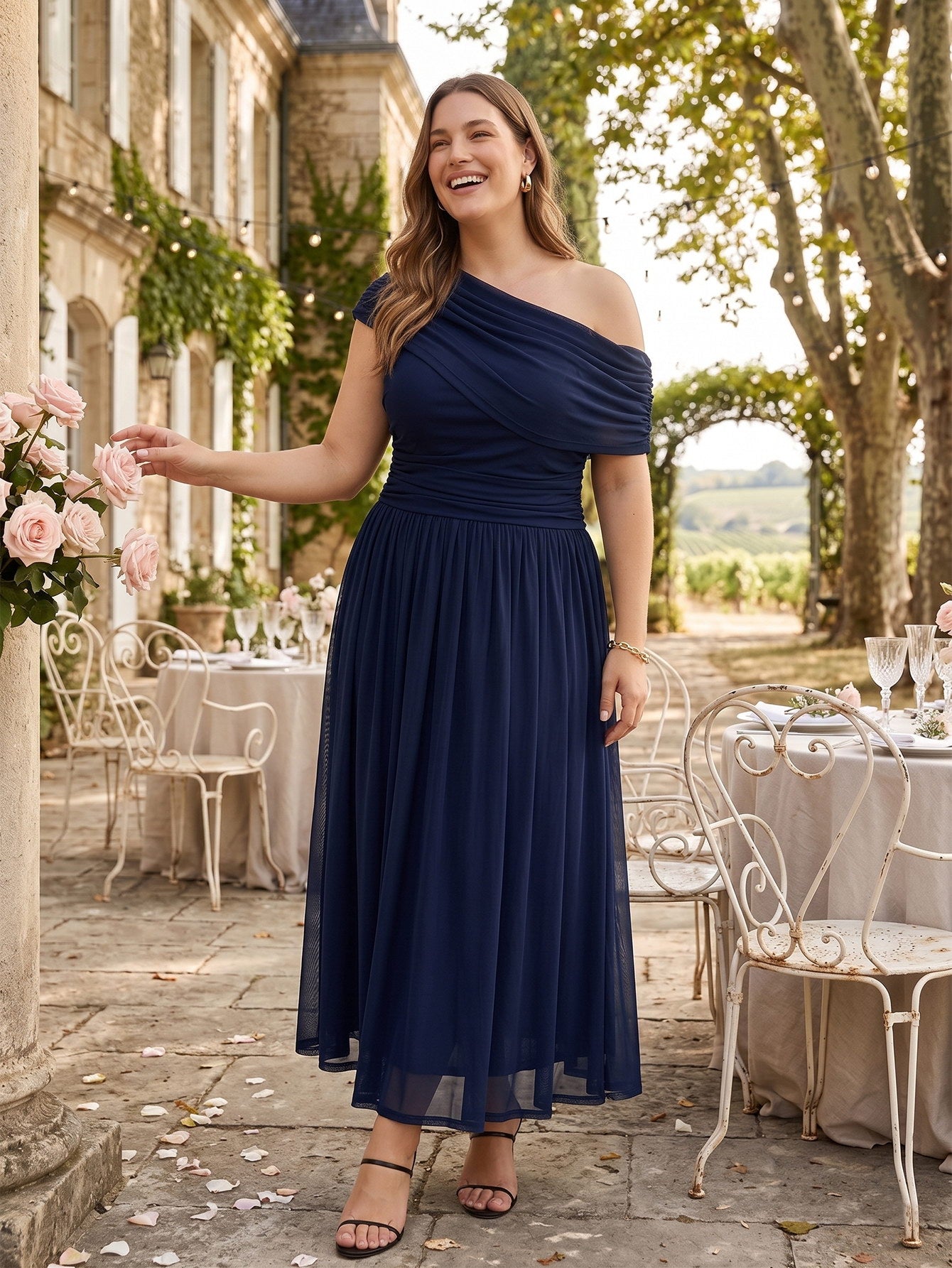
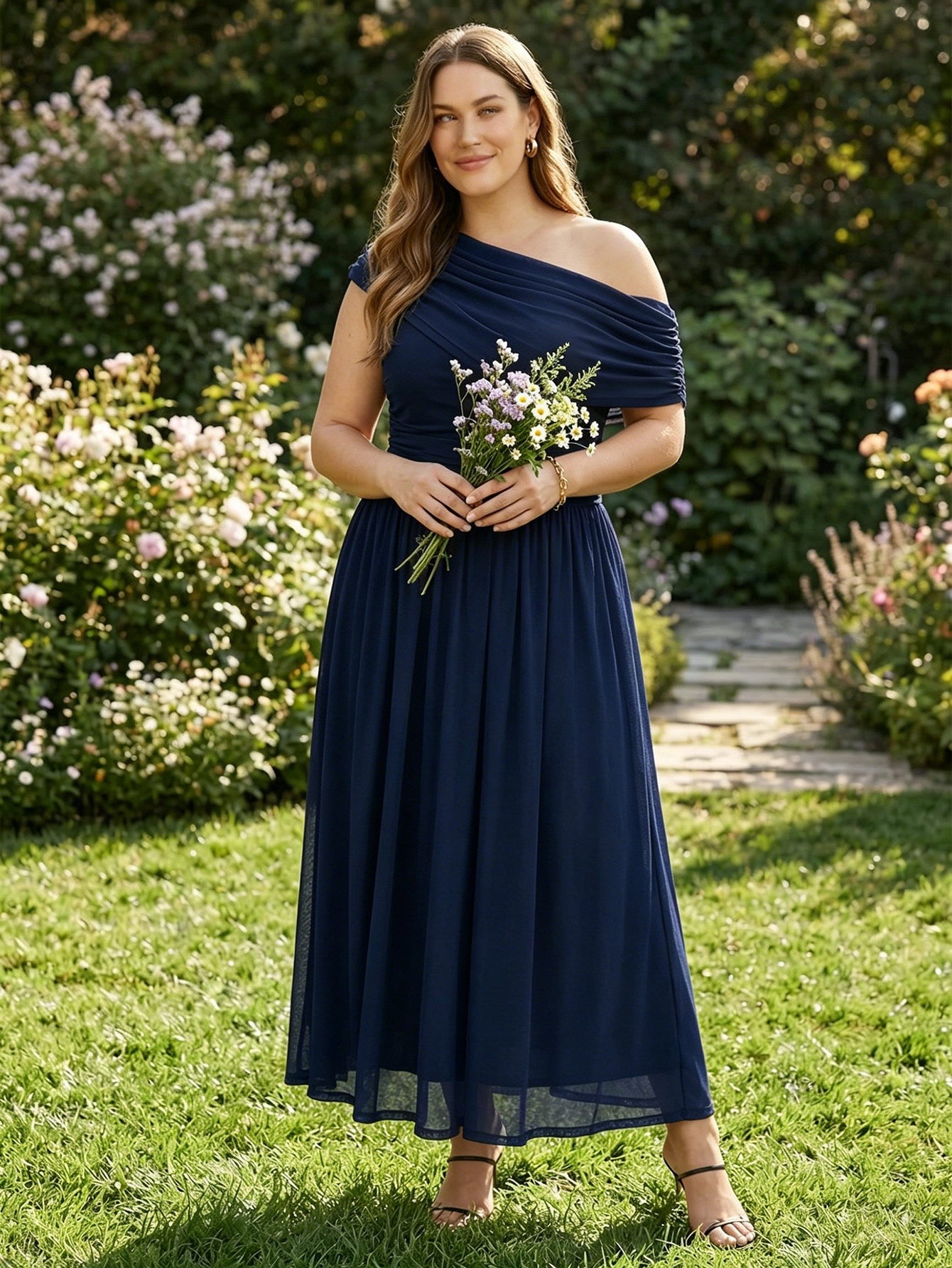
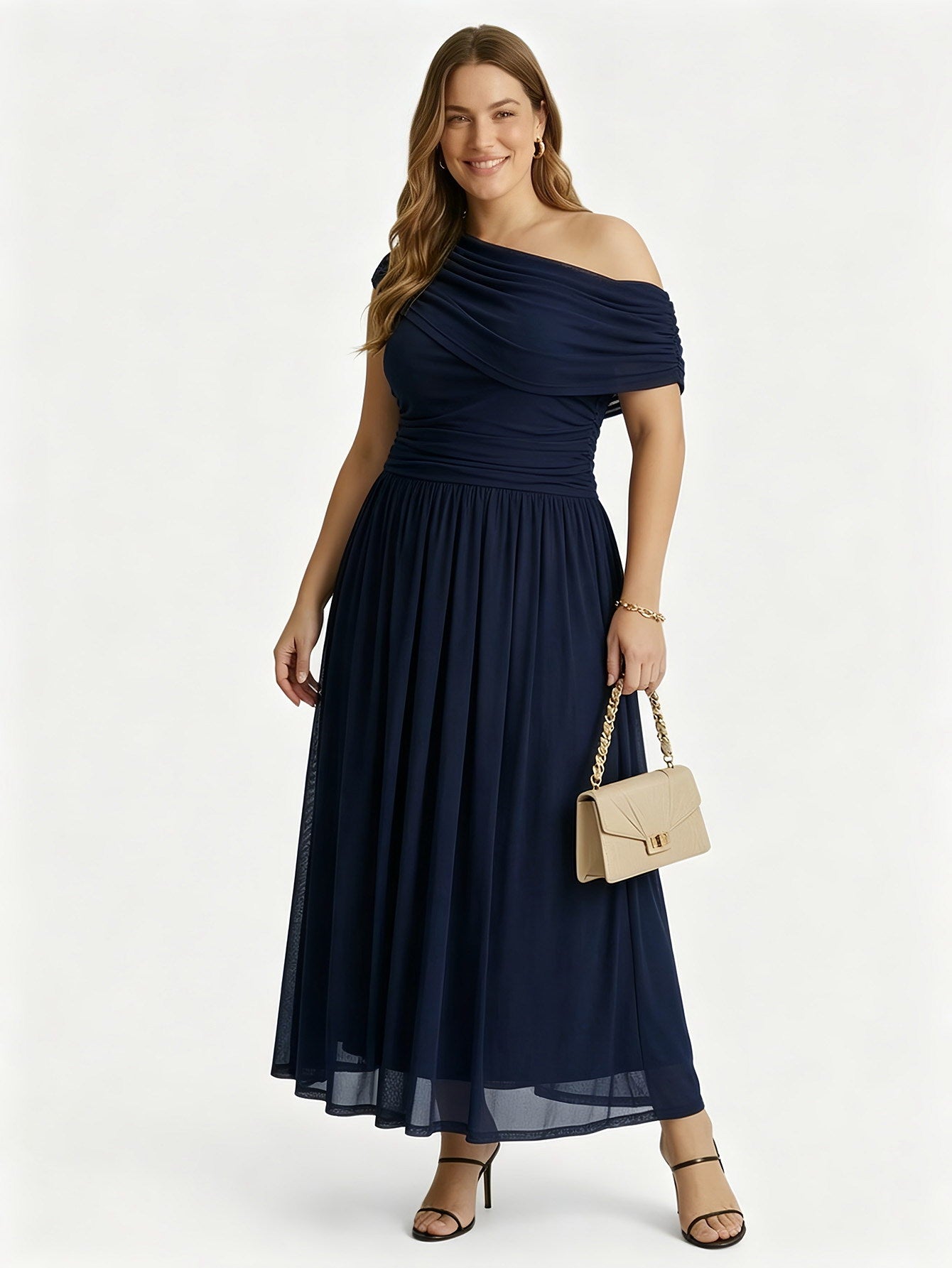
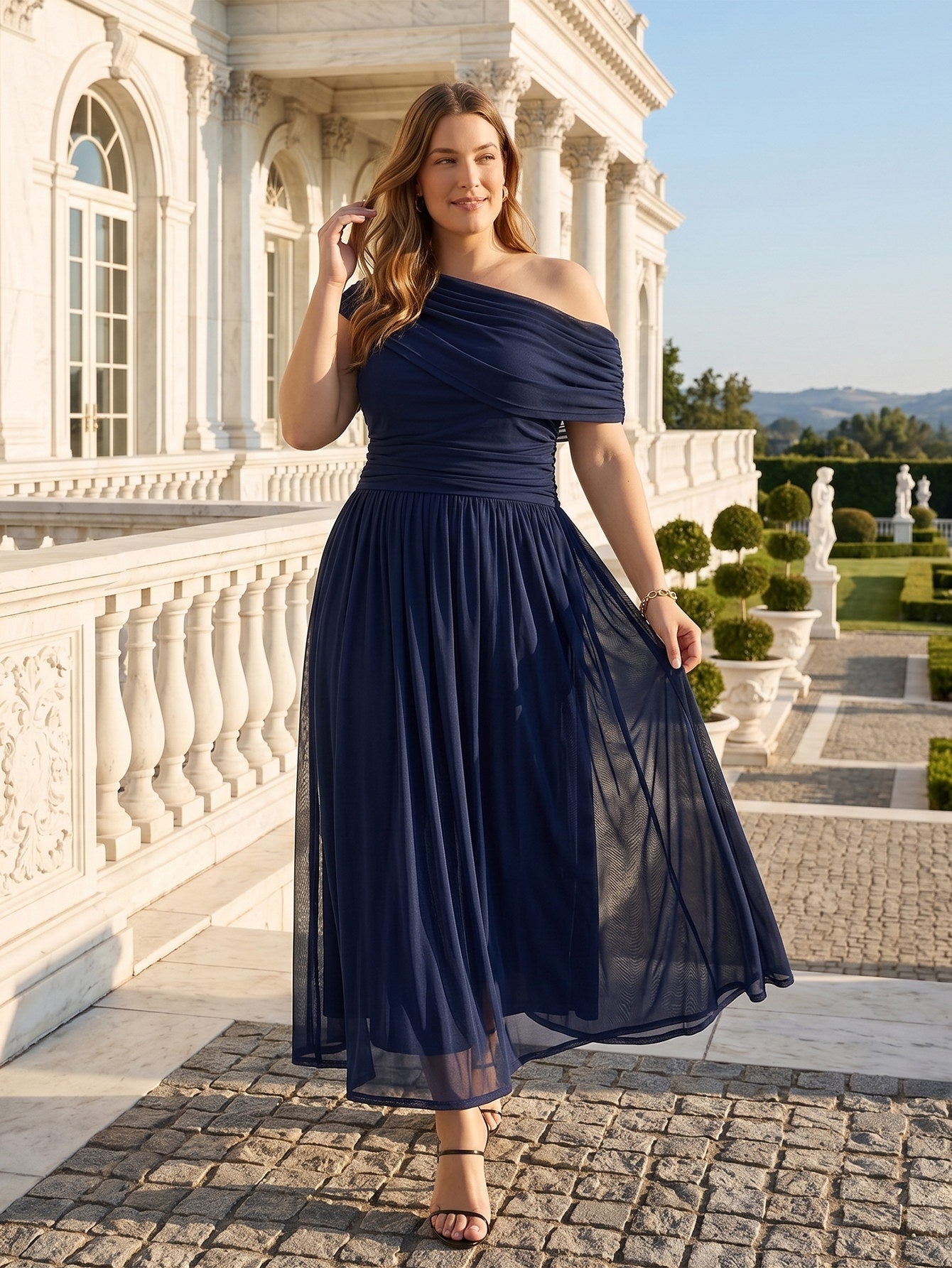
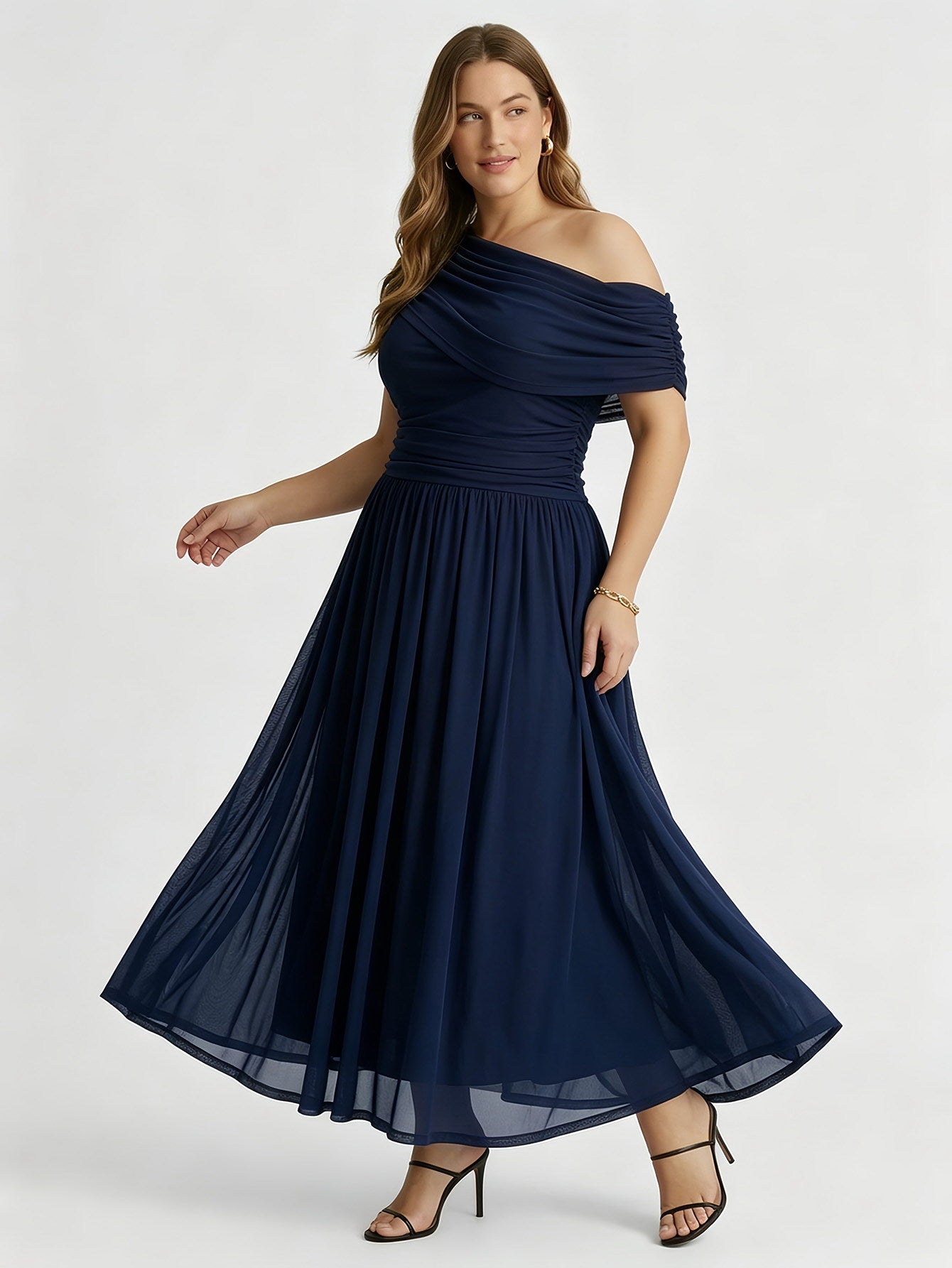
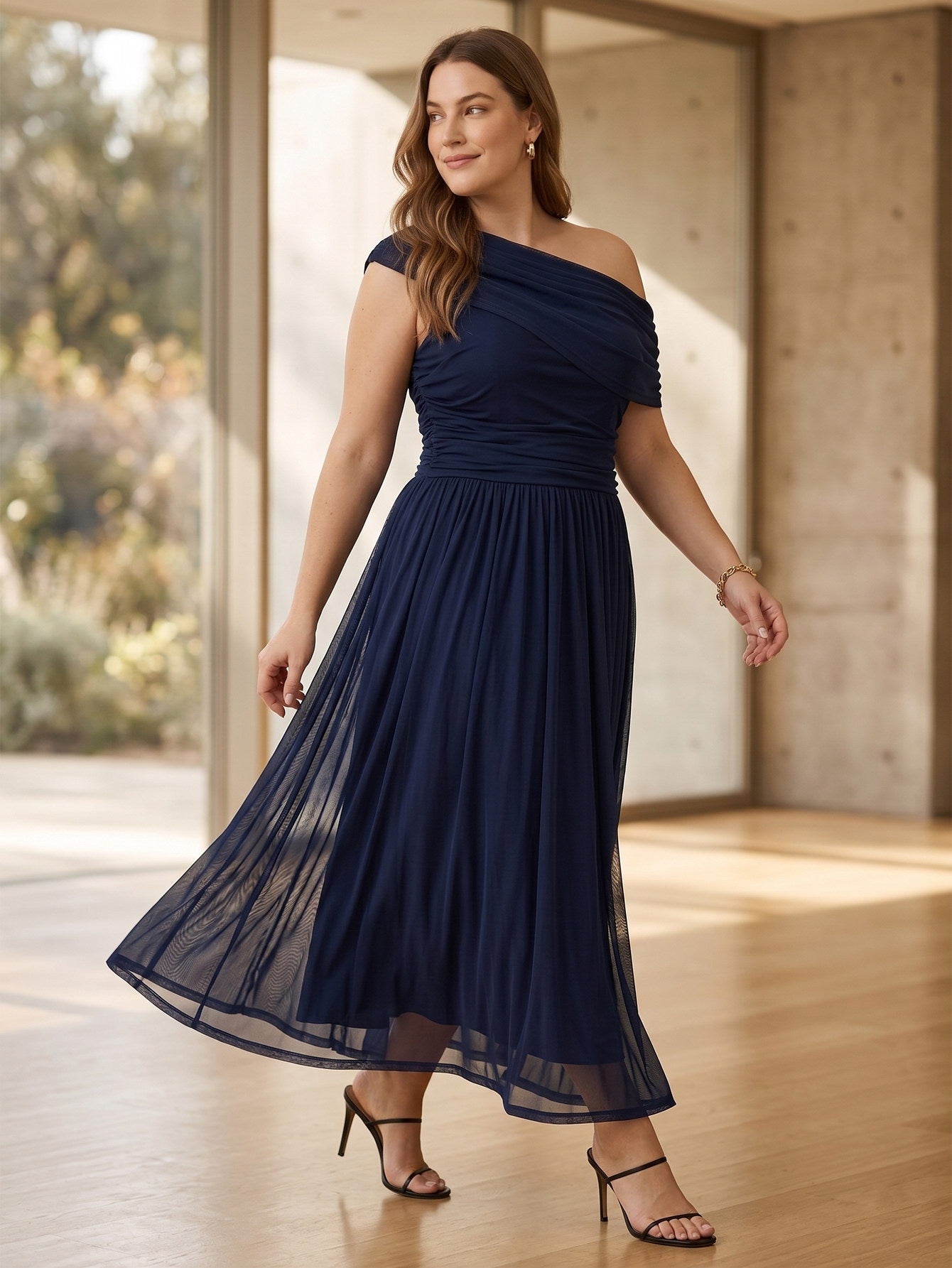
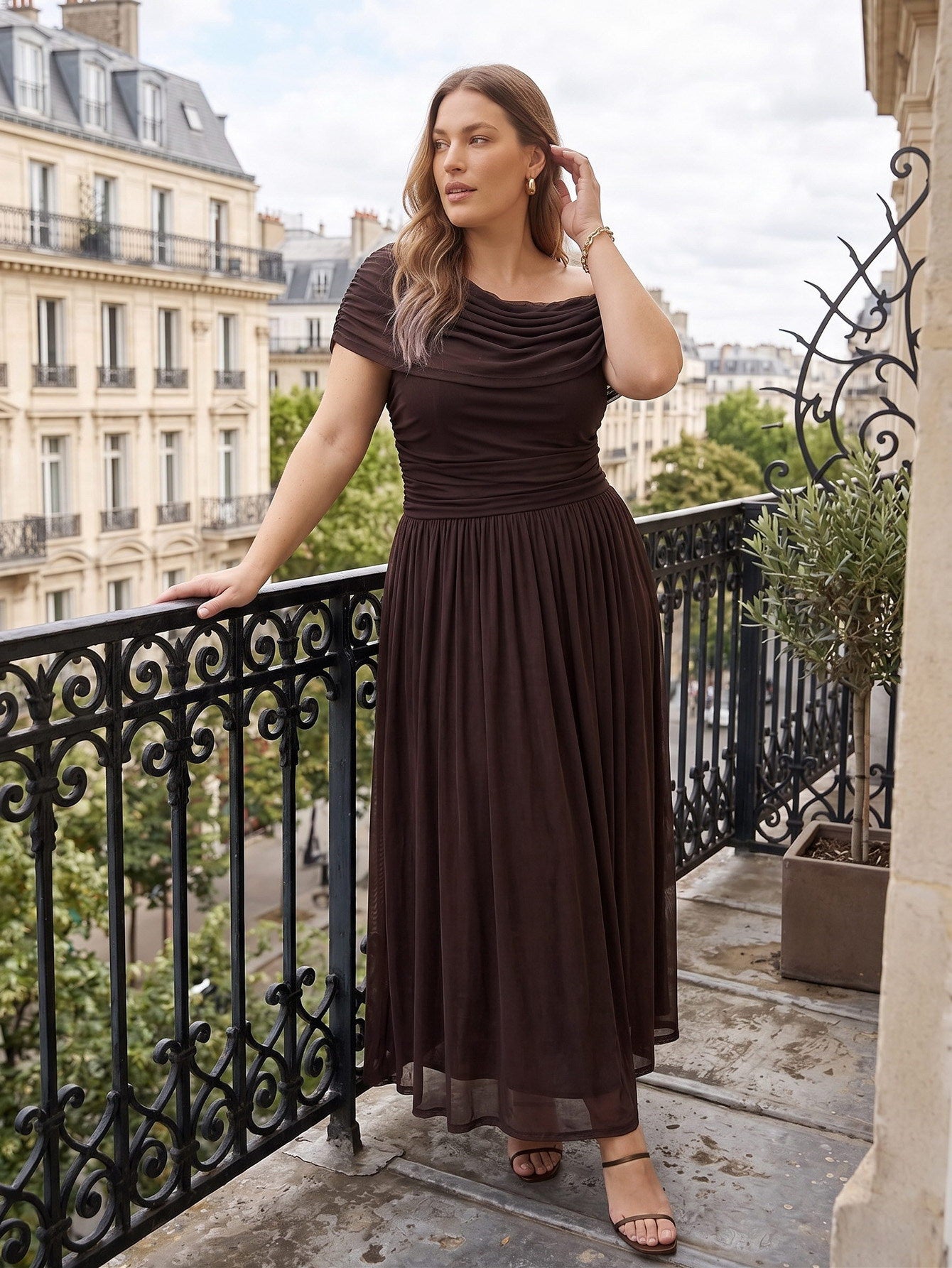
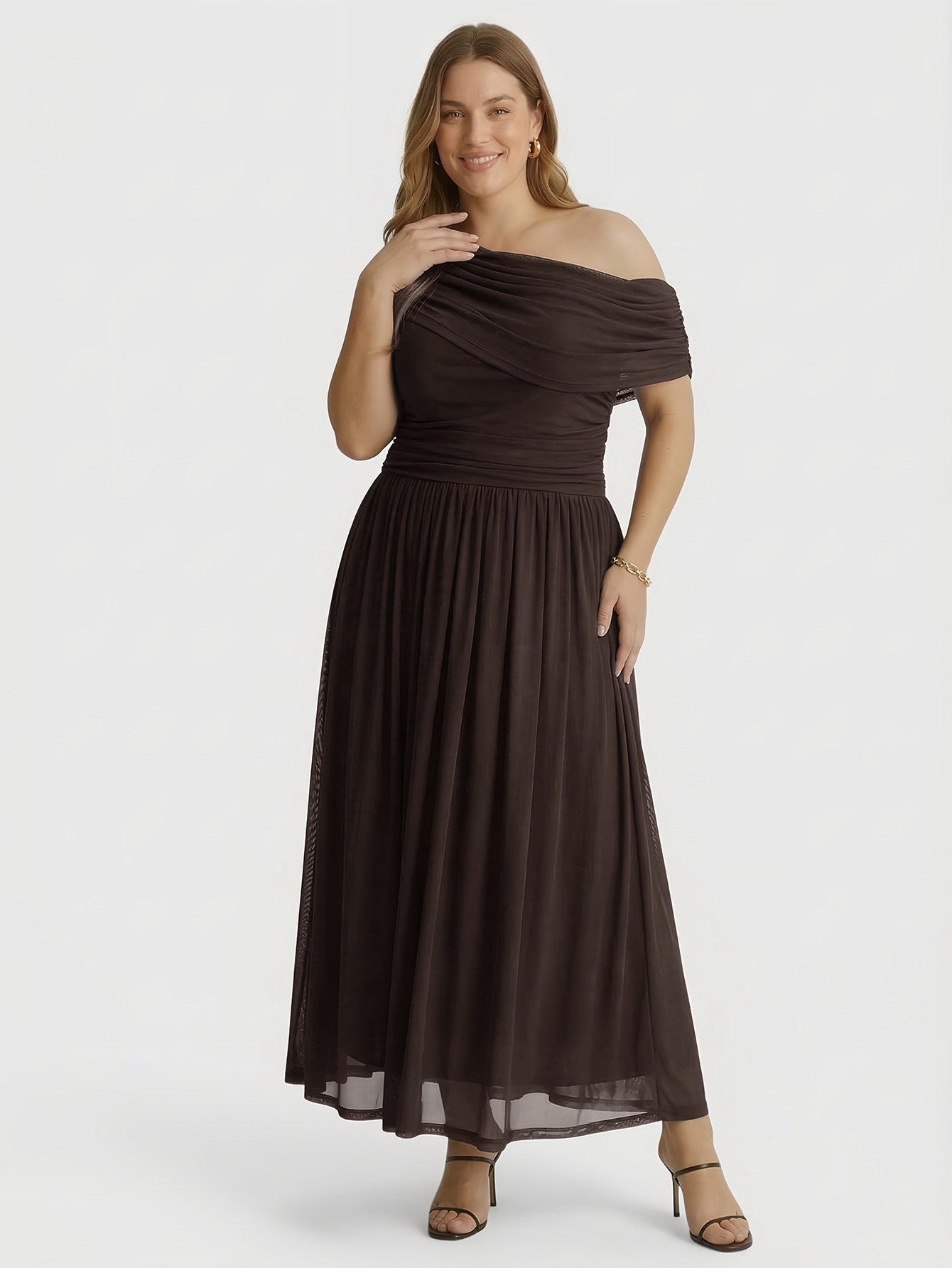
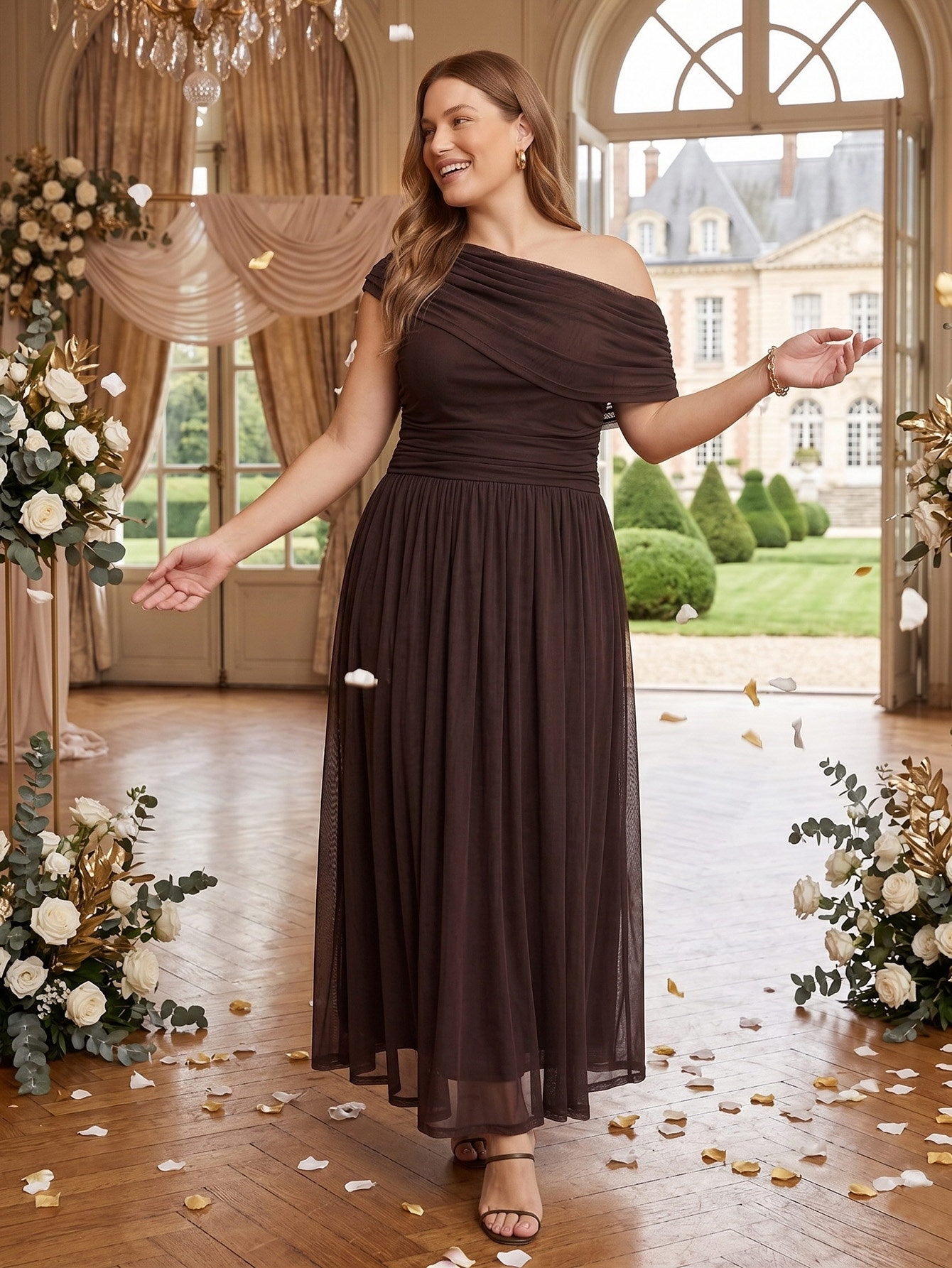
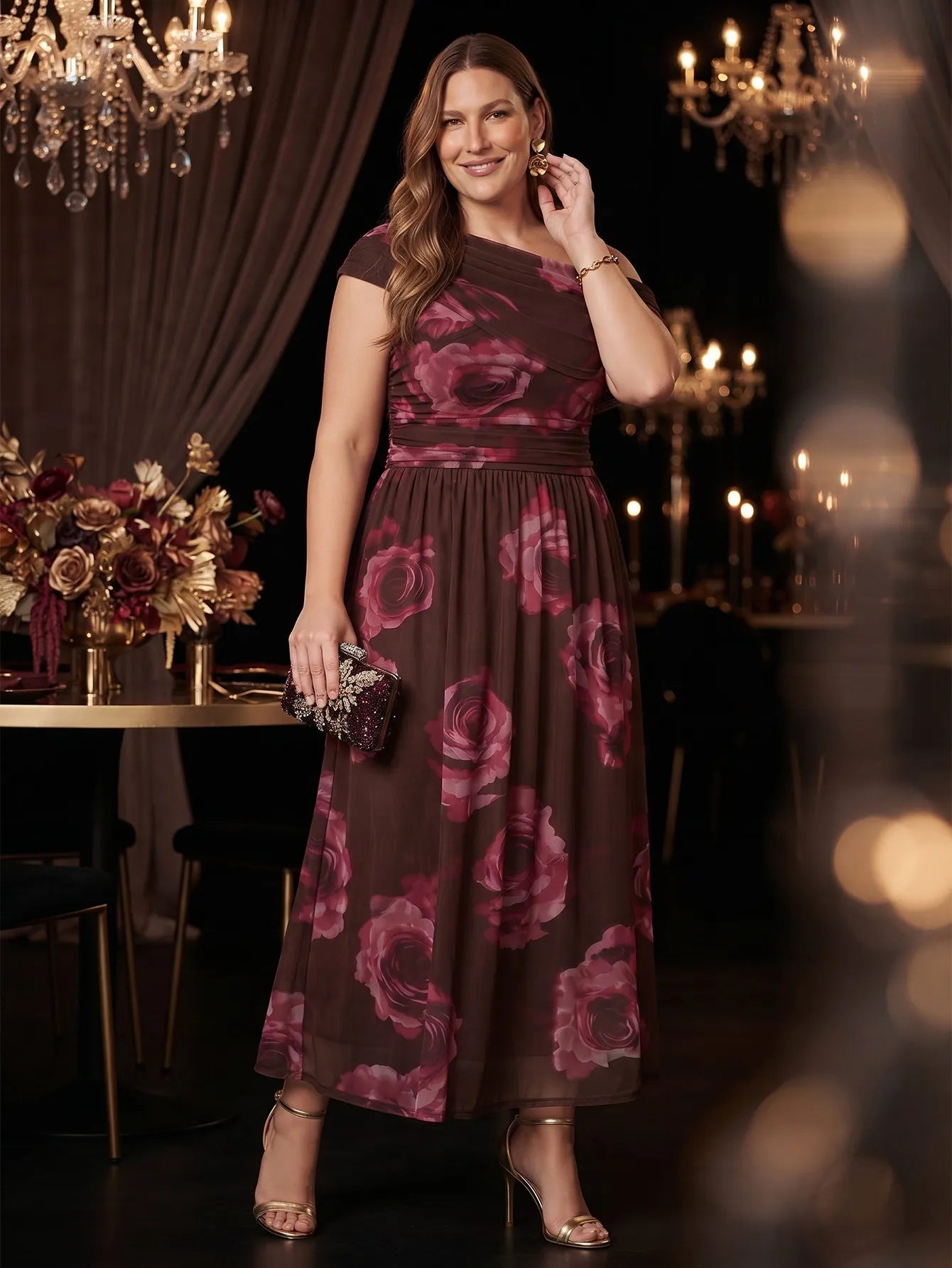
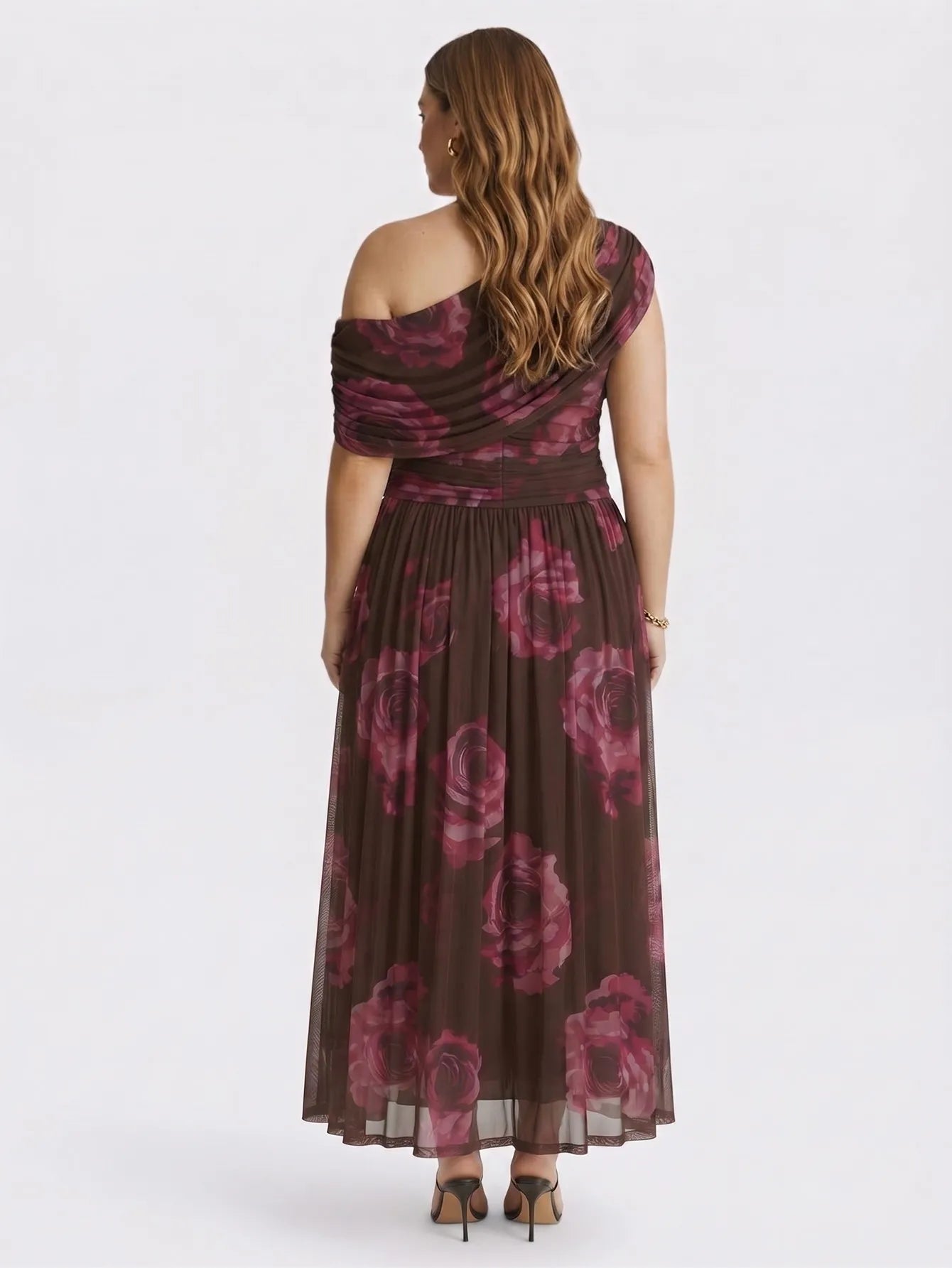
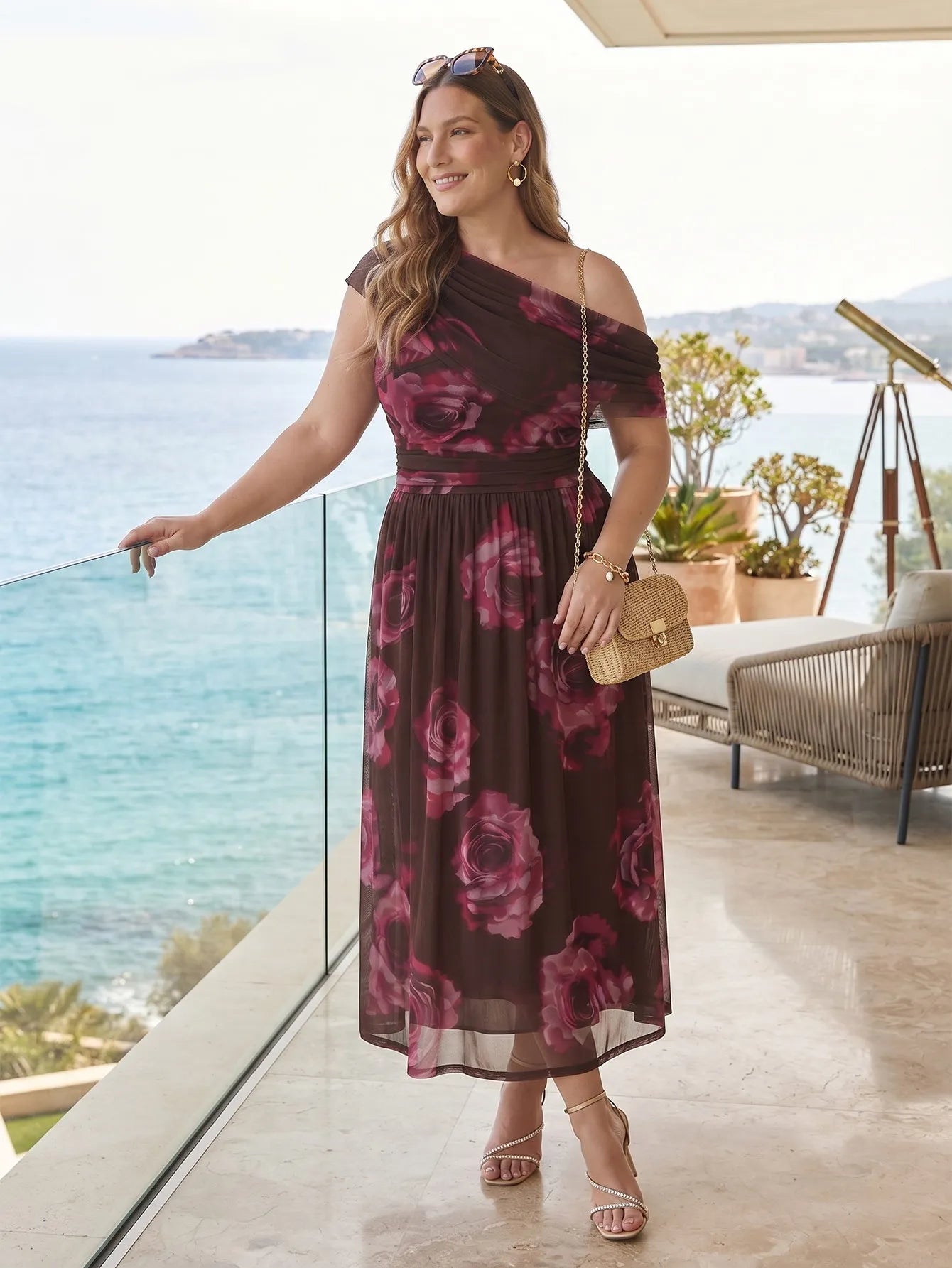
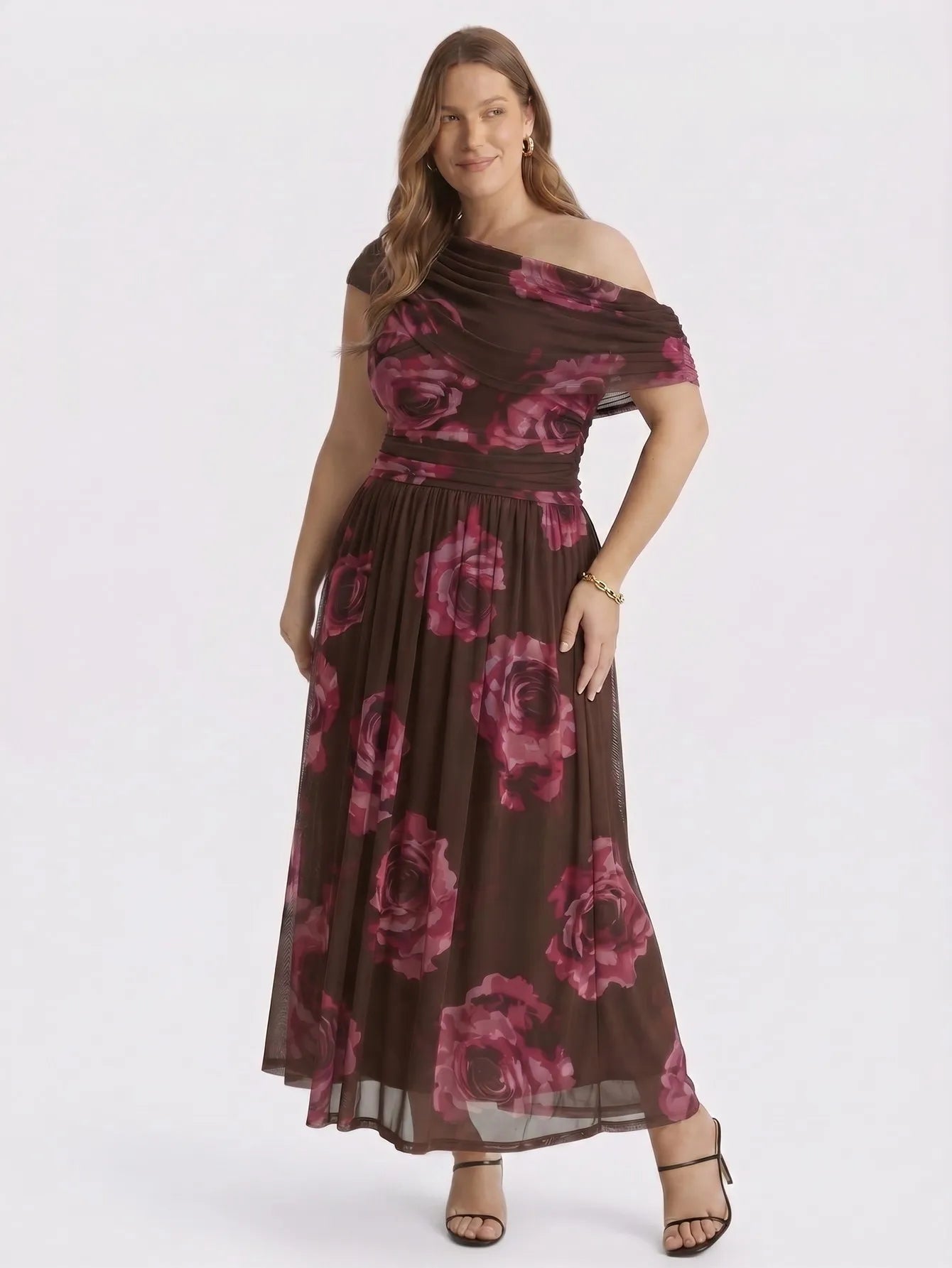
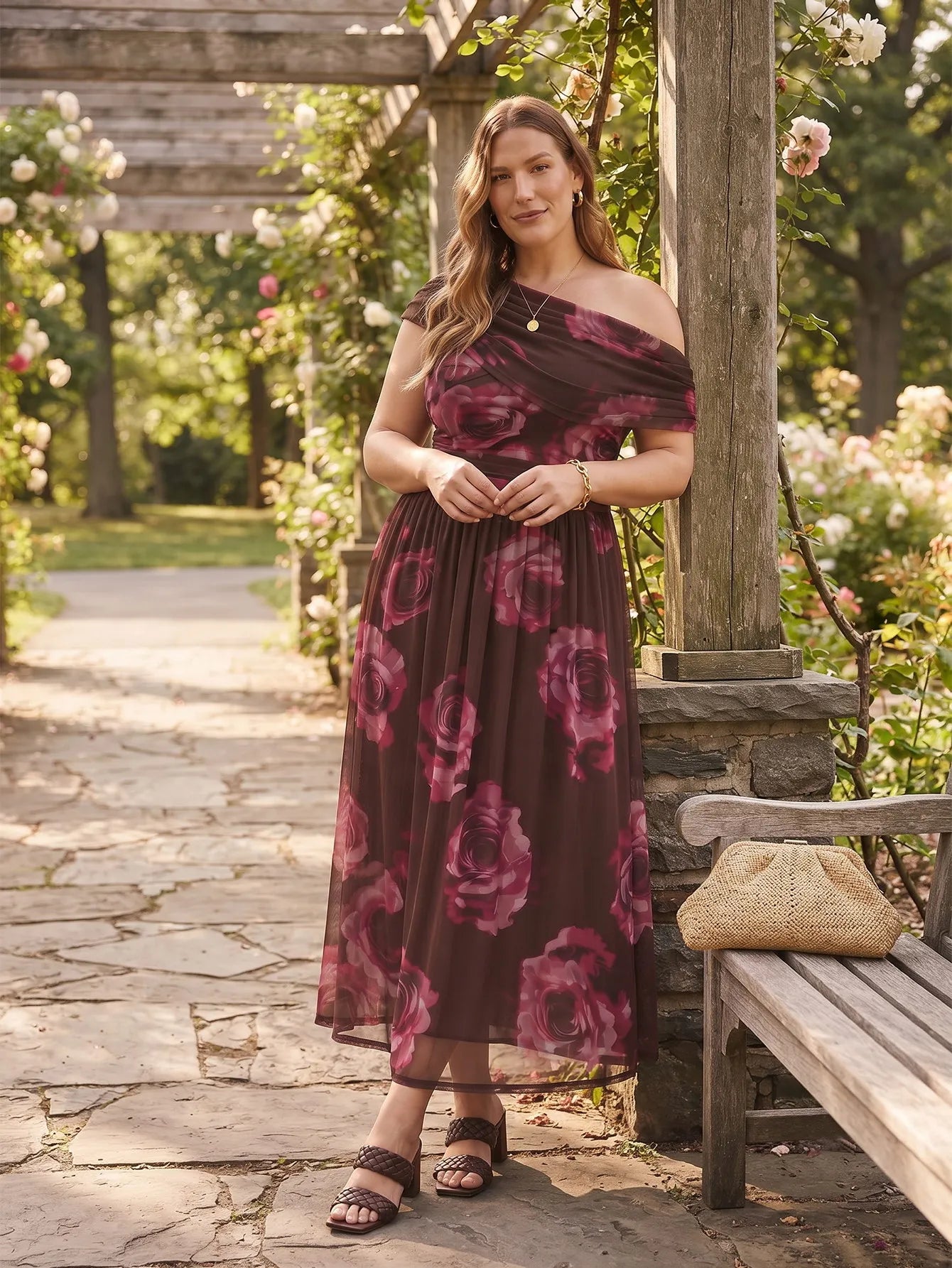
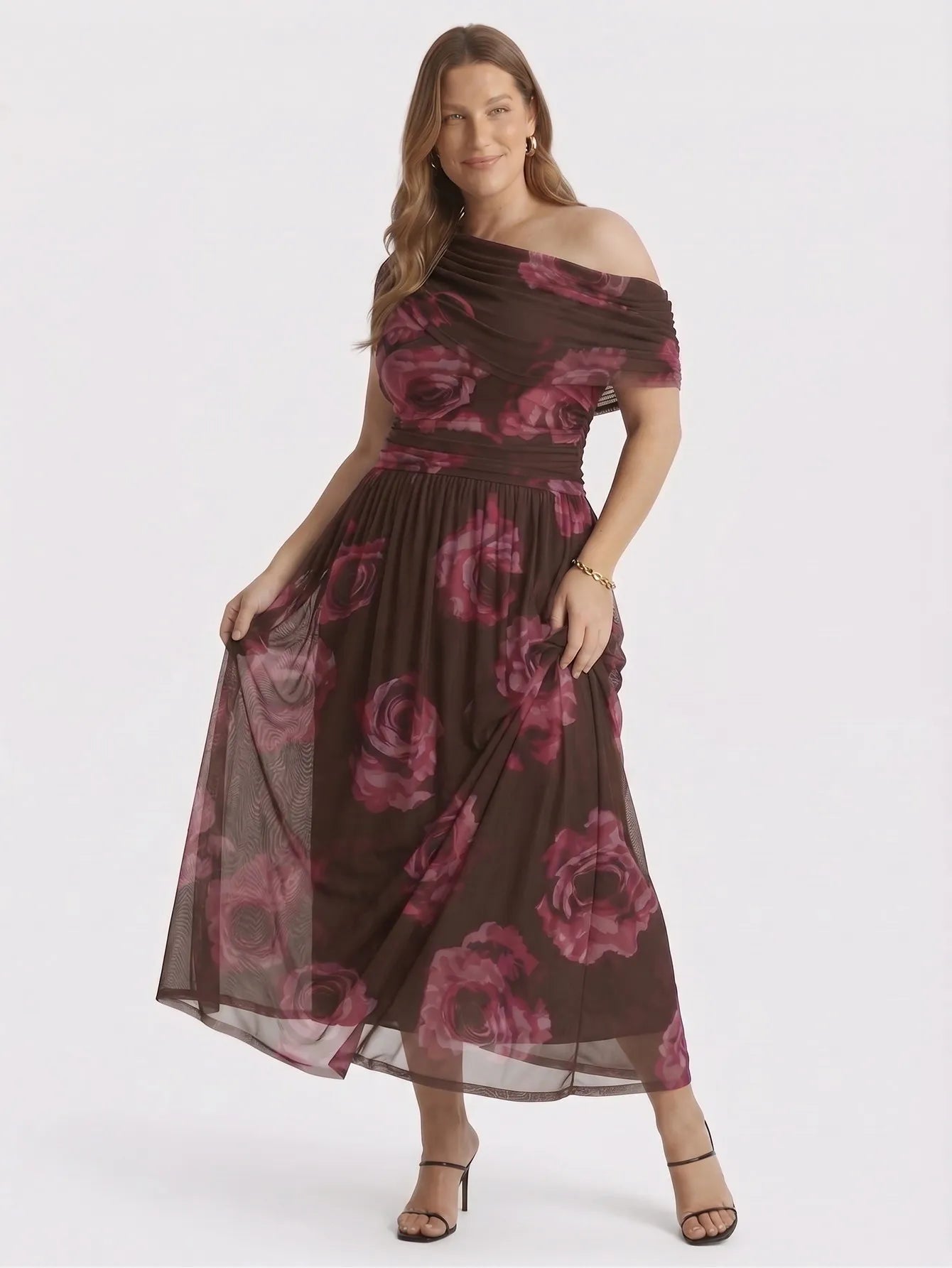
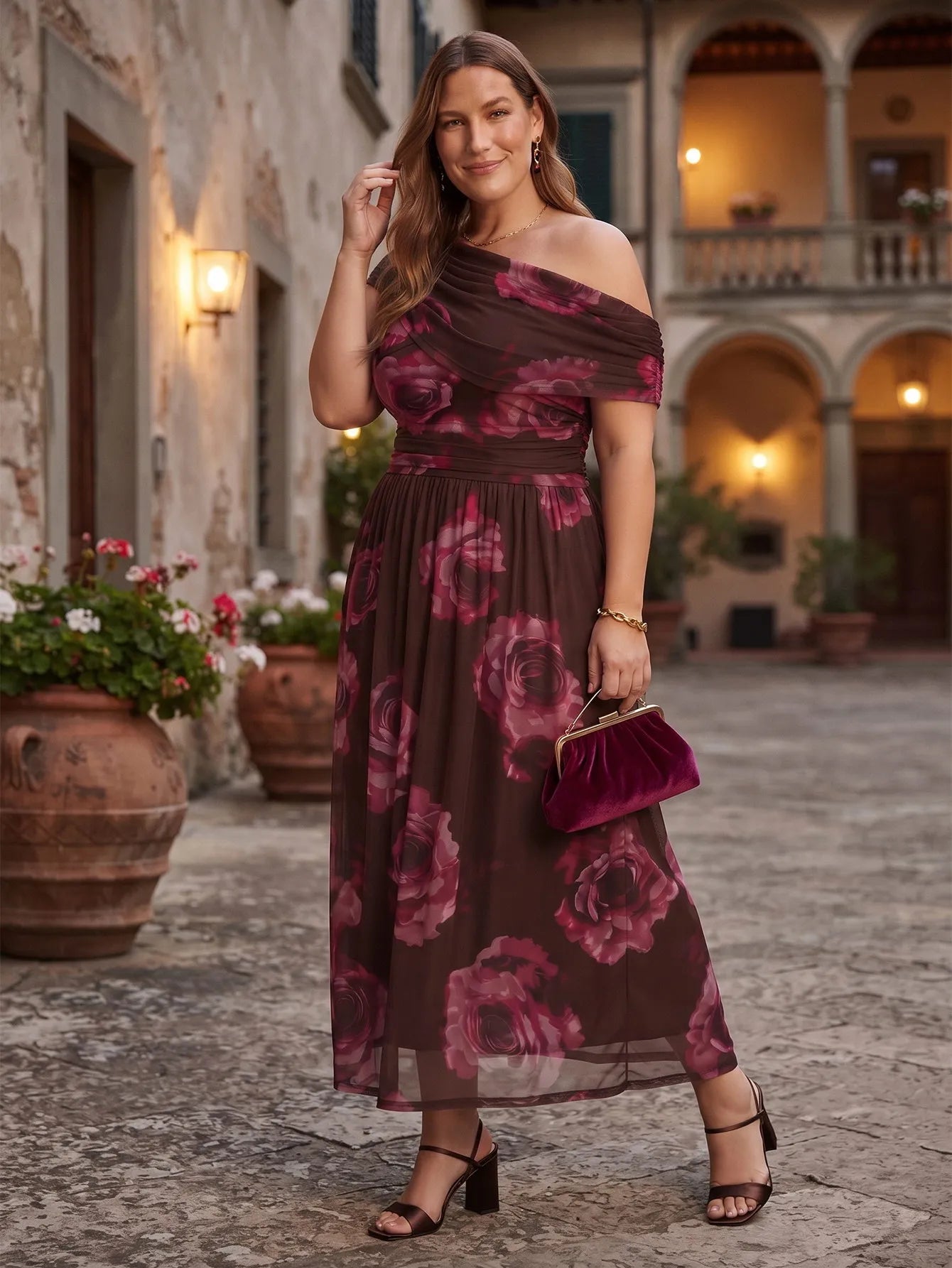
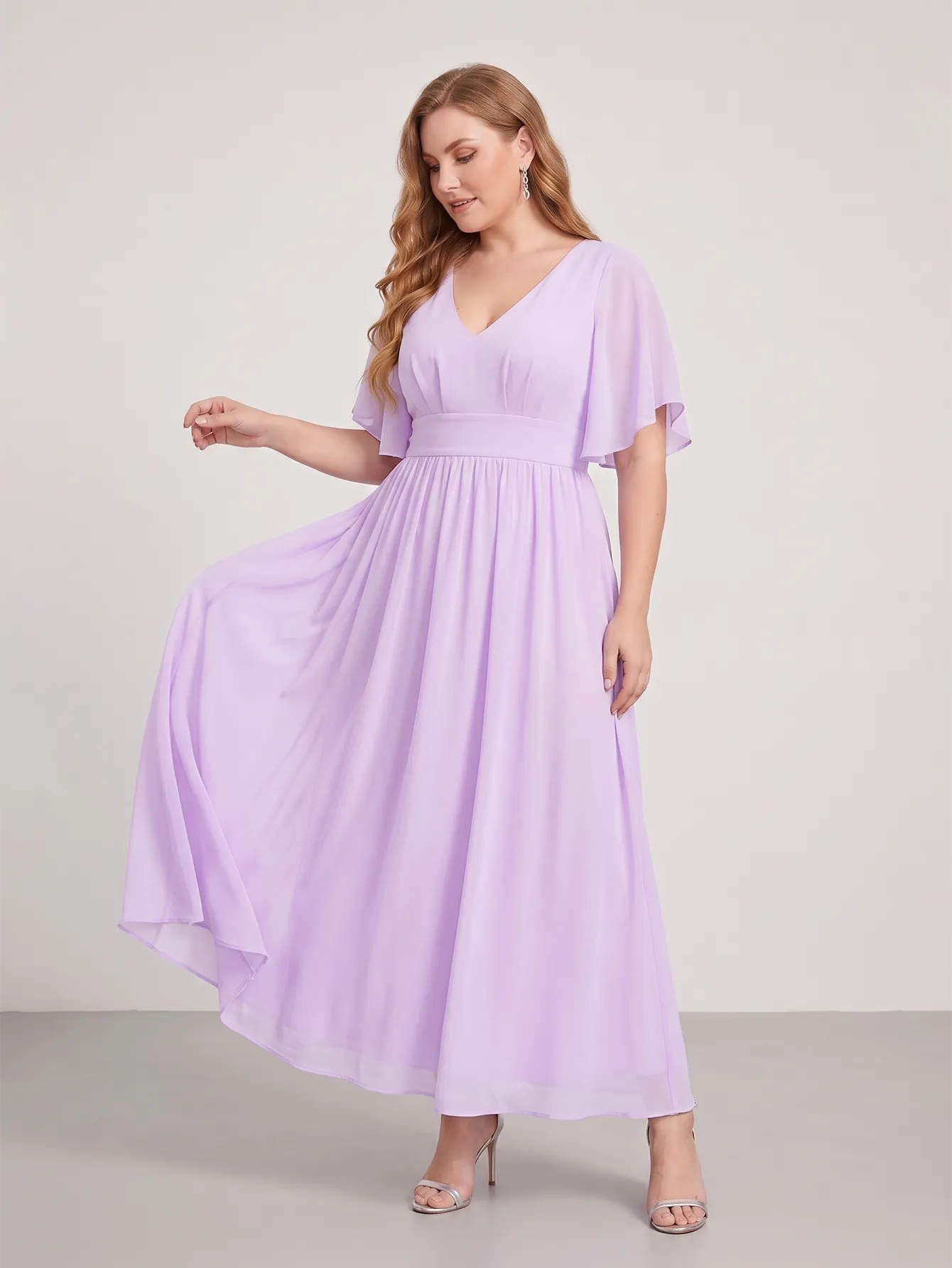
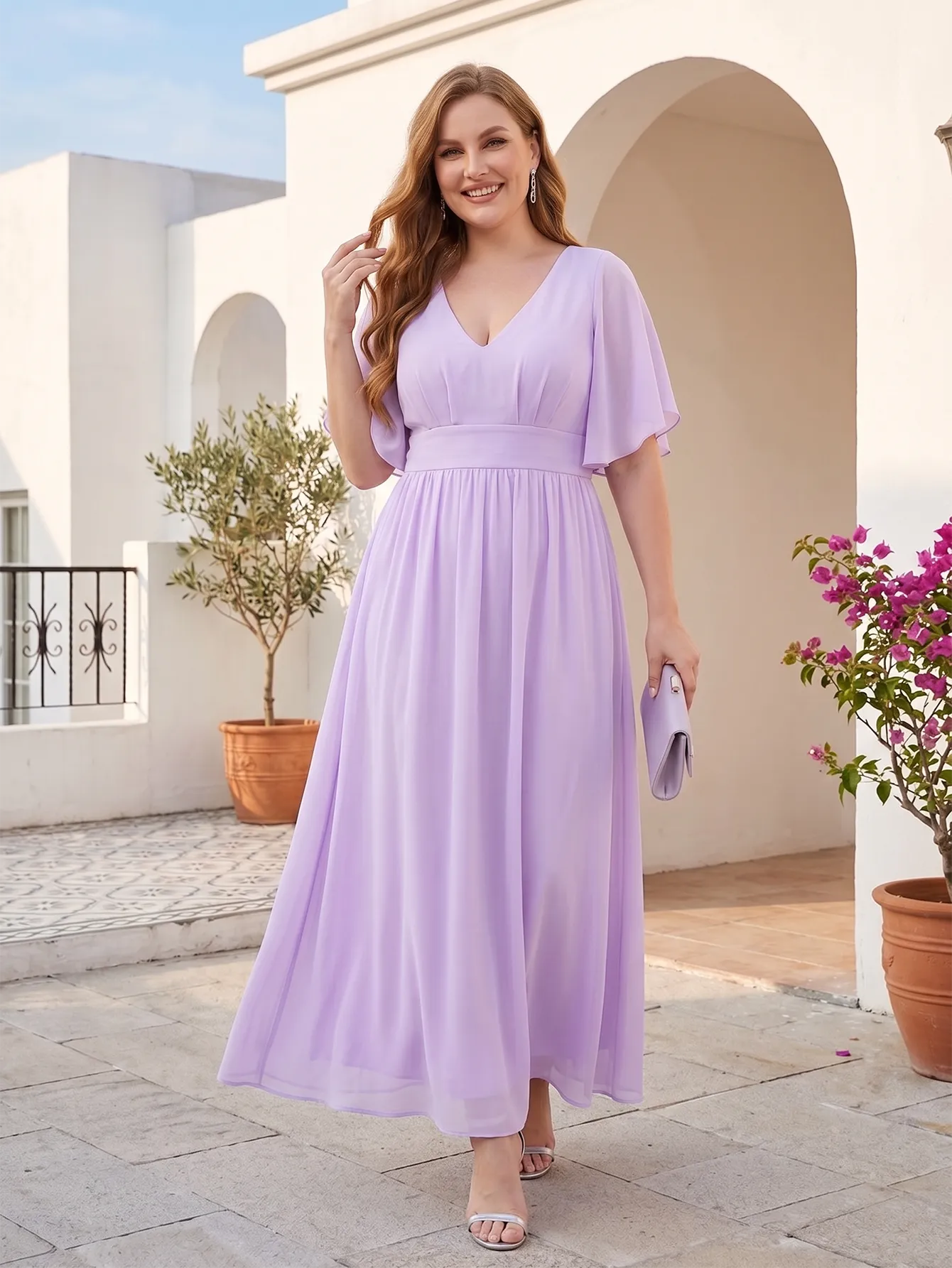
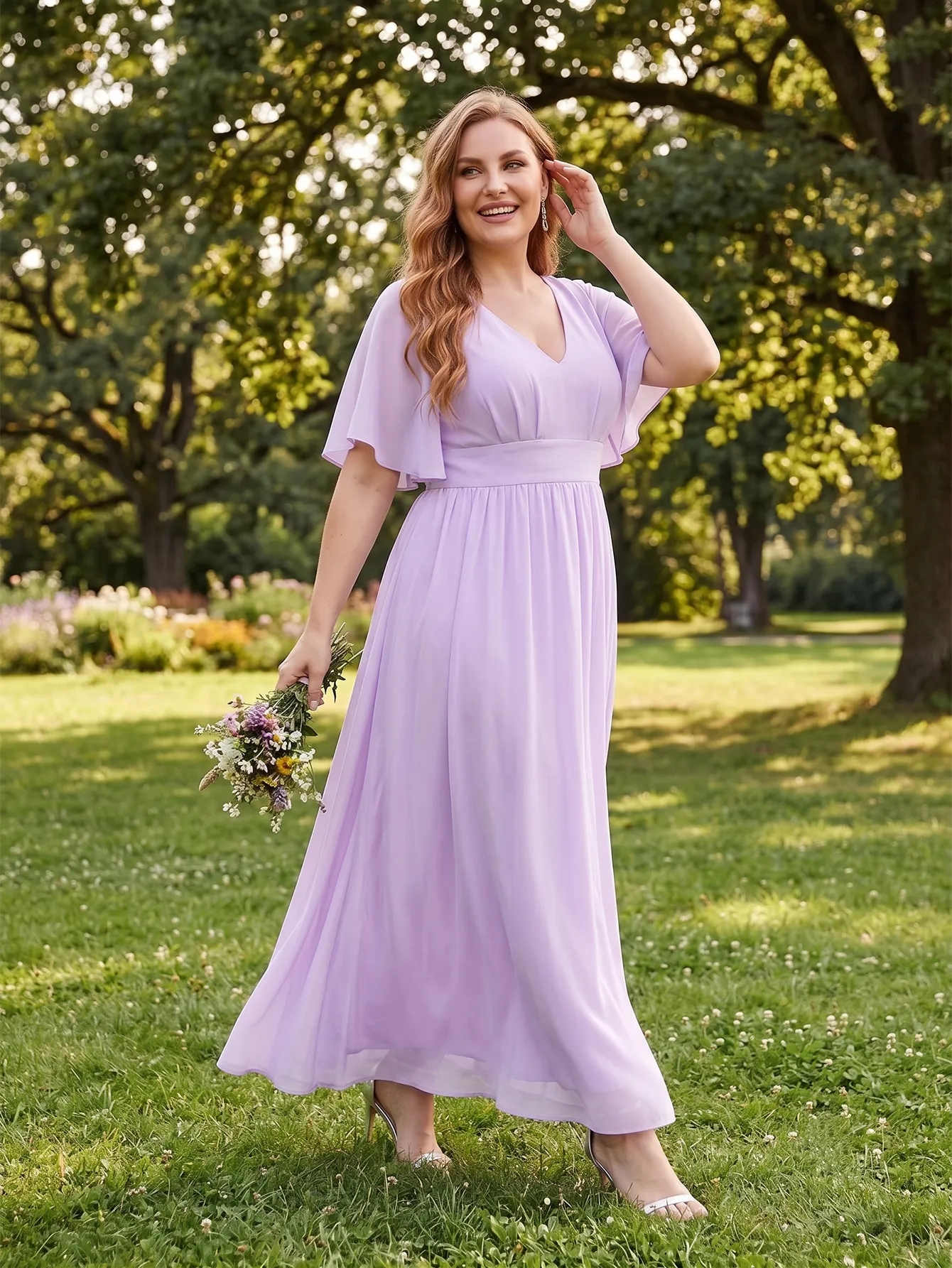
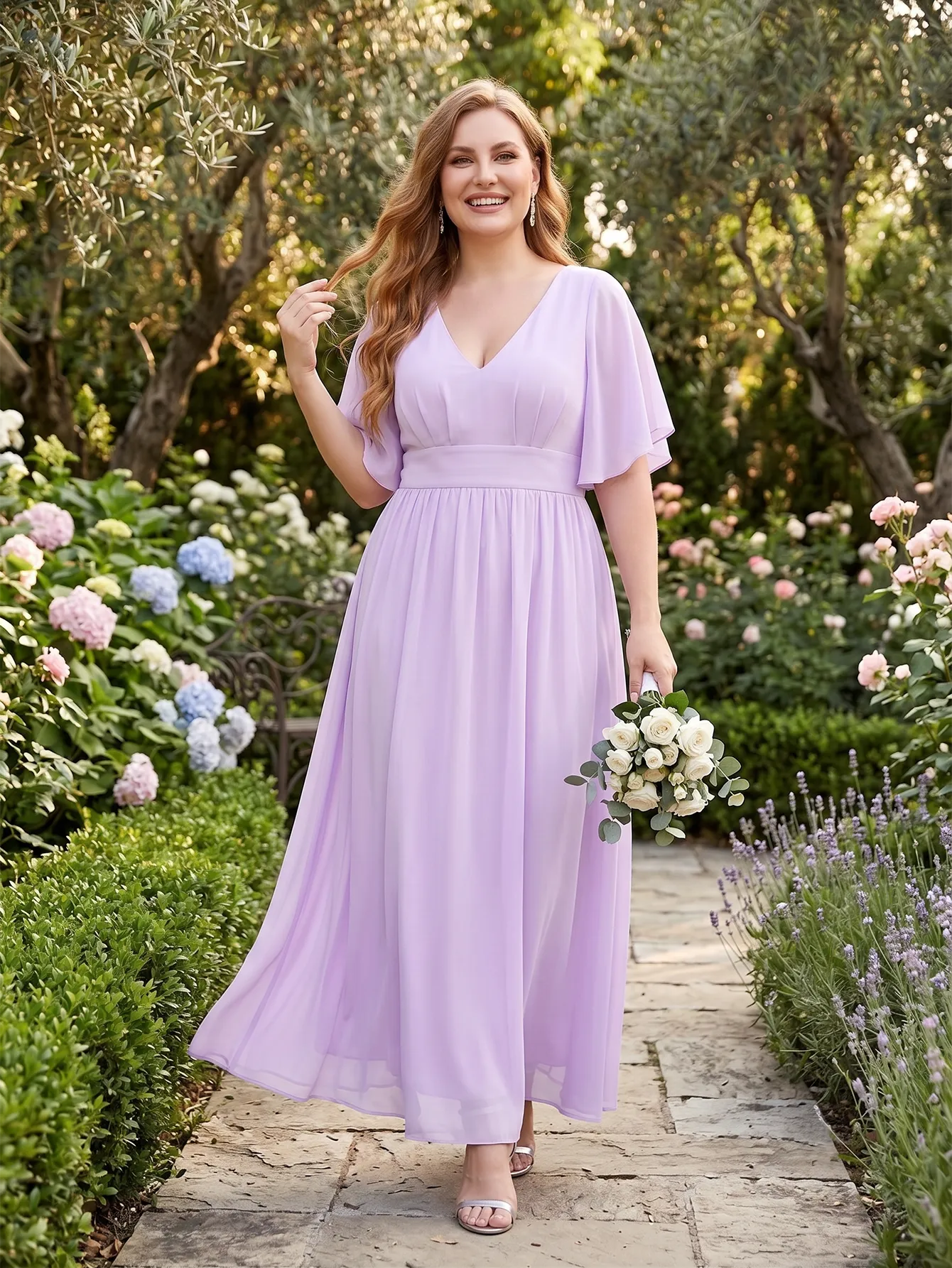
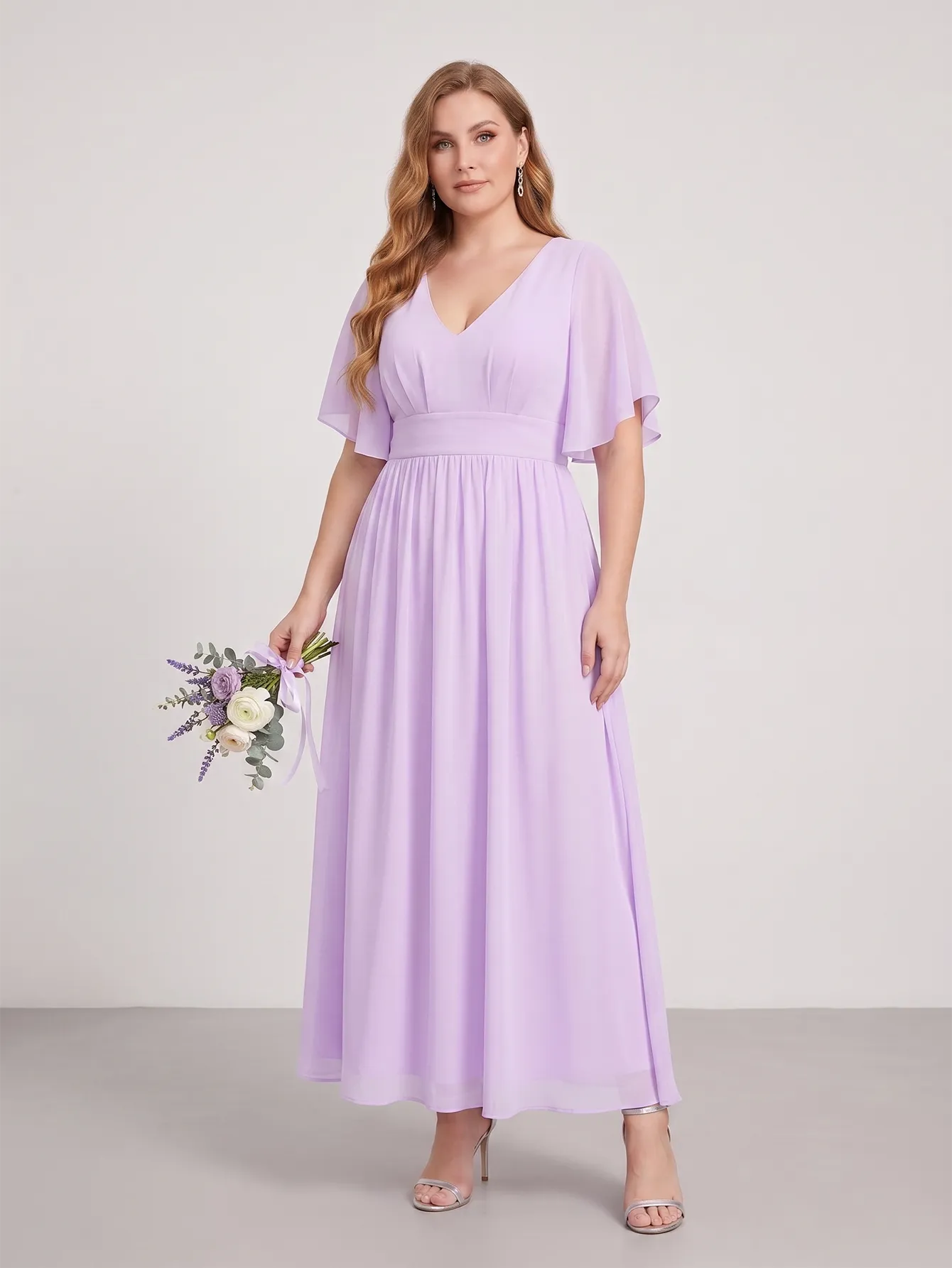
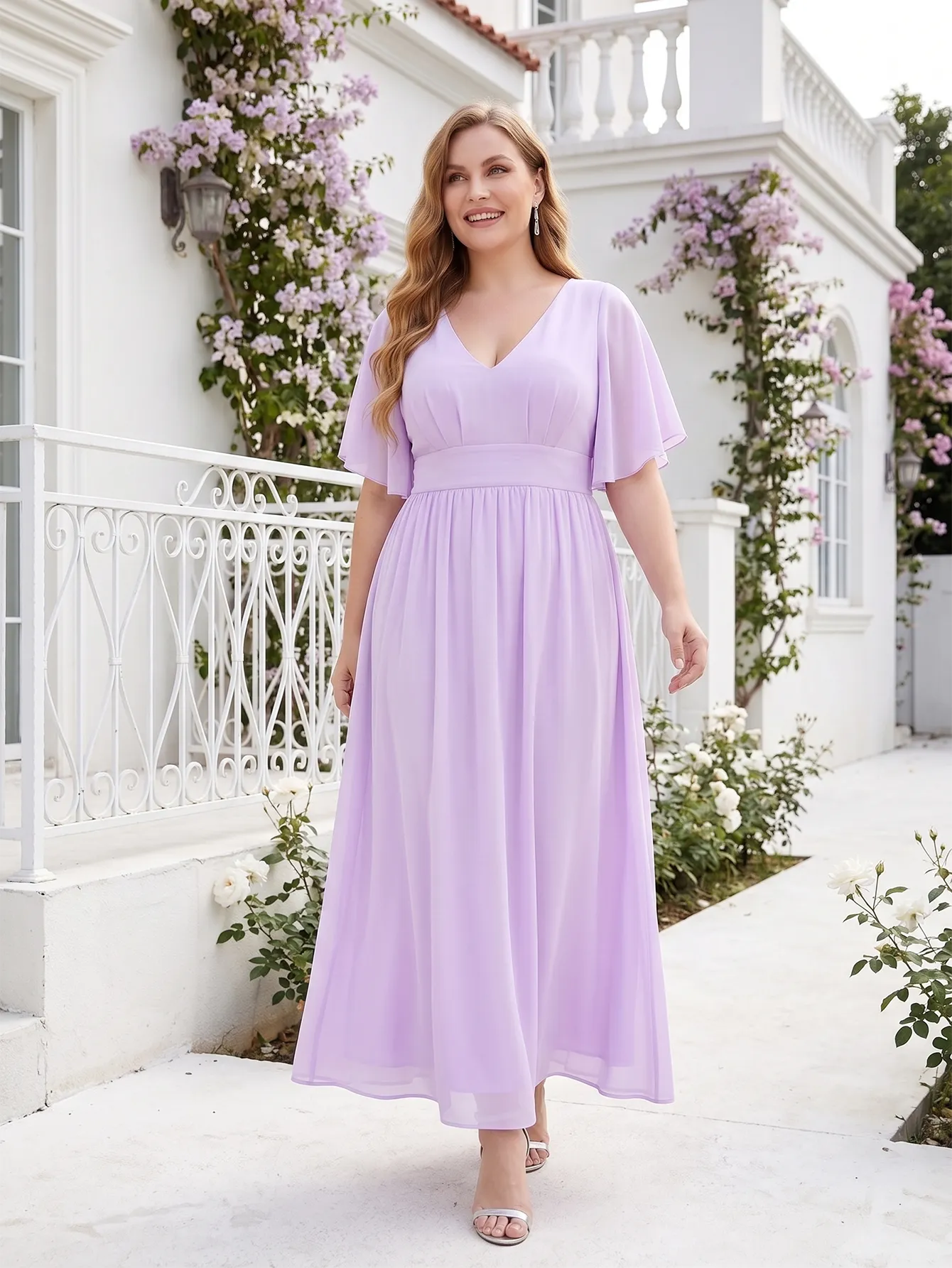
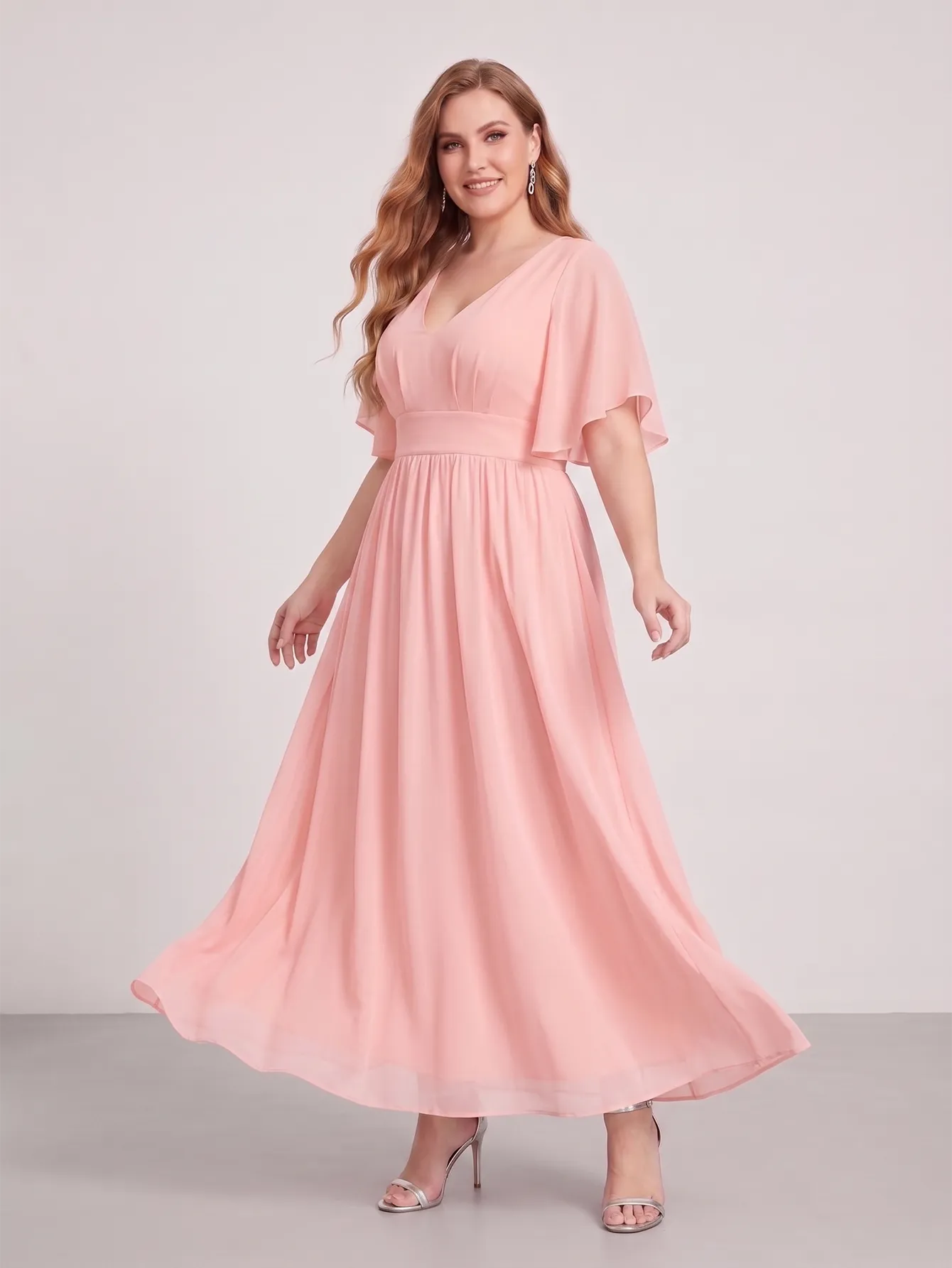
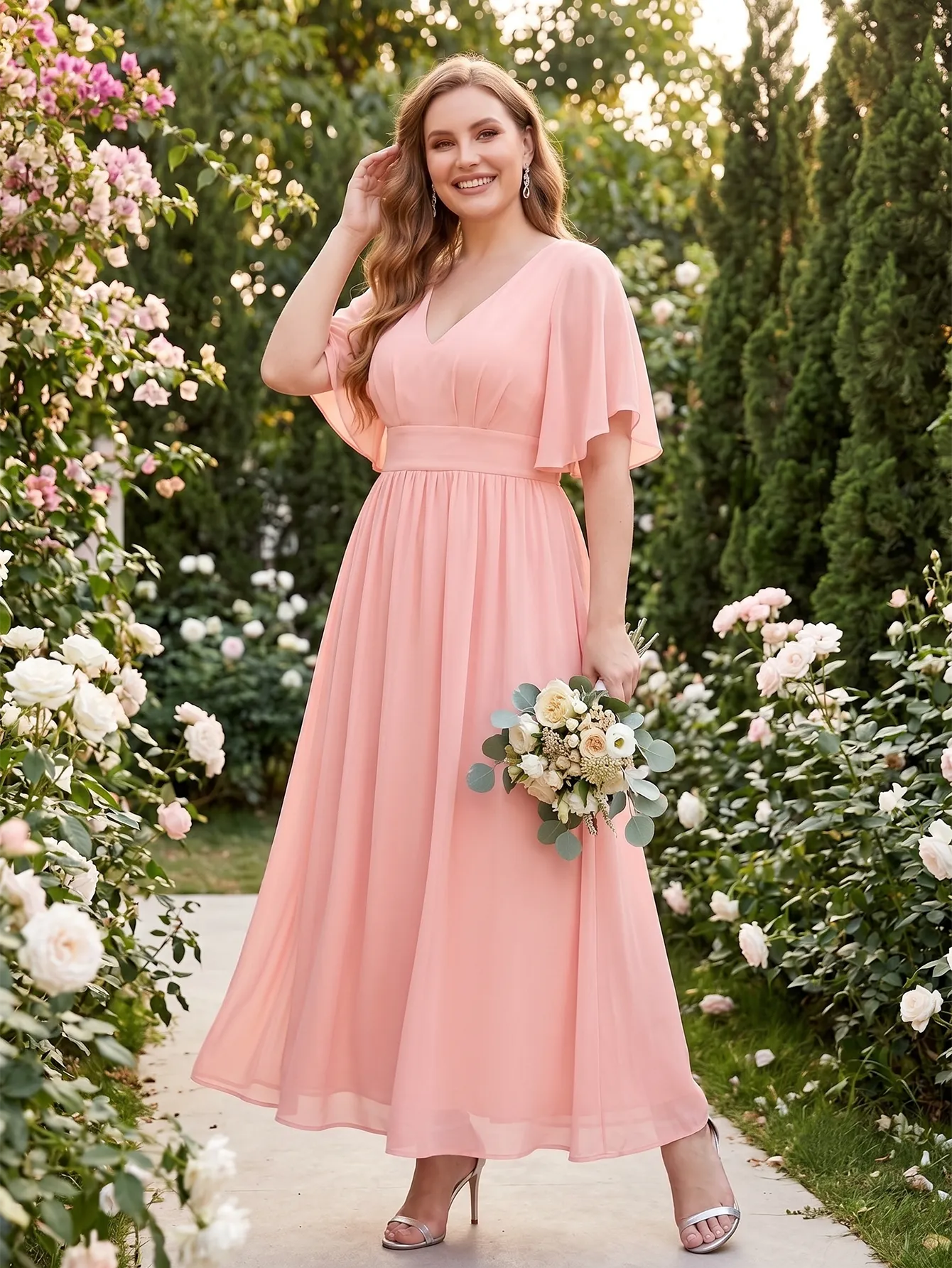
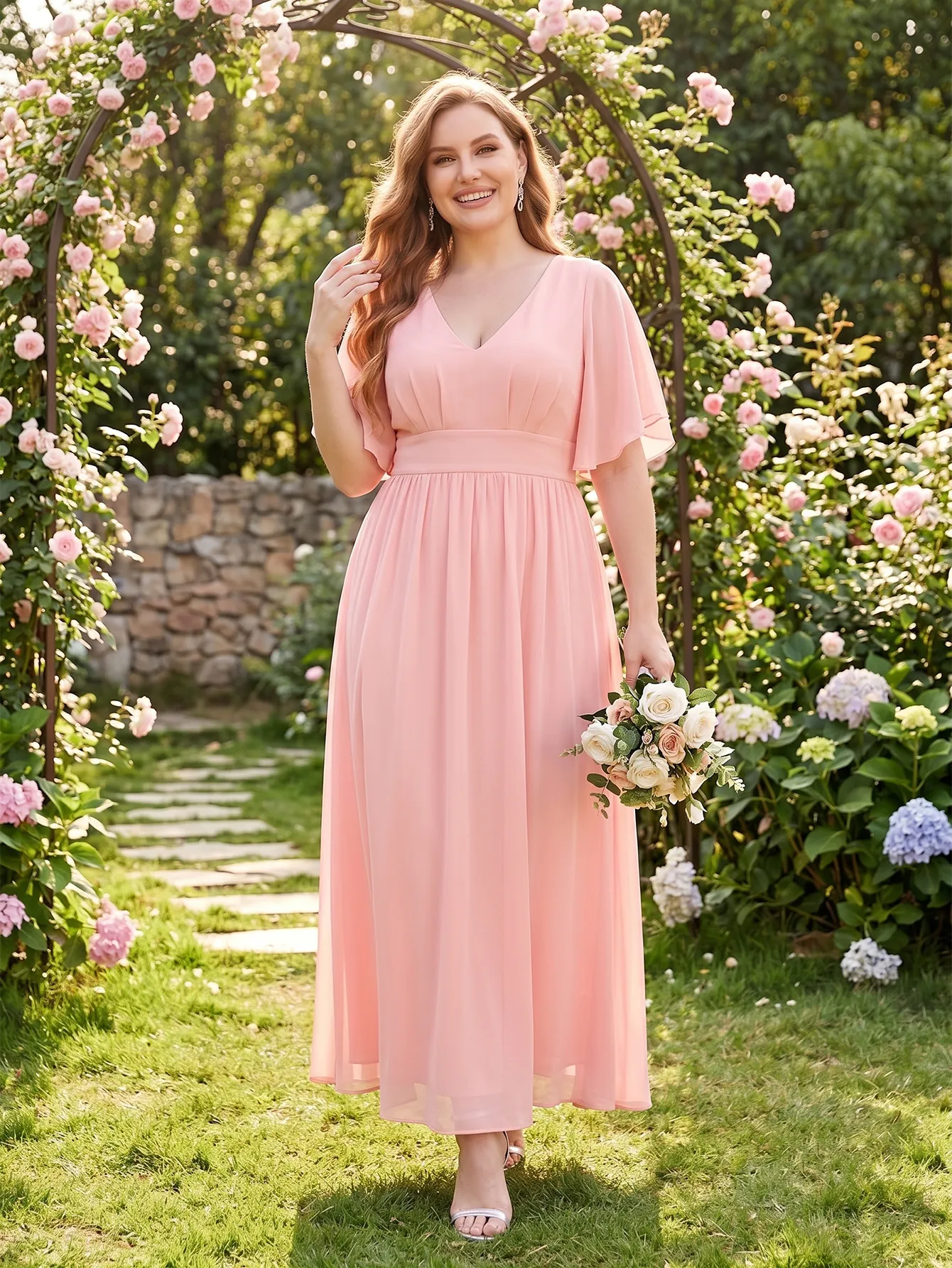
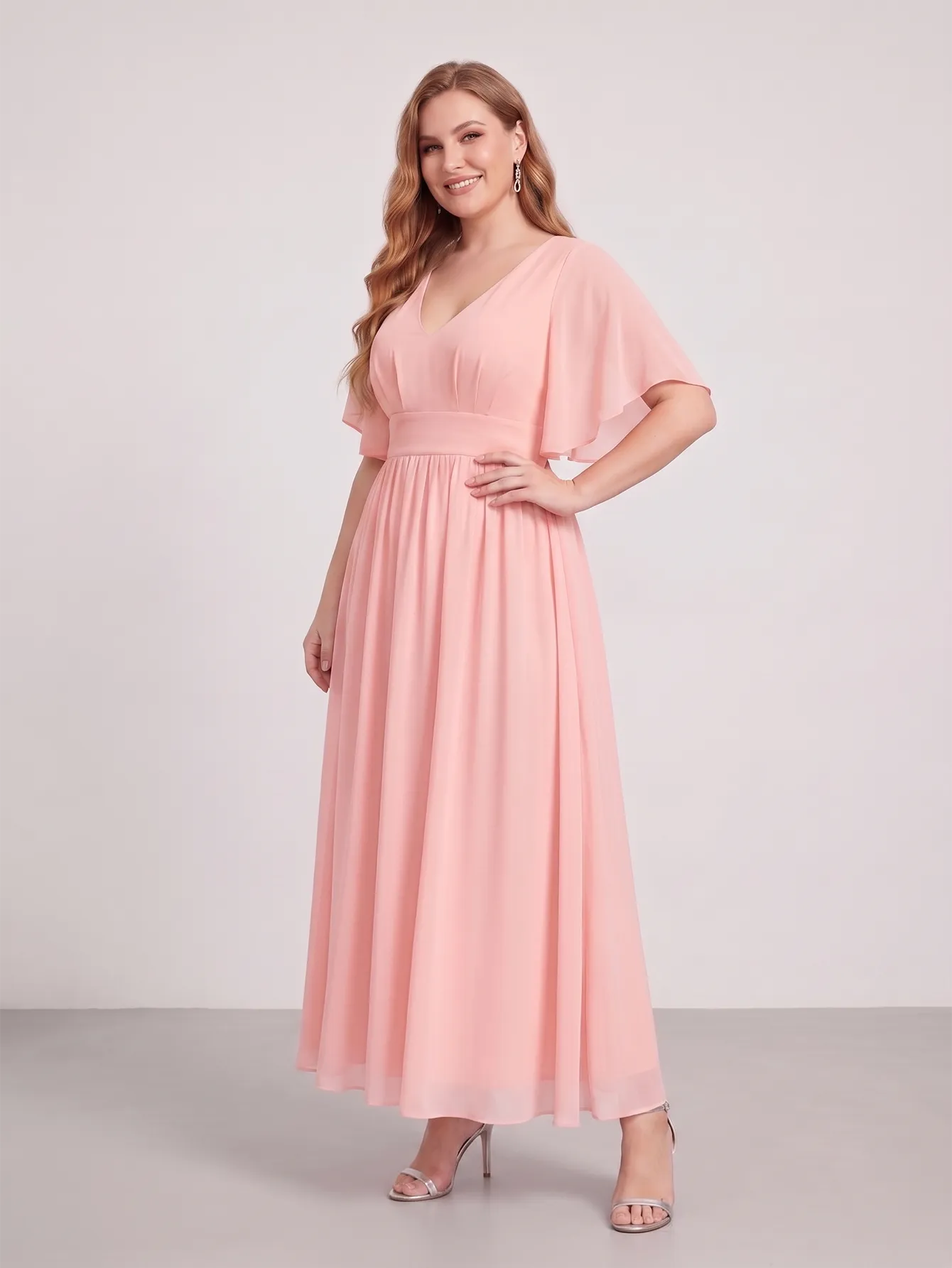
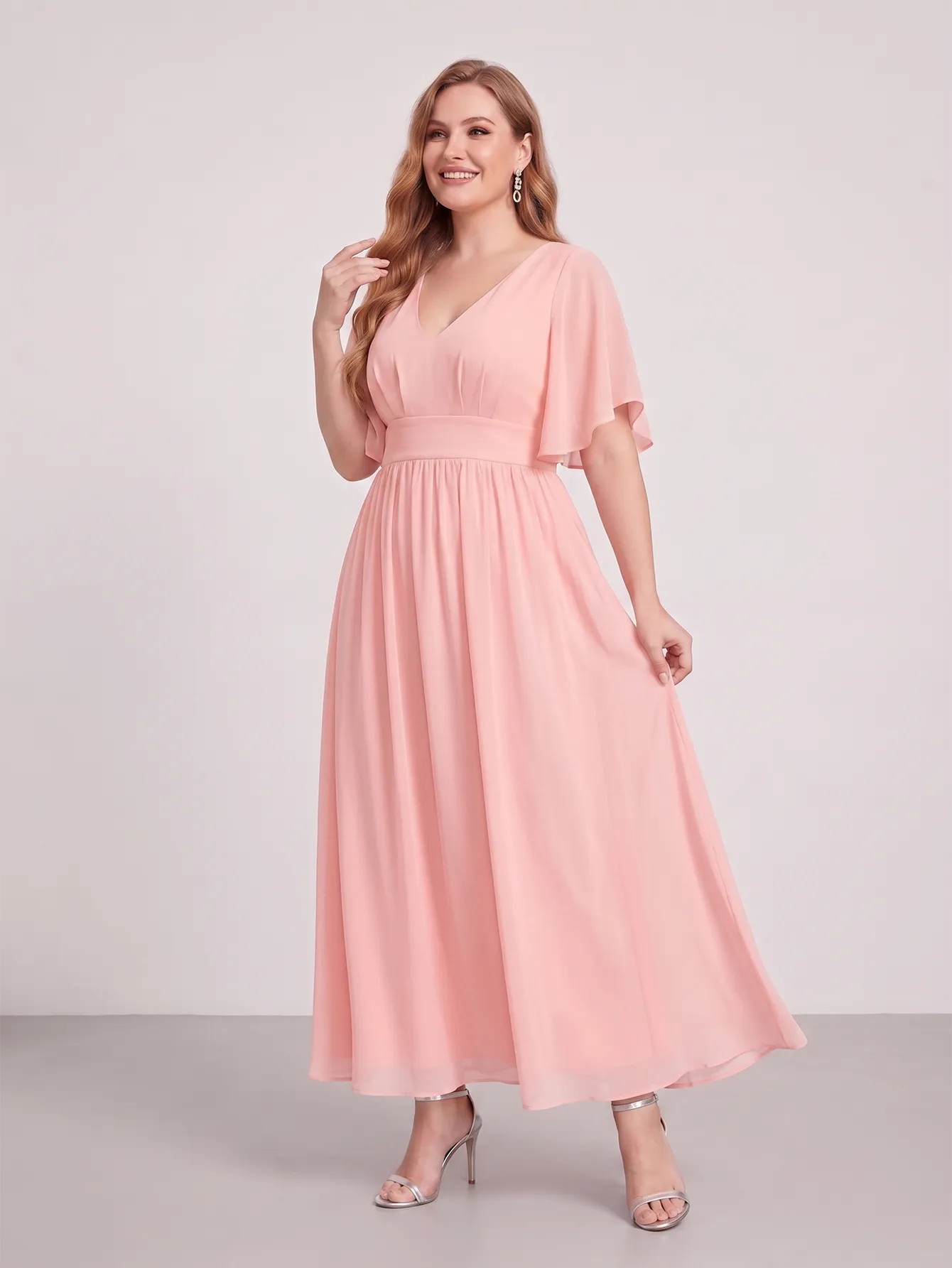
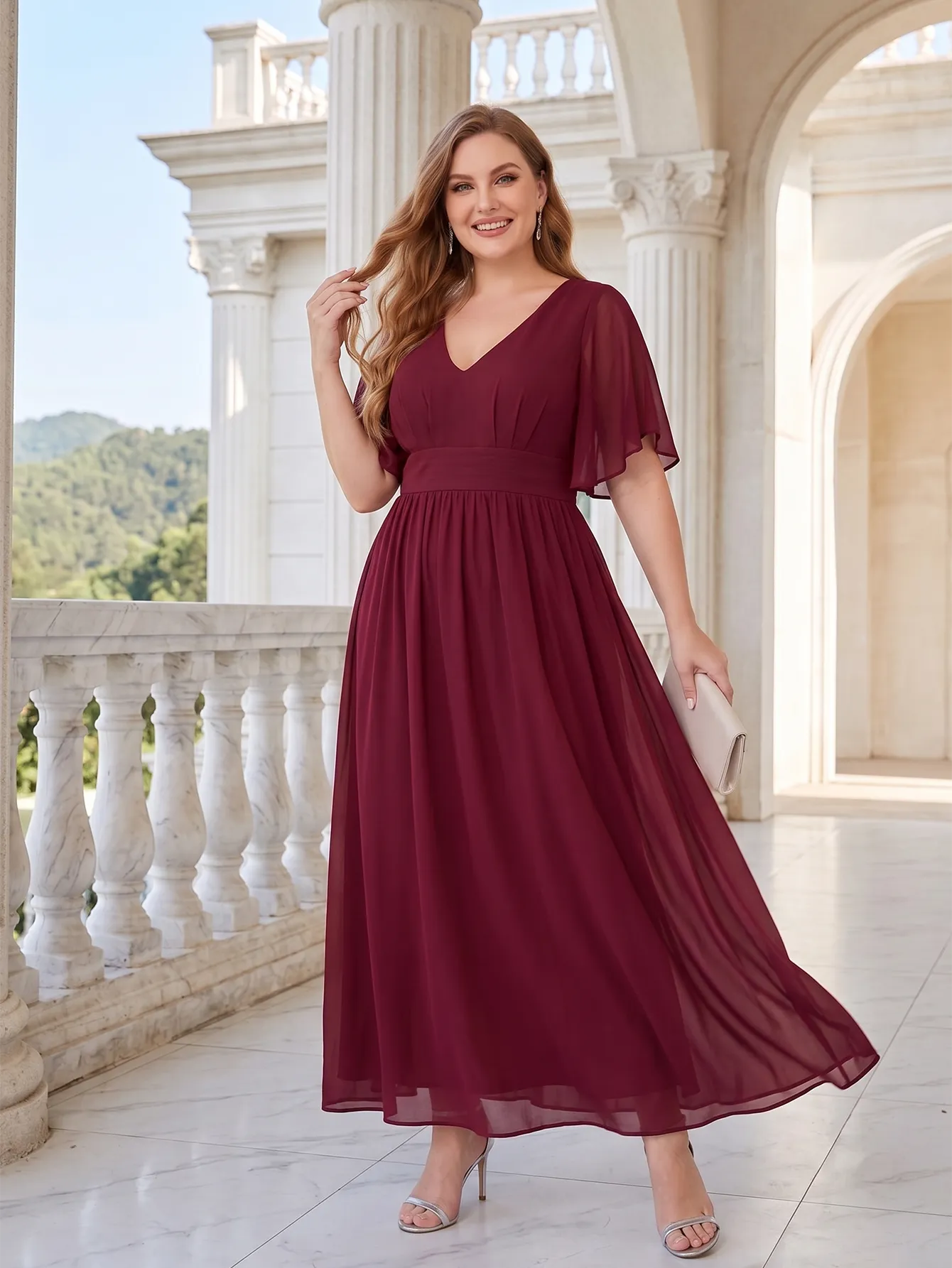
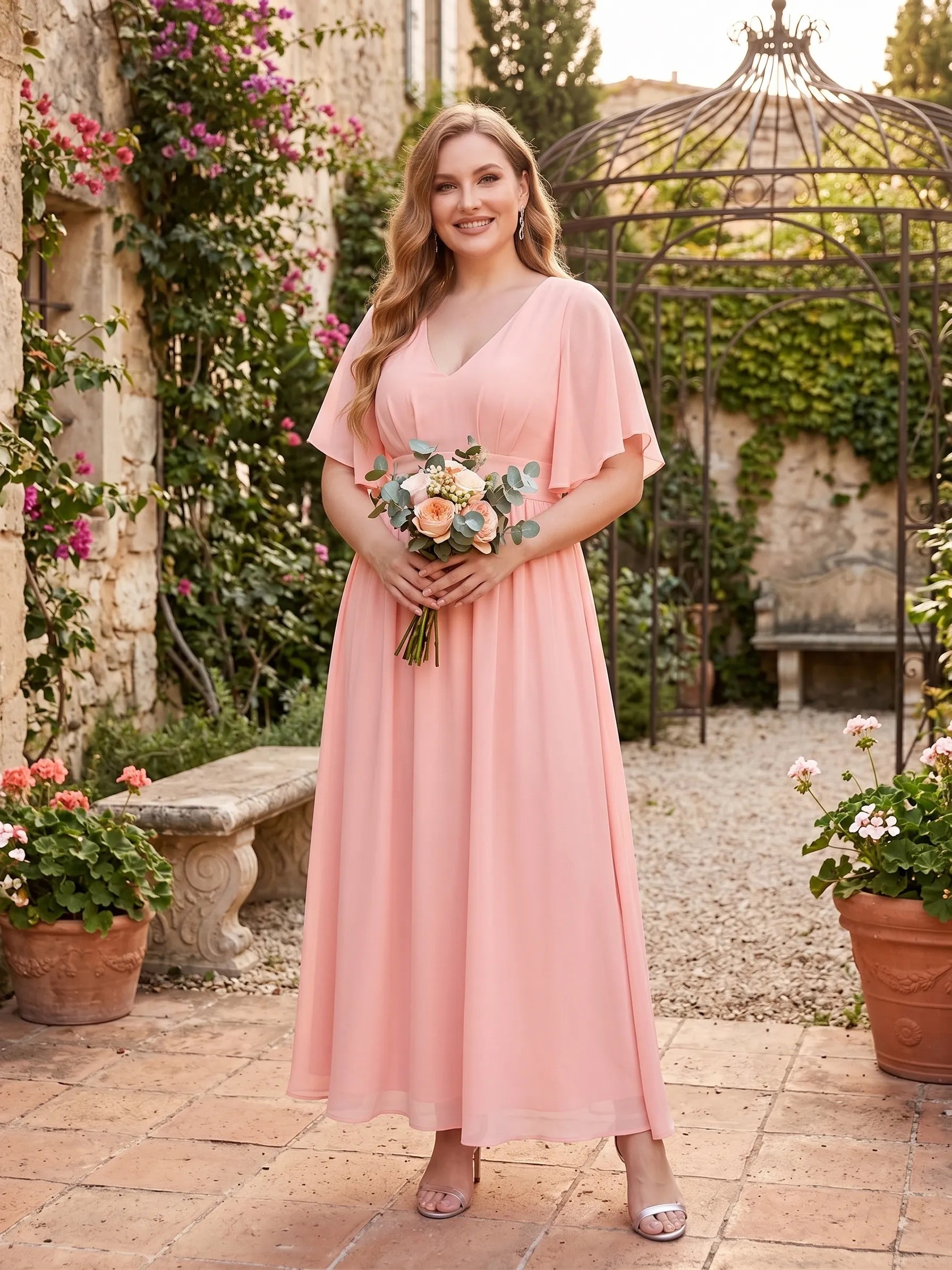
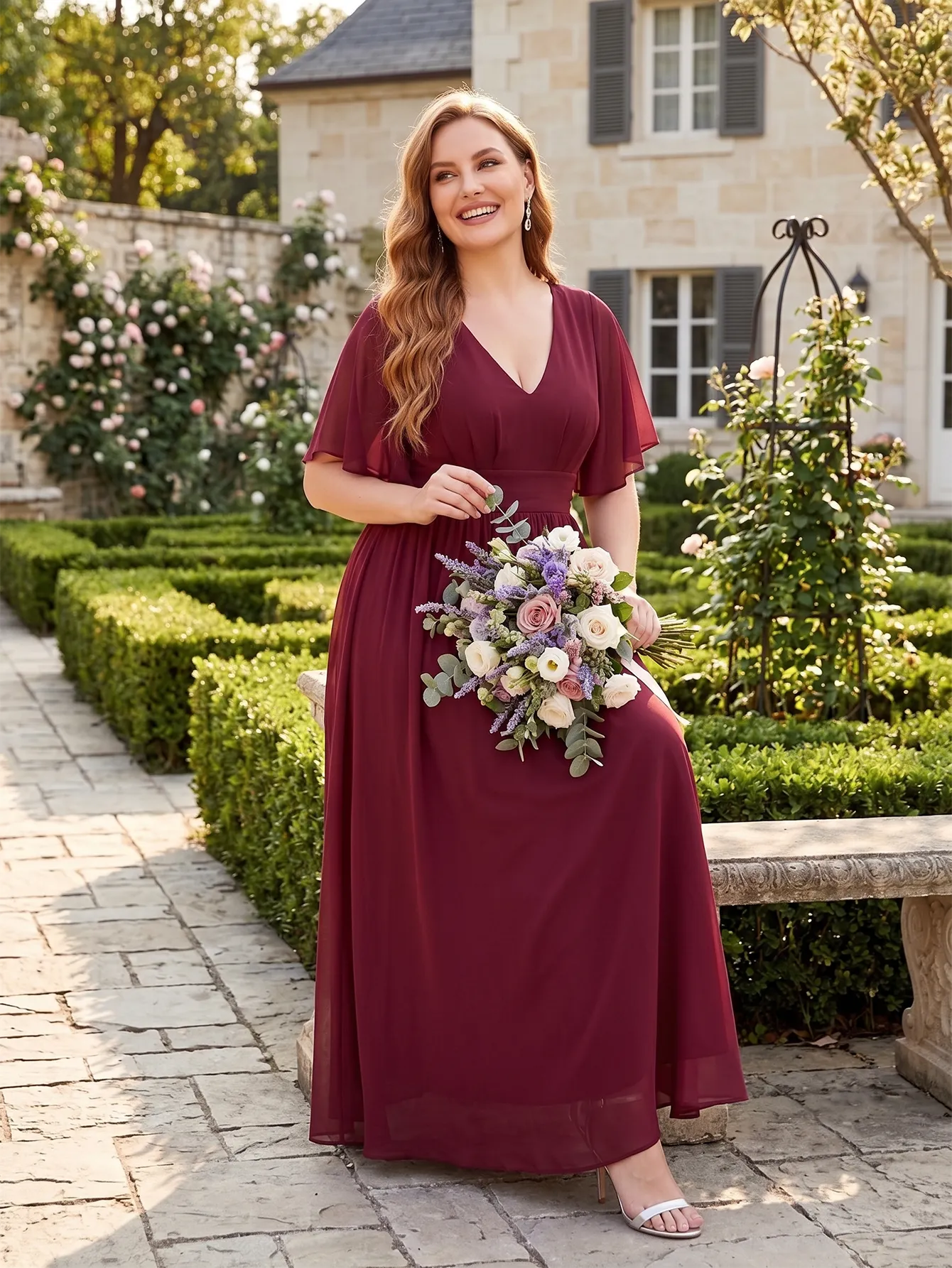
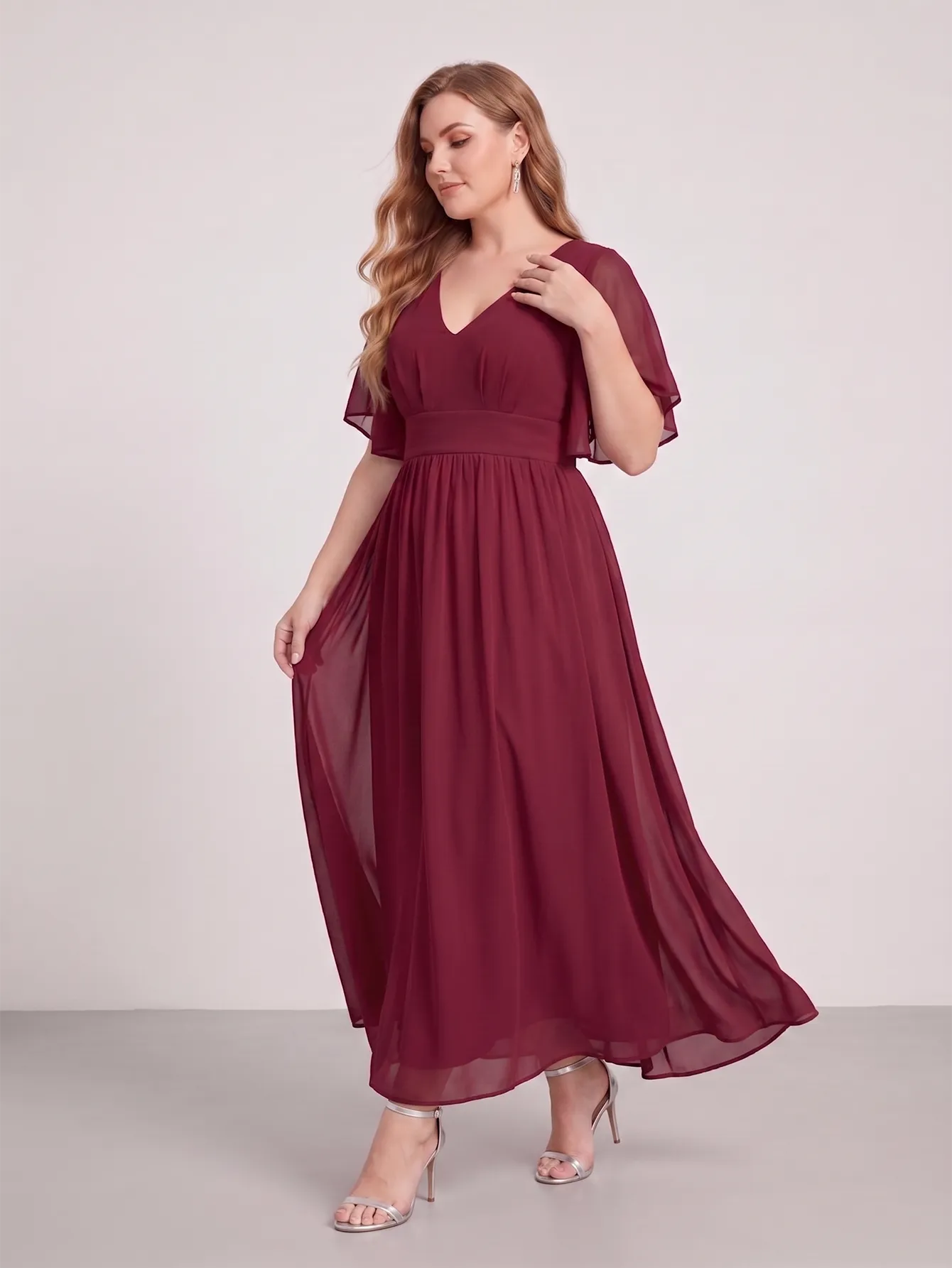
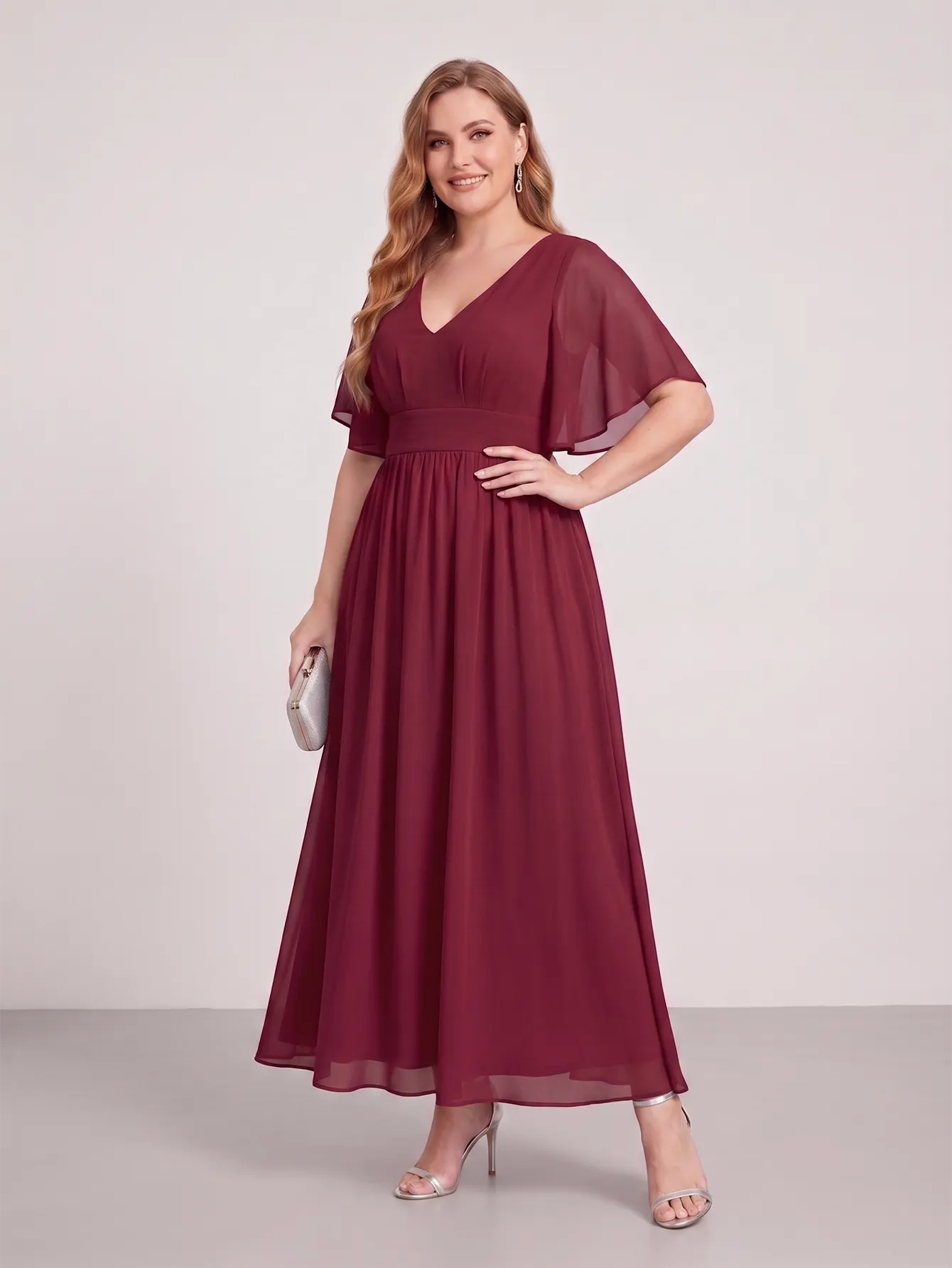
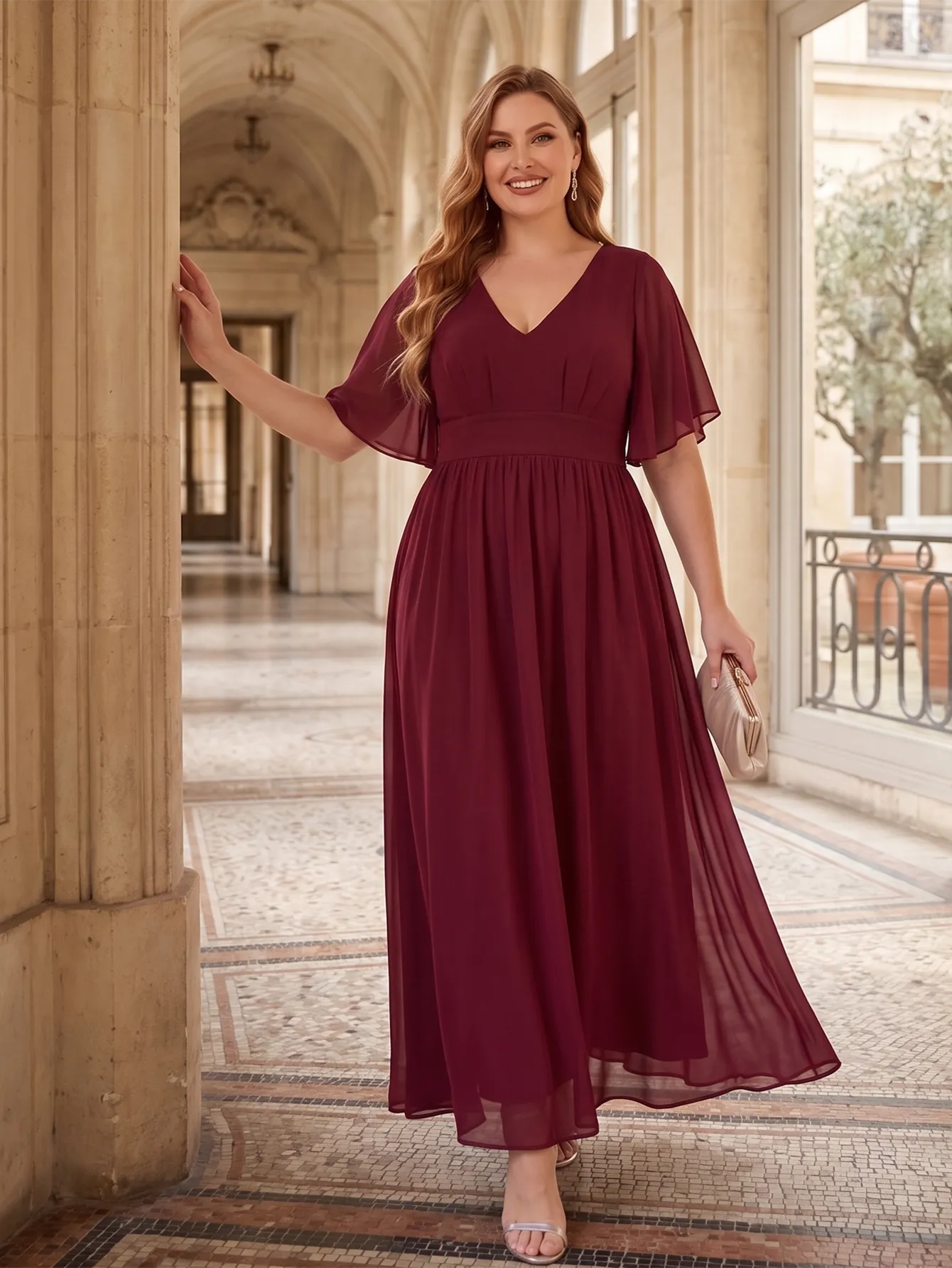
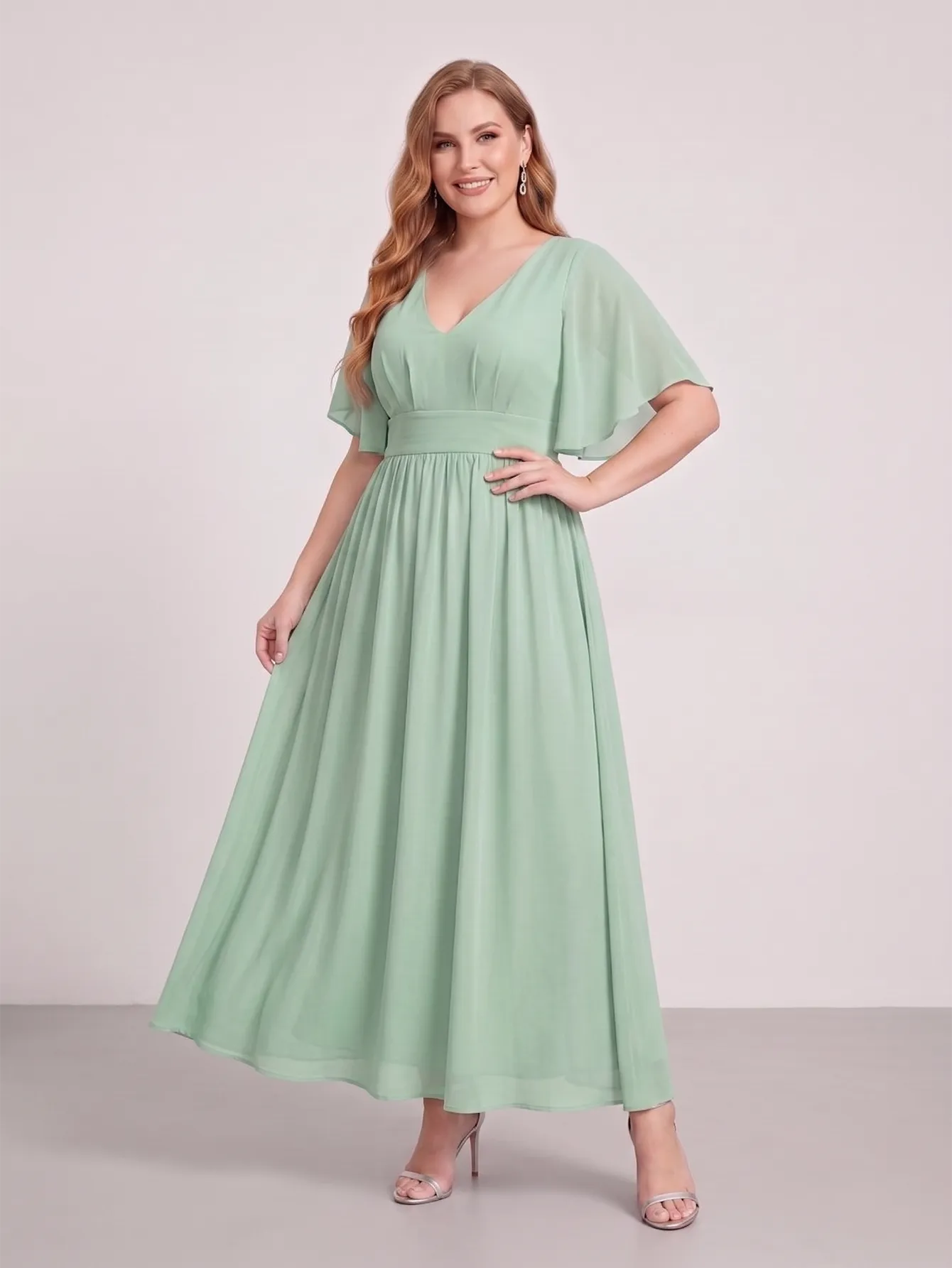
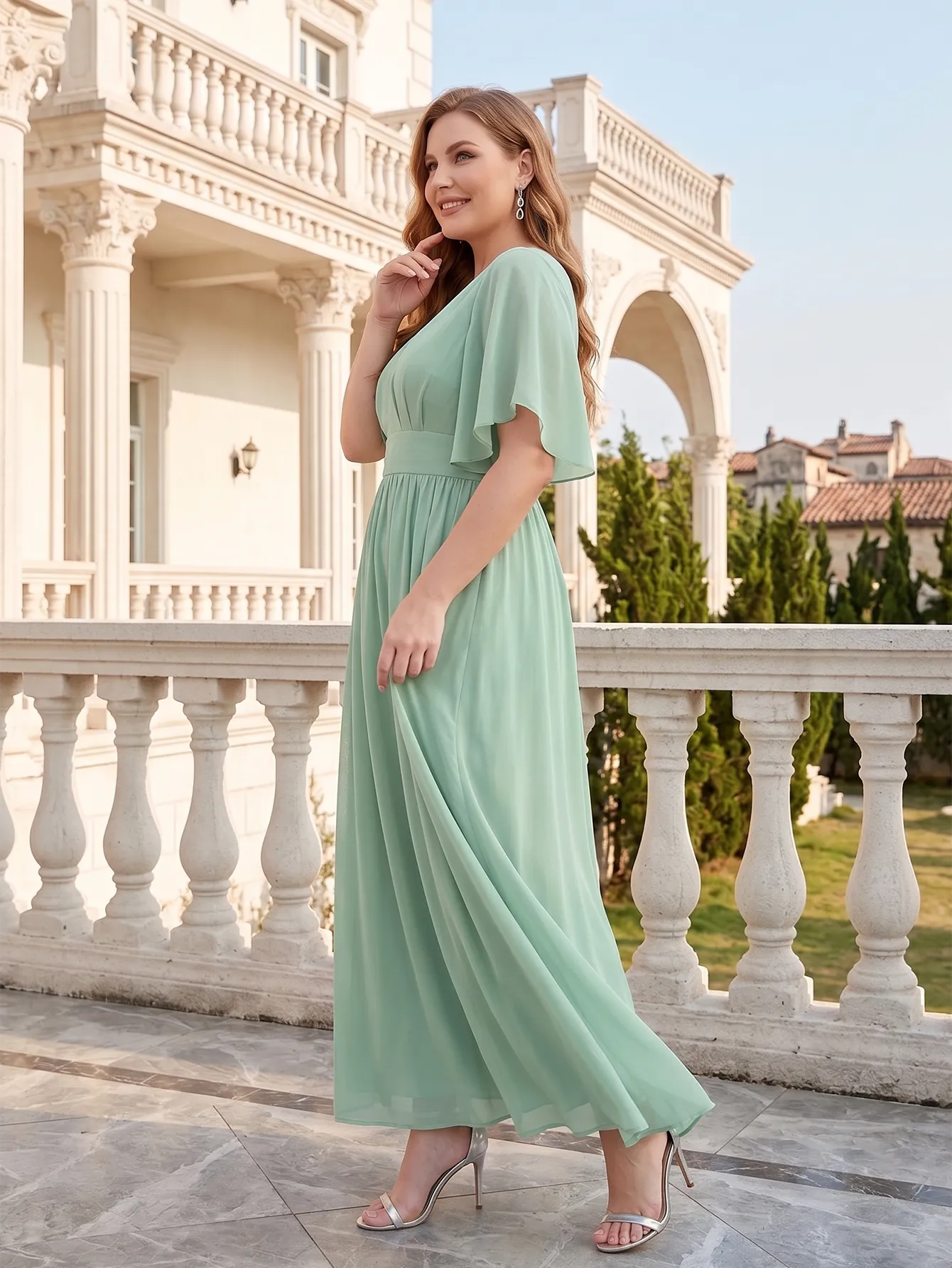
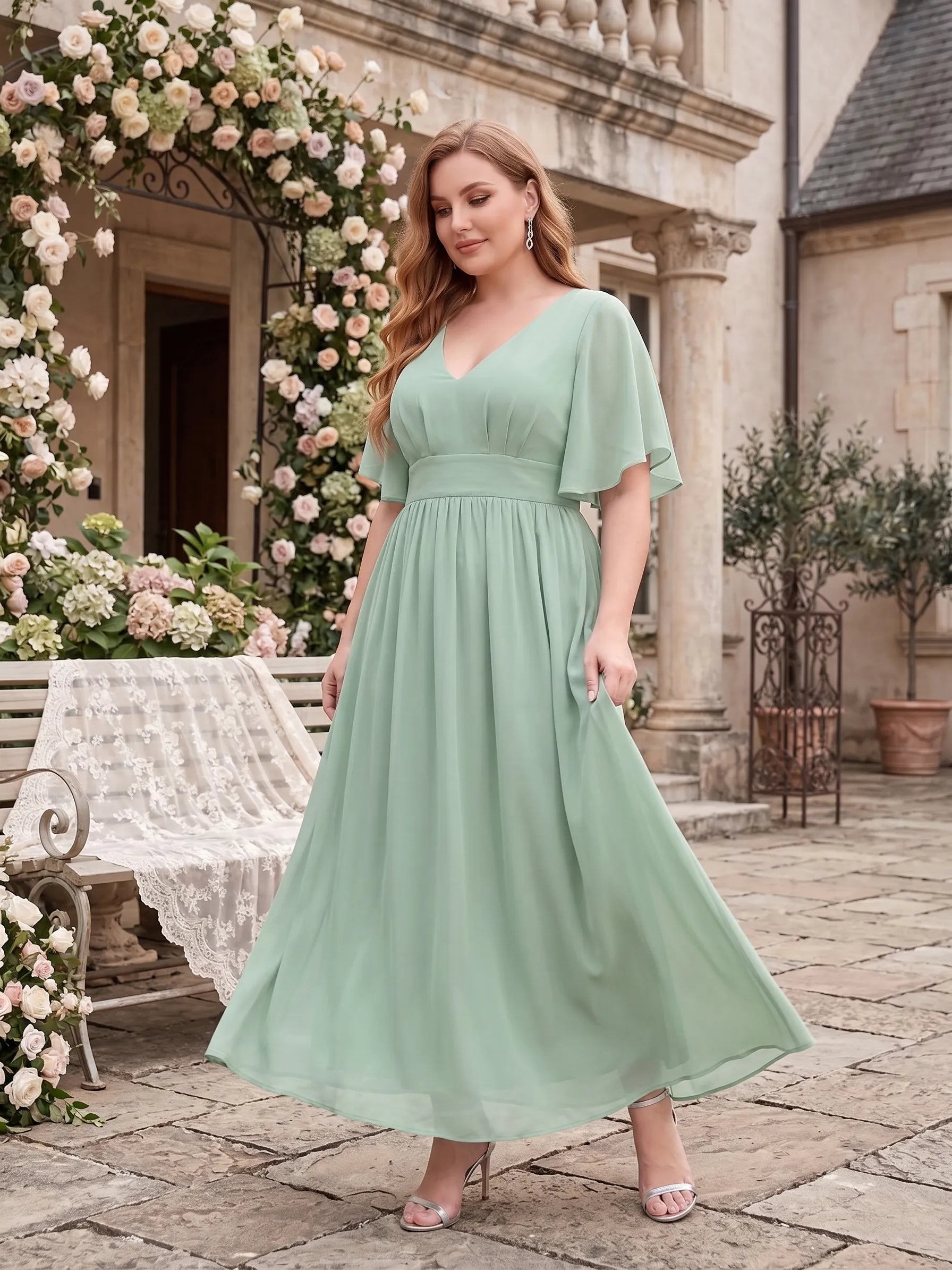
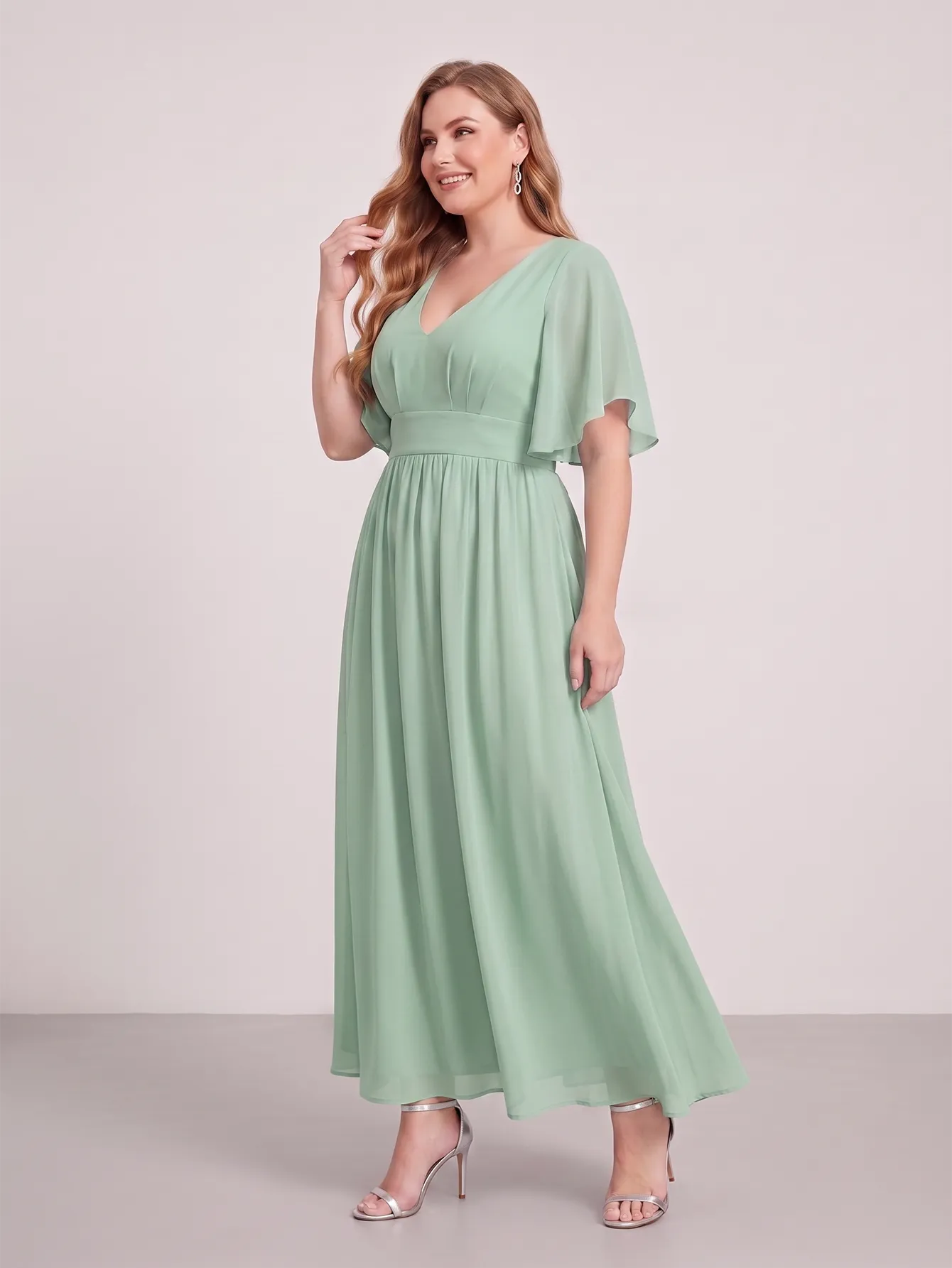
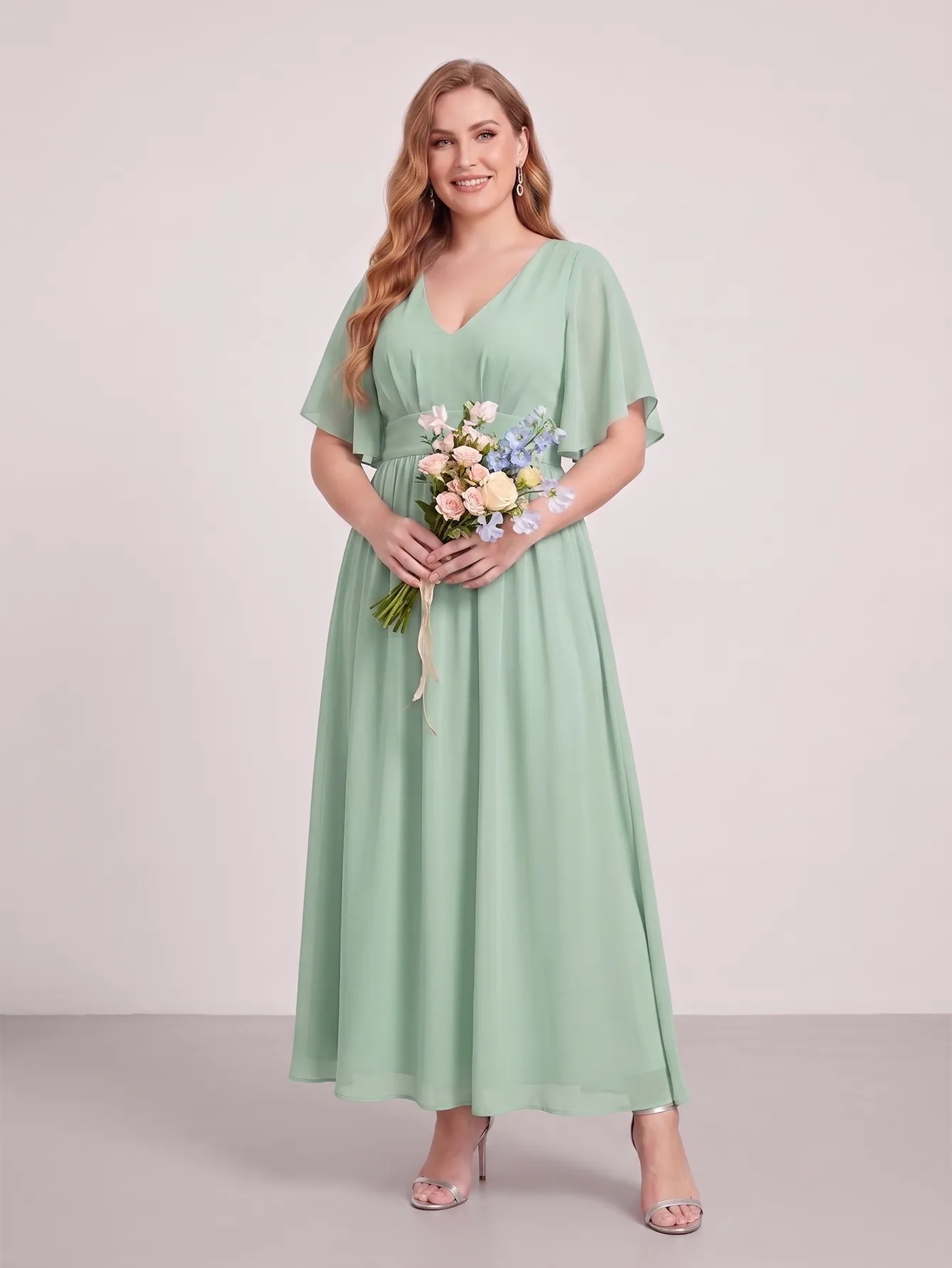
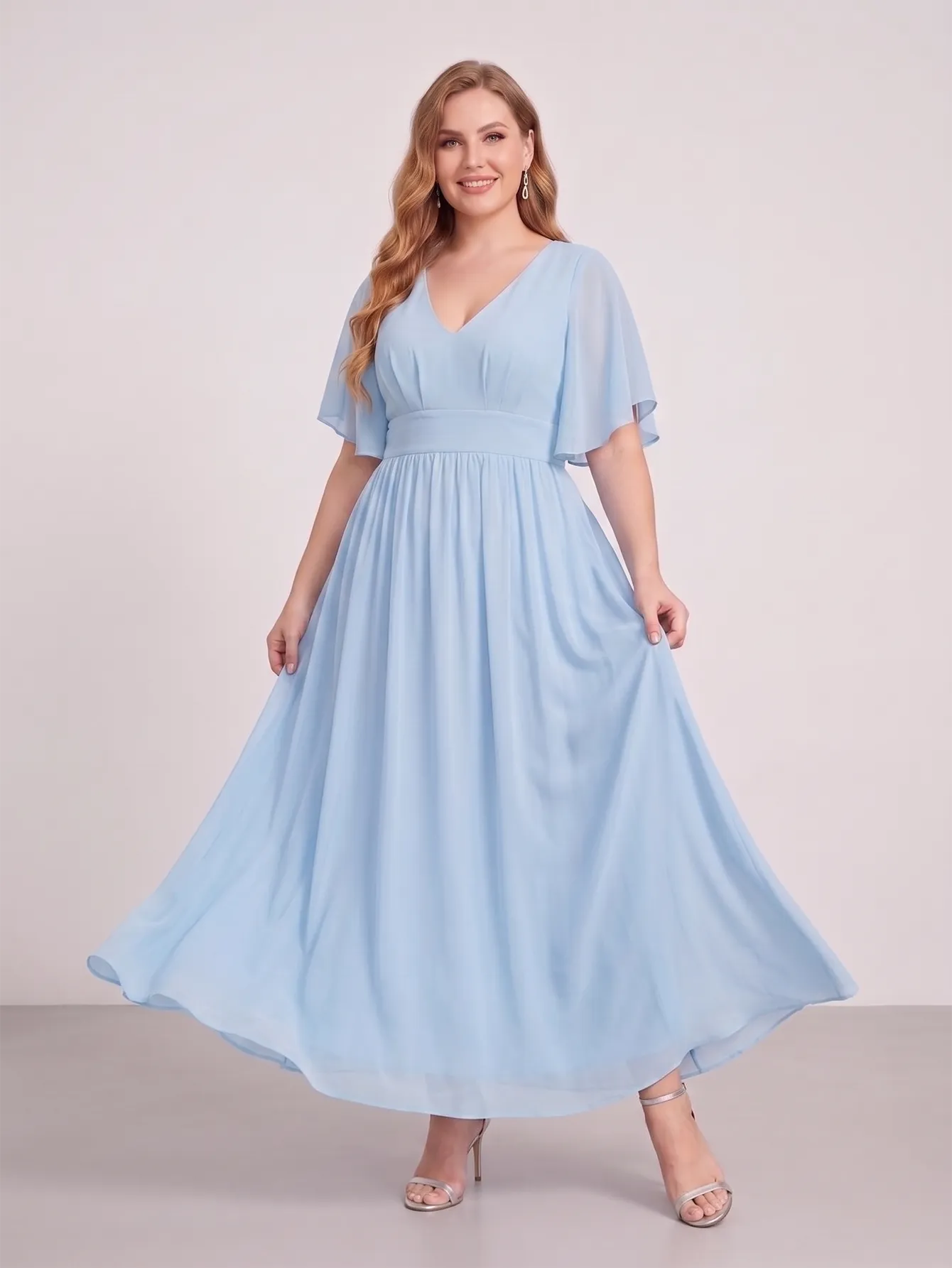
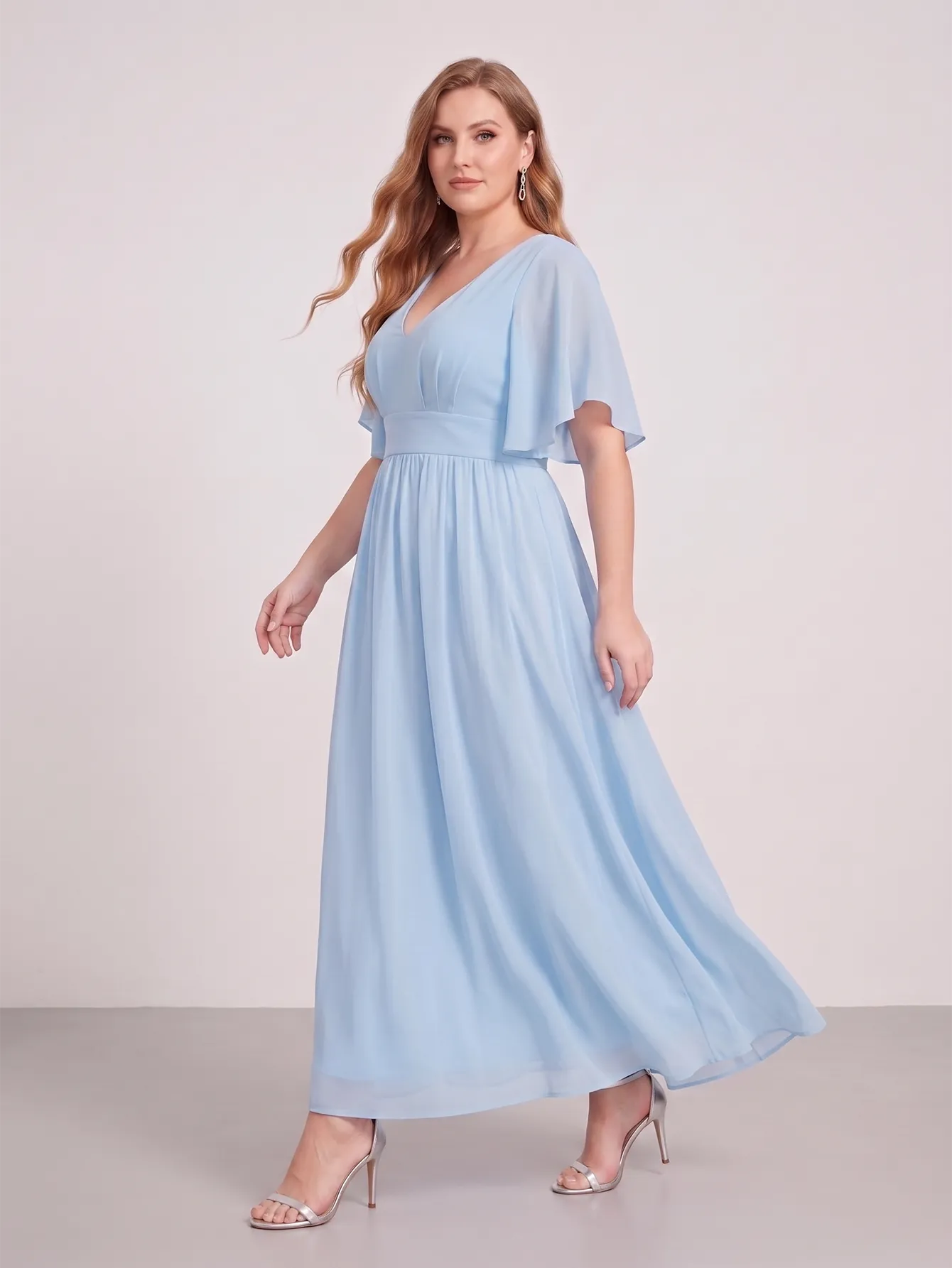
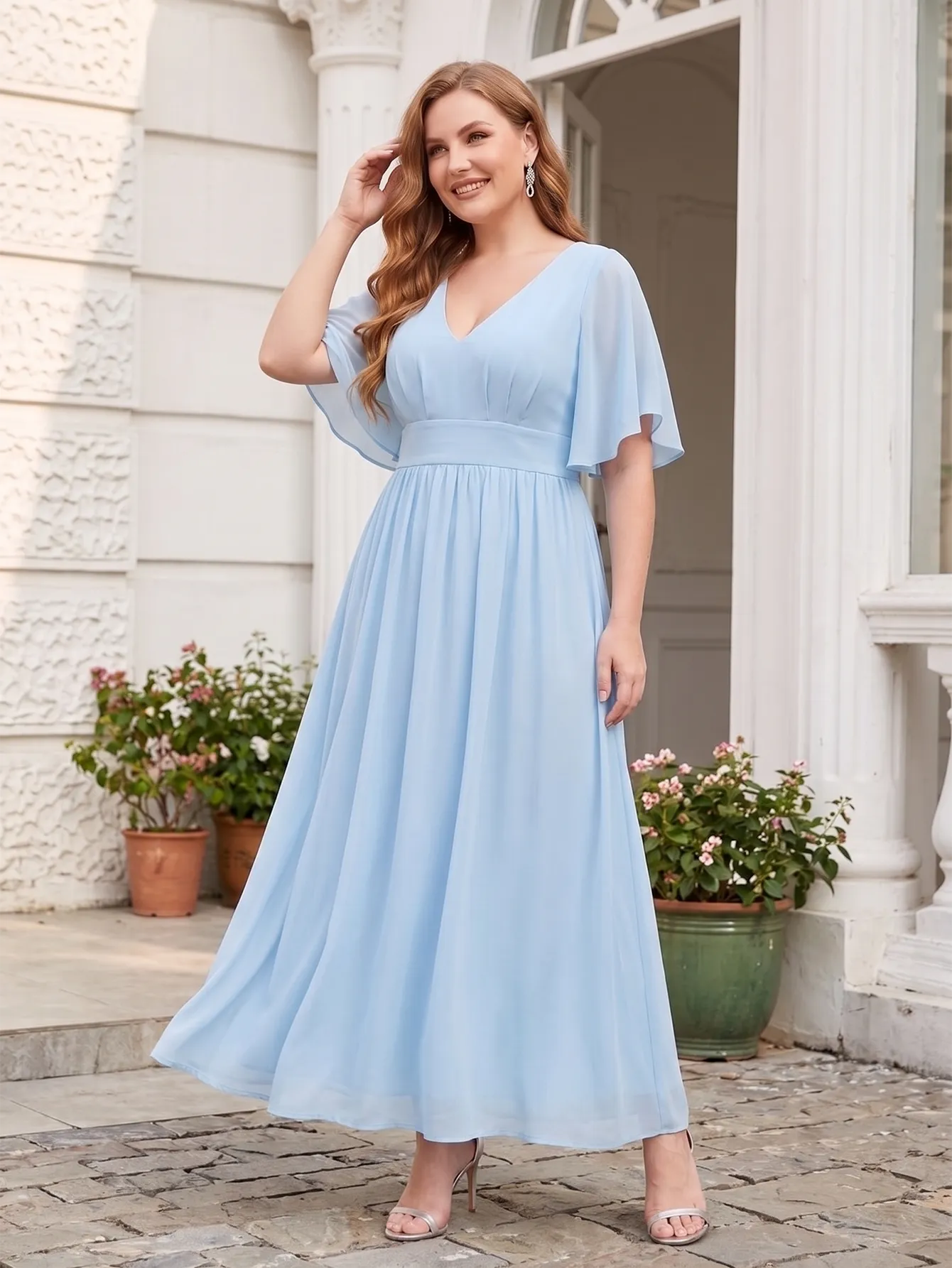
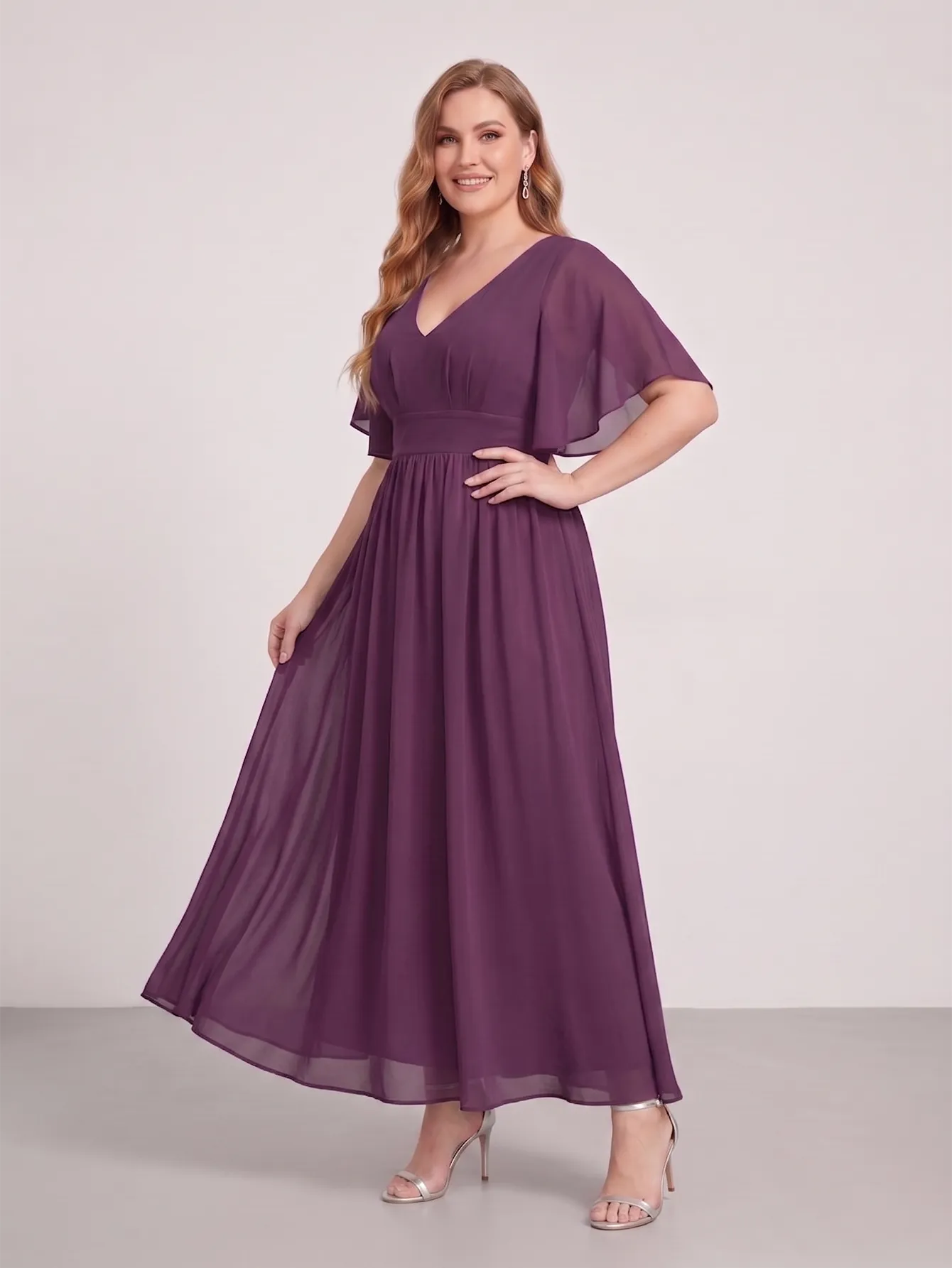
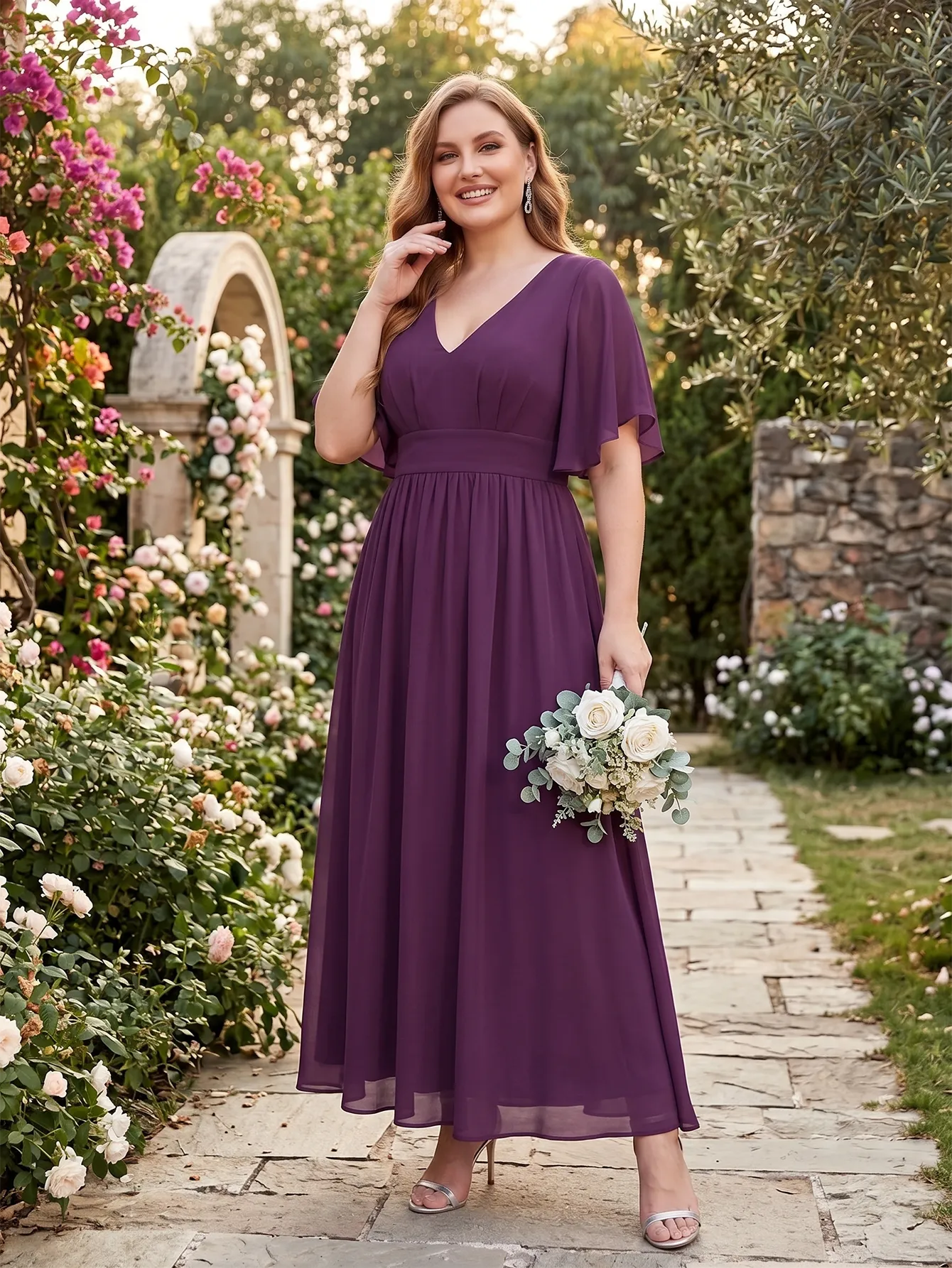
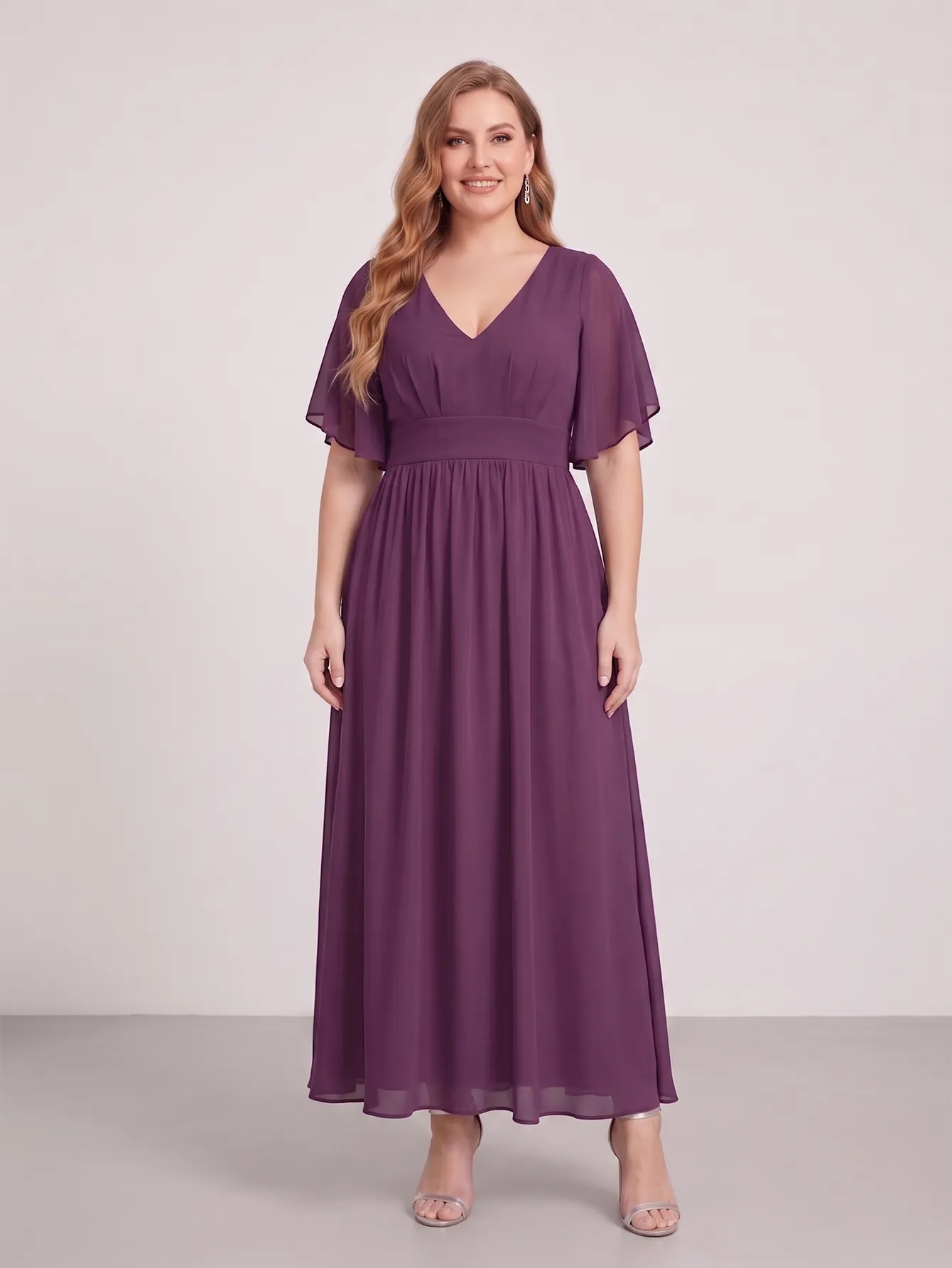
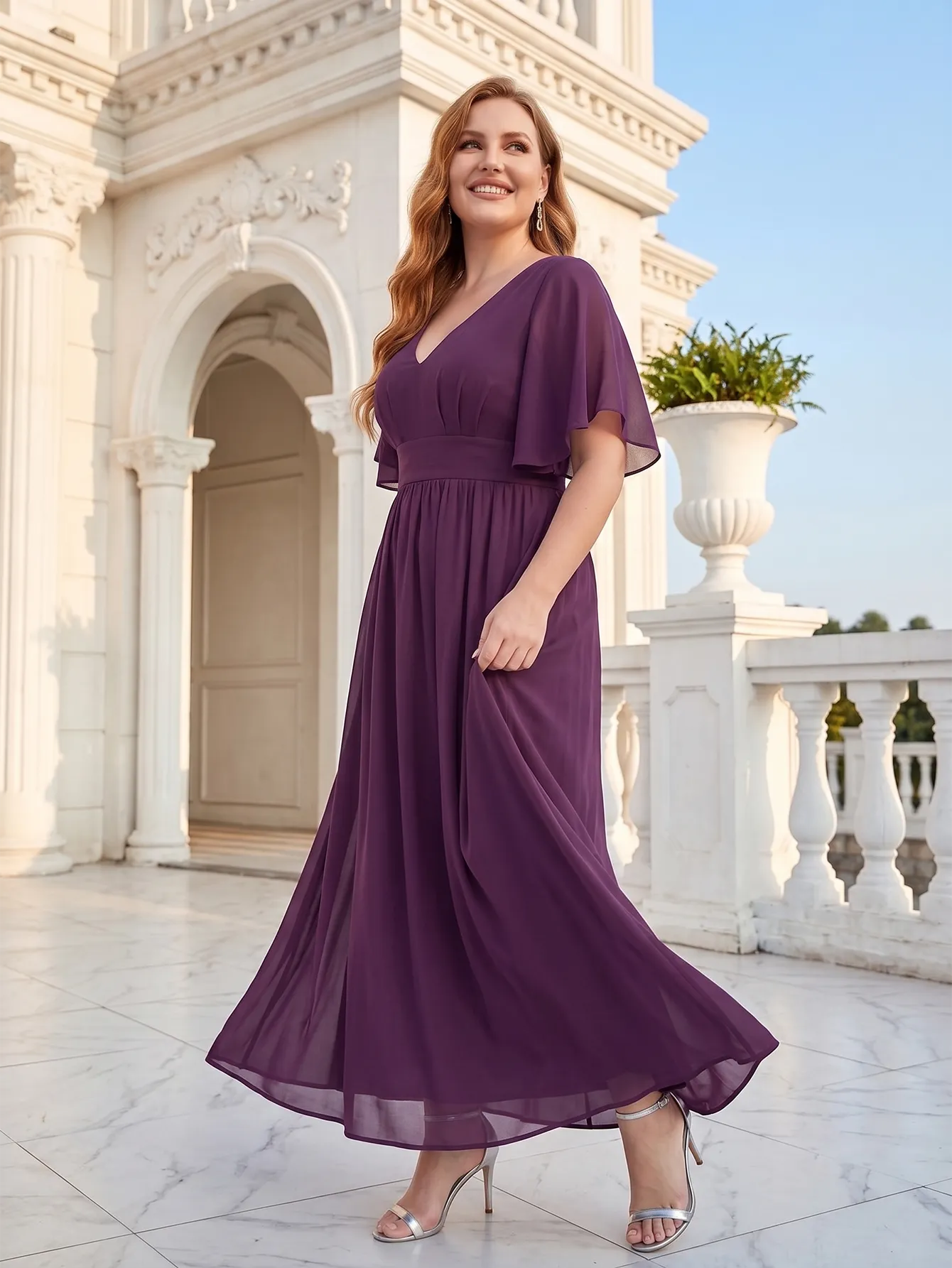
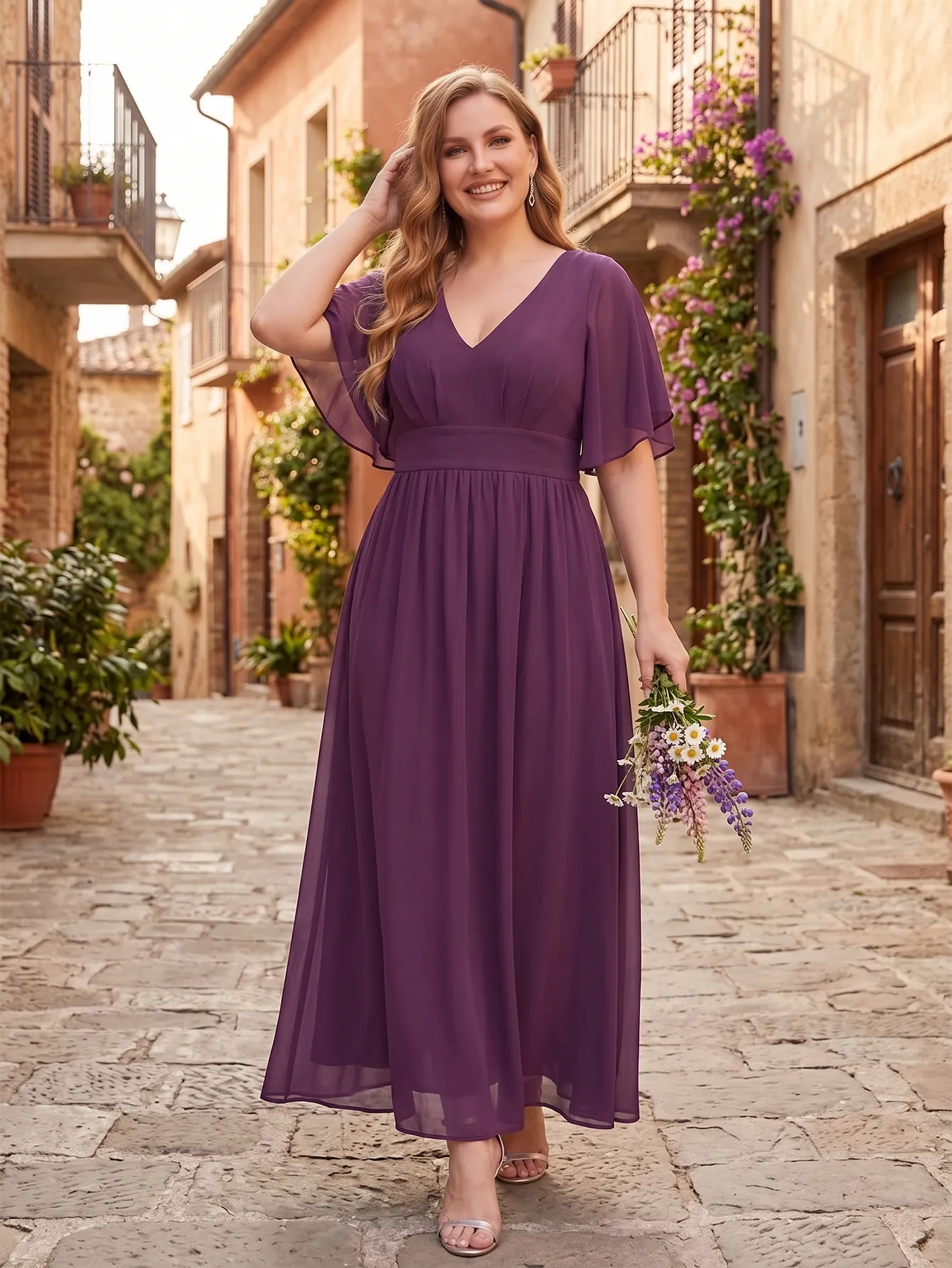
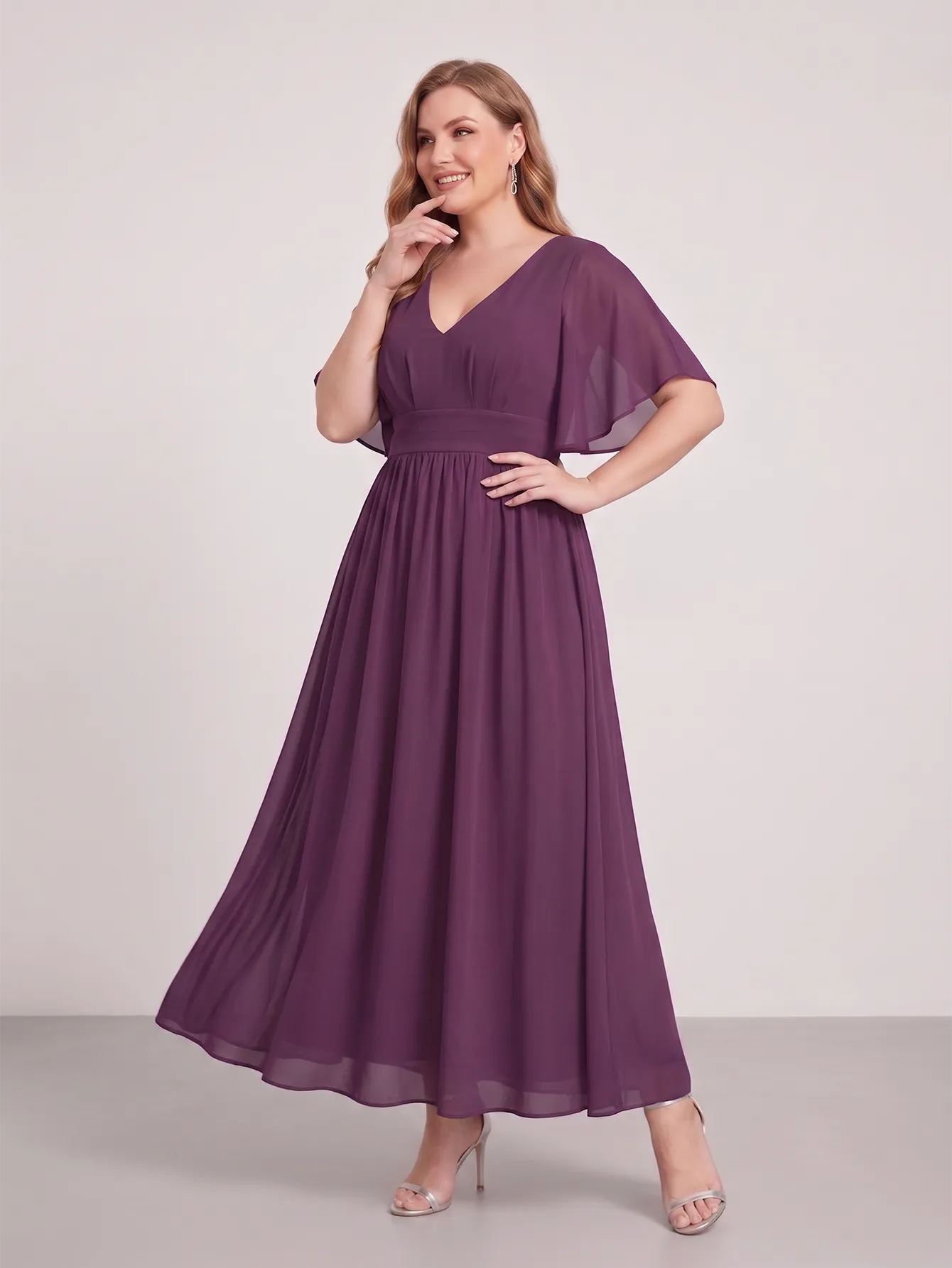
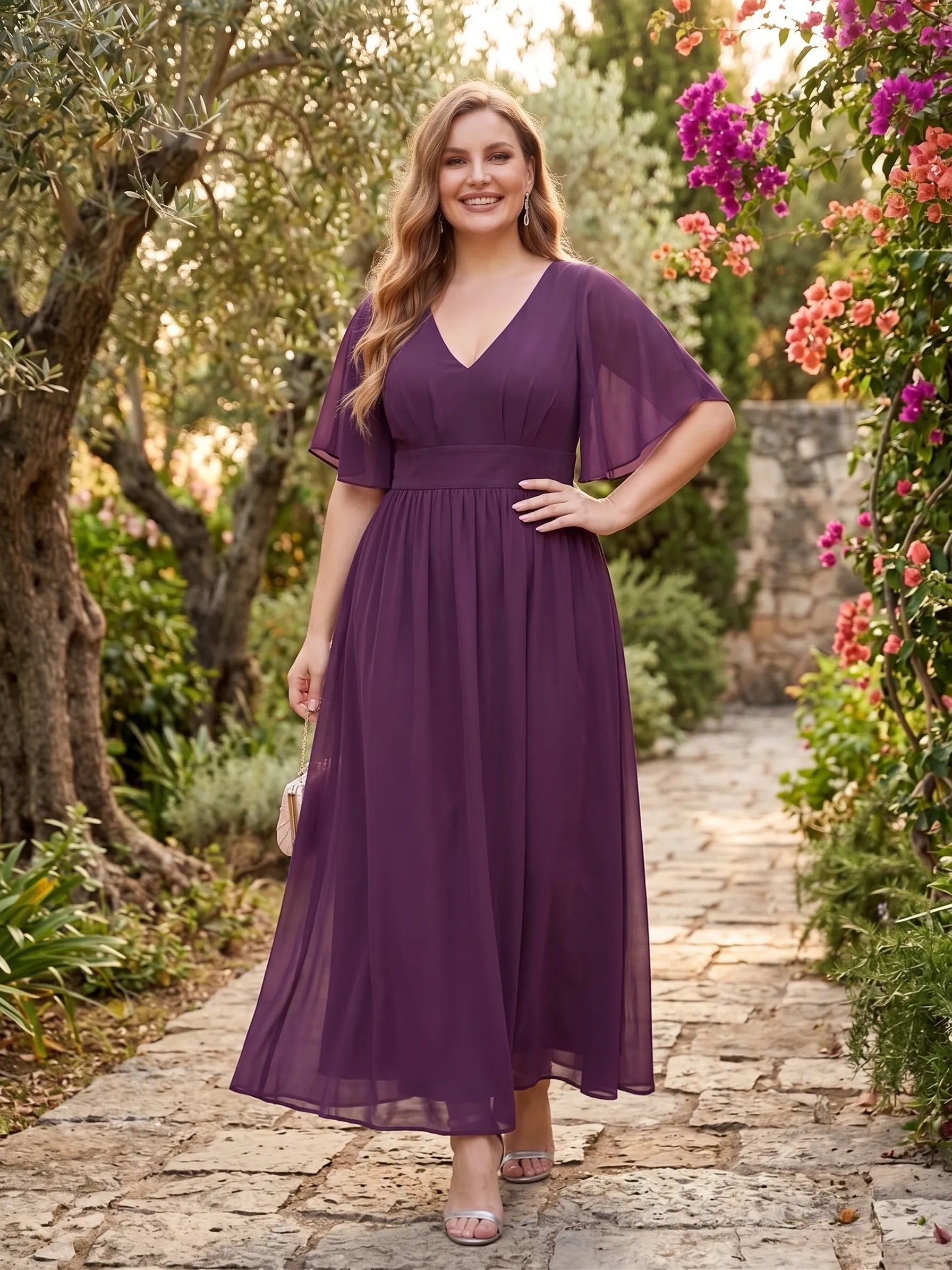
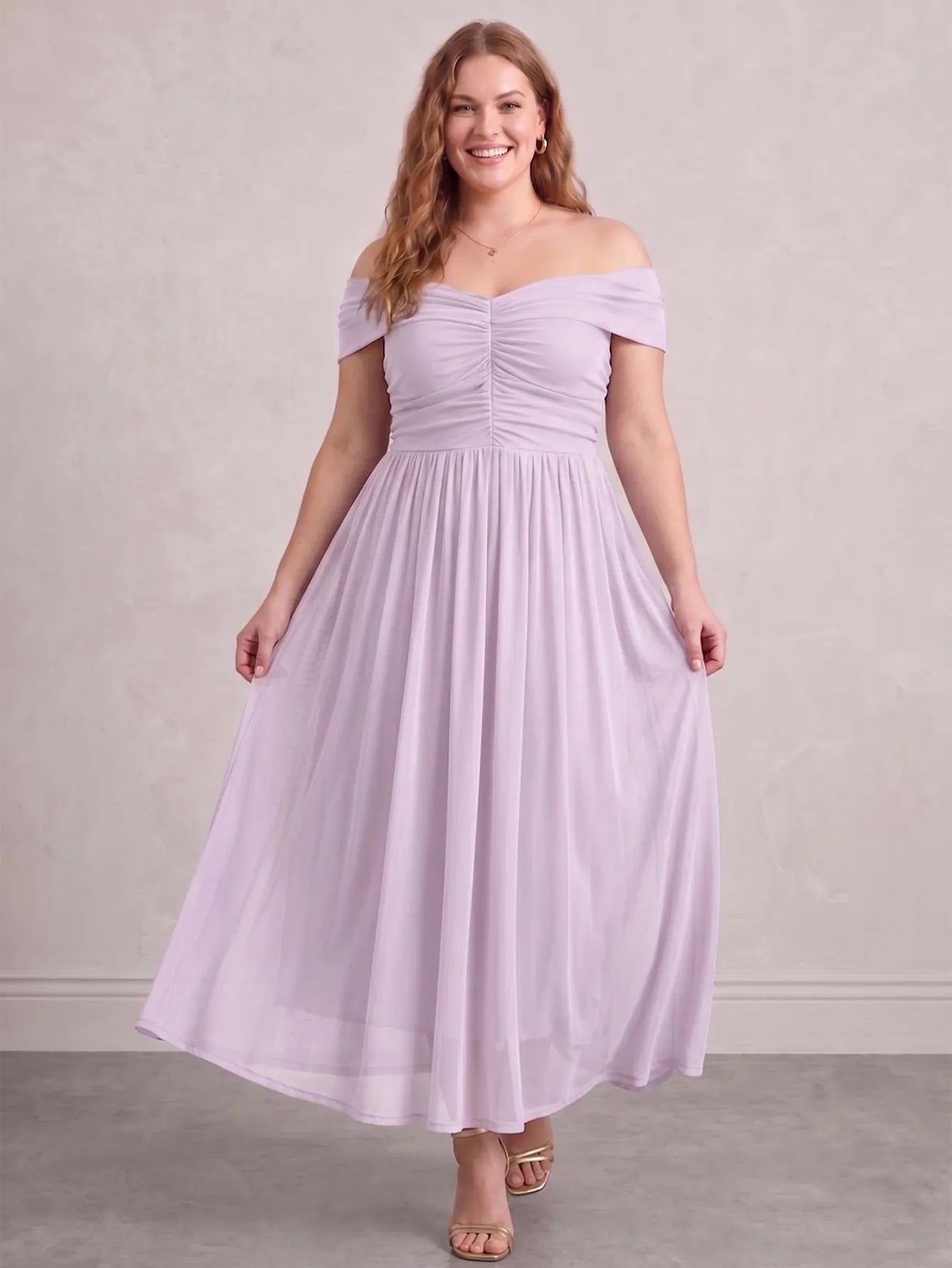
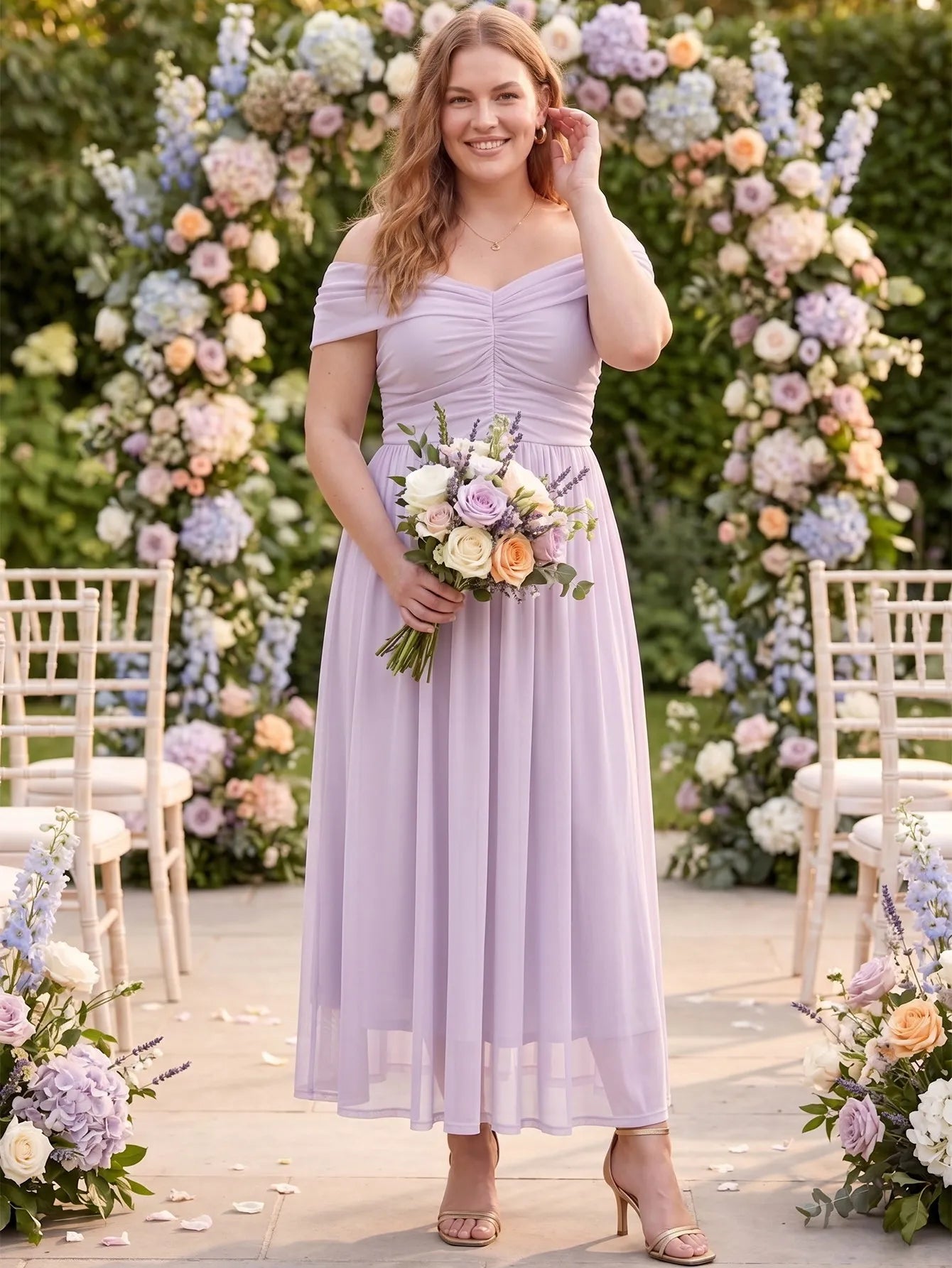
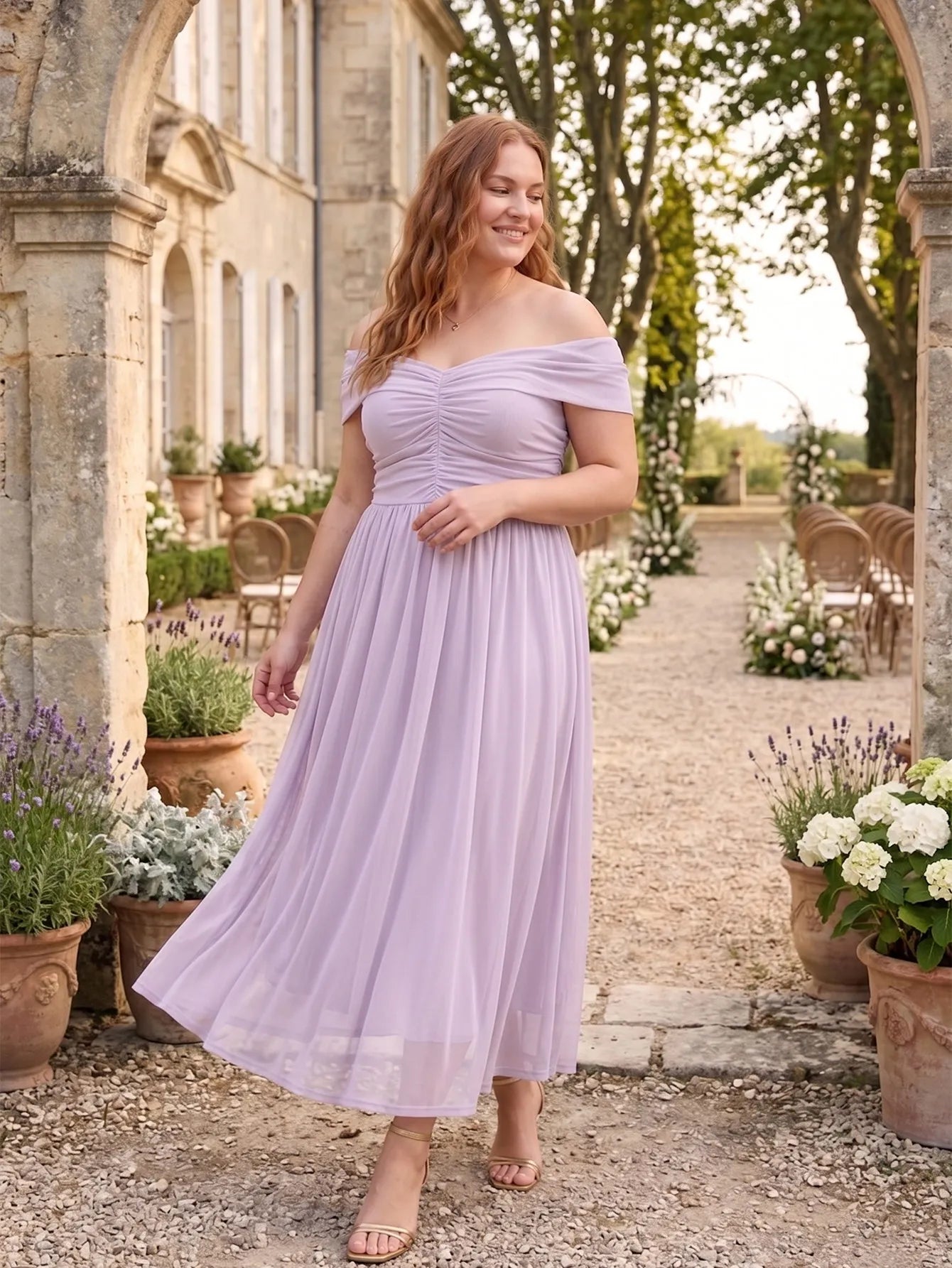
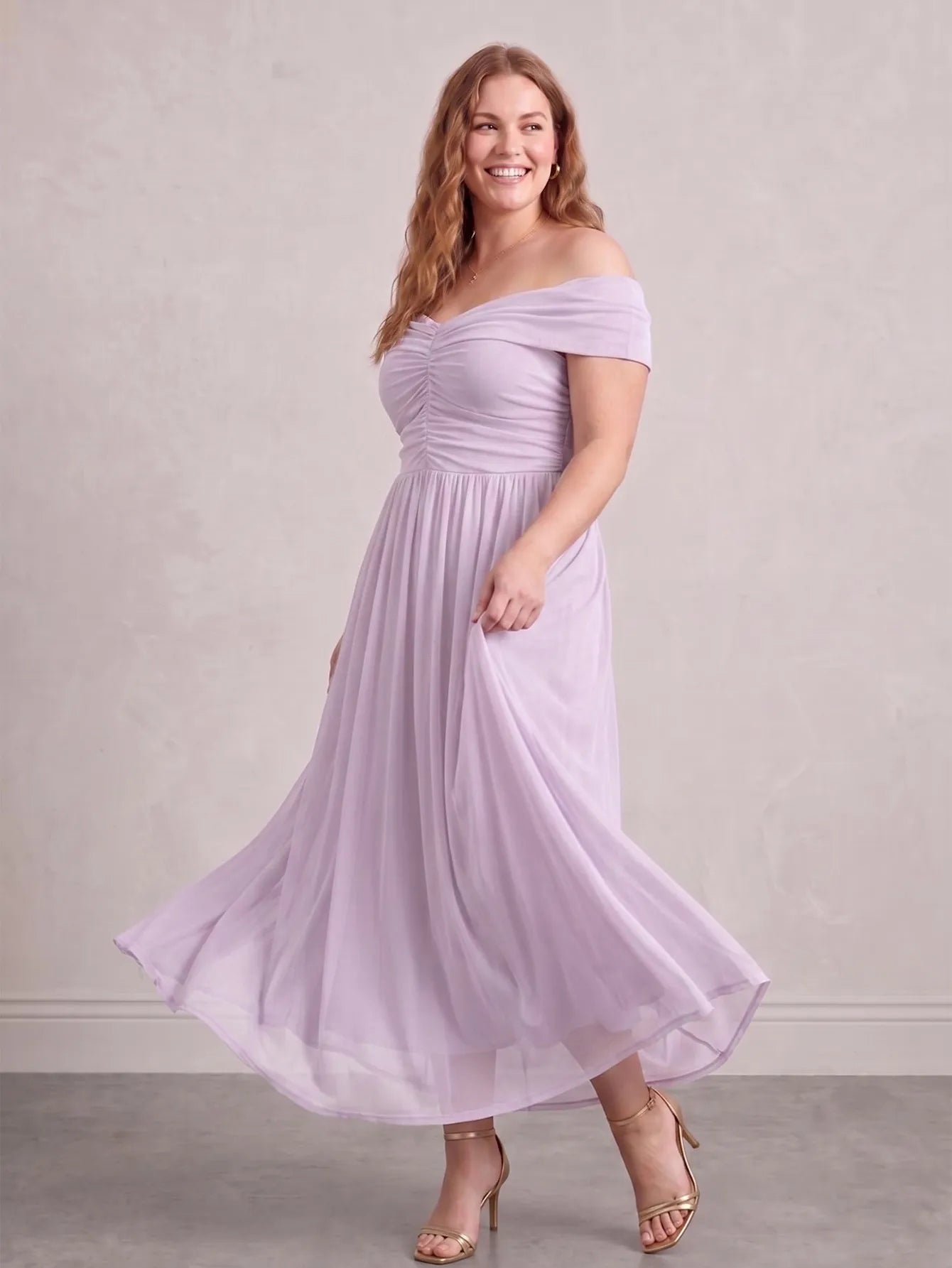
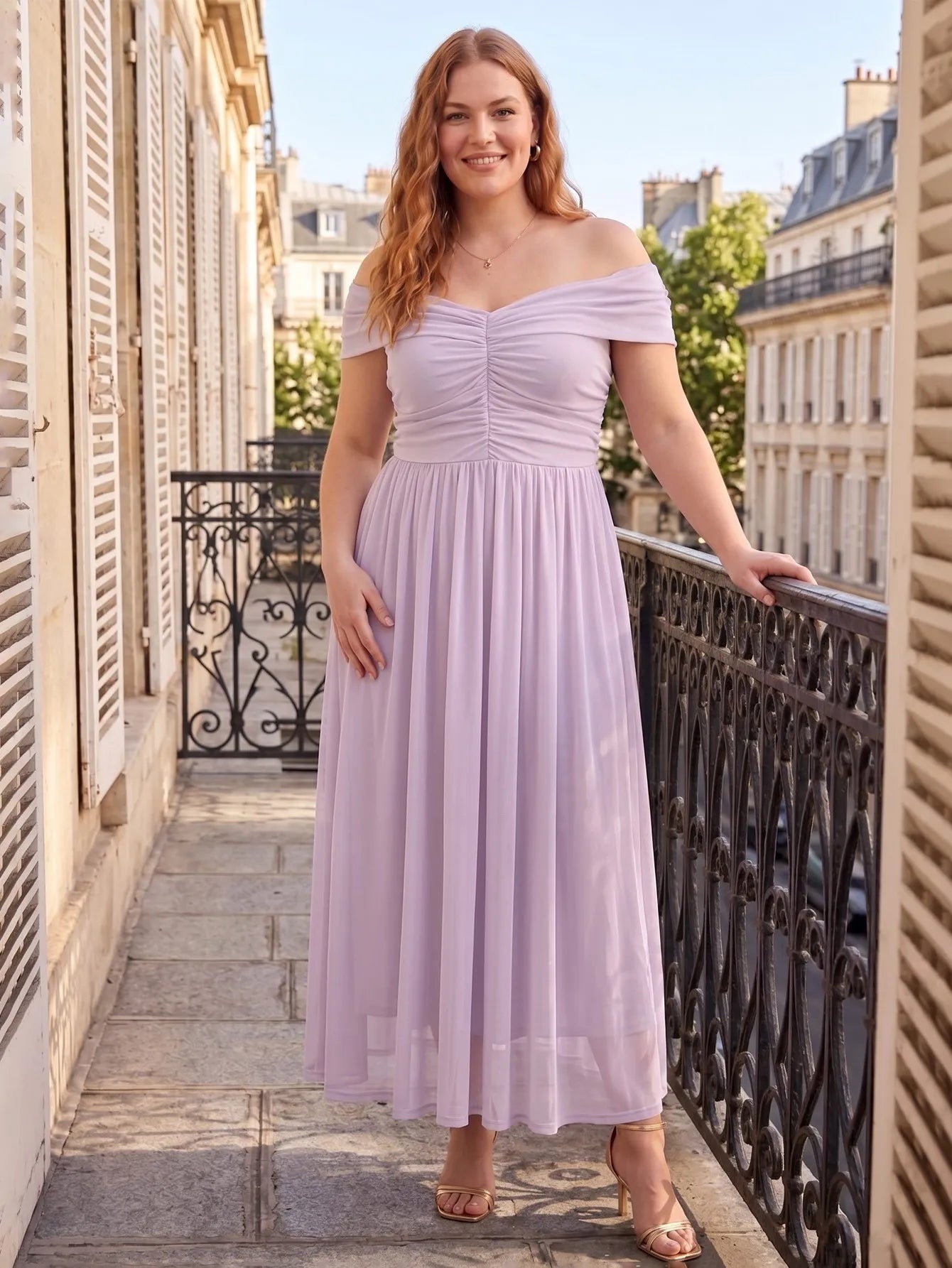
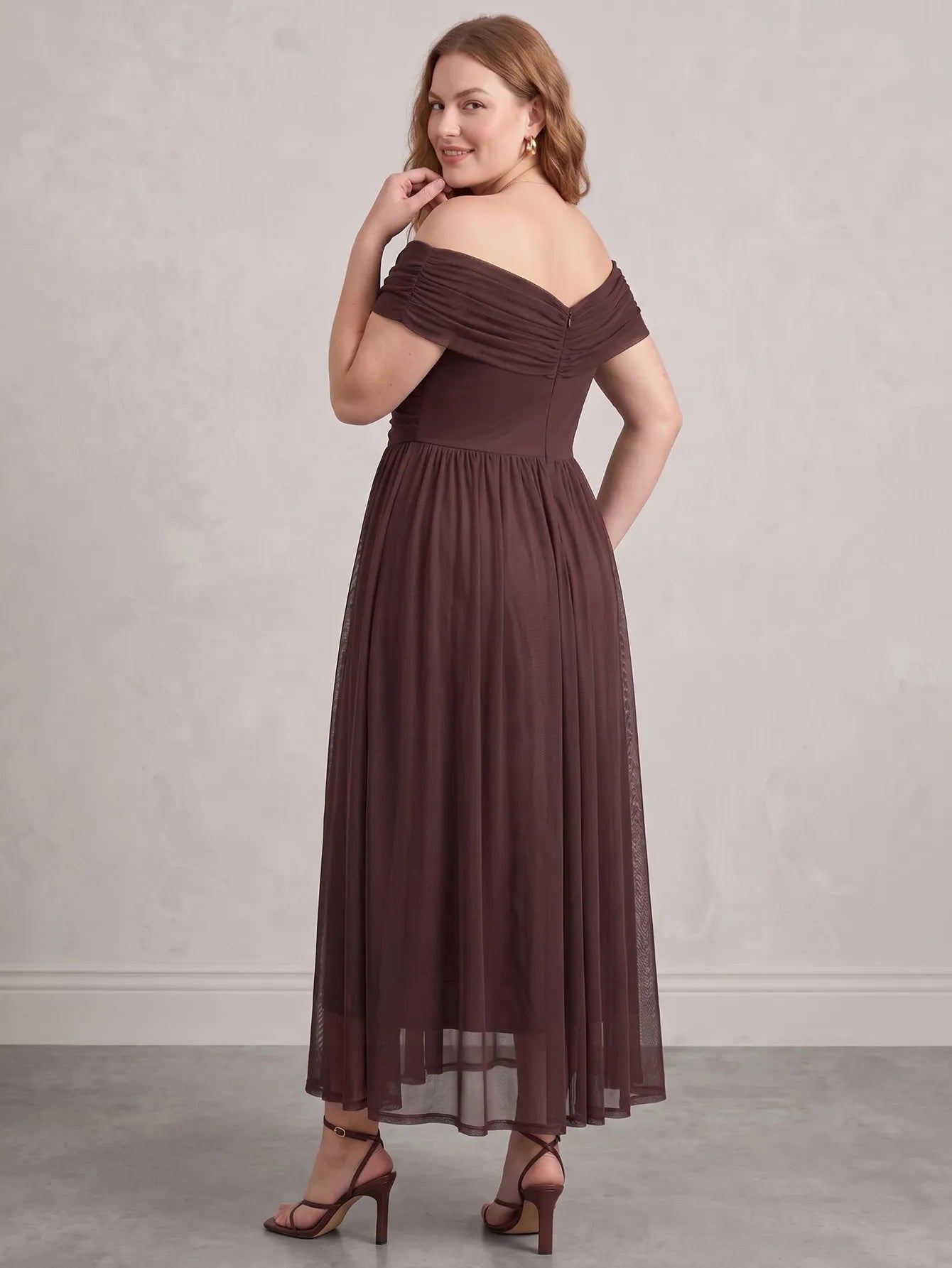
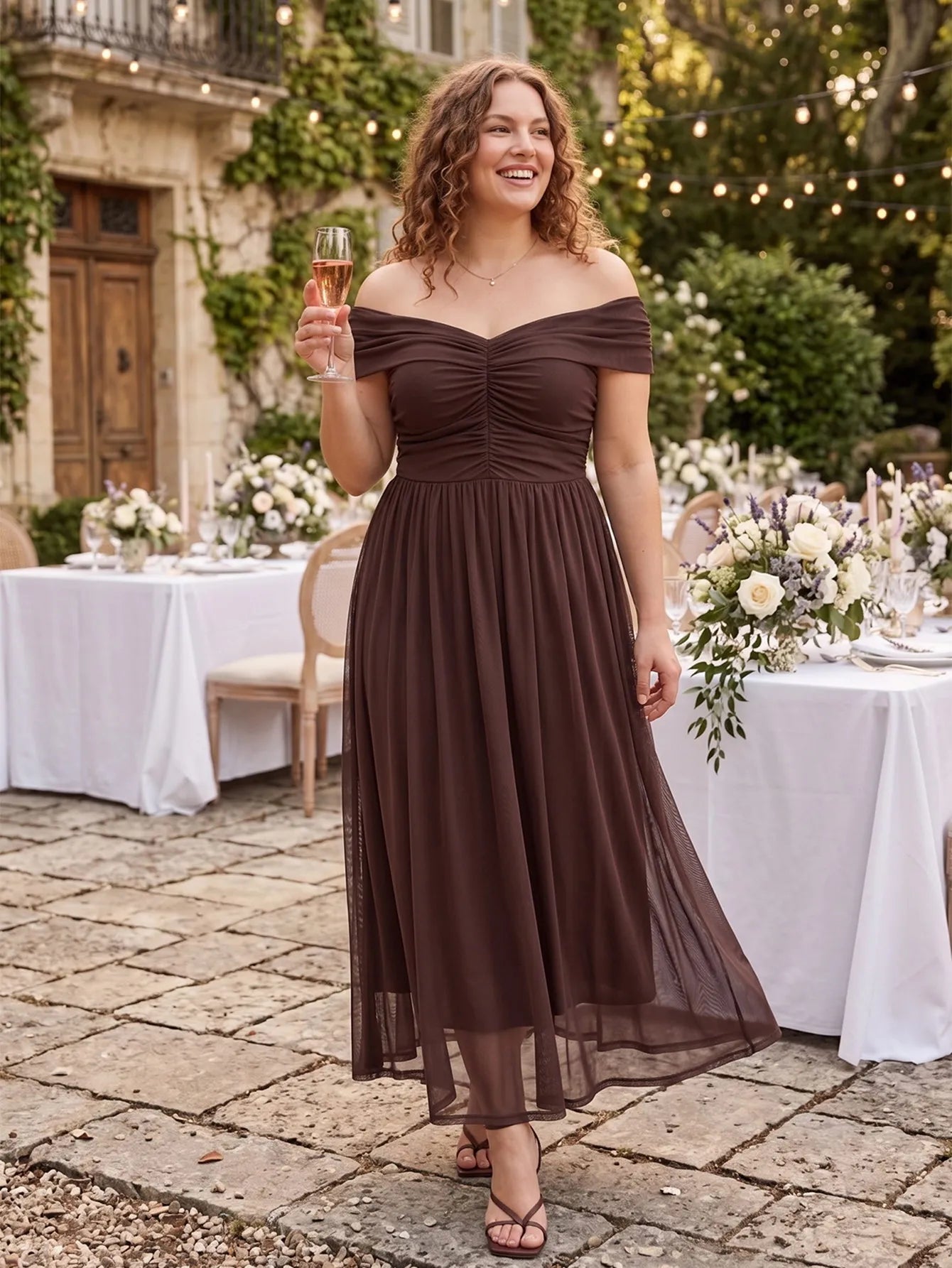
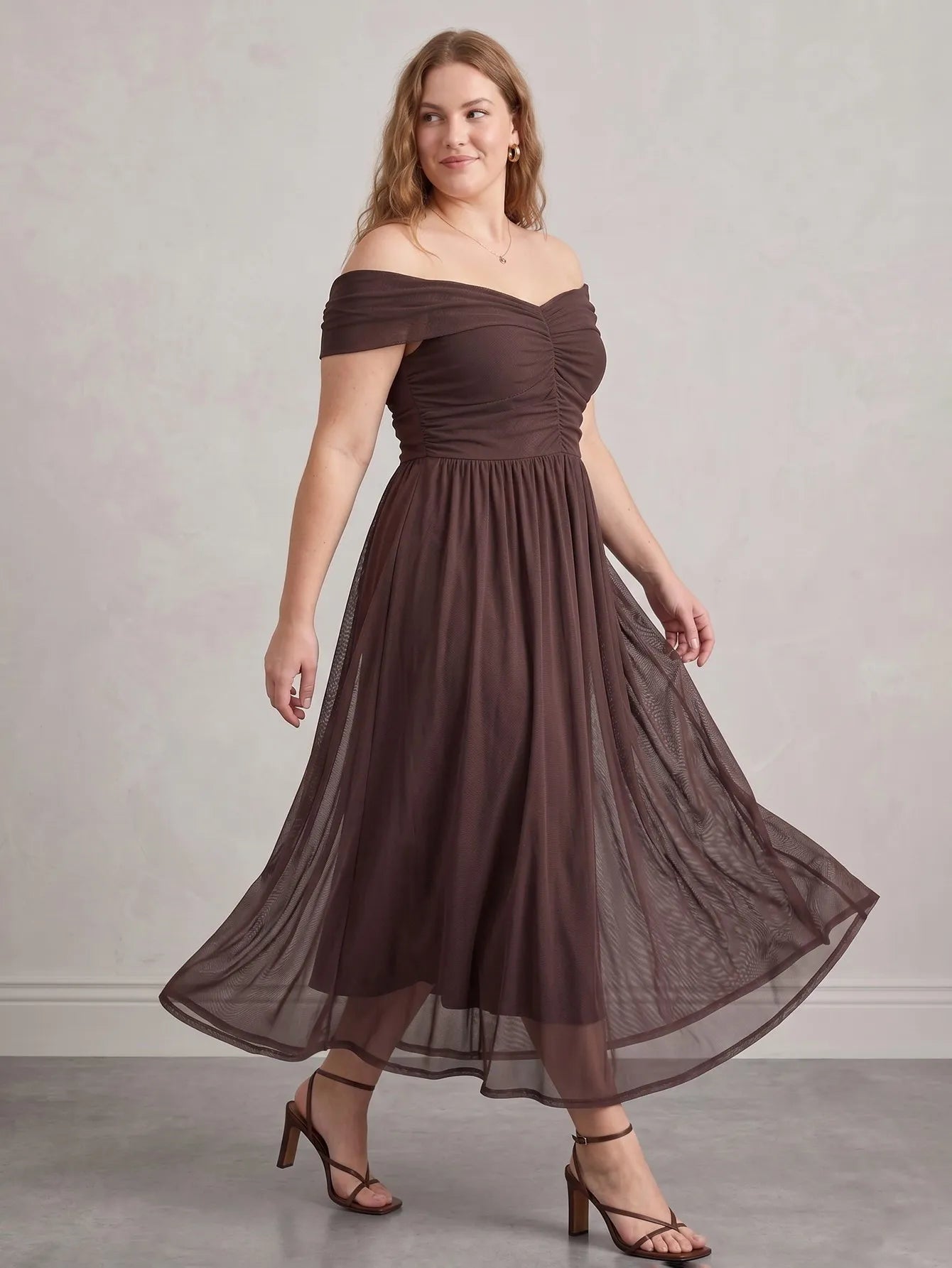
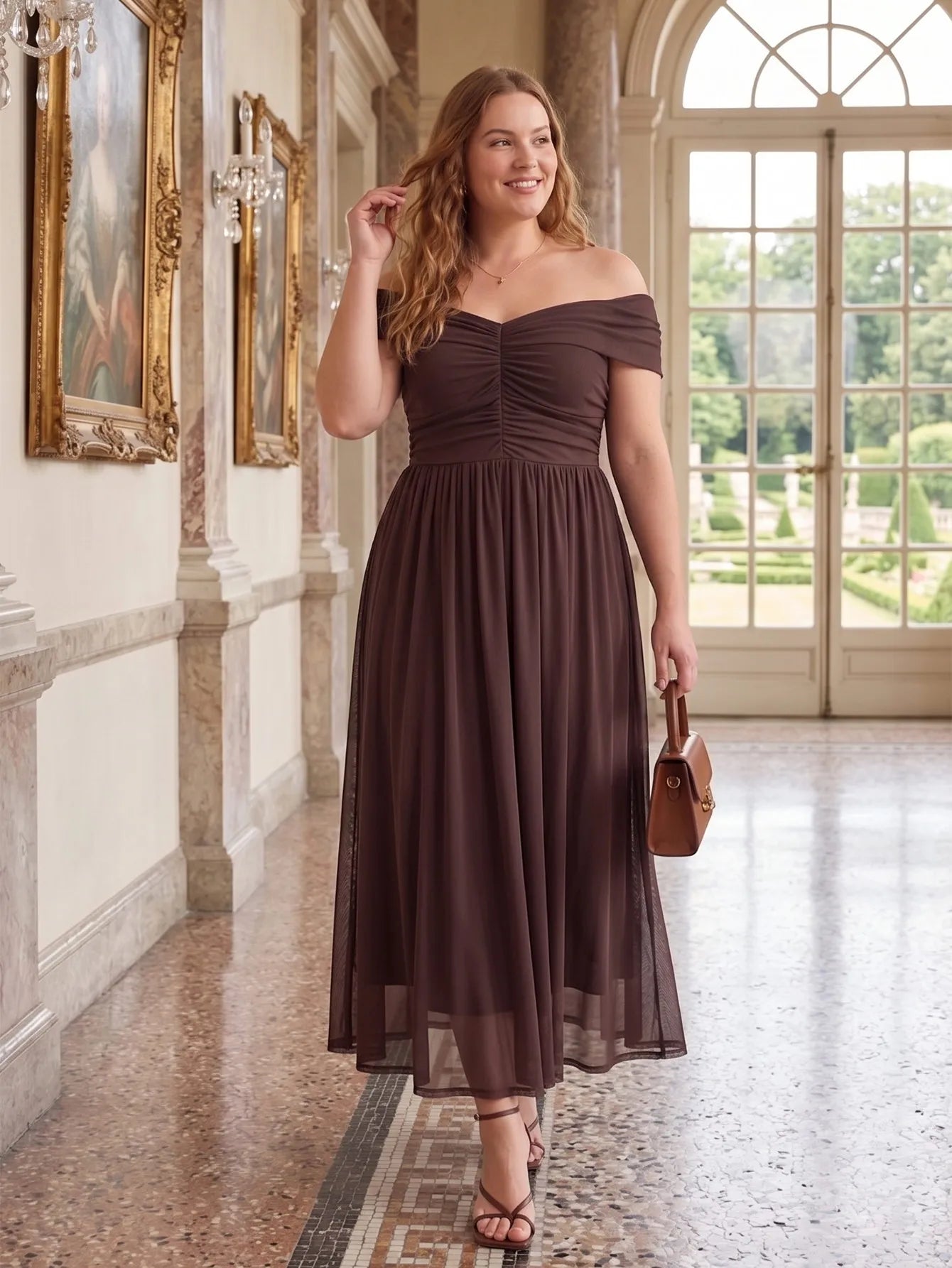
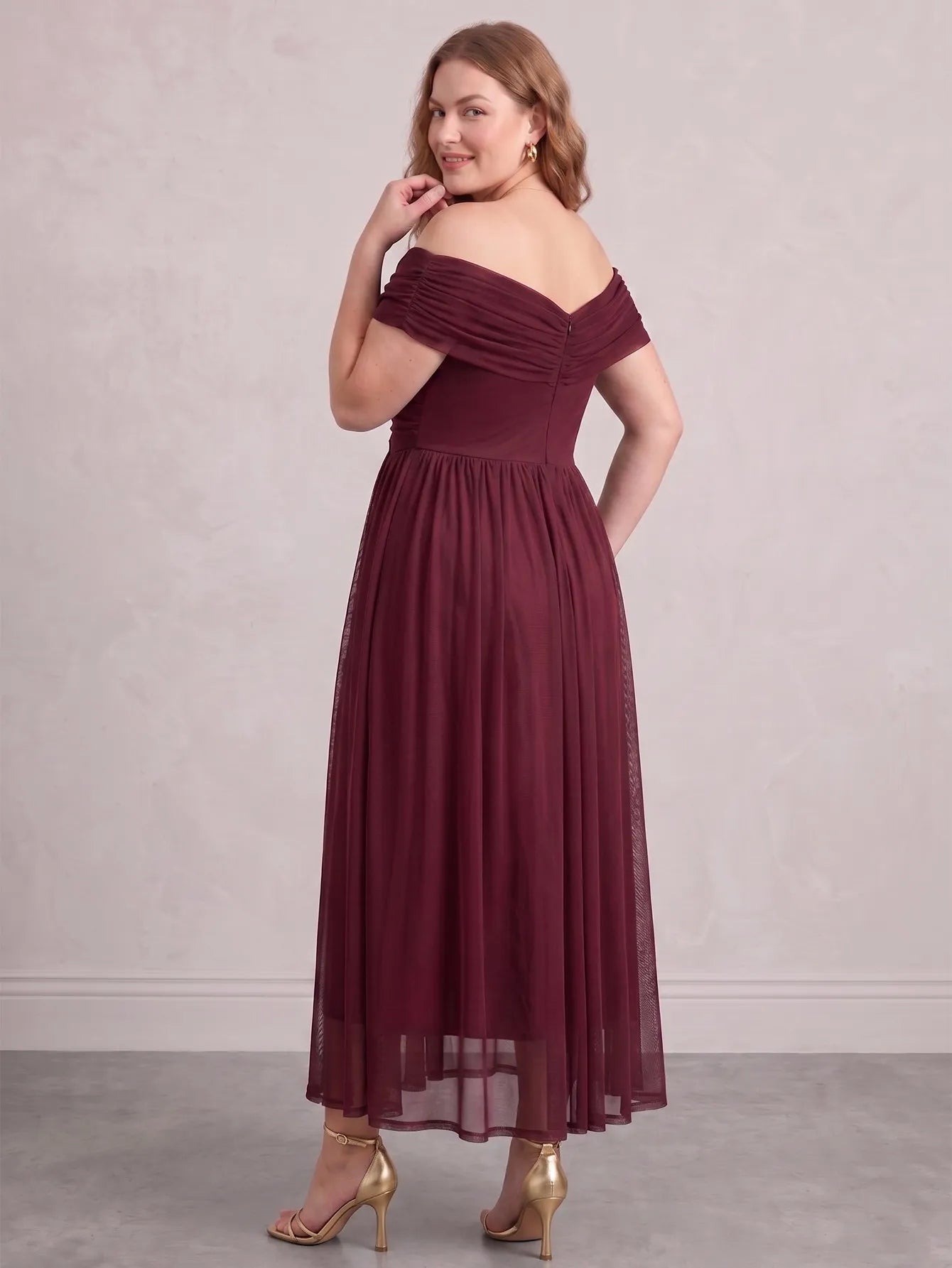
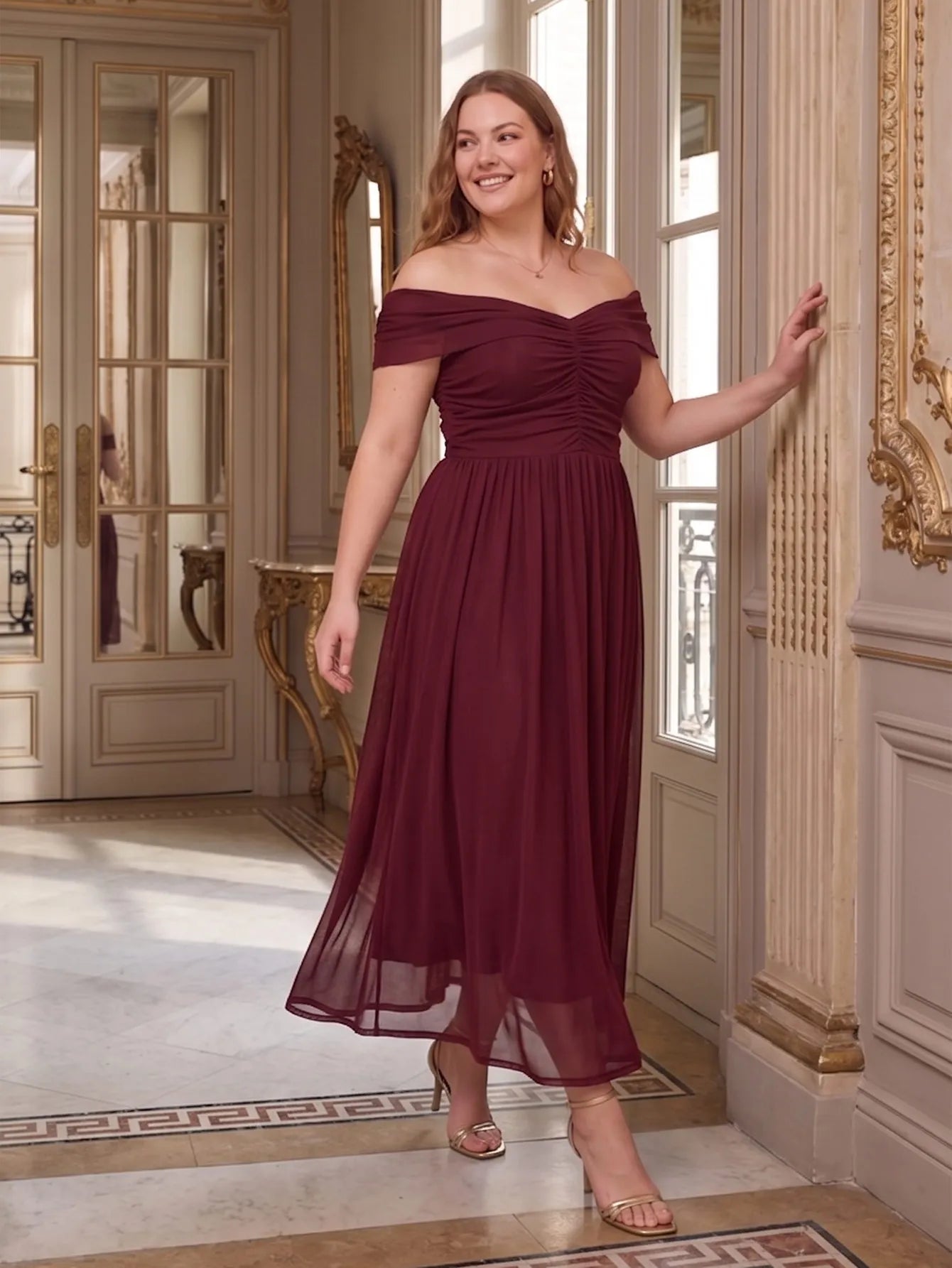
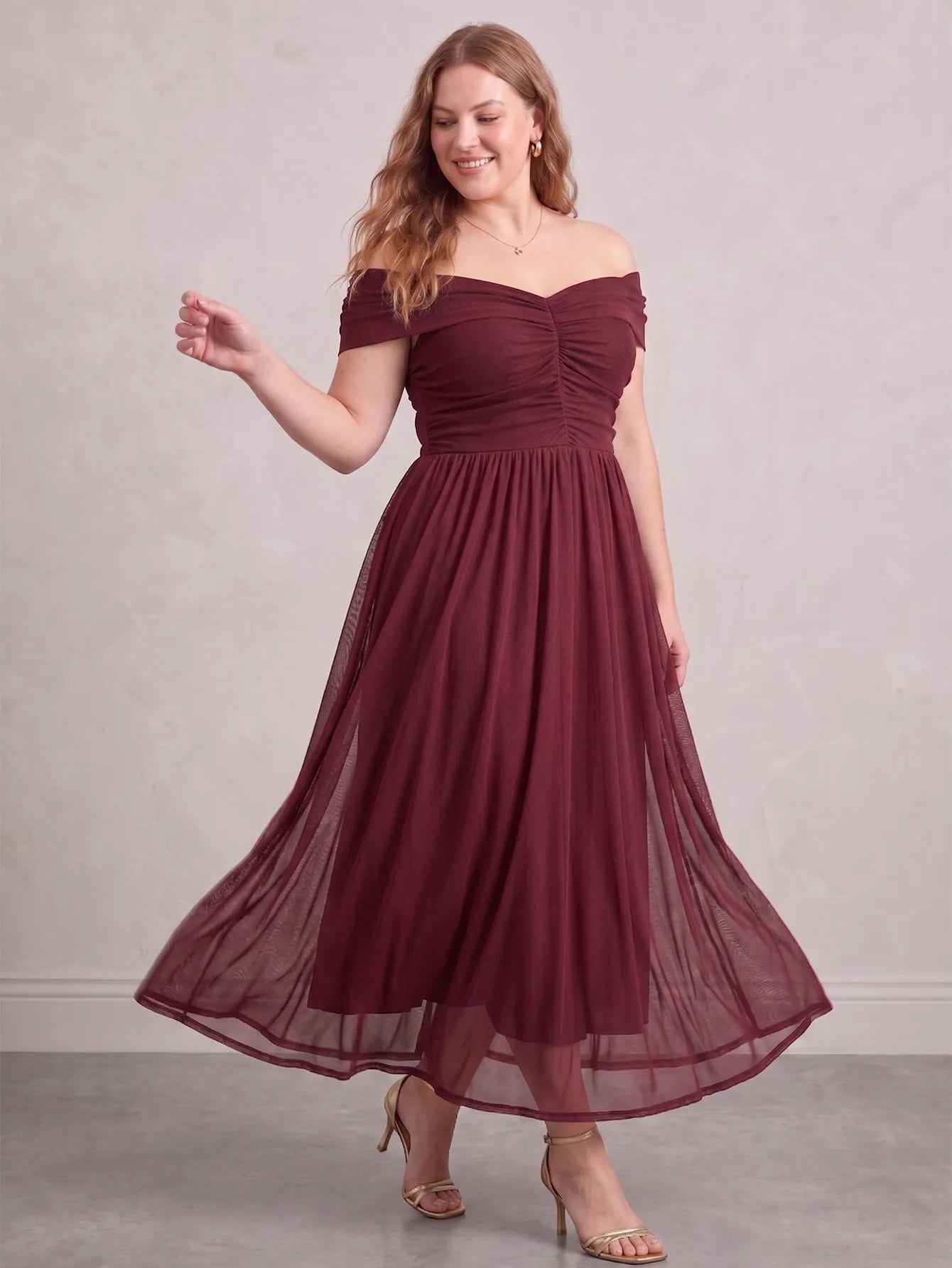
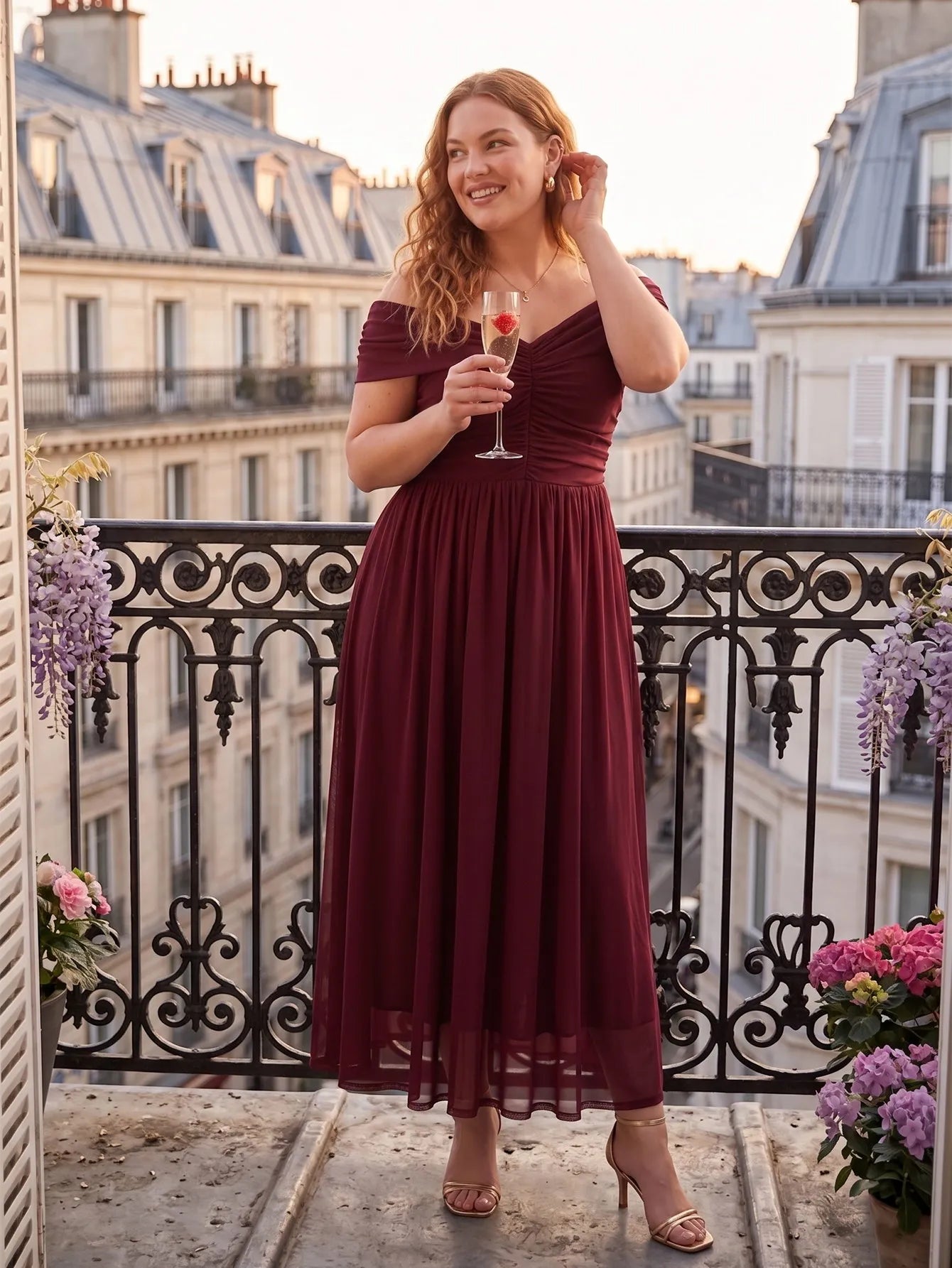
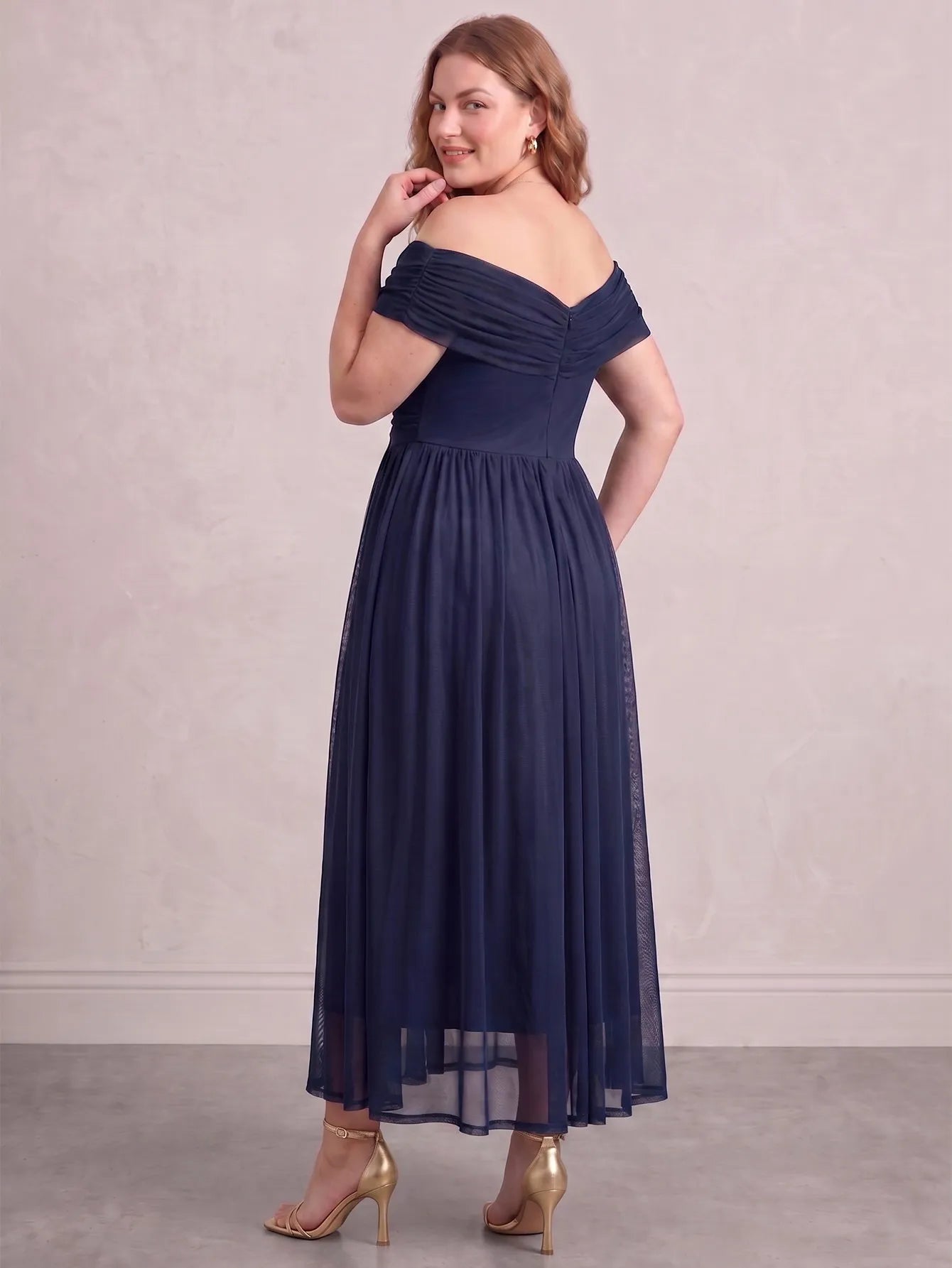
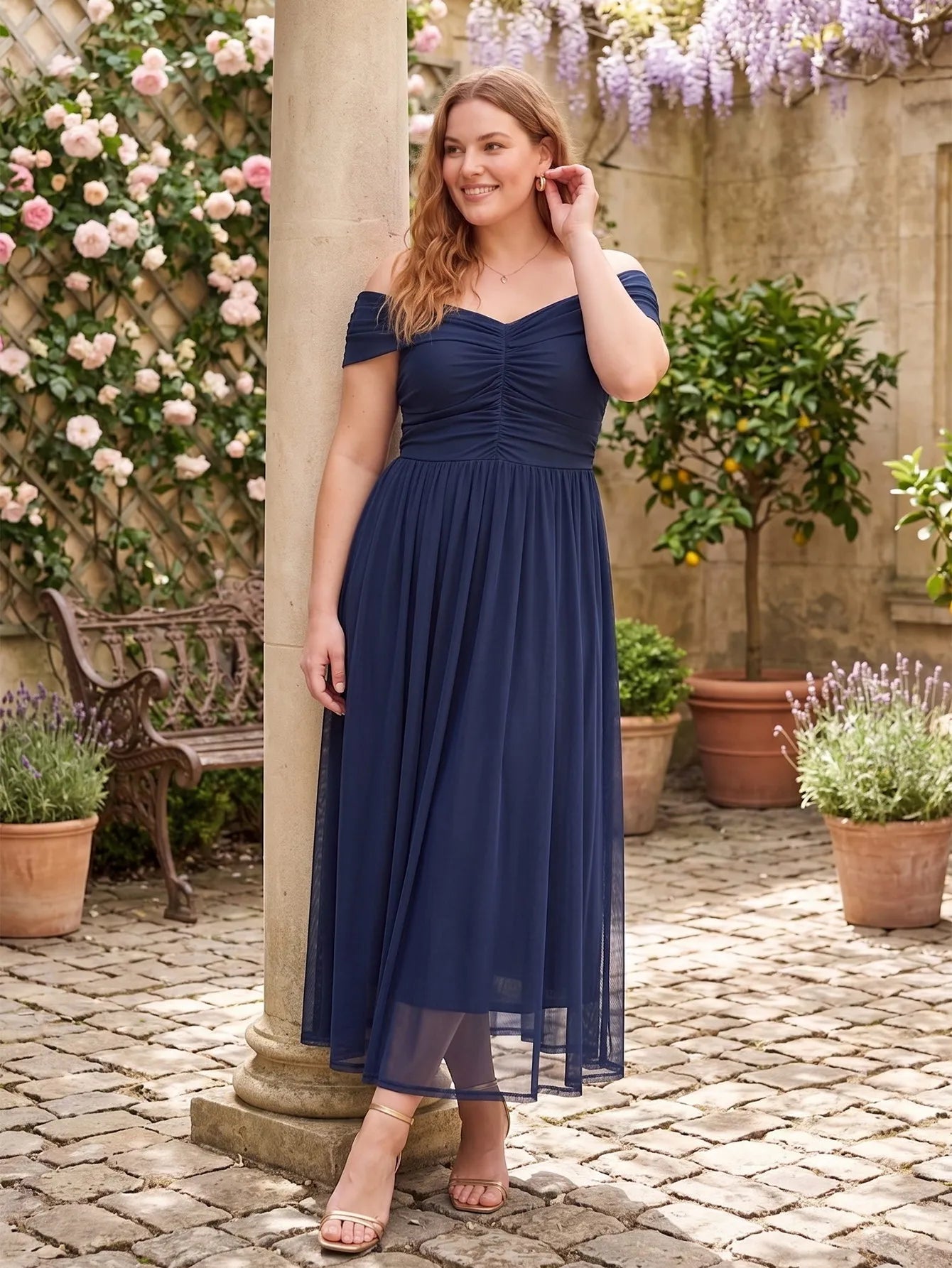
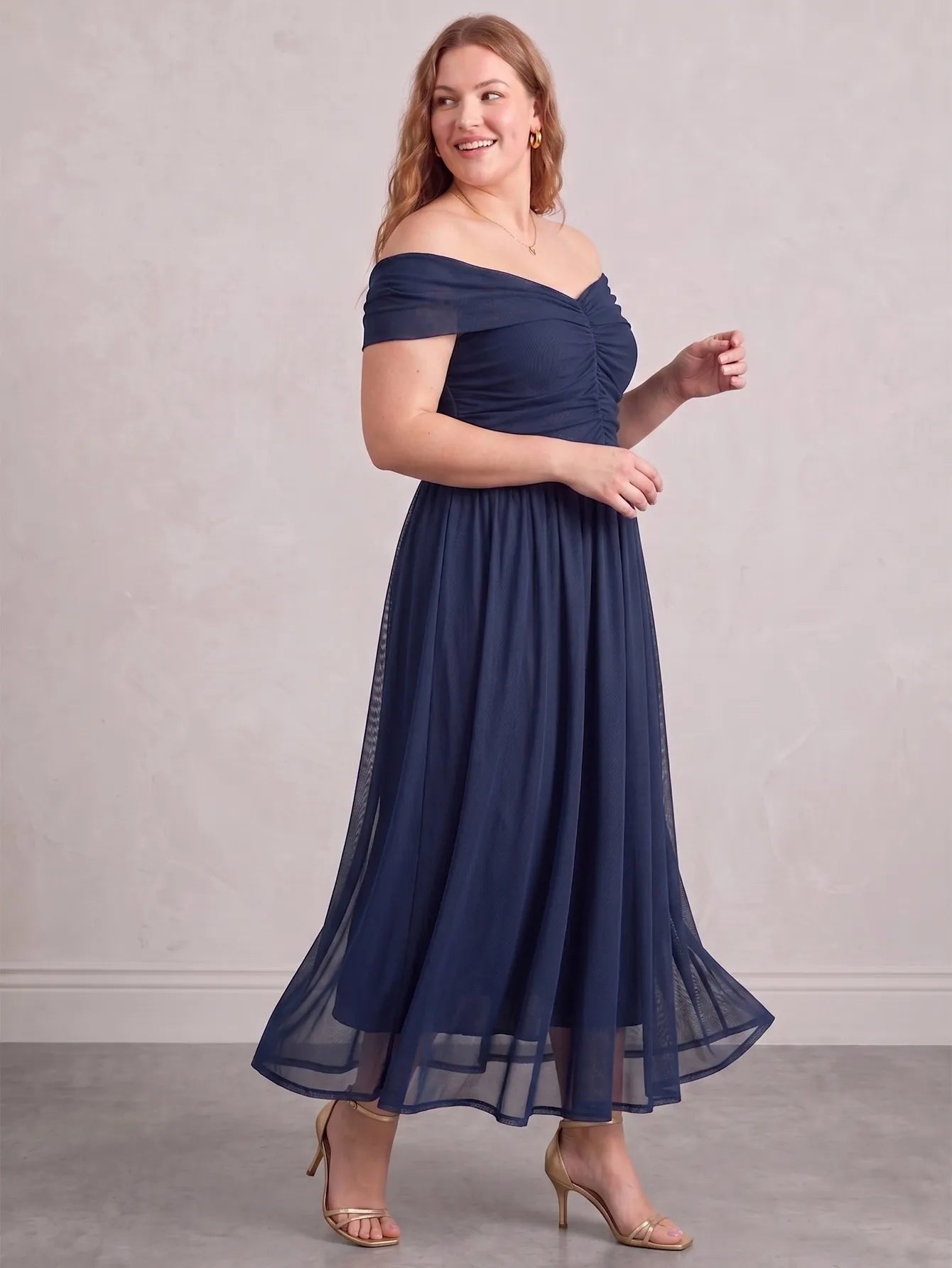
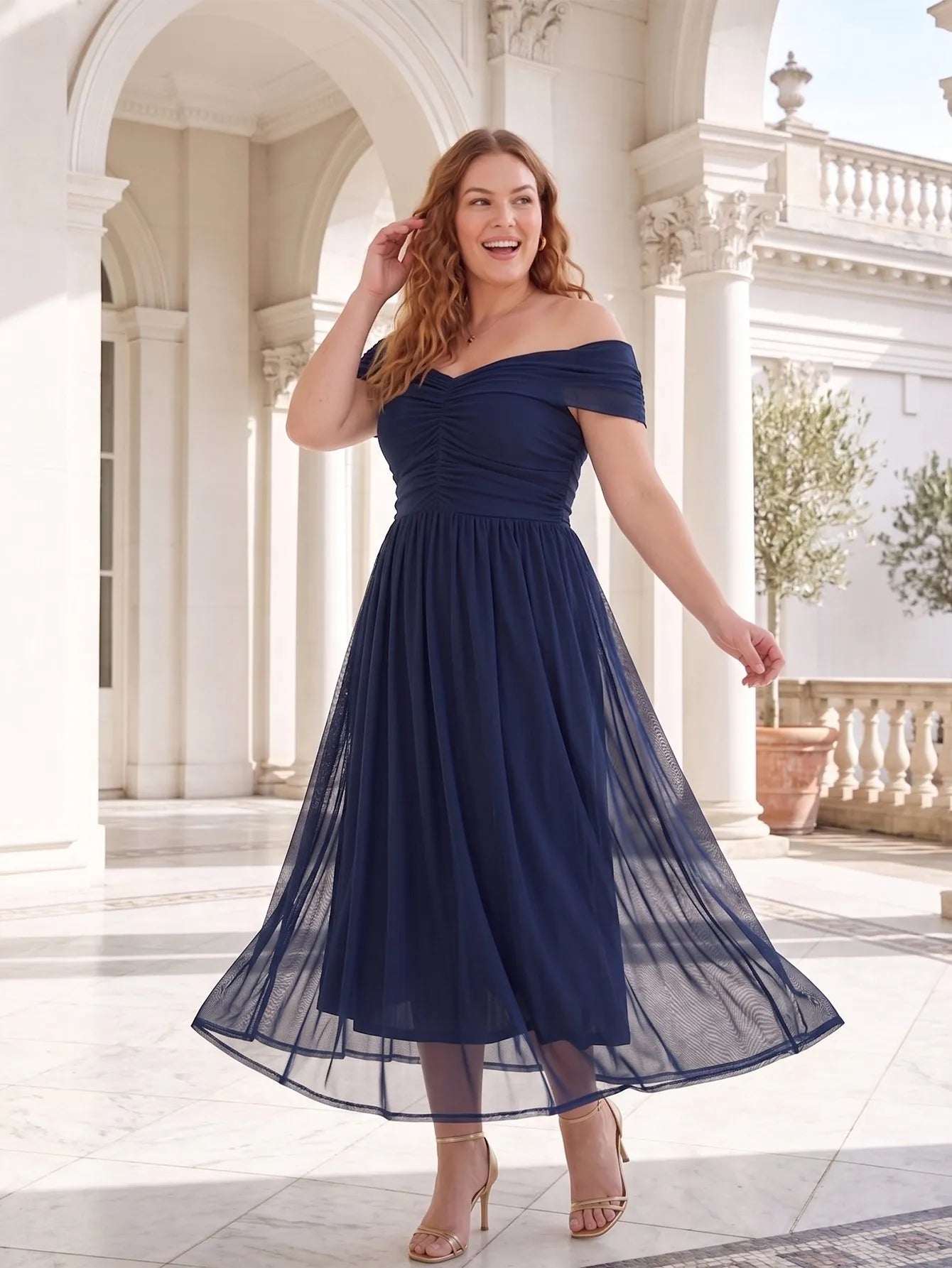
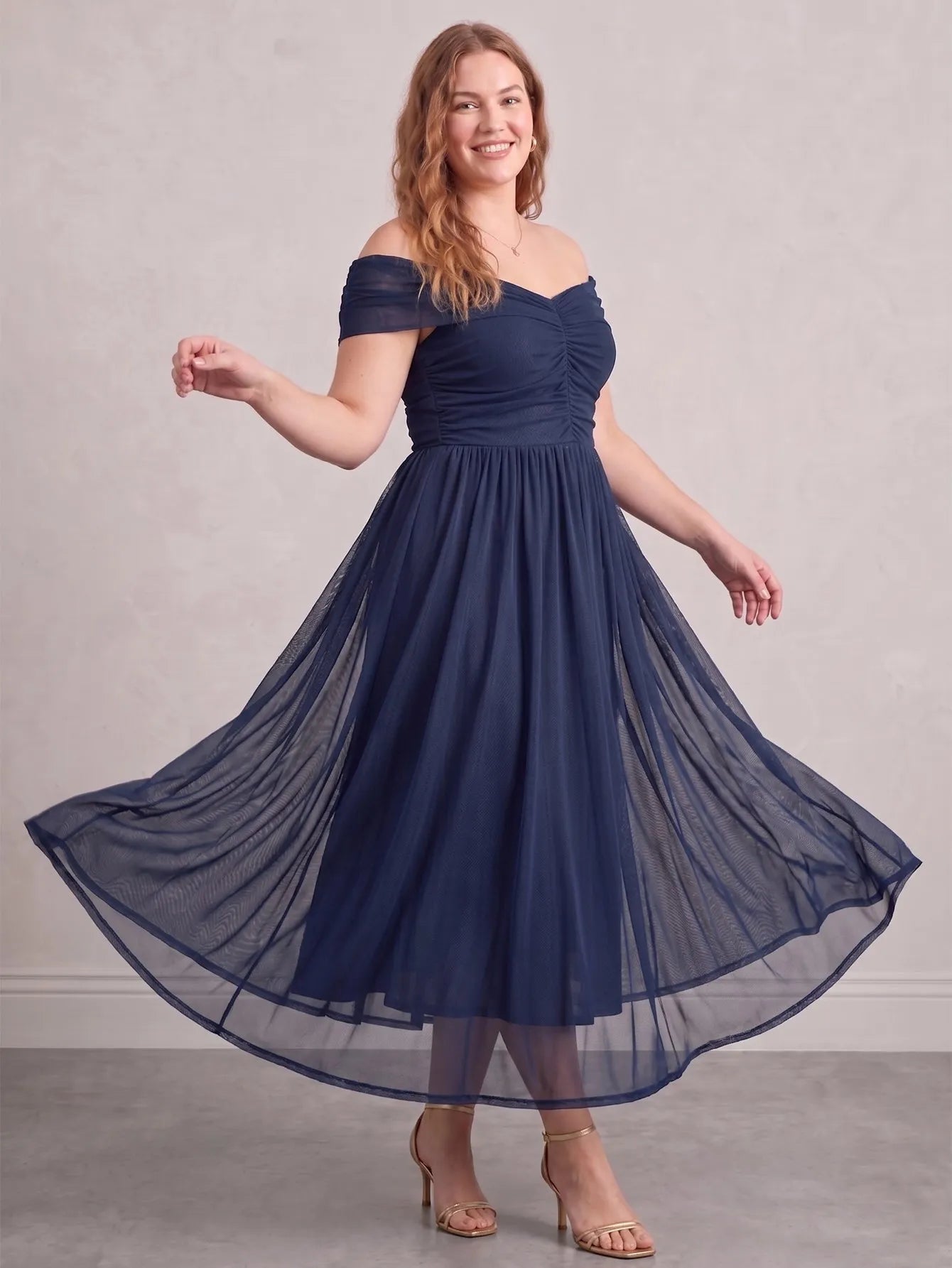
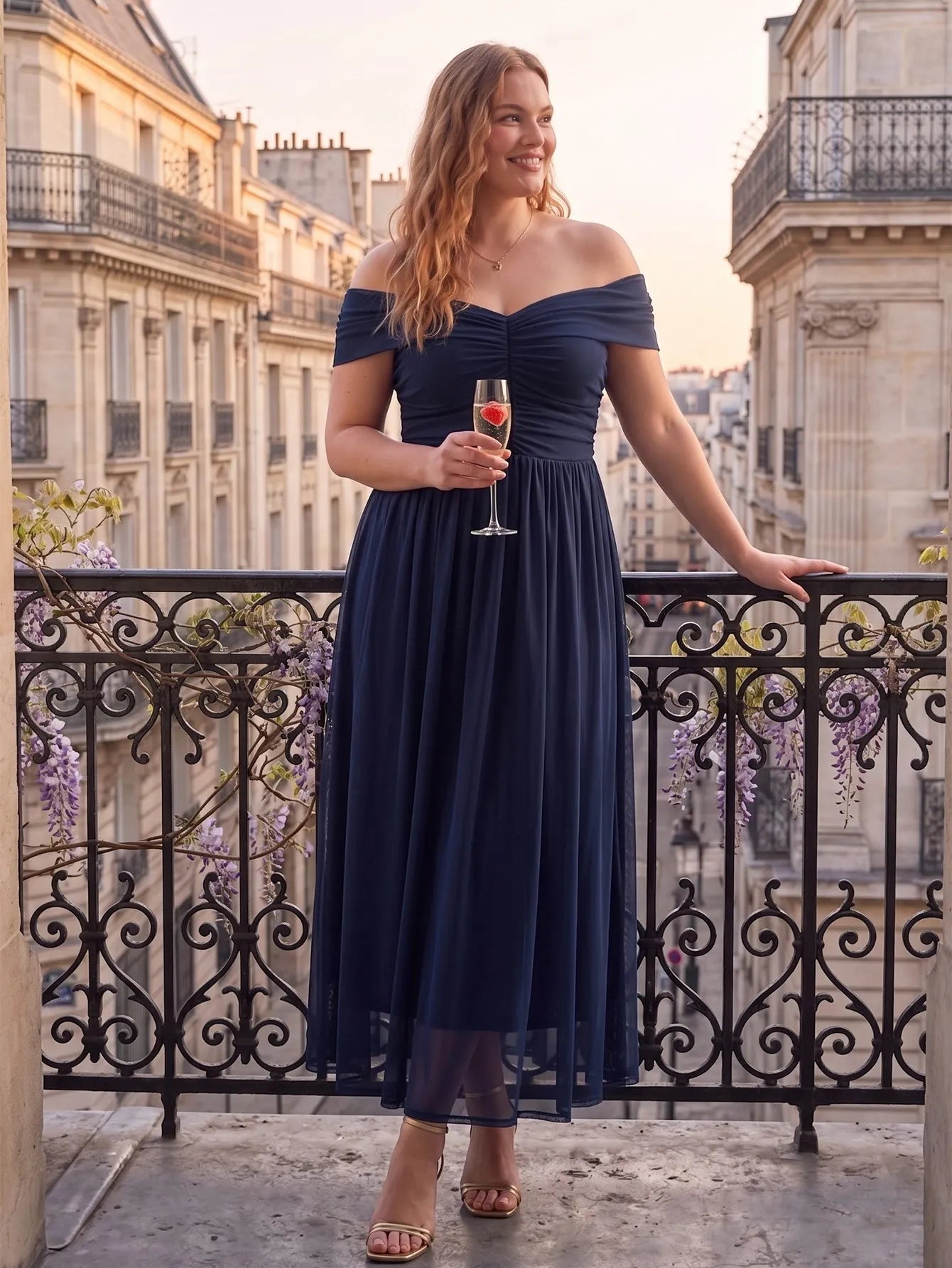
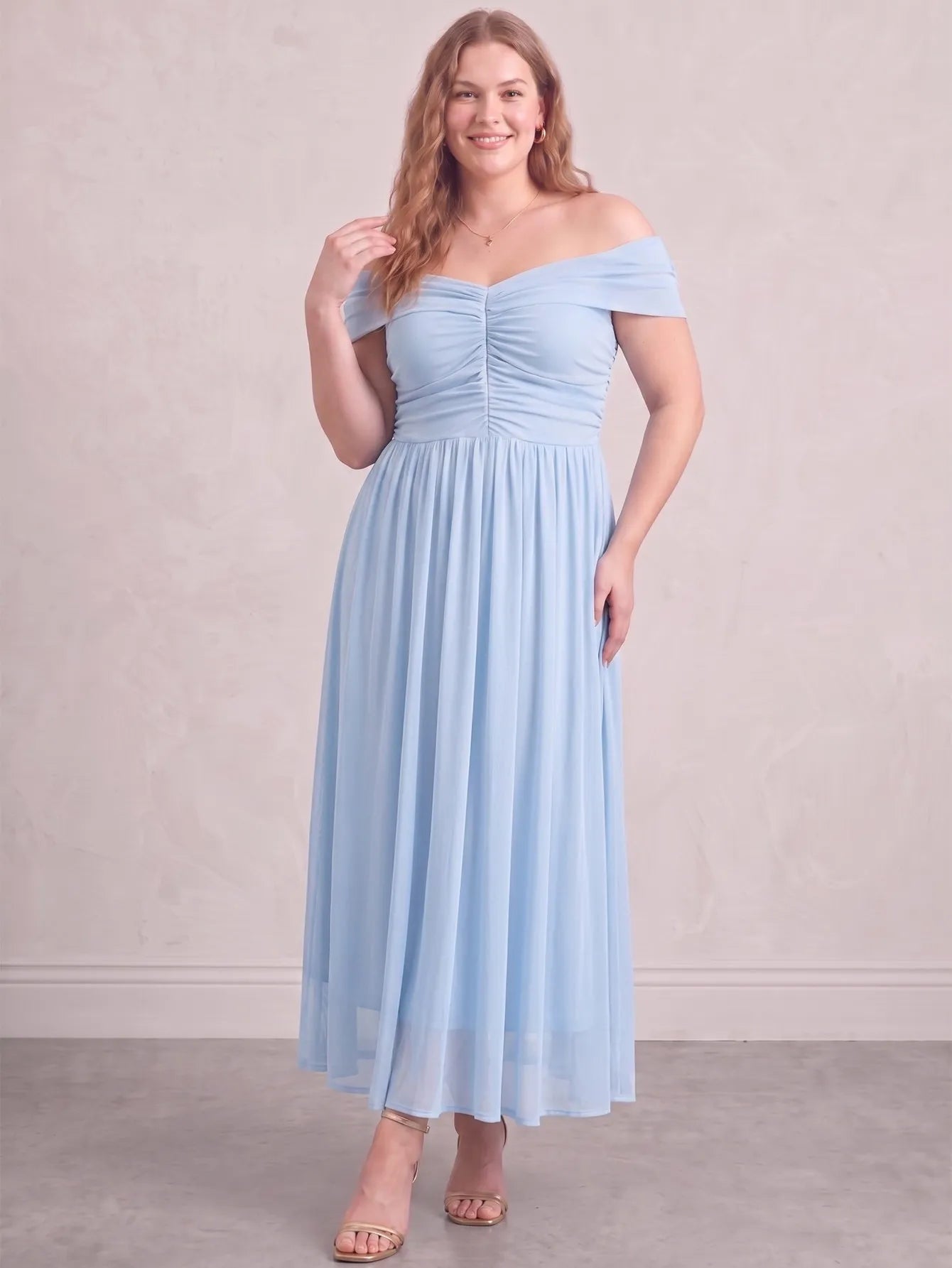
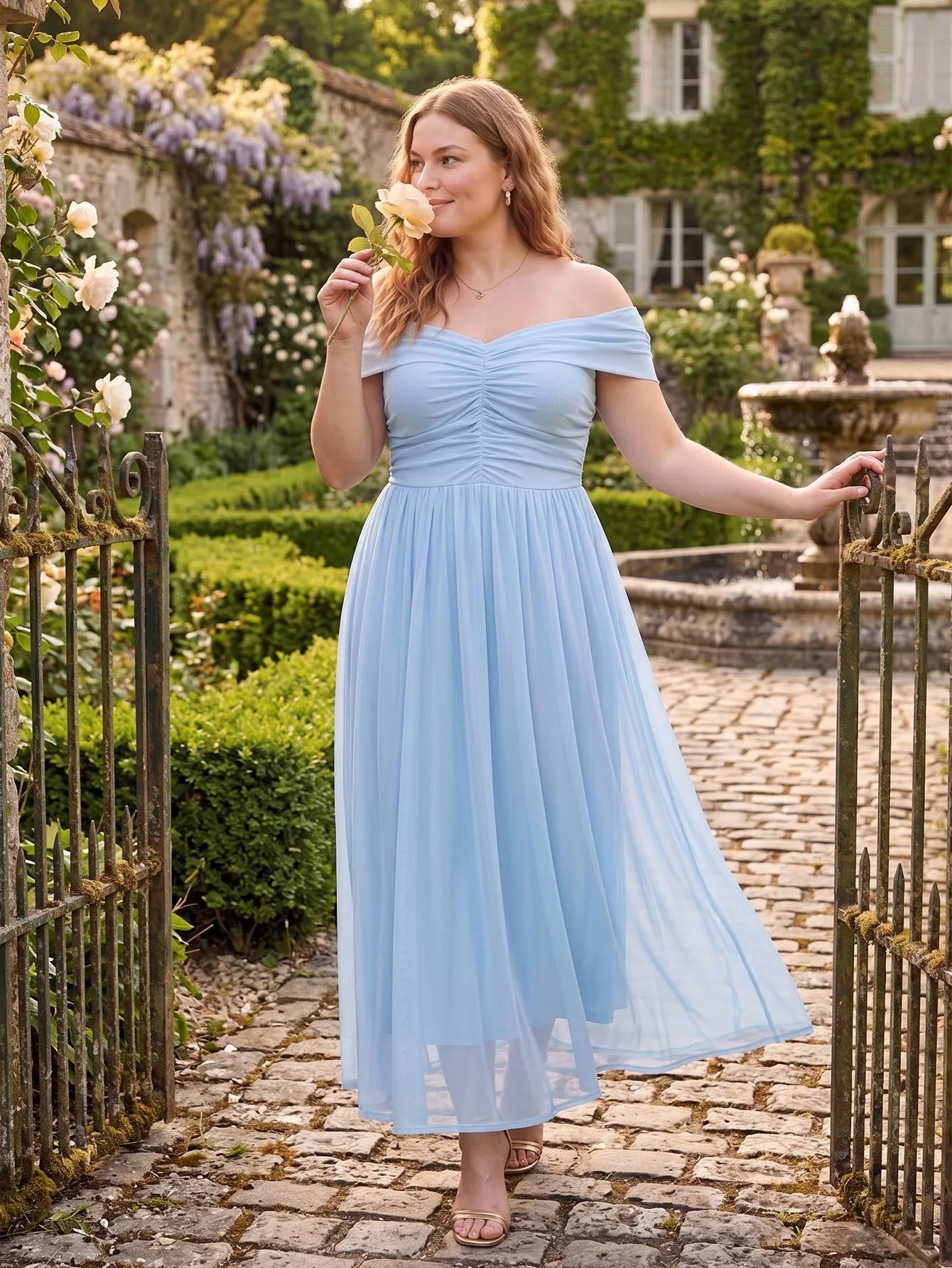
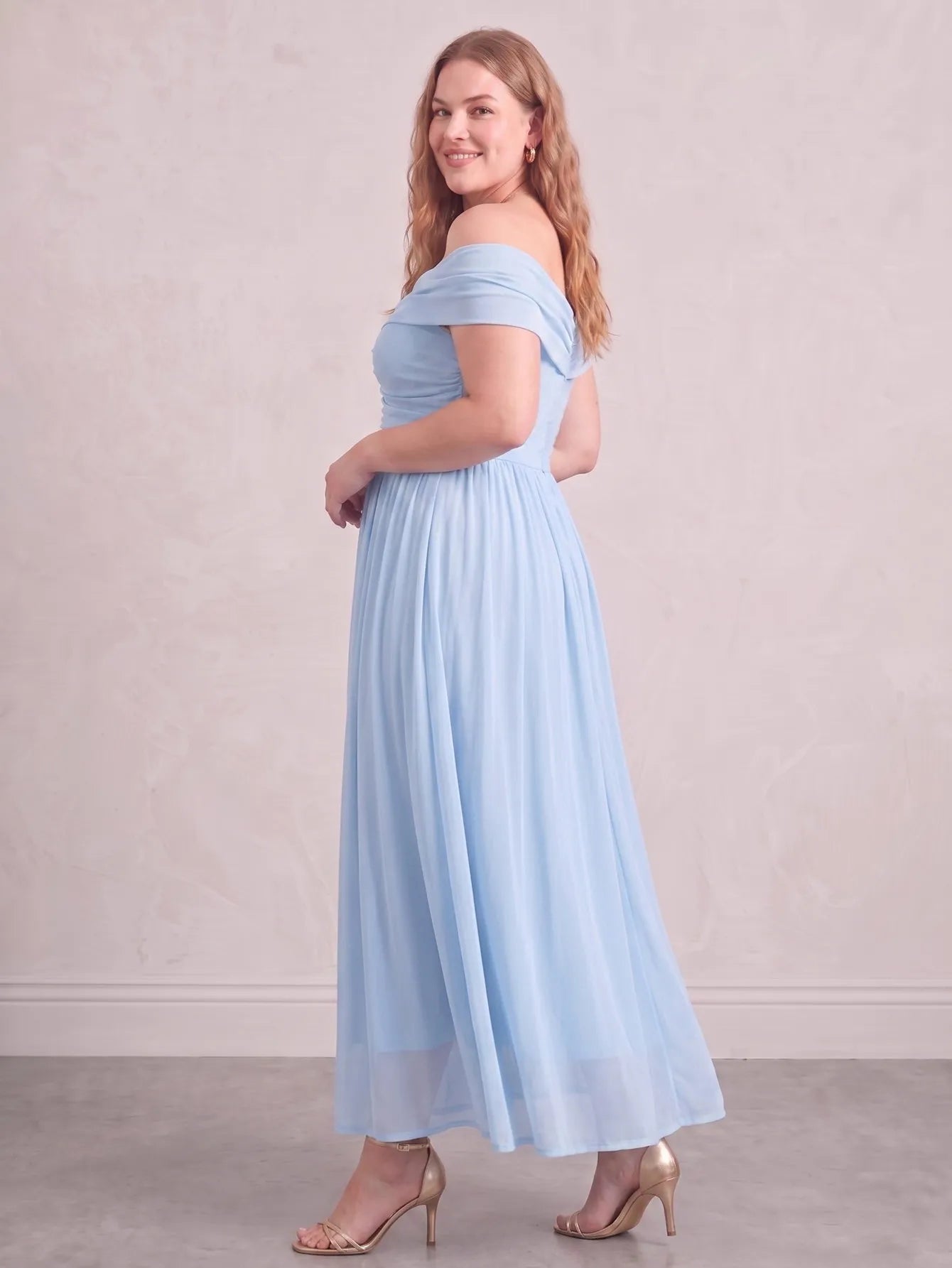
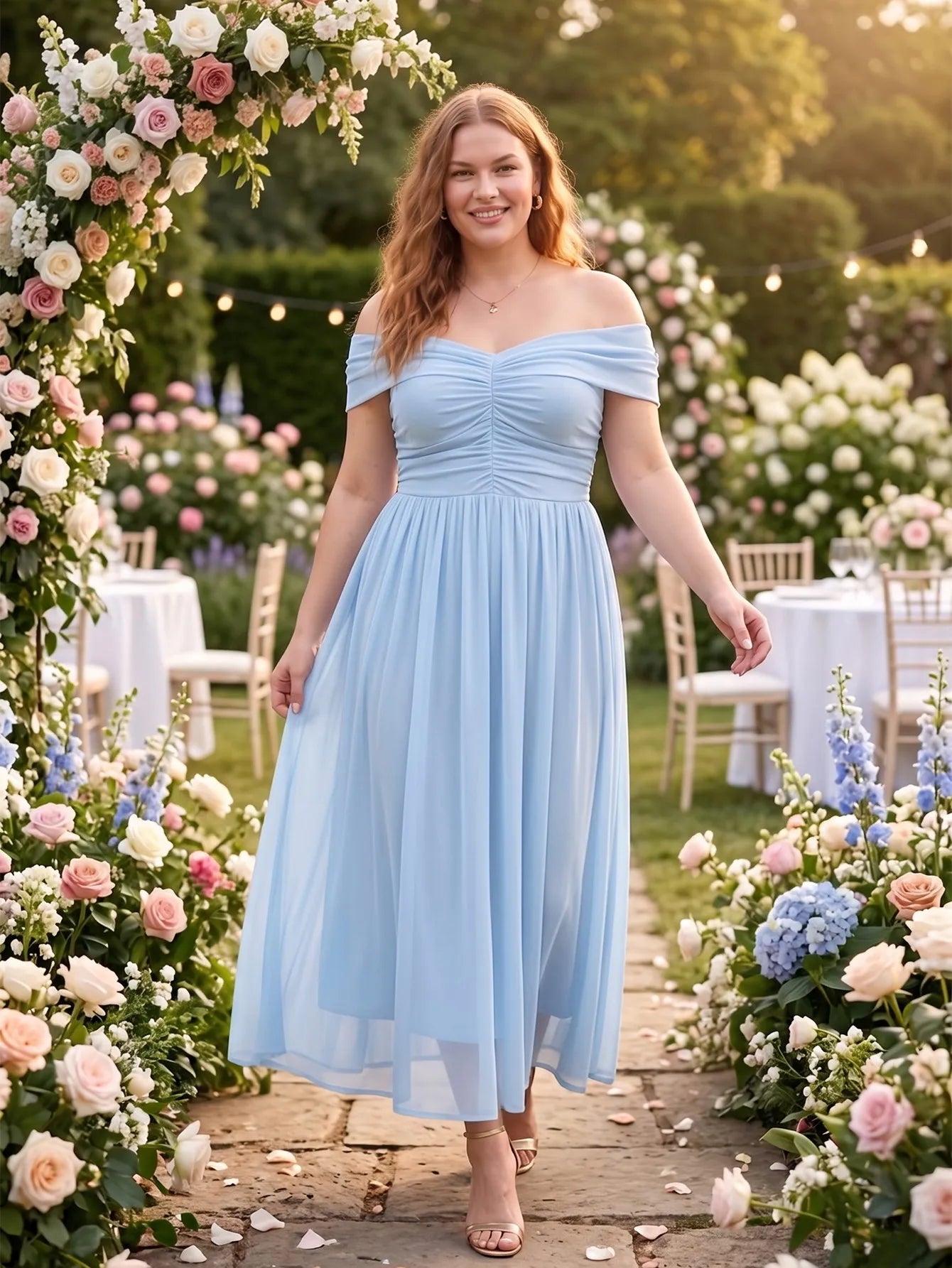
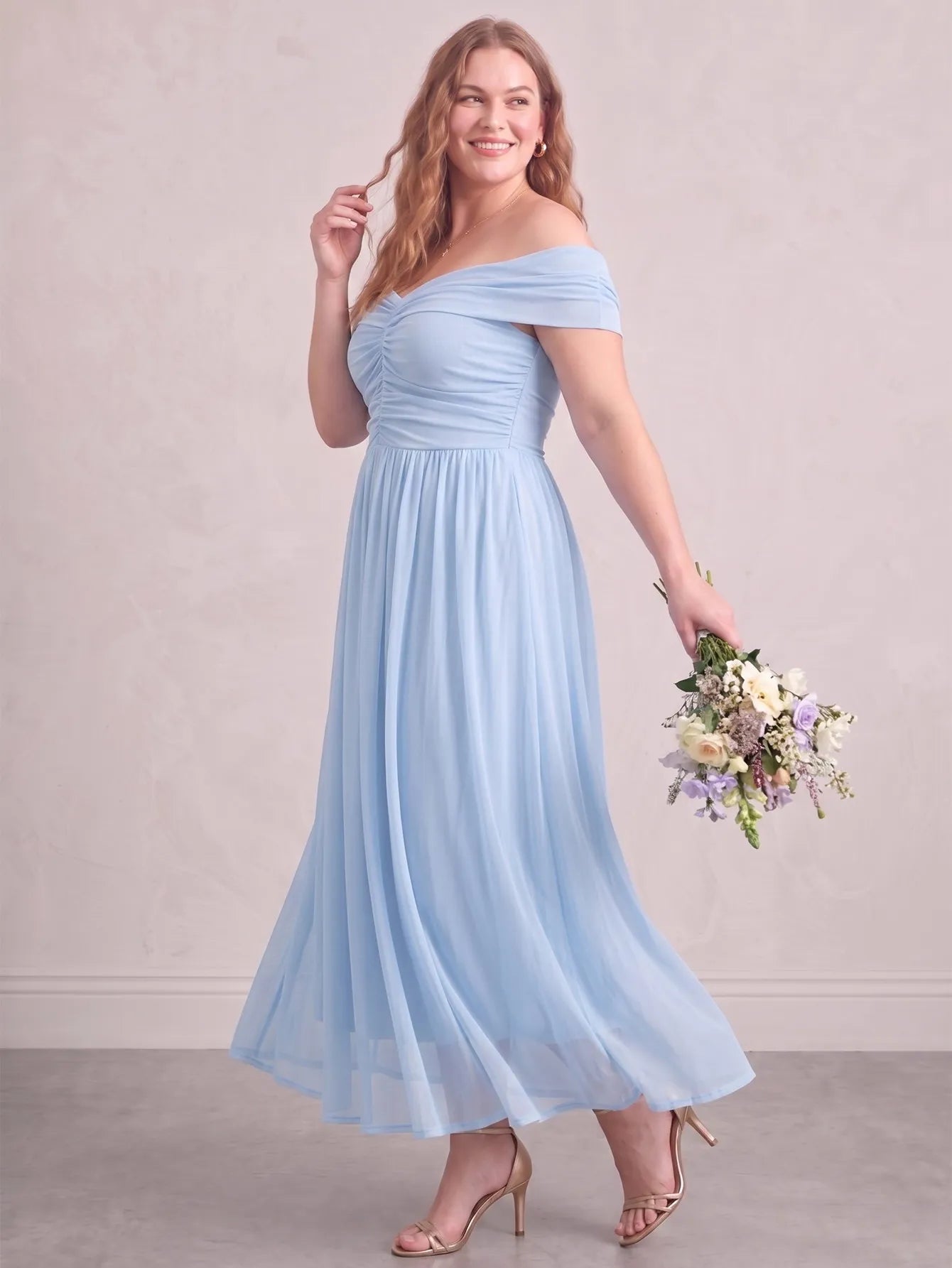
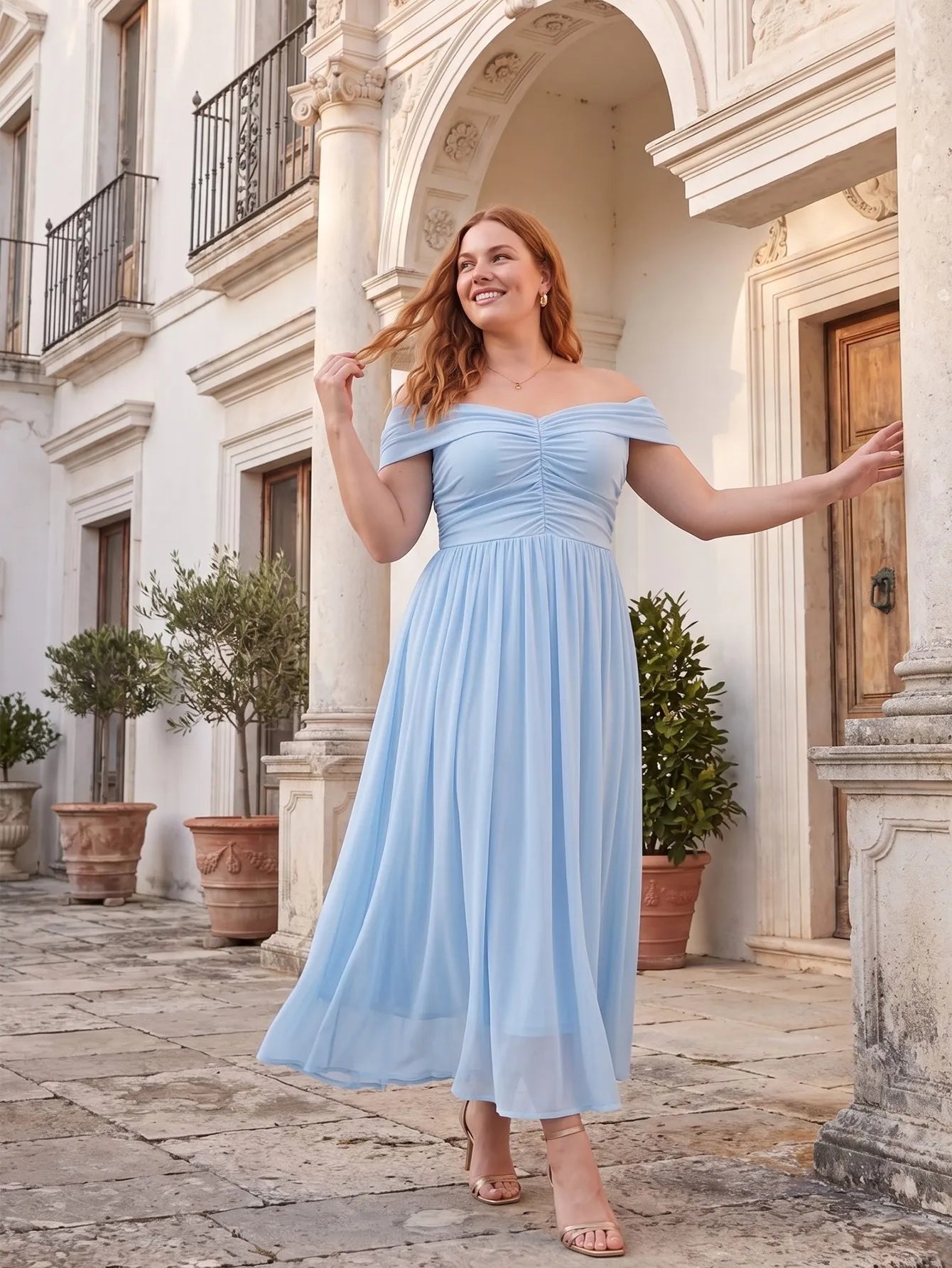
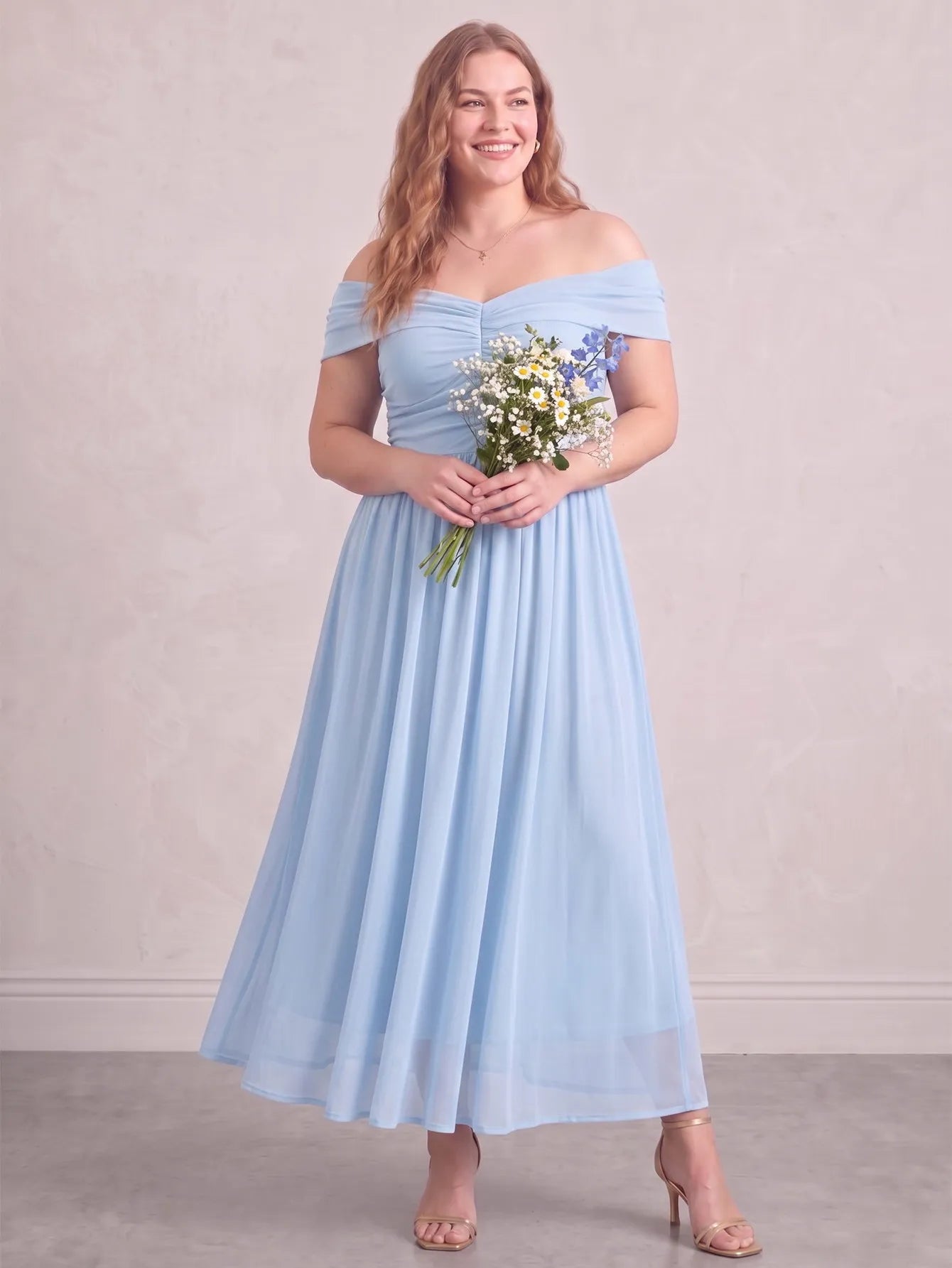
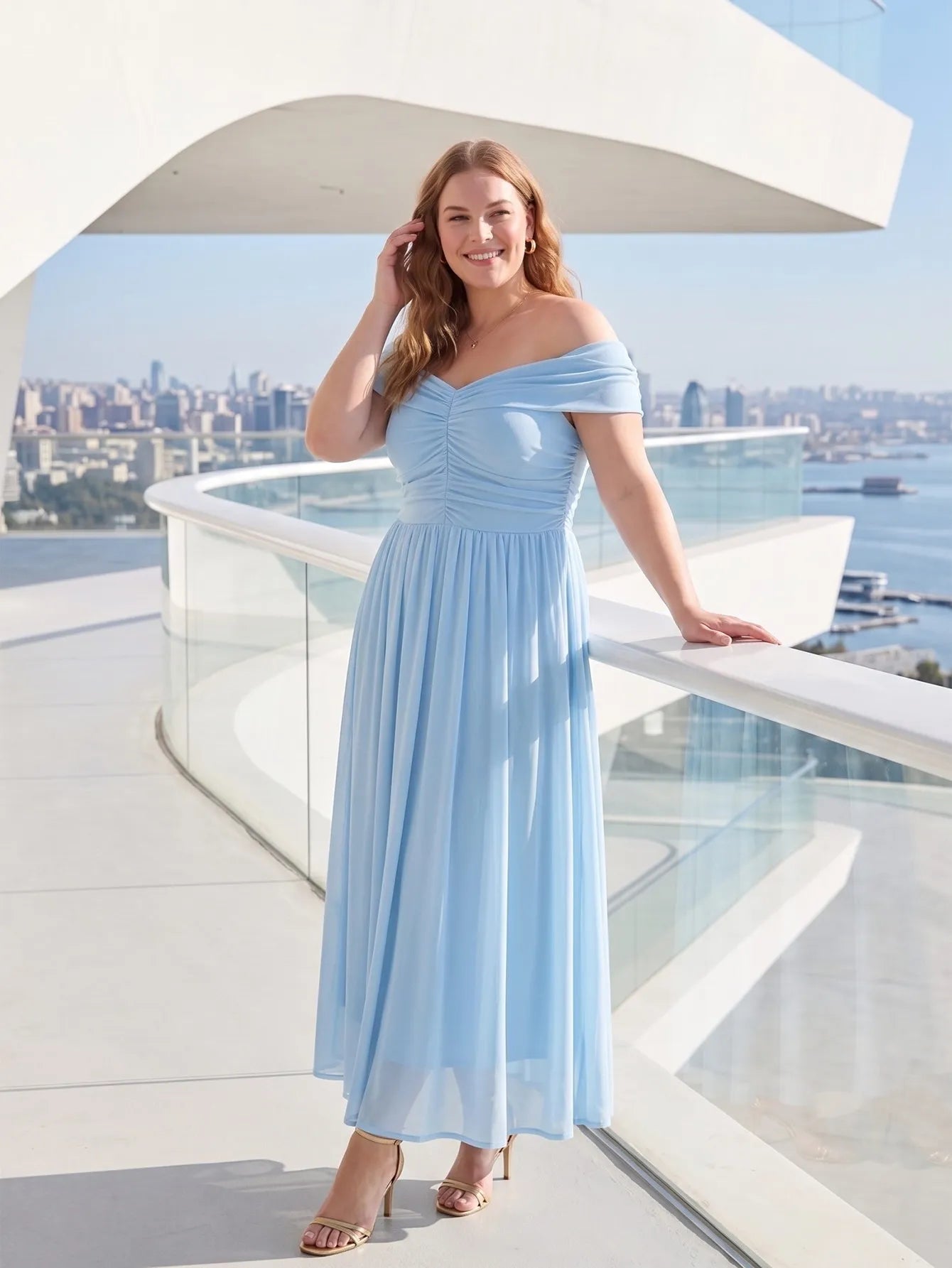
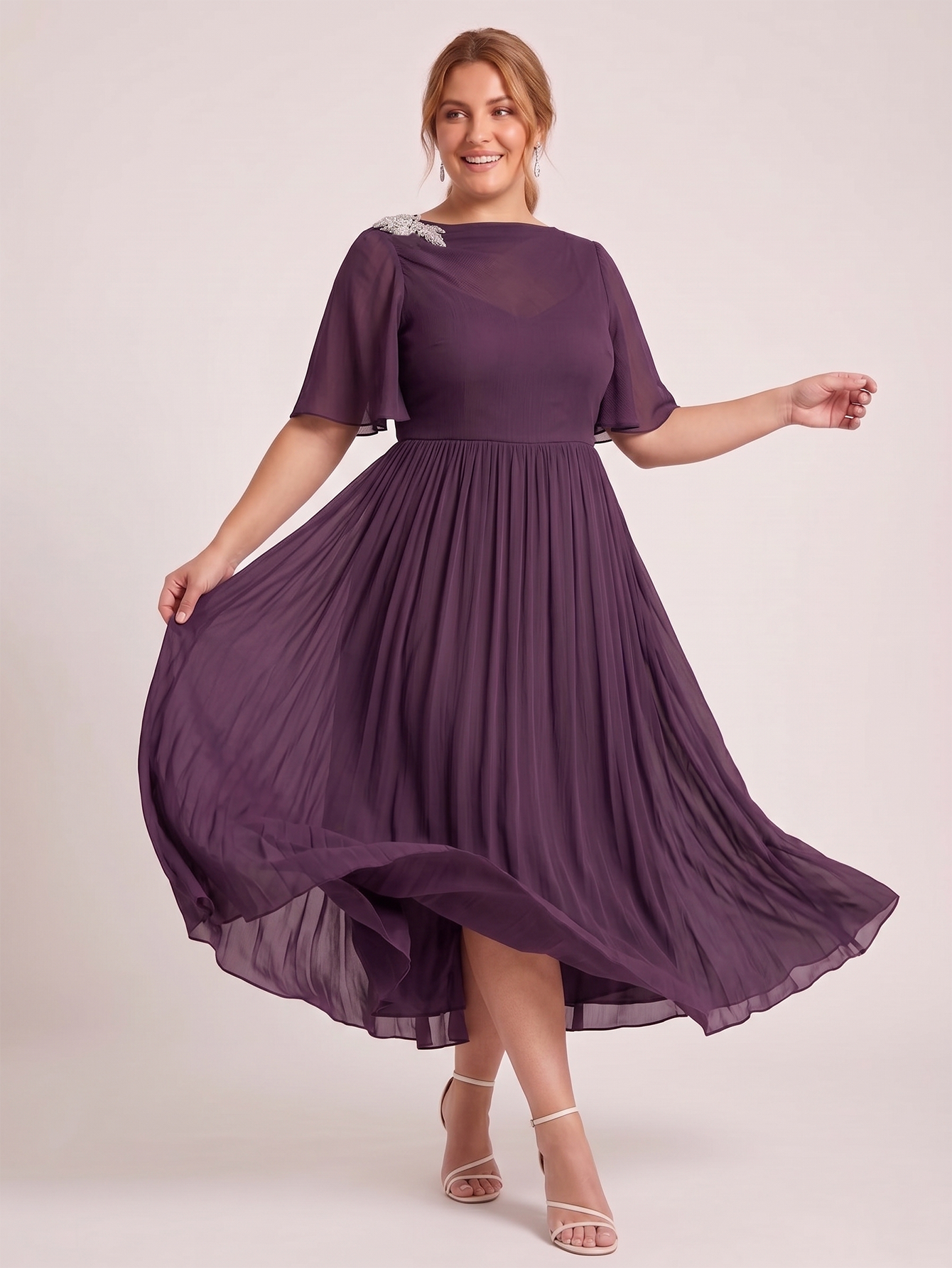
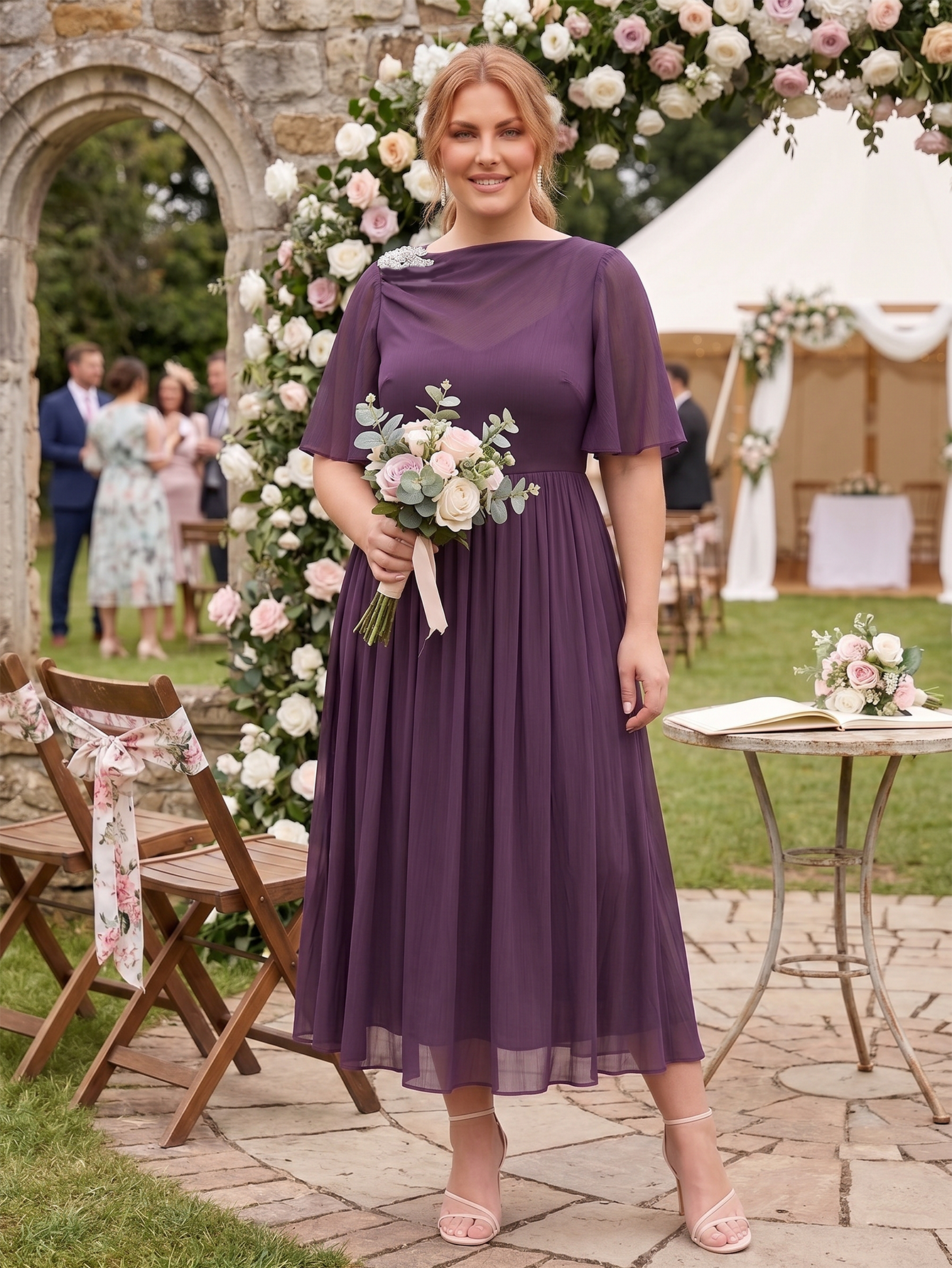
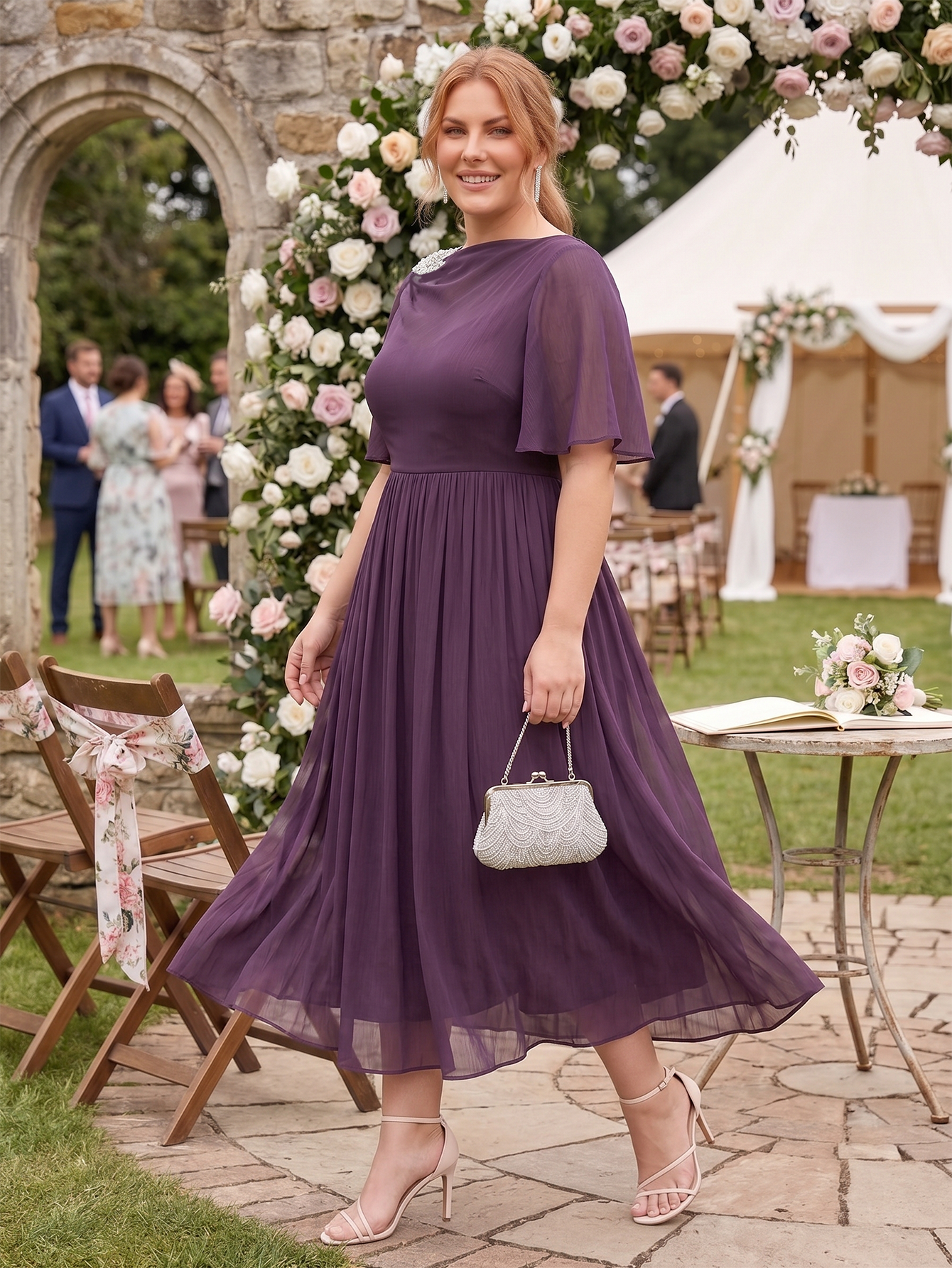
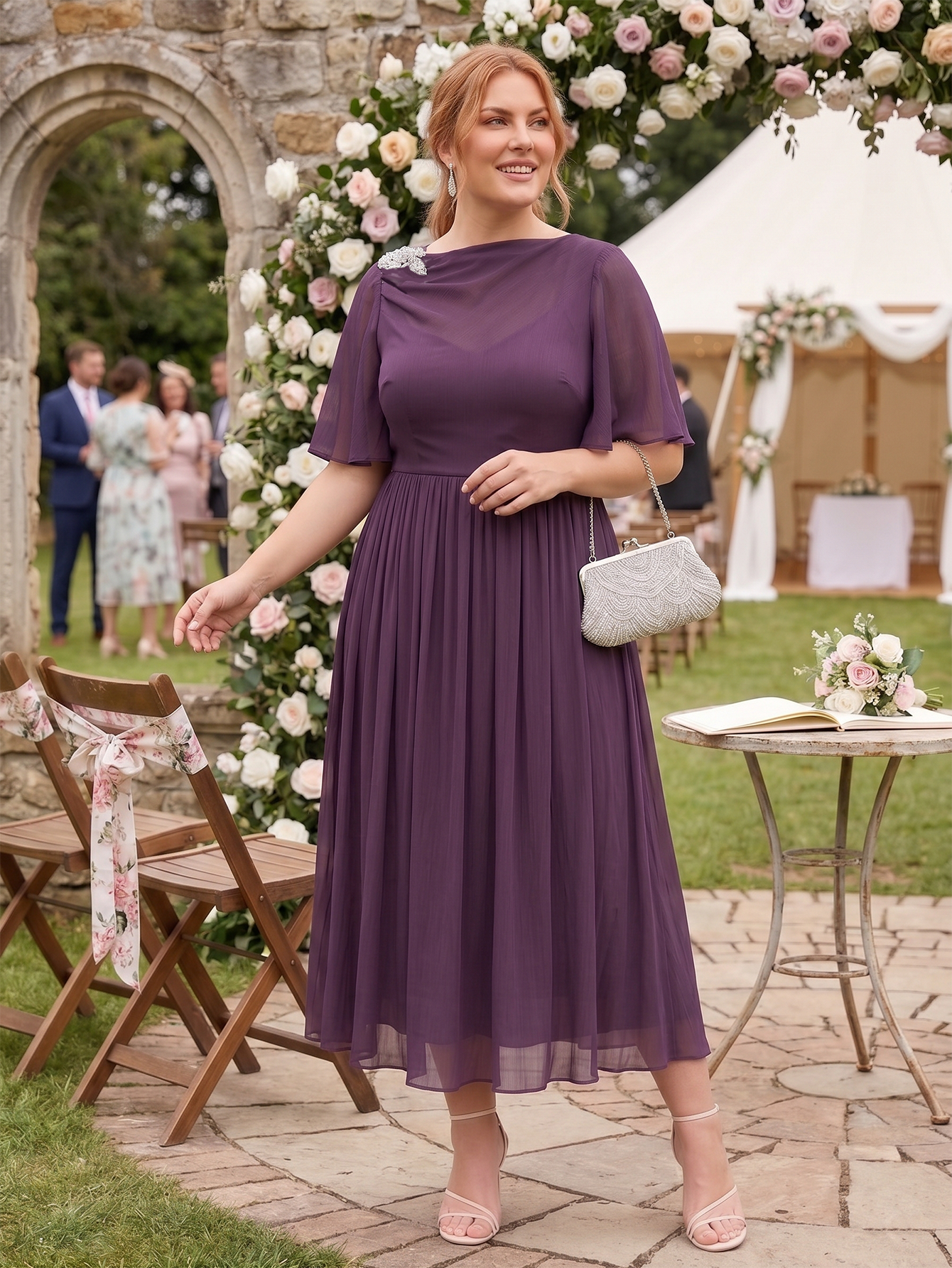
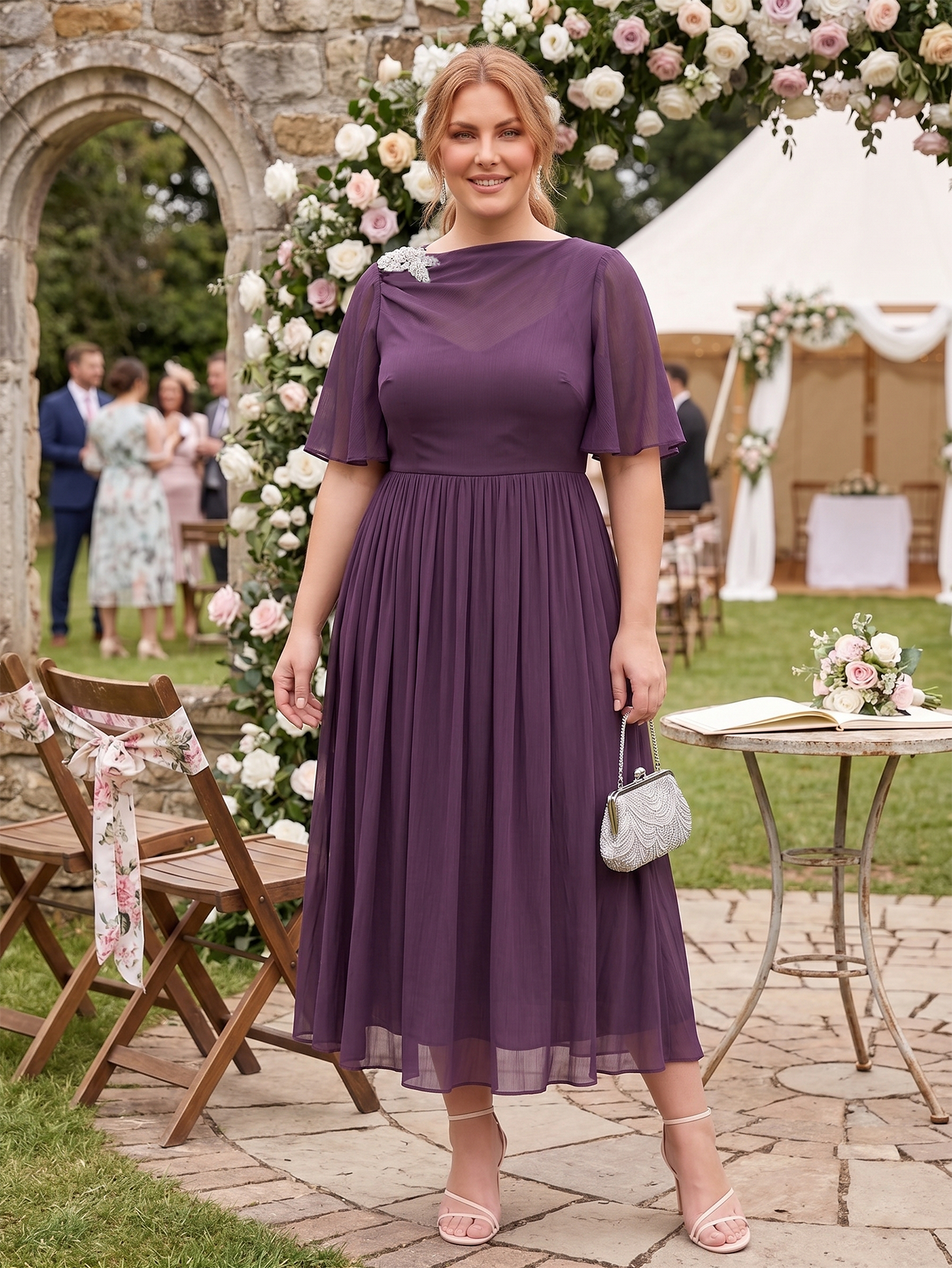
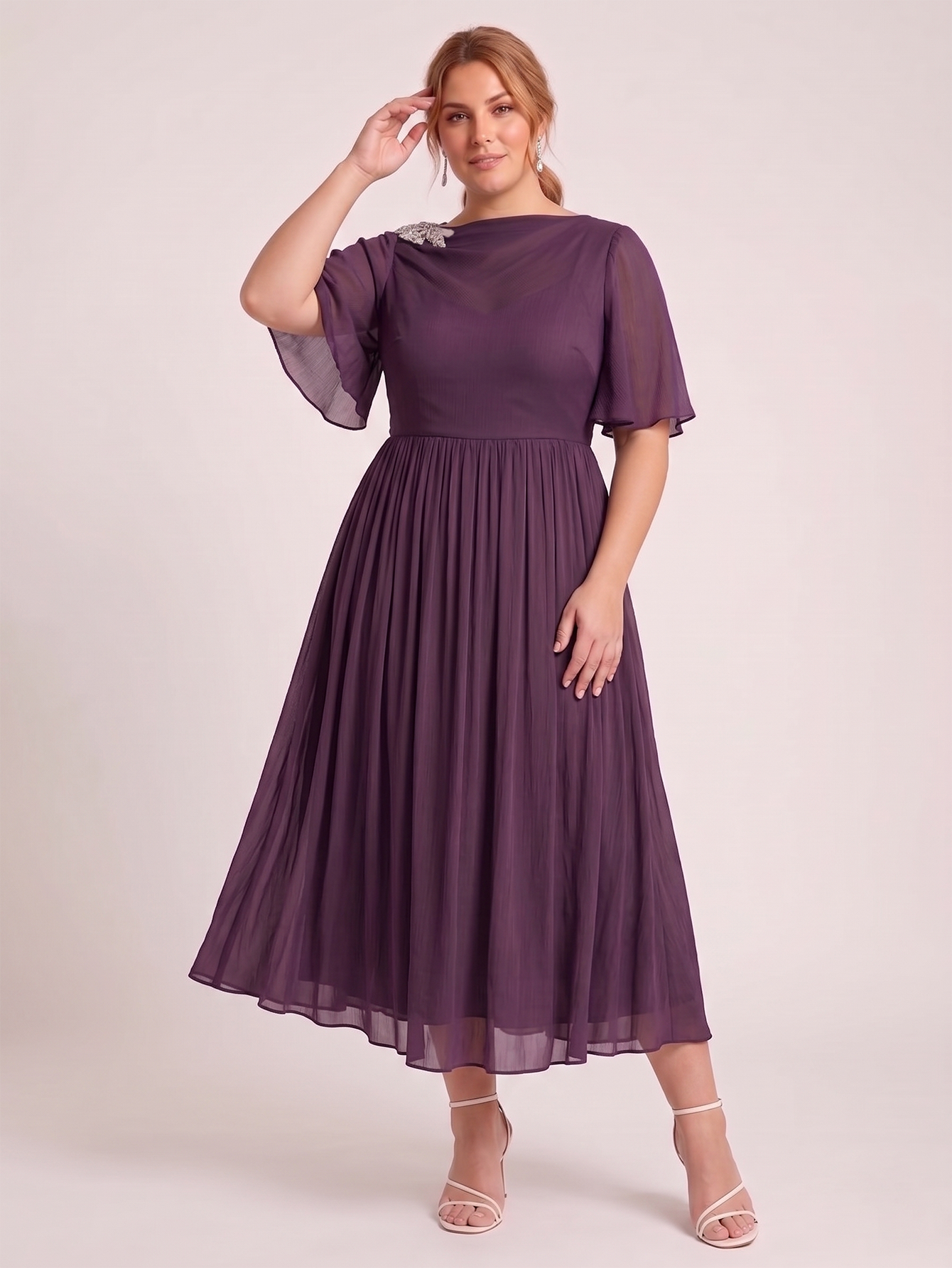
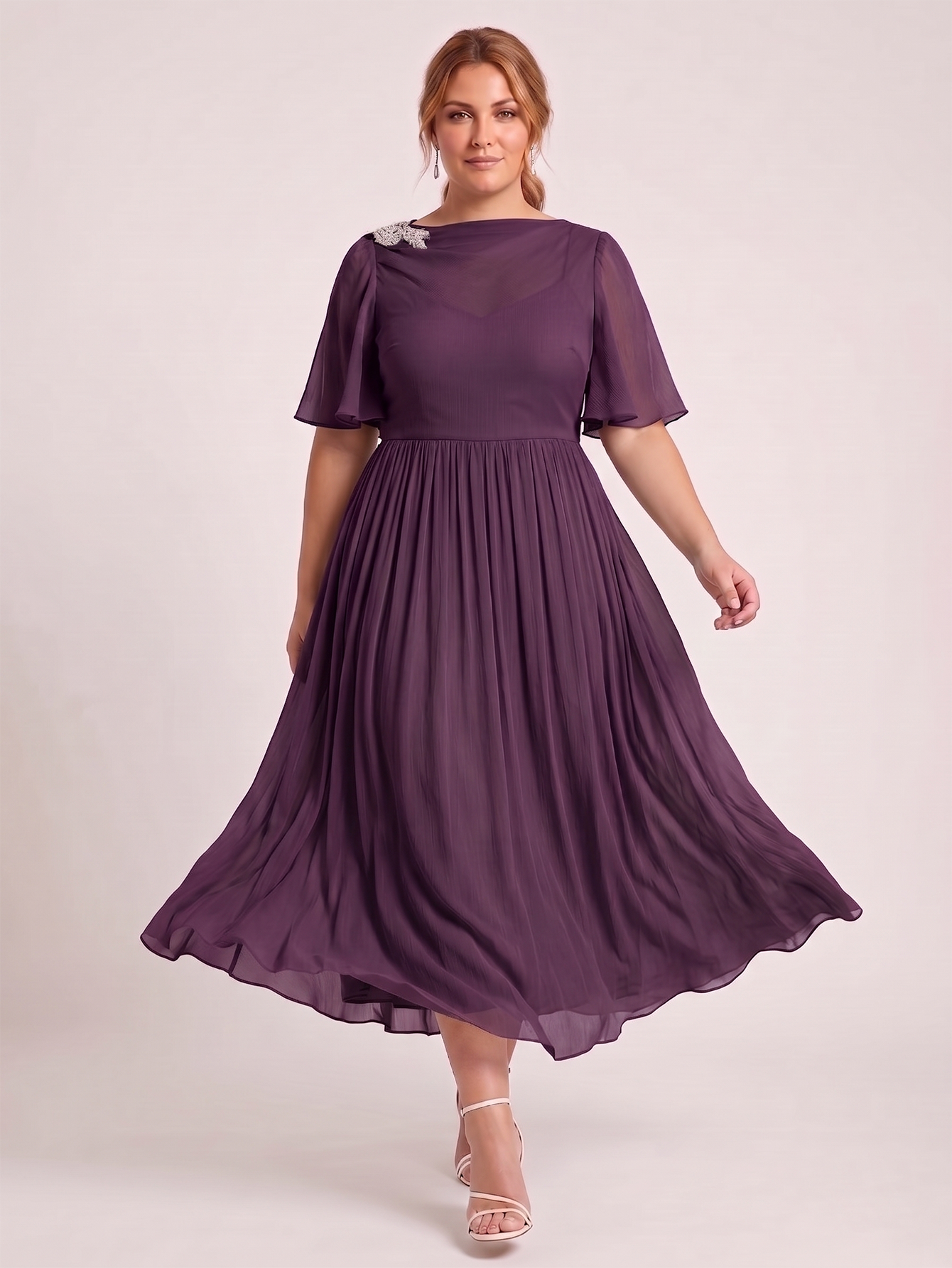
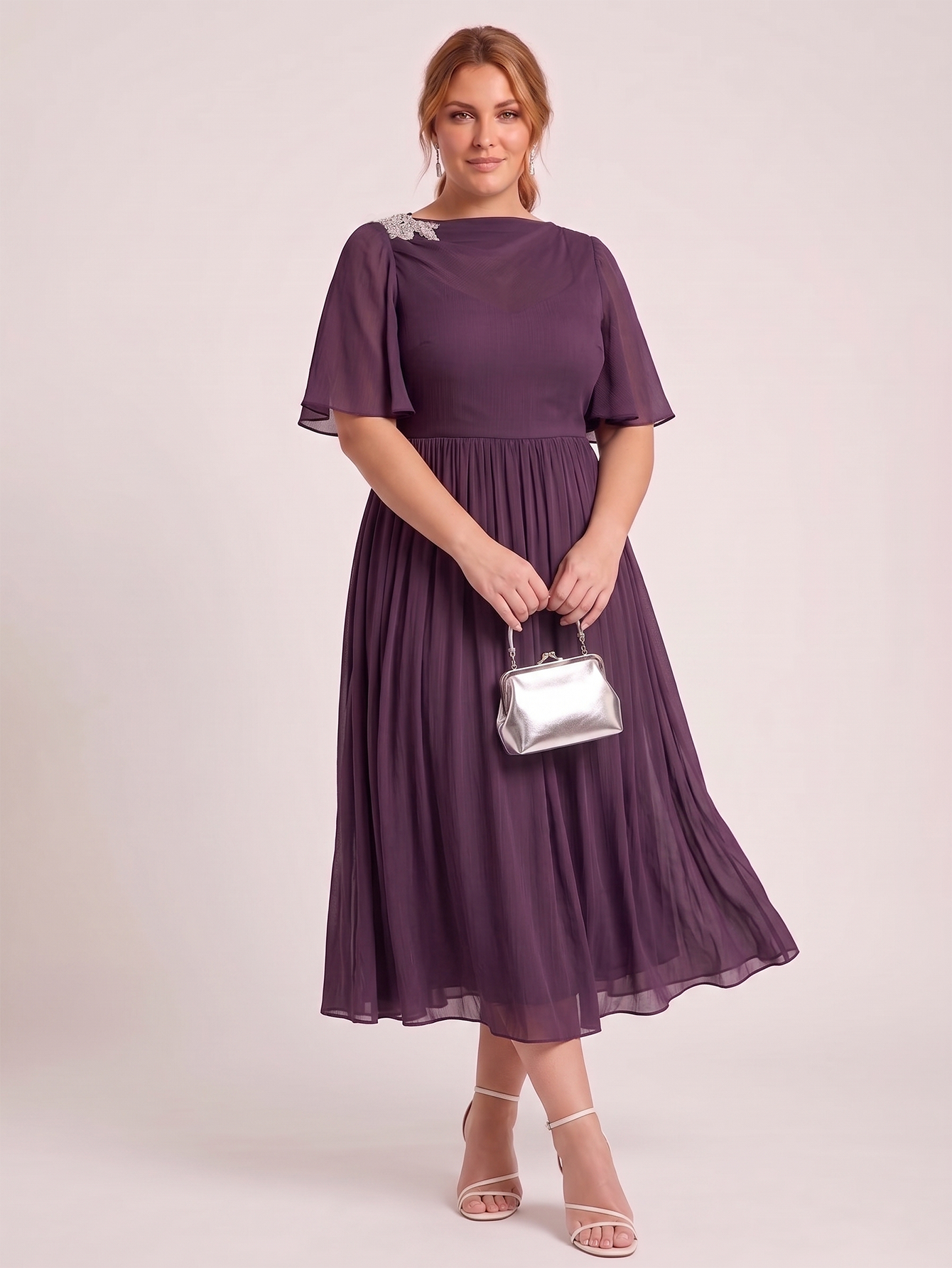
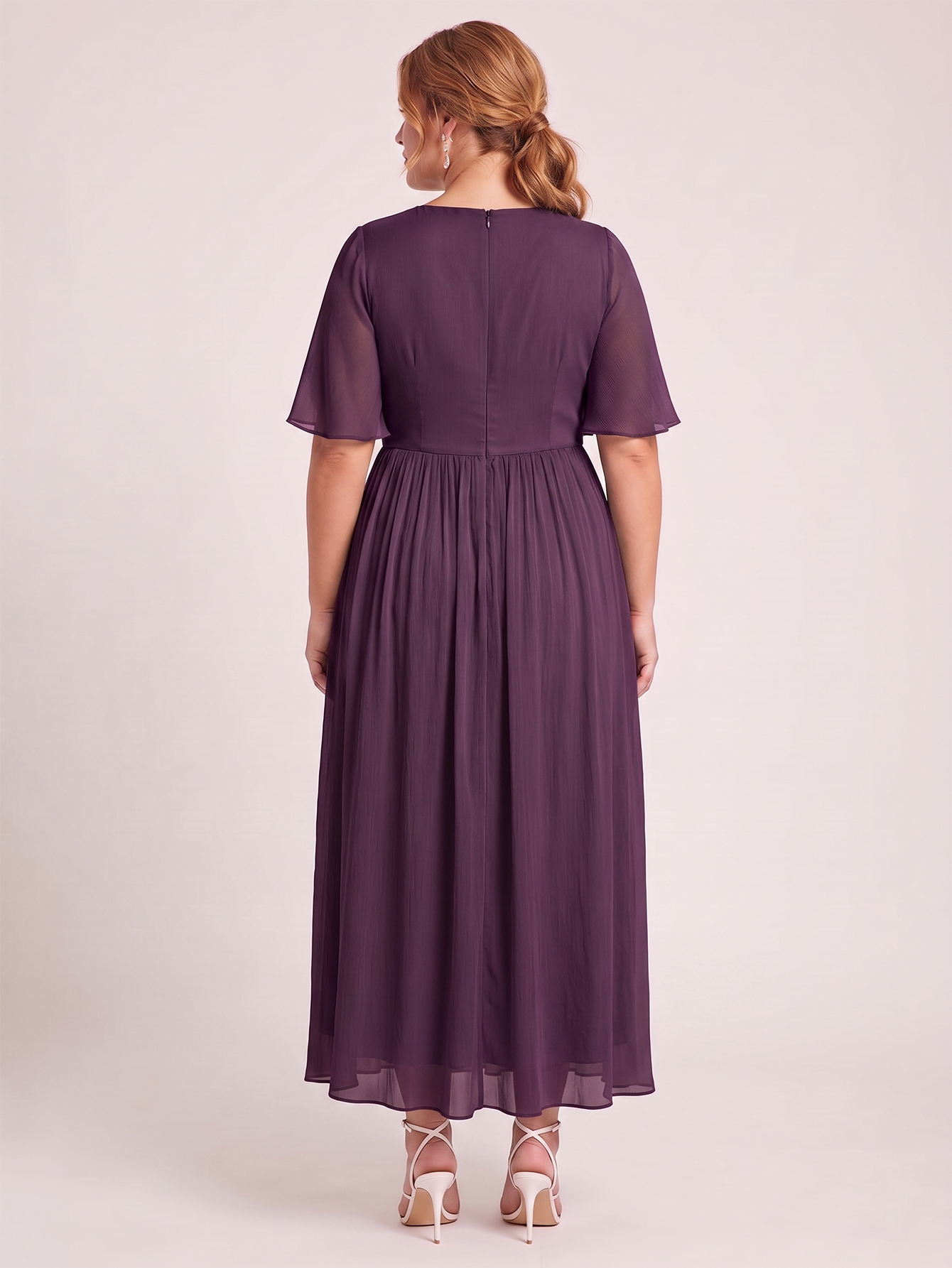
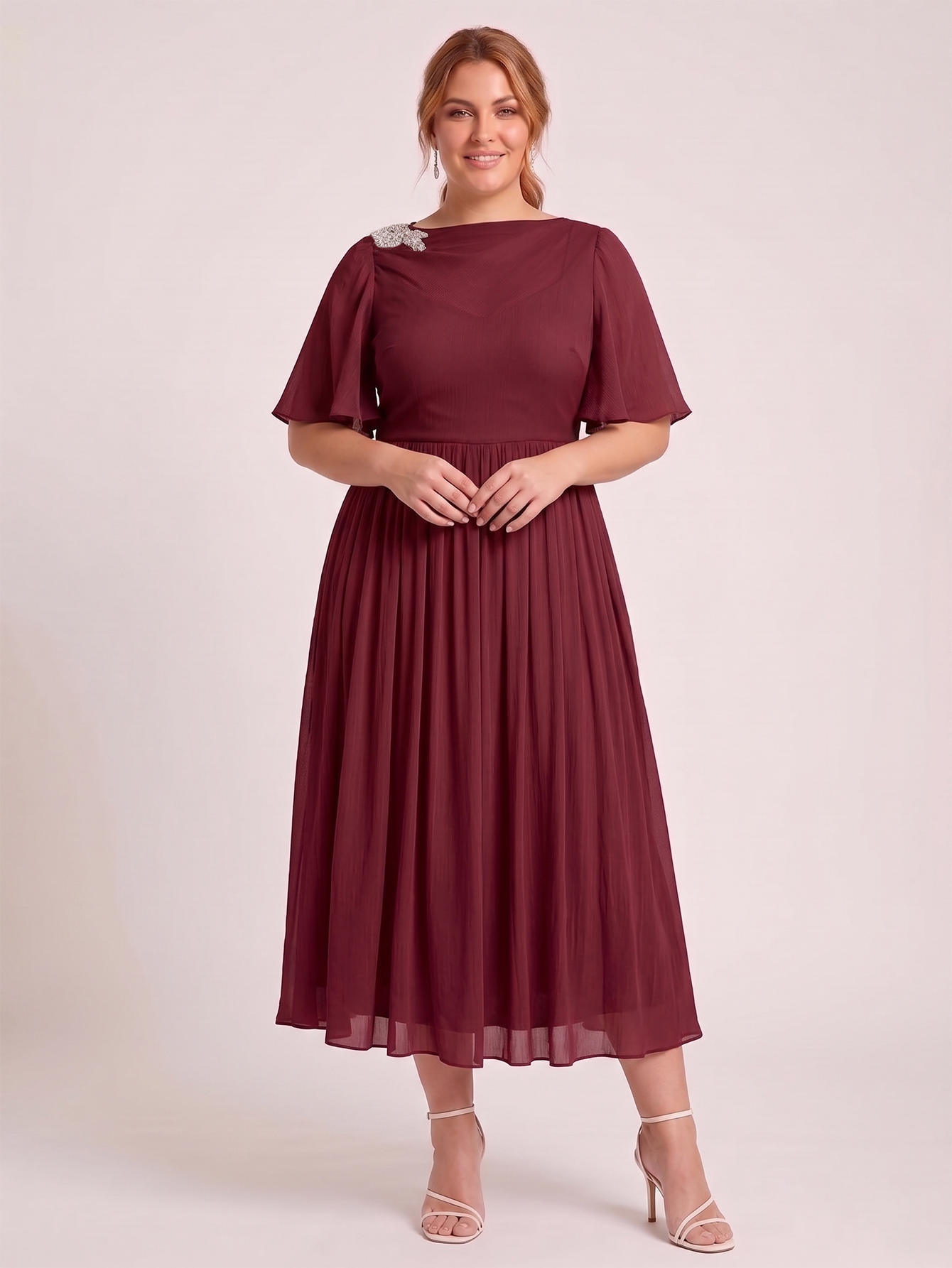
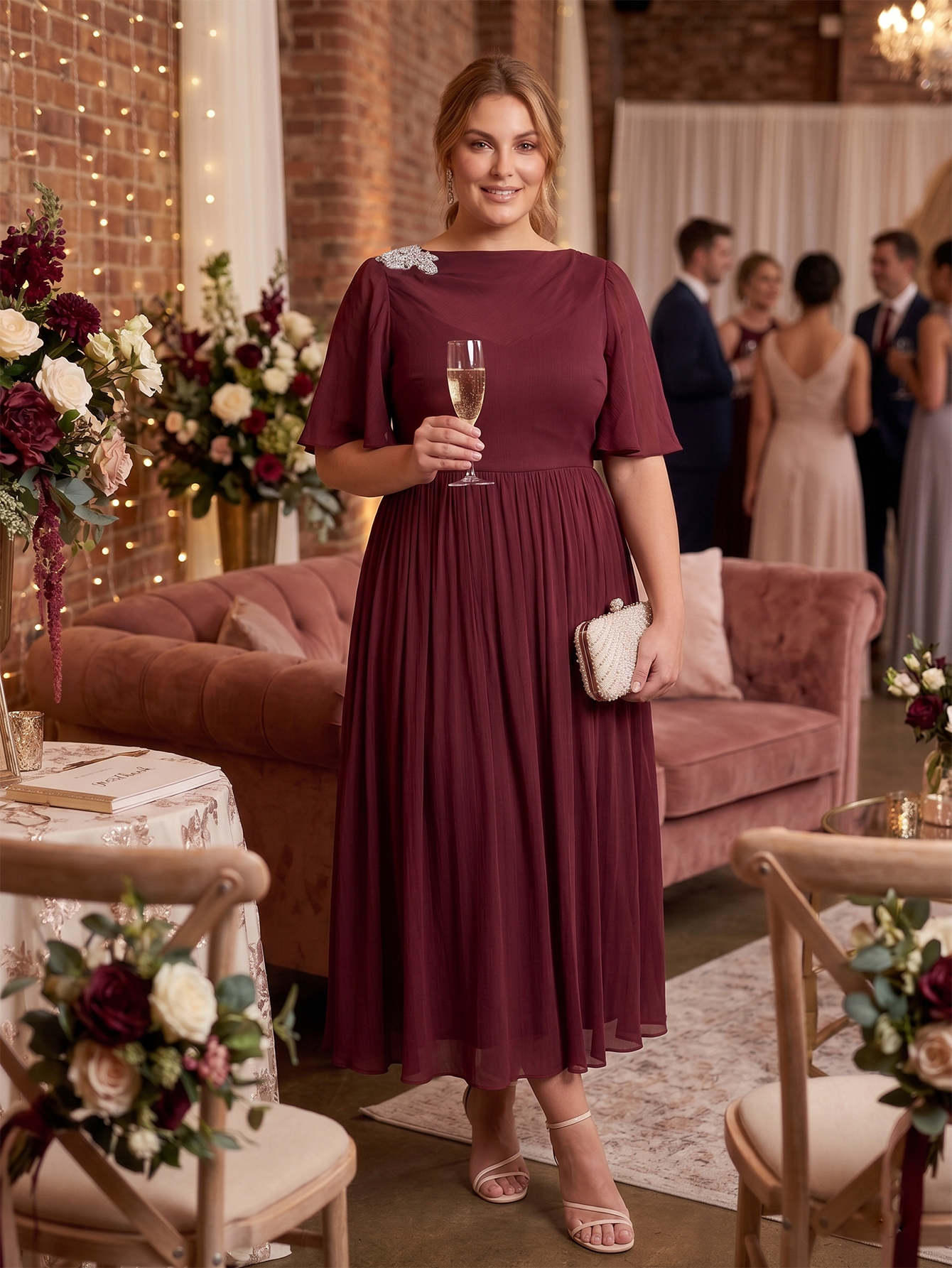
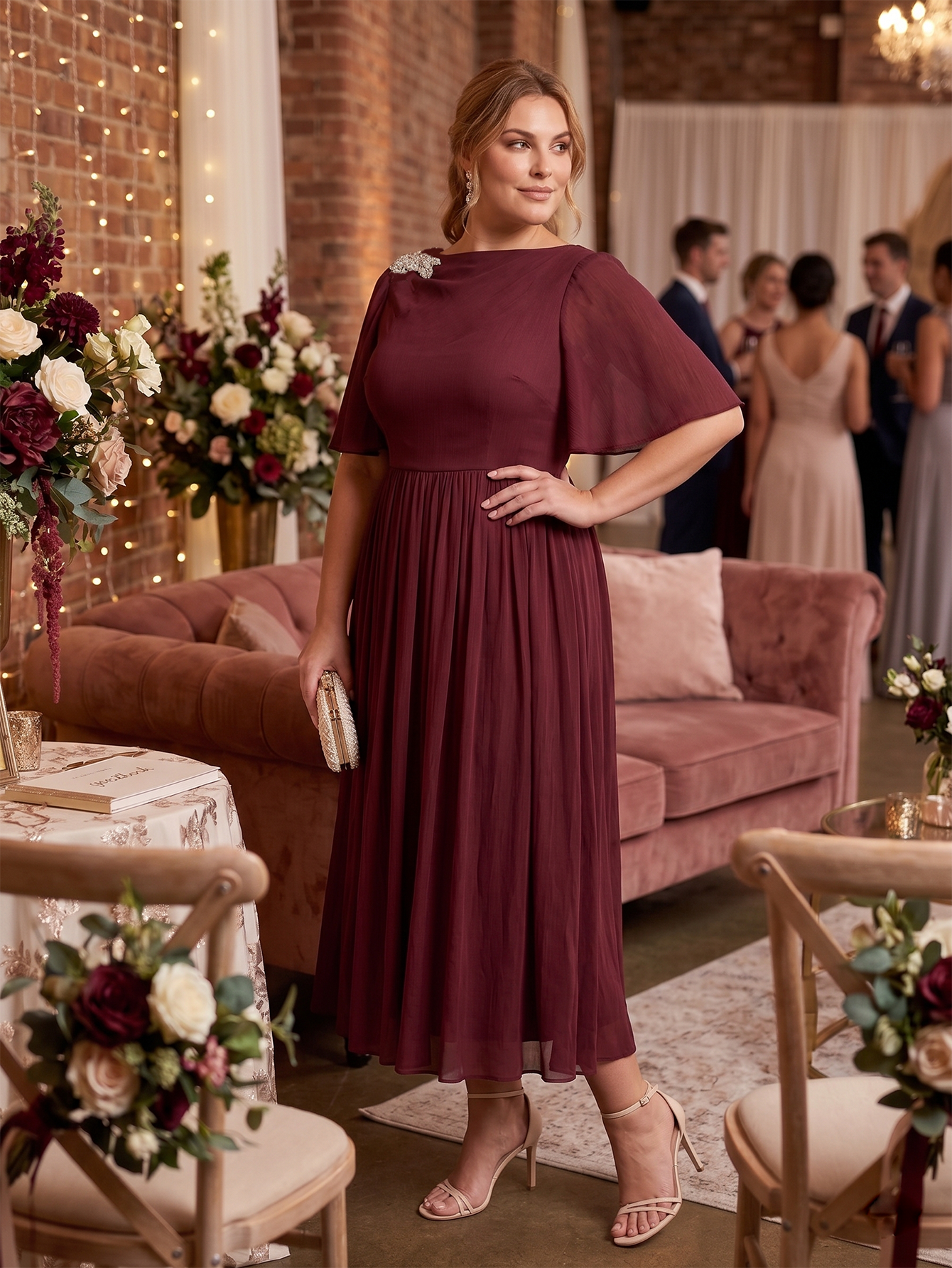
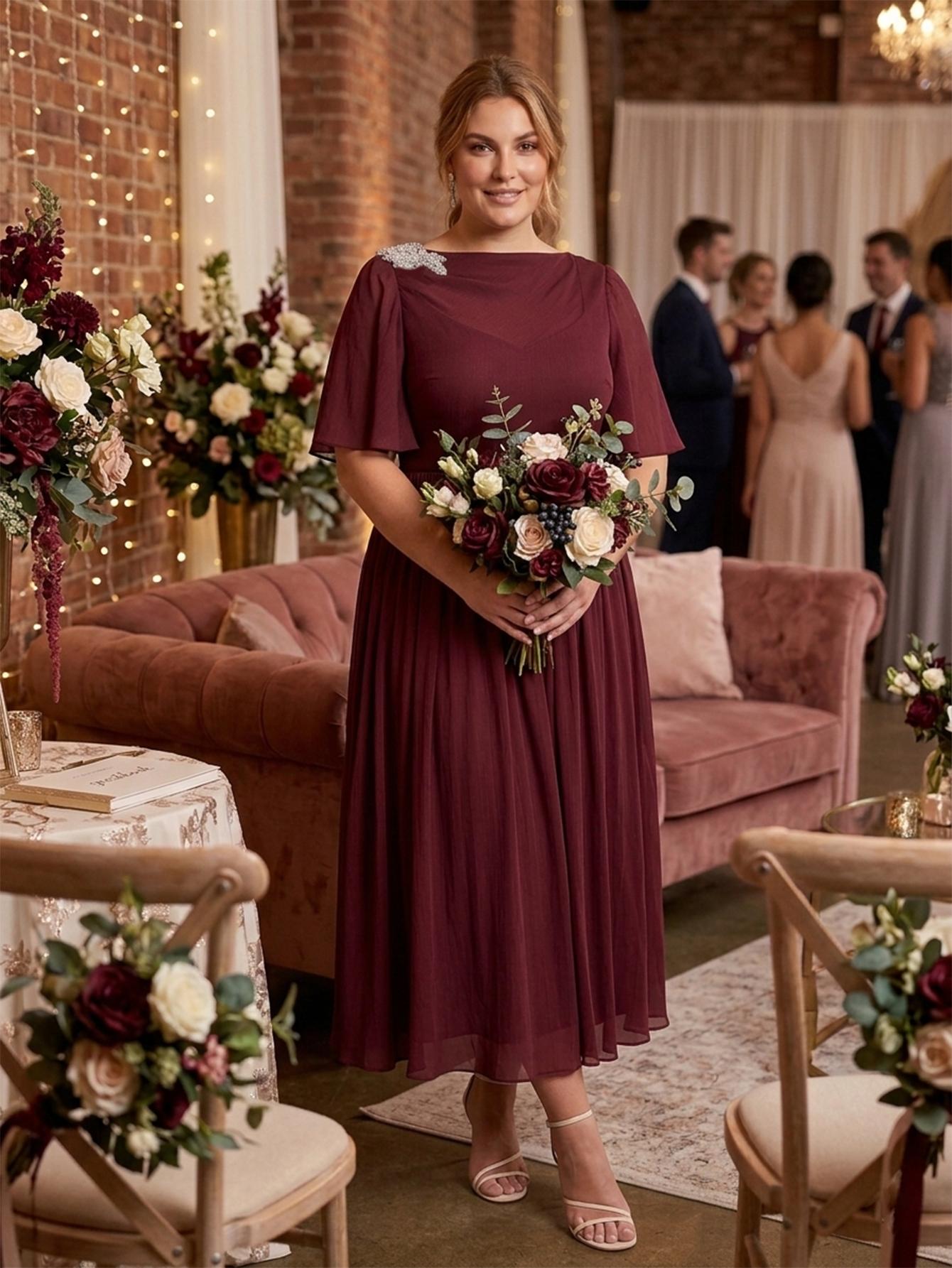
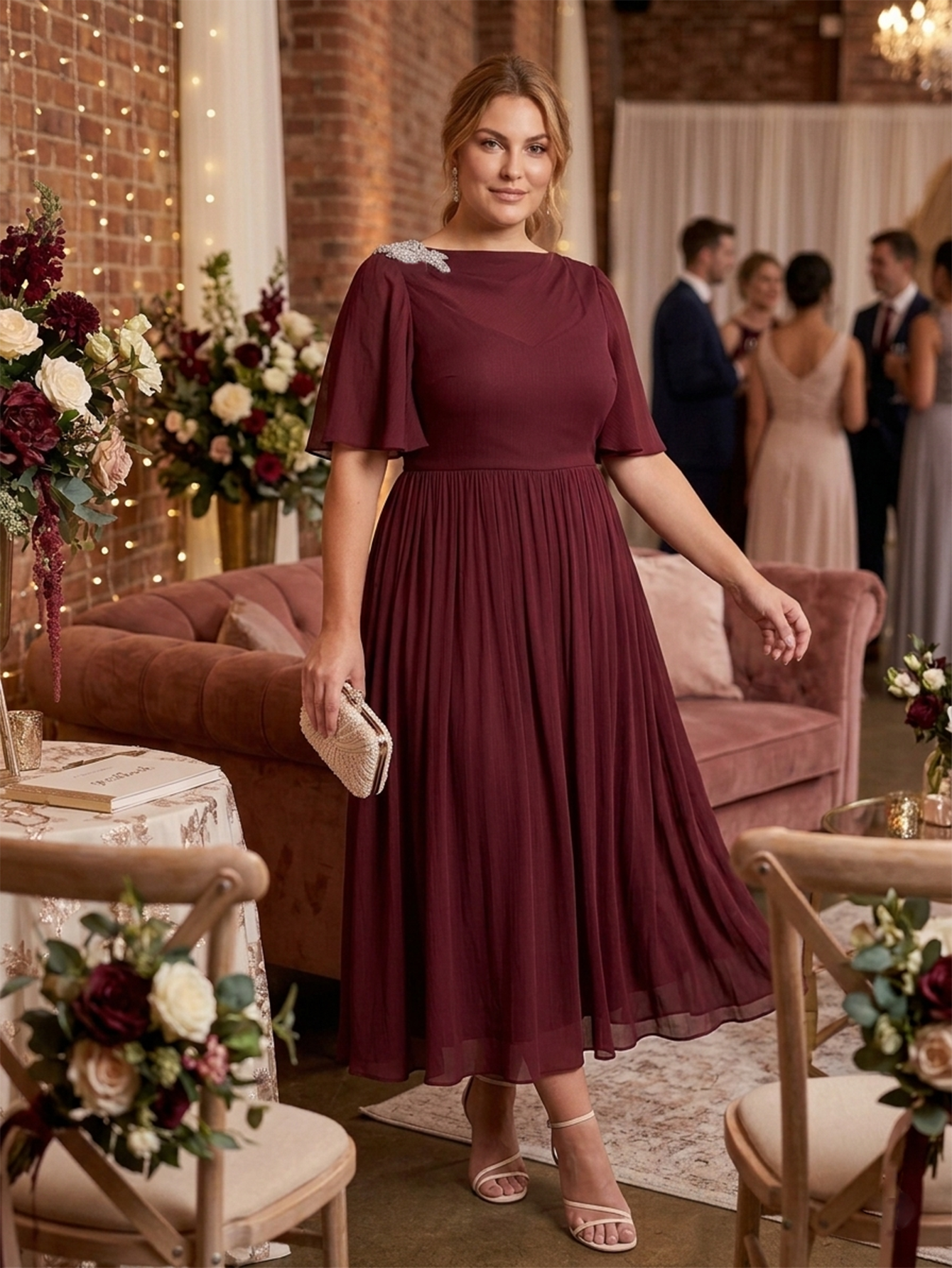
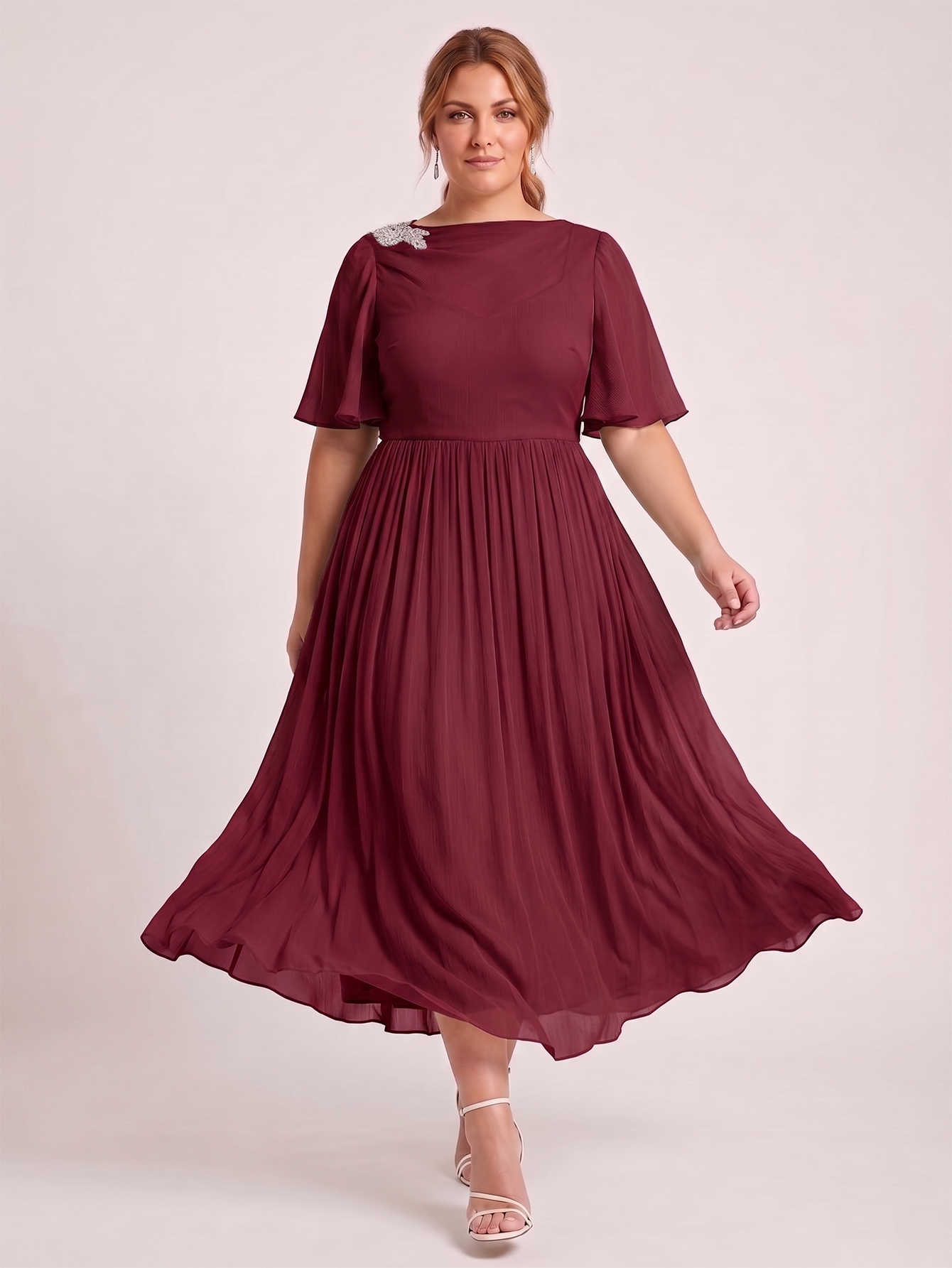
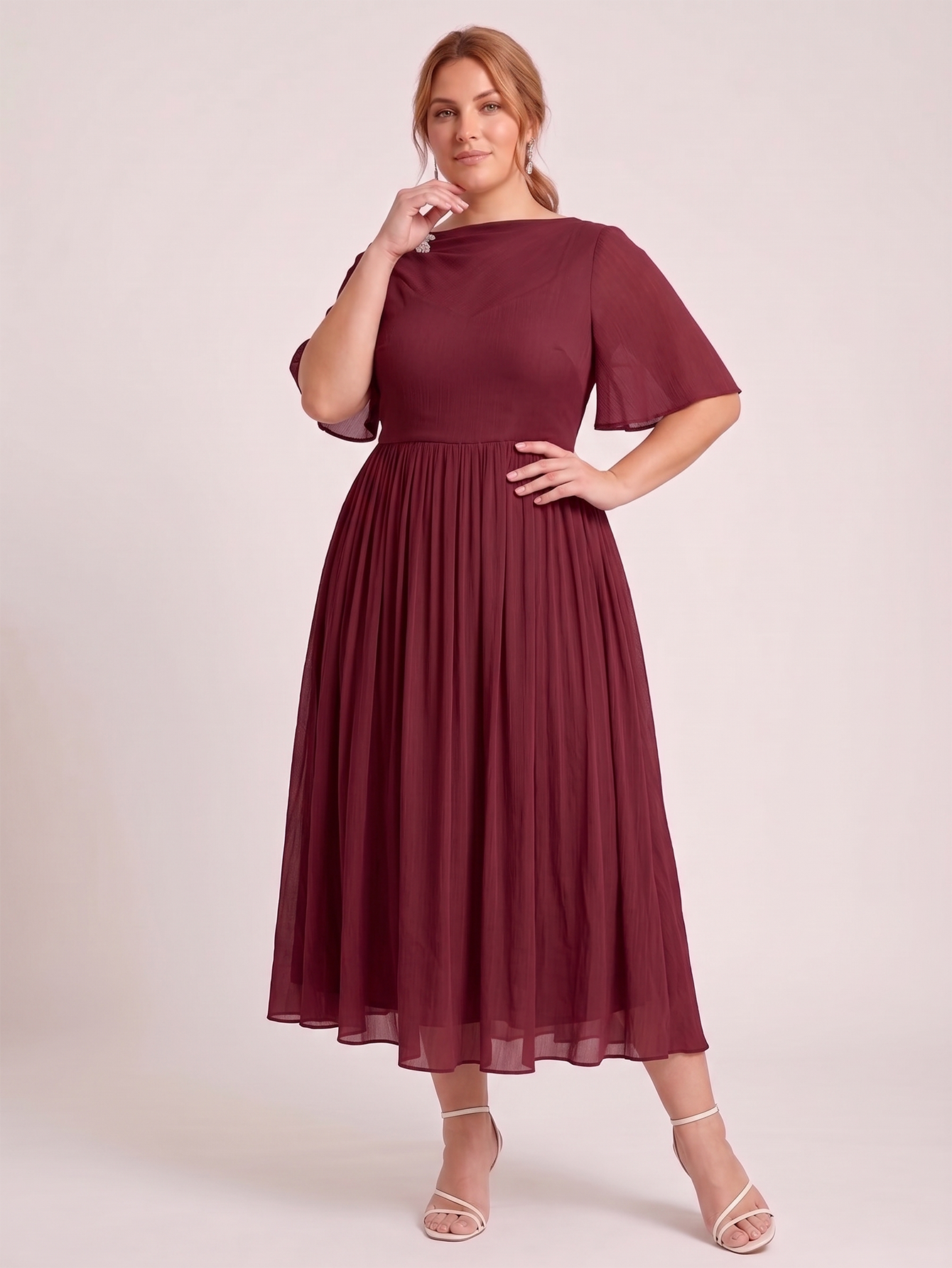
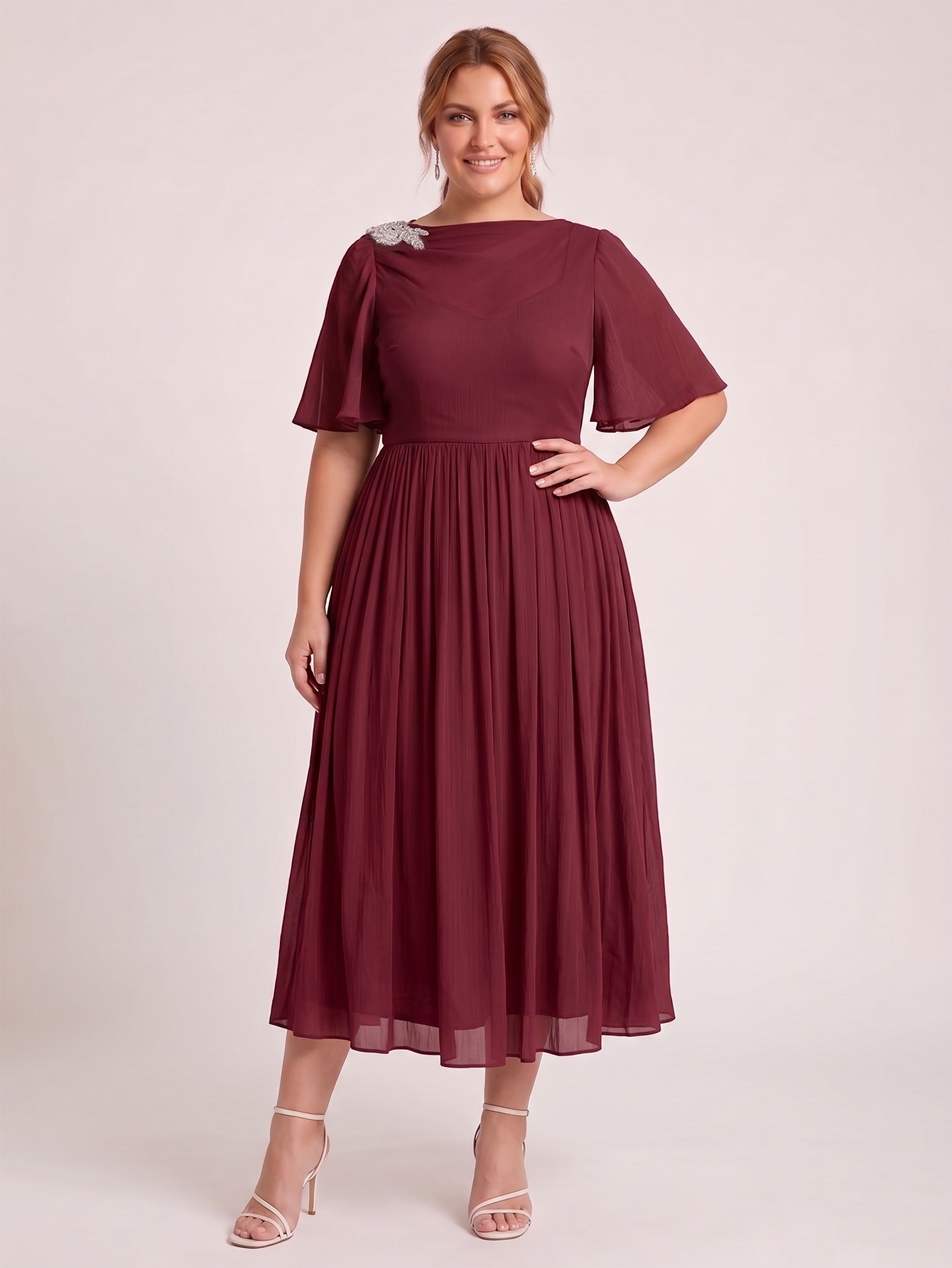
A floor-length gown is a traditional black-tie option, while a refined midi dress can also work when the fabric, construction and styling feel sufficiently formal.
Consider stairs, outdoor paths, seated comfort and the shoes you can wear for several hours. A hem should support the event rather than become something you have to manage all evening.
Petite and tall guests may need alterations, so allow time for a final length check with the intended shoes.
Floor-length dresses
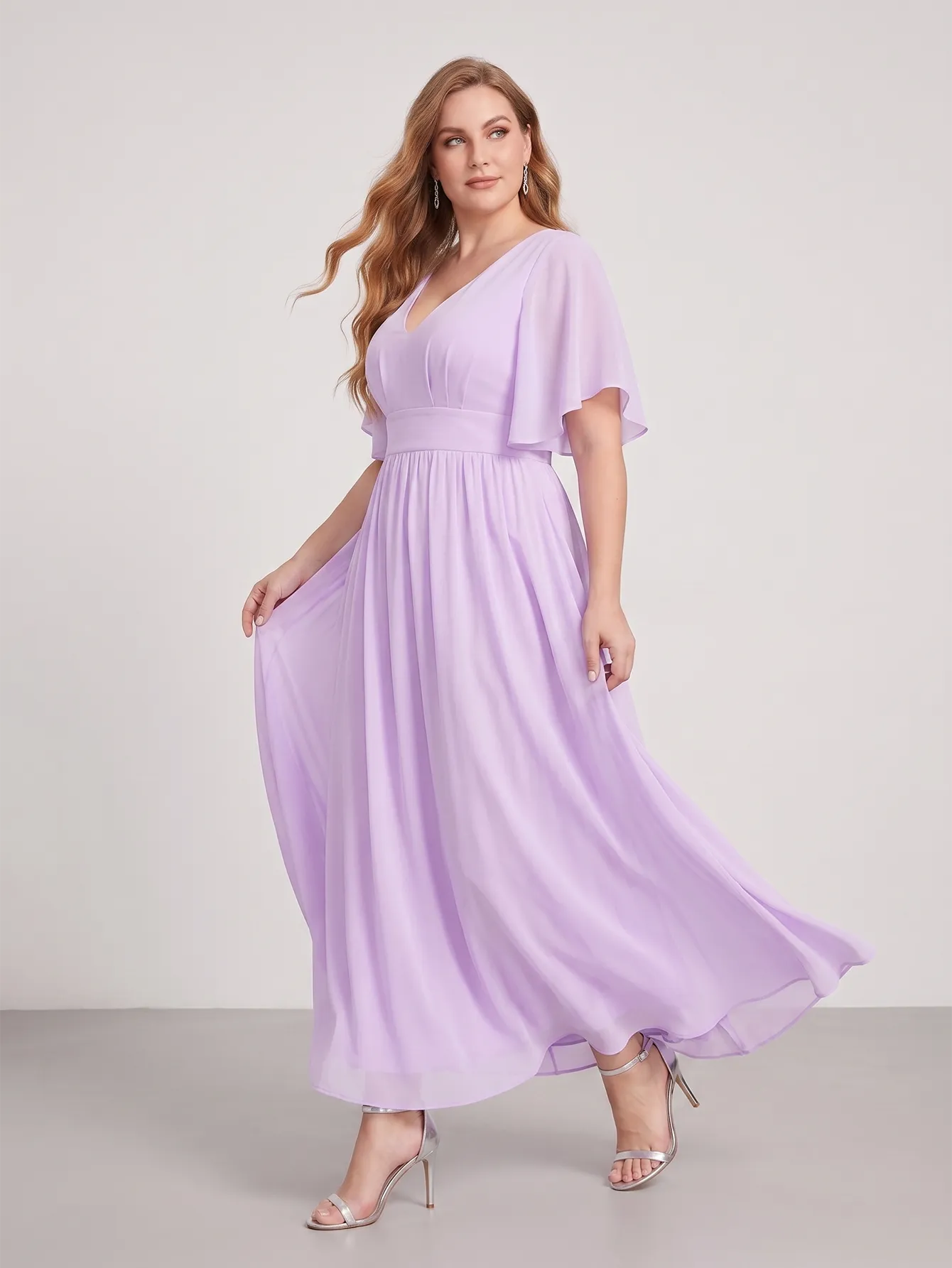
The more traditional black-tie option and often the clearest choice when the invitation specifies a formal evening event.
Formal midi dresses
A possible alternative when the fabric, construction, venue and complete styling create an appropriately elevated look.
Use fabric and construction to manage summer heat
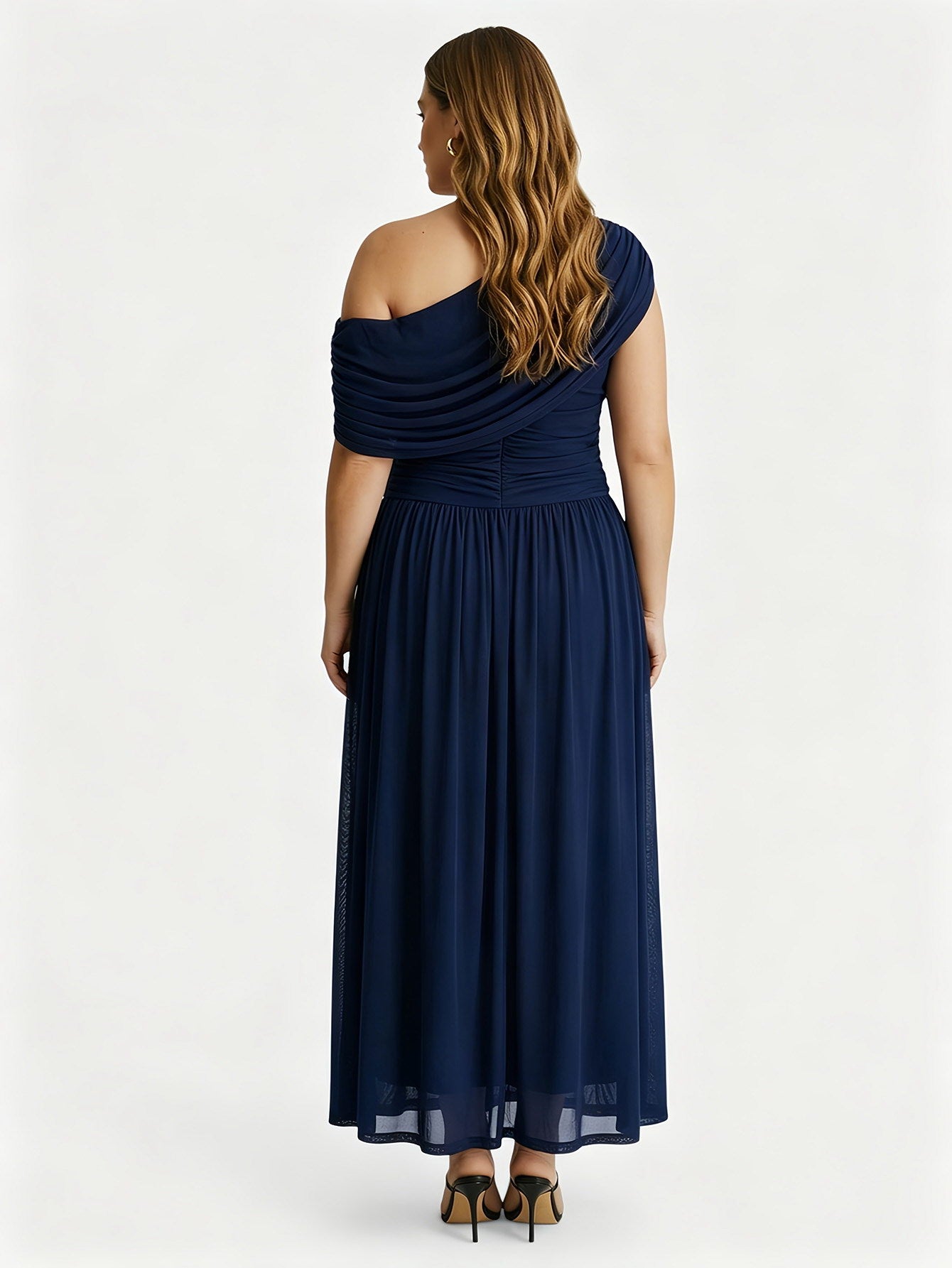
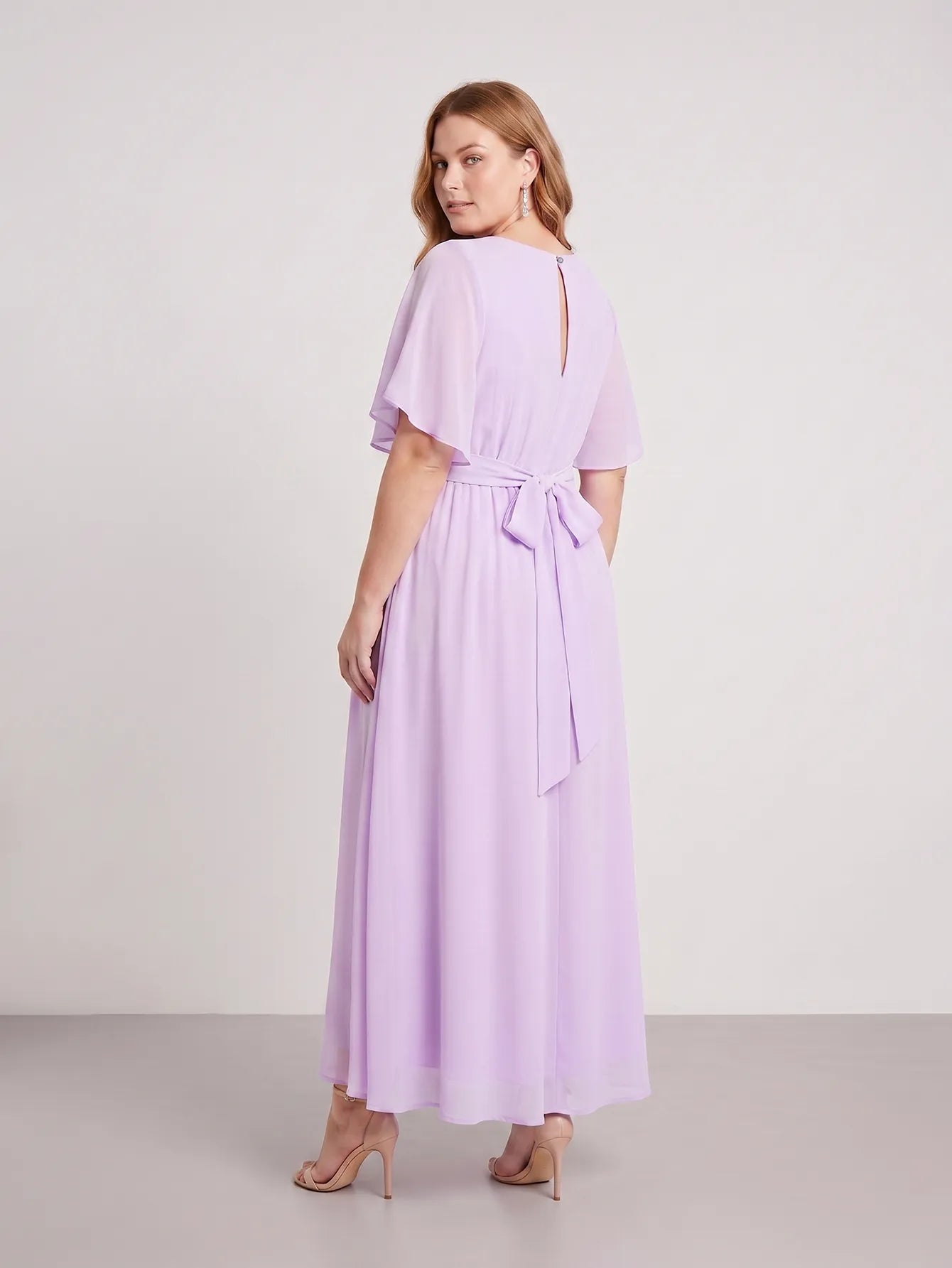
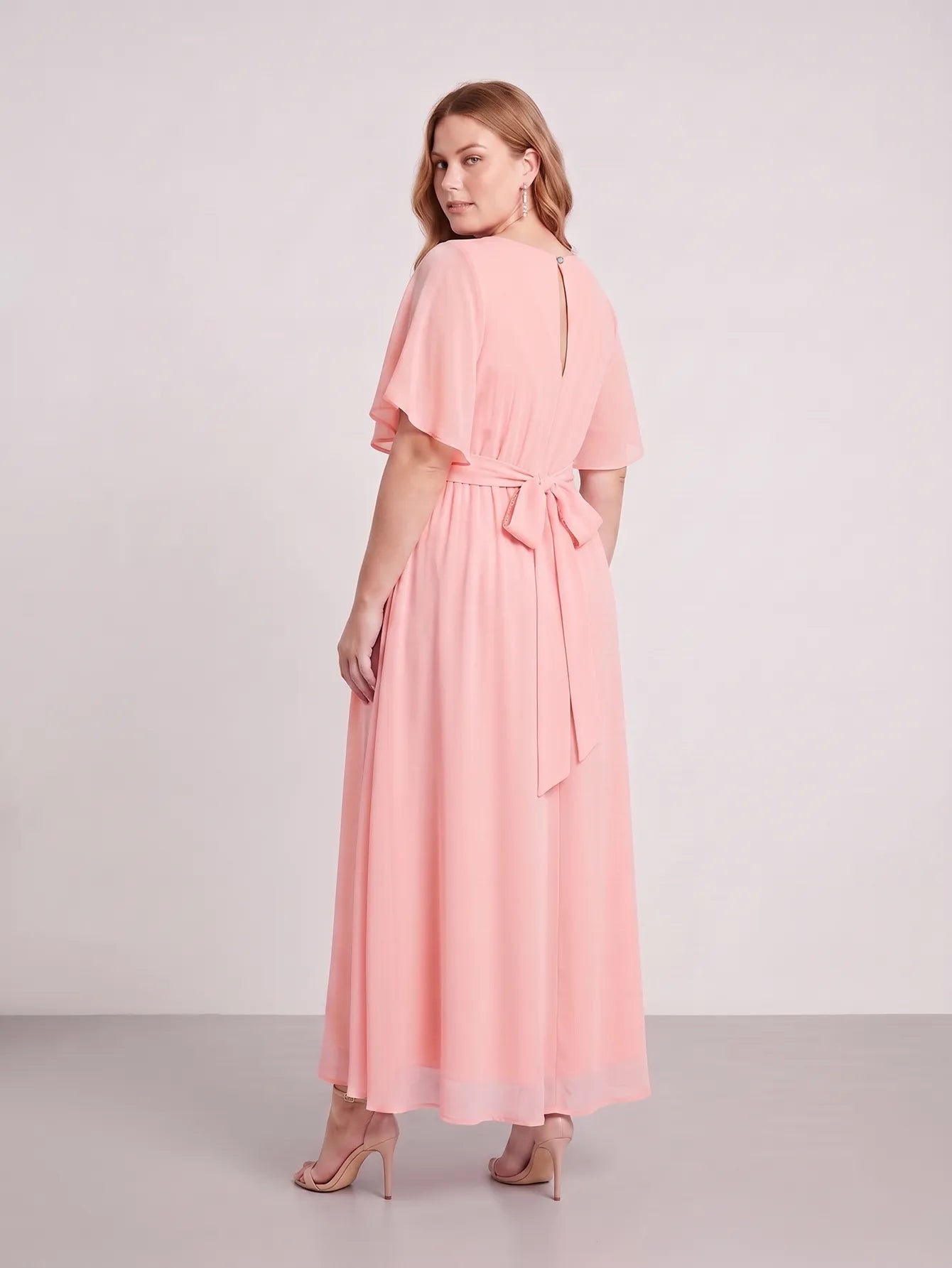
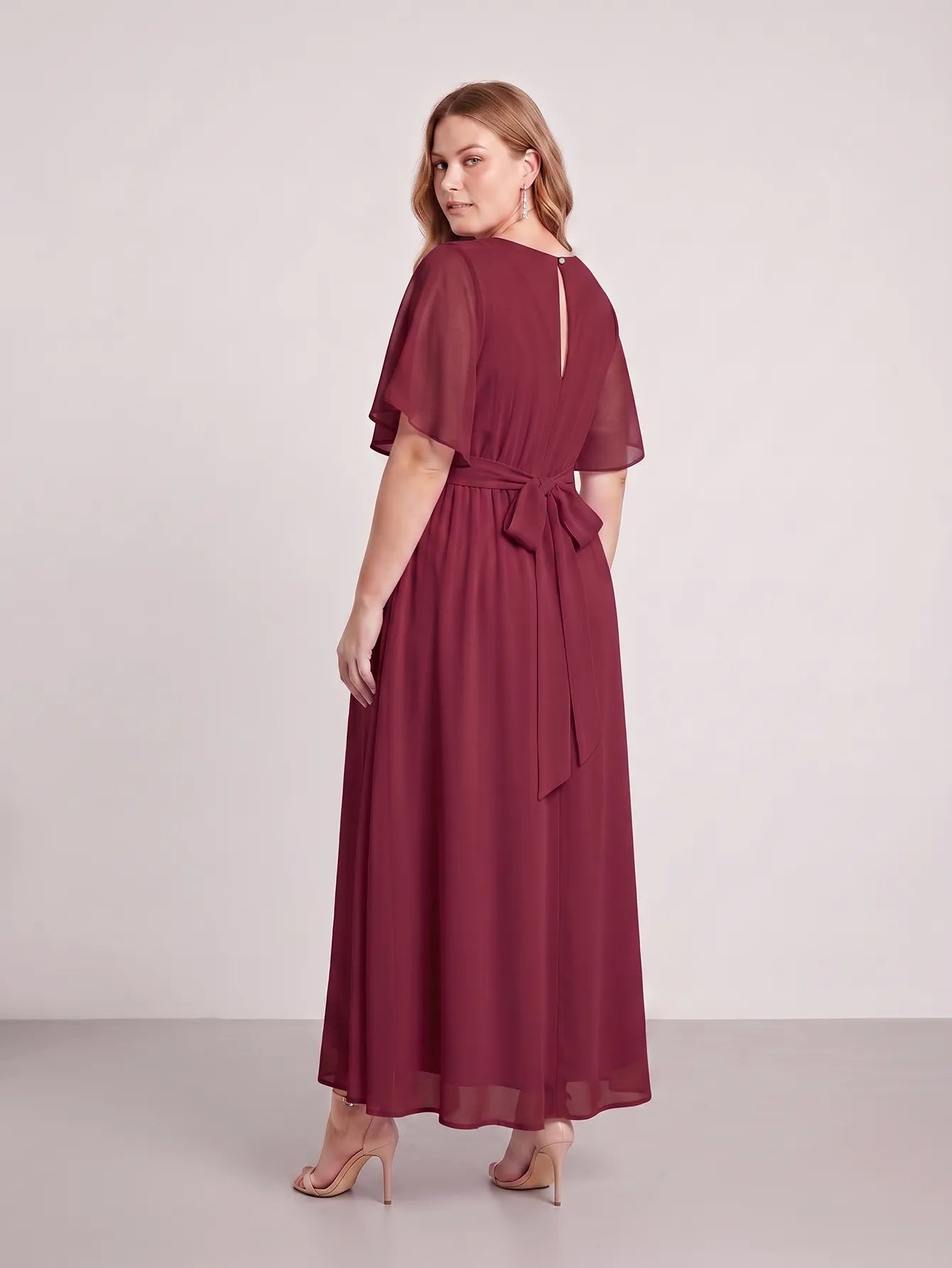
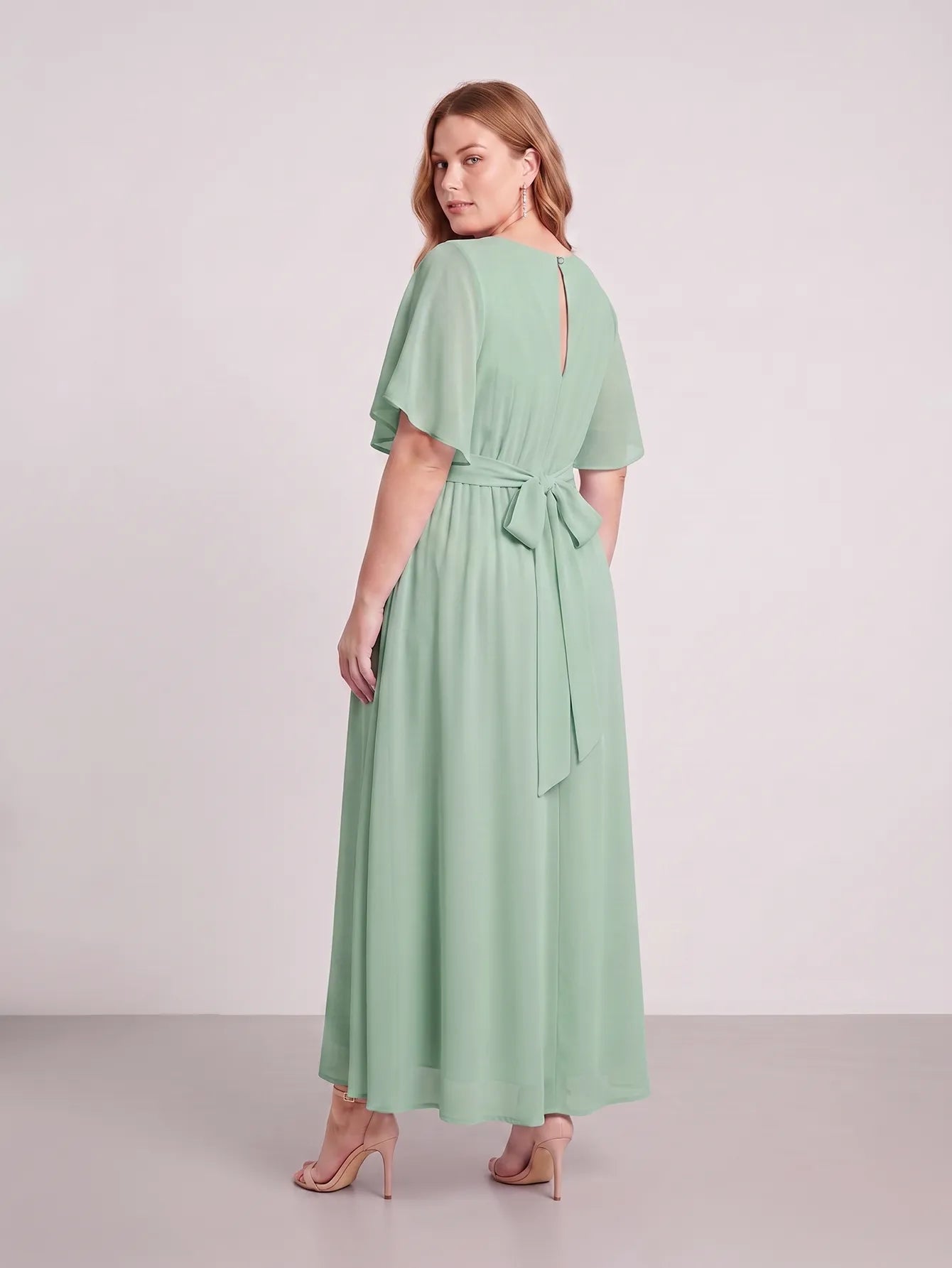
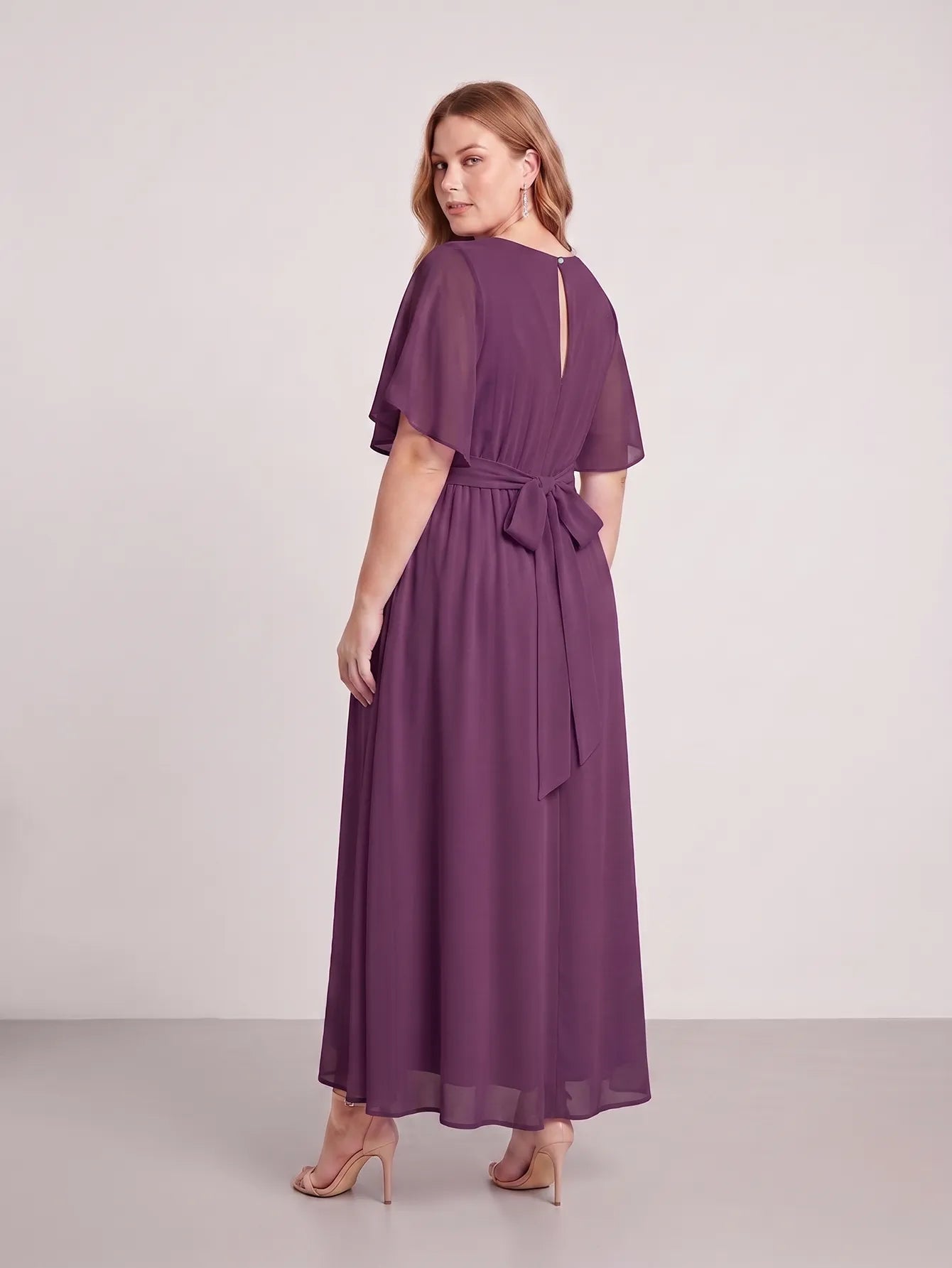
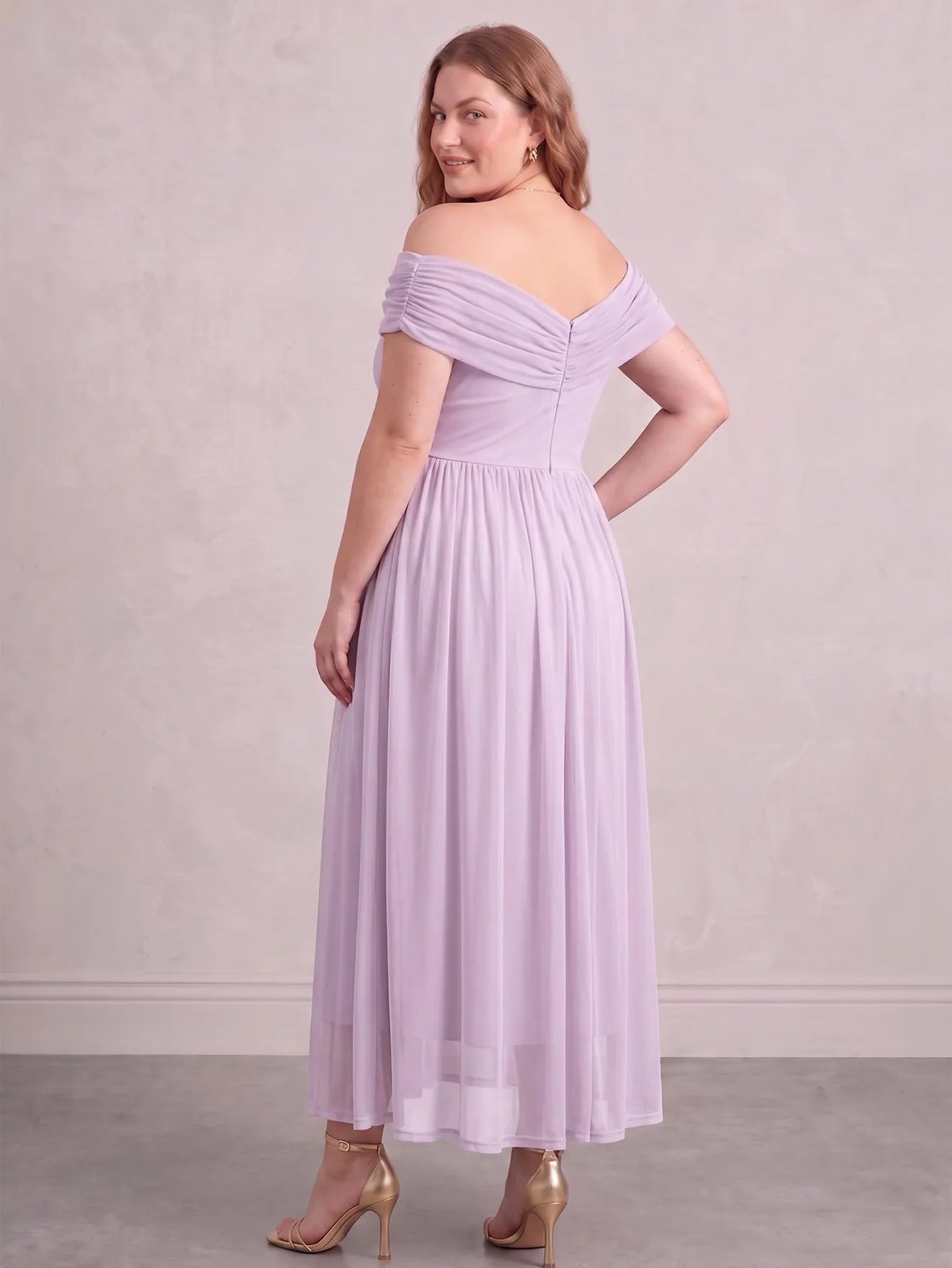
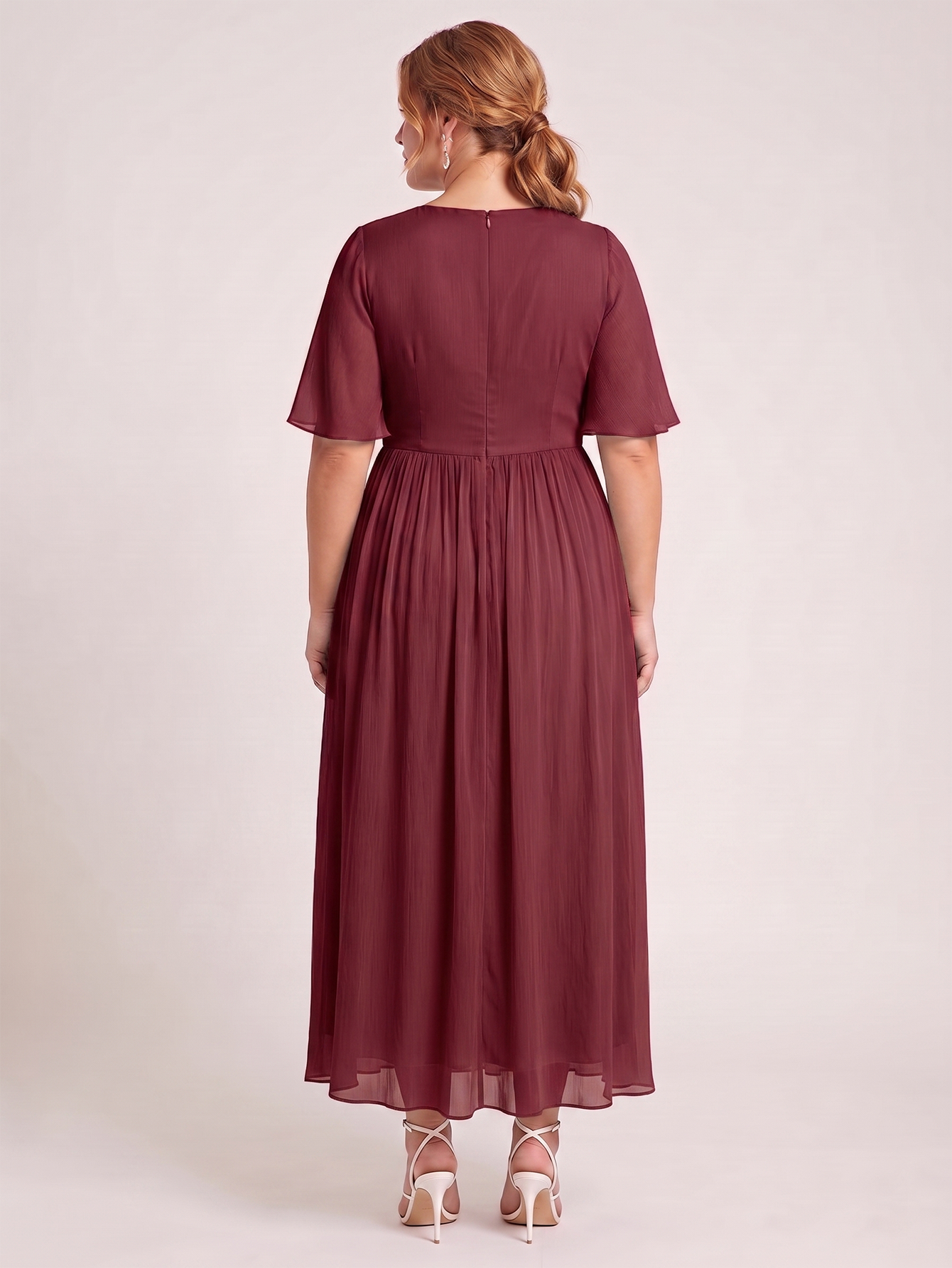
Warm-weather dressing is not only about choosing the lightest-looking fabric. Review the lining, number of layers, sleeve construction, closures and how the garment moves.
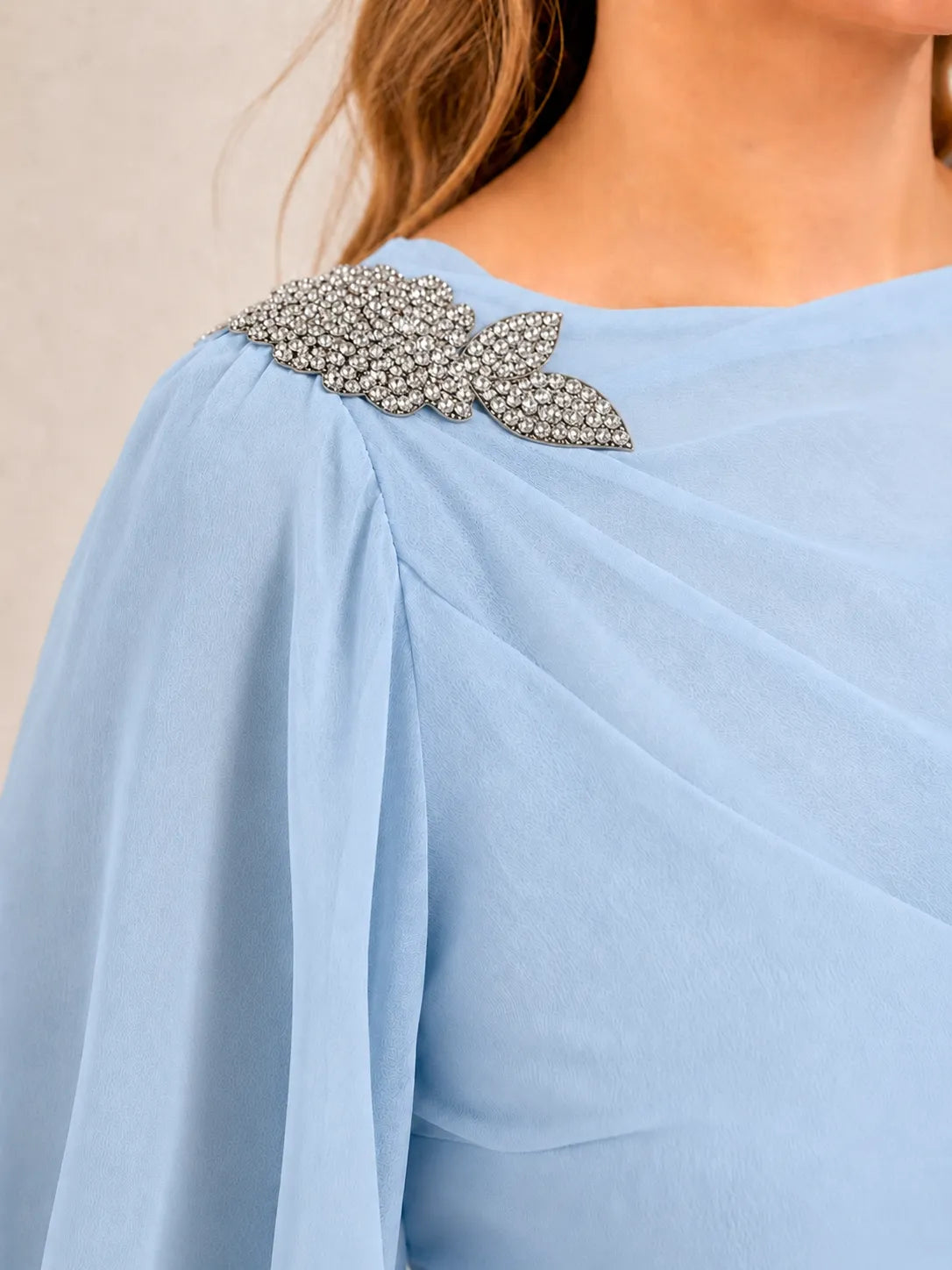
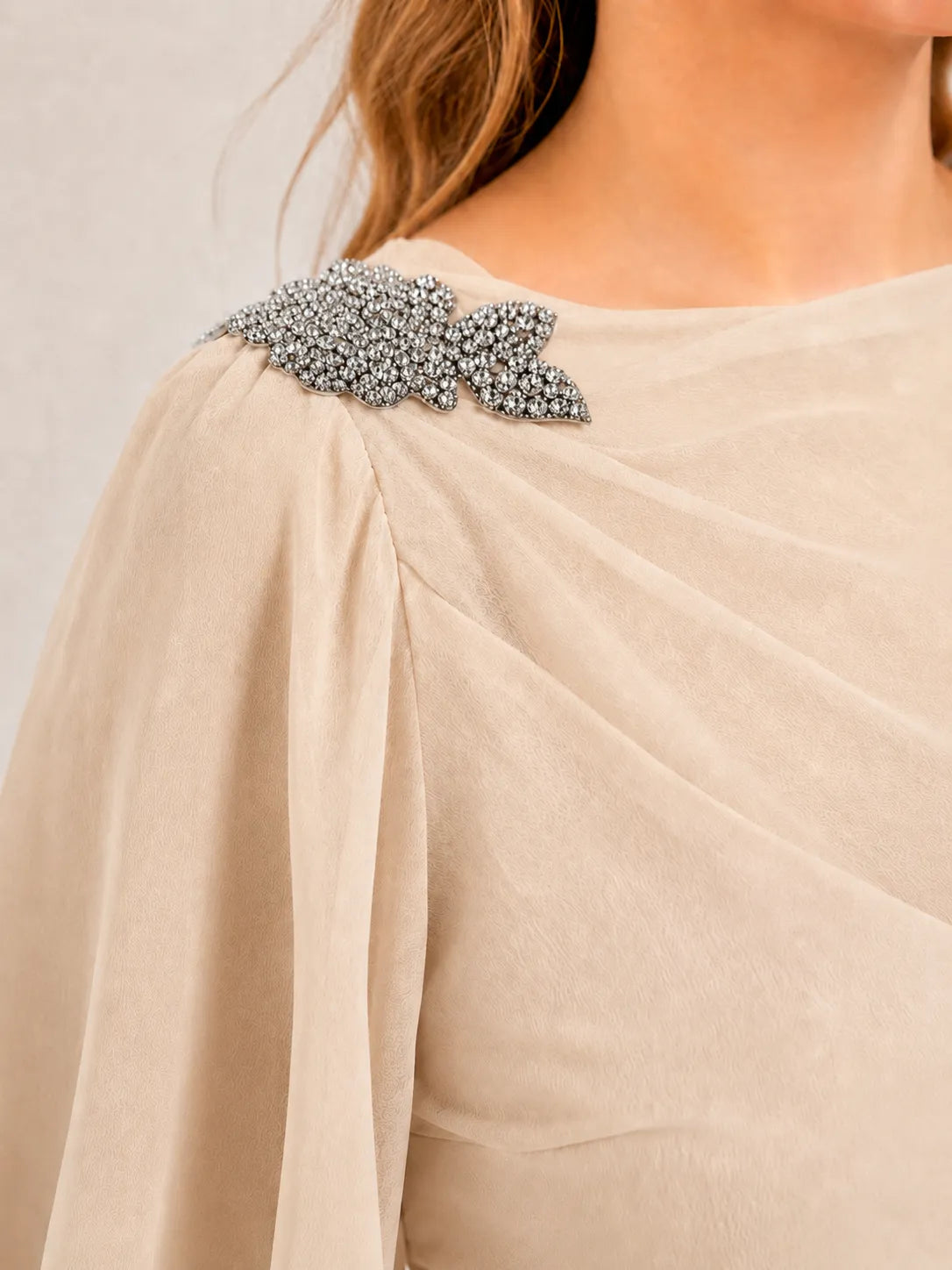
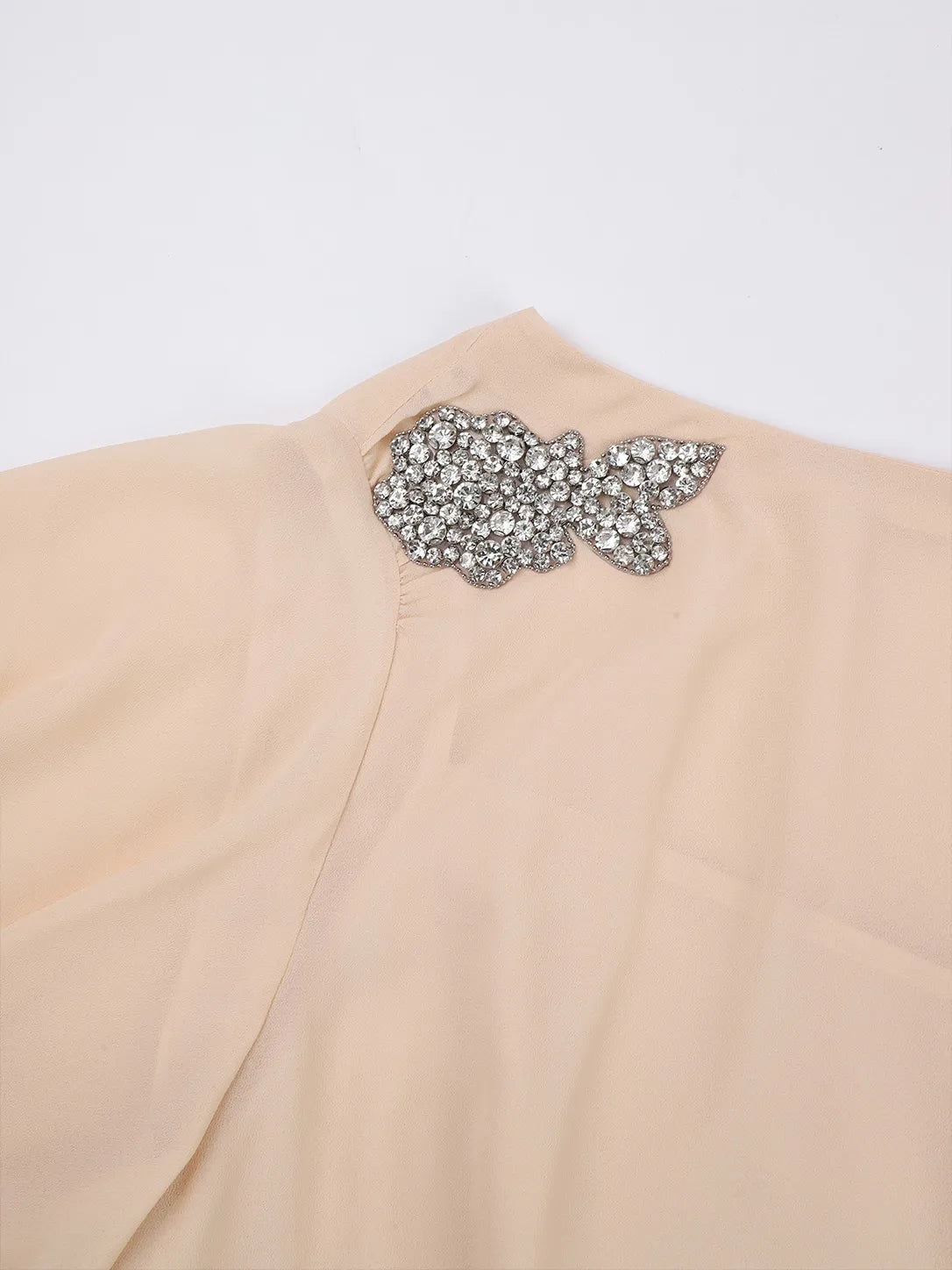
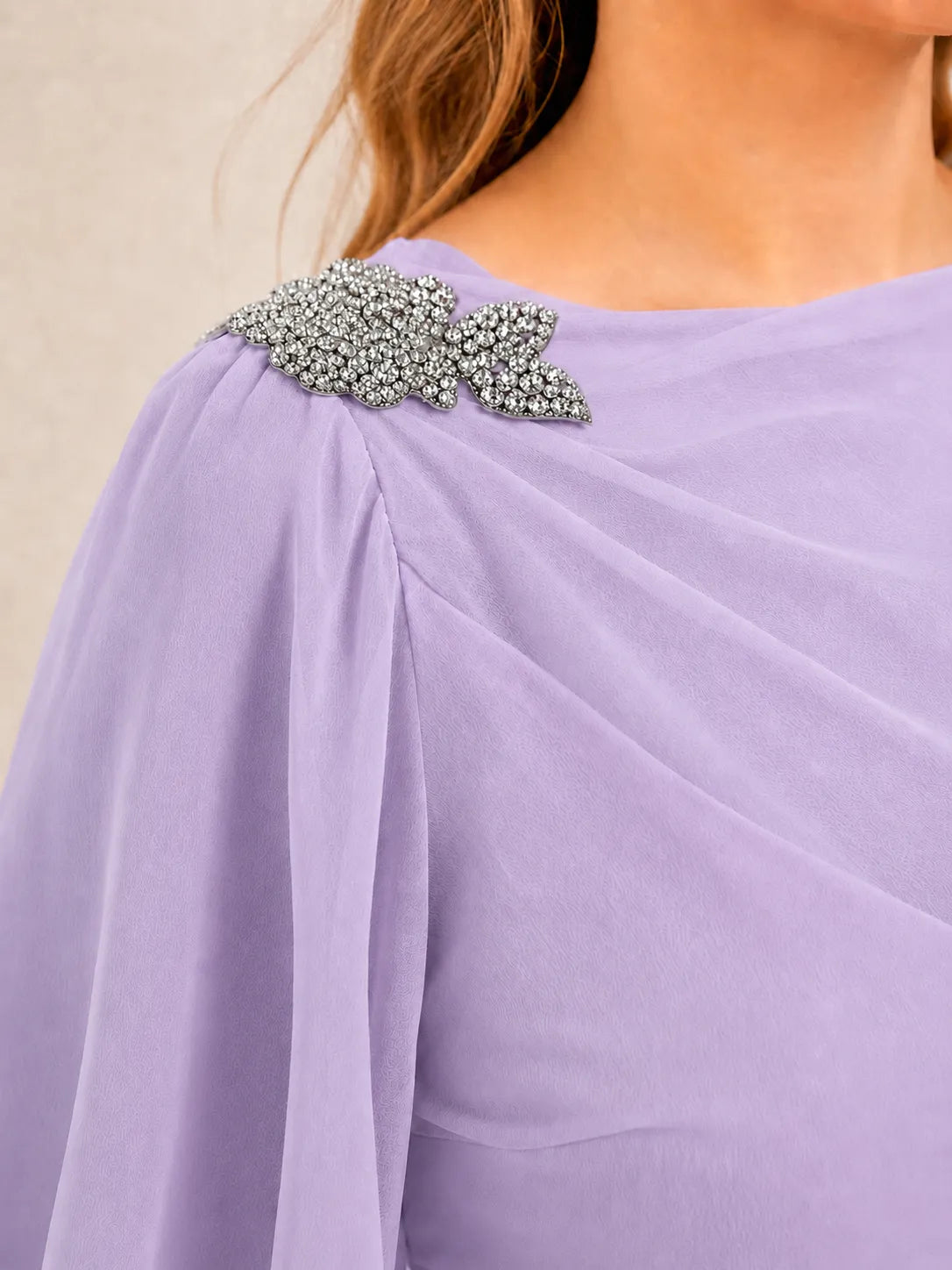
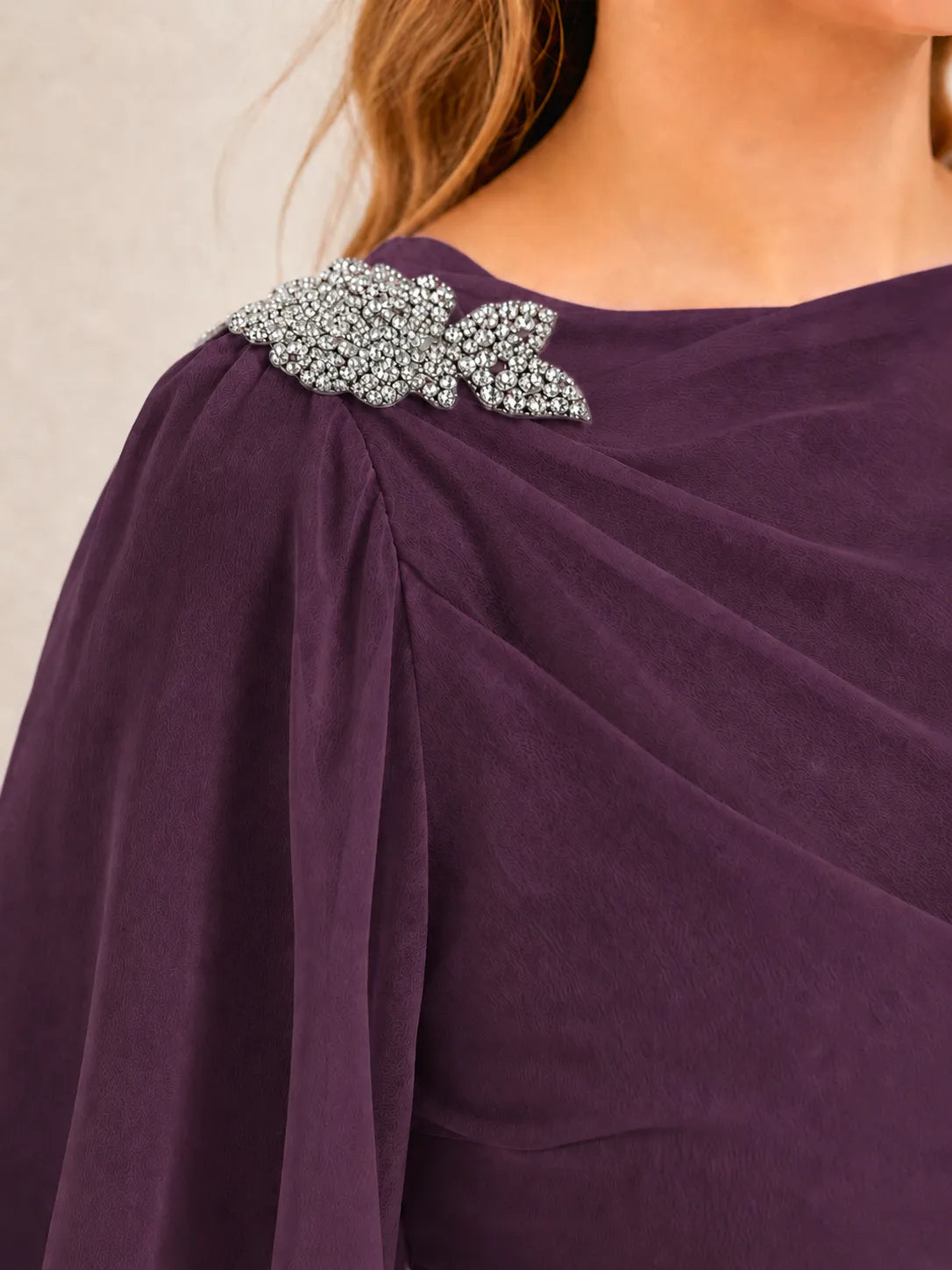
Chiffon can create an airy appearance, but the full garment may still have a substantial lining. Satin can look formal but may show moisture or crease differently.
Never assume breathability, stretch or opacity from a fabric name alone; confirm the product details.
Prioritize fit at the bust, waist, hips and armholes
Formal clothing should allow you to sit, raise your arms, eat and move without pulling or constant adjustment. Compare the garment measurements with your body measurements and account for the intended ease.
For a fuller bust, check neckline coverage, closure placement and whether your preferred bra works with the design.
For arm coverage, a light sleeve or sheer overlay may offer comfort without requiring a heavy jacket.
Build a complete outfit without overpowering the dress
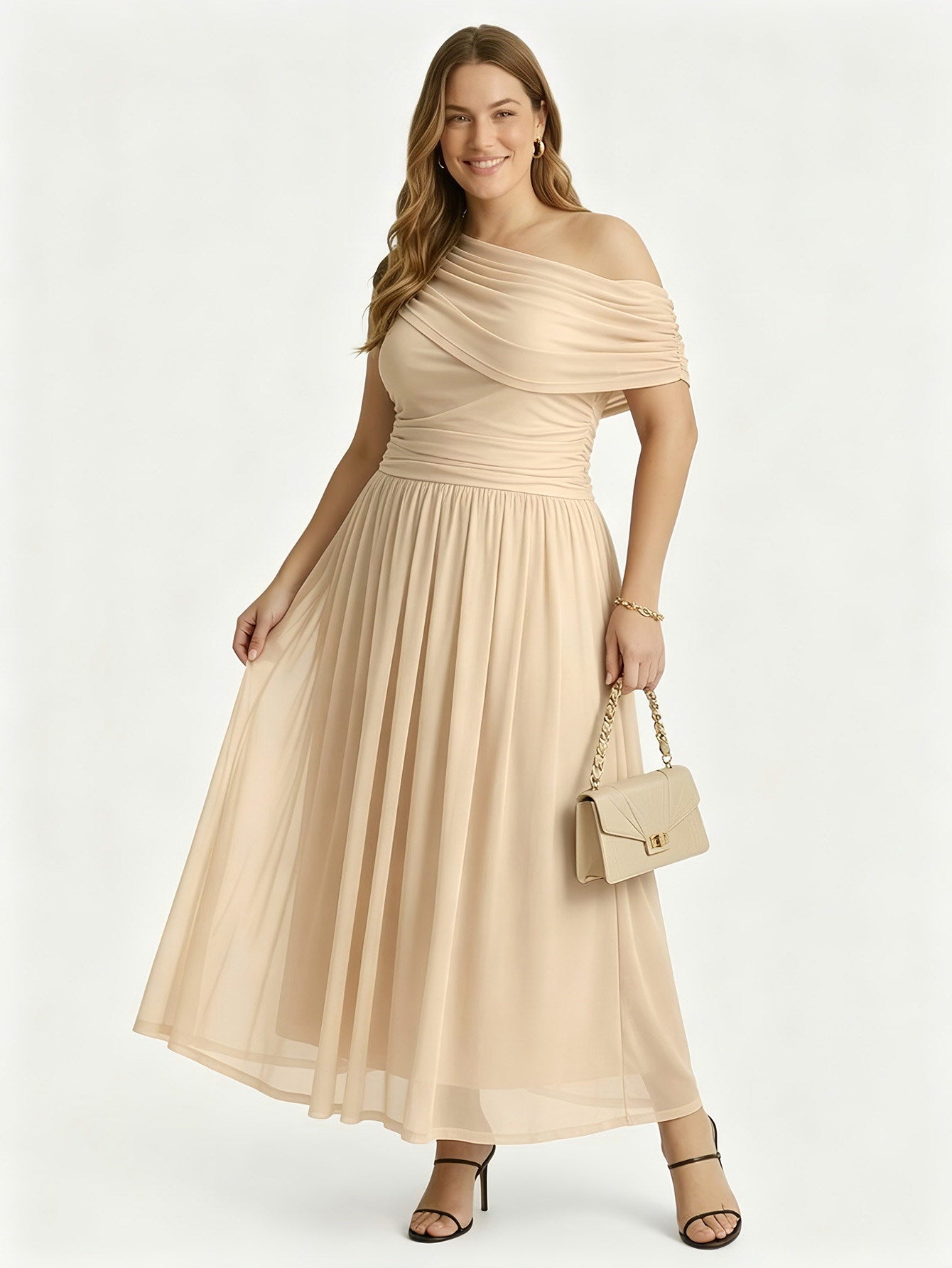
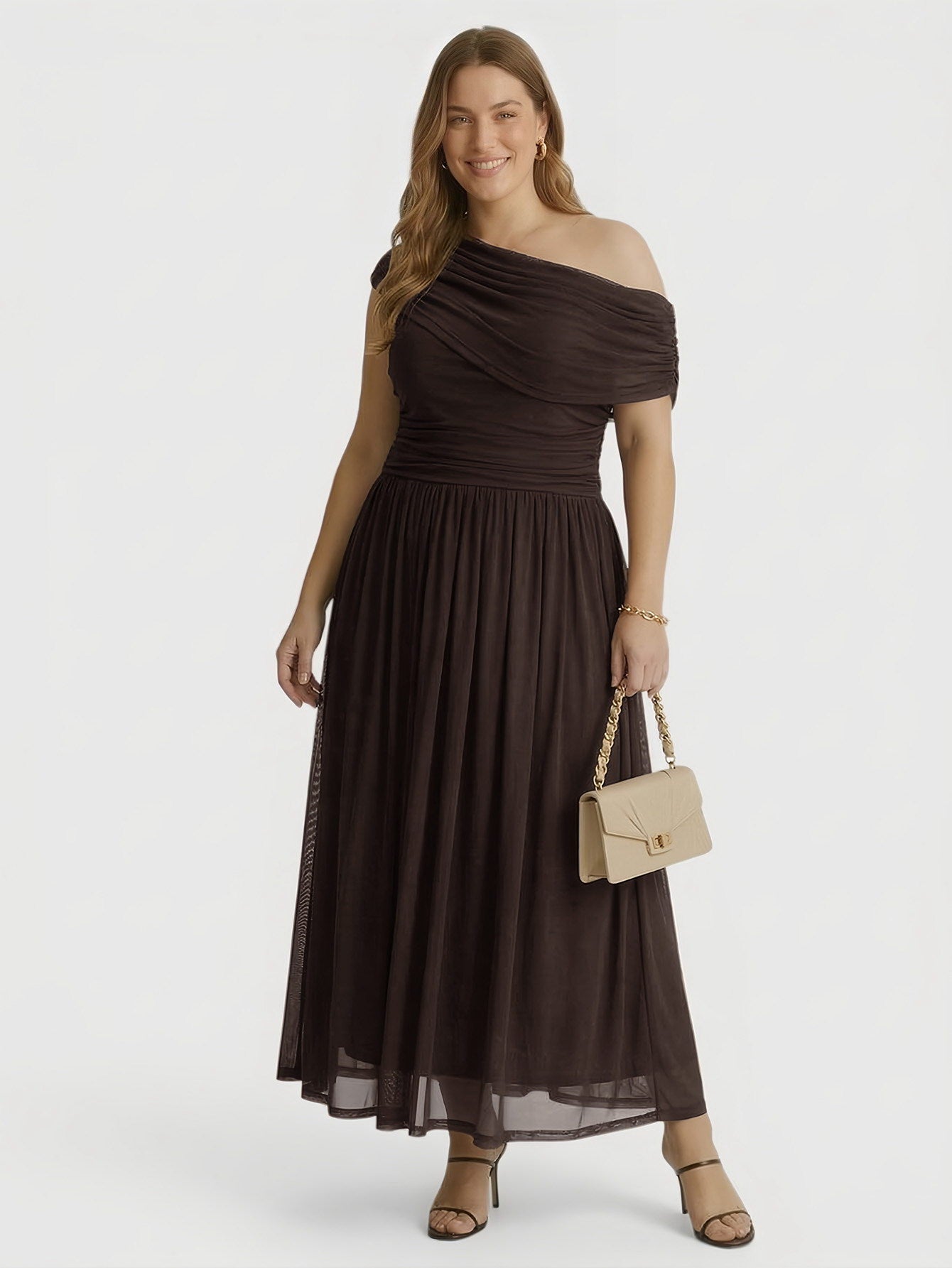
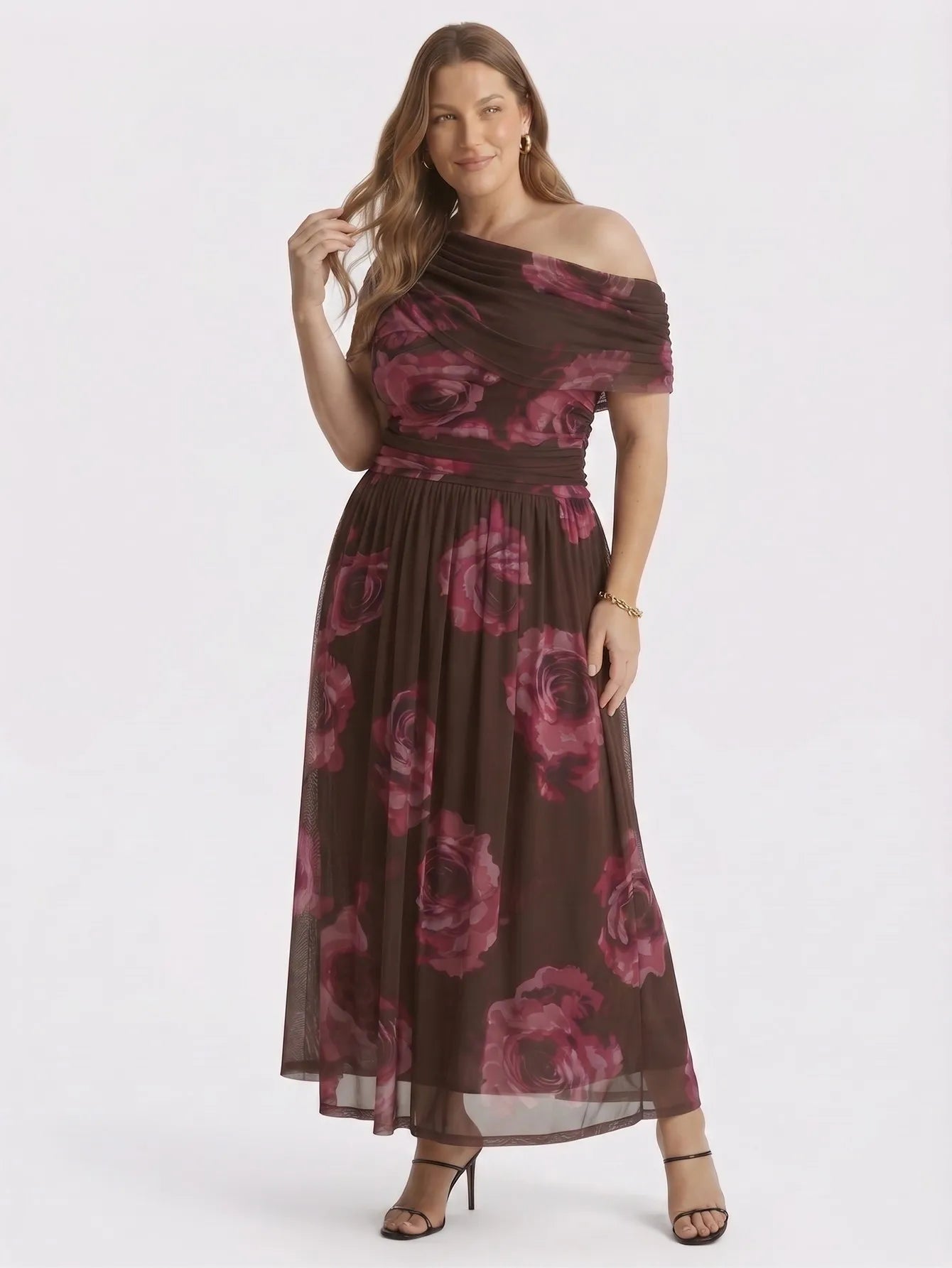
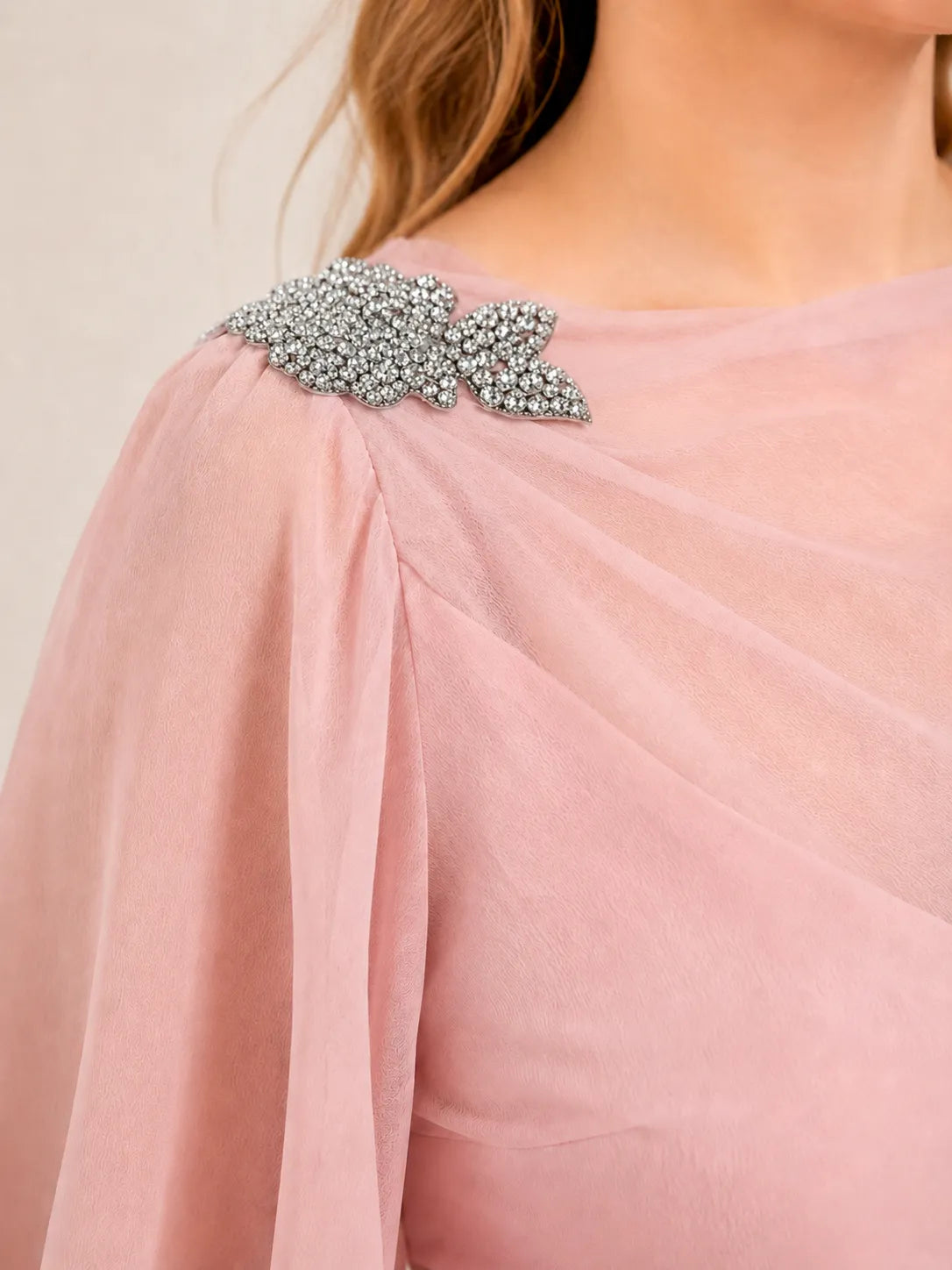
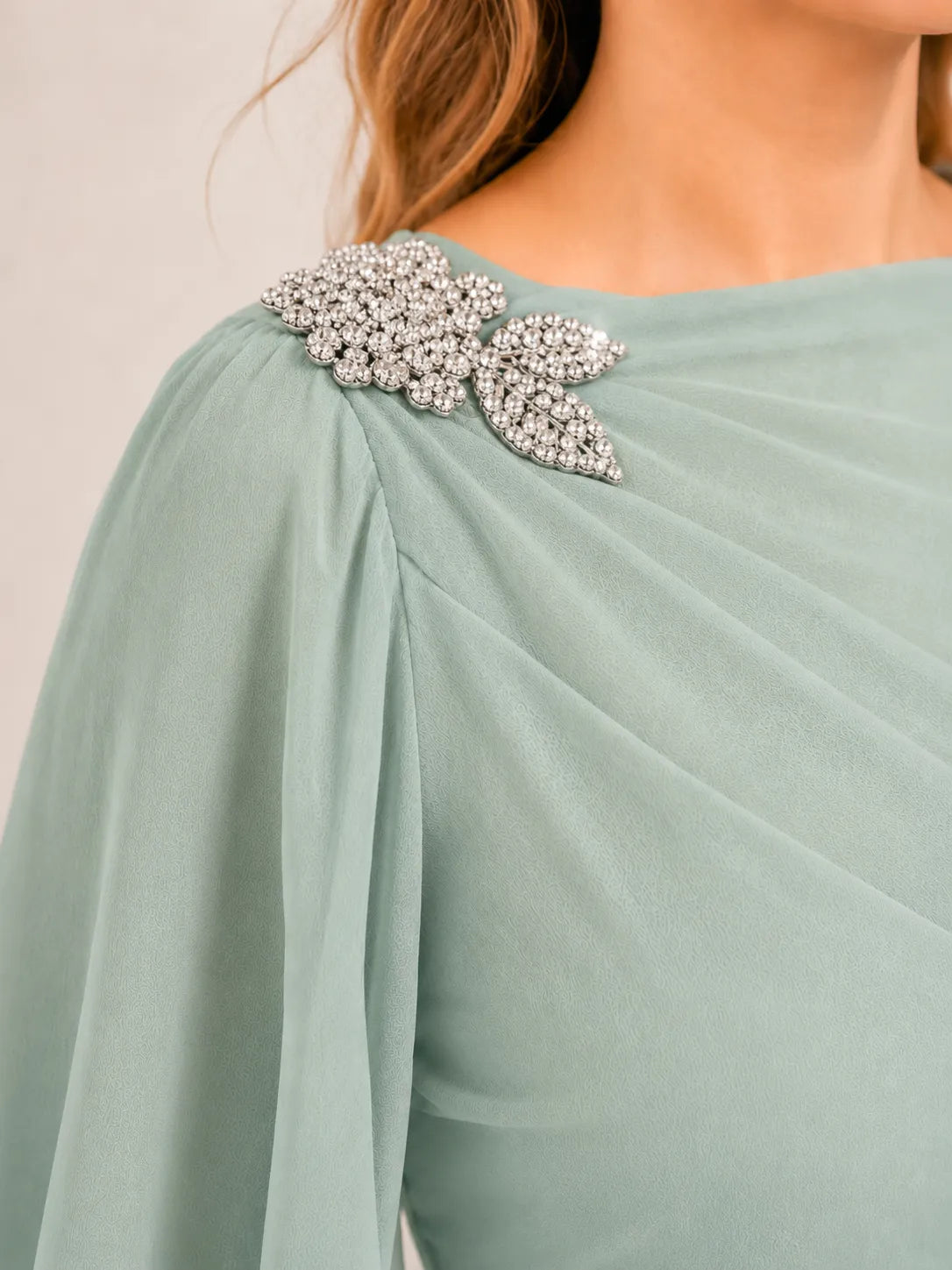
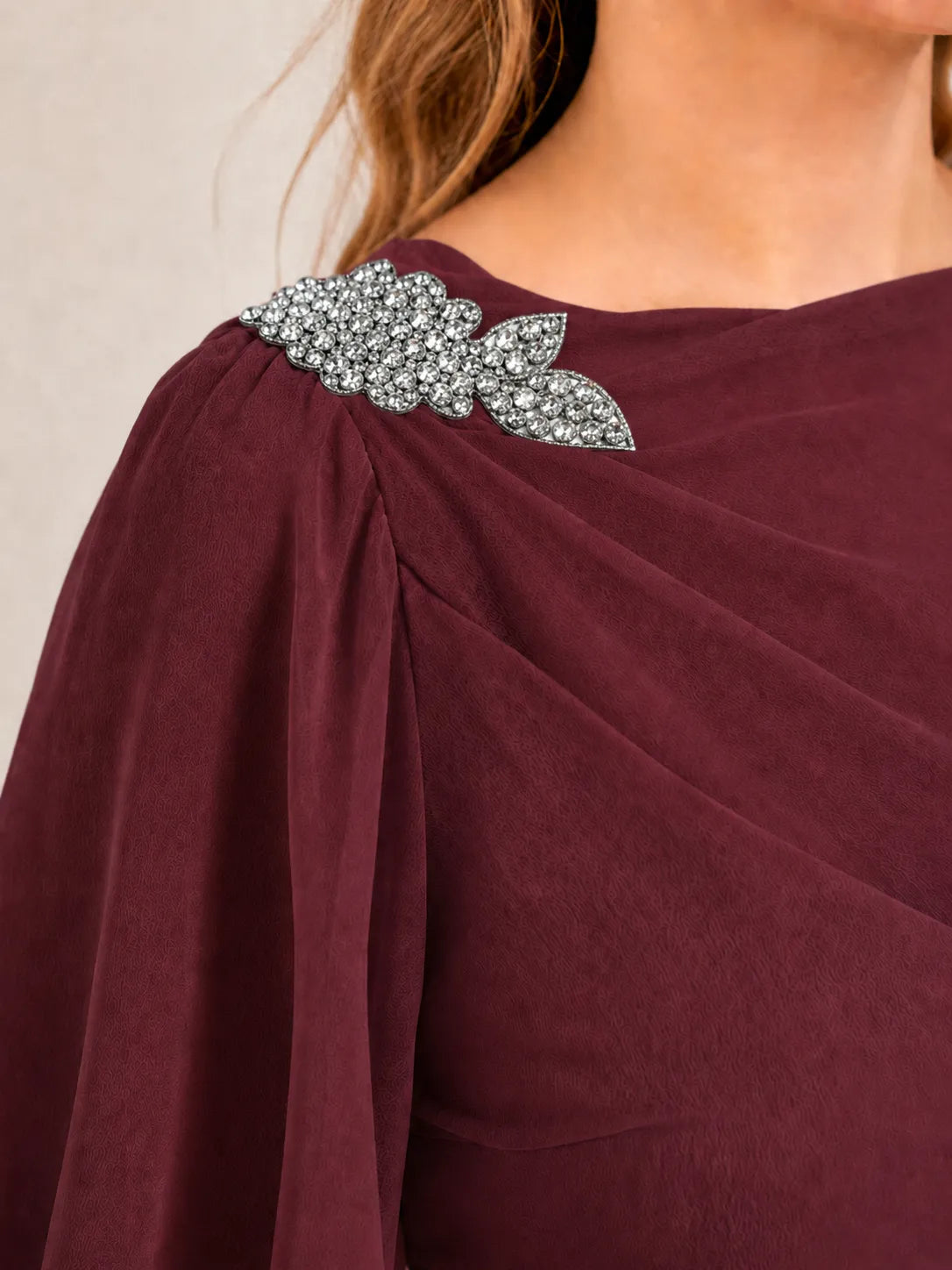
Choose shoes, a bag, jewelry and an optional layer based on the venue and the dress details. A simpler dress can support a stronger accessory; an embellished or printed dress may need less.
Bring a layer if the event moves into air conditioning or a cool evening. The goal is a coherent formal outfit that remains comfortable through the ceremony, dinner and dancing.
Plus-size fit checklist
- Compare garment measurements with your body measurements.
- Check fit while sitting, walking and raising your arms.
- Confirm lining, closures, opacity, fiber content and stretch from the product page.
- Make sure the neckline works with your preferred support.
- Allow time for alterations when hem, sleeve or bodice changes may be needed.
Explore YEESE wedding guest dresses
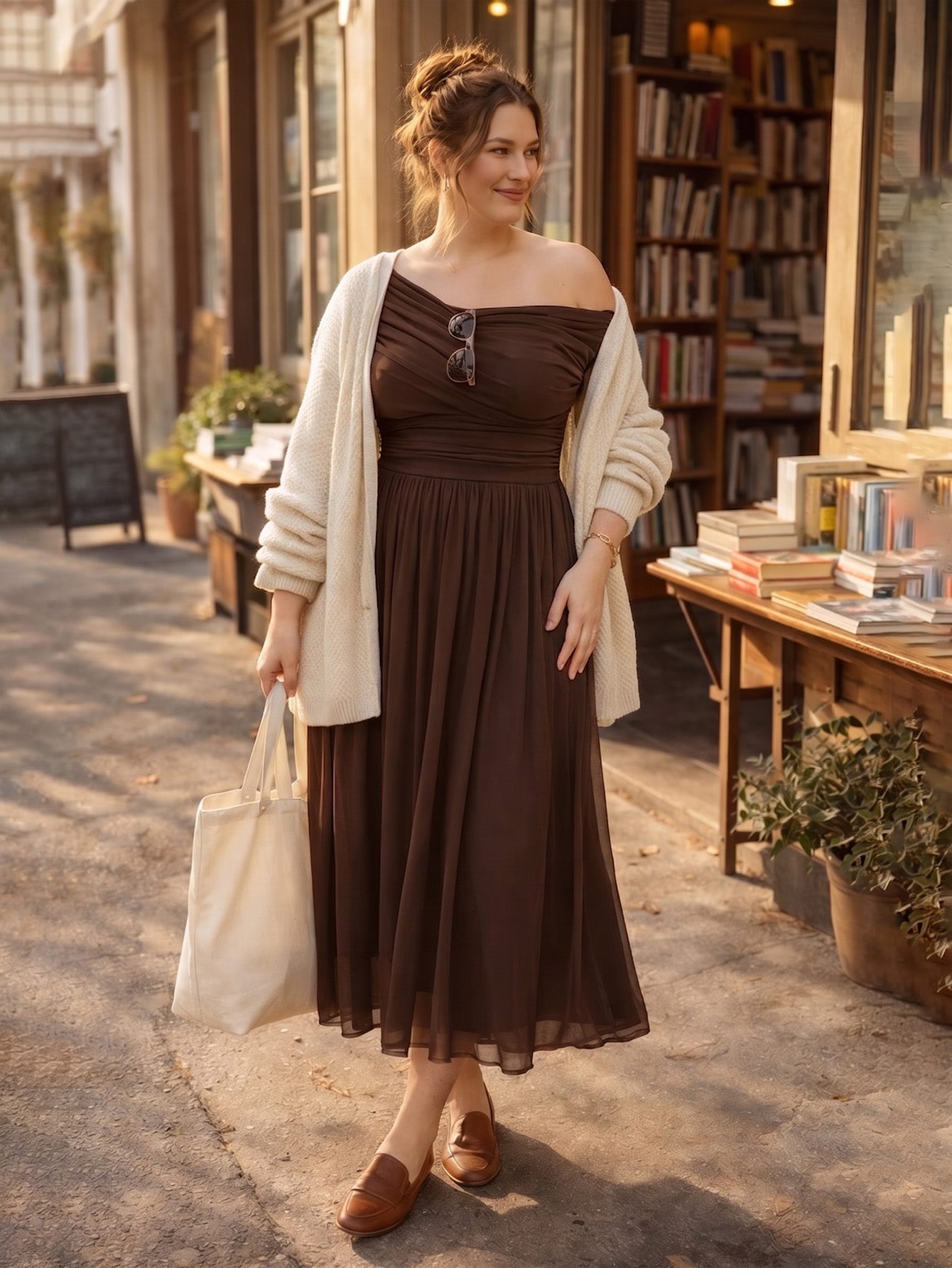
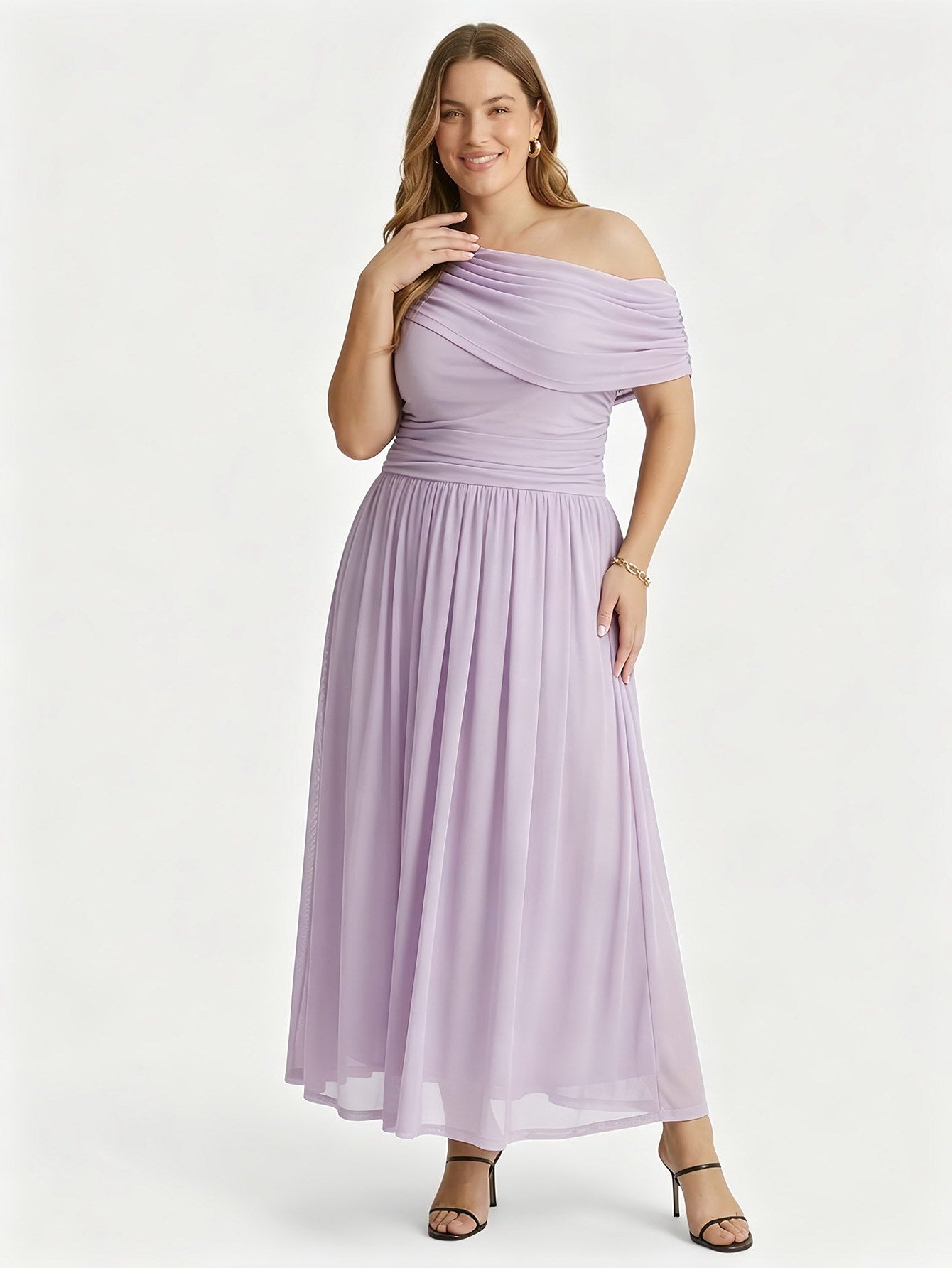
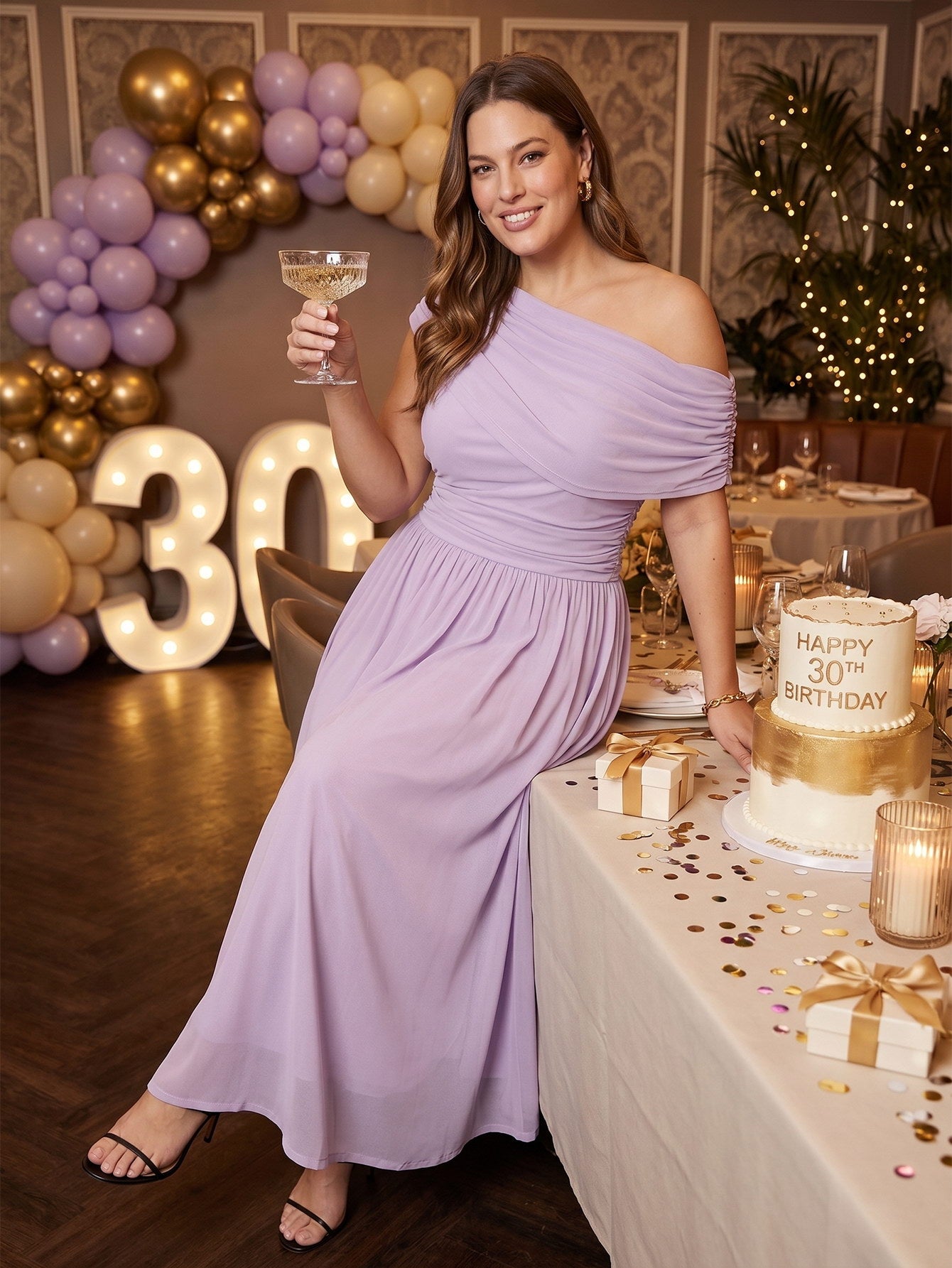
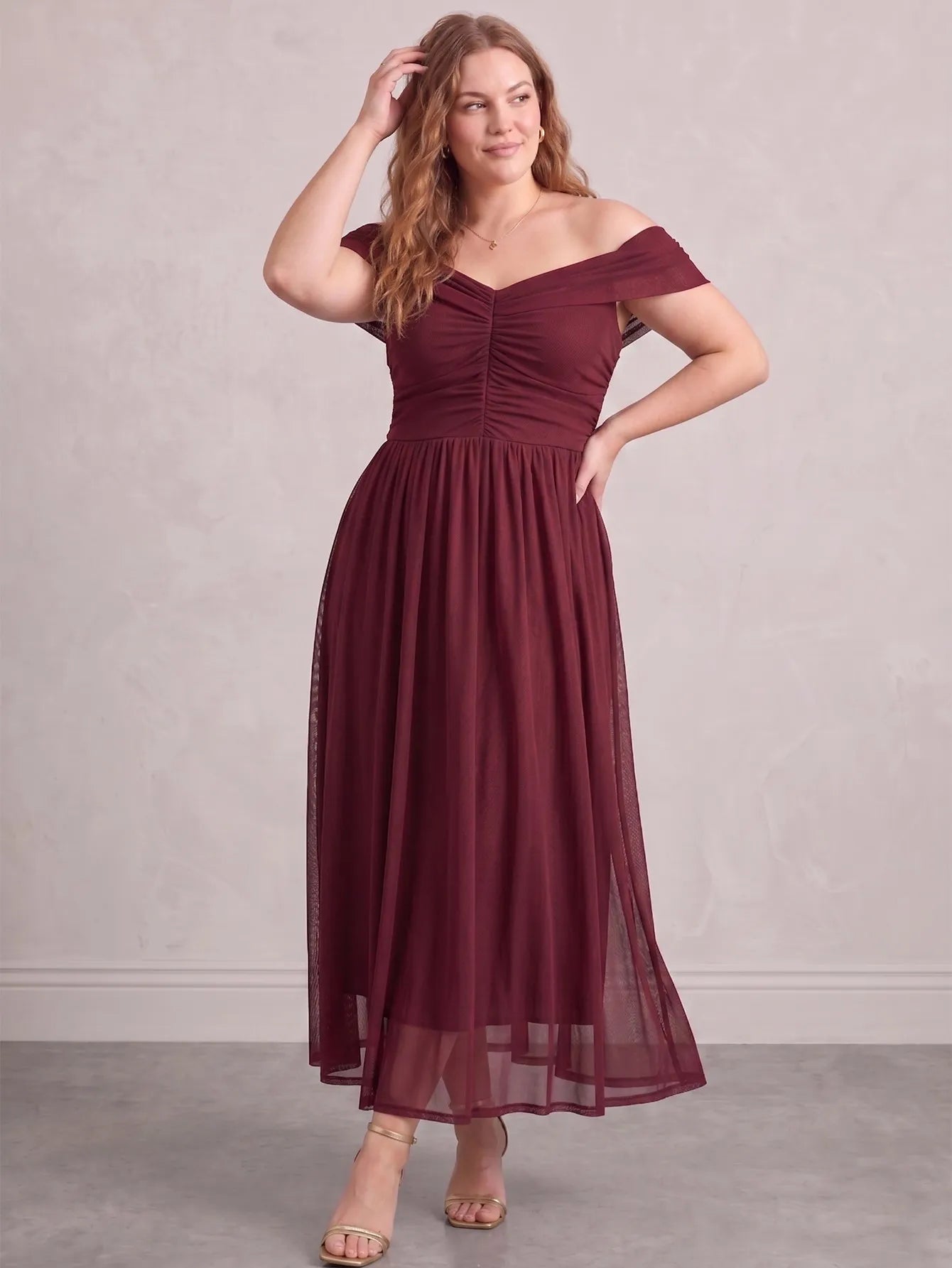
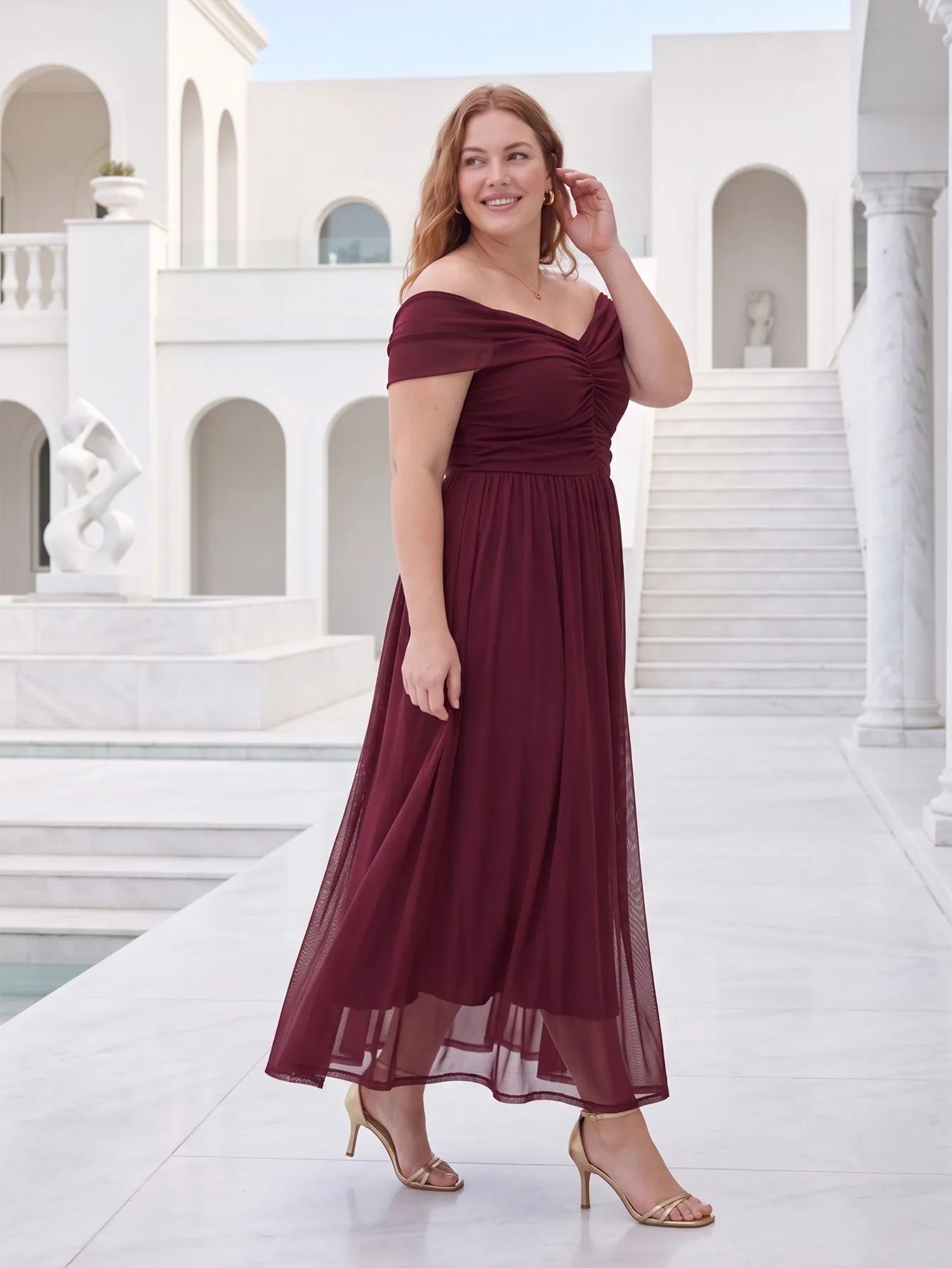
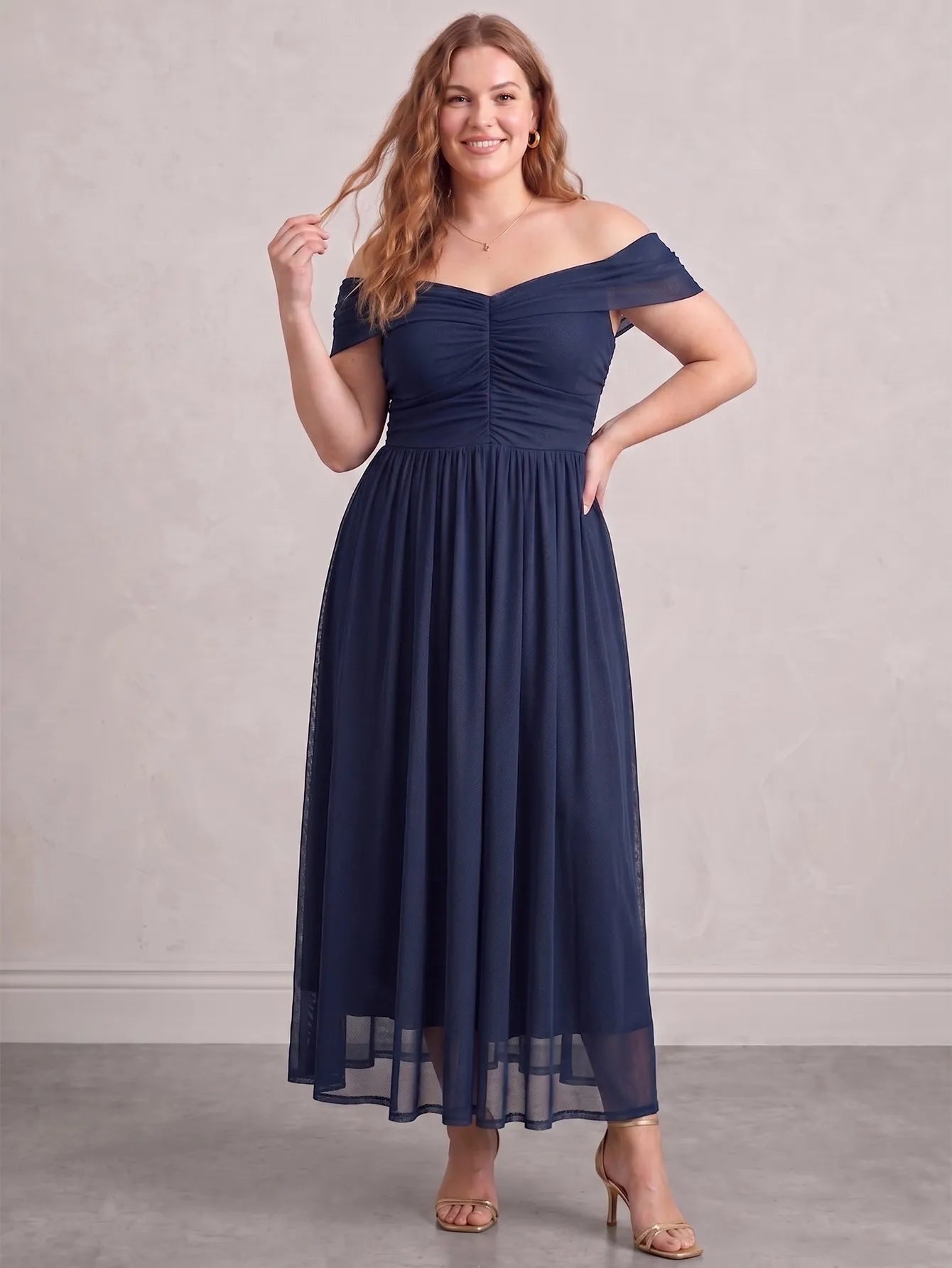
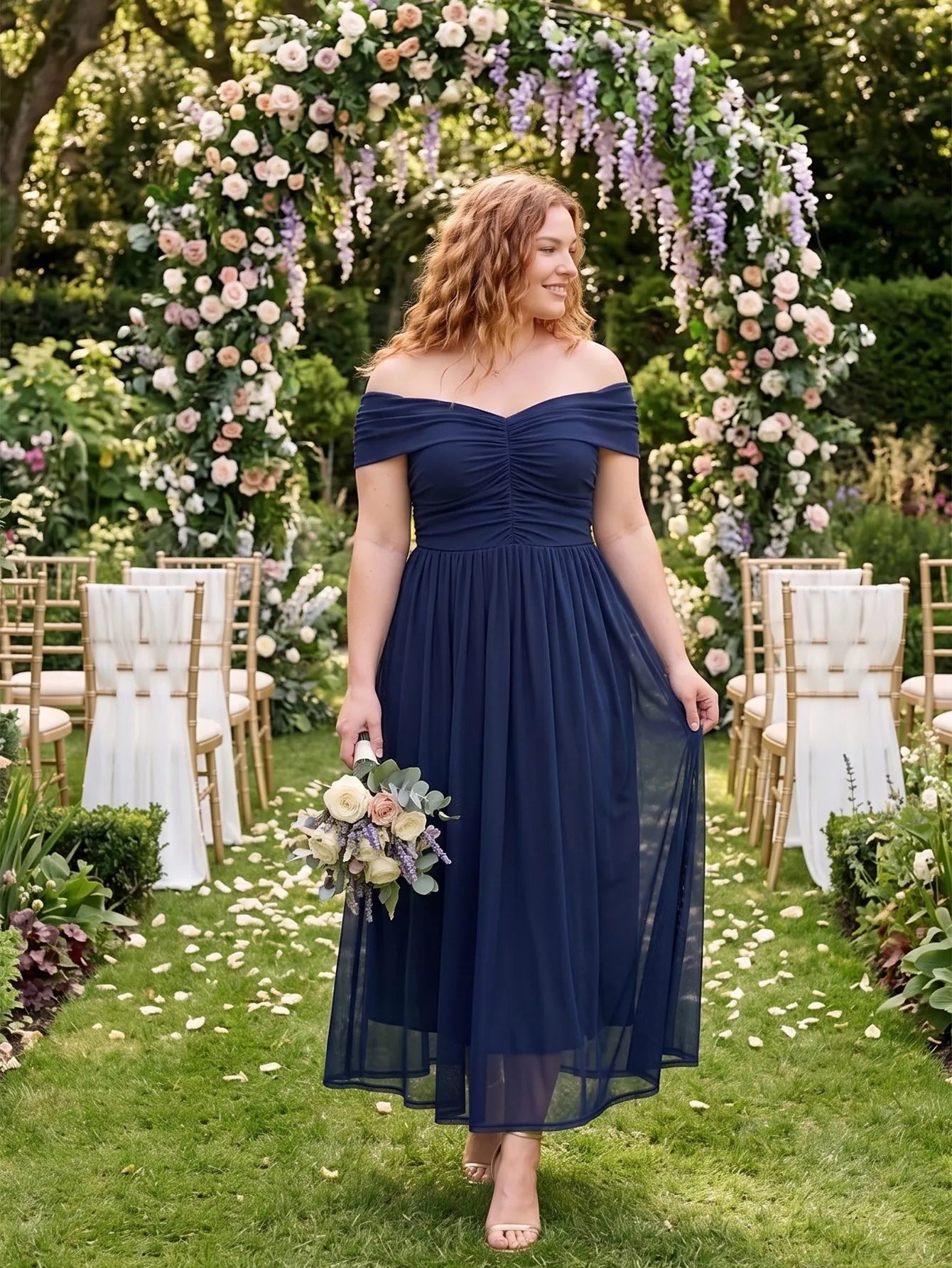
Looking for a dress for a summer wedding, evening celebration or formal occasion? Explore the YEESE Party Dresses collection for elegant silhouettes designed to balance occasion-ready style with comfortable movement.
Discover flowing maxi dresses, refined midi dresses, chiffon styles and formal occasion dresses created for confident, memorable moments.
Explore Party DressesFrequently asked questions
Can you wear a midi dress to a black-tie summer wedding?
A polished midi dress may work when the invitation, venue, fabric and styling support a formal look. A floor-length dress remains the more traditional choice.
What should a plus-size guest wear to a black-tie summer wedding?
Choose a formal dress that matches the invitation and allows comfortable movement. Check garment measurements, support, lining, coverage and fabric behavior rather than relying on one supposedly universal flattering silhouette.
What colors should a wedding guest avoid?
Avoid colors specifically reserved or discouraged by the couple and consider cultural expectations. If white, ivory or a very pale shade could photograph as bridal, ask before wearing it.
Final takeaway
The right choice is the one that respects the event and lets the wearer move confidently. Use measurements and verified product details, then make the final decision around personal comfort and style rather than a universal rule.