
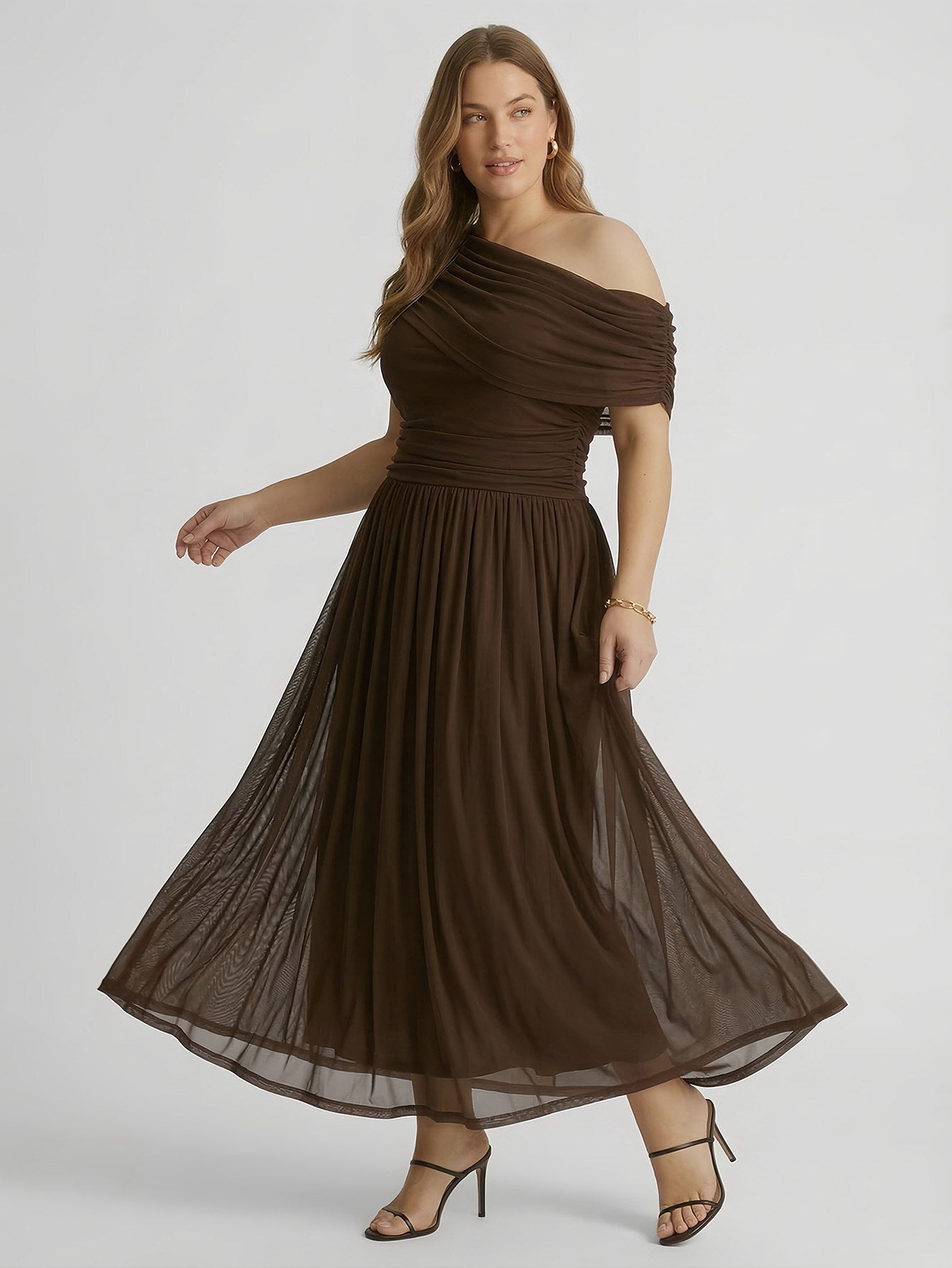
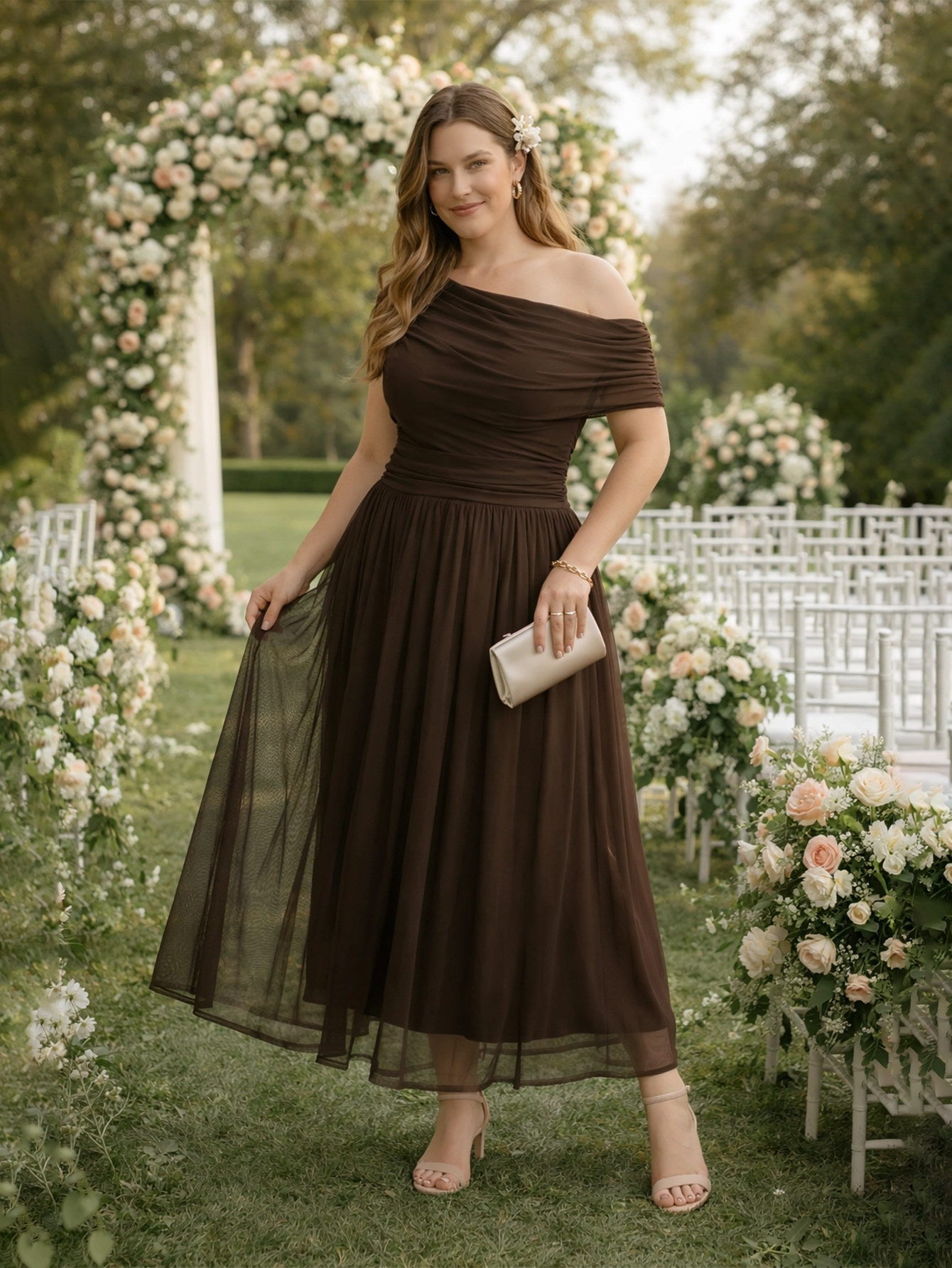
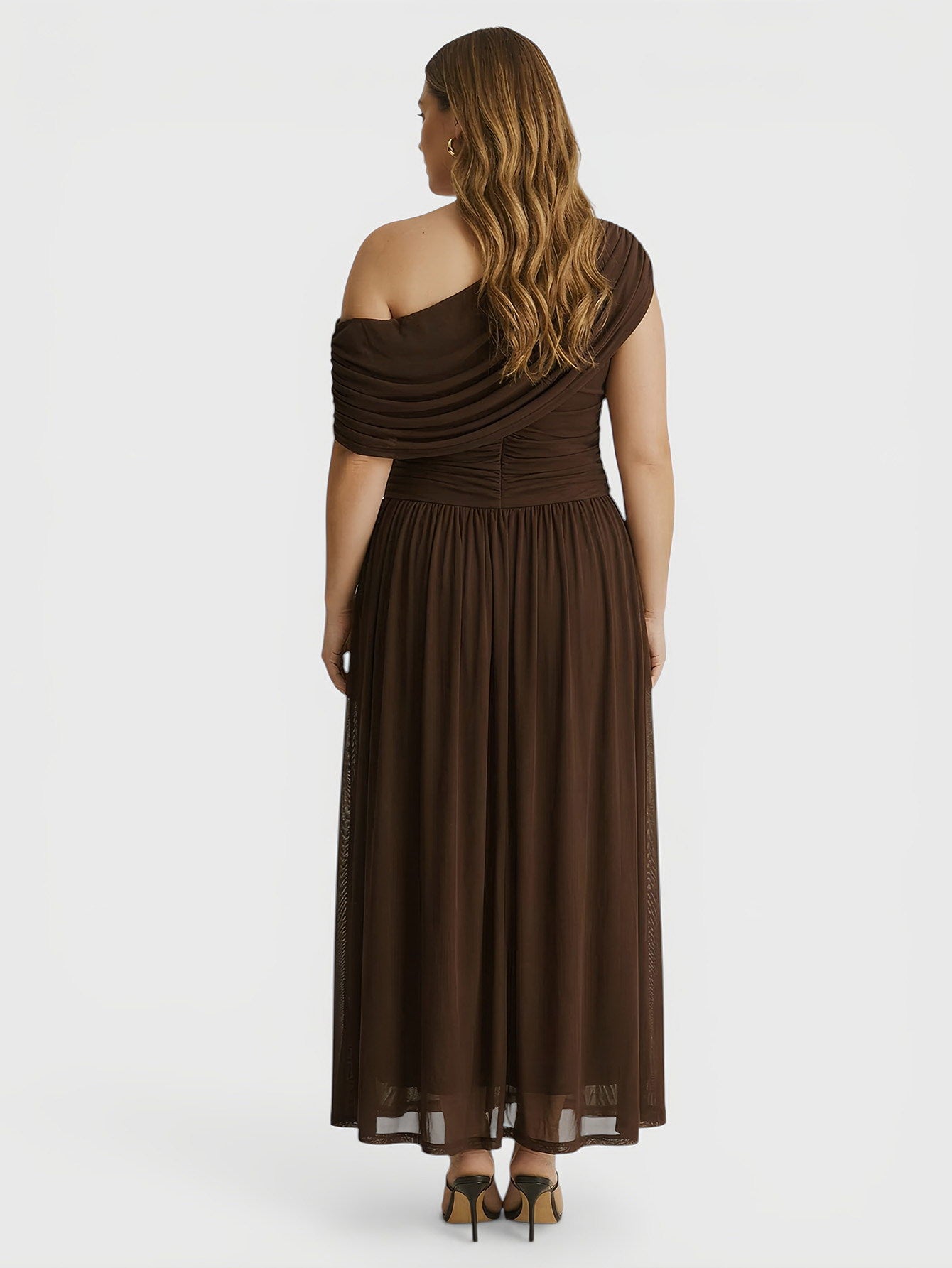

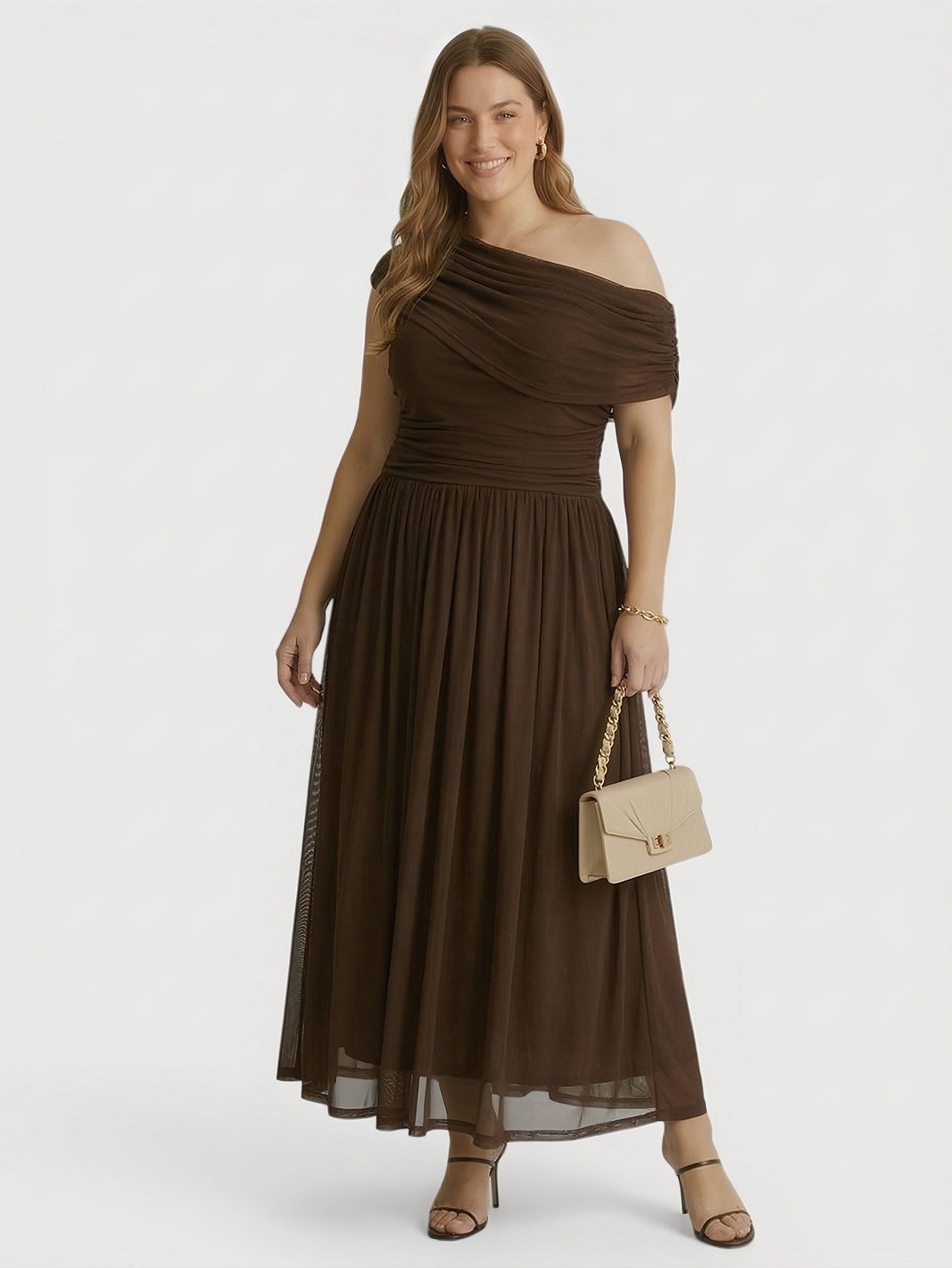
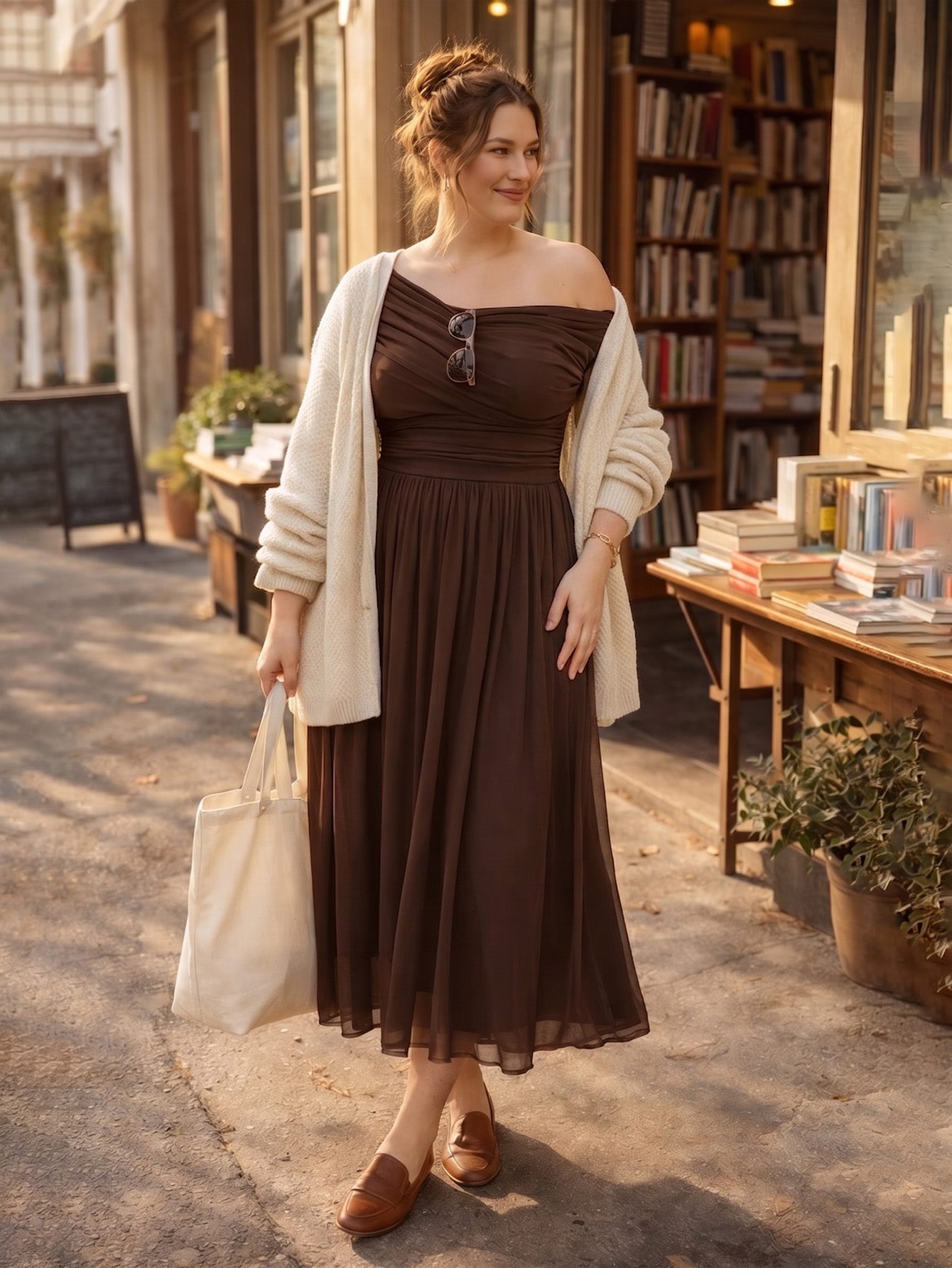
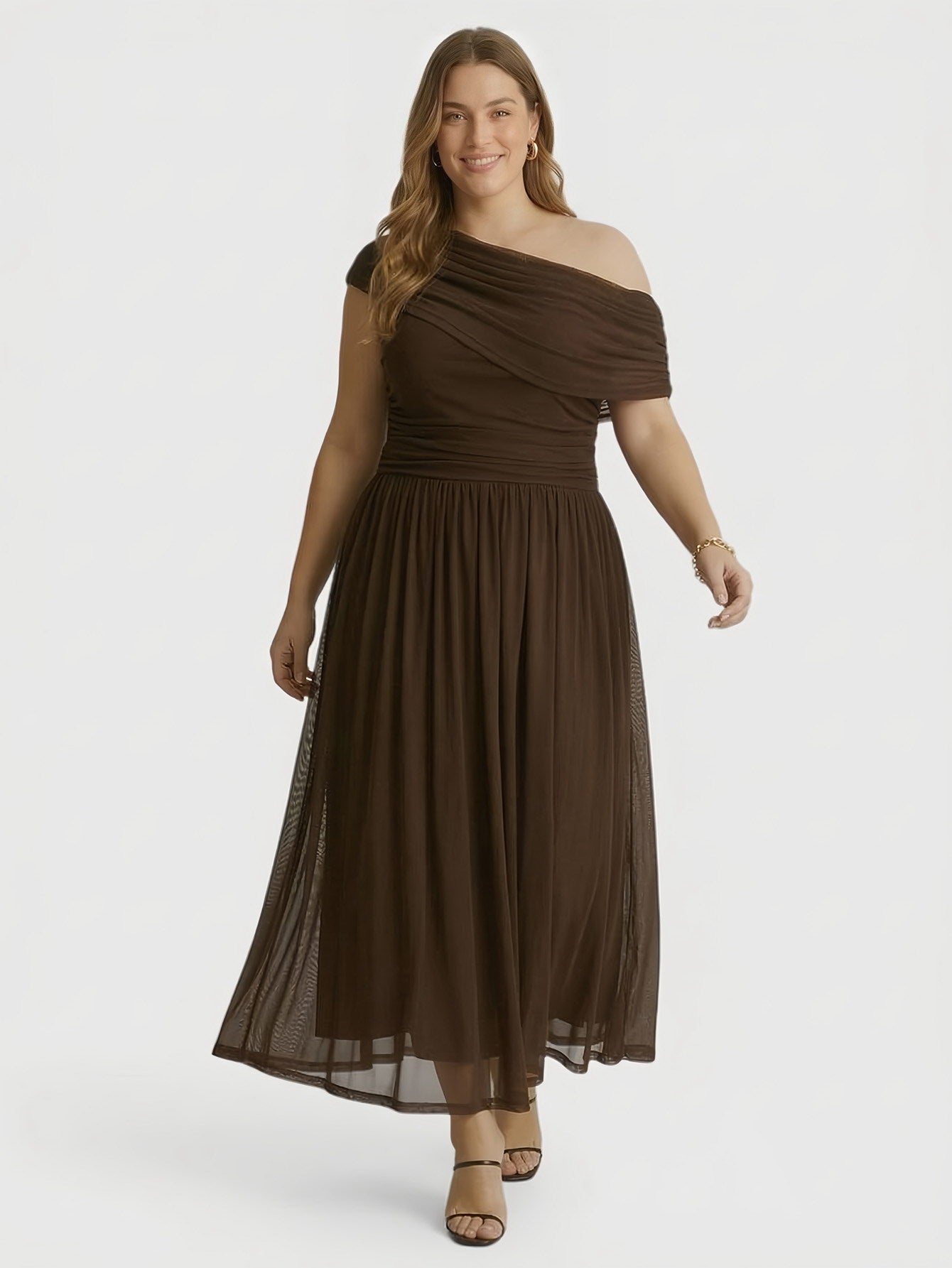
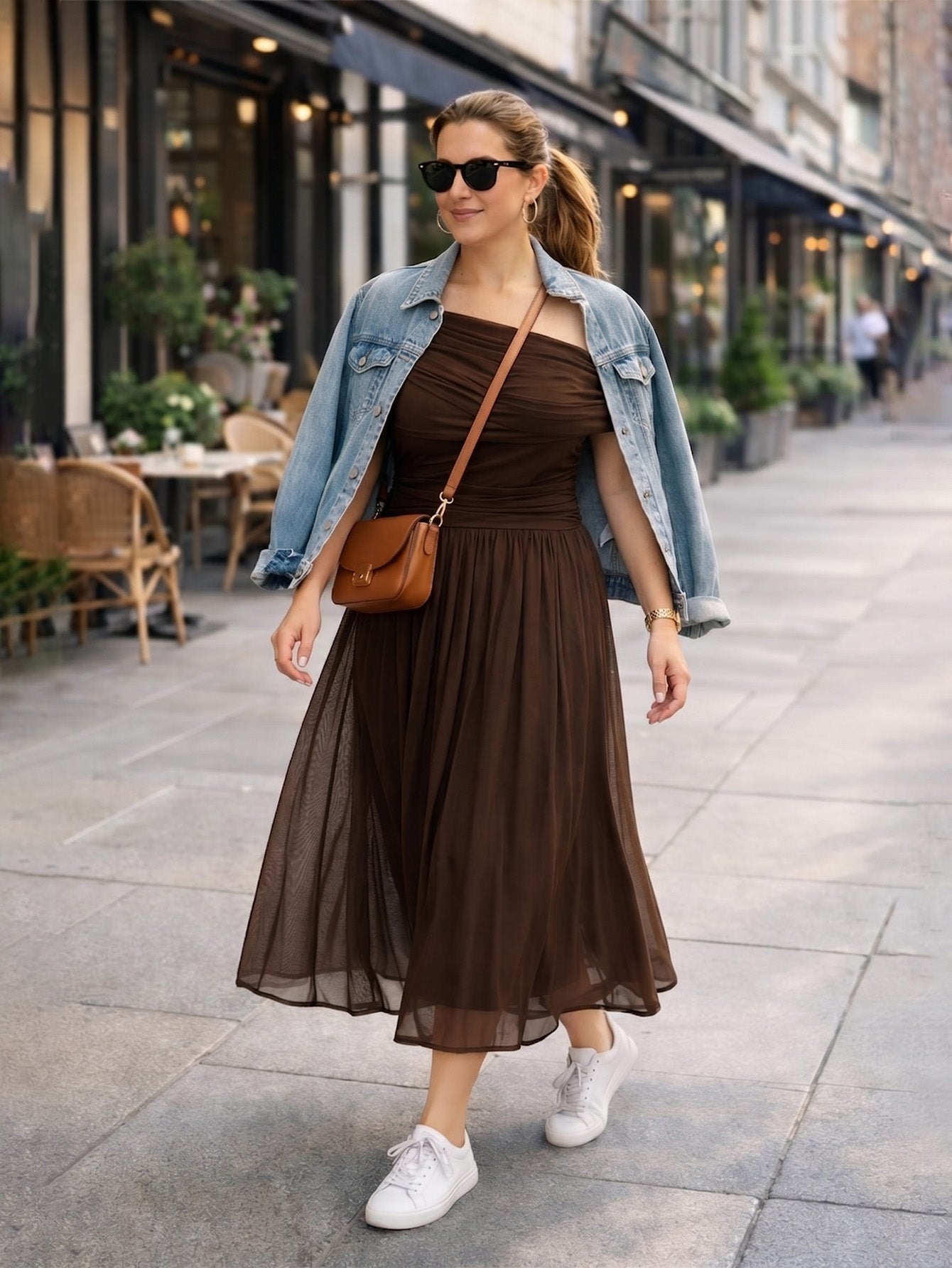
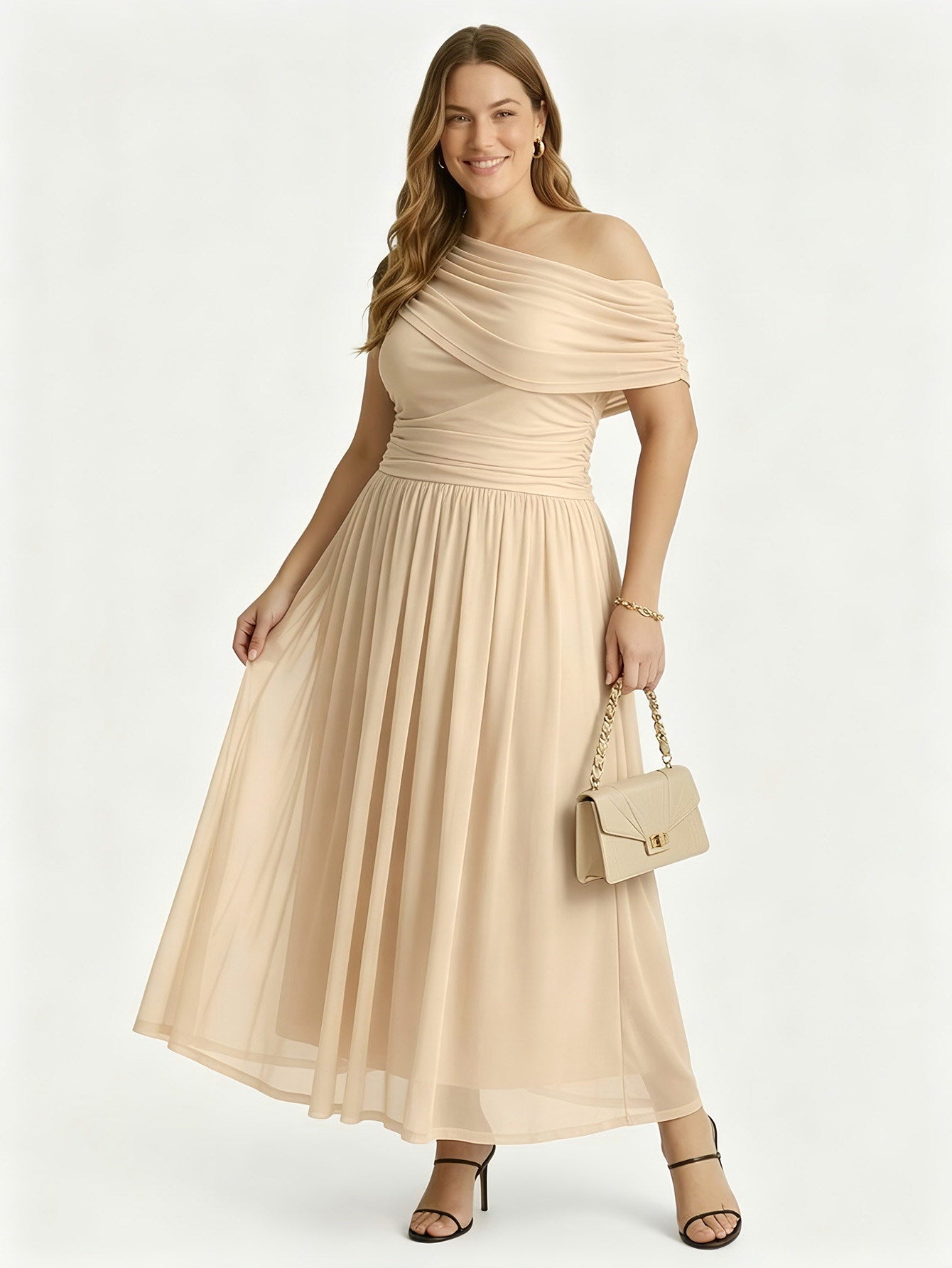
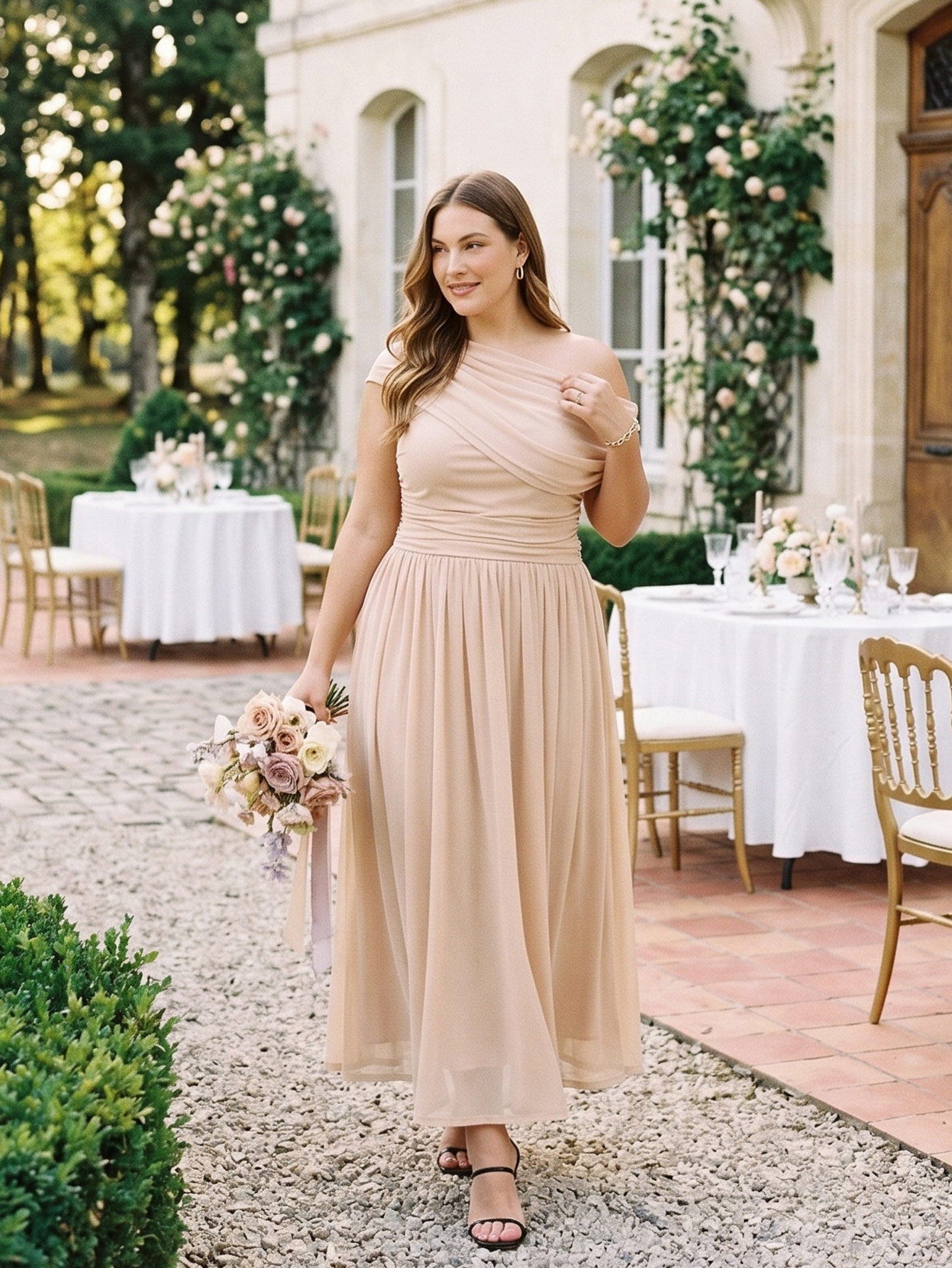
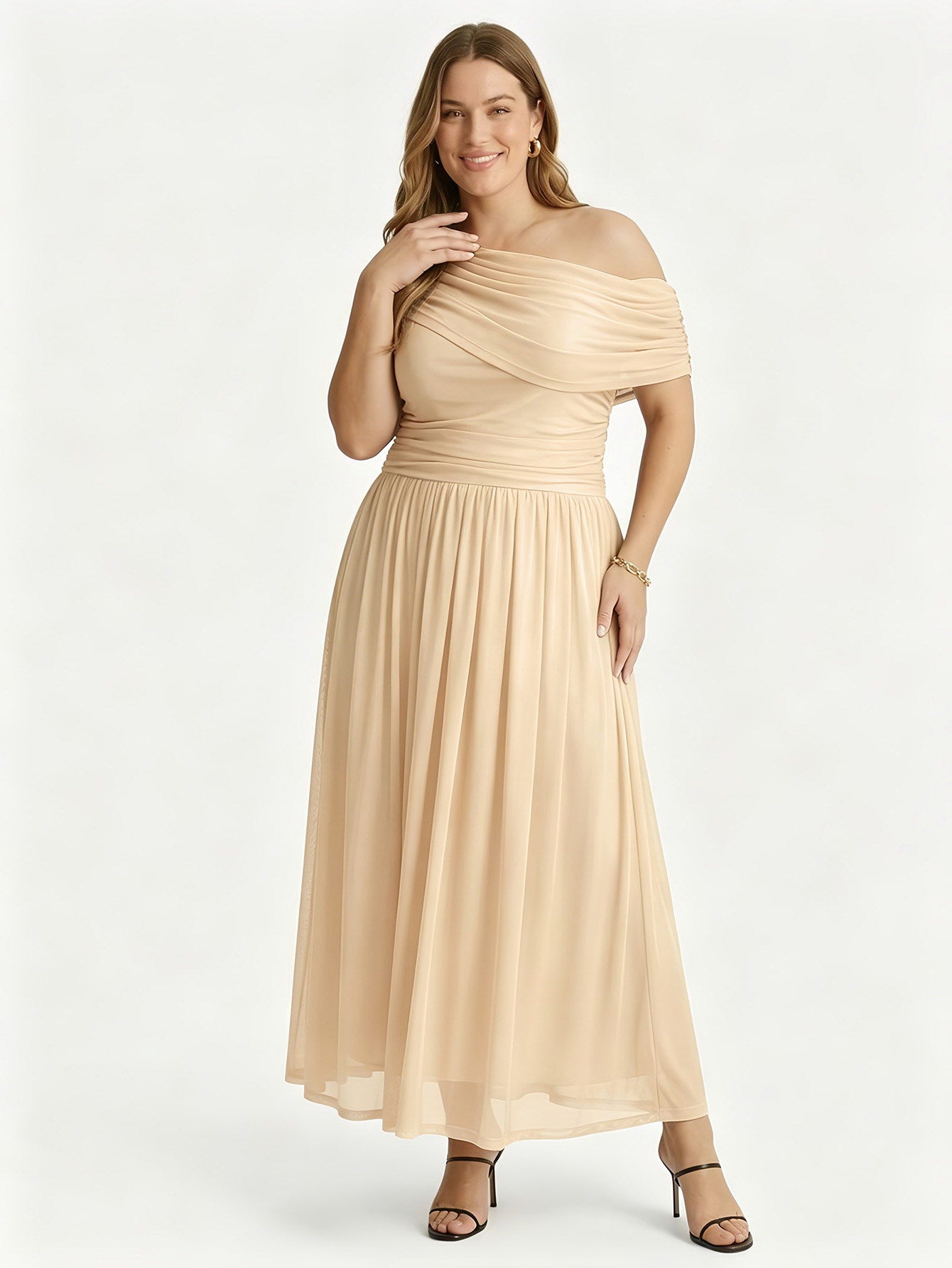
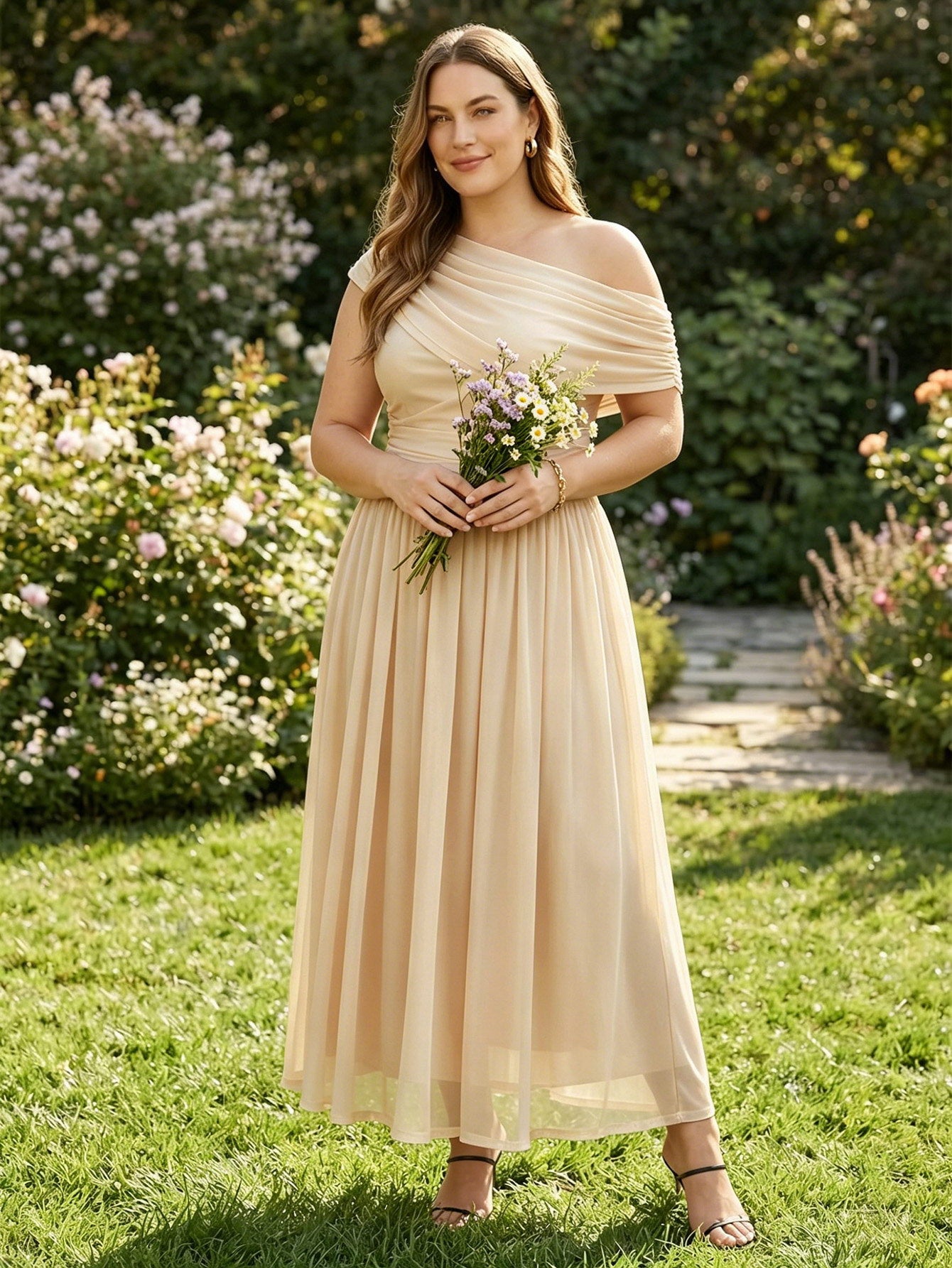
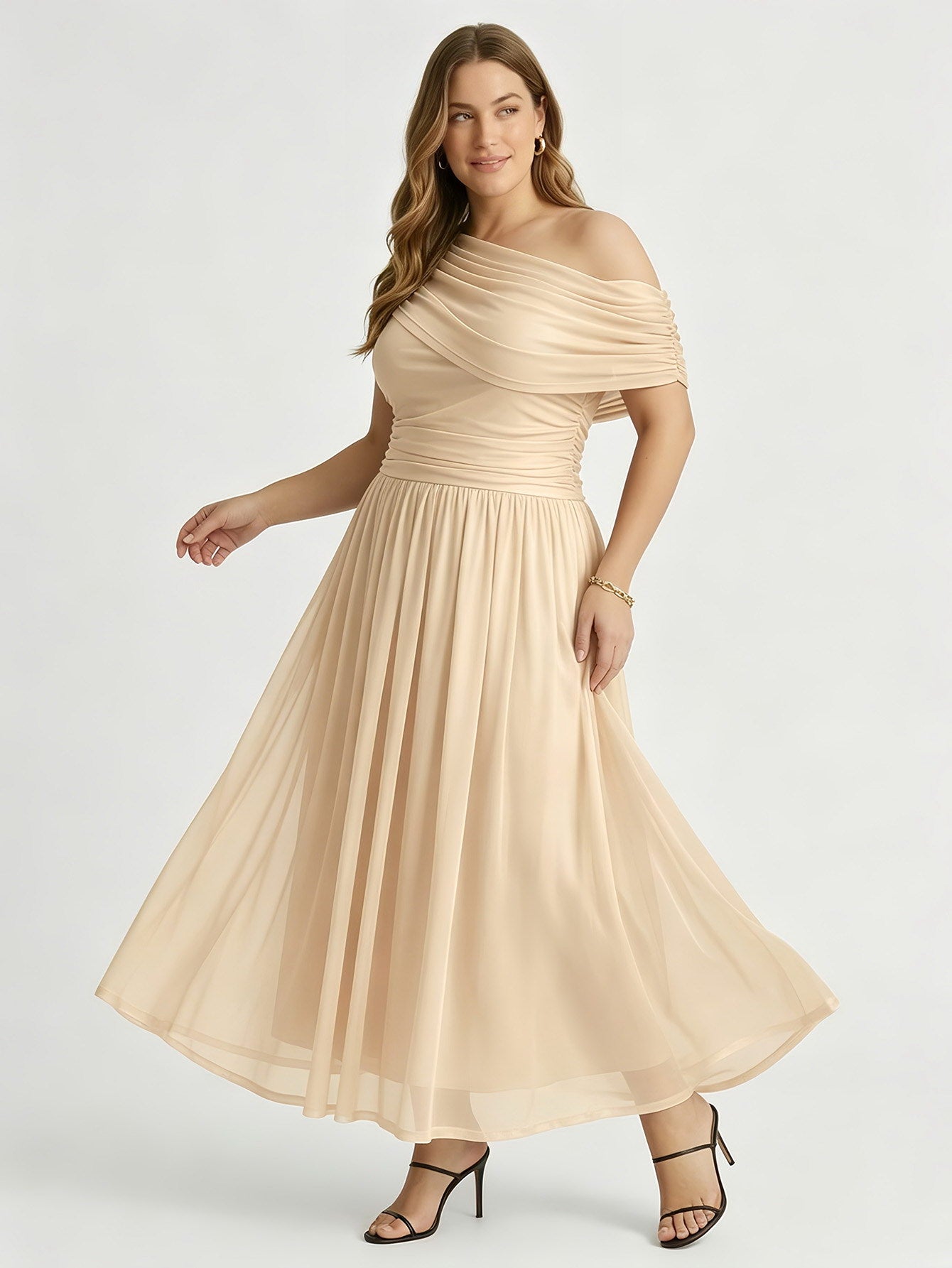
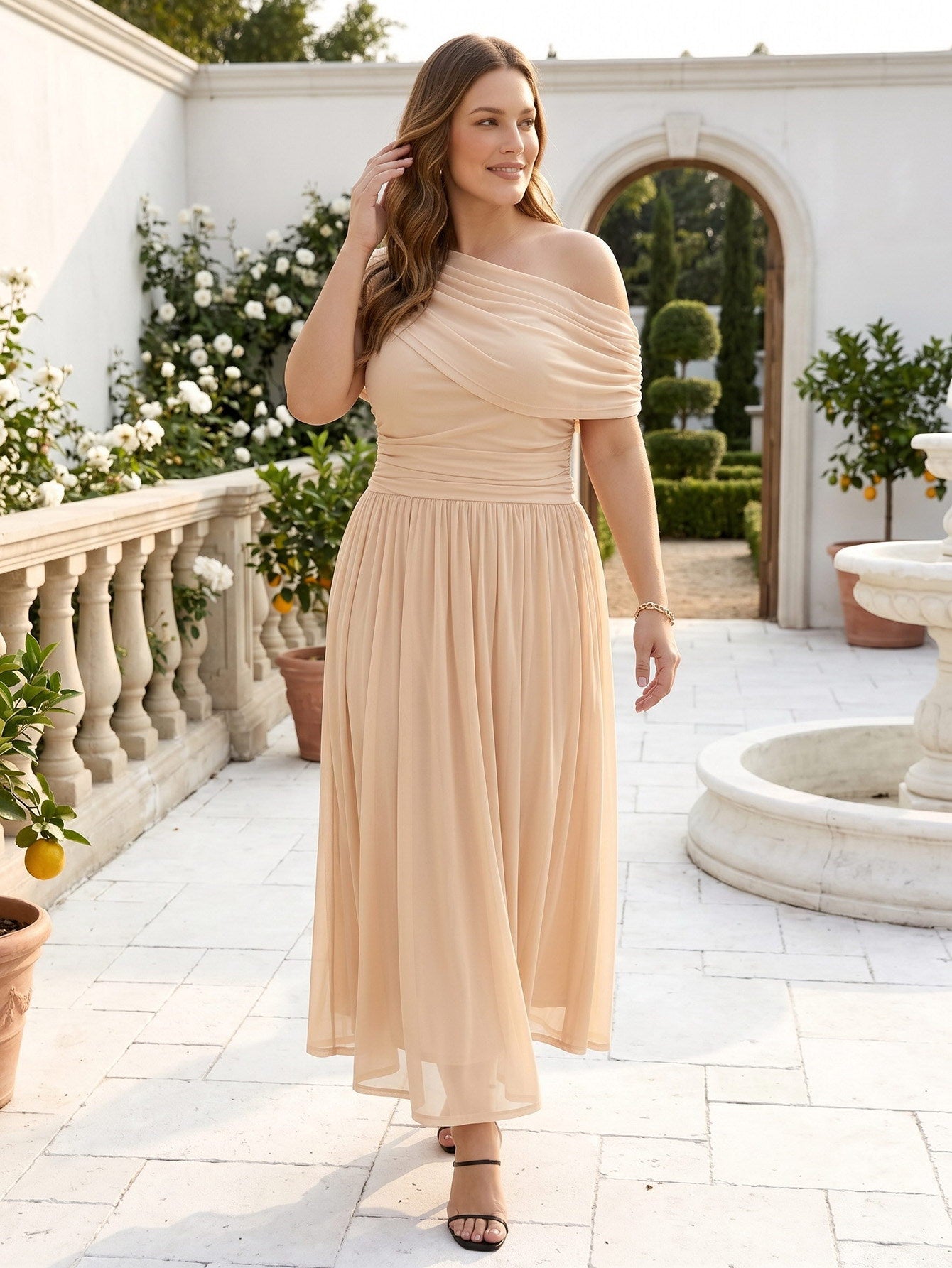
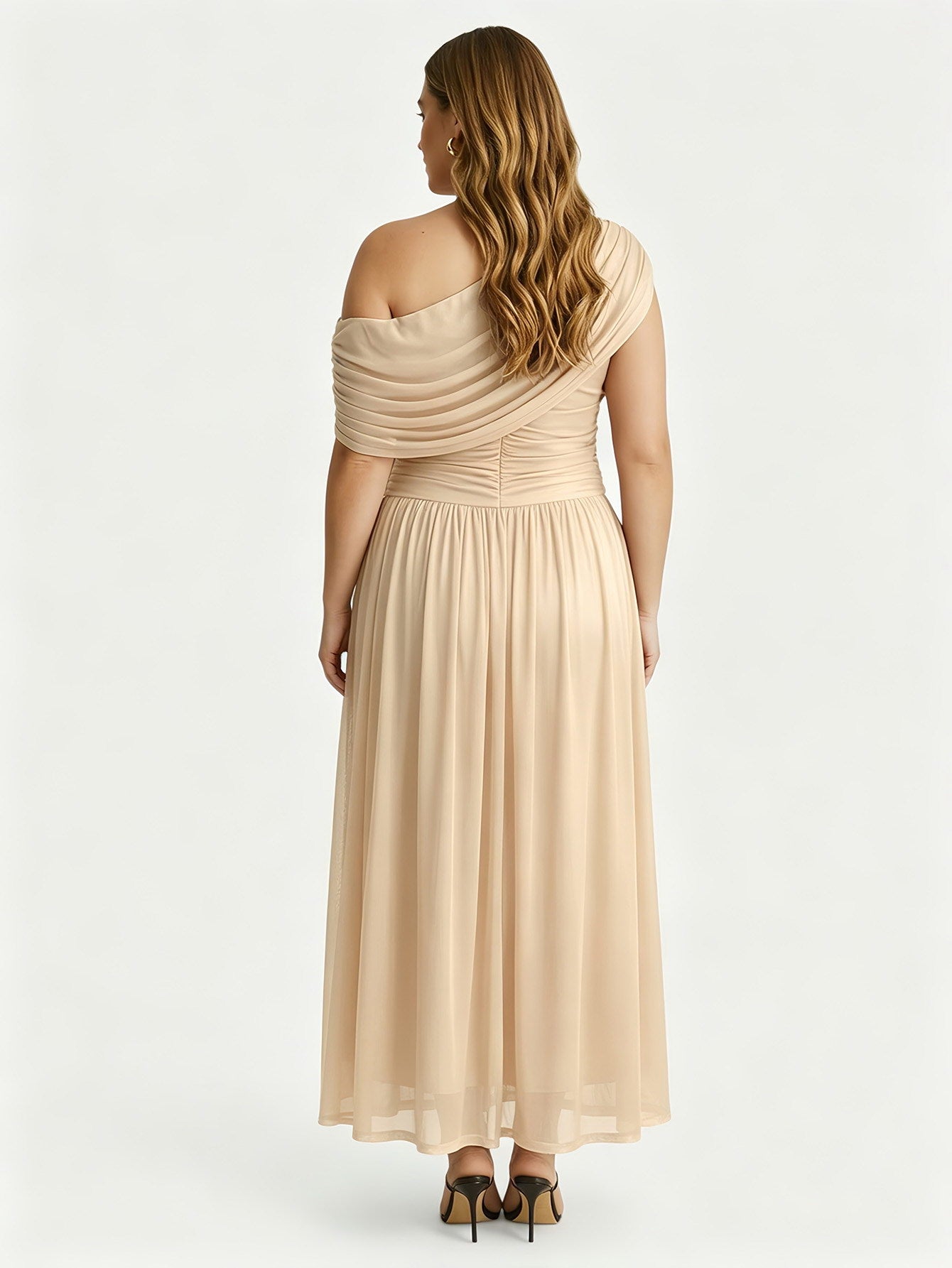
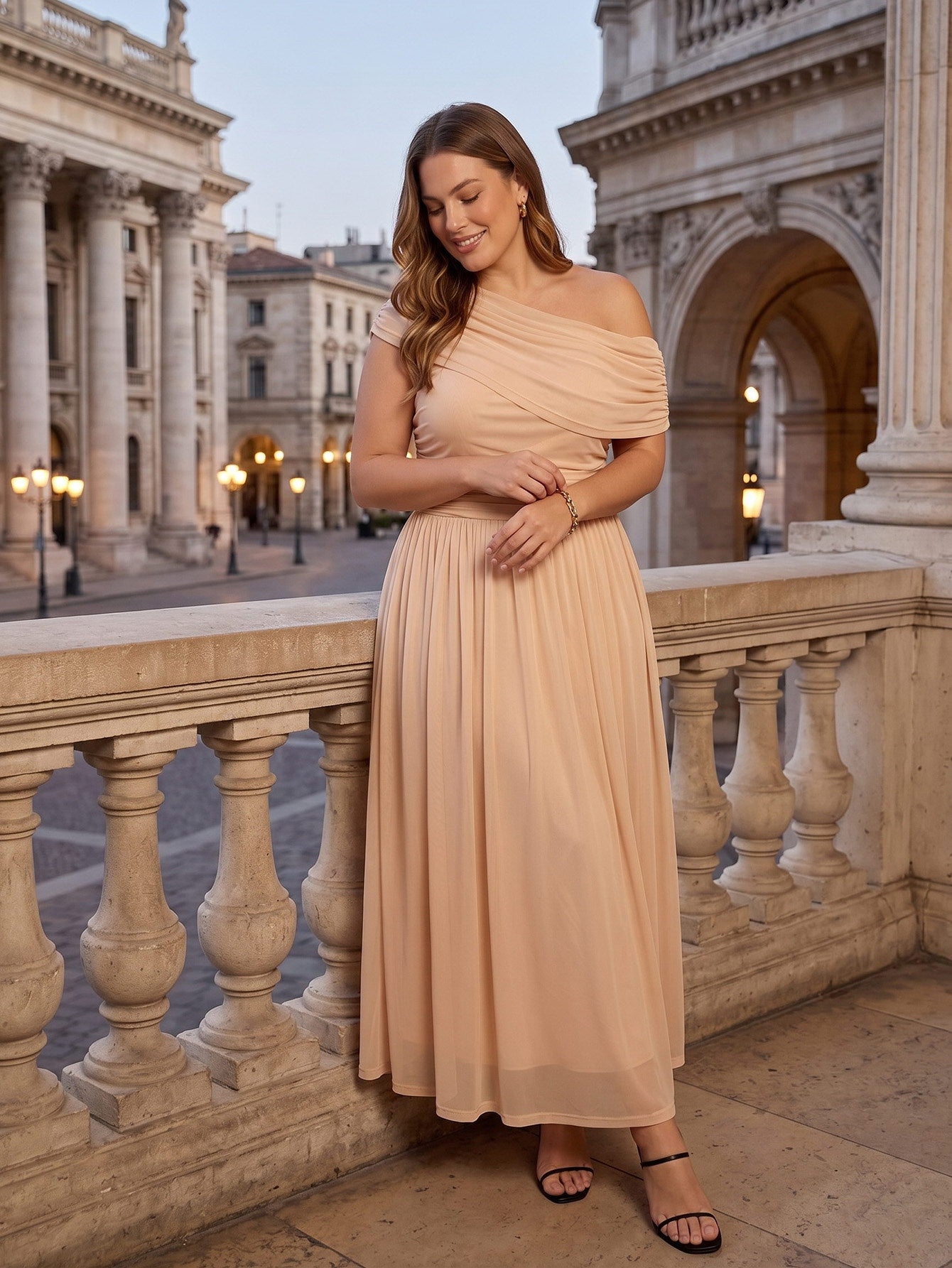
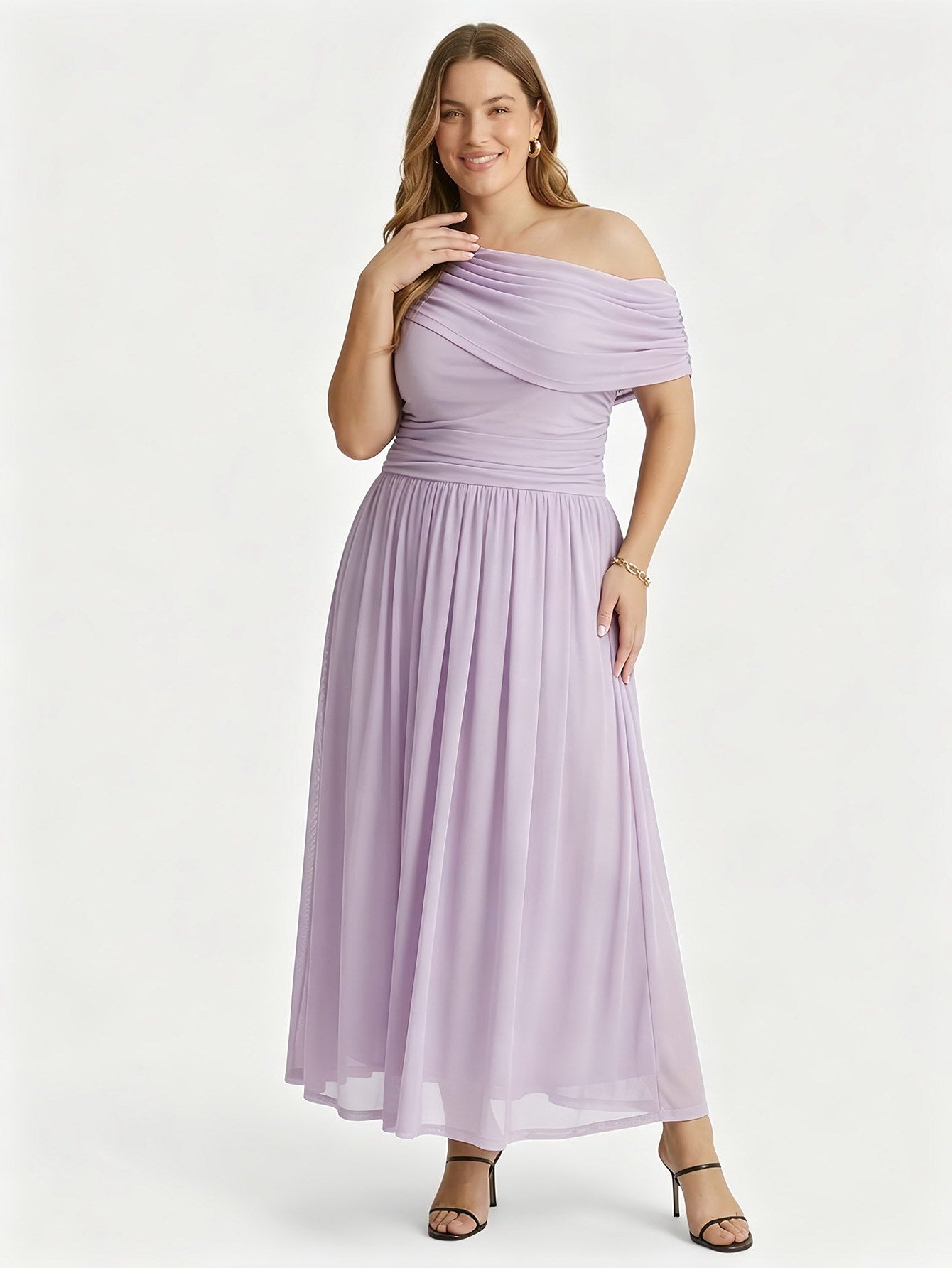
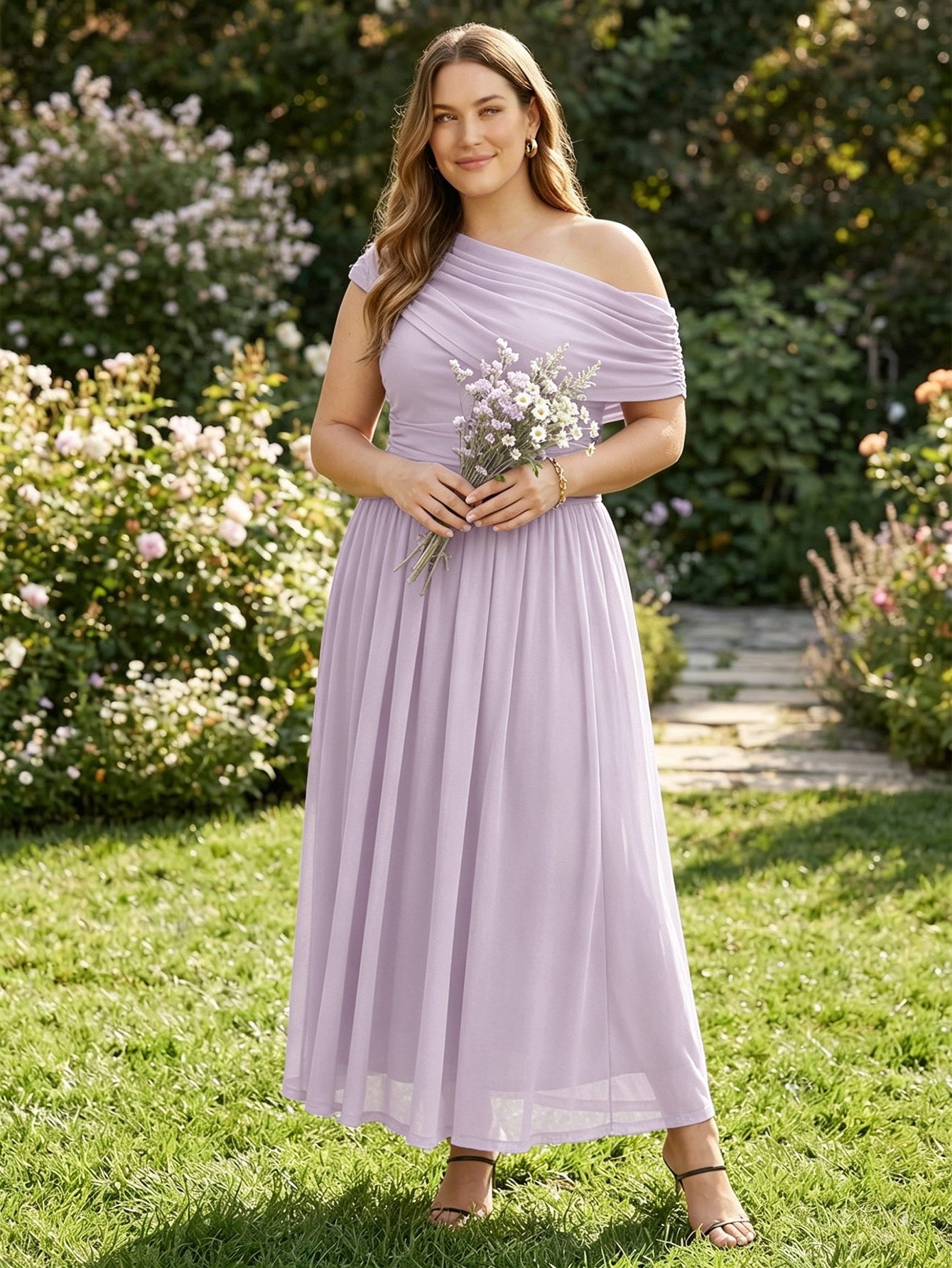
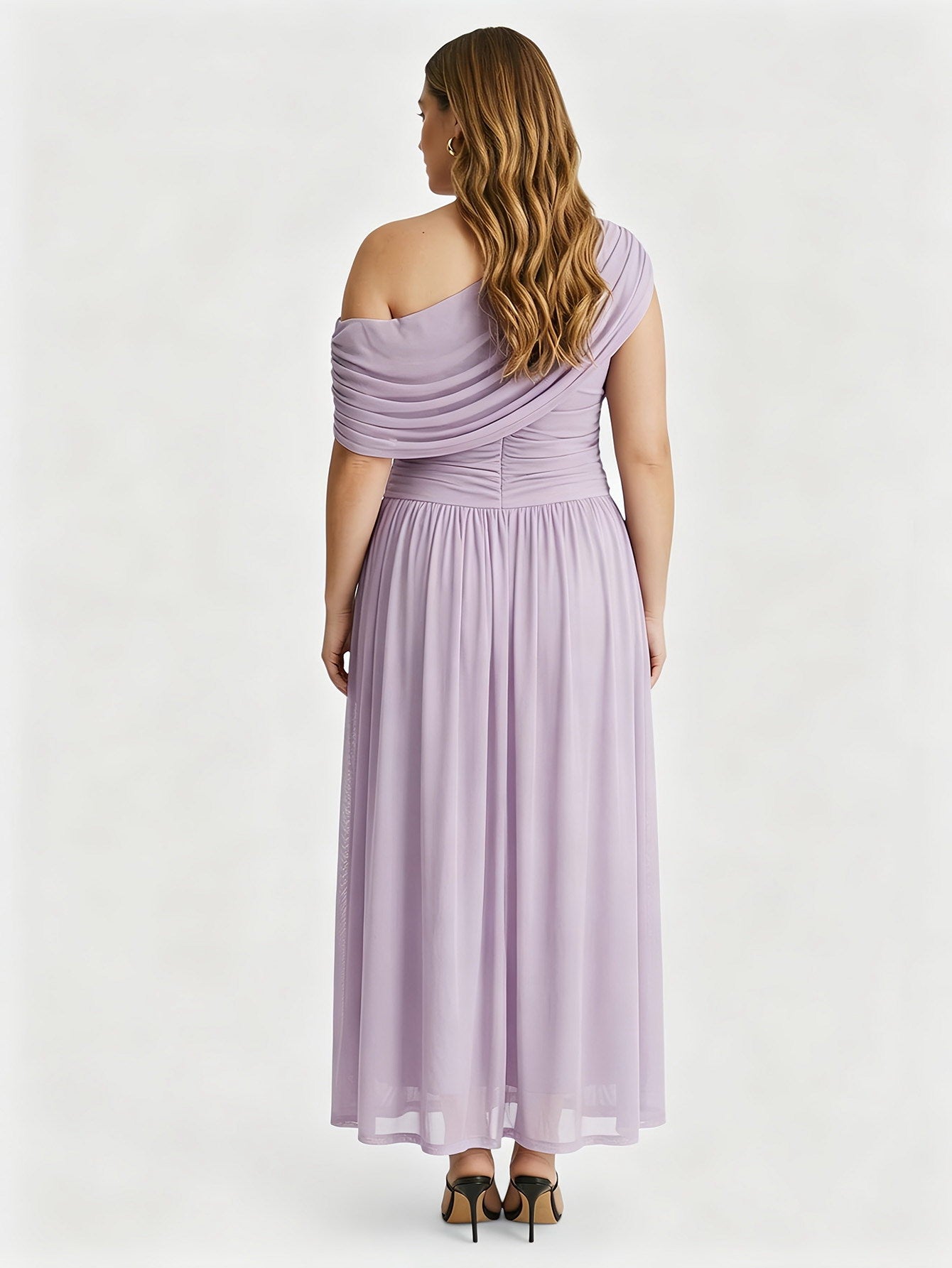
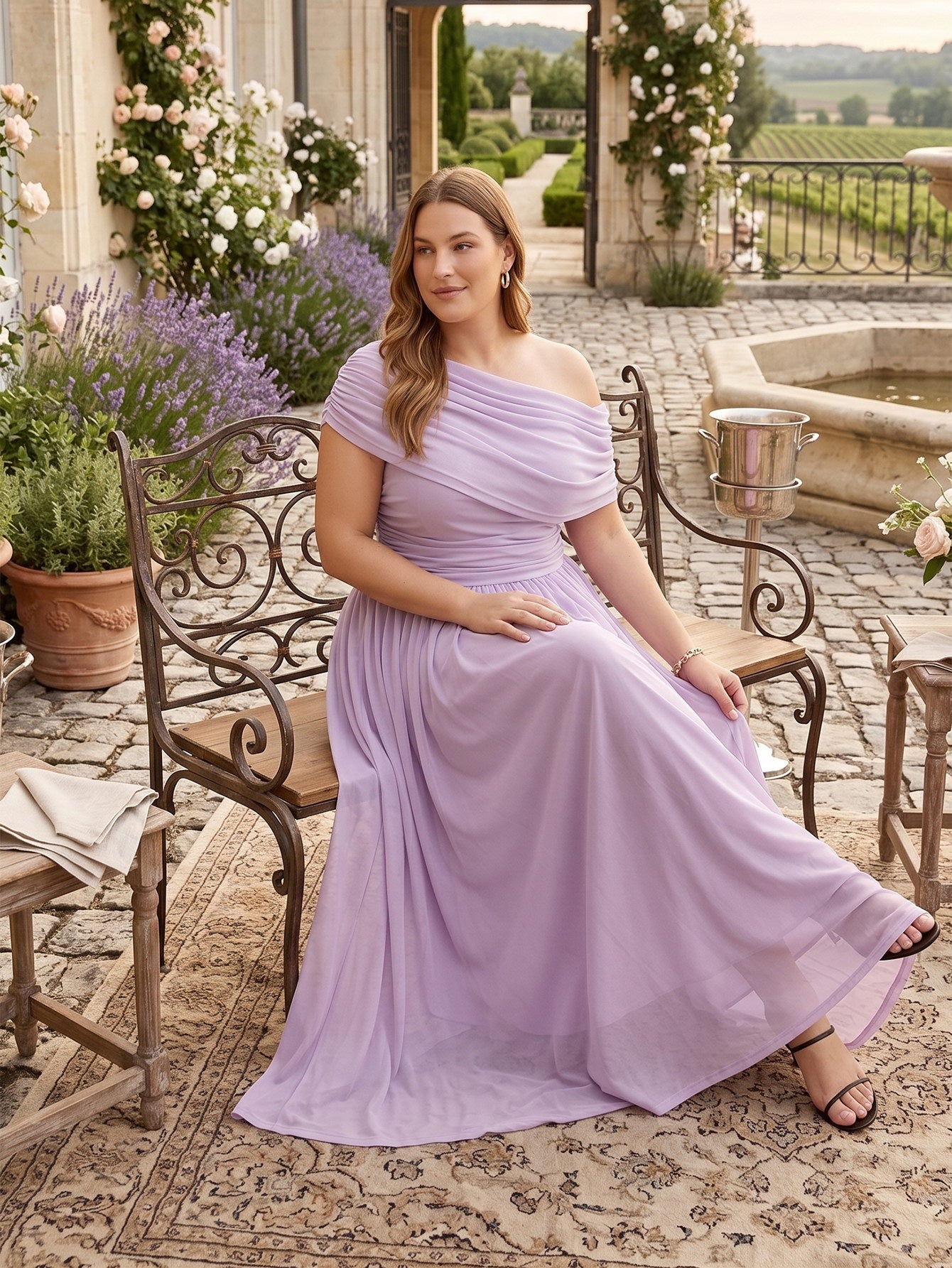
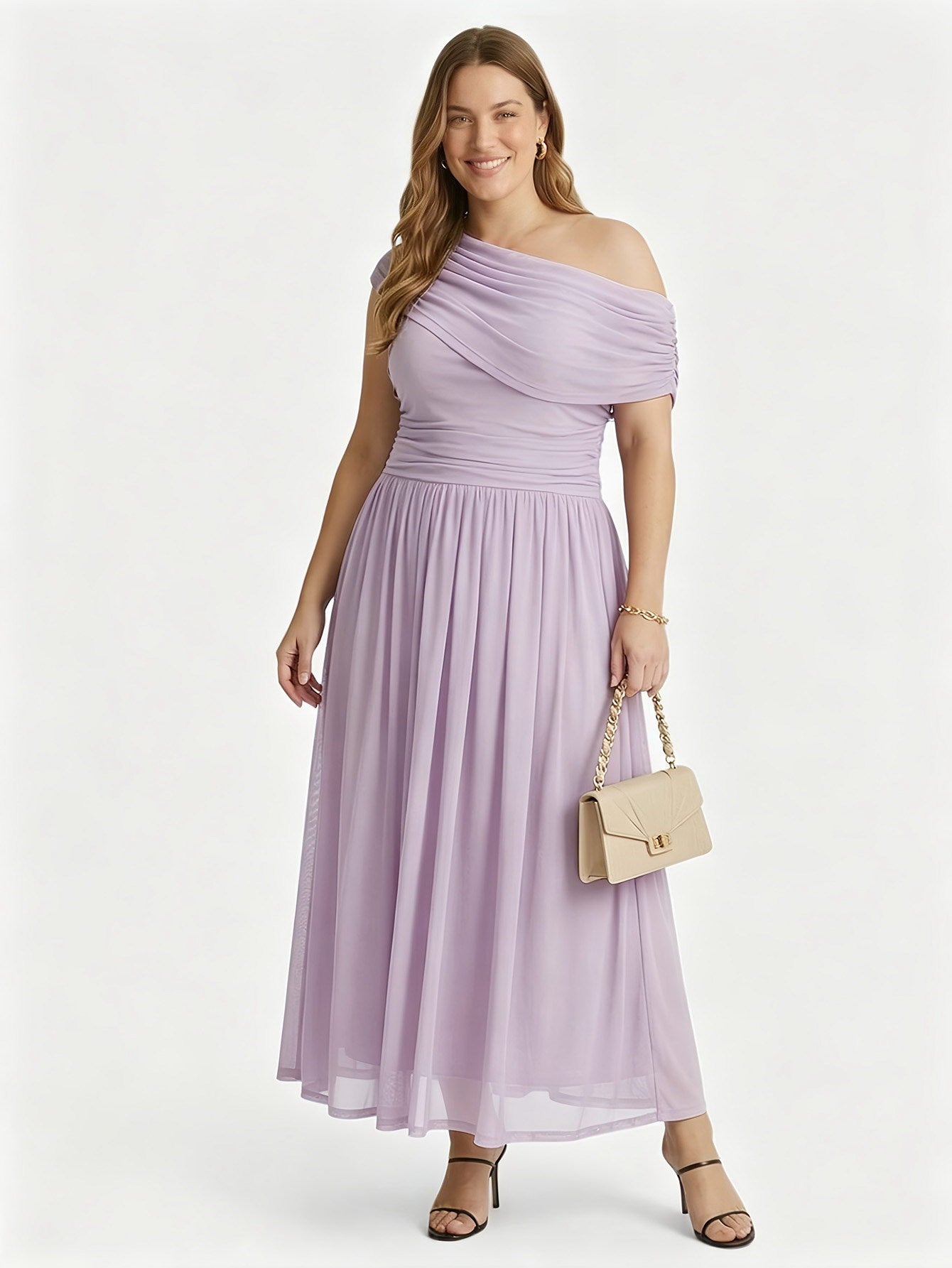
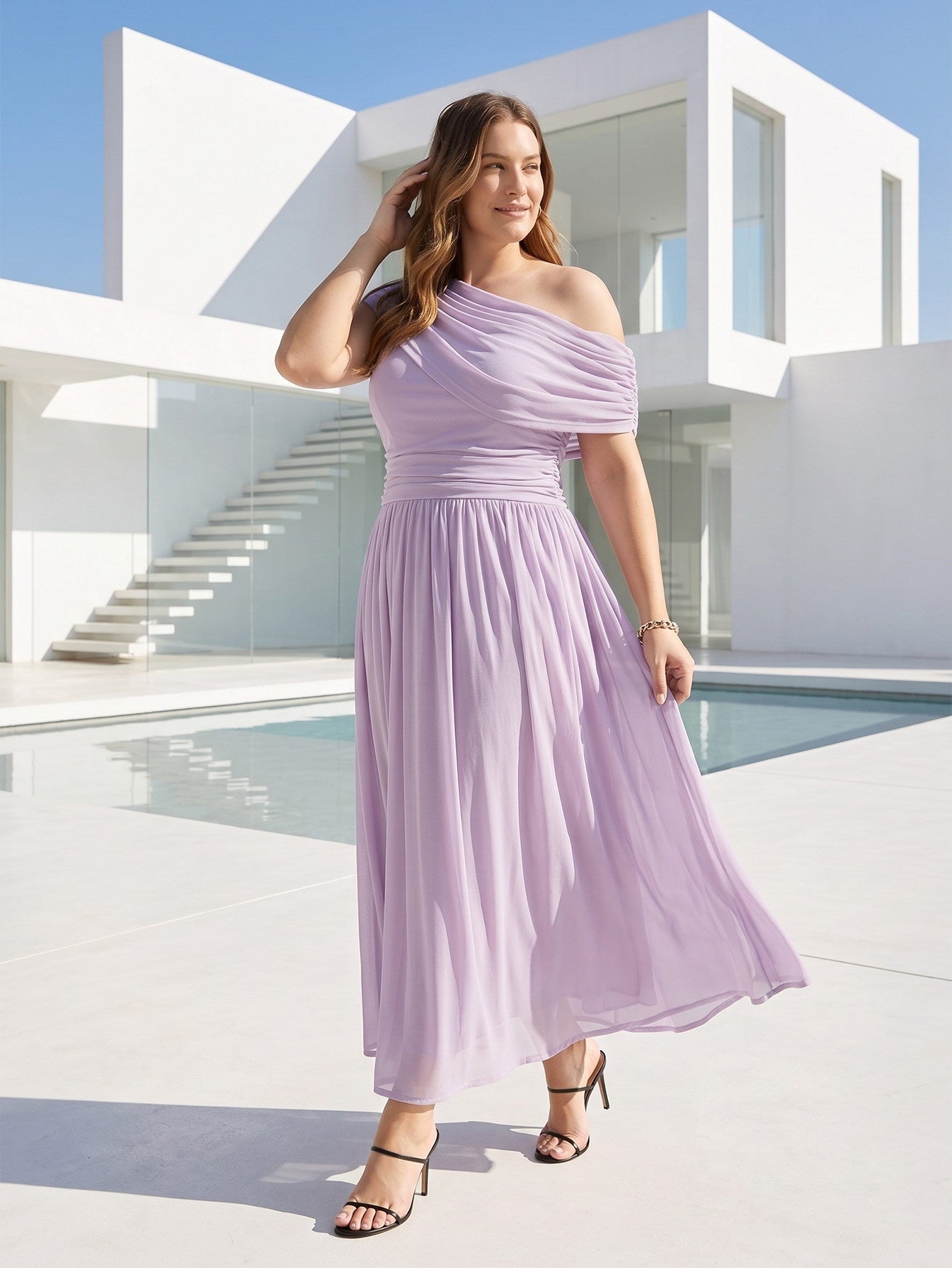
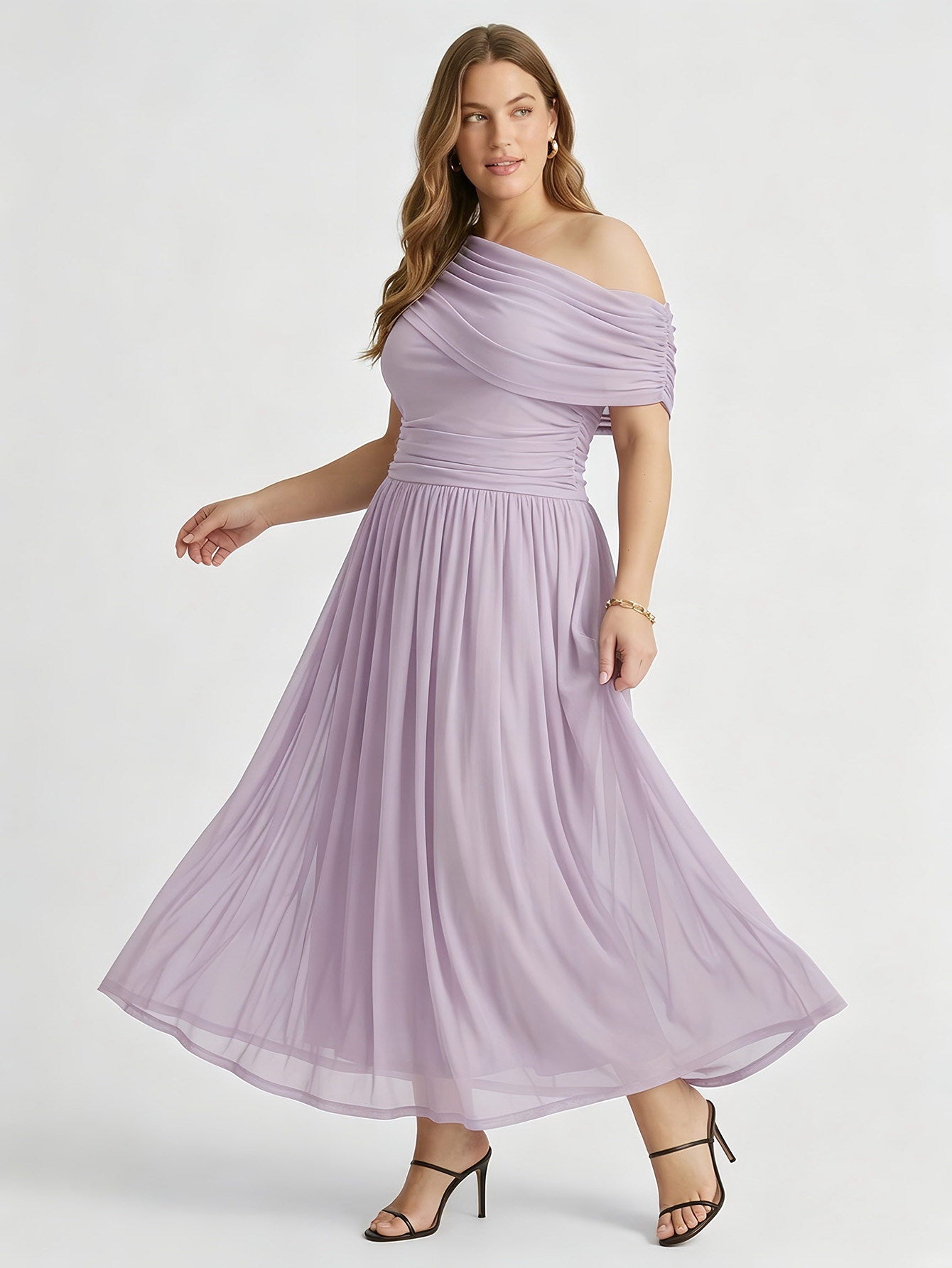
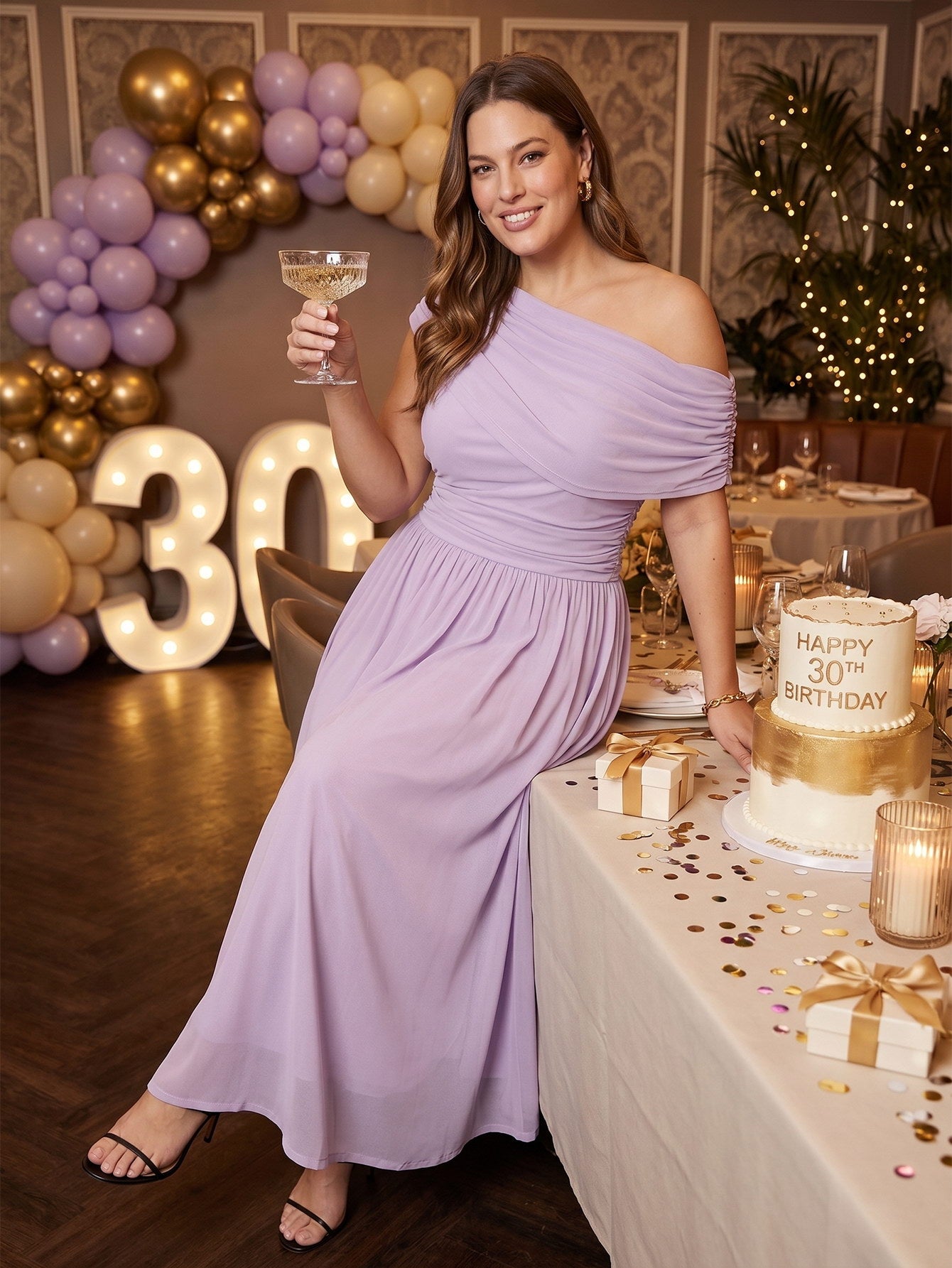
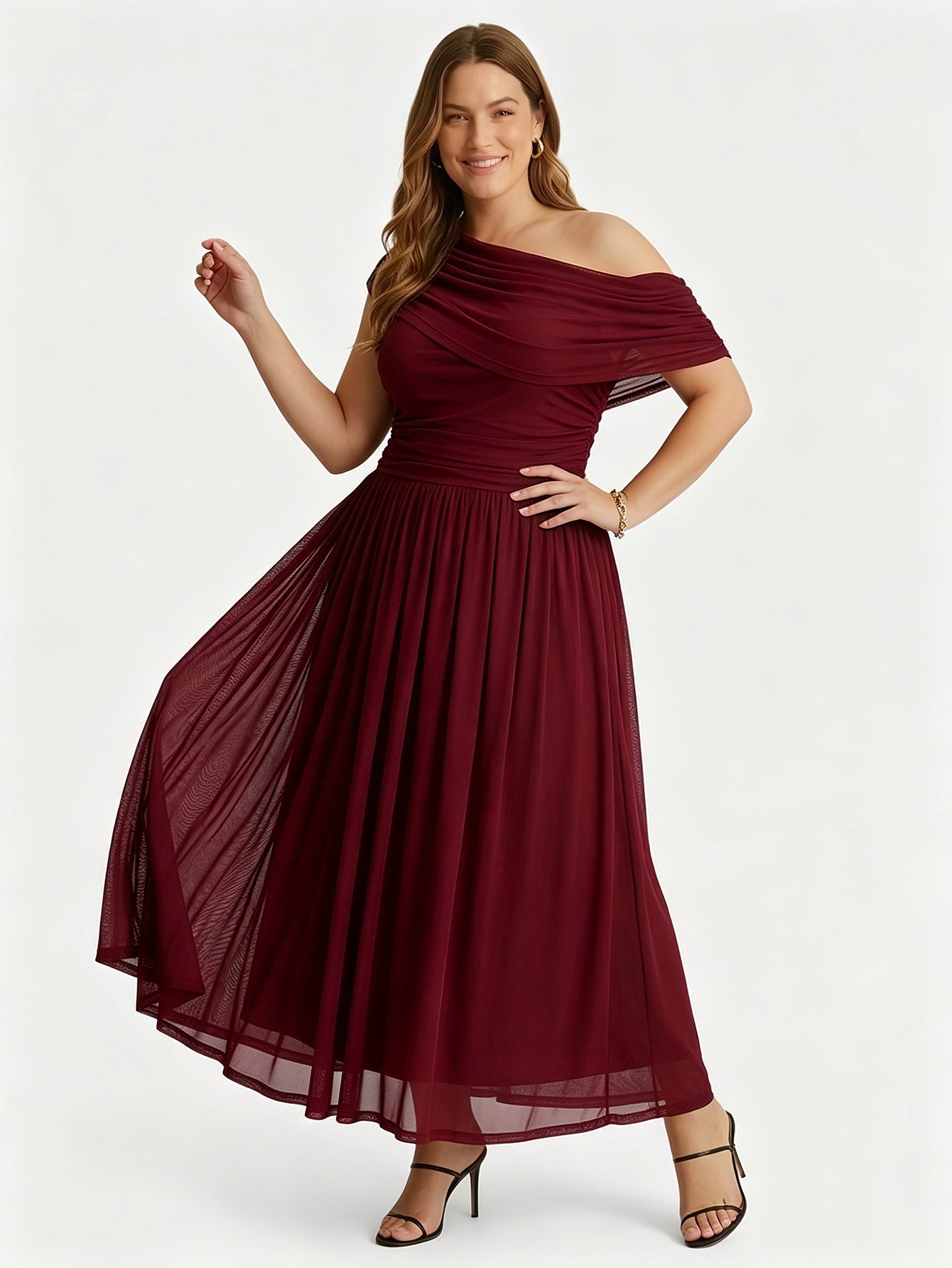
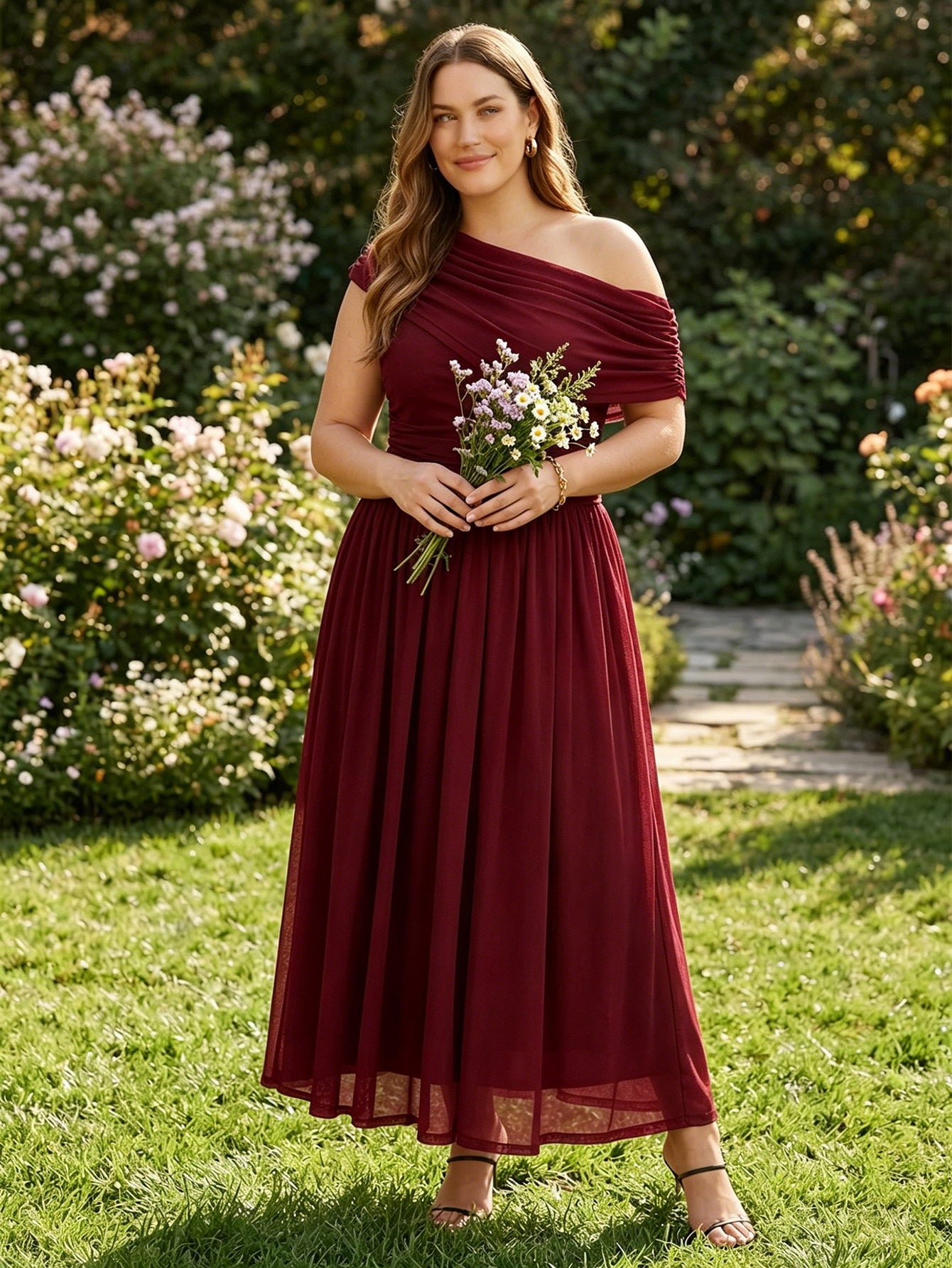
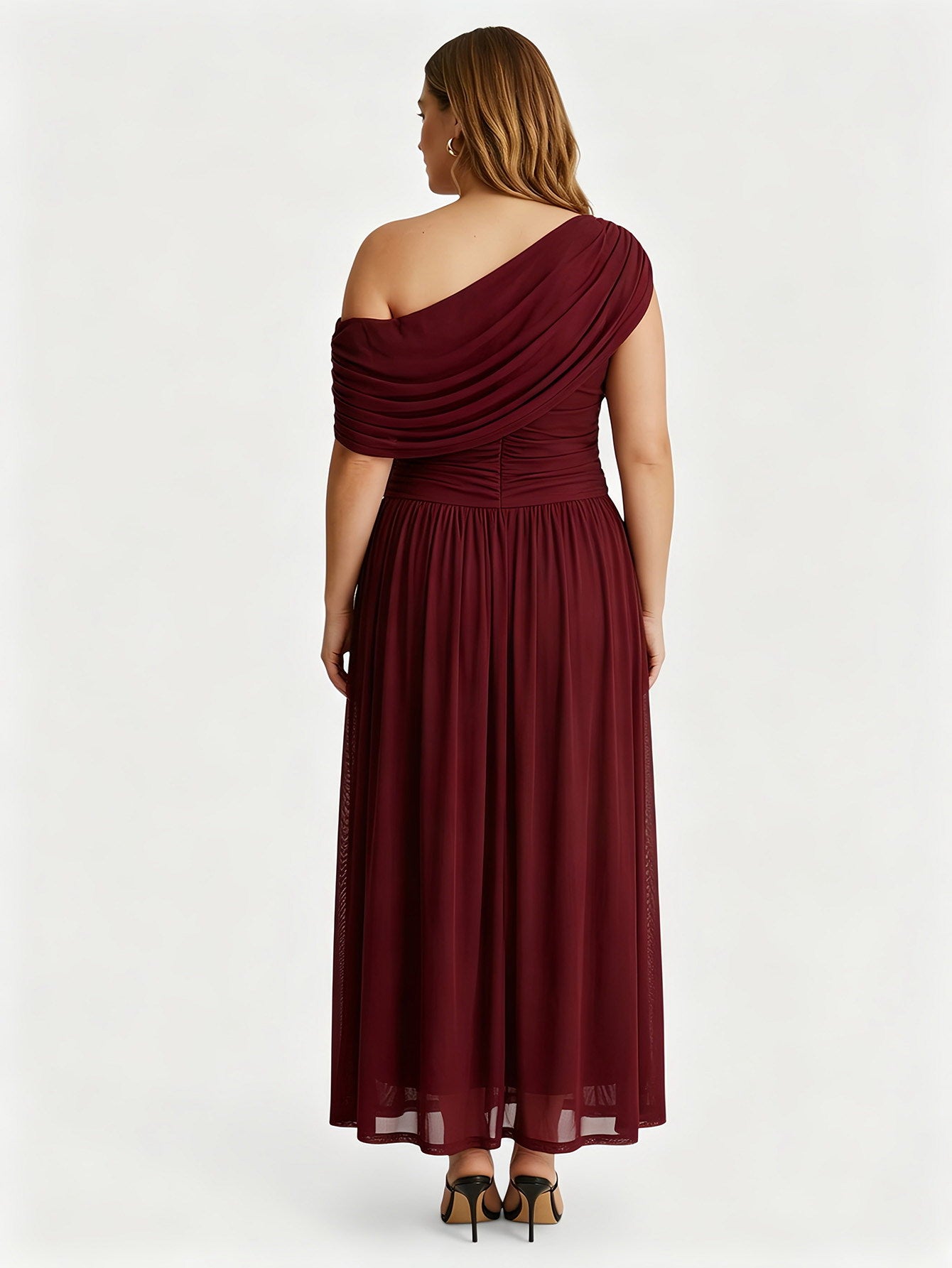
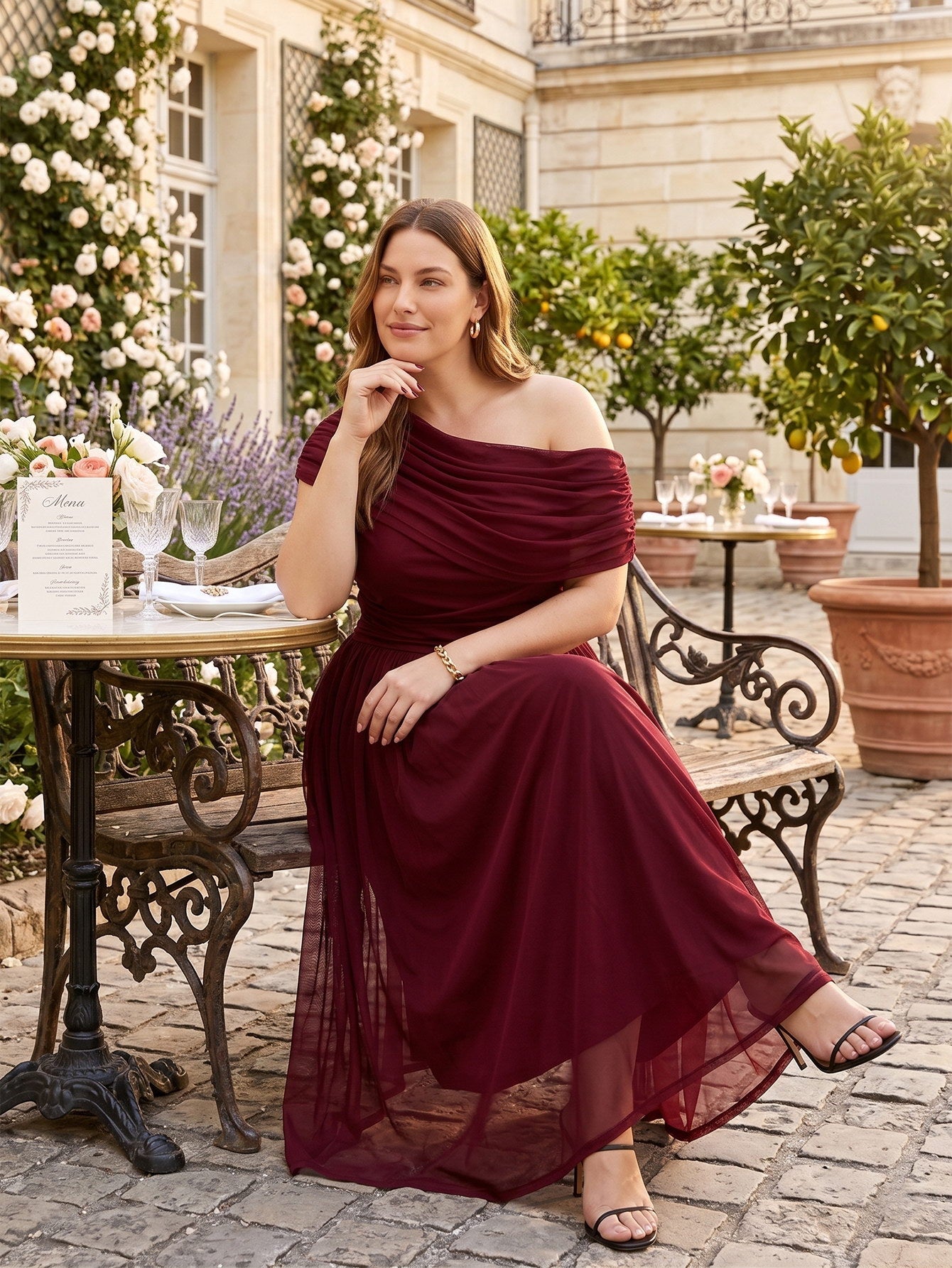
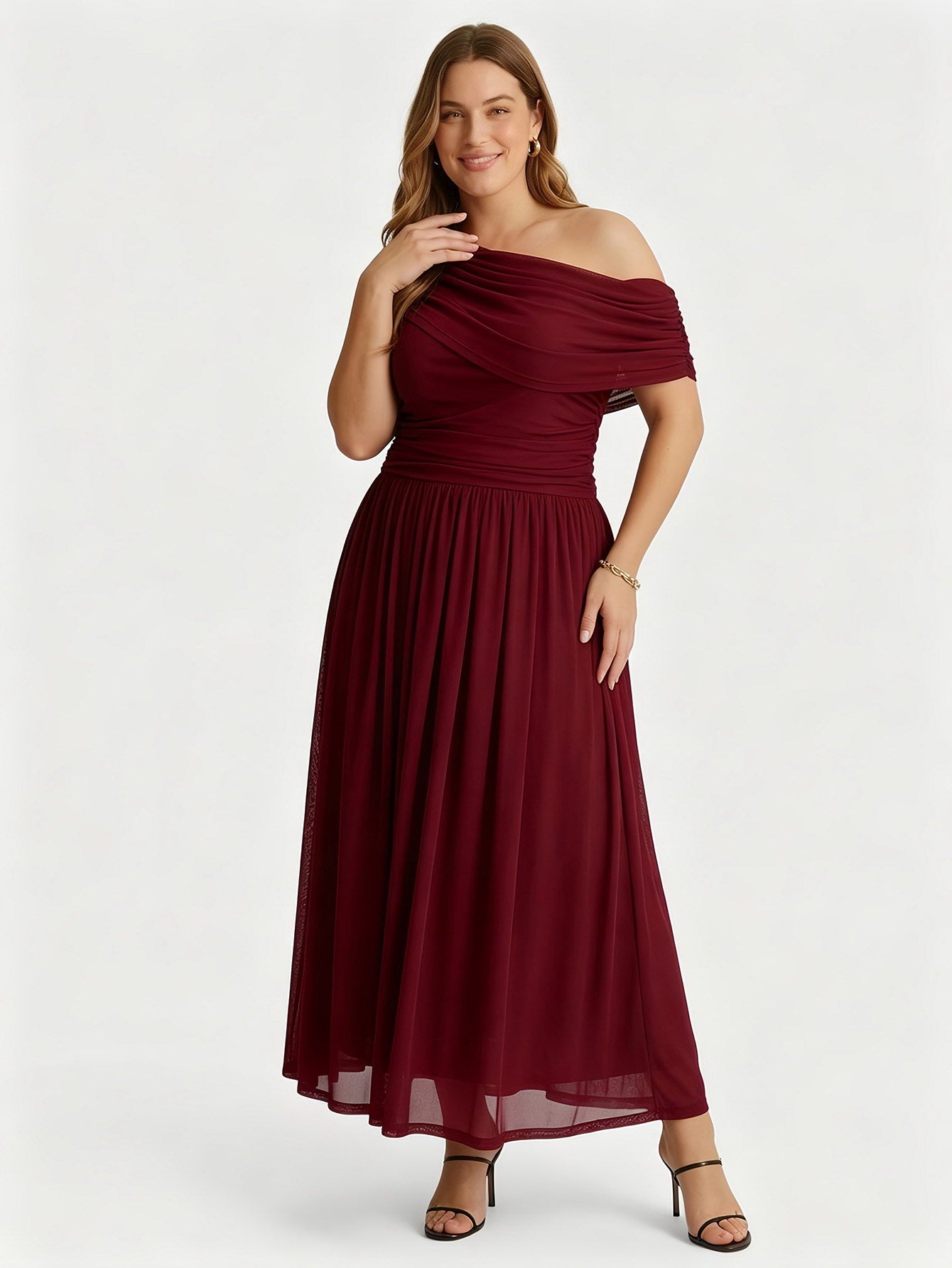
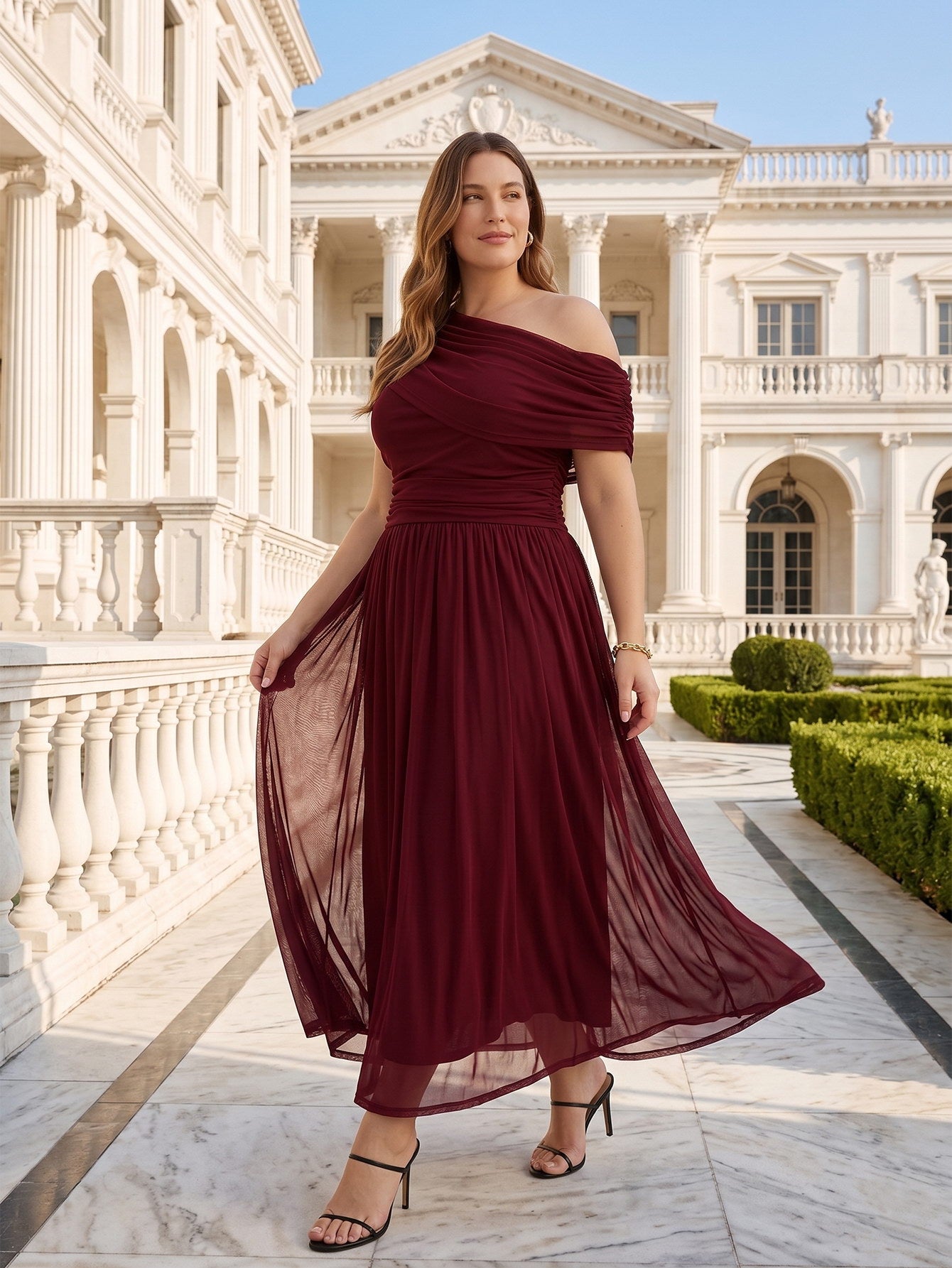
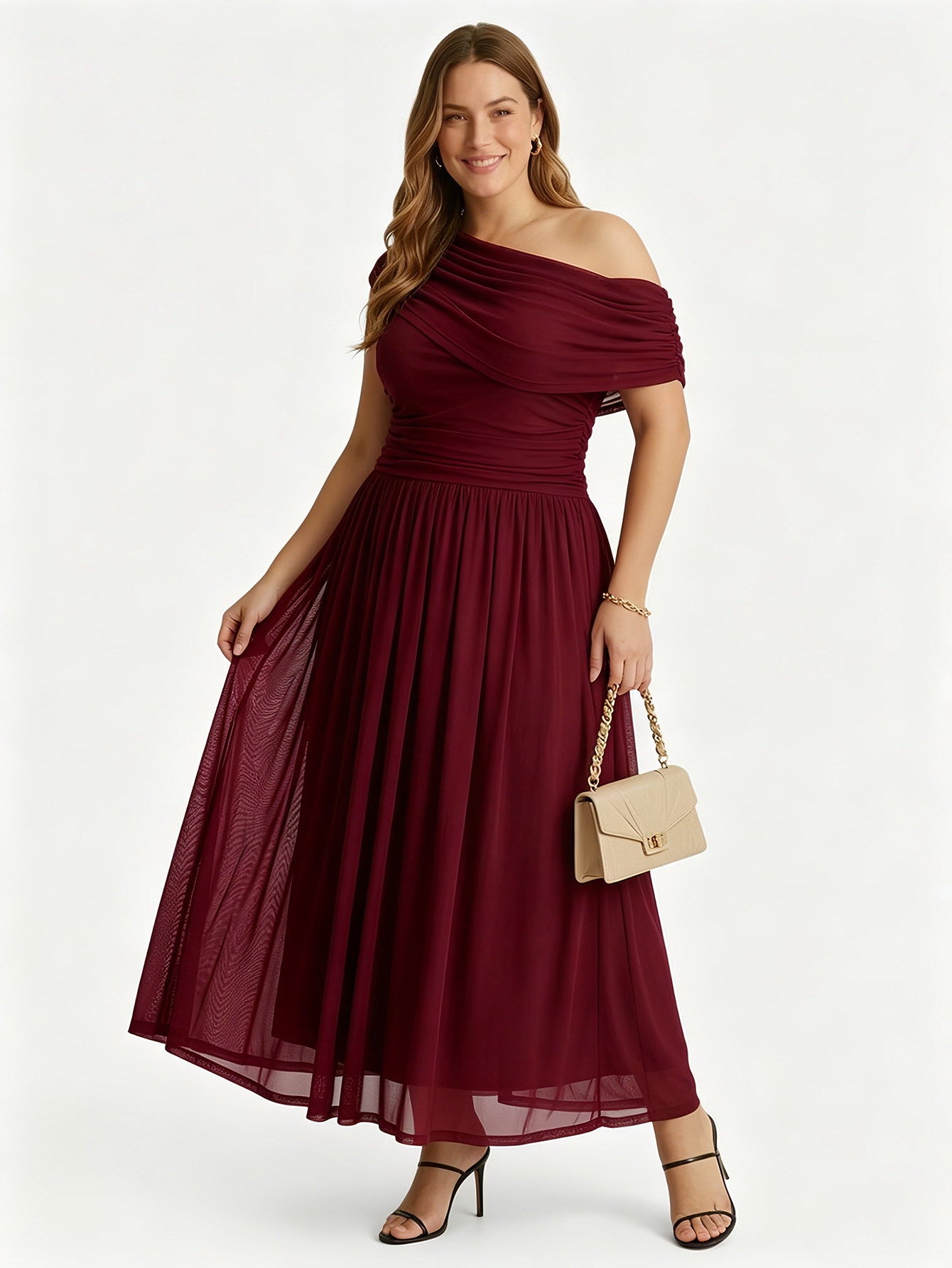
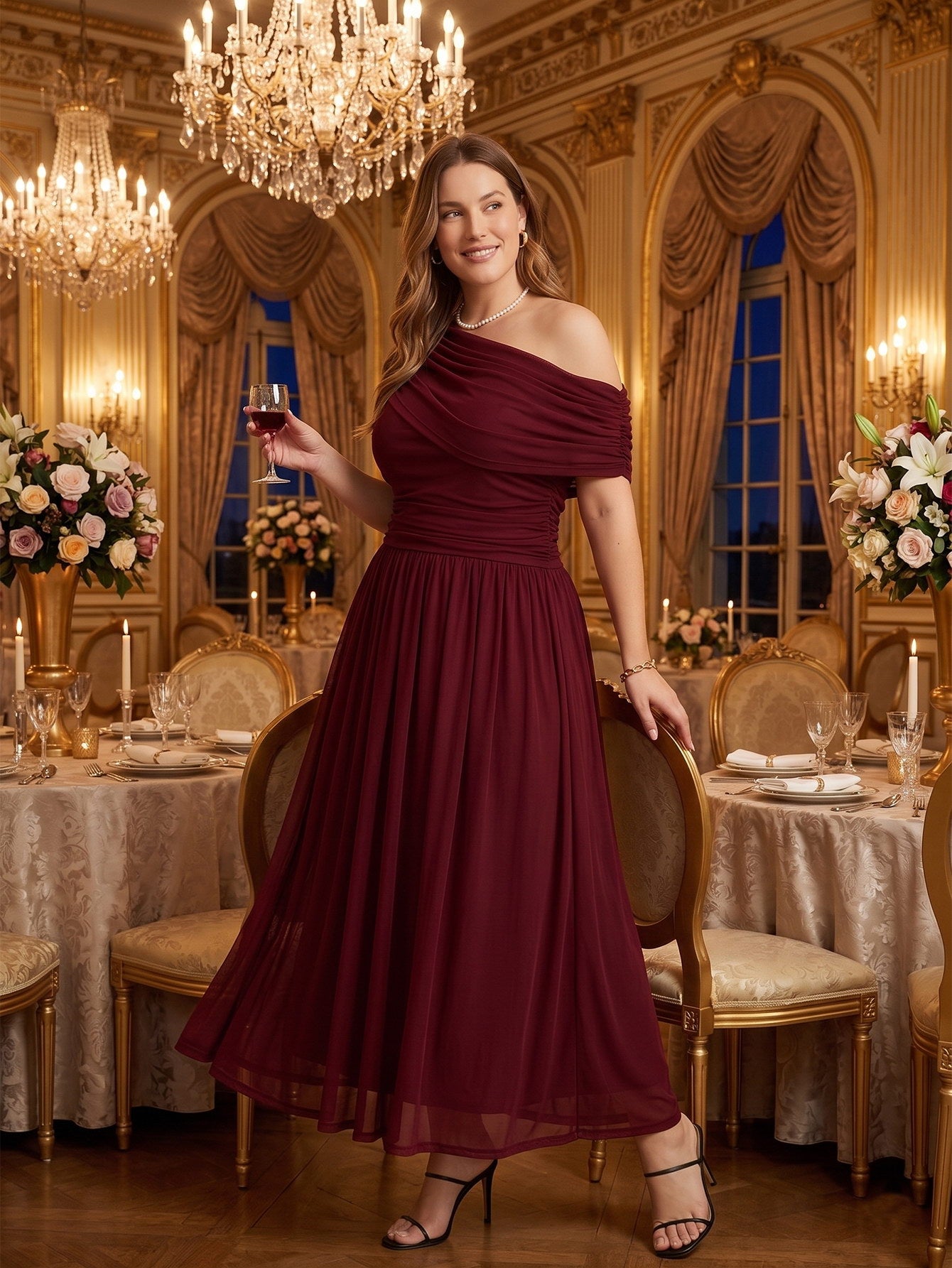
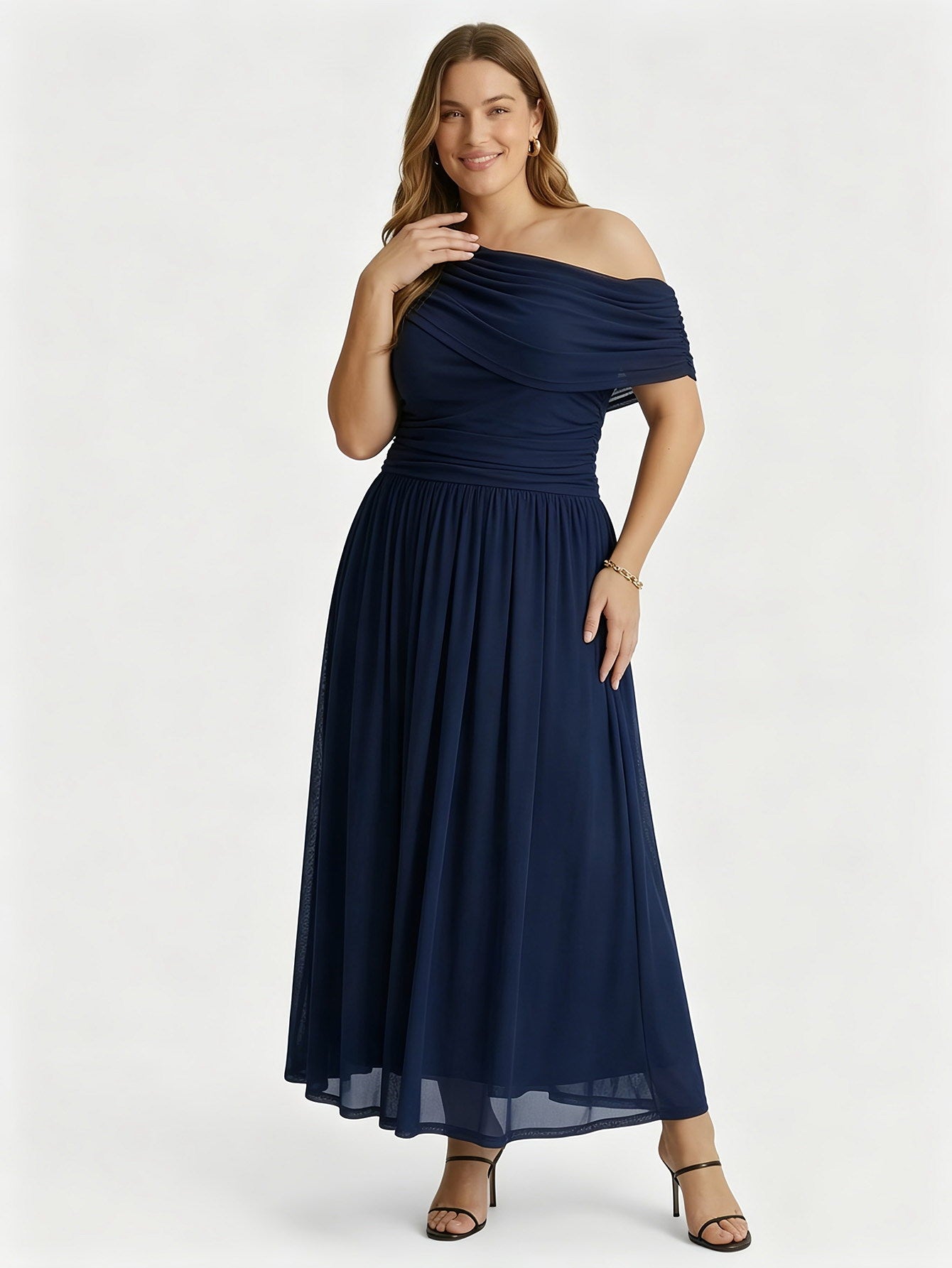
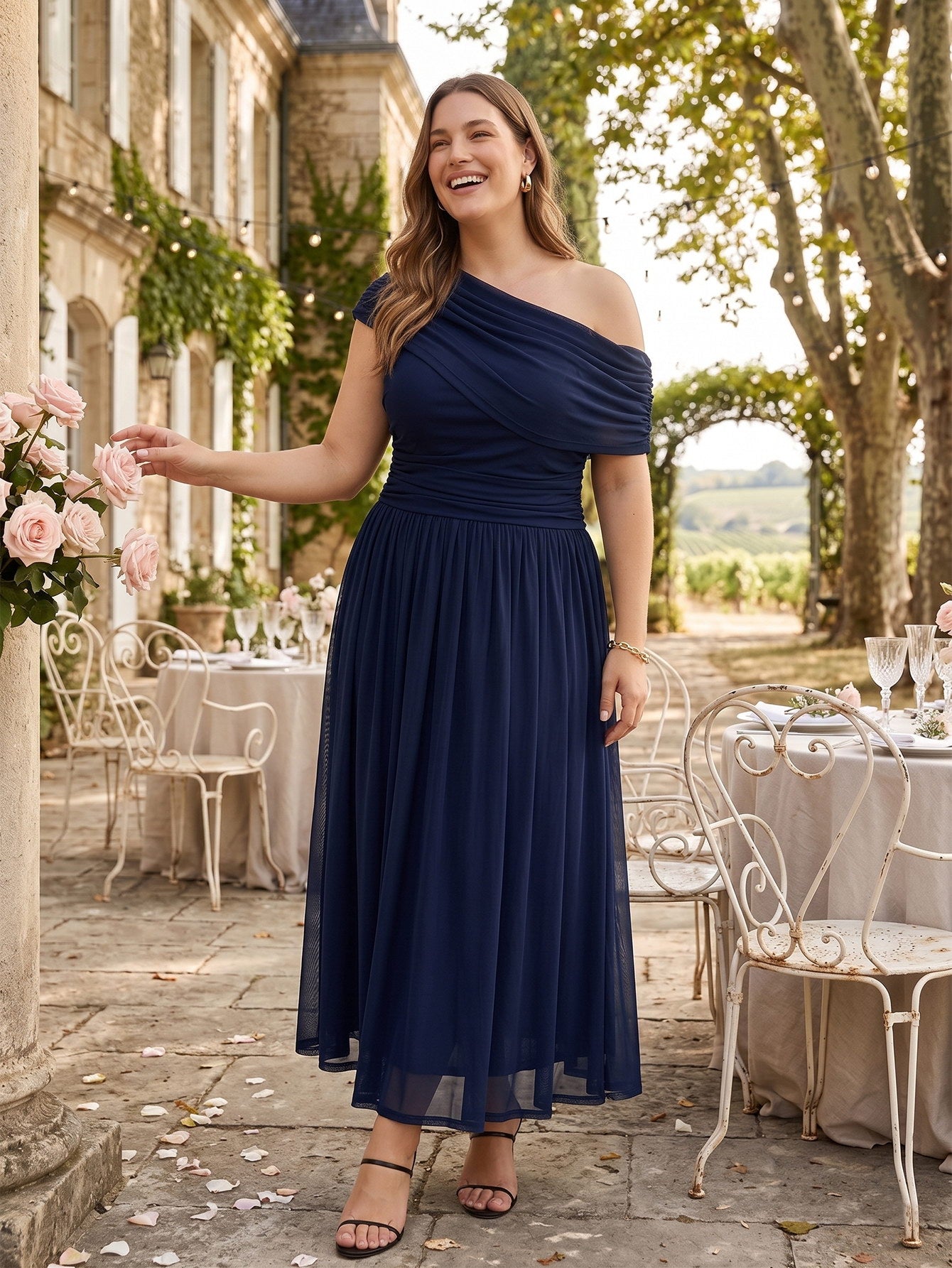
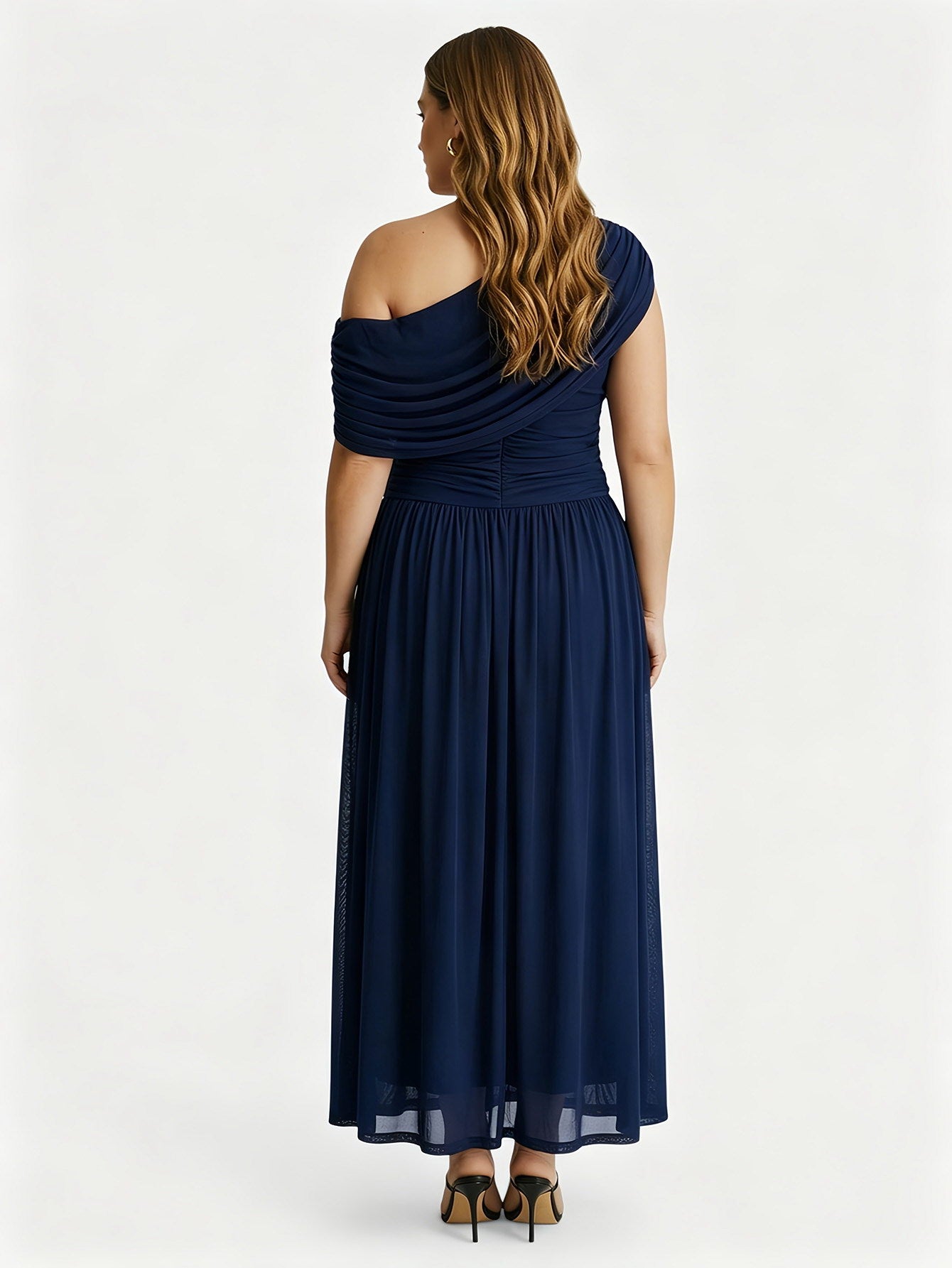
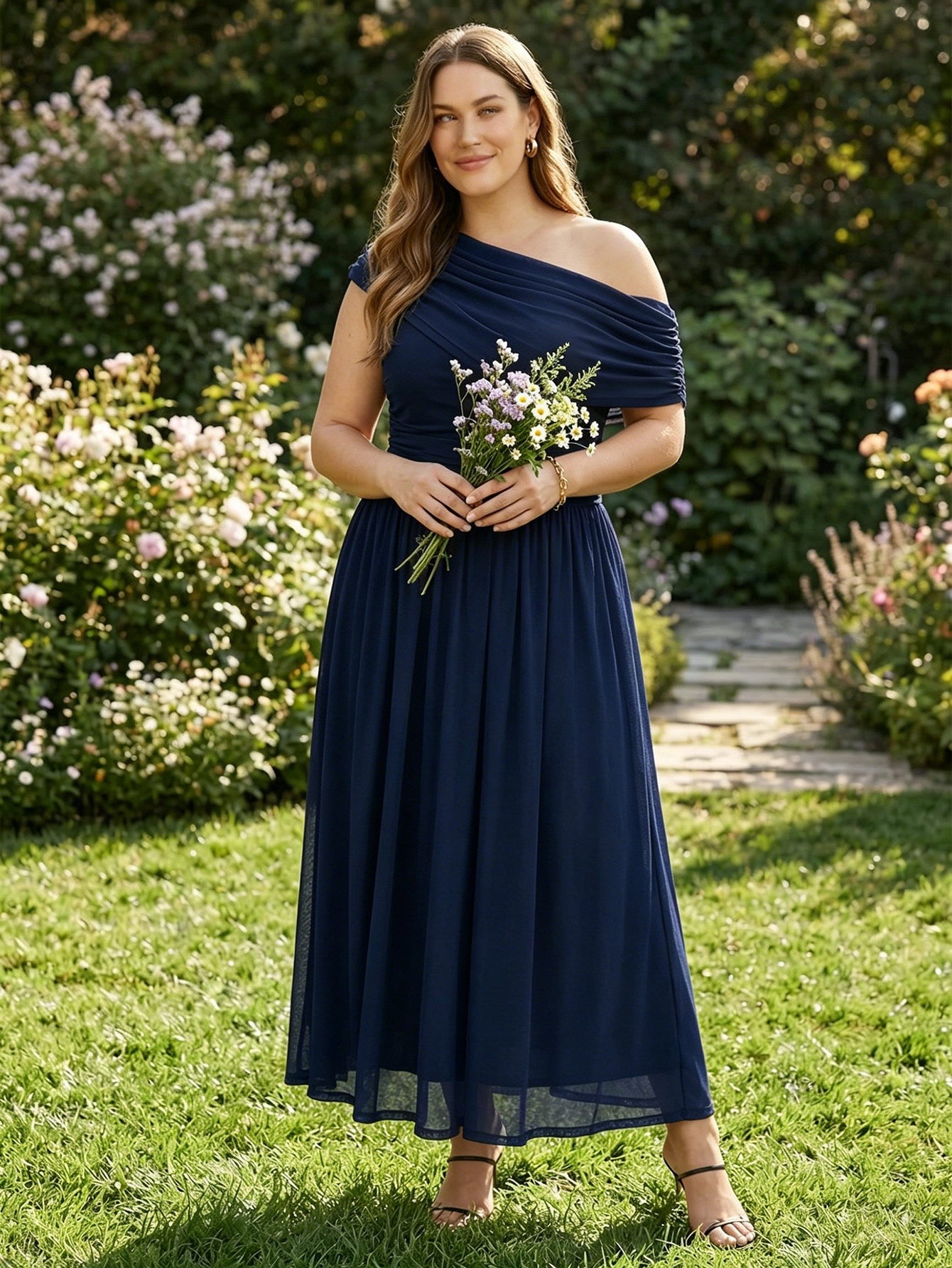
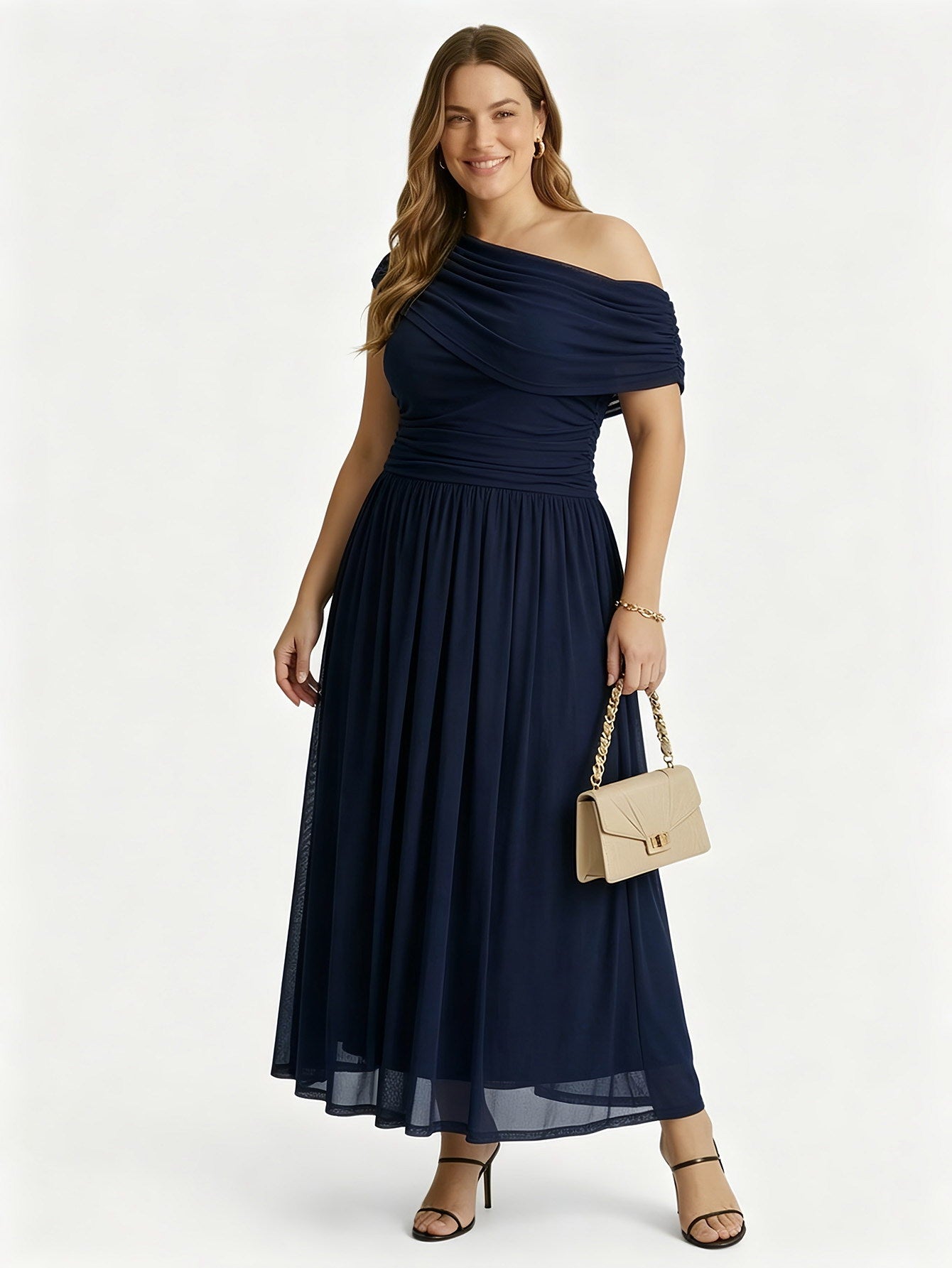
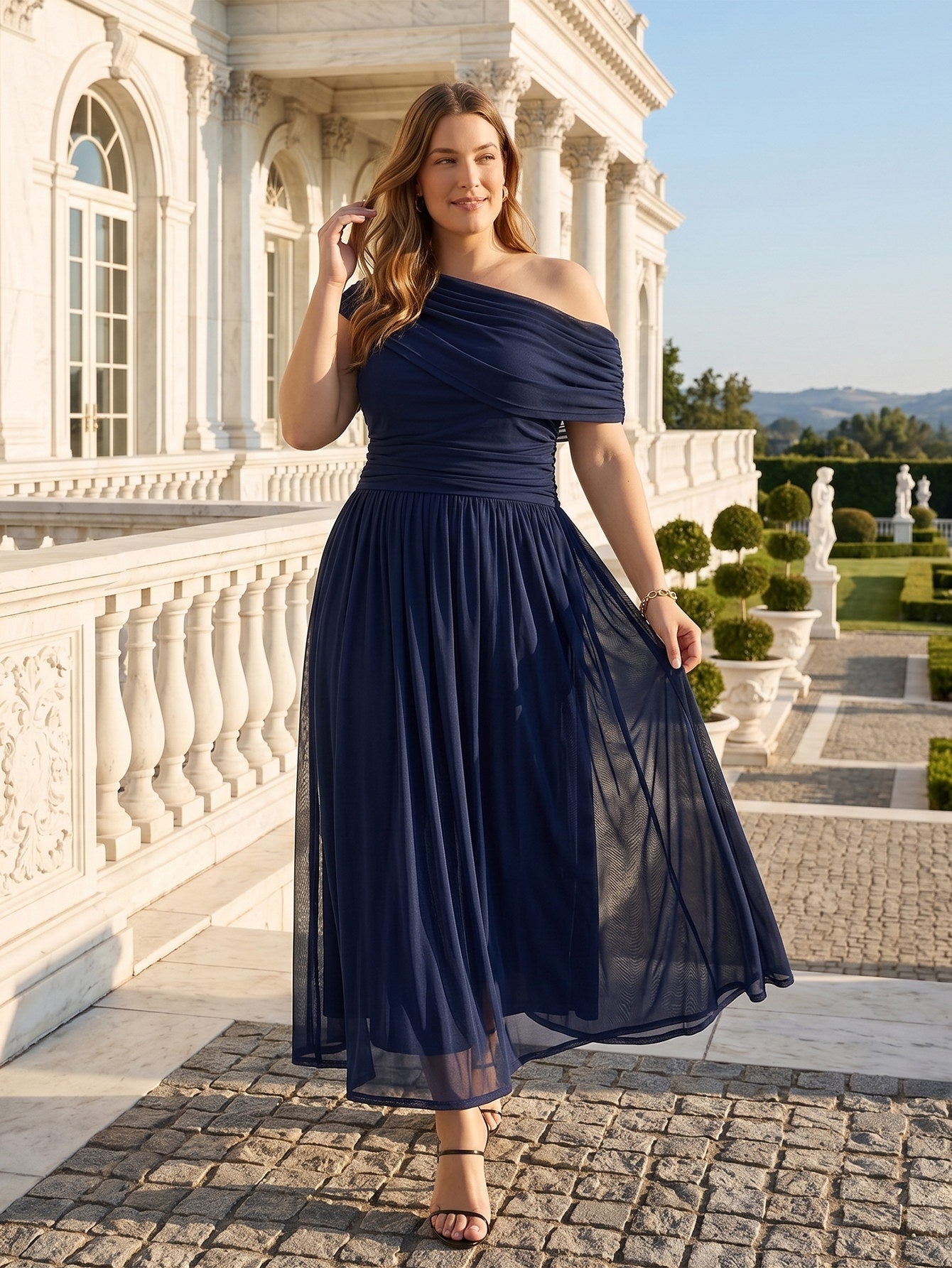
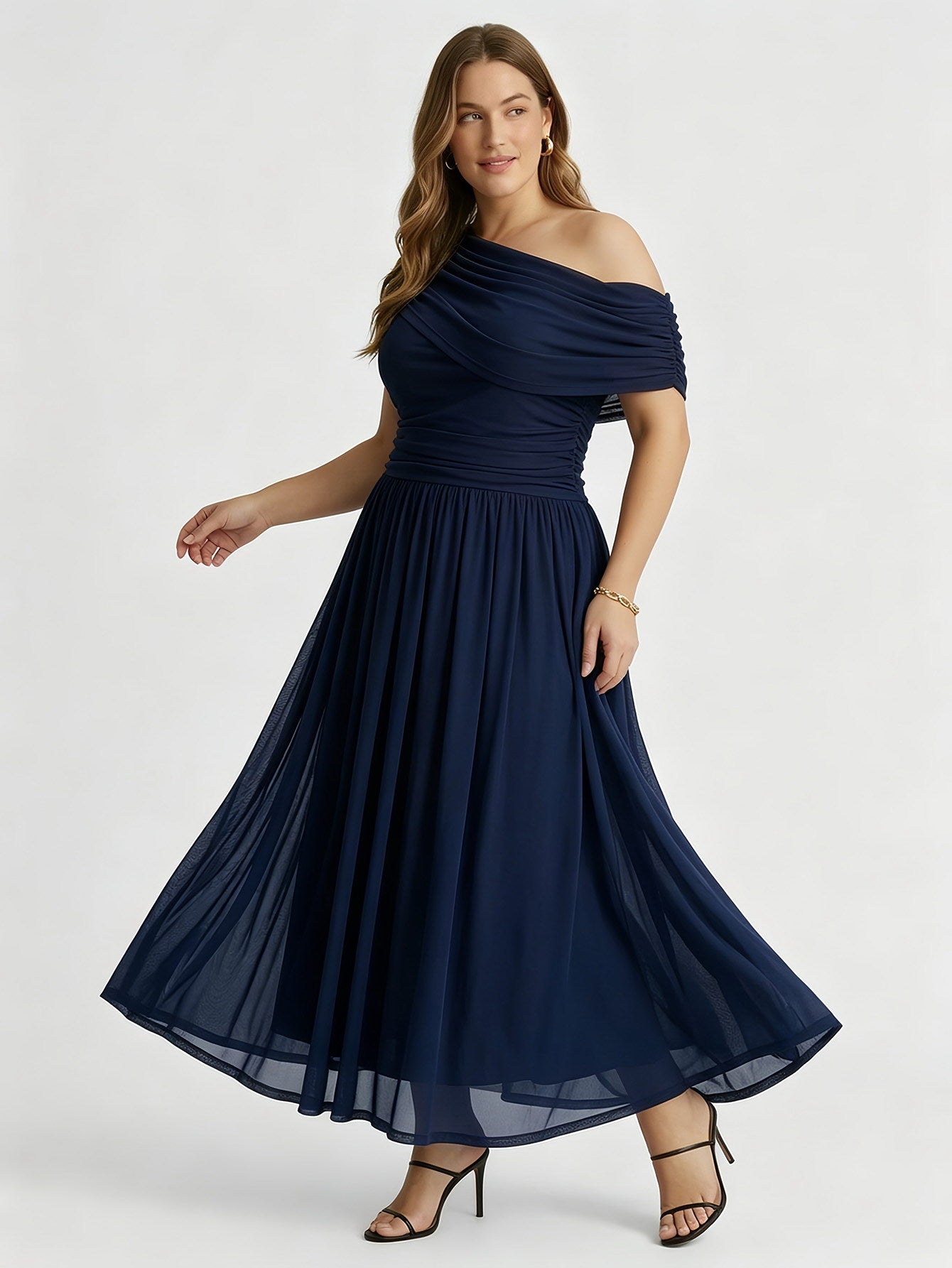
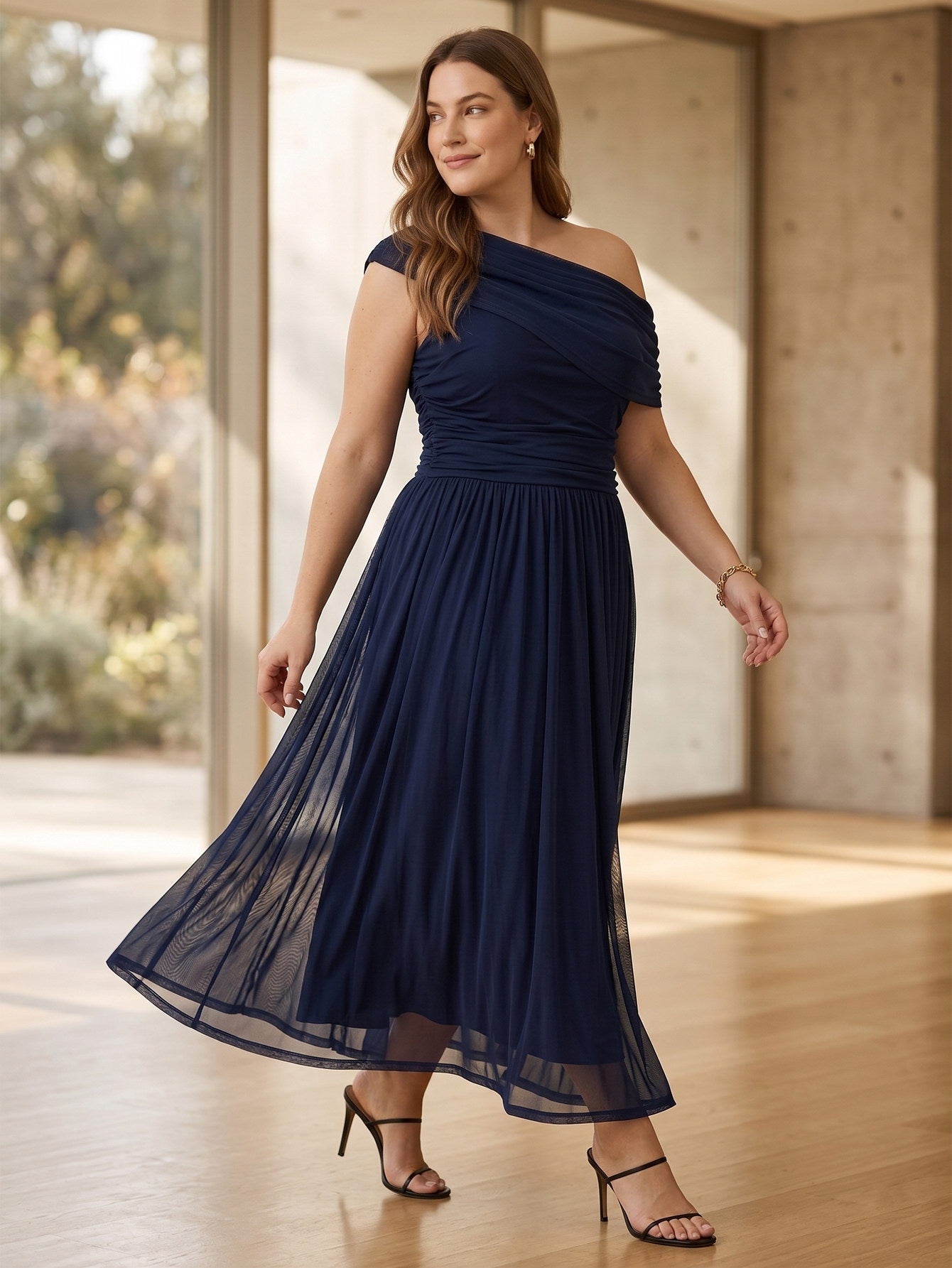
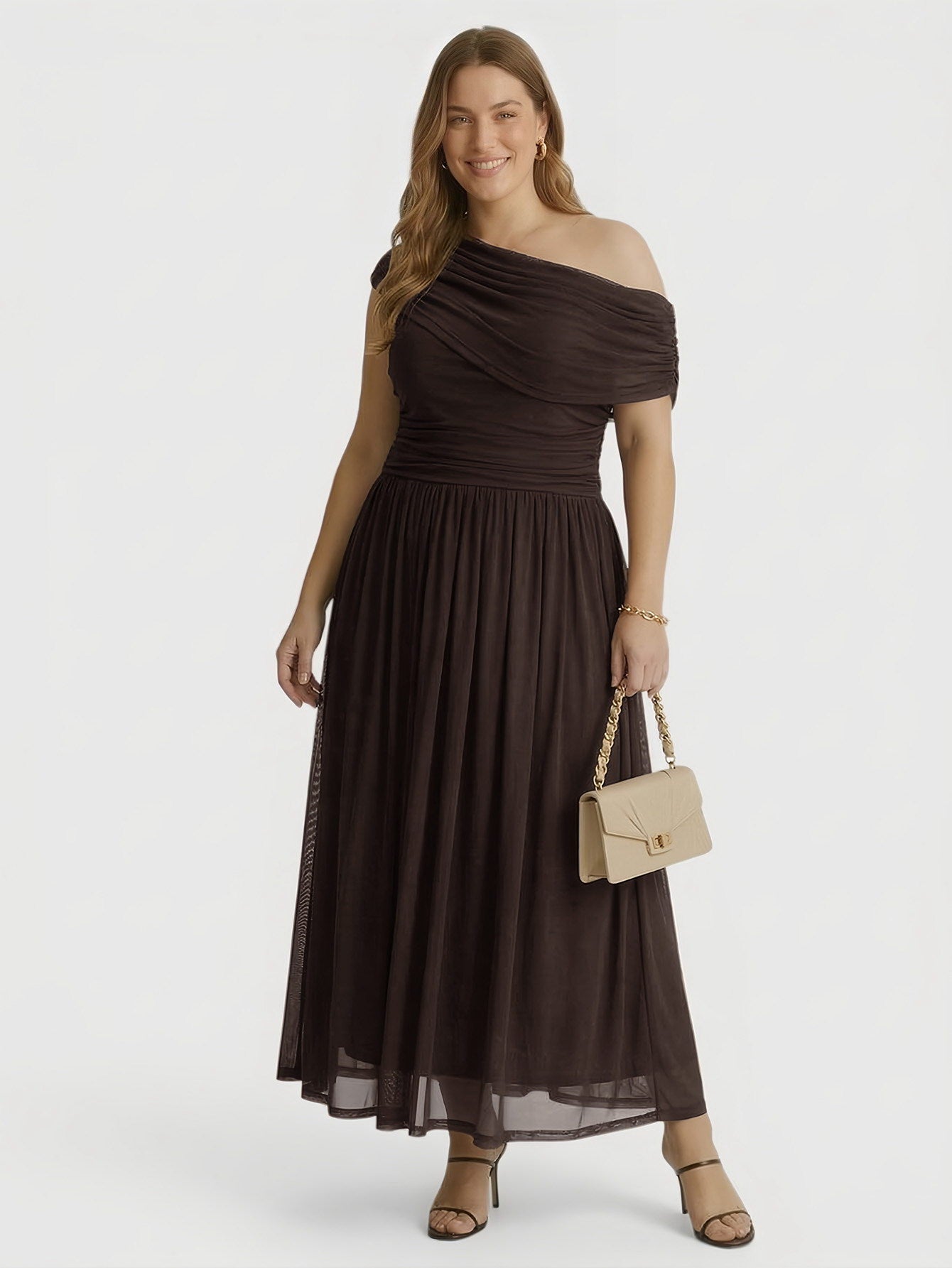
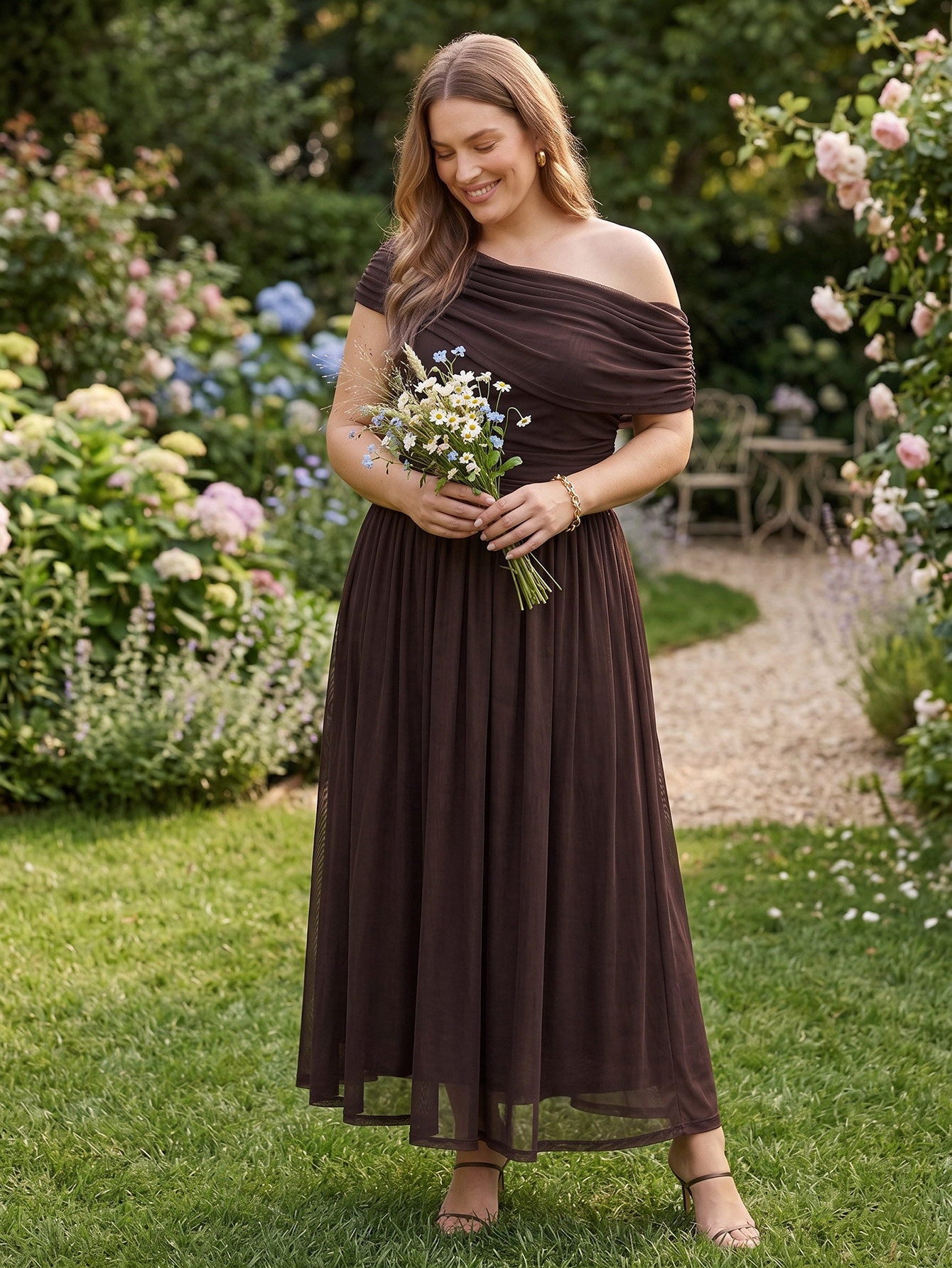
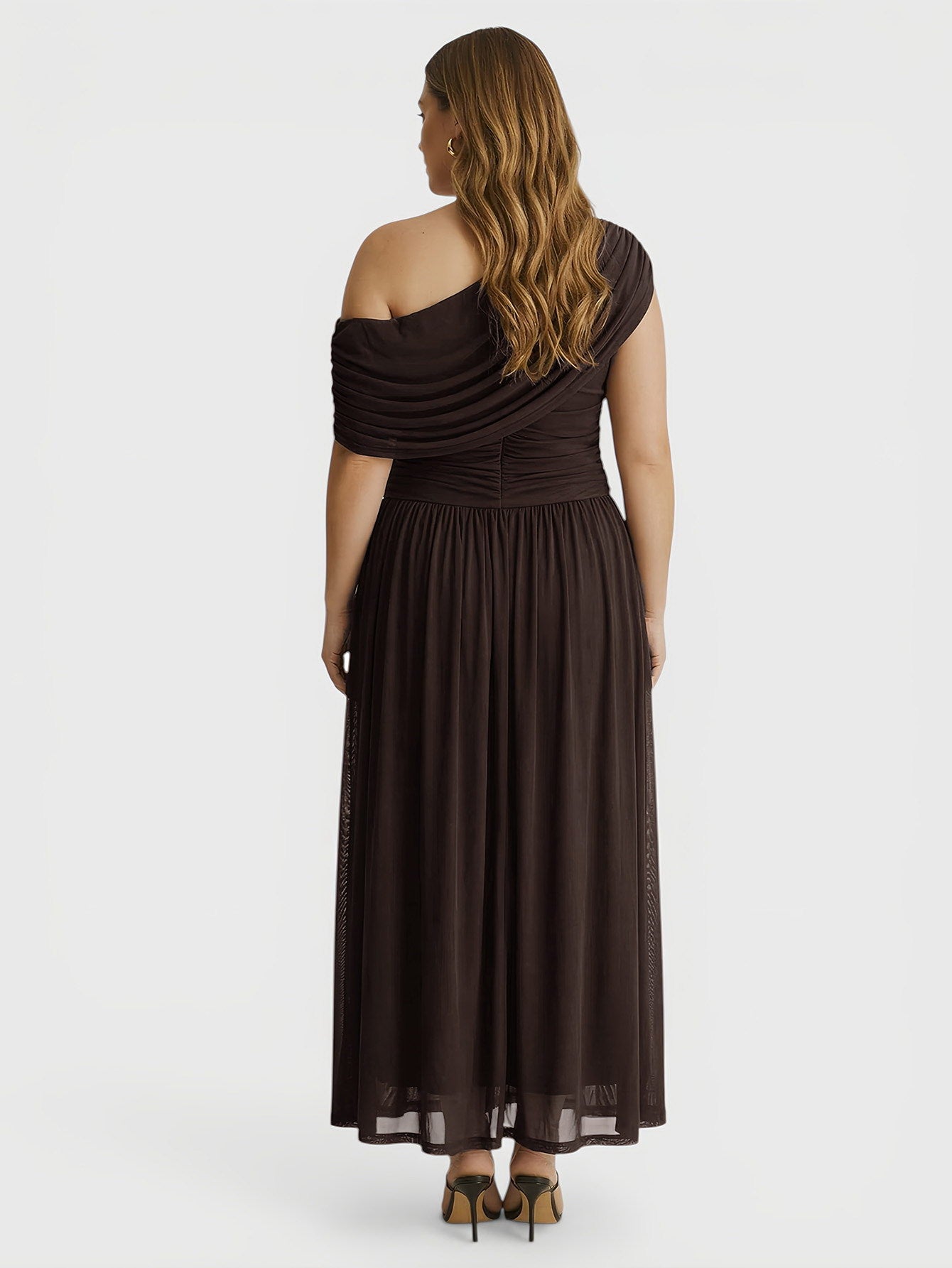
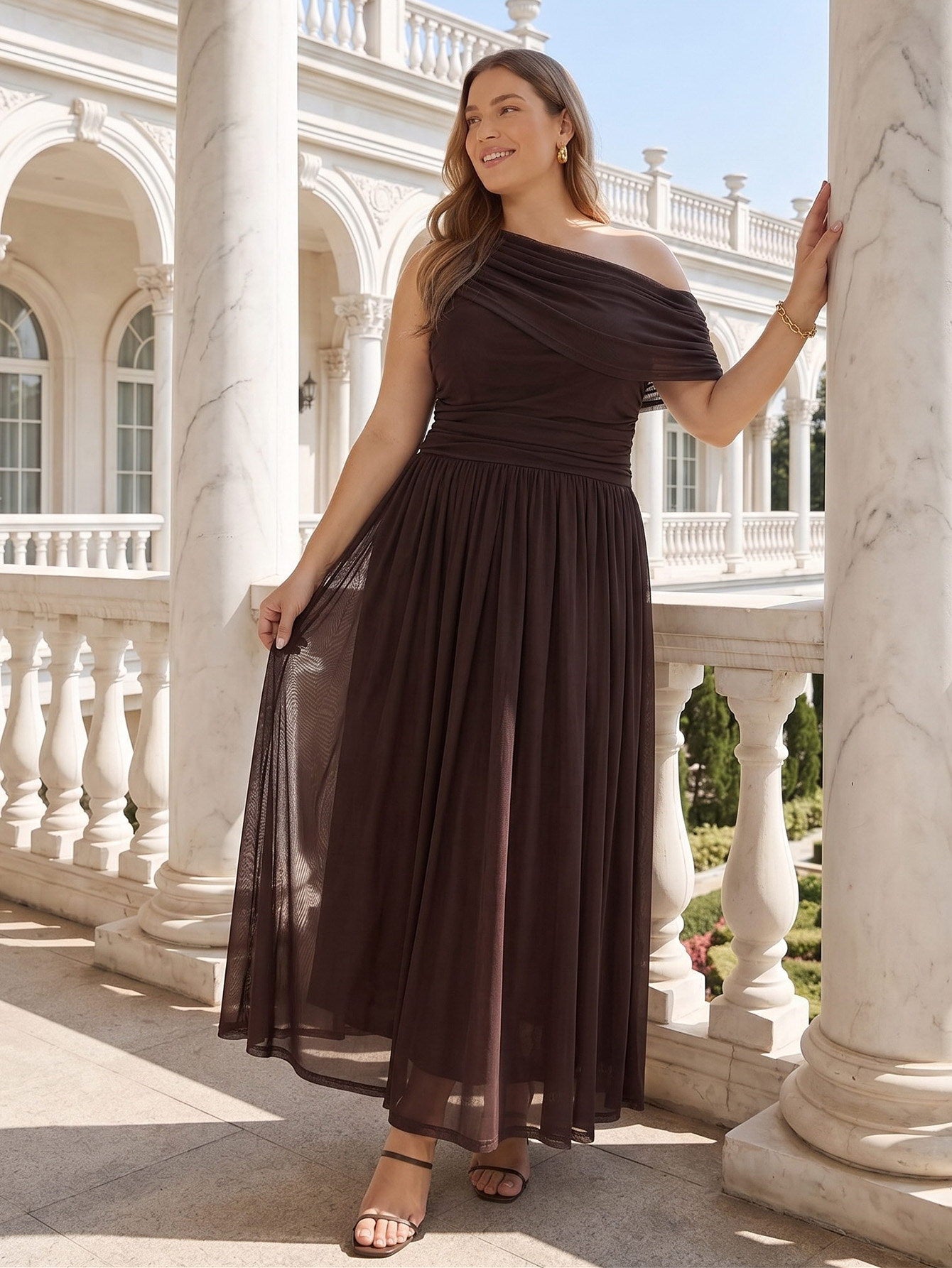
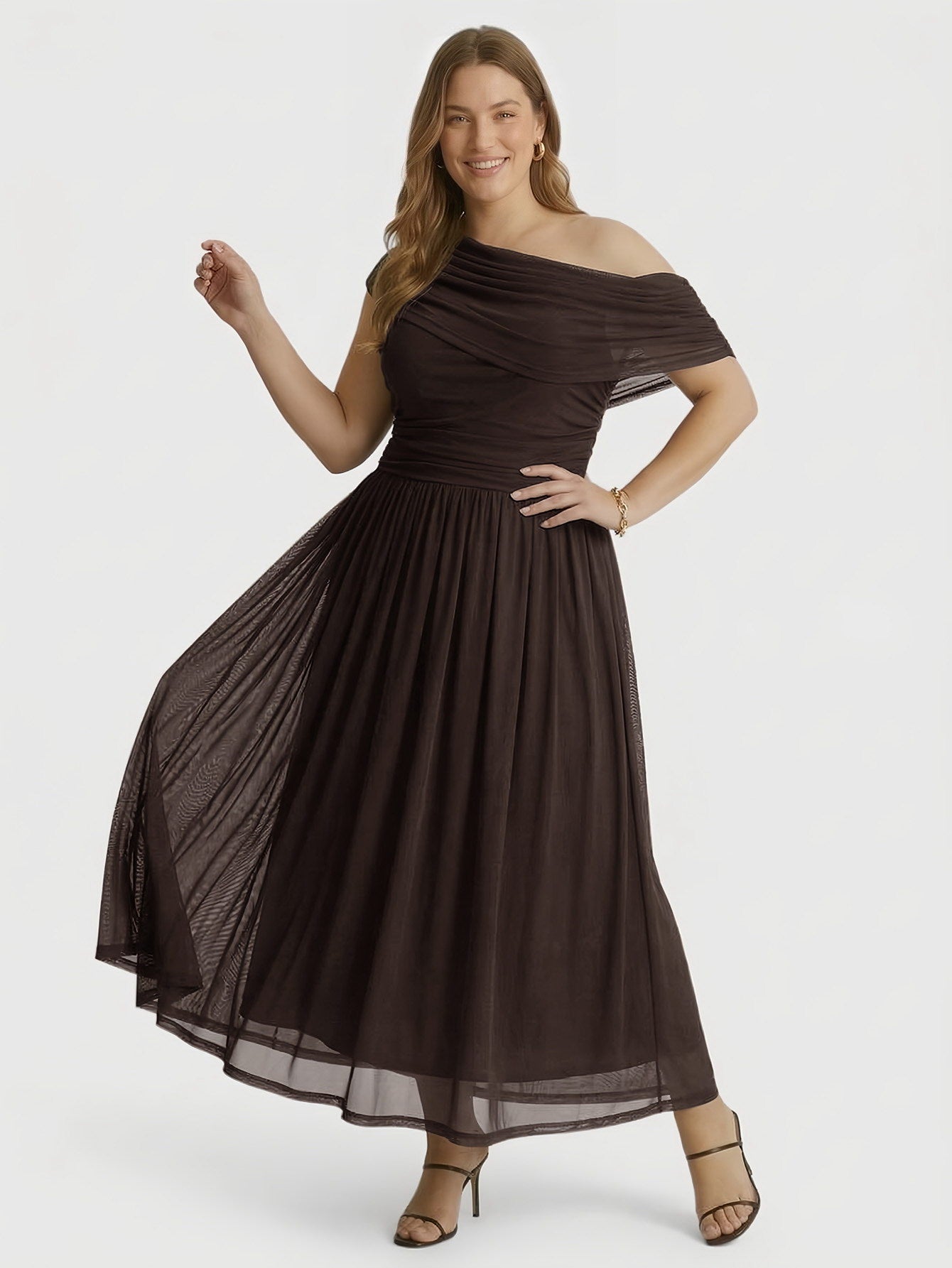
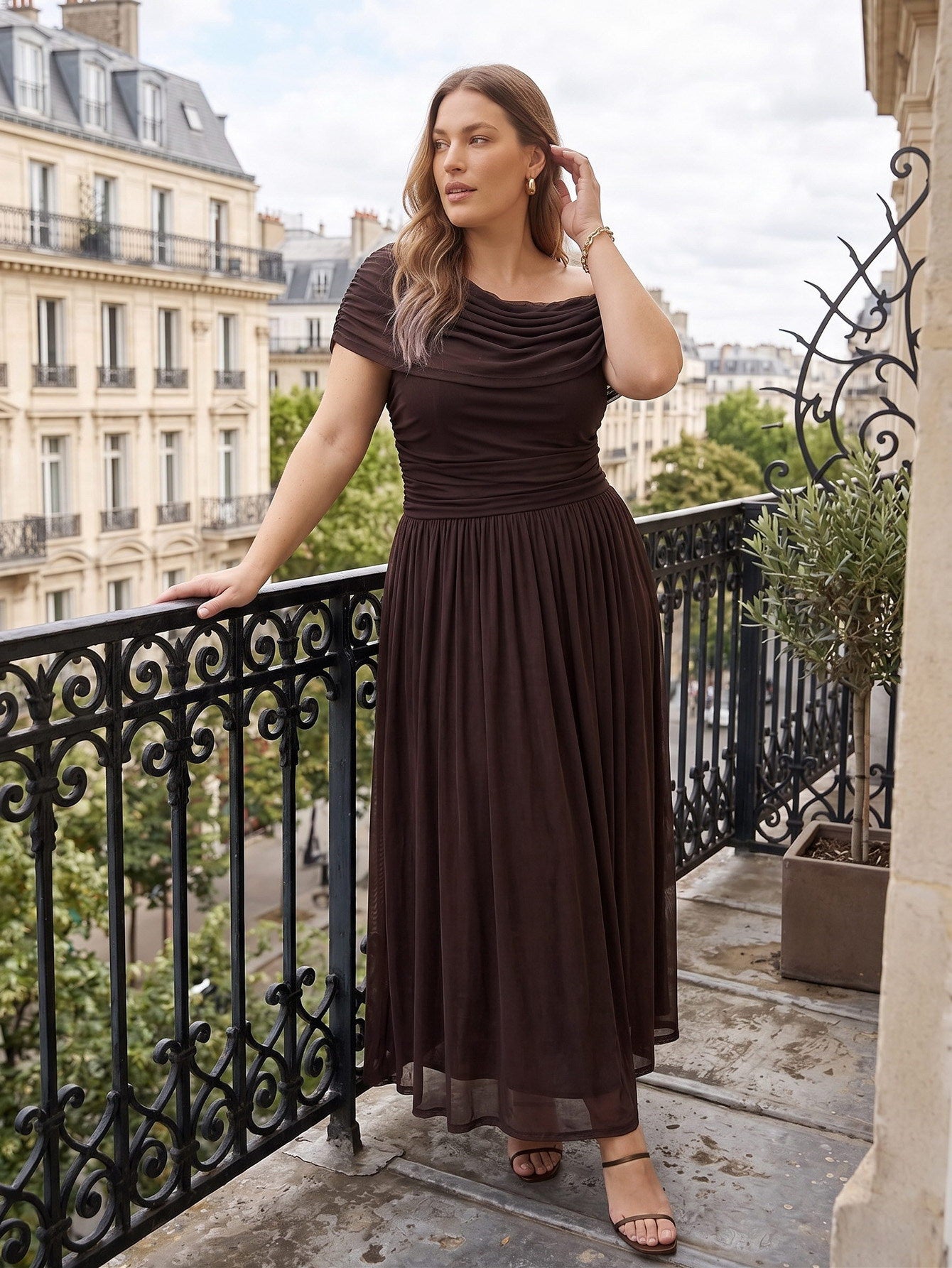
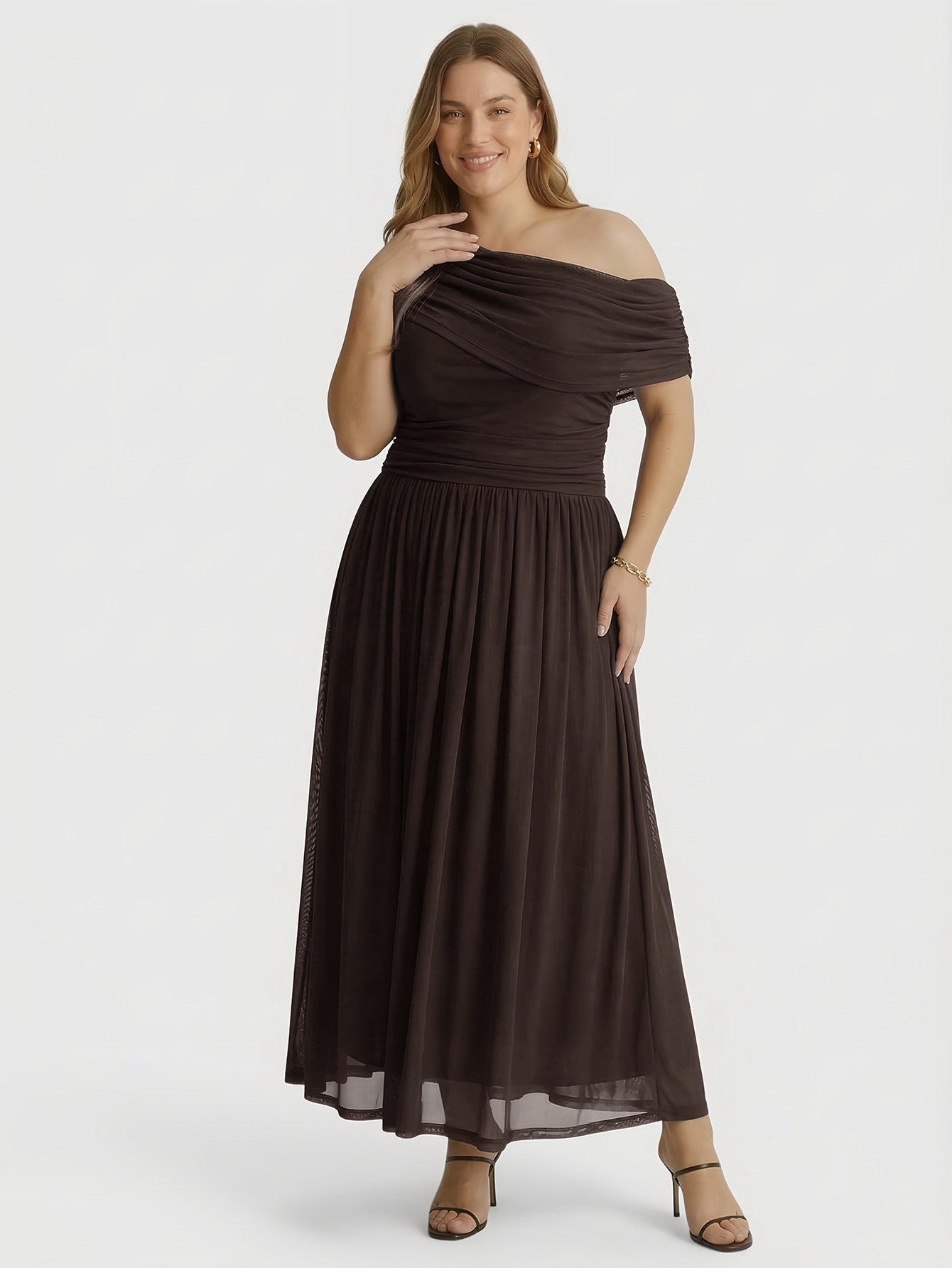
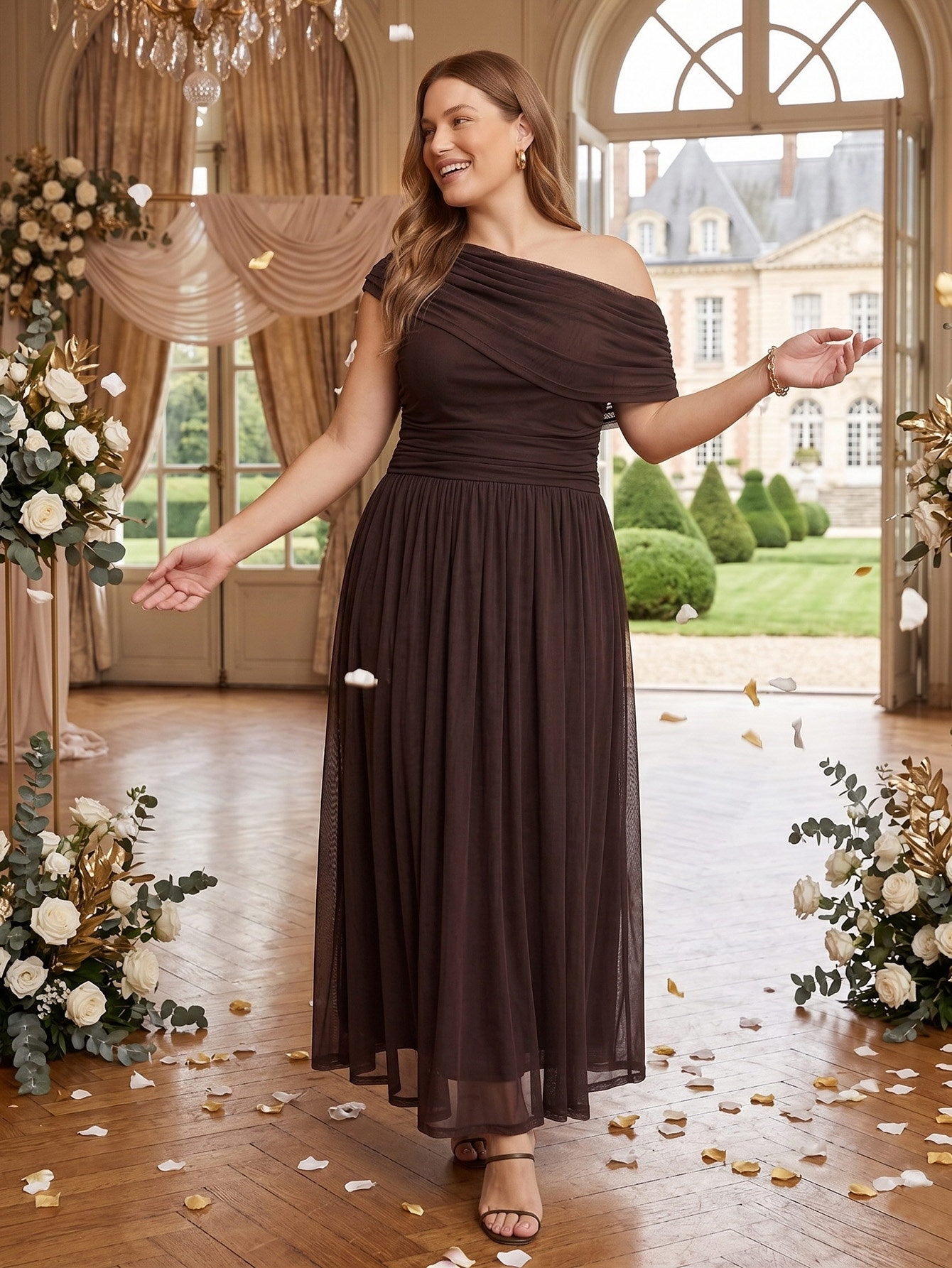
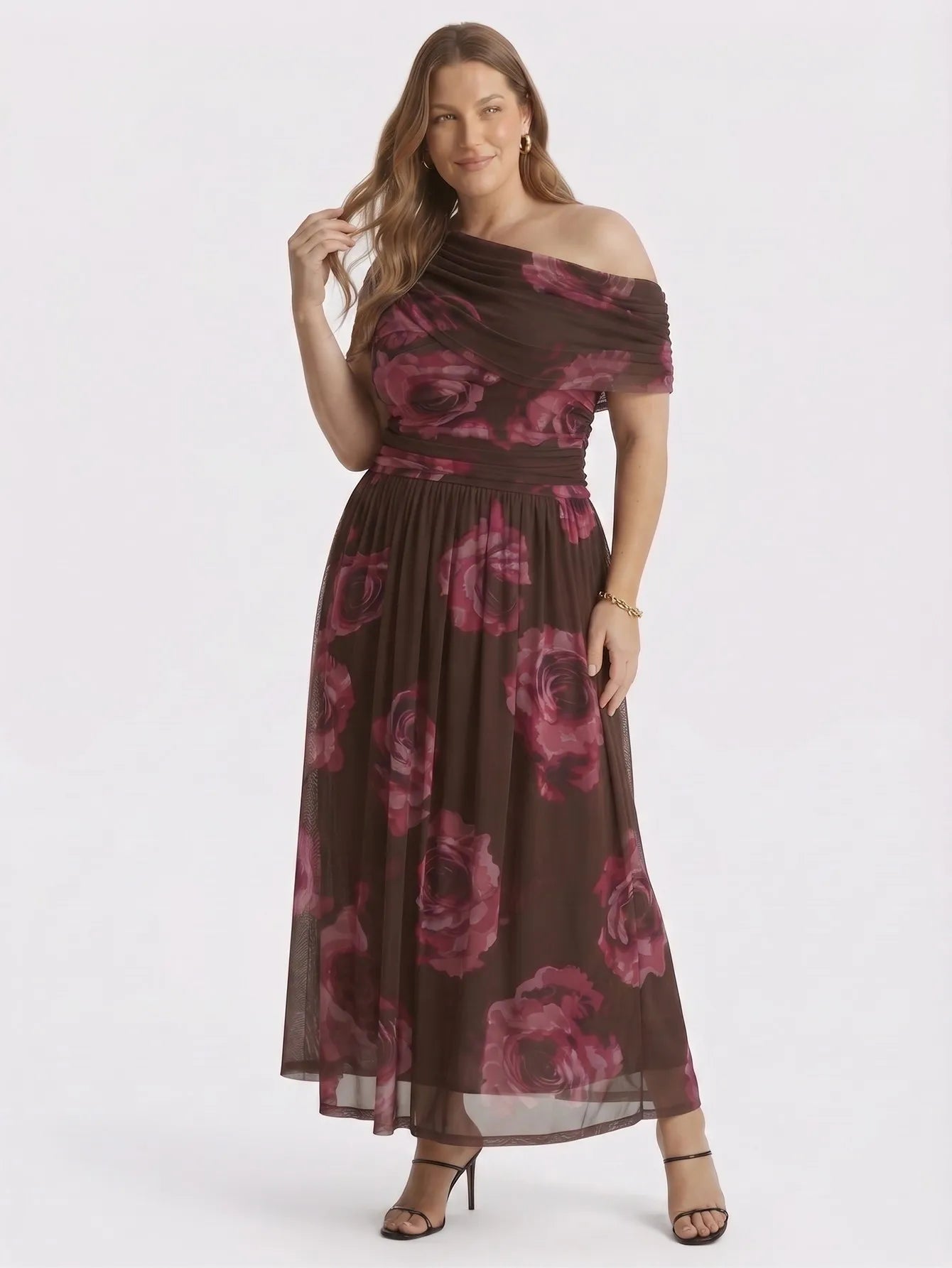
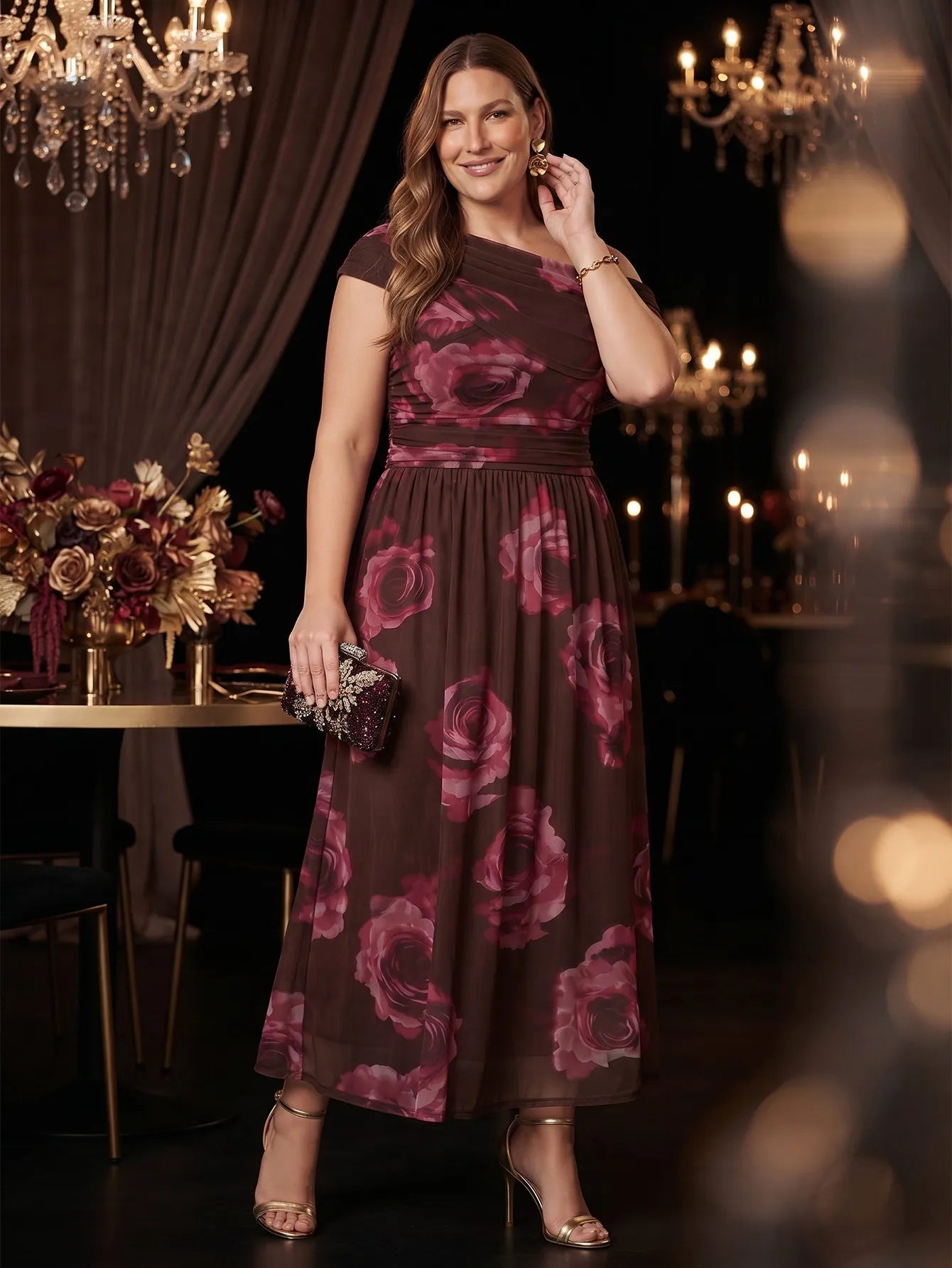
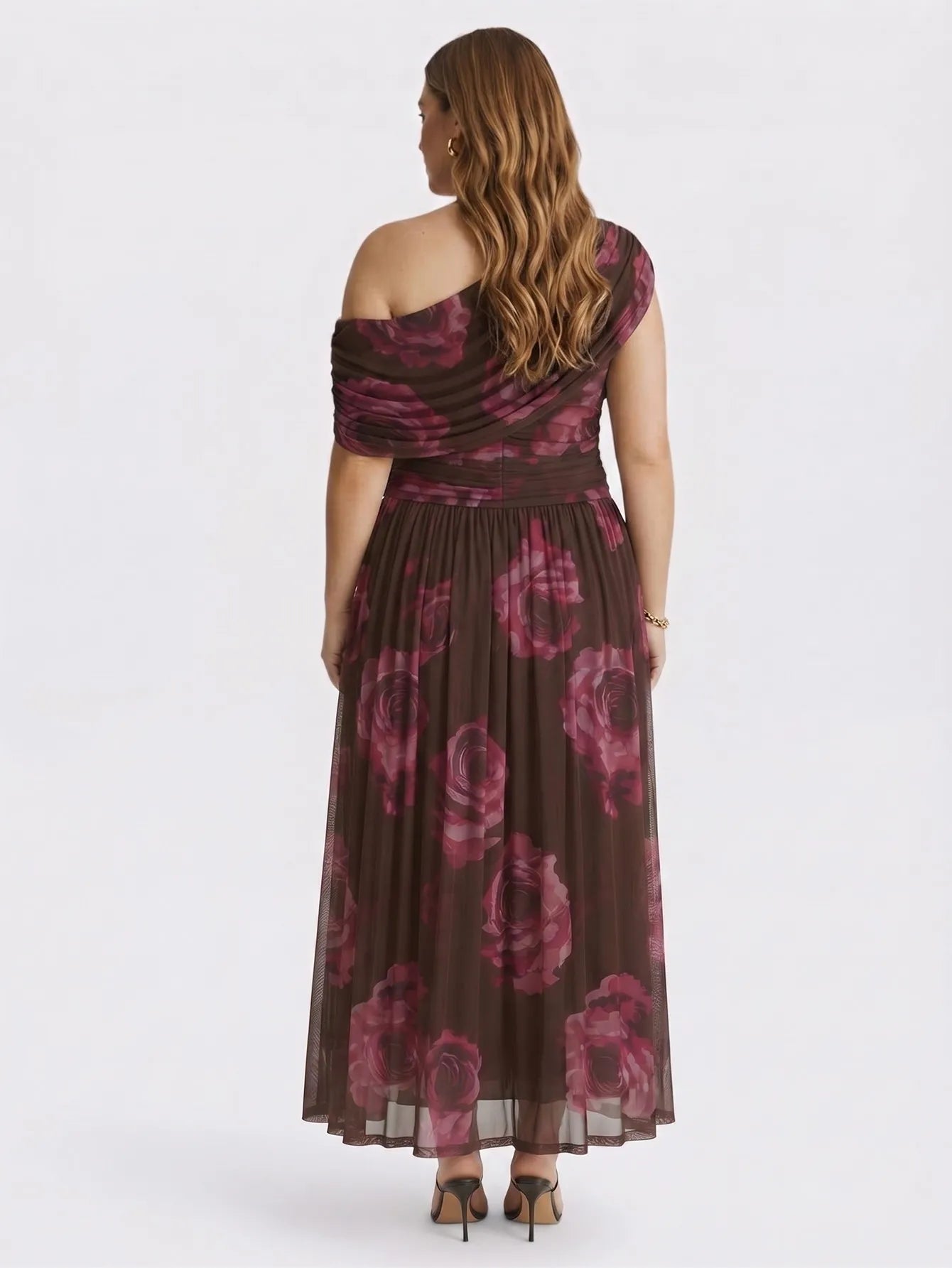
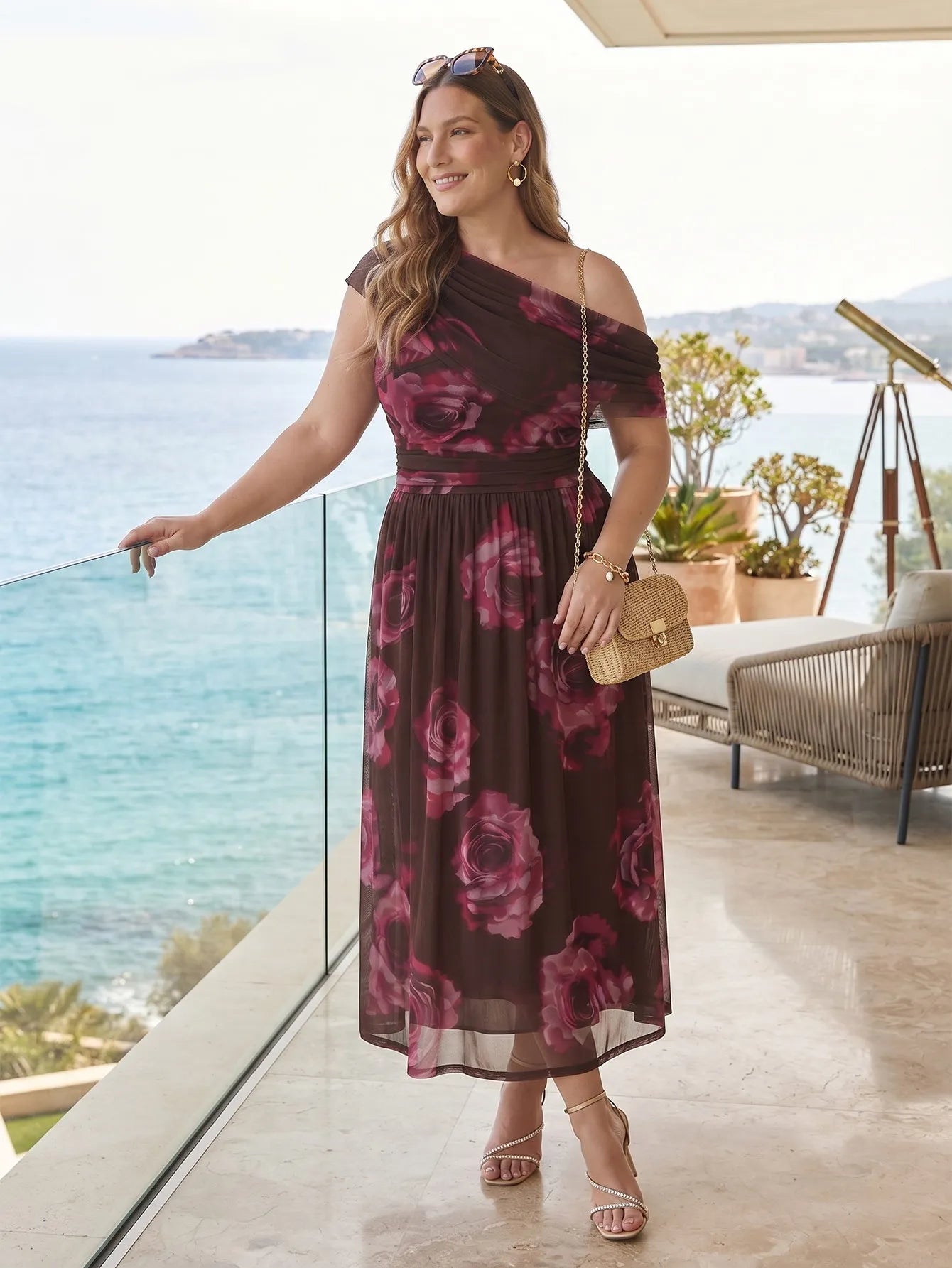
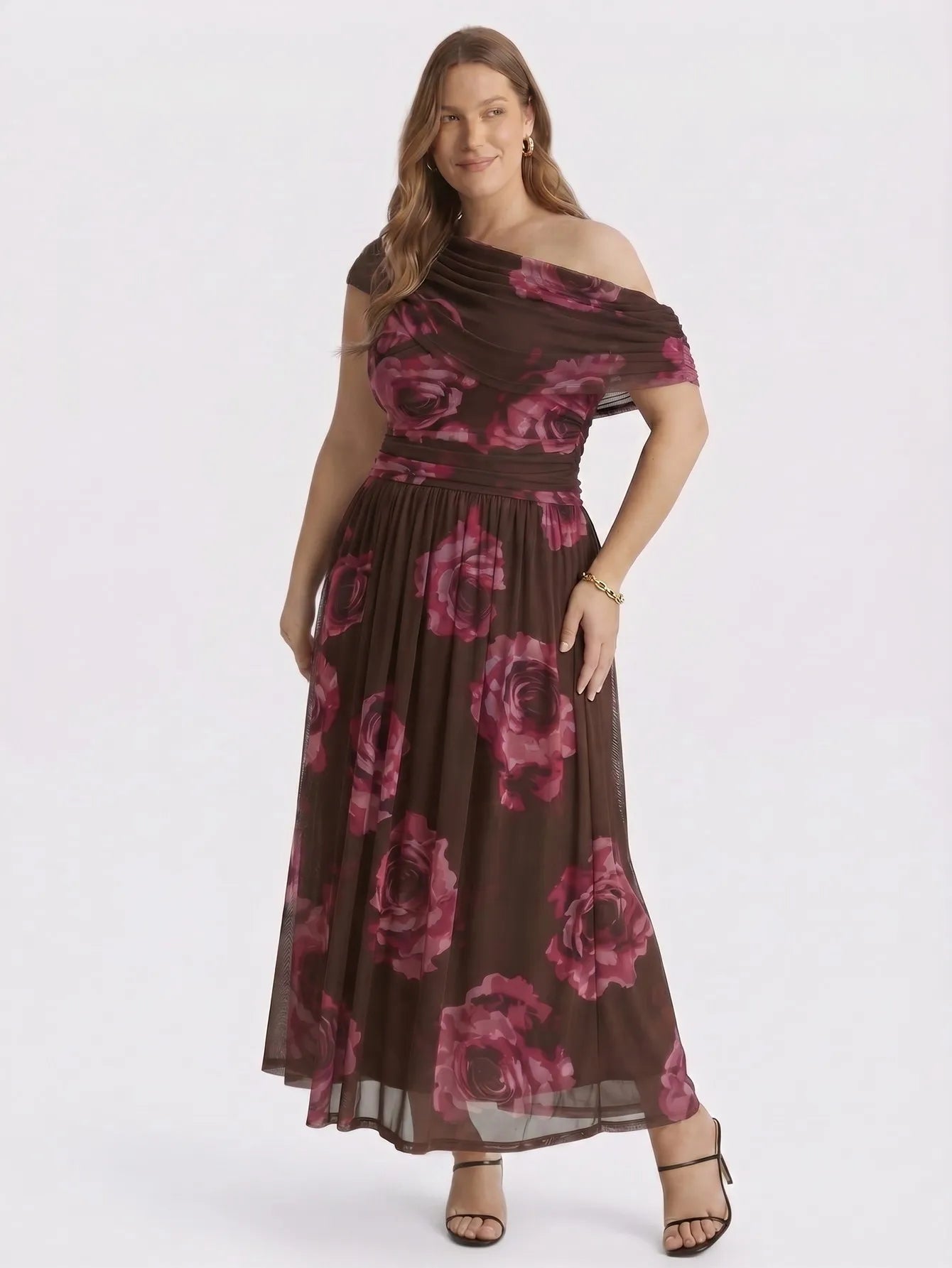
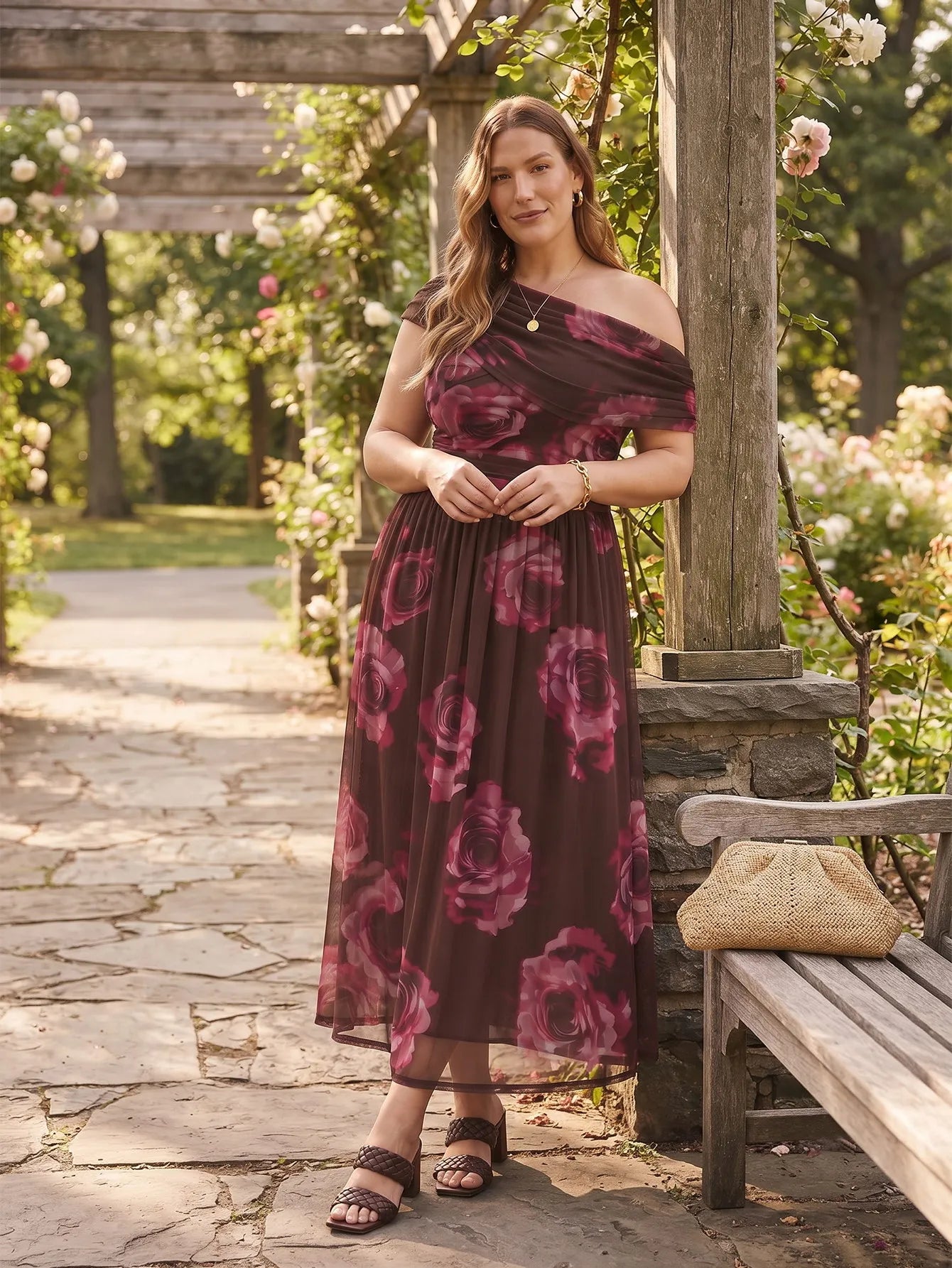
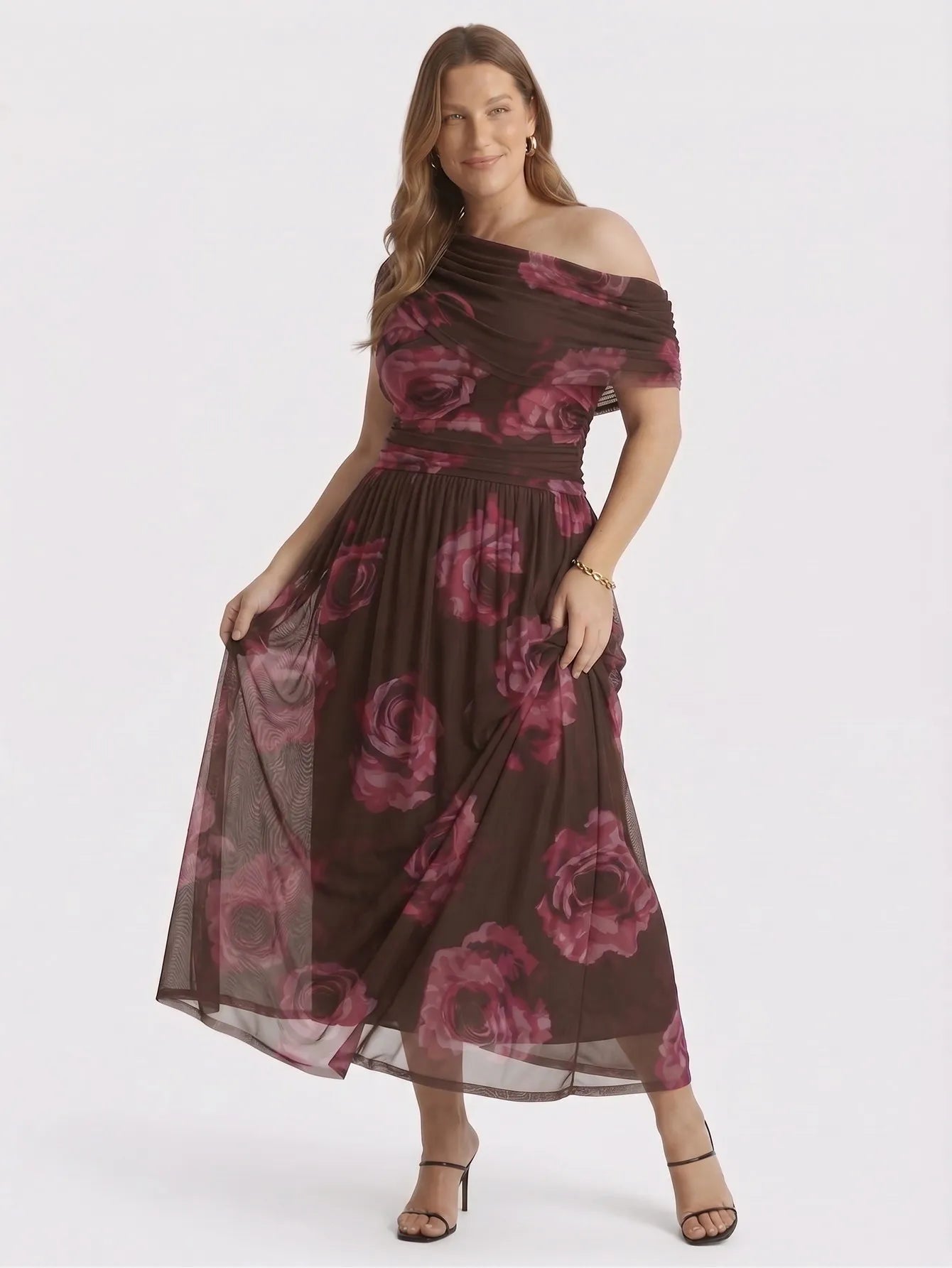
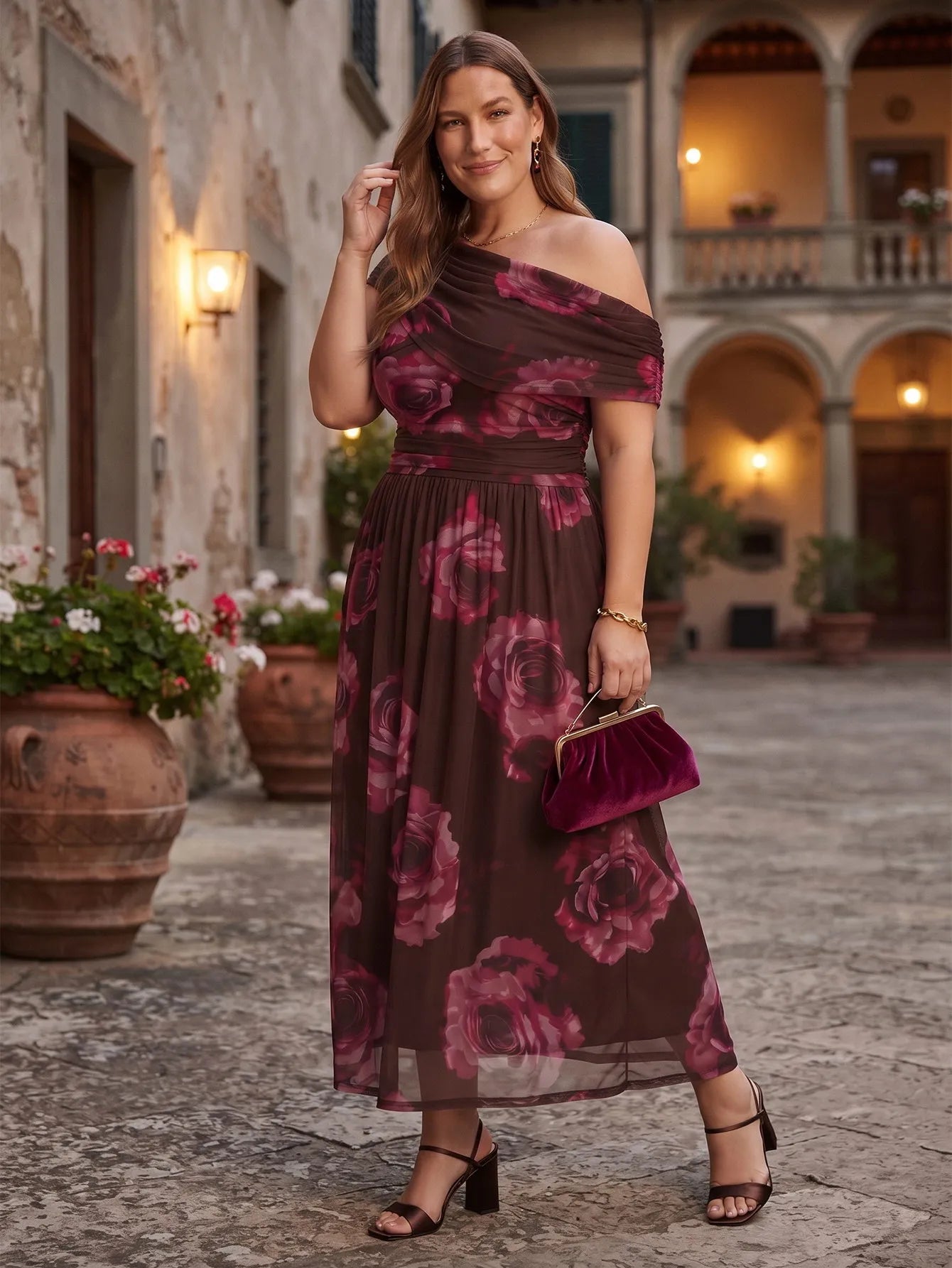




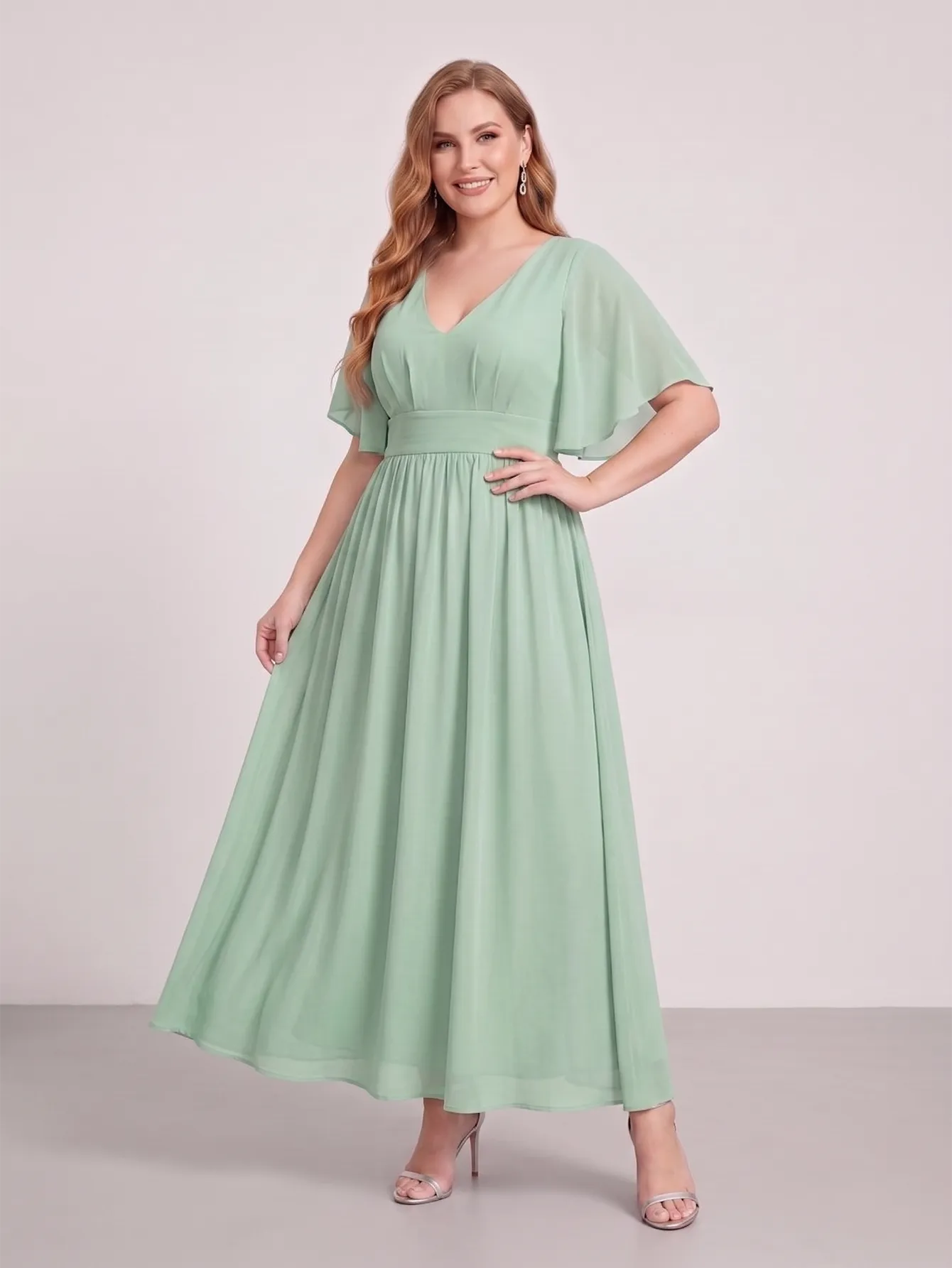
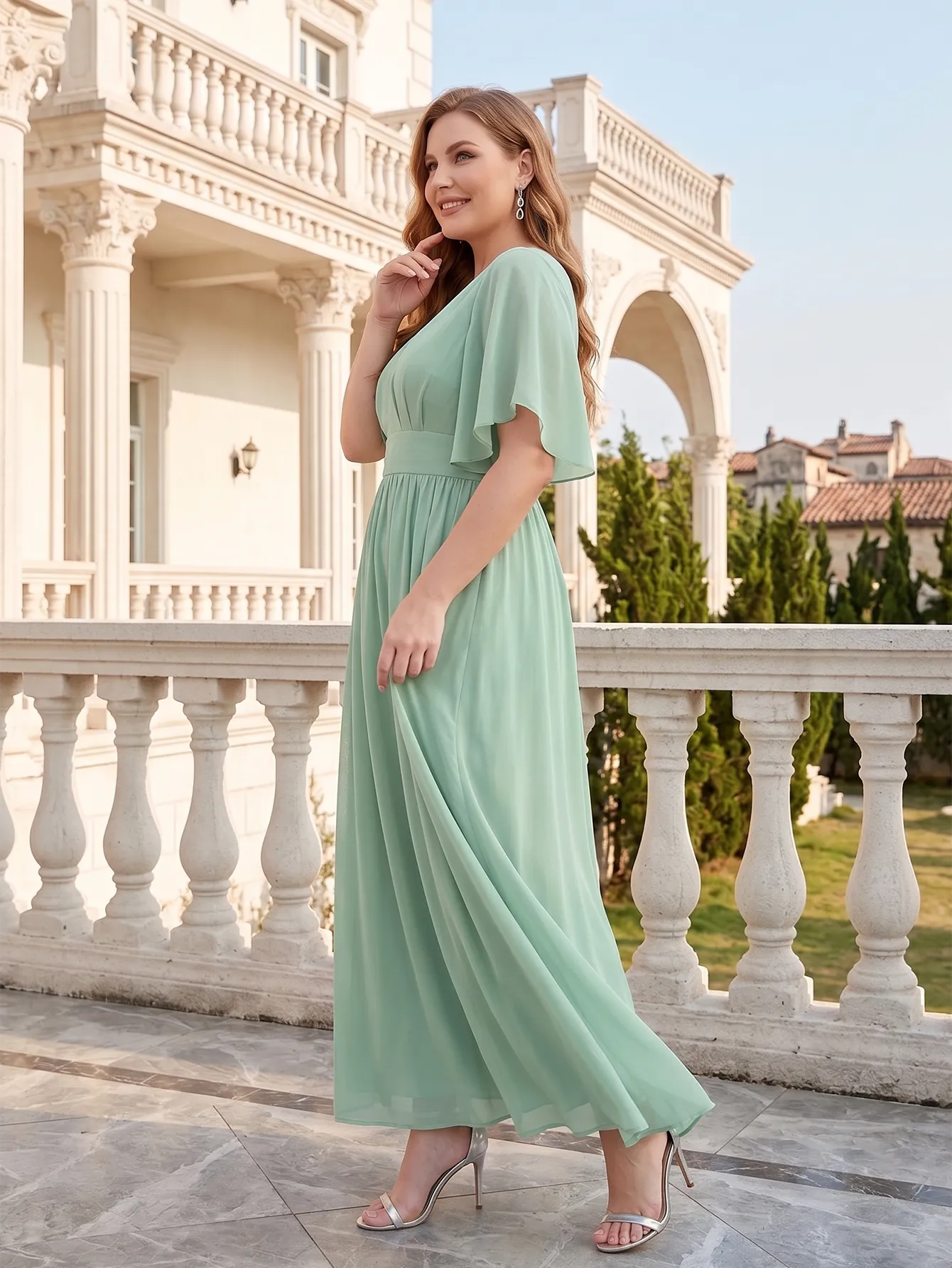
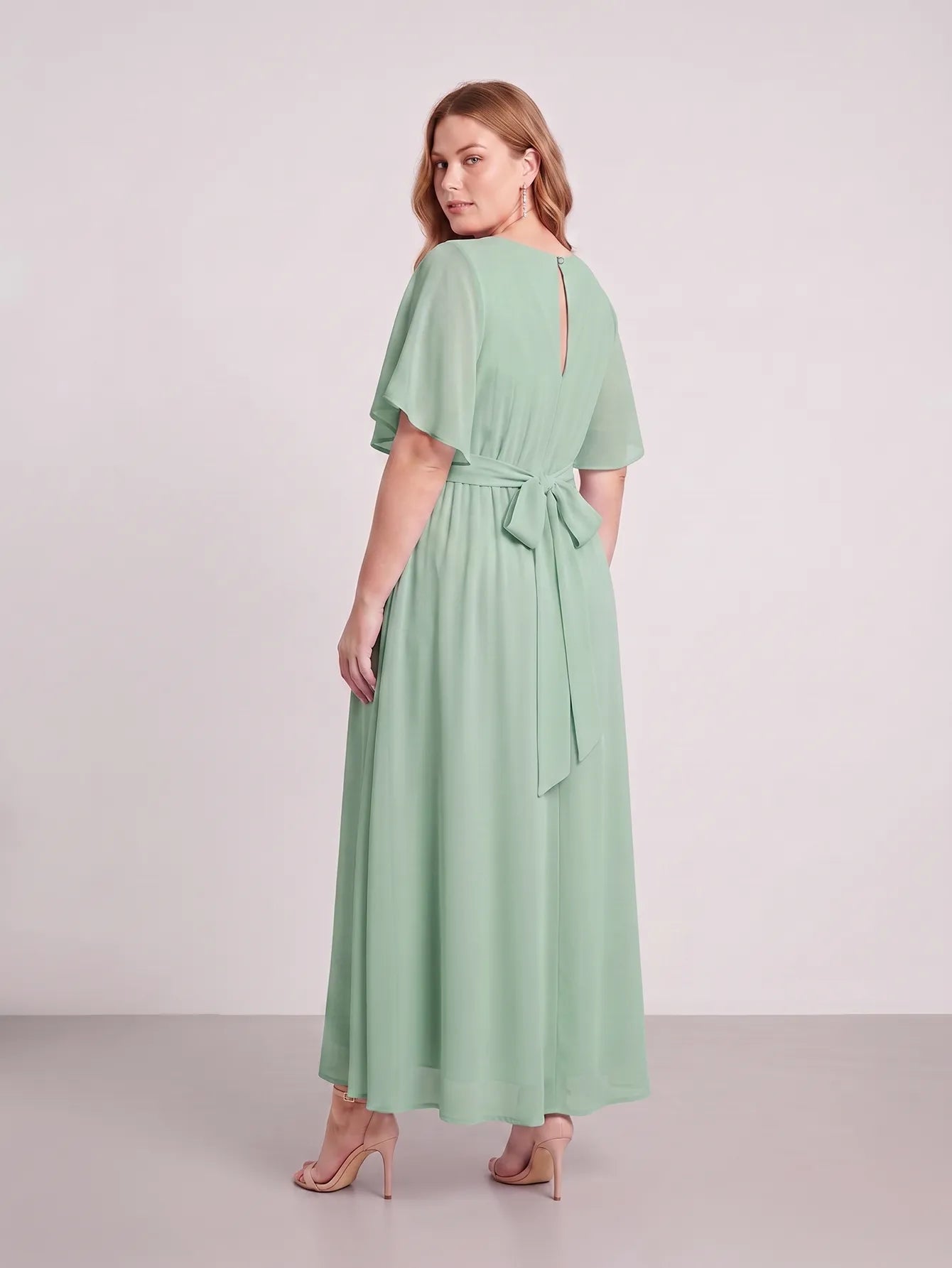
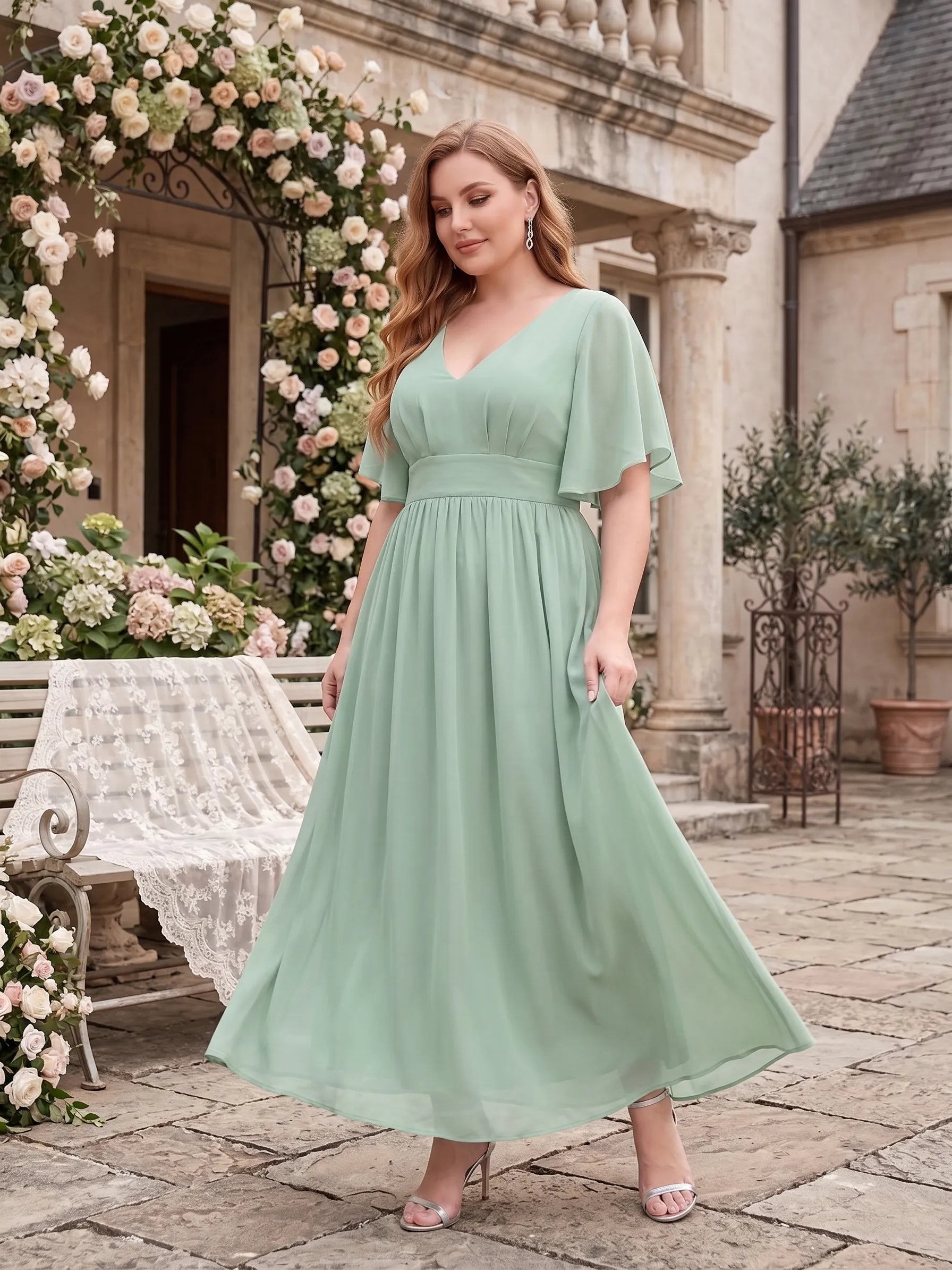


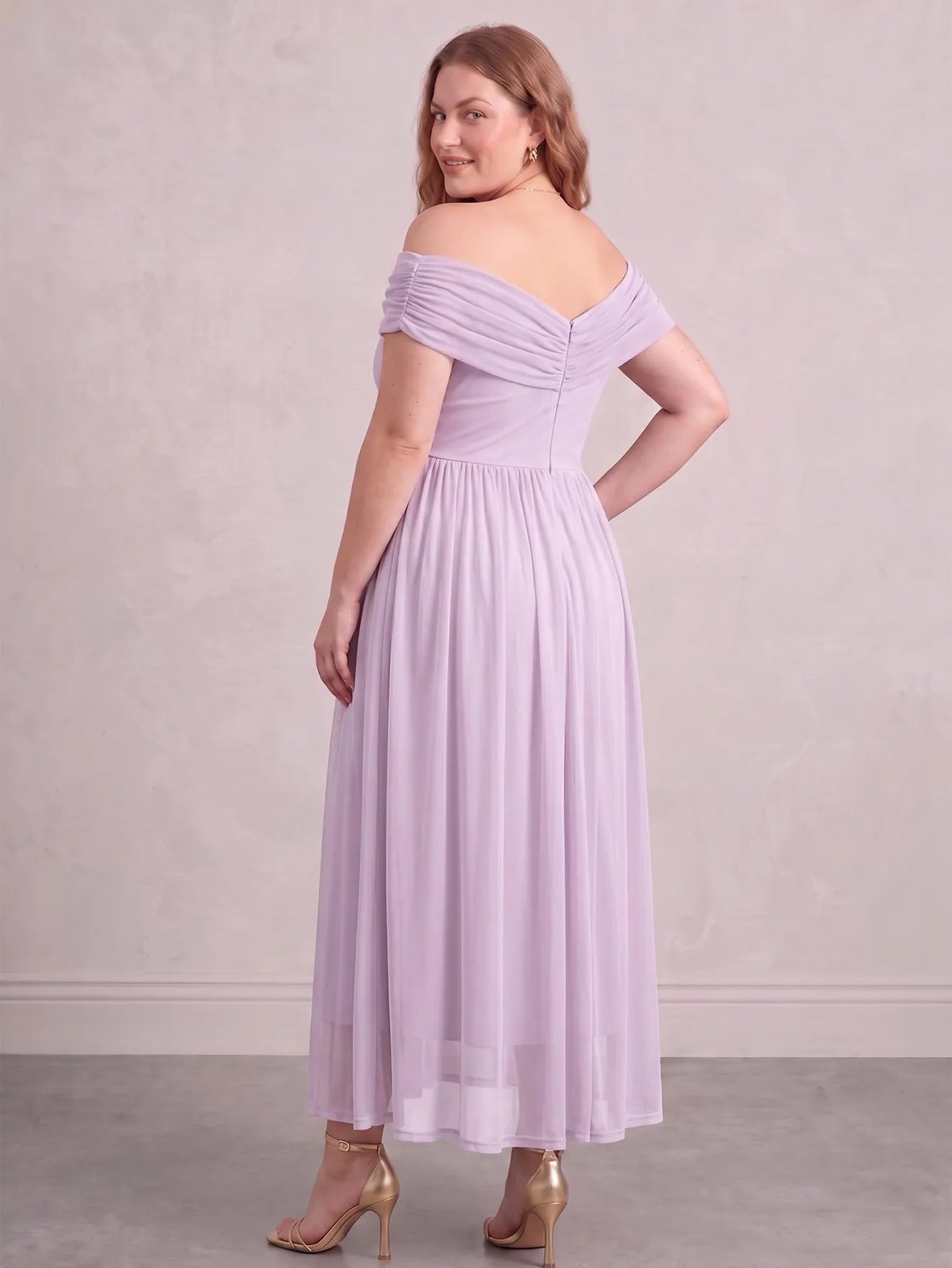
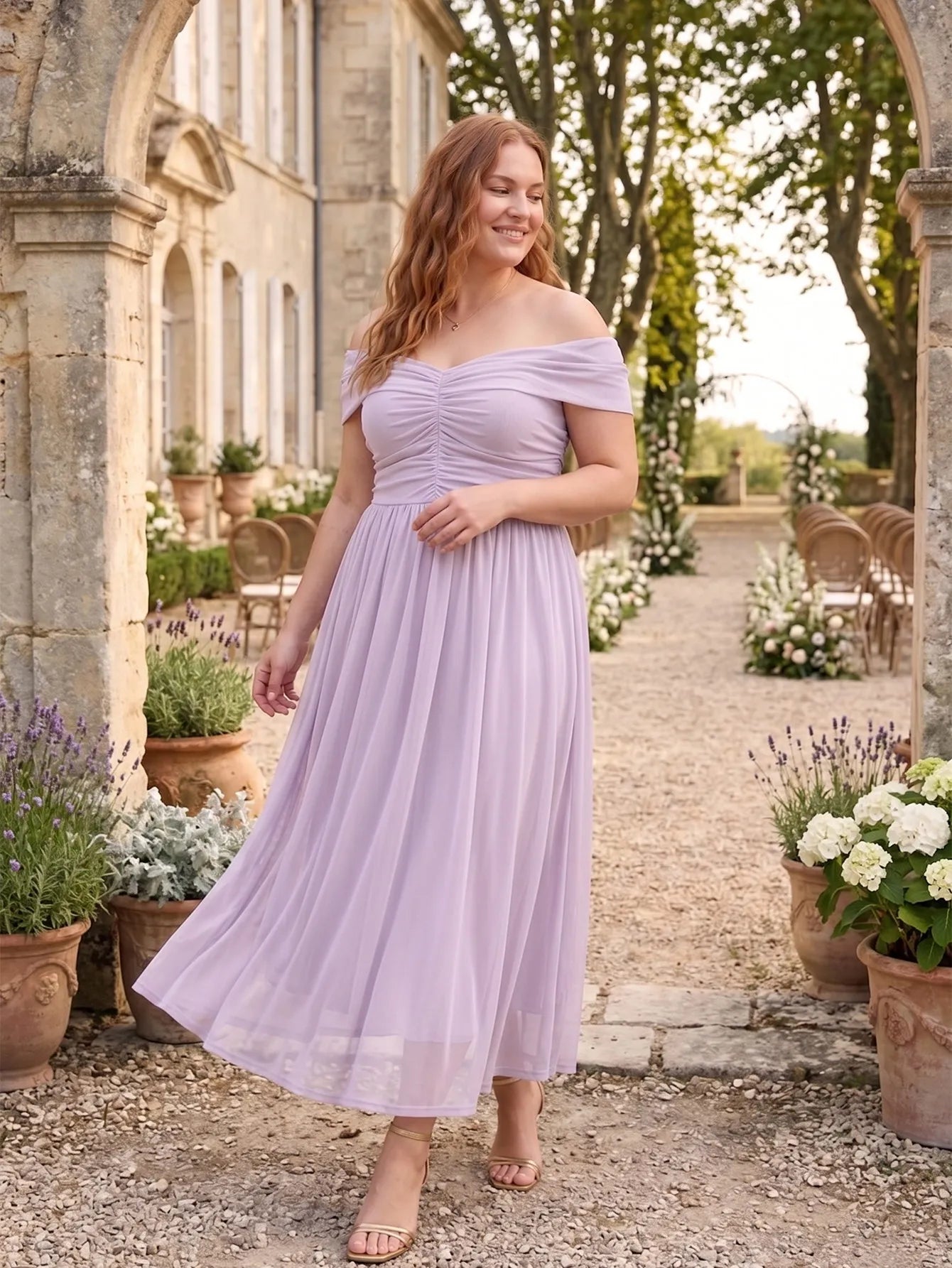
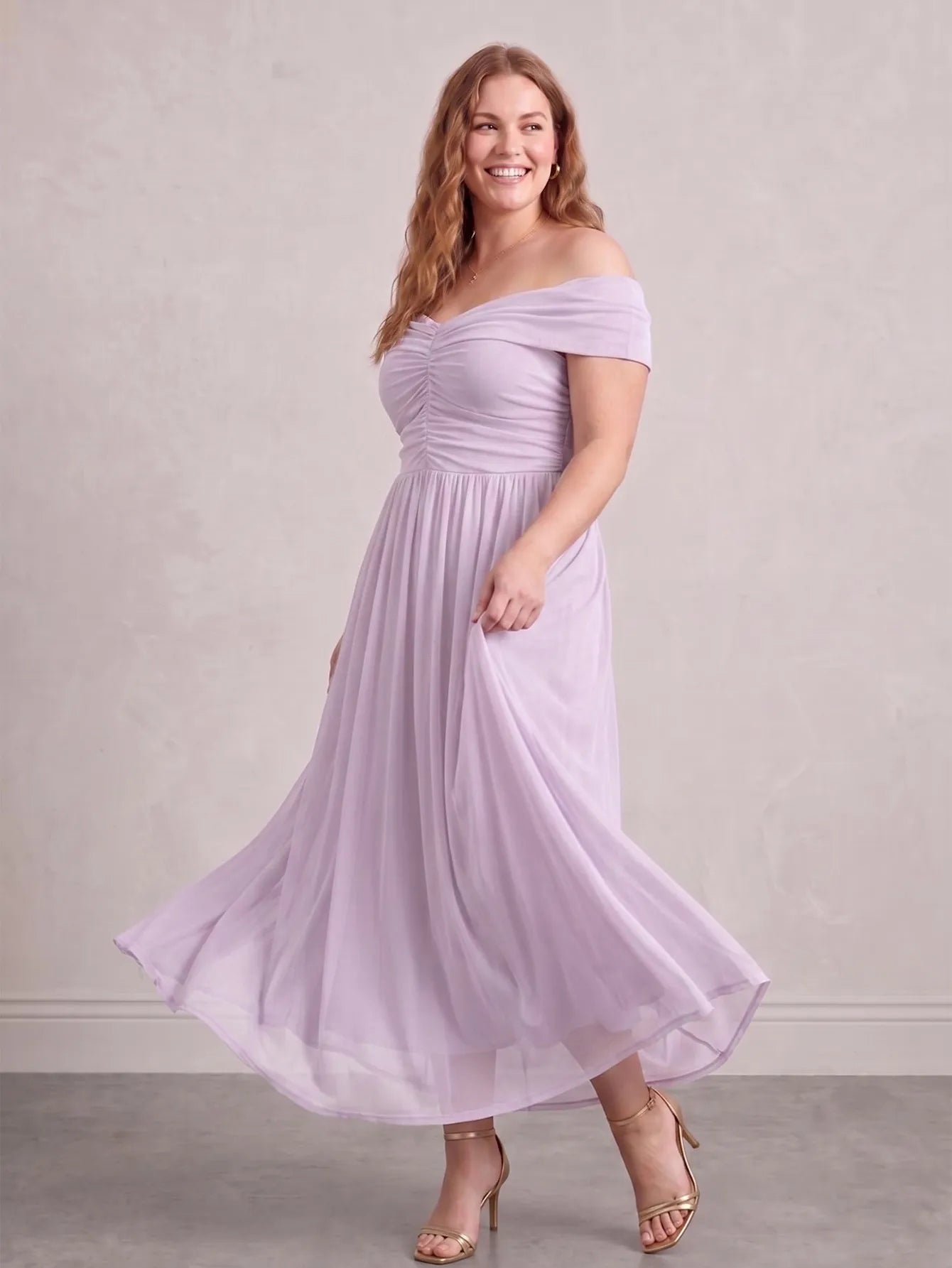
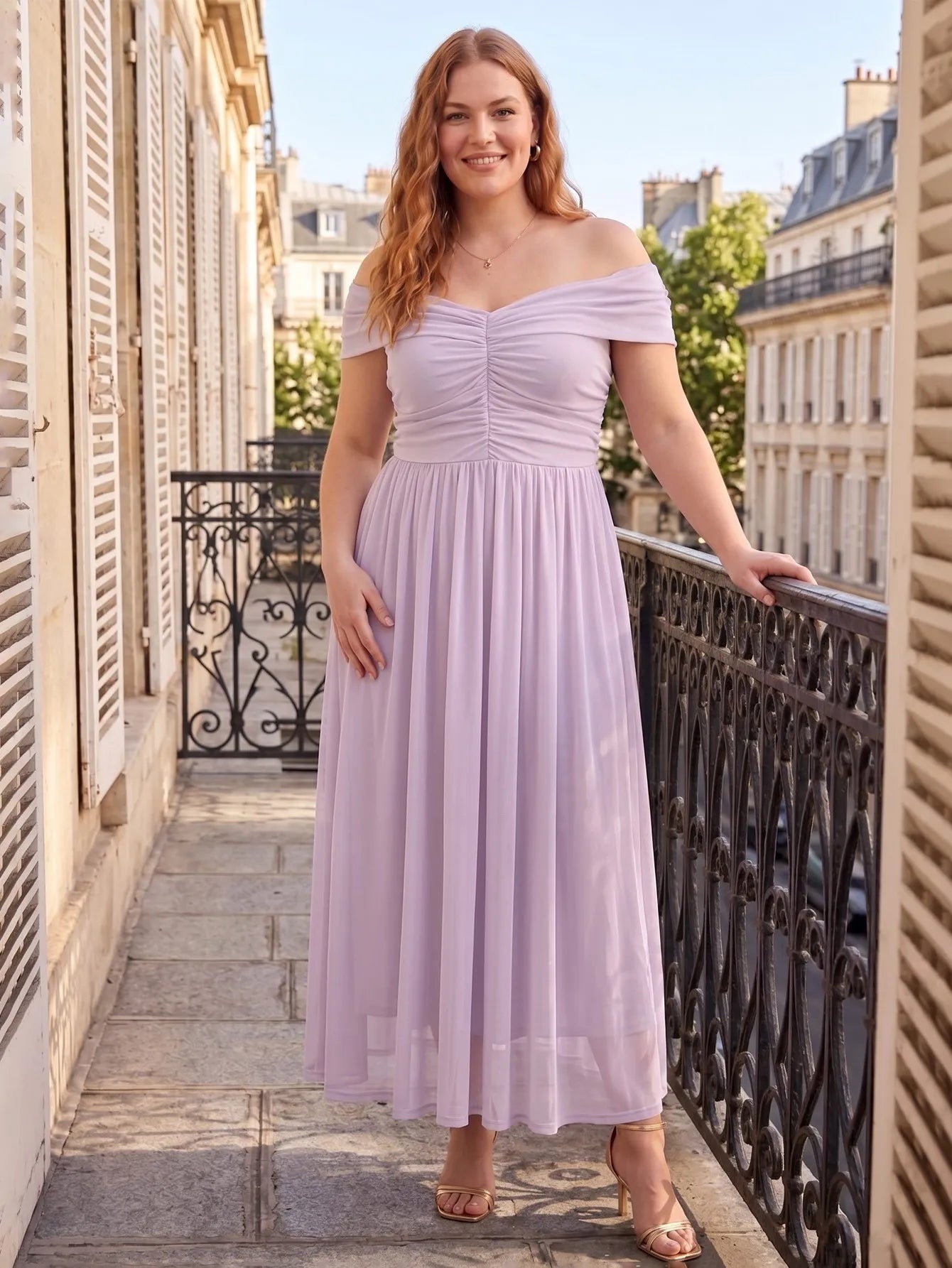
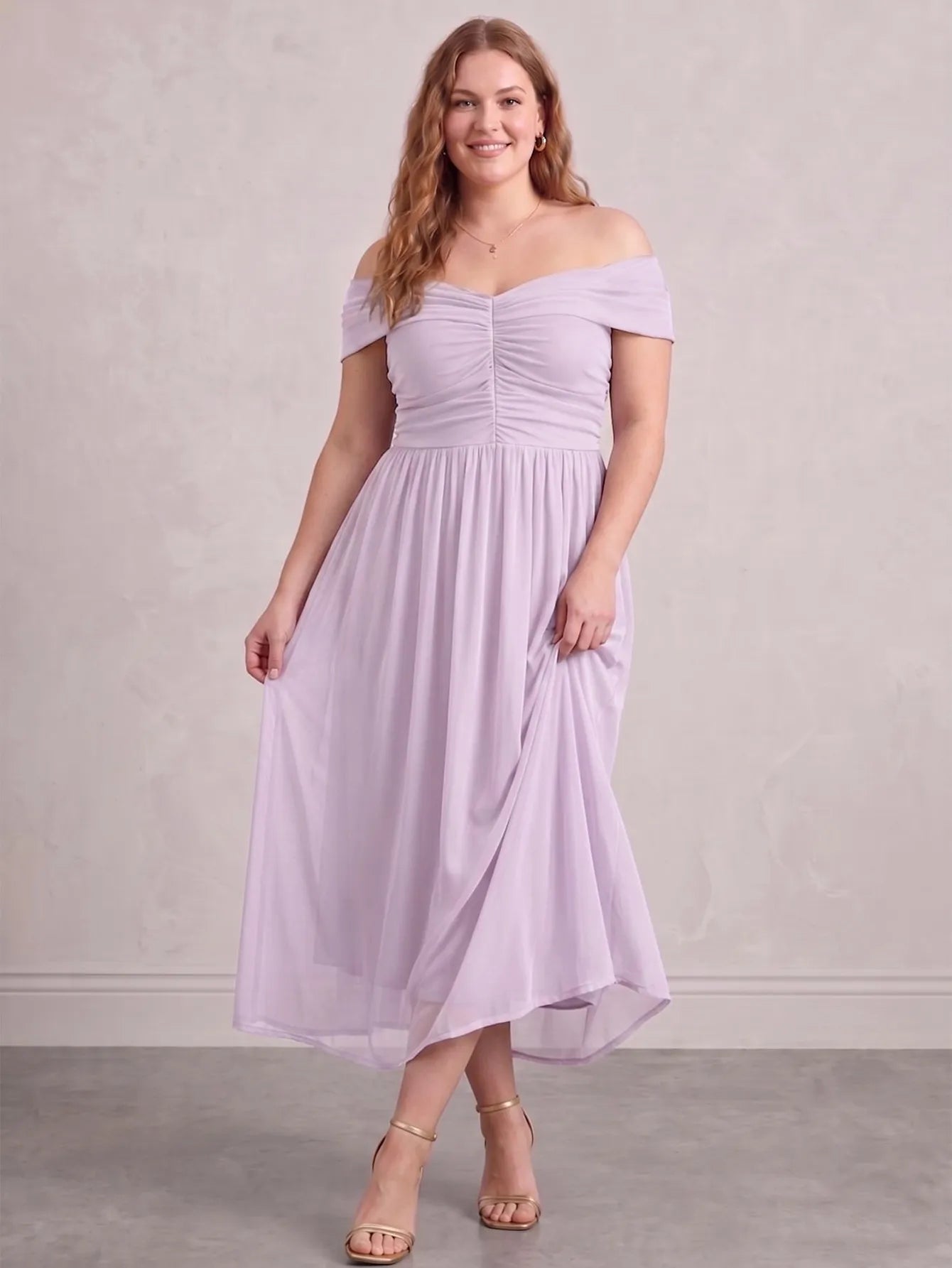
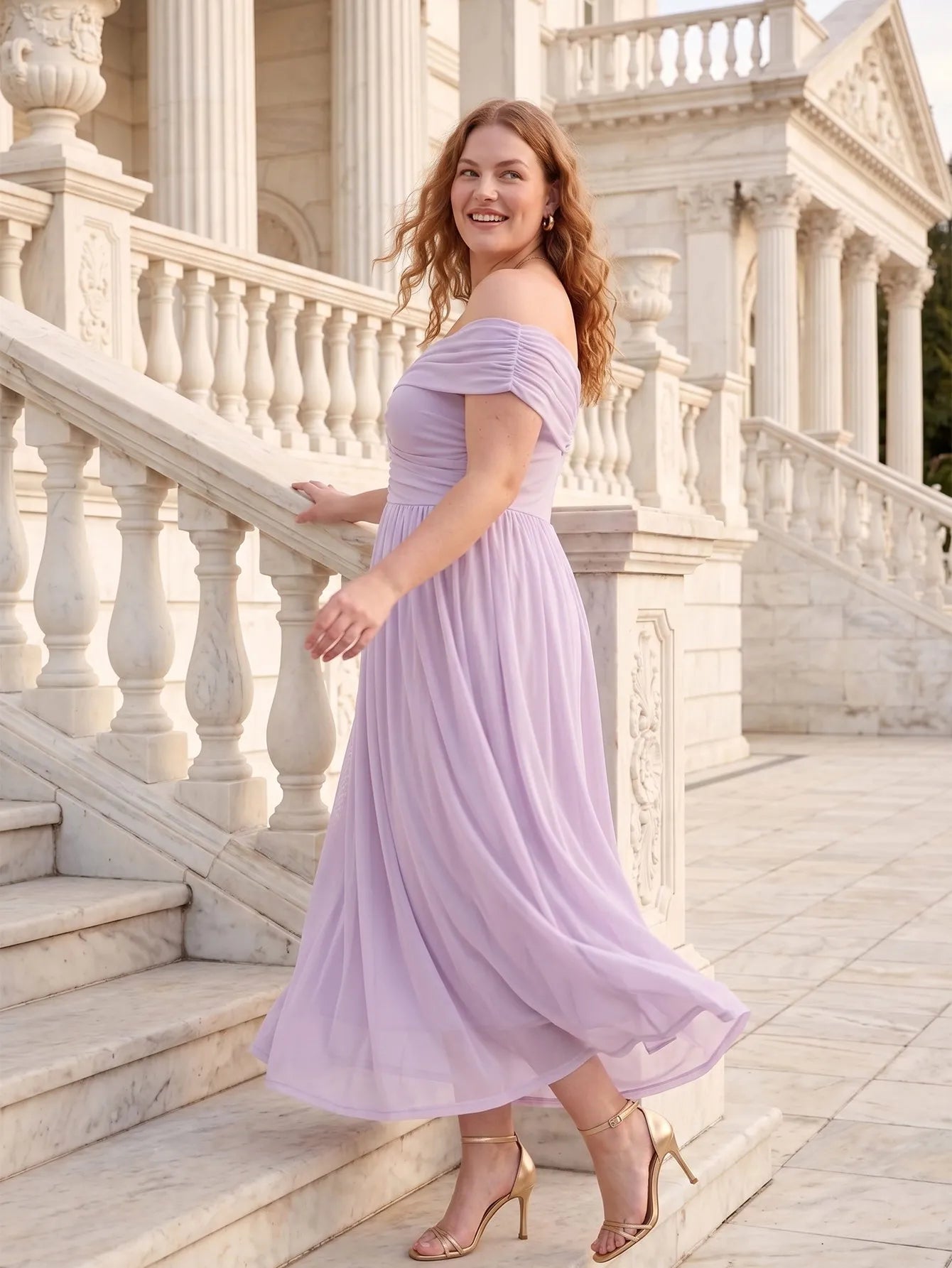
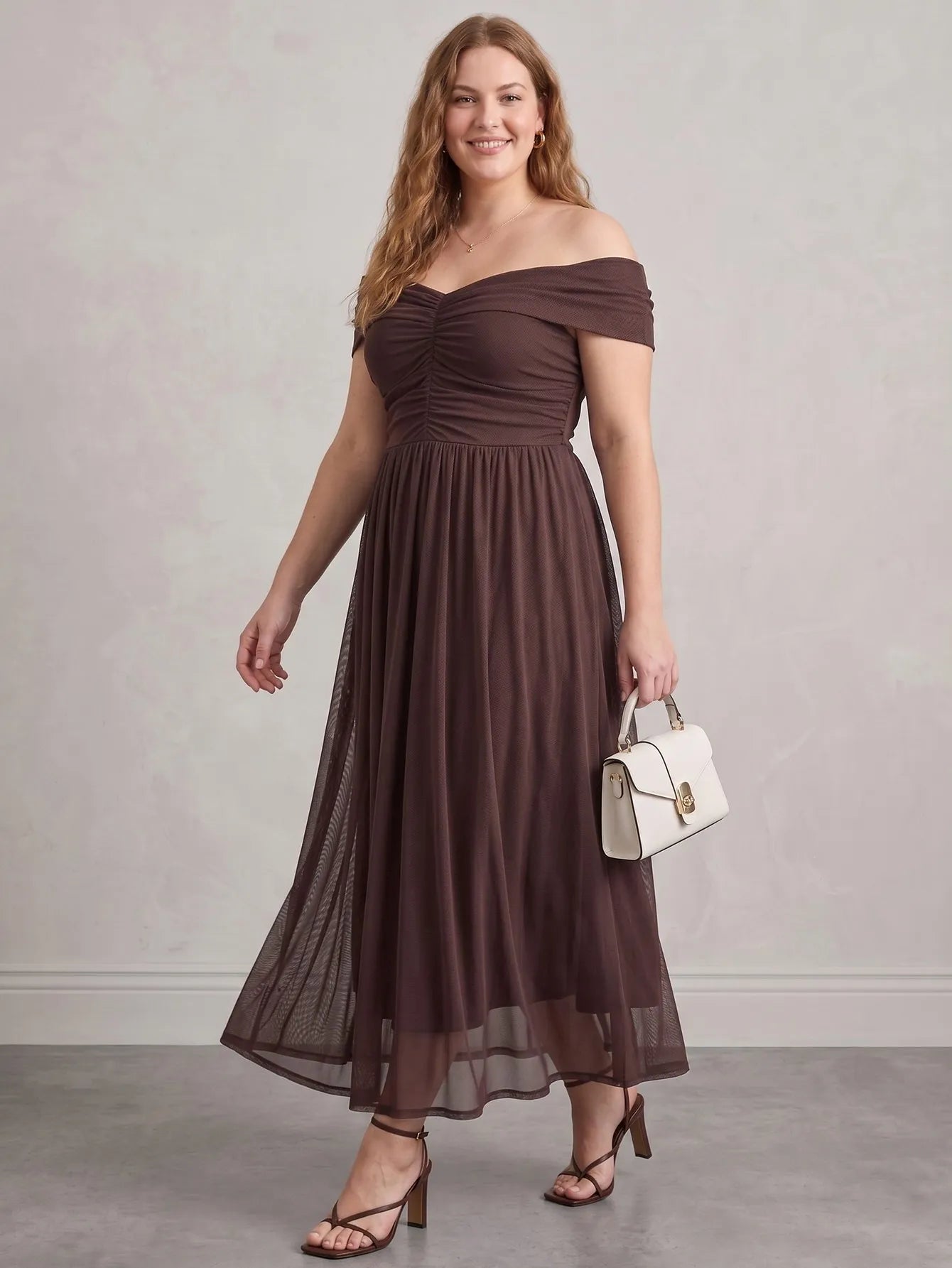
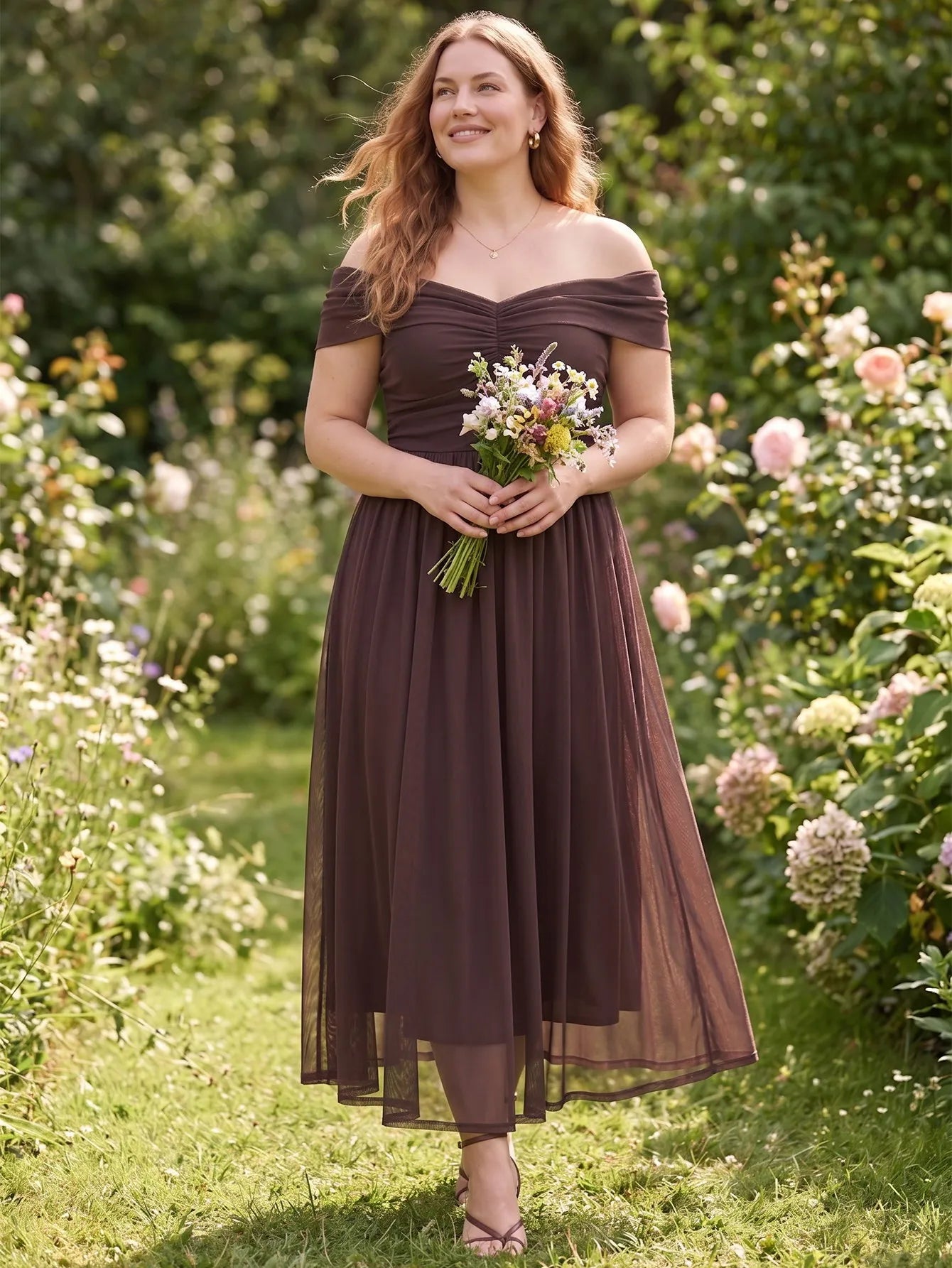
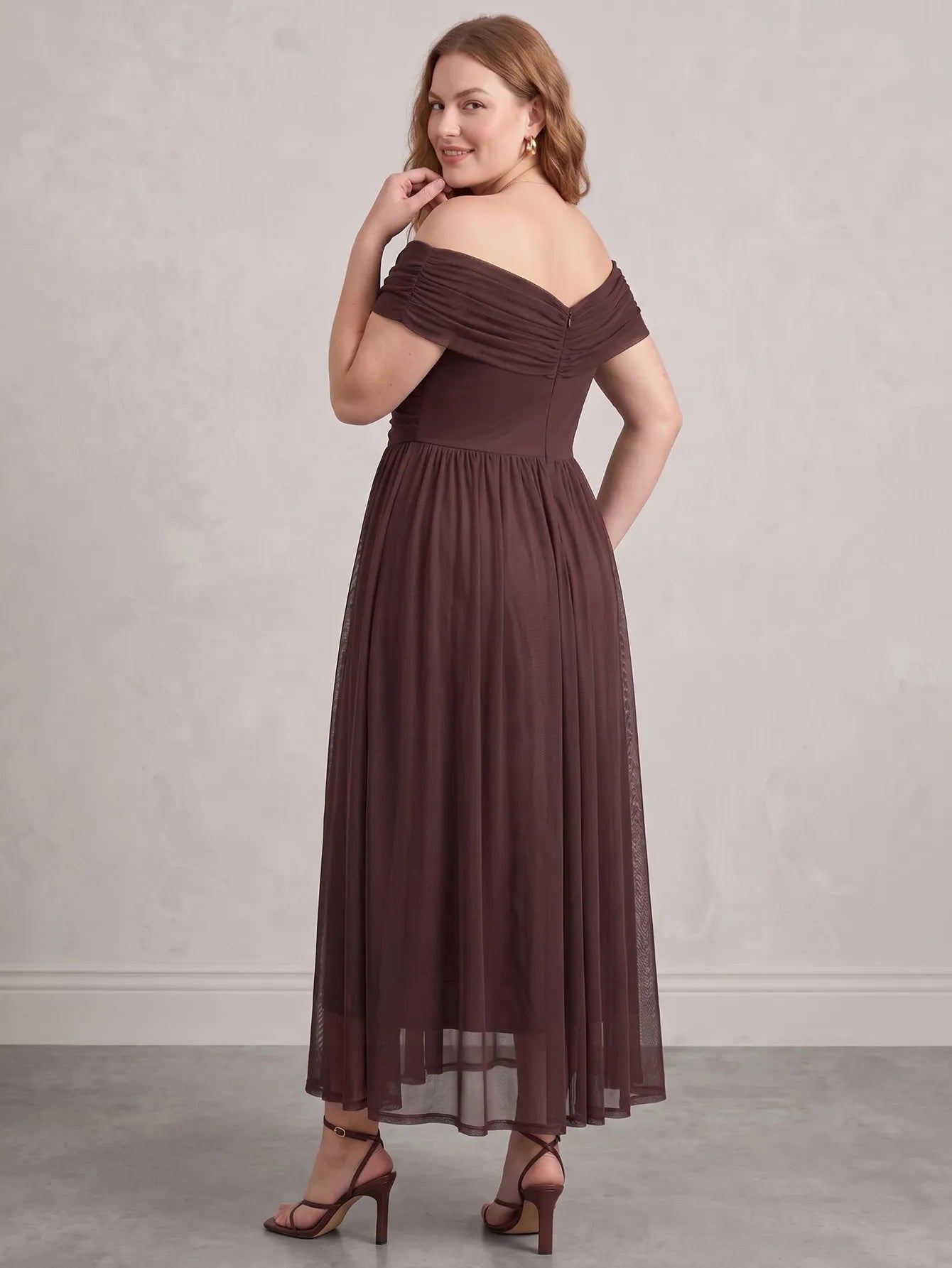
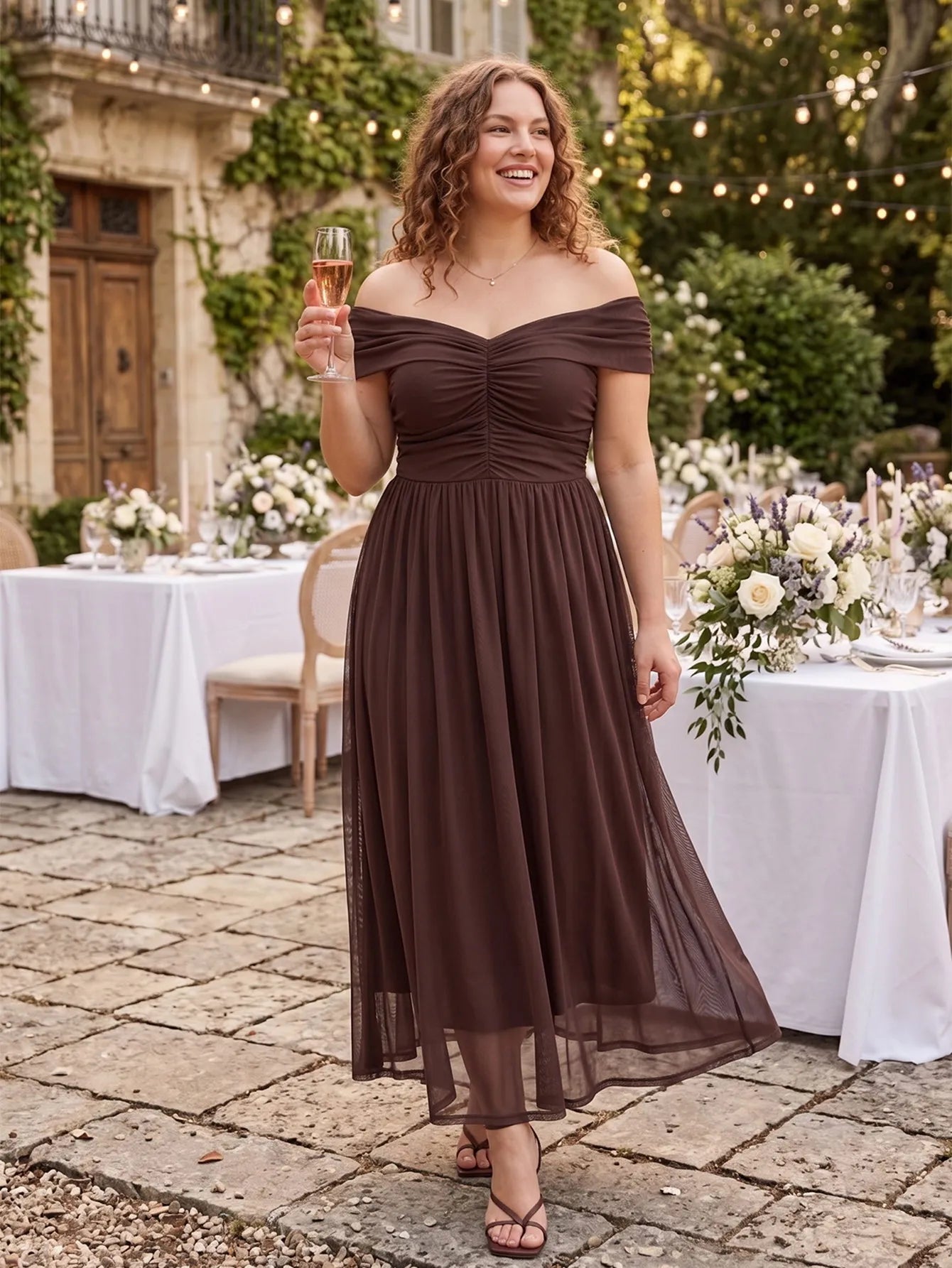
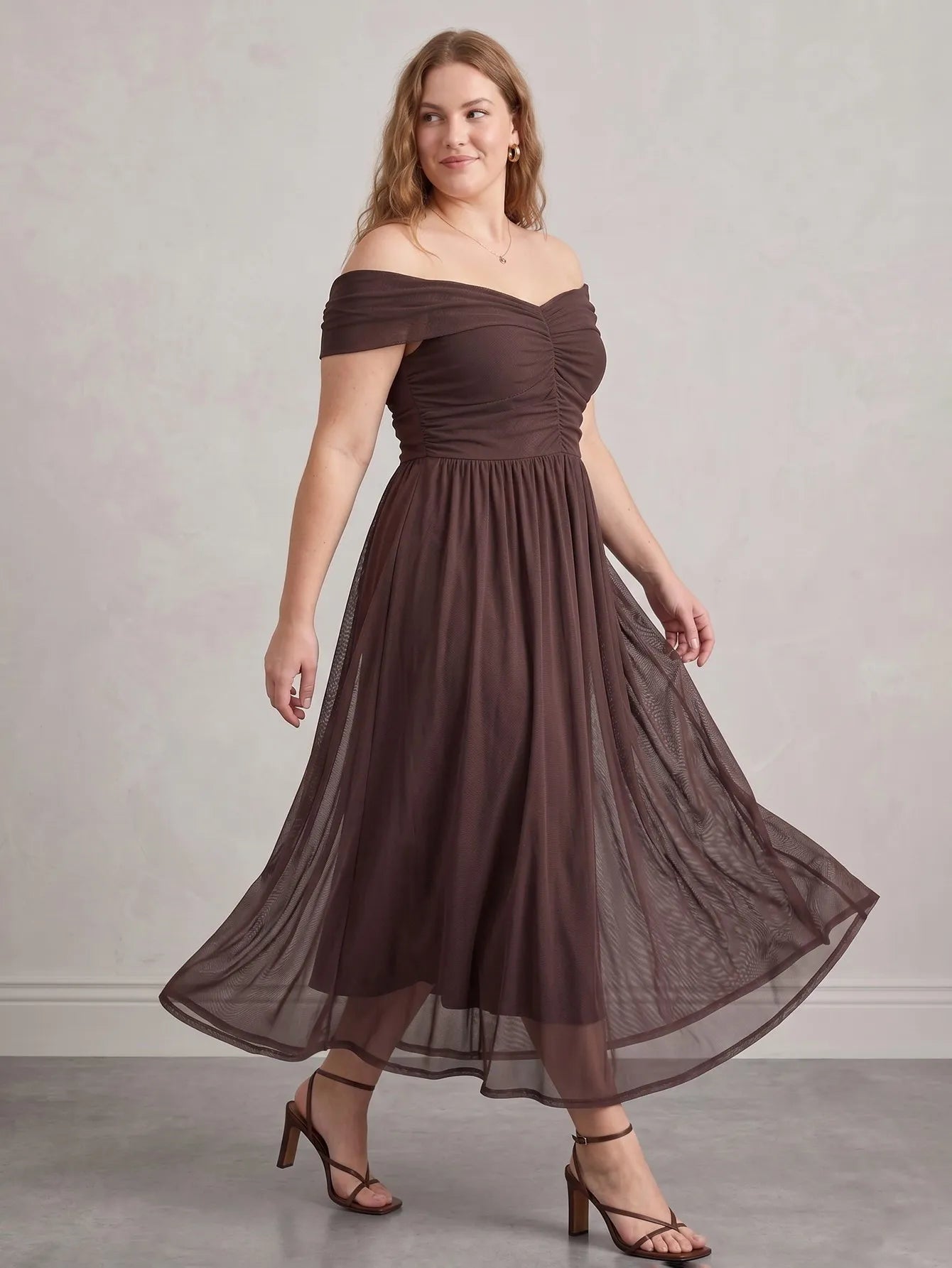
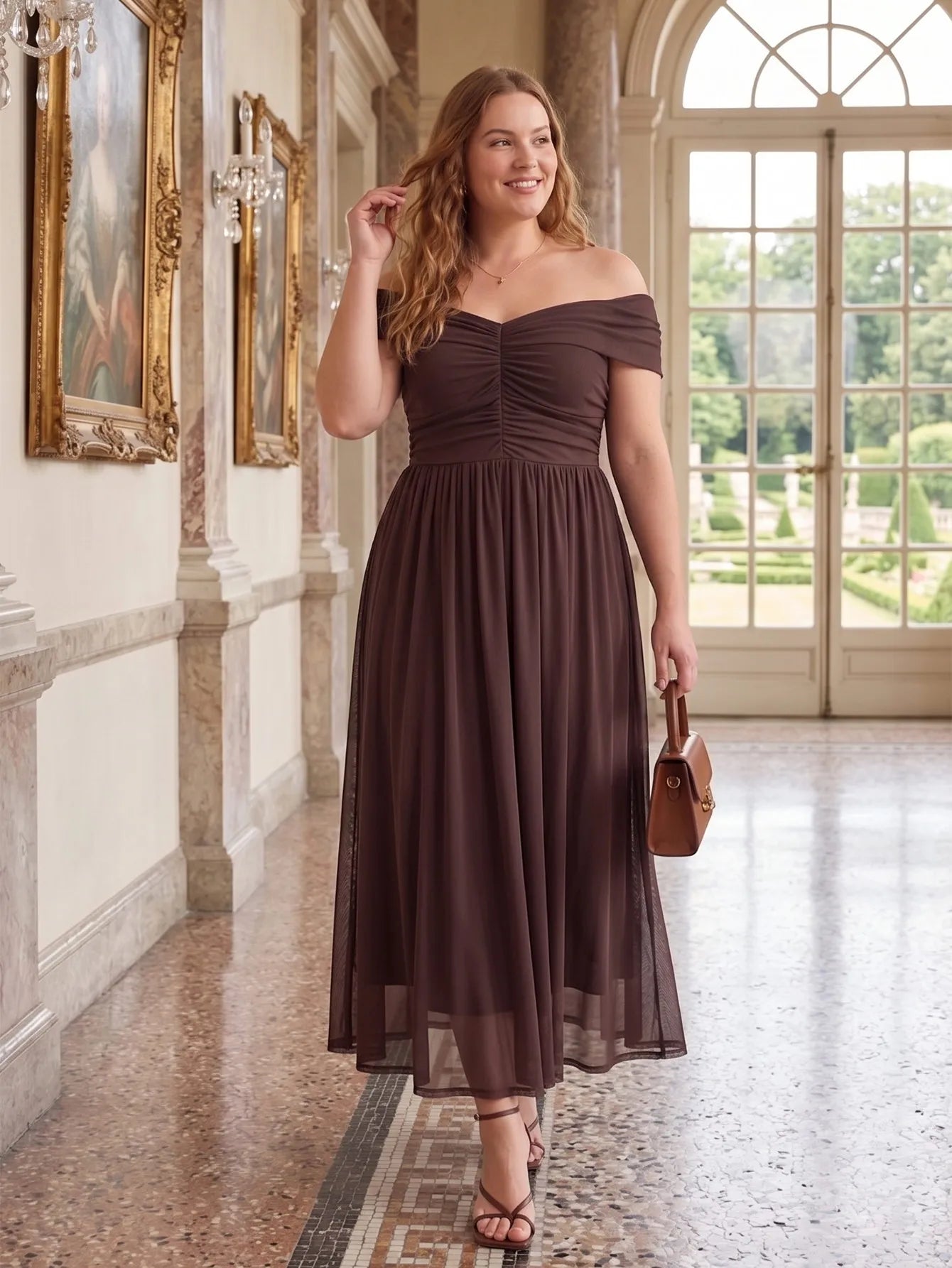
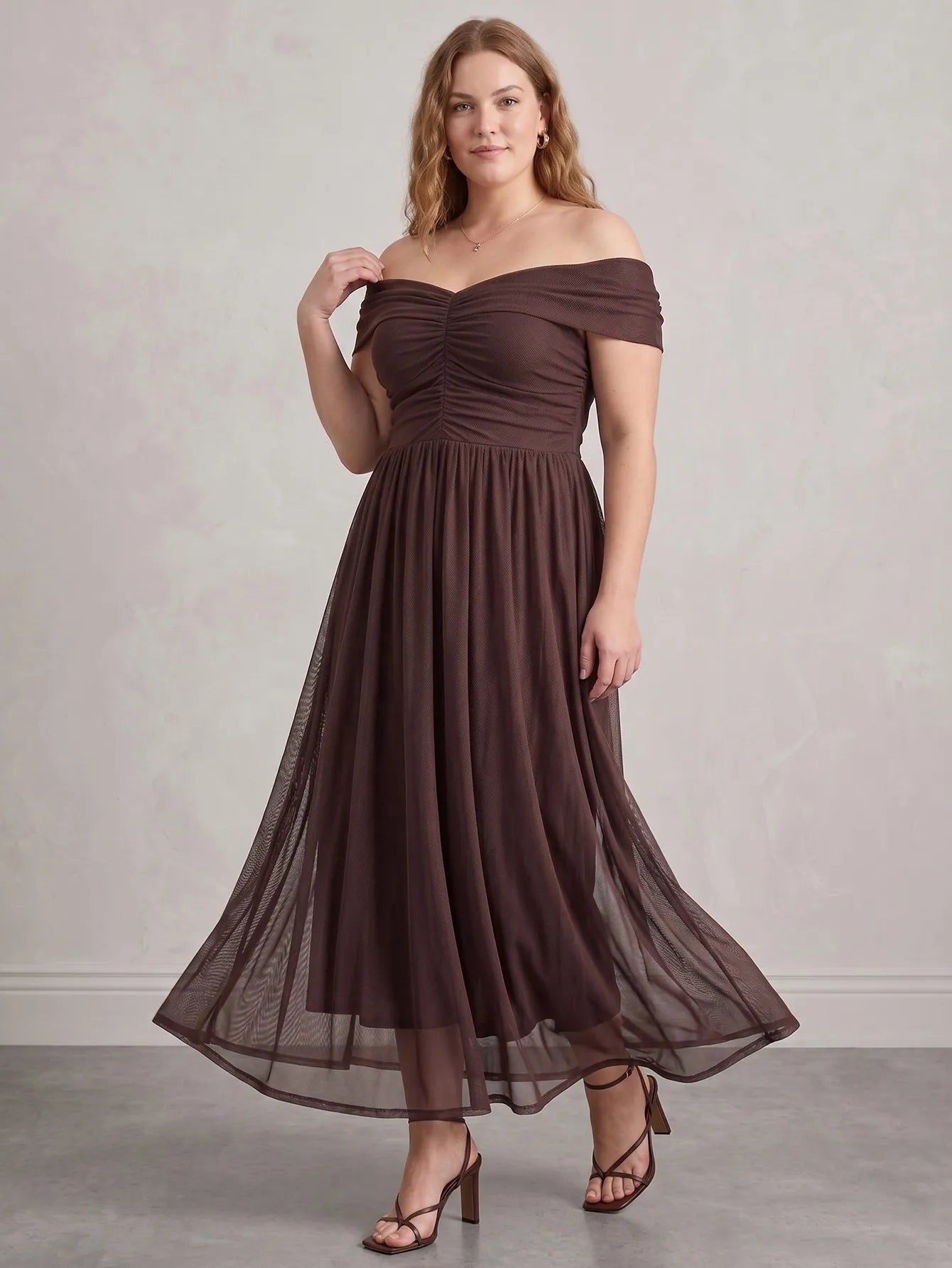
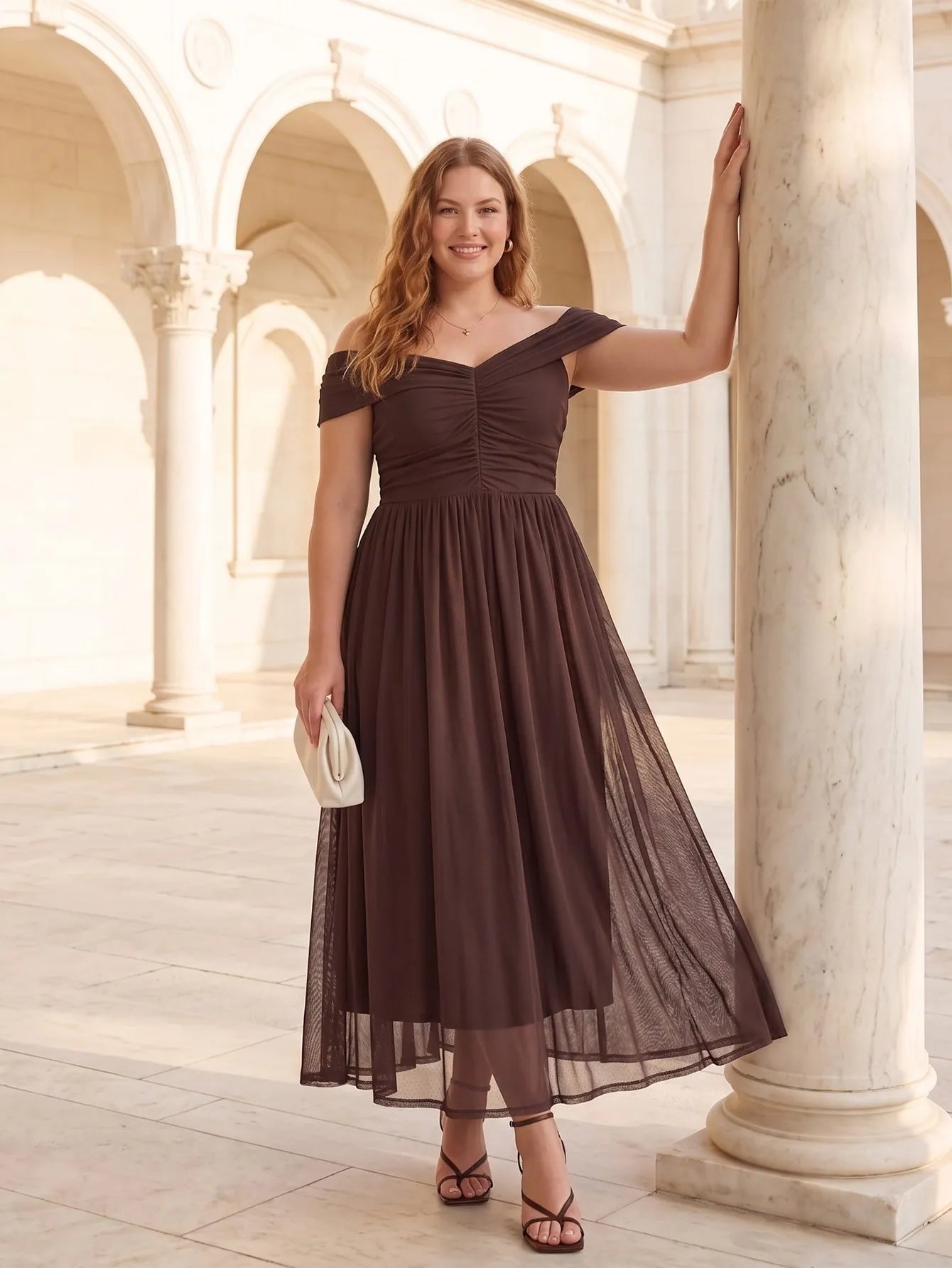
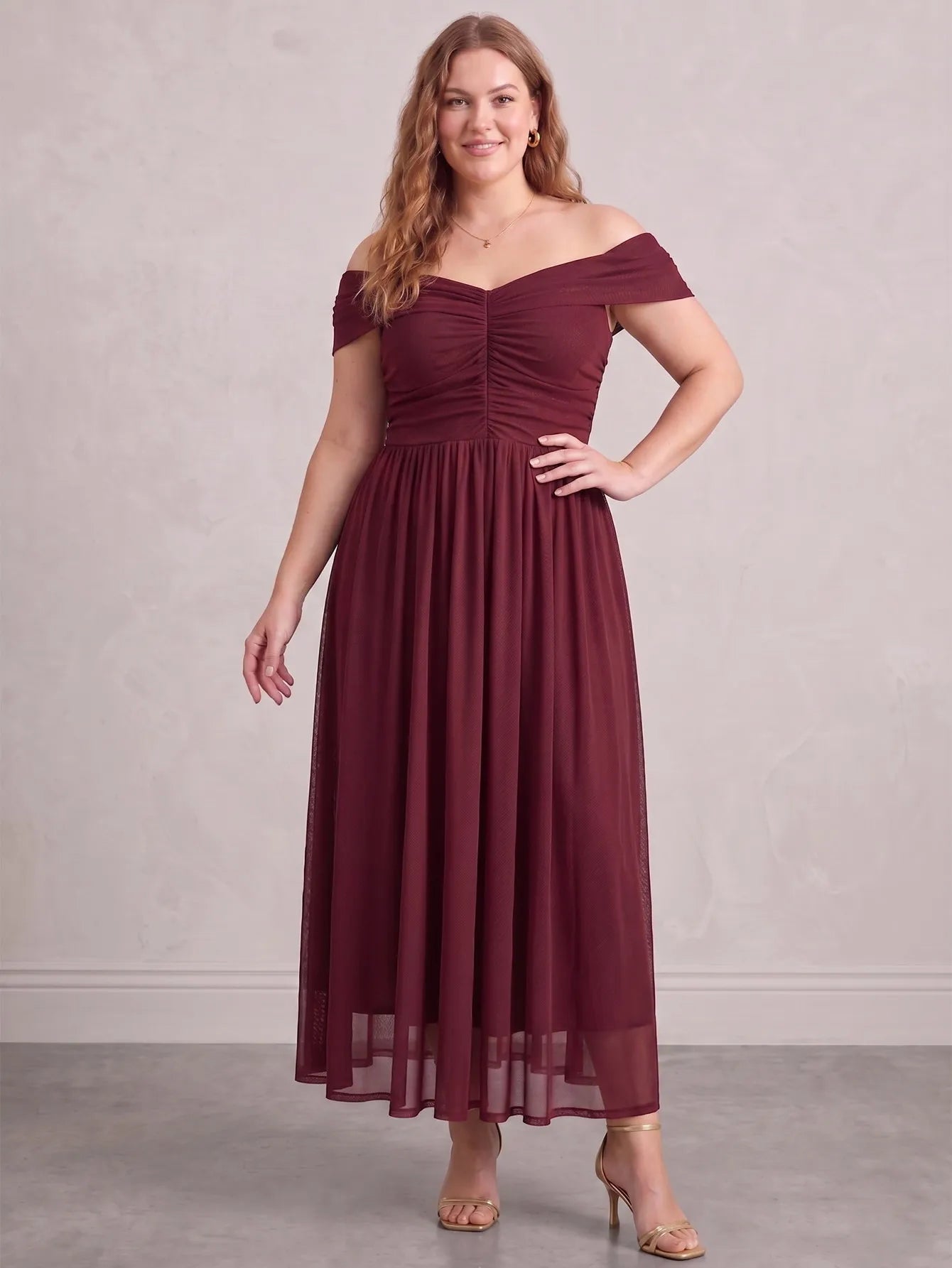
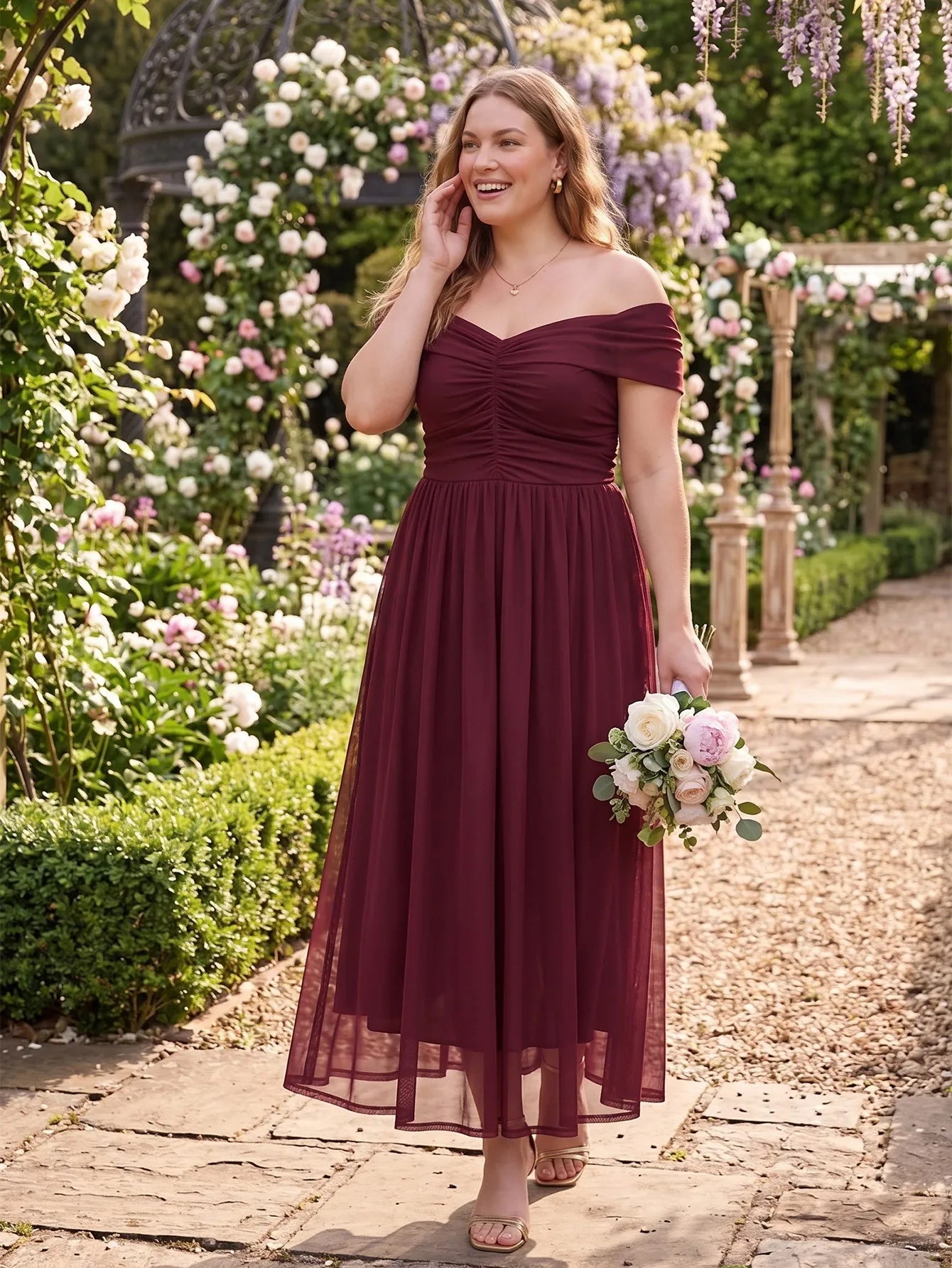
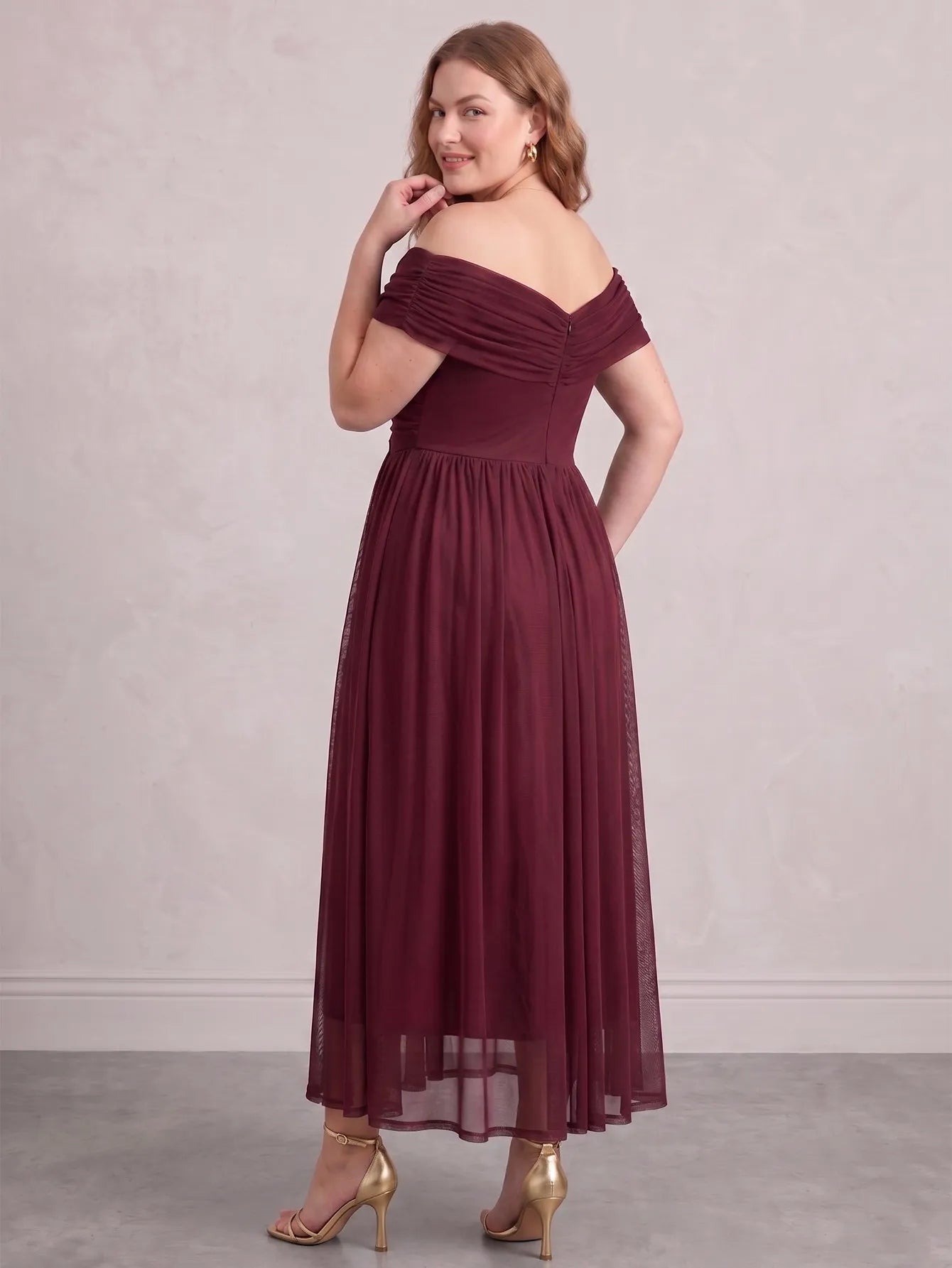
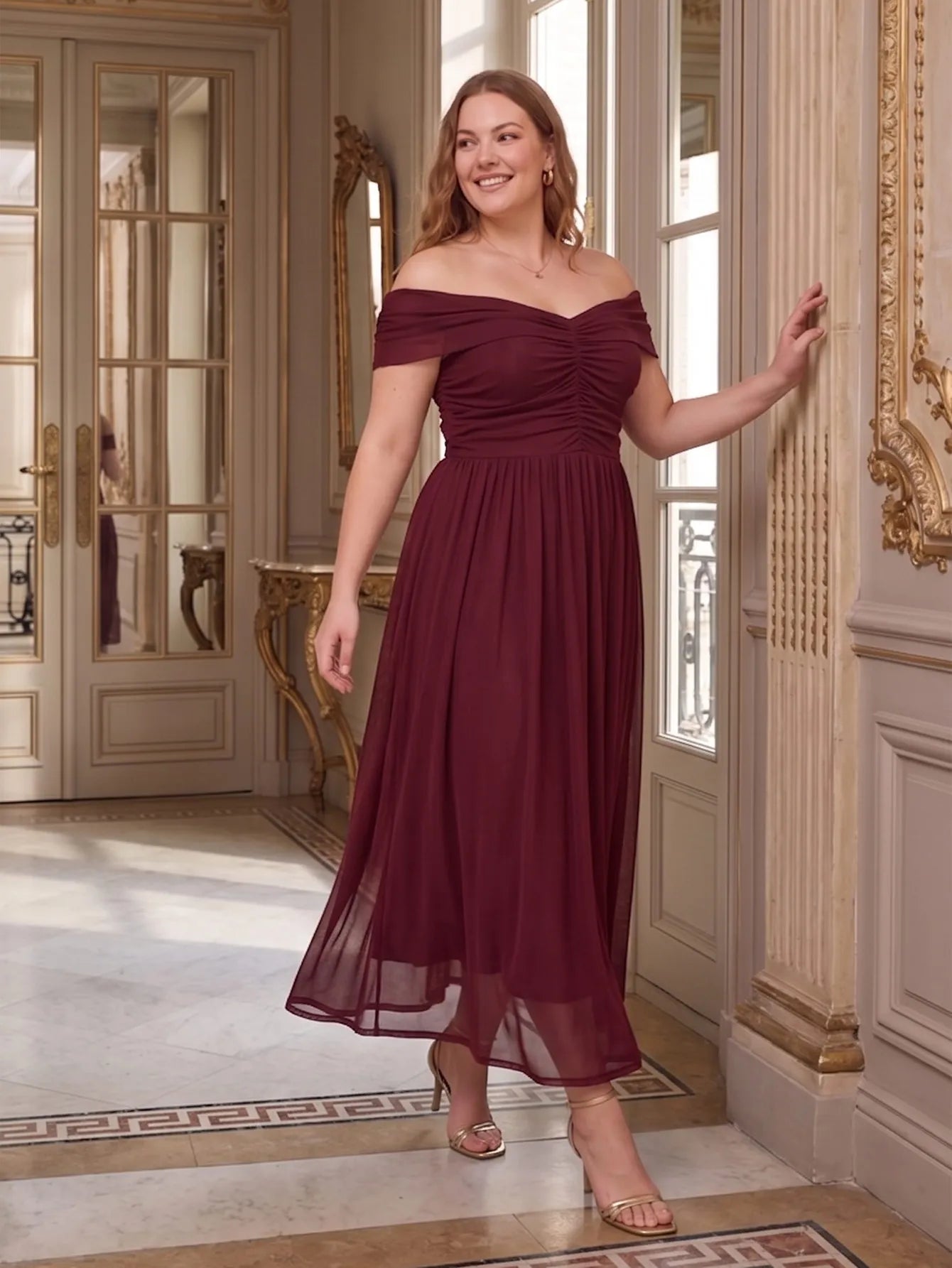
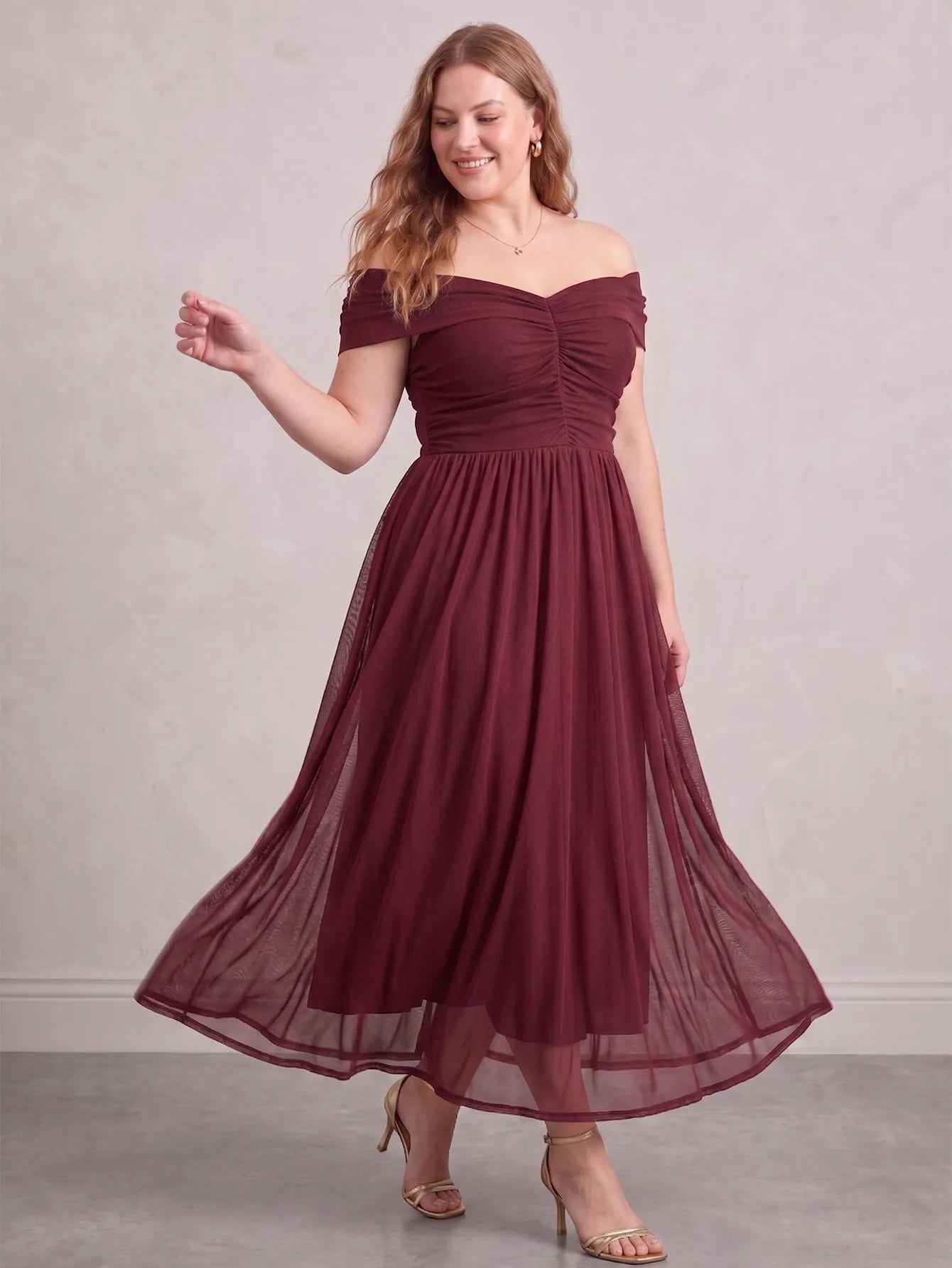
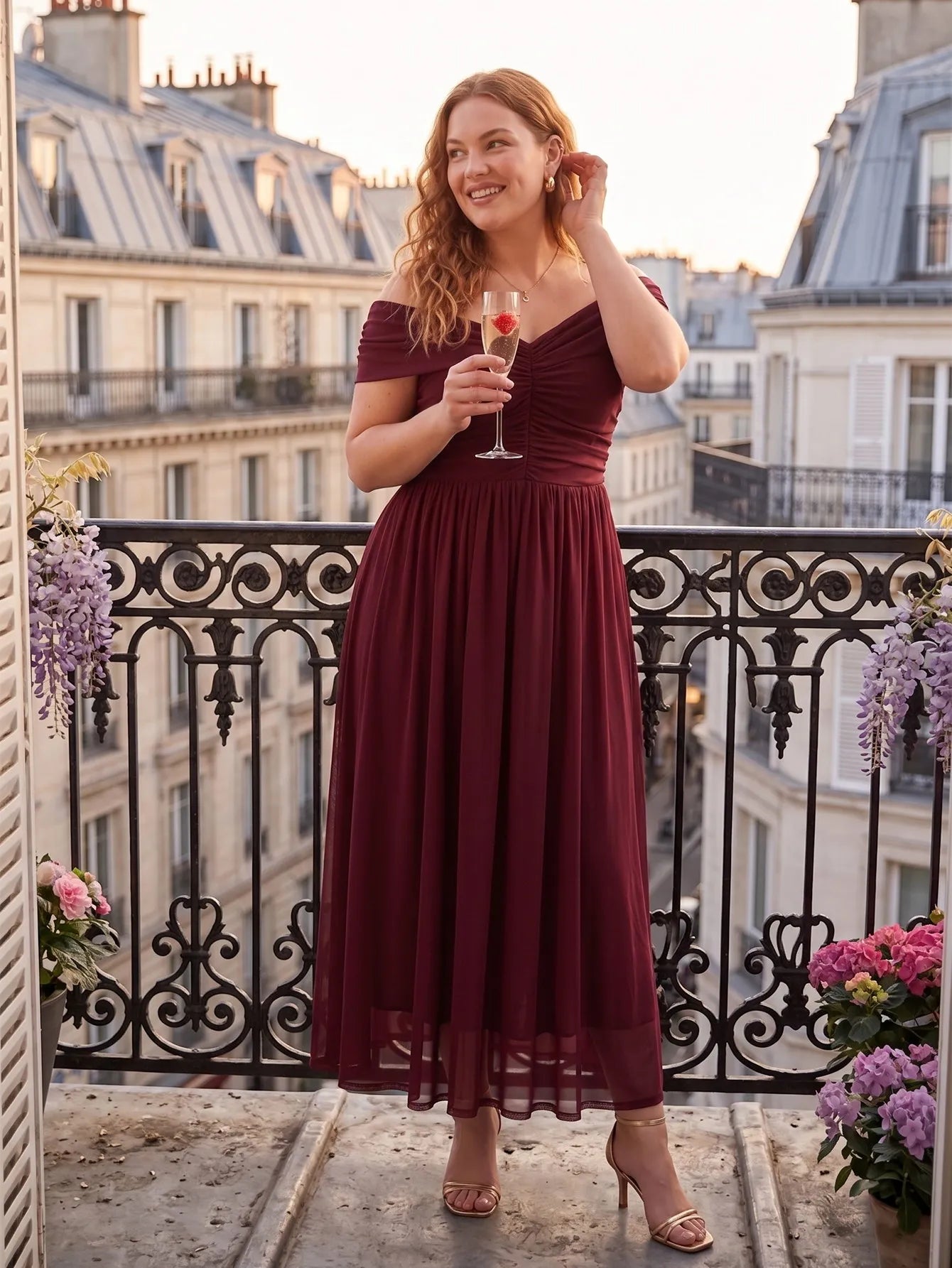
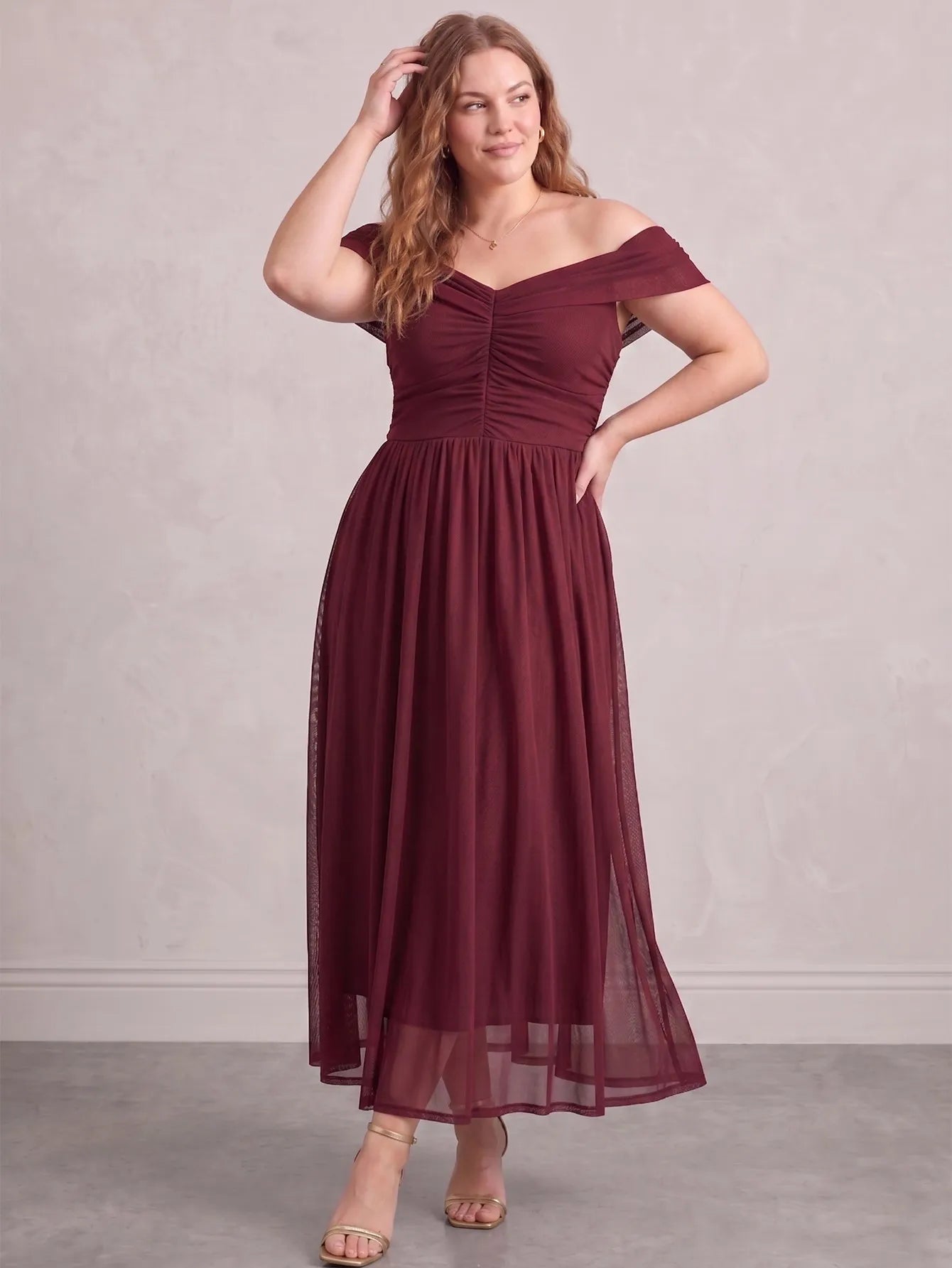
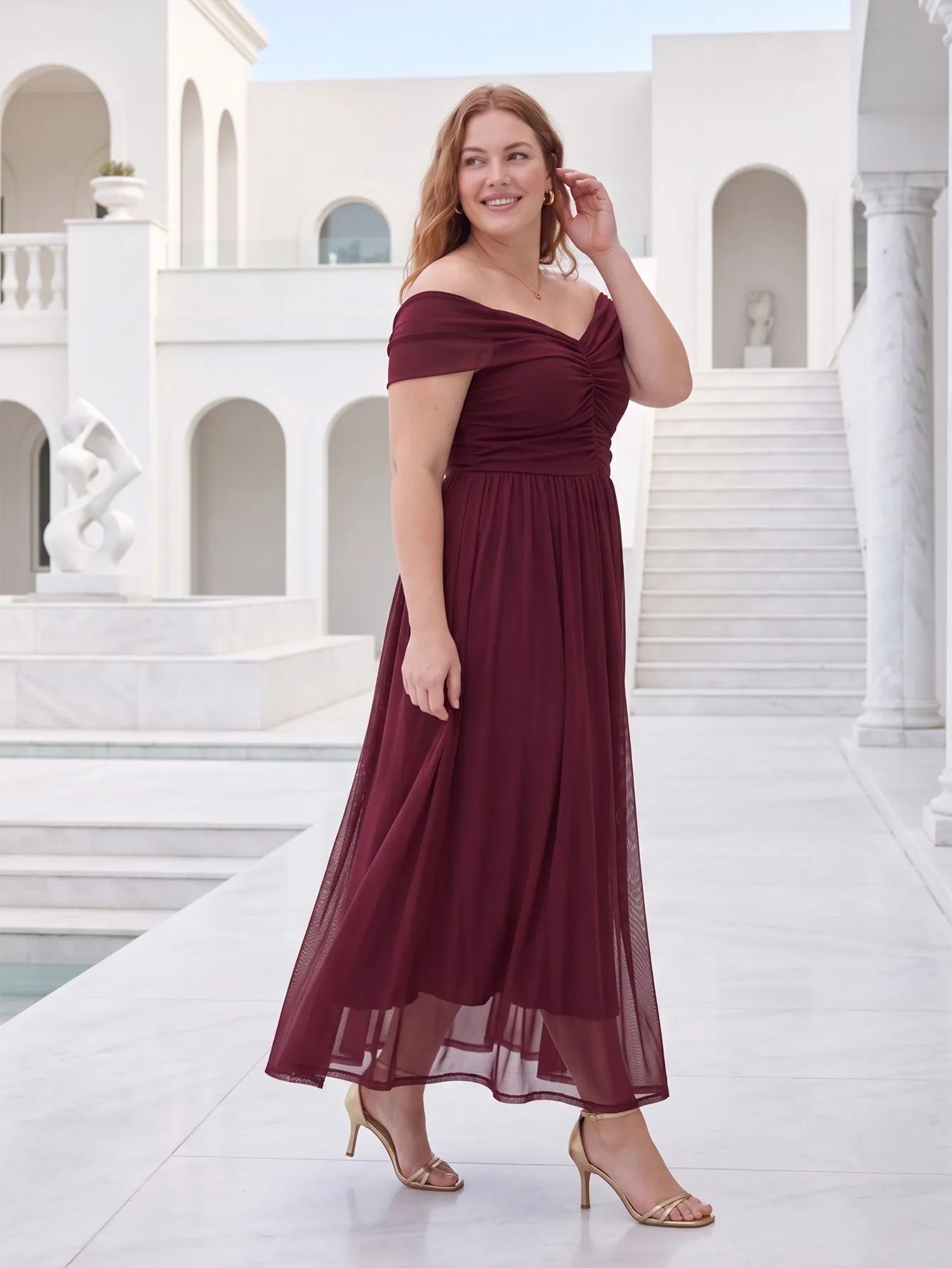
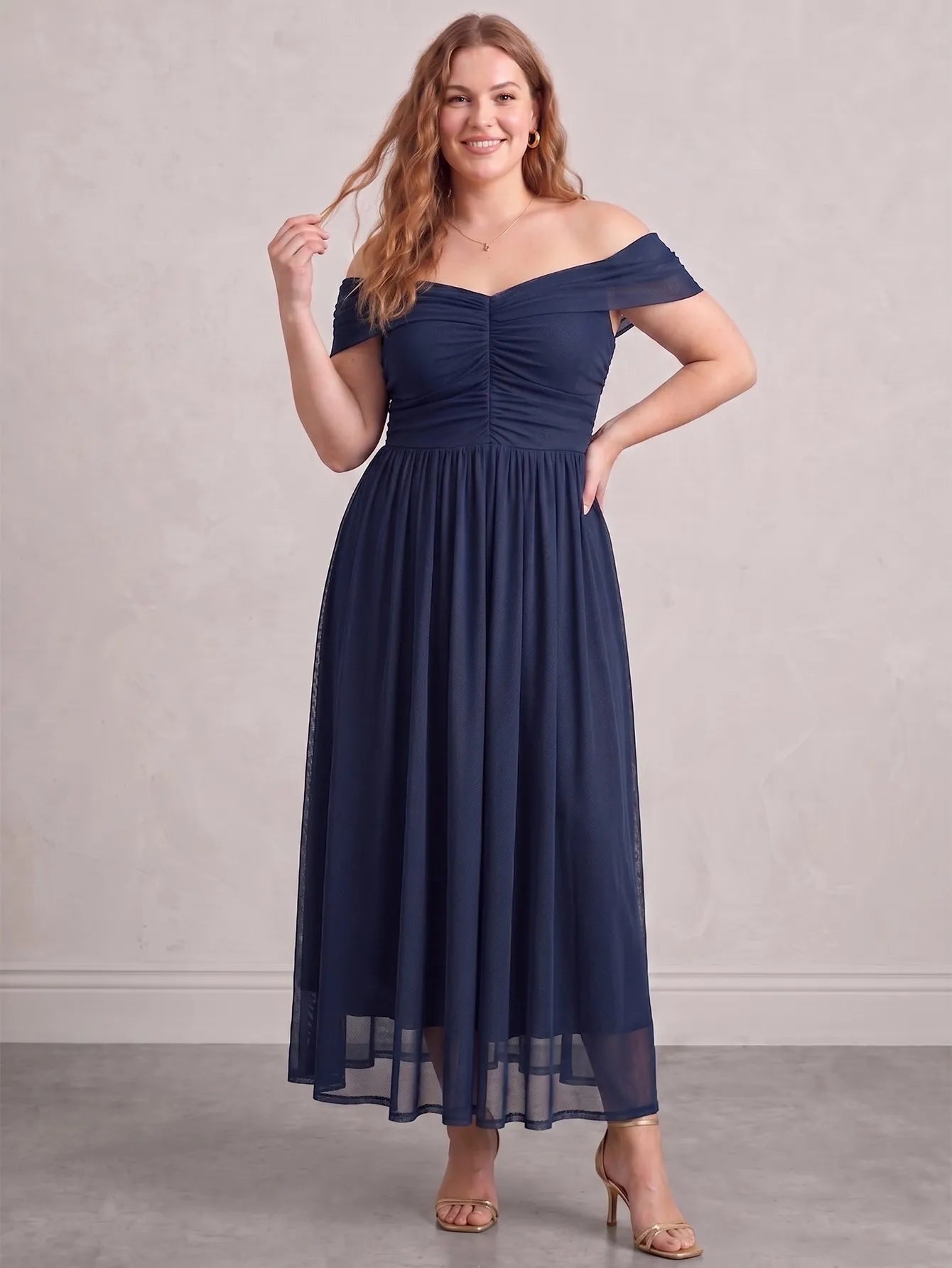
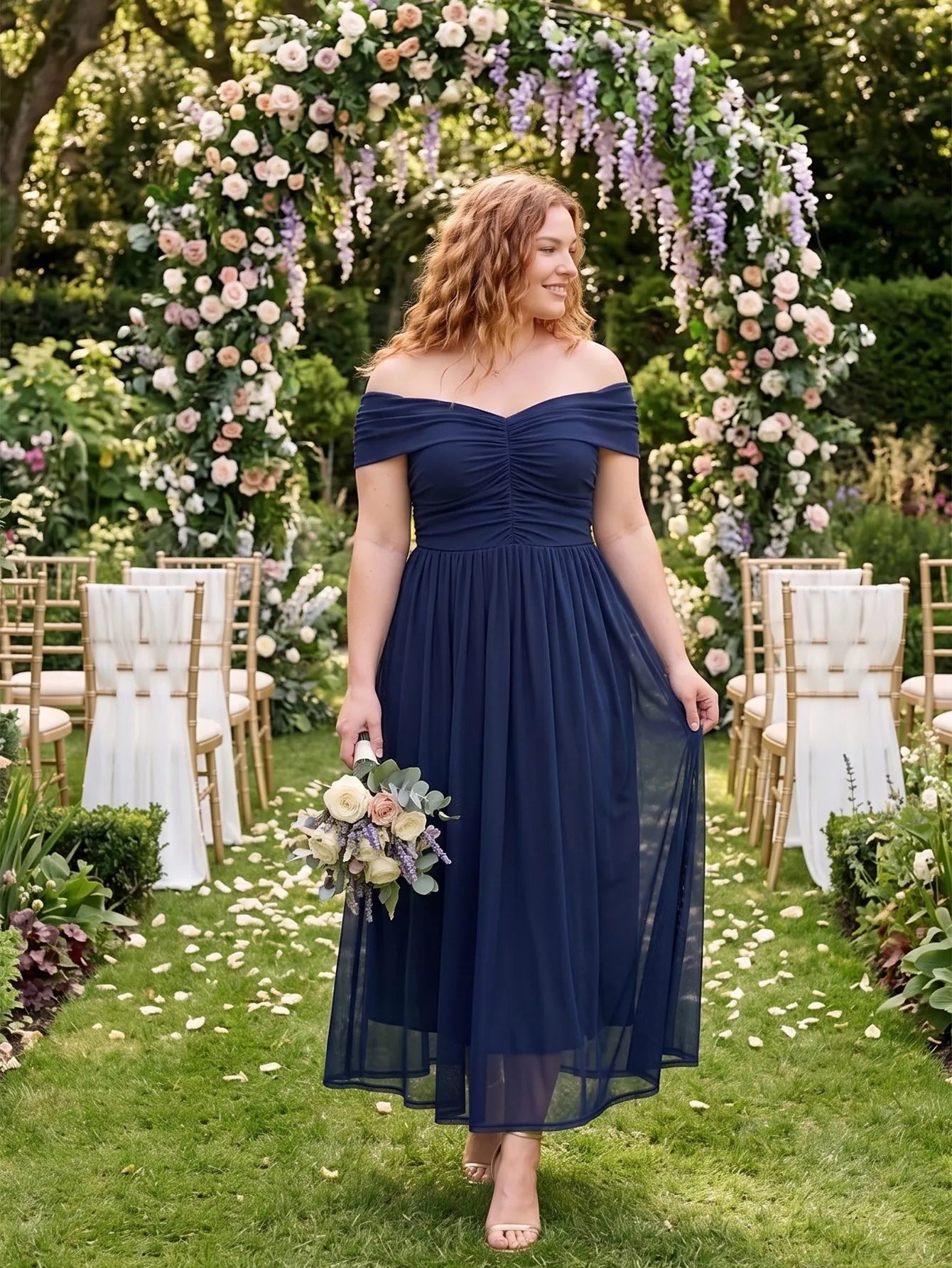
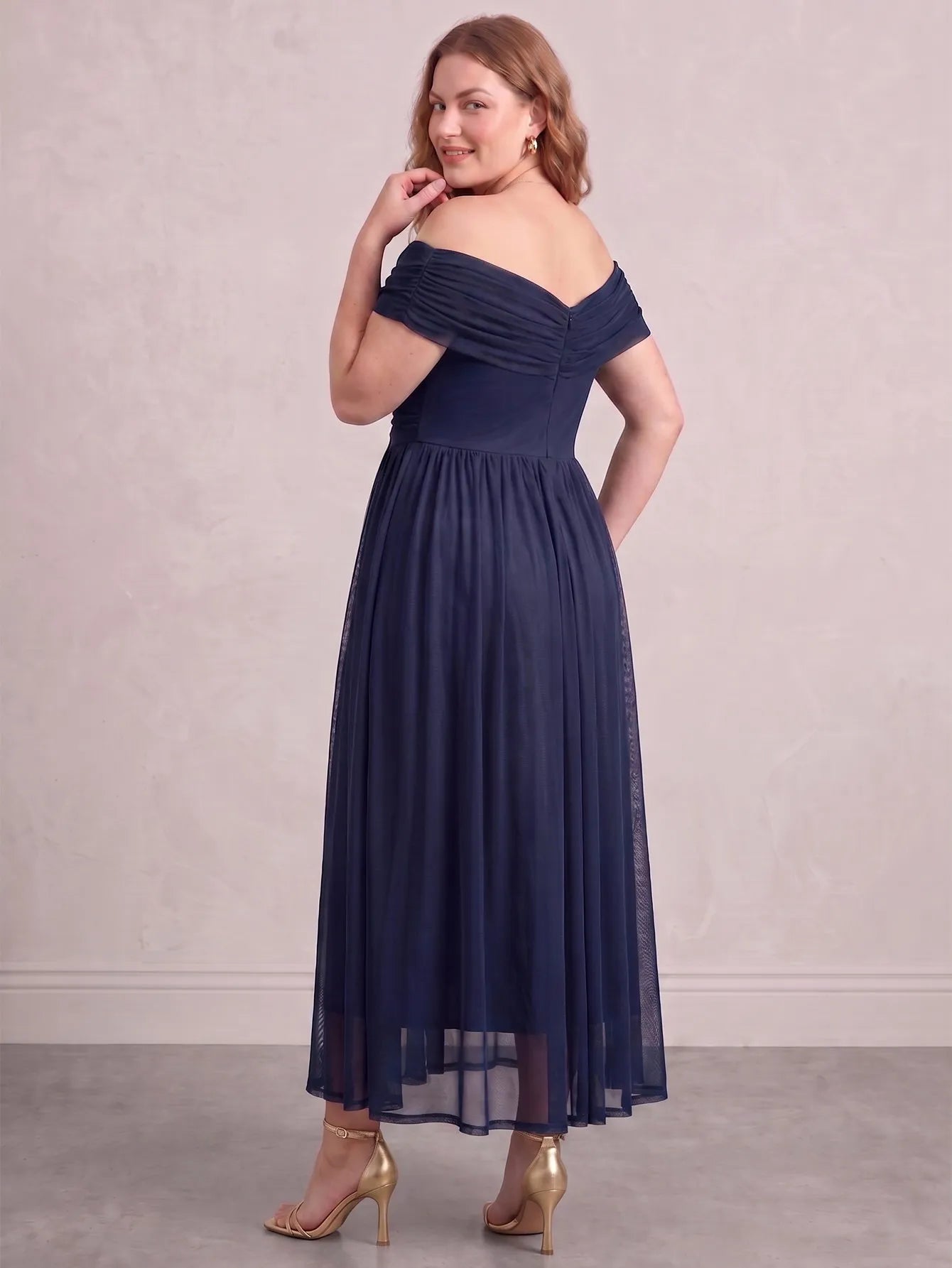
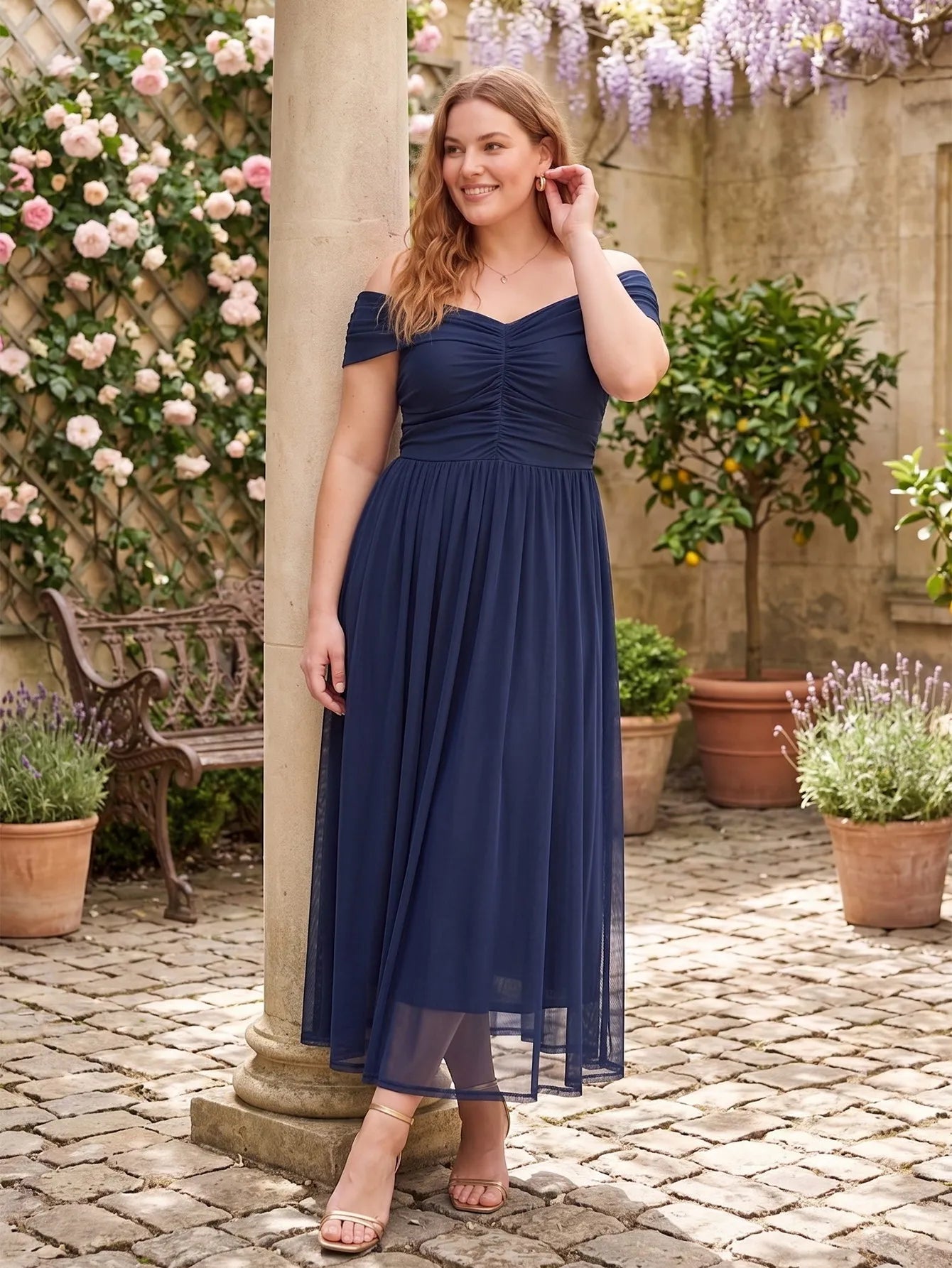
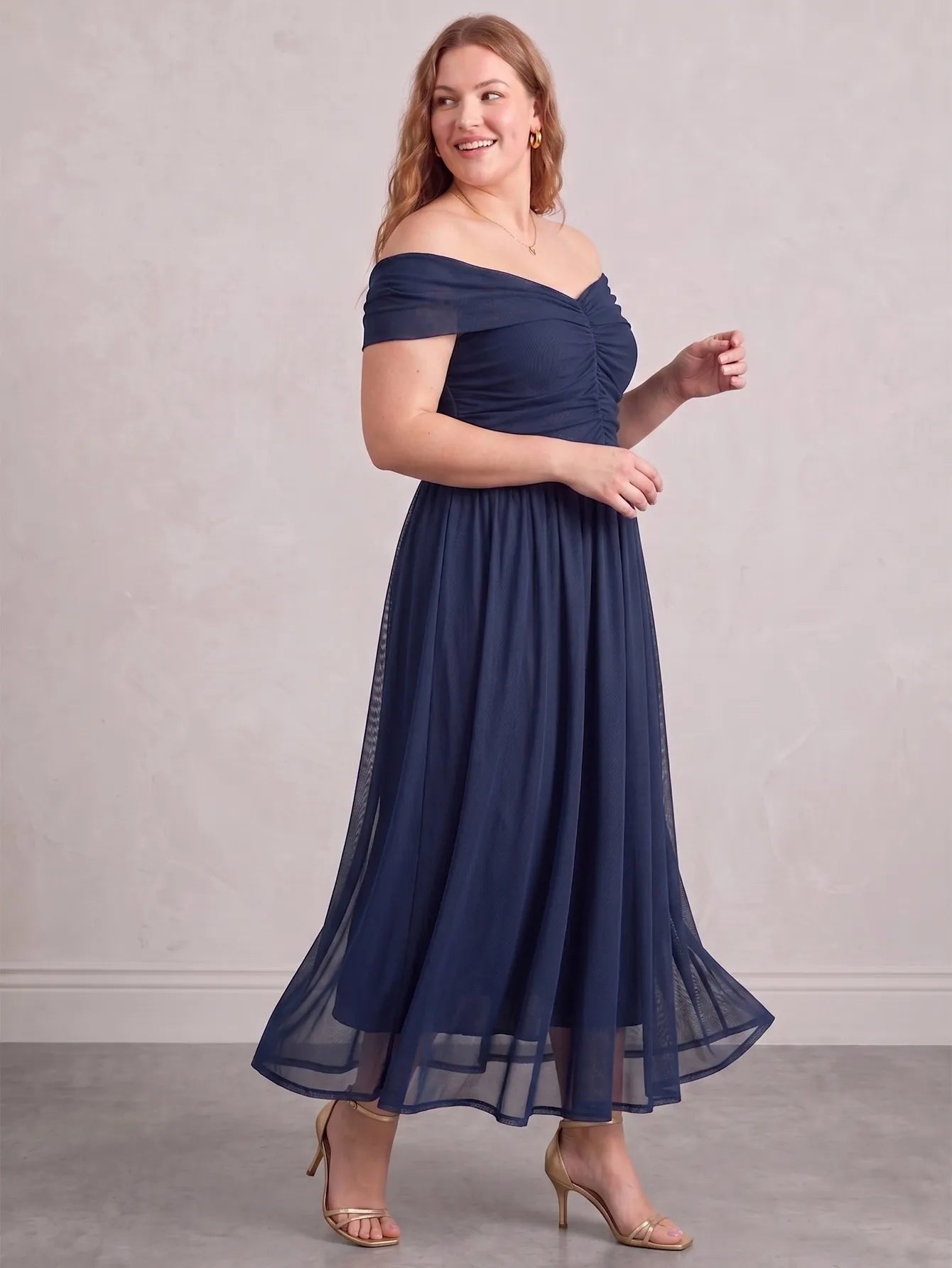
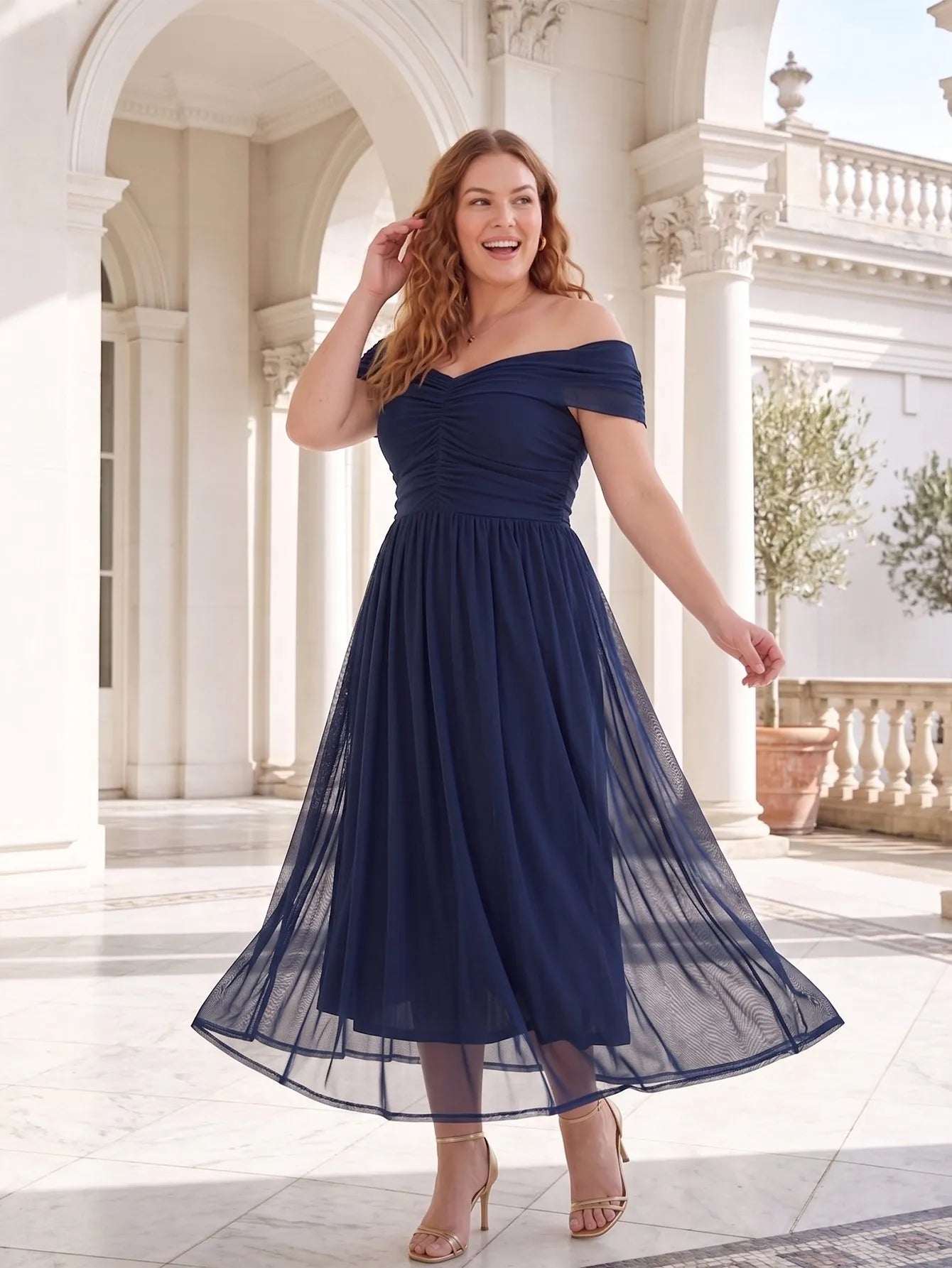
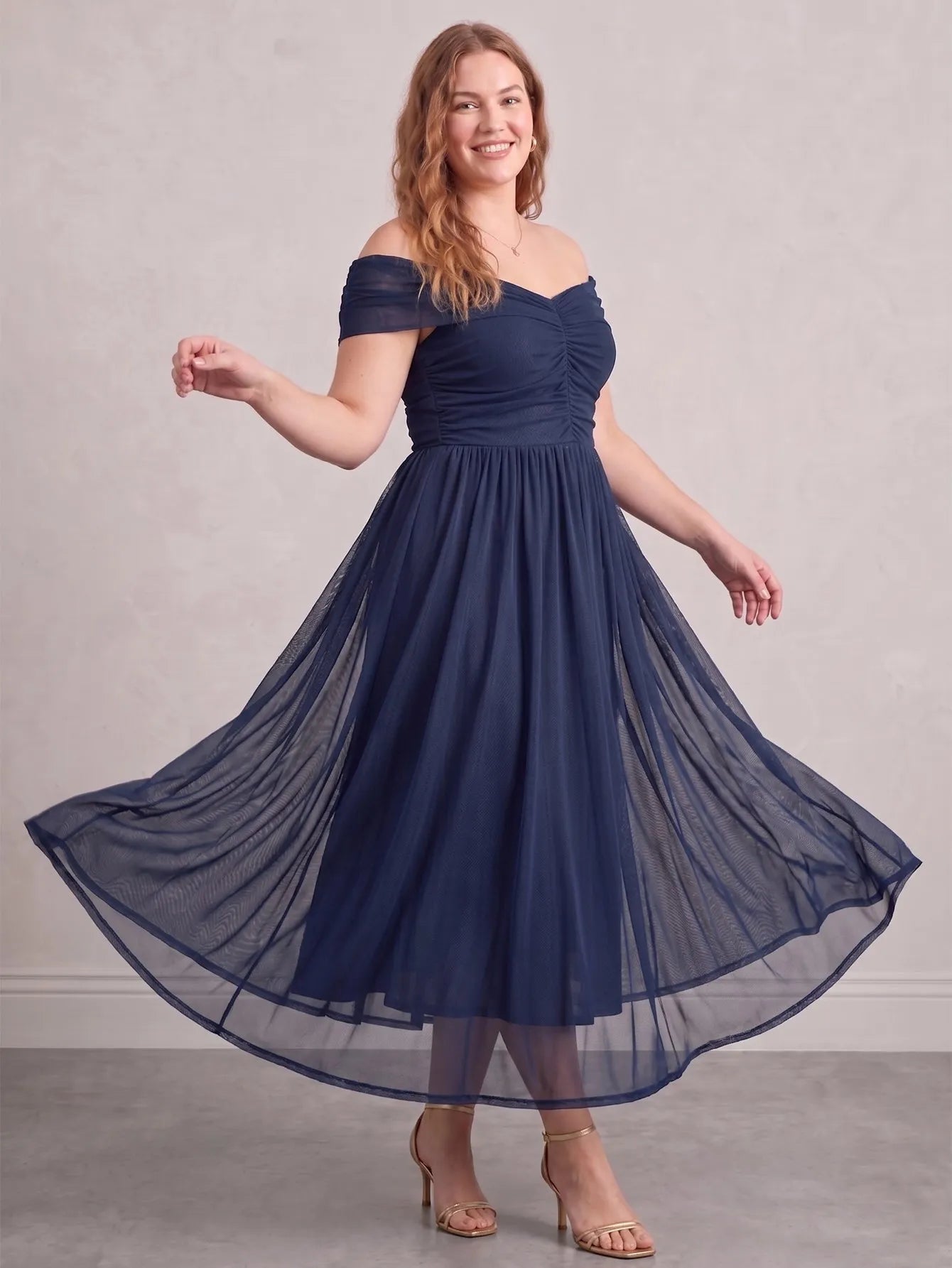
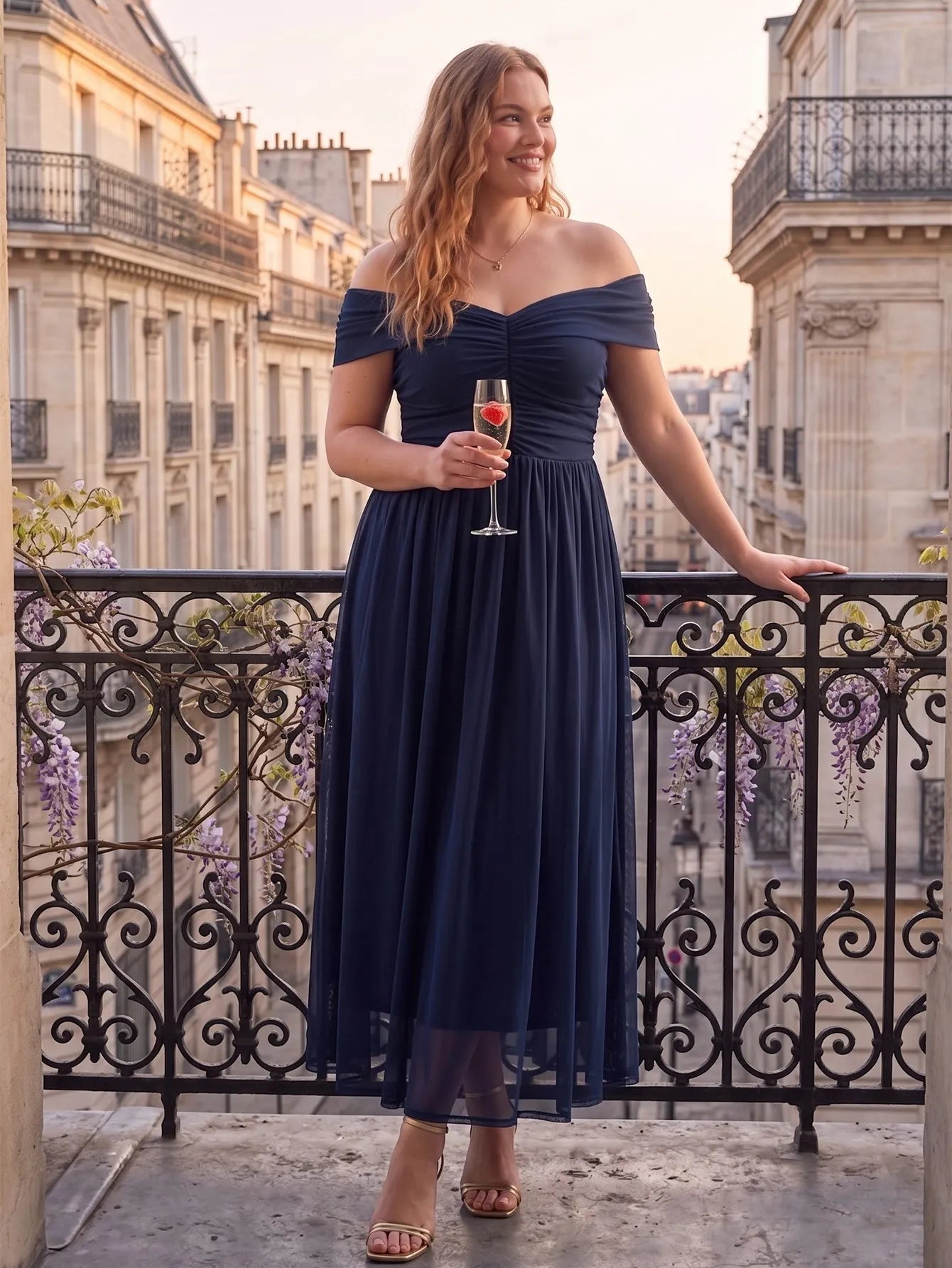
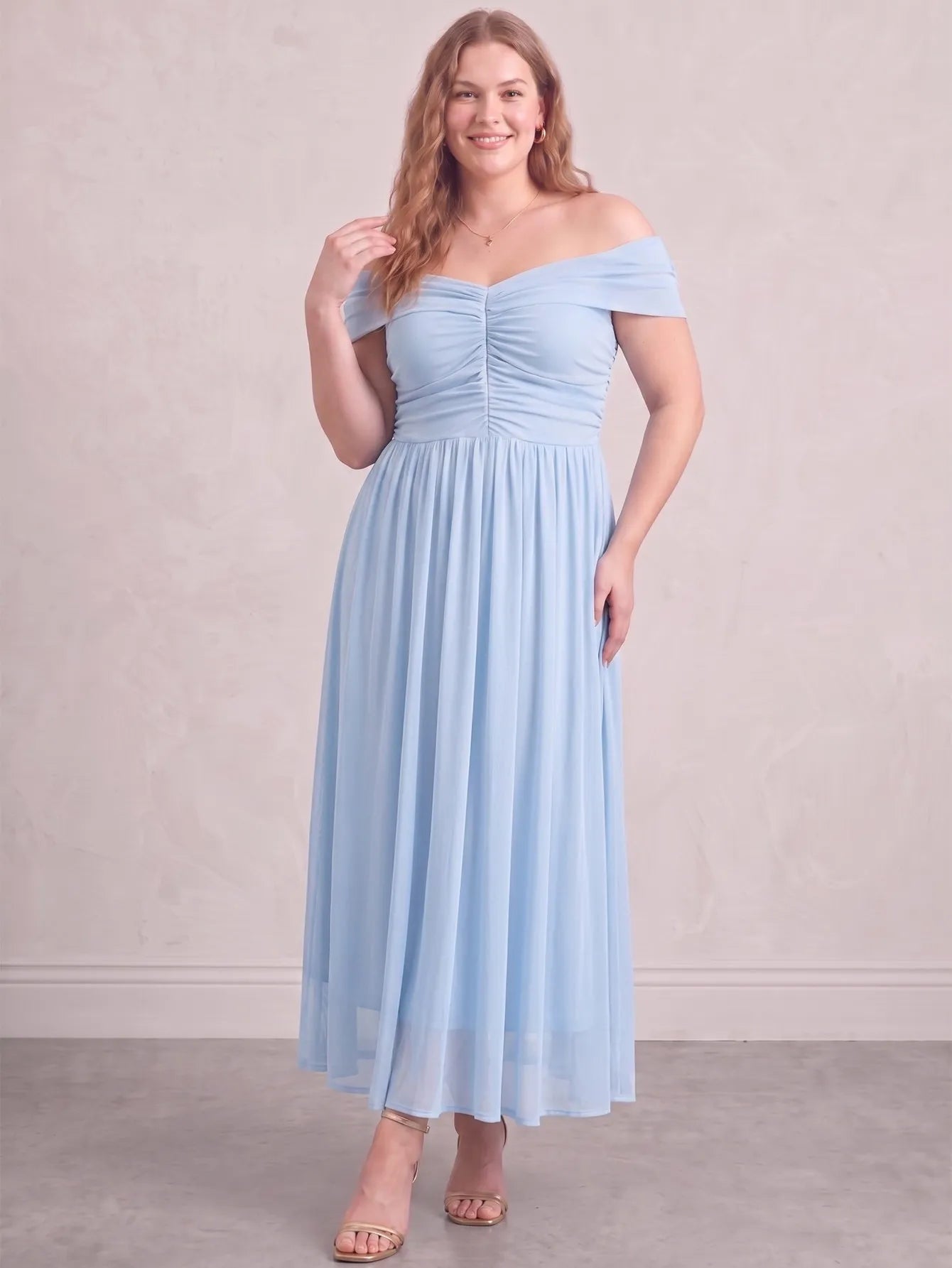
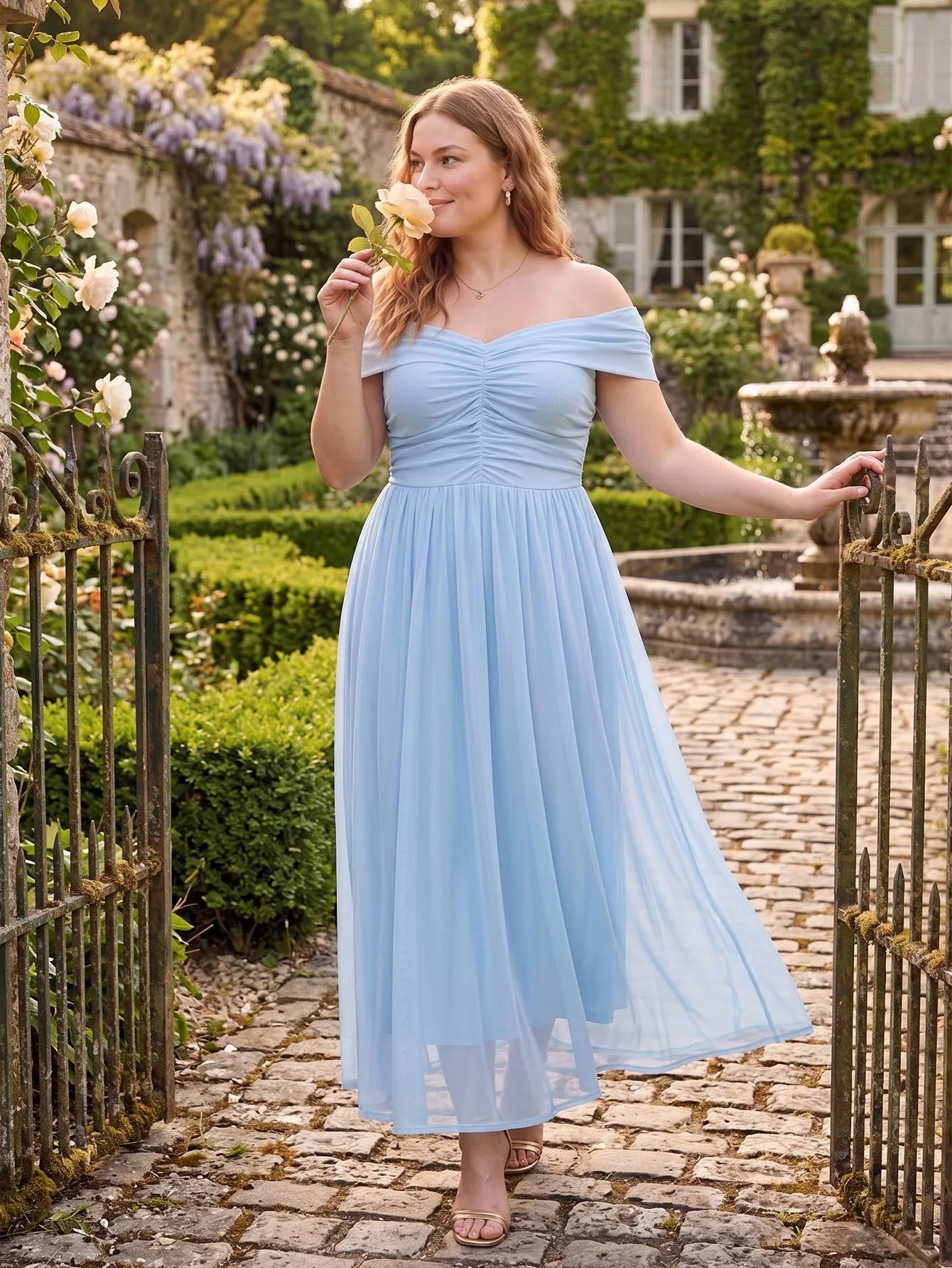
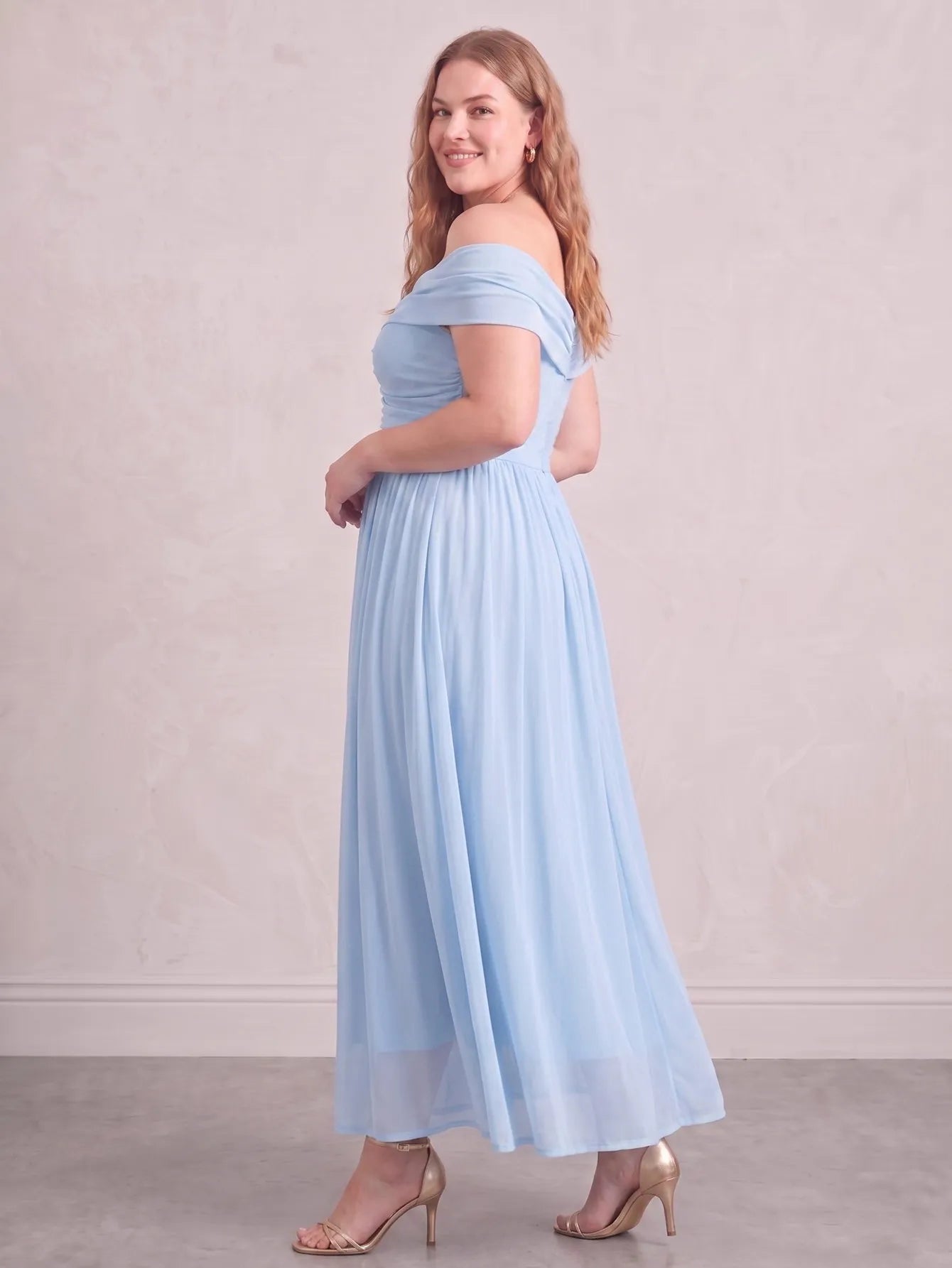
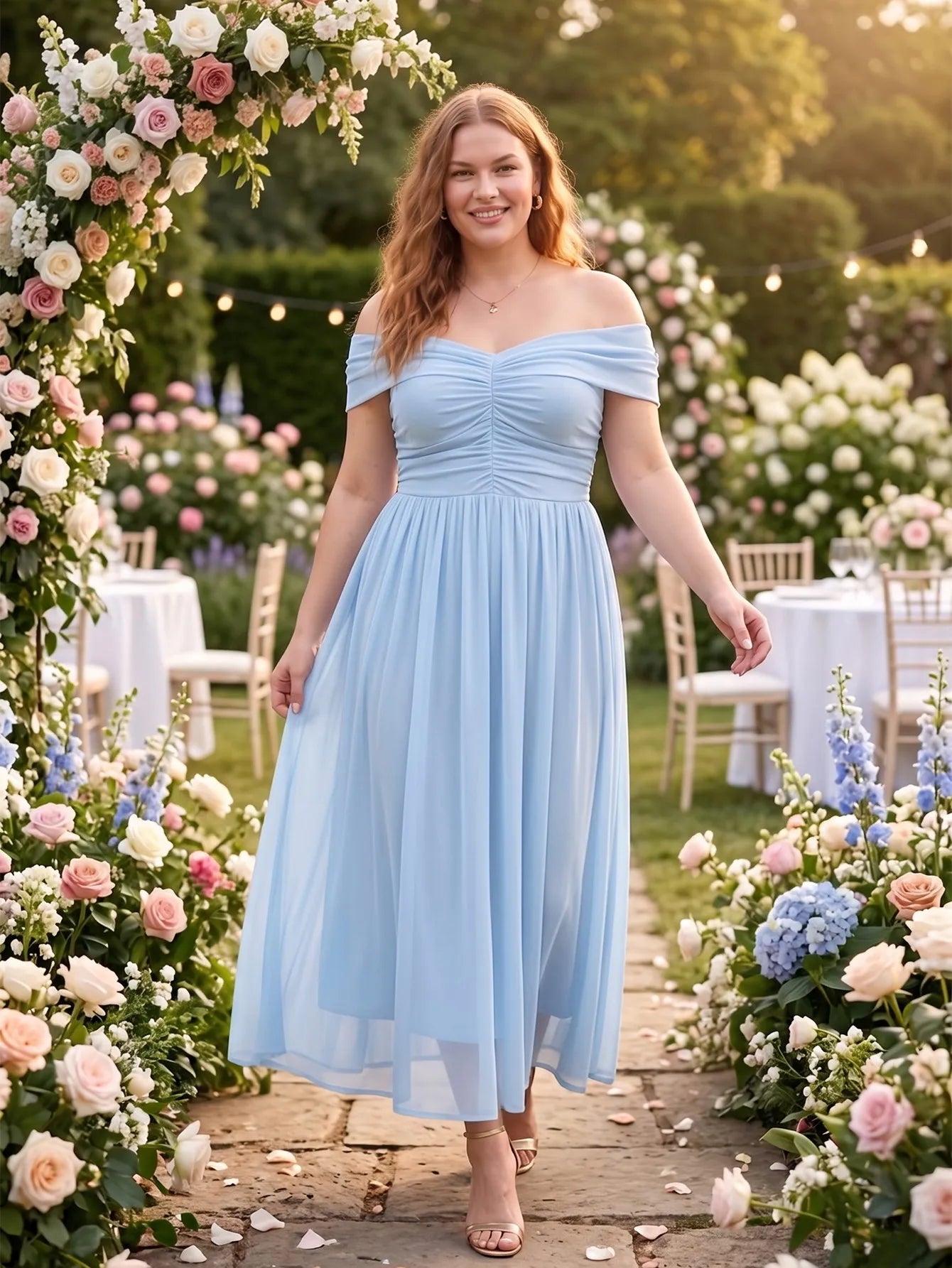
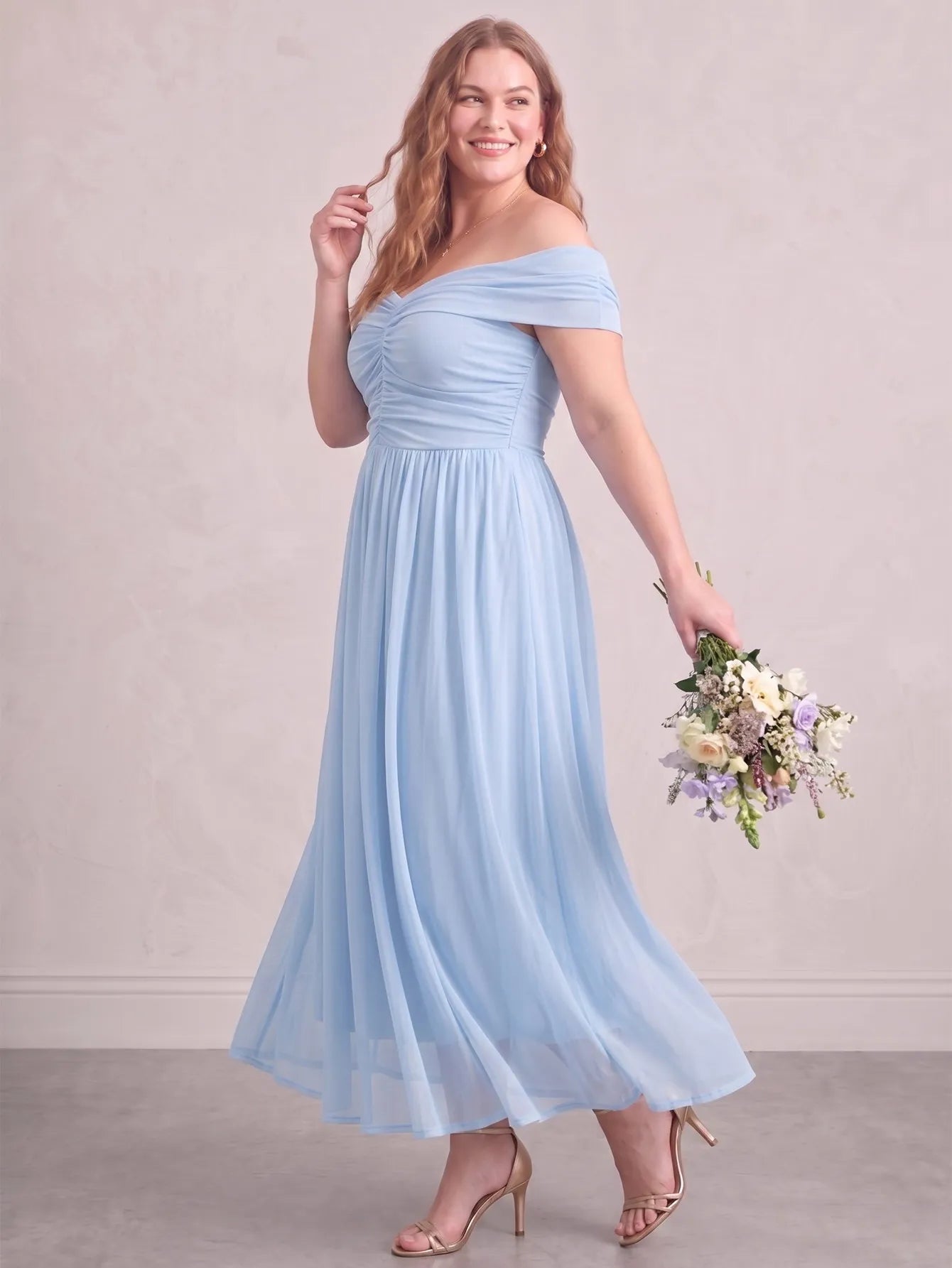
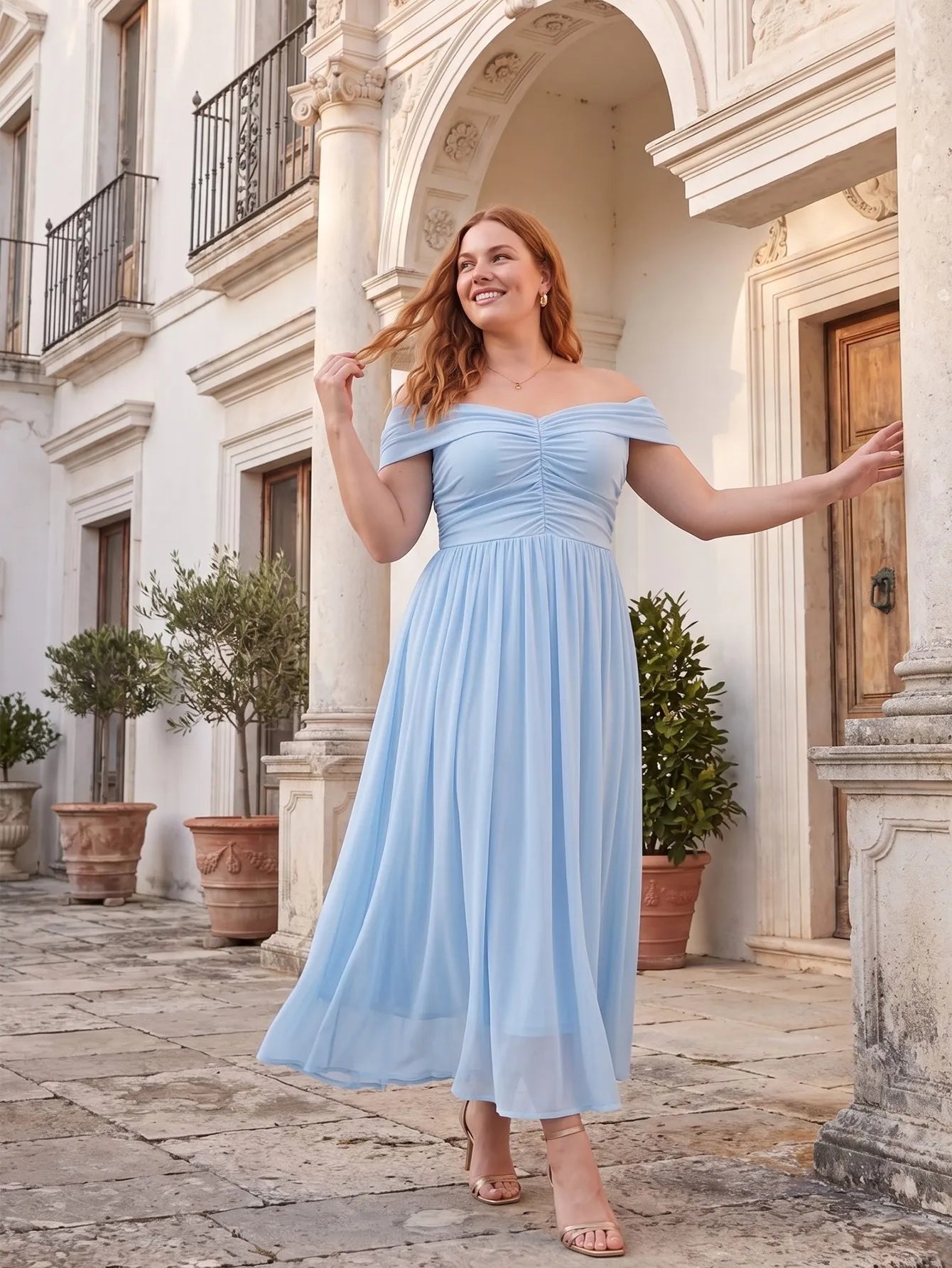










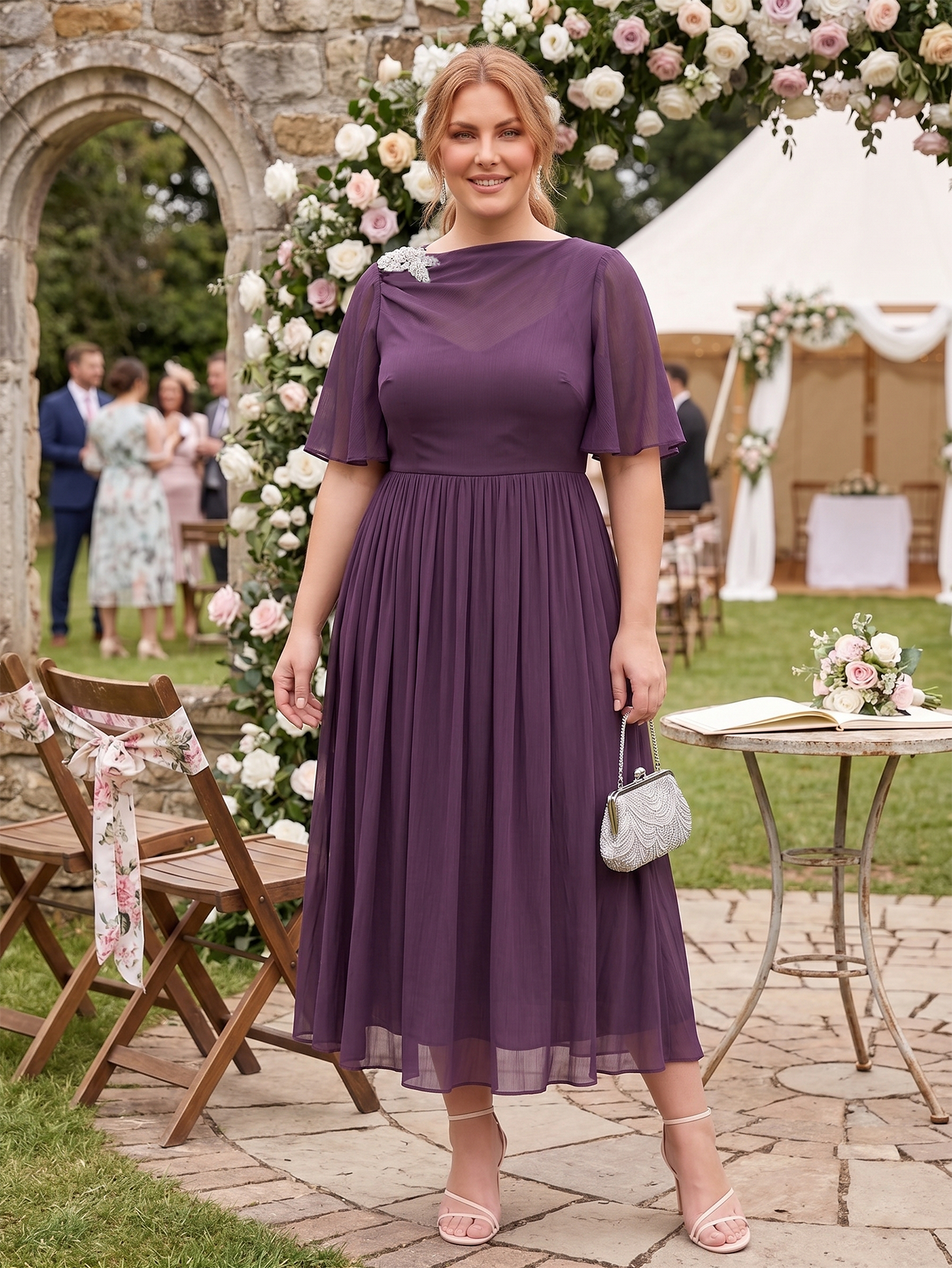
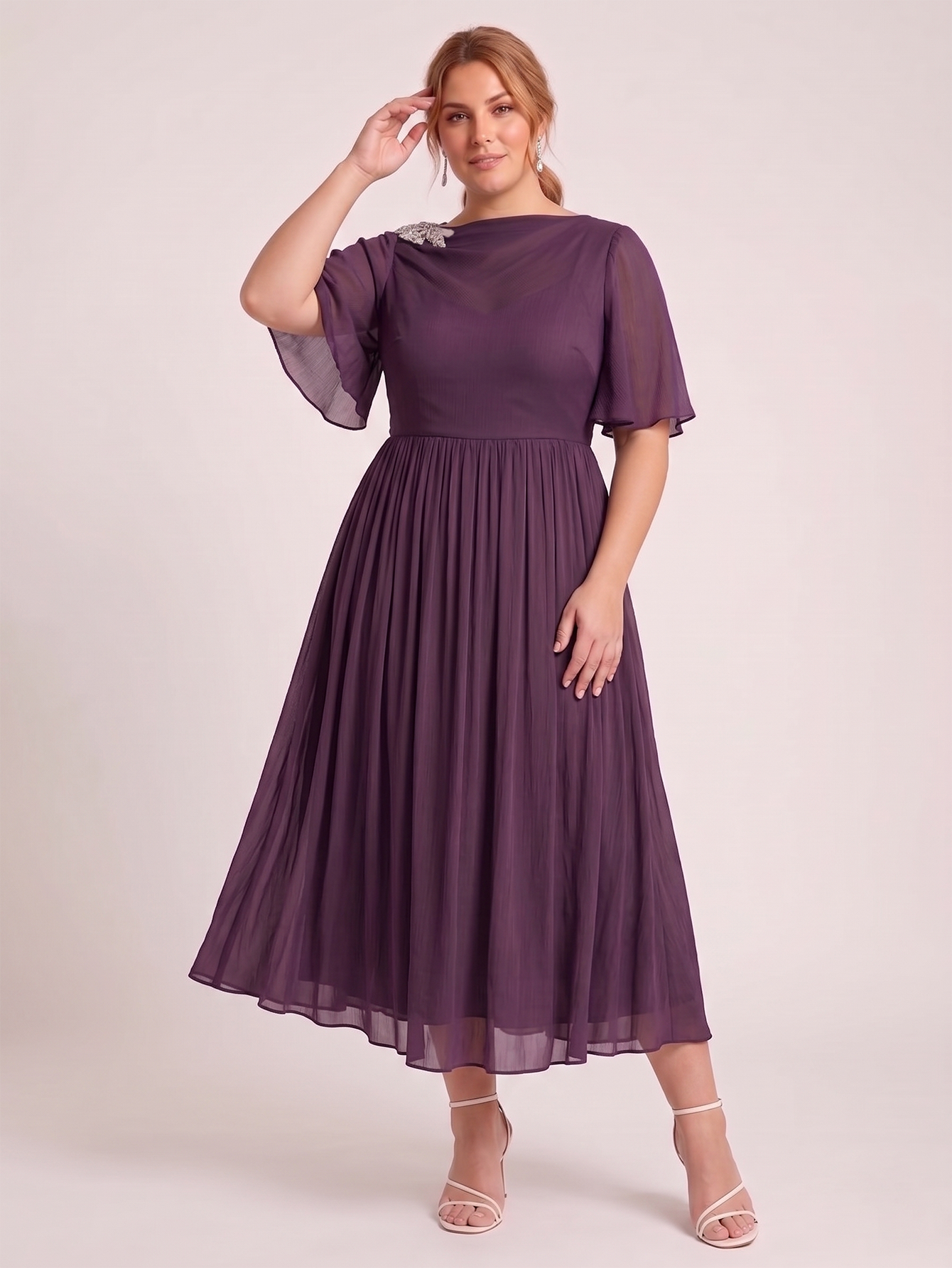
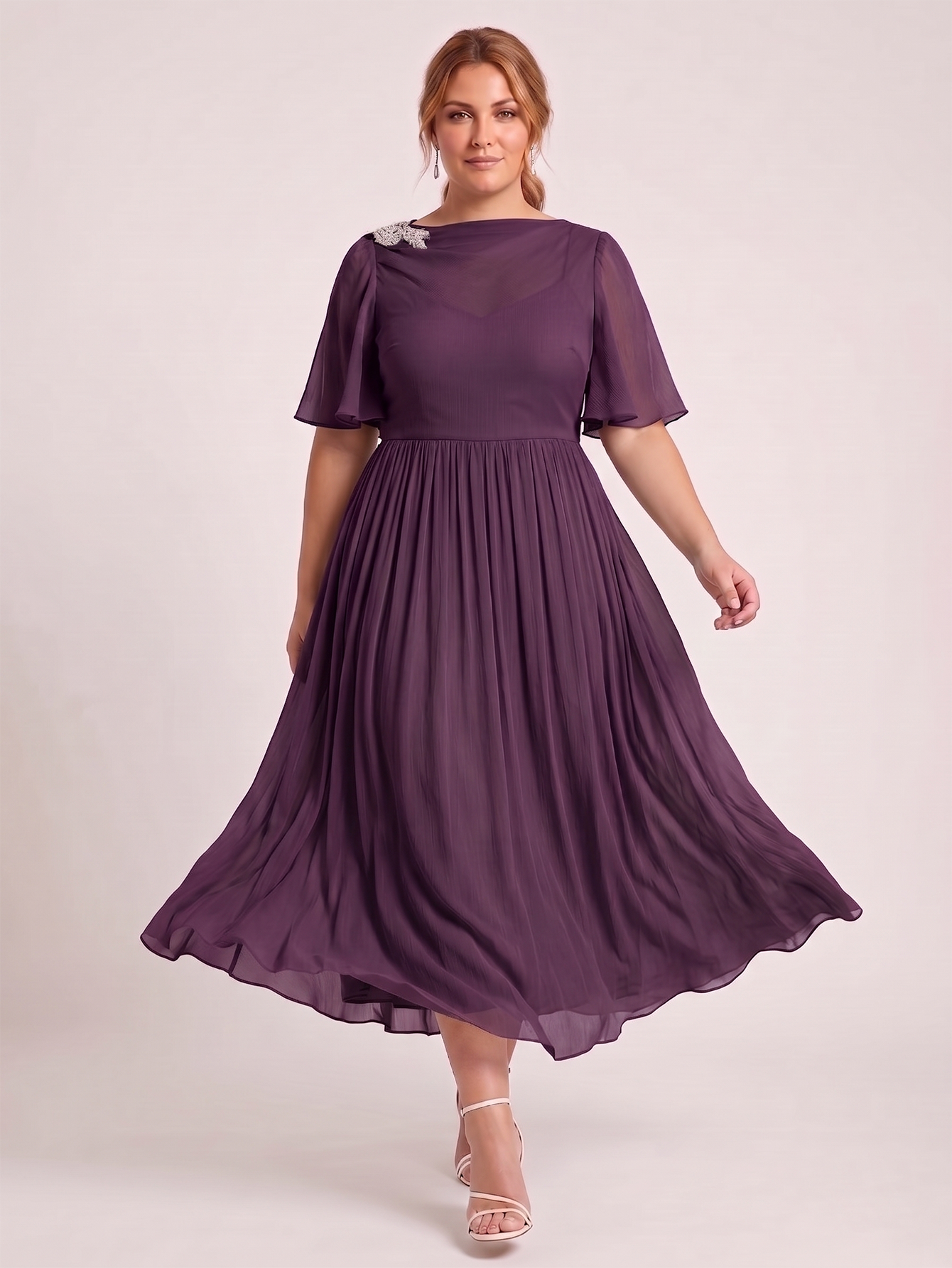
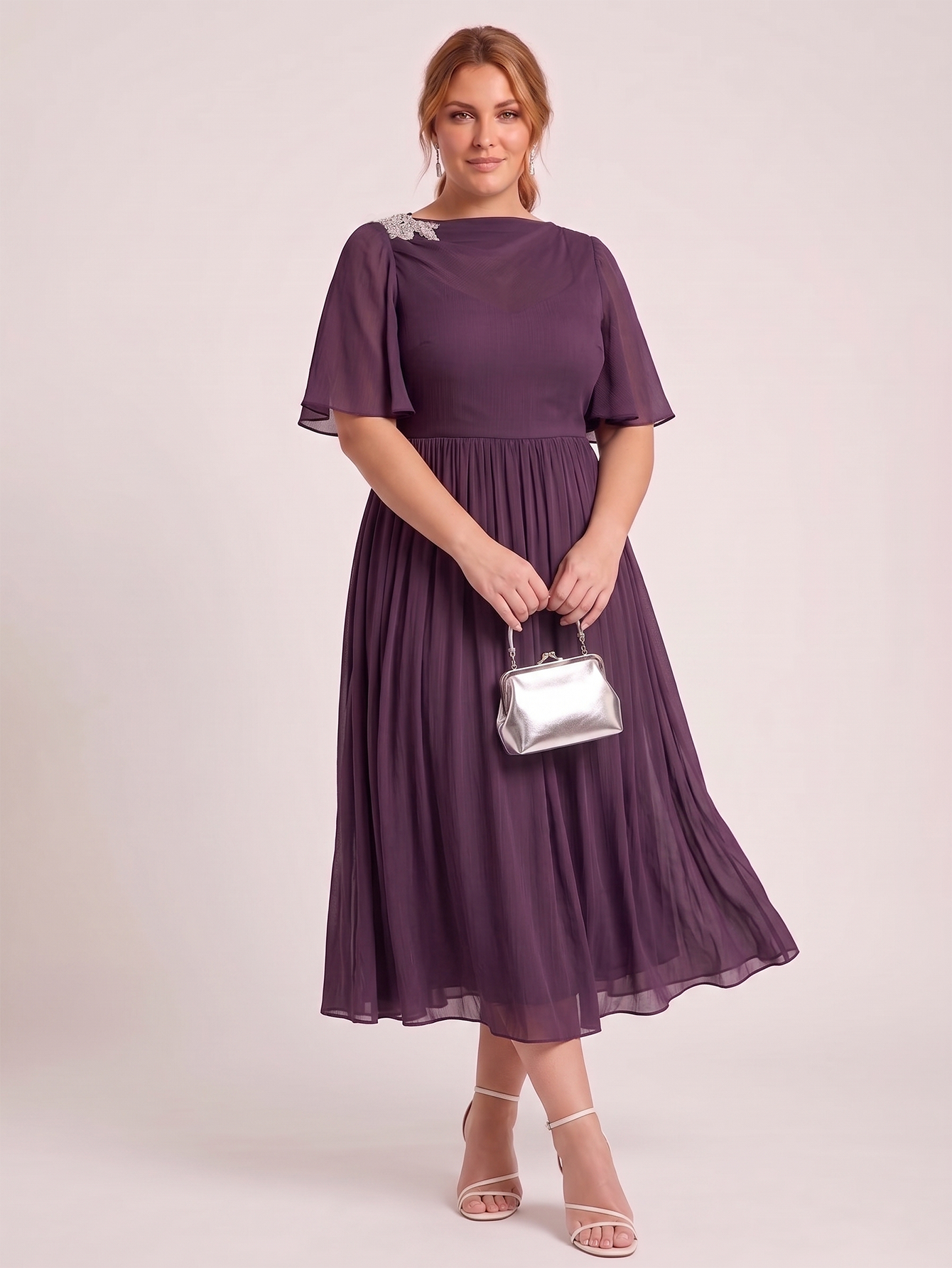
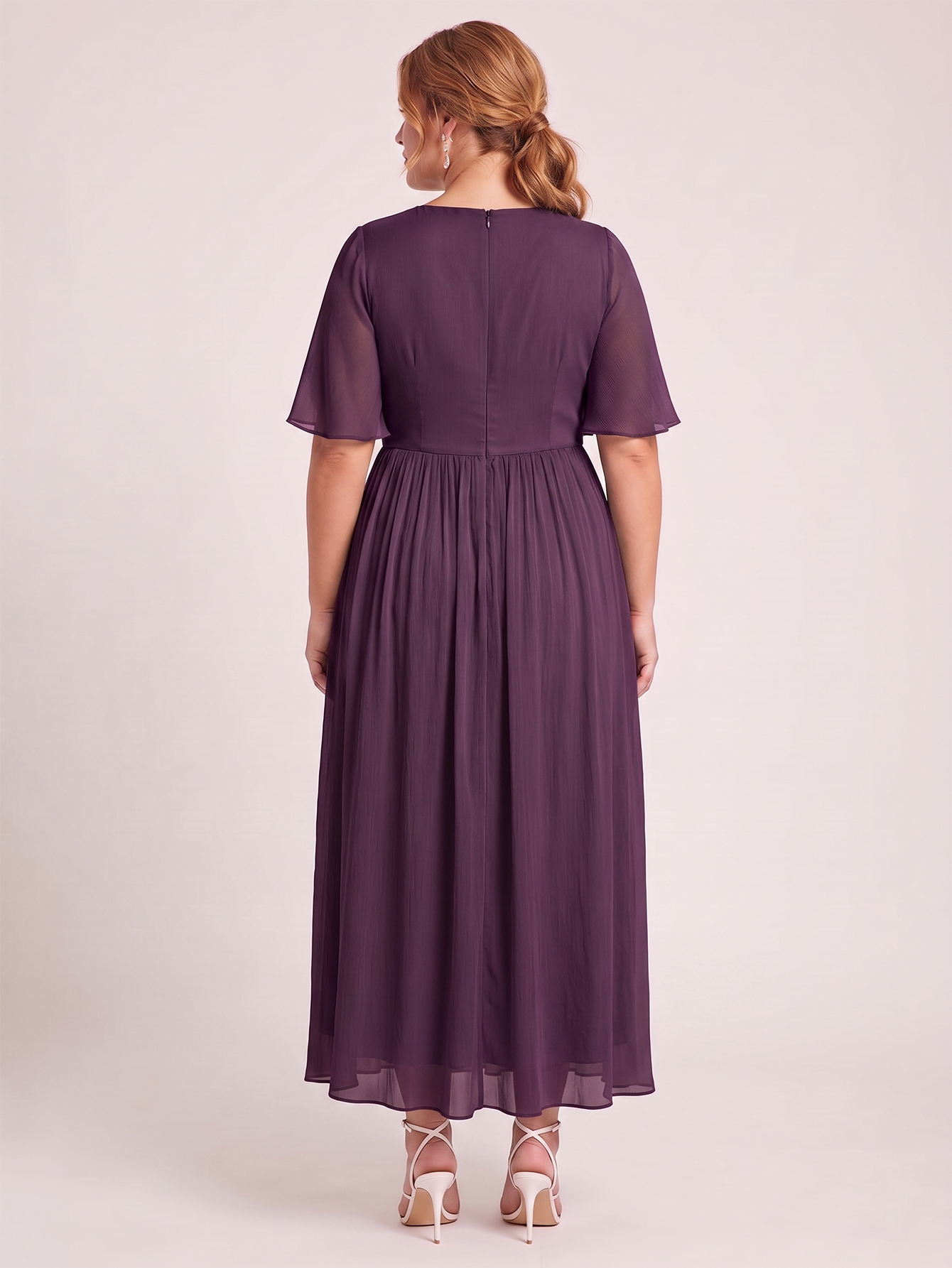
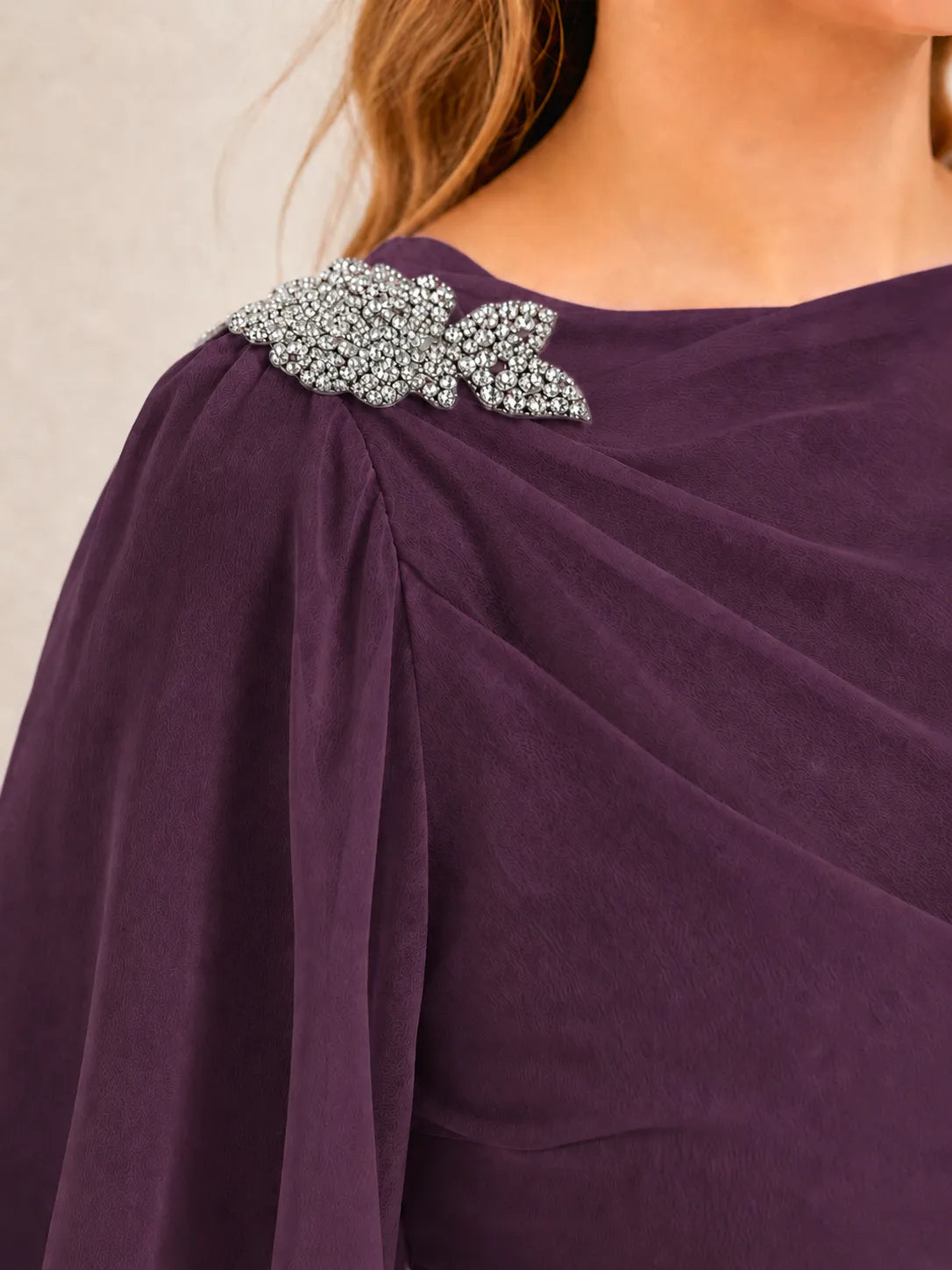
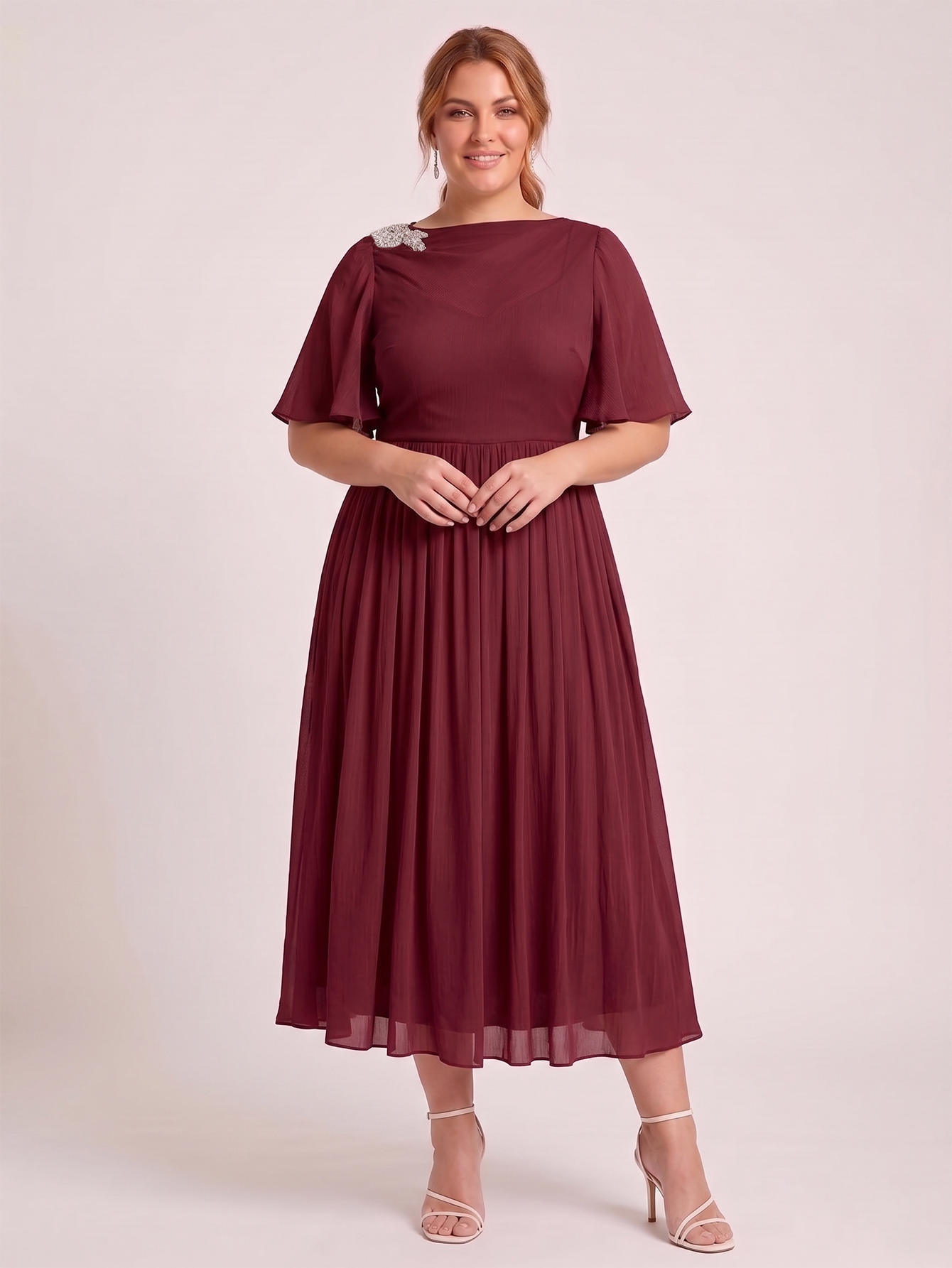
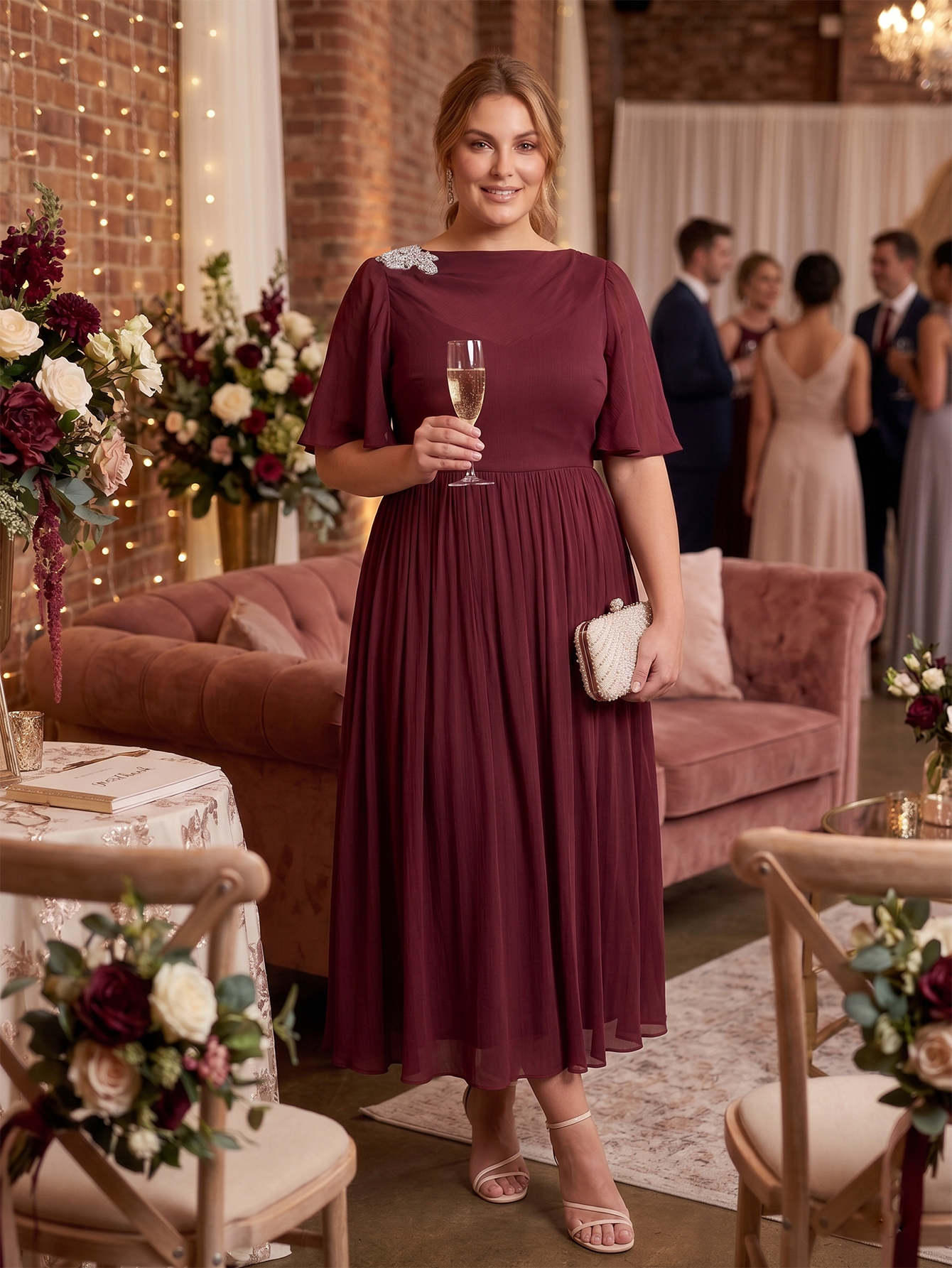


Choosing an outfit is easier when dress code, comfort, movement and verified garment information come before generic body-shape rules. This guide offers a practical framework for plus-size wedding guests who want sleeve coverage and comfortable movement.
Treat sleeve choice as a comfort decision
Sleeves can provide coverage, warmth, sun protection or simply a preferred visual balance. They do not need to be described as a way to hide the body.
Start by deciding what you want the sleeve to do and how much movement the event requires. A ceremony followed by dinner may place different demands on a sleeve than an outdoor reception with dancing.
Compare sleeve shapes by movement and proportion
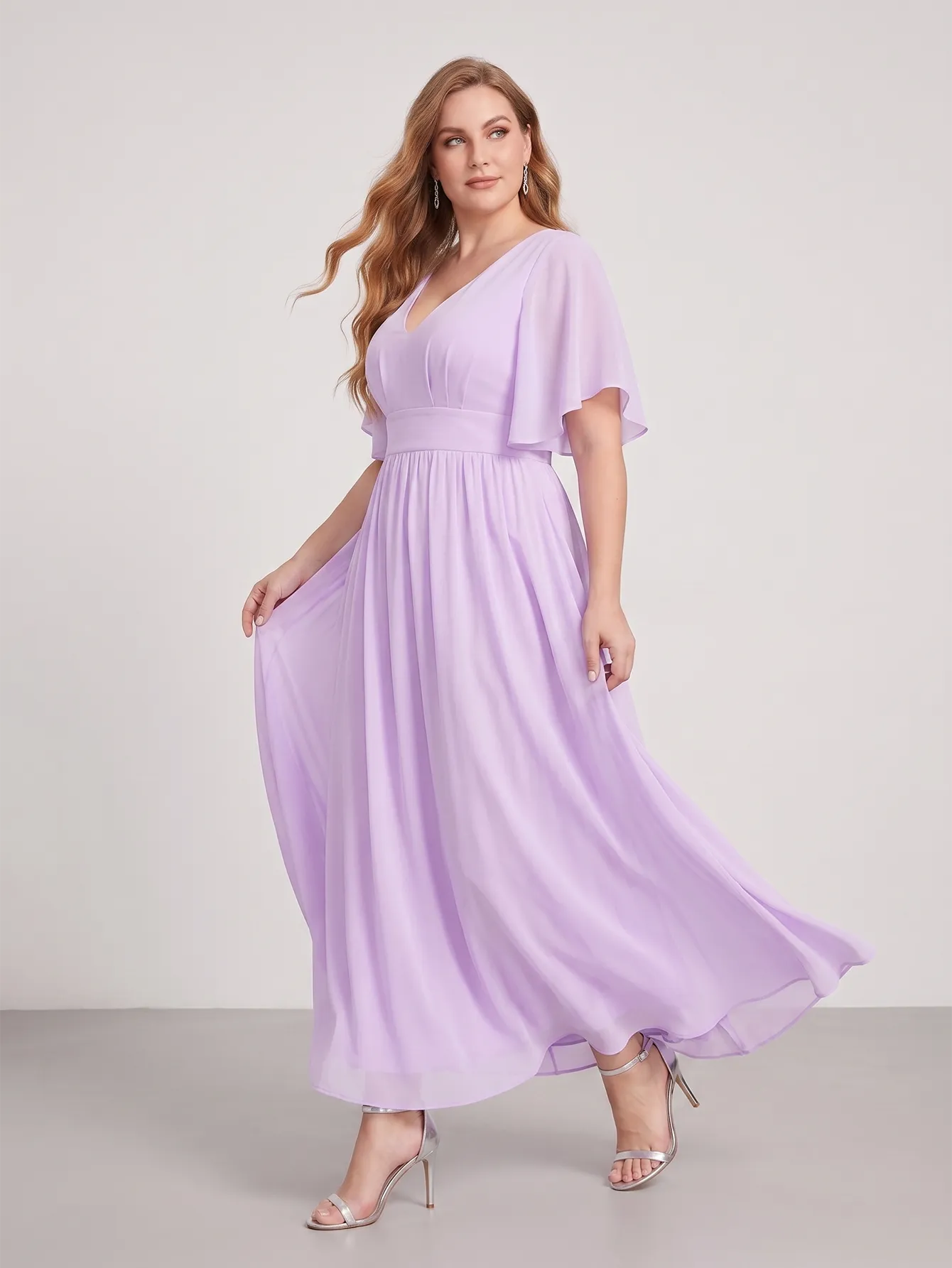
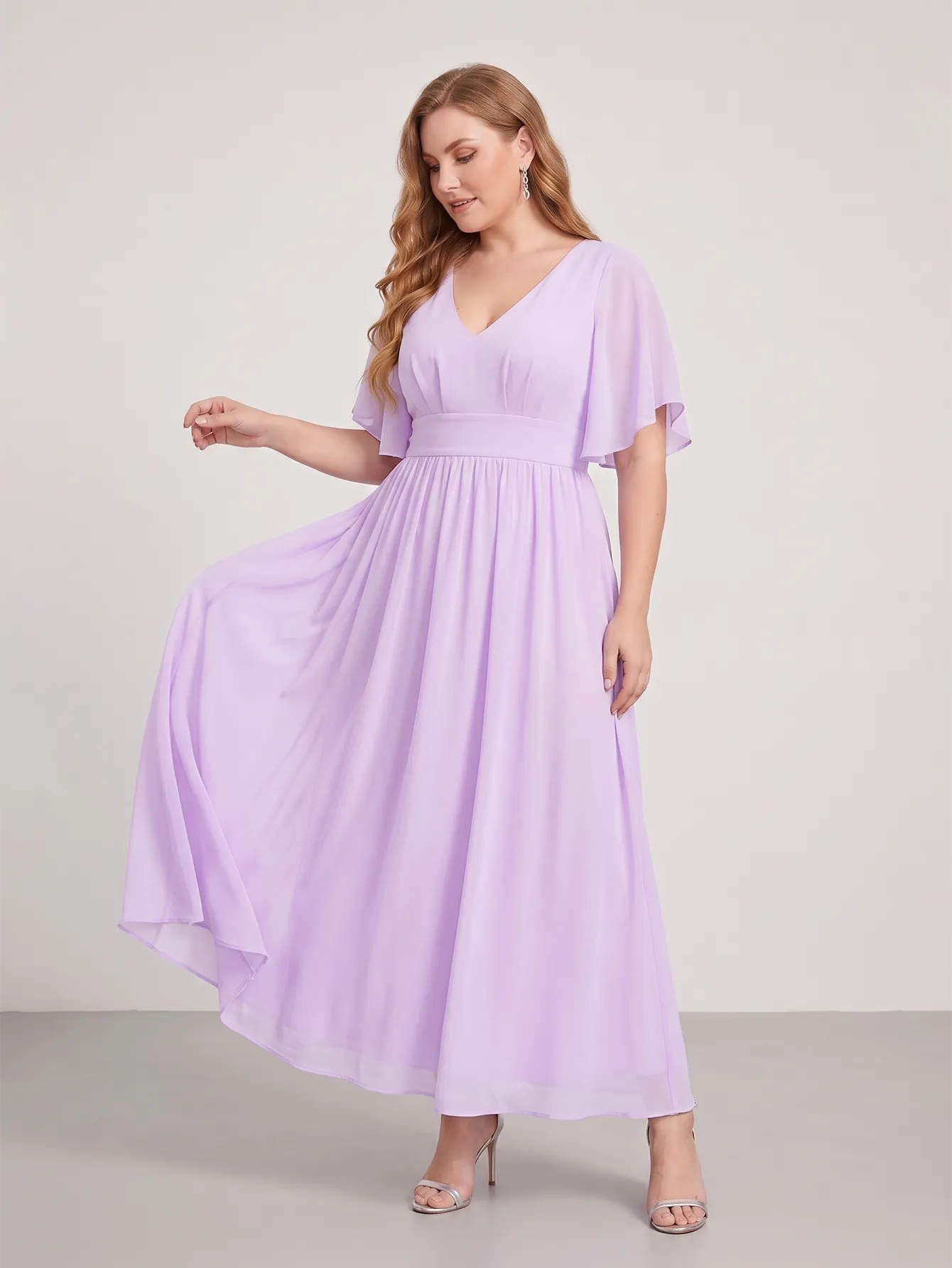
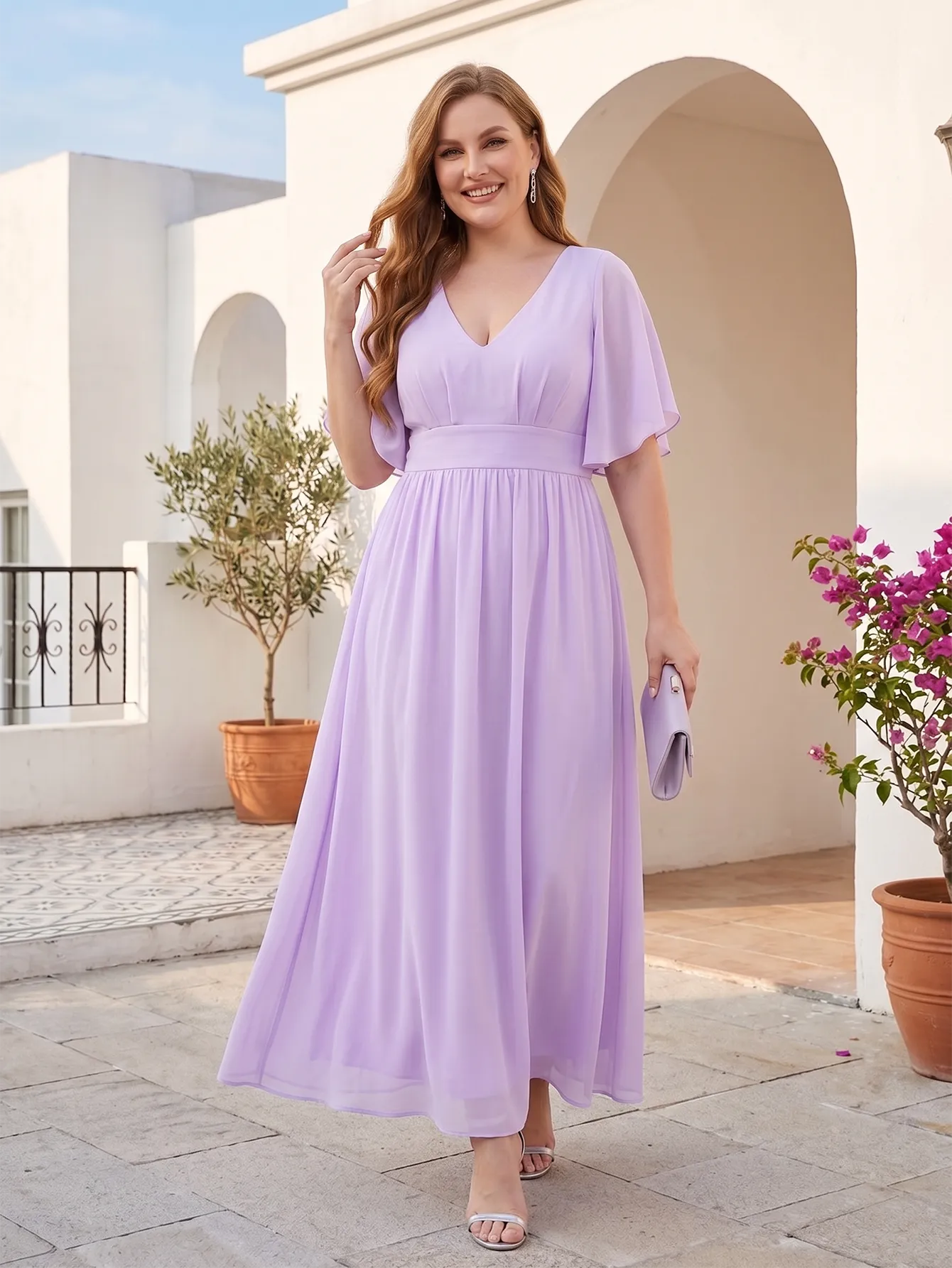
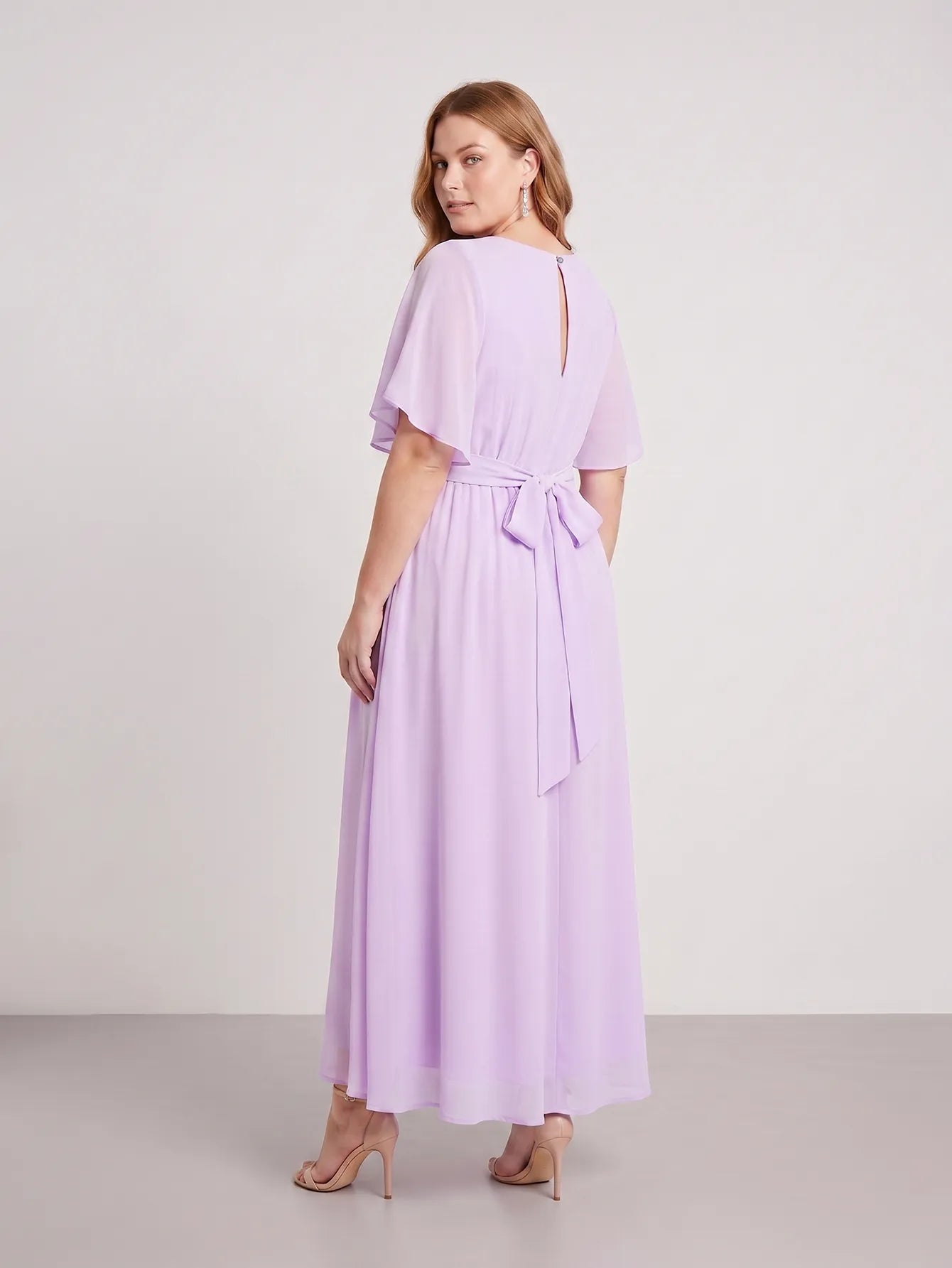
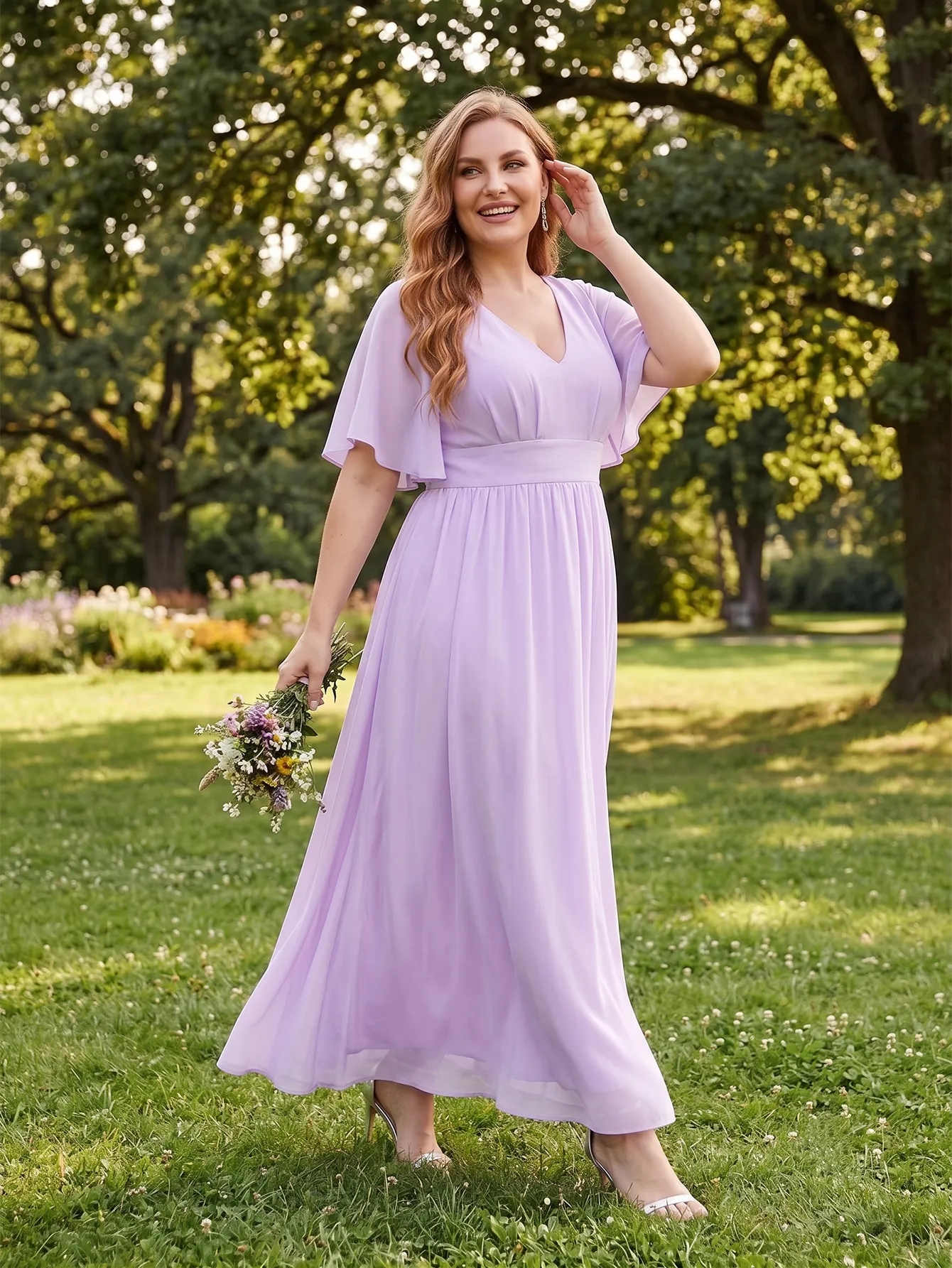
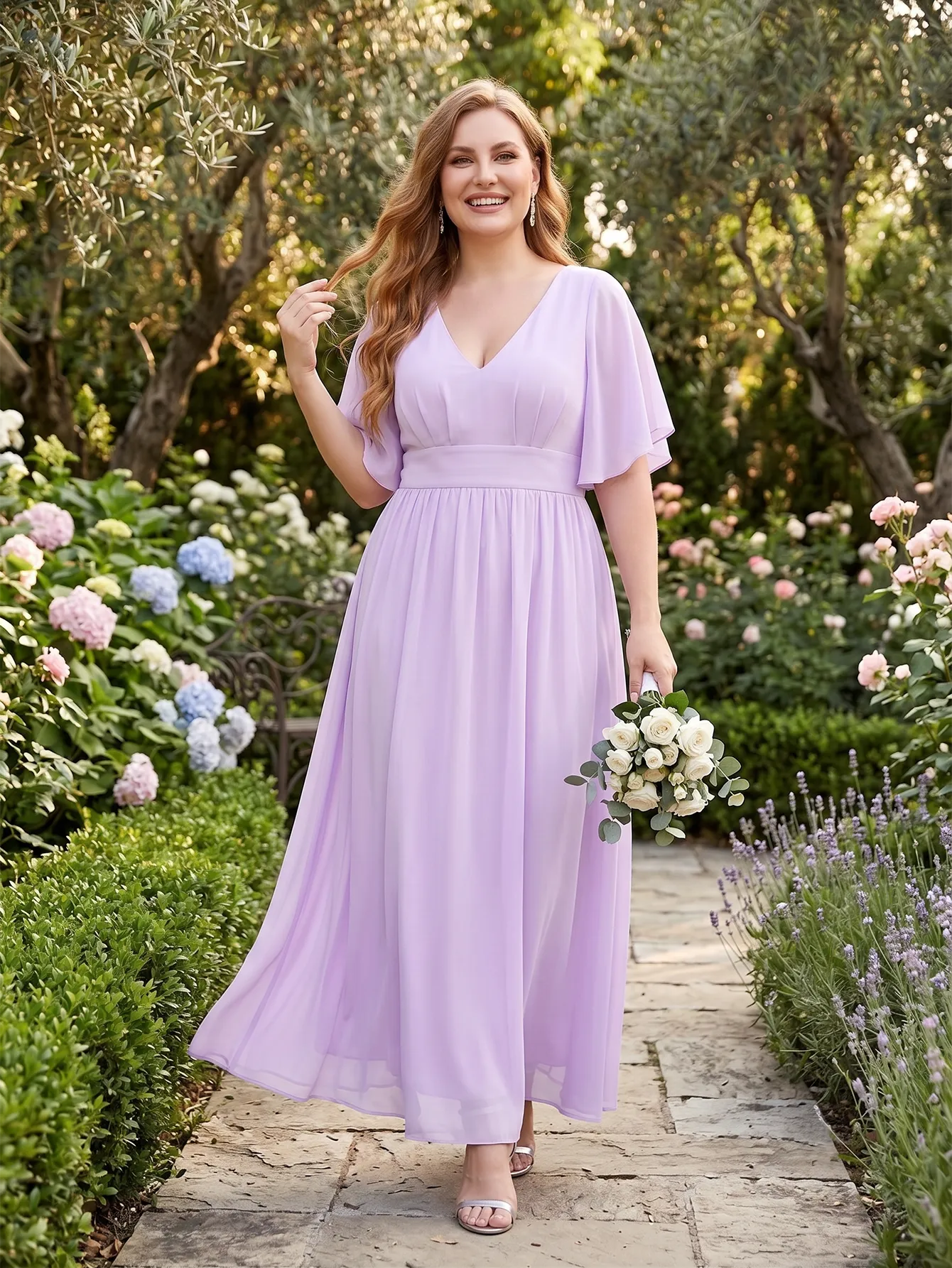
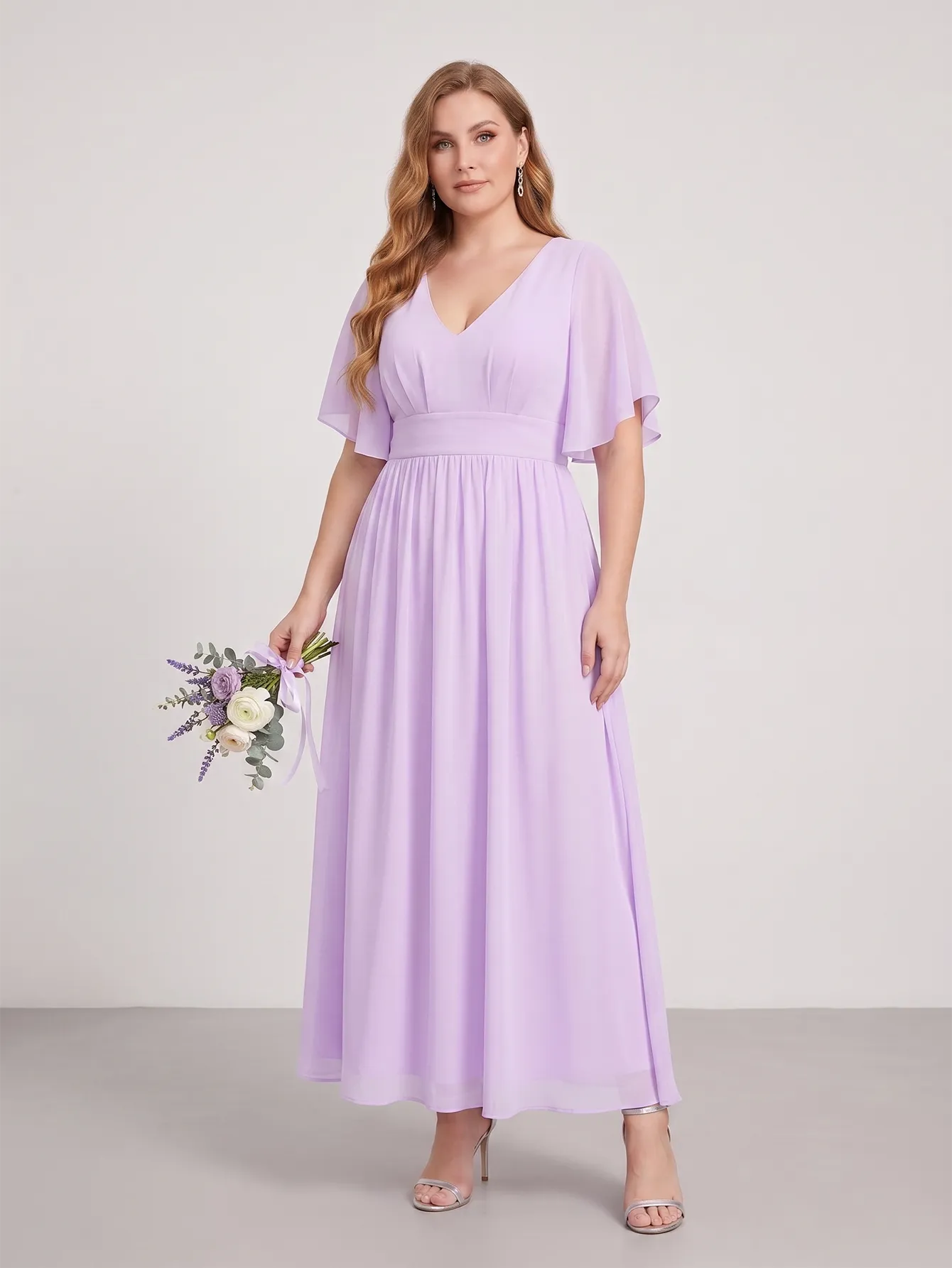
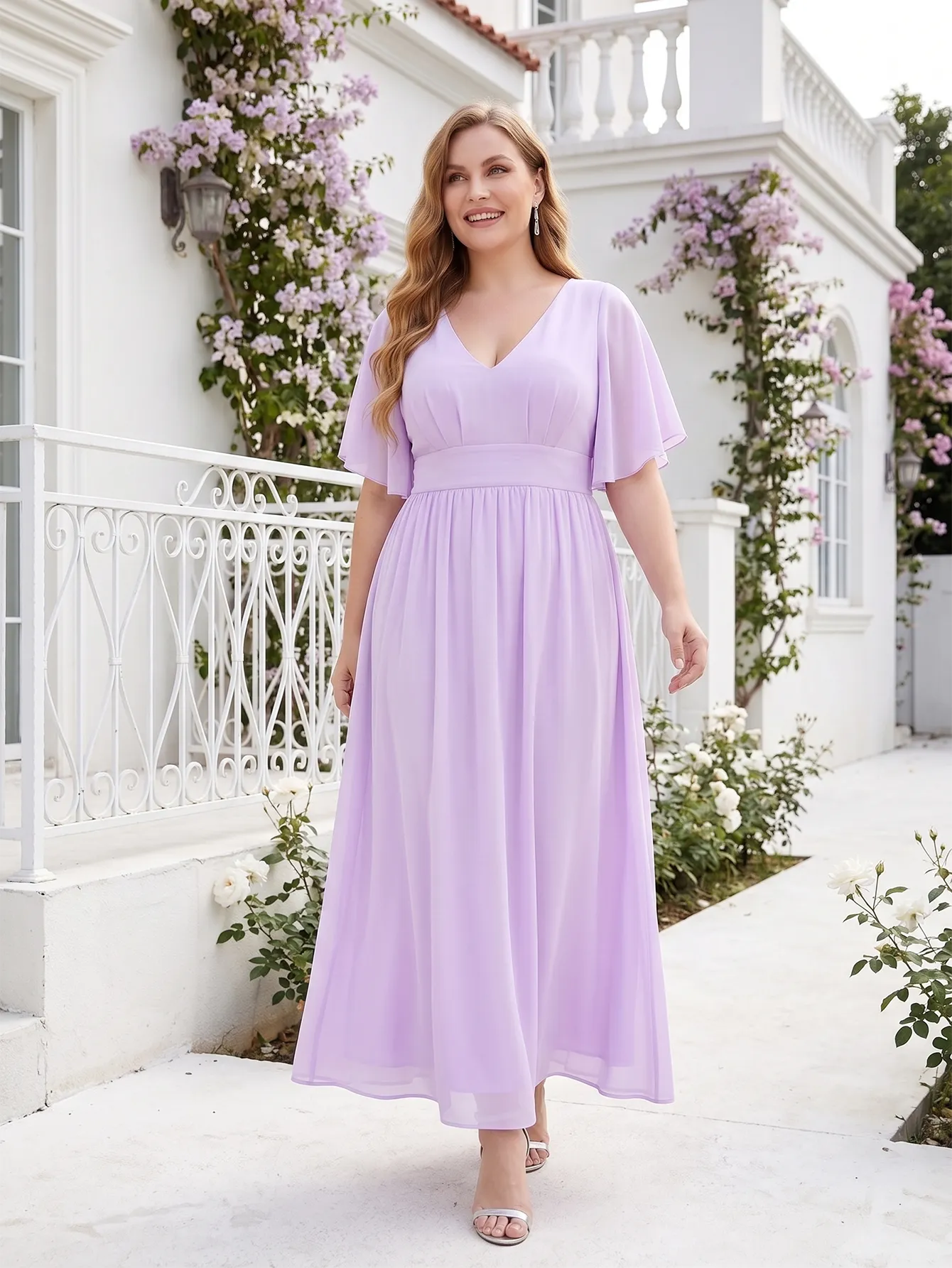
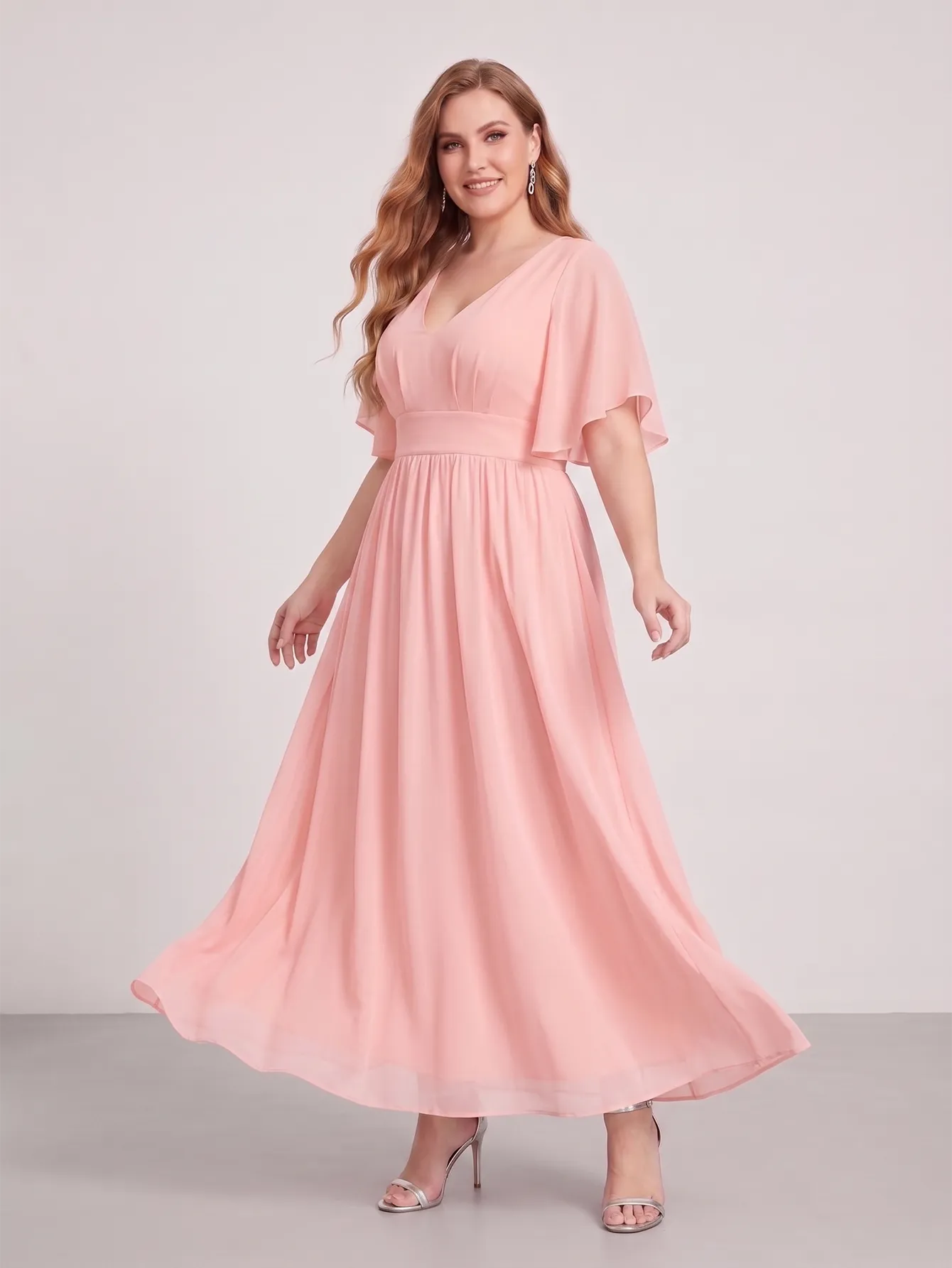
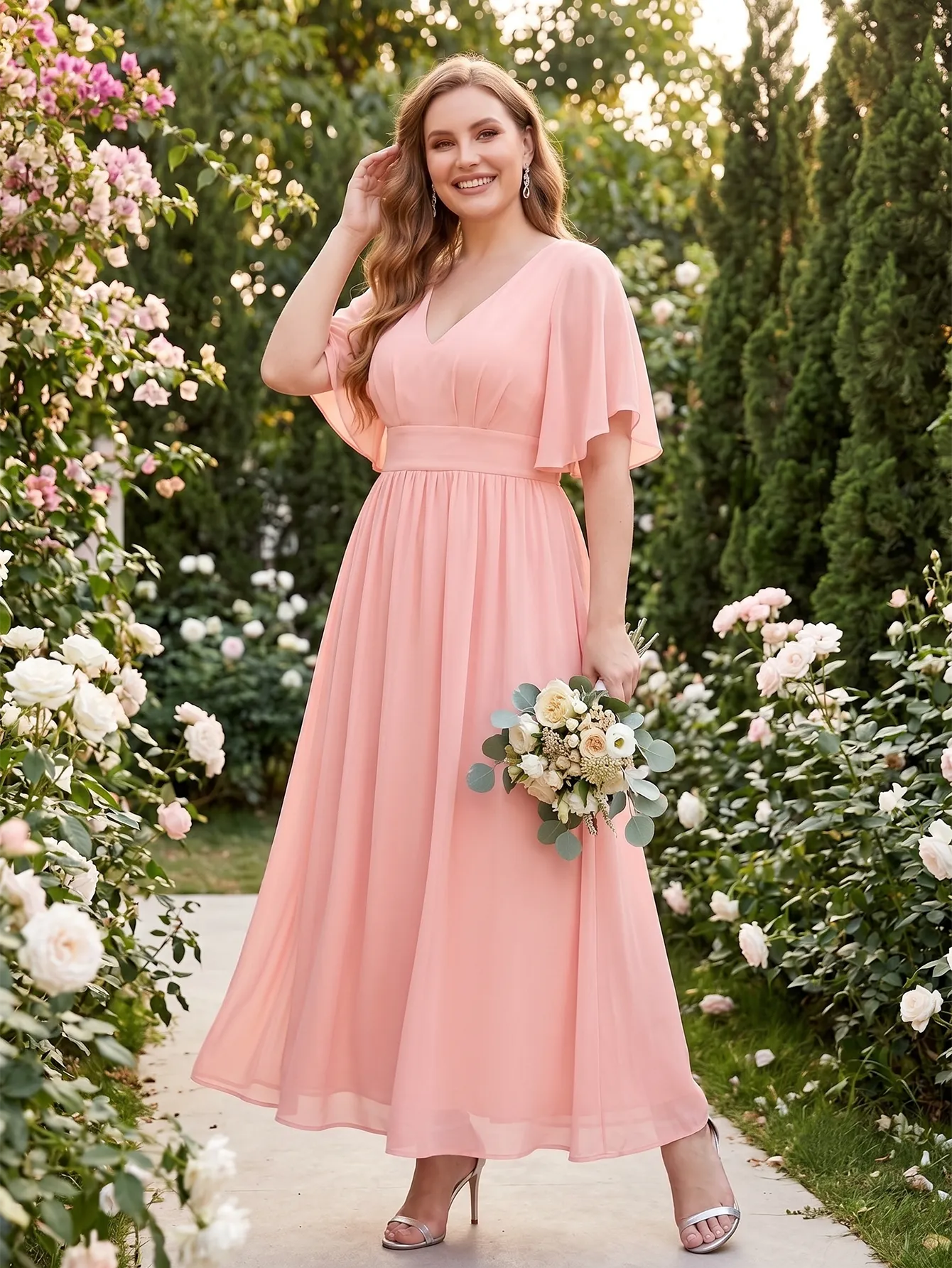
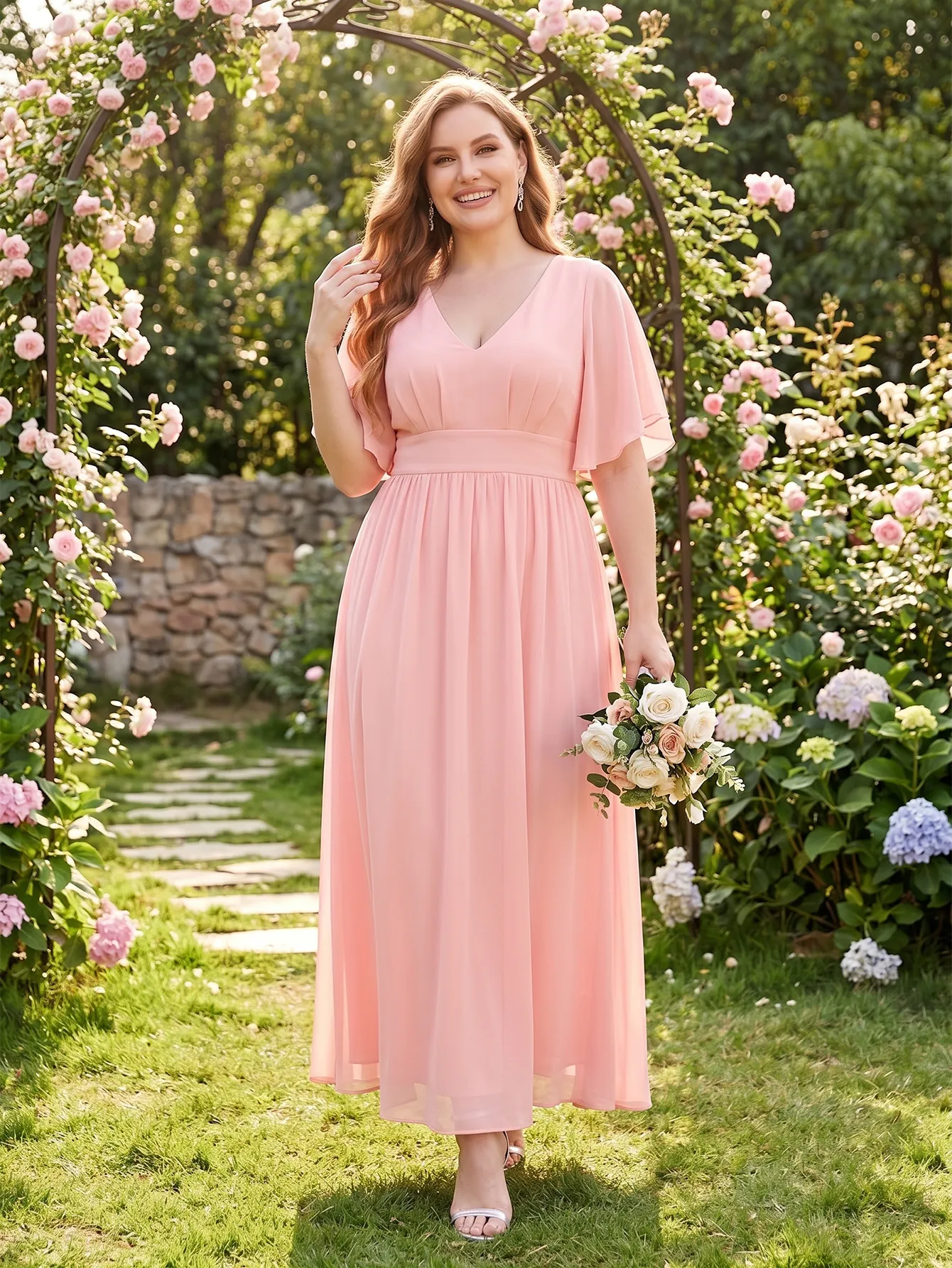
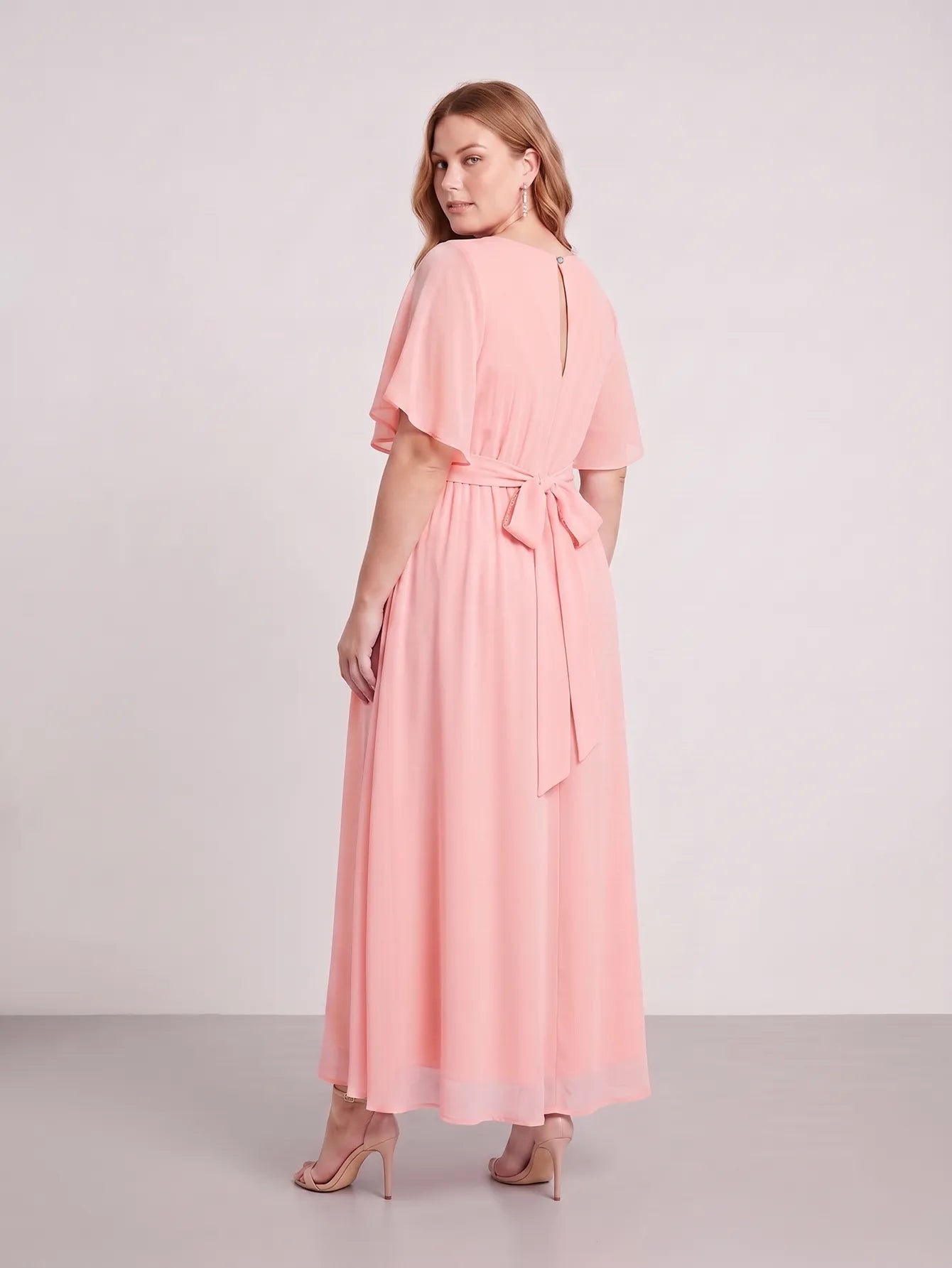
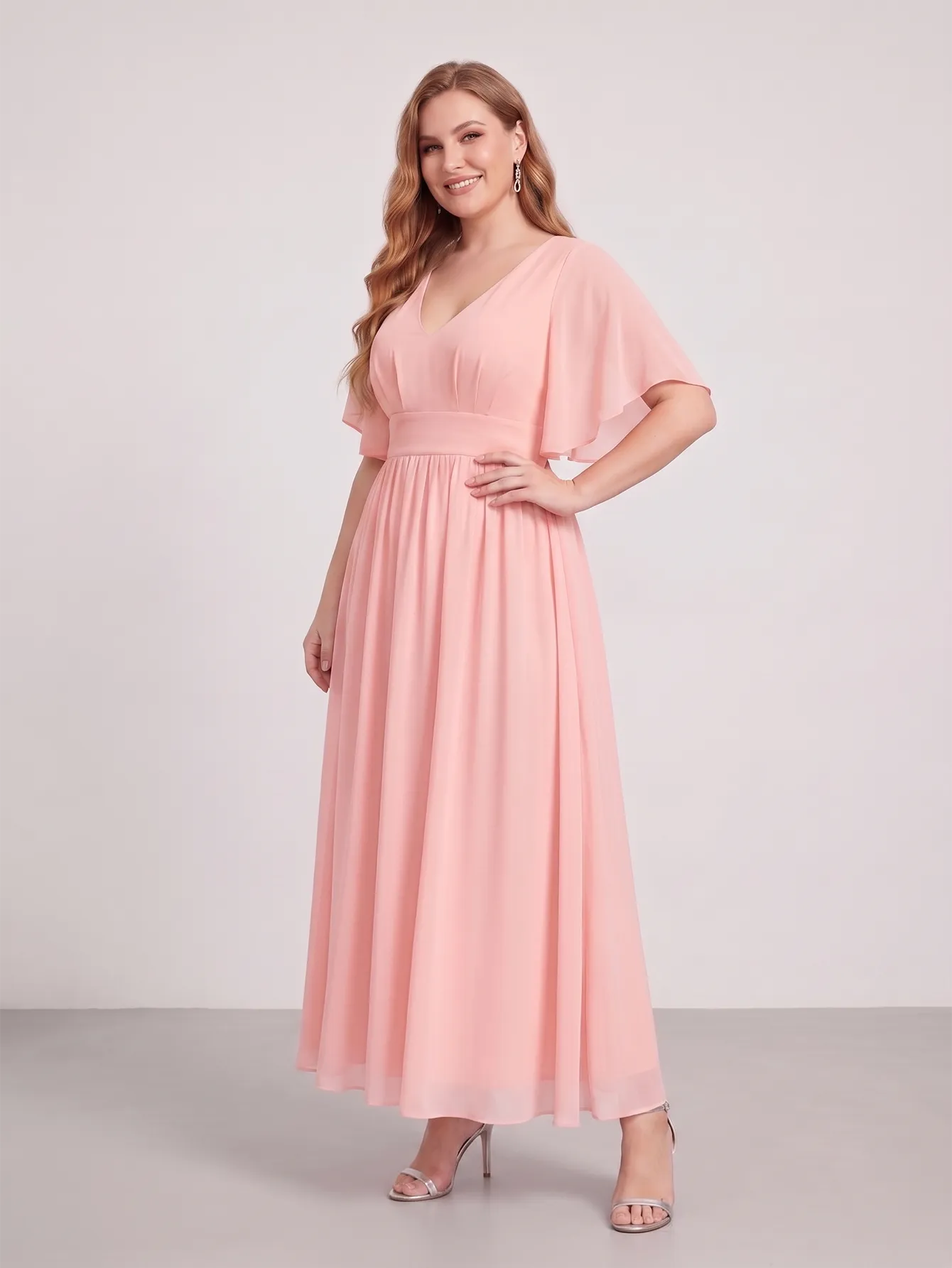
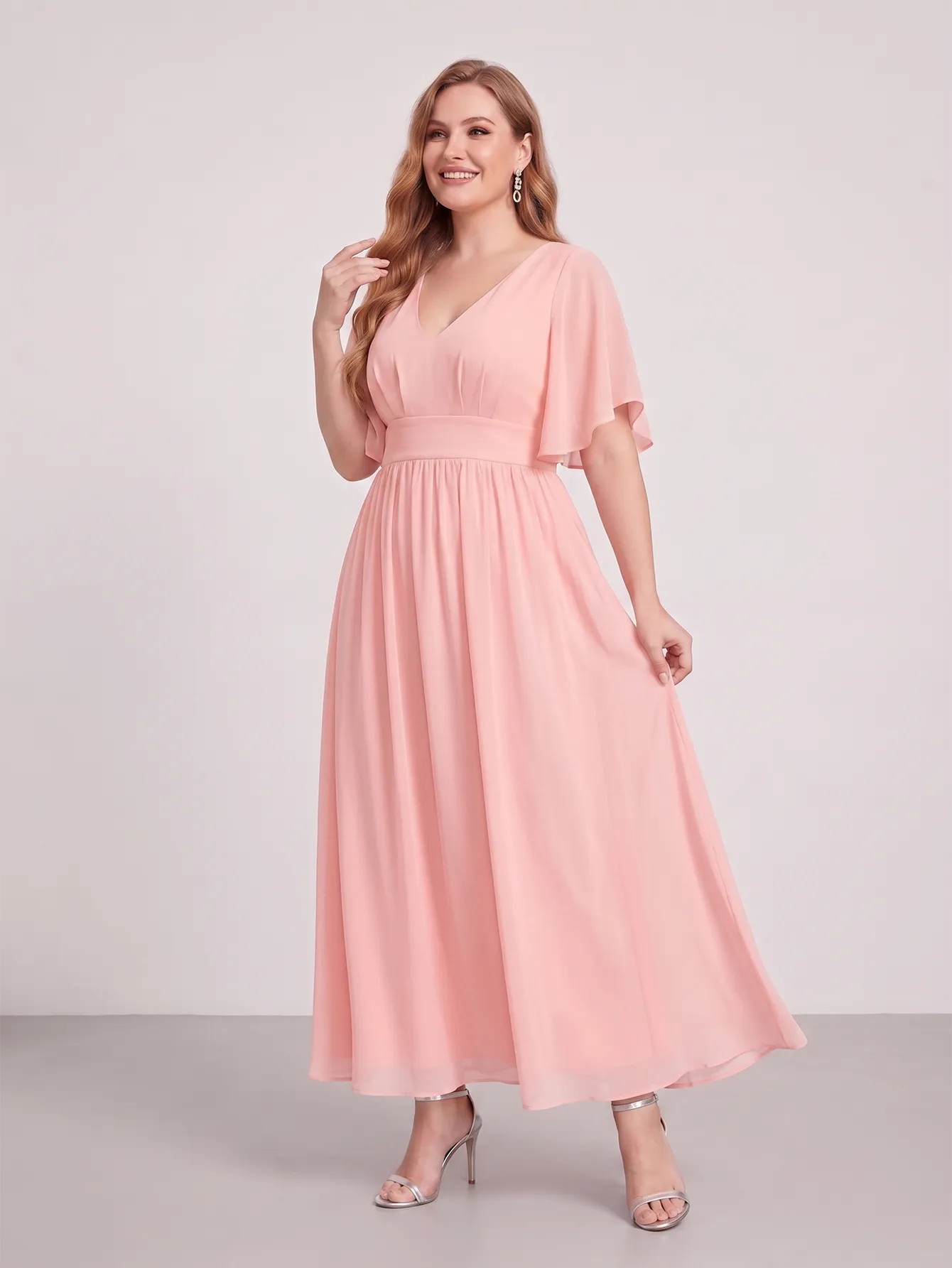
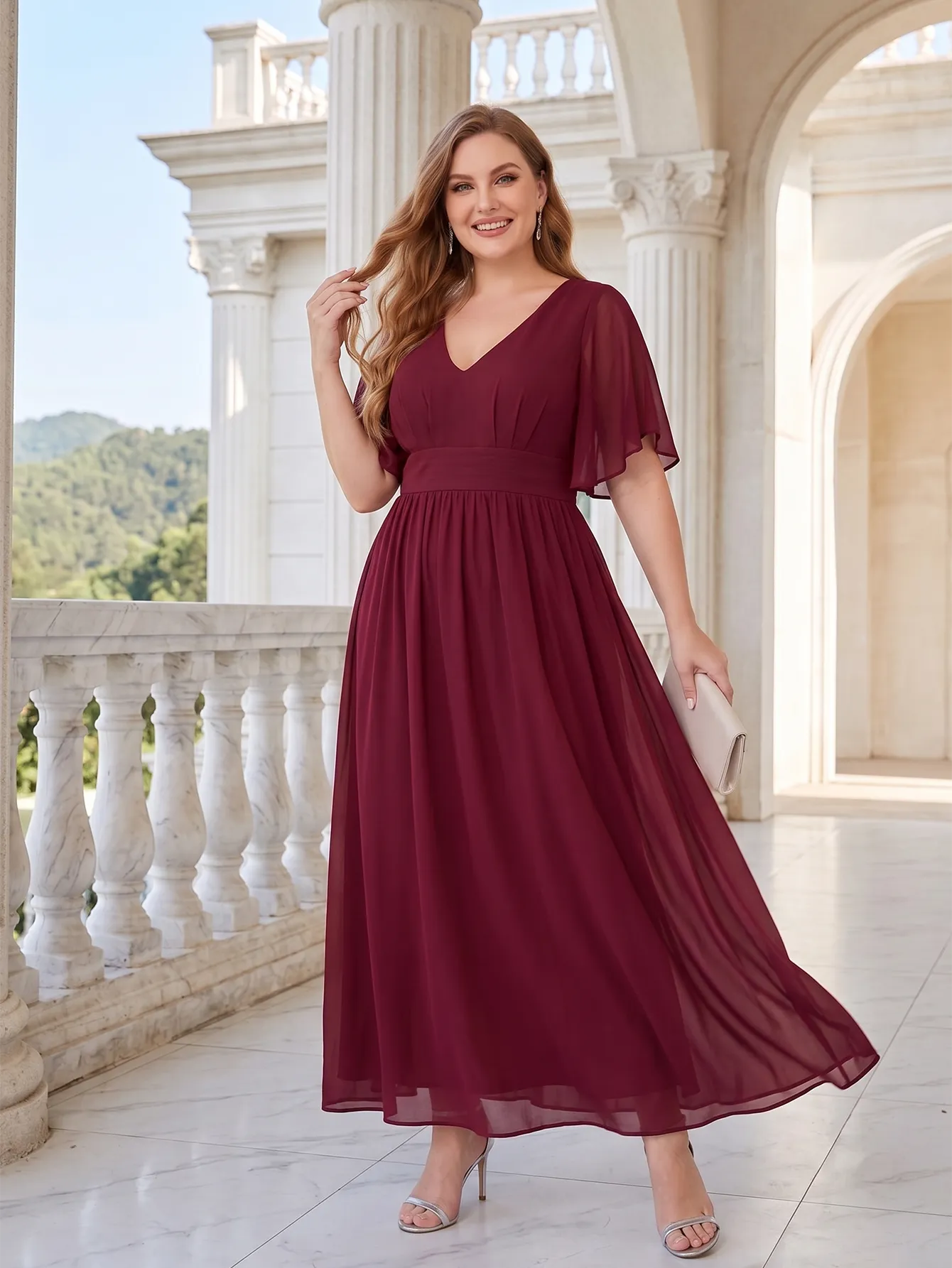
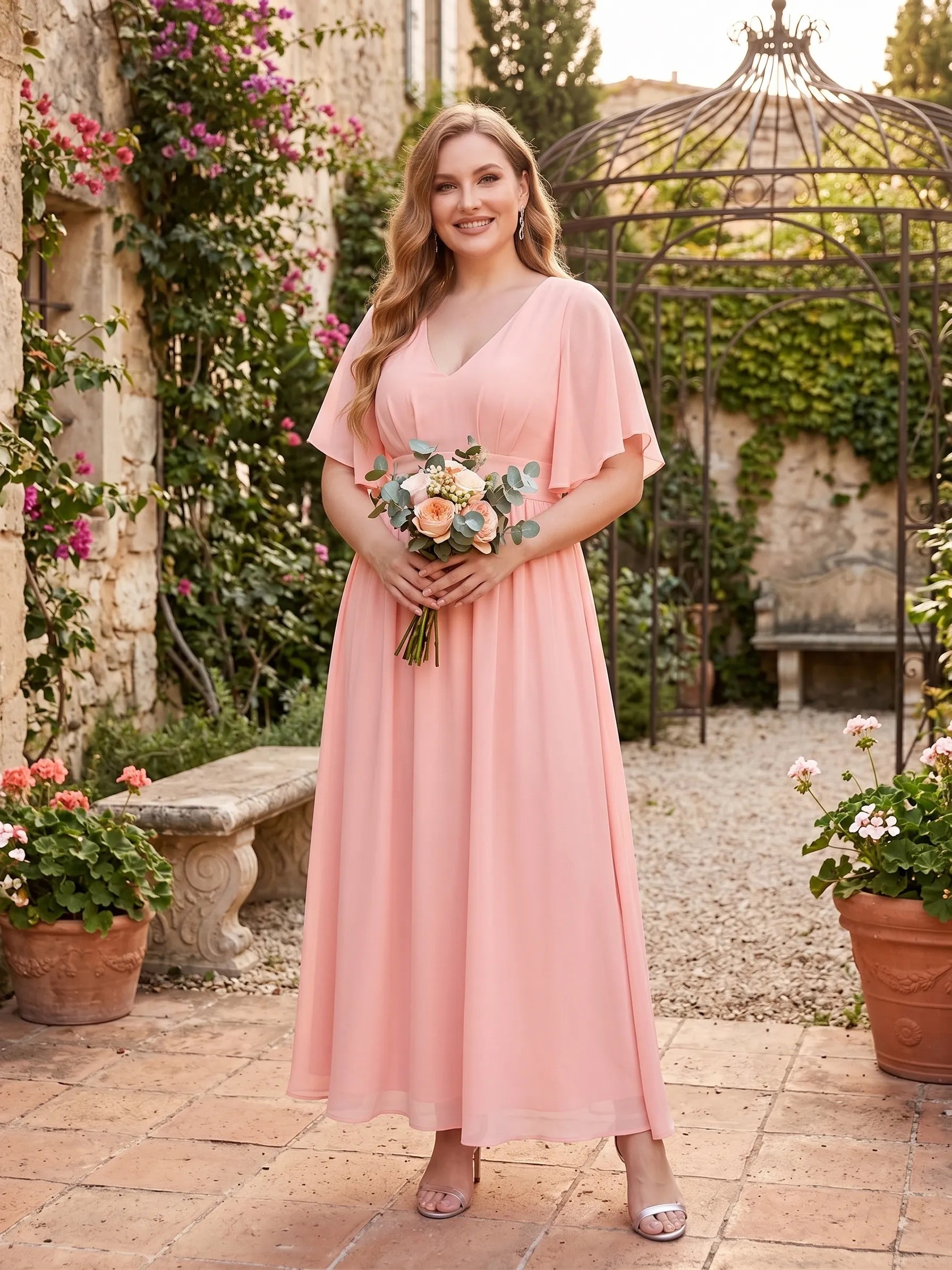
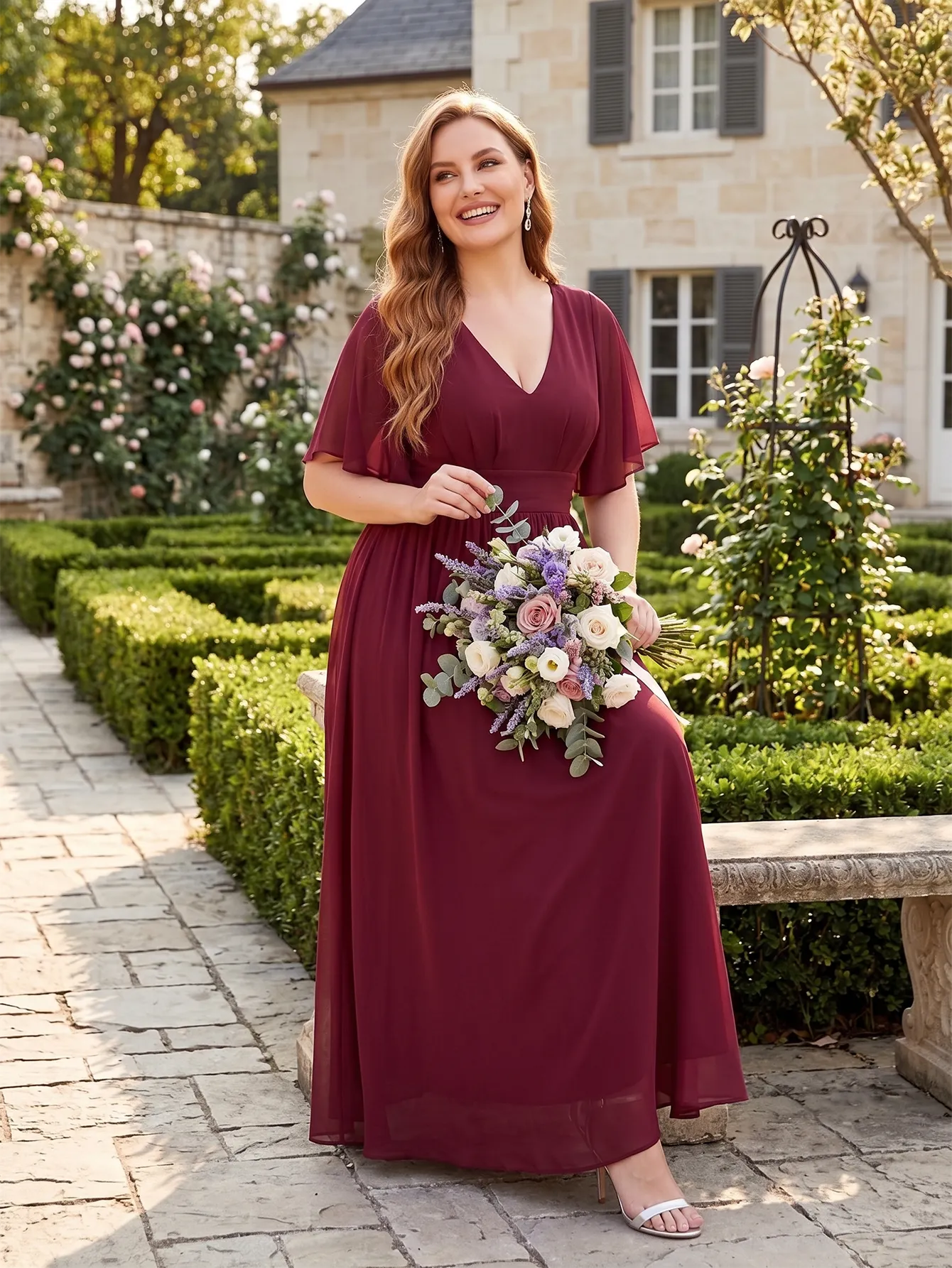
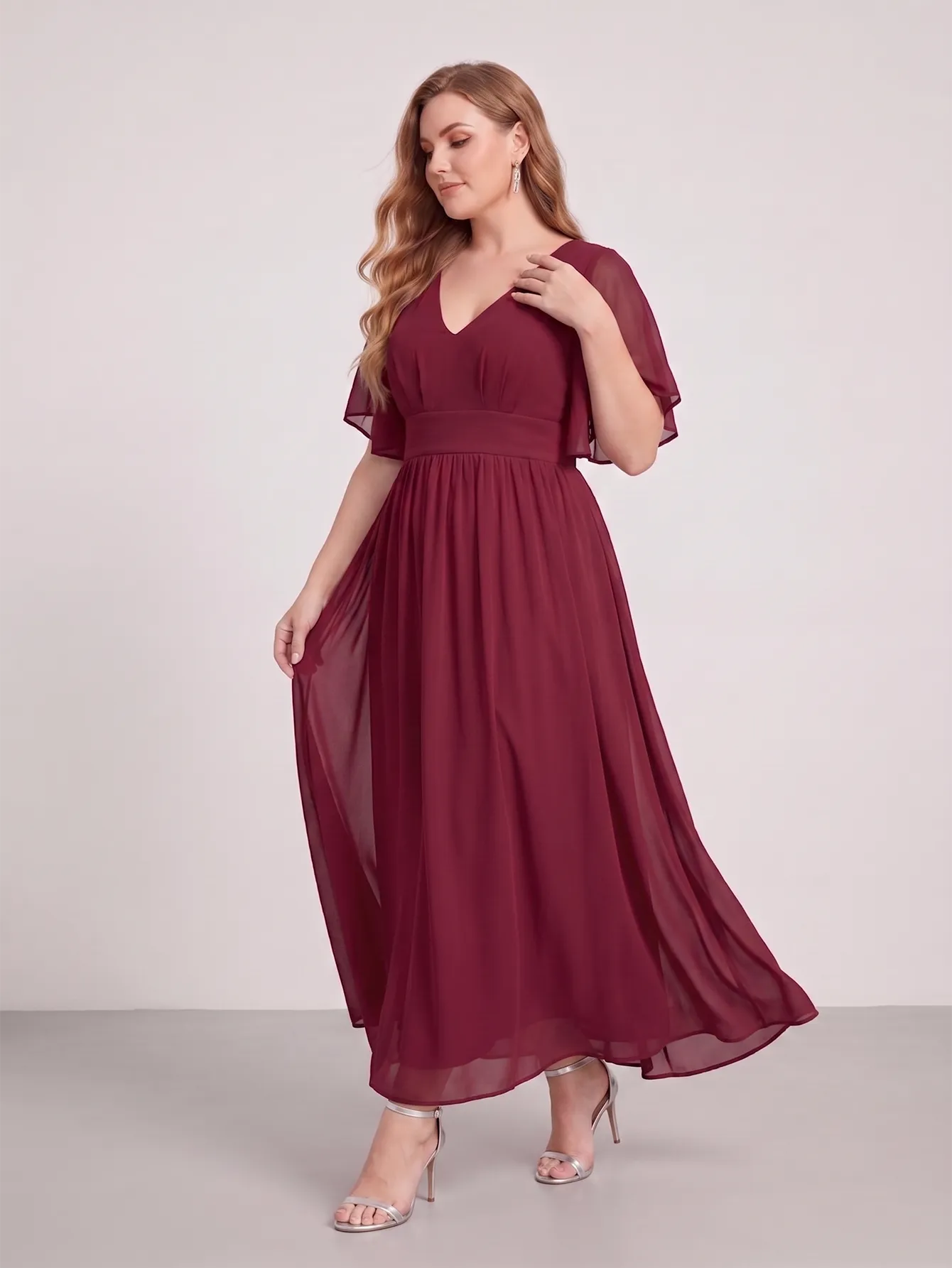
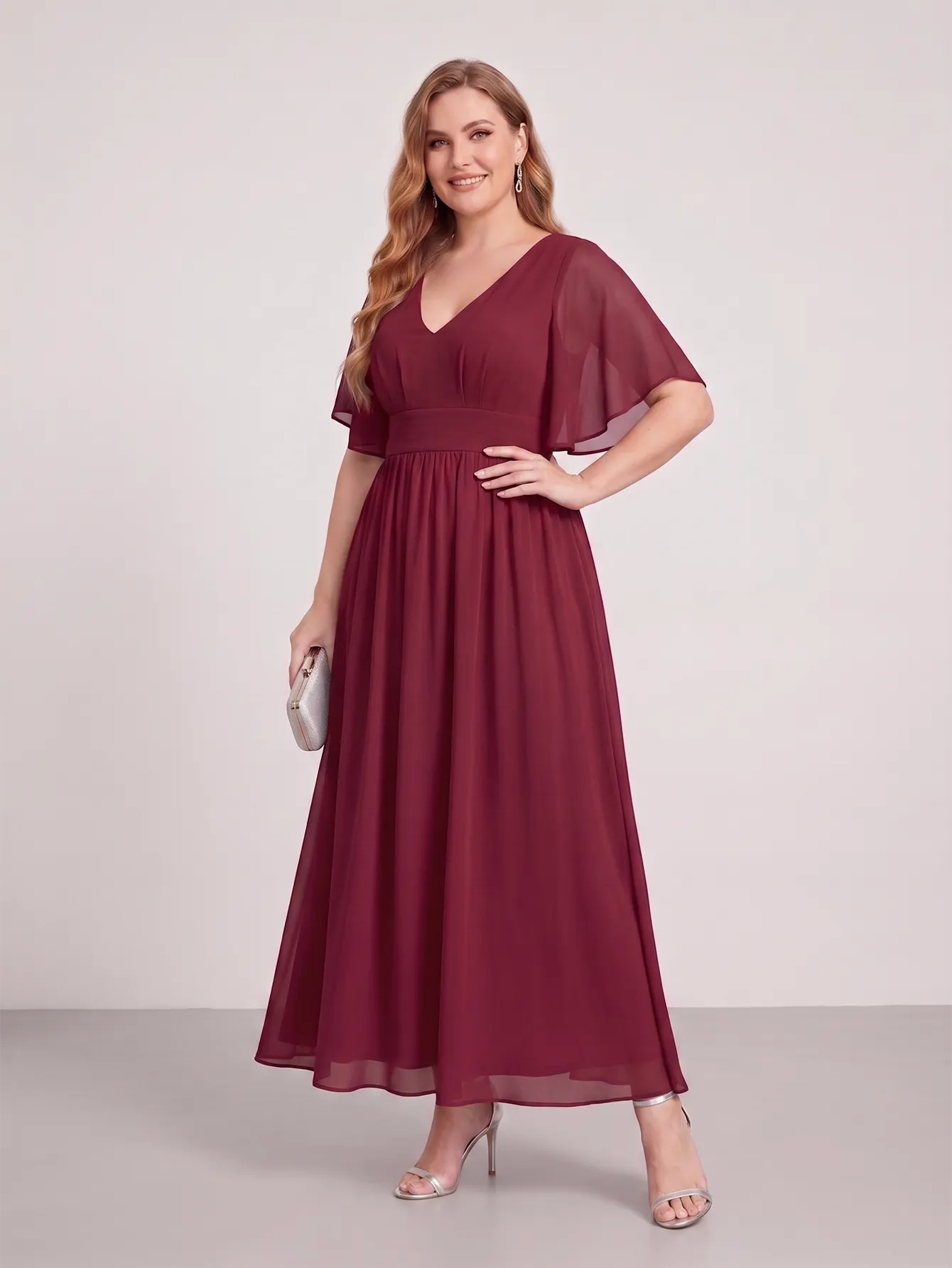
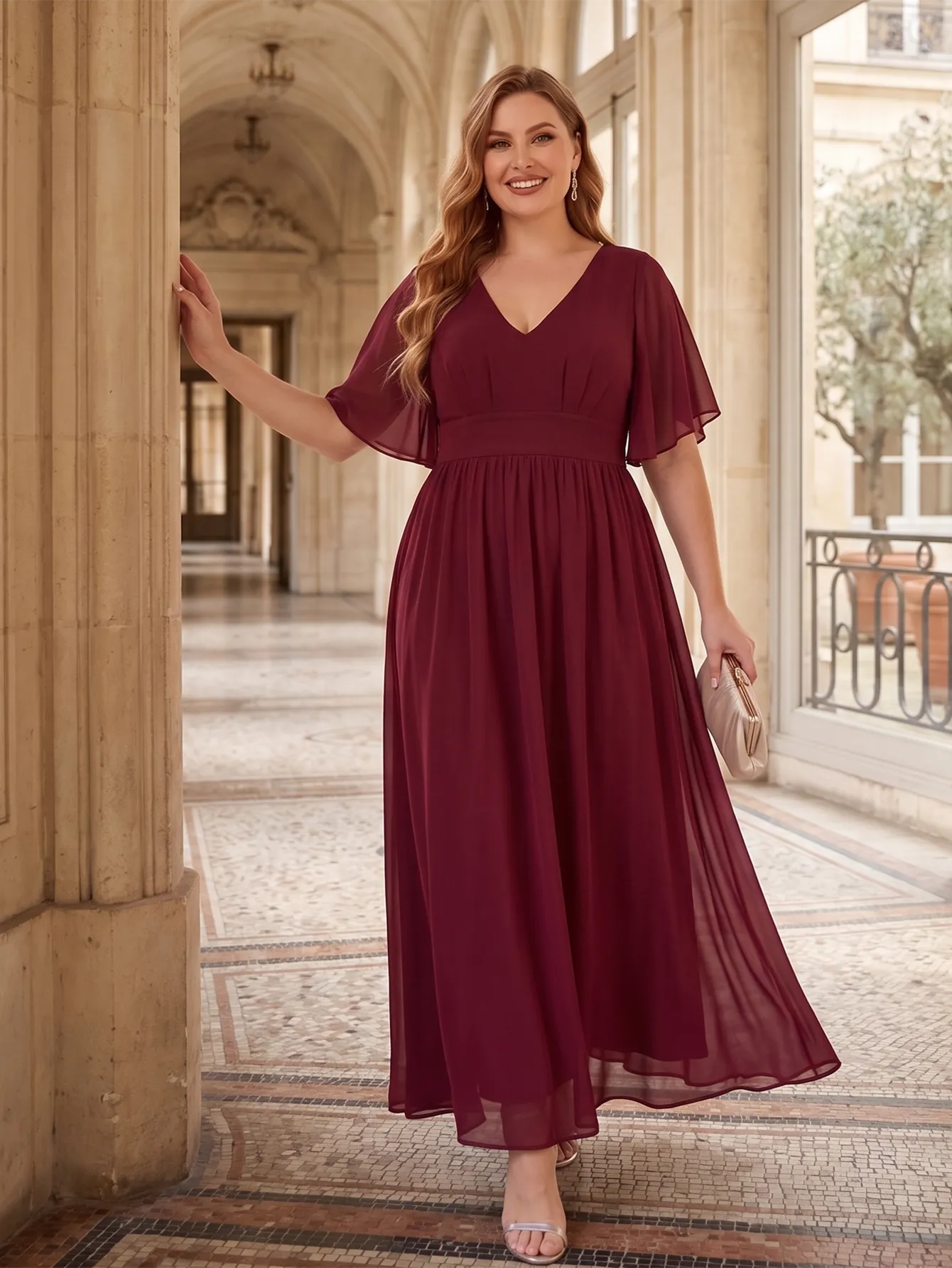
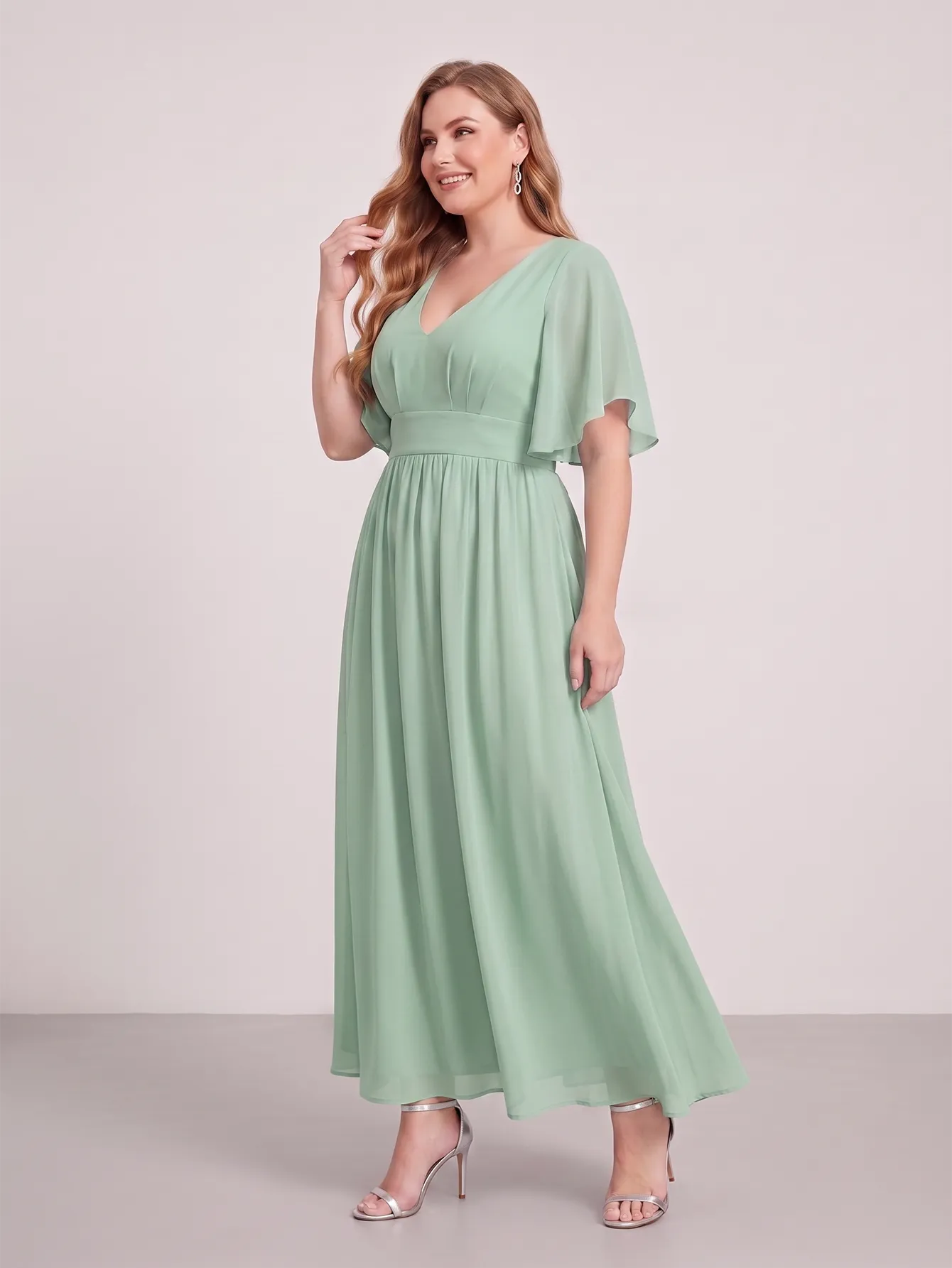
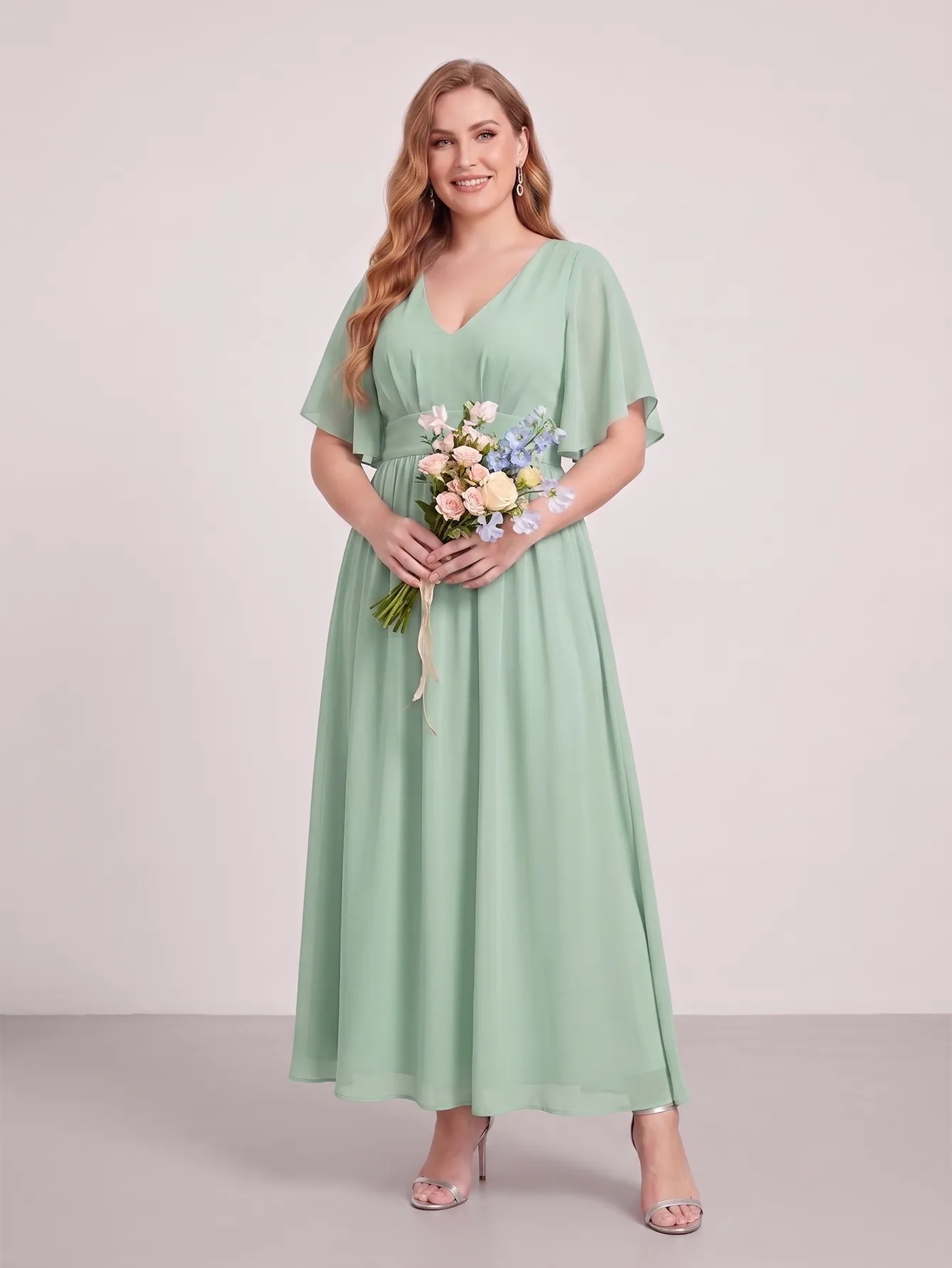
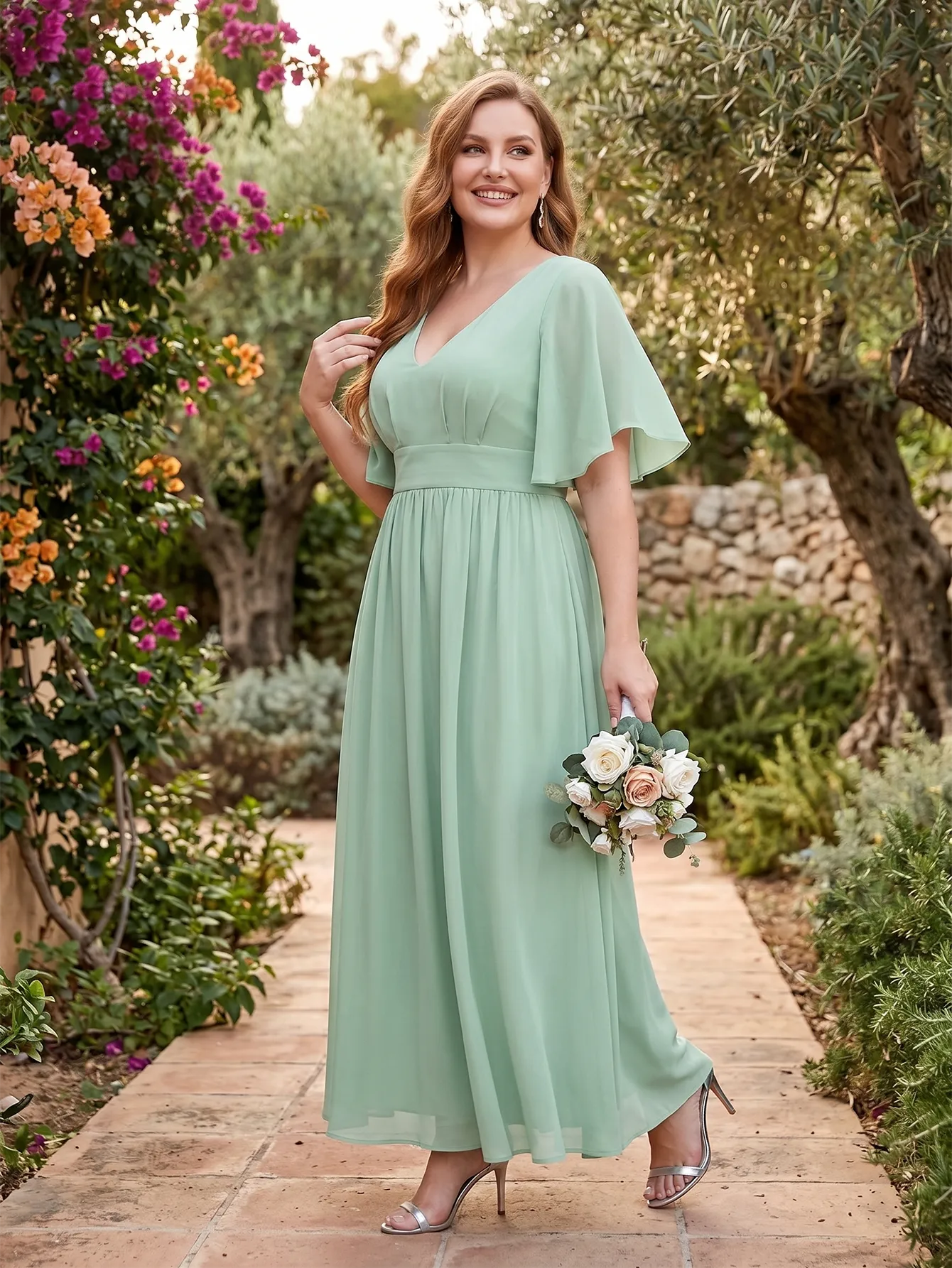
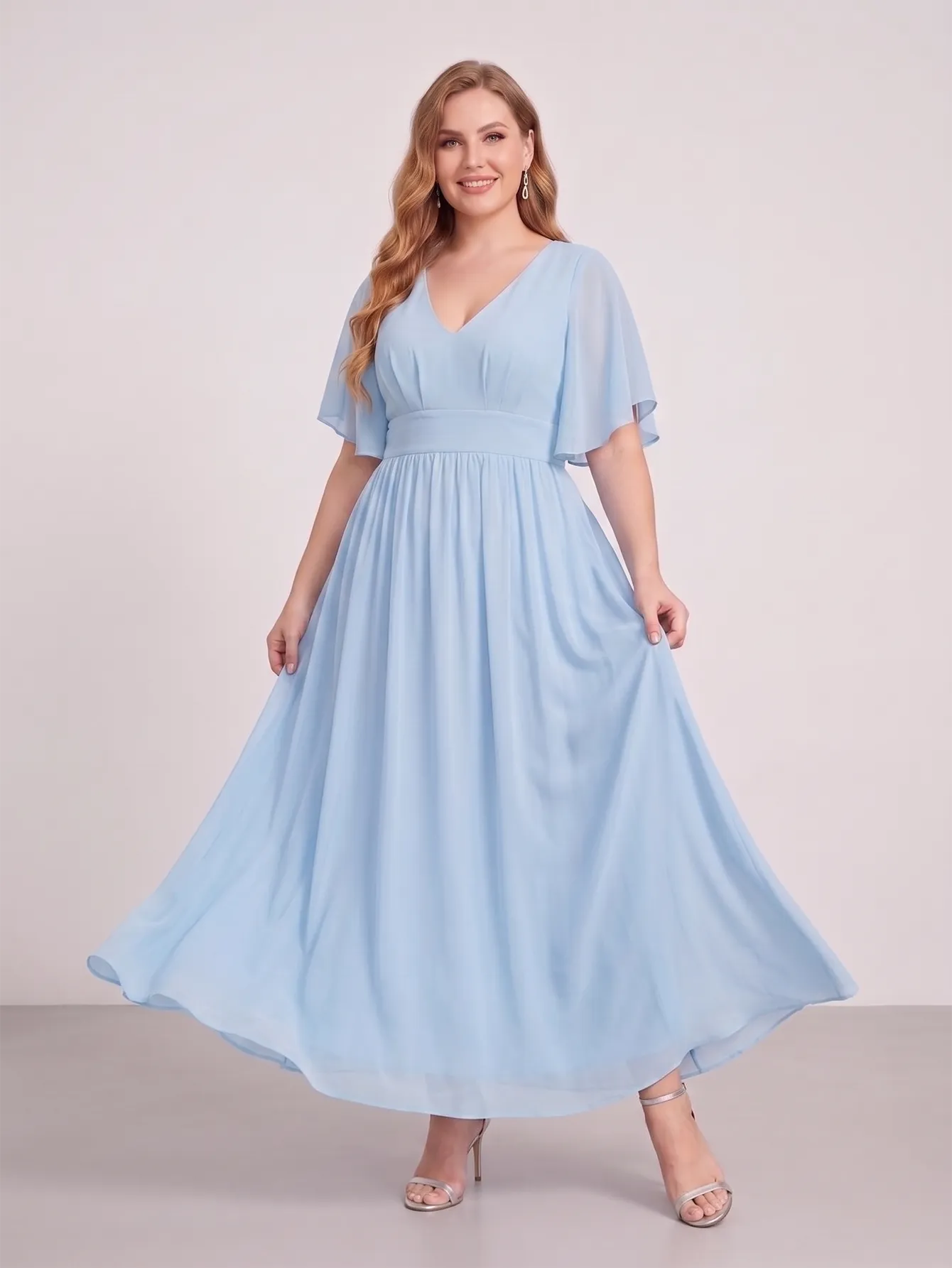
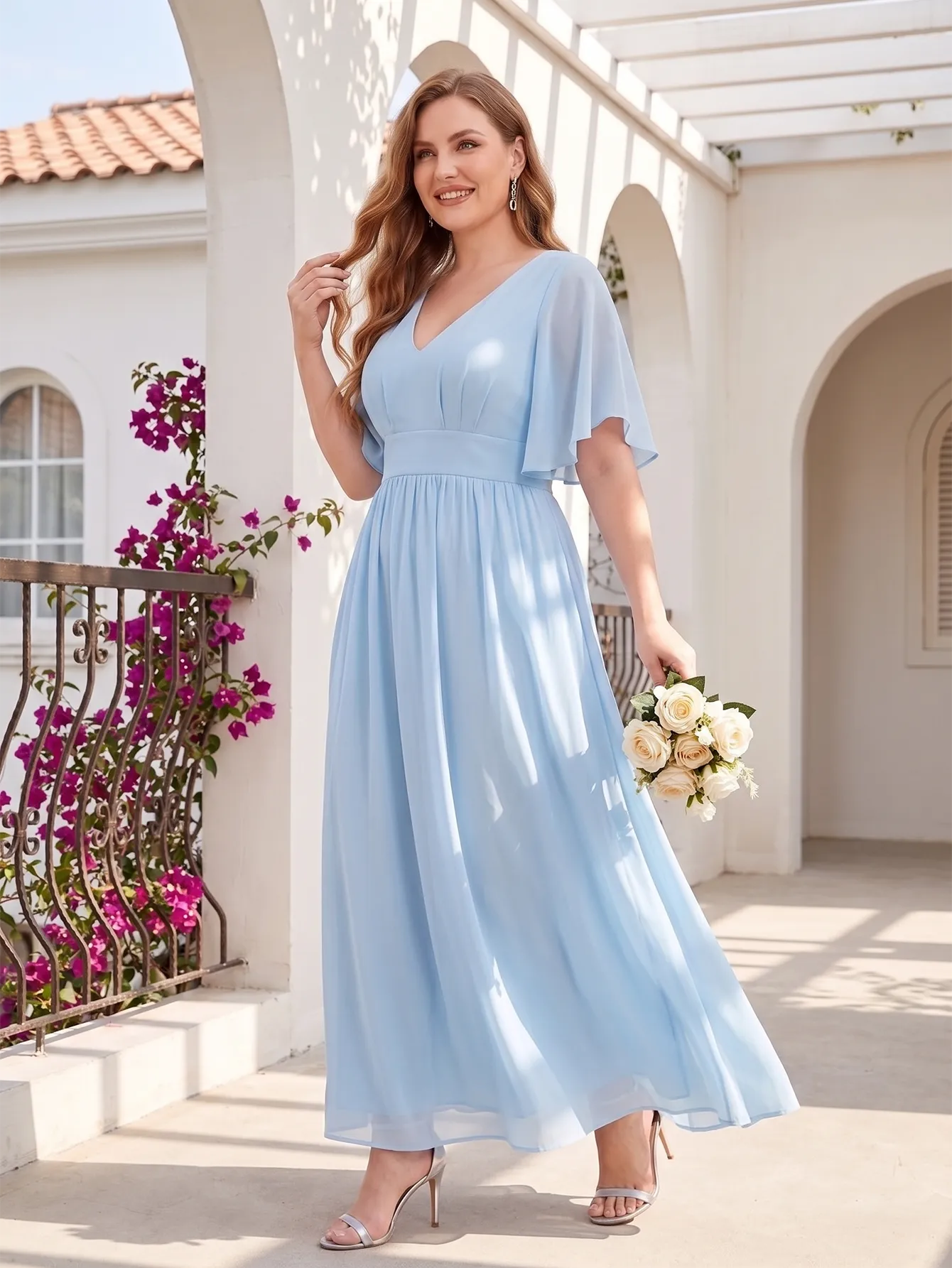
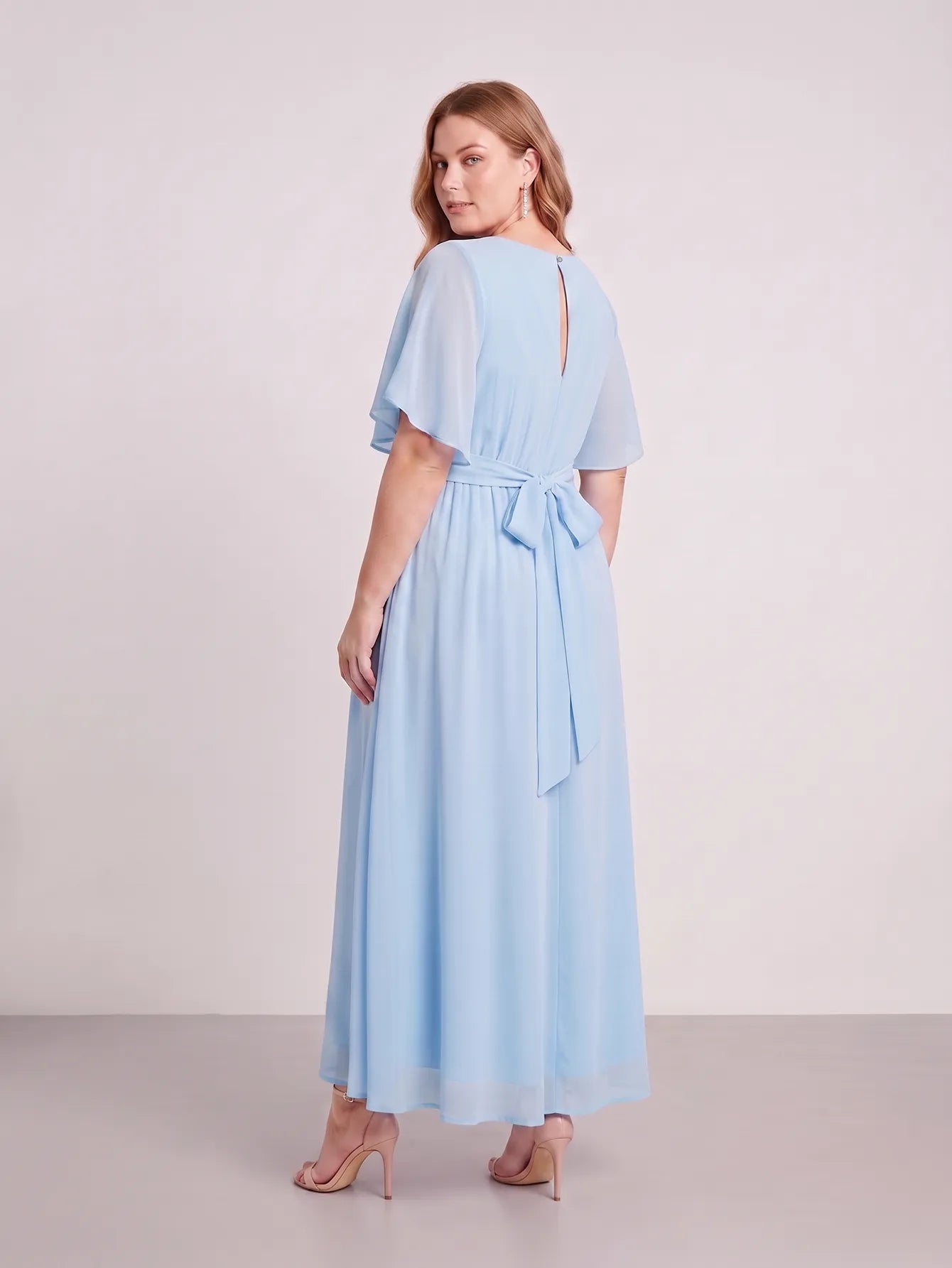
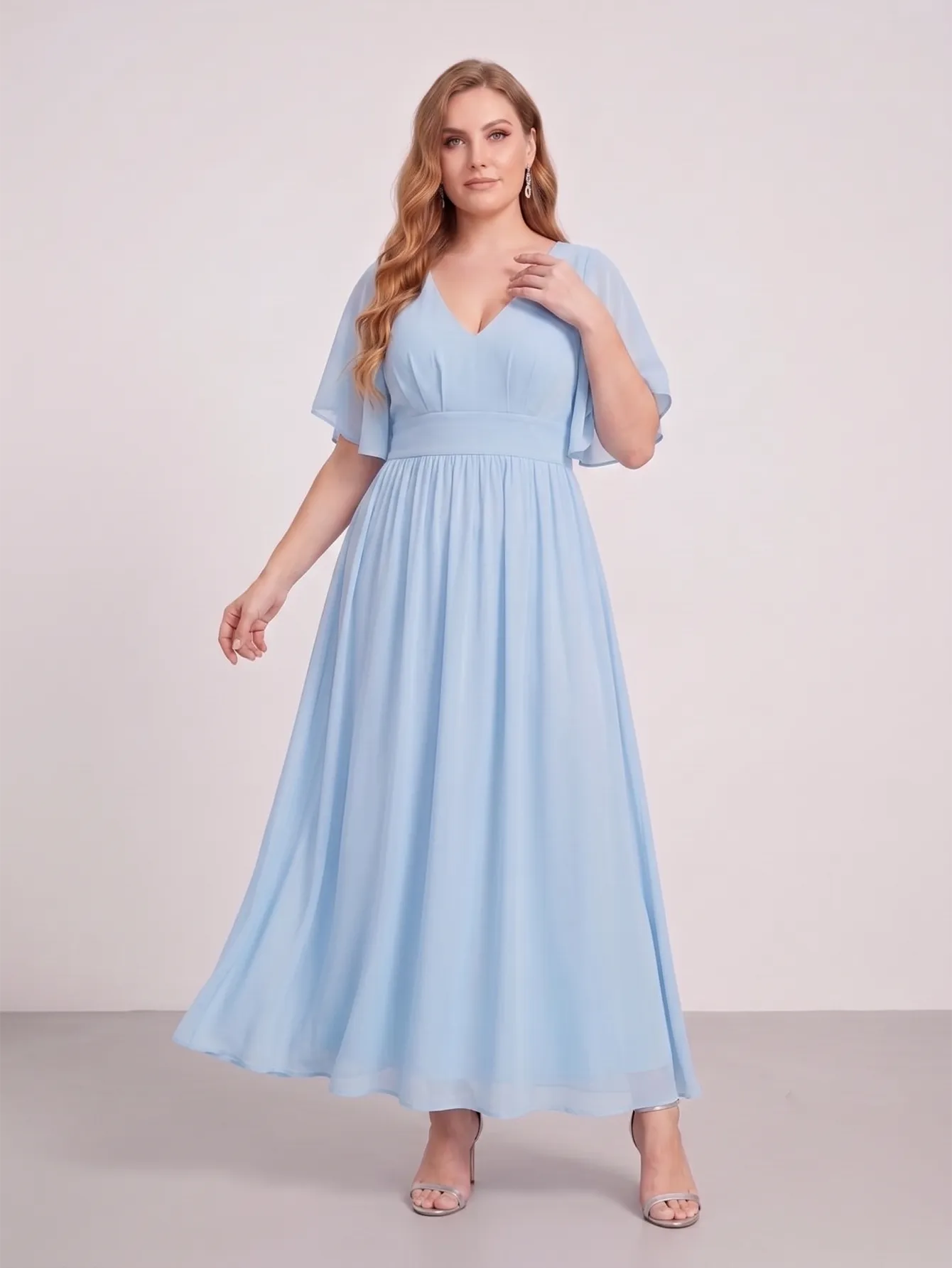
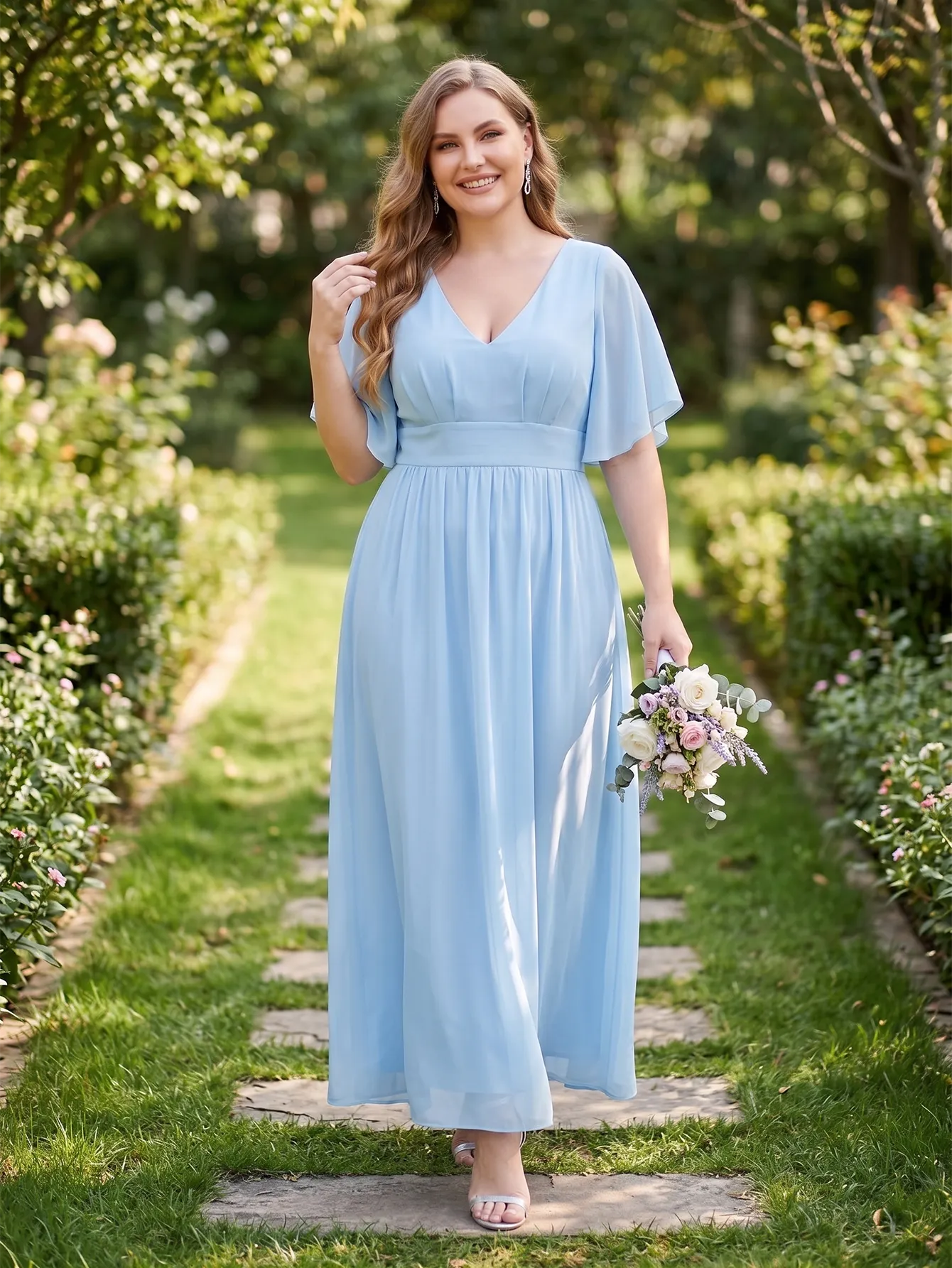
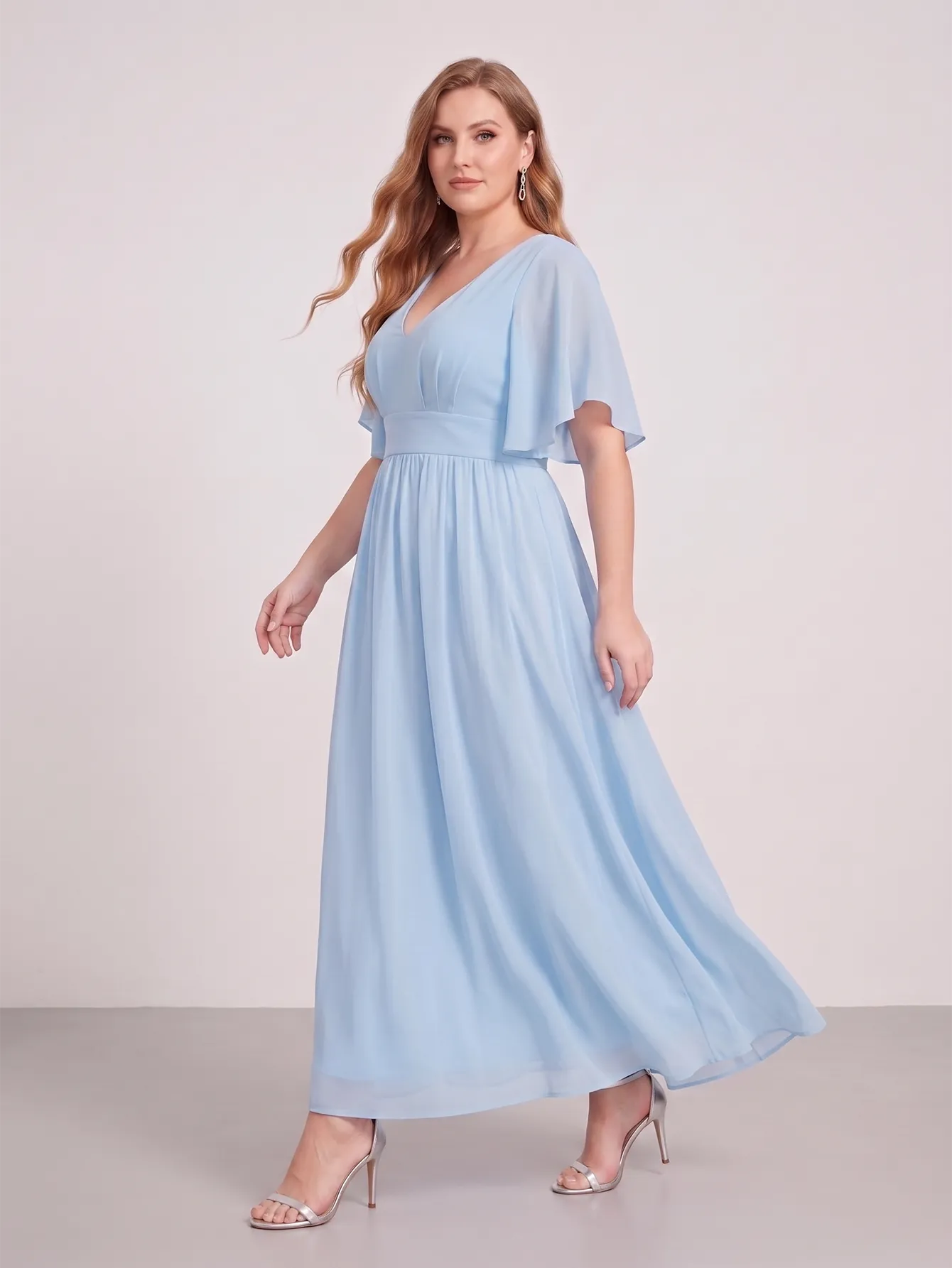
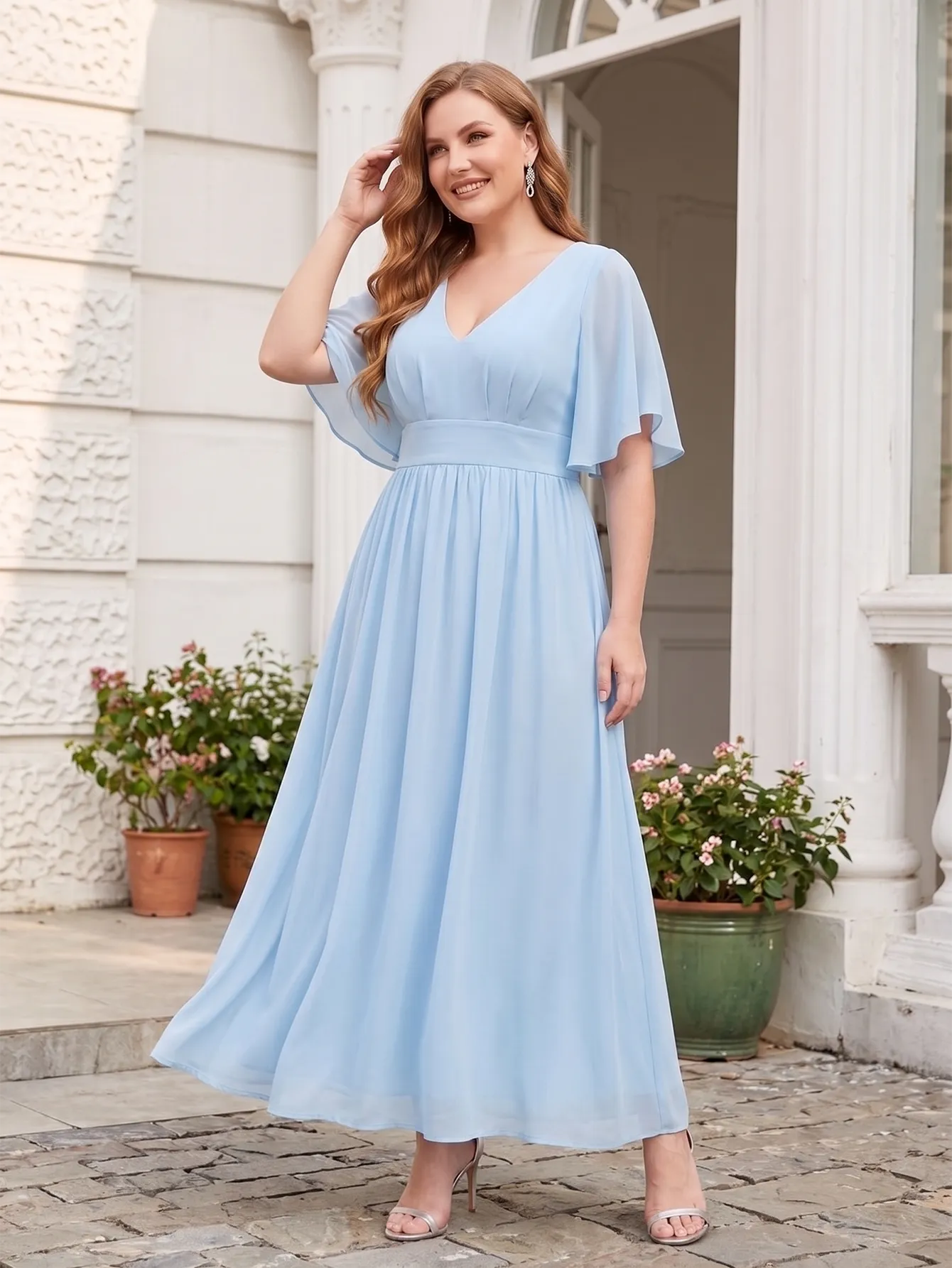
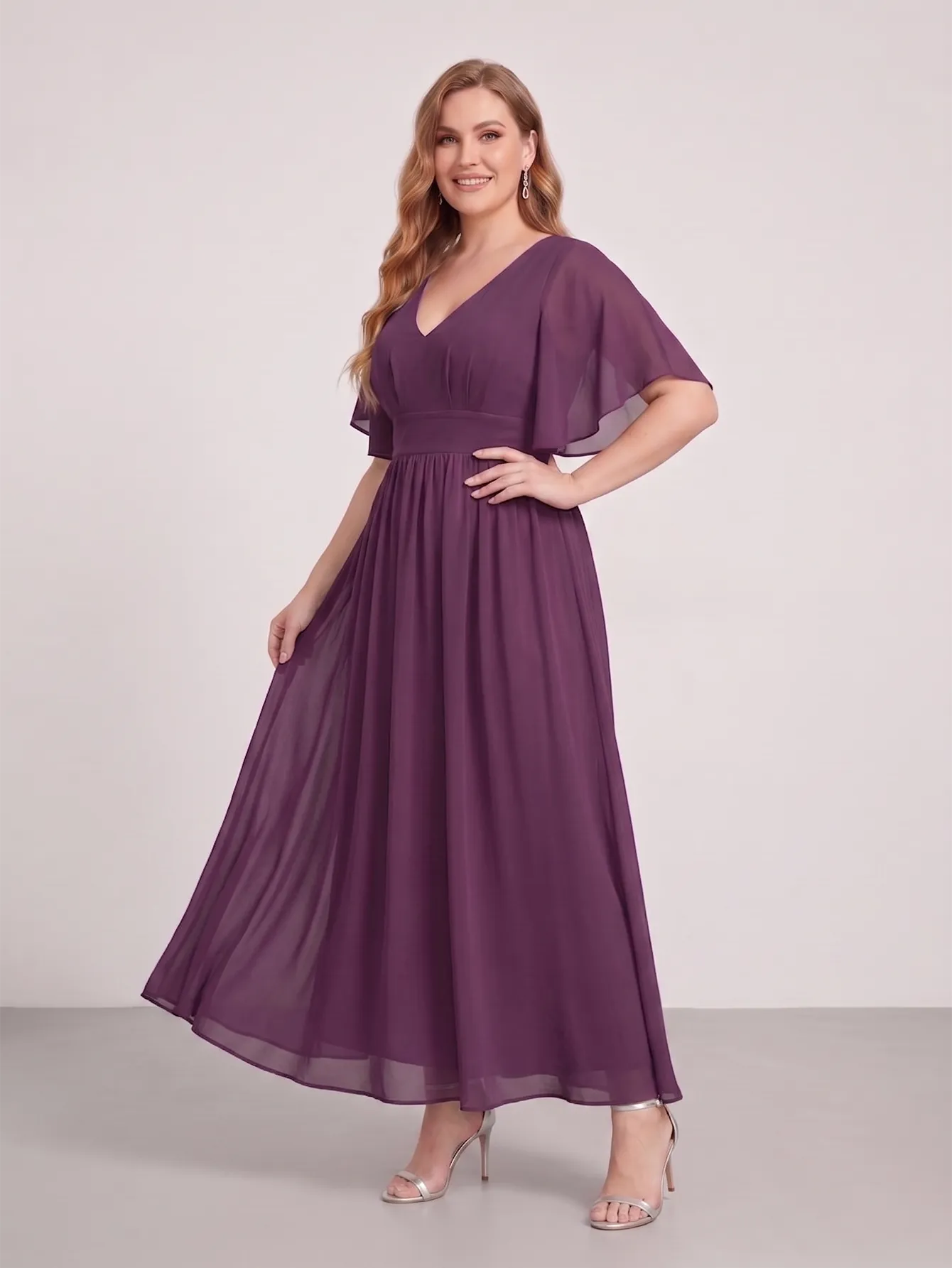
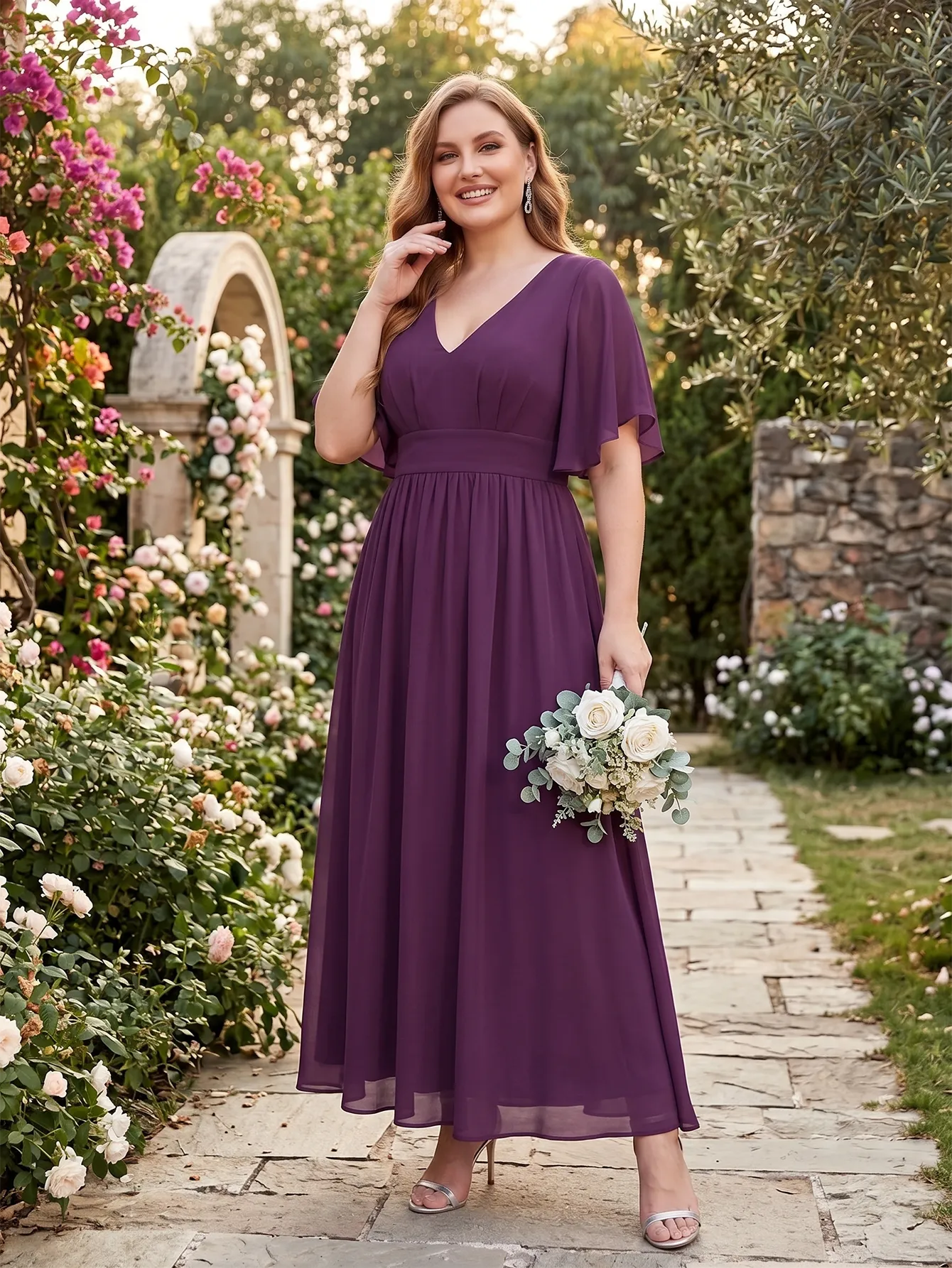
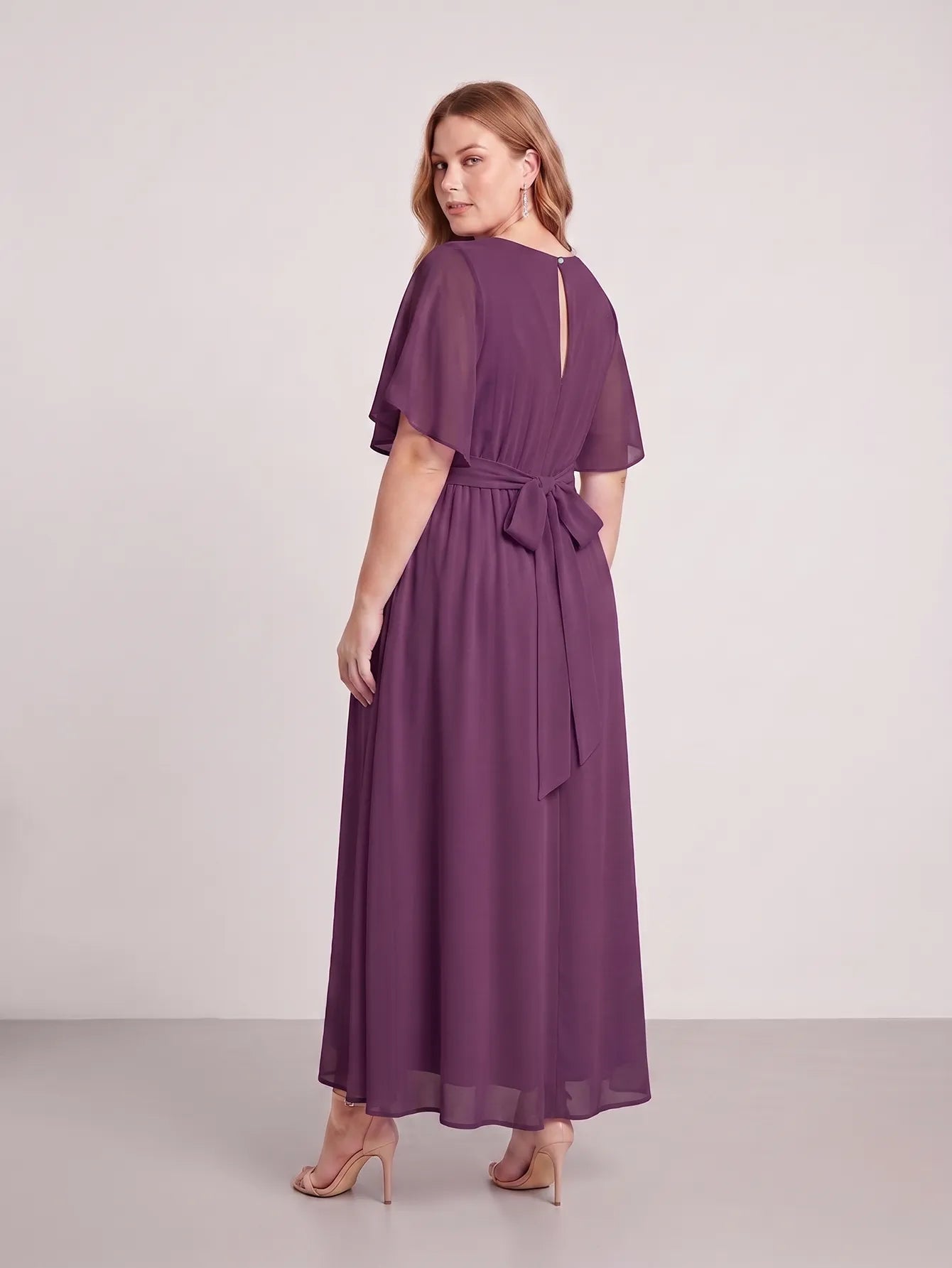
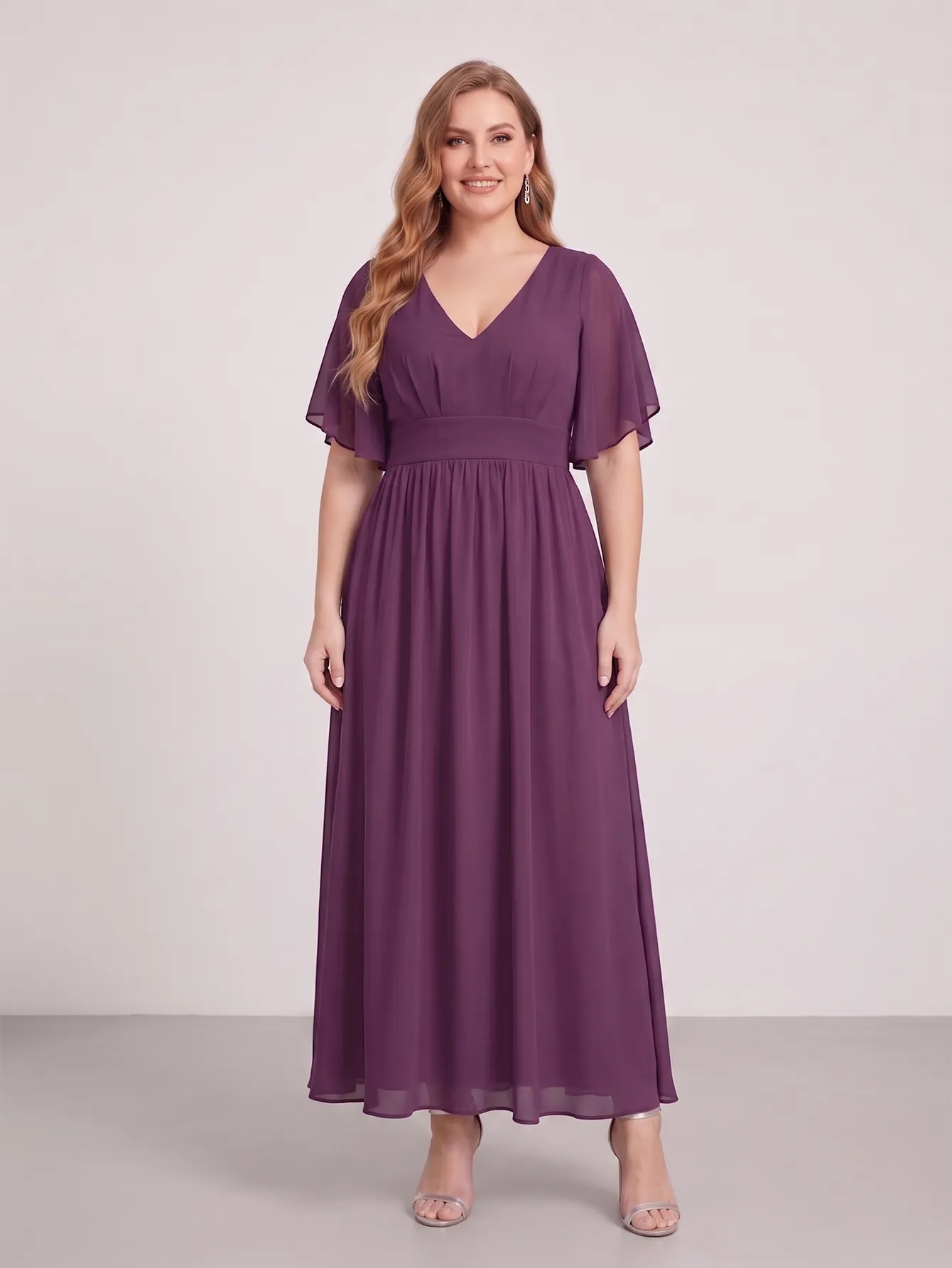
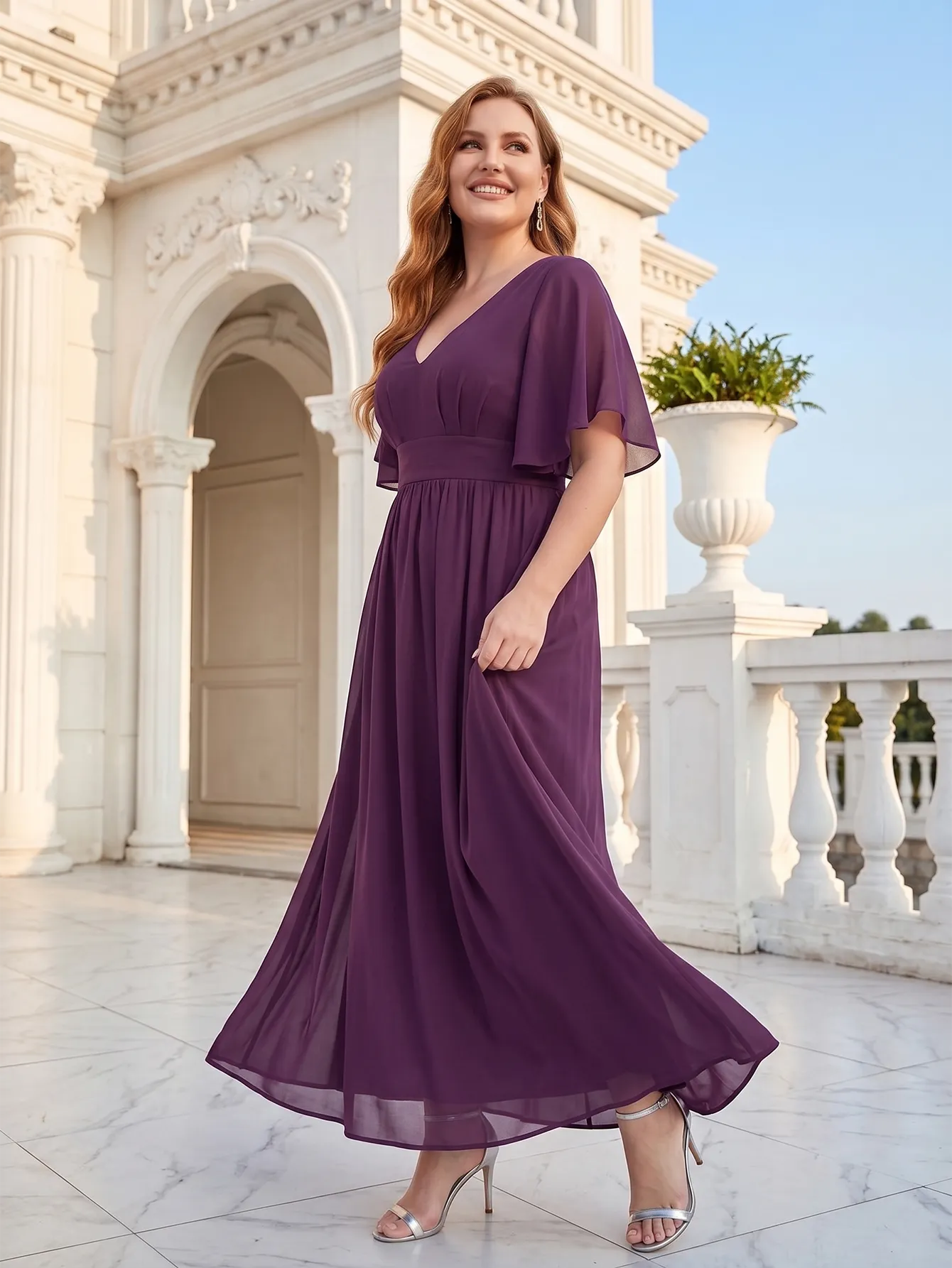
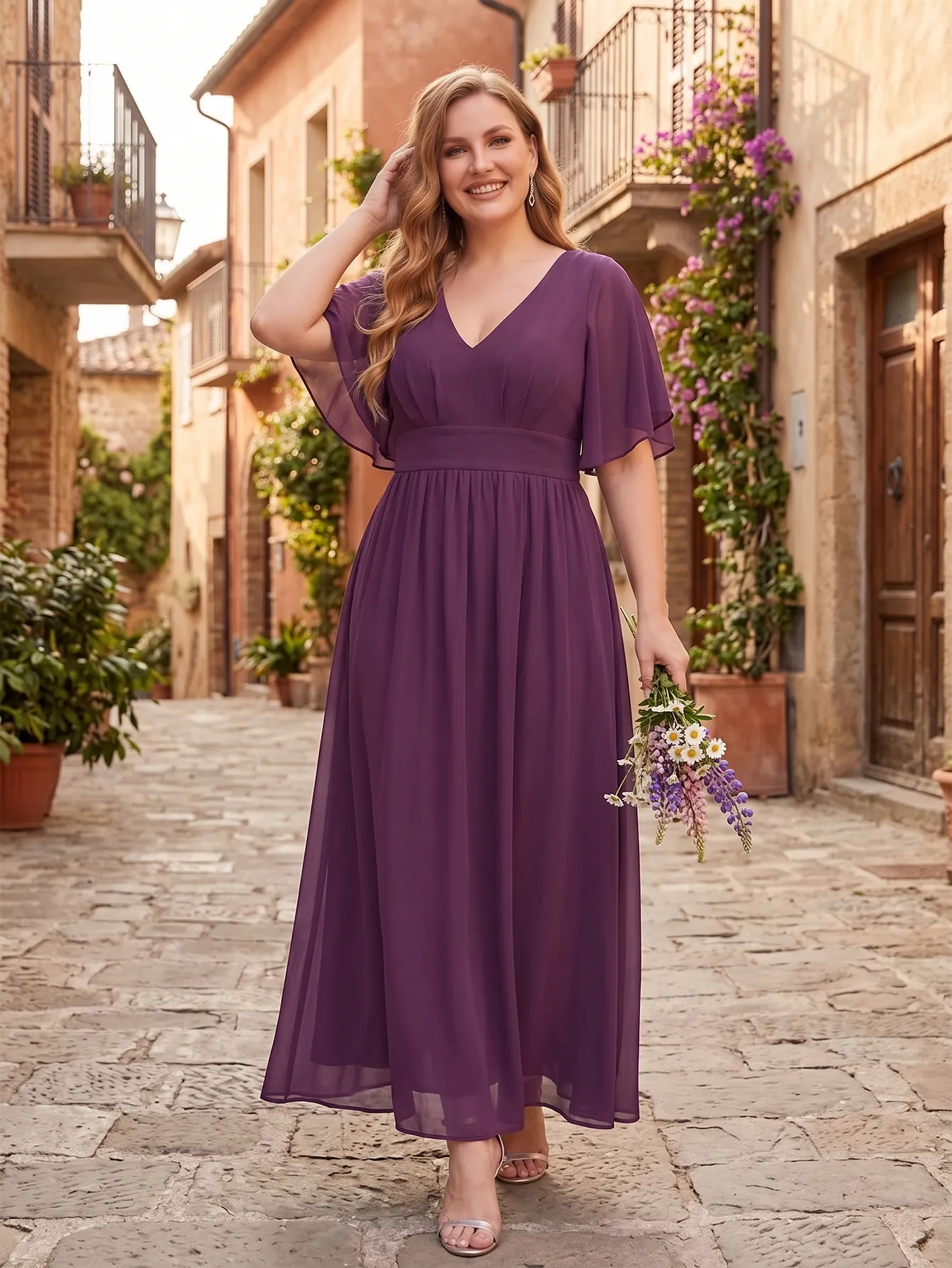
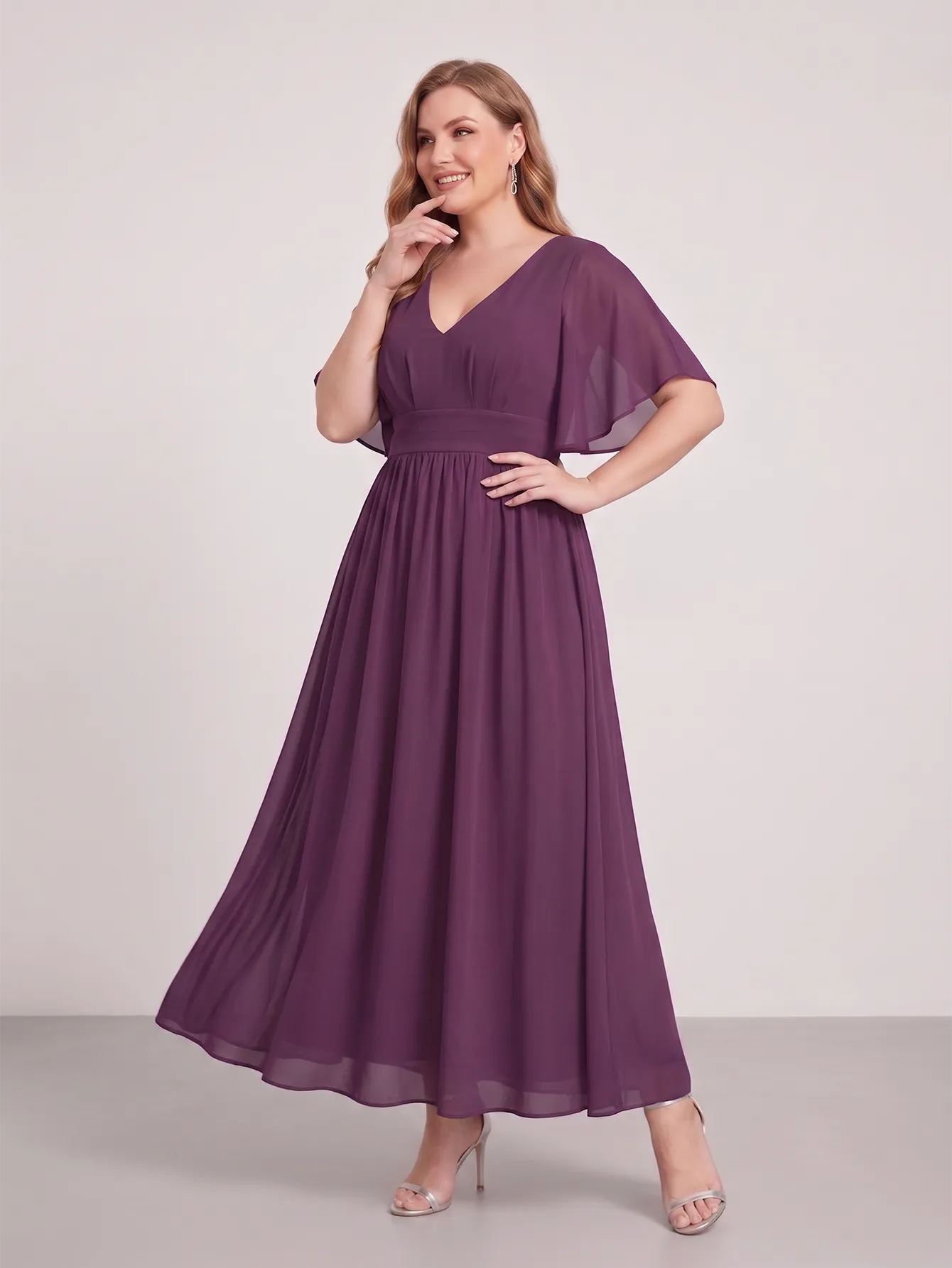
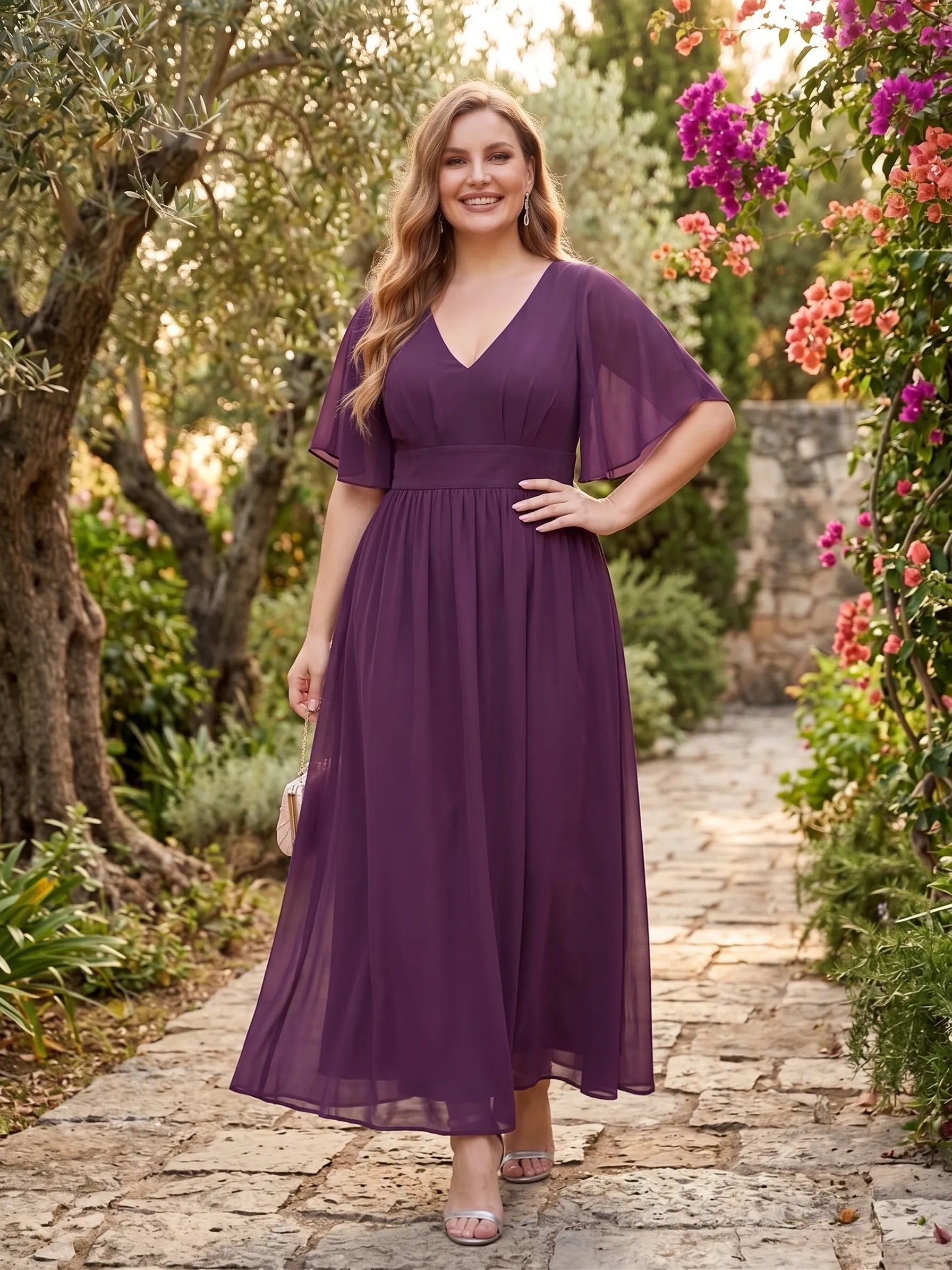
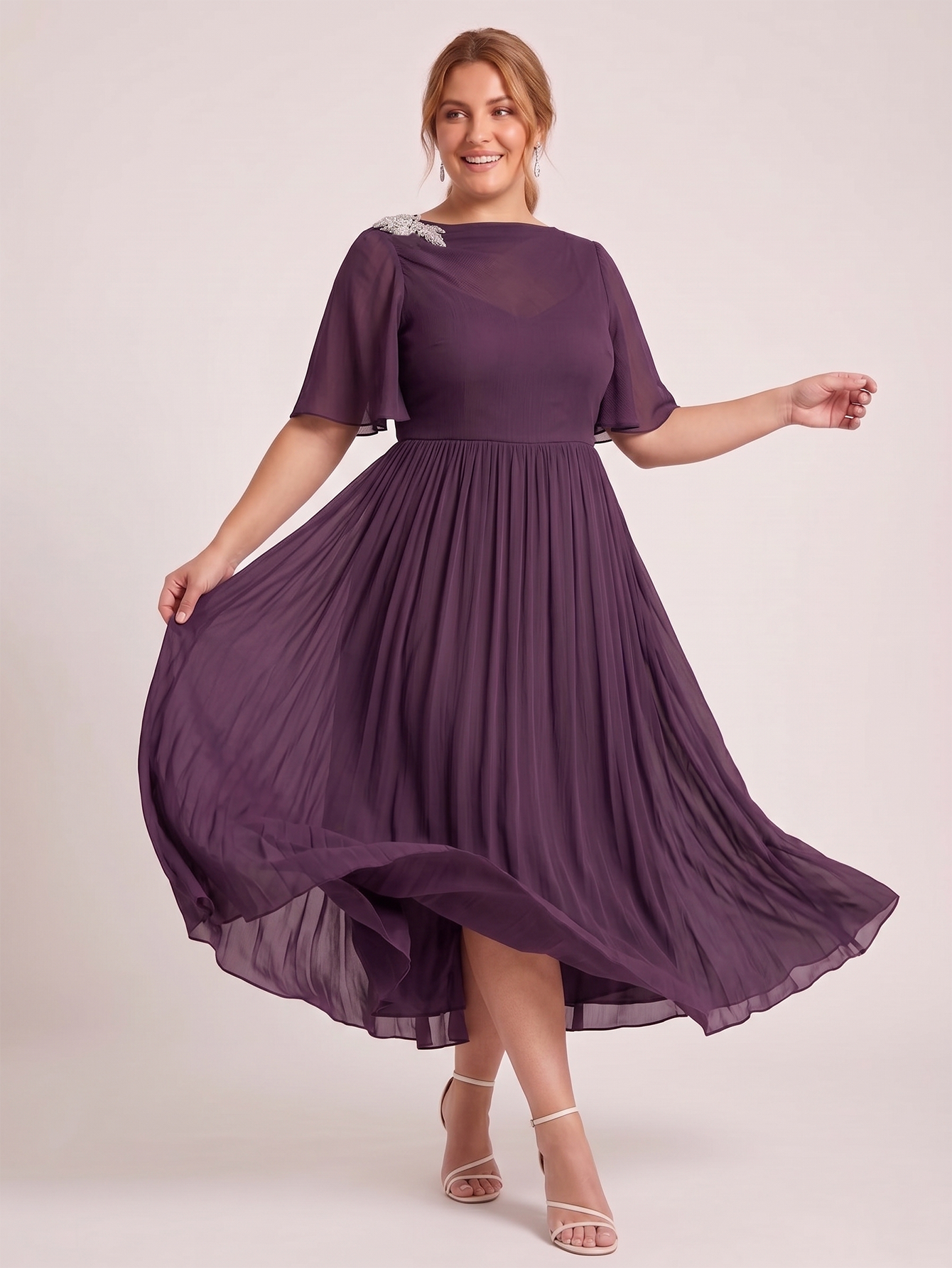
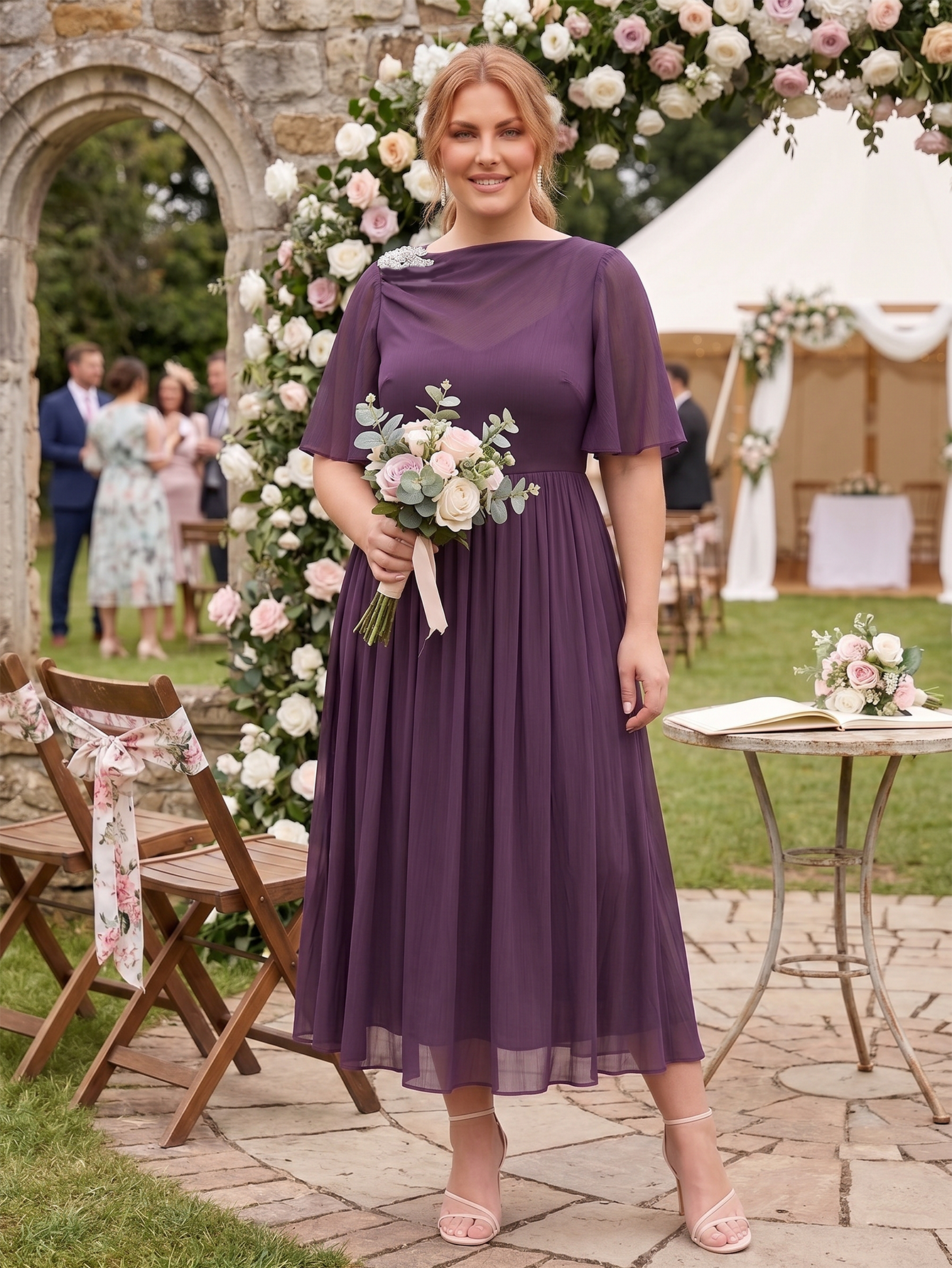
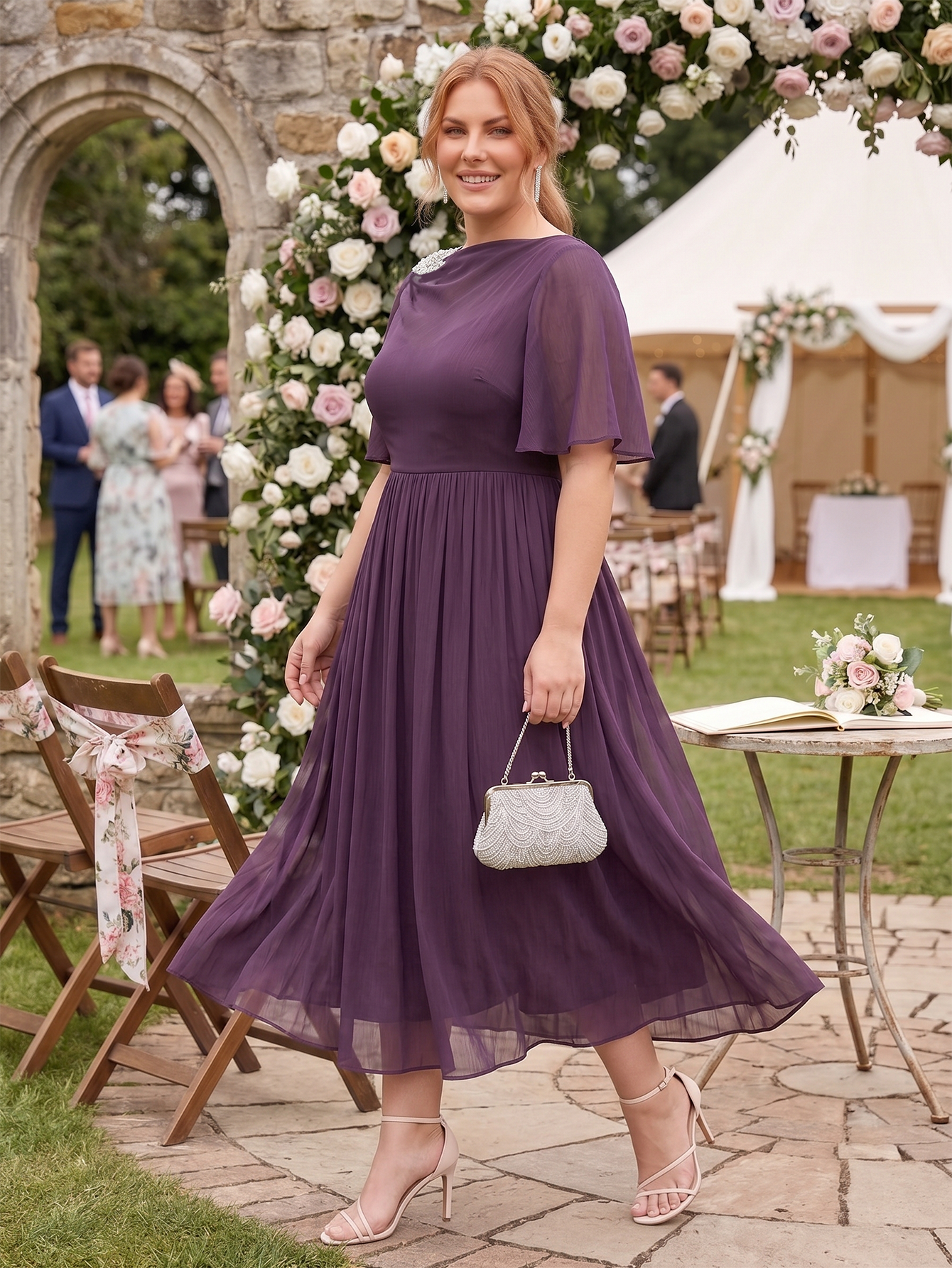
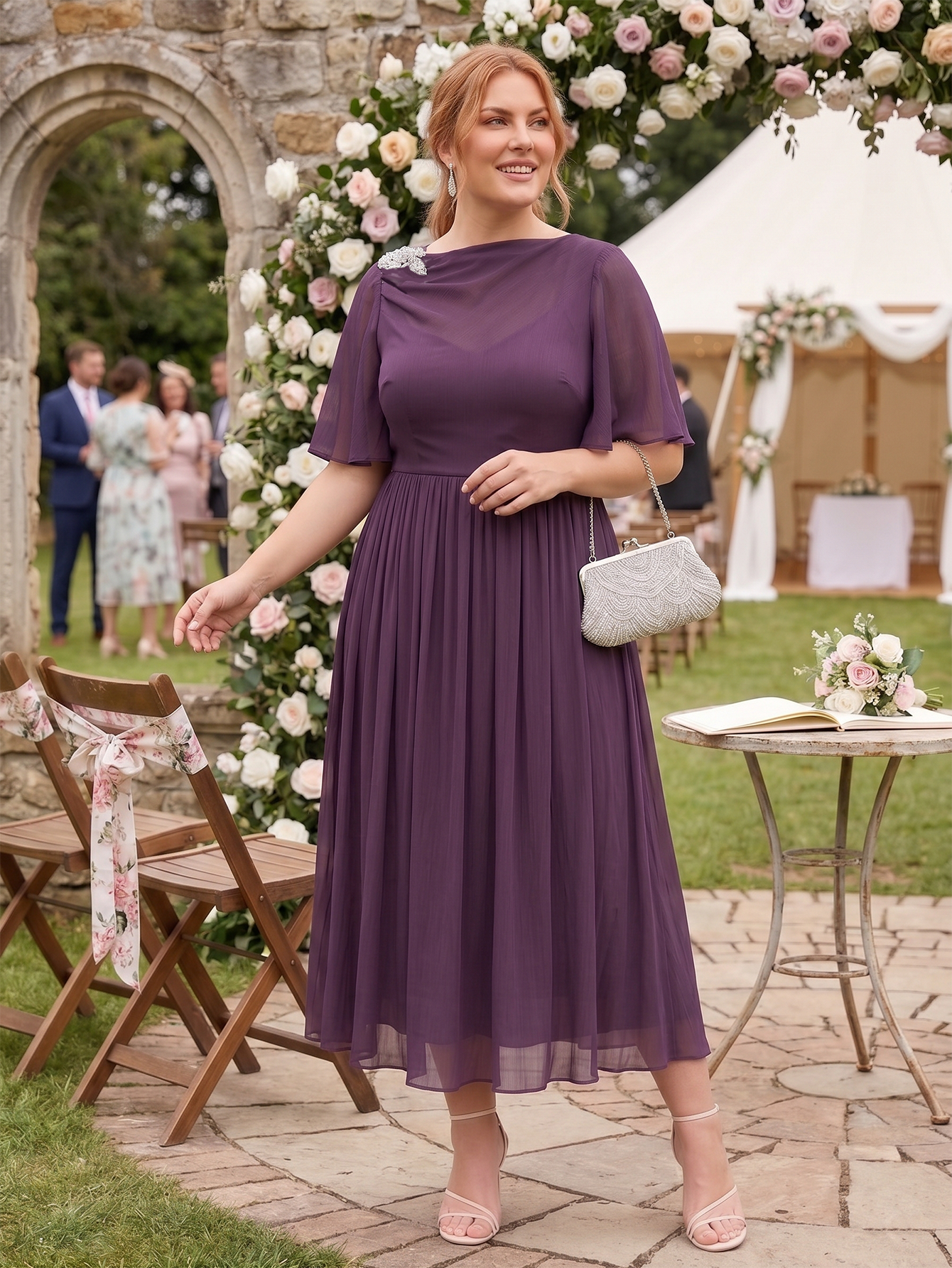
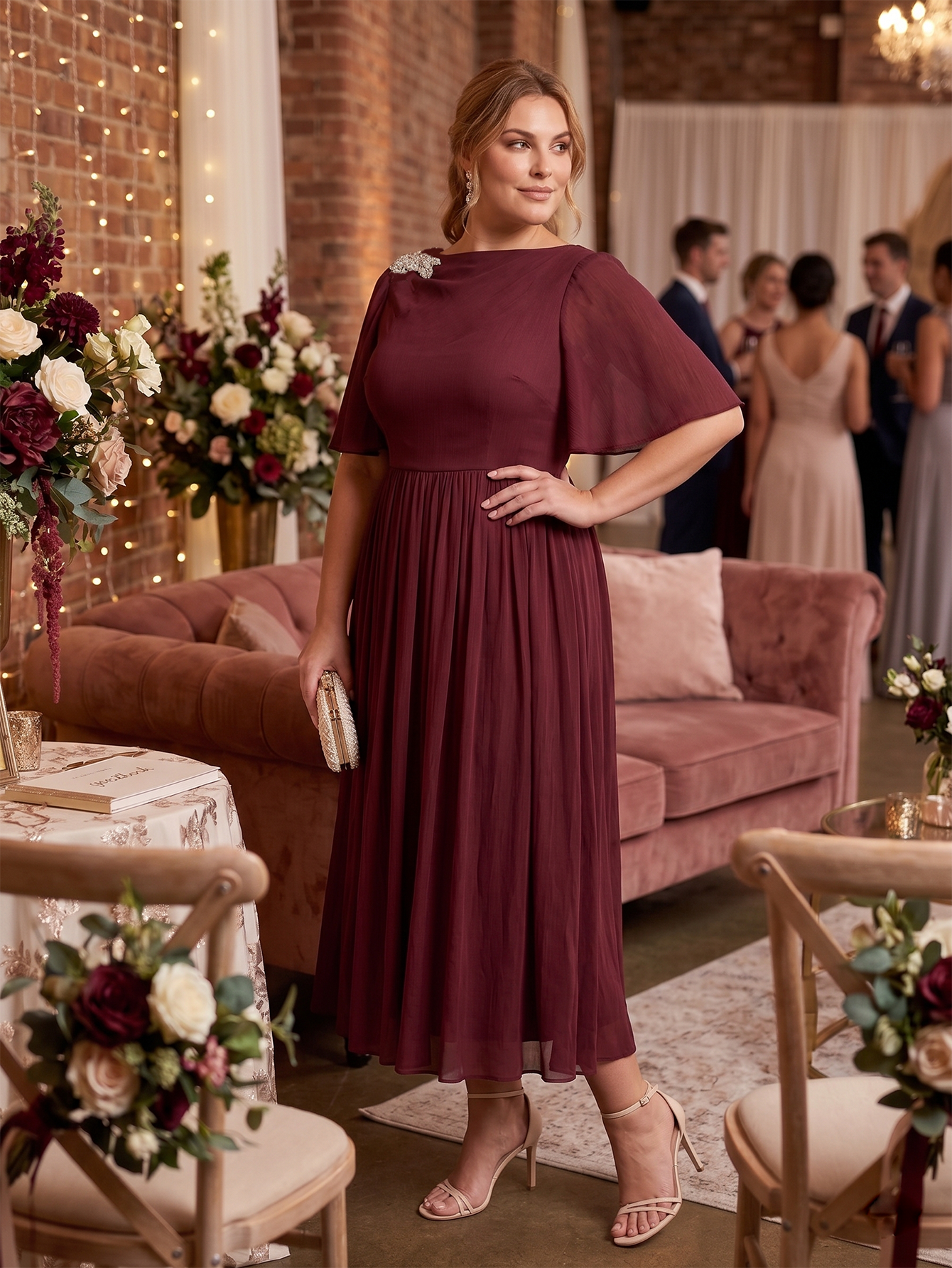
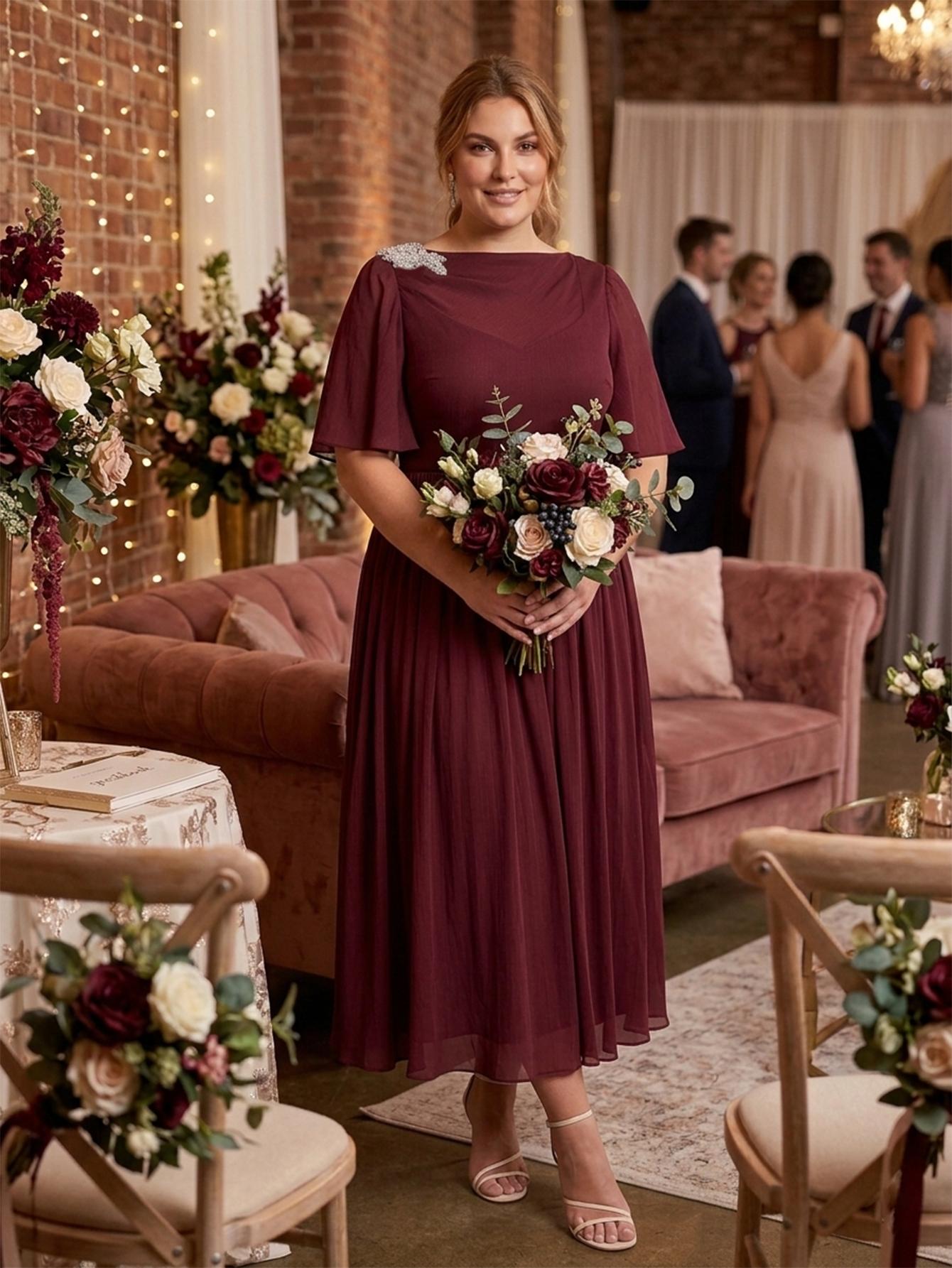
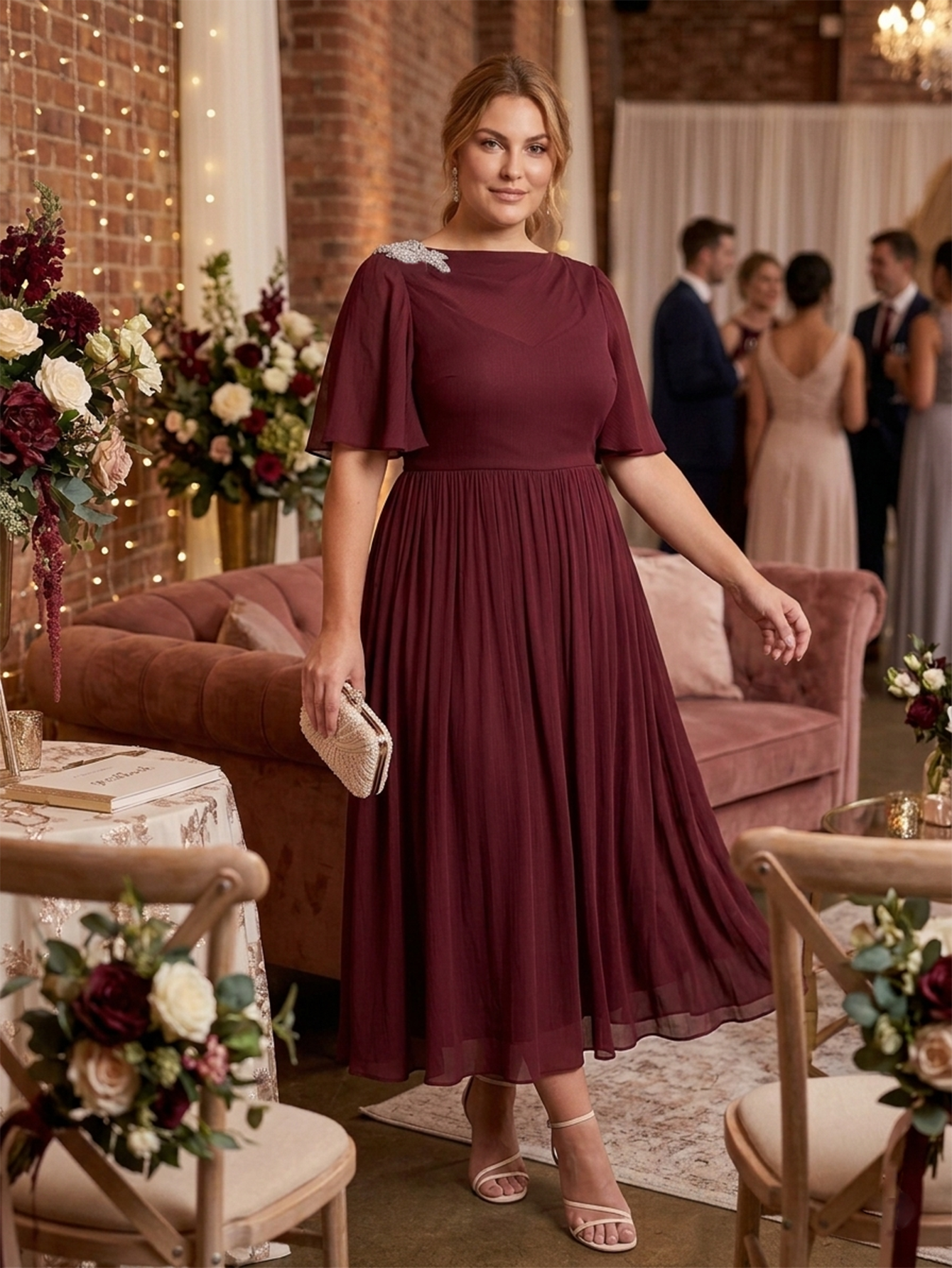
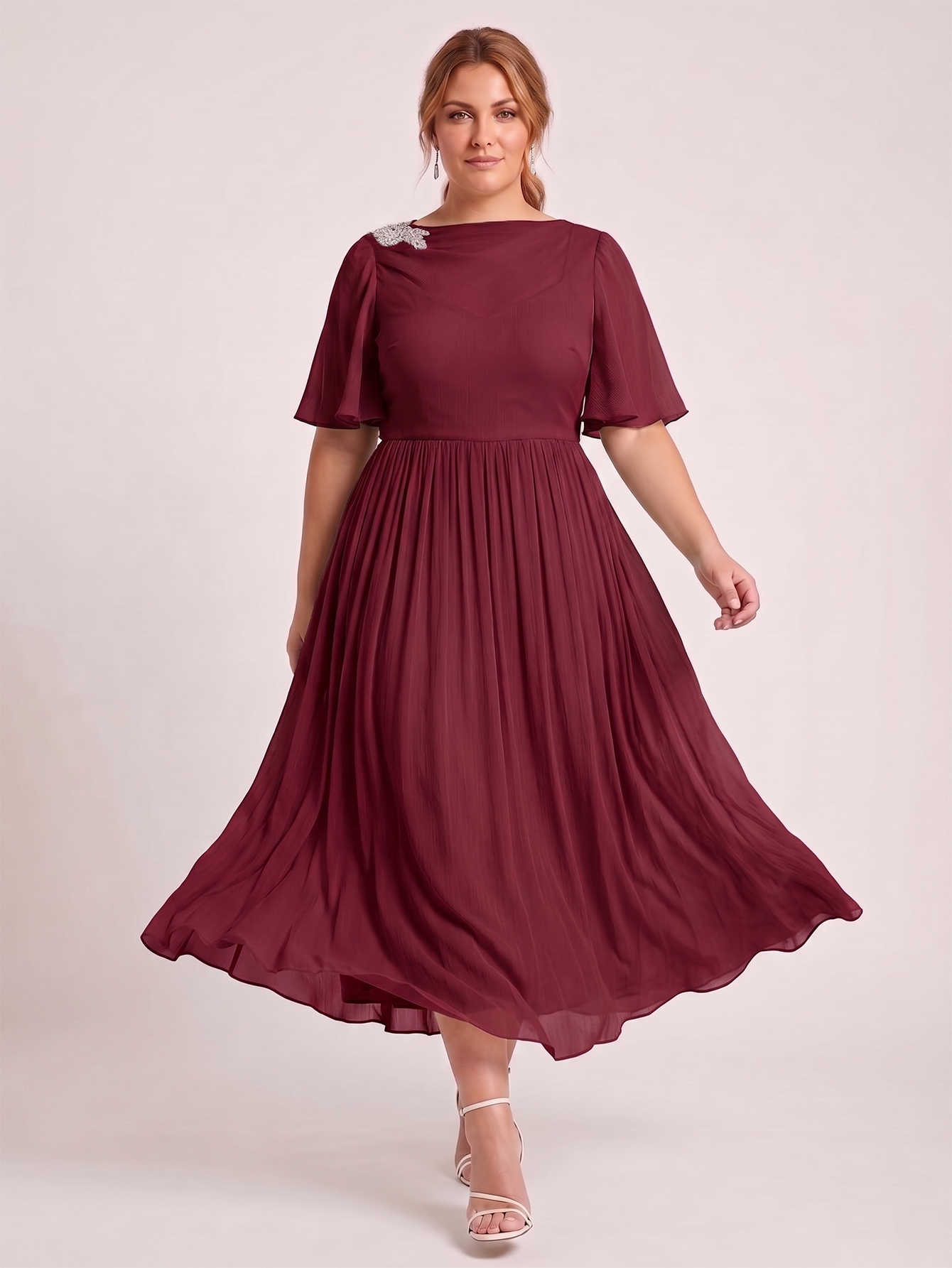
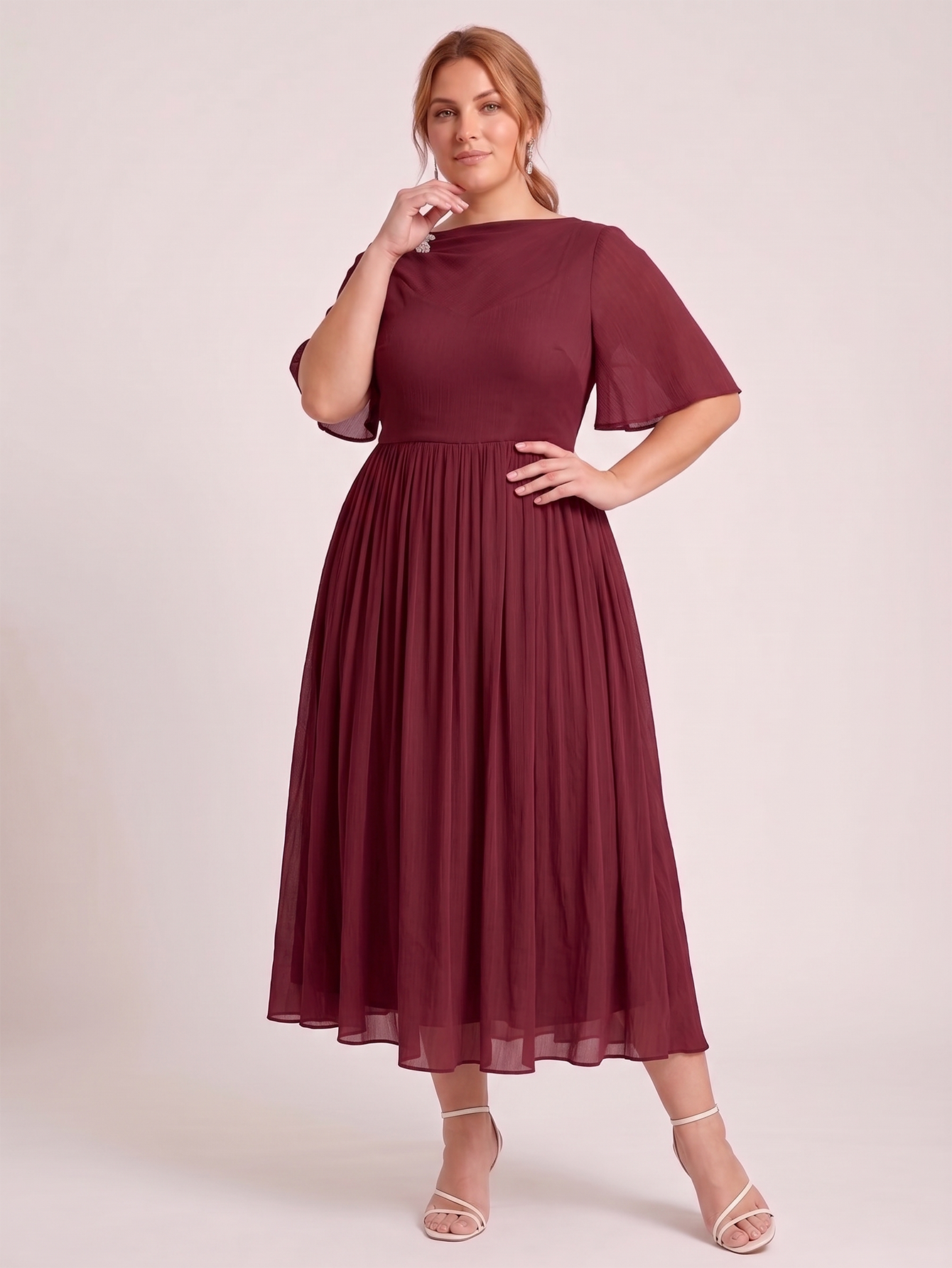
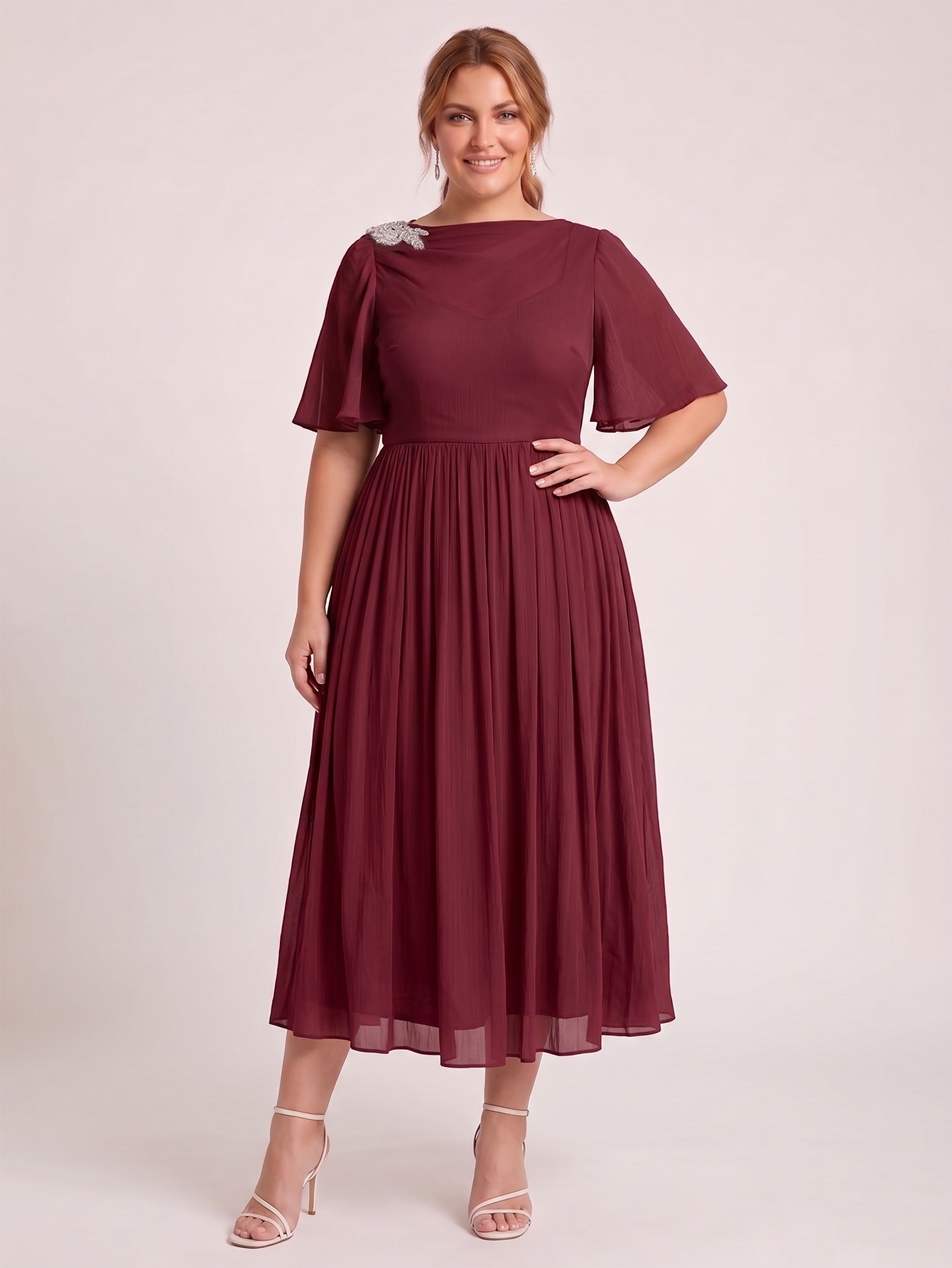
Flutter sleeves offer softness and airflow, while fitted sleeves create a cleaner line but need enough room at the upper arm and elbow.
Bell and bishop sleeves make a stronger visual statement and can require more care around food or table settings.
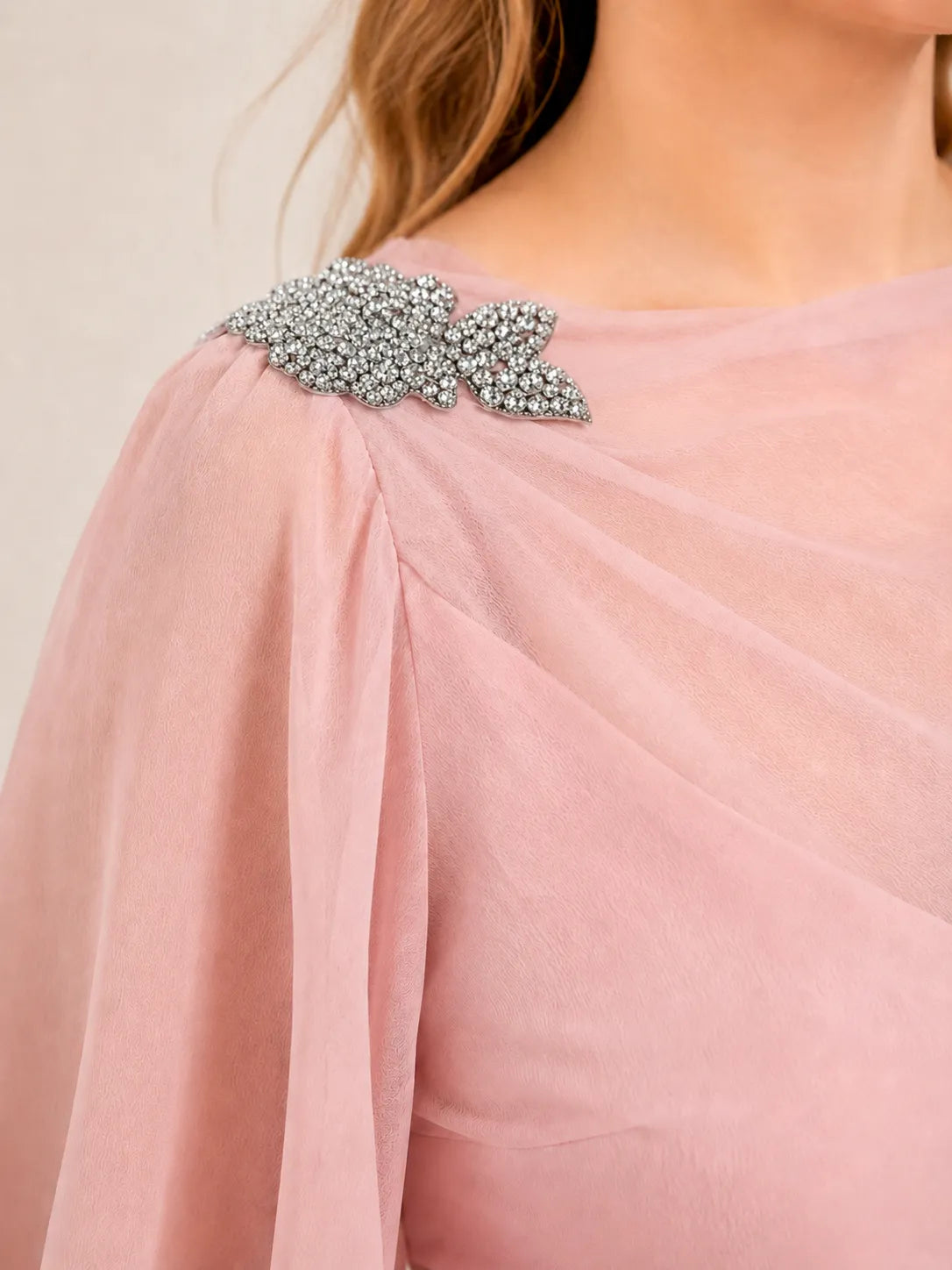
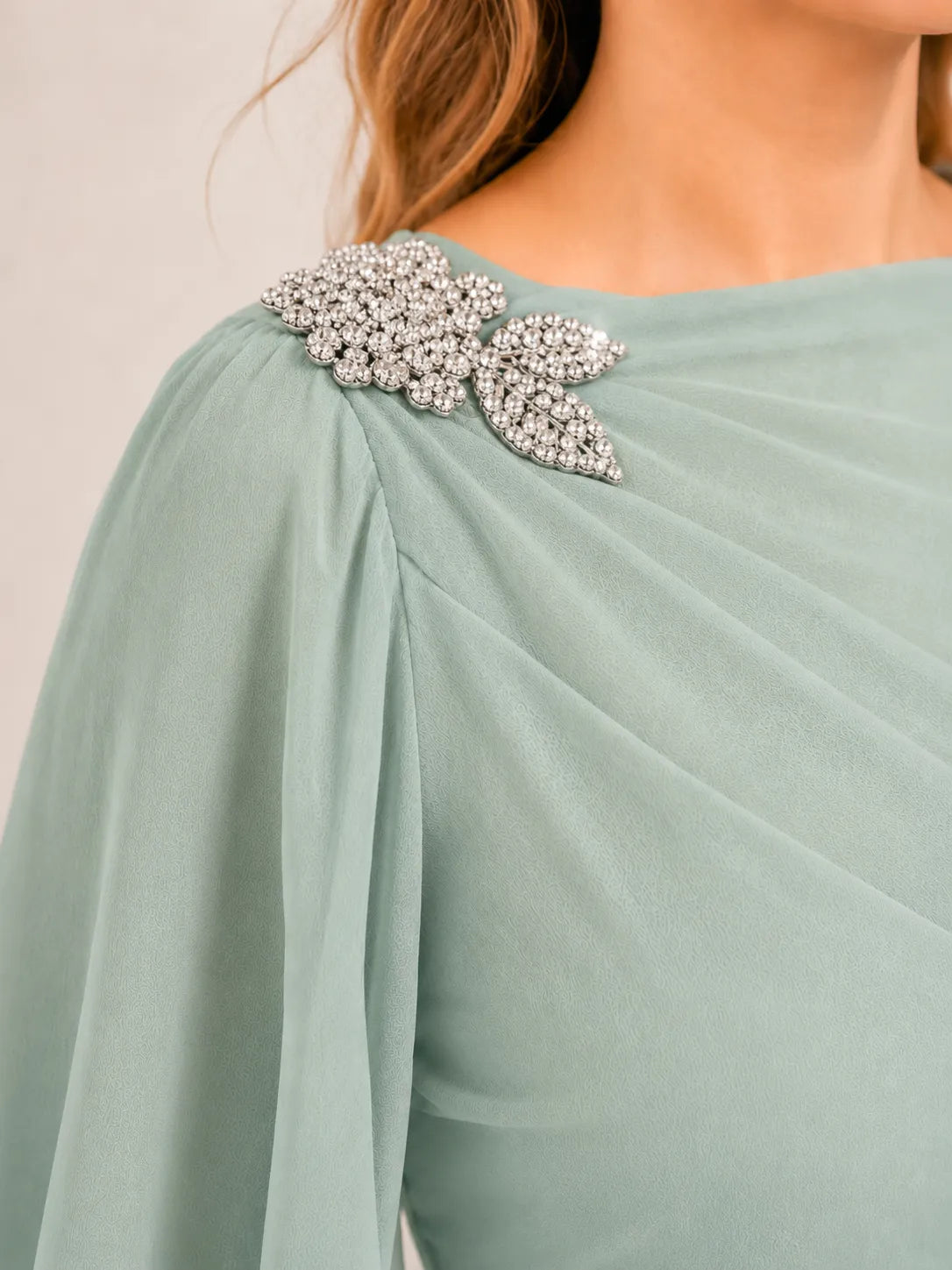
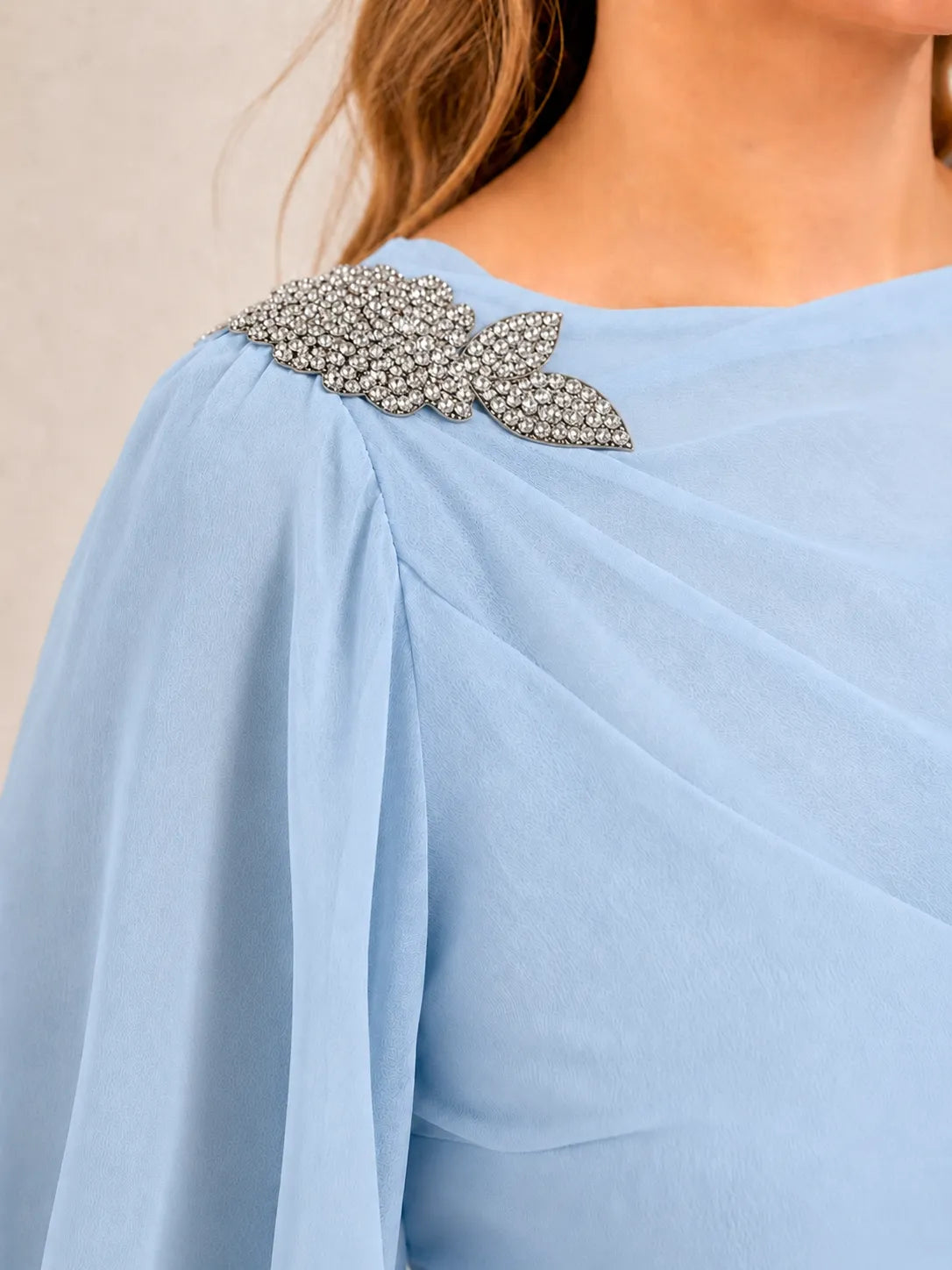
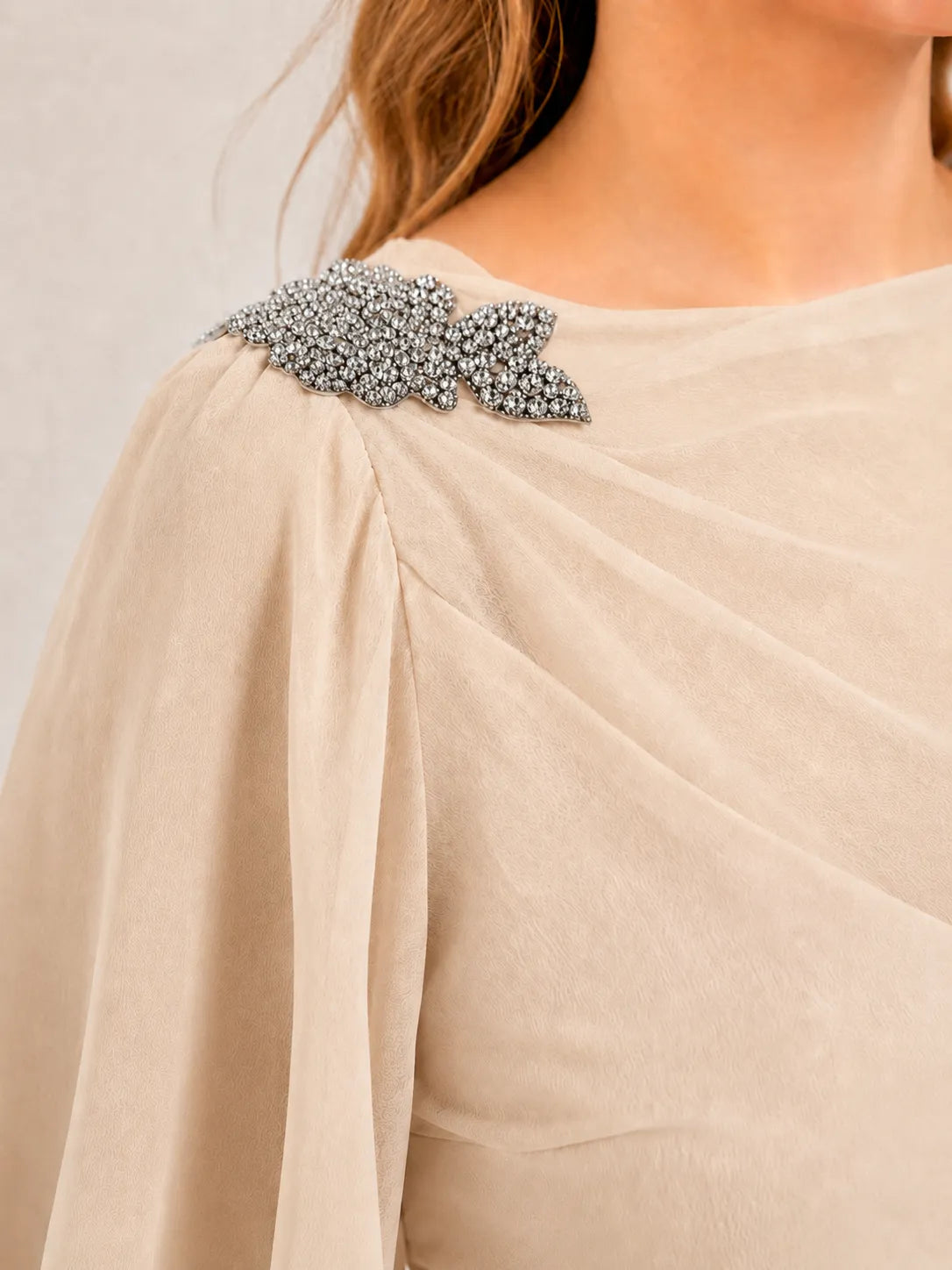
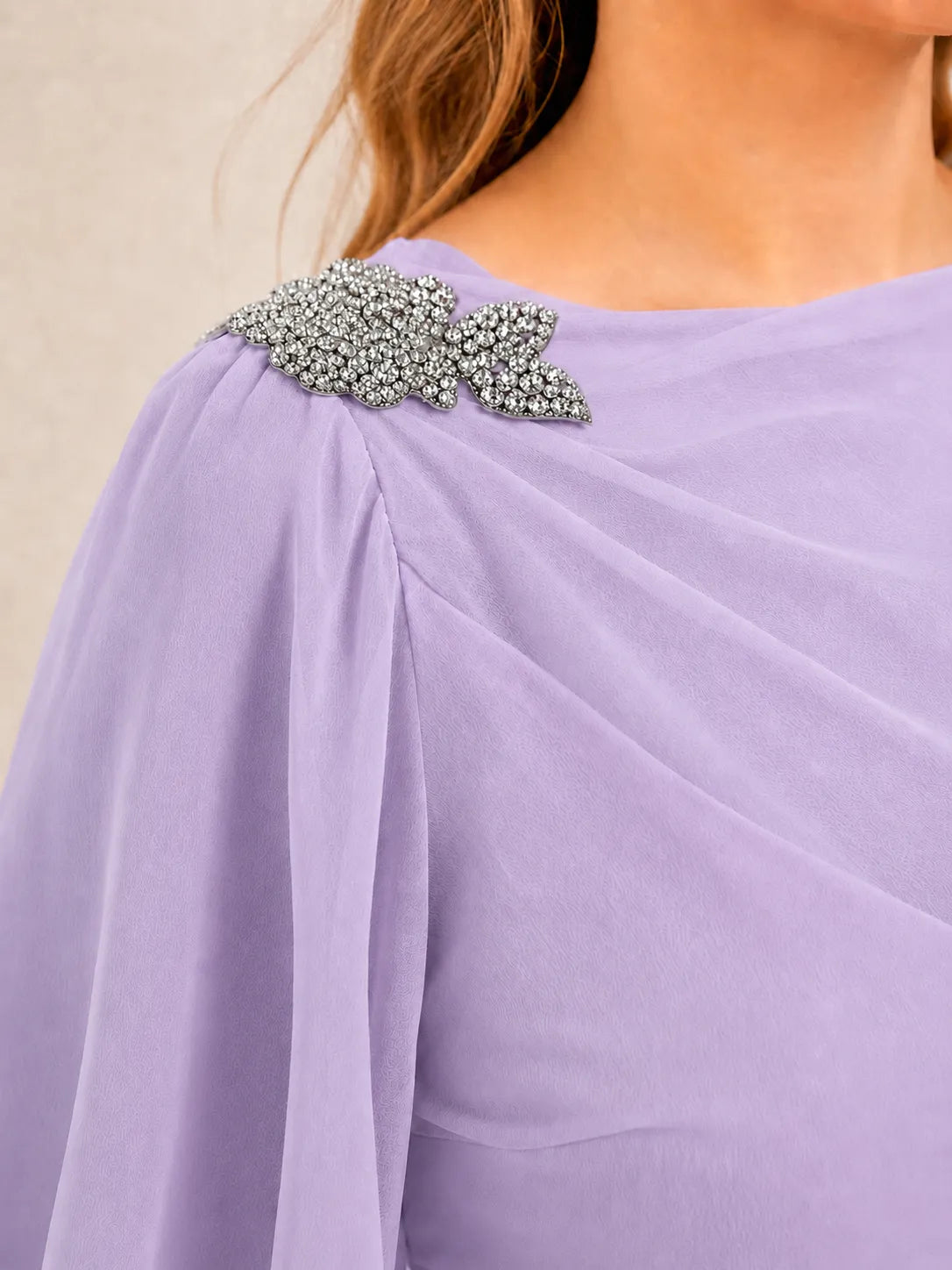
Sheer sleeves give visual coverage without the weight of an opaque layer, although the seam and cuff still need to fit comfortably.
Flutter sleeves
A soft, flowing option that can offer airflow and relaxed movement around the upper arm.
Fitted sleeves
A streamlined option that requires sufficient room through the upper arm and elbow.
Bell and bishop sleeves
More expressive sleeve shapes that add movement but may require additional care during dinner.
Sheer sleeves
A lighter-looking choice that provides visual coverage while keeping the outer layer less substantial.
Check the armhole before judging the sleeve
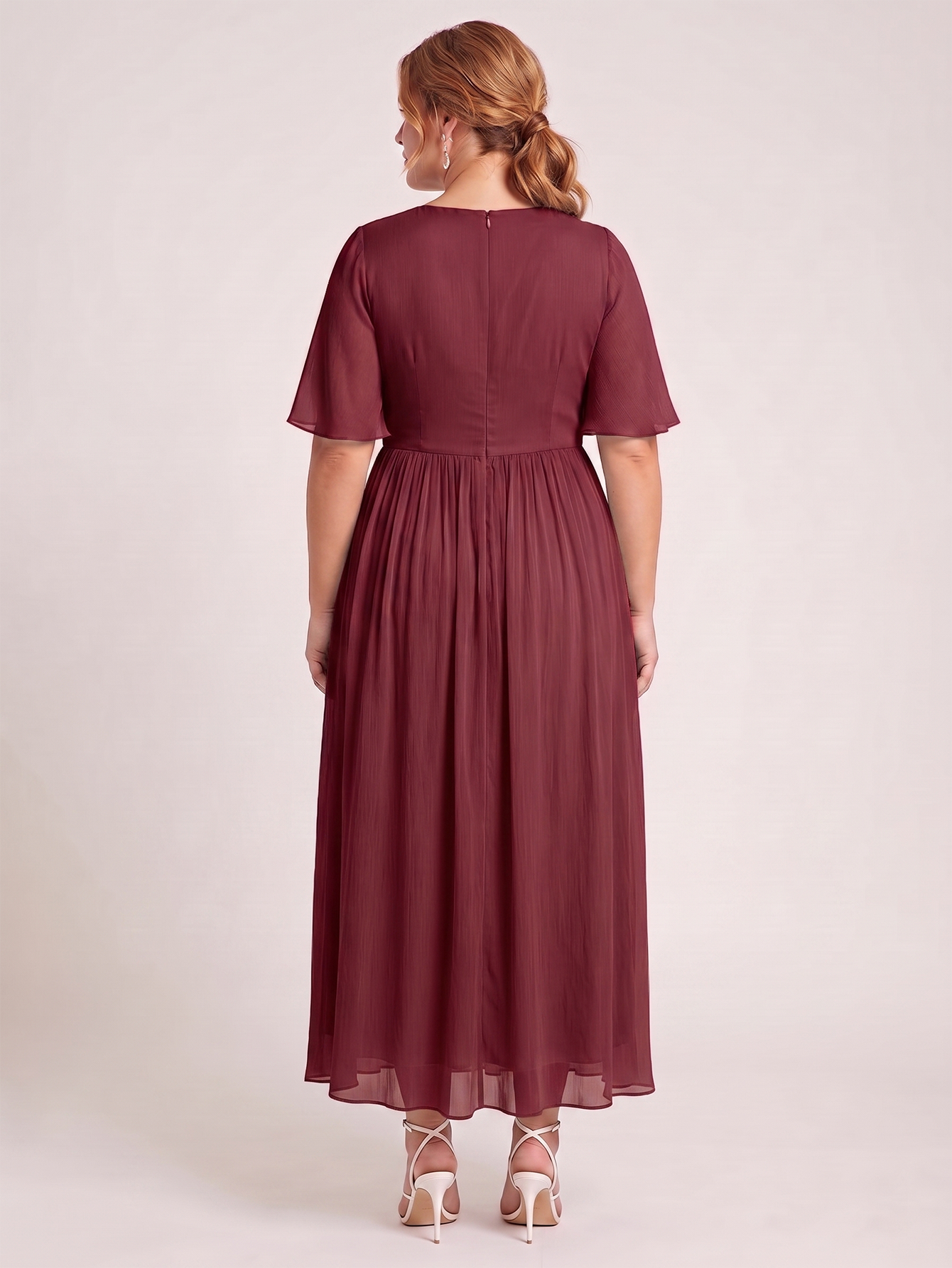
A sleeve can have enough width and still feel restrictive if the armhole is too high, too low or poorly matched to the shoulder.
Look for pulling across the upper back or bust, twisting at the sleeve and a neckline that shifts when you lift your arms.
These signals often point to the overall fit of the garment rather than the sleeve alone.
Coordinate neckline, bust support and sleeve coverage
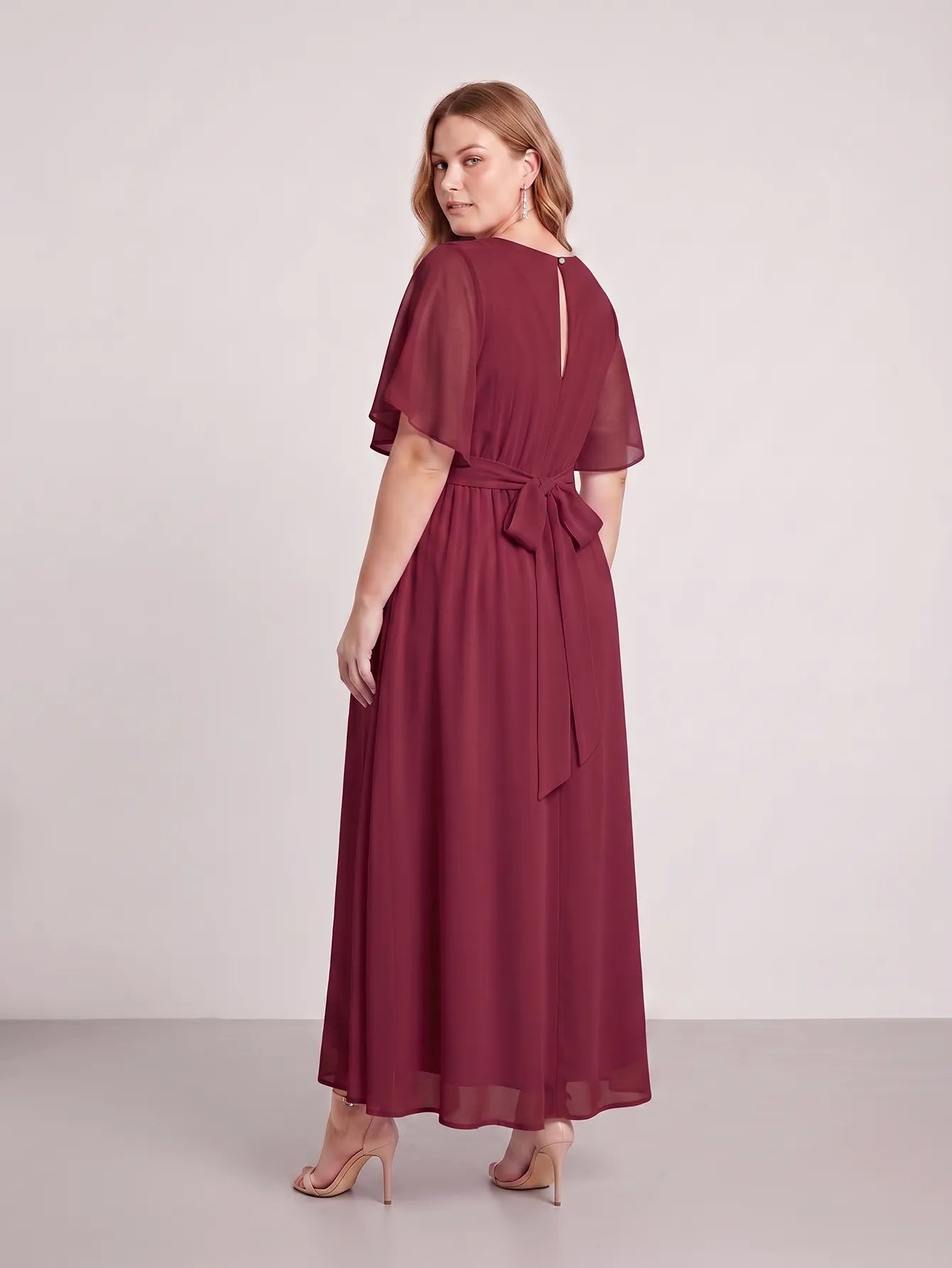
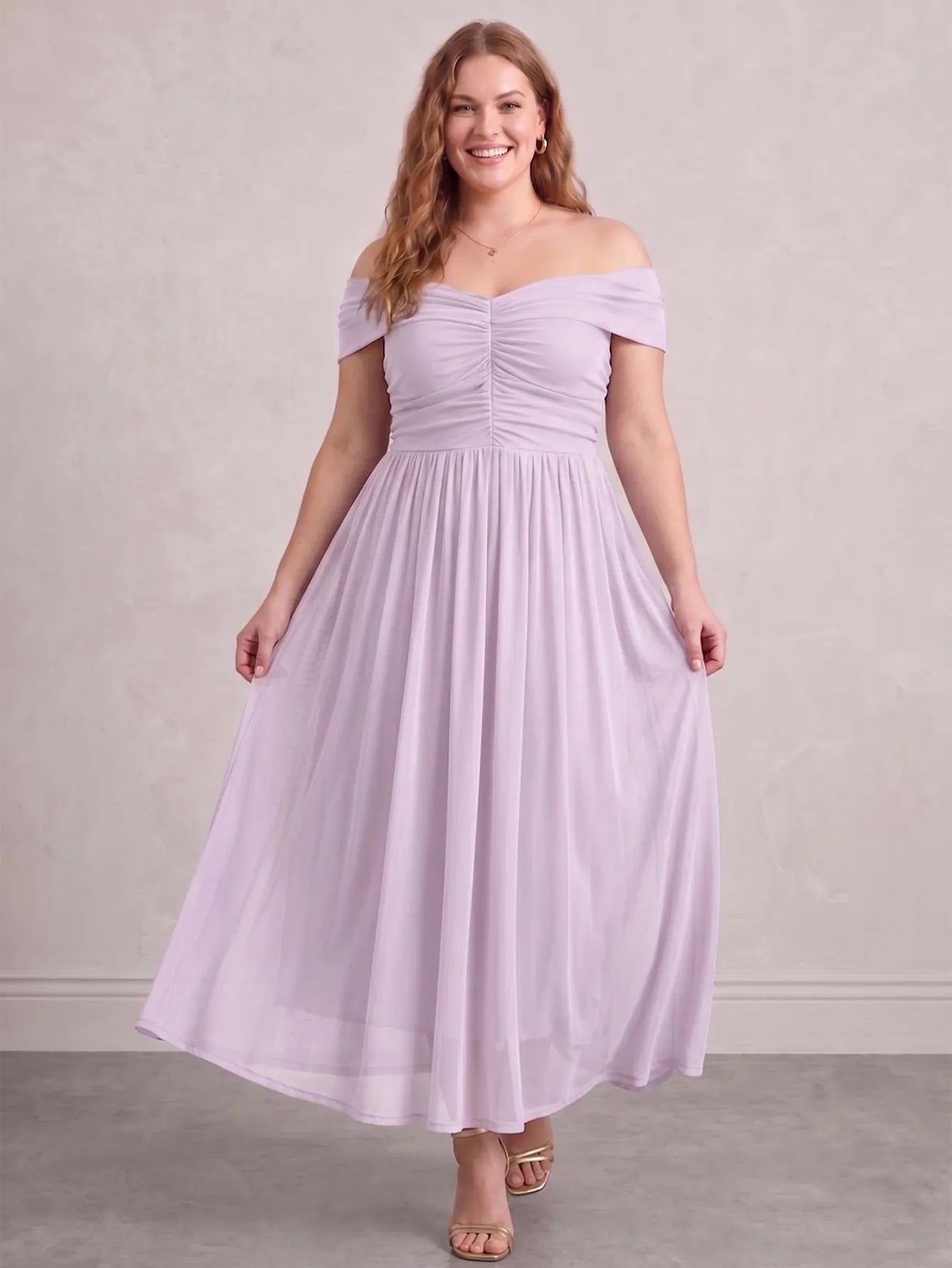
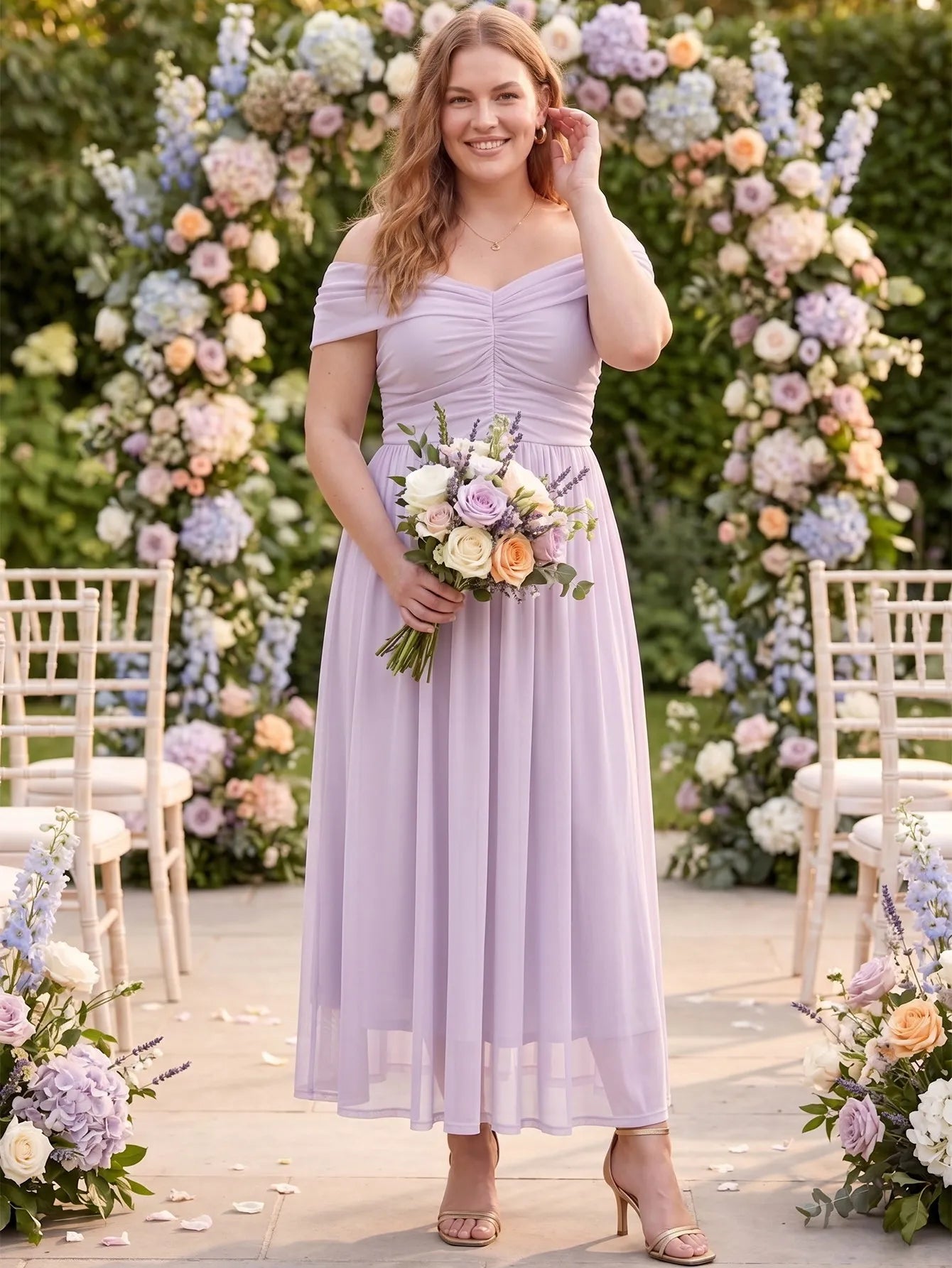
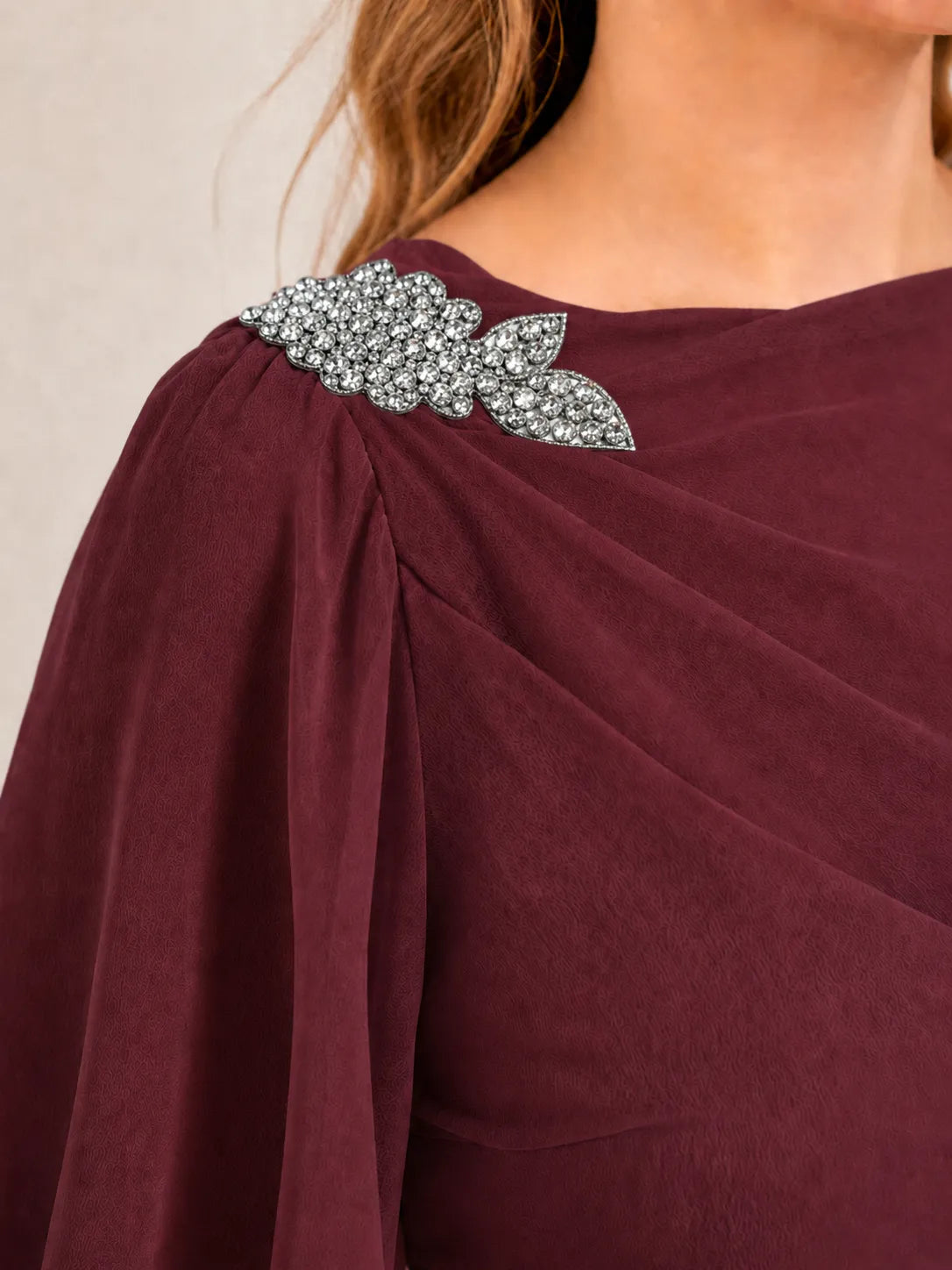
For a fuller bust, the neckline and bodice construction can affect how the sleeve sits. Confirm that the closure lies flat and that your preferred undergarment works with the neckline.
Wrap and V-neck shapes can be adjustable in some garments, but the actual coverage and security depend on construction.
Do not assume adjustability or support unless the product information confirms it.
Match the dress to the season and dress code
Sleeve length alone does not determine whether a dress is suitable for summer or winter. Review the fabric, lining, color, venue and level of formality.
A lightweight long sleeve may be comfortable in a breezy venue, while a heavily lined short sleeve can feel warm.
Add a removable layer for uncertain weather instead of asking one garment to solve every possible condition.
Plus-size fit checklist
- Compare garment measurements with your body measurements.
- Check the fit while sitting, walking and raising your arms.
- Confirm lining, closures, opacity, fiber content and stretch from the product page.
- Make sure the neckline works with your preferred support.
- Allow time for alterations when hem, sleeve or bodice changes may be needed.
Explore YEESE wedding guest dresses
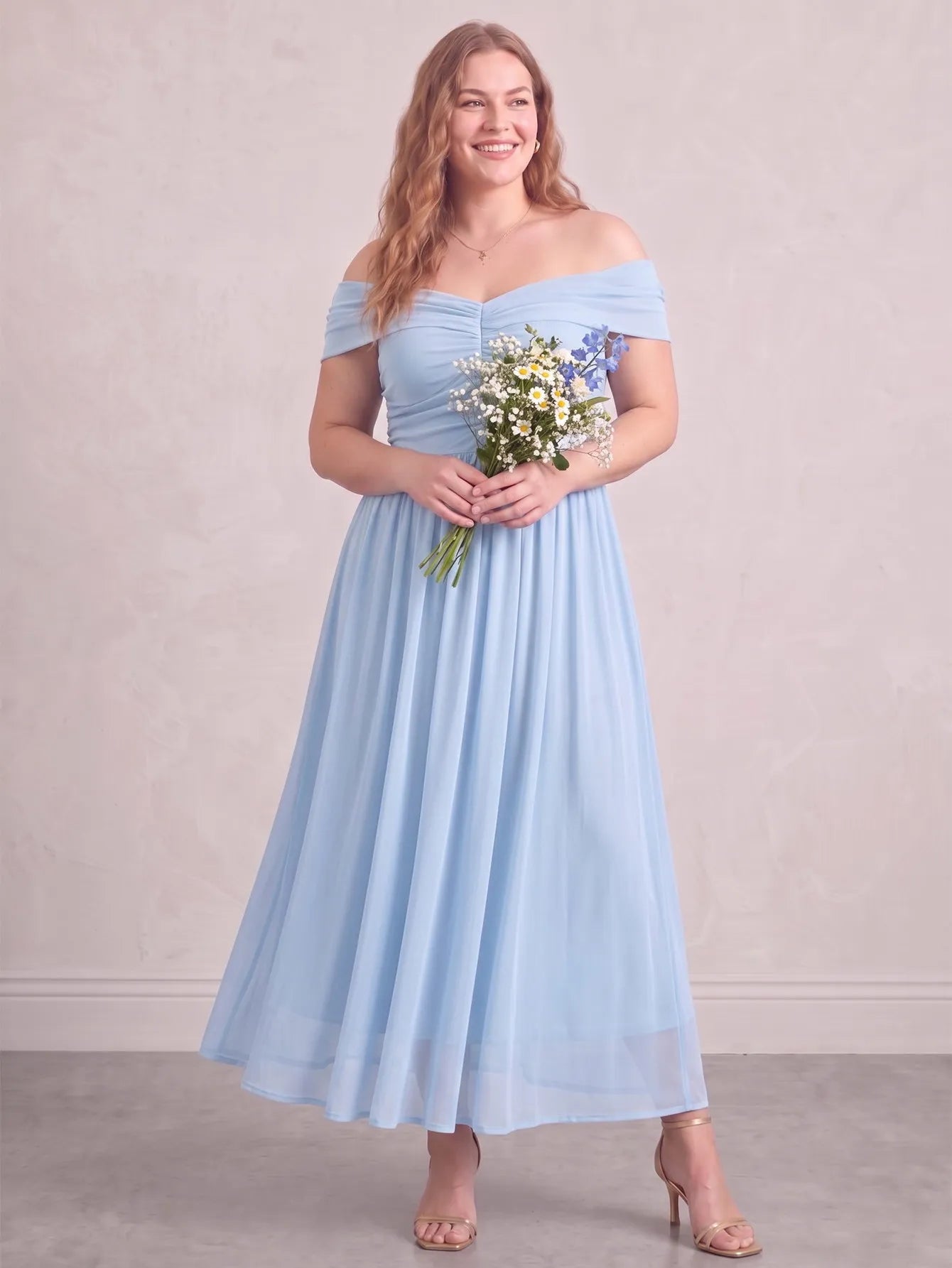
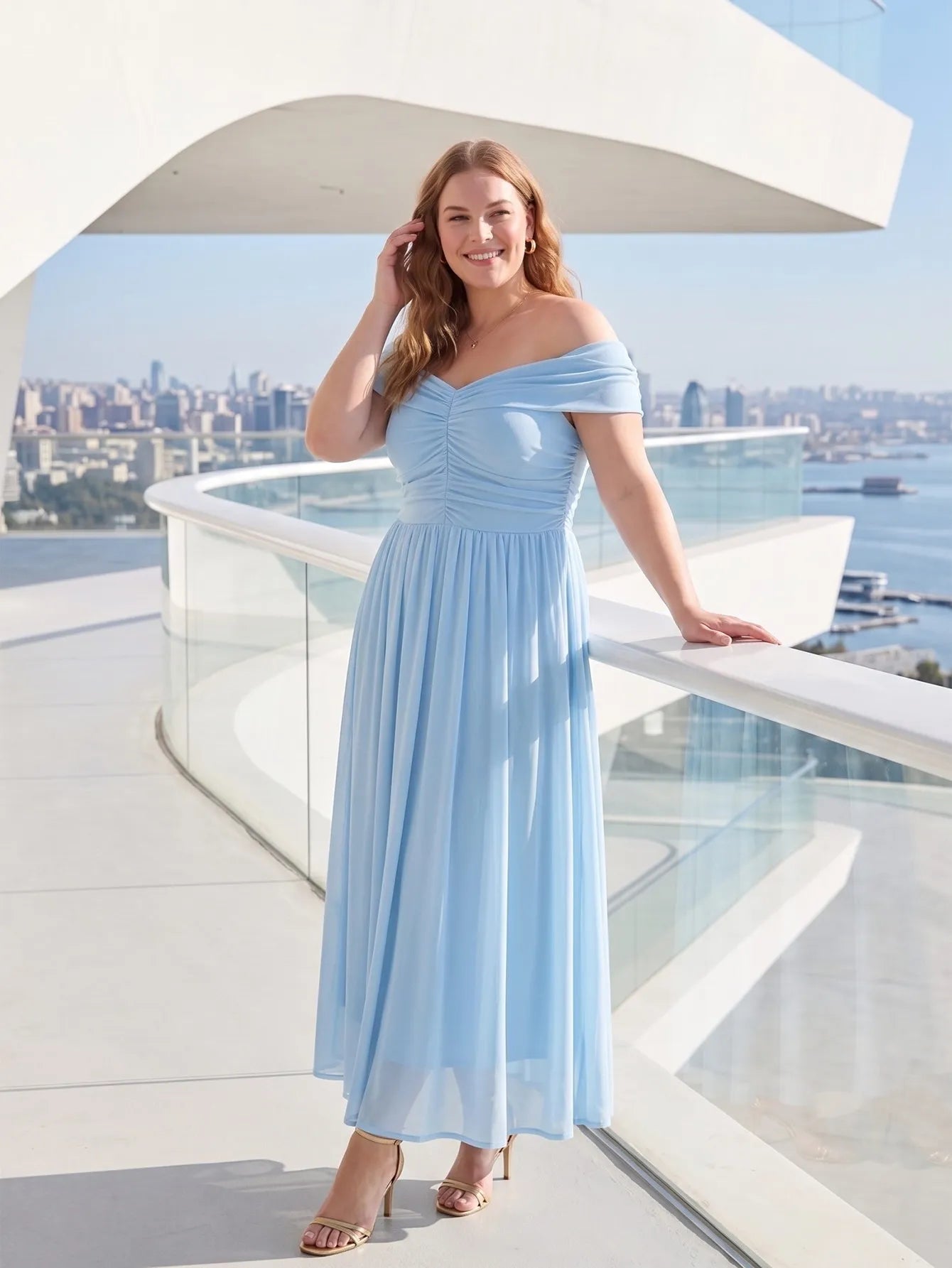
Looking for a plus-size wedding guest dress with comfortable coverage? Explore the YEESE Party Dresses collection for occasion-ready styles designed to balance elegant details with confident movement.
Discover flowing chiffon dresses, refined midi and maxi silhouettes, formal occasion dresses and sleeve designs suited to weddings, celebrations and evening events.
Explore Party DressesFrequently asked questions
Are dresses with sleeves suitable for summer weddings?
Yes, if the full garment construction suits the temperature. Check the fabric, lining and airflow rather than assuming a sleeve will automatically feel too warm.
Which sleeve style offers the most upper-arm room?
Flutter, kimono and some relaxed bishop sleeves often provide more room, but measurements and armhole construction matter more than the sleeve name.
How should a wedding guest dress fit at the armhole?
The armhole should allow natural movement without cutting in, gaping widely or pulling the neckline and bodice when the arms move.
Final takeaway
The right choice is the one that respects the wedding and lets the wearer move confidently. Use measurements and verified product details, then make the final decision around personal comfort and style rather than a universal body-shape rule.