
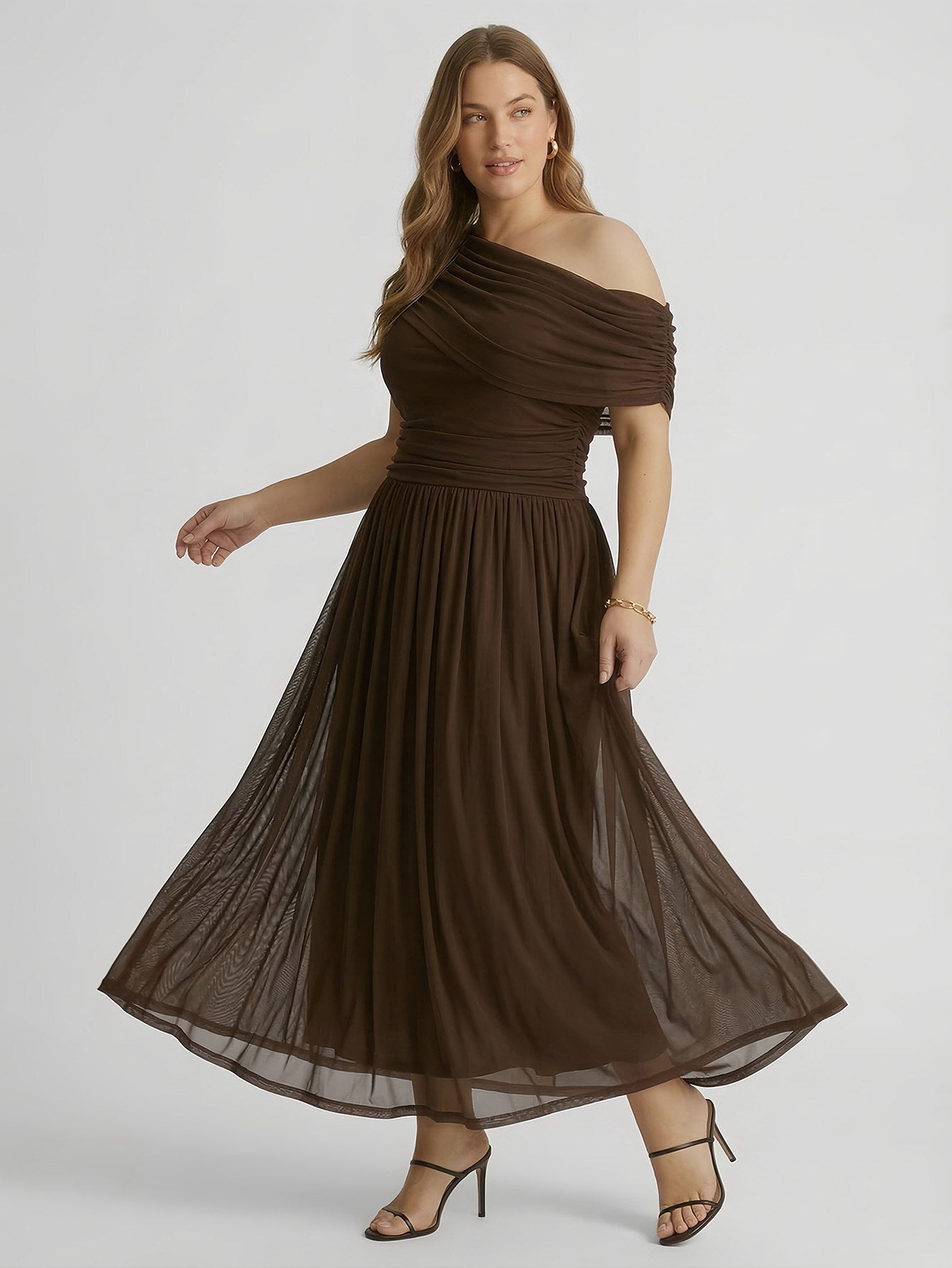
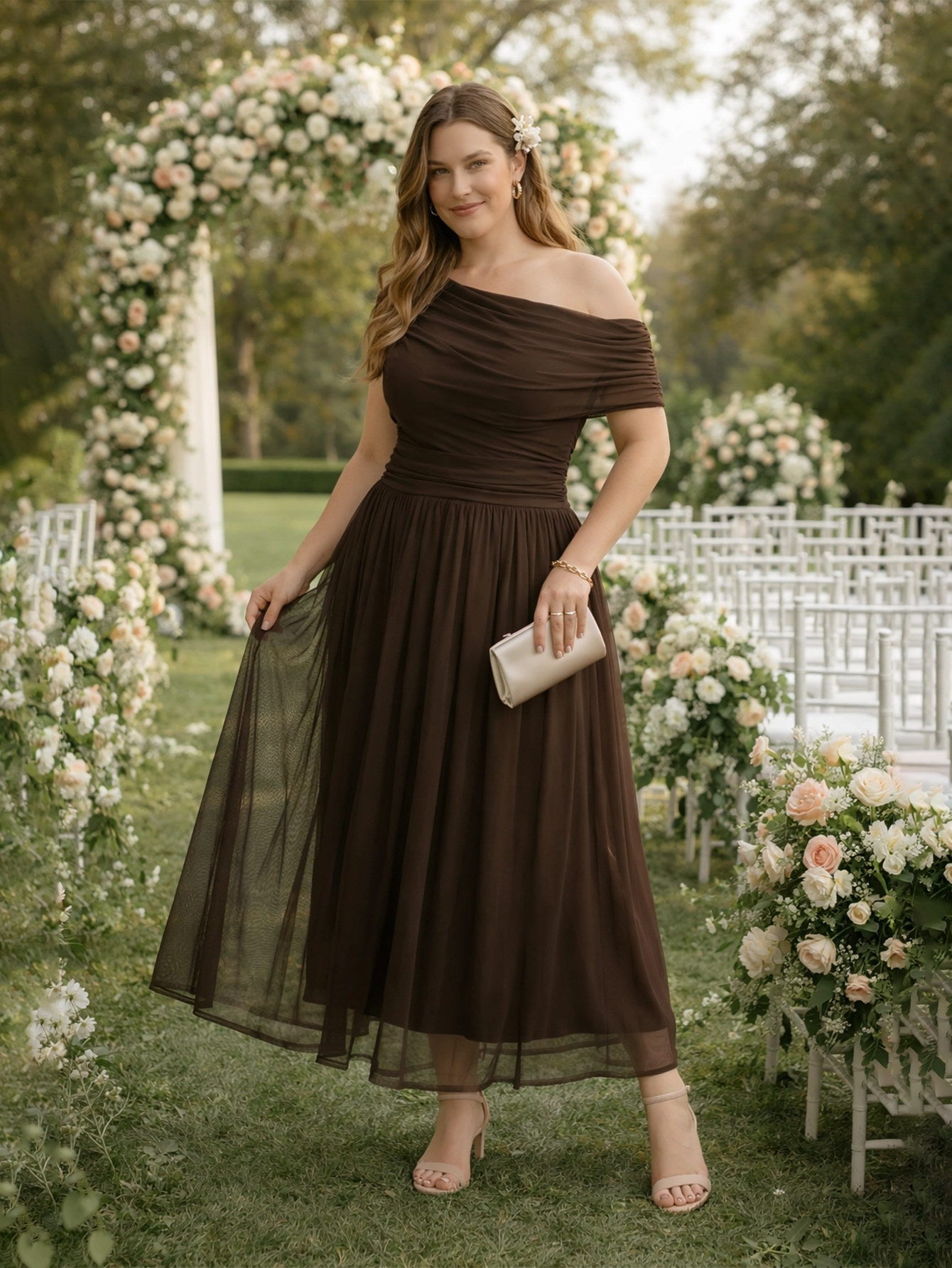
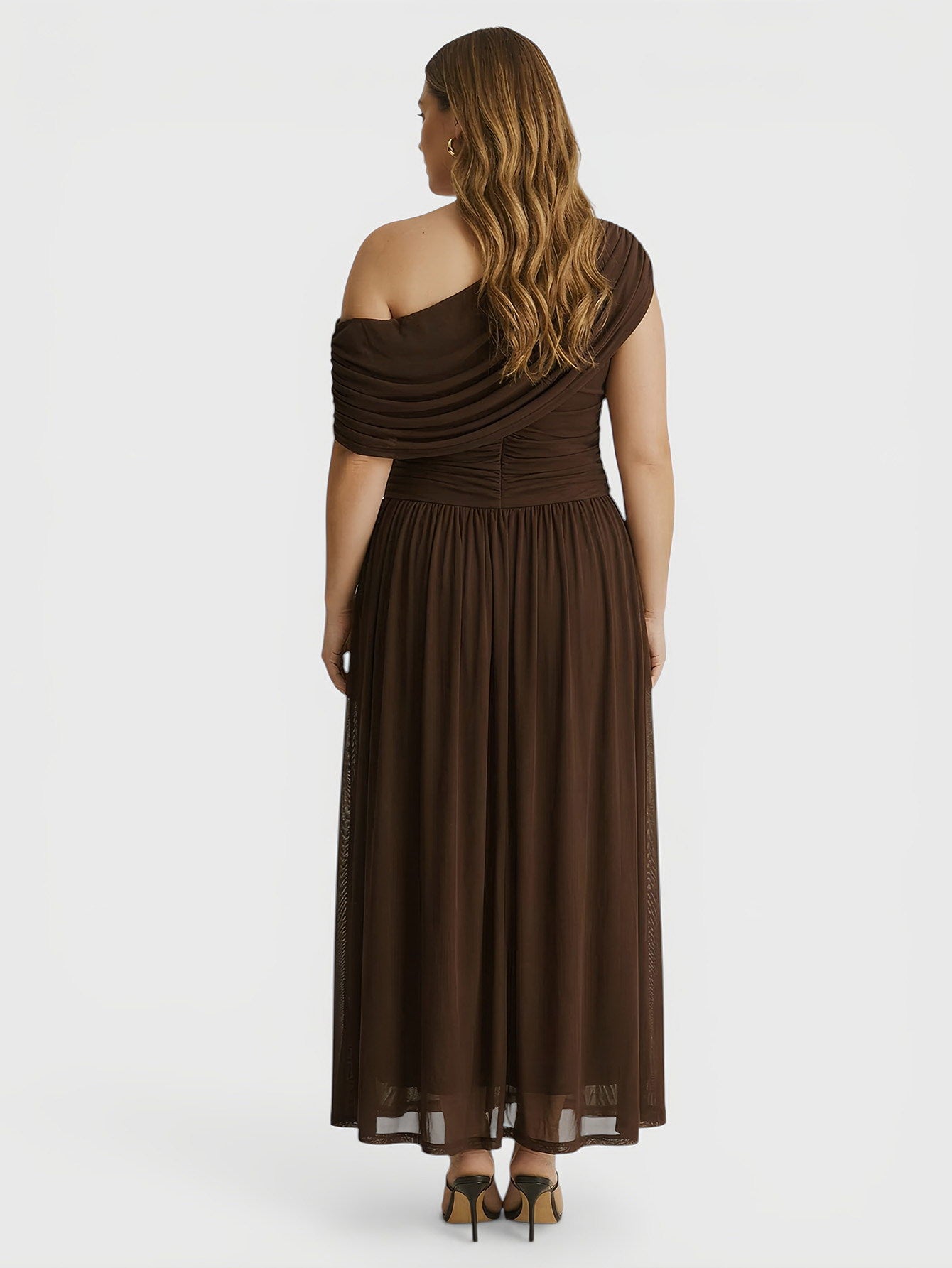

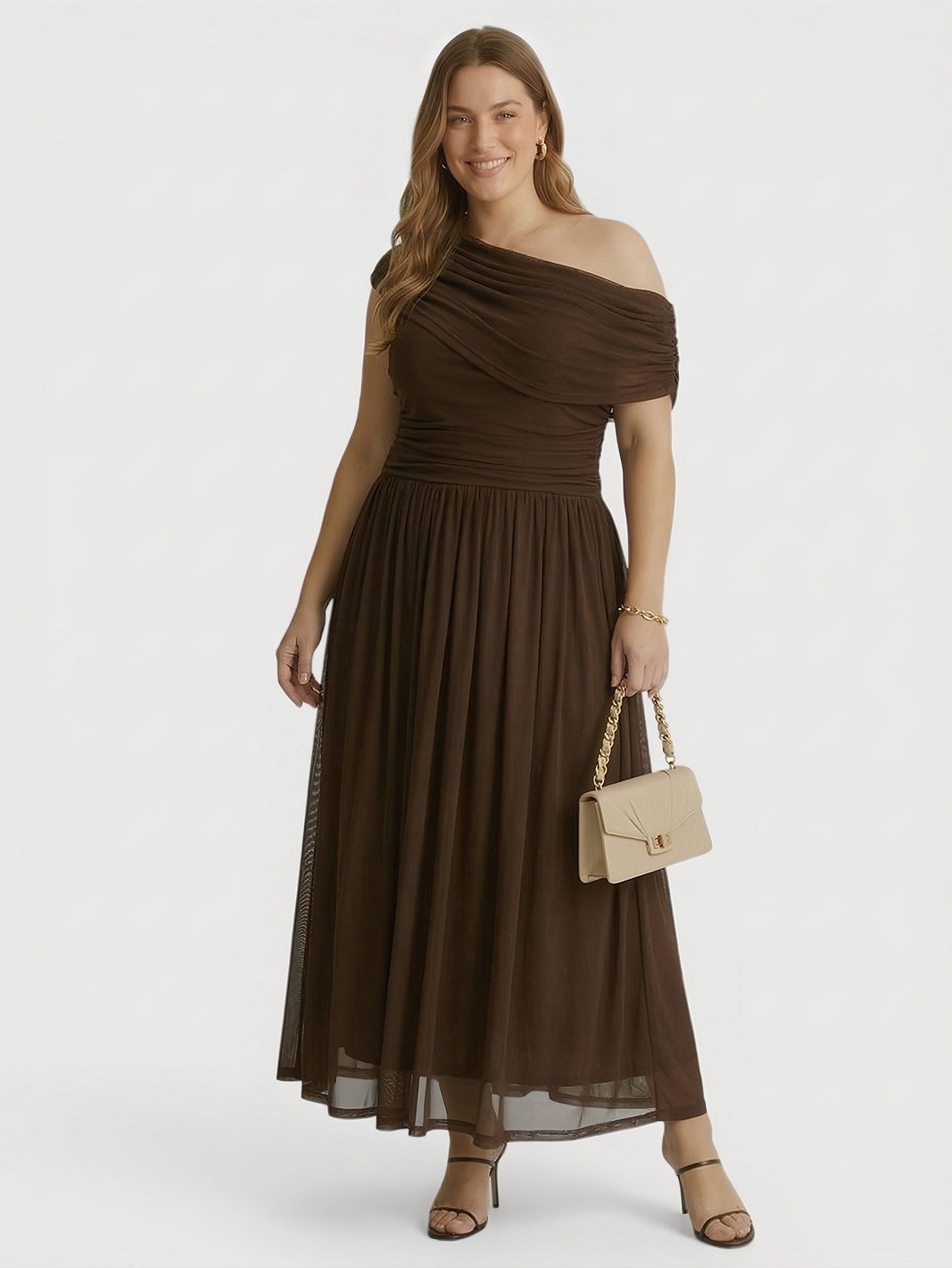
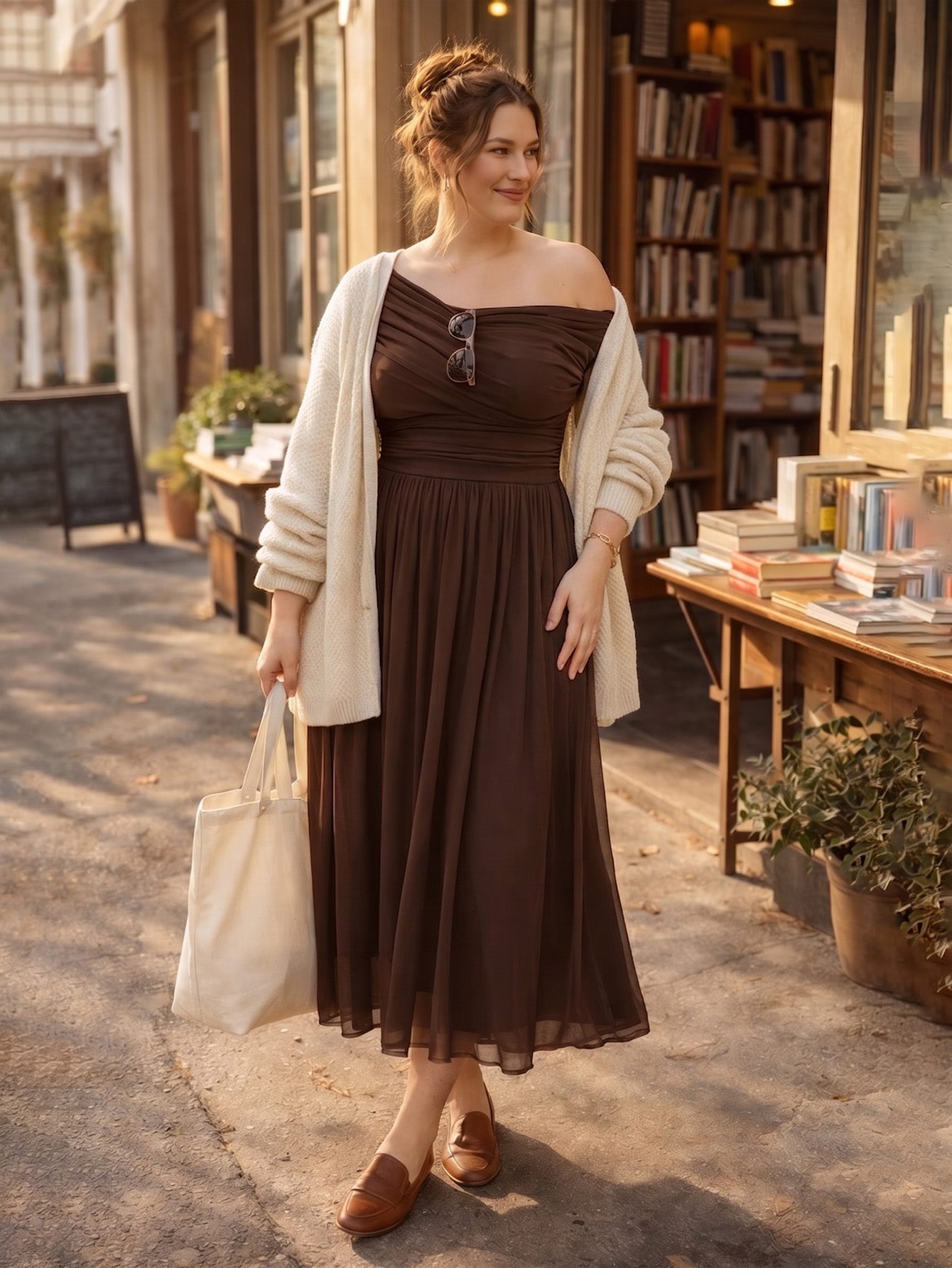
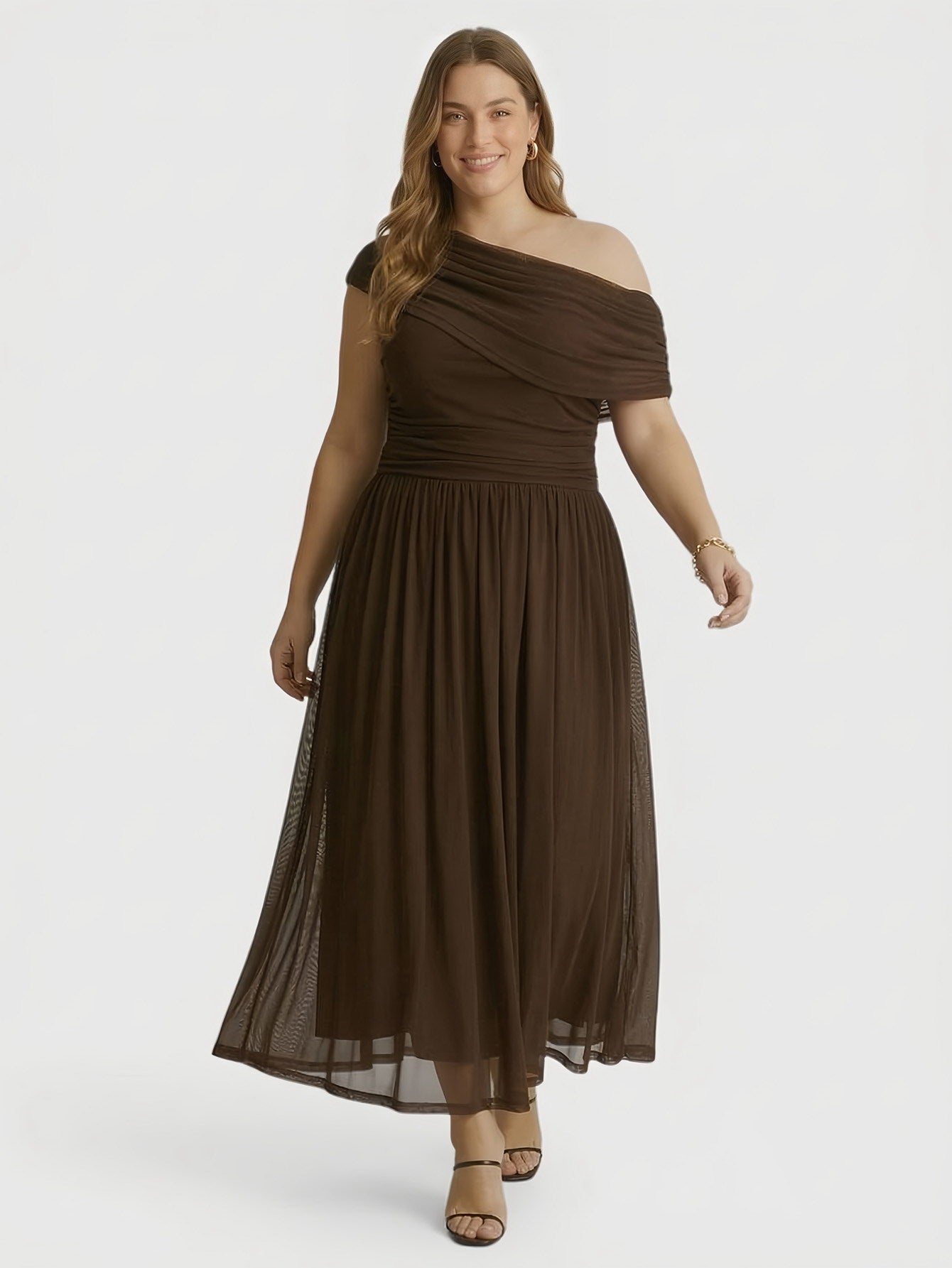
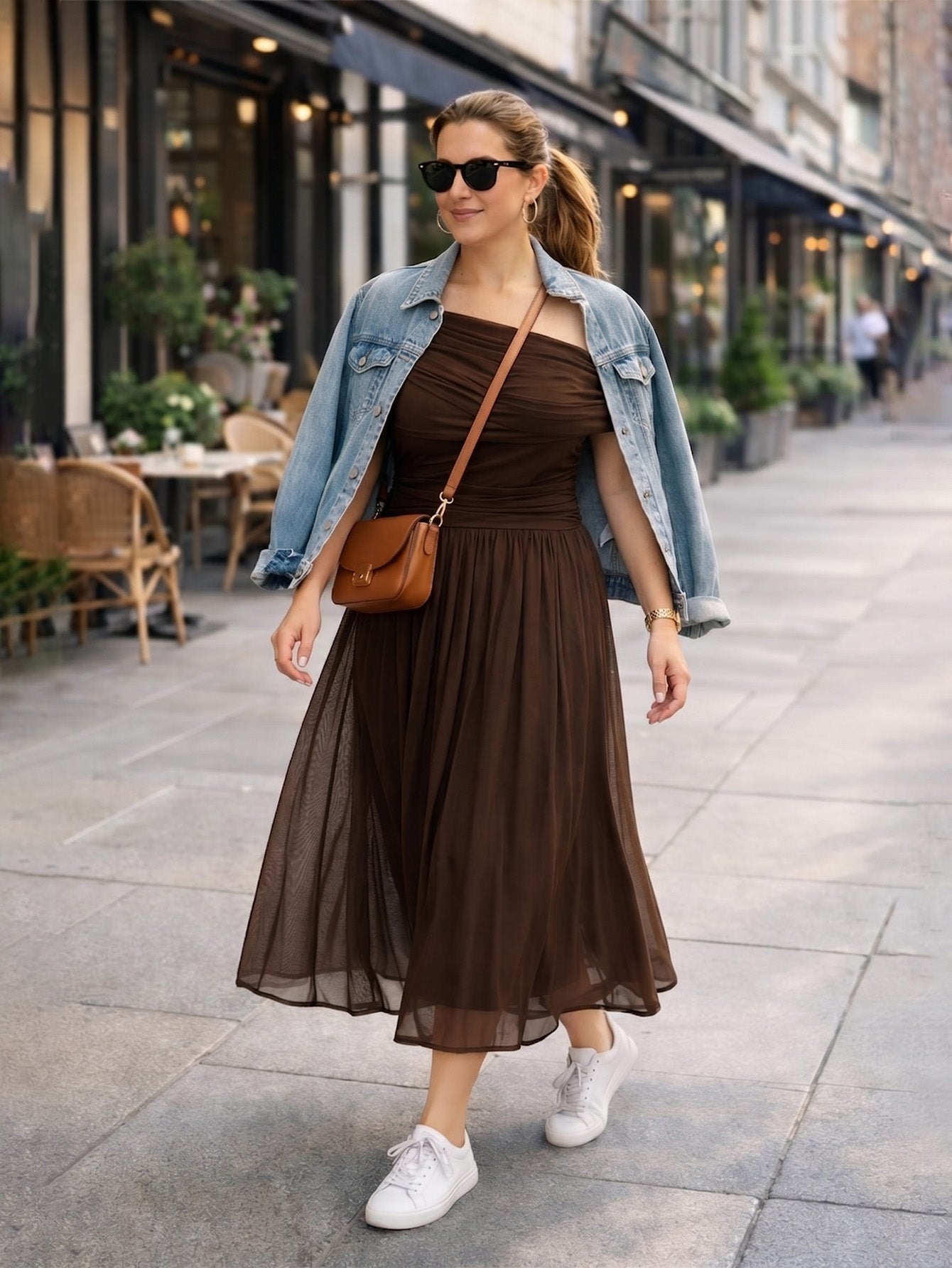
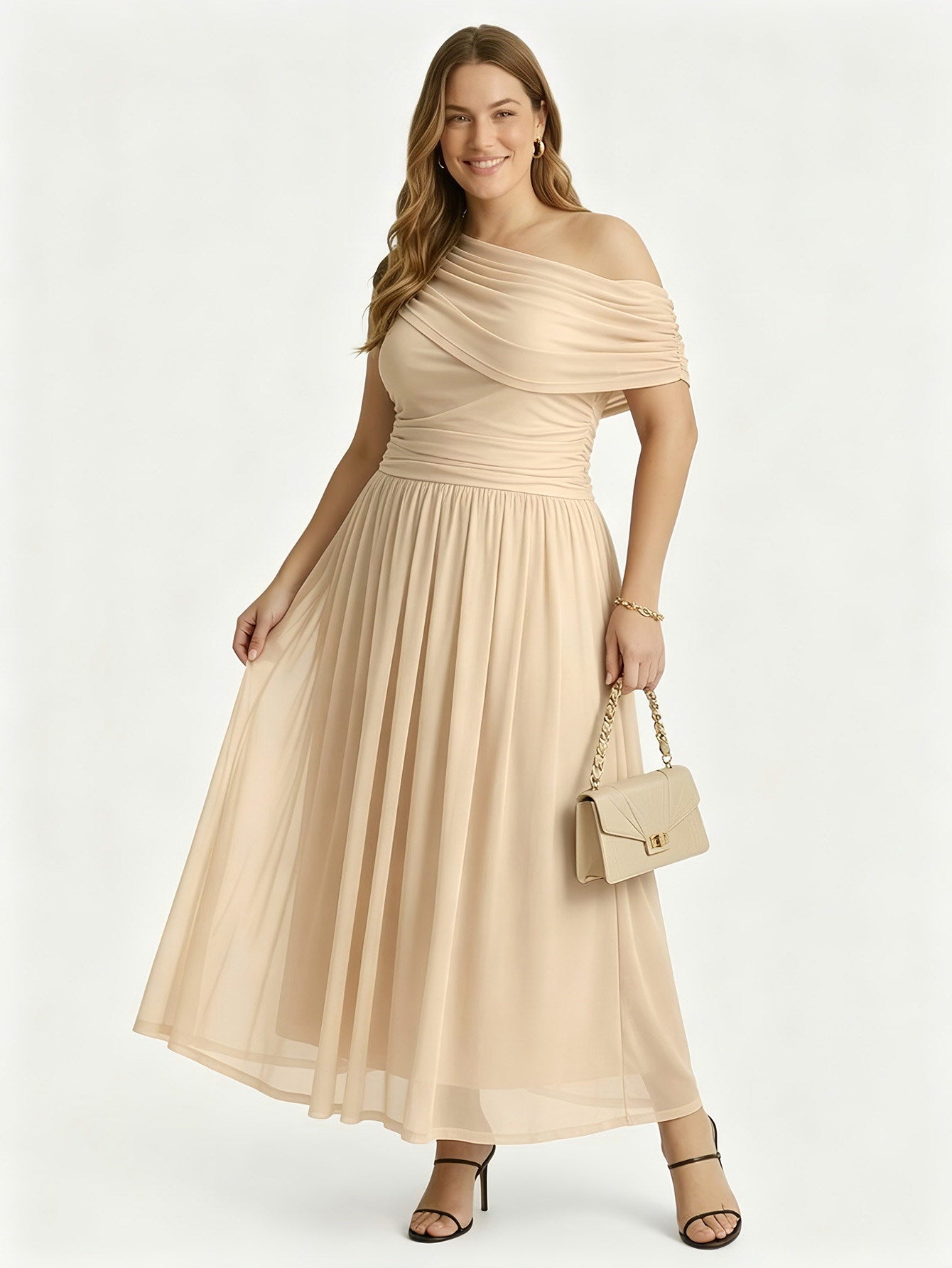
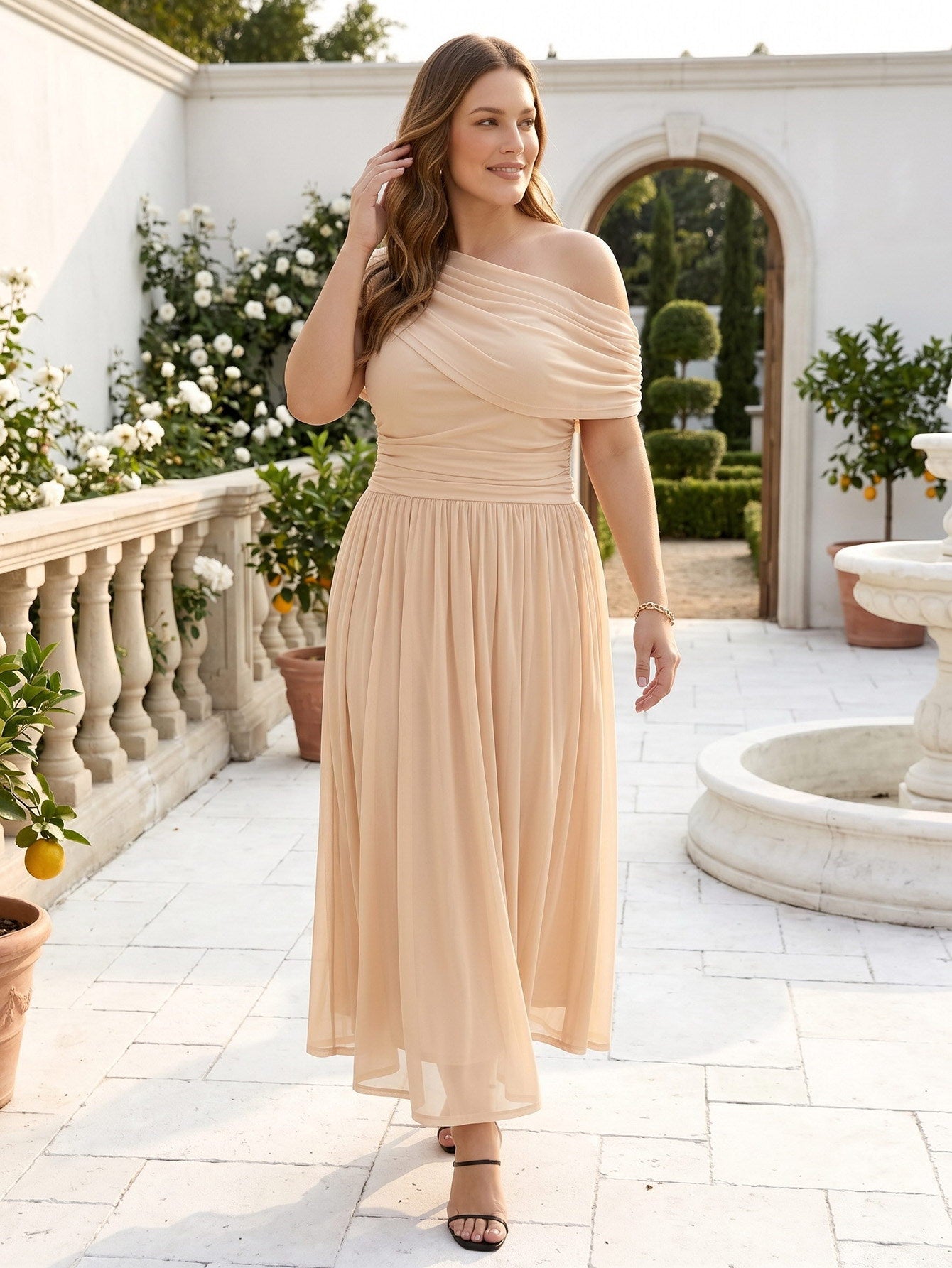
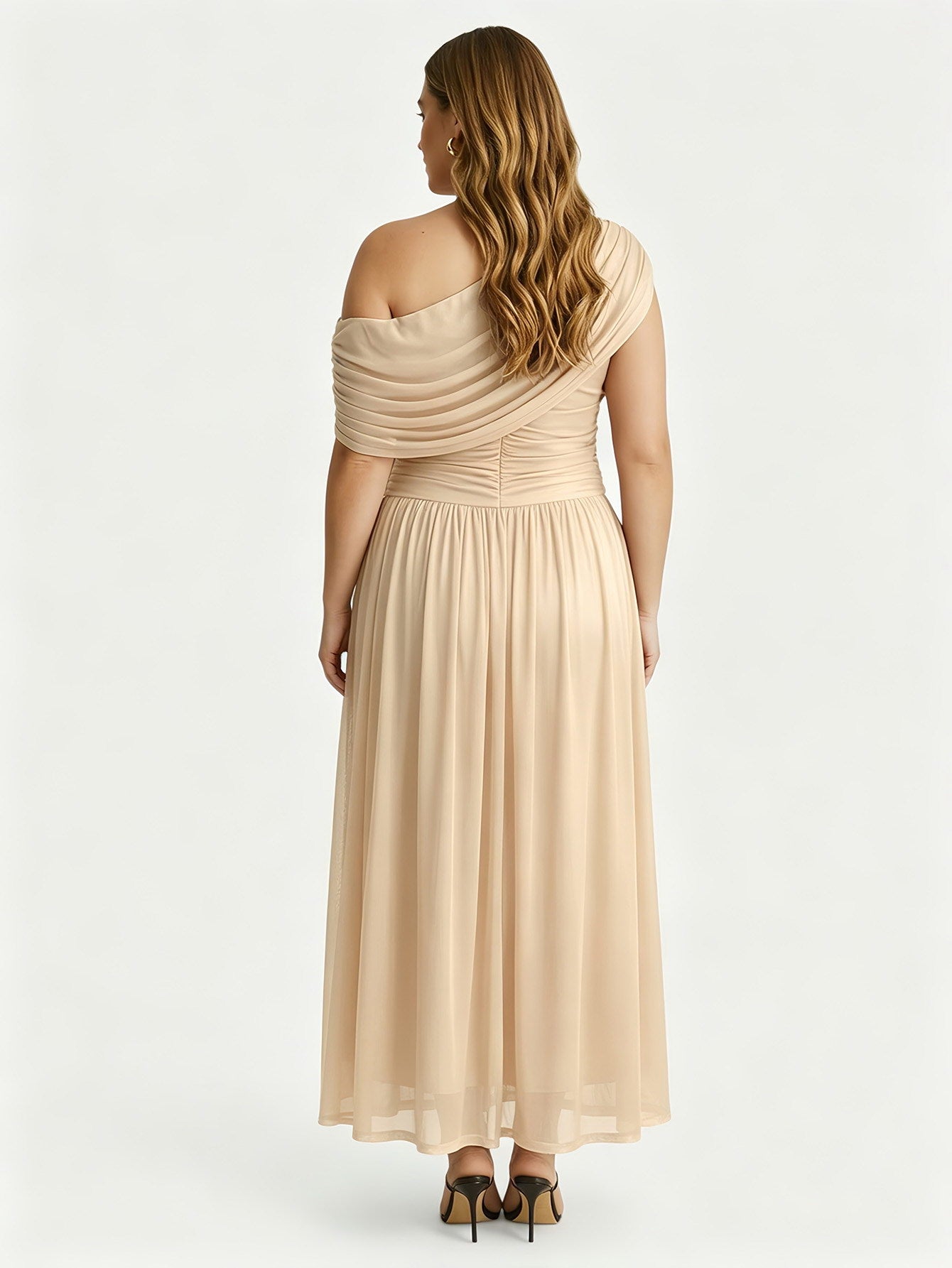
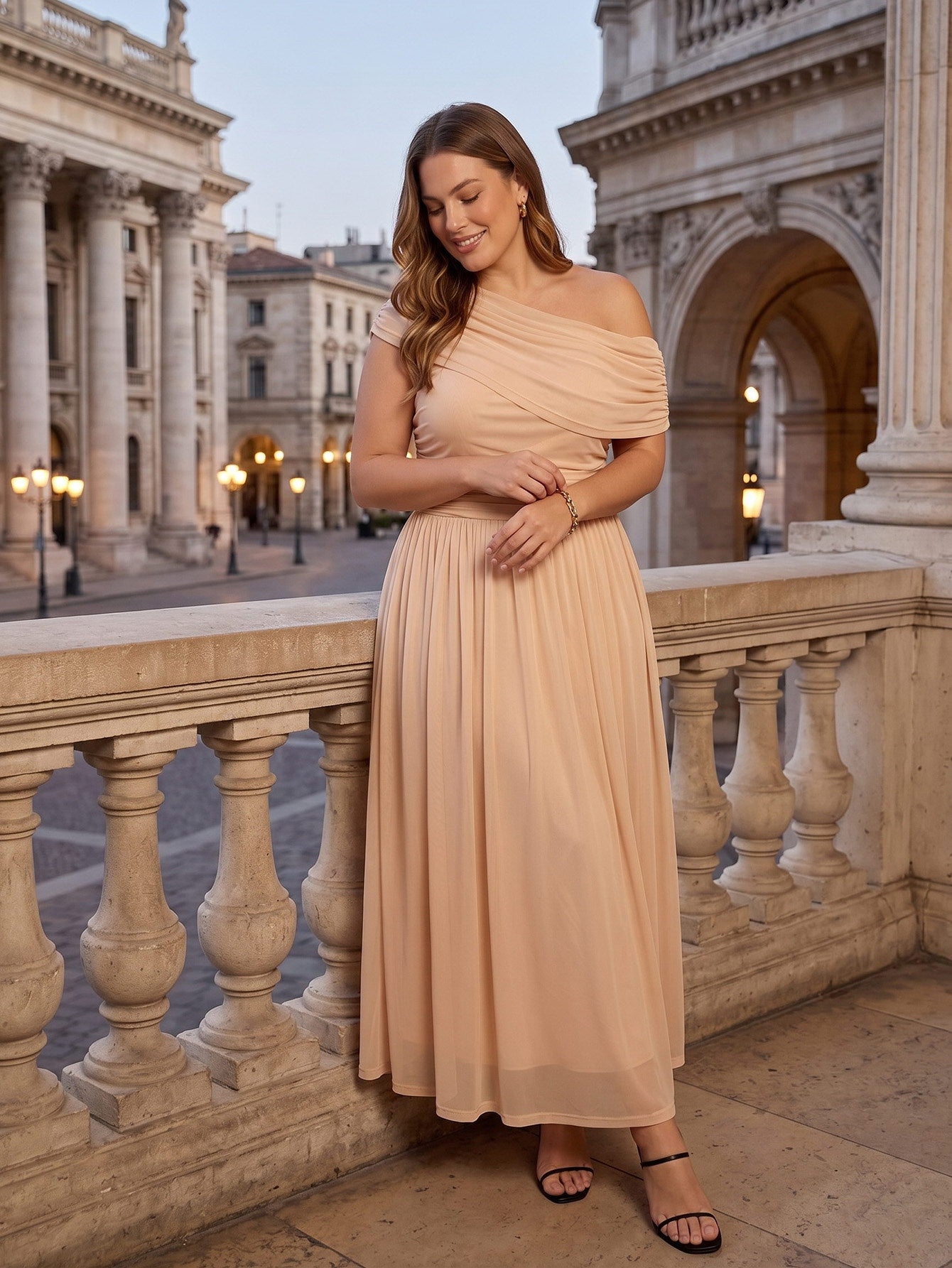
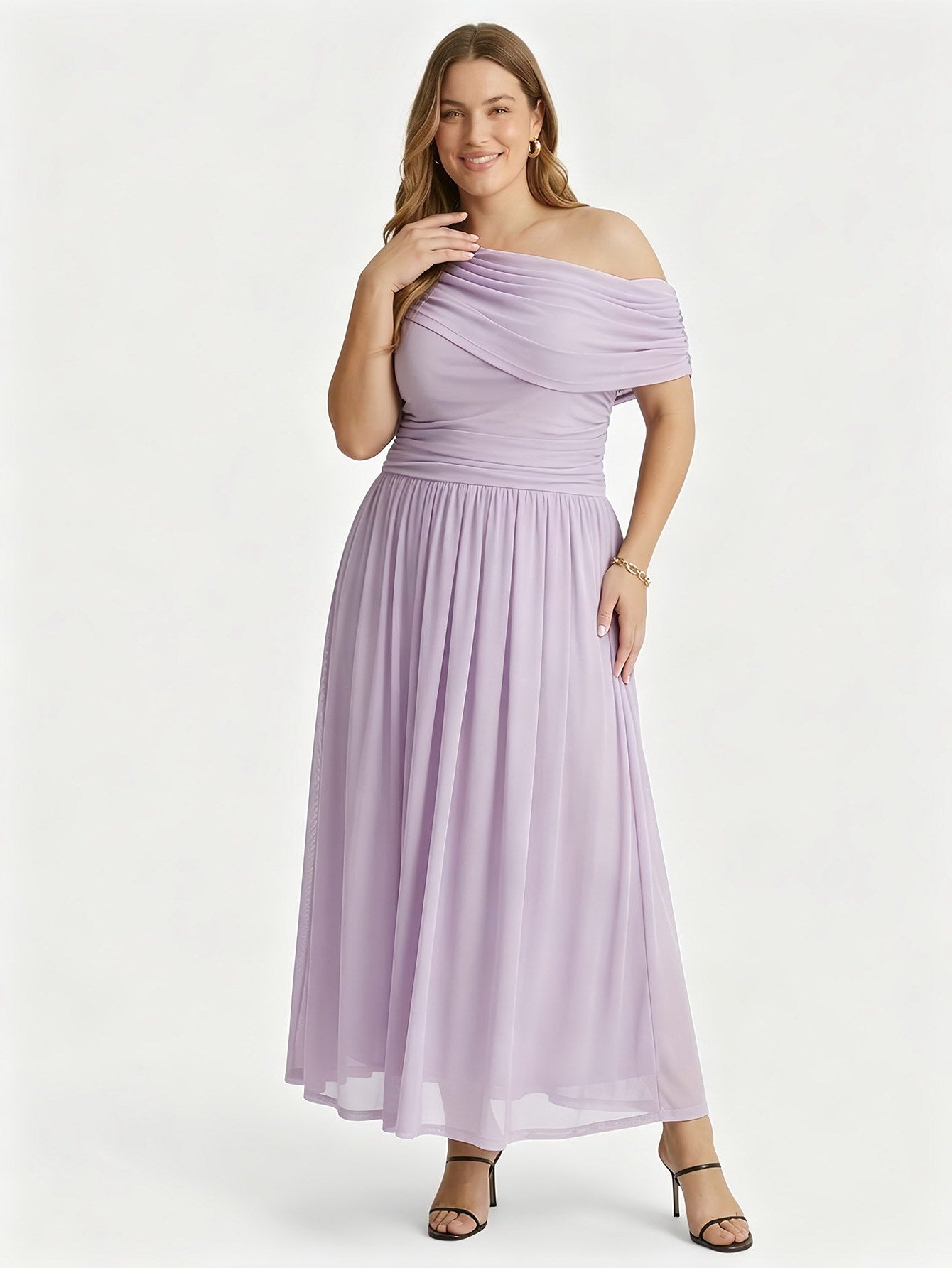
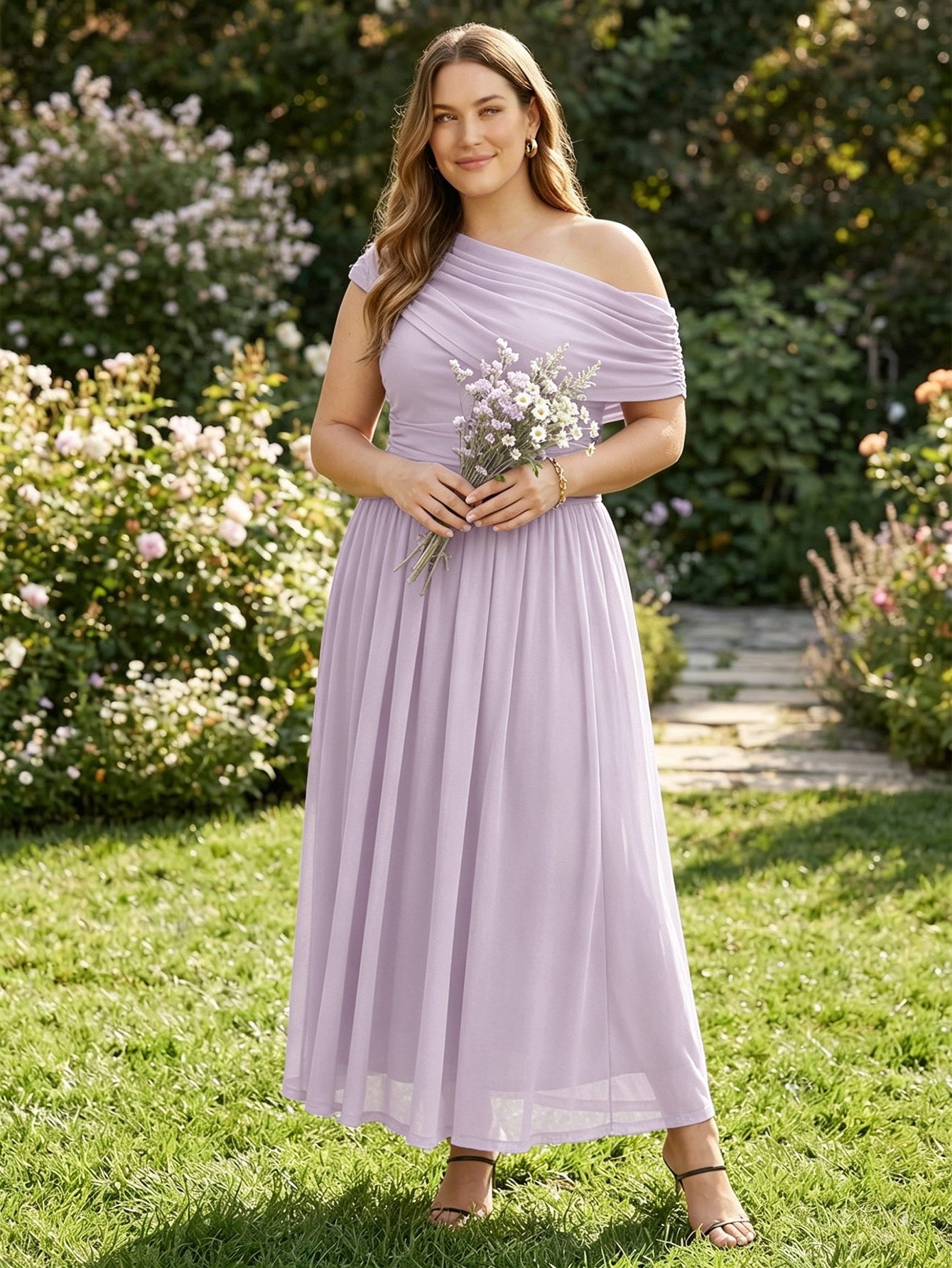
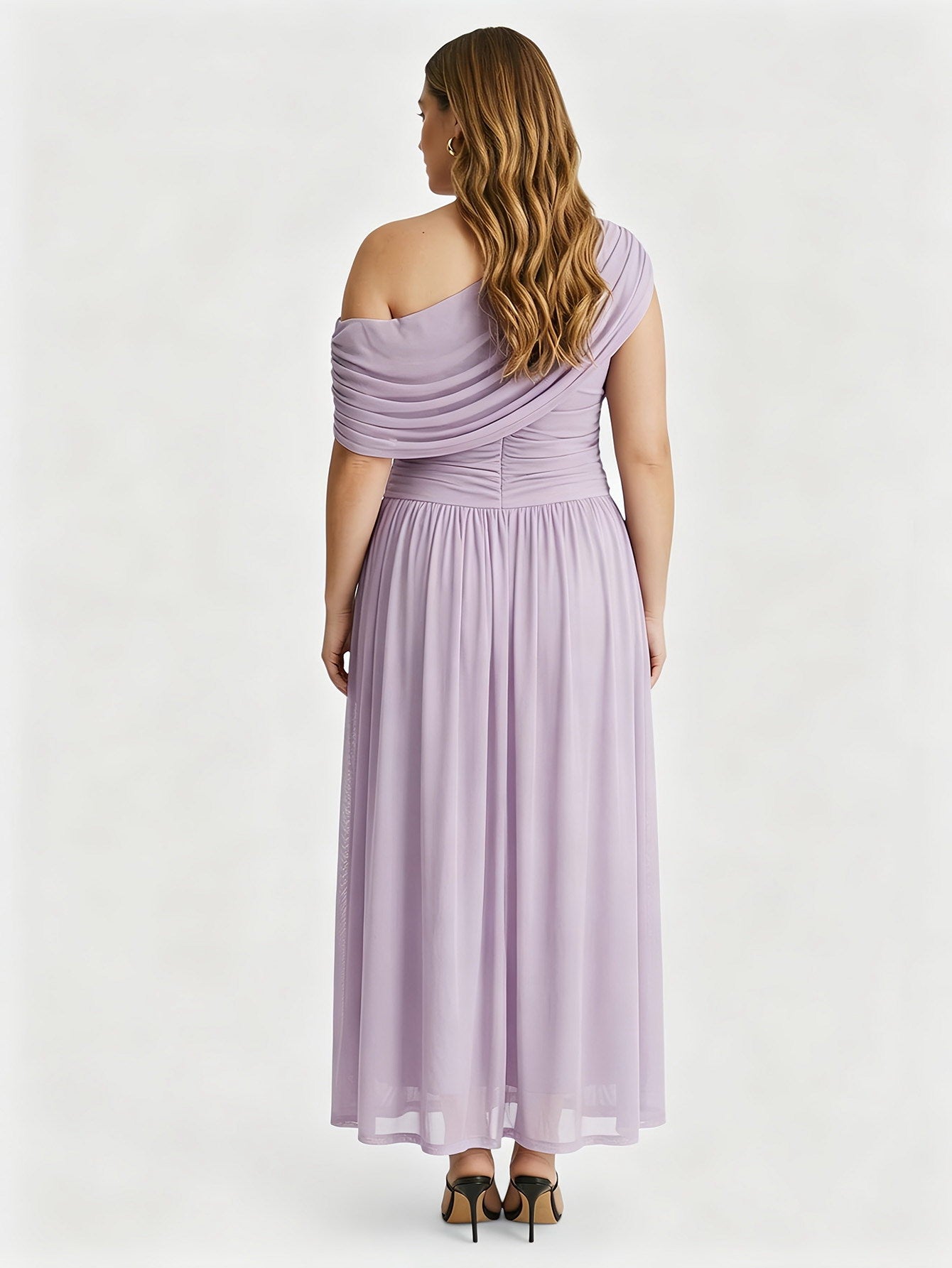
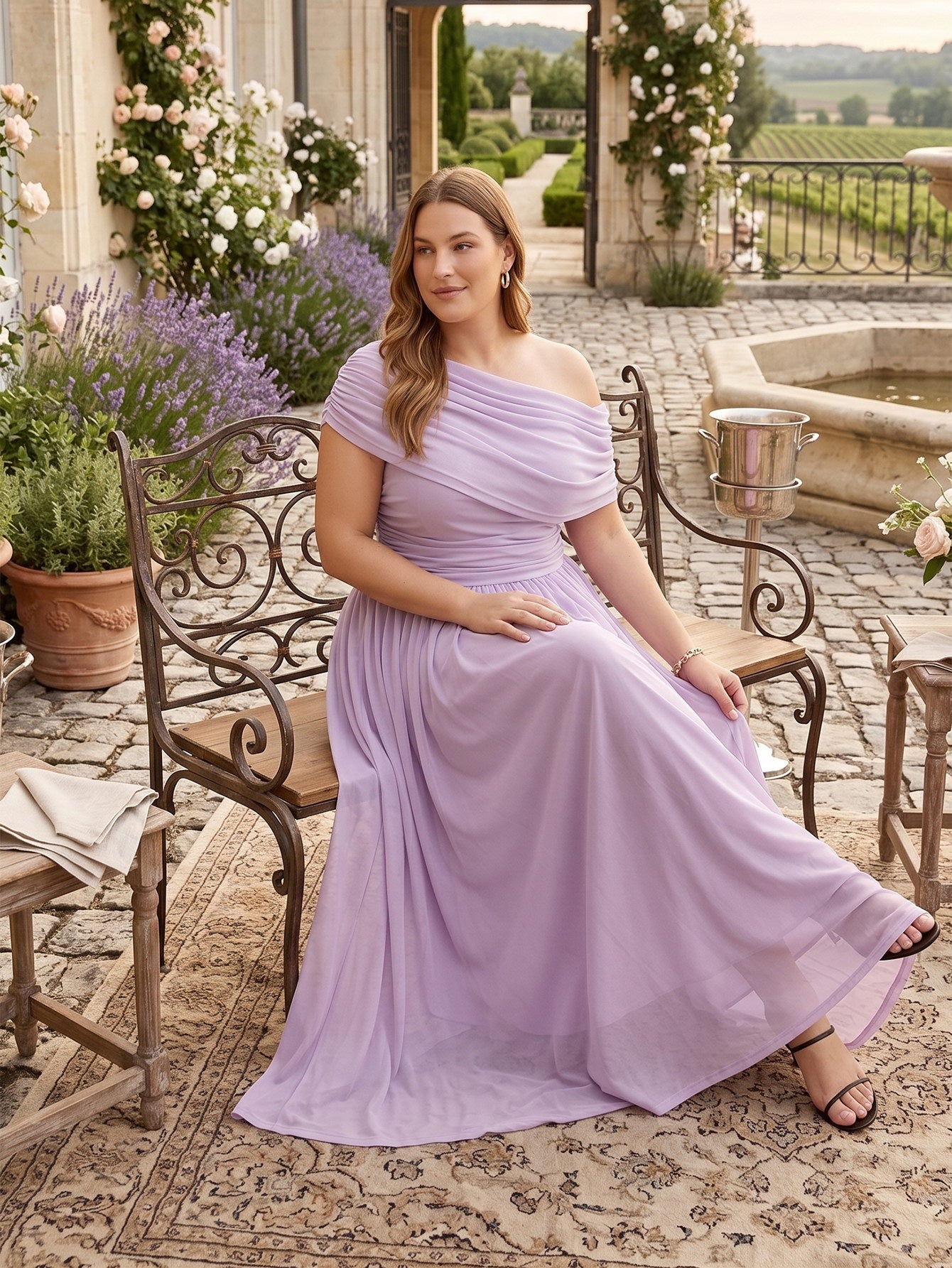
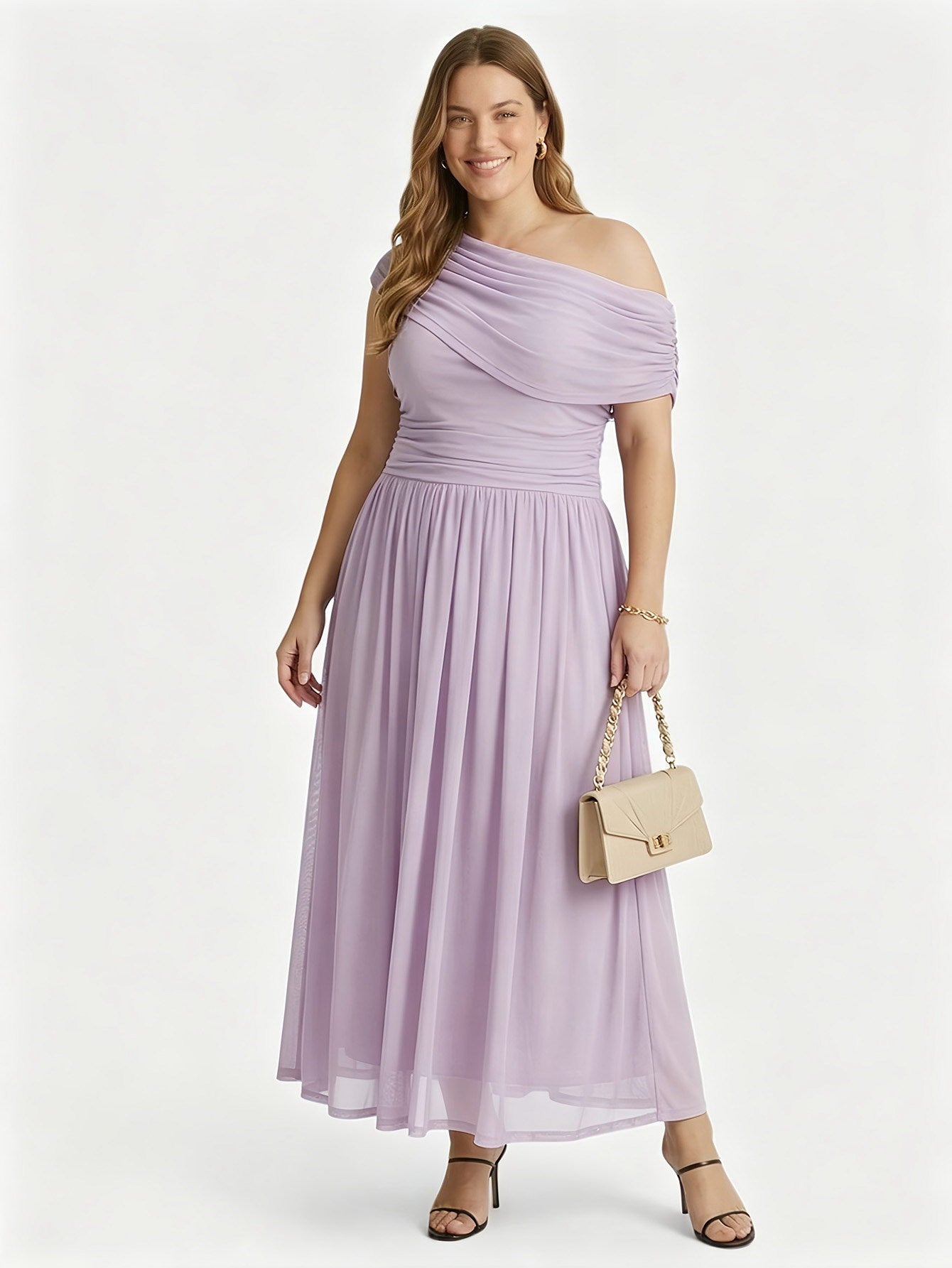
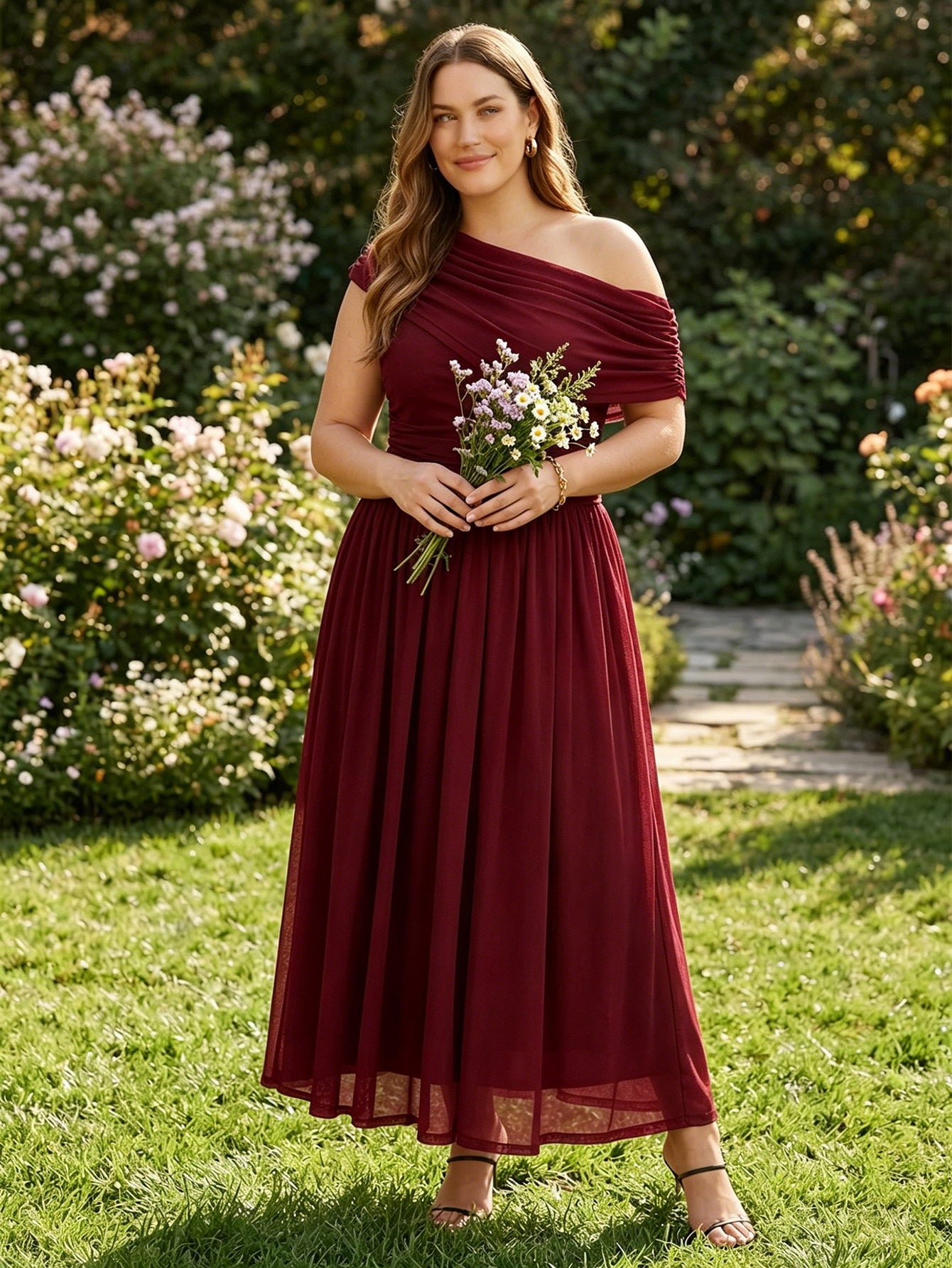
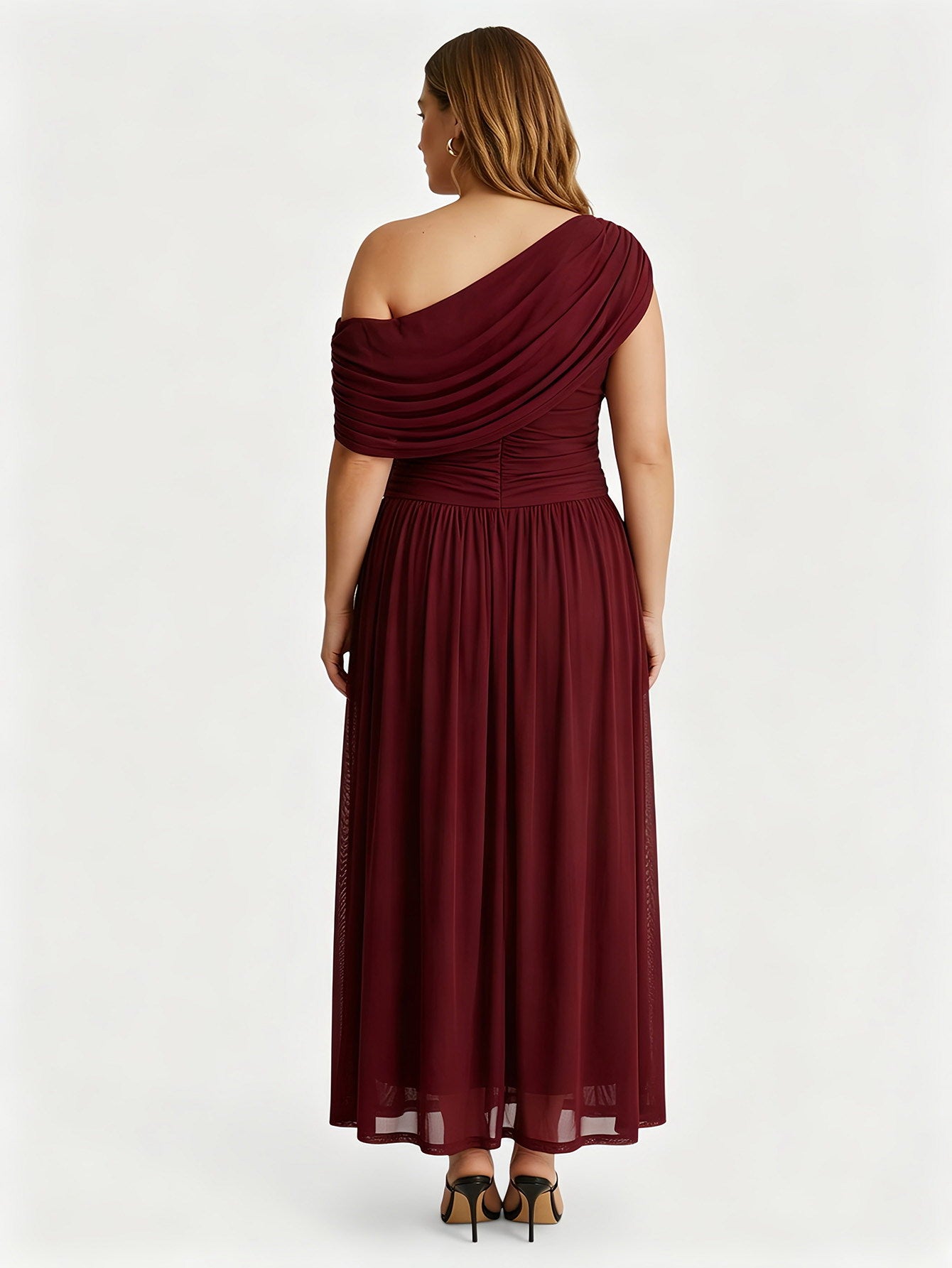
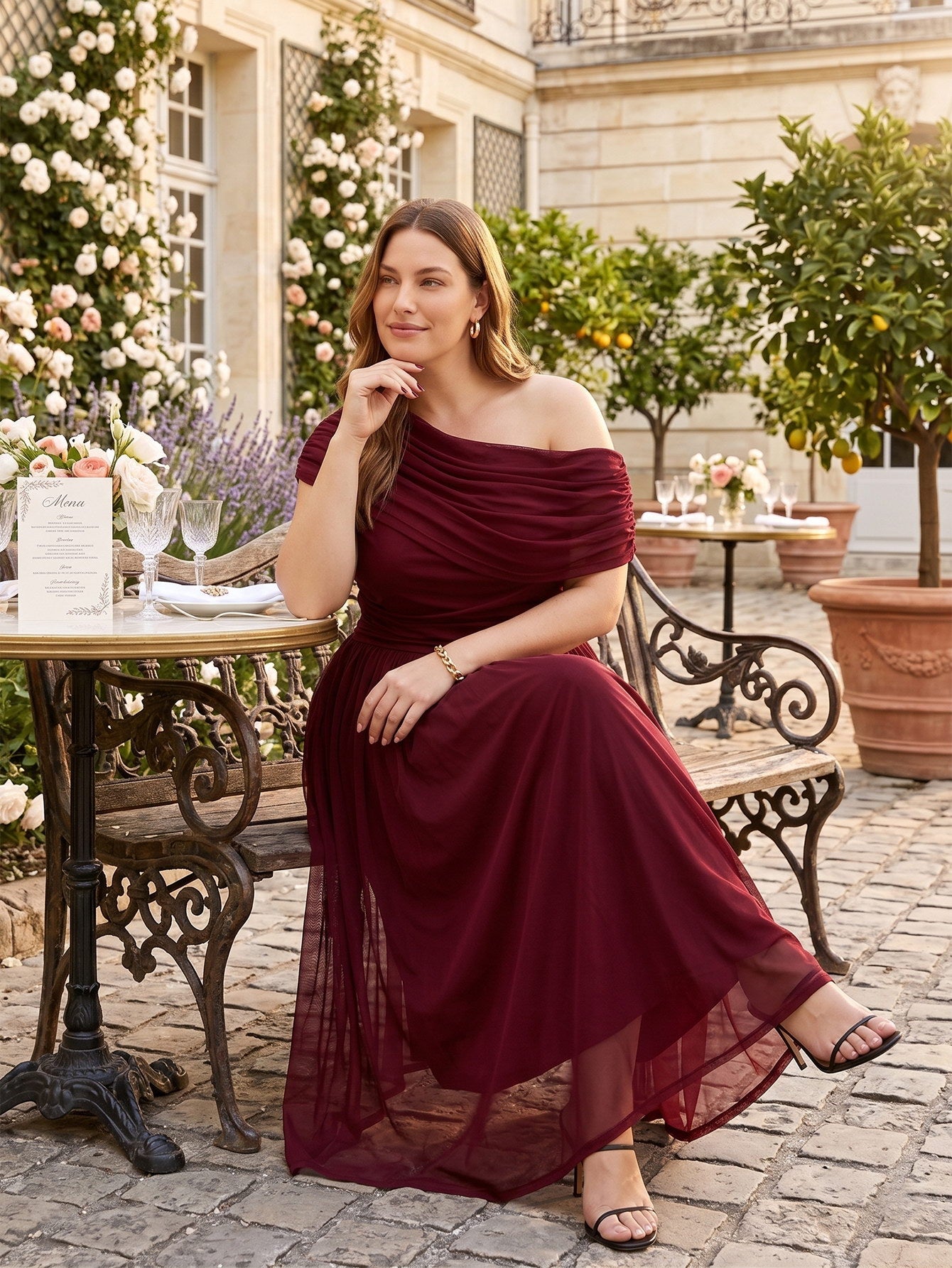
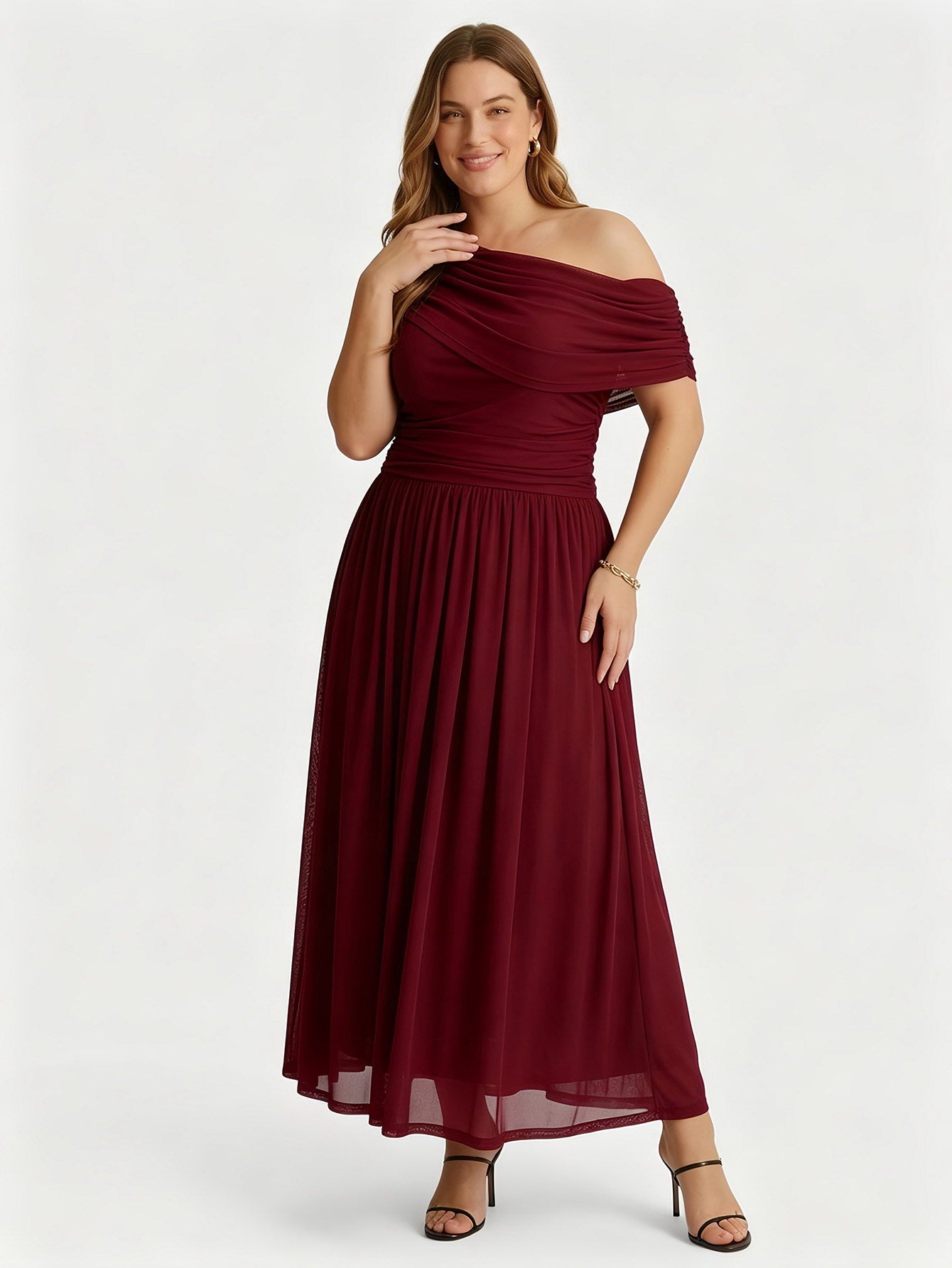

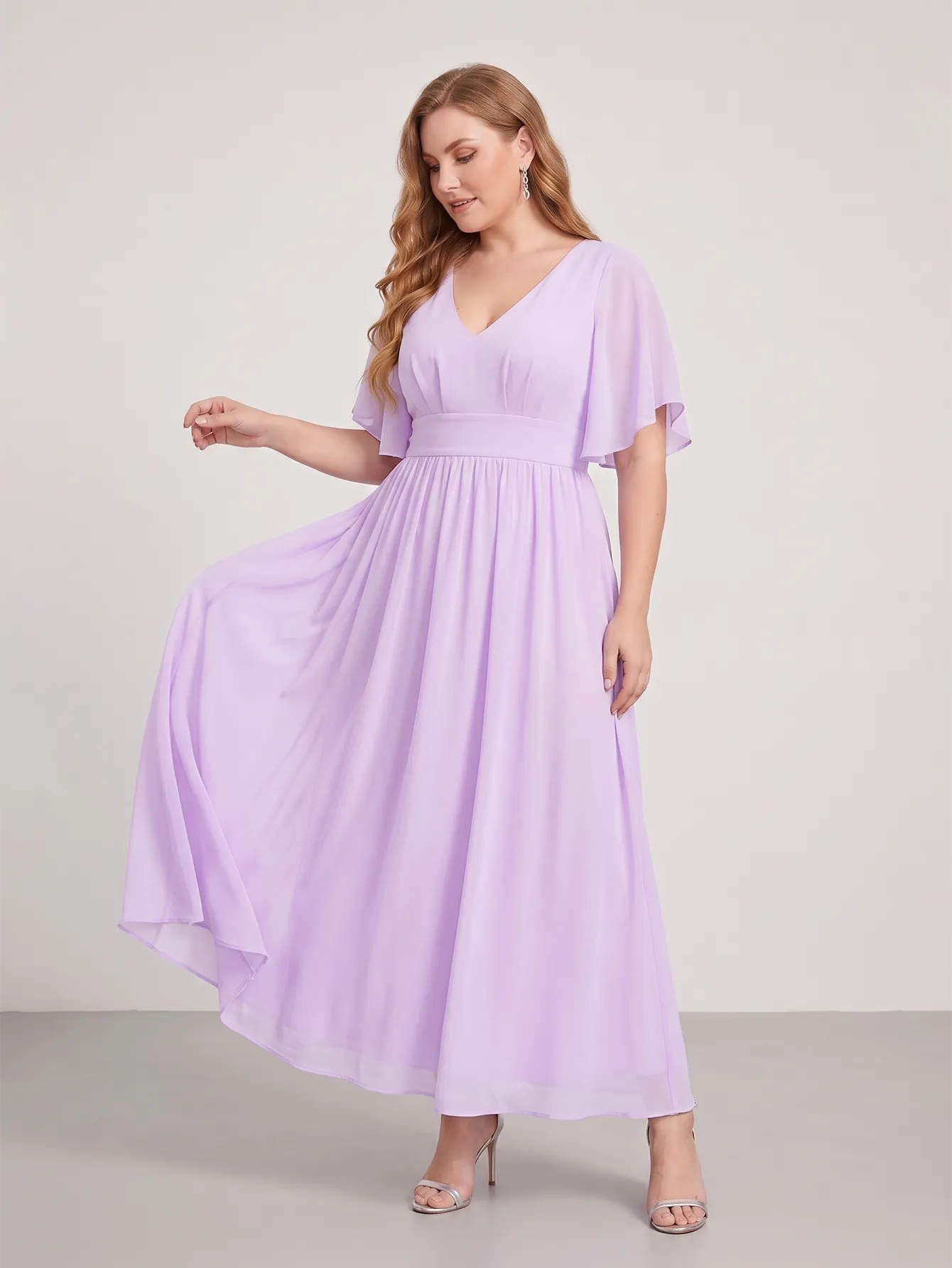
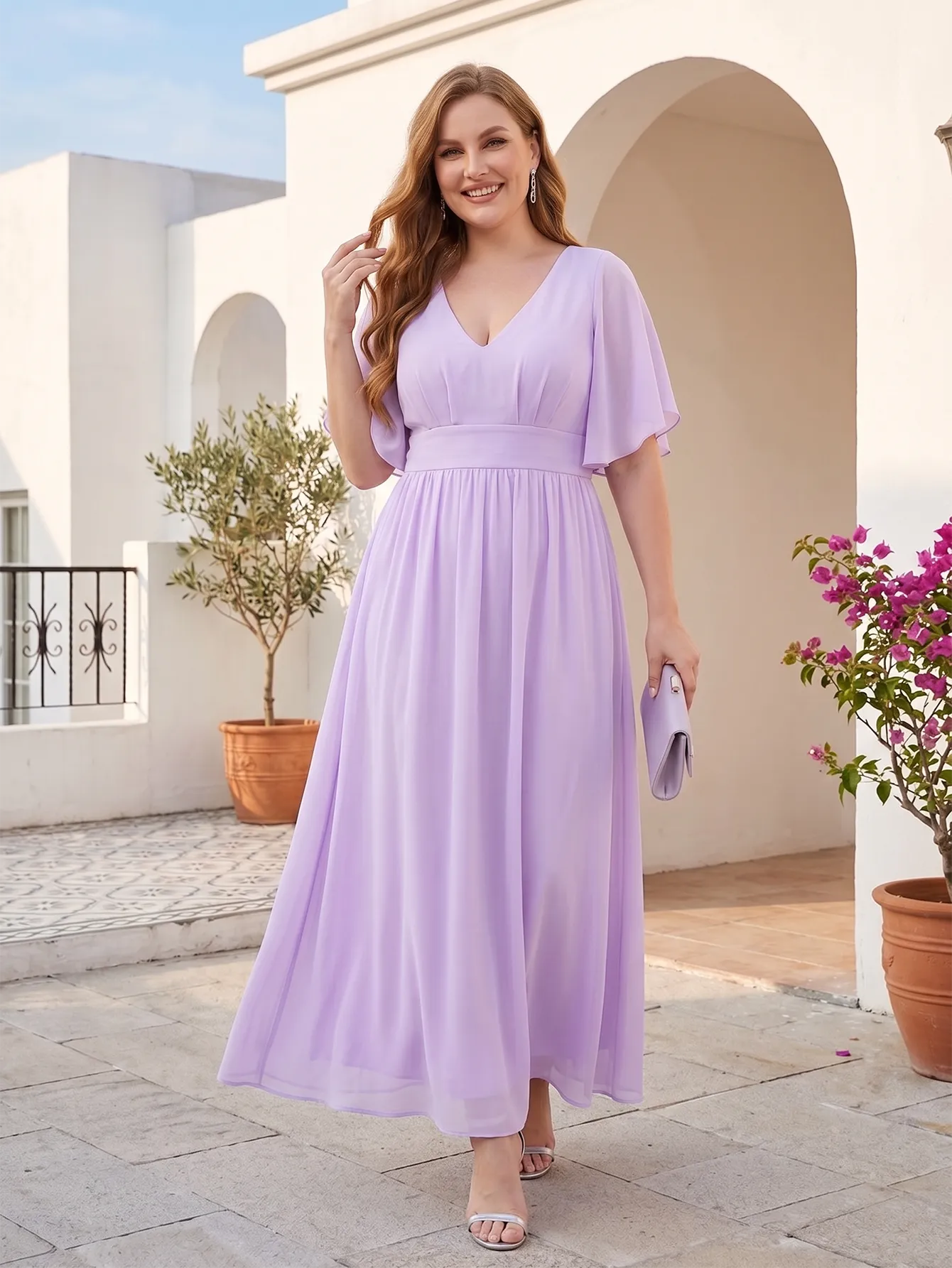
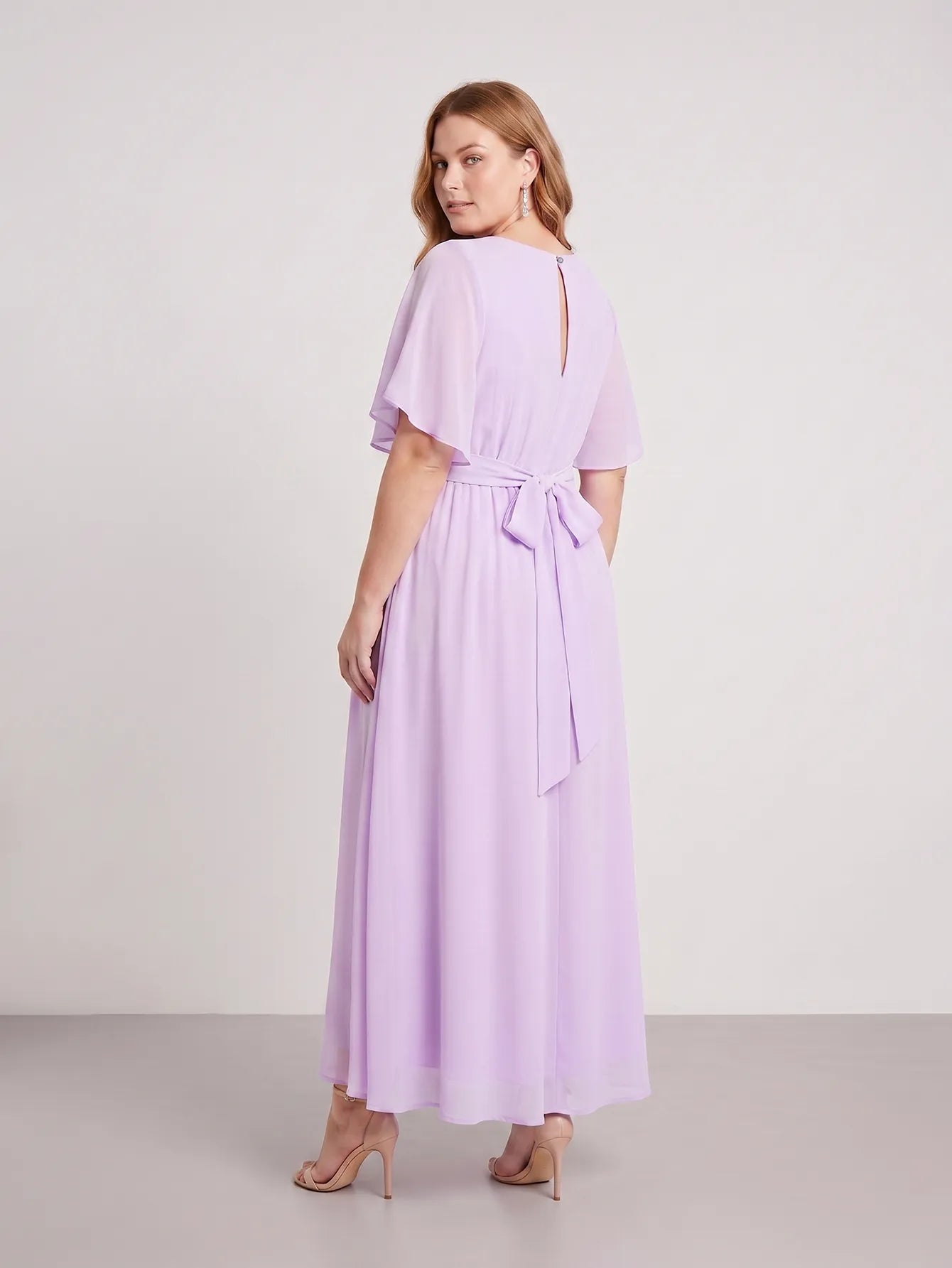
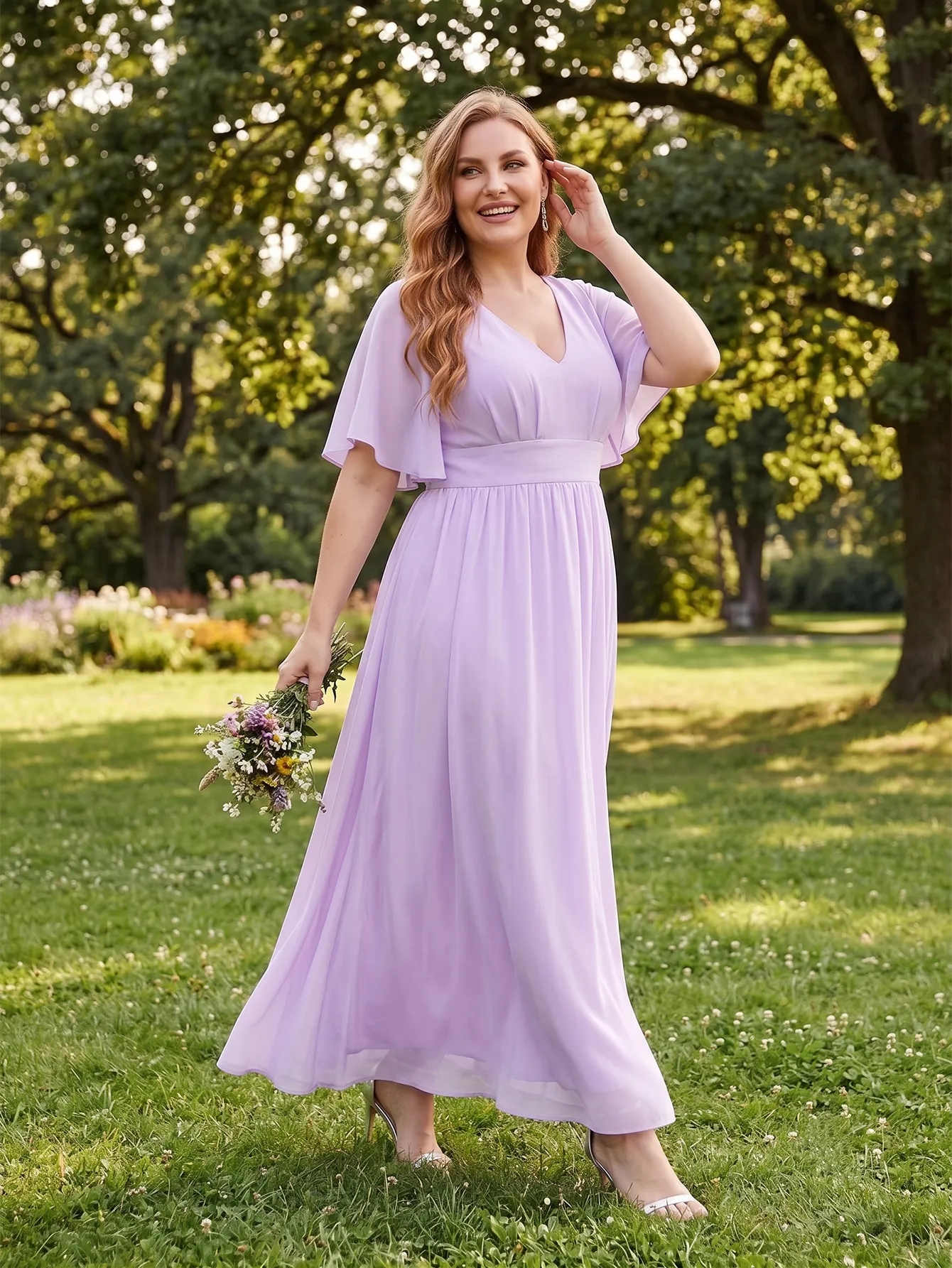
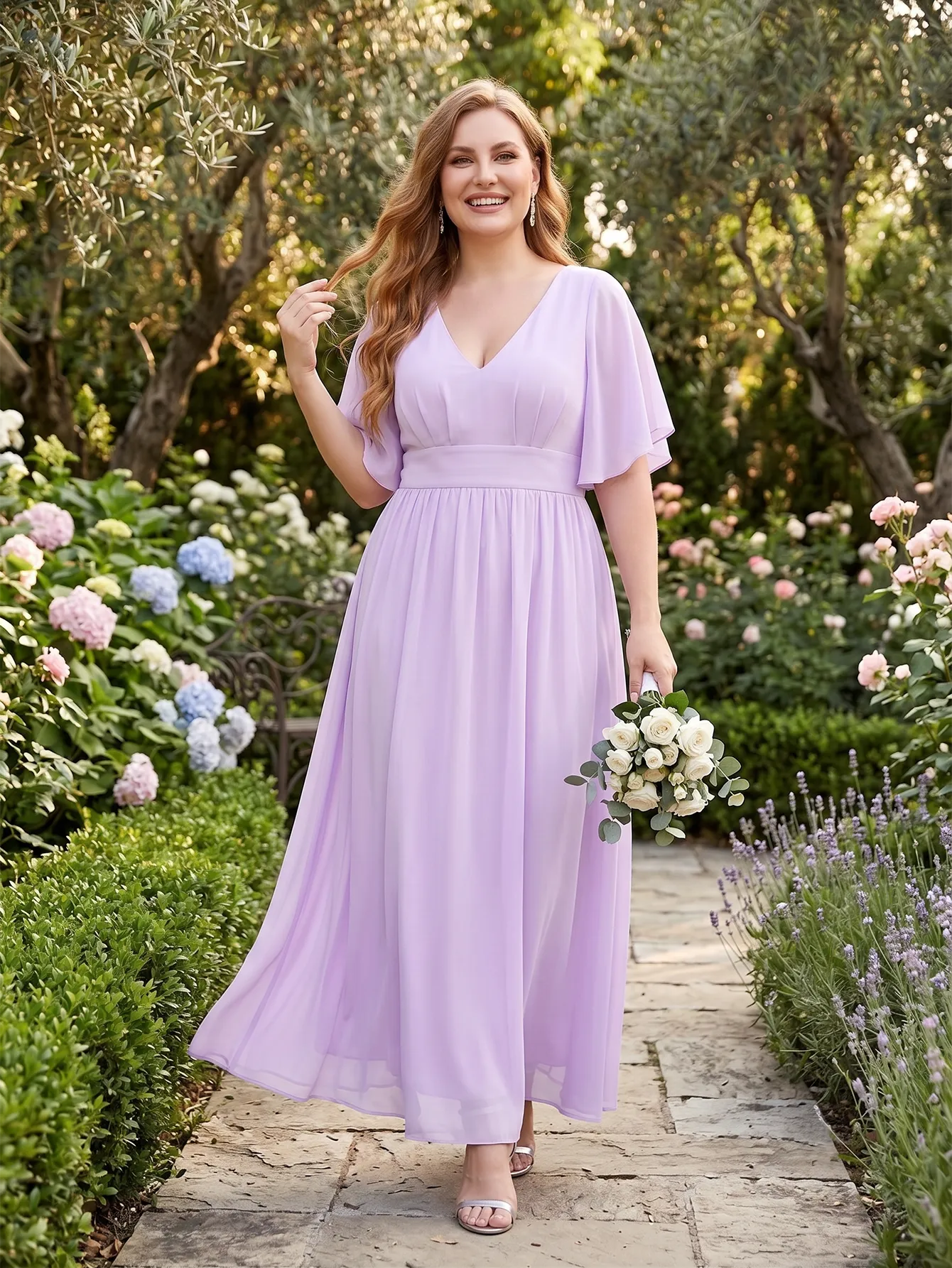
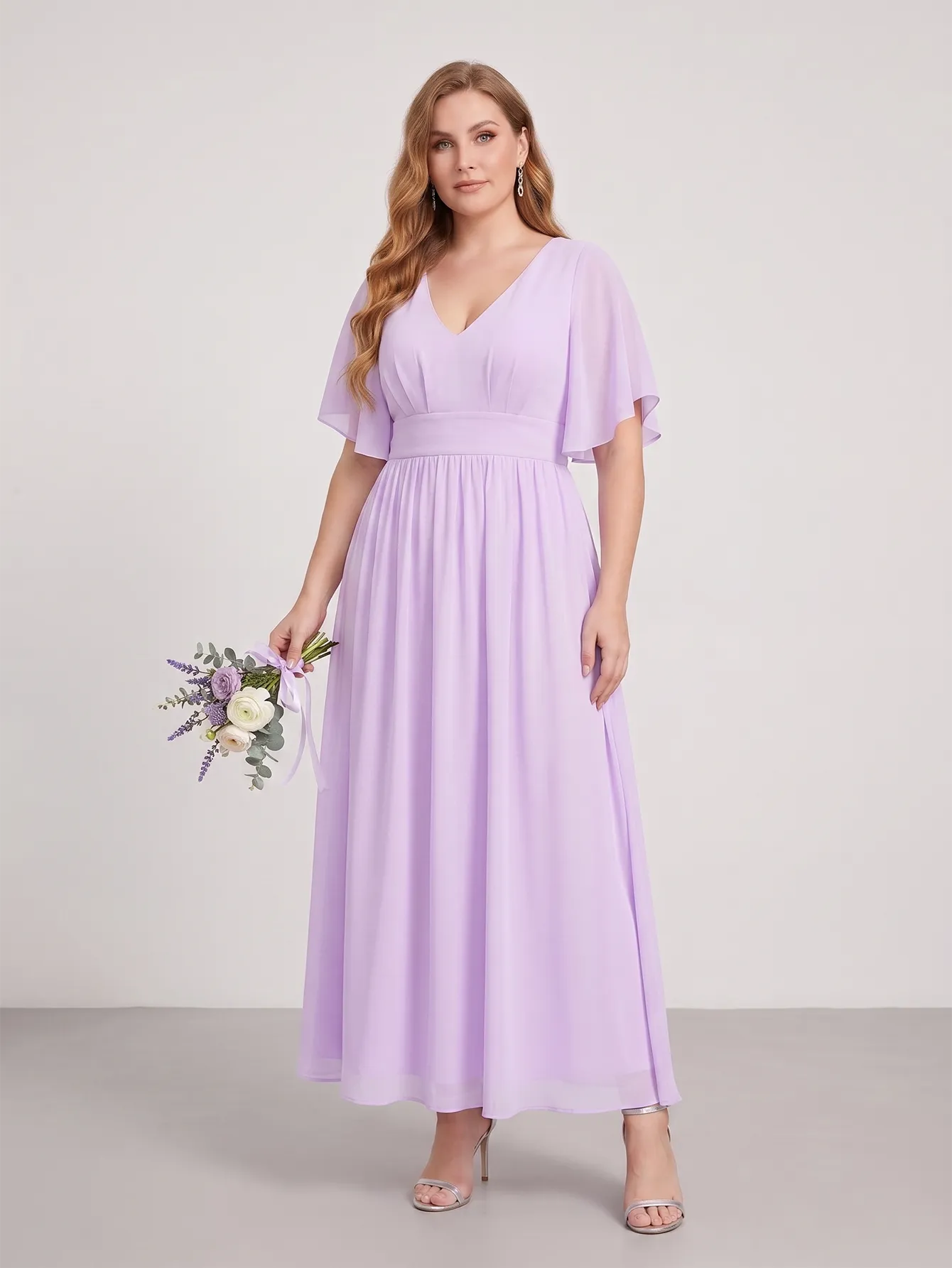
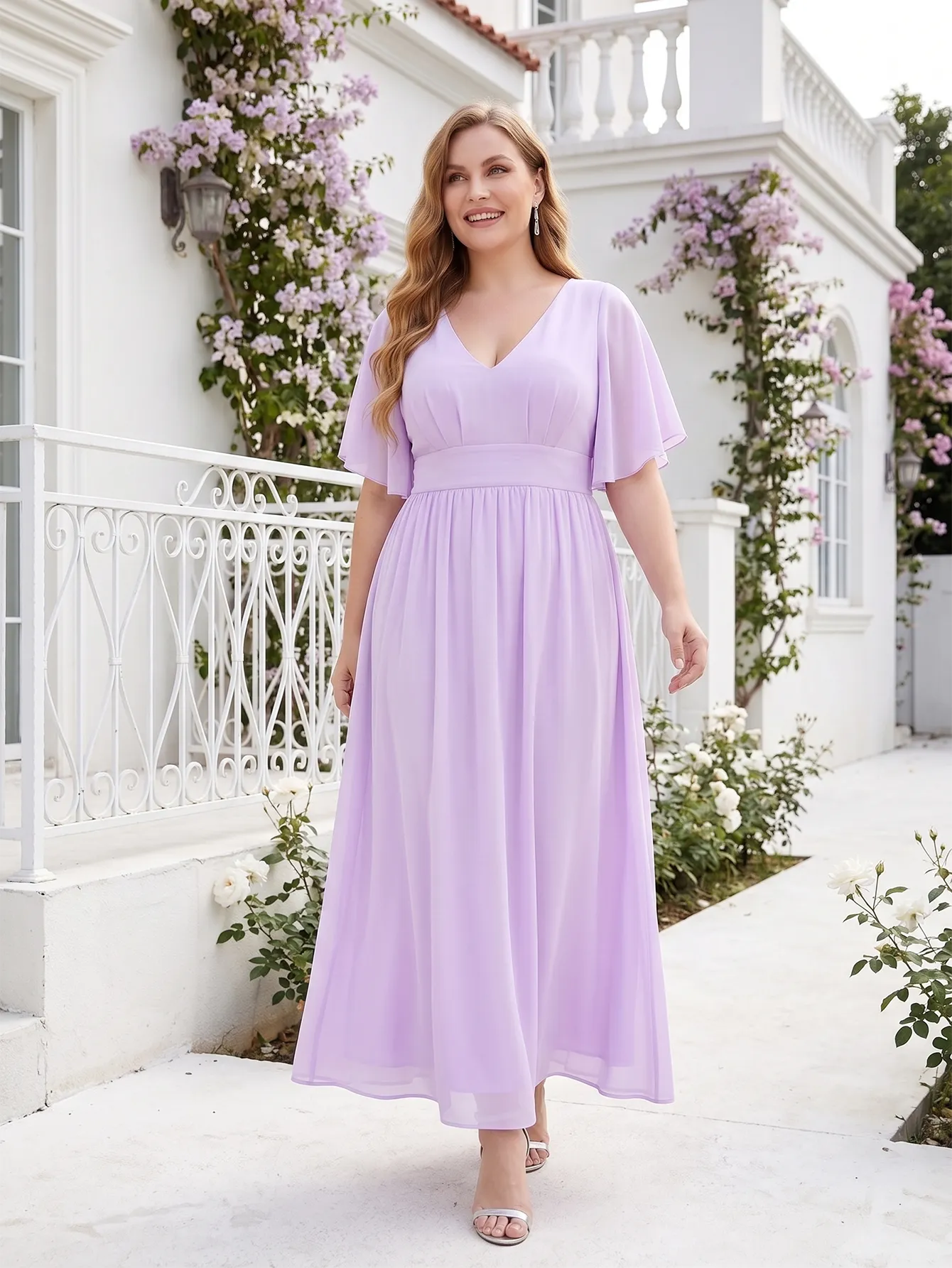
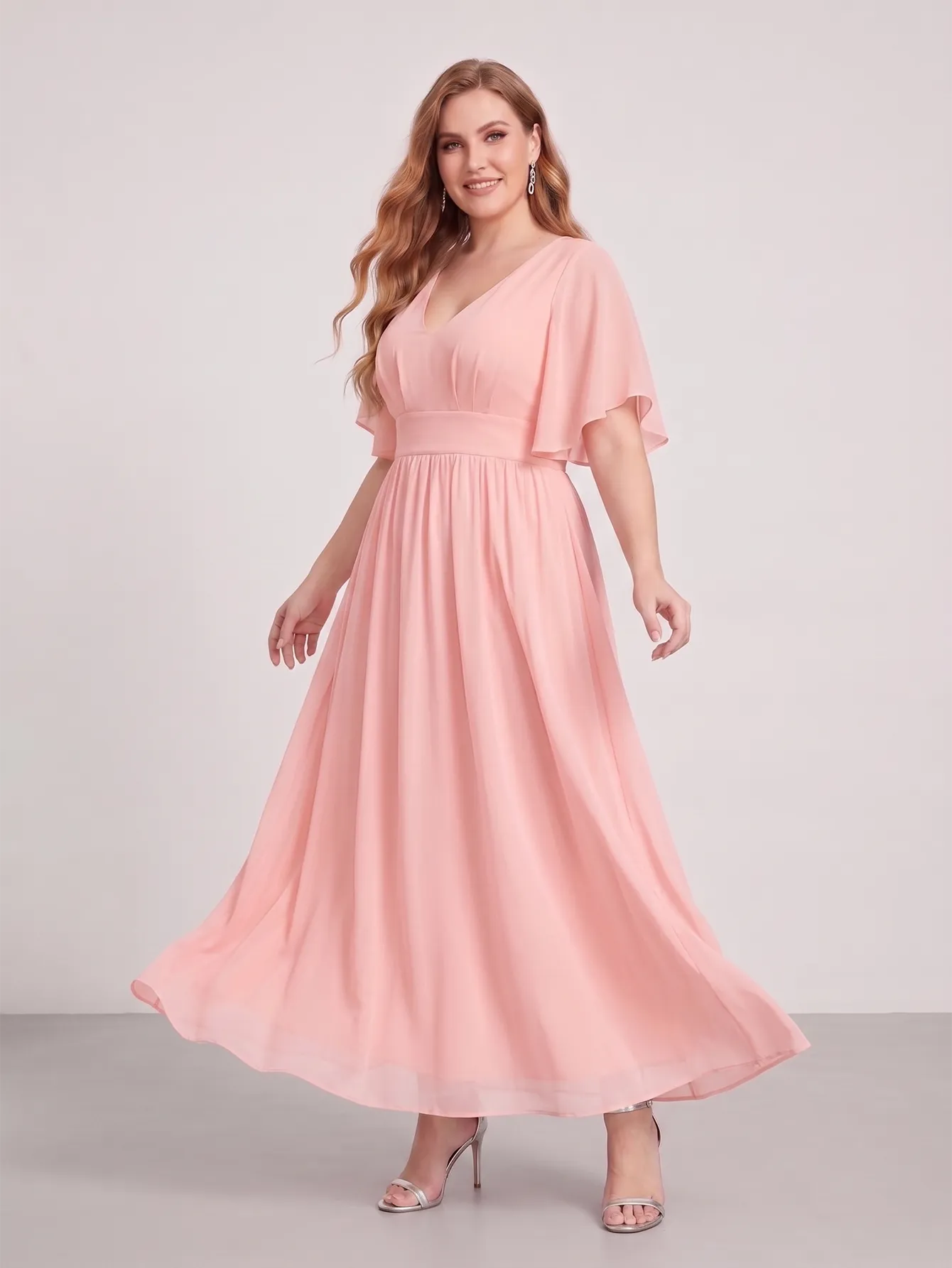
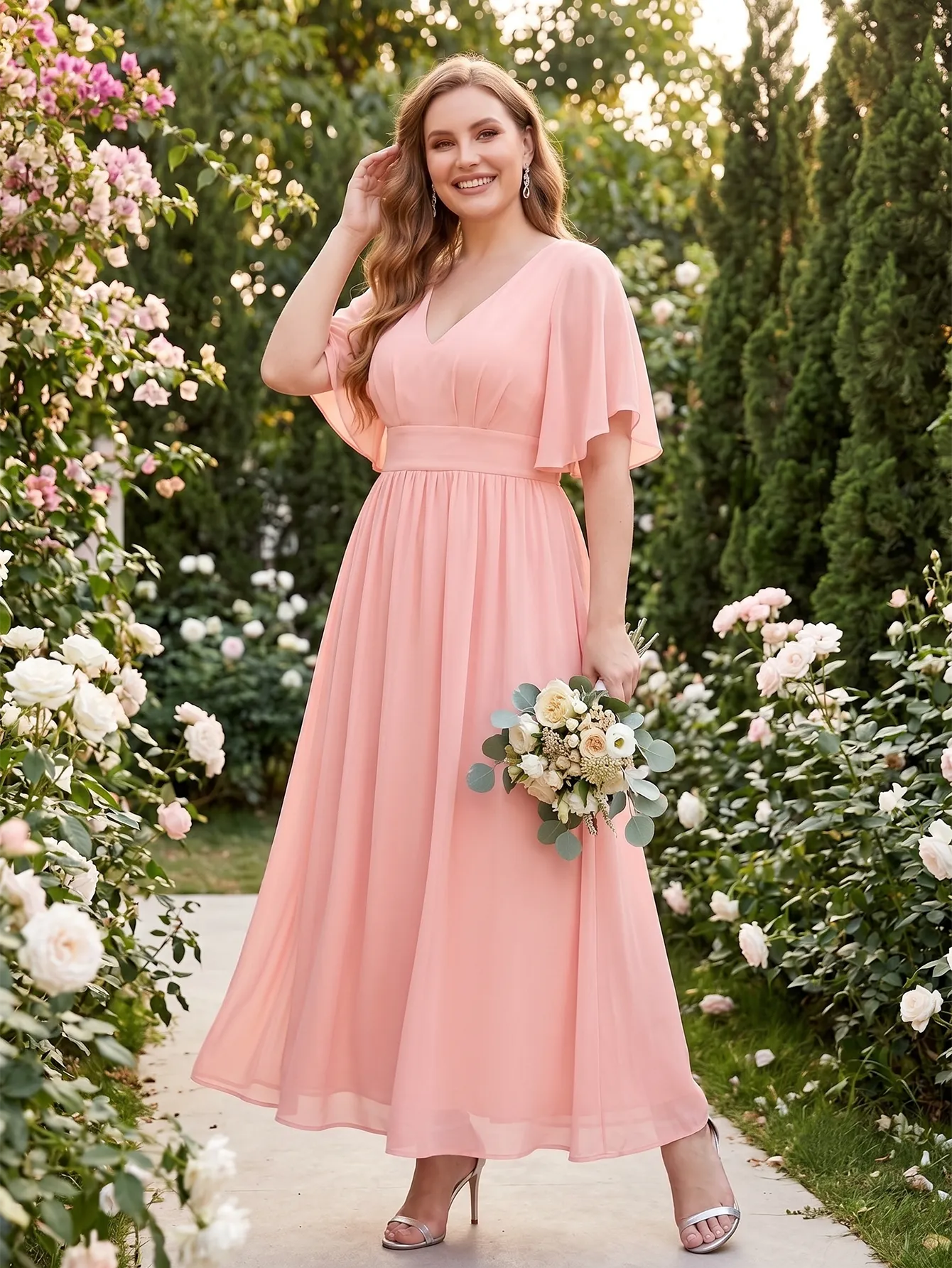

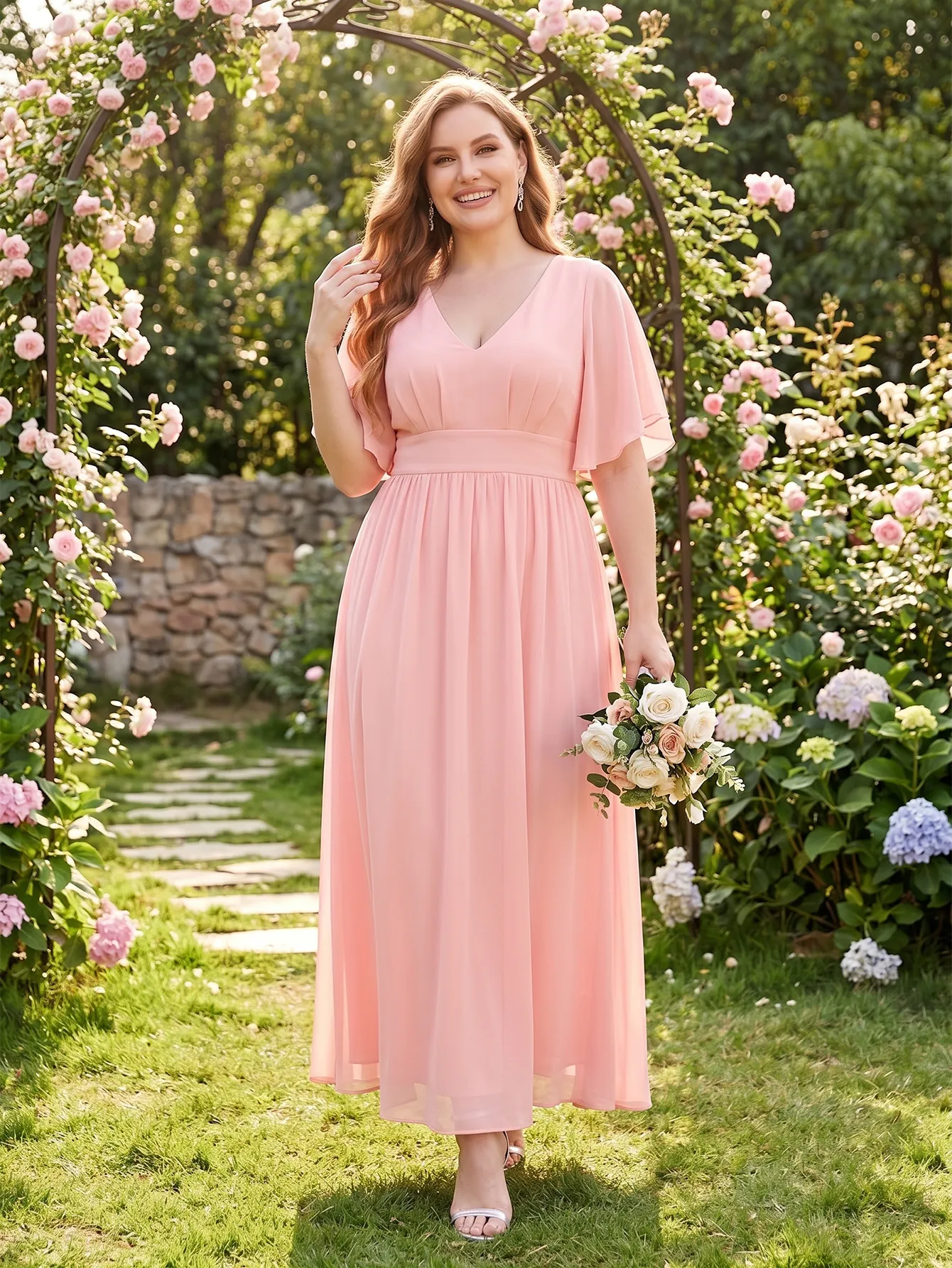
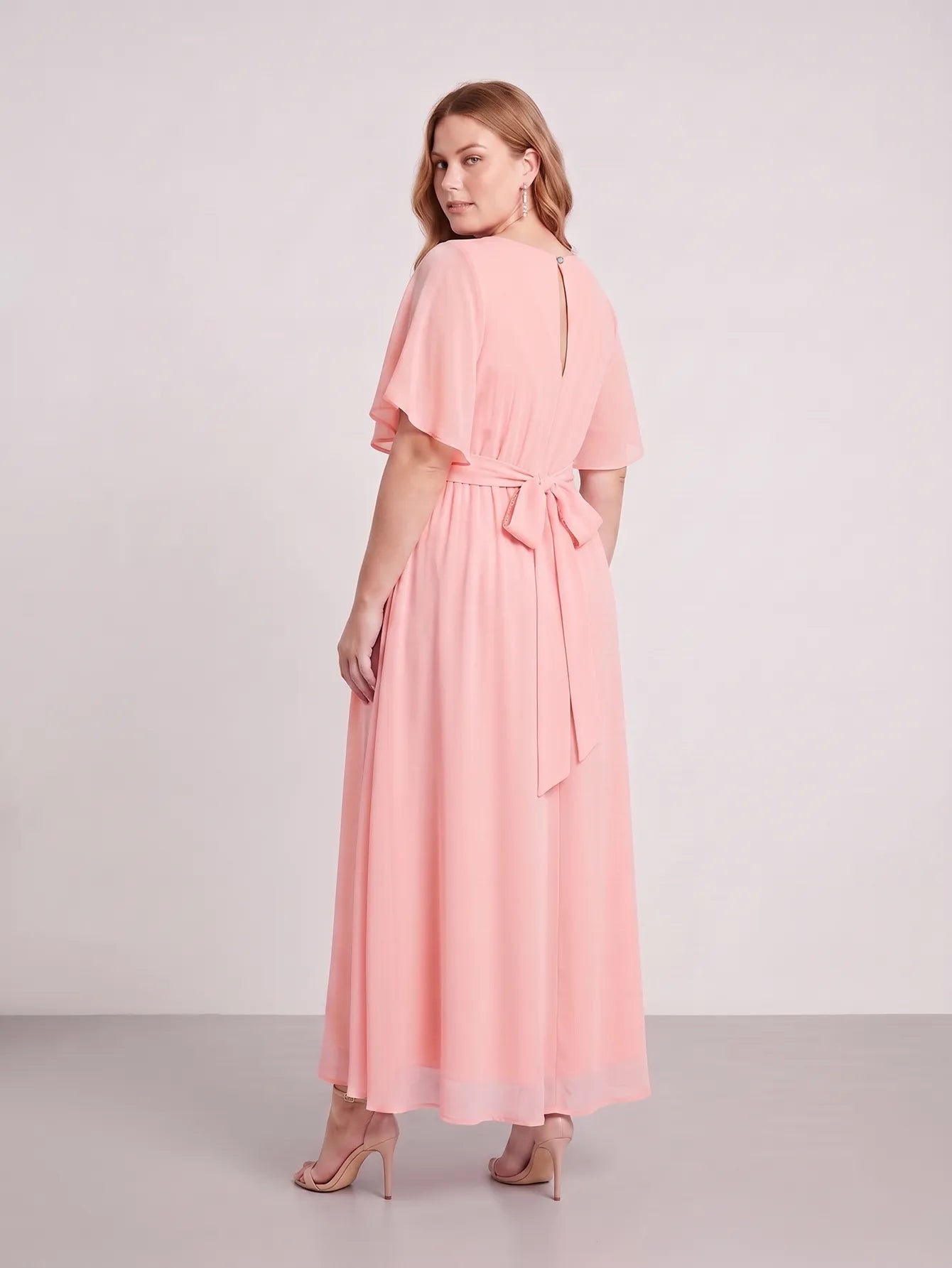
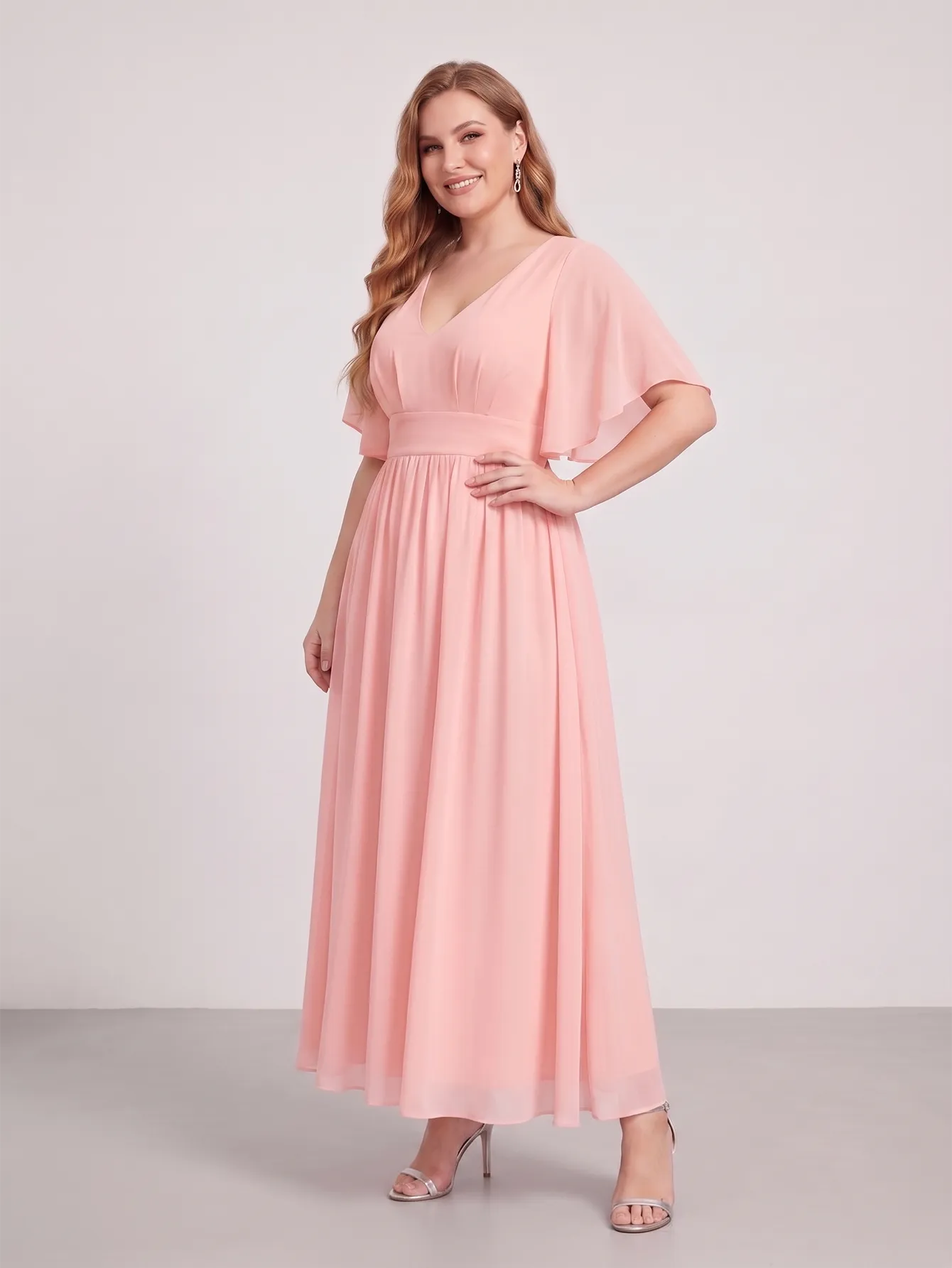


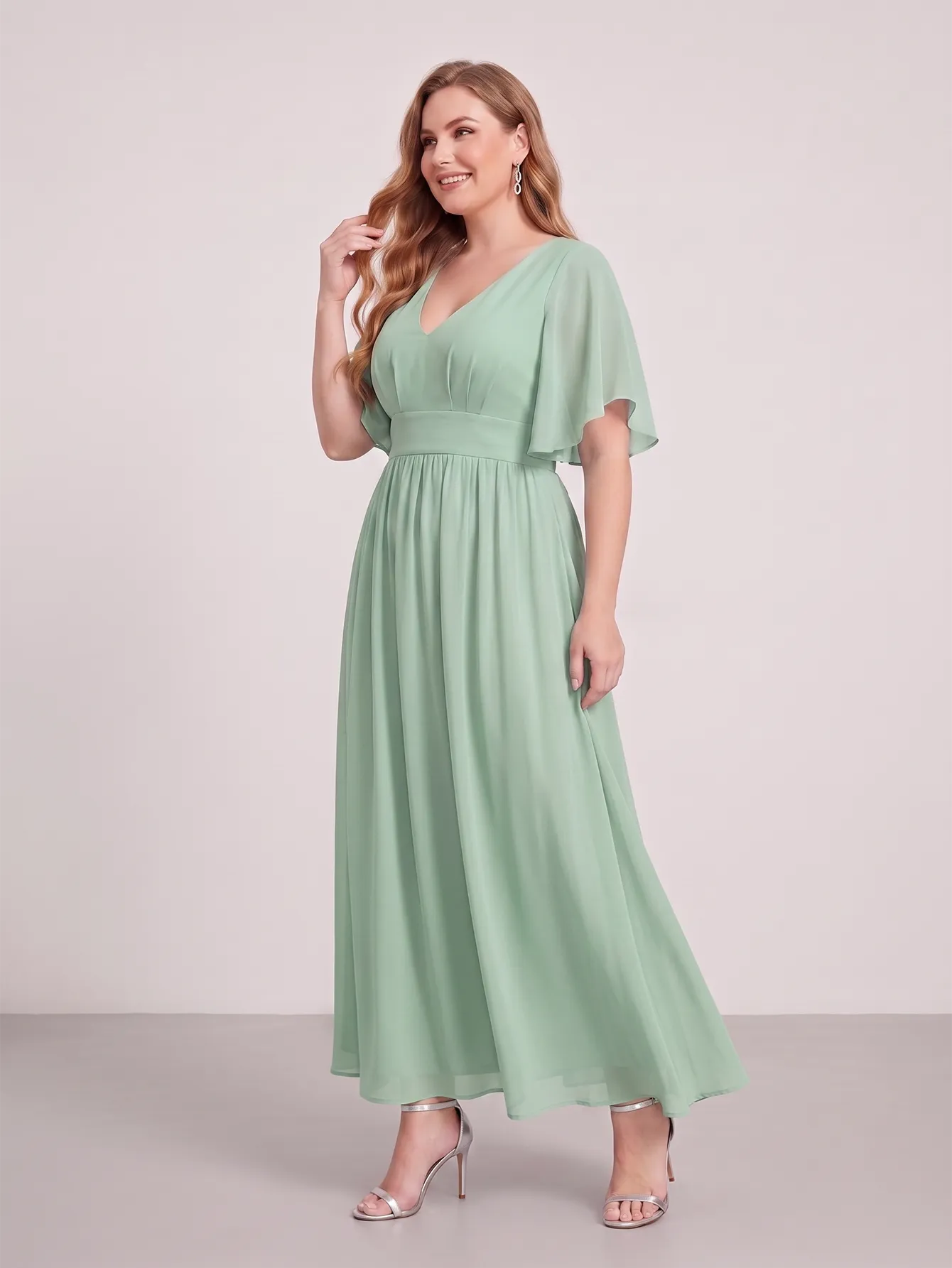

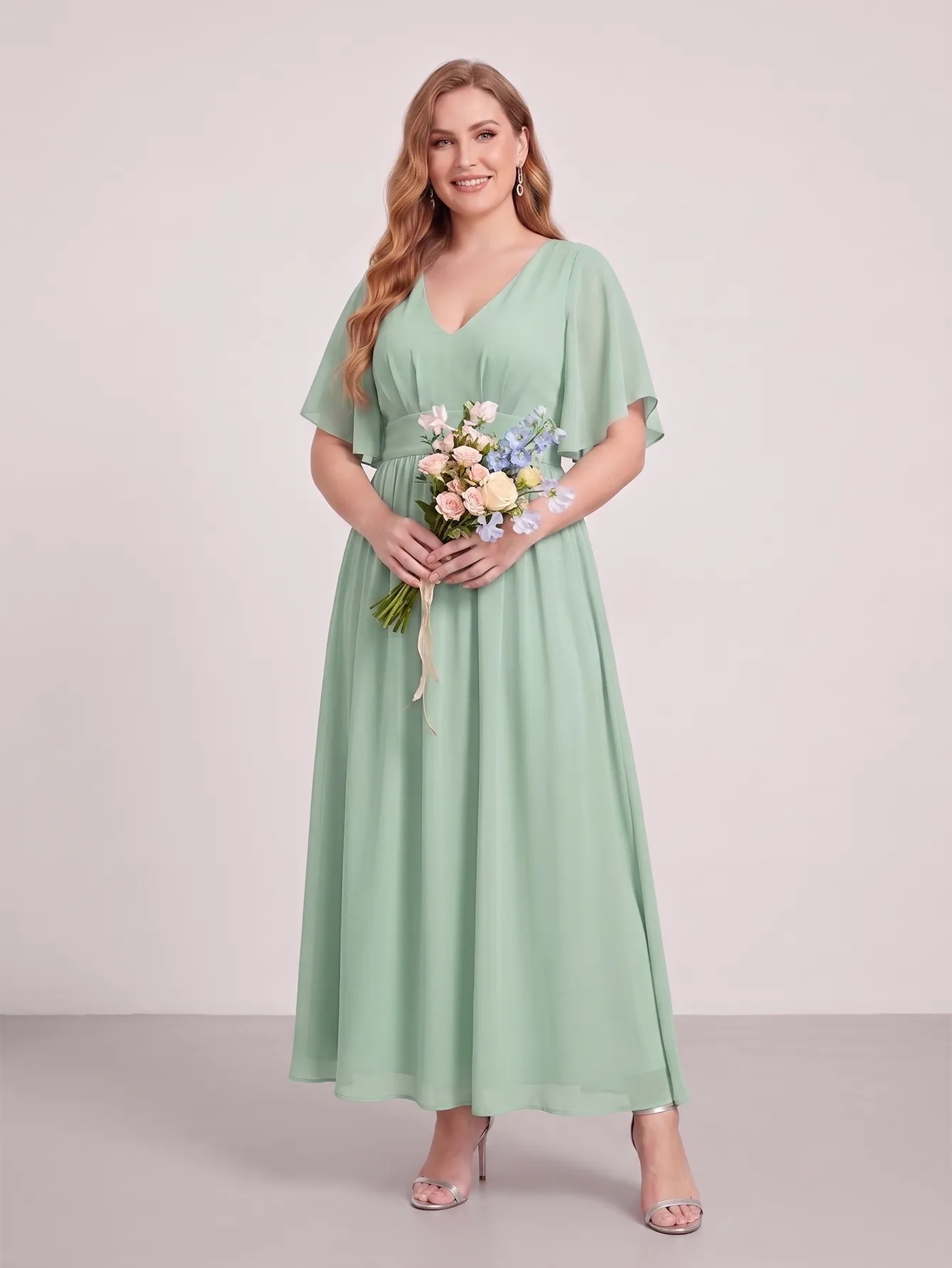
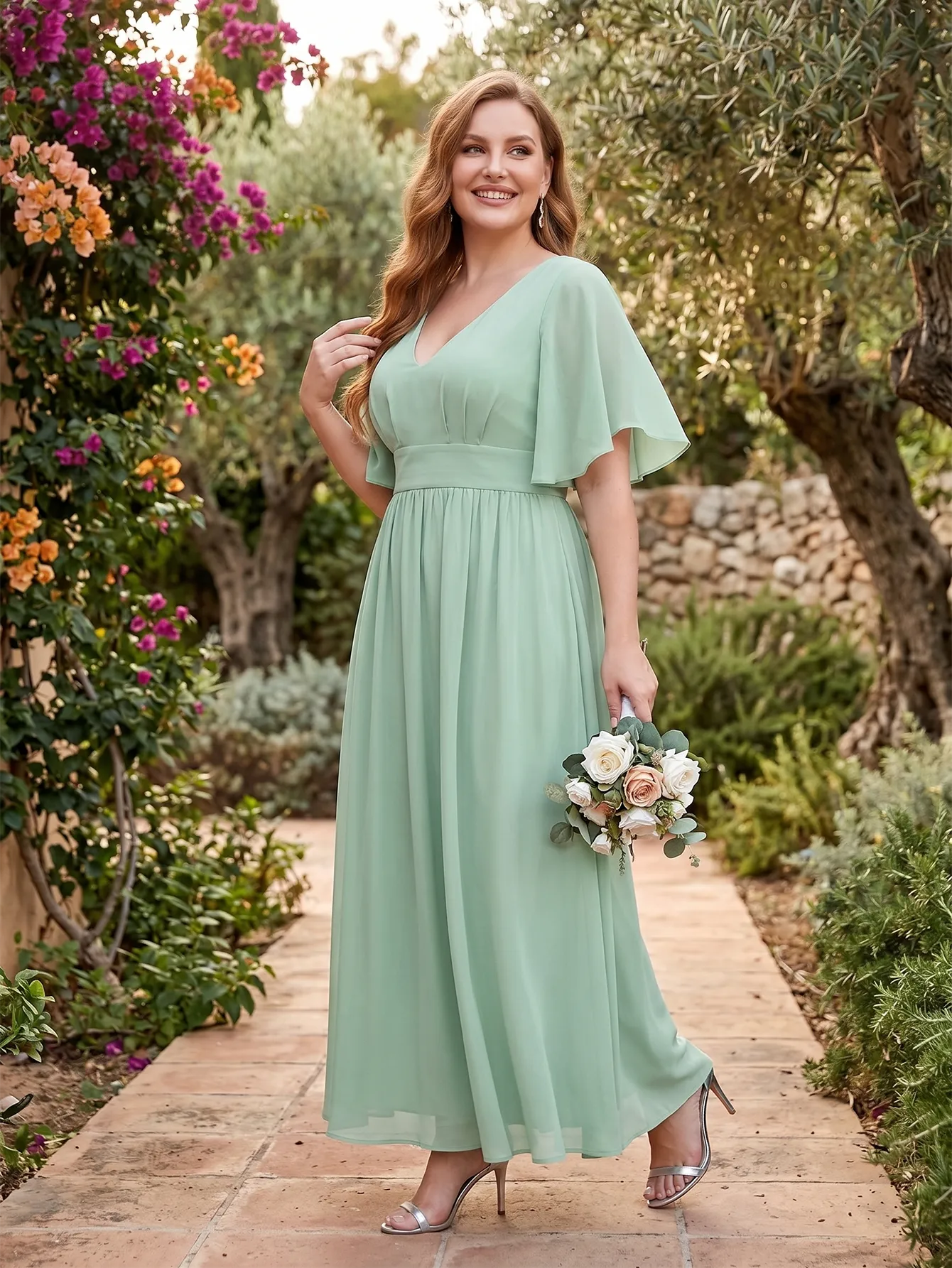
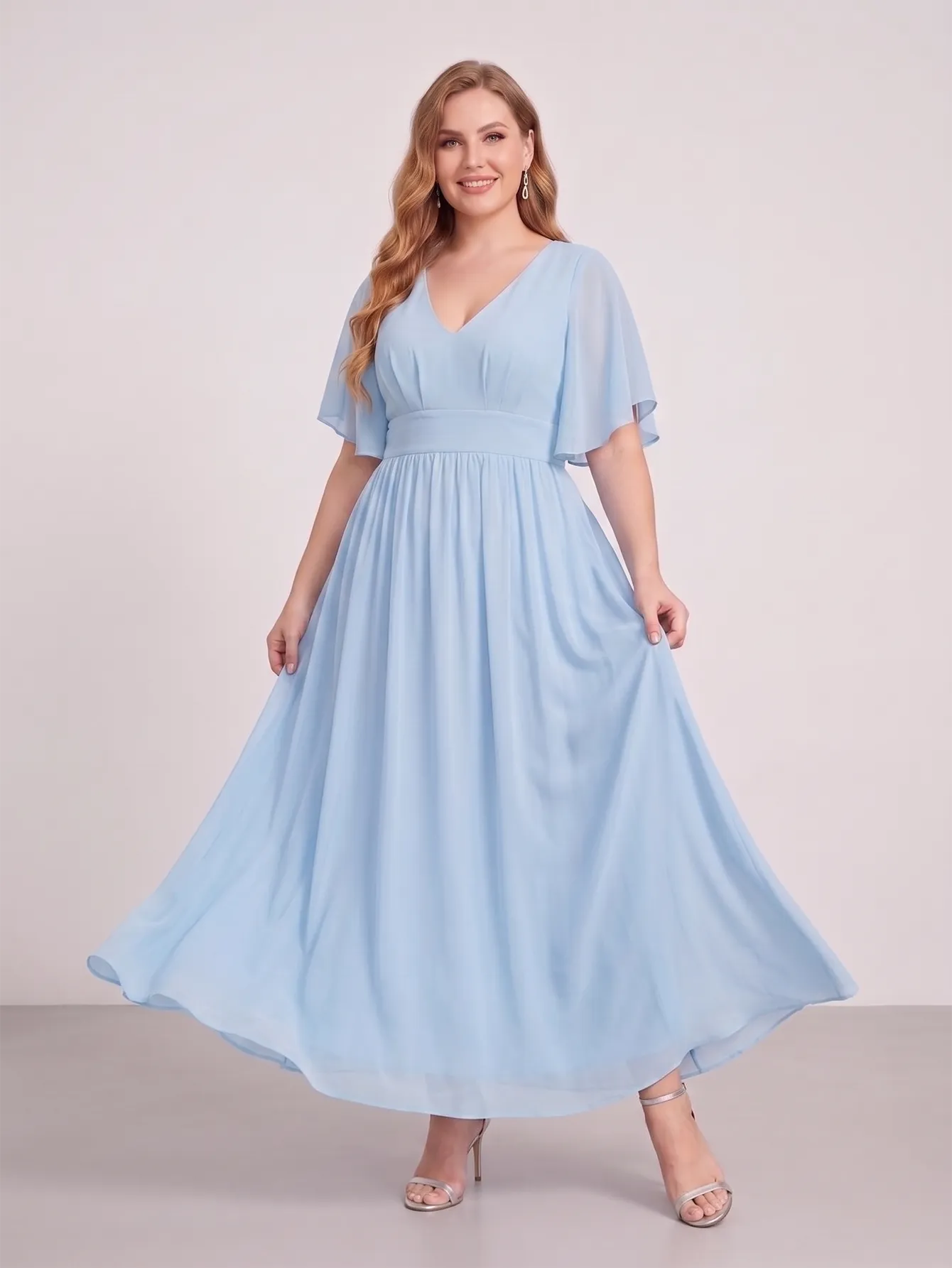
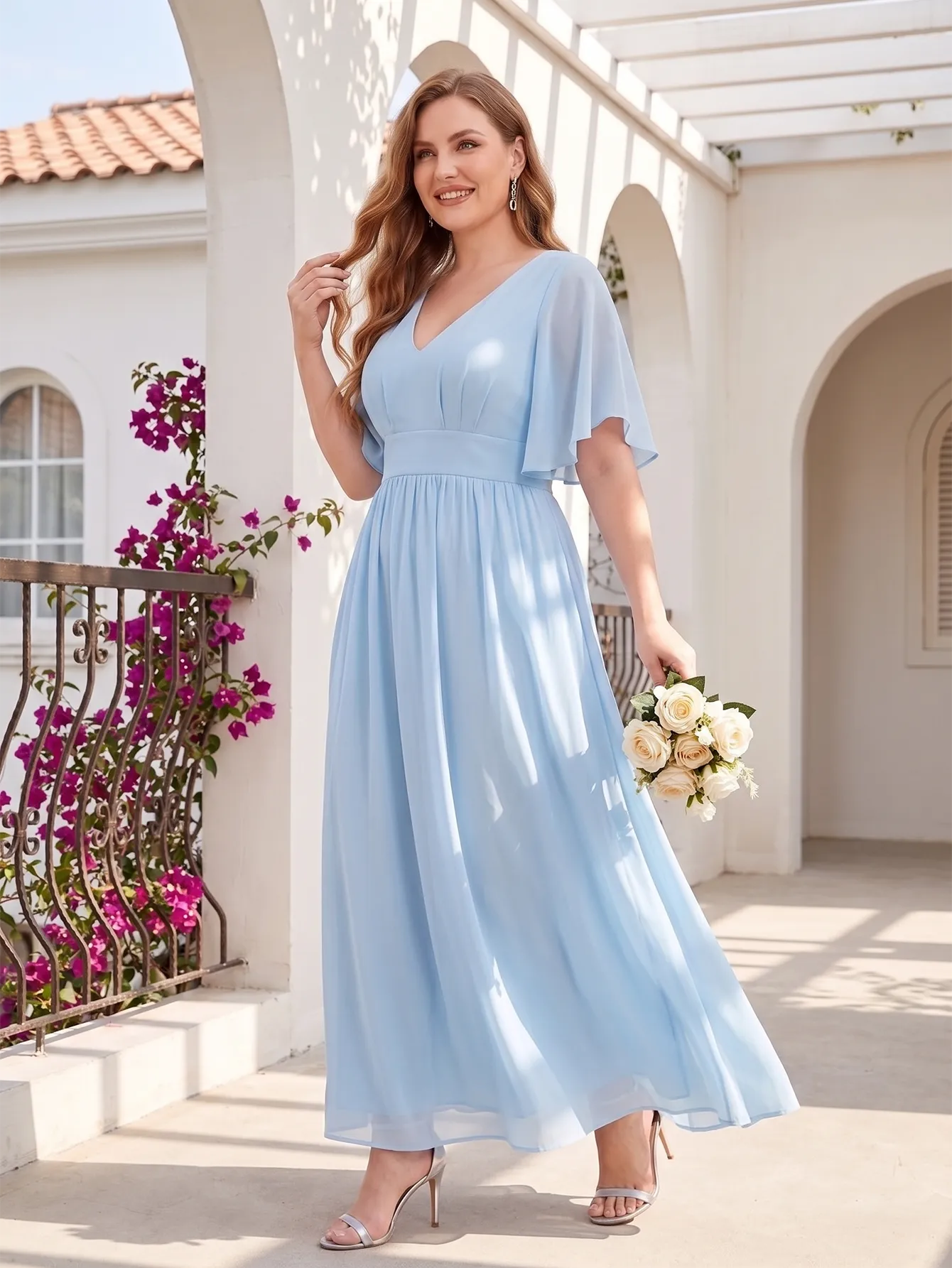
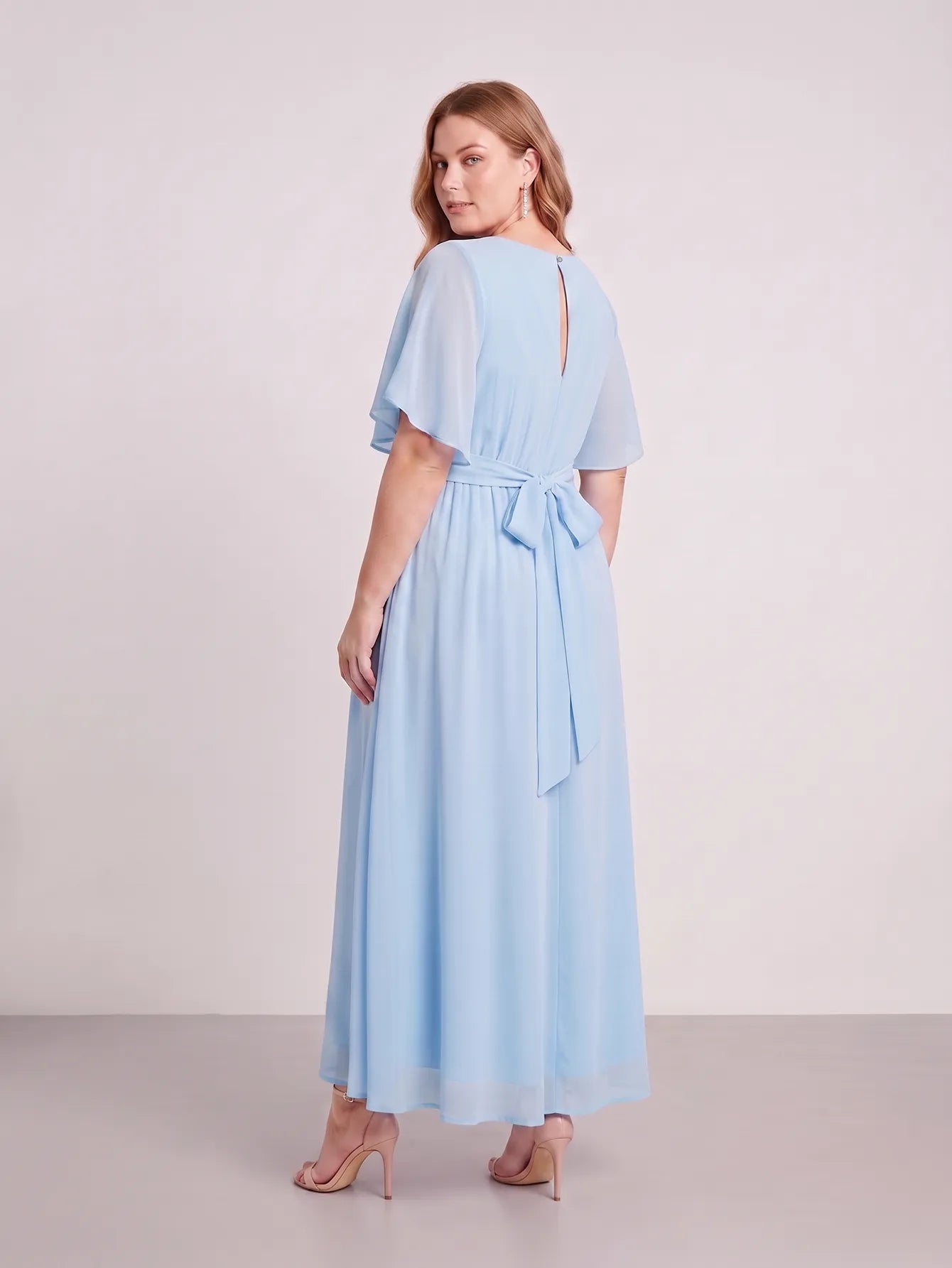

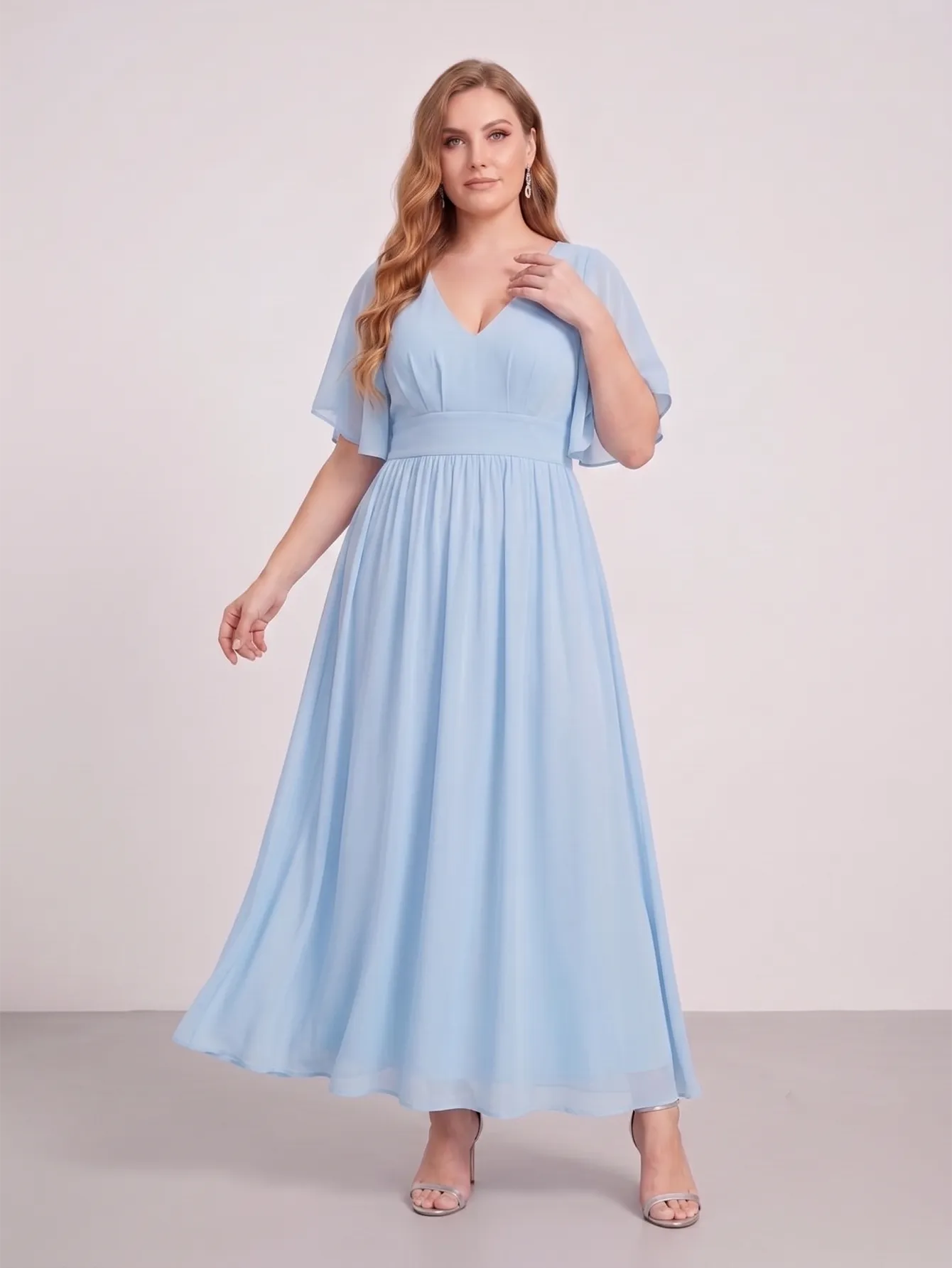
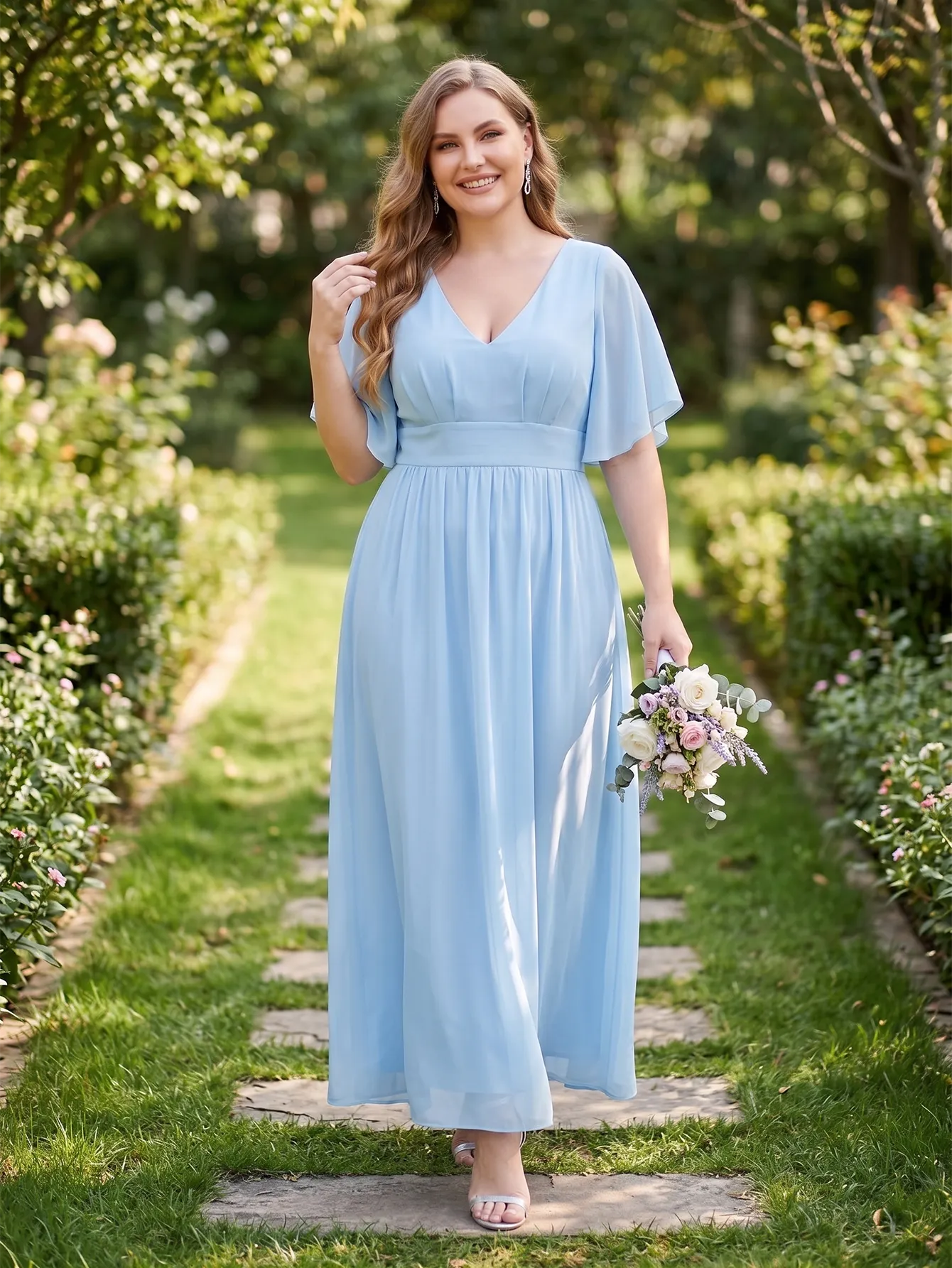
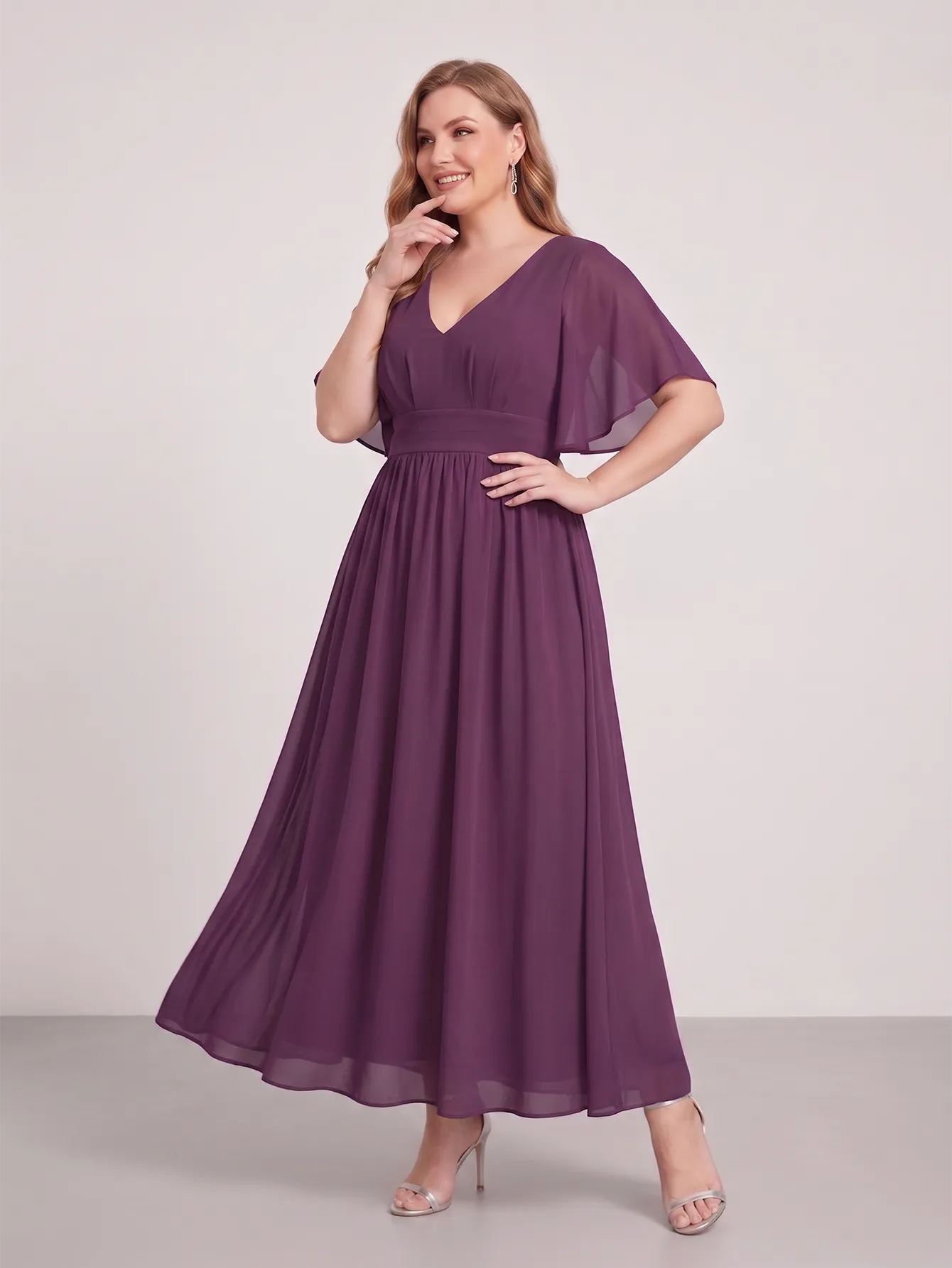
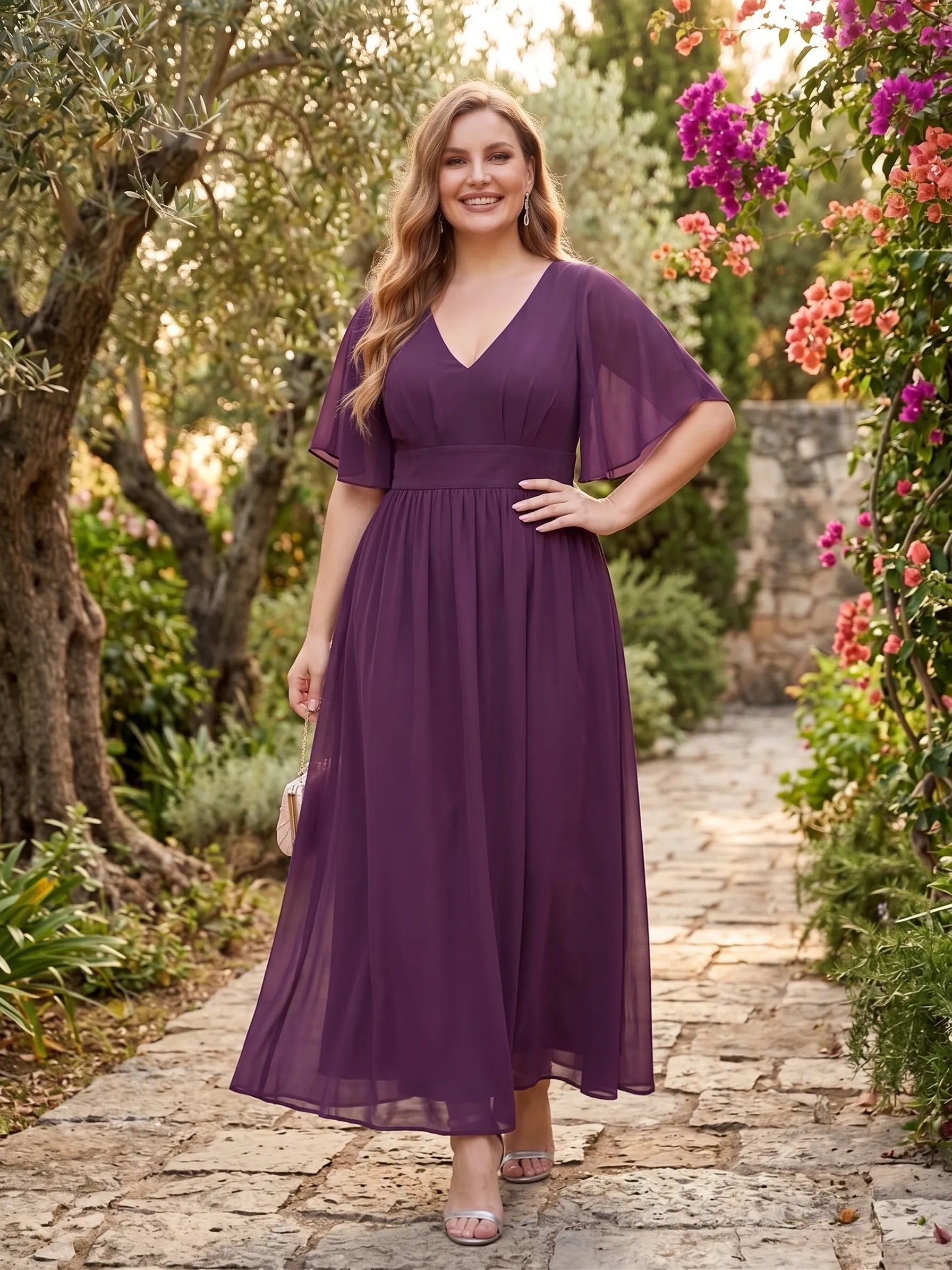
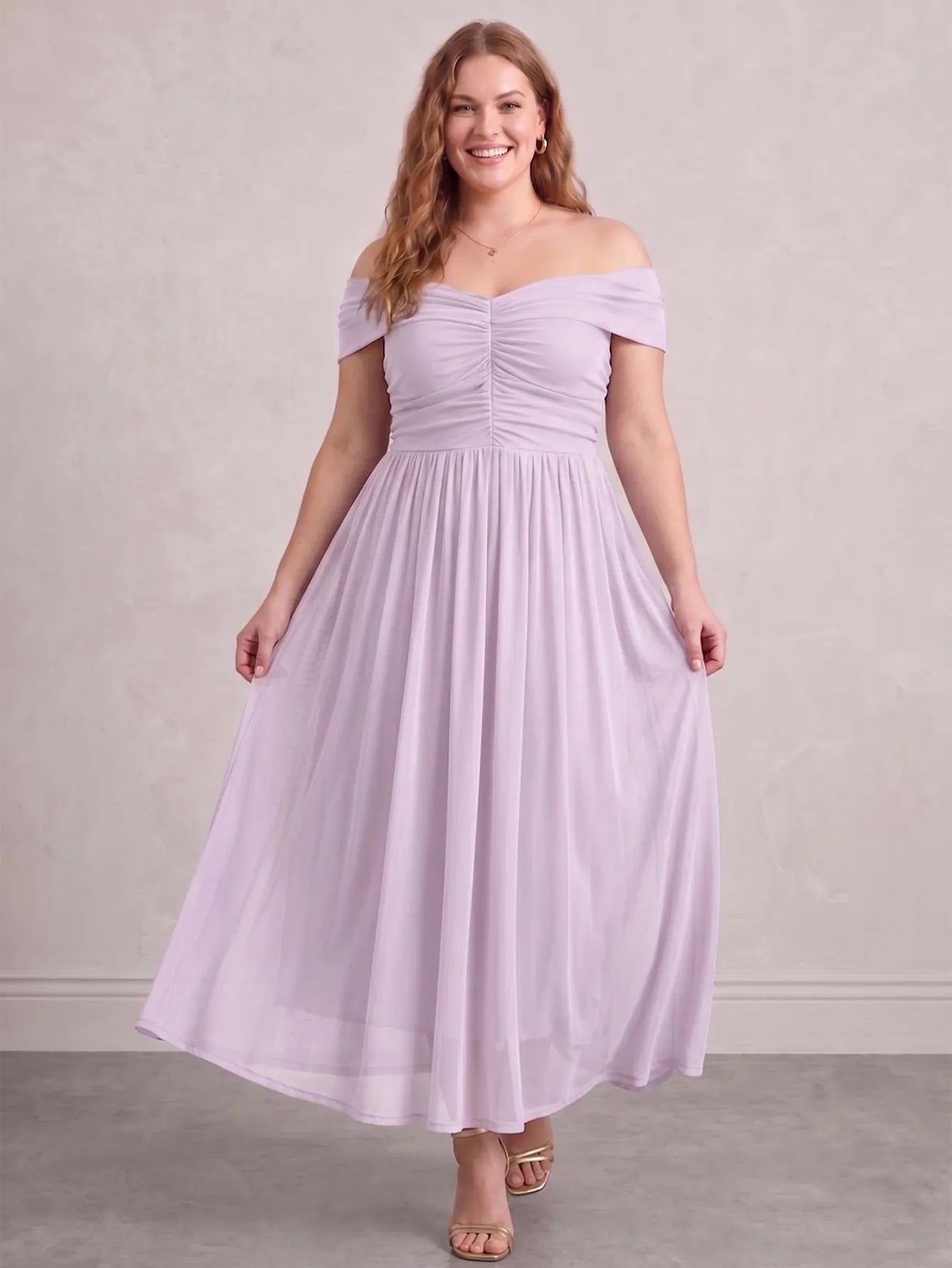
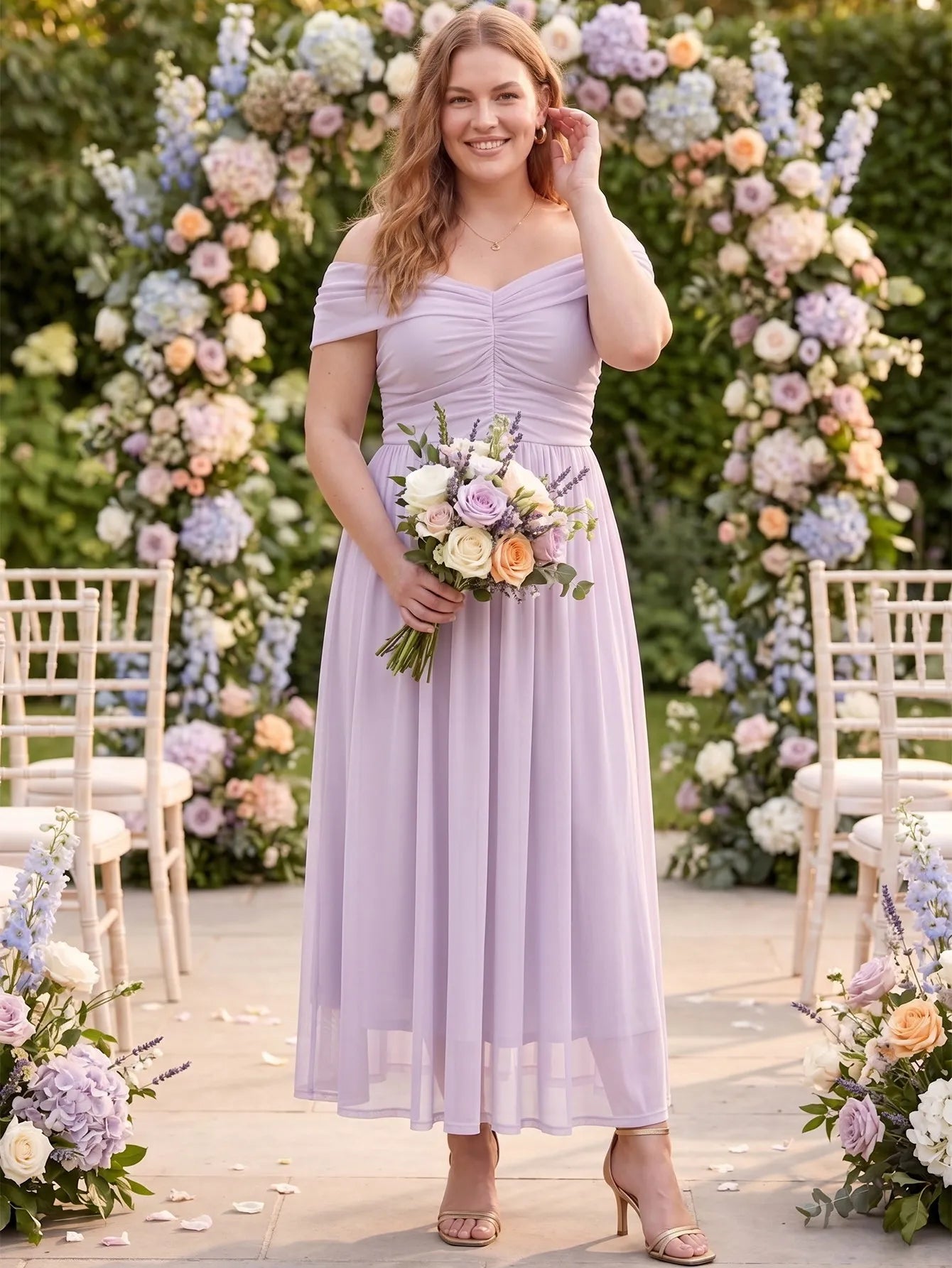
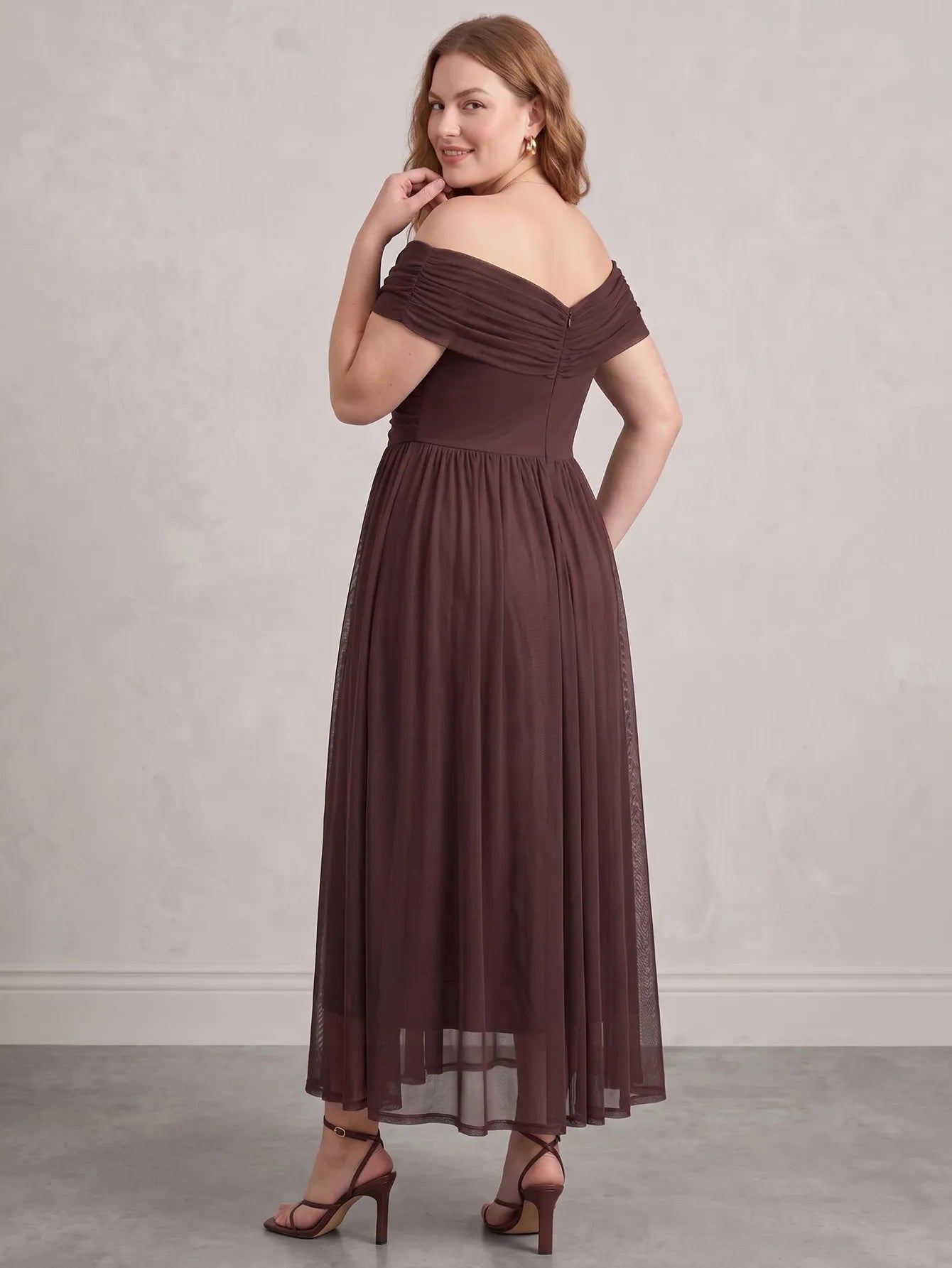
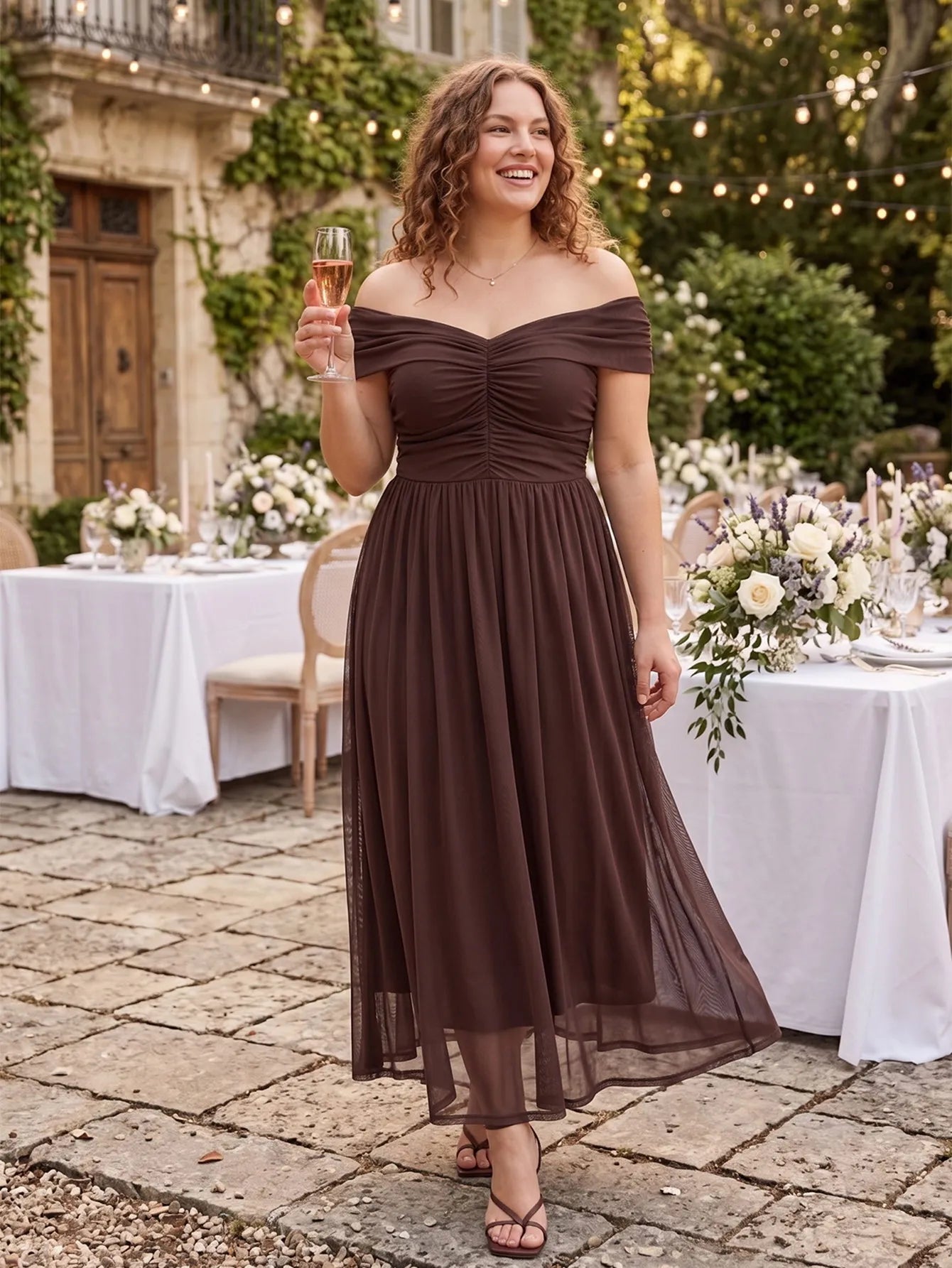
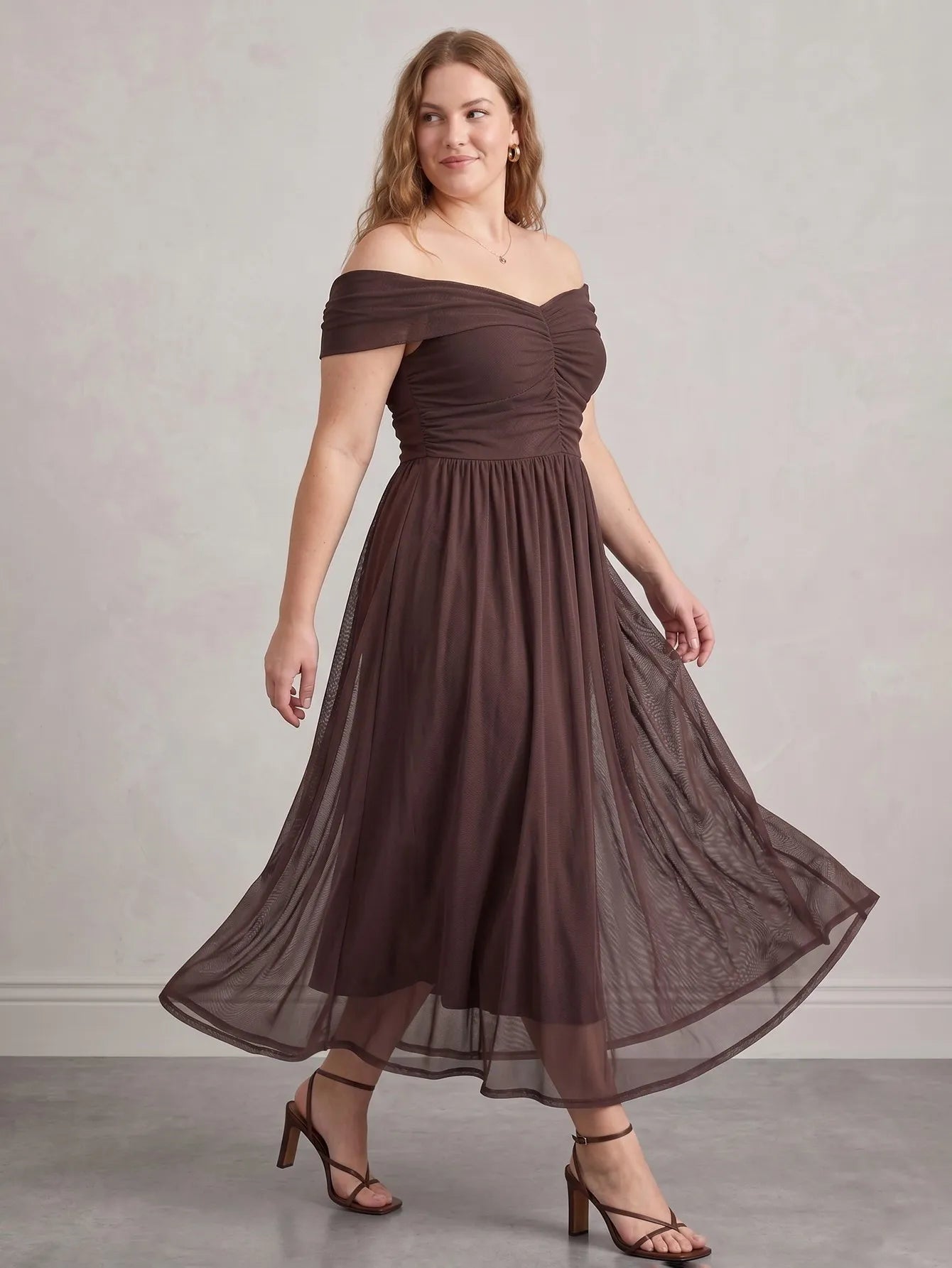
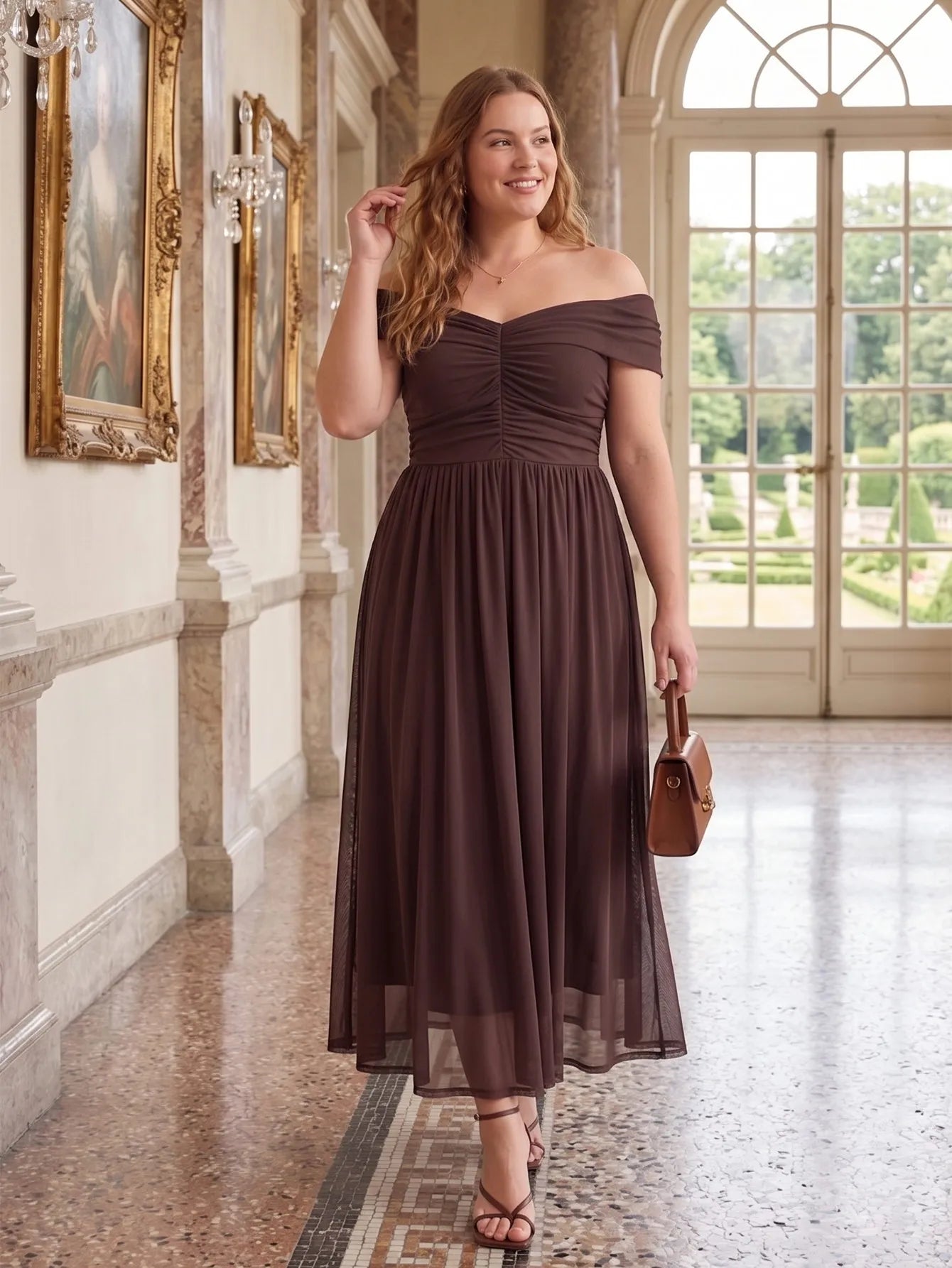
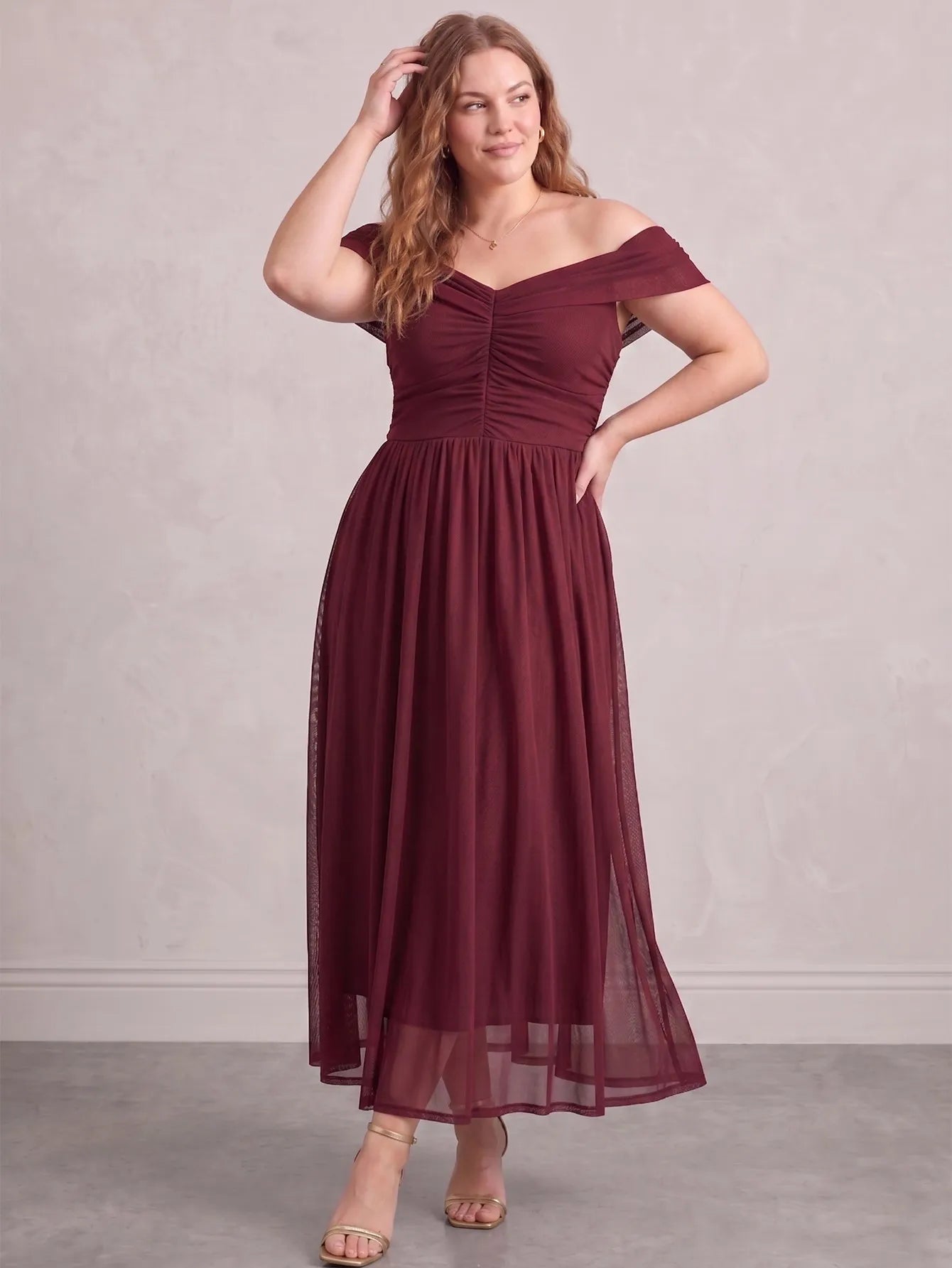
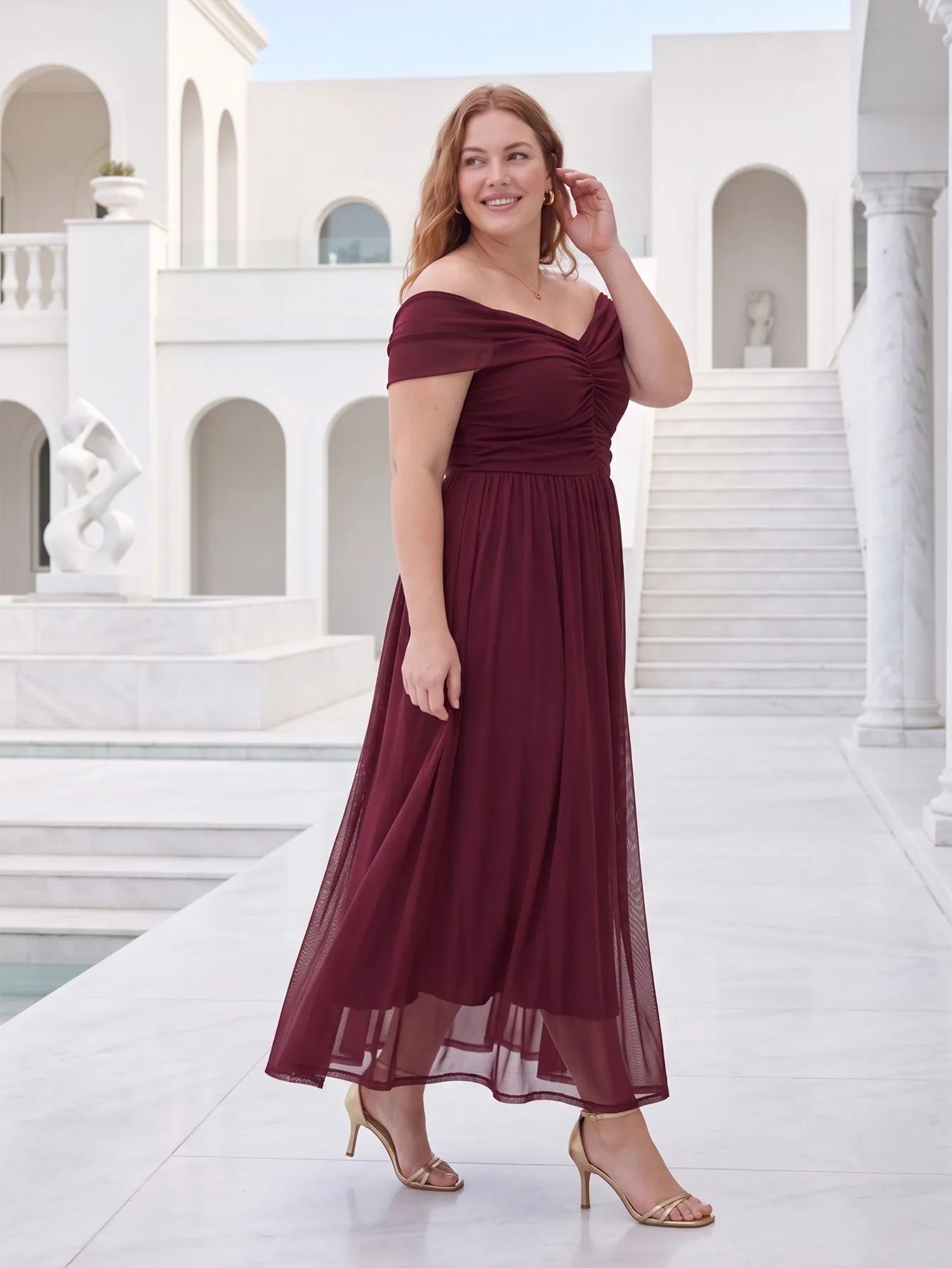
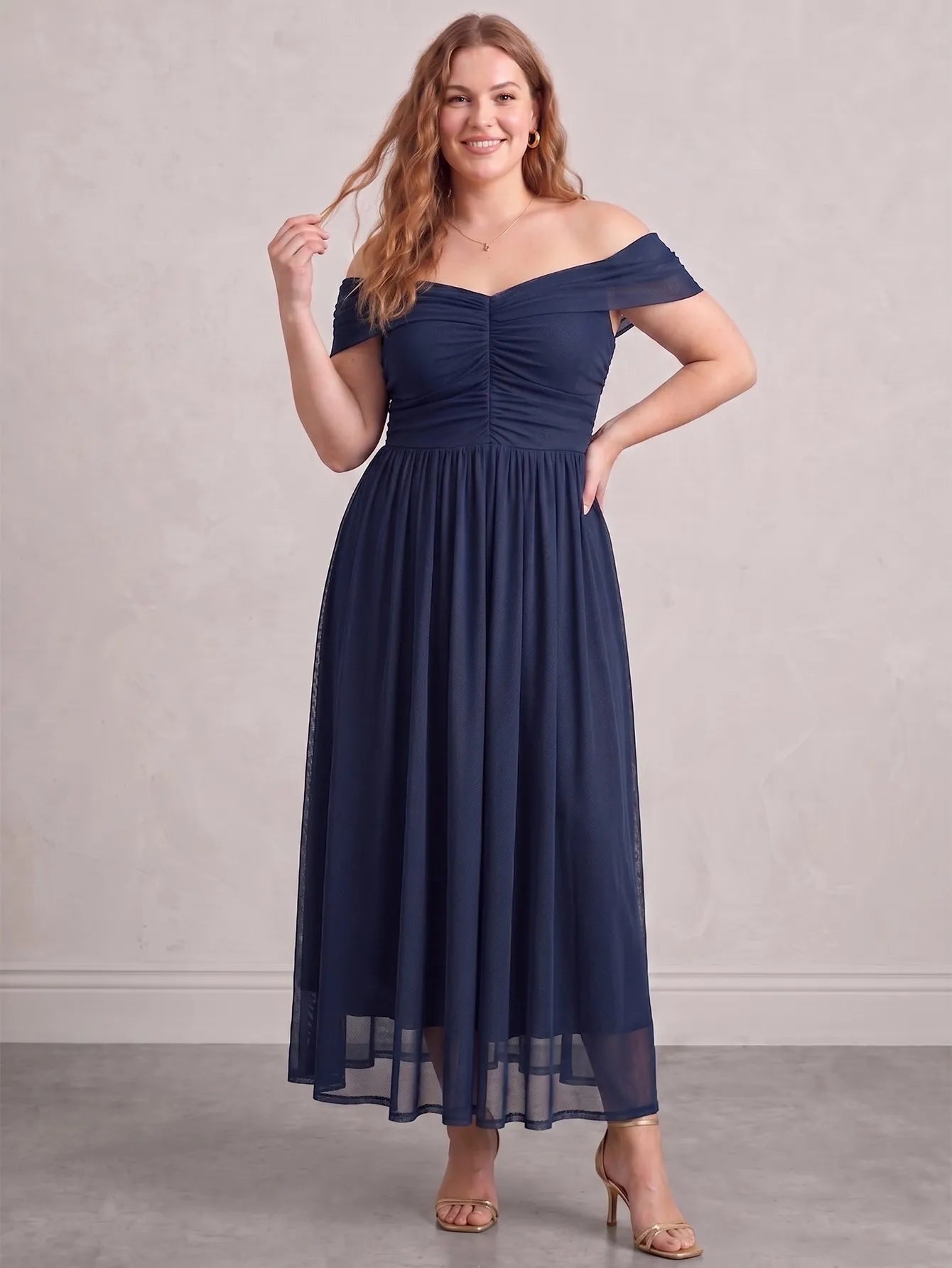
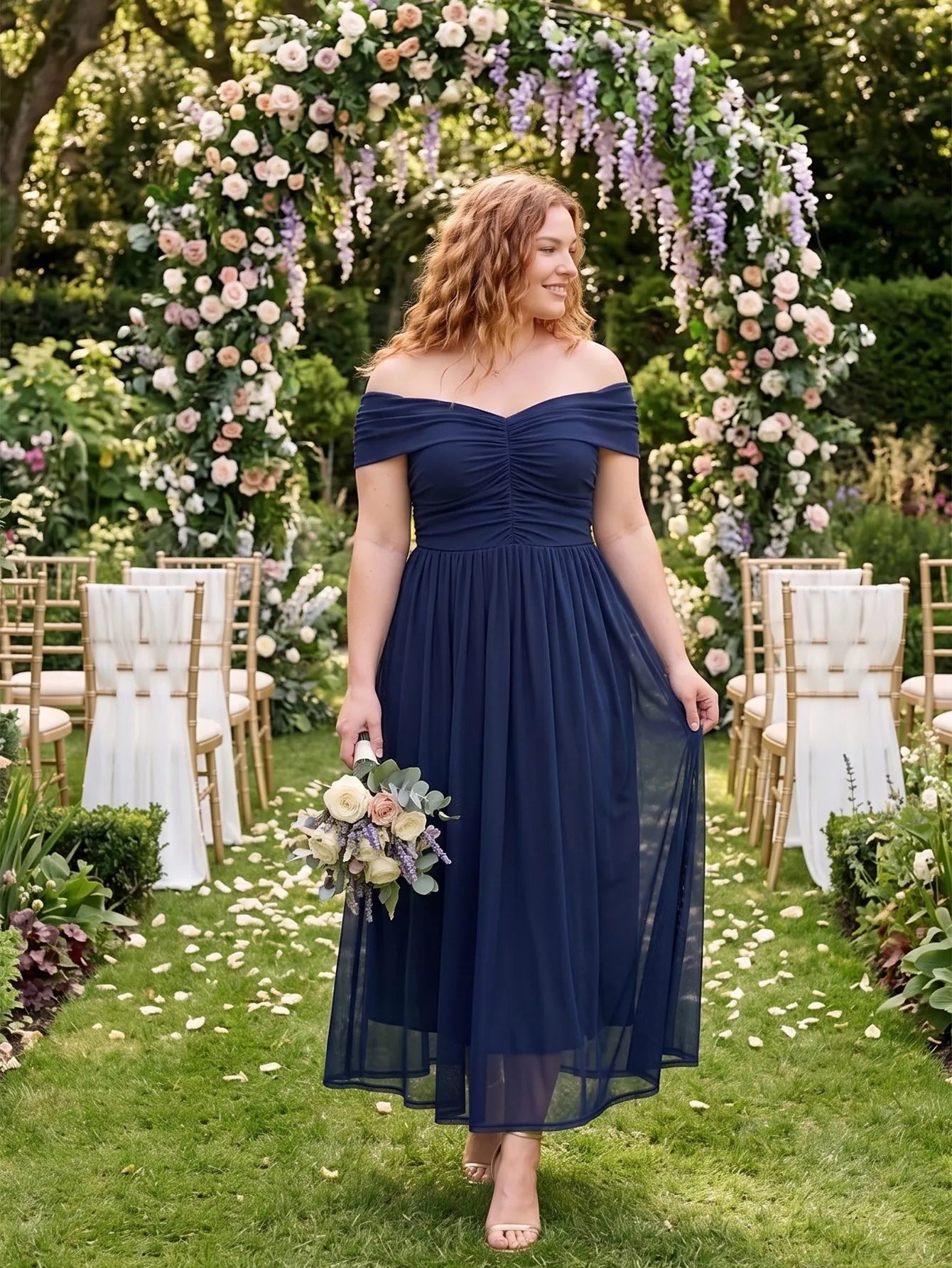
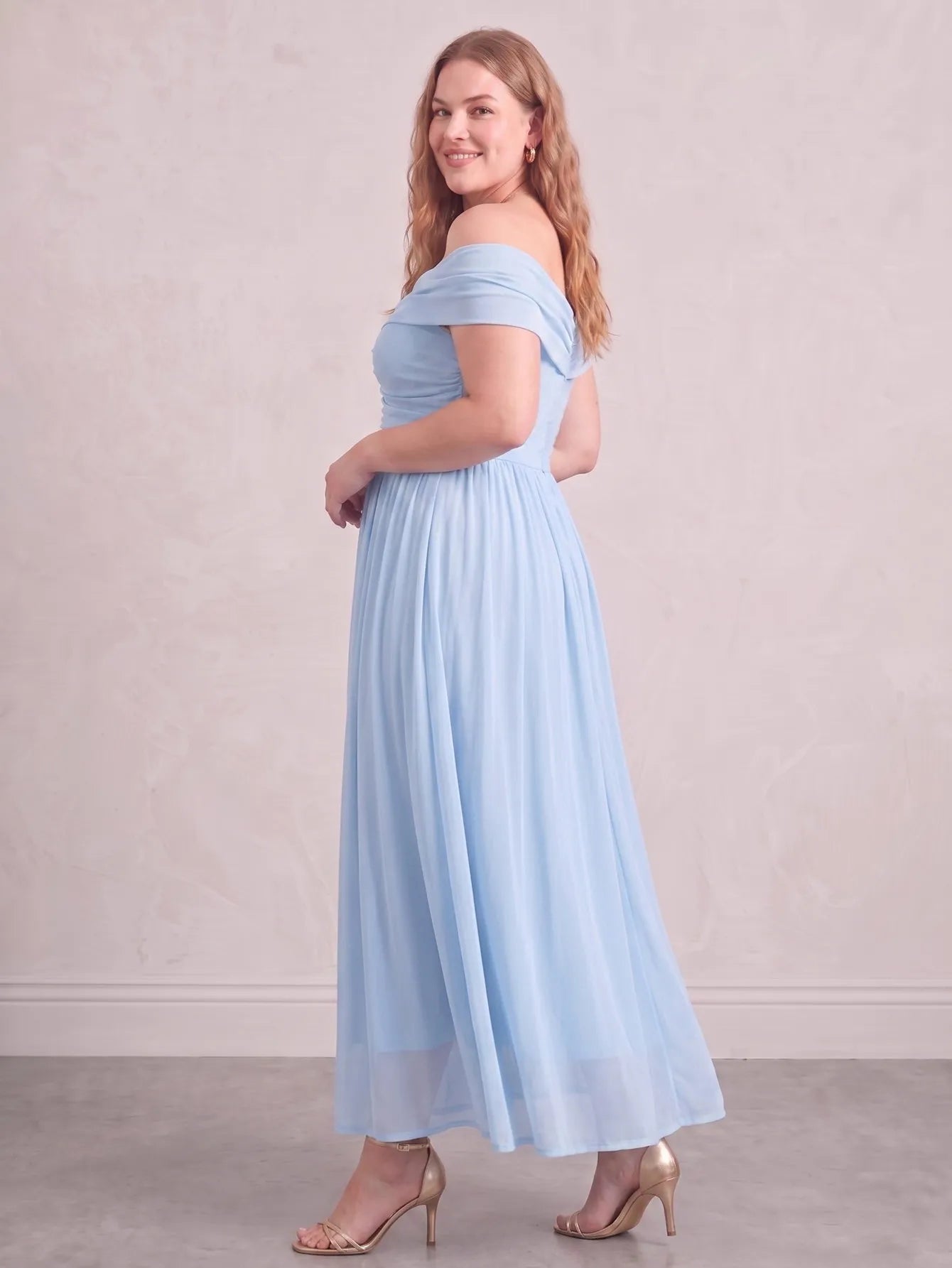
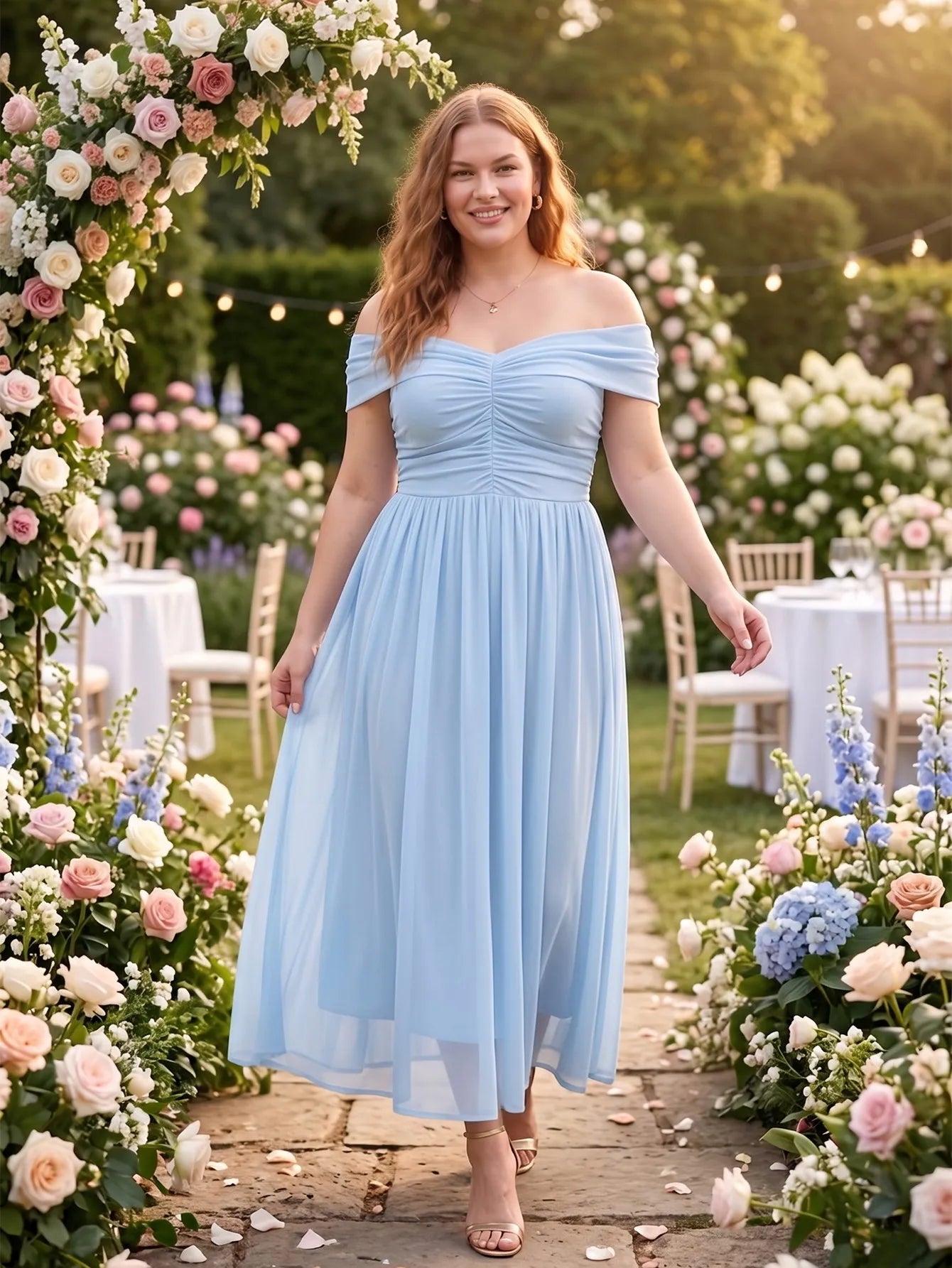
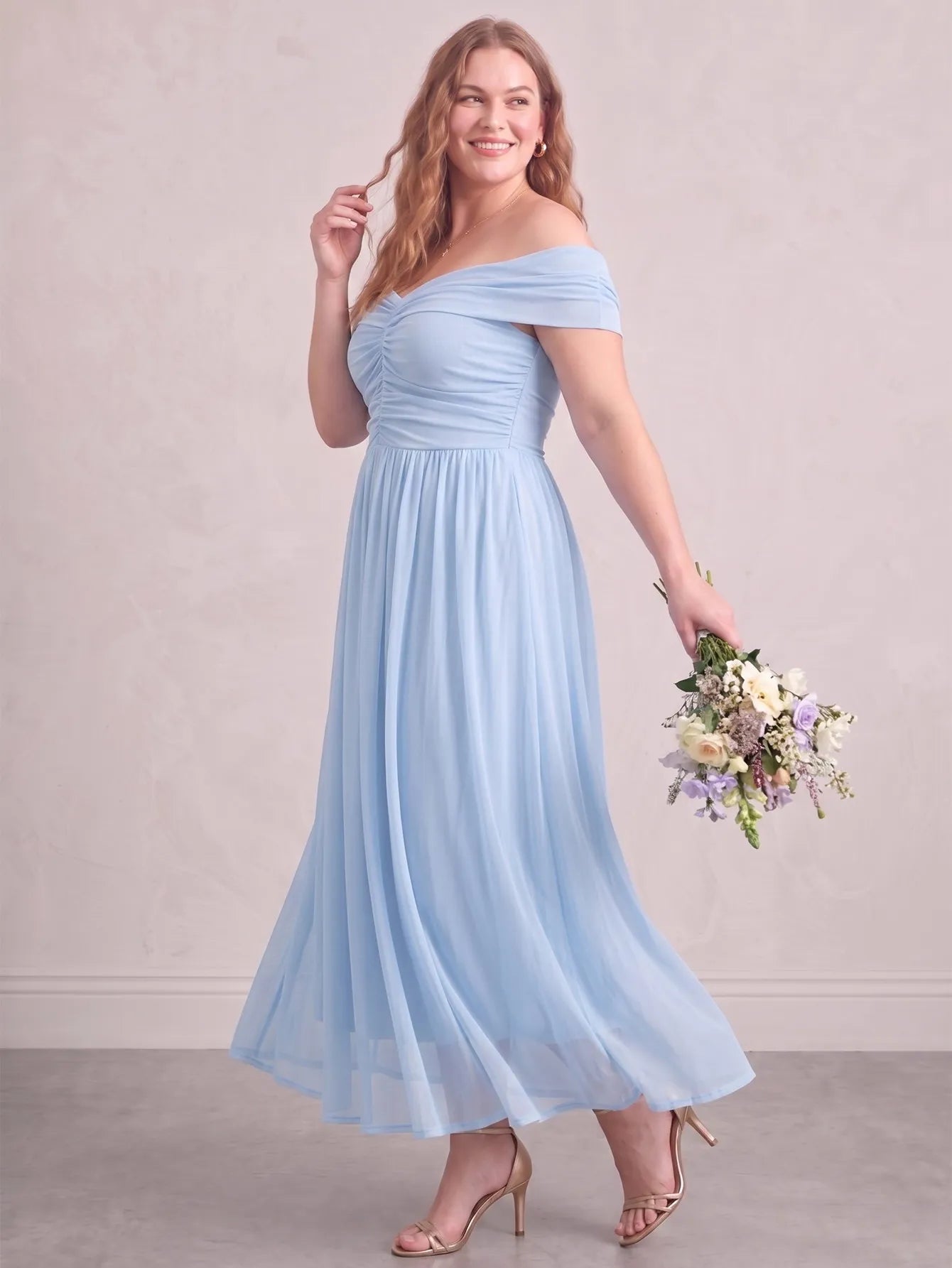
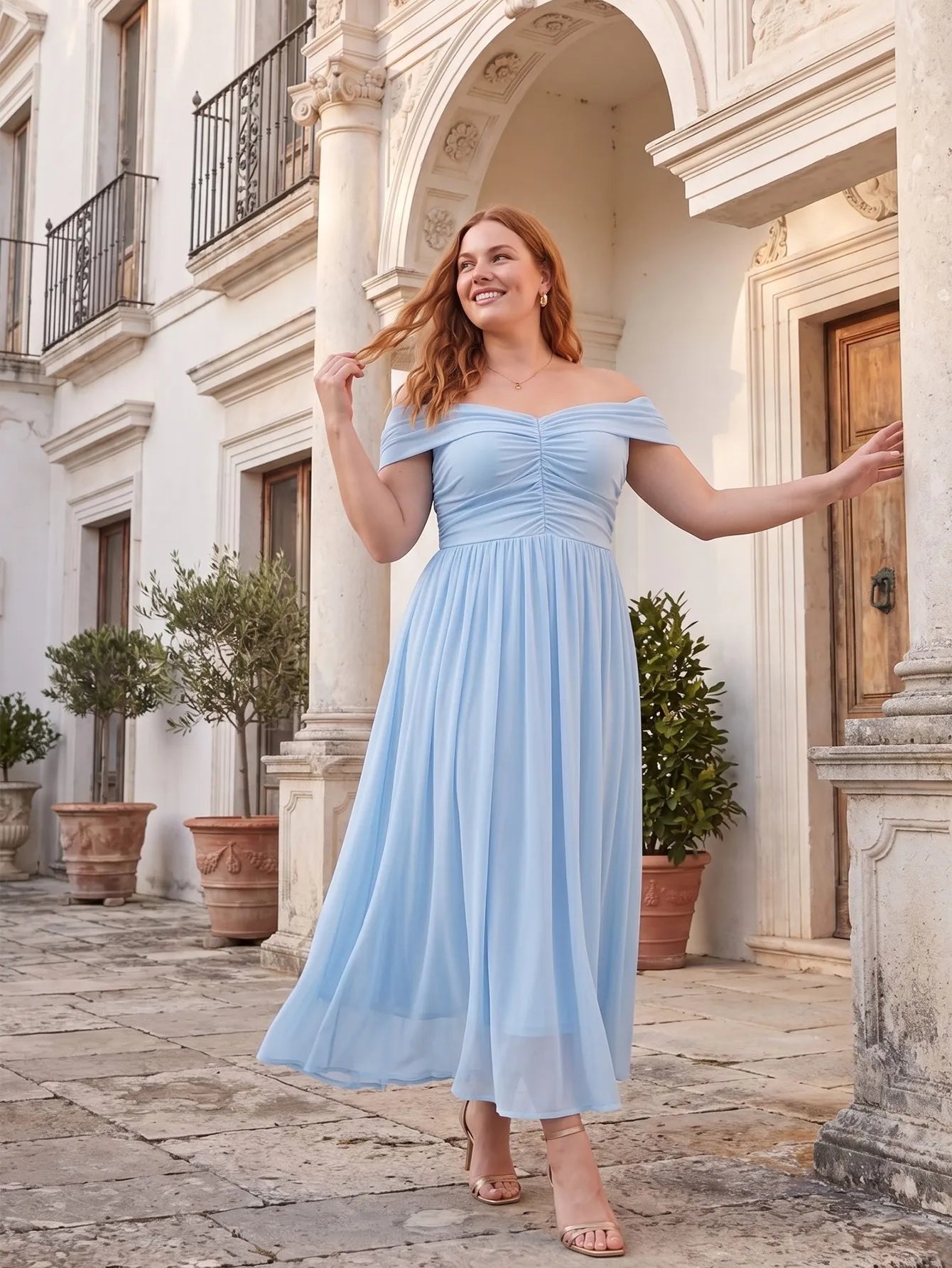






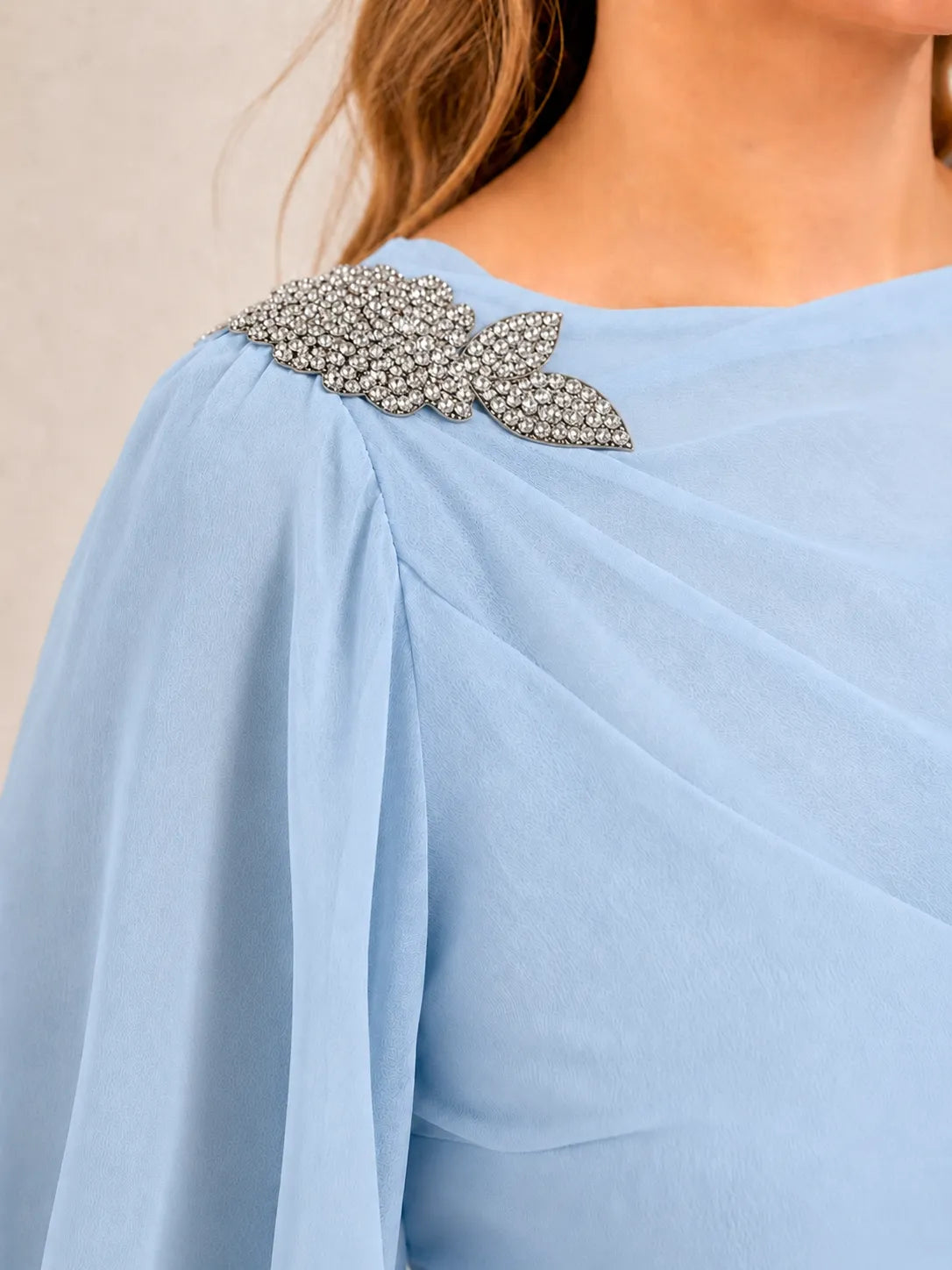


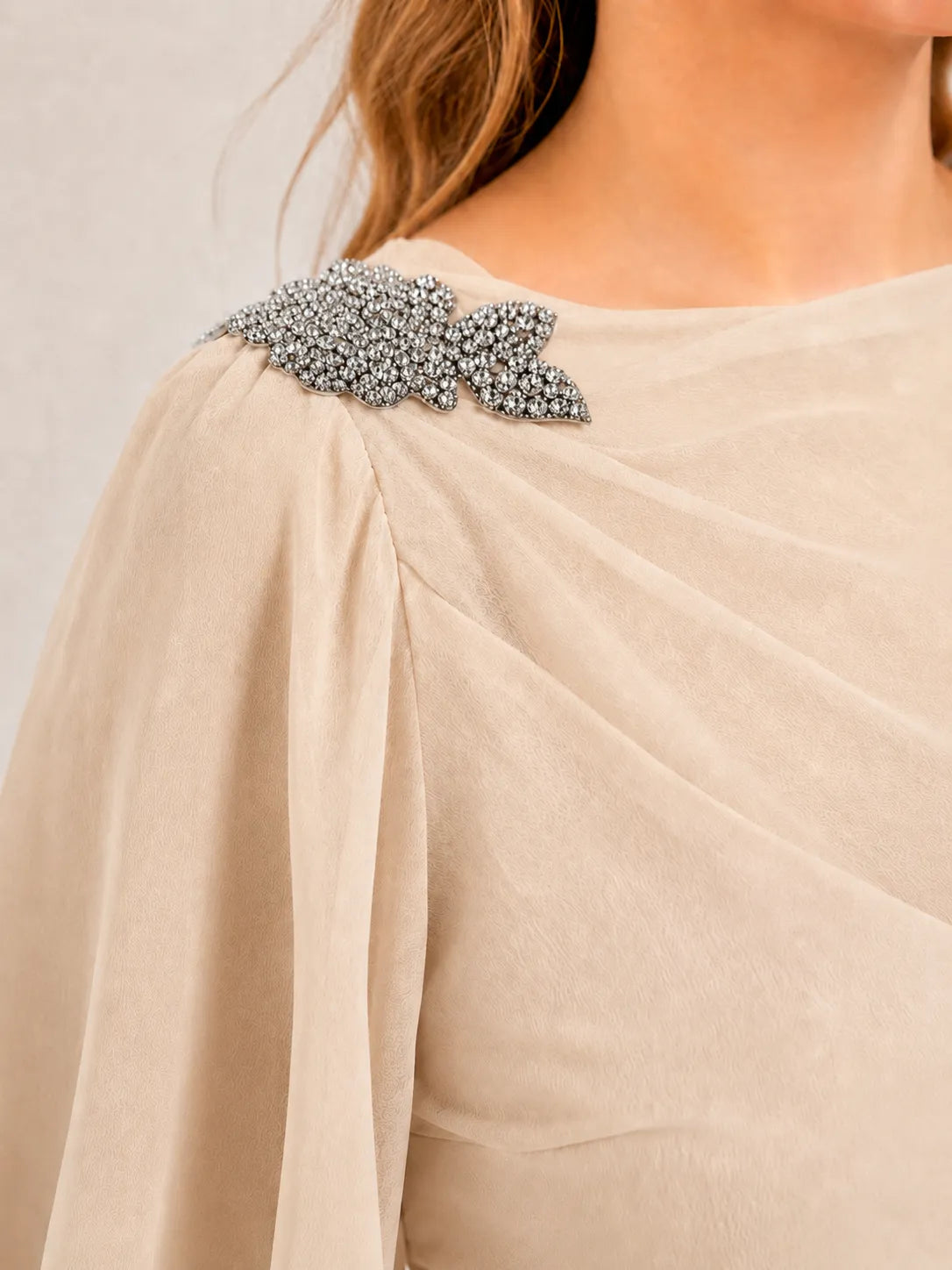
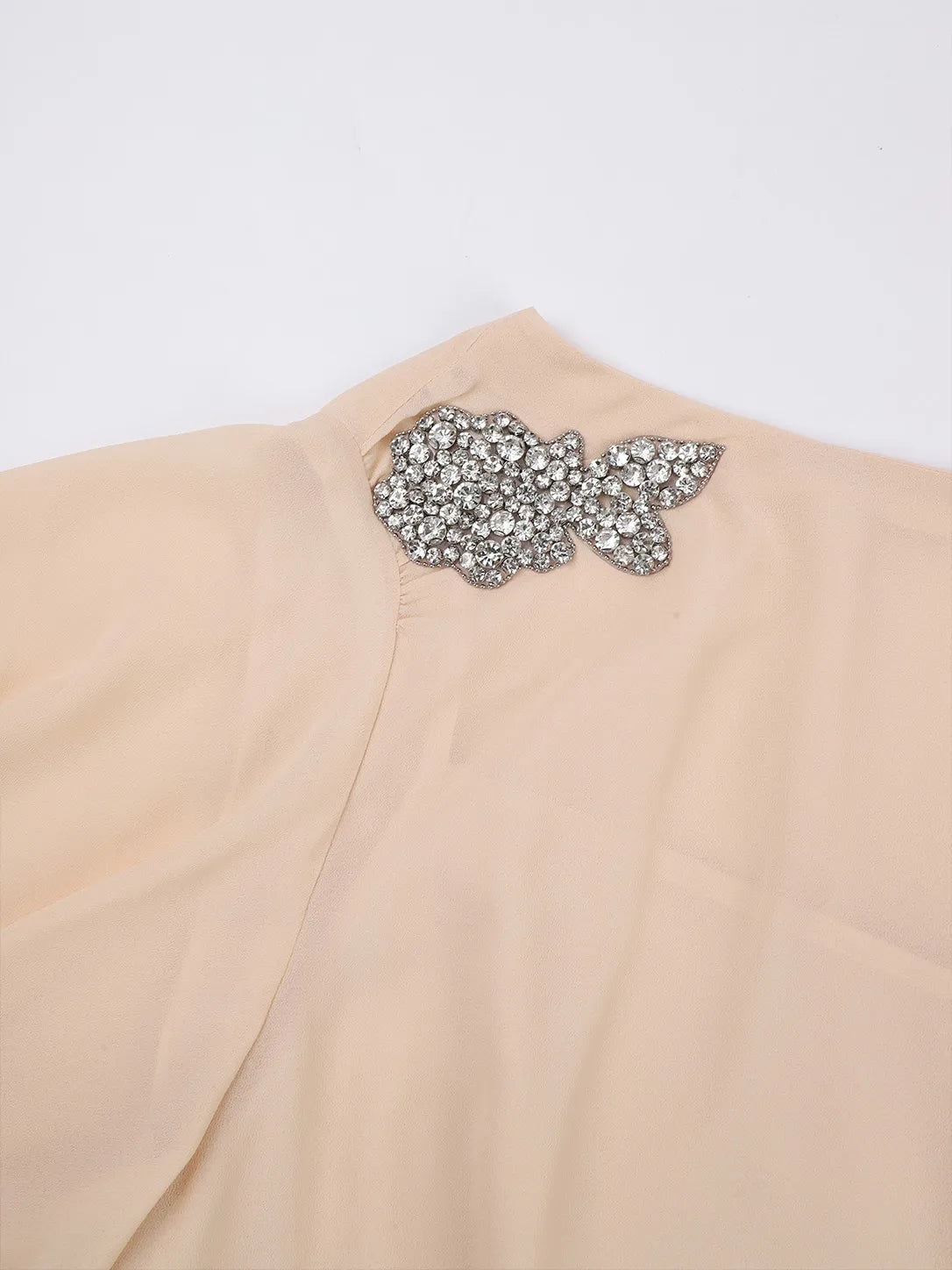


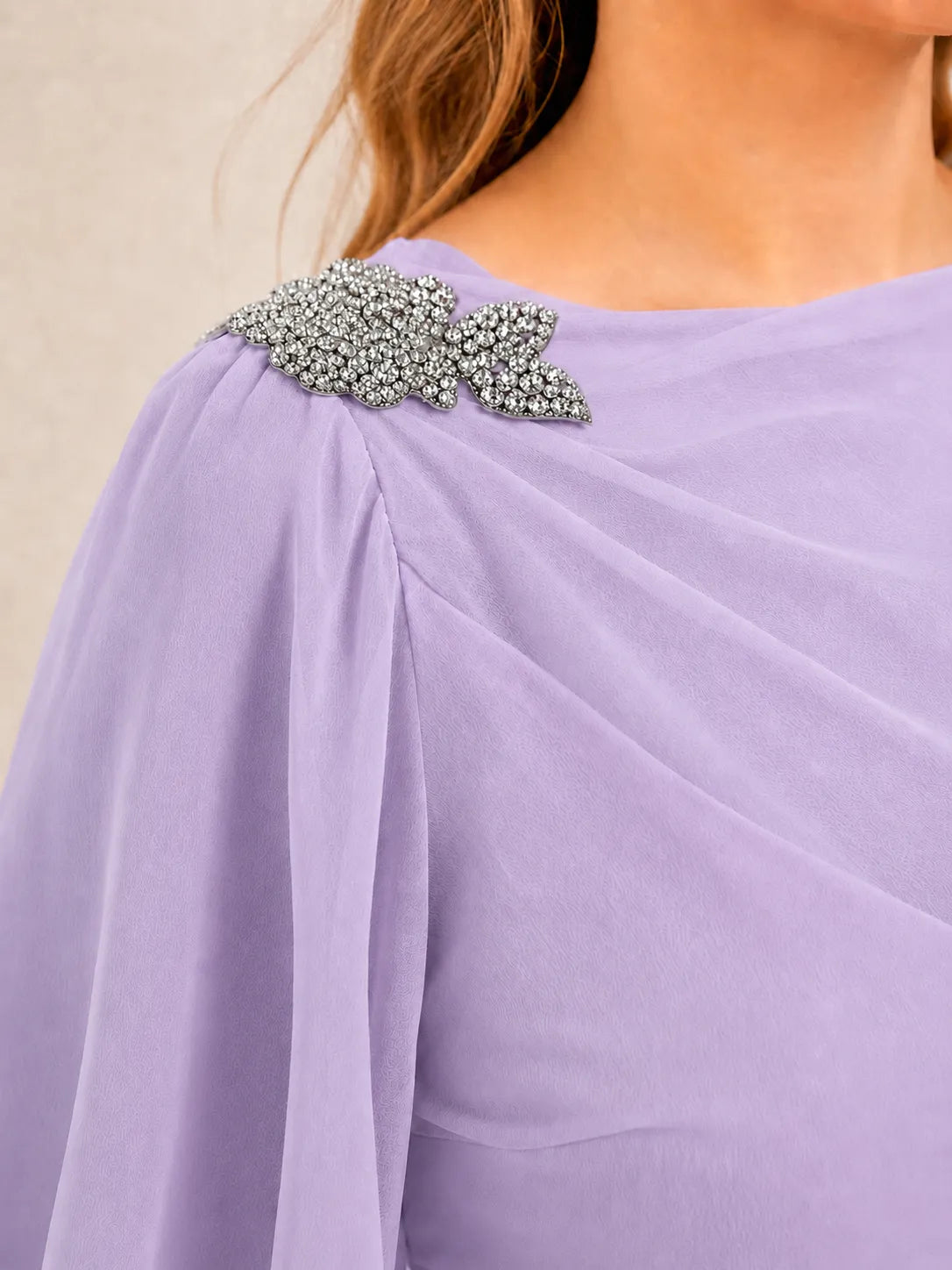
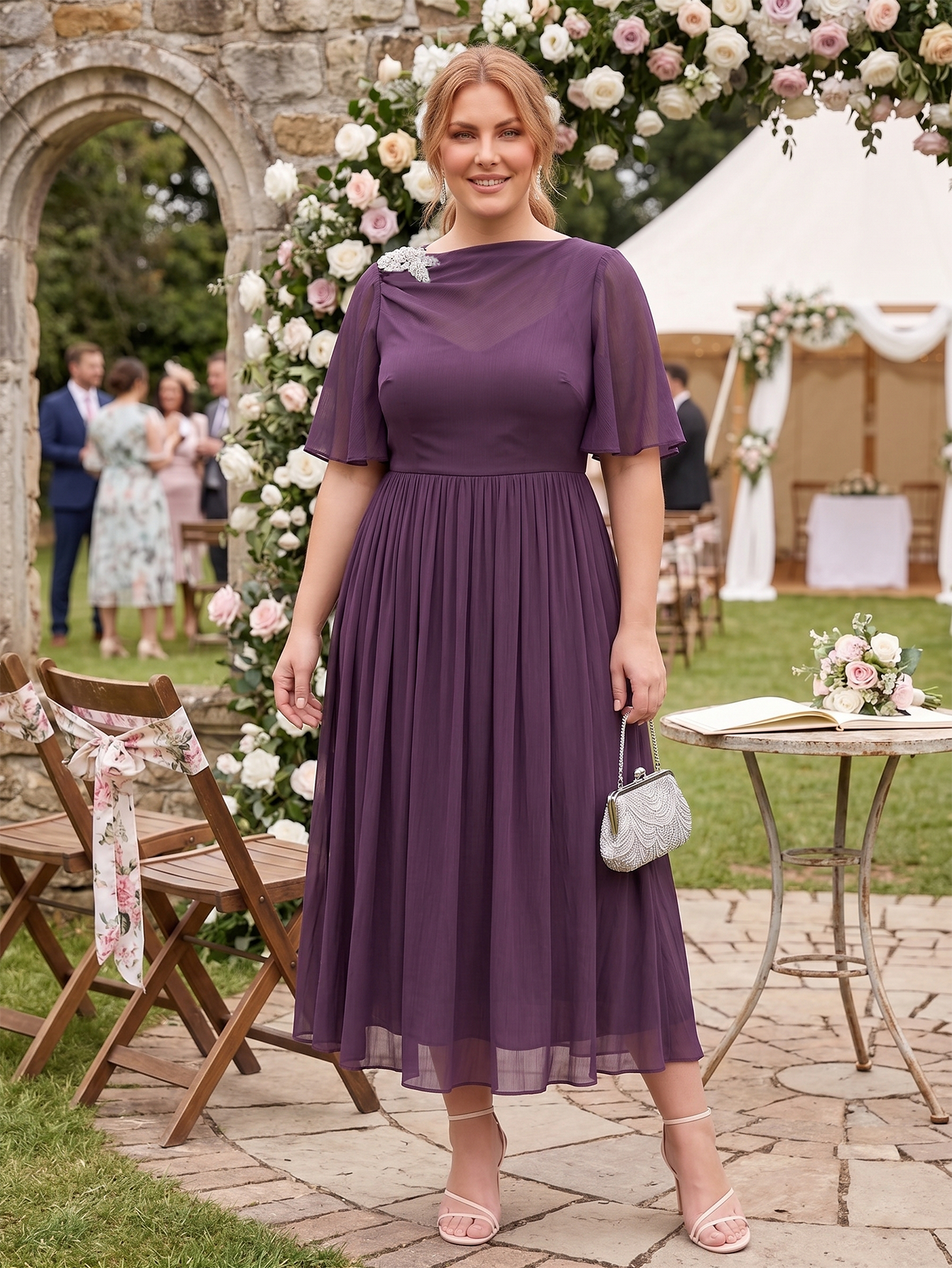
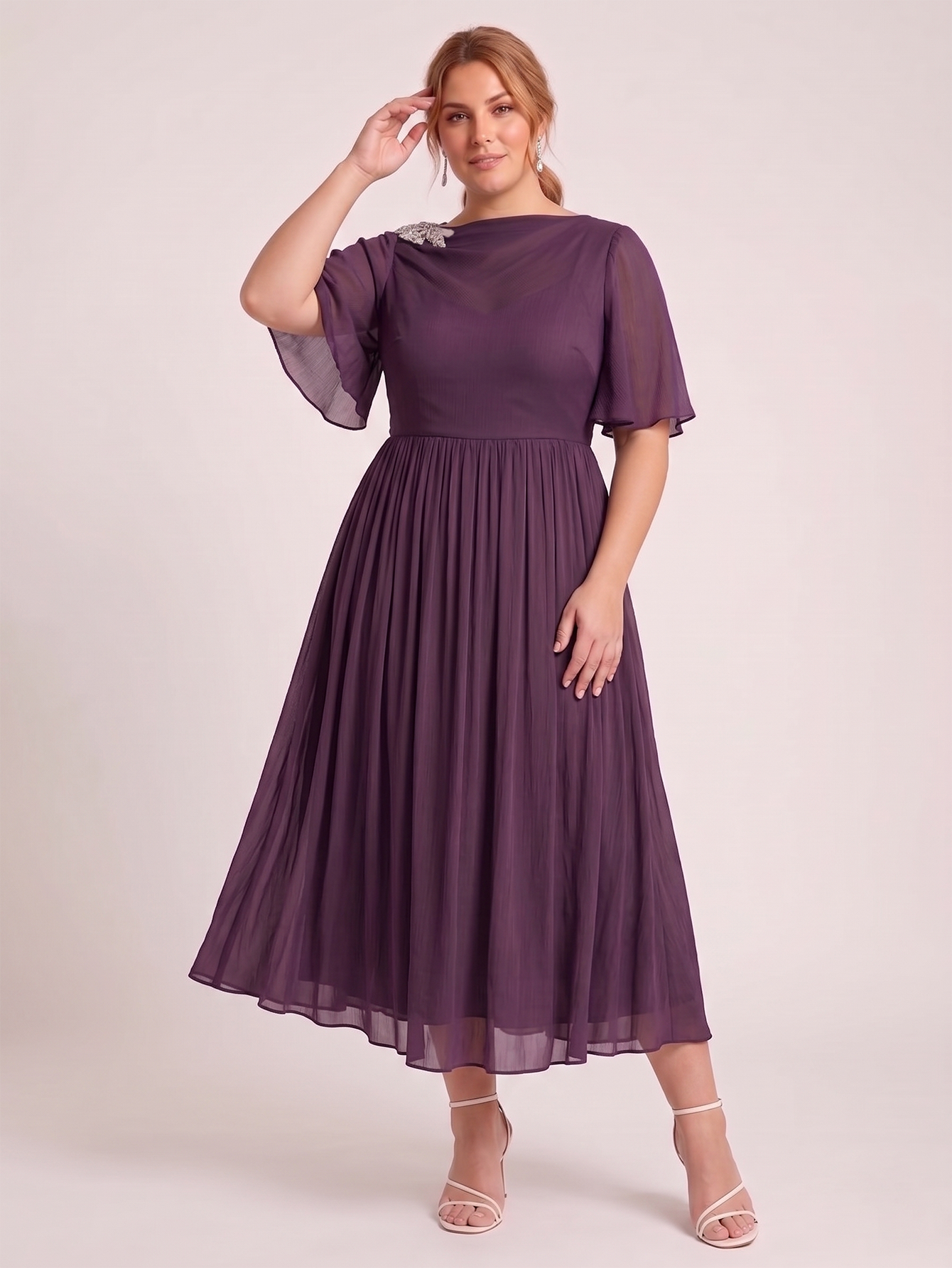
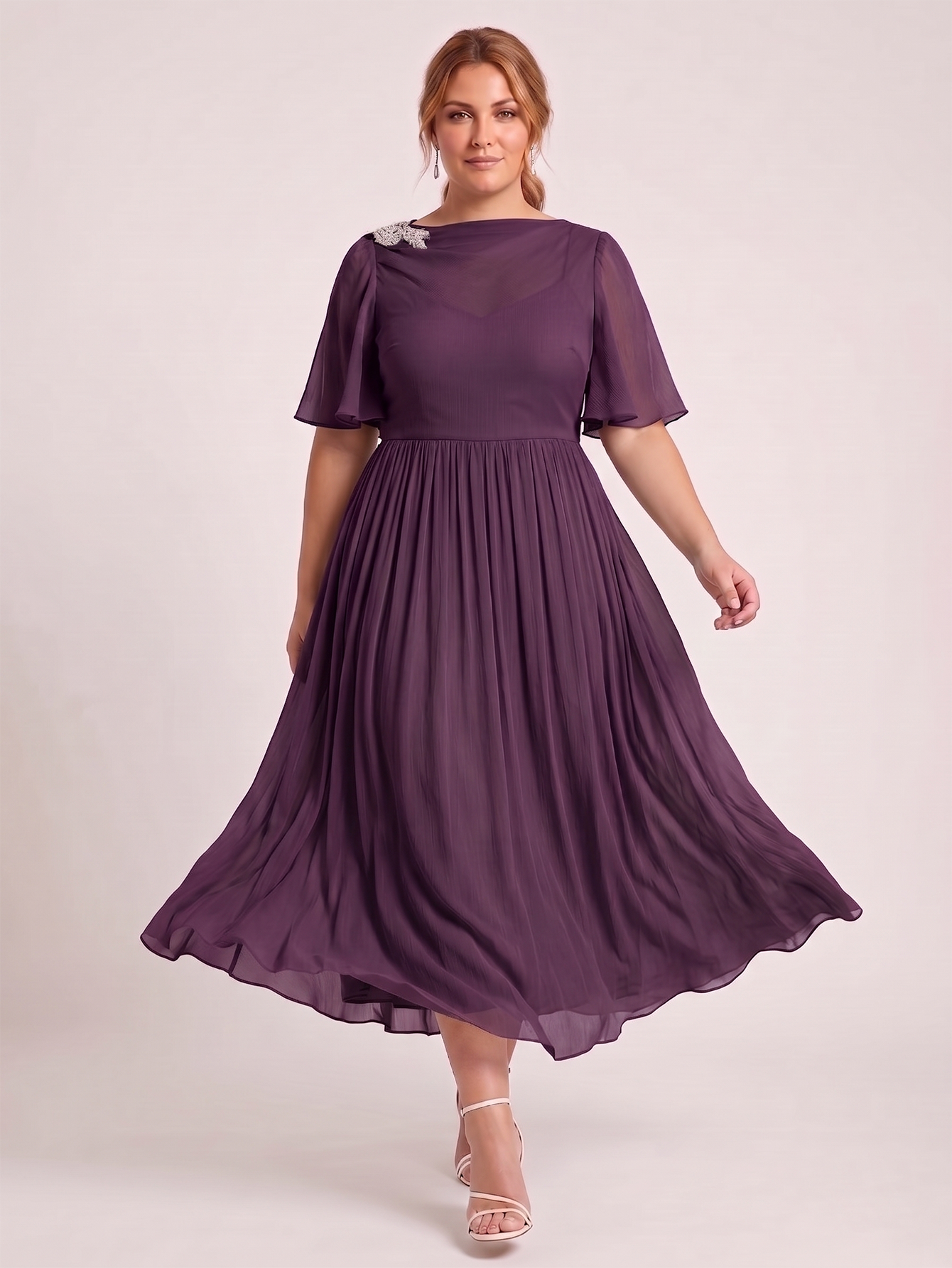
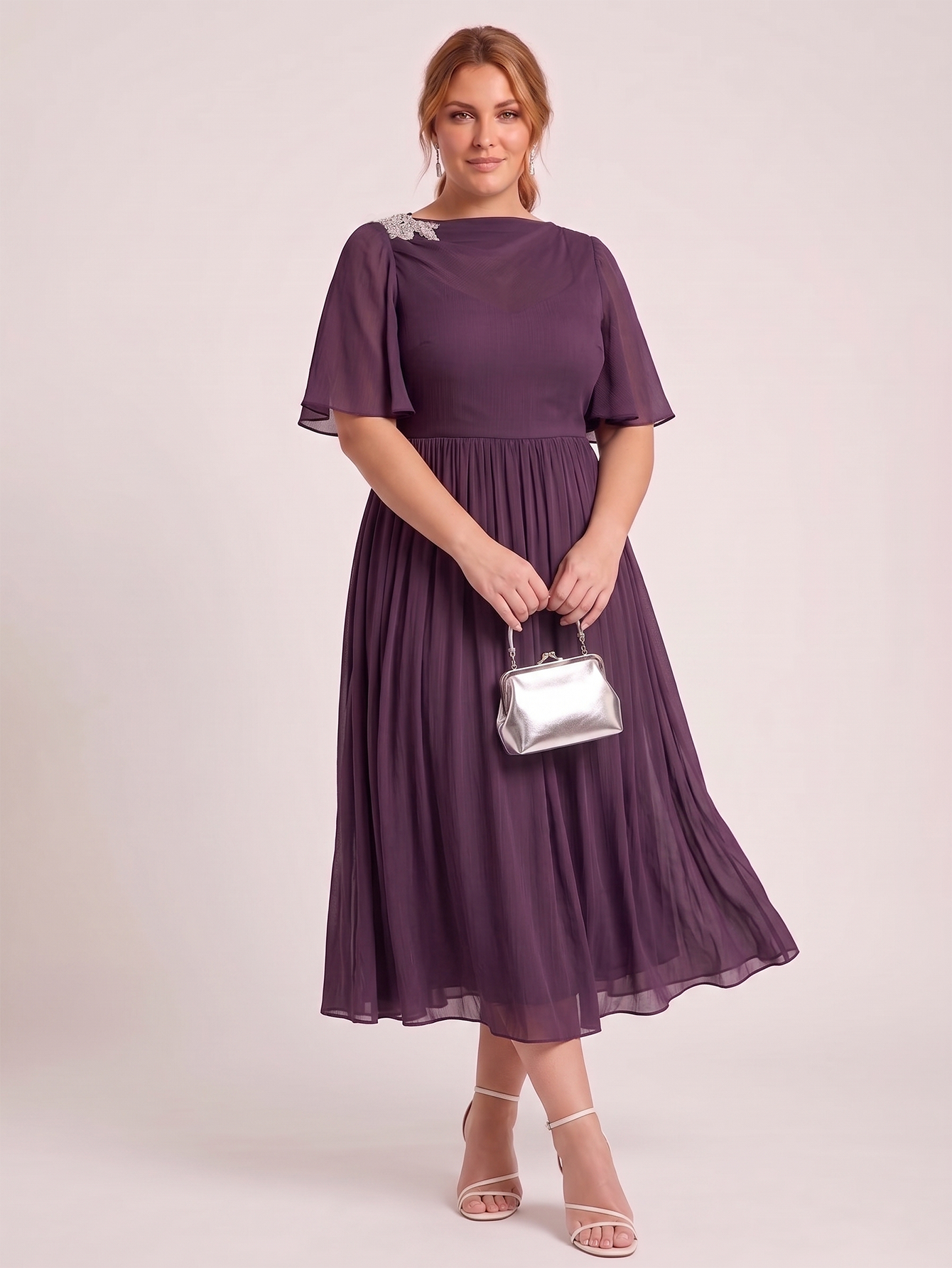
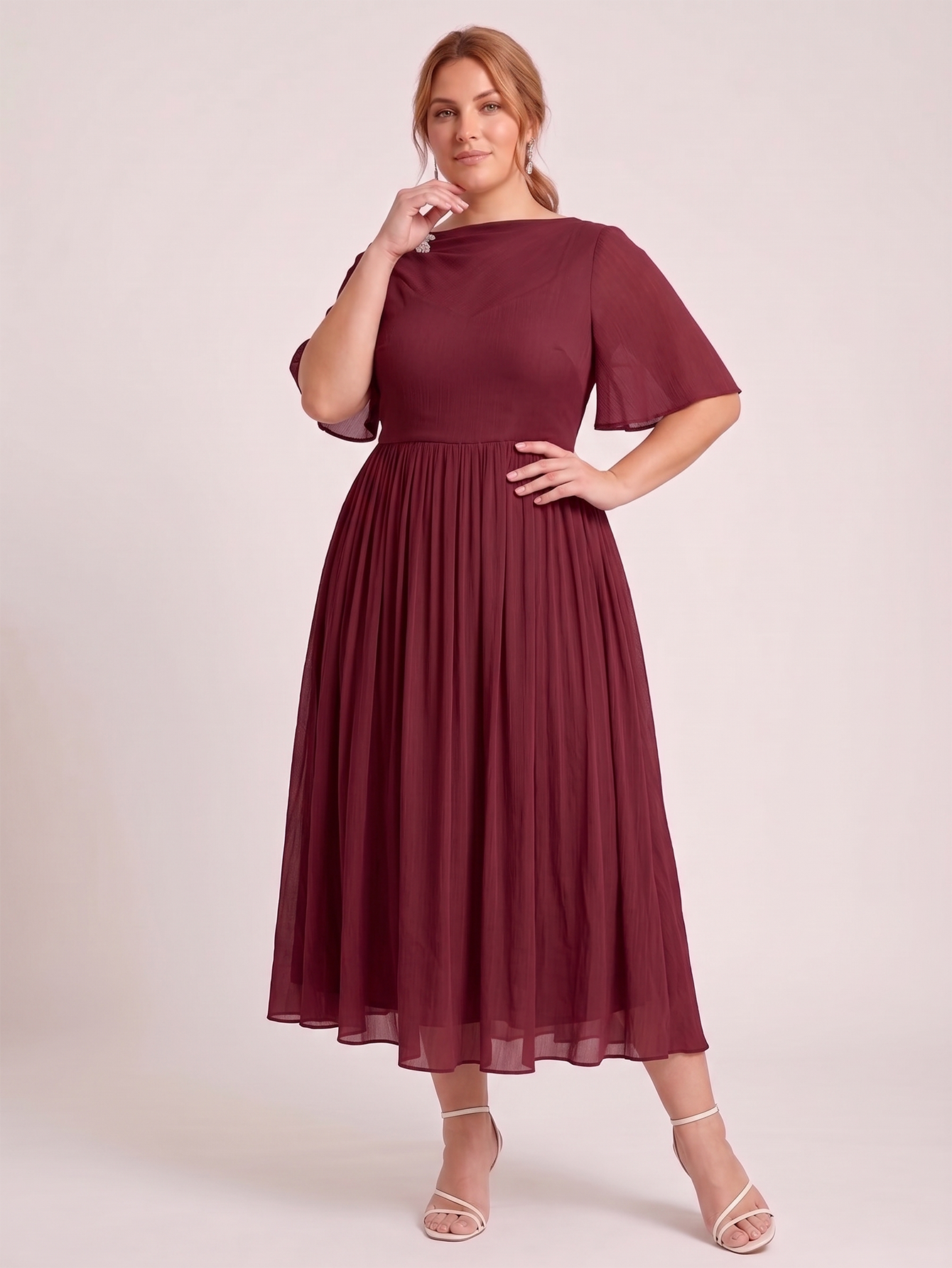
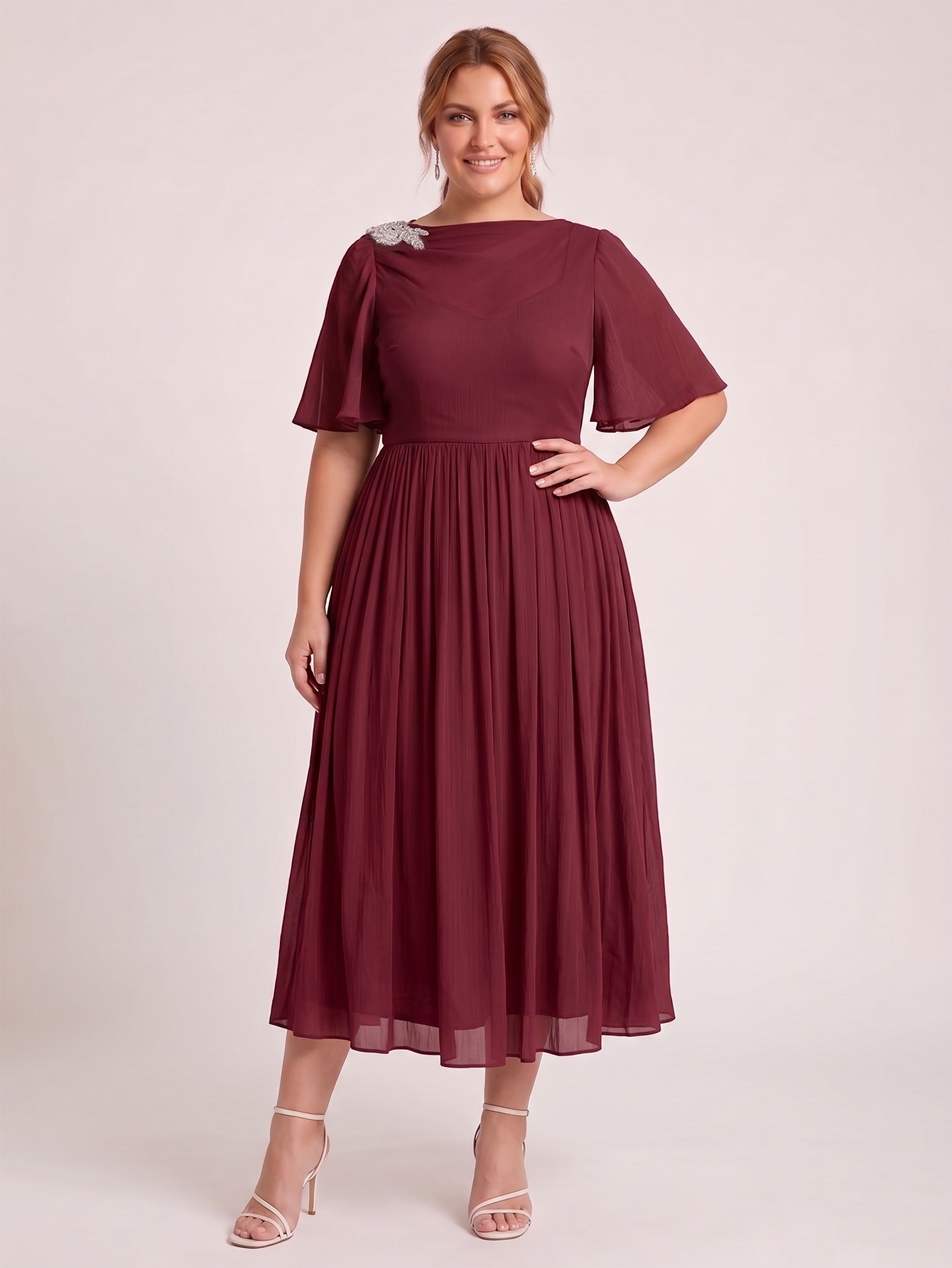
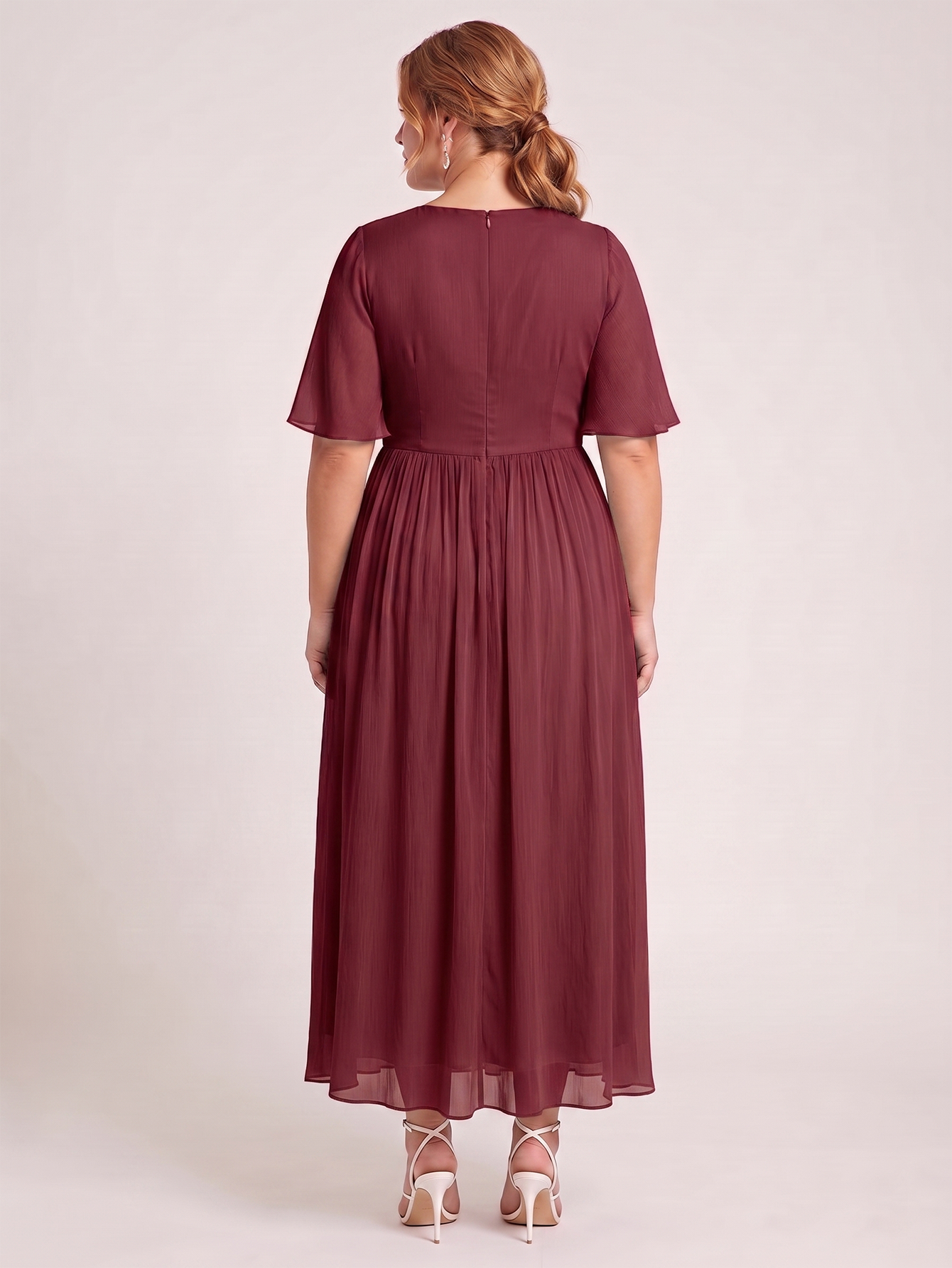


The hardest part of fall workwear often arrives before fall actually feels like fall.
You leave home on a cool morning.
By lunchtime, the temperature feels like summer again.
Then you spend several hours in an air-conditioned office before stepping outside into a completely different temperature on the way home.
September and early October can make getting dressed for work surprisingly complicated.
The solution is not necessarily to put away everything you wore in summer and immediately replace it with heavy knitwear, wool trousers and coats.
A more useful approach is to build a transitional work wardrobe.
That means keeping the breathable pieces that still work and adding layers, longer lengths, deeper colors and slightly more structured items around them.
For plus-size women, transitional dressing should not mean covering more of the body because the season has changed.
It should mean creating outfits that can adapt to temperature, movement, commuting and your actual workplace.
Here is how to move your work wardrobe from summer into autumn without making getting dressed more complicated.
1. Start With the Temperature, Not the Calendar
The calendar may say September, but your outfit still has to work for the weather outside.
This is especially important during early autumn.
A heavy blazer, thick knit and closed shoes may look seasonally appropriate but become uncomfortable by mid-afternoon if temperatures remain warm.
Instead of dressing according to the month, ask:
- What is the morning temperature?
- How warm will it be in the afternoon?
- Is my office heavily air-conditioned?
- Will I spend time outside?
- Am I commuting by car, train, bicycle or on foot?
- Do I need to move between different buildings?
The answers help determine how many layers you actually need.
A Useful Transitional Formula
A simple early-fall work outfit often follows this structure:
Breathable base + polished bottom + removable layer
For example:
Linen shirt + straight-leg trousers + lightweight blazer
or:
Sleeveless dress + blazer + loafers
or:
3/4-sleeve blouse + wide-leg trousers + light outer layer
The important word is removable.
If the afternoon warms up, the outfit should still feel complete after you remove one layer.
2. Do Not Put Away Linen Yet
Linen is often treated as a purely summer fabric.
That can make people pack away some of their most useful work pieces too early.
In reality, linen can work very well during the summer-to-fall transition.
The key is how you style it.
Keep Linen Trousers in Rotation
Full-length linen trousers are particularly useful in early autumn.
Compared with shorts or cropped summer bottoms, they already provide more coverage while remaining relatively lightweight.
Try pairing them with:
- A white work shirt
- A 3/4-sleeve blouse
- A lightweight blazer
- A satin shirt
- A vest
- Loafers or closed-toe flats
Colors such as:
- Beige
- Navy
- Black
- Camel
- Khaki
- Brown
can also make linen feel more autumnal without changing the fabric itself.
Linen Shirts Still Work
A linen shirt can become a useful layering piece.
Wear it:
- Buttoned as a blouse
- Open over a simple top
- Under a lightweight blazer
- Tucked into trousers
- Partially tucked for a more relaxed office
The same white linen shirt you wore in July can still work in September.
The rest of the outfit simply changes around it.
YEESE's current Work and New assortments include linen shirts, full-length trousers, wide-leg pants, blouses, vests and blazers, which makes linen a strong base for transitional office dressing.
3. Add One Layer Before Adding Heavy Fabrics
One of the easiest mistakes in transitional dressing is changing too many things at once.
The weather becomes slightly cooler, so suddenly the outfit includes:
- Heavy trousers
- A knit top
- A thick blazer
- Boots
By midday, the entire outfit feels too warm.
Instead, change one variable first.
If your summer outfit is:
Blouse + trousers + flats
your early-autumn version might simply become:
Blouse + trousers + lightweight blazer + flats
You have added warmth without rebuilding the whole outfit.
Useful Removable Layers
For work, consider:
- Lightweight blazer
- Linen blazer
- Fine cardigan
- Unstructured jacket
- Lightweight trench
- Long overshirt
The best layer is one that is easy to remove without making the outfit underneath look unfinished.
4. A Lightweight Blazer Is One of the Most Useful Transitional Pieces
A blazer can make a summer outfit feel more autumnal almost instantly.
But early fall does not necessarily require heavy wool tailoring.
A lighter blazer can be much more practical.
Why It Works
A blazer adds:
- Structure
- Sleeve coverage
- A more polished office finish
- An extra layer for cool mornings
- Something easy to remove later
This works particularly well over pieces you already own.
For example:
Summer linen dress + blazer
Sleeveless top + wide-leg trousers + blazer
White blouse + full-length trousers + blazer
YEESE currently carries linen pocket blazers and other lightweight workwear jackets within its work and new-arrival assortment.
Check the Blazer While Sitting
A blazer may look perfect while standing but feel completely different at a desk.
Before deciding on fit:
- Button it.
- Sit down.
- Reach forward as if typing.
- Cross your arms.
- Raise your arms.
- Try it over the shirt you actually intend to wear underneath.
You should not have to remove your blazer simply because you need to use your arms.
5. Use Full-Length Trousers to Shift the Outfit Toward Fall
Changing the length of your trousers is one of the easiest ways to transition a work wardrobe.
You can keep a relatively light top and simply move from:
- Shorts → trousers
- Cropped pants → full-length pants
- Very light summer bottoms → slightly more structured trousers
Straight-Leg Trousers
Straight-leg trousers work well with:
- Shirts
- Blouses
- Vests
- Blazers
- Loafers
- Flats
They create a clean office base without requiring complicated styling.
Wide-Leg Trousers
Wide-leg trousers can also work well during the transition because they allow airflow while still providing full-length coverage.
Check:
- Waist comfort while sitting
- Rise
- Pocket placement
- Hem length
- How the fabric behaves while walking
YEESE currently offers full-length, straight-leg and wide-leg linen trousers in colors including Beige, Black, Navy, Sage Green and Camel across its newer workwear selection.
6. Keep the Top Light When the Bottom Gets Heavier
Transitional dressing is often about balance.
If you start wearing full-length trousers again, you do not necessarily need a heavy top at the same time.
A useful early-autumn combination can be:
Full-length trousers + lightweight blouse
rather than:
Full-length trousers + thick knit
This is especially practical if your office or commute becomes warm during the day.
Good options include:
- Linen shirts
- 3/4-sleeve blouses
- Lightweight satin shirts
- Cotton shirts
- Sleeveless tops under a blazer
- Soft woven blouses
The goal is to give yourself options throughout the day.
7. A White Shirt Does Not Stop Working After Summer
A white shirt is one of the easiest pieces to move between seasons.
In summer, you may wear it with light trousers and sandals.
In autumn, the same shirt can work with:
- Navy trousers
- Brown trousers
- Black trousers
- A vest
- A blazer
- Loafers
- A structured bag
The change comes from the supporting pieces.
YEESE's current new-arrival workwear includes several white options such as the Linen Shirt with Side Tie, Work Satin Shirt with Irregular Front Design, Shell Button Linen Shirt and other workplace shirts.
White + Autumn Colors
White works particularly well as a bridge between seasons because it gives deeper colors more contrast.
Try:
White + Navy
White + Camel
White + Brown
White + Olive
White + Burgundy
You do not need every piece in the outfit to be an autumn color.
8. Satin Shirts Can Make Workwear Feel More Autumnal
Satin is useful when you want to move away from a very casual summer look without adding significant visual weight.
A satin shirt introduces:
- A smoother surface
- More light reflection
- A slightly dressier finish
- Contrast against matte trousers or linen
For example:
White satin shirt + navy trousers + loafers
can feel more polished than a very lightweight summer T-shirt while remaining easy to layer.
YEESE currently lists a Women's Work Satin Shirt with Irregular Front Design within both its Work and New selections.
Keep the Rest of the Outfit Simple
Because satin already adds visual interest through its surface, you may not need:
- Large jewelry
- A highly decorative belt
- A statement bag
- Multiple competing textures
A simple pair of trousers and understated accessories may be enough.
9. Use Vests for Days That Are Too Warm for a Blazer
A vest can be useful during the awkward period when you want more structure but sleeves still feel too warm.
A linen or tailored vest can work over:
- A sleeveless top
- A short-sleeve top
- A shirt
- A lightweight blouse
or as the main top depending on the workplace dress code.
YEESE's current workwear assortment includes pocket linen vests and sleeveless linen vests alongside trousers and blazers.
The Advantage of a Vest
A vest gives you some of the visual structure of tailoring without adding as much warmth through the arms.
That can make it particularly useful in:
- September
- Warm offices
- Mild climates
- Hybrid work environments
- Business-casual workplaces
10. Dresses Are Still Useful in Early Fall
You do not have to move immediately from dresses into trouser outfits.
A dress can actually be one of the easiest transitional work pieces because you can change what goes around it.
Summer Version
Dress + sandals
Early Fall Version
Dress + loafers + blazer
Cooler Fall Version
Dress + light coat + closed shoes
The dress remains the same.
This is especially useful with:
- Shirt dresses
- Linen dresses
- Midi dresses
- Dresses with 3/4 sleeves
- Belted dresses
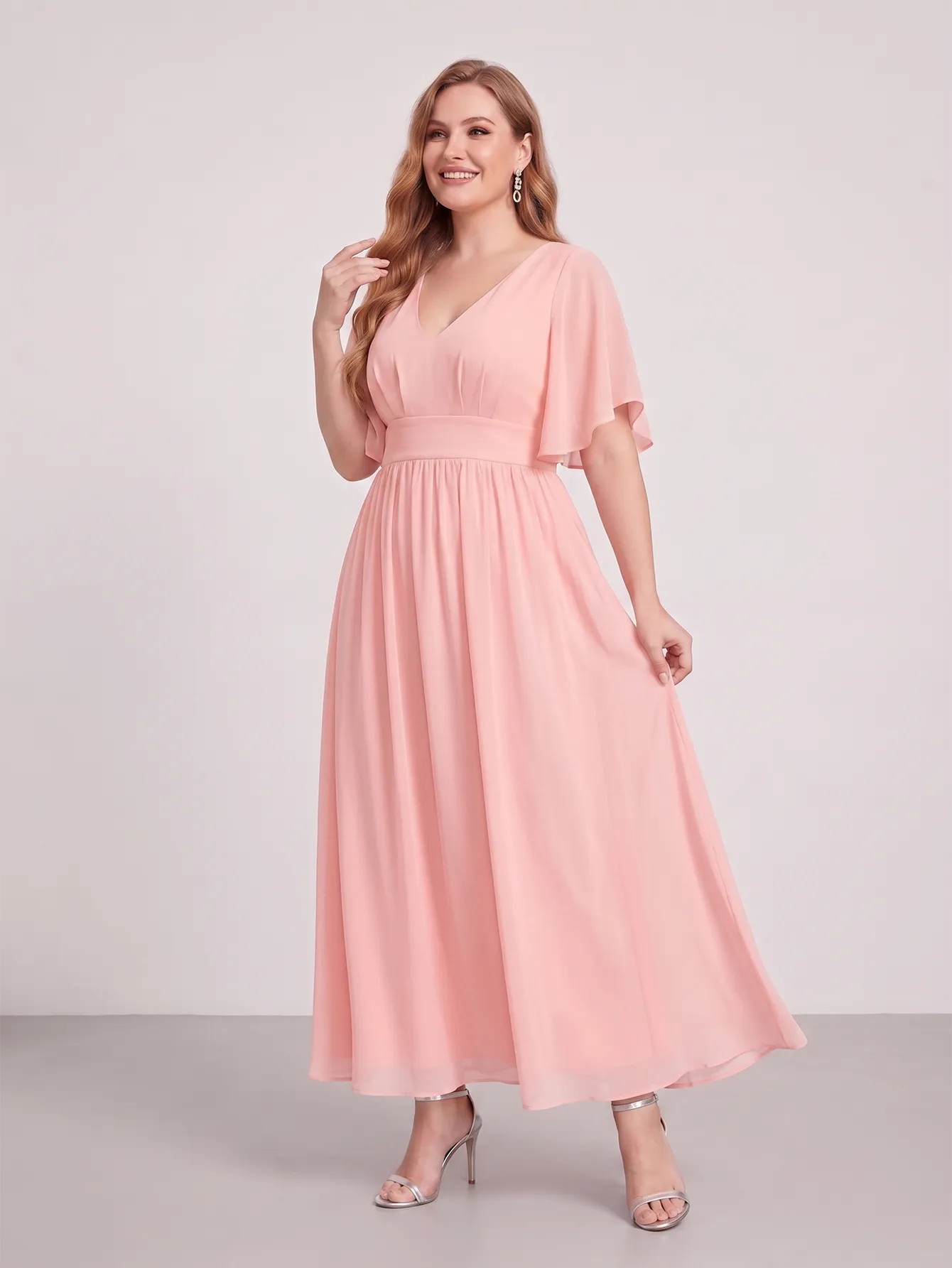
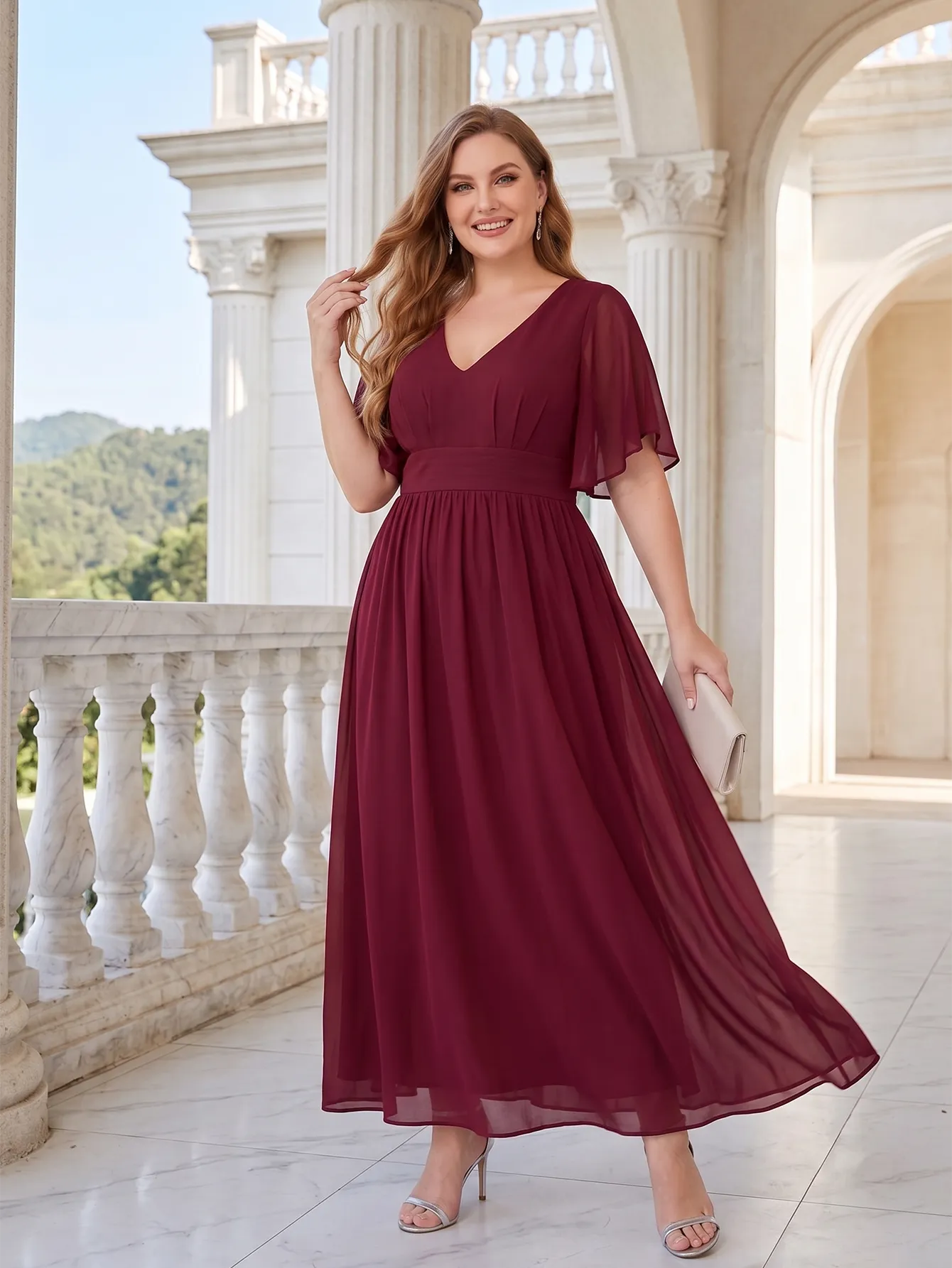
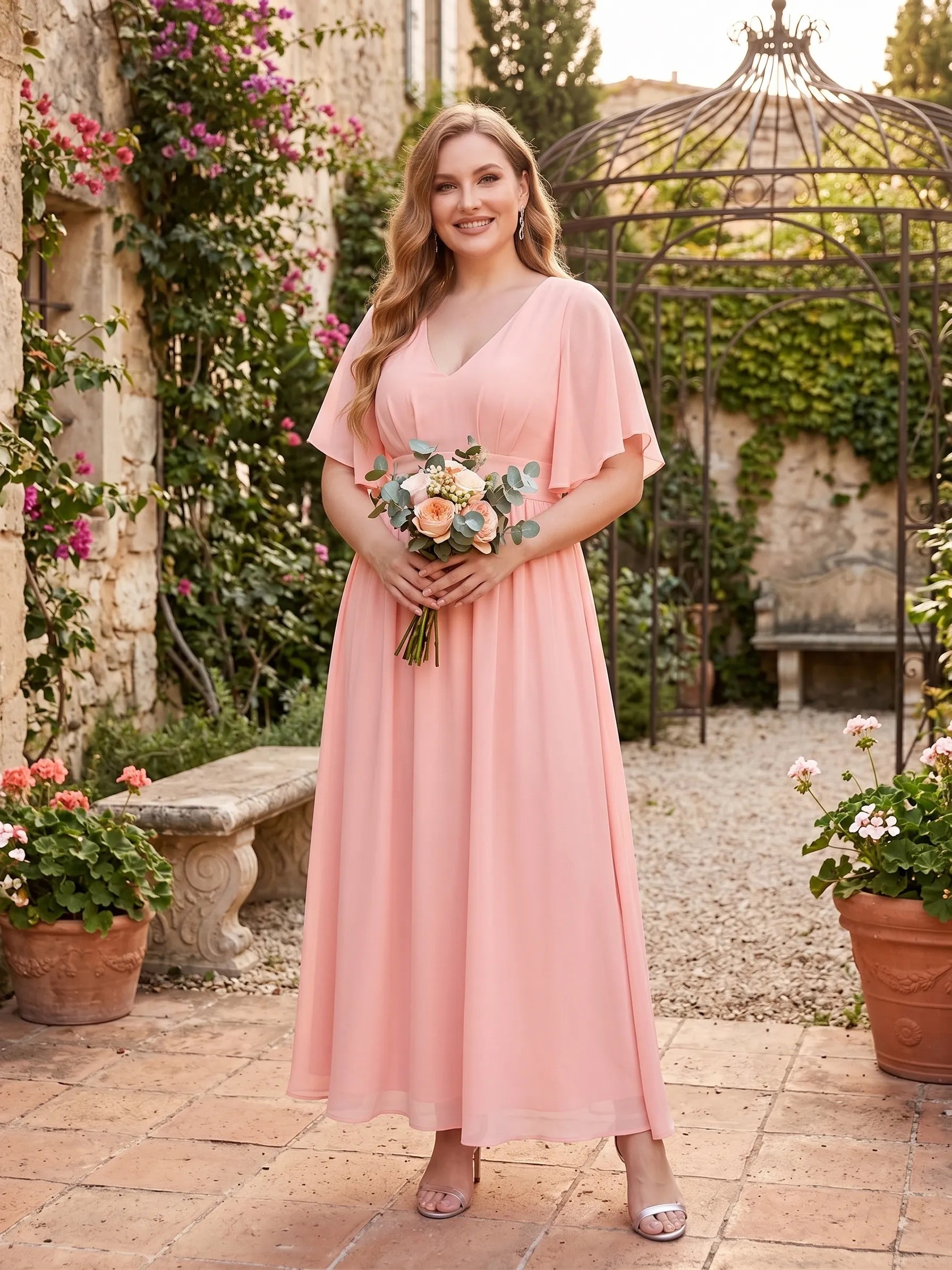
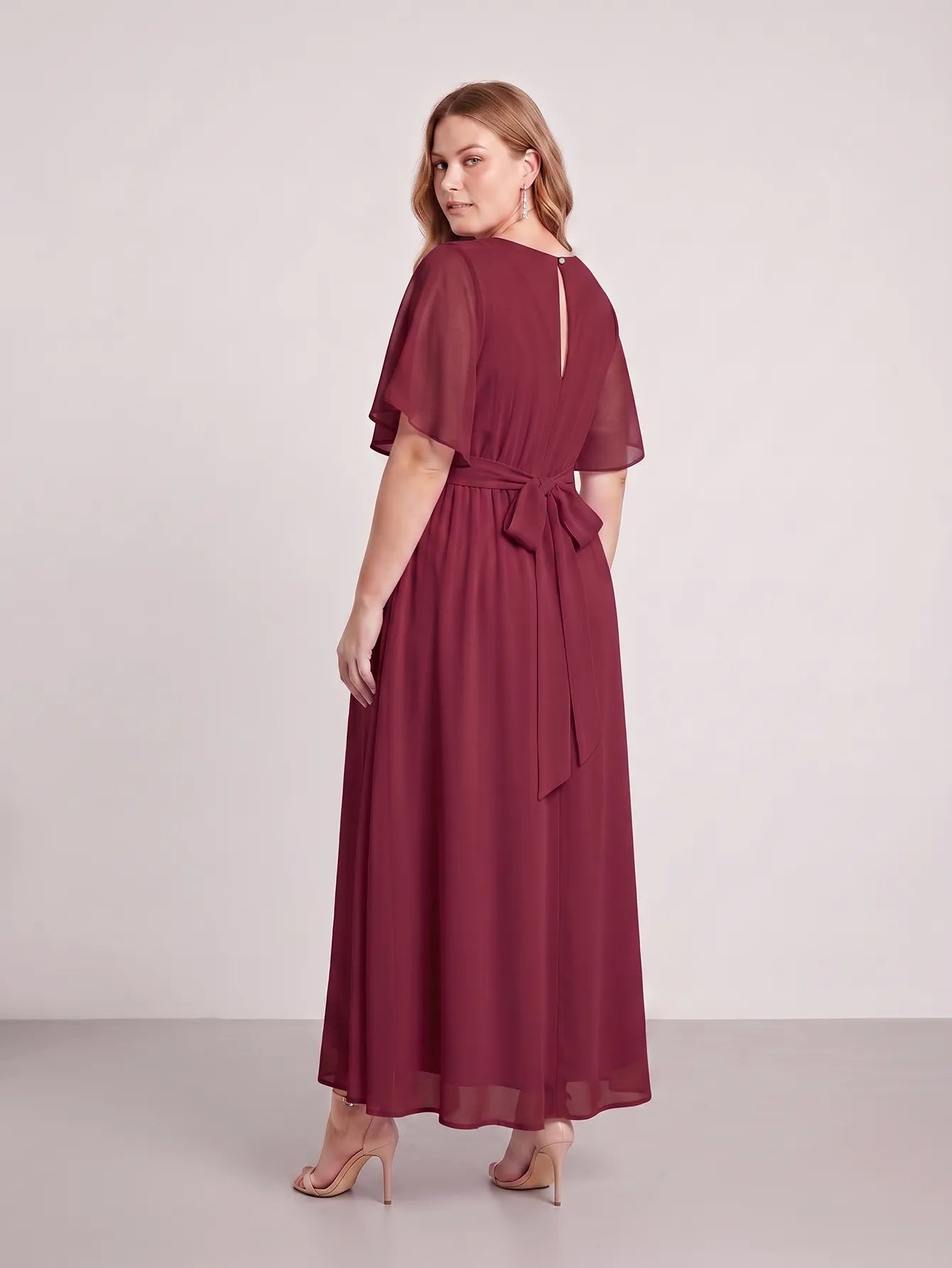
YEESE's current workwear and transitional assortments include linen shirt dresses, belted dresses, short-sleeve dresses and several midi/long styles.
11. Shift the Color Palette Gradually
You do not need to stop wearing summer colors on September 1.
Instead, gradually introduce deeper neutrals and autumn shades.
Easy Transitional Colors
Consider:
- Navy
- Camel
- Beige
- Brown
- Khaki
- Olive
- Burgundy
- Black
- Dusty rose
These can sit comfortably next to:
- White
- Sage green
- Soft blue
- Pink
- Cream
Example
Instead of replacing a sage-green blouse, pair it with navy trousers.
Instead of putting away a white linen shirt, wear it with camel wide-leg pants.
Instead of abandoning a pink blouse, add a brown or beige blazer.
One darker element can be enough to shift the mood.
12. Autumn Workwear Does Not Have to Mean Dark Colors
There is no requirement for plus-size women—or anyone else—to move into an entirely dark wardrobe in autumn.
Seasonal dressing can come from:
- Texture
- Layering
- Sleeve length
- Trouser length
- Footwear
- Outerwear
not just color.
A white blouse with camel trousers and a beige blazer can feel completely appropriate for autumn.
So can:
Sage + Navy
Dusty Rose + Brown
Blue + Camel
Cream + Olive
You can use darker colors without allowing them to dominate the entire wardrobe.
13. Build Outfits Around Three-Piece Formulas
You do not need dozens of individual work outfits.
A few formulas can do most of the work.
Formula 1: Shirt + Trousers + Blazer
One of the easiest combinations.
Try:
White shirt + navy trousers + beige blazer
The blazer can come off in the afternoon.
Formula 2: Blouse + Wide-Leg Trousers + Loafers
Useful for warmer days.
Try:
3/4-sleeve blouse + camel wide-leg trousers + loafers
Formula 3: Dress + Blazer + Closed Shoes
Useful when you want fewer individual pieces to coordinate.
Try:
Navy linen dress + beige blazer + loafers
Formula 4: Satin Shirt + Straight-Leg Trousers
A slightly more polished option.
Try:
White satin shirt + black or navy trousers + simple flats
Formula 5: Vest + Trousers + Light Layer
Useful in early September.
Try:
Linen vest + matching or contrasting trousers + lightweight outer layer
A handful of formulas can create many combinations simply by changing color.
14. Match the Outfit to Your Actual Workplace
“Office outfit” does not mean the same thing everywhere.
A bank, architecture studio, school, technology company and home-office day may all have very different expectations.
More Formal Office
Consider:
- Blazer
- Straight-leg trousers
- Satin or woven shirt
- Structured dress
- Loafers or pumps
Business Casual
You have more flexibility with:
- Linen trousers
- Wide-leg pants
- Blouses
- Vests
- Shirt dresses
- Softer blazers
Creative Office
You may be able to introduce more:
- Color
- Texture
- Relaxed silhouettes
- Statement shirts
- Layering
Hybrid or Home Office
Focus on what still needs to feel polished on camera while remaining comfortable for long periods of sitting.
A blouse with comfortable full-length trousers may make more sense than a fully structured suit.
The point is not to look “corporate.”
The point is to match the environment you actually work in.
15. Check Your Outfit While Sitting
Work clothes spend a lot of time in chairs.
That sounds obvious, but many clothes are evaluated almost entirely while standing in front of a mirror.
Before wearing something for a full workday, sit in it.
Check:
- Does the waistband dig in?
- Does the blouse pull across the bust?
- Does the shirt ride upward?
- Does the blazer restrict your shoulders?
- Does the trouser rise remain comfortable?
- Does the skirt move too far upward?
- Can you reach a keyboard comfortably?
A work outfit should work at your desk, not only while you are walking into the building.
16. Think About Your Commute
The best office outfit can still fail if it makes the commute uncomfortable.
Walking or Public Transport
You may need:
- Comfortable shoes
- Breathable layers
- A bag that leaves your hands free
- A layer you can remove easily
Cycling
Consider:
- Trouser width
- Hem length
- Outer-layer mobility
- Shoes you can realistically ride in
Driving
Pay attention to:
- Waistbands
- Jacket length
- Fabric creasing
- Whether a blazer becomes uncomfortable against the seat
Your commute is part of the workday.
Dress for it too.
17. Change the Shoes Before Changing the Entire Outfit
Footwear can shift an outfit from summer toward autumn very quickly.
You may not need a new wardrobe.
Try moving from:
- Open sandals → loafers
- Summer flats → structured flats
- Very light shoes → darker closed-toe shoes
Later in autumn, ankle boots may become appropriate depending on the outfit and office.
Loafers Are Particularly Useful
Loafers can work with:
- Straight-leg trousers
- Wide-leg trousers
- Midi dresses
- Shirt dresses
- Blazers
- Vests
They provide an easy seasonal transition without requiring a heavy outfit.
18. Do Not Layer So Much That You Lose Movement
Layering is useful, but more layers are not always better.
A shirt, vest, blazer and coat may look good in theory but become uncomfortable once you sit down or carry a bag.
Test:
- Arm movement
- Shoulder mobility
- Sitting comfort
- Fabric bunching
- Sleeve tightness
If several layers are fighting for space around the shoulder or armhole, simplify the outfit.
Transitional dressing is supposed to make changing temperatures easier, not make movement harder.
19. YEESE Plus-Size Fall Work Outfit Ideas
YEESE's current Work collection contains more than 80 products and includes Linen, Chiffon, Cotton, Knit and Satin alongside shirts, pants, blazers, dresses and two-piece sets.
The current New page also groups many office-friendly pieces under QUIETLY POLISHED, including linen tops, trousers, shirts, vests, blouses and blazers.
Look 1: White Shirt + Navy Trousers
Start with:
- YEESE Plus Size Women's Linen Shirt with Side Tie — White
- YEESE Plus Size Women's Linen Straight-Leg Trousers — Midnight Navy
Add loafers and a simple structured bag.
This works particularly well during warm September afternoons.
Look 2: Linen Blazer + Full-Length Trousers
Try:
- YEESE Plus Size Women's Linen Pocket Blazer — Beige
- YEESE Plus Size Women's Linen Pocket Full-Length Pants — Beige
Wear a lightweight top underneath so the blazer can be removed later.
This creates a coordinated workwear look without relying on heavy autumn tailoring.
Look 3: Satin Shirt + Dark Trousers
Try:
- YEESE Plus Size Women's Work Satin Shirt with Irregular Front Design — White
- Black or navy full-length trousers
The contrast between smooth satin and matte trousers creates enough visual interest without requiring many accessories.
Look 4: Linen Vest + Wide-Leg Pants
For warmer transitional days:
- YEESE Plus Size Women's Elegant Linen Pocket Vest — Beige
- YEESE Plus Size Women's Linen Pocket Wide-Leg Pants — Sage Green or Camel
Add an outer layer for the morning commute if needed.
Look 5: 3/4-Sleeve Blouse + Trousers
Try:
- YEESE Plus Size Women's Linen 3/4-Sleeve Blouse — Beige
- Navy, black or camel trousers
Three-quarter sleeves can be particularly useful when full sleeves still feel too warm.
Look 6: Linen Two-Piece Set
The YEESE Plus Size Women's 3/4-Sleeve Top and Pants Two-Piece Linen Set is currently offered in several colors including Navy, Brown, Sky Blue, Black and Pink.
A set gives you three options:
- Wear both pieces together.
- Wear the top with different trousers.
- Wear the trousers with a different shirt.
That makes it especially useful for a small transitional wardrobe.
Explore YEESE Plus-Size Workwear
Current colors, sizes and availability may change, so always check the individual product page before ordering.
Summer-to-Fall Workwear Checklist
Before buying something new for autumn, ask:
- Can I still wear some of my summer work pieces?
- Can this item be layered?
- Can I remove the layer without ruining the outfit?
- Is the fabric comfortable in warmer afternoons?
- Can I sit comfortably for several hours?
- Can I move my arms freely?
- Does it work with shoes I already own?
- Can I wear it with at least two other pieces in my wardrobe?
- Does it suit my actual workplace dress code?
- Can I commute comfortably in it?
- Will I still wear it later in autumn?
- Do I genuinely need it, or am I buying it only because the season changed?
If a new piece works with several things you already own, it is usually more useful than something that creates only one outfit.
Frequently Asked Questions
What should plus-size women wear to work in fall?
There is no single formula. A practical fall work wardrobe can include full-length trousers, breathable shirts, blouses, lightweight blazers, dresses, vests and removable layers. Choose pieces according to your workplace, weather and daily routine rather than body-size rules.
How do you transition work clothes from summer to fall?
Keep breathable summer basics and gradually add longer trousers, closed shoes, deeper colors and removable layers such as blazers or lightweight jackets. You do not need to change the entire outfit at once.
Can you wear linen to work in autumn?
Yes. Linen can work particularly well in early autumn when temperatures are still mild. Full-length linen trousers, shirts and lightweight blazers can be combined with more autumnal colors and closed shoes.
What colors are good for fall office outfits?
Navy, camel, beige, brown, olive, burgundy and black are easy autumn options, but you do not need to stop wearing white, blue, sage or pink. Combining one deeper color with lighter pieces can create a transitional look.
Are wide-leg trousers appropriate for work?
They can be, depending on the workplace and the design. Look for an appropriate length, comfortable waistband and a fabric that maintains a polished appearance throughout the day.
How should a blazer fit for office wear?
A blazer should allow you to sit, type, reach forward and move your arms without excessive pulling. Test it over the kind of top you actually plan to wear underneath.
Can I wear sleeveless tops to work in early fall?
If your workplace dress code allows them, yes. A sleeveless top can be particularly useful beneath a removable blazer or jacket during transitional weather.
What shoes work with fall office outfits?
Loafers, structured flats, pumps and later in the season ankle boots can all work depending on your workplace. Choose footwear based on both the outfit and your commute.
Do plus-size women need to wear dark colors to the office?
No. Professional dressing is not determined by how dark your outfit is. Fit, condition, styling and suitability for the workplace matter much more than whether the clothes are black or navy.
How many layers should I wear during transitional weather?
Usually one removable layer is enough for mild summer-to-fall weather. Start with a breathable base and add a blazer, cardigan or lightweight jacket. Add more only when the actual temperature requires it.
Final Takeaway
The best plus-size fall work outfits are not necessarily the ones that look most like autumn.
They are the ones that work through the whole day.
A cool morning.
A warm commute.
An air-conditioned office.
A sunny lunch break.
And a cooler journey home.
Instead of rebuilding your wardrobe every September, start with the pieces that already work.
Keep the linen trousers.
Keep the white shirt.
Keep the lightweight dress.
Then add what the changing weather actually requires:
A blazer.
A longer trouser.
A closed shoe.
A slightly deeper color.
One removable layer.
Transitional workwear becomes much easier when you stop thinking of summer and autumn as two completely separate wardrobes.
The most useful pieces are often the ones that can live in both.