


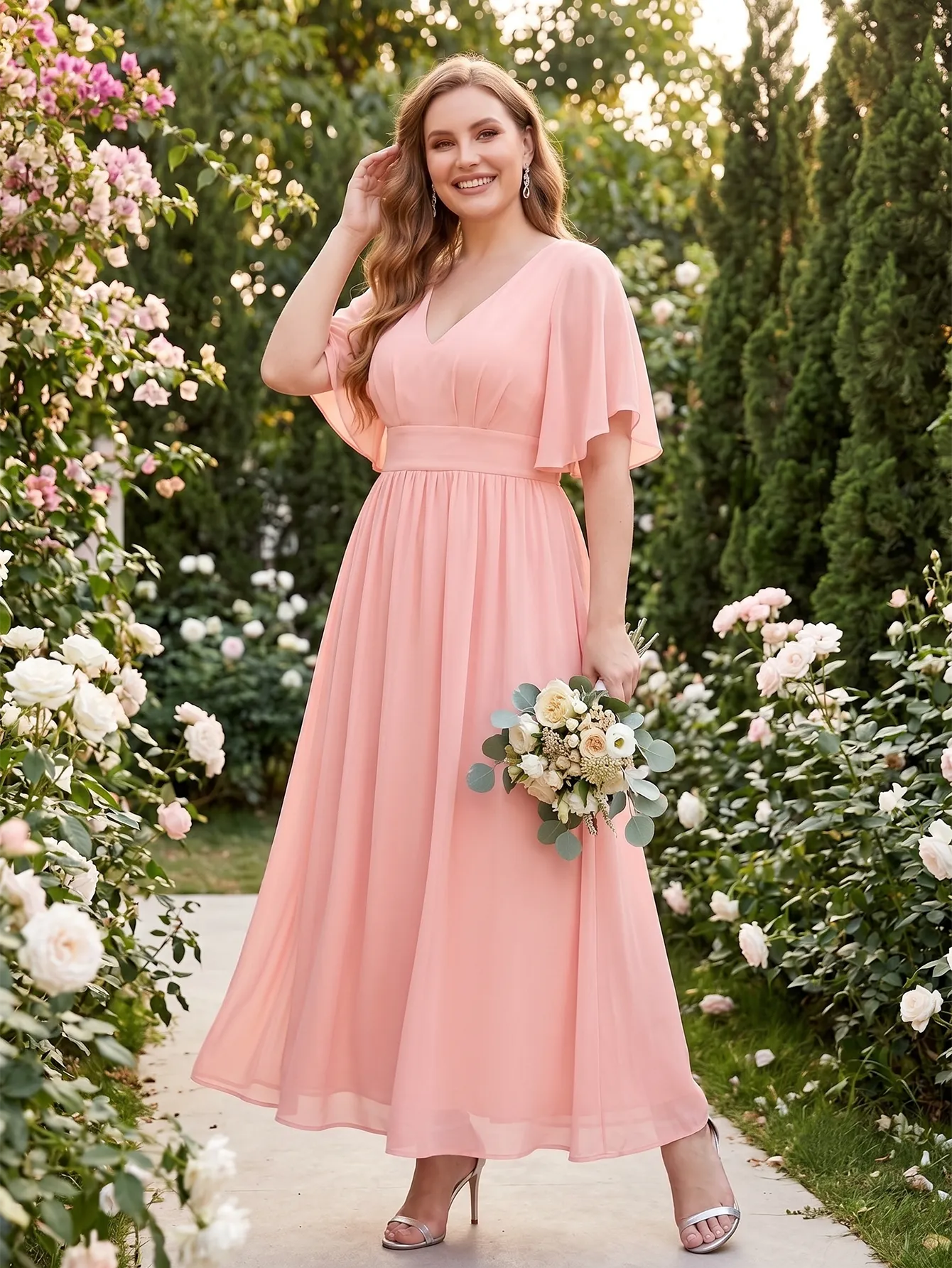

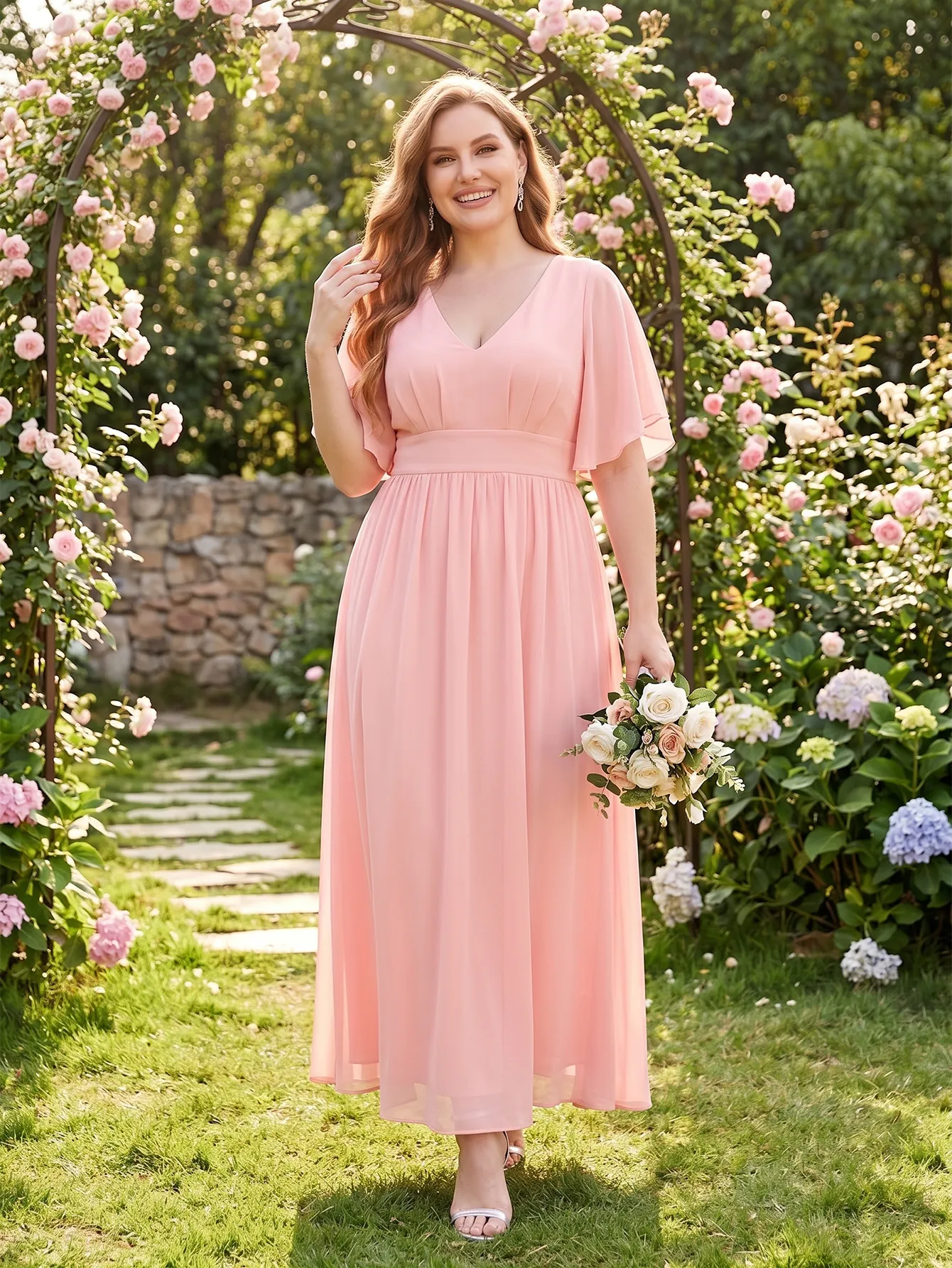
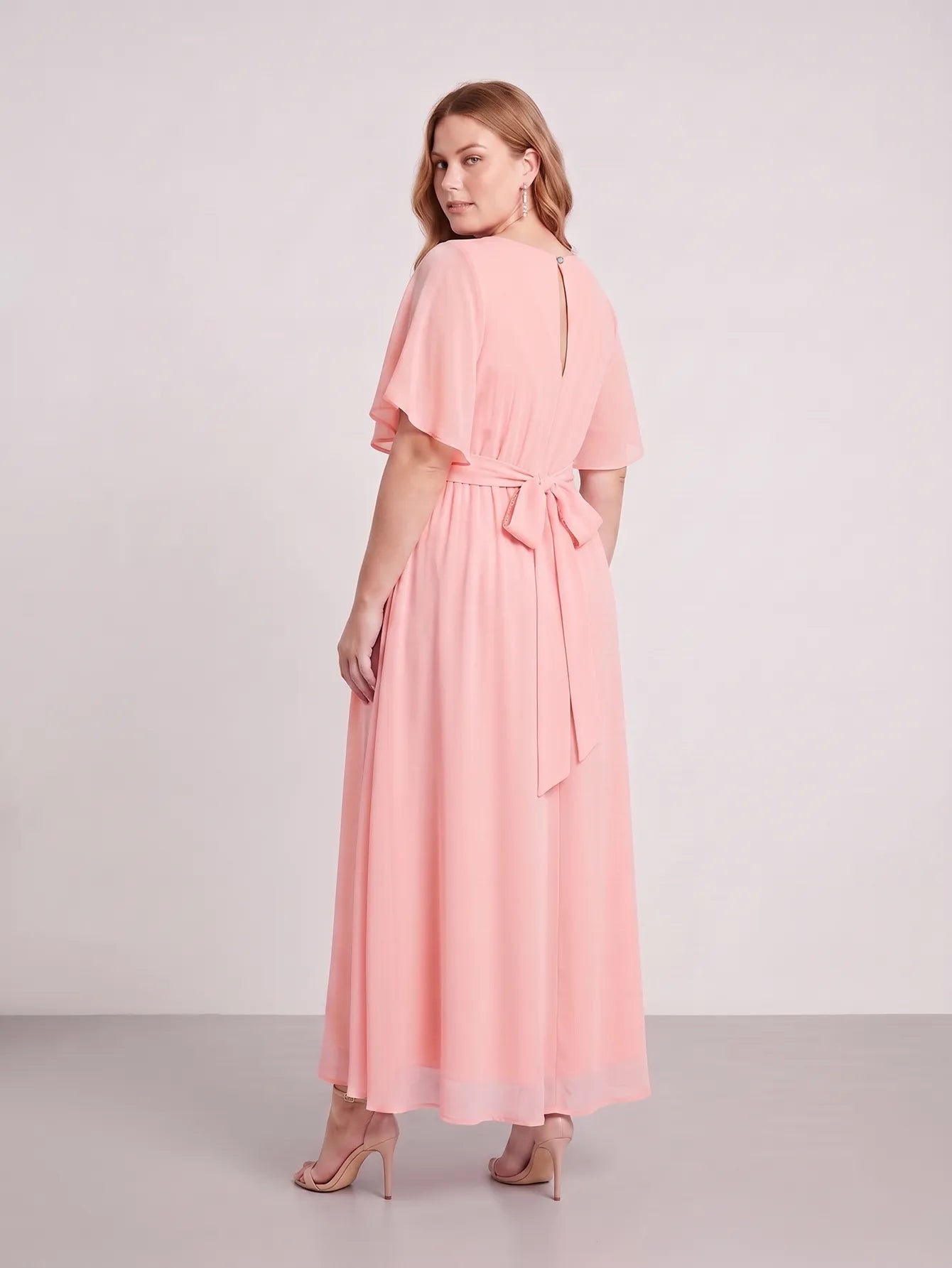
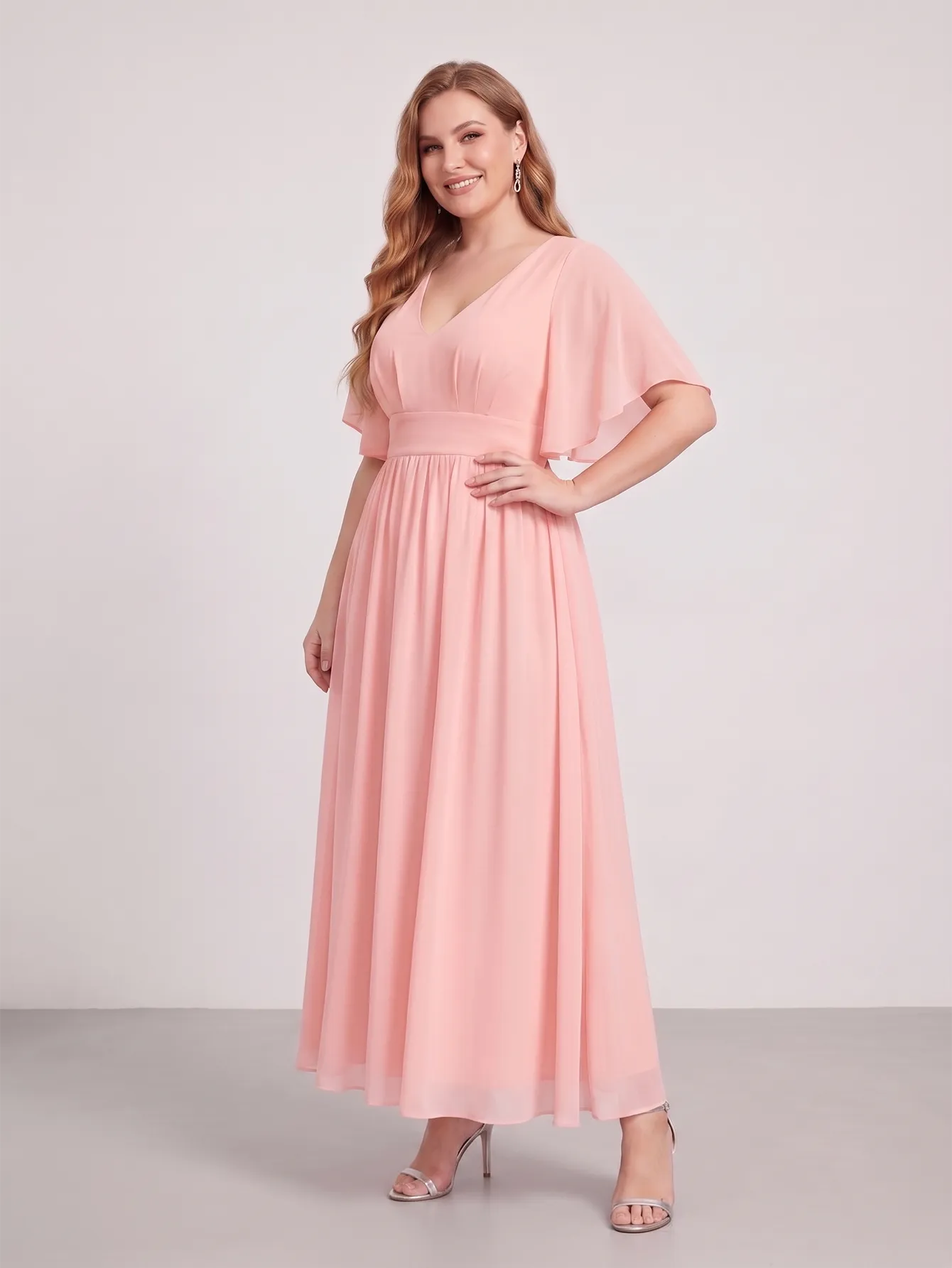
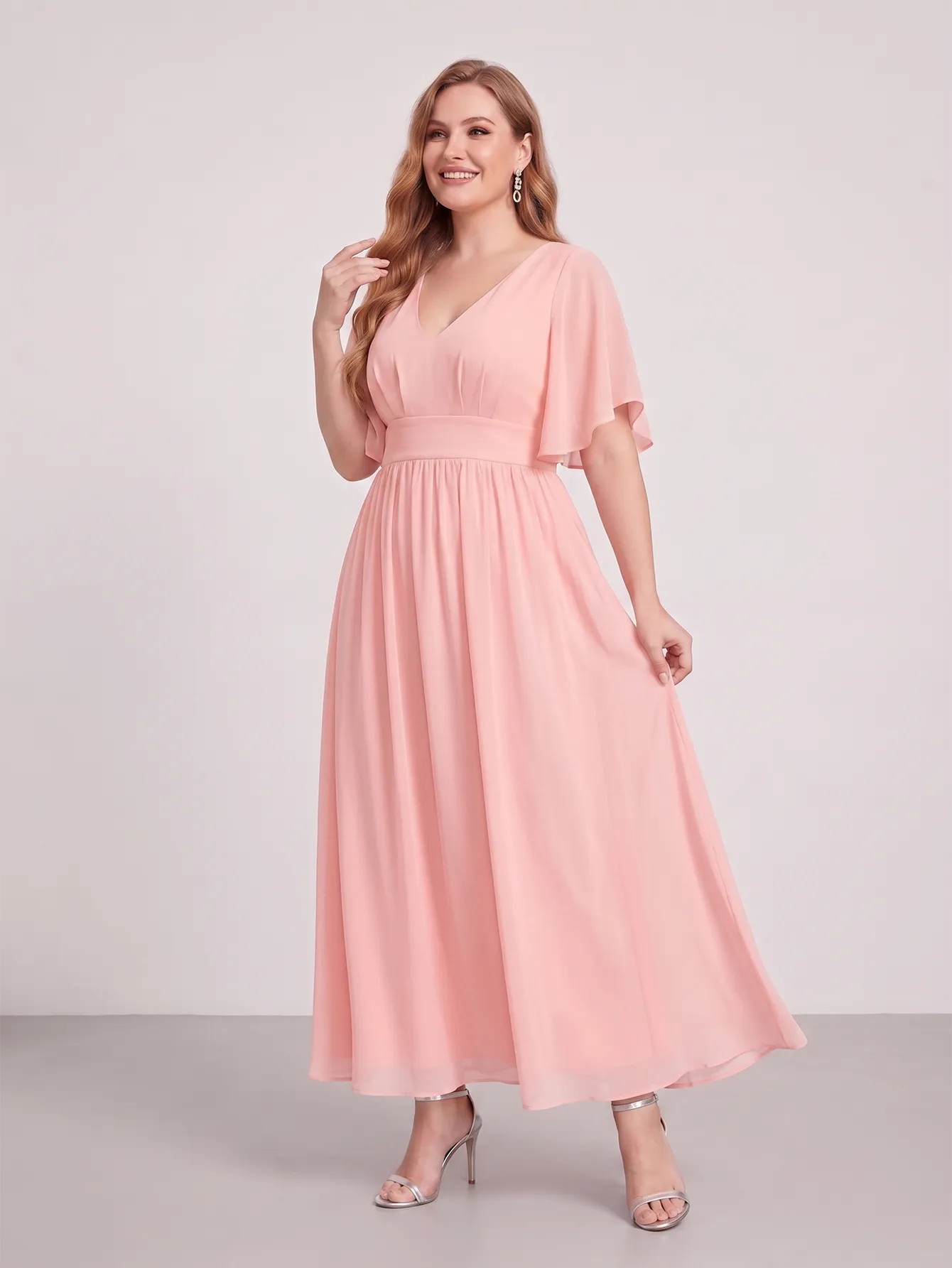

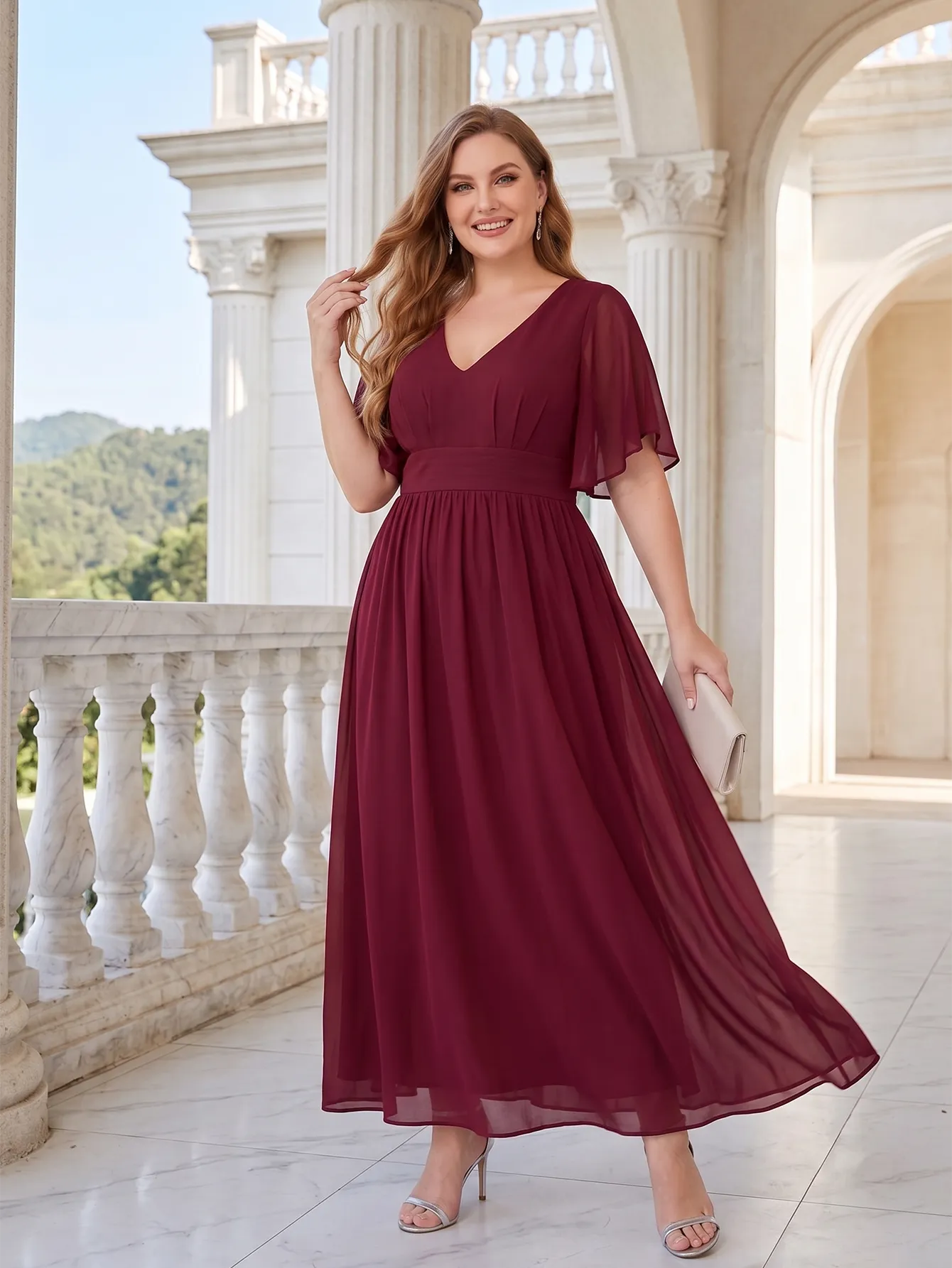
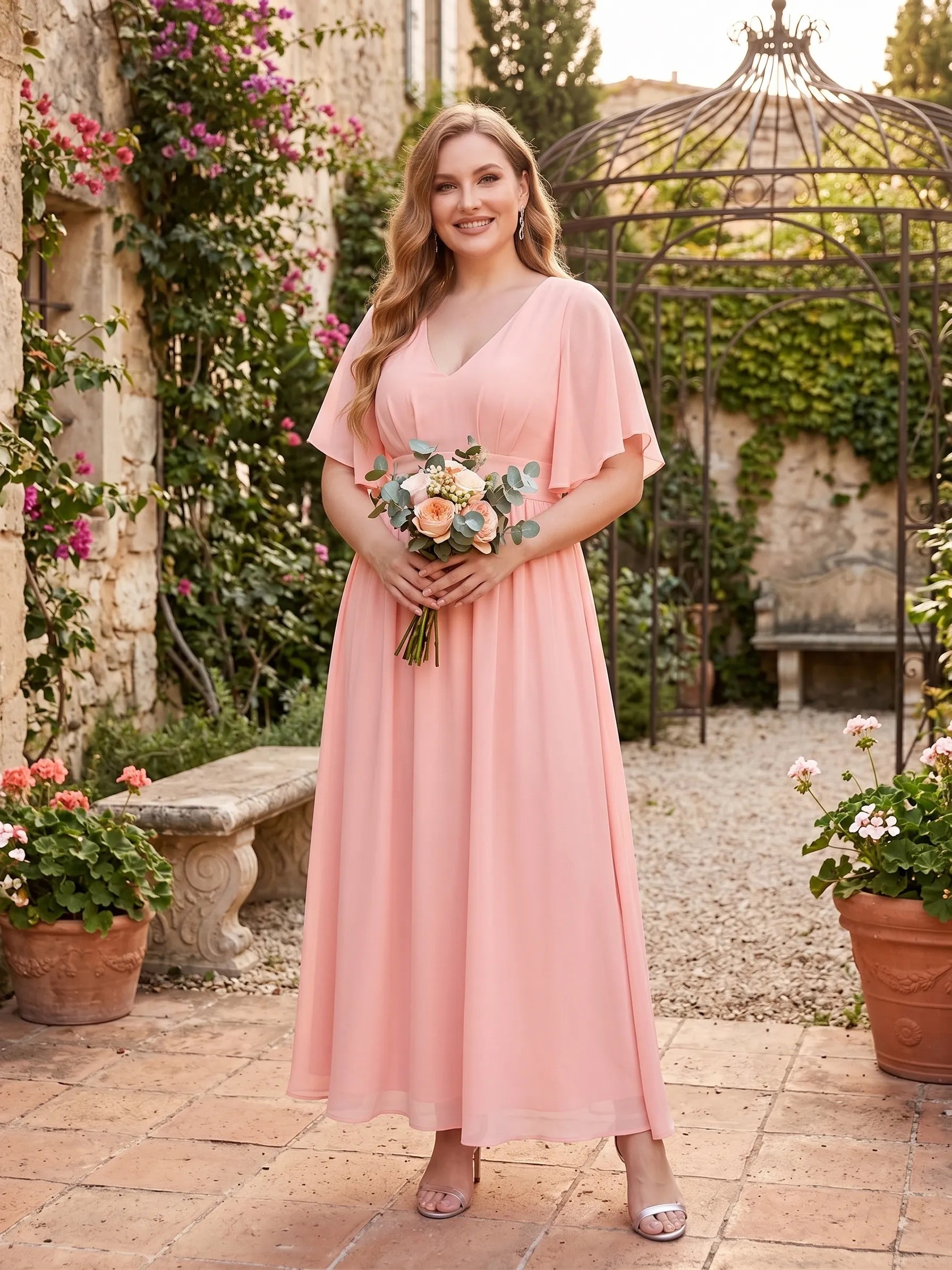

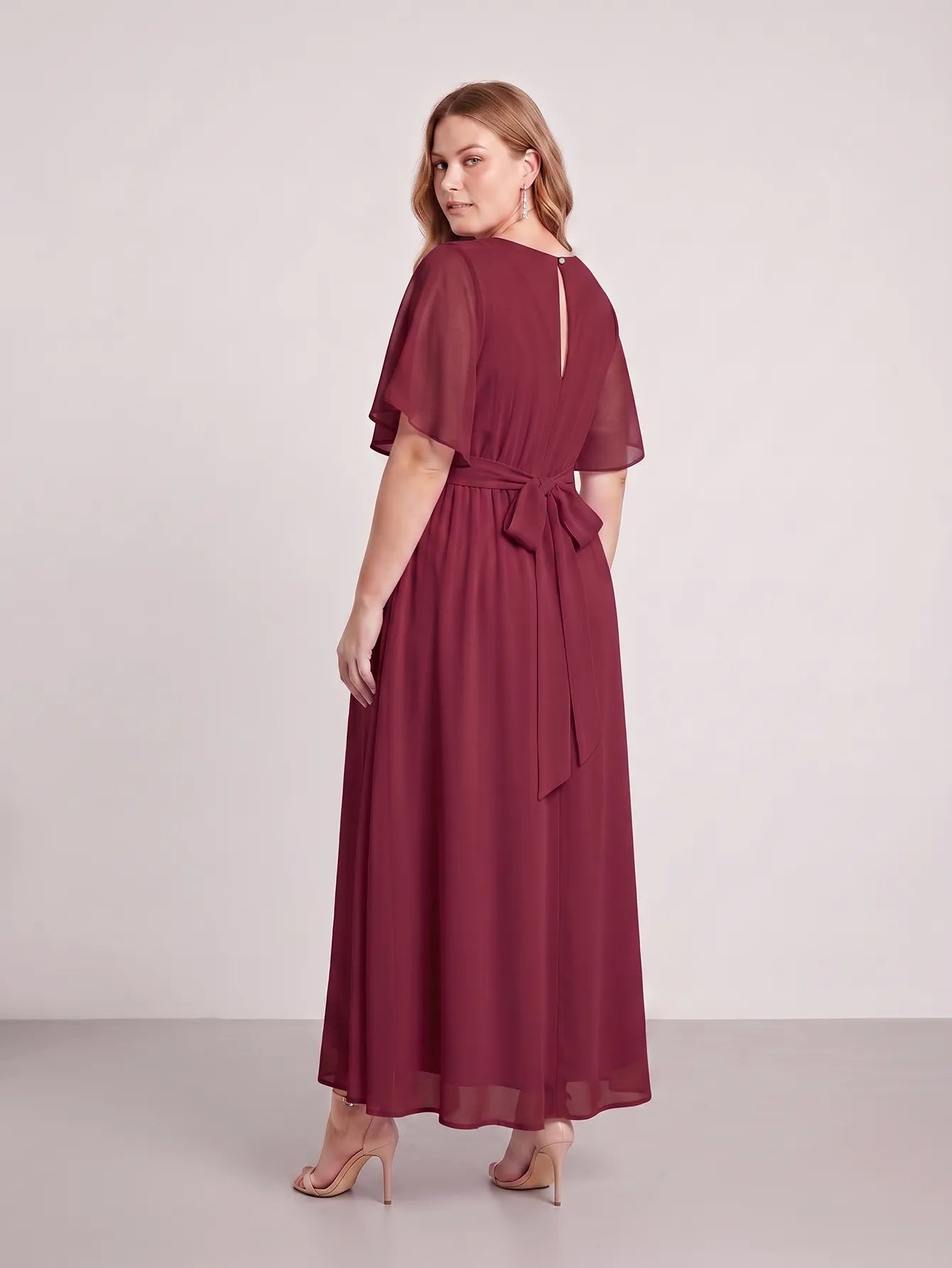
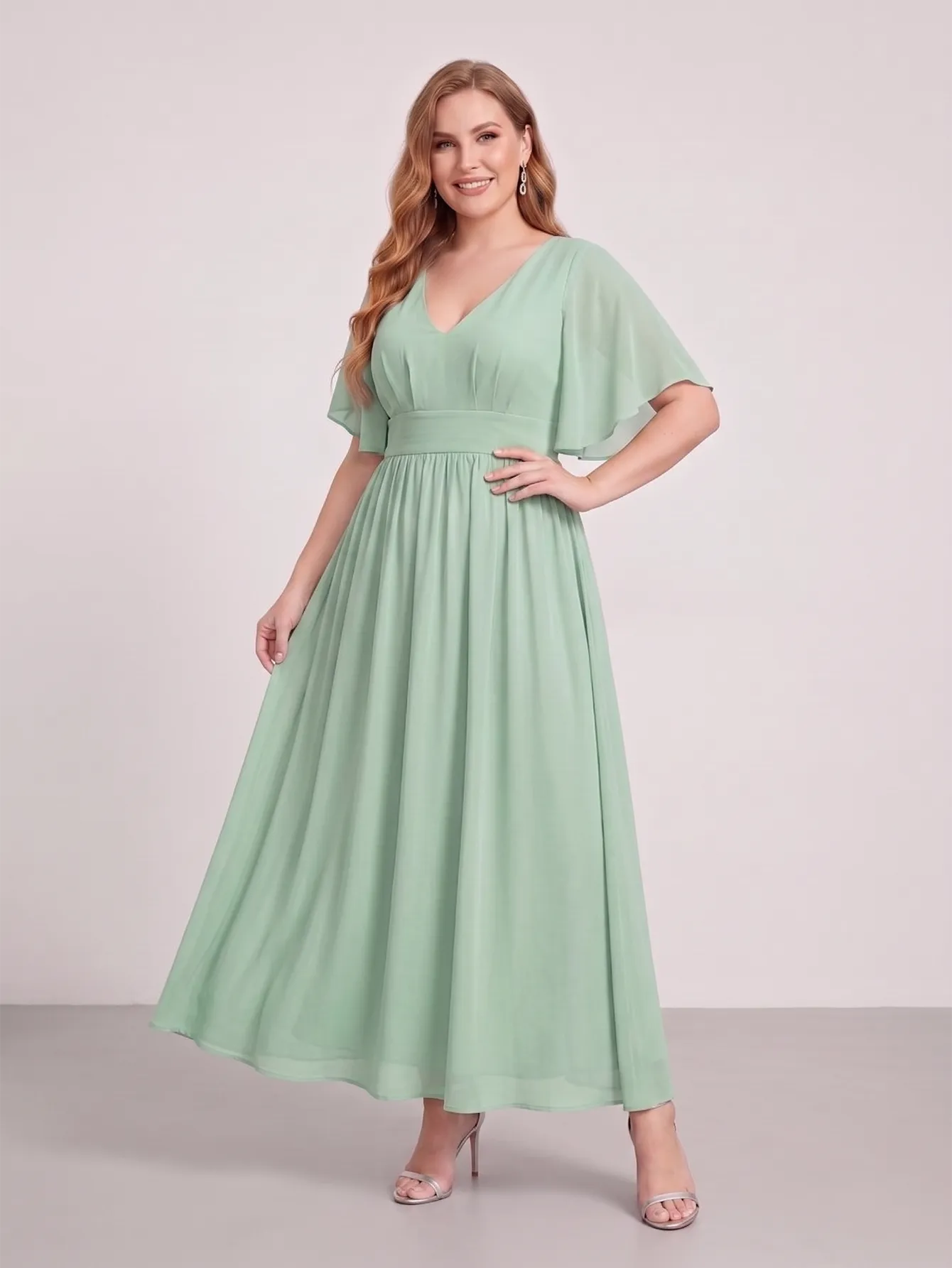
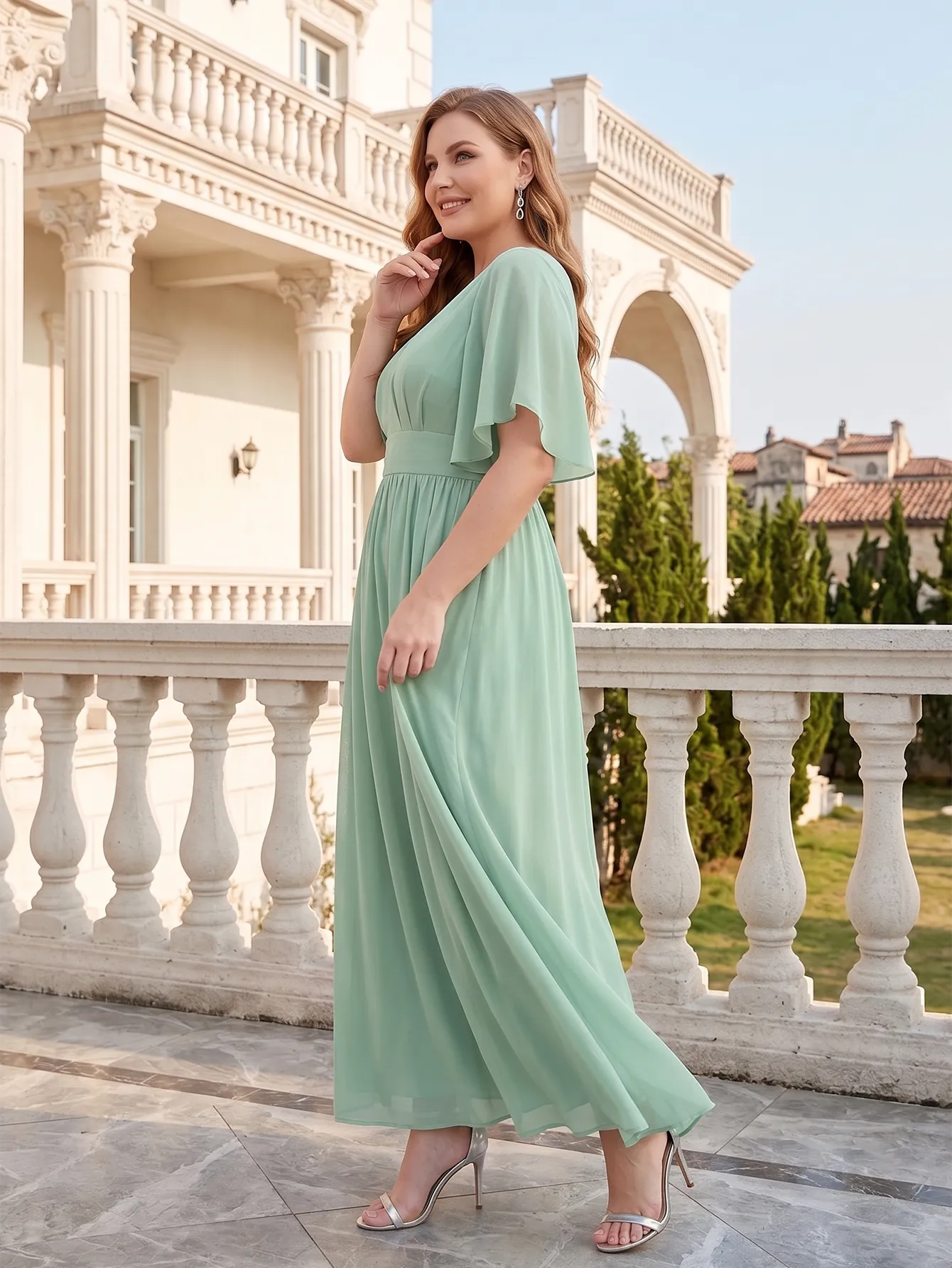
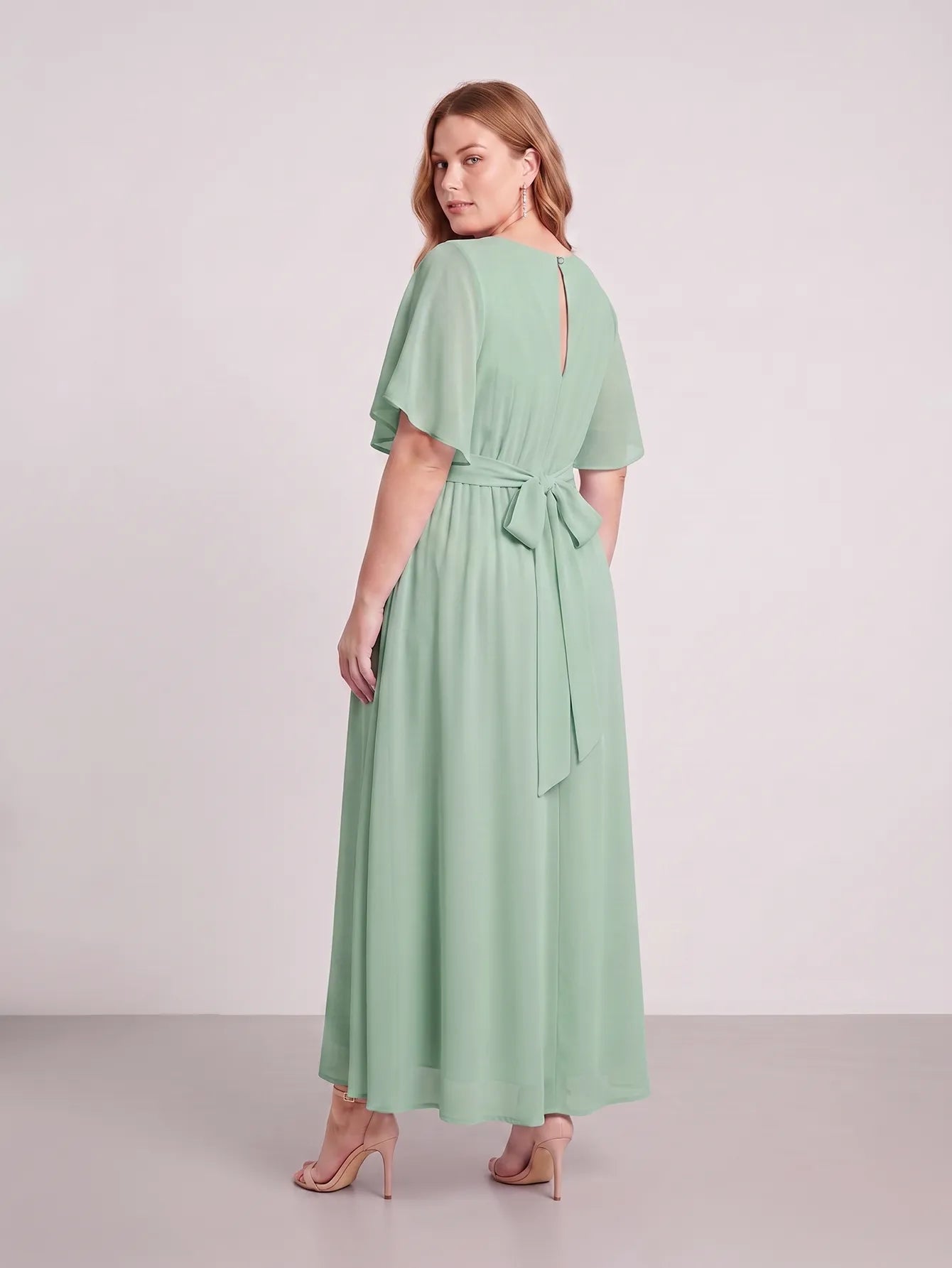
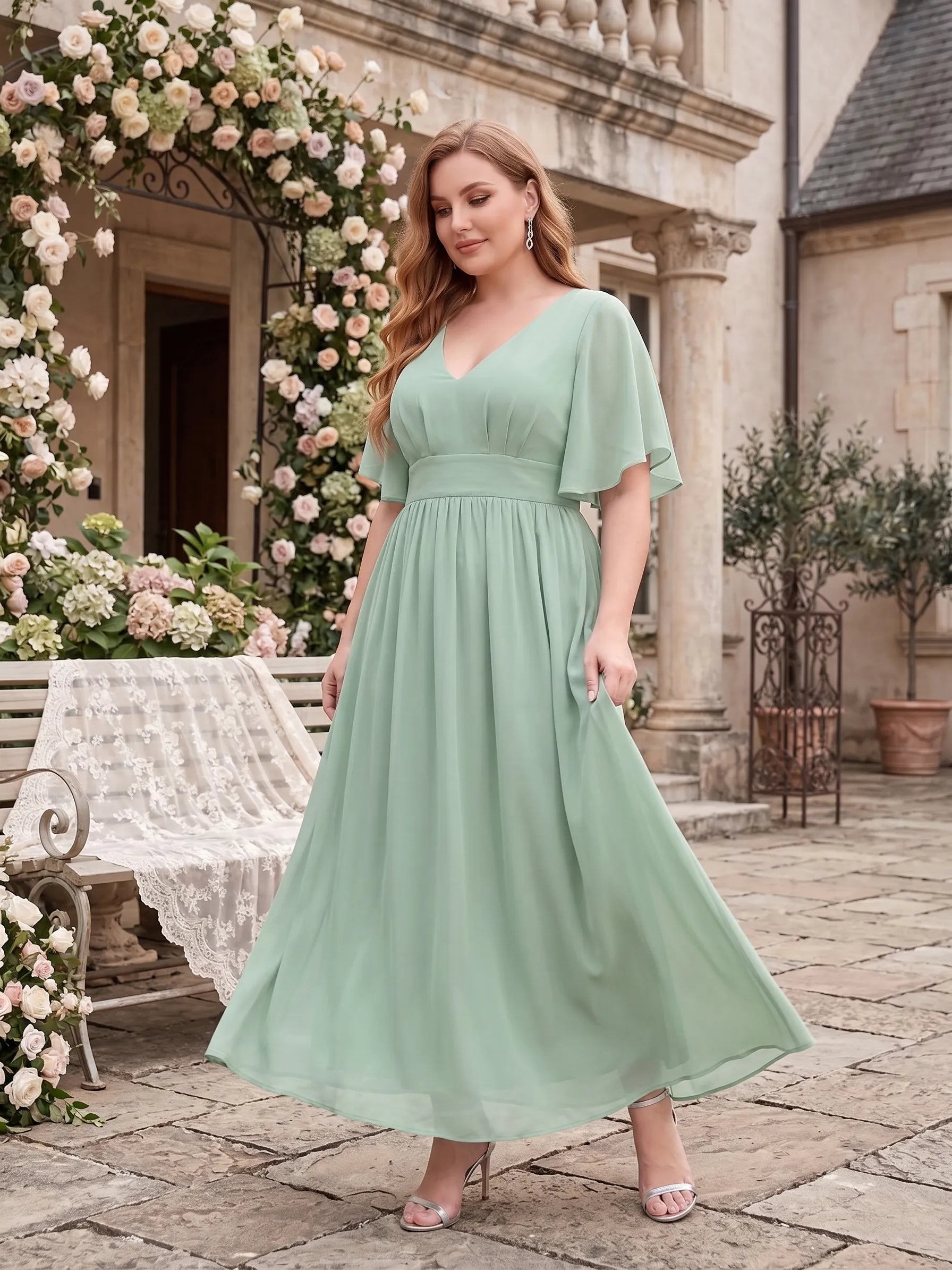


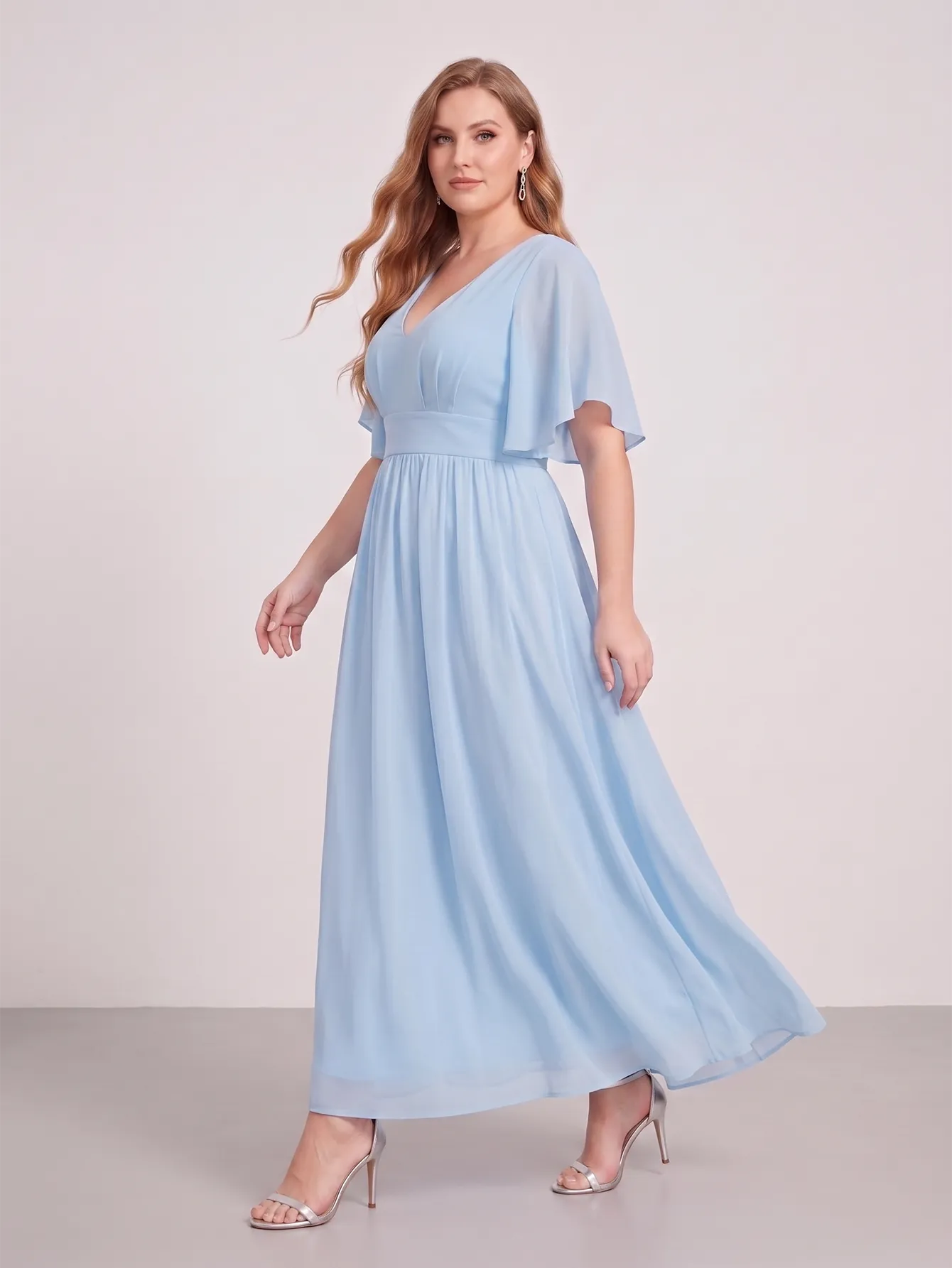
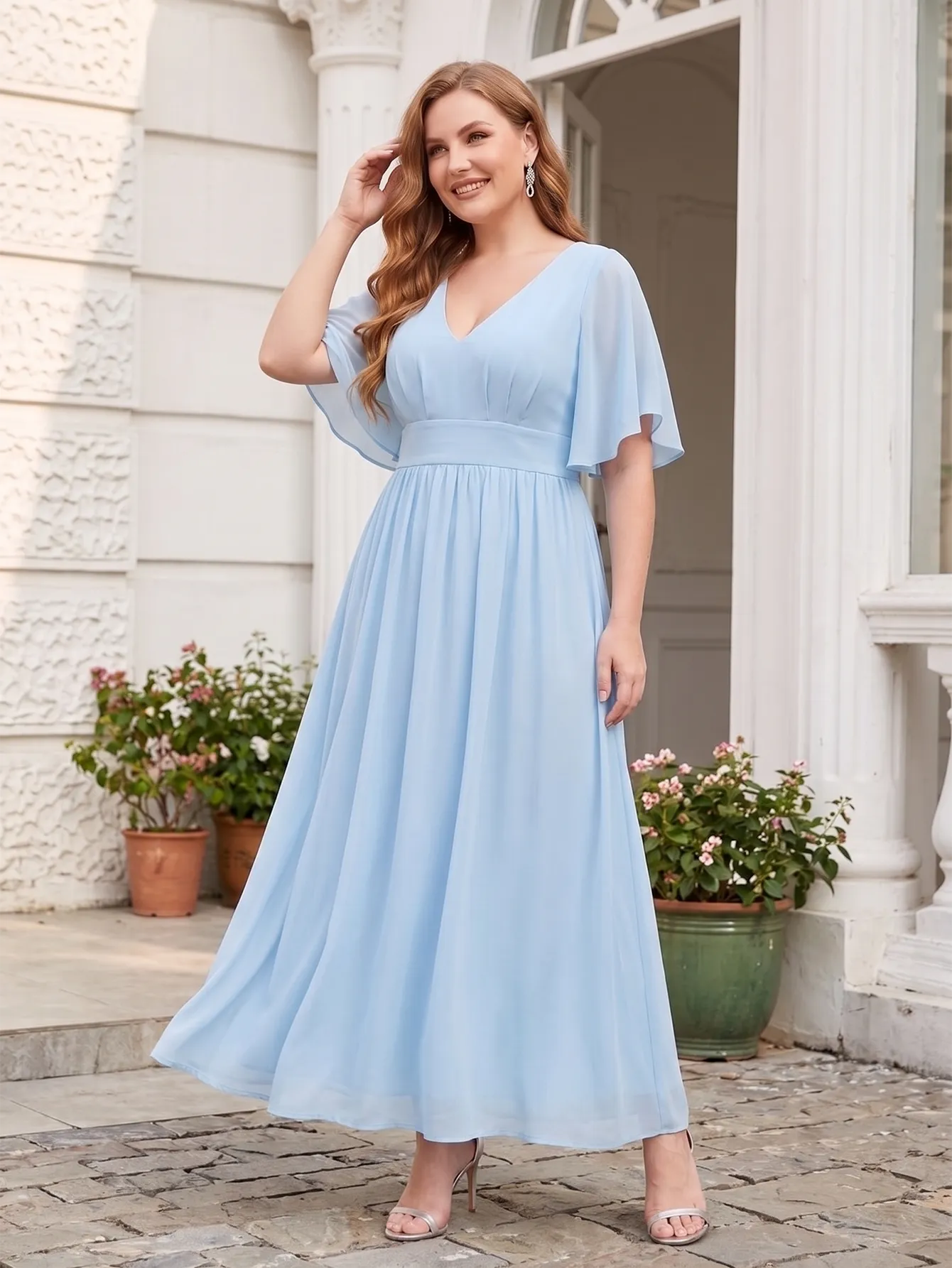
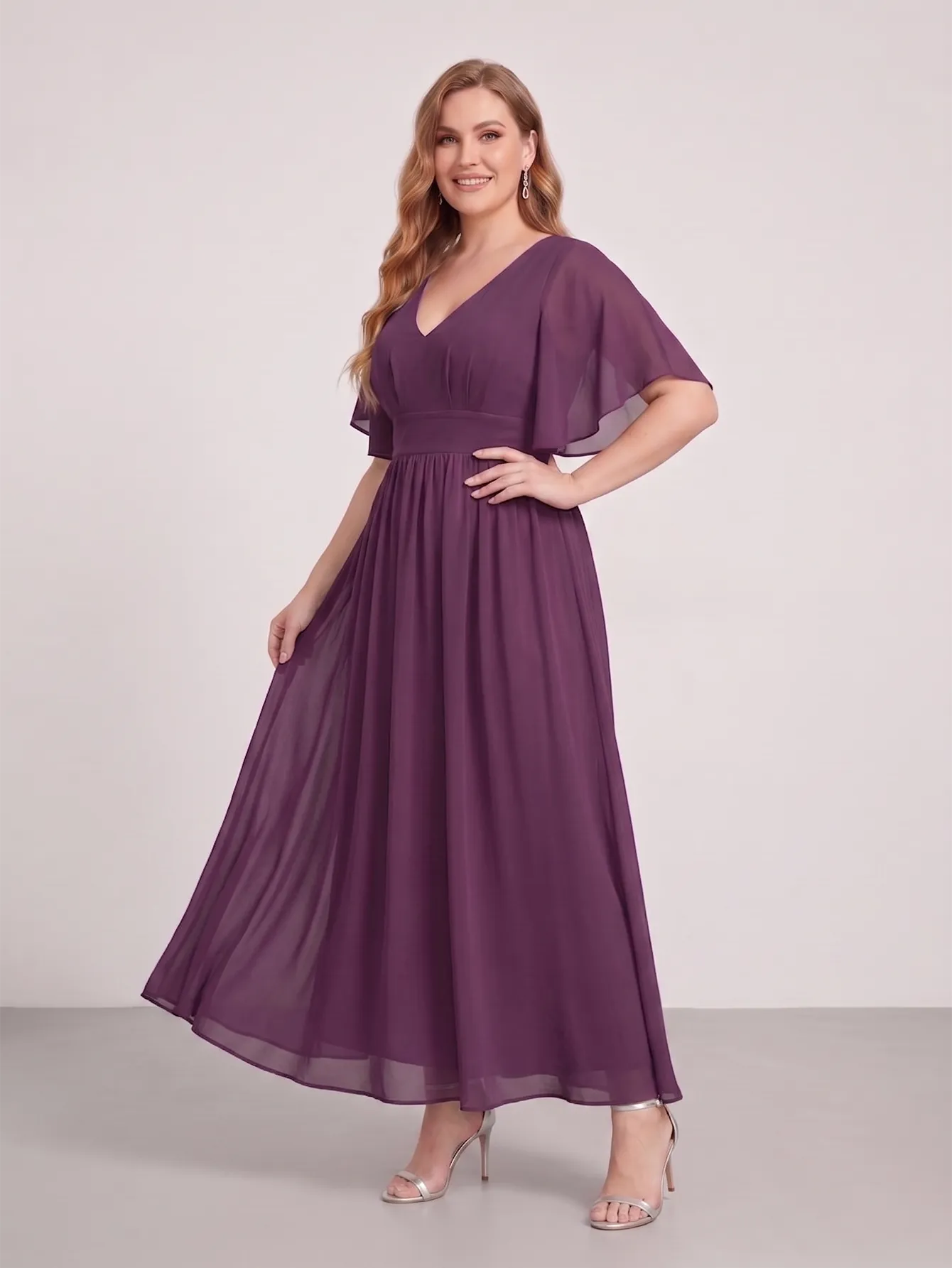
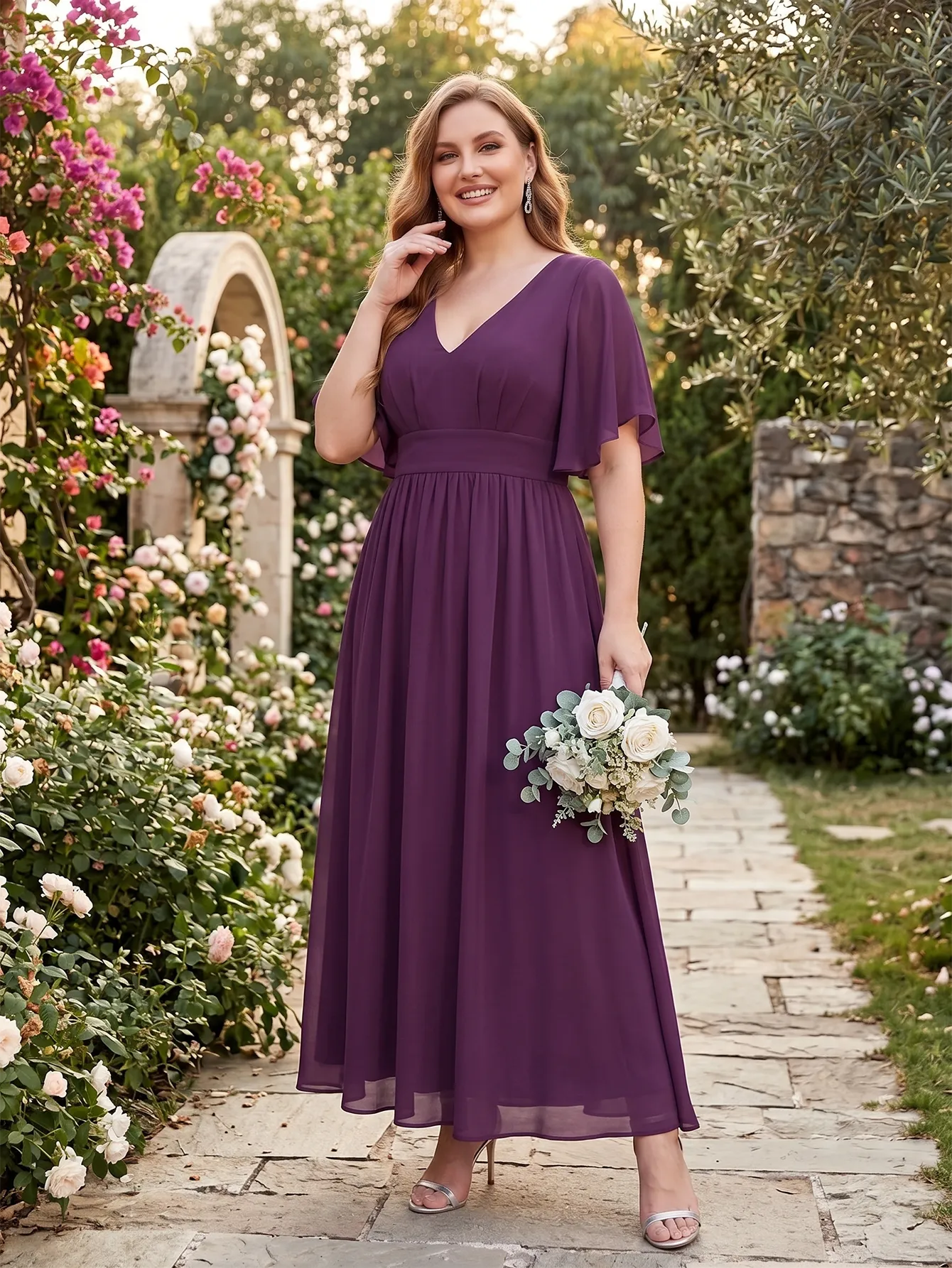
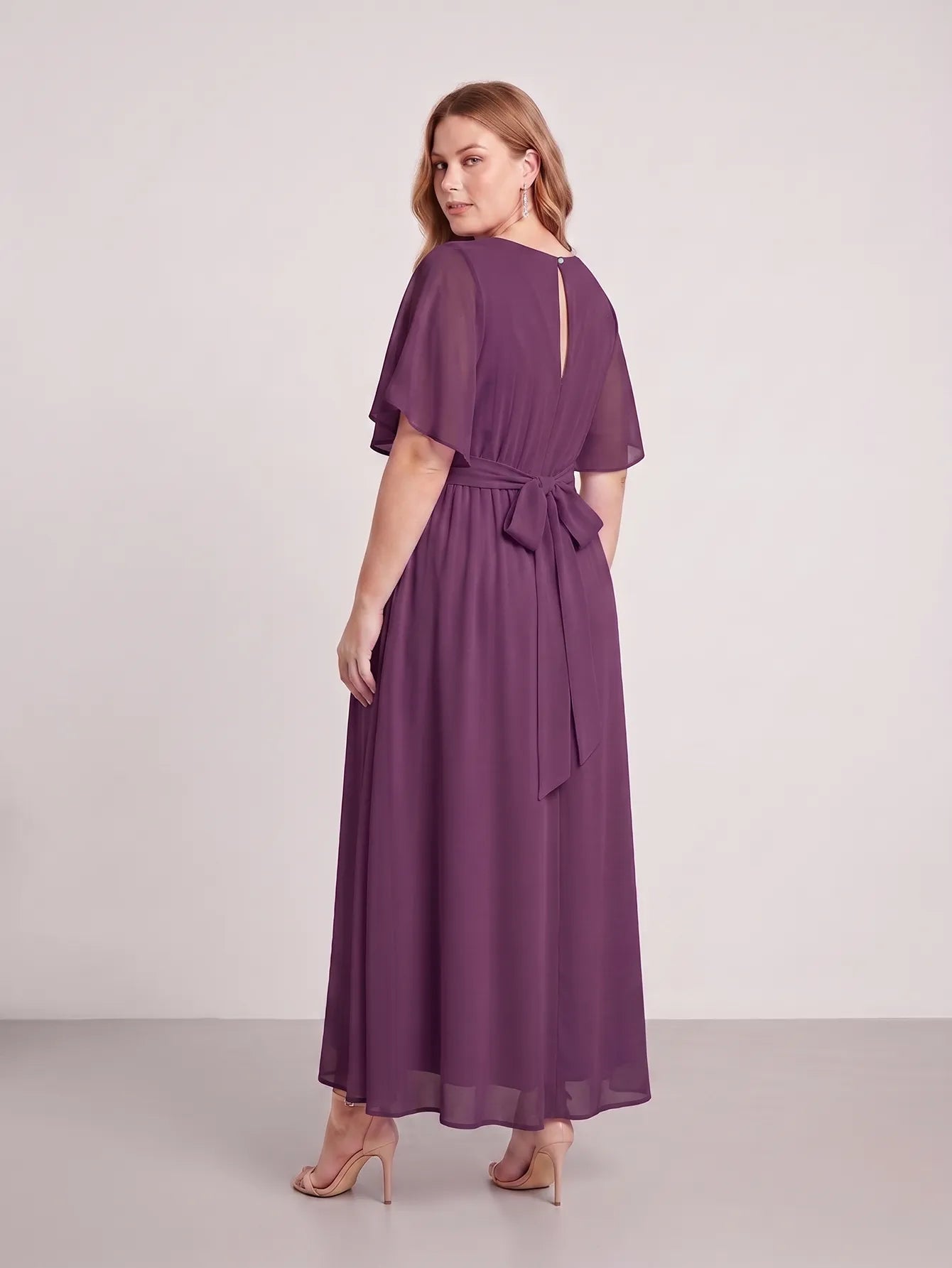
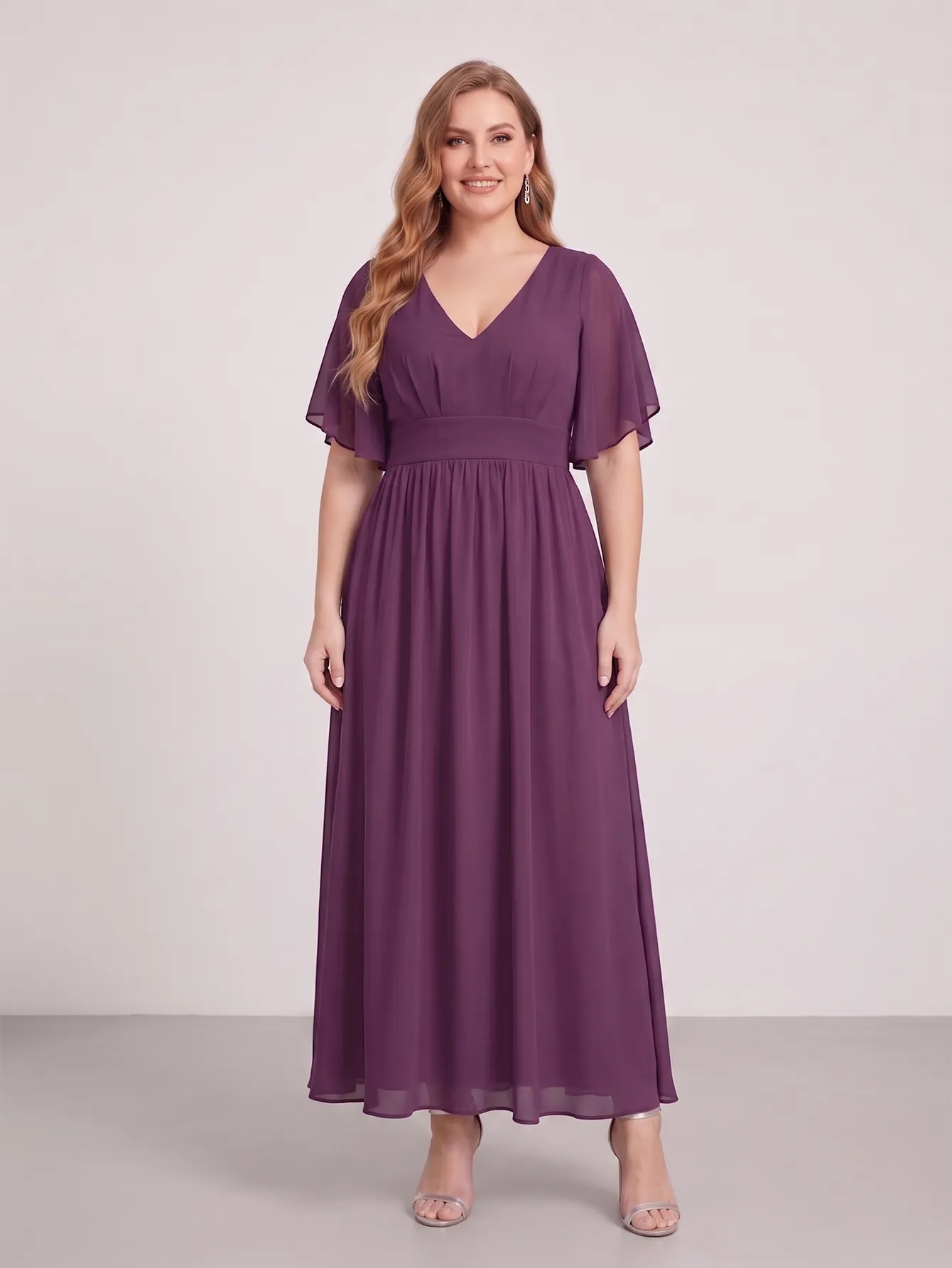
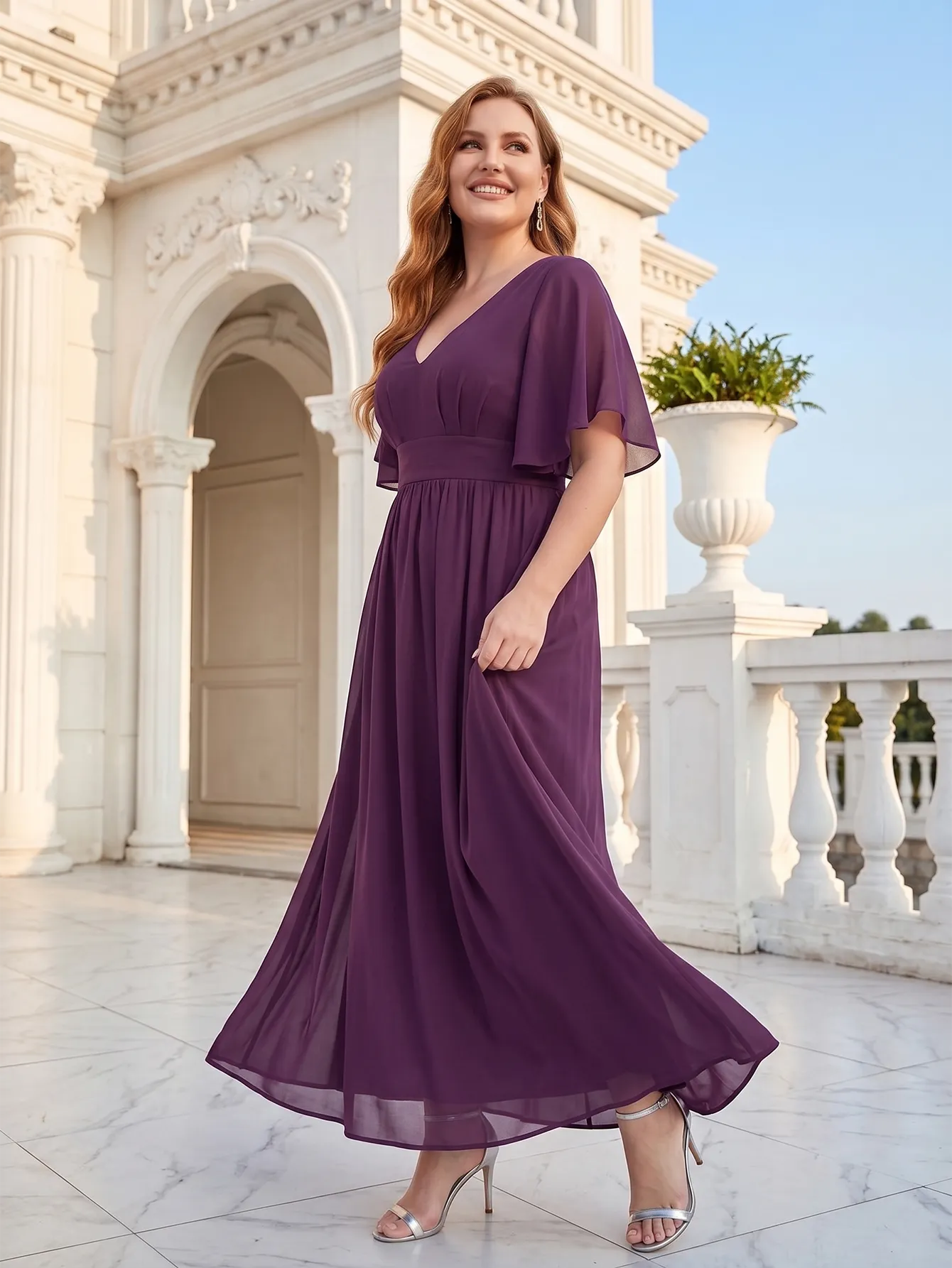
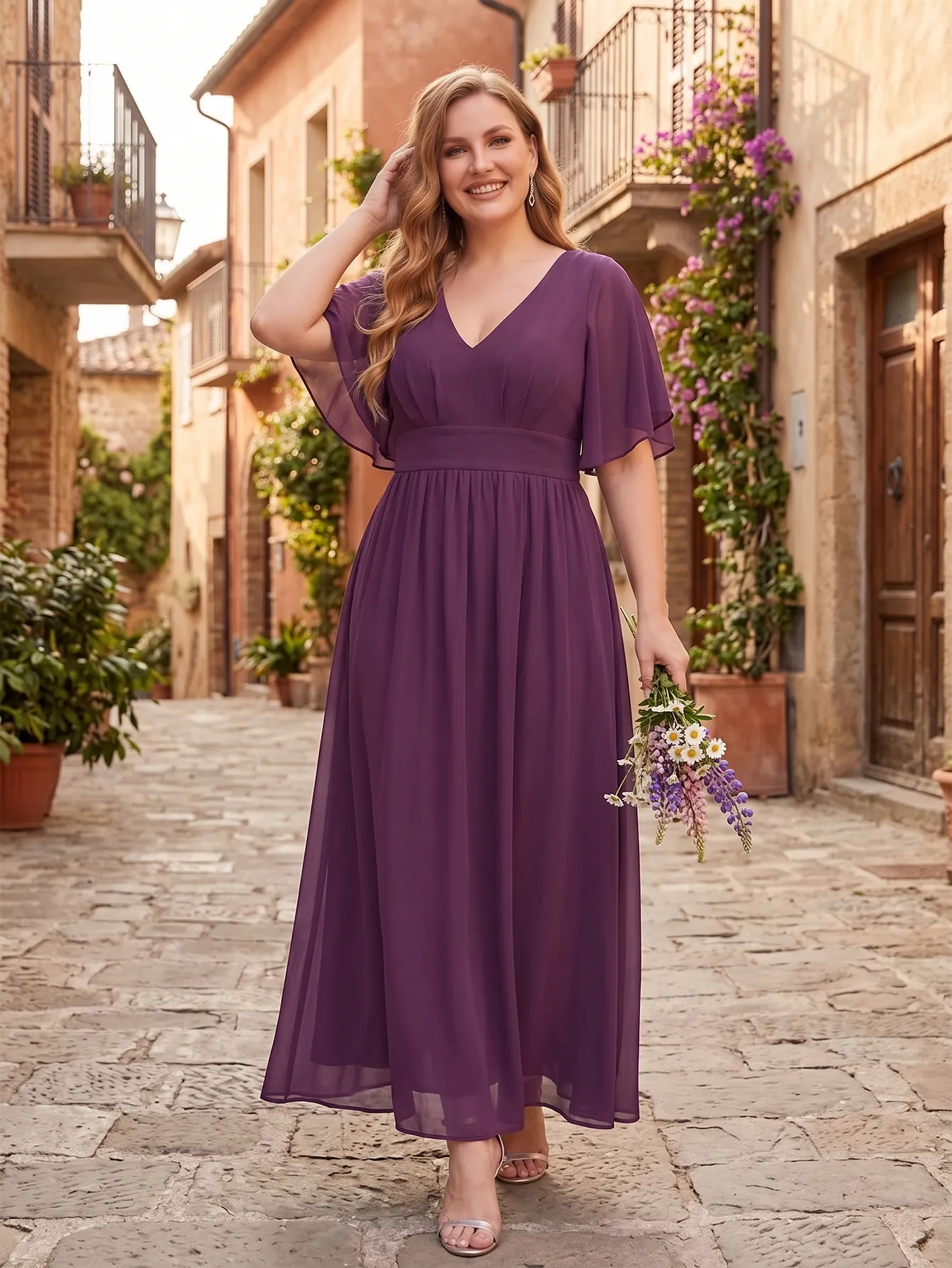












Autumn weddings bring some of the best opportunities for occasion dressing. The colors become richer, longer sleeves feel natural again, and cooler temperatures make it easier to experiment with layers, deeper tones and more substantial evening looks.
They can also make getting dressed slightly more complicated.
A September garden ceremony may still feel like summer in the afternoon but become chilly after sunset. An October city wedding might move between a heated venue and a cold walk outside. A countryside celebration may require shoes that work on grass as well as a dress suitable for dinner and dancing.
For plus-size wedding guests, the answer is not to follow a list of supposedly “flattering” rules. A better approach is to start with the dress code, venue, weather, garment construction and the way you want to move throughout the day.
Here is how to choose a fall wedding guest dress that feels appropriate, comfortable and genuinely enjoyable to wear.
1. Start With the Wedding Dress Code
Before thinking about color or fabric, read the invitation carefully.
The dress code gives you the clearest starting point.
Black Tie
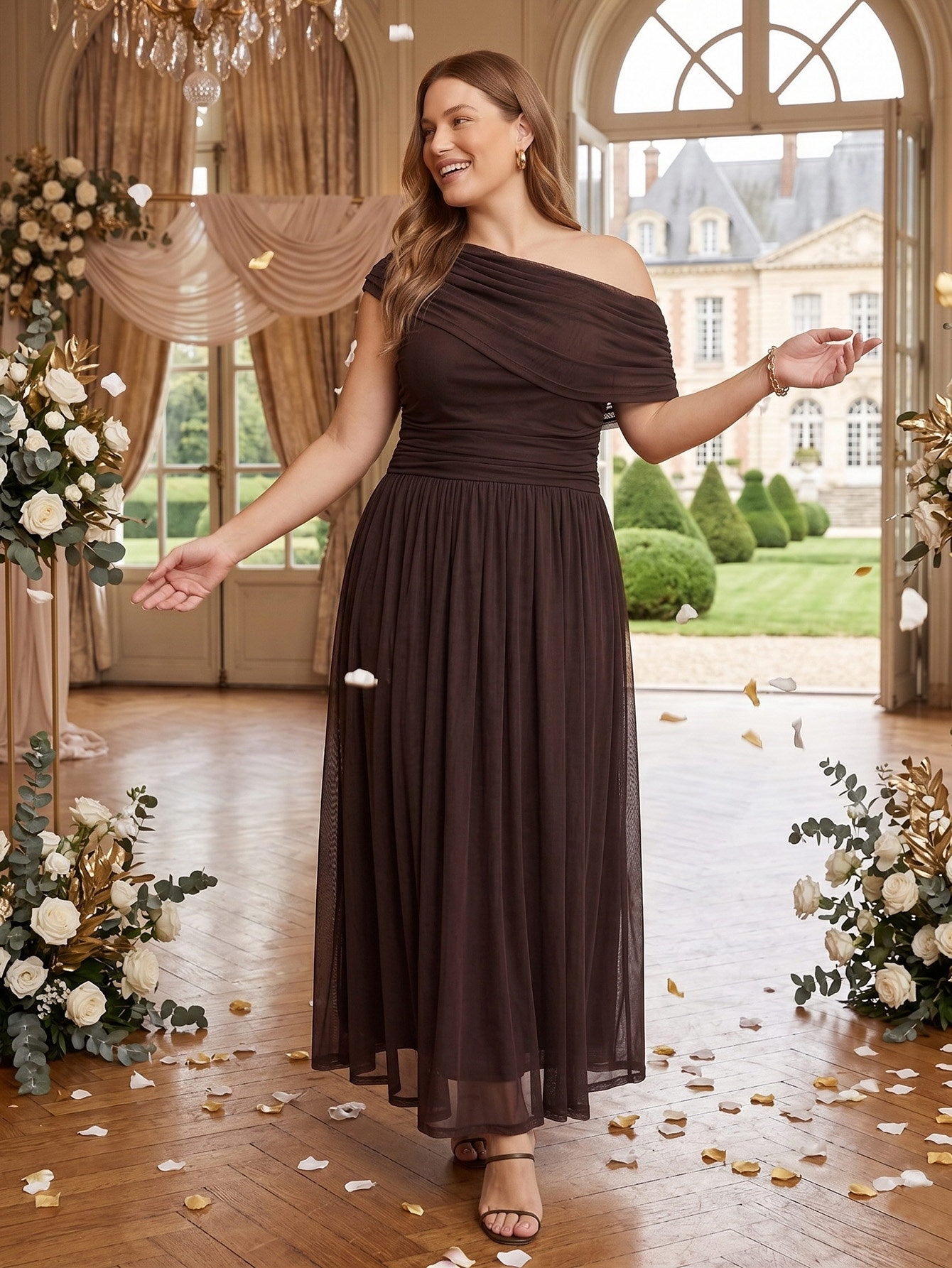
A black-tie wedding usually calls for the most formal end of your wardrobe. A maxi or floor-length evening dress is the easiest option, particularly for an evening celebration.
Fall also makes long sleeves, richer colors and layered fabrics easier to wear than they might be during the hottest part of summer.
Look at:
- Maxi and floor-length dresses
- Elegant chiffon, satin or mesh constructions
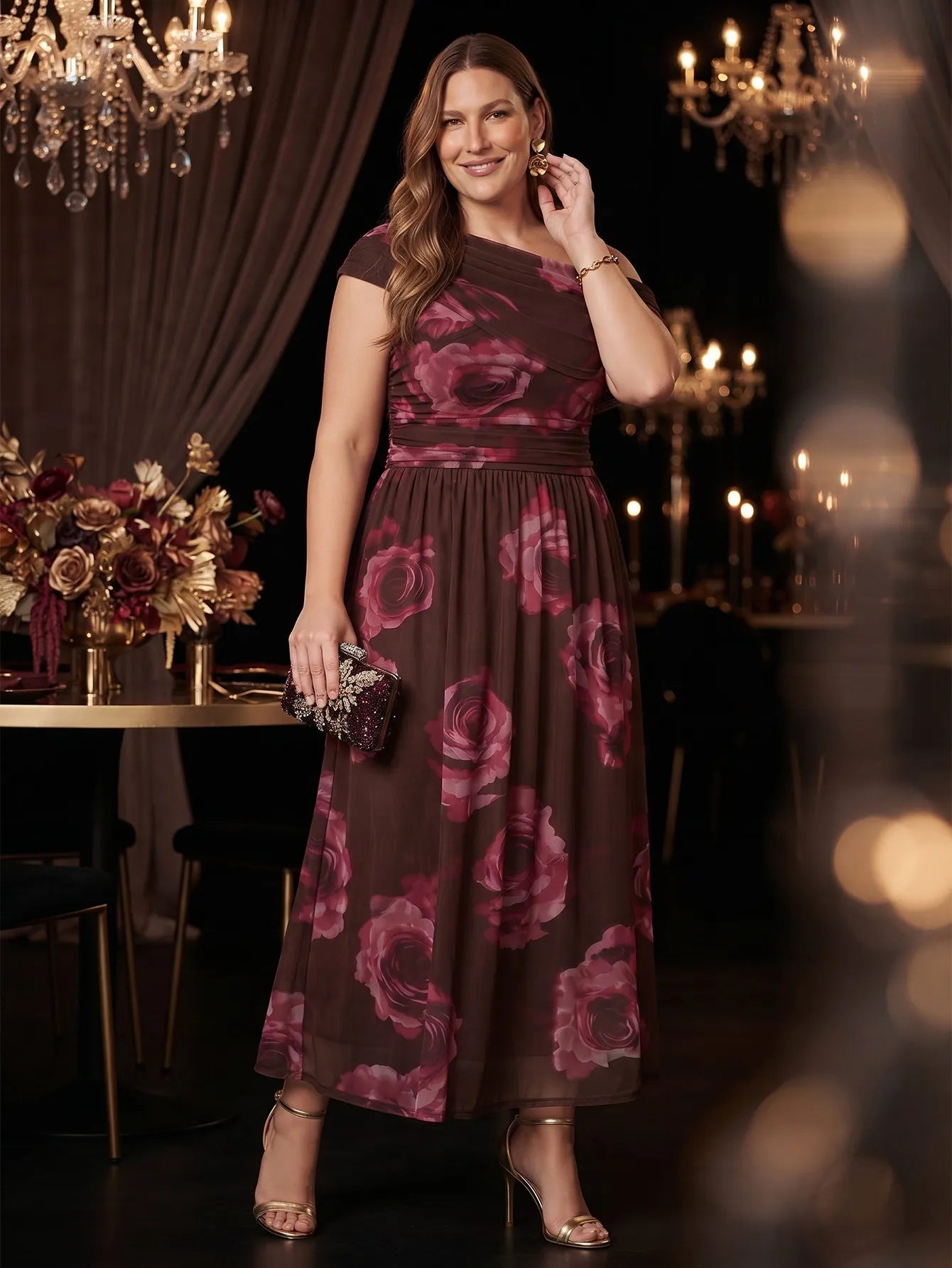
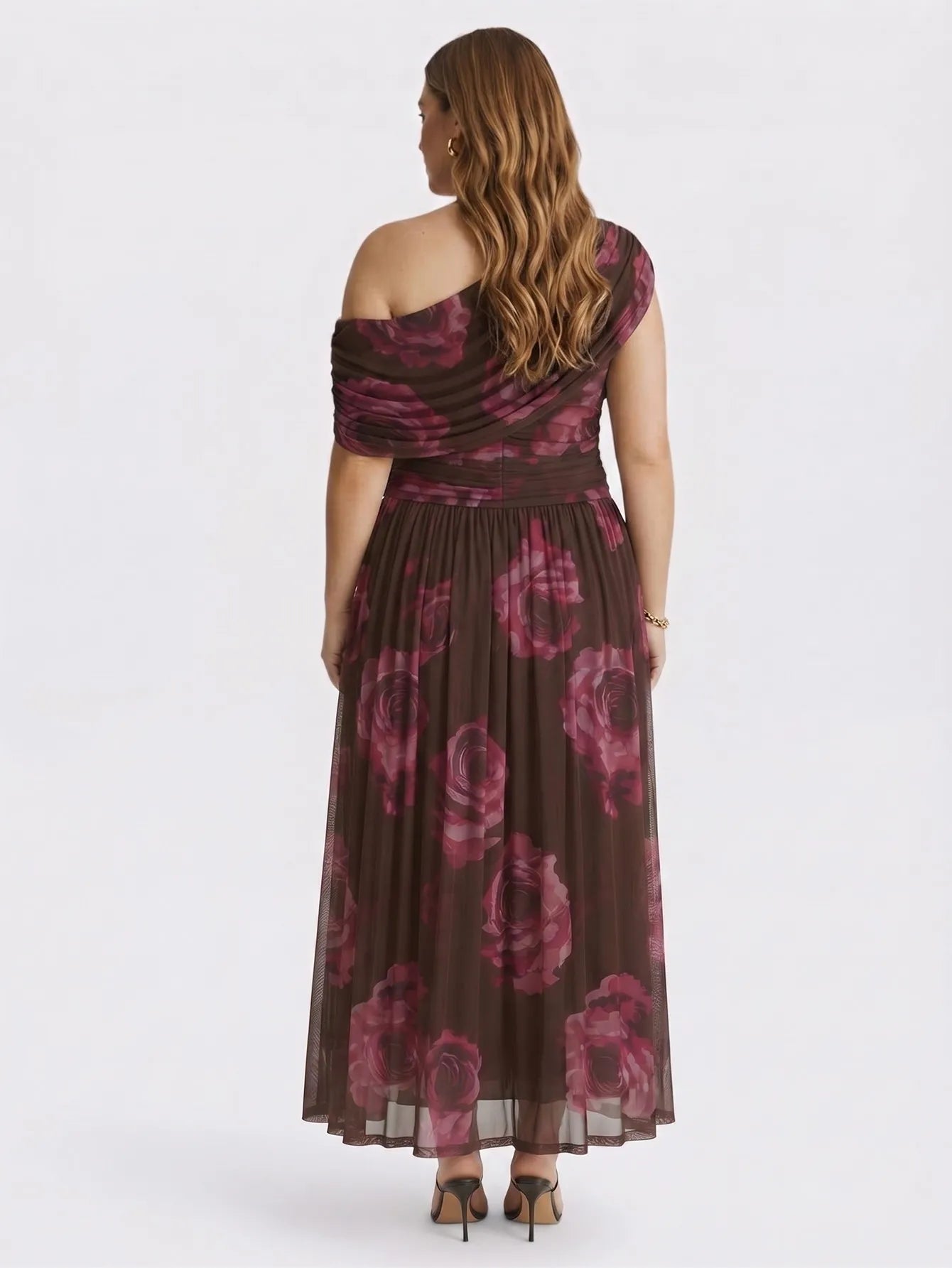
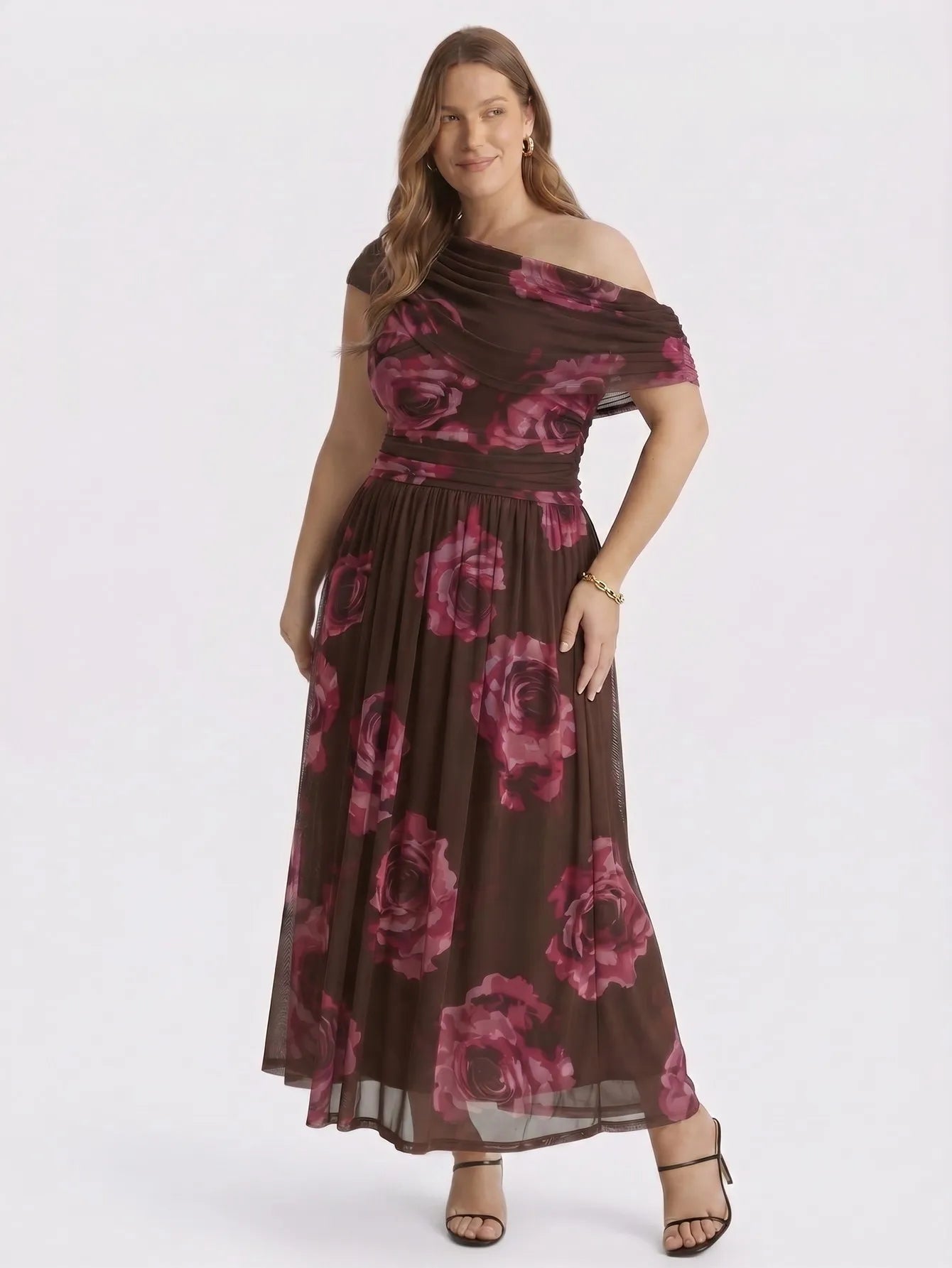
- Burgundy, navy, deep plum, brown or classic black
- Refined necklines and evening details
- Shoes and accessories that support the formality of the dress
If the wedding includes outdoor sections, think about what you will wear over the dress before you buy it.
Formal or Black-Tie Optional
Formal weddings give you slightly more flexibility.
A refined maxi dress works well, but an elegant midi can also be appropriate depending on the venue and time of day.
This is a useful dress code if you want something that feels special without necessarily choosing a full evening gown.
Cocktail
Cocktail weddings usually open the door to midi dresses and more playful silhouettes.
A pleated midi, mesh dress, chiffon dress or satin style can all work. The overall finish matters more than following one specific silhouette.
Think polished rather than overly casual.
Semi-Formal or Daytime
For a daytime ceremony, you can usually choose lighter construction and simpler accessories.
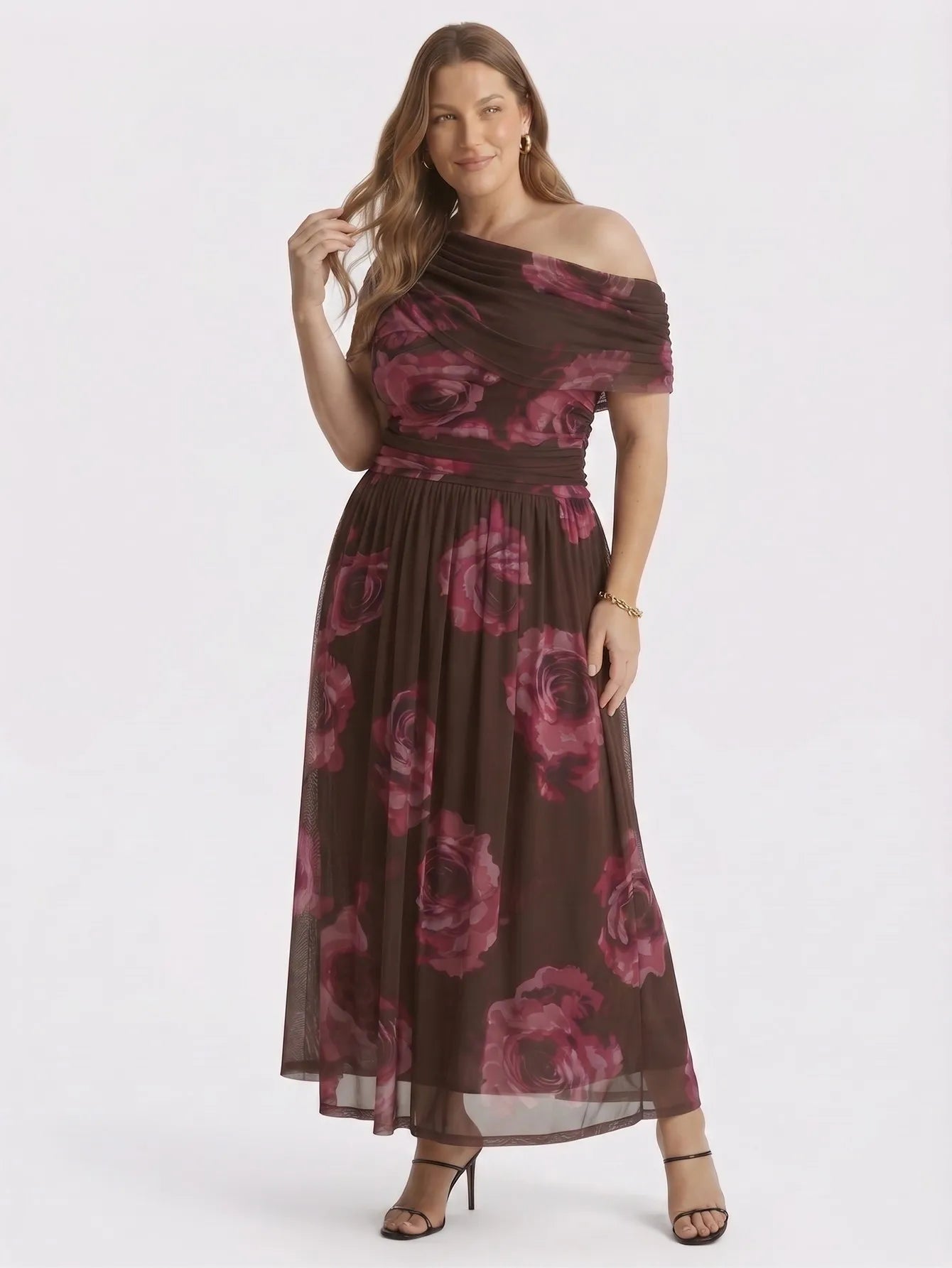
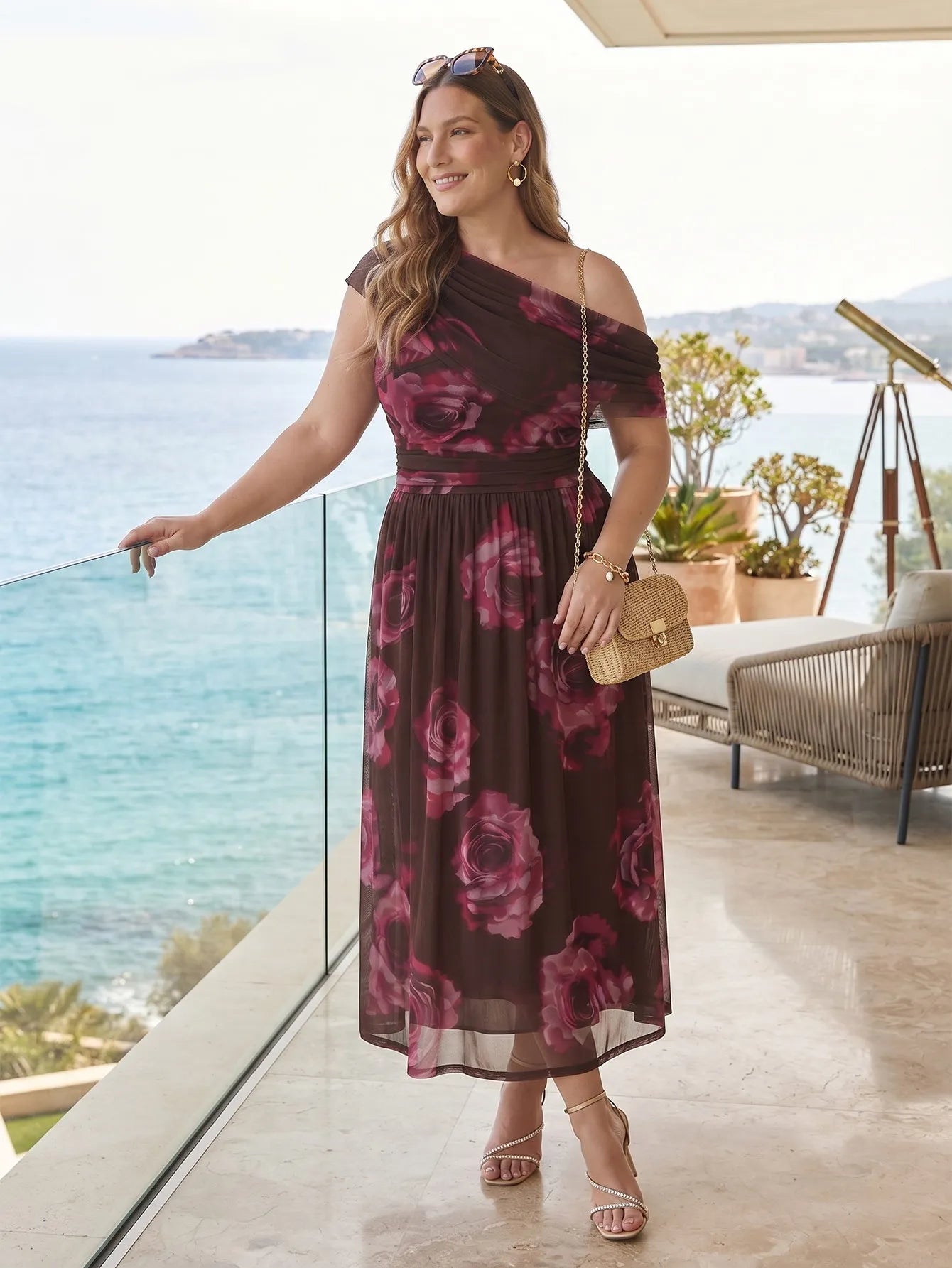
A midi dress, soft A-line shape or darker floral print can bridge the gap between relaxed daytime dressing and a wedding-appropriate outfit.
The invitation should always take priority over general fashion rules.
2. Dress for the Venue, Not Just the Season
“Fall wedding” can describe very different situations.
A hotel ballroom, vineyard, castle, restaurant and country garden each create different practical needs.
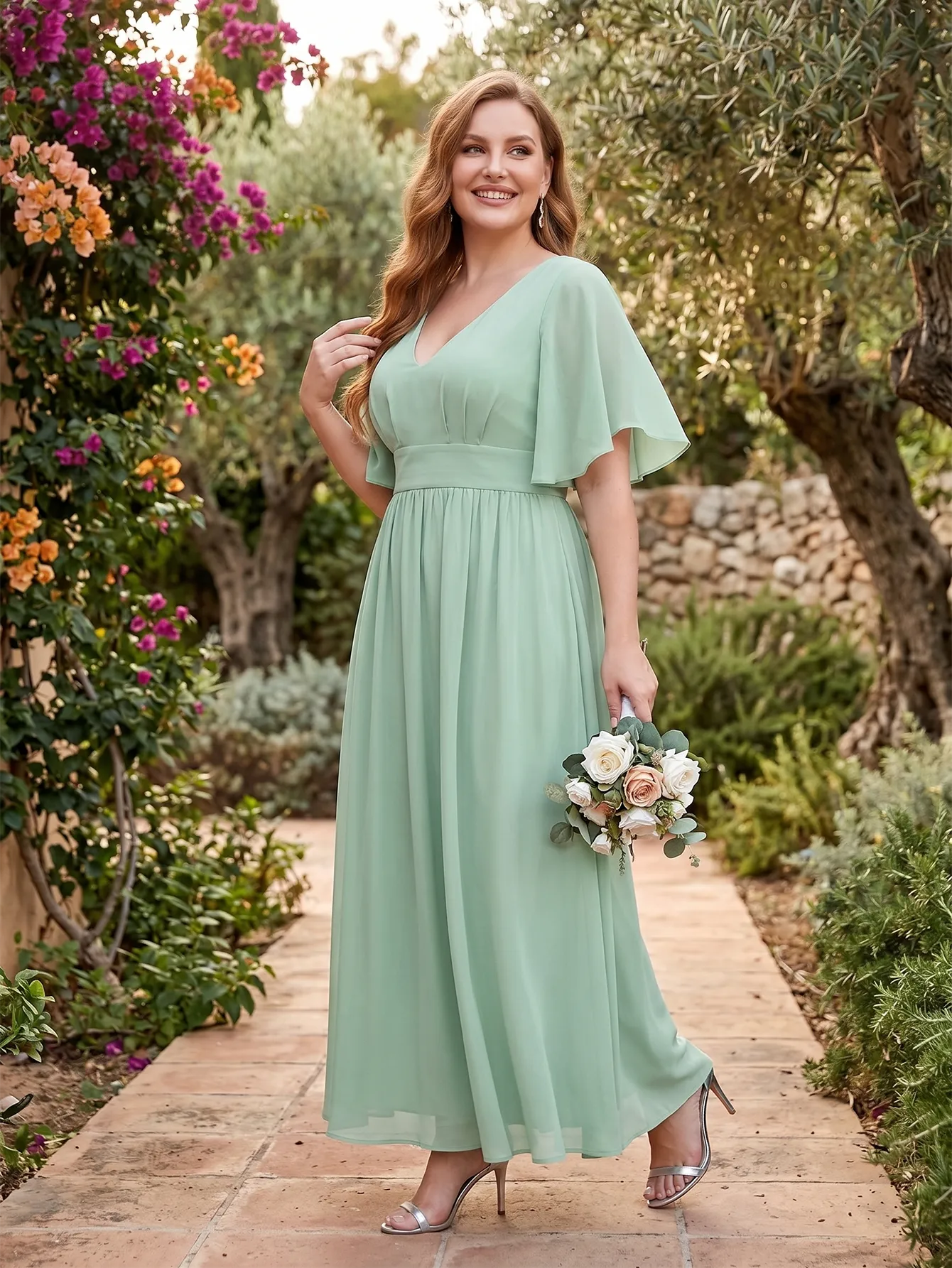
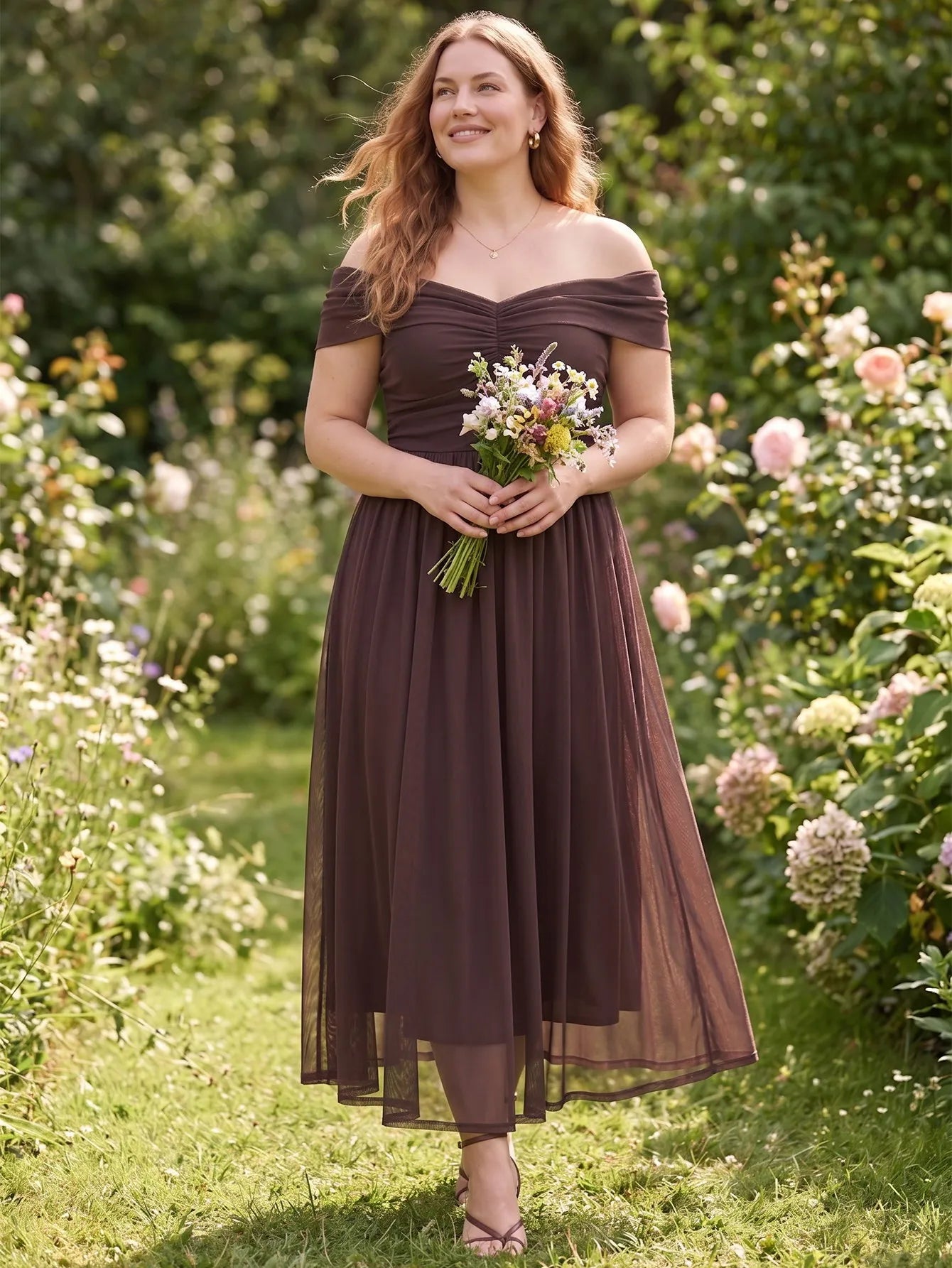
Outdoor or Countryside Weddings
For grass, gravel or uneven surfaces, consider:
- A hem that does not drag on the ground
- Shoes with a stable heel or wider base
- A removable layer for later in the day
- Sleeves or light coverage if temperatures are expected to drop
A maxi dress can still work beautifully outdoors, but make sure you can walk comfortably without holding the skirt all evening.
City Weddings
City venues often allow more structured or polished evening looks.
Satin, mesh, darker colors and cleaner silhouettes can feel especially natural for an evening reception.
You can also wear more delicate shoes if most of the celebration takes place indoors—but remember to account for the journey between venues.
Destination Weddings
Do not assume that an autumn date means cool weather.
Southern Europe in September can feel completely different from northern Europe in late October.
Check the destination forecast shortly before packing and consider how the dress feels both indoors and outside.
3. Choose Fall Colors Without Limiting Yourself
Autumn naturally works with richer colors, but you do not have to dress like an autumn leaf simply because the wedding takes place in October.
Some particularly useful options include:
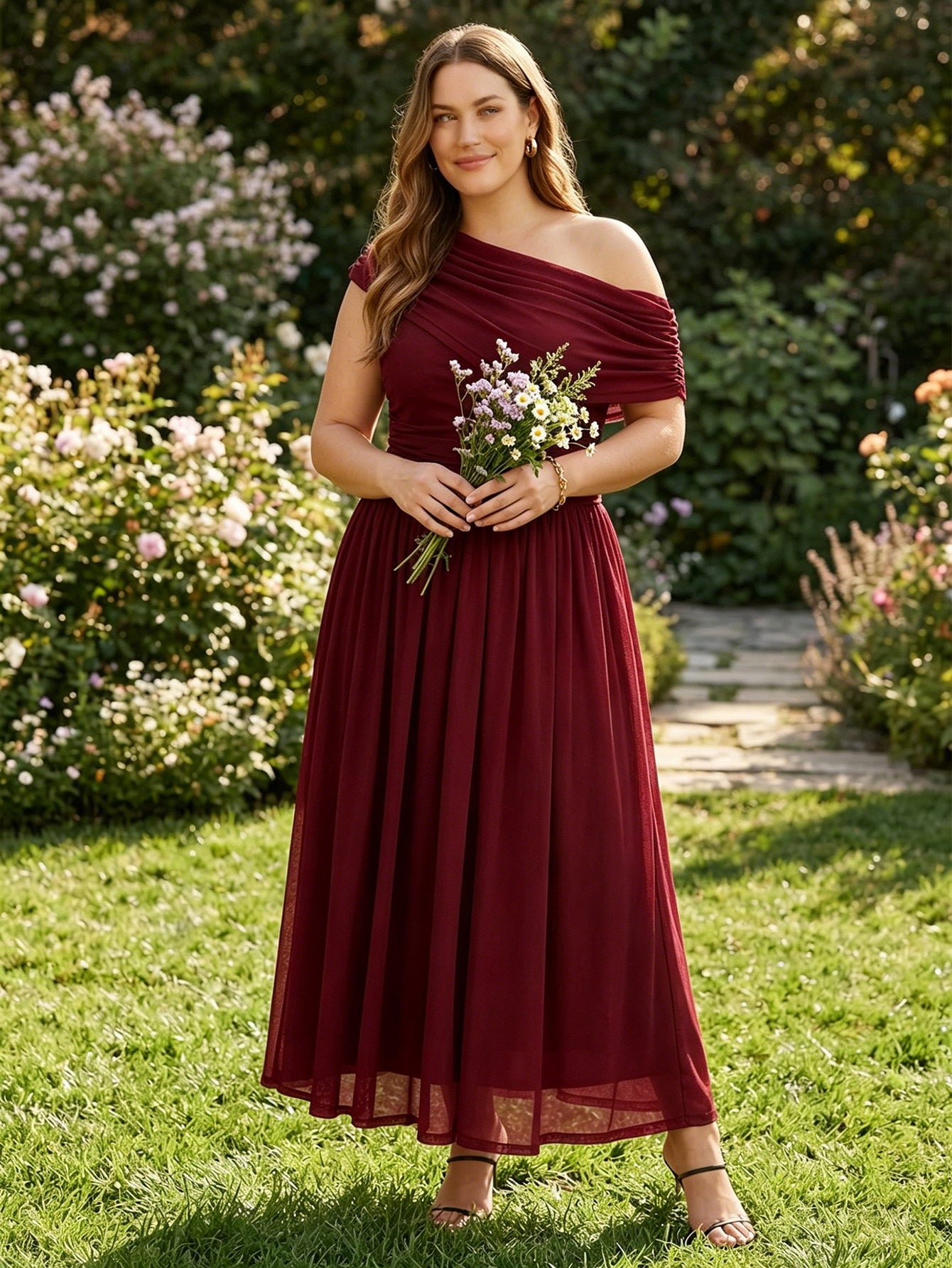
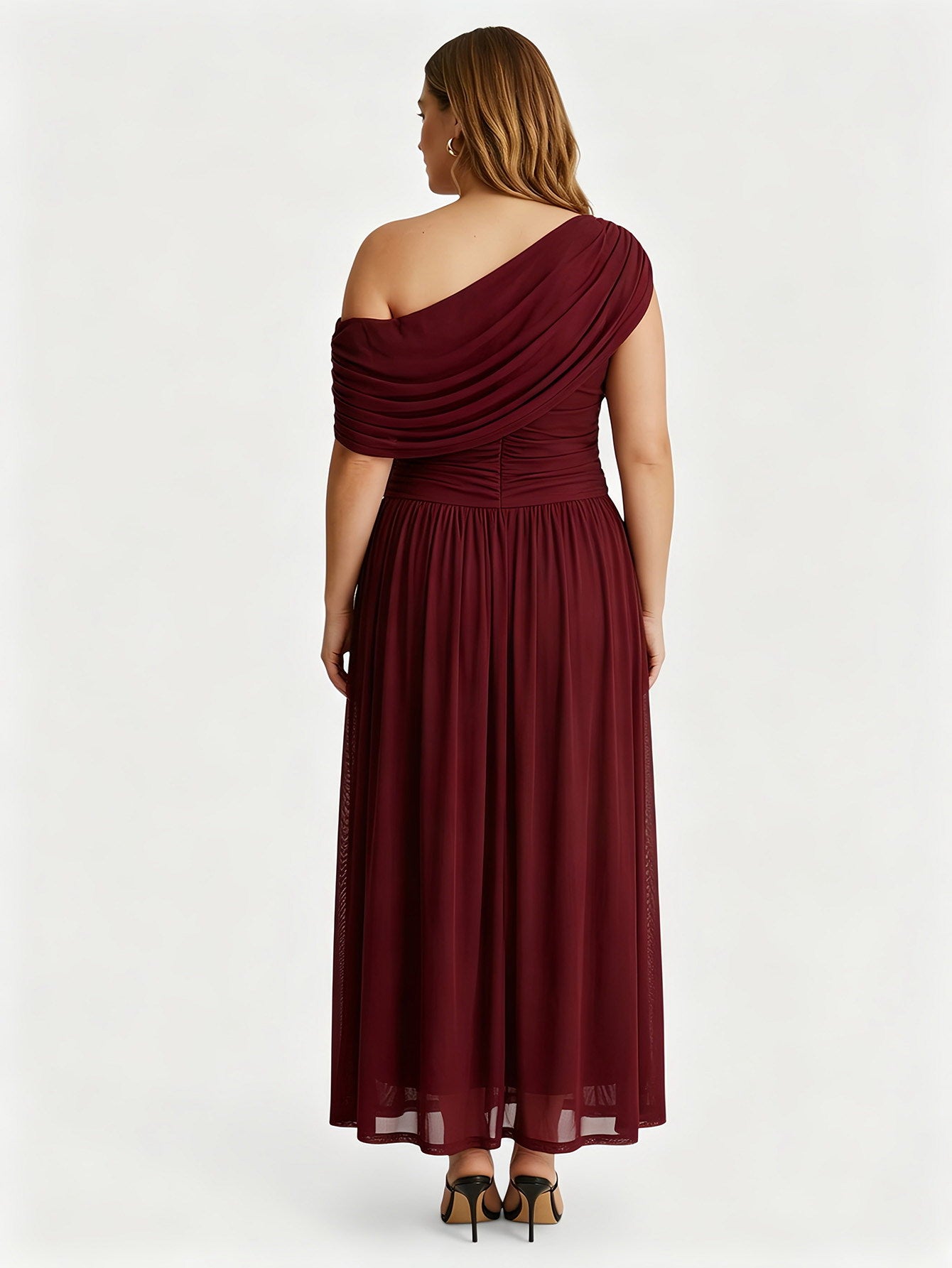
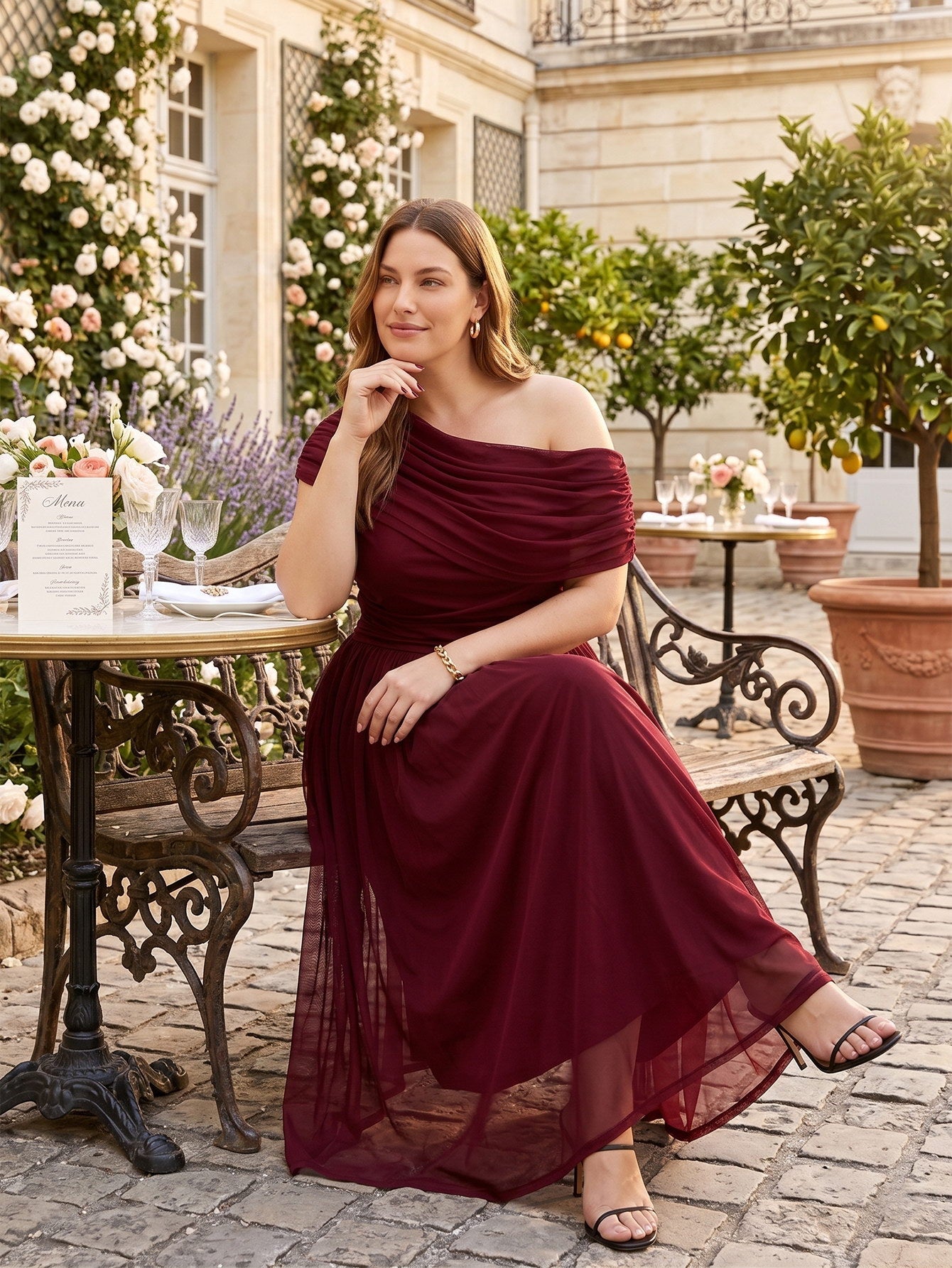
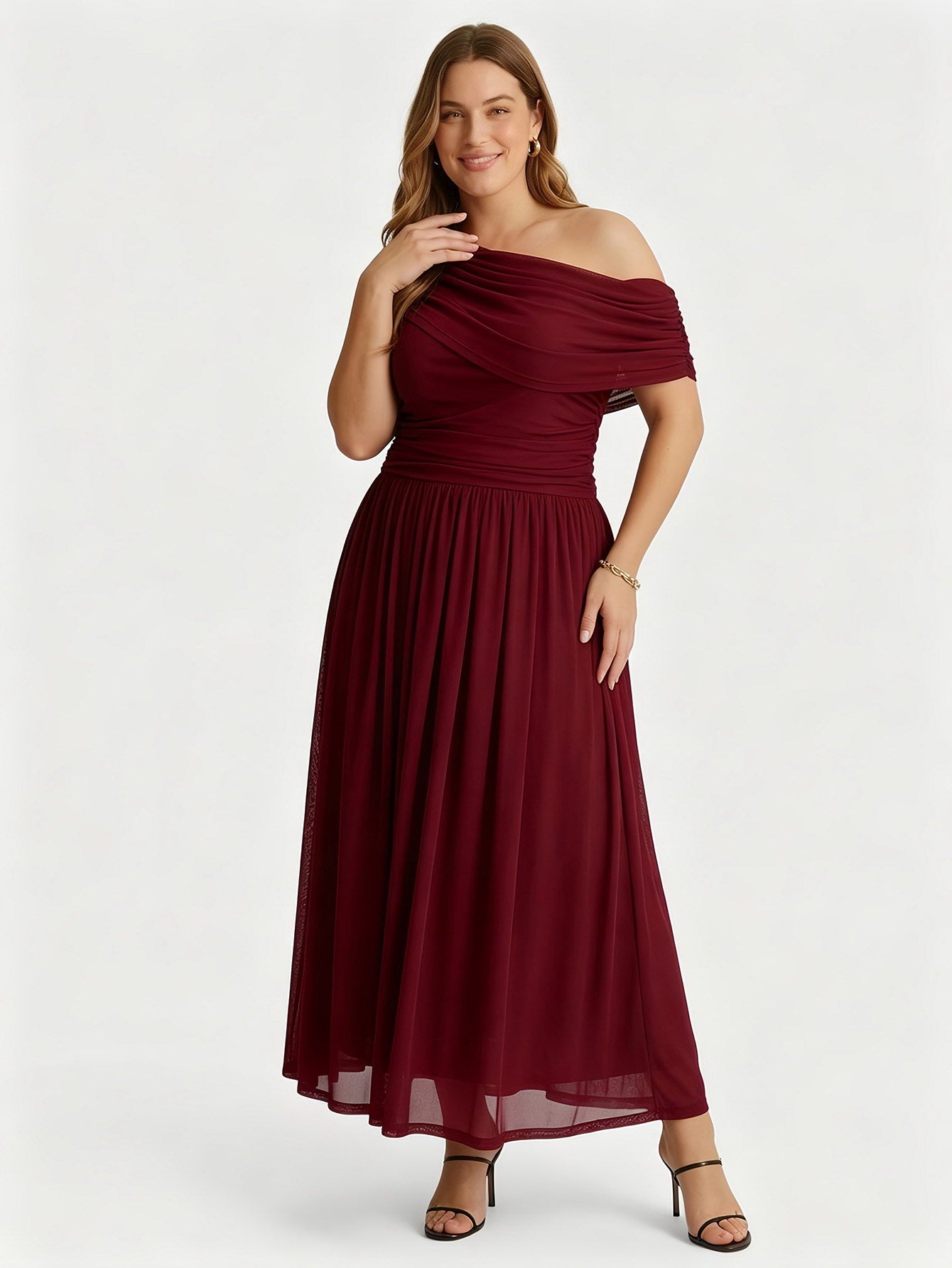
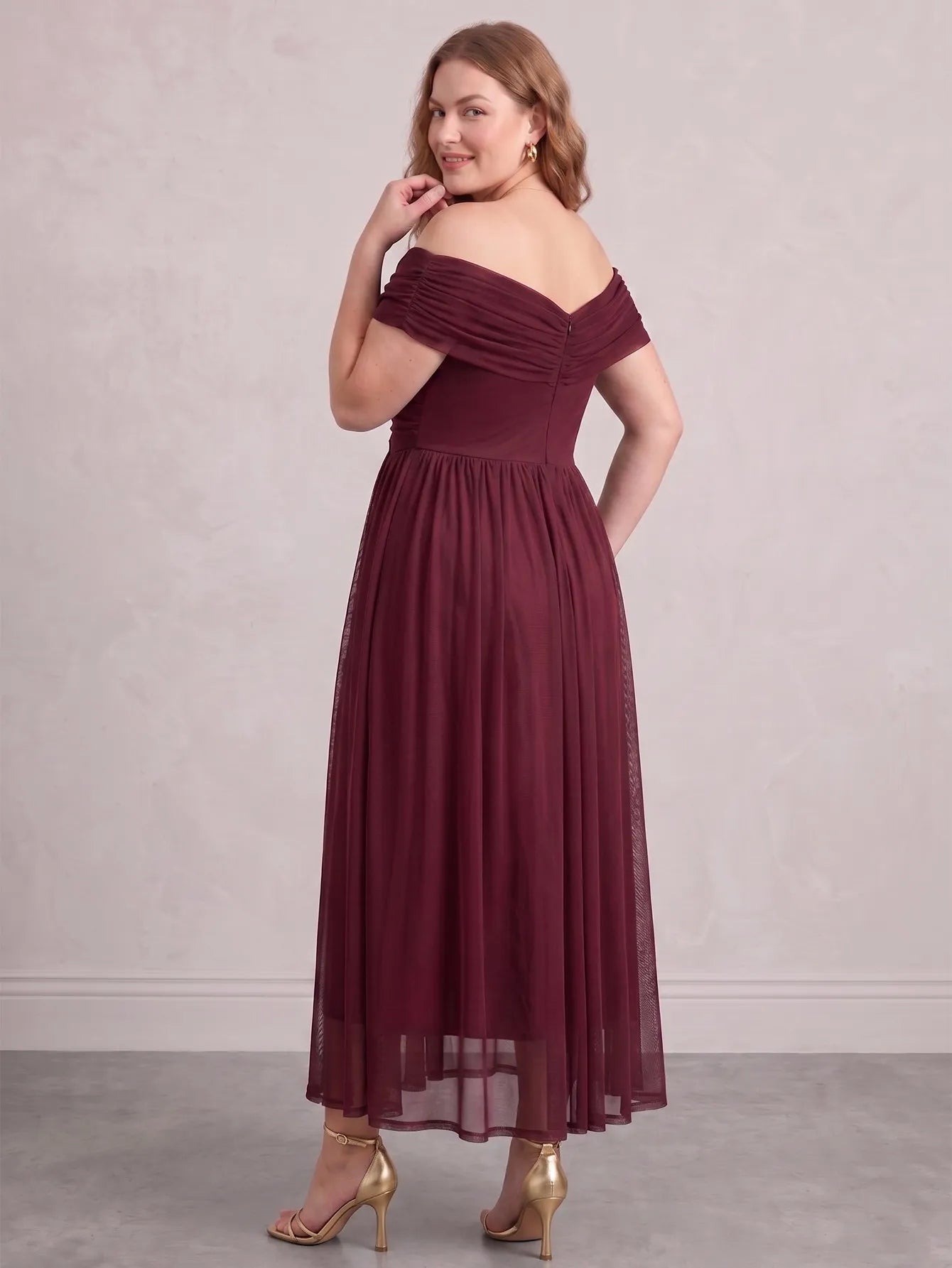
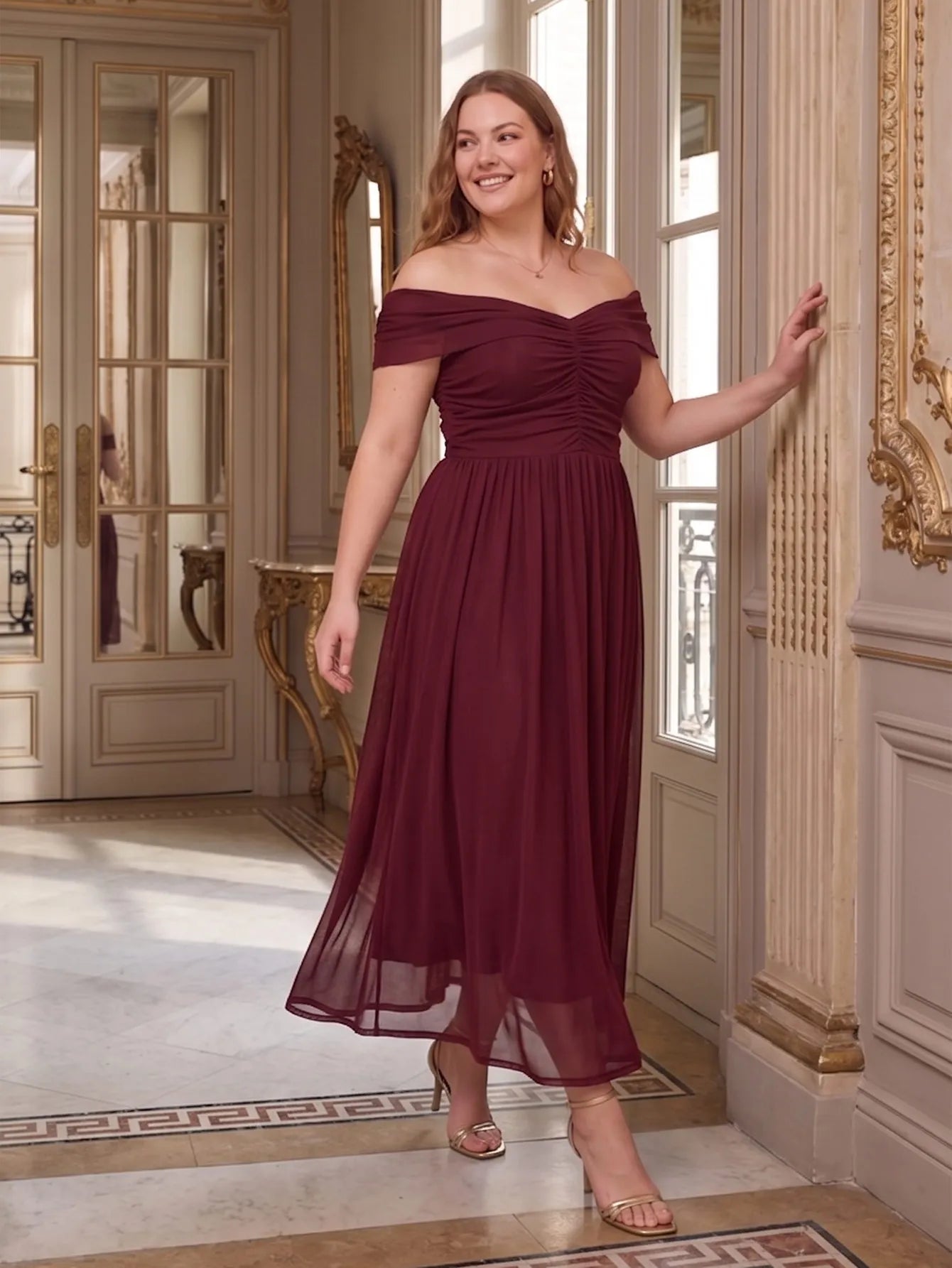
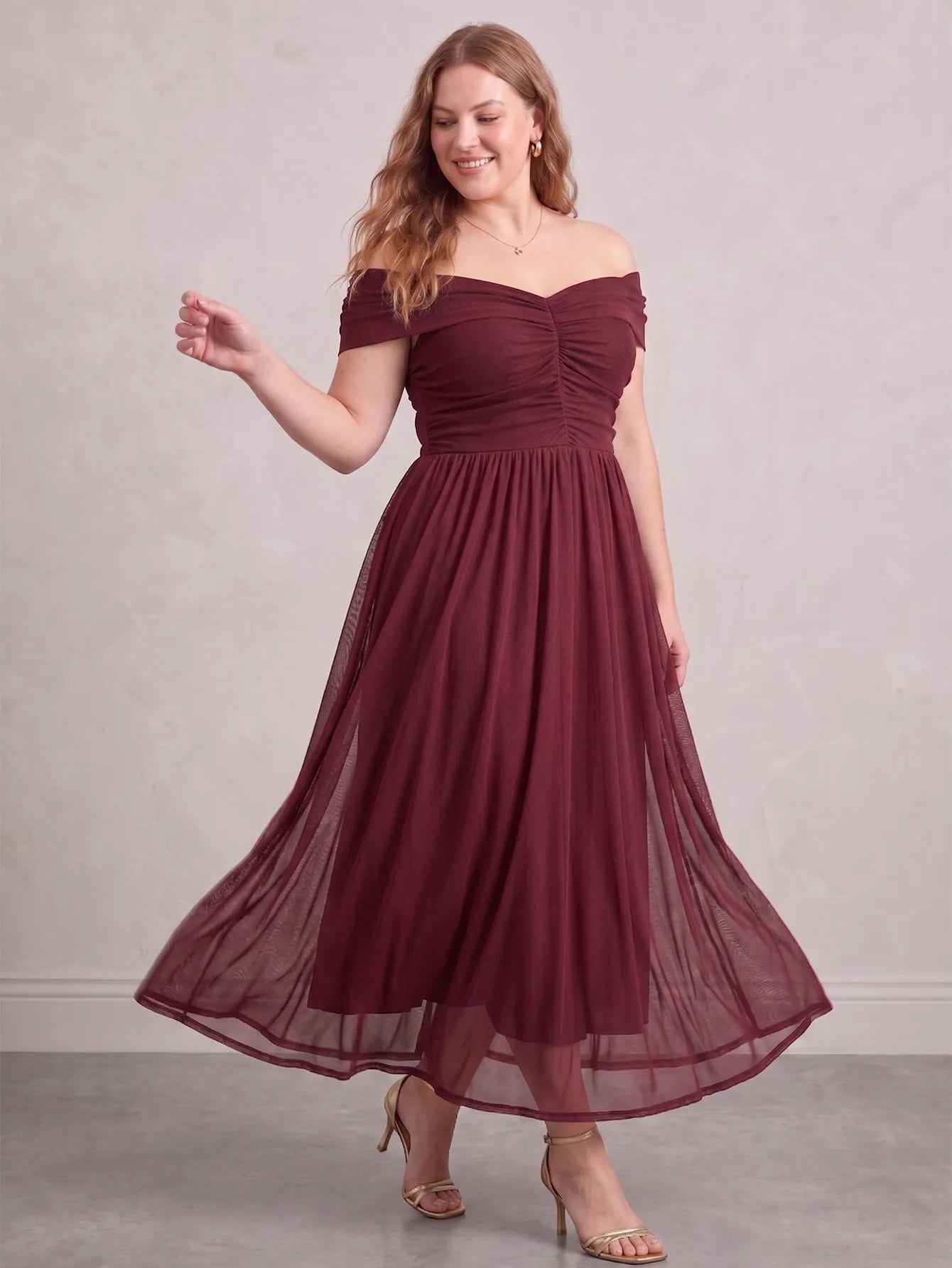
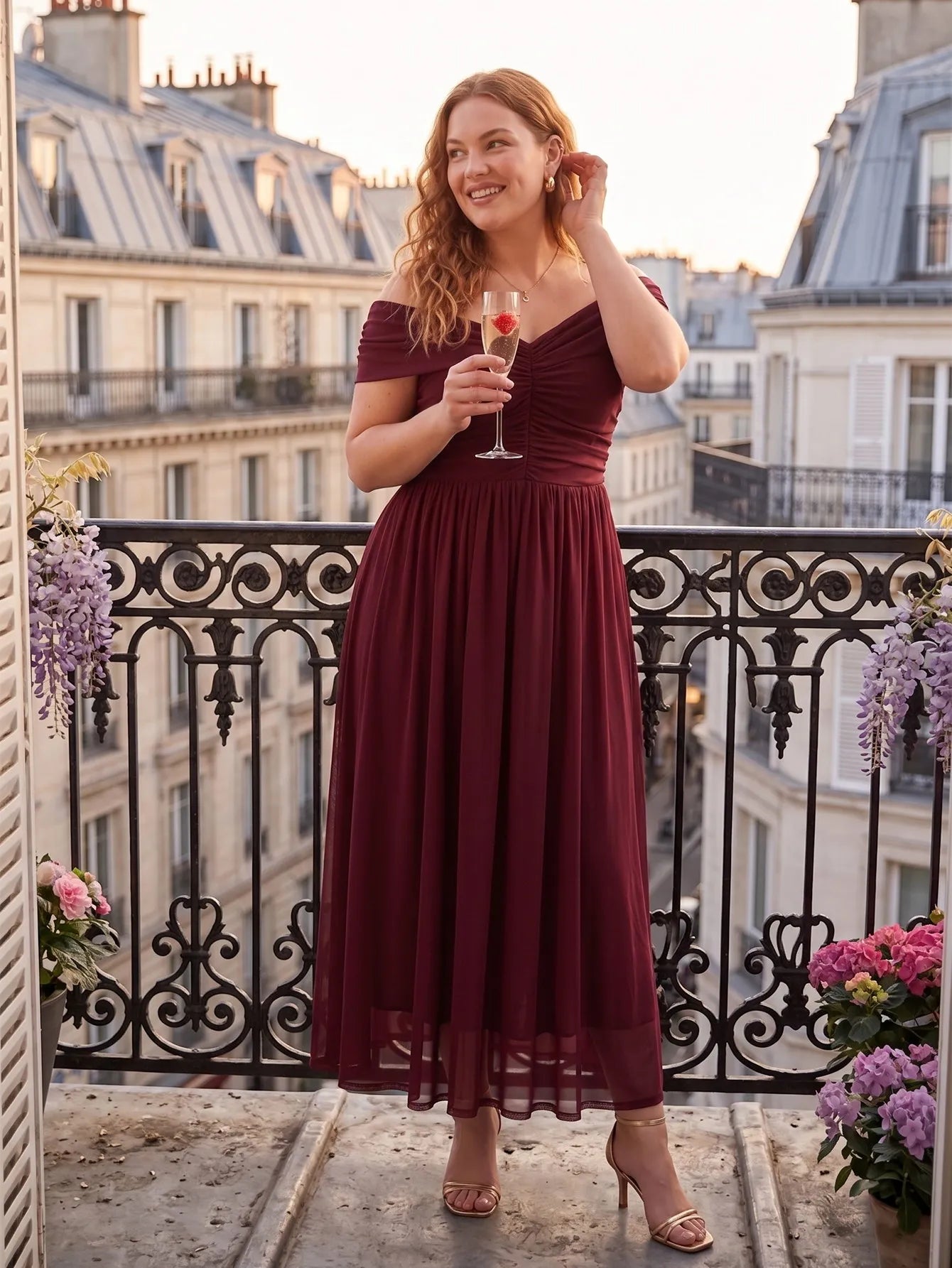
Burgundy
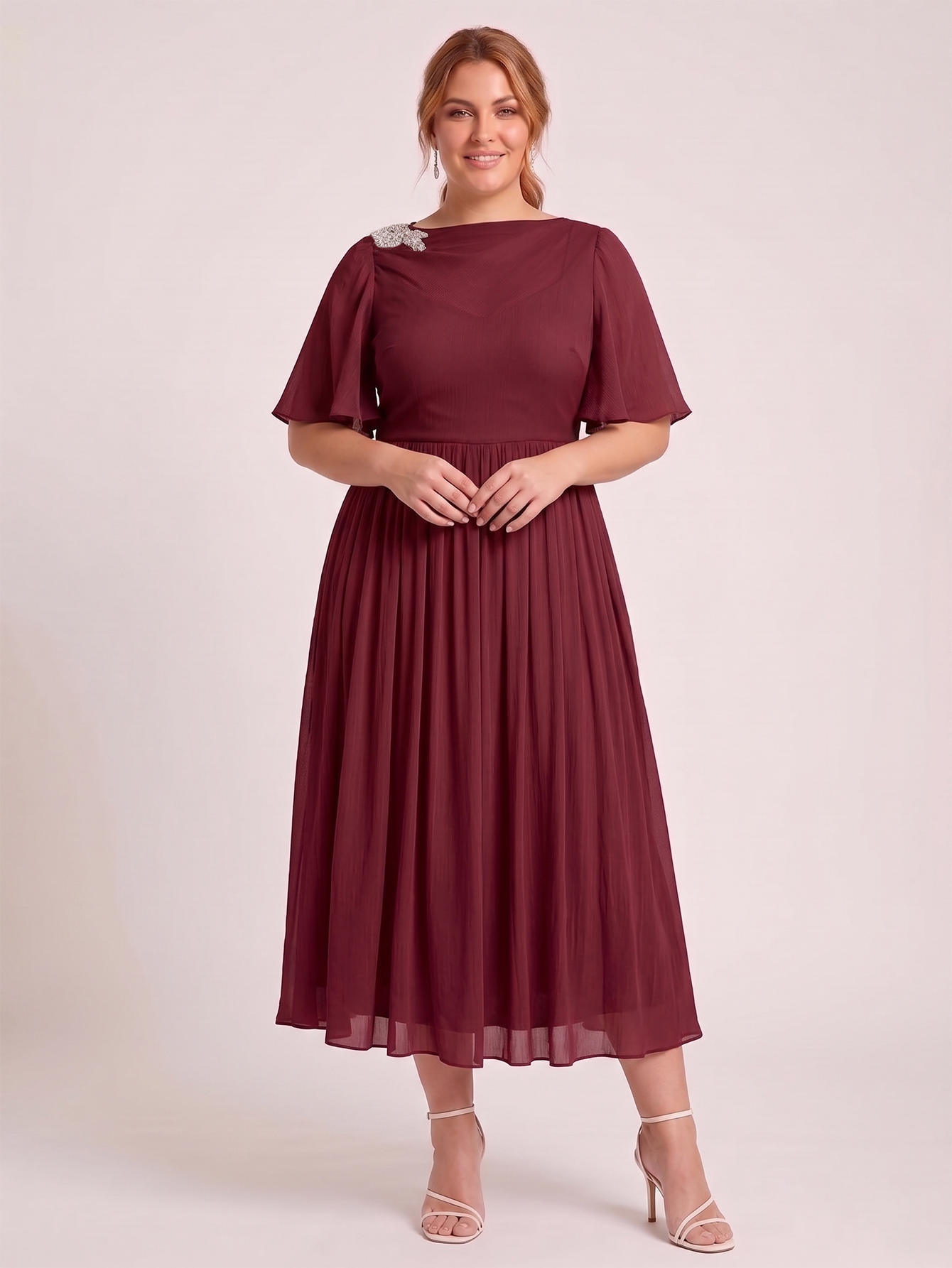
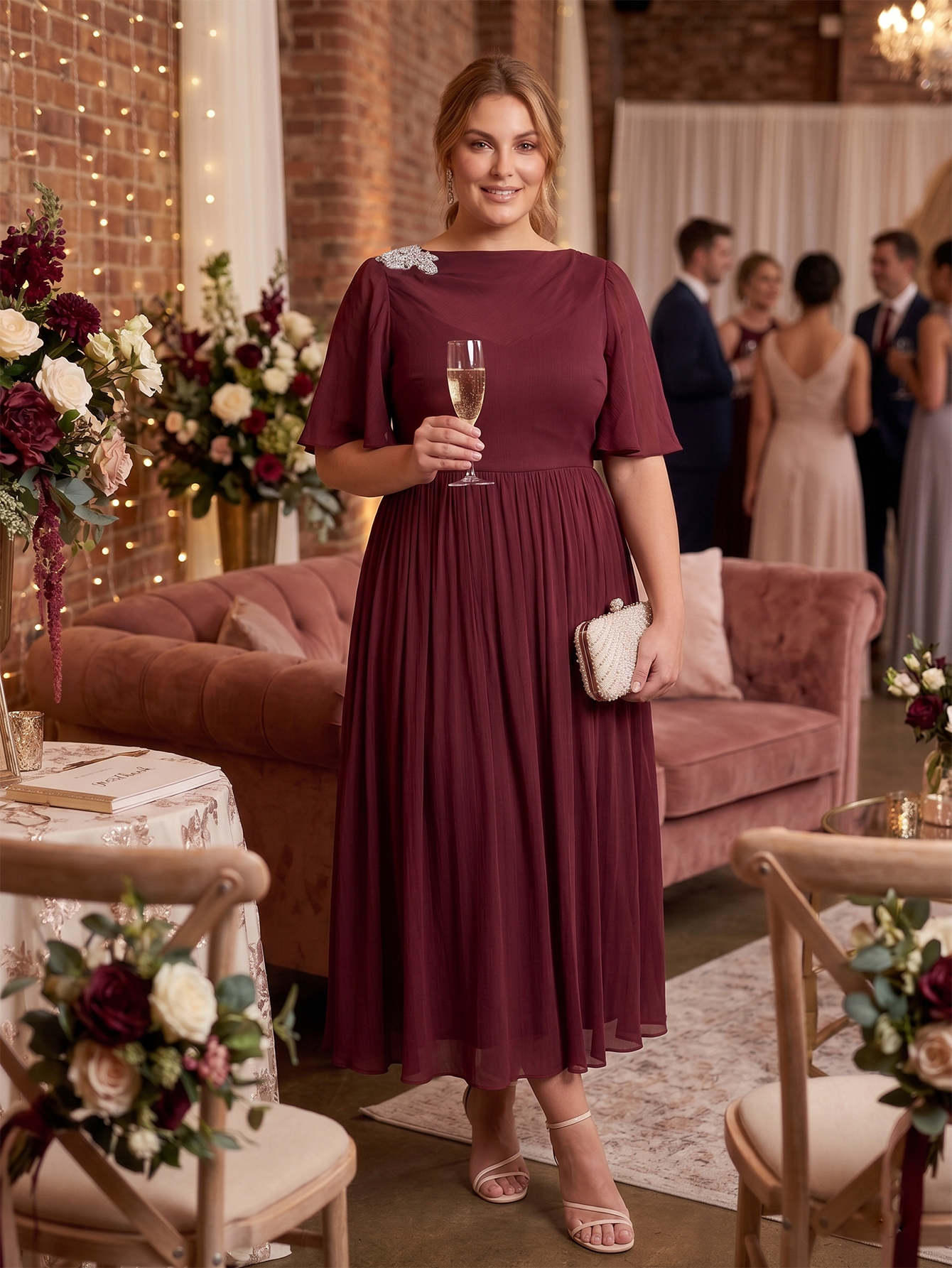
Burgundy has enough depth for evening events while remaining softer than black.
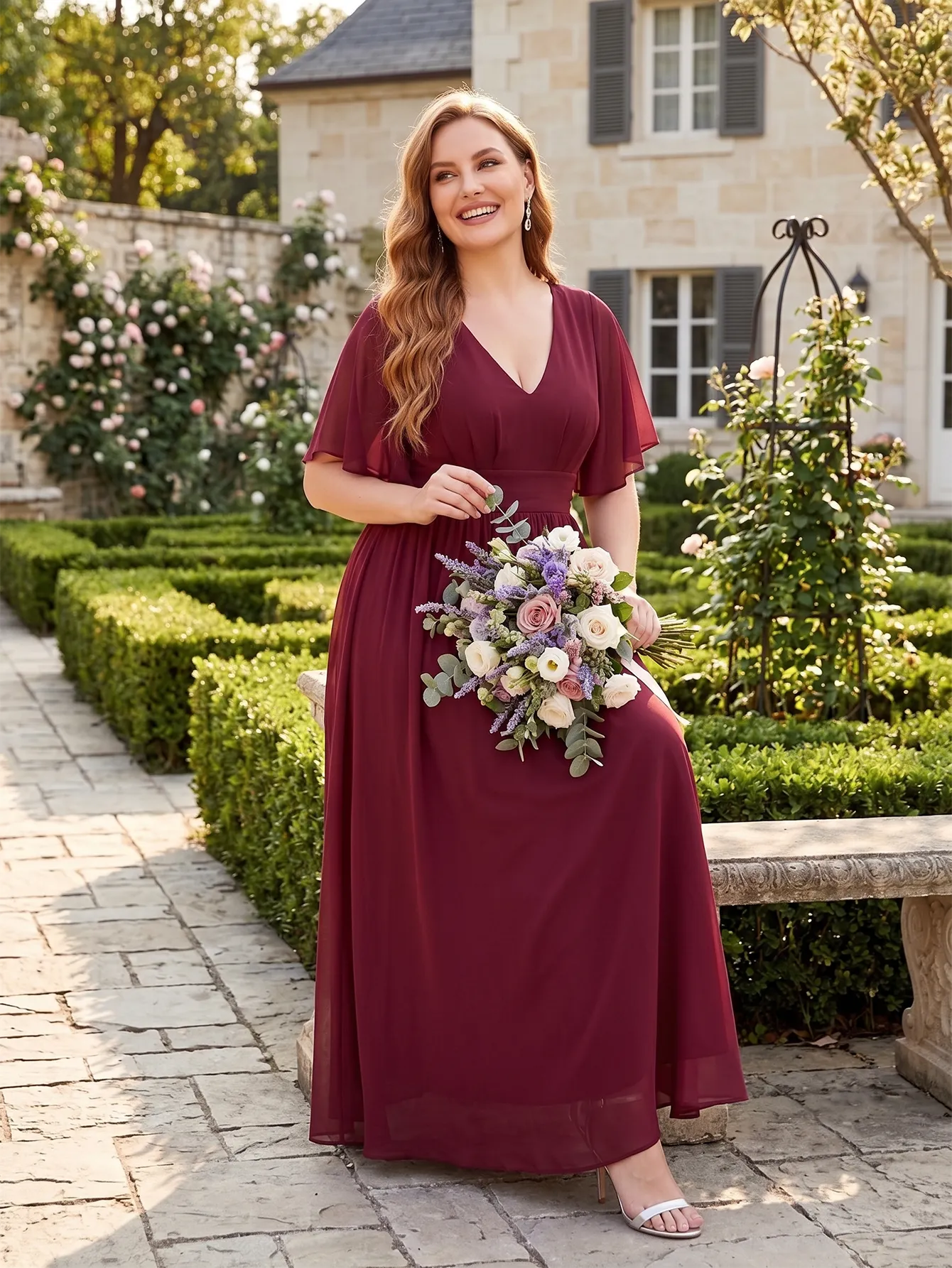
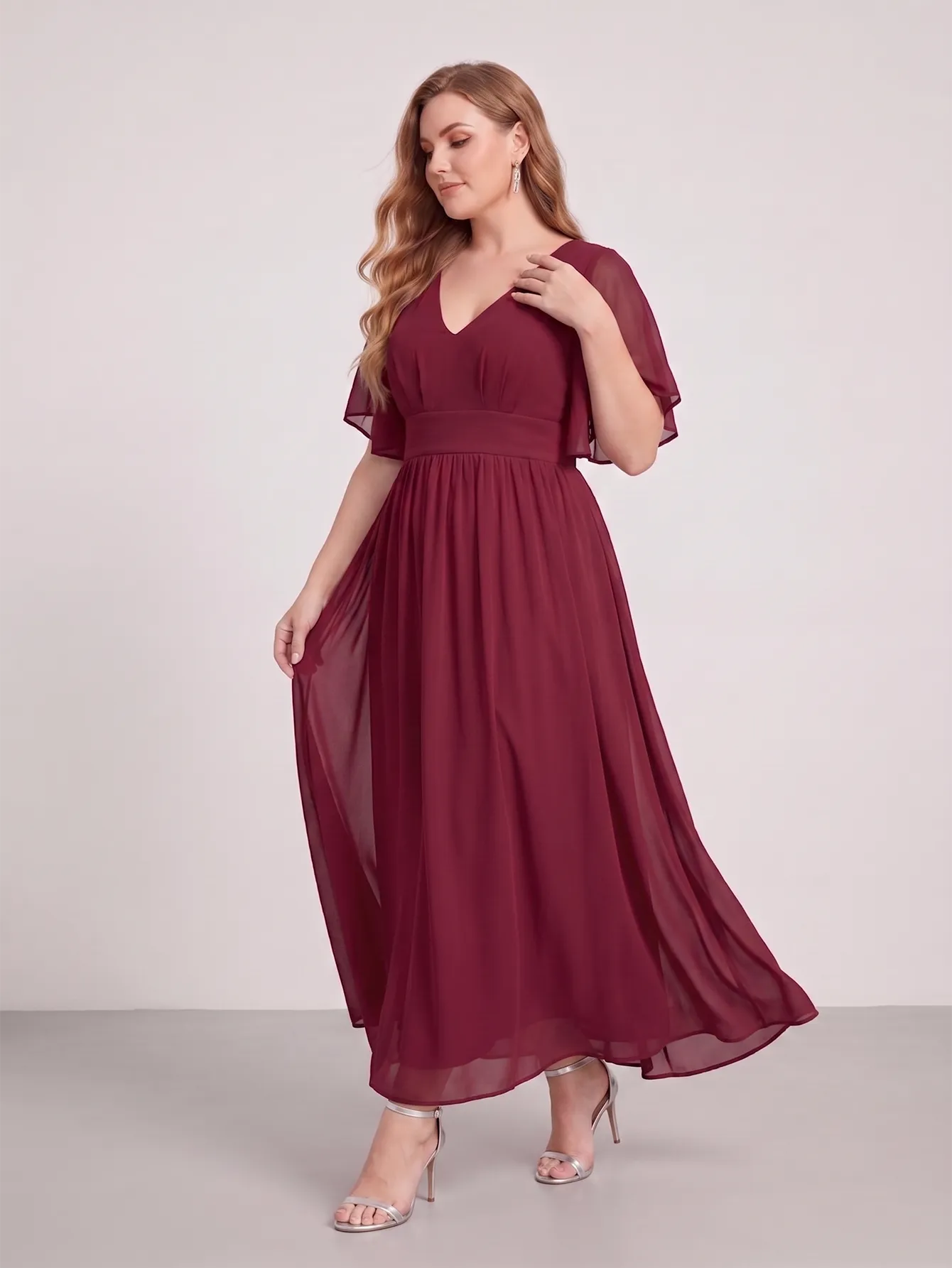
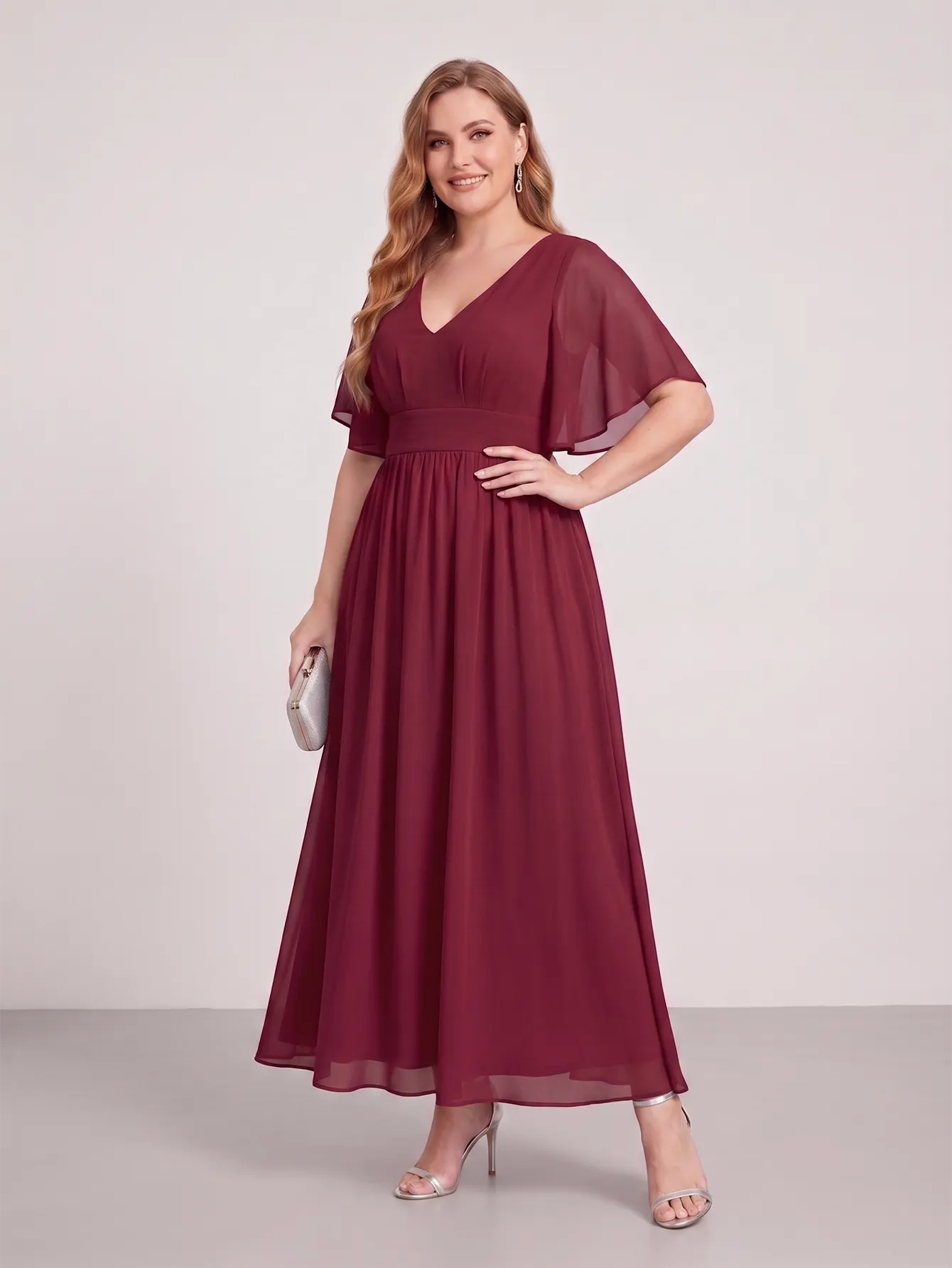
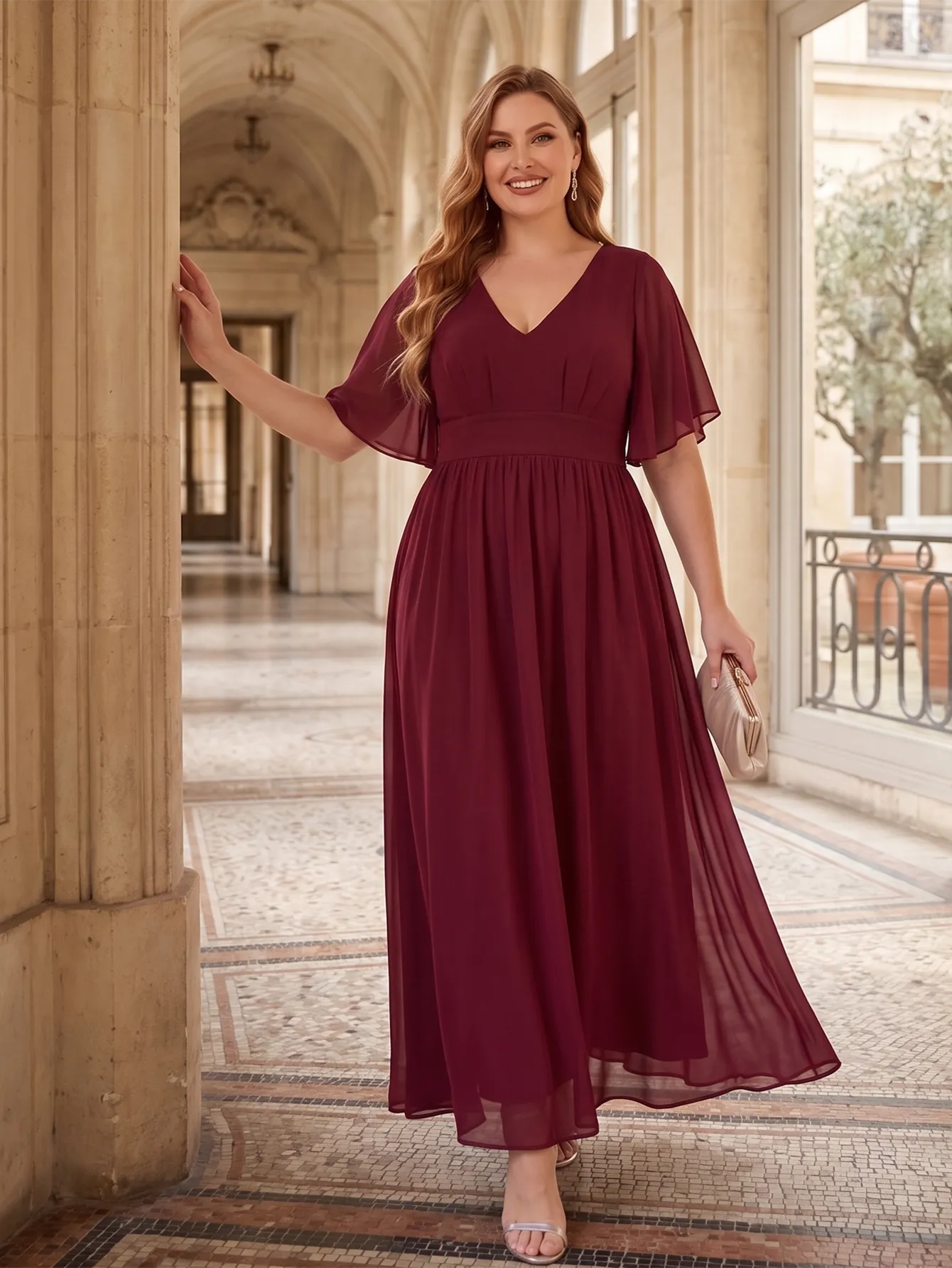
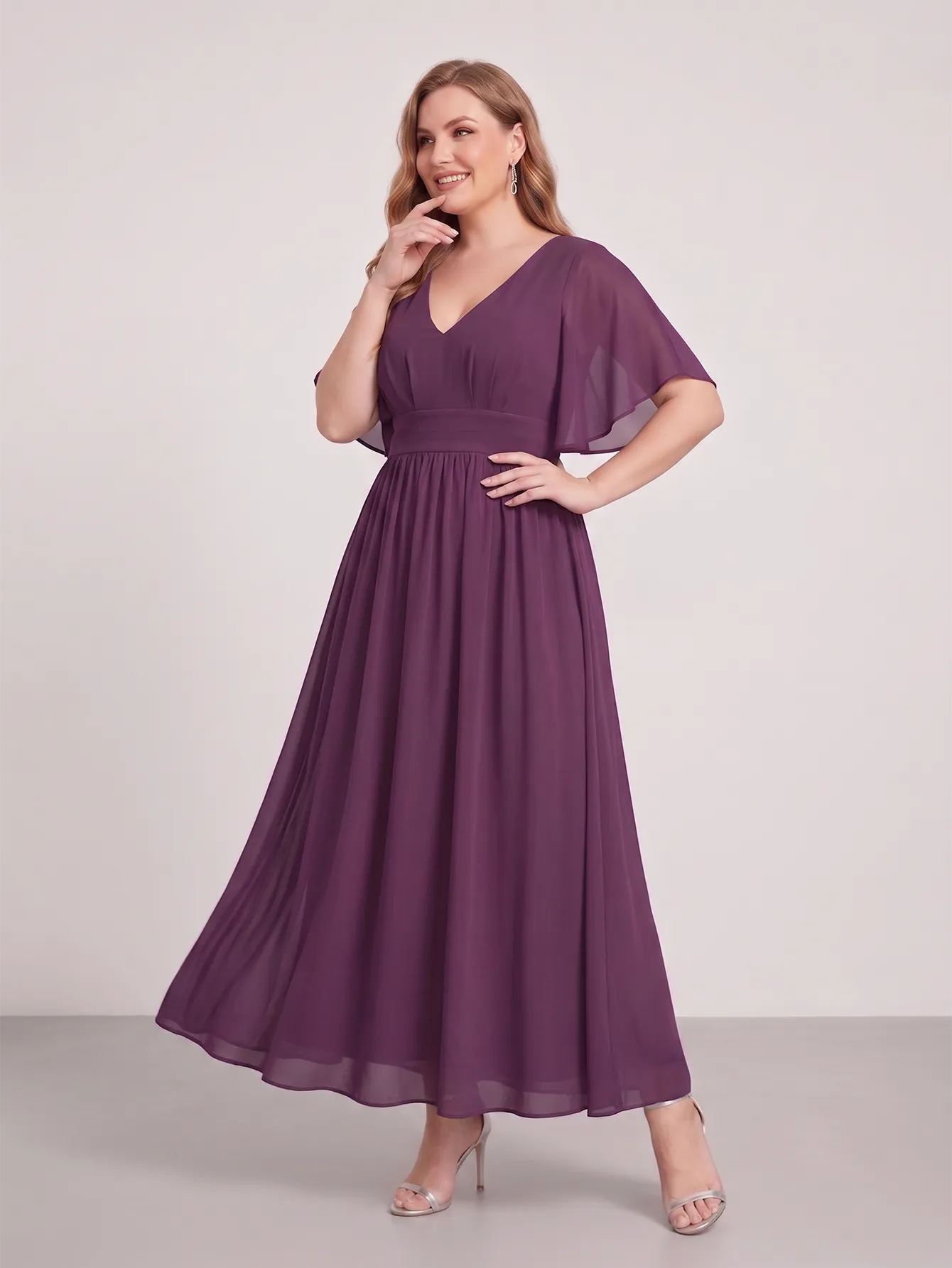
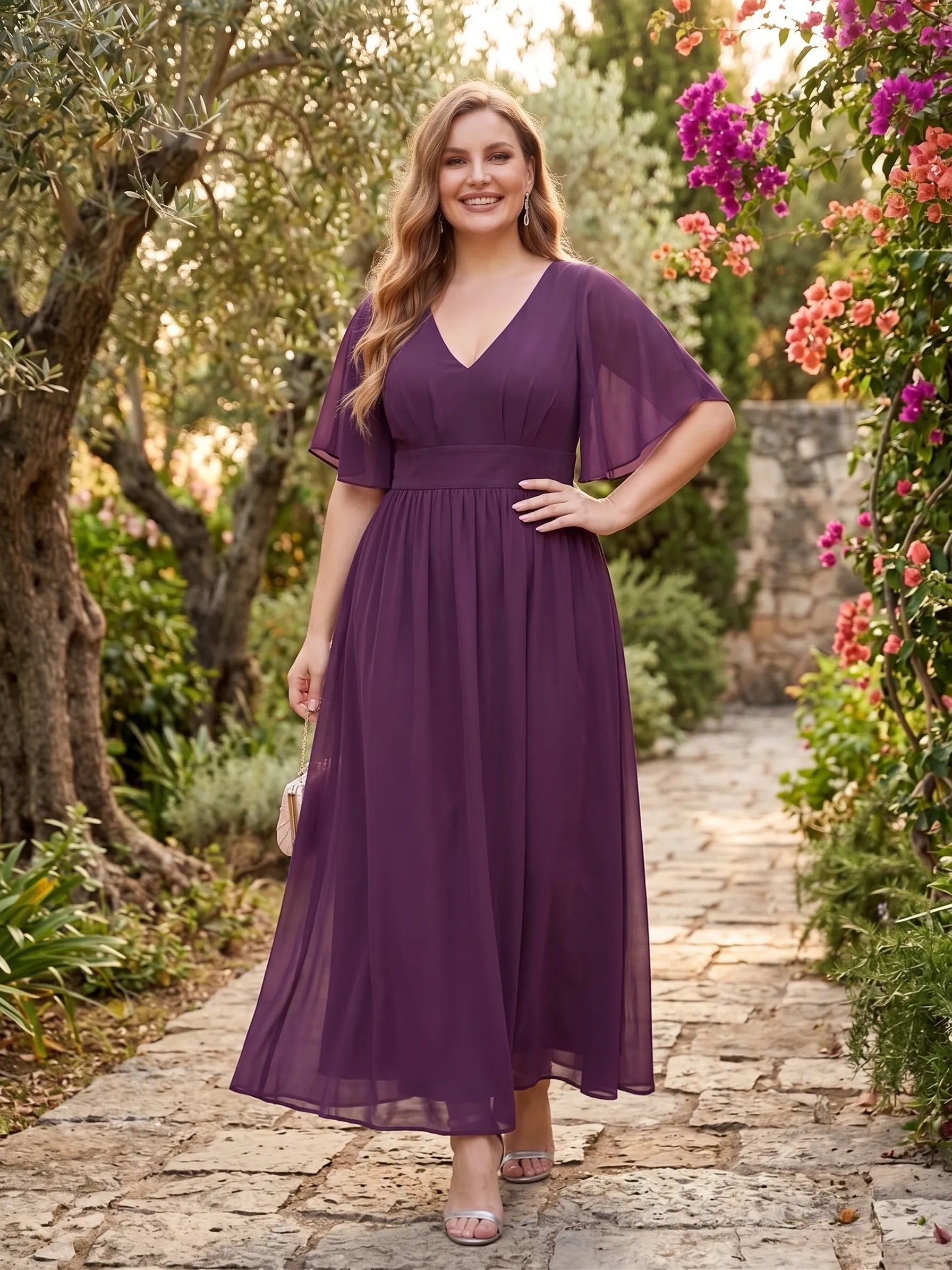
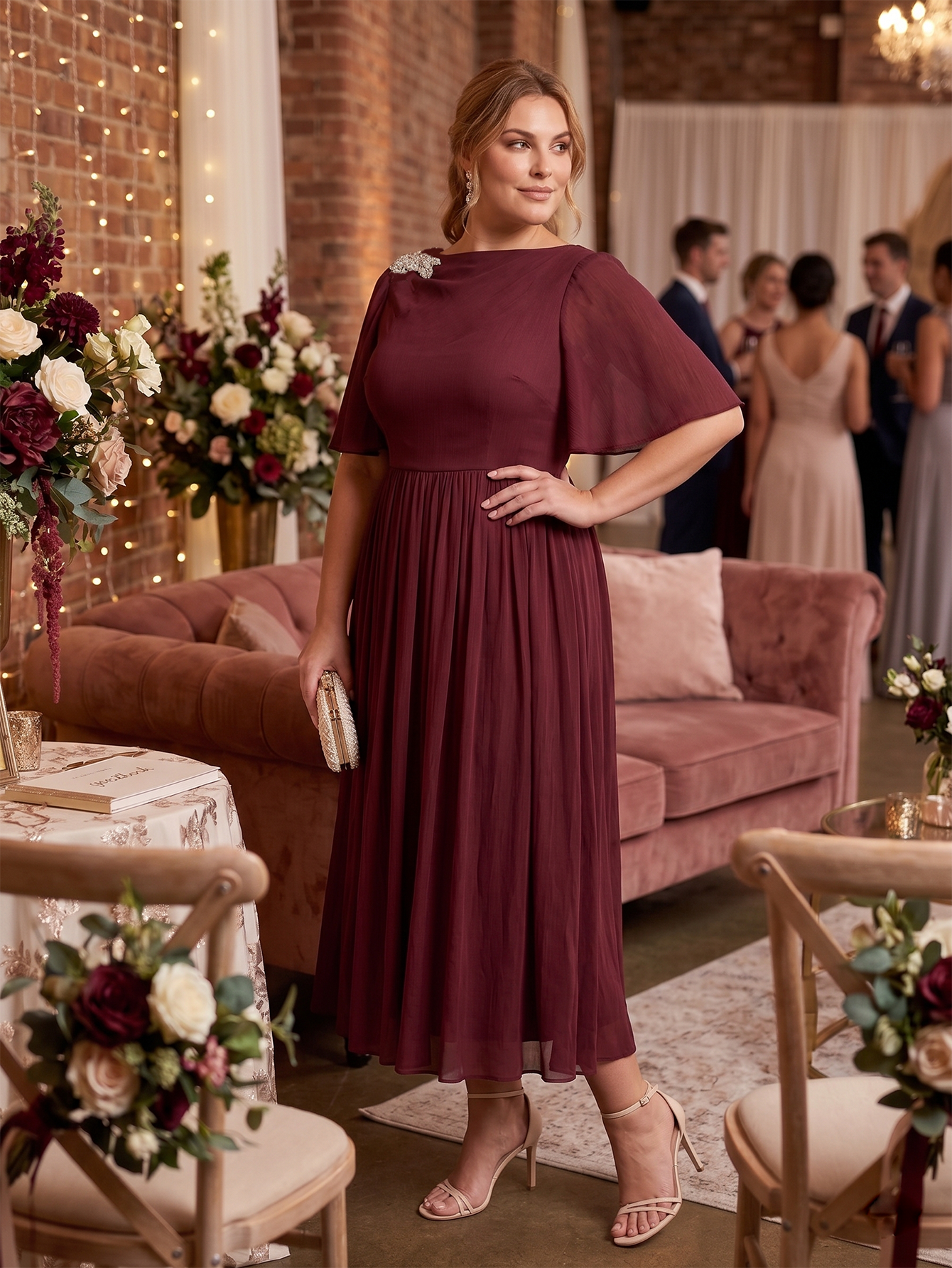
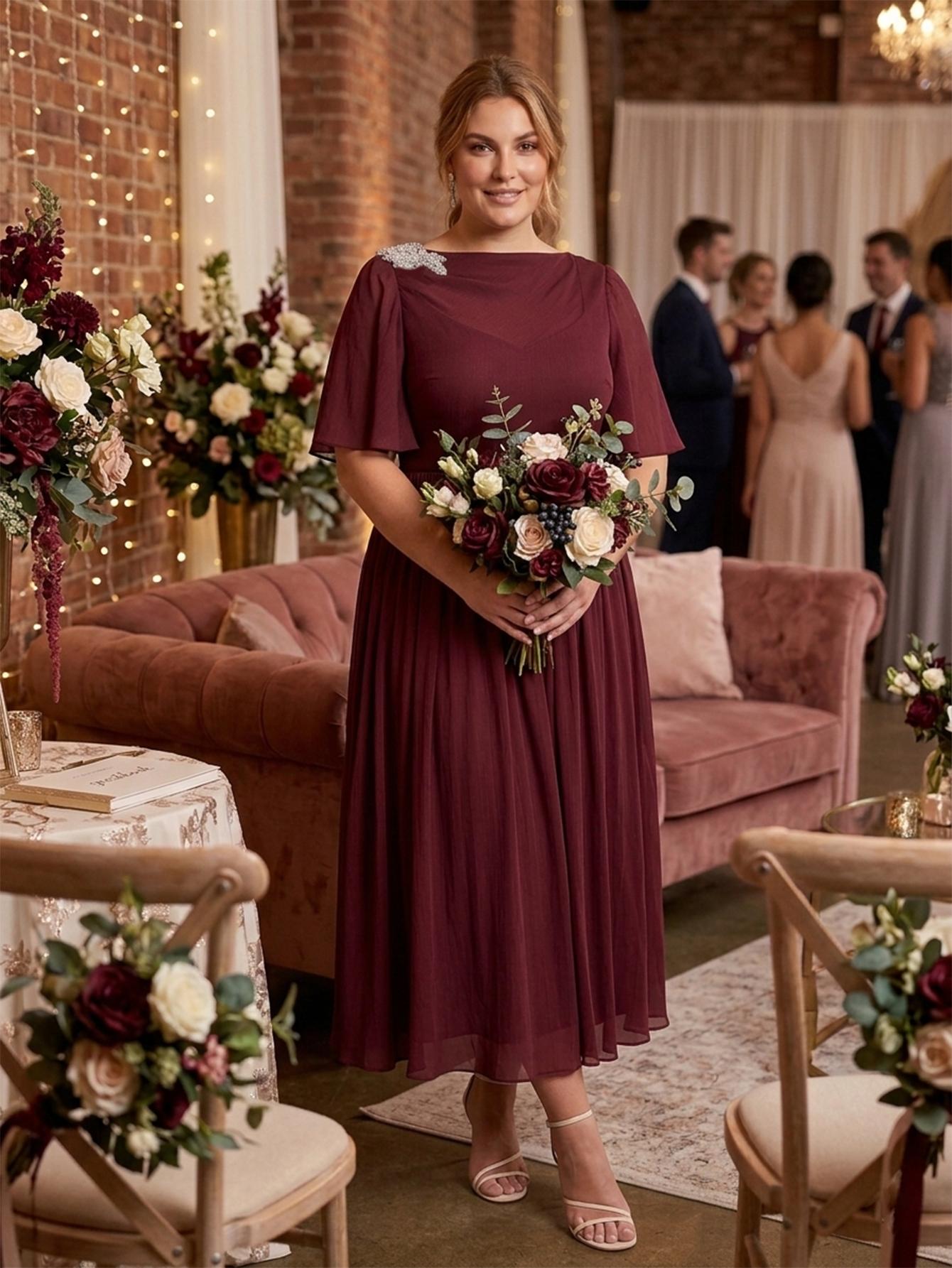
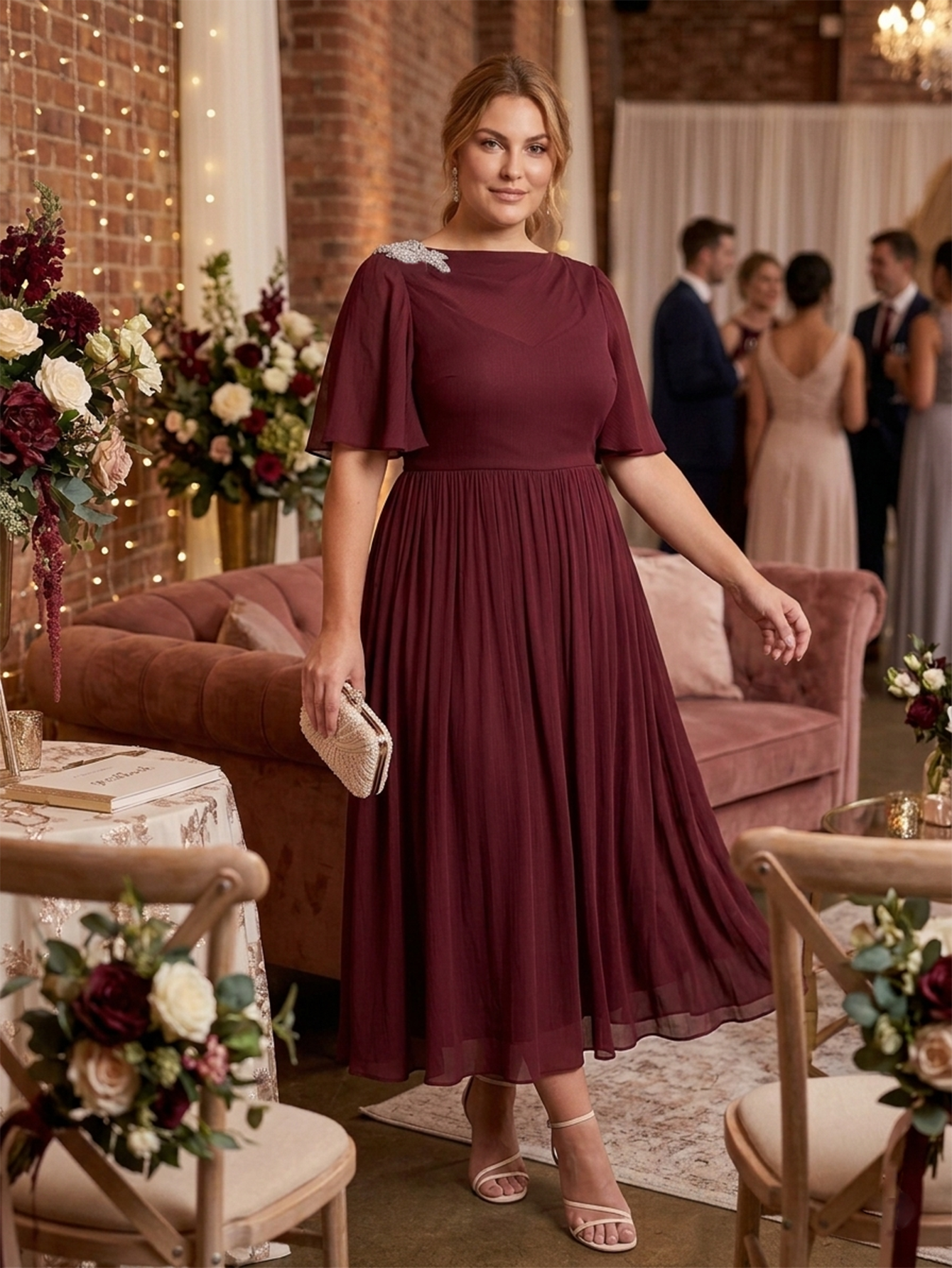
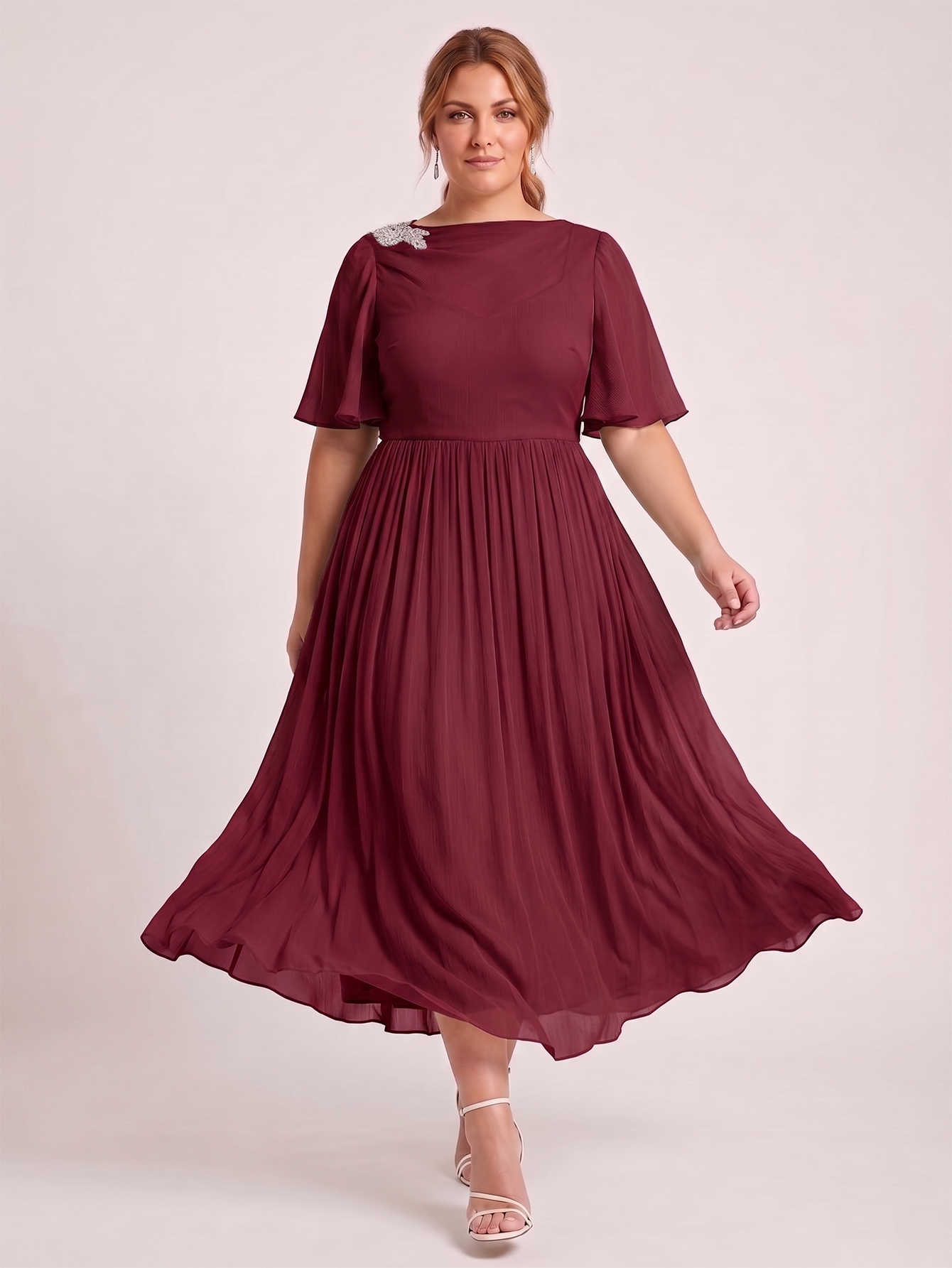
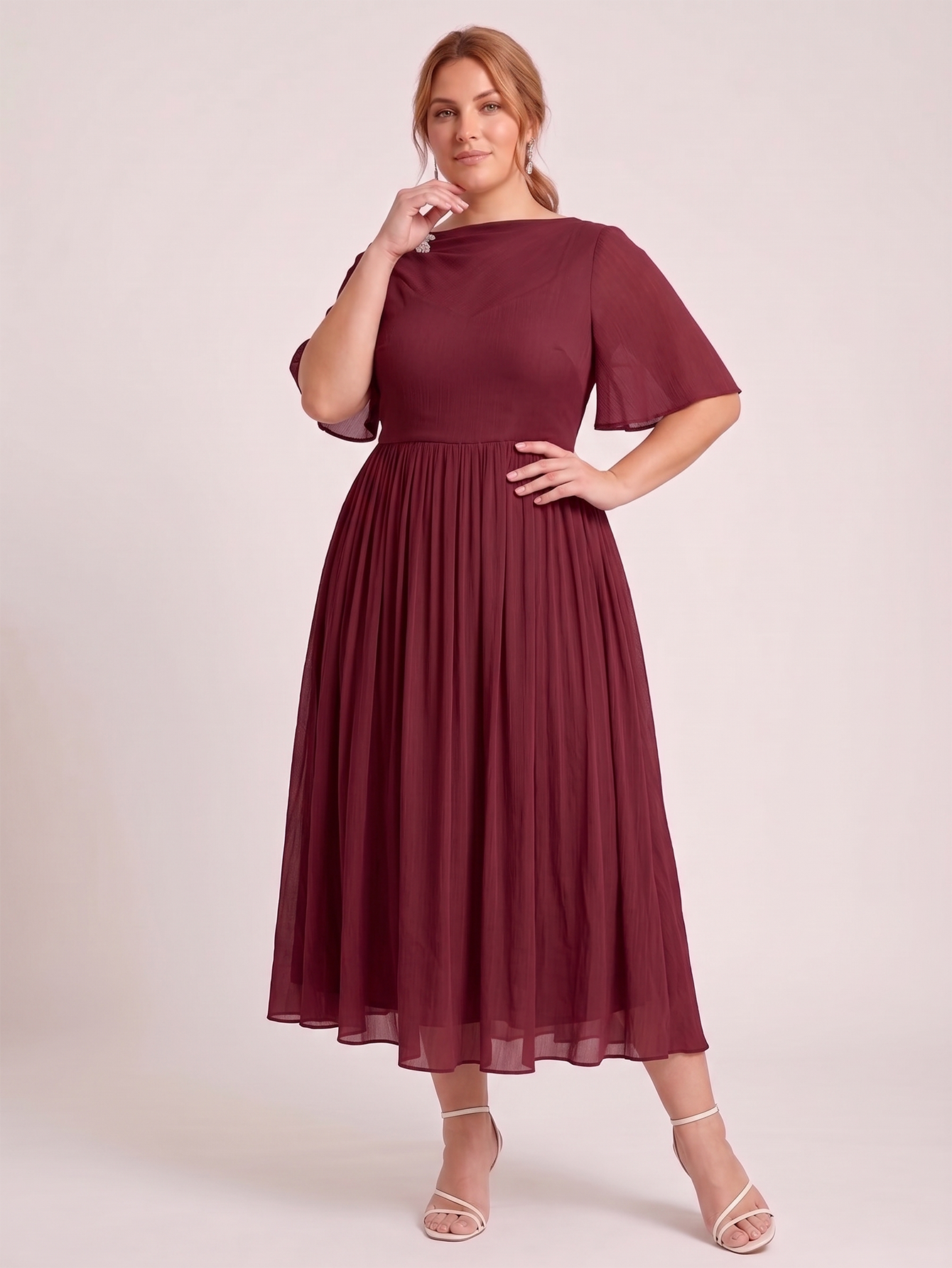
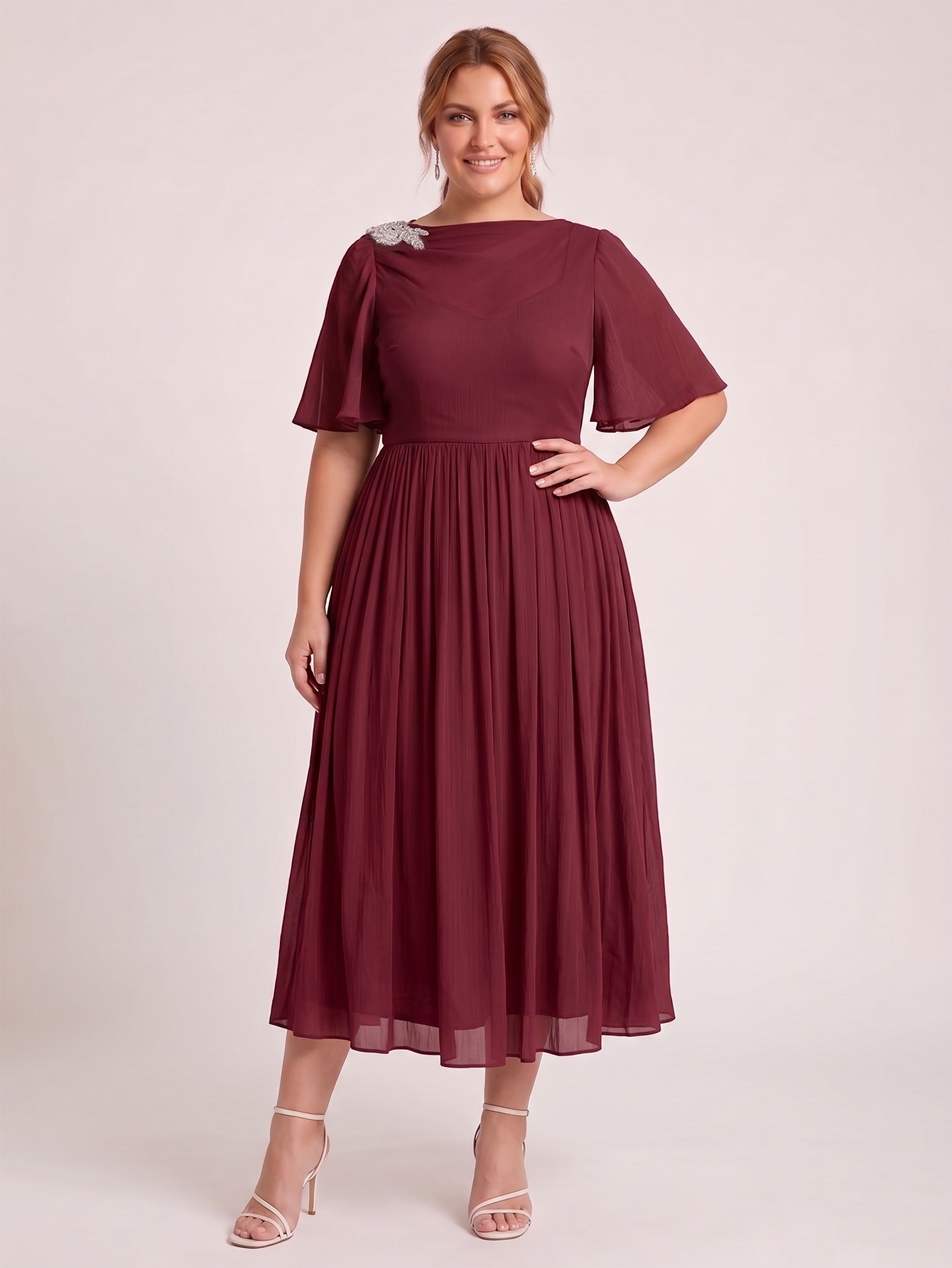
It works particularly well with chiffon, satin and mesh and can transition easily from September into winter occasion dressing.
Deep Plum
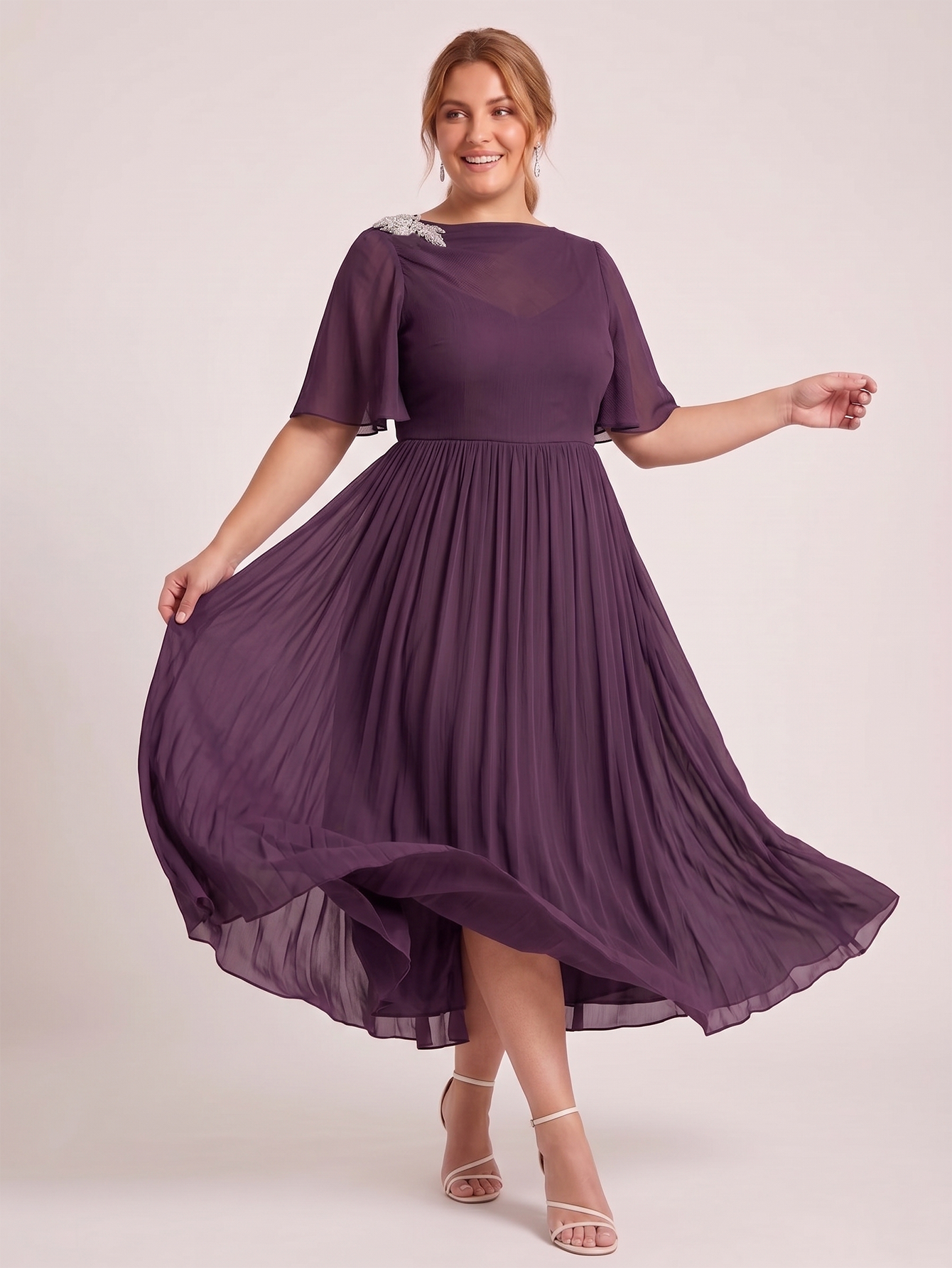
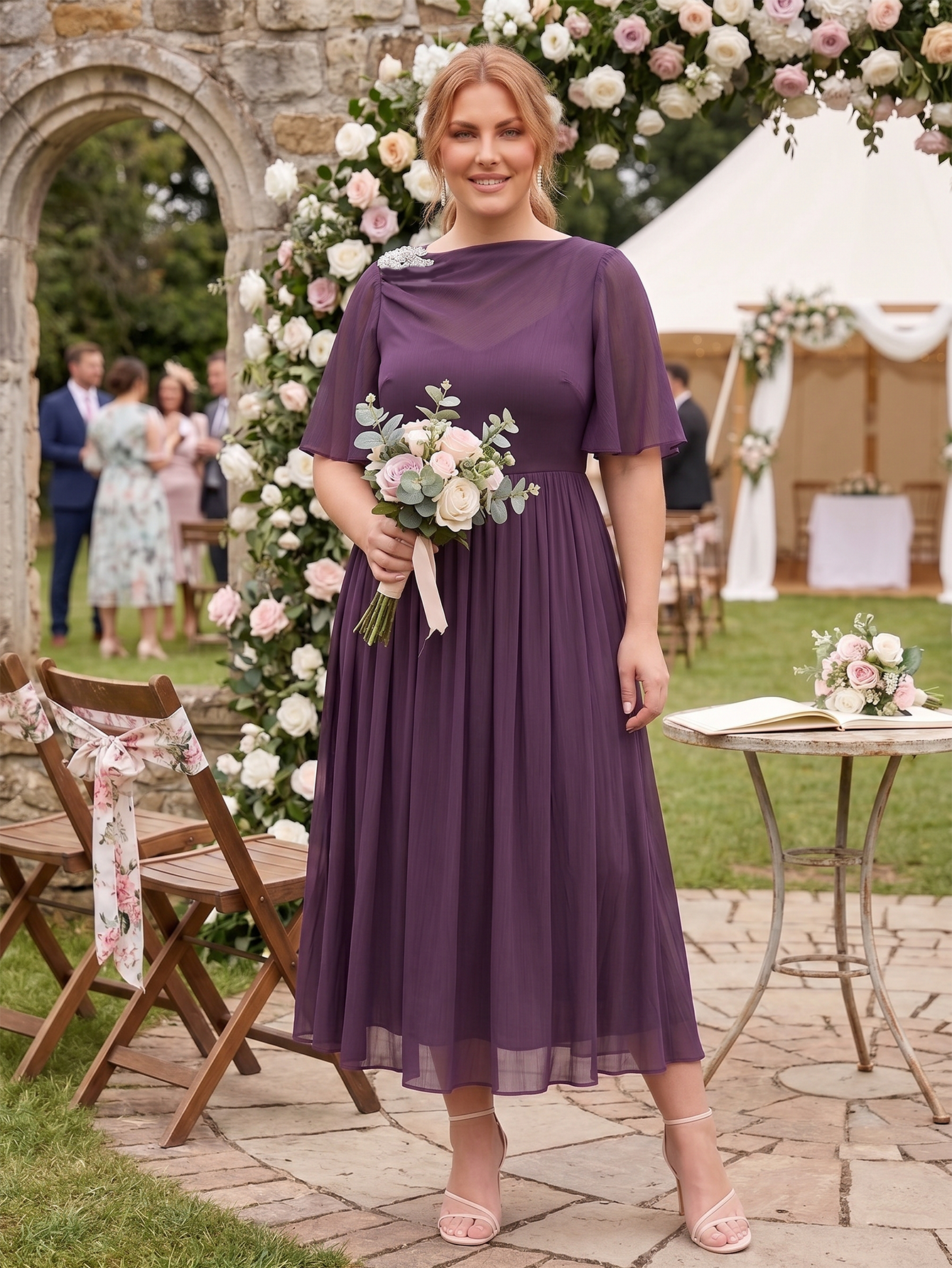
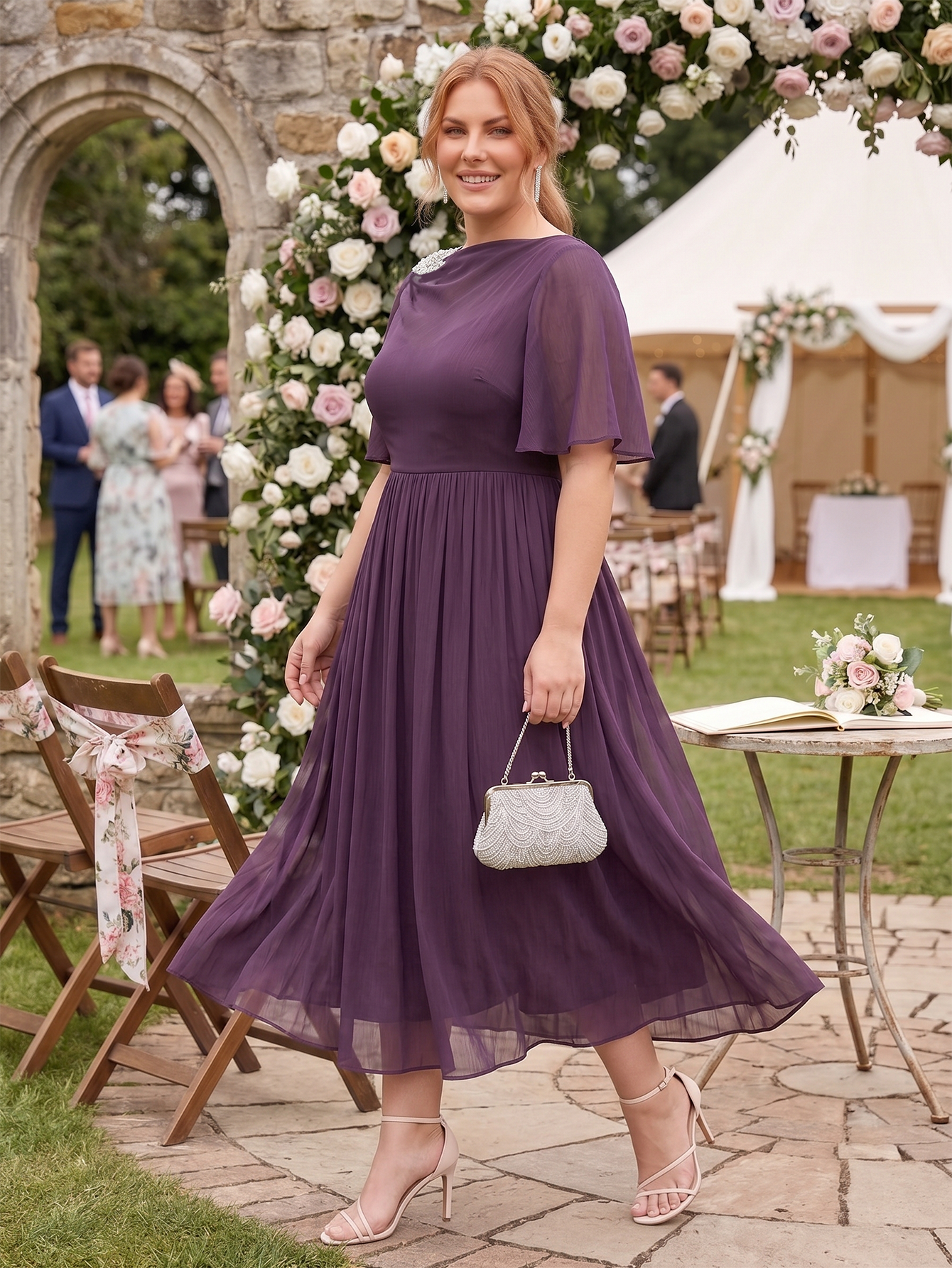
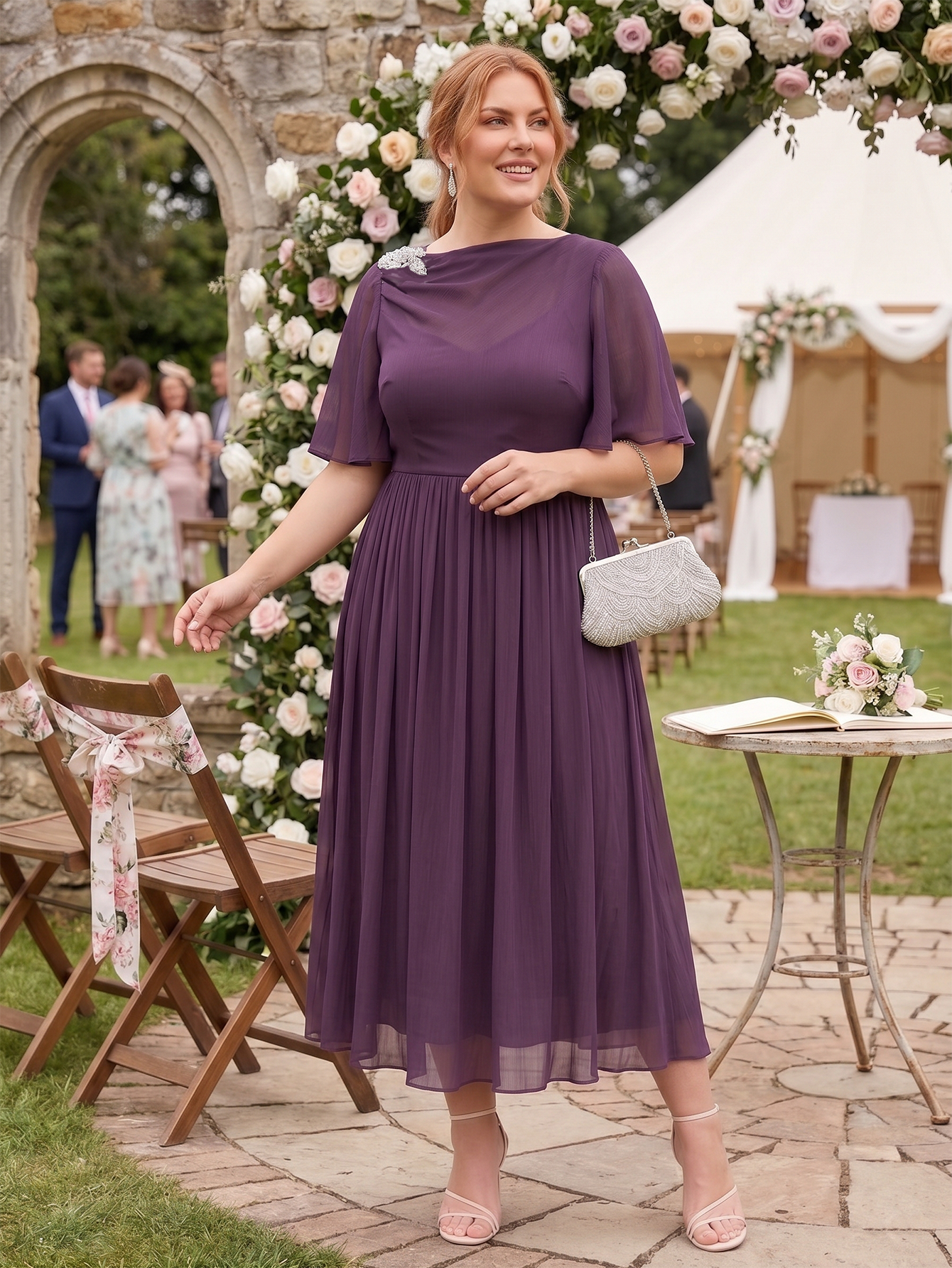
Deep plum offers a similar richness with a cooler undertone.
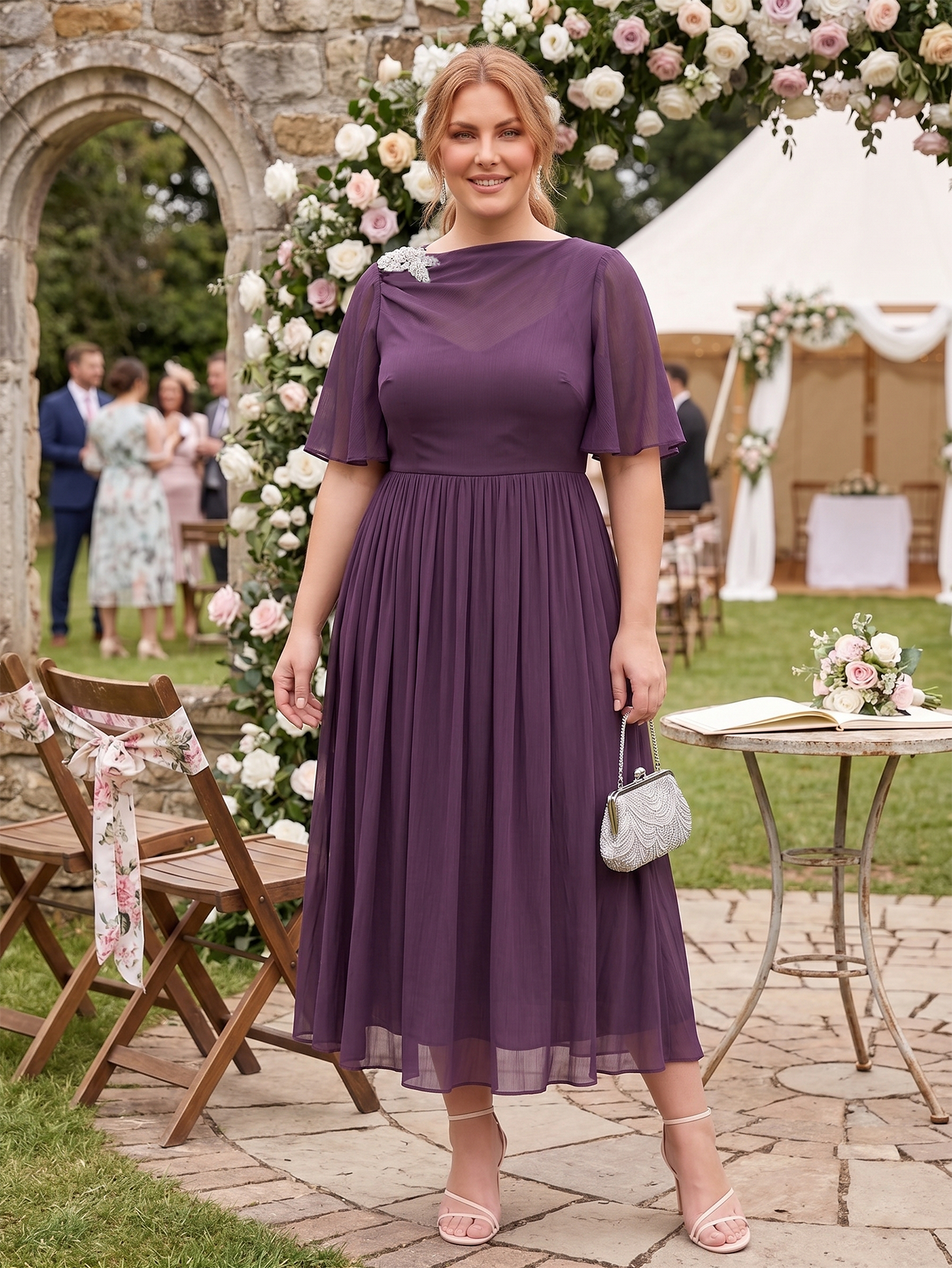
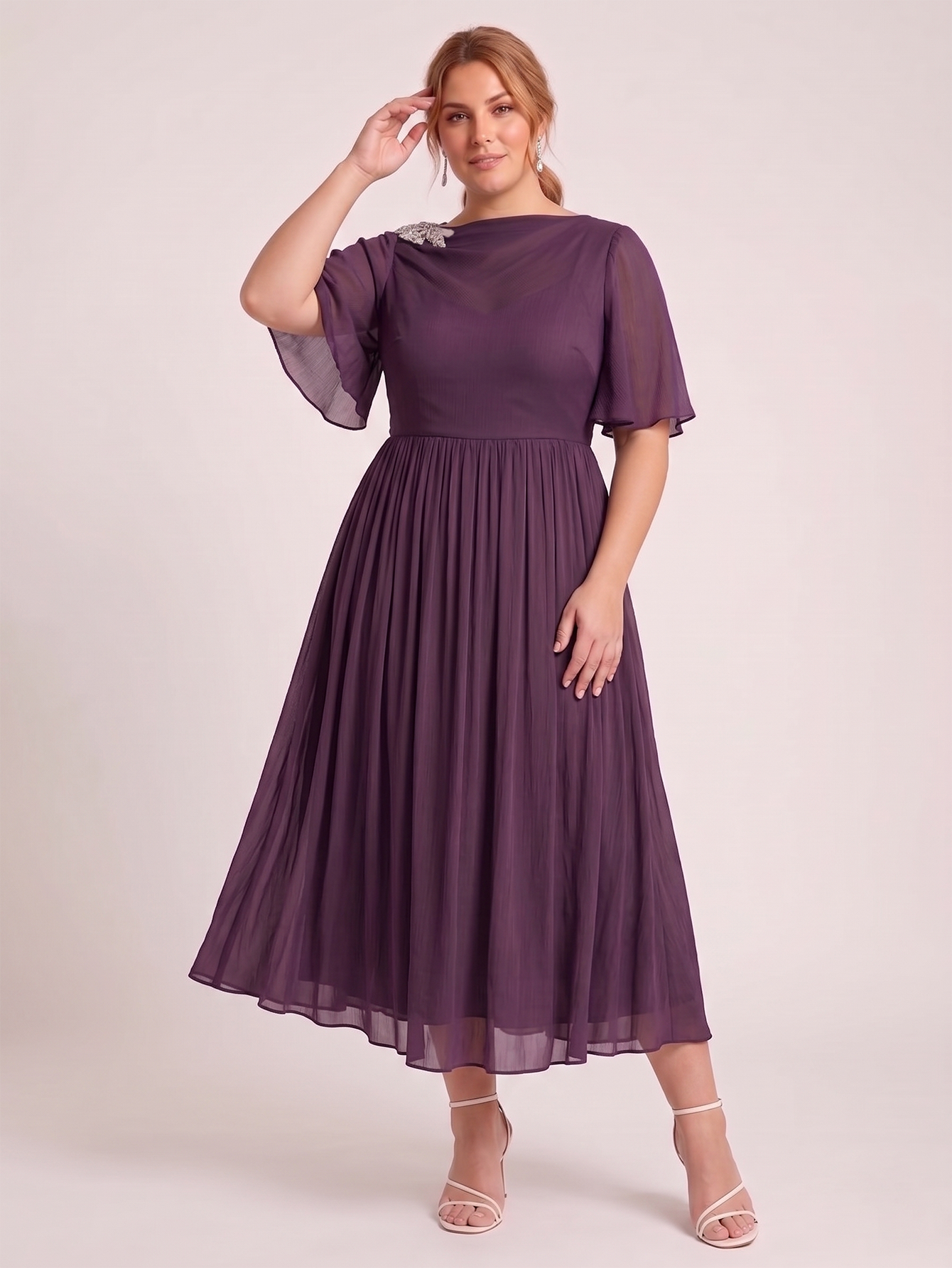
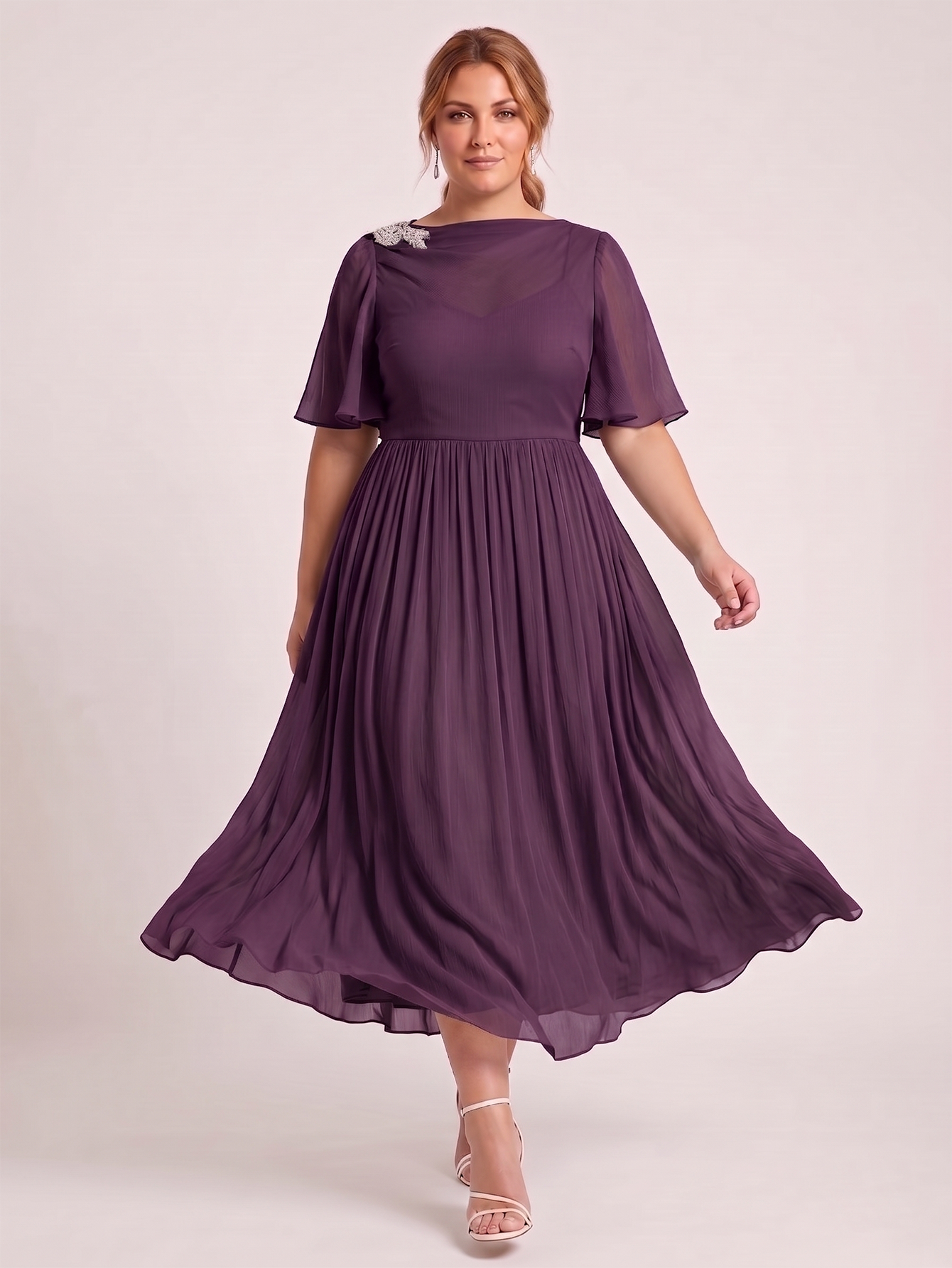
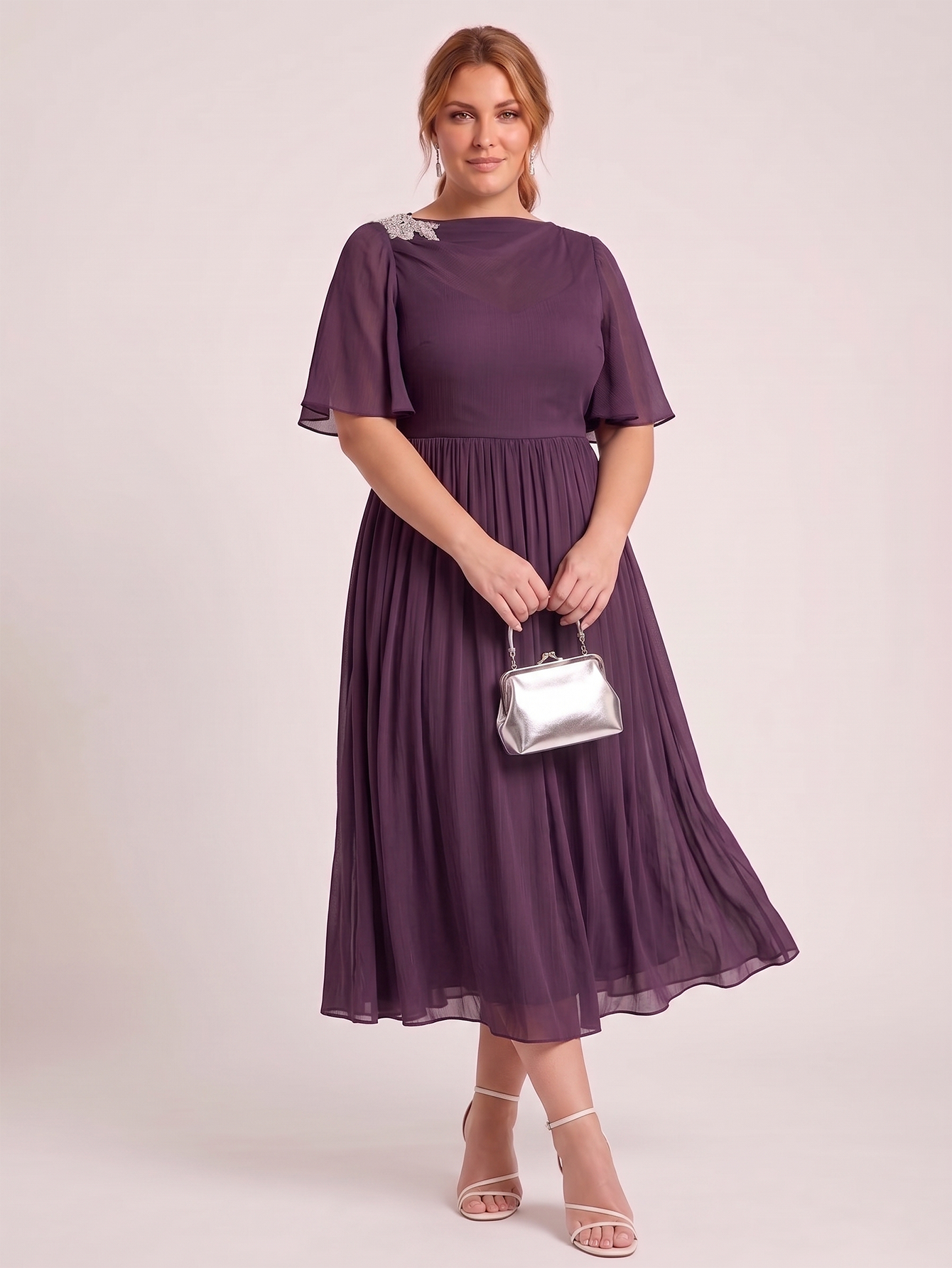
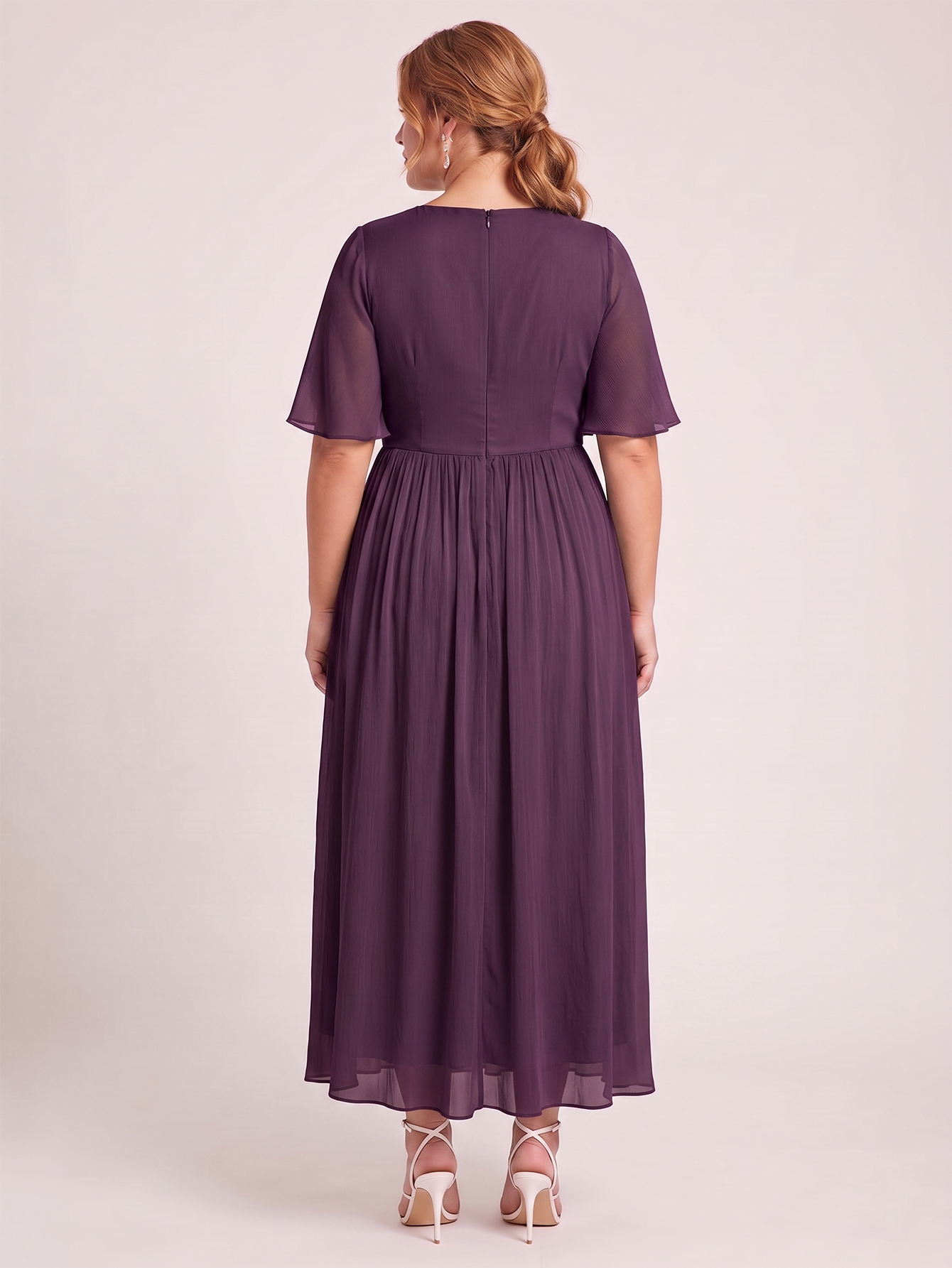
It can feel particularly elegant for evening receptions and works well with silver, gold or understated neutral accessories.
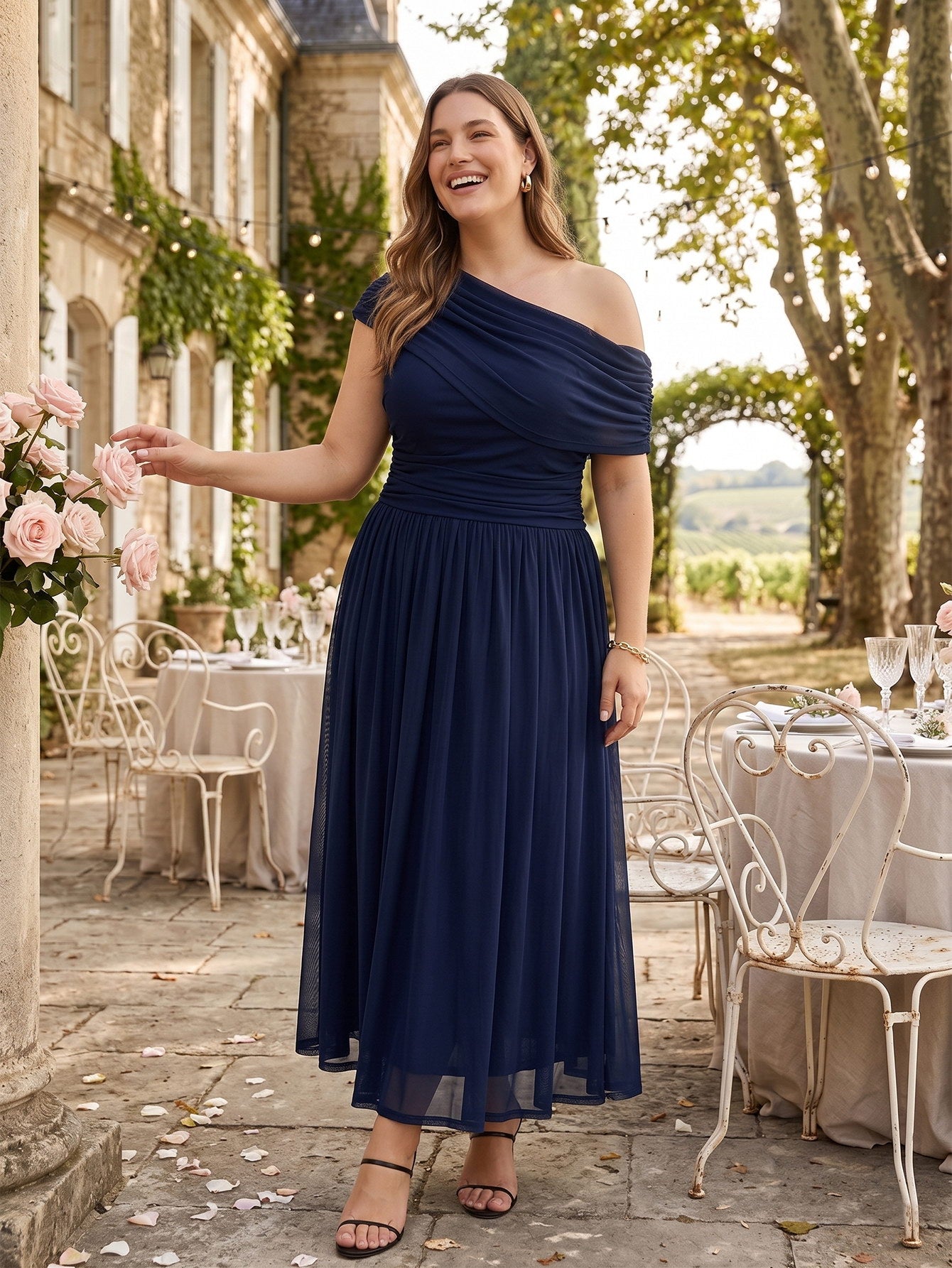
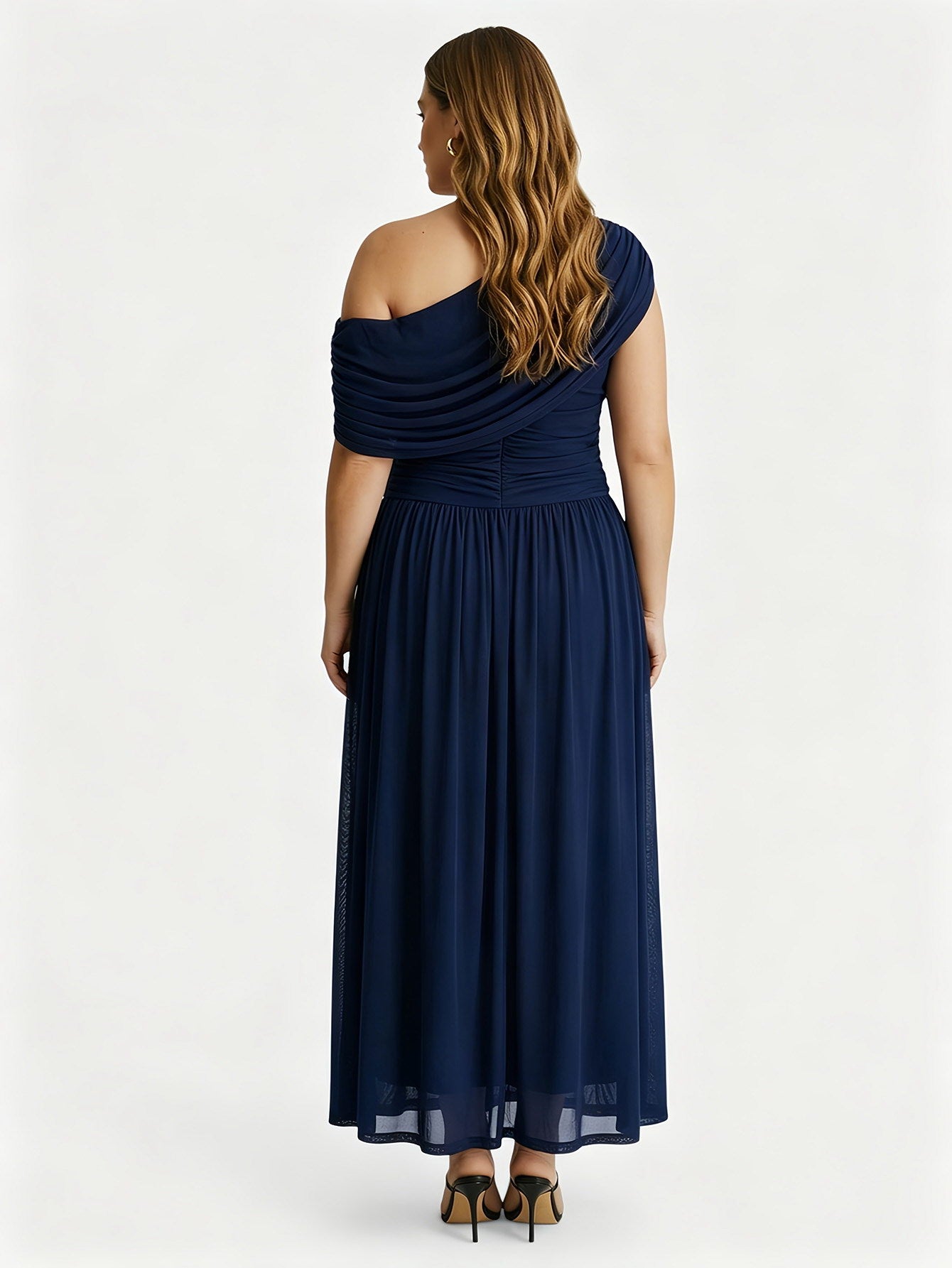
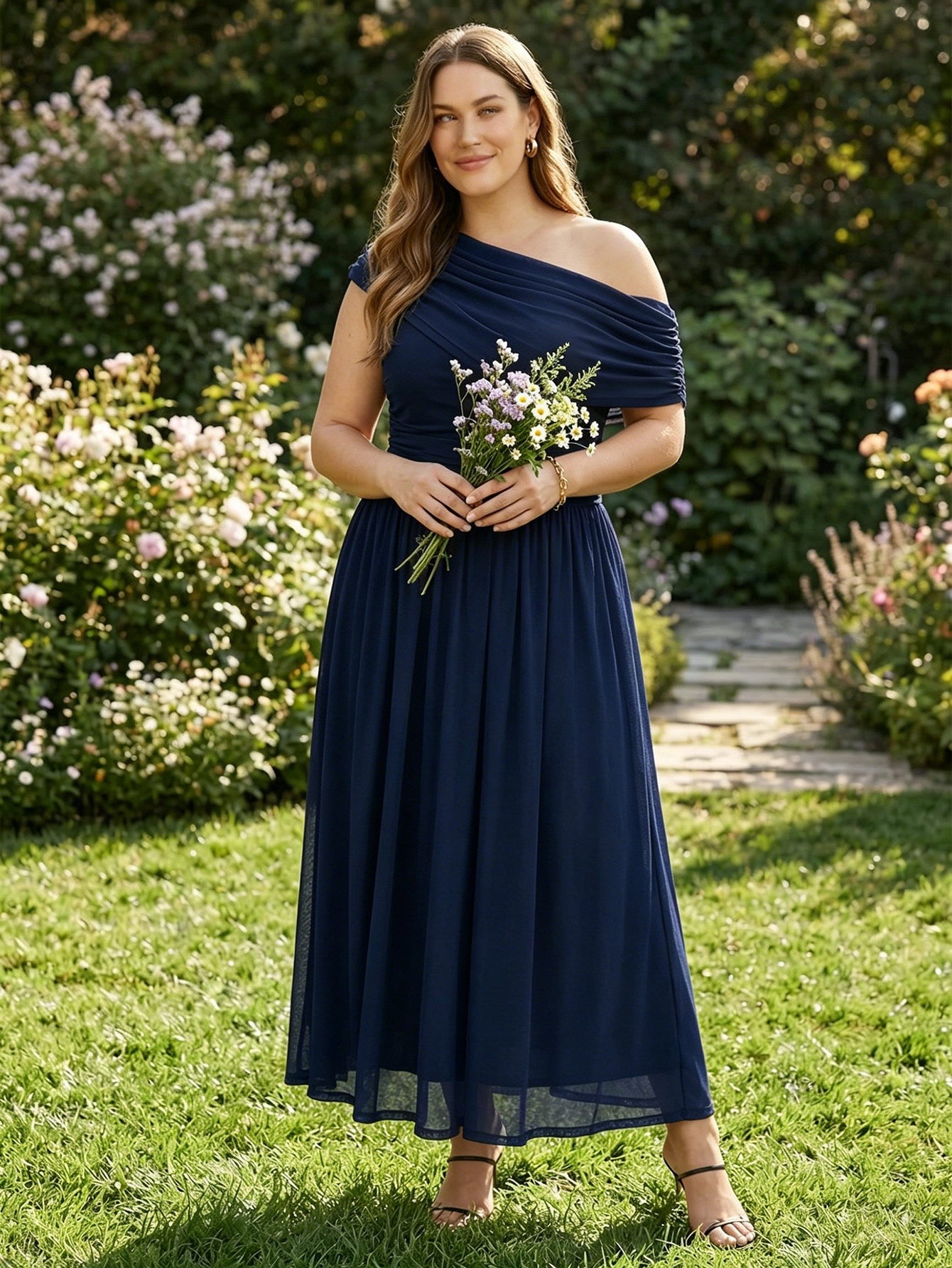
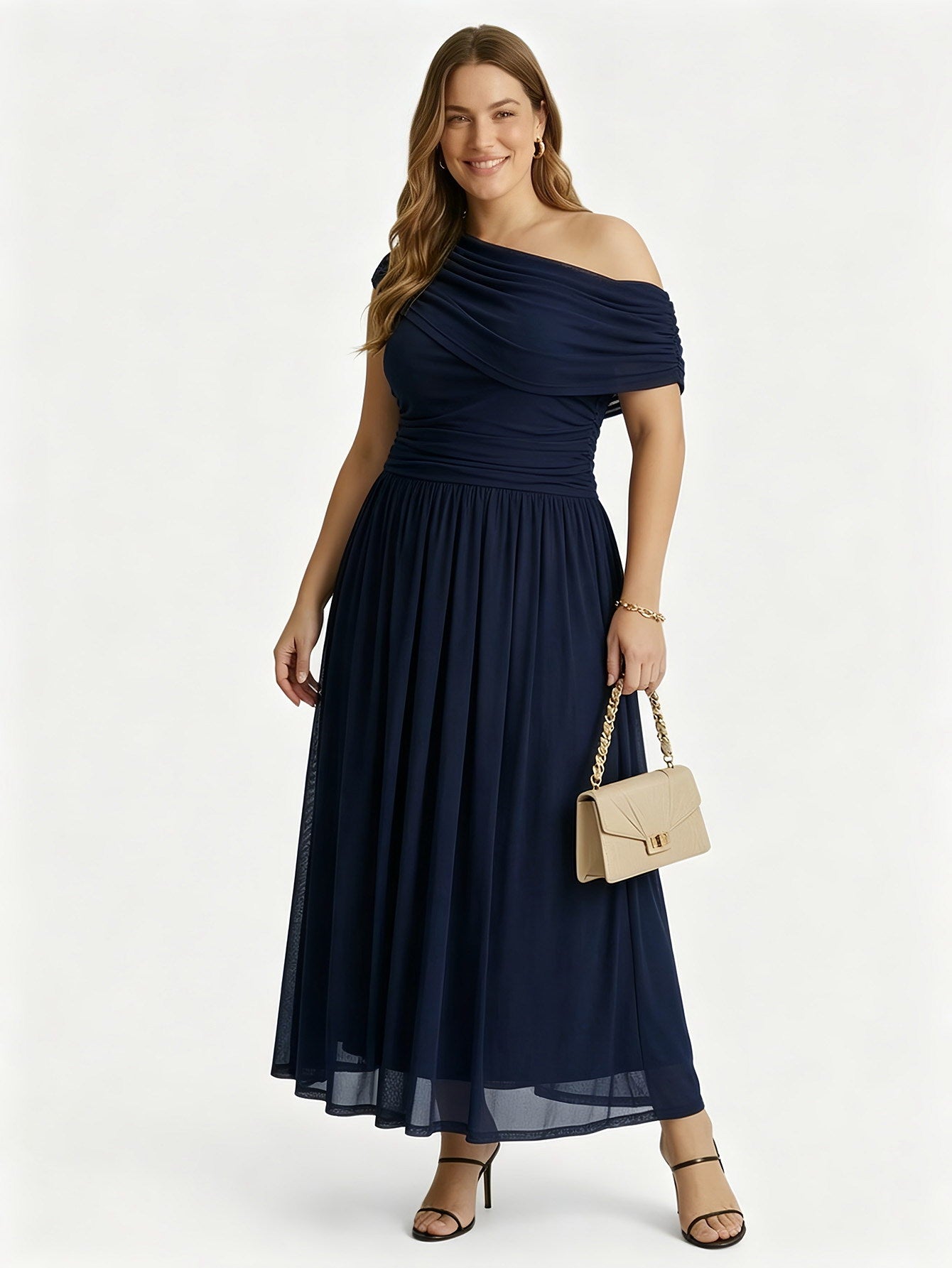
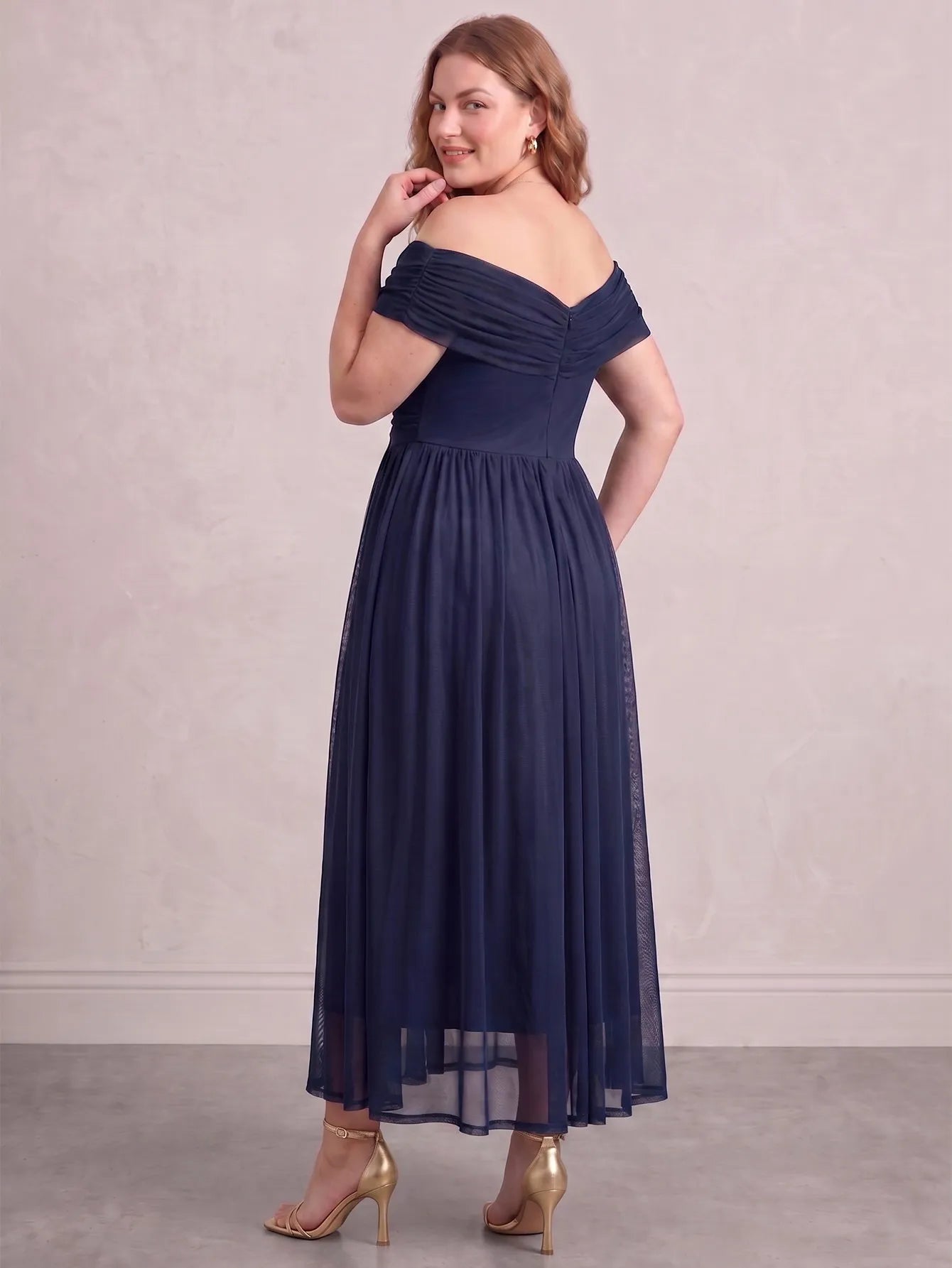
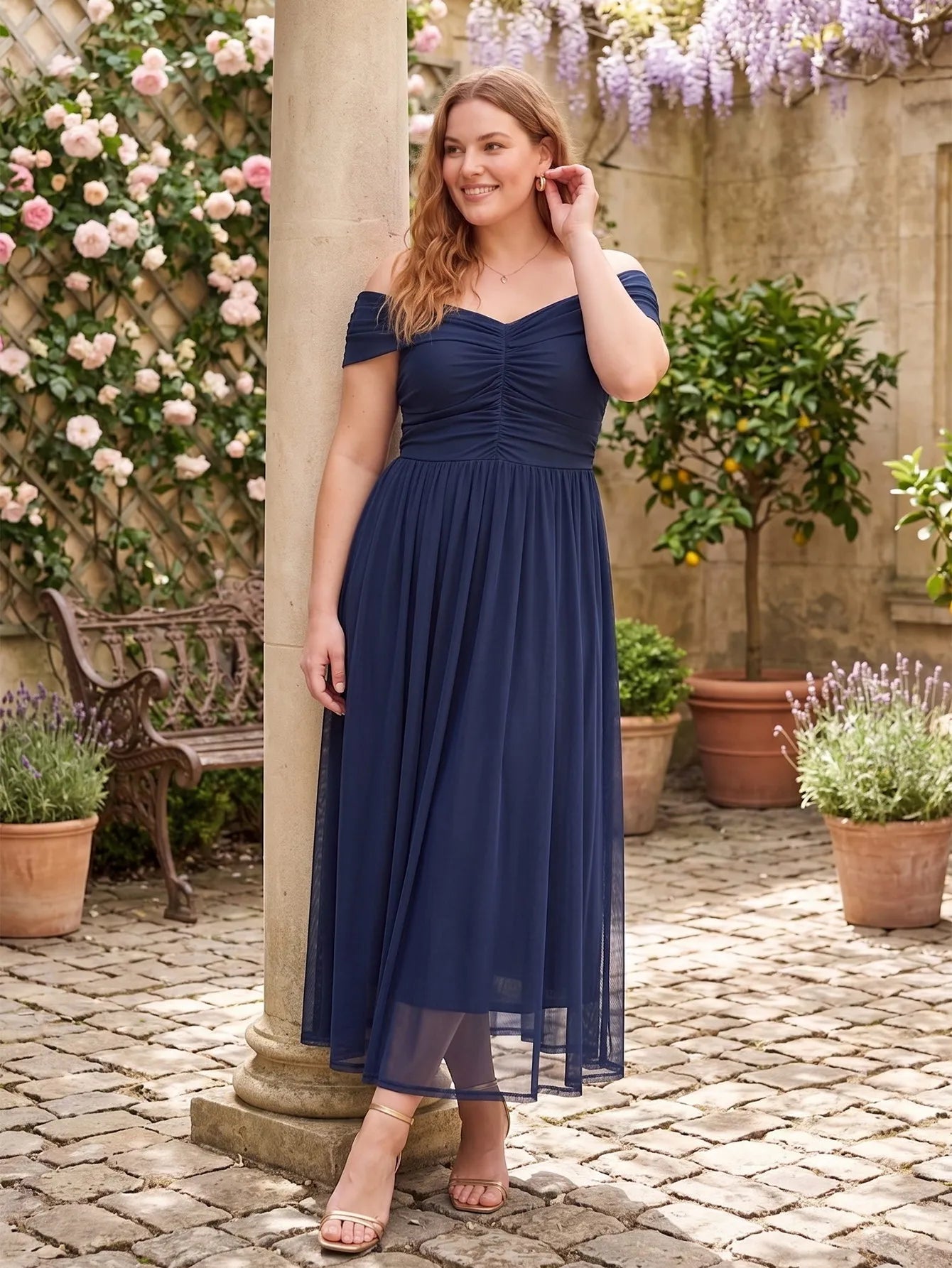
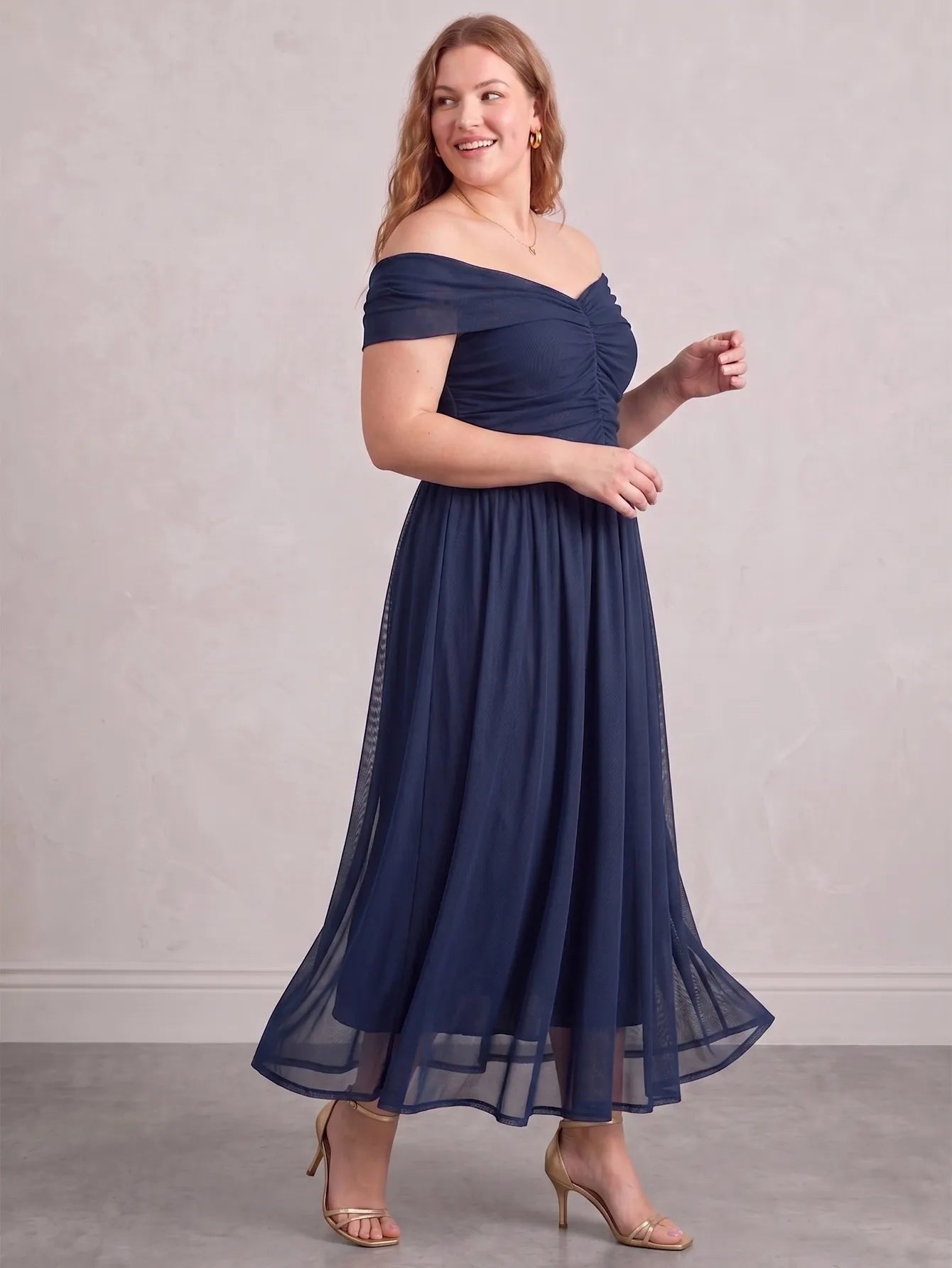
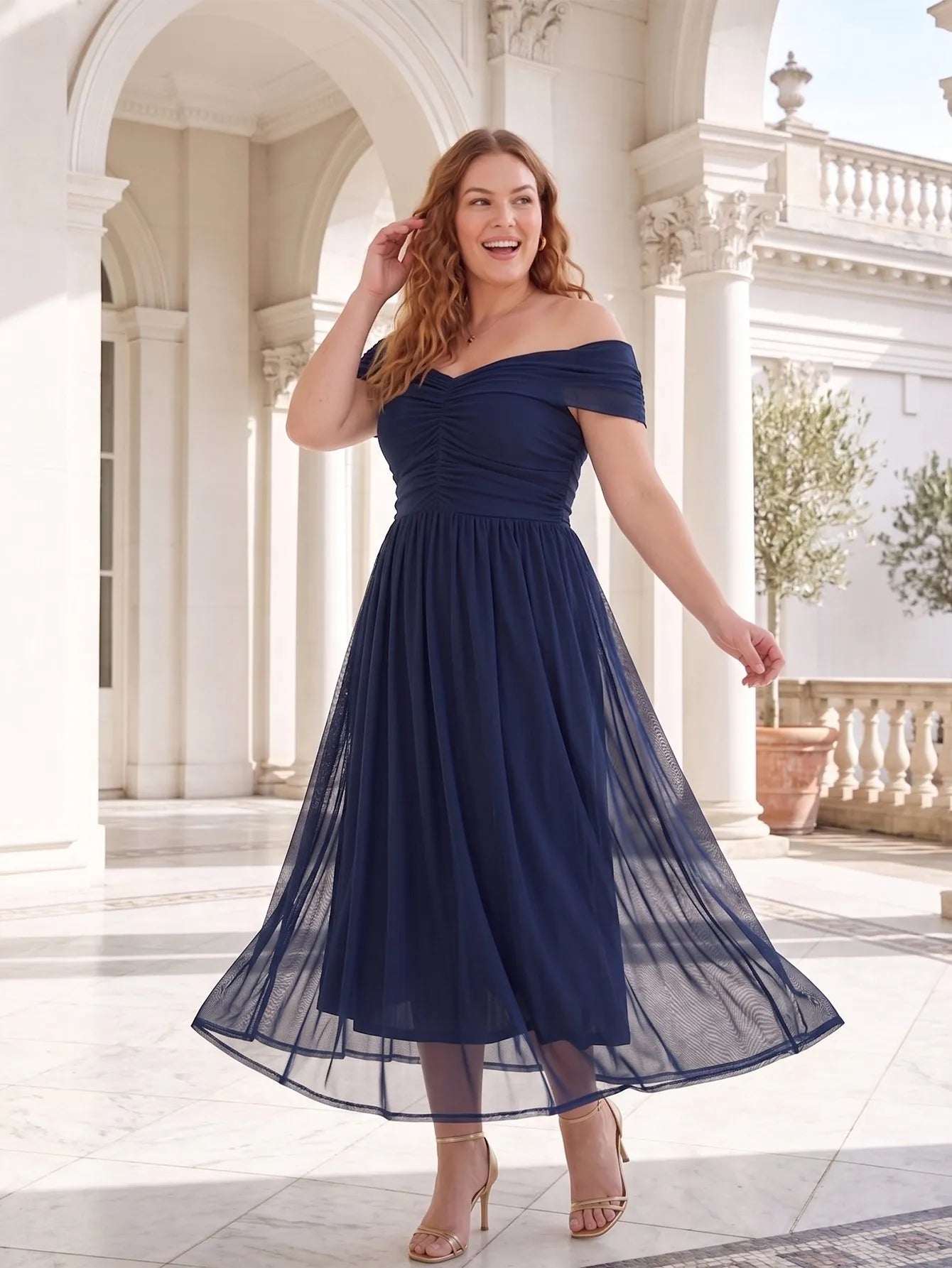
Navy
Navy is one of the easiest wedding guest colors to reuse.
It feels formal enough for evening events while remaining versatile for different venues and seasons.
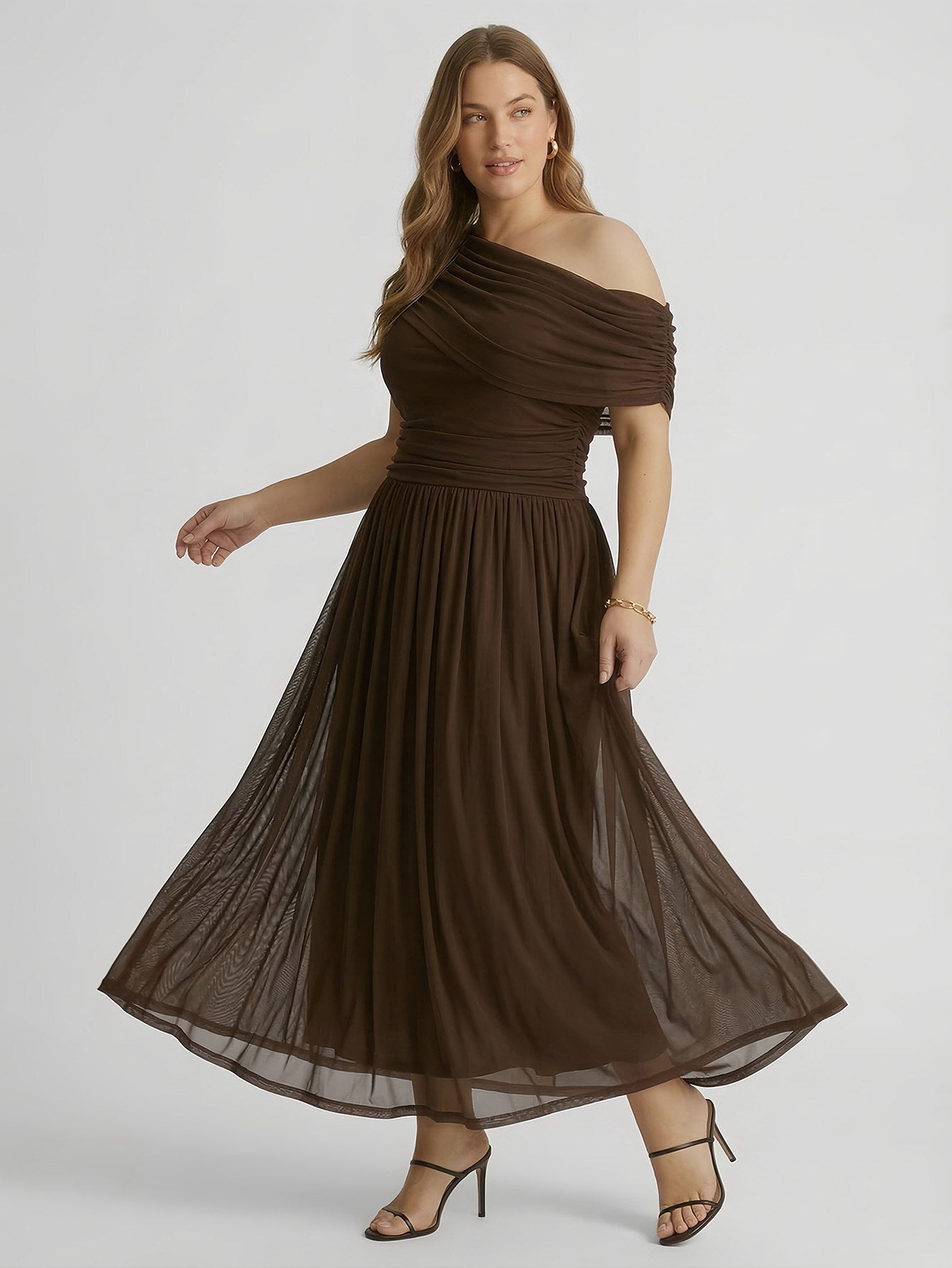
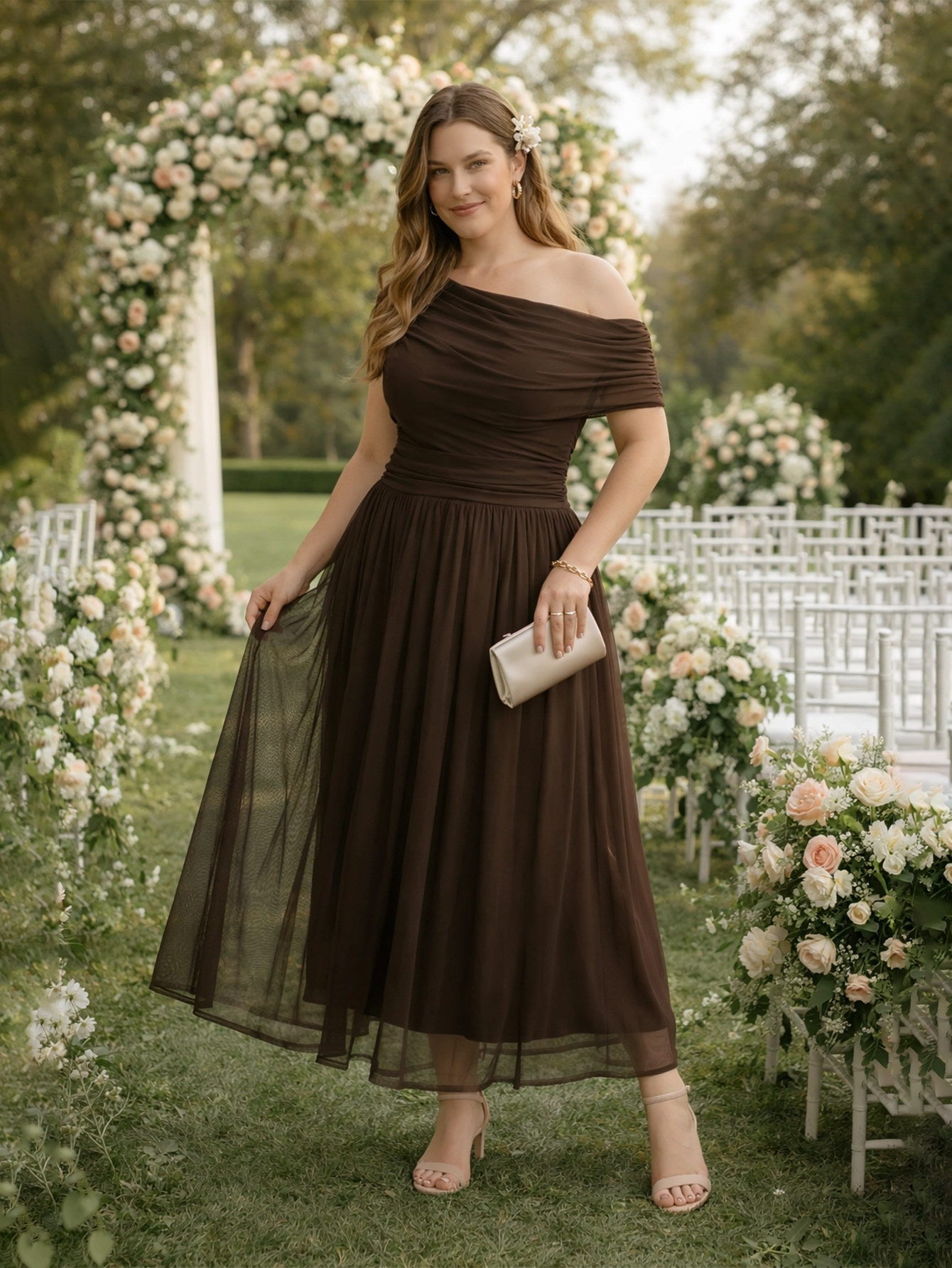
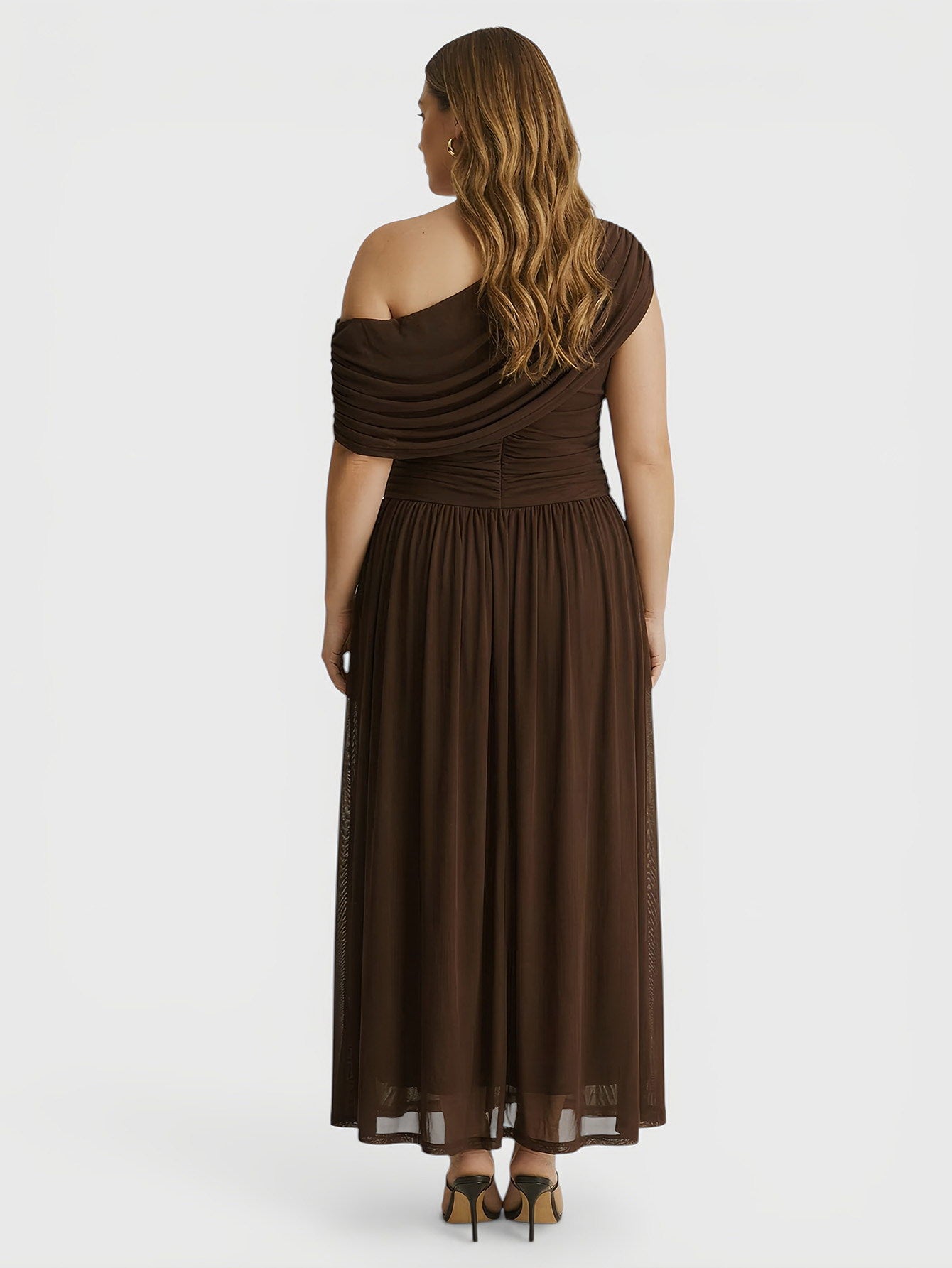
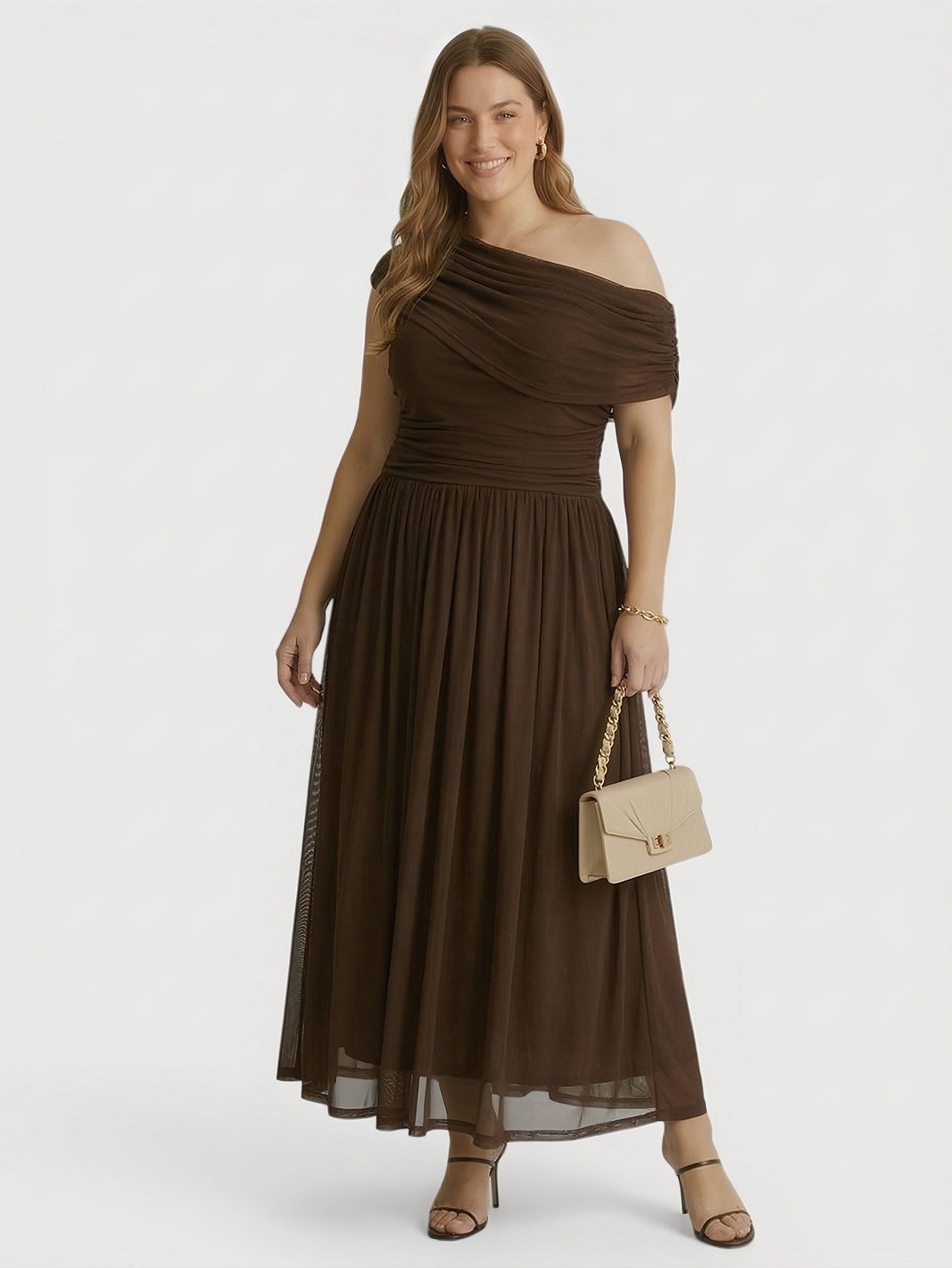
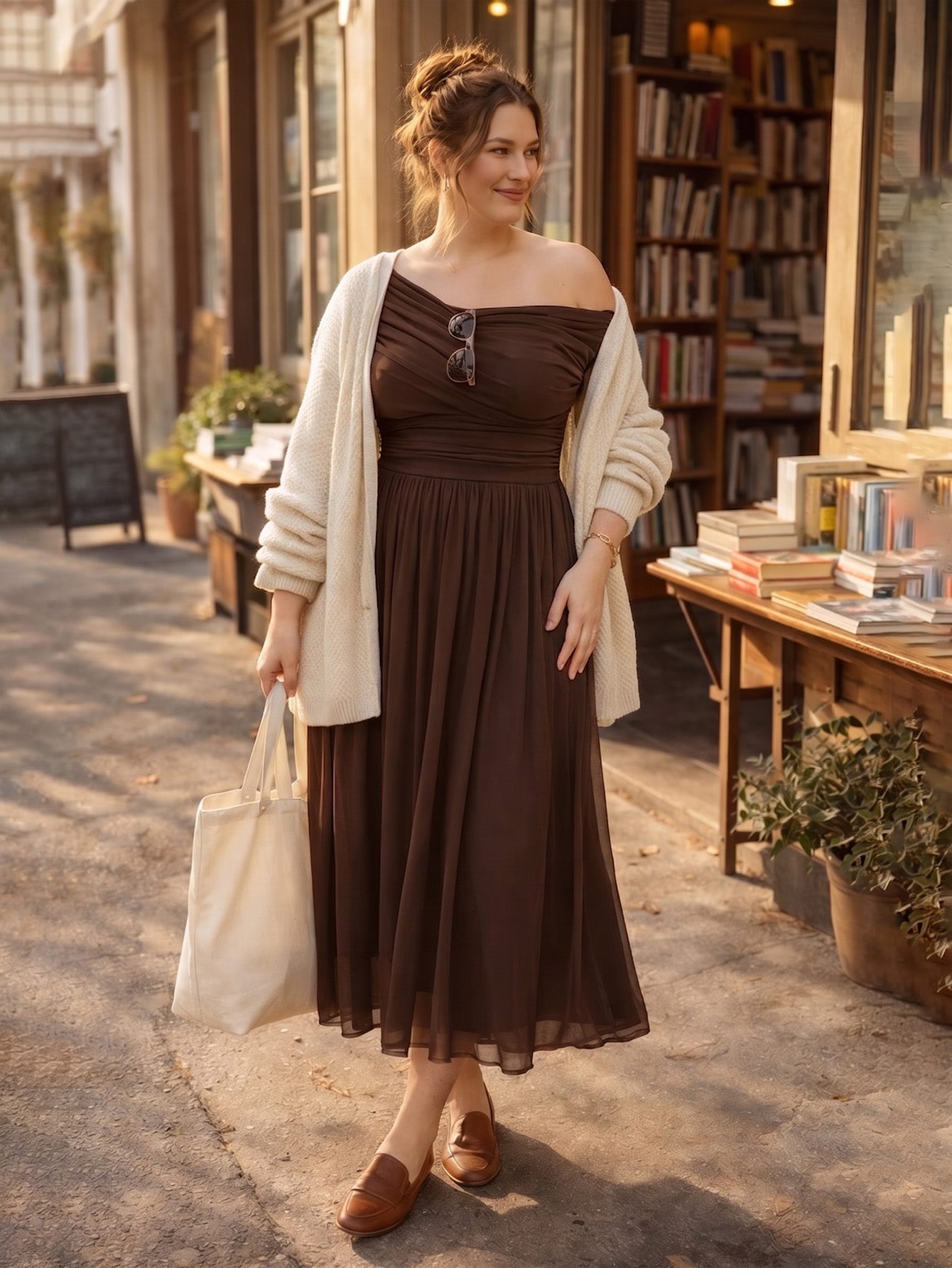
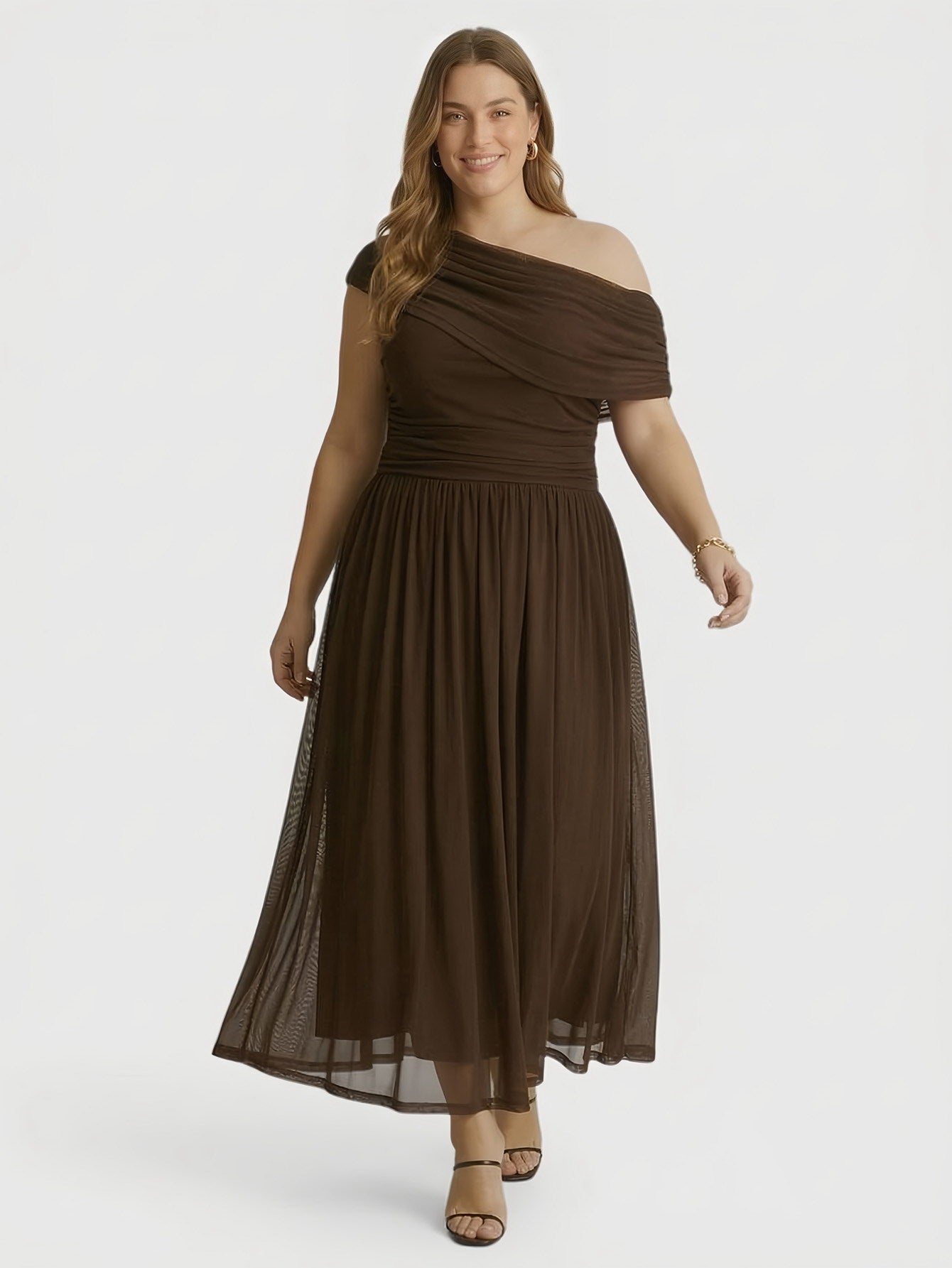
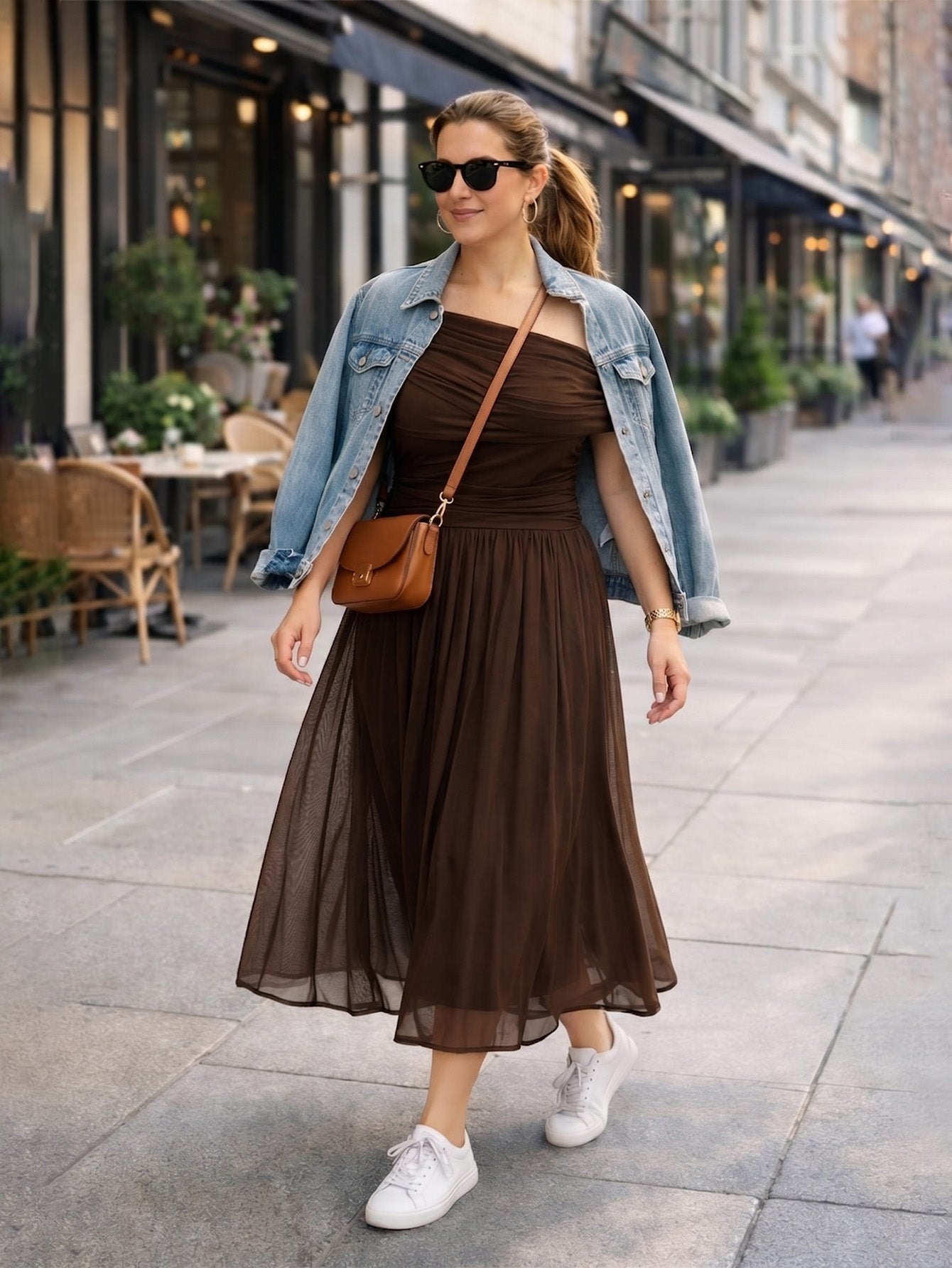
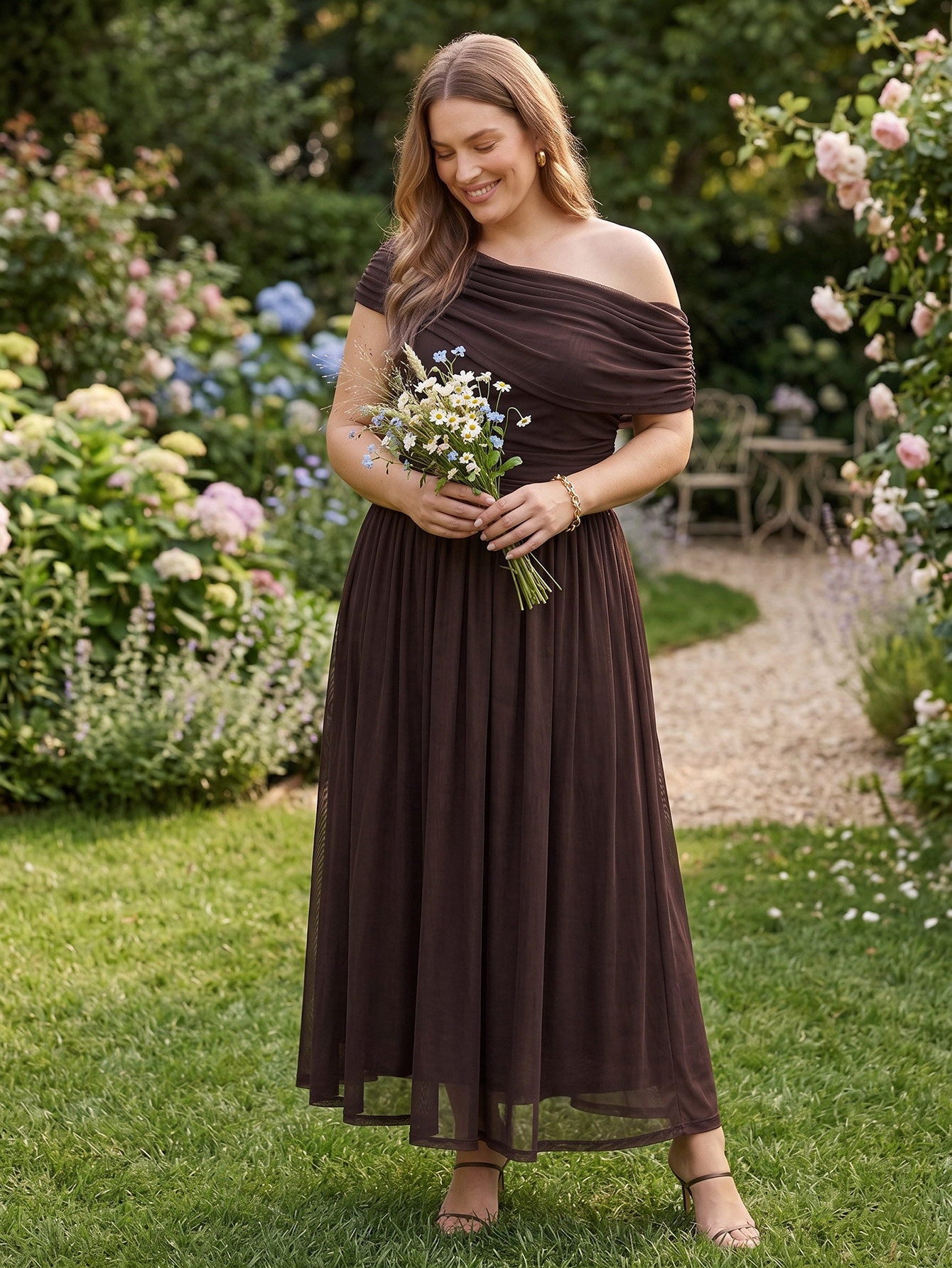
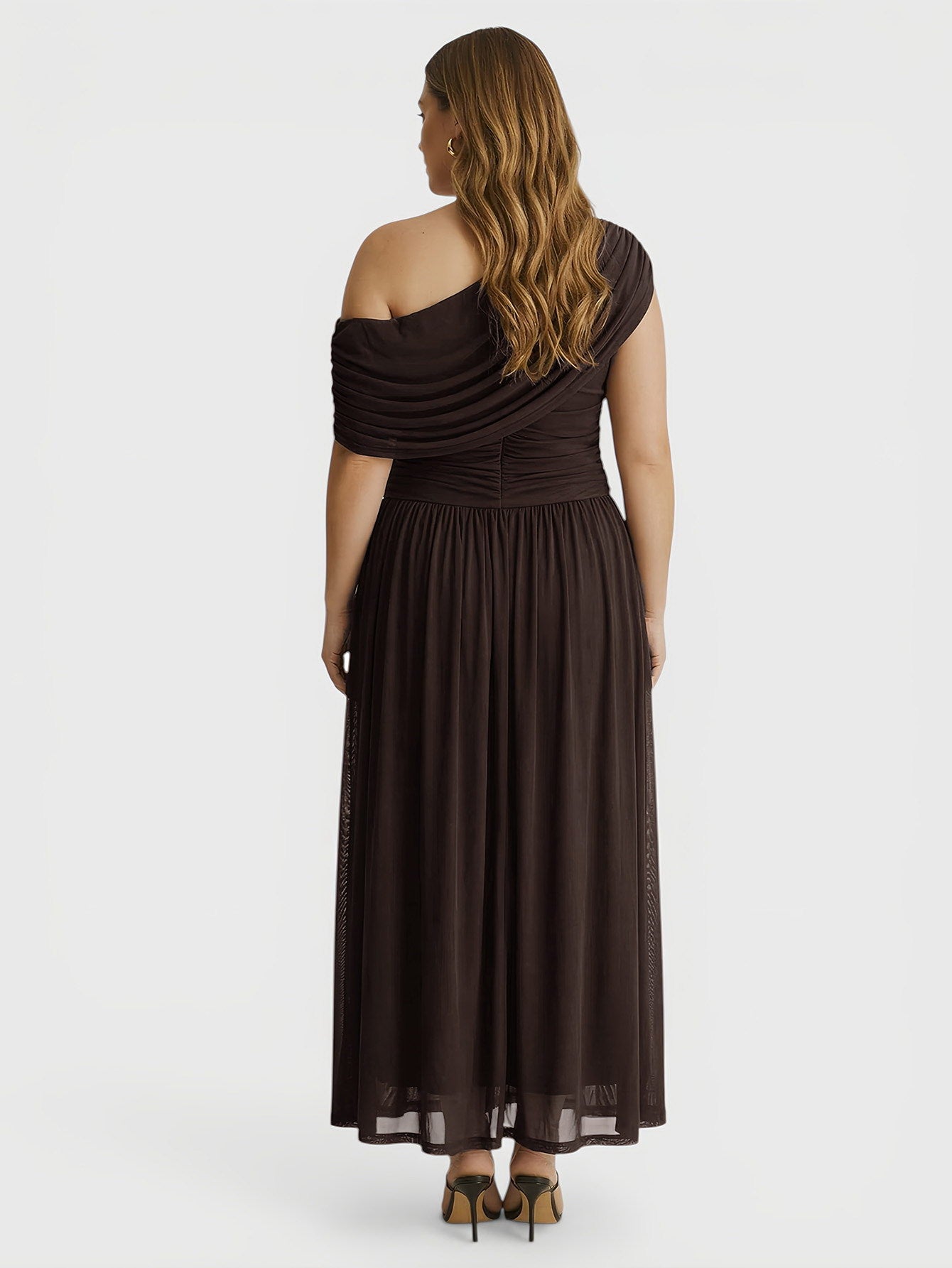
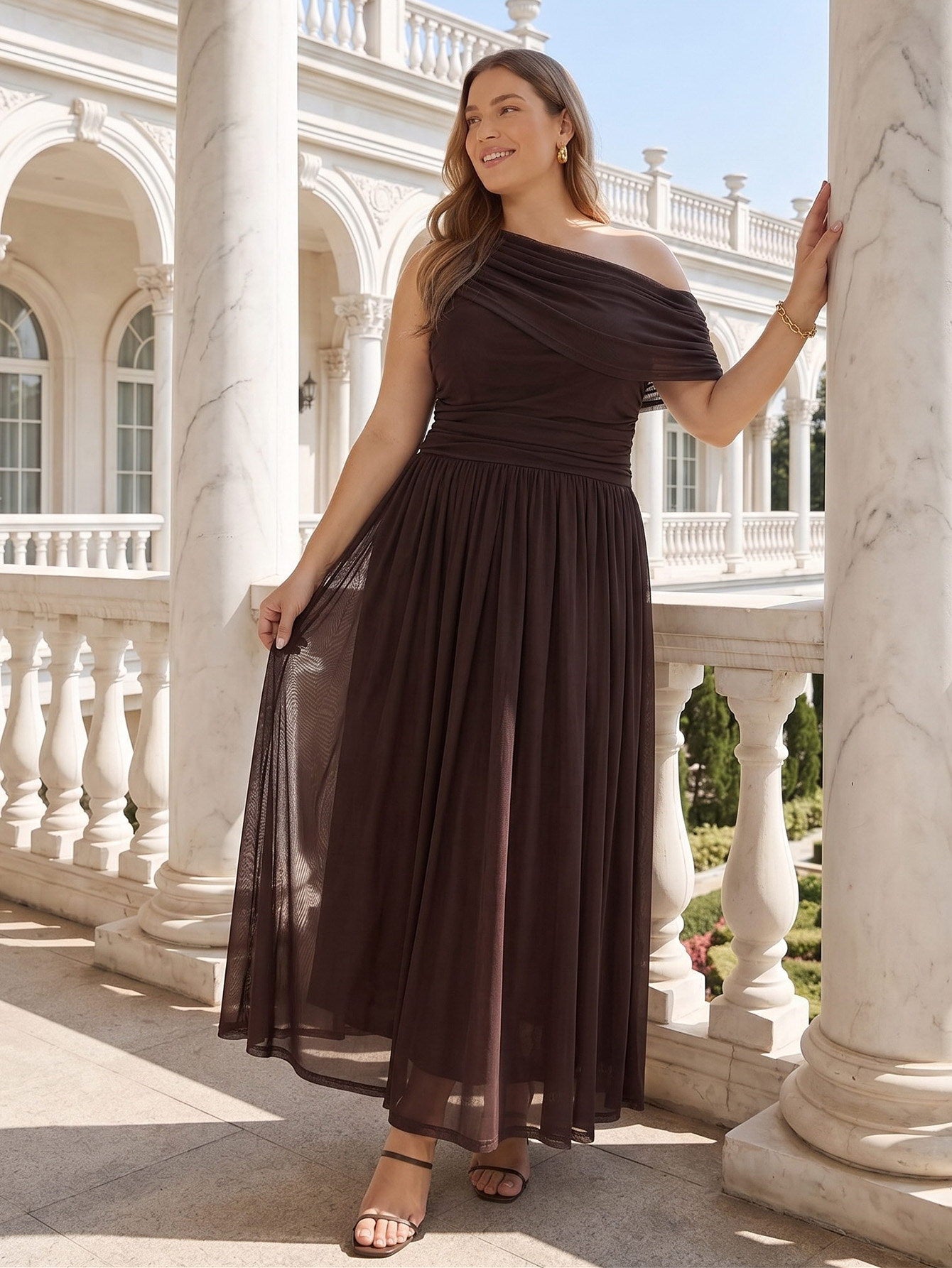
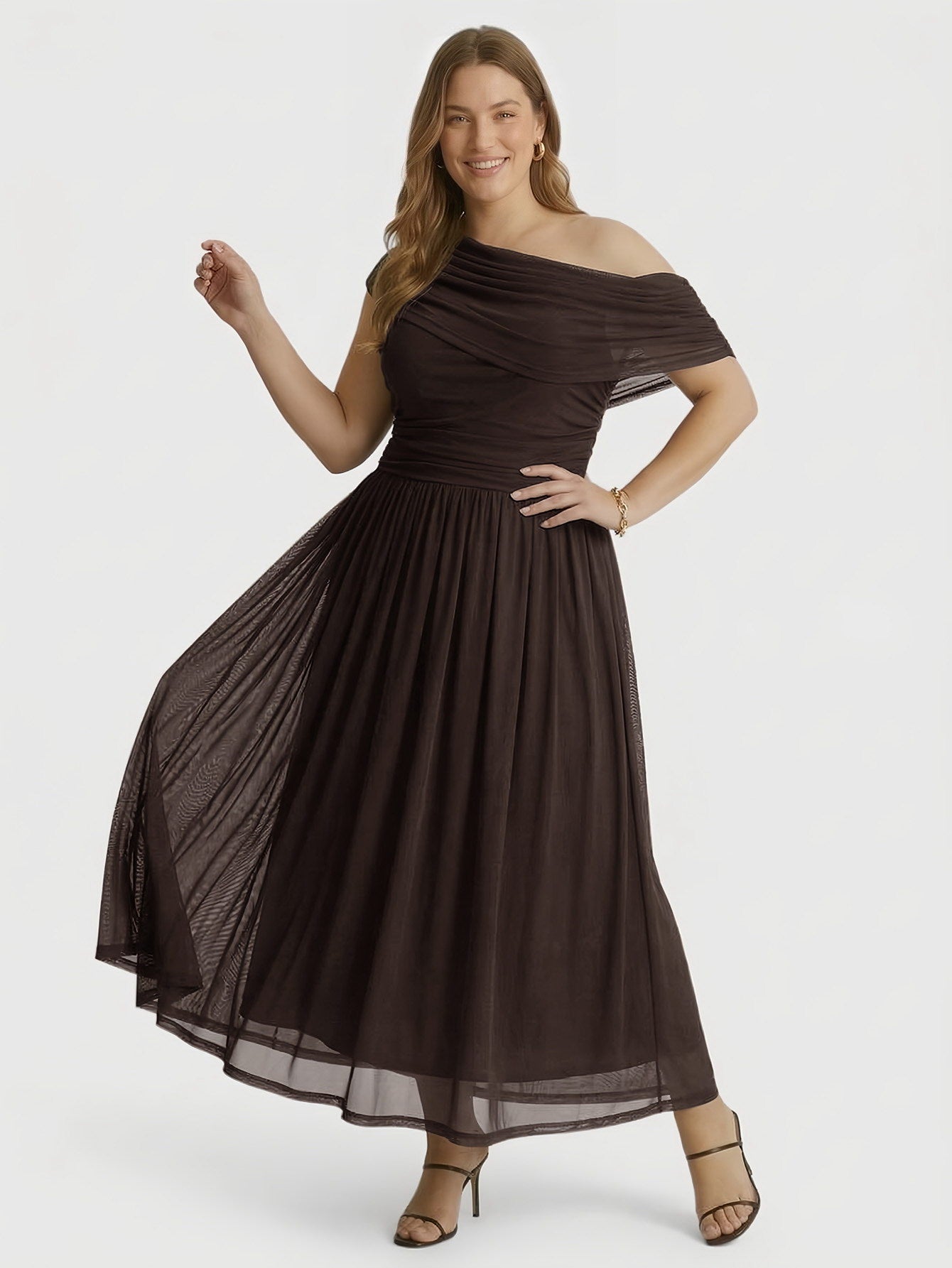
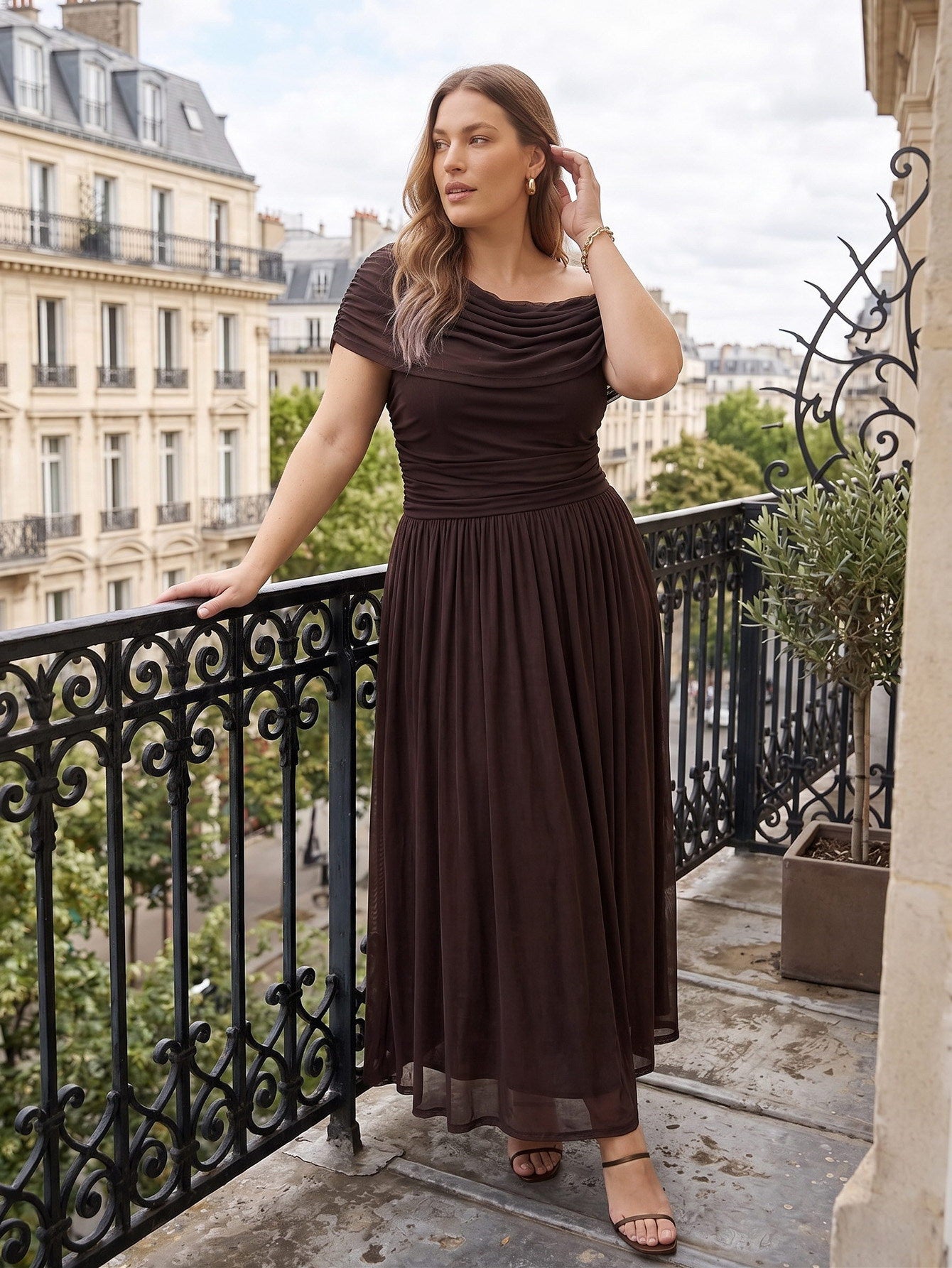
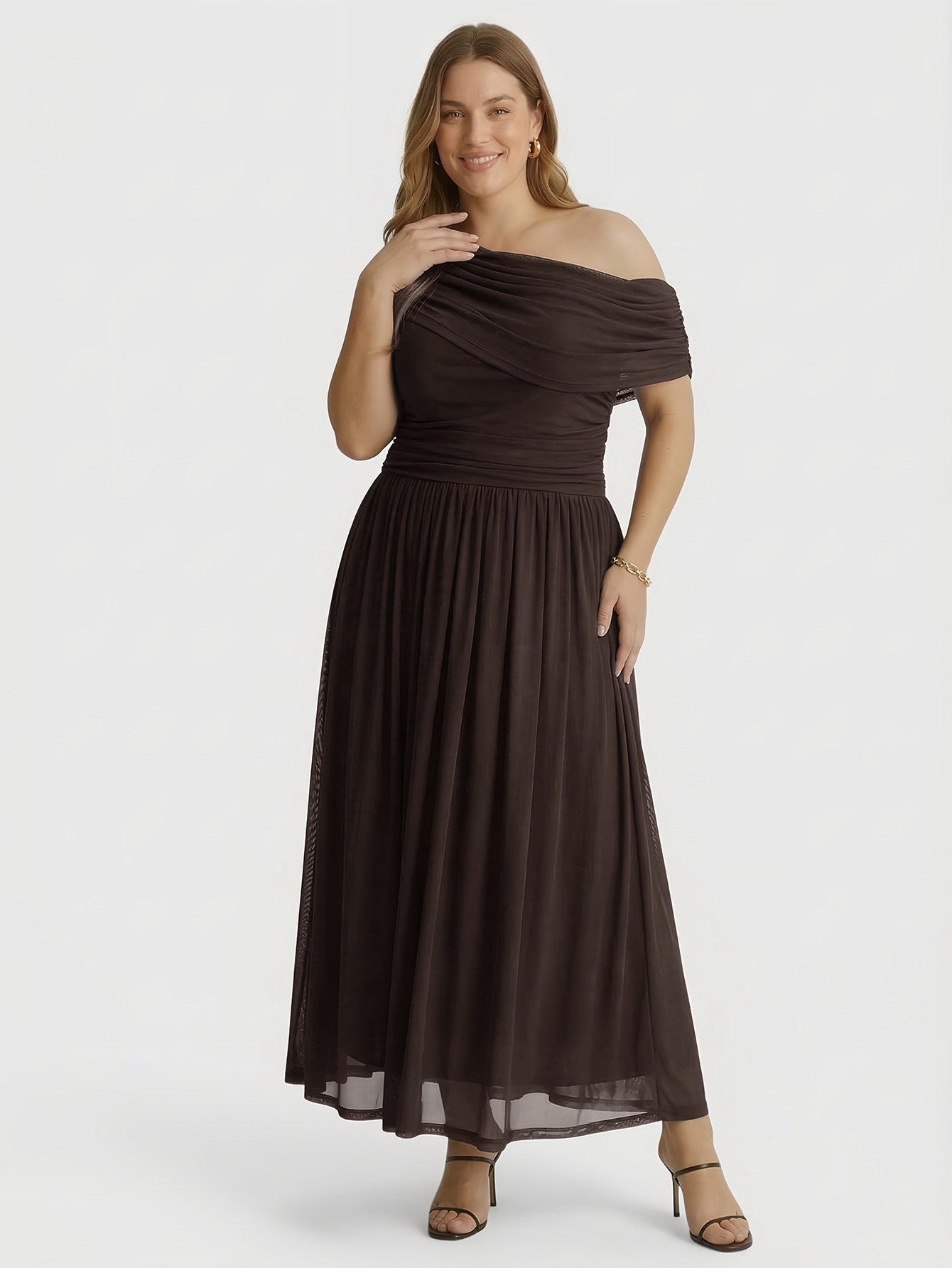
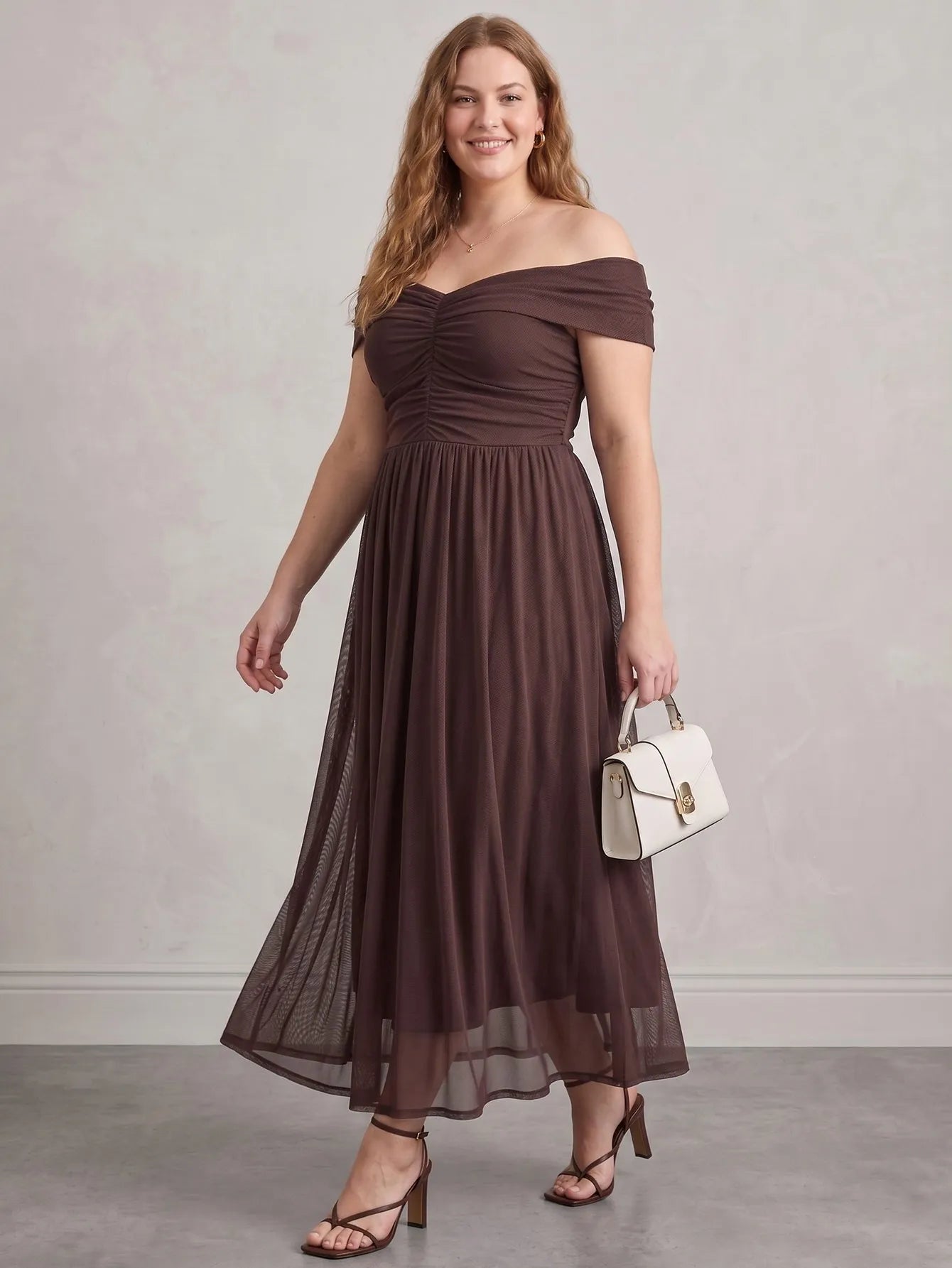
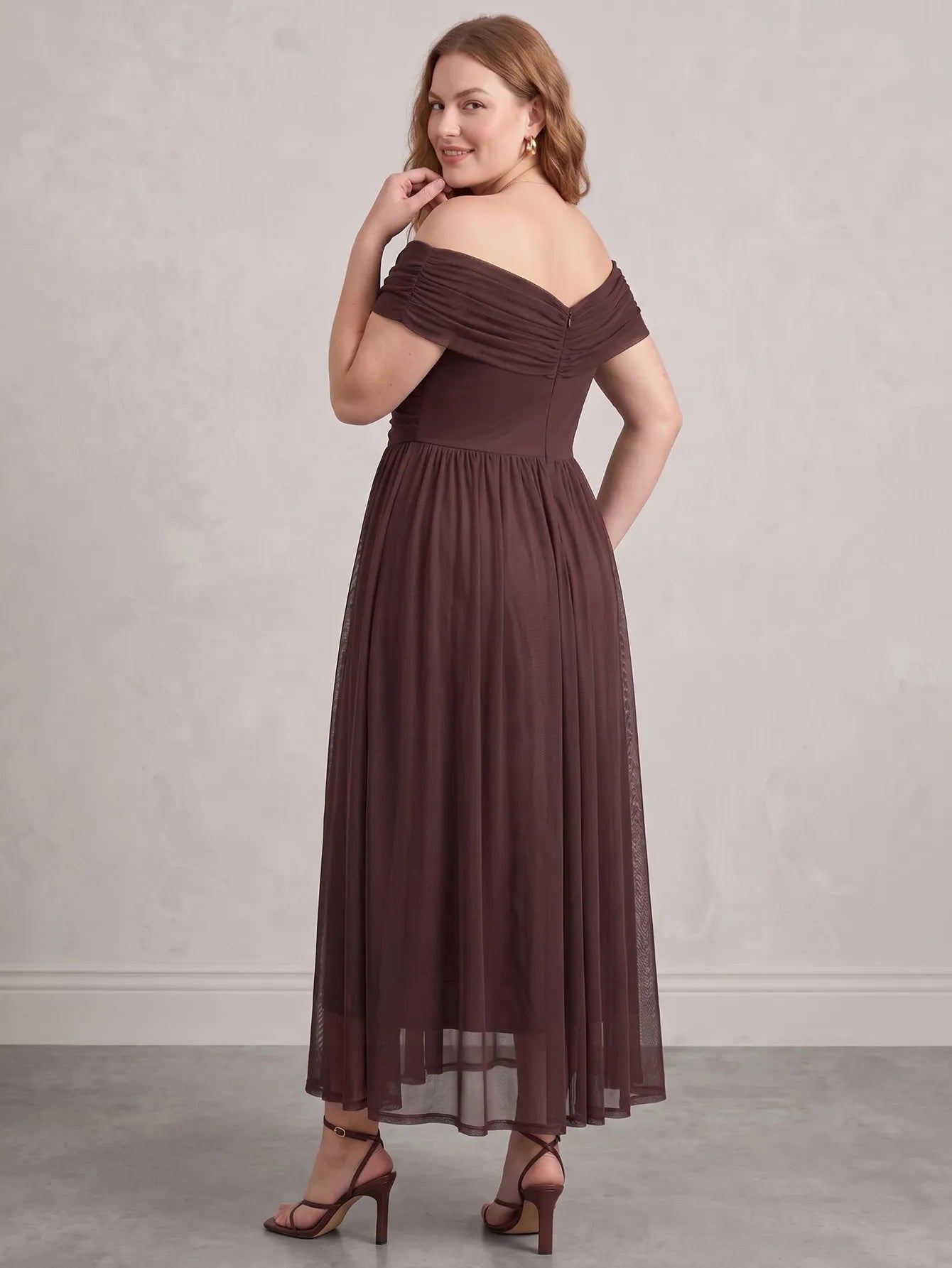
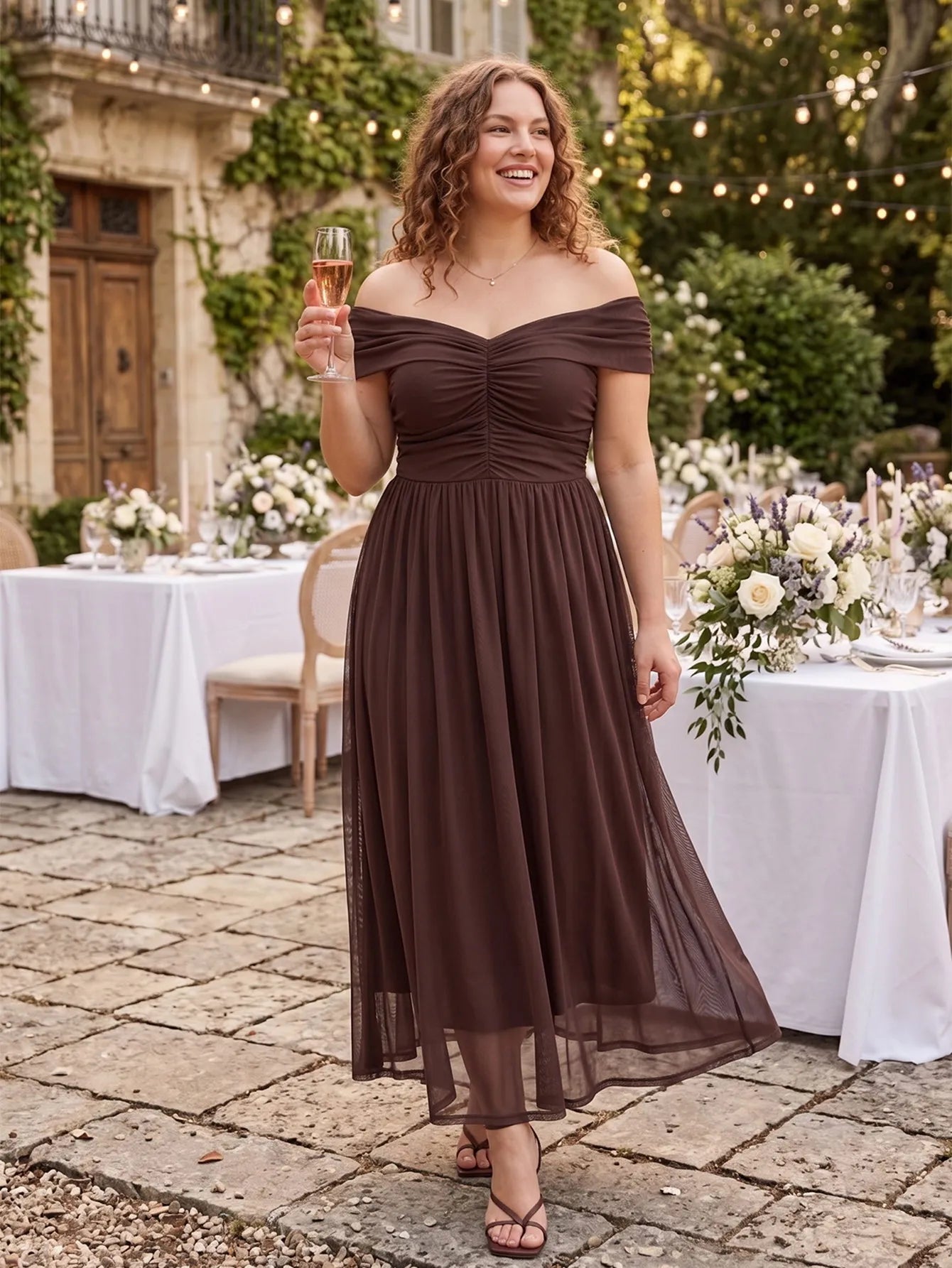
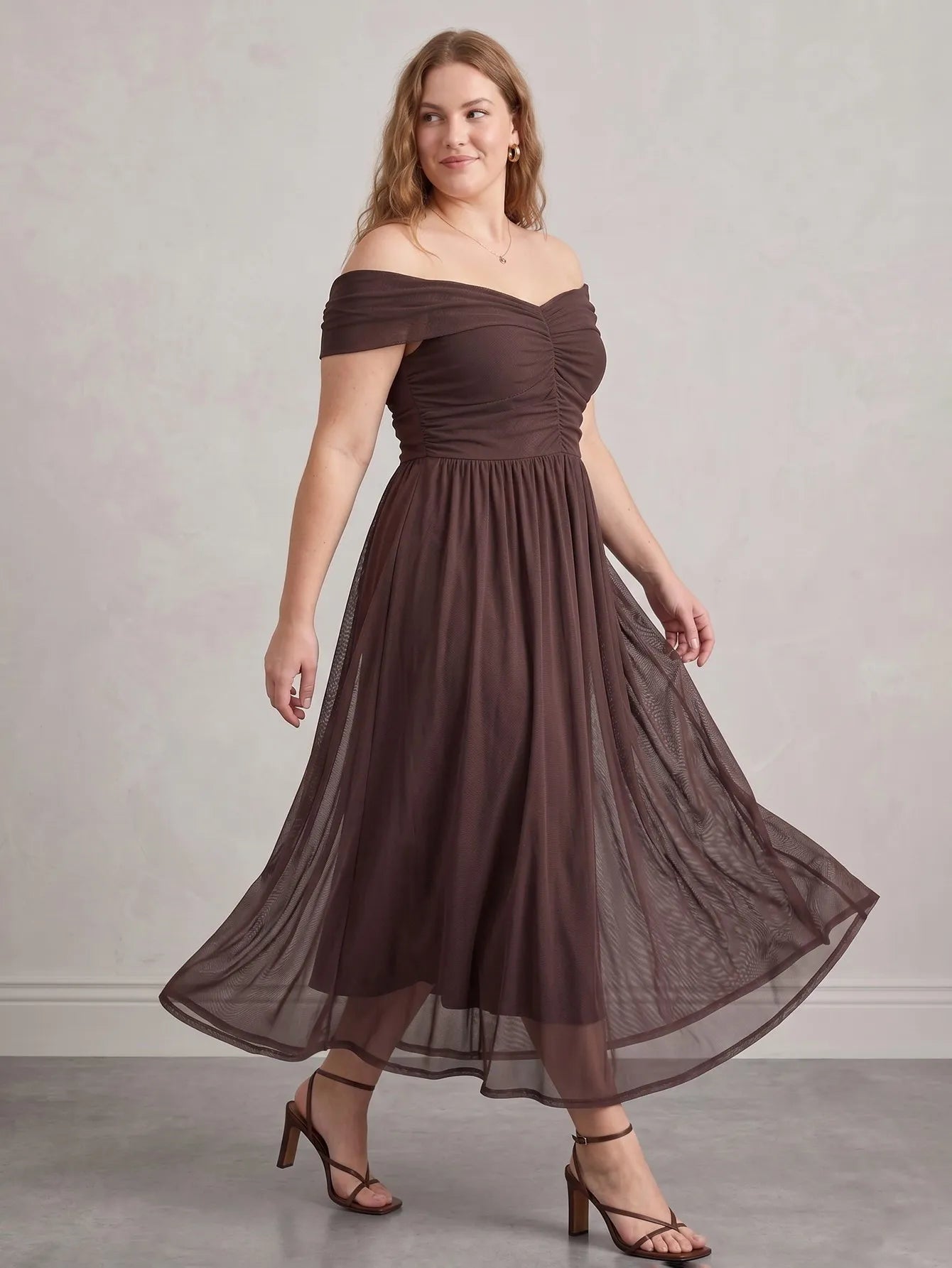
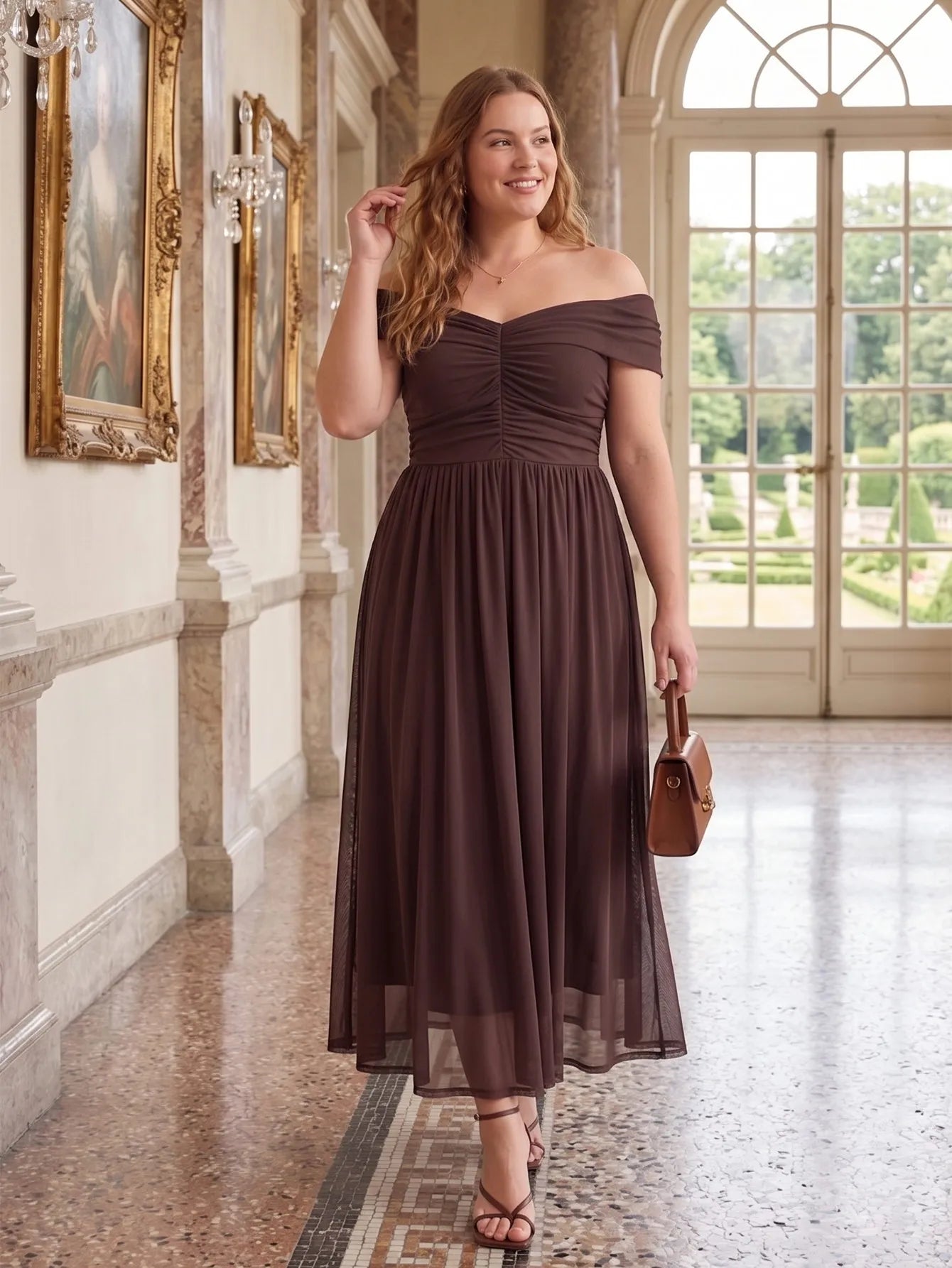
Brown and Chocolate Tones
Brown has become a strong alternative to traditional black and beige.
A deeper brown can feel especially appropriate for autumn without looking overly themed.
Green
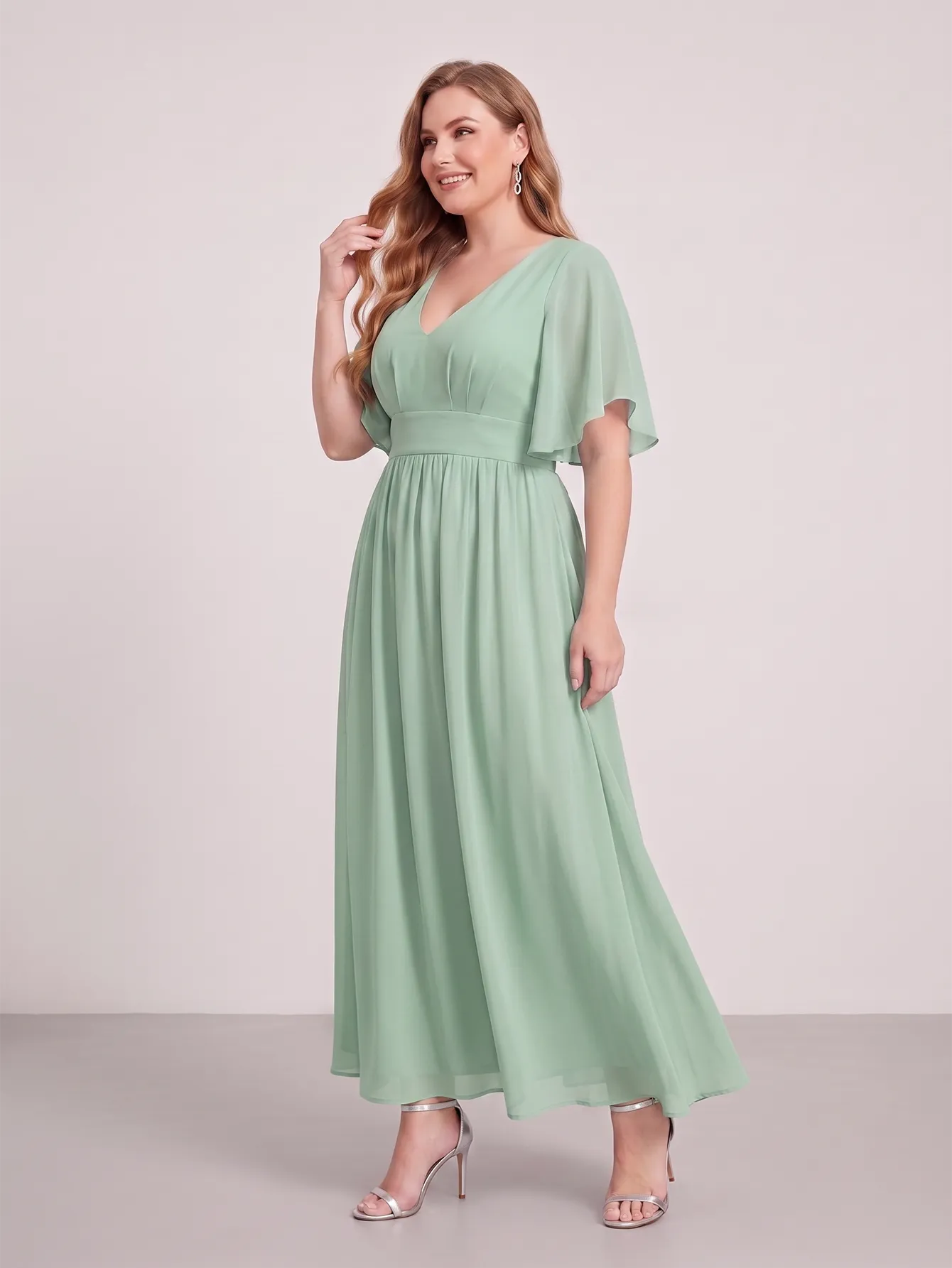
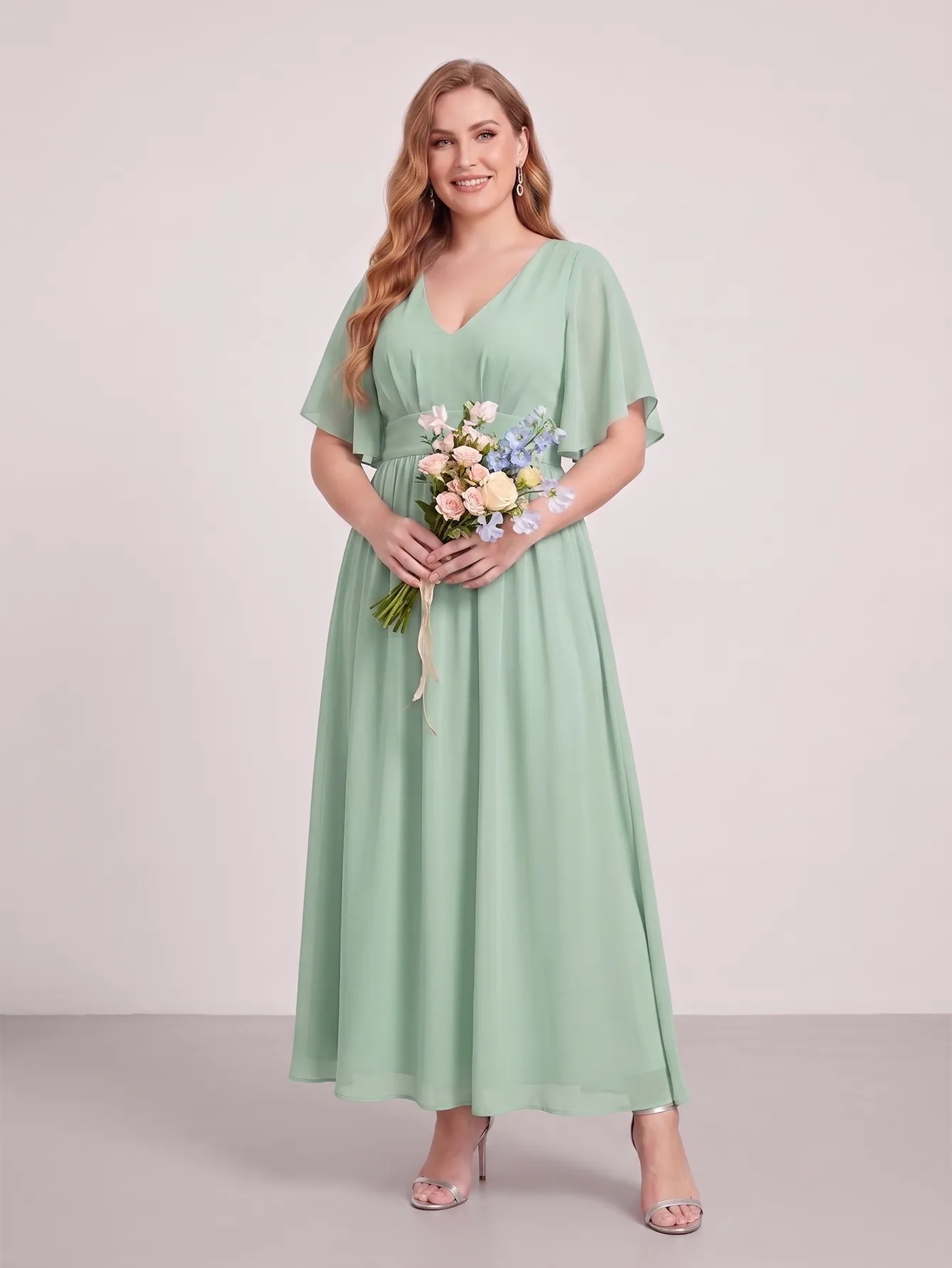
Sage can still work in early autumn, while moss, forest and deeper green tones create a more seasonal mood.
You can also continue wearing blues, prints and other colors if they suit the invitation and your personal style.
The most important rule is simpler: avoid shades specifically reserved by the couple or wedding party, and be cautious with white, ivory and very pale colors that may appear bridal in photographs.
4. Chiffon, Mesh or Satin? Think About the Whole Dress
Fabric names can help you understand the mood of a dress, but they do not tell you everything about how it will feel.
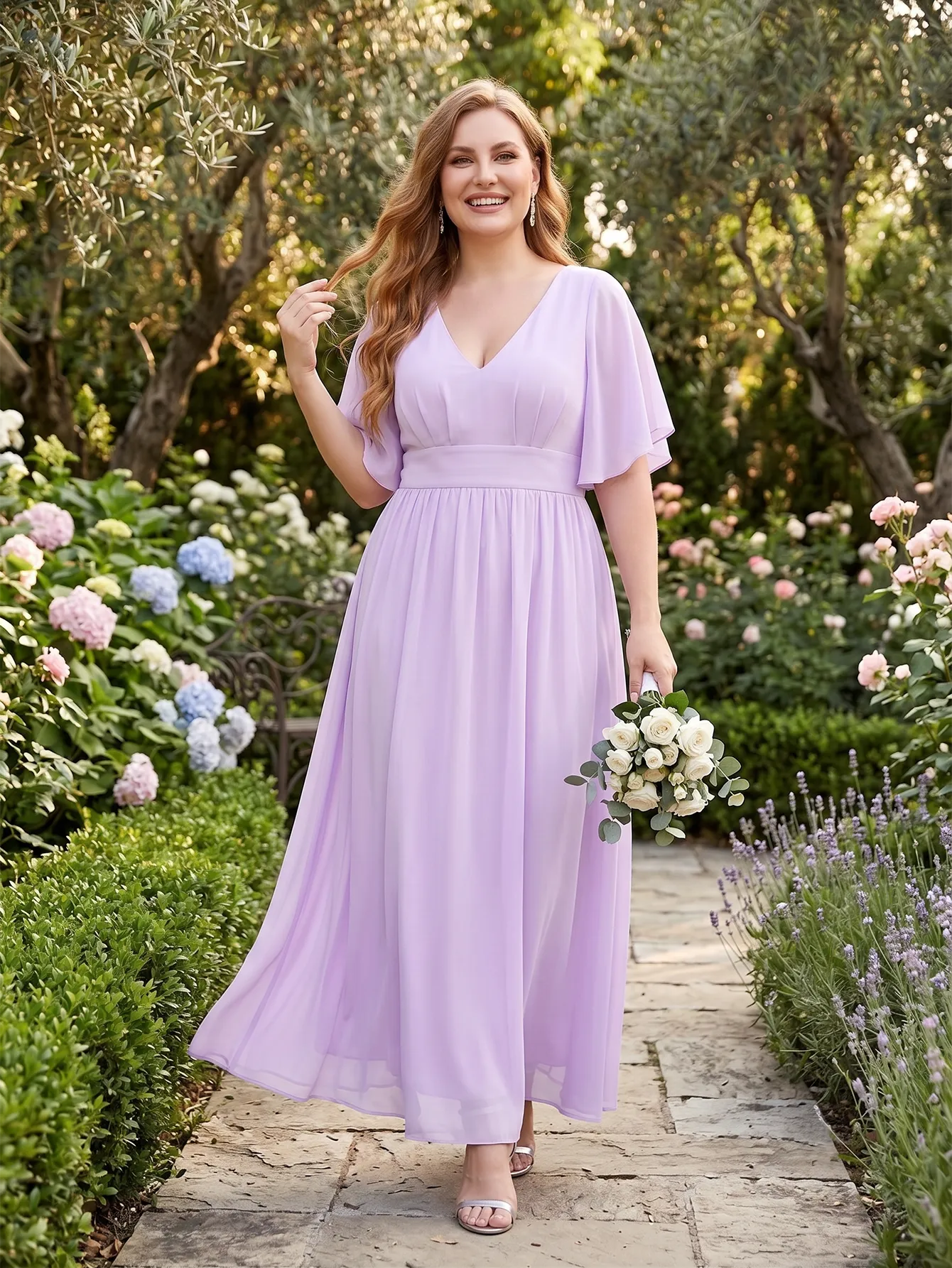
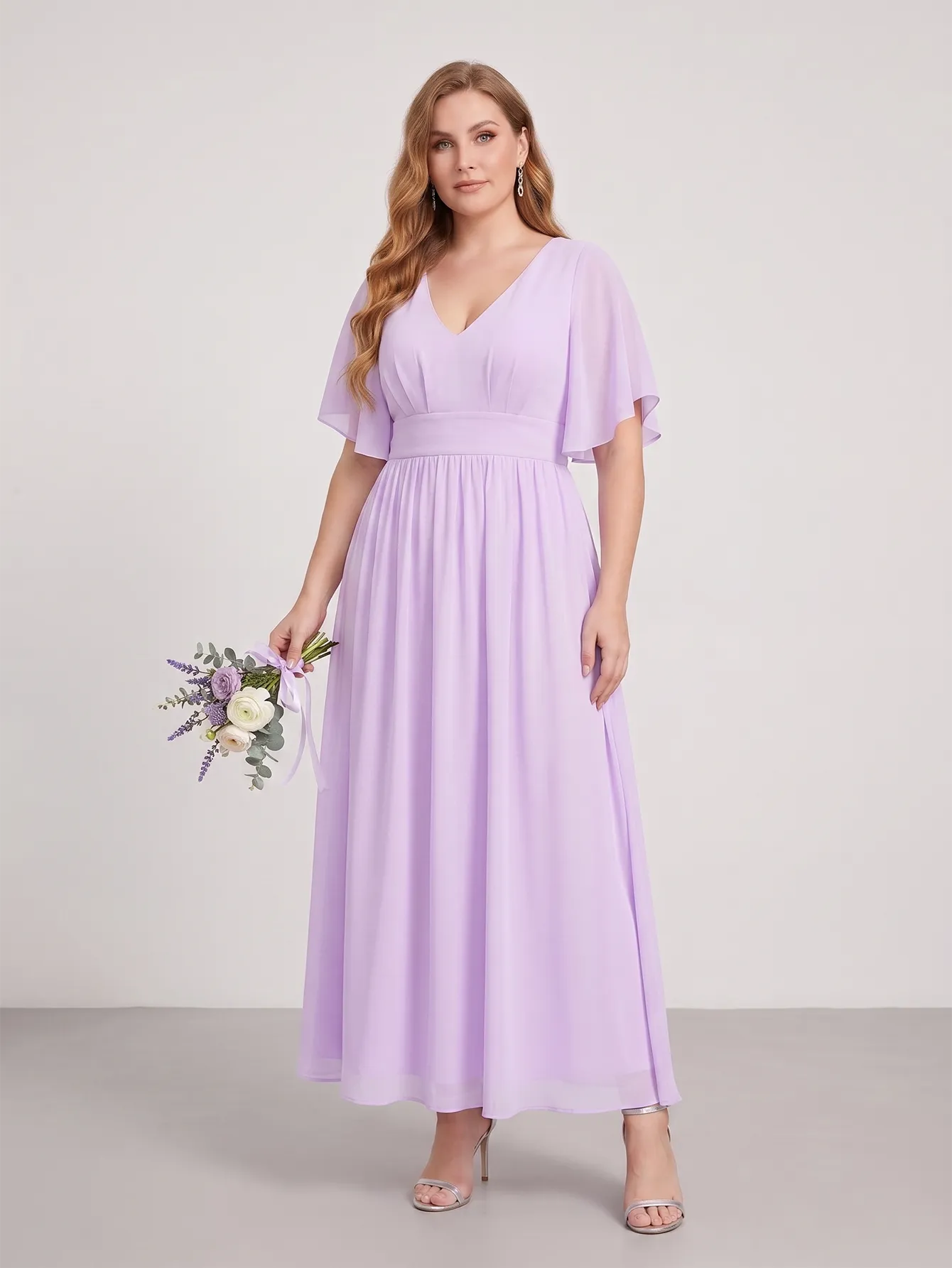
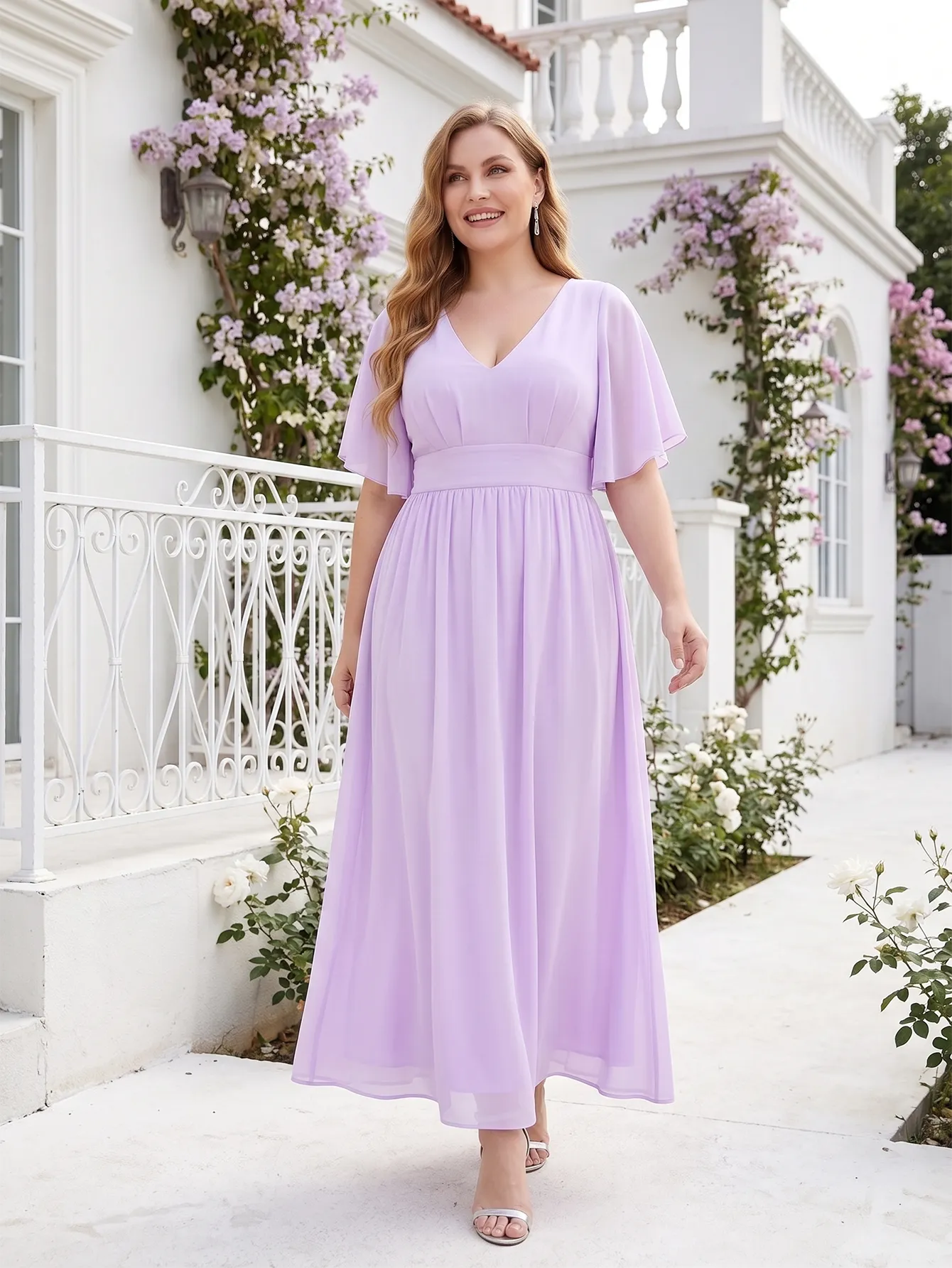
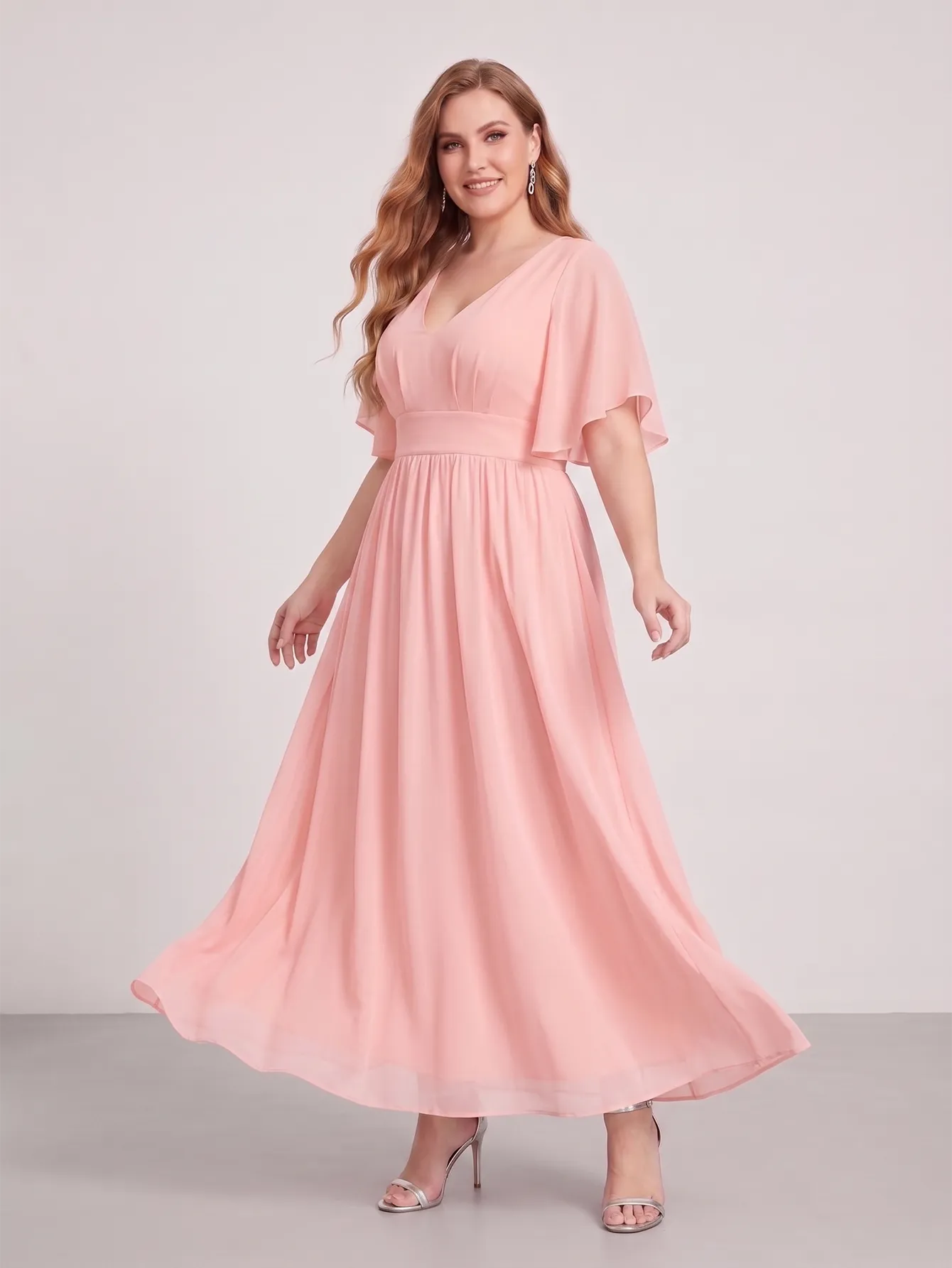
Chiffon
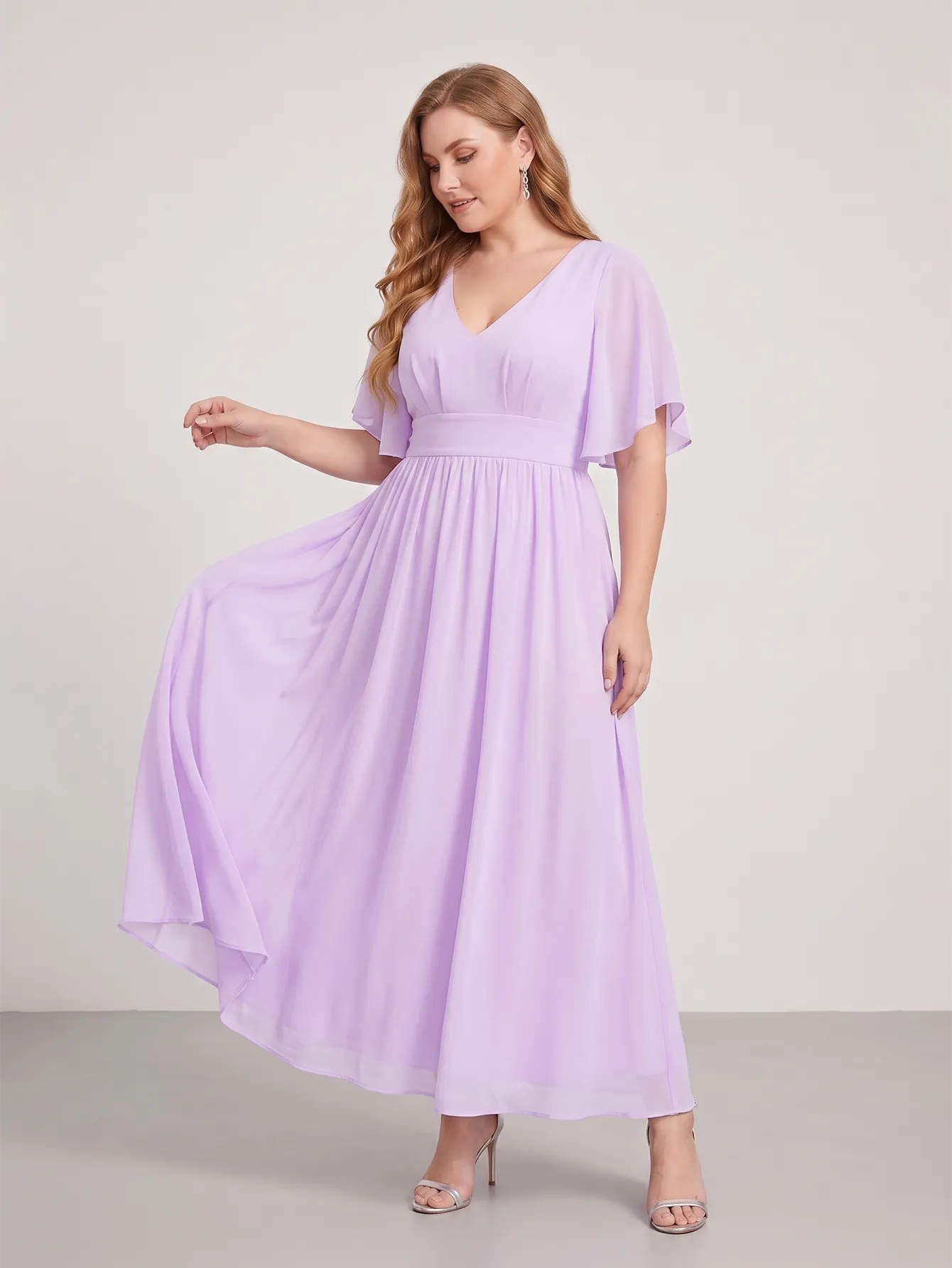
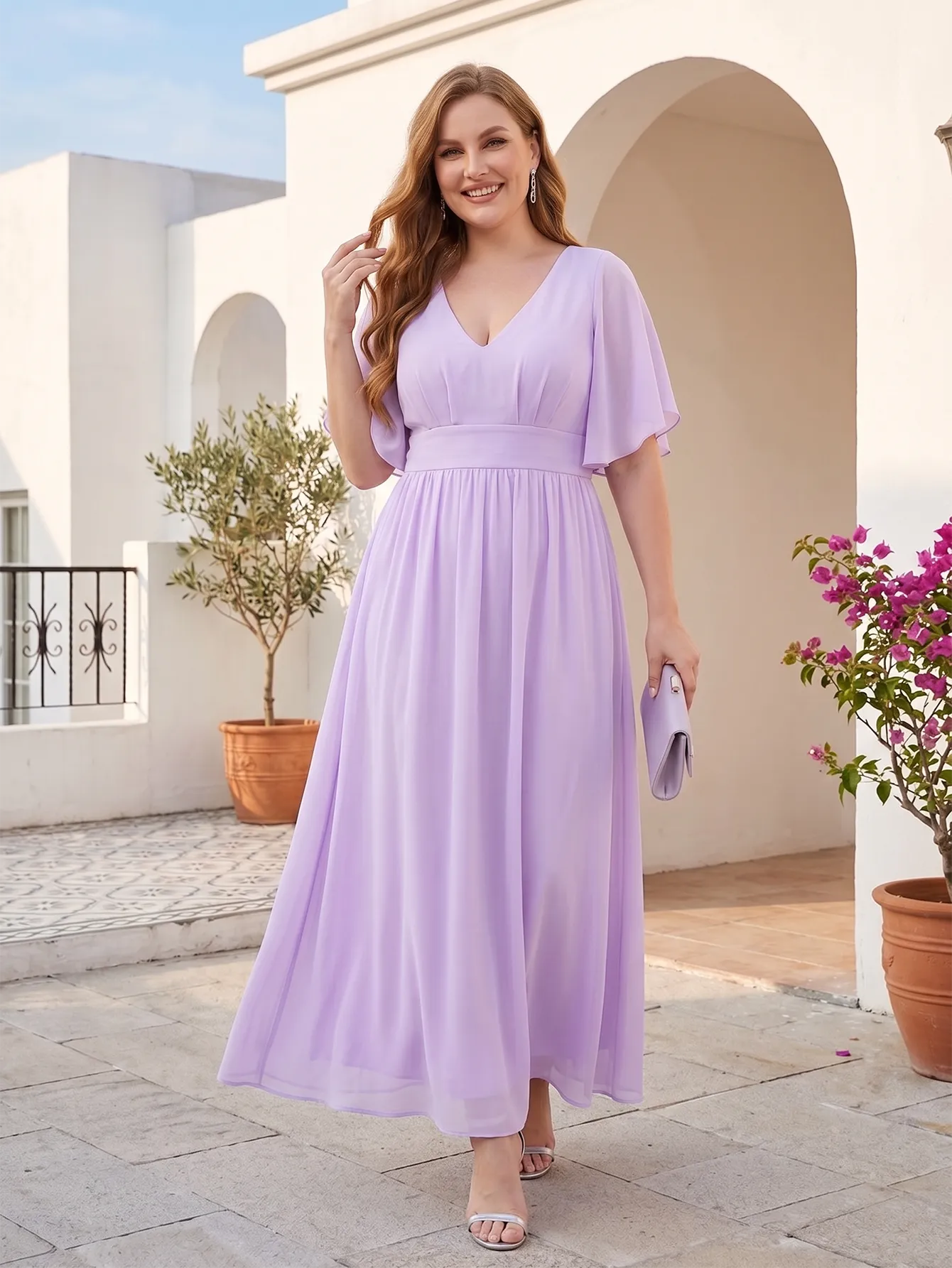
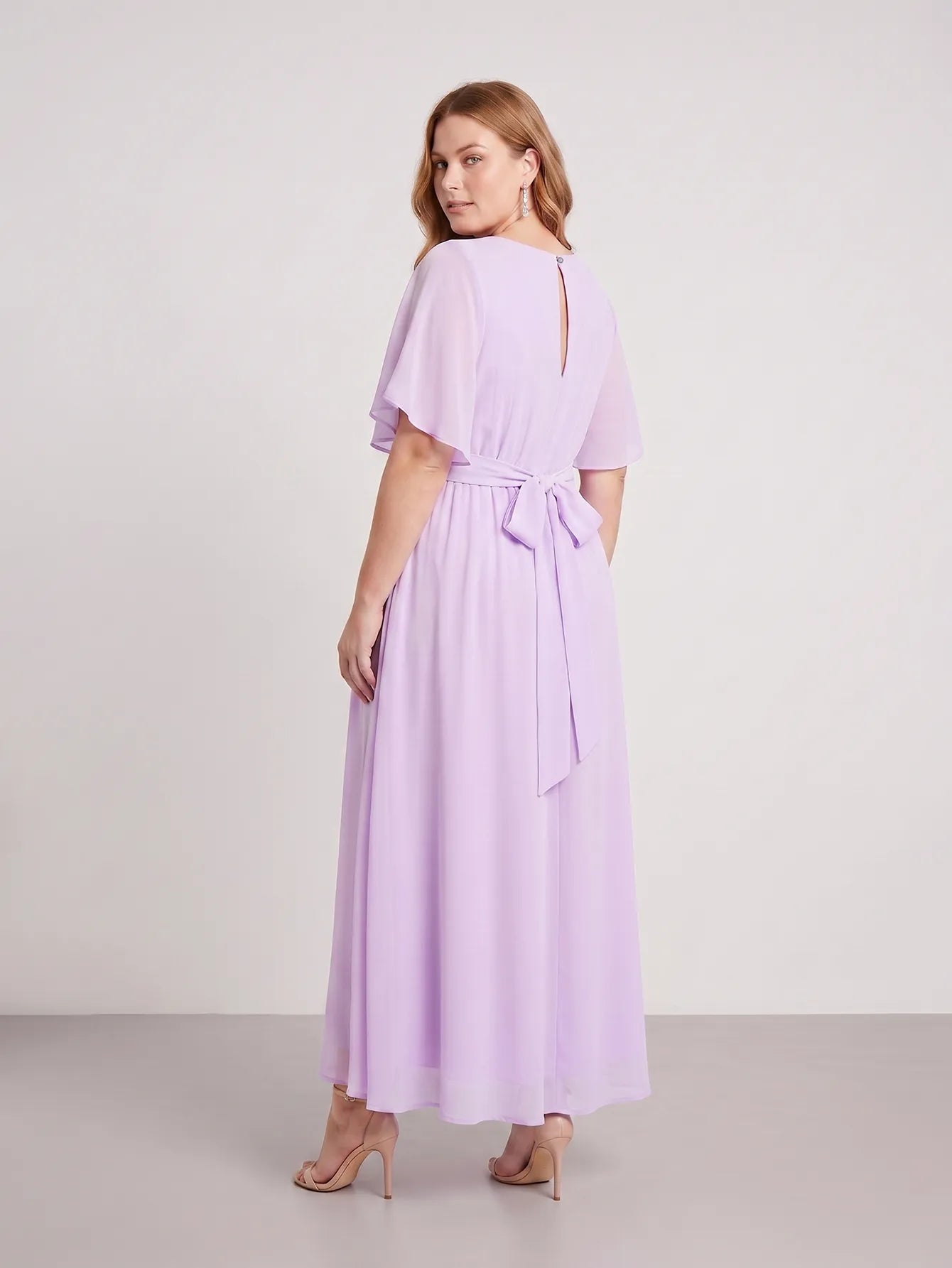
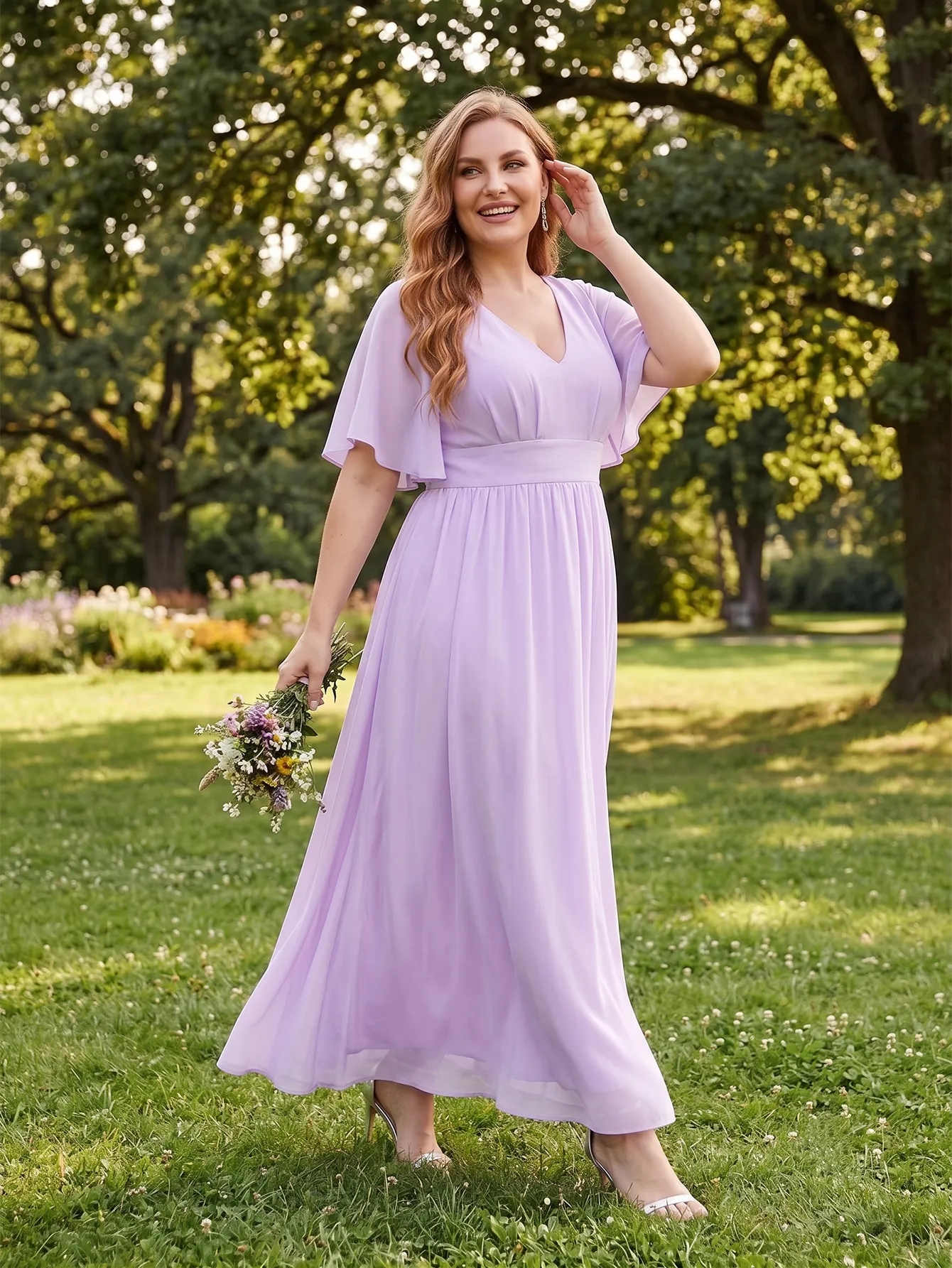
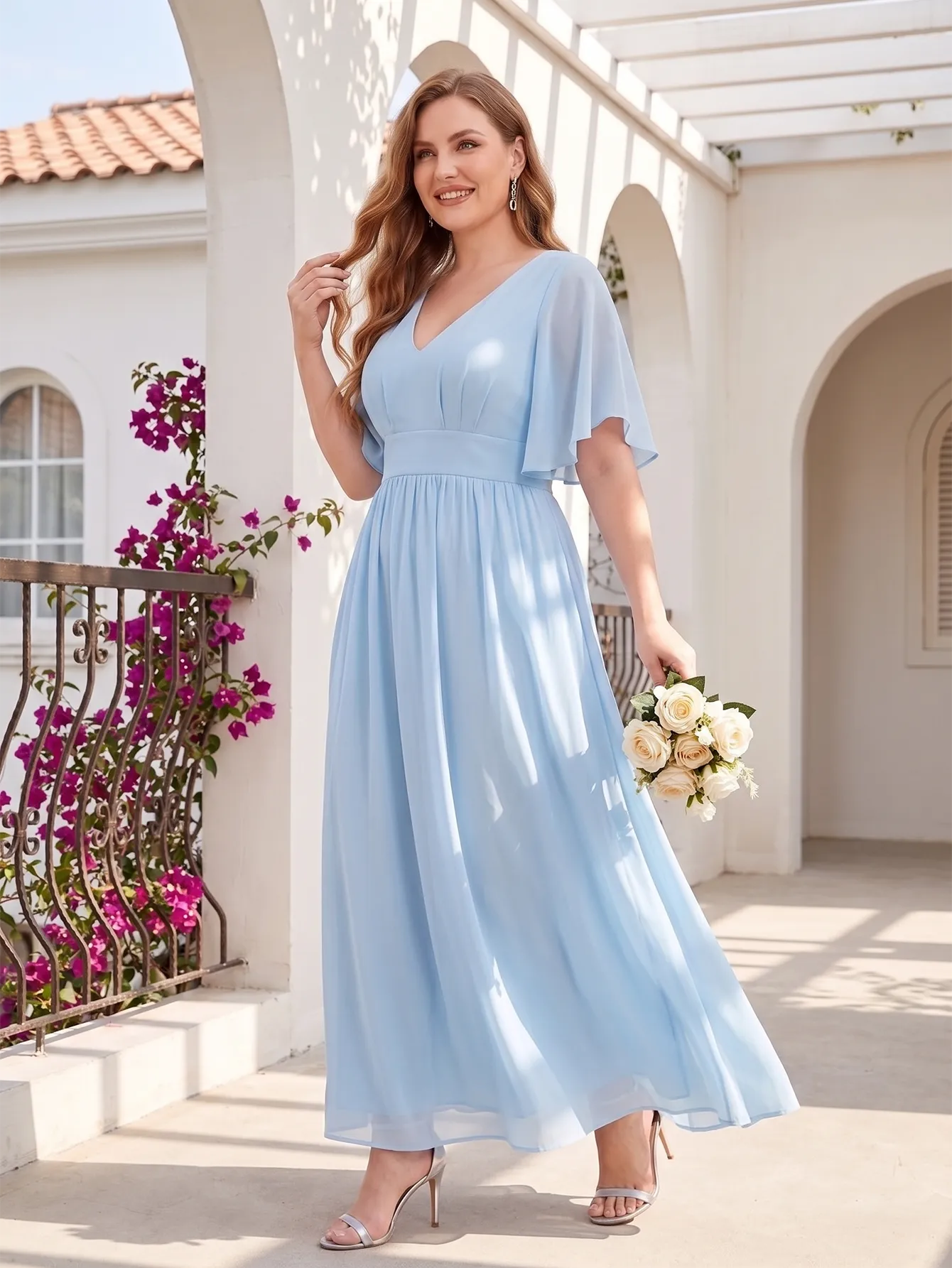
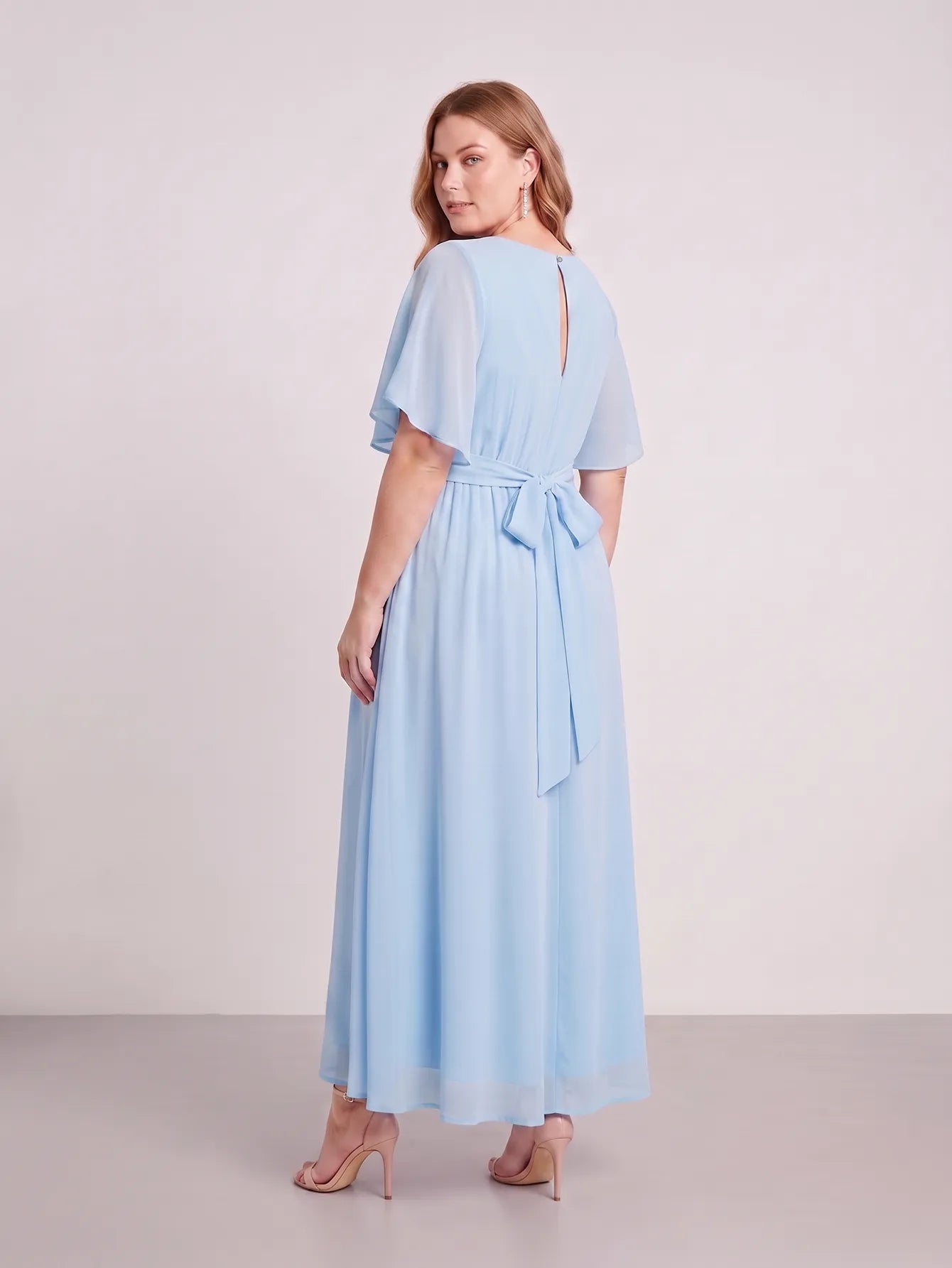
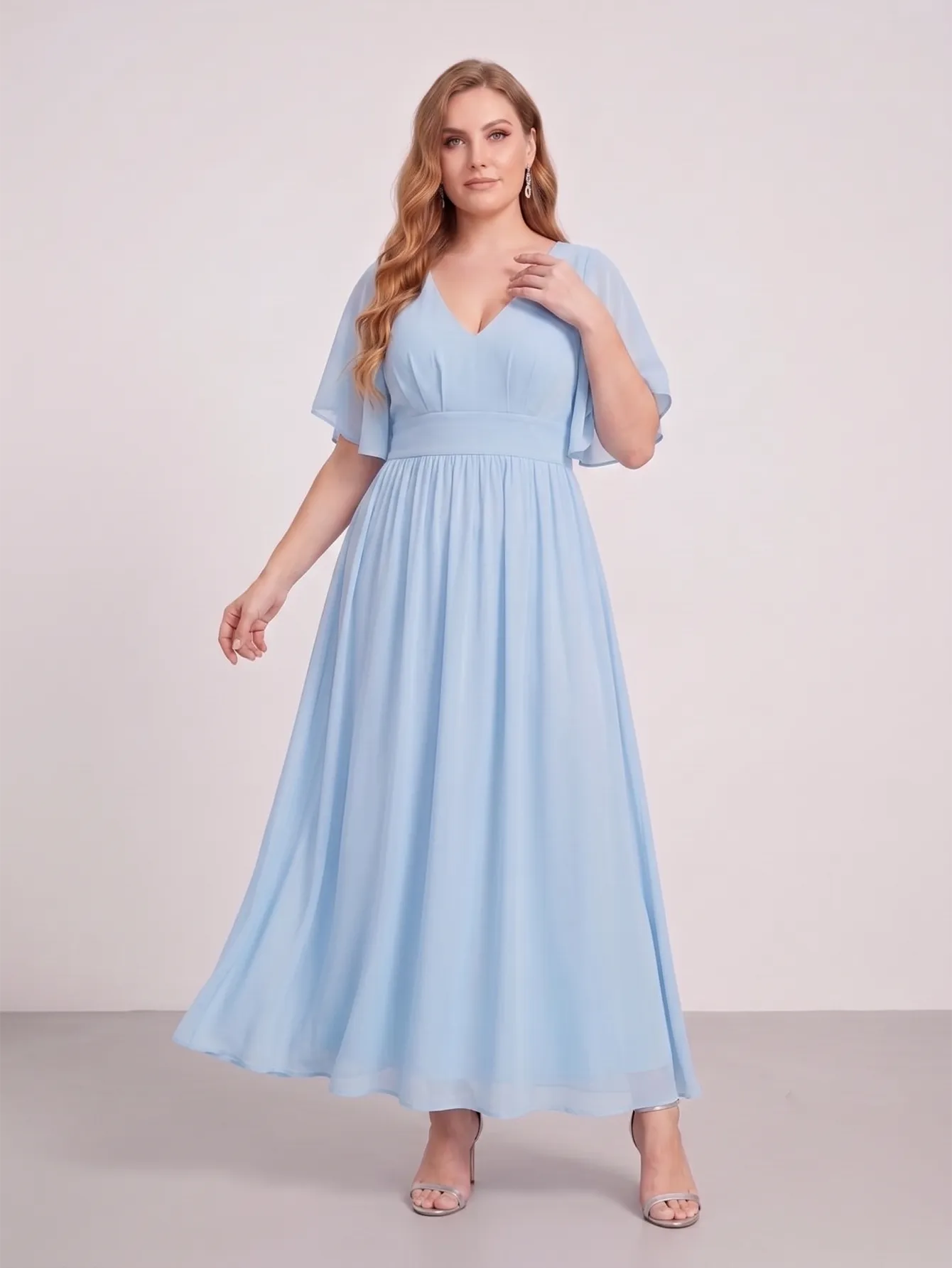
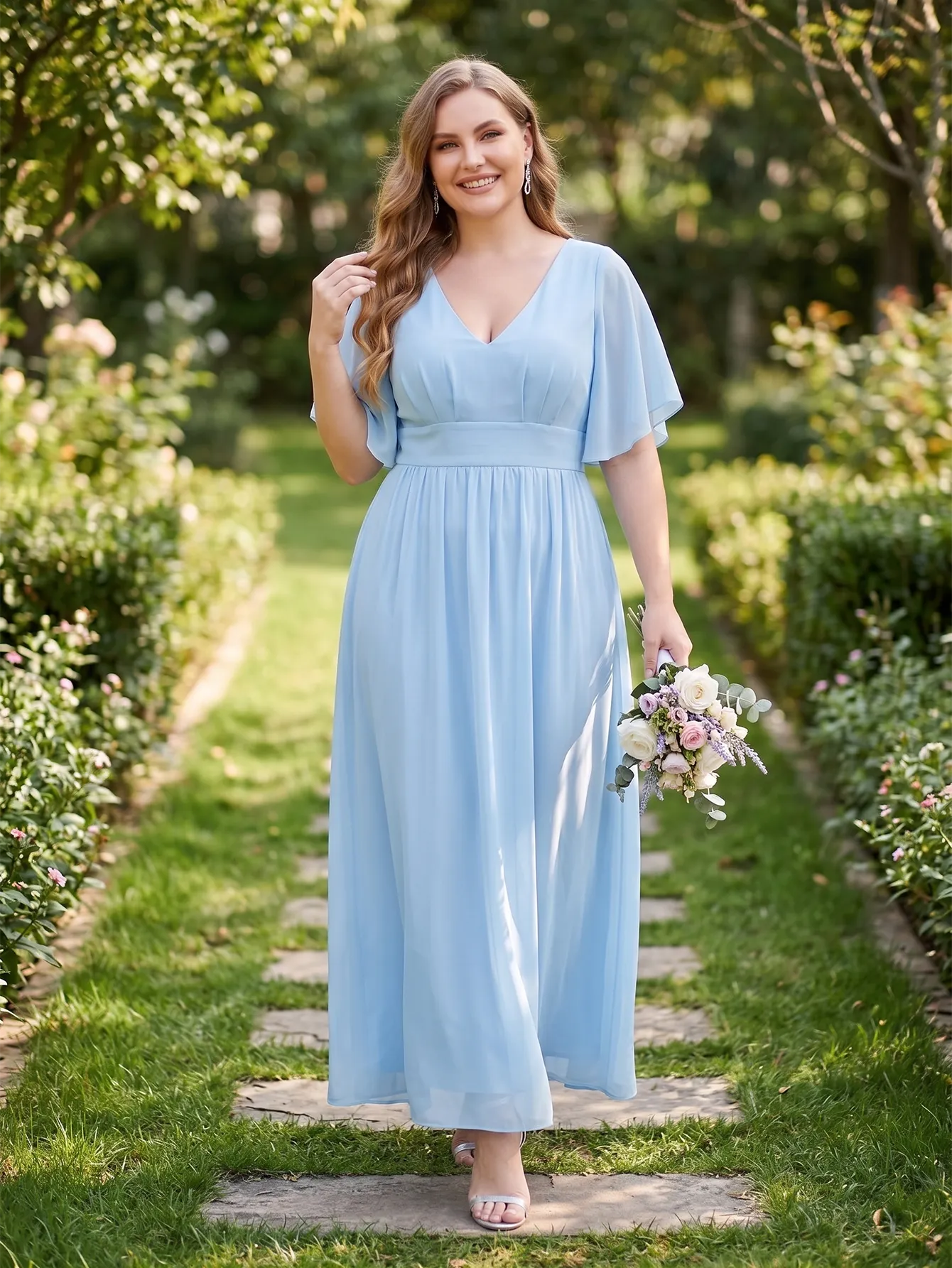
Chiffon is useful when you want movement and a softer appearance.
For autumn, chiffon can work especially well when combined with:
- Sleeves
- A full lining
- A longer hem
- Layered or pleated construction
- Richer seasonal colors
However, chiffon itself is often light, so do not assume that a chiffon dress will keep you warm.
Mesh
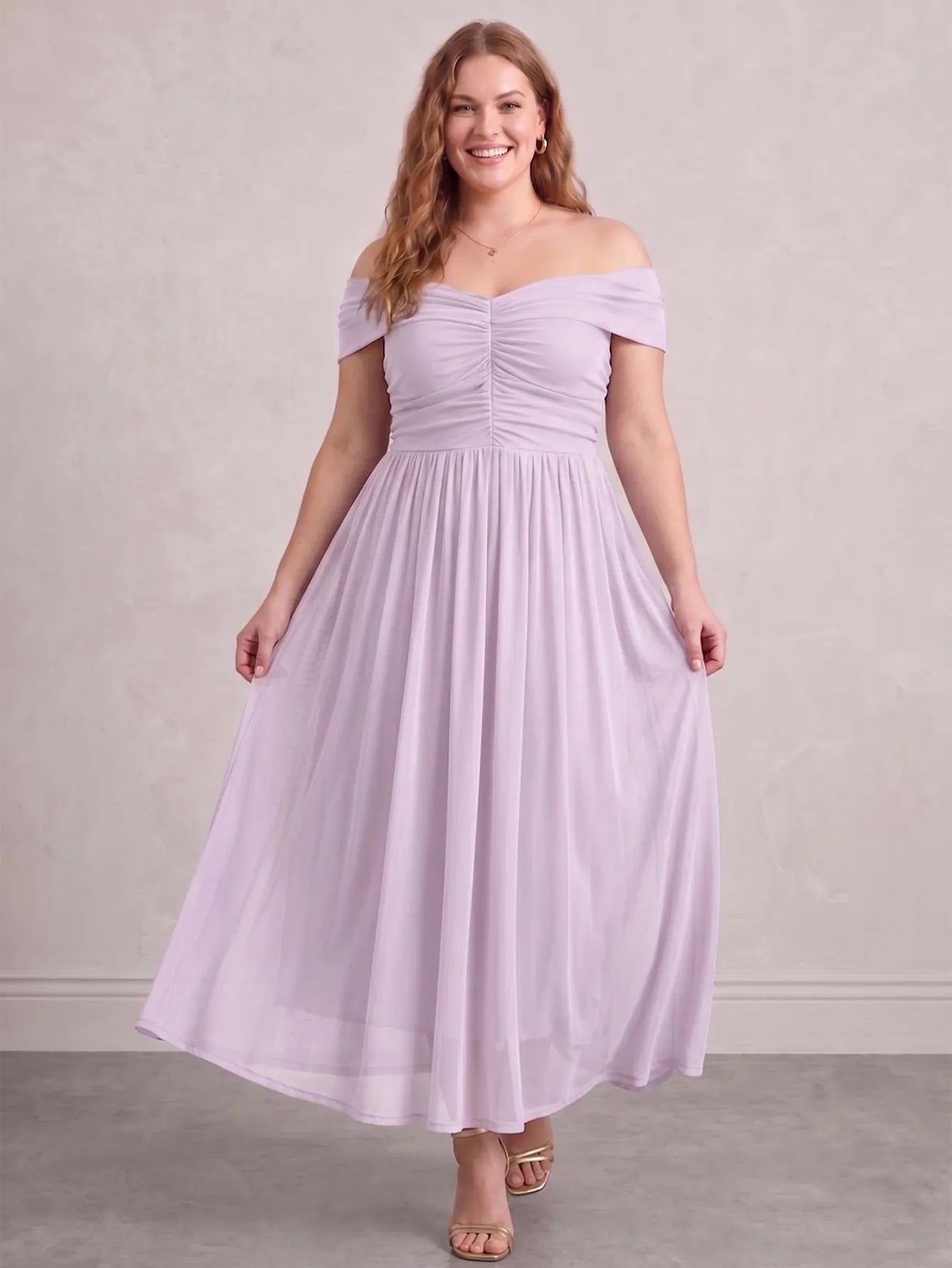
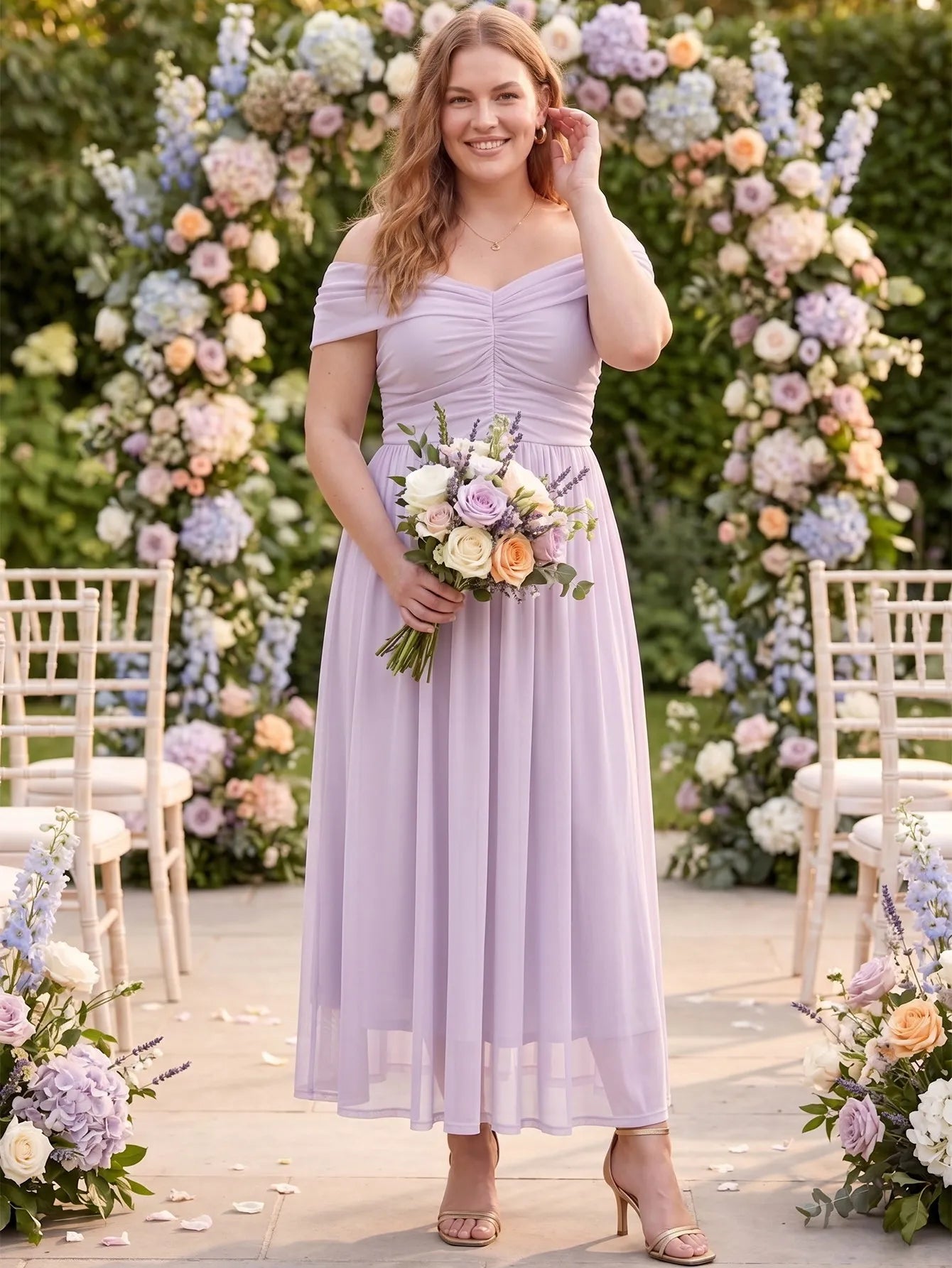
Mesh can create visual coverage without making a dress look heavy.
Long mesh sleeves are particularly useful during transitional weather because they give the appearance of more coverage while keeping the overall design light.
Always check:
- Whether the body is lined
- Whether the mesh stretches
- Sleeve fit
- Cuff fit
- Transparency
- How the fabric feels against your skin
Satin
Satin naturally lends itself to more polished evening dressing.
Its smoother surface can make even a relatively simple silhouette feel formal.
But satin dresses vary considerably in weight, lining and stretch. Check the actual product information rather than choosing purely by appearance.
5. Sleeves Can Be Useful, but They Should Still Let You Move
Fall is the season when many shoppers start looking again for wedding guest dresses with sleeves.
Sleeves can provide extra coverage and make an outfit feel more seasonally appropriate, but sleeve length alone does not determine comfort.
A long sleeve can still feel restrictive if the armhole is too tight.
When trying on a dress:
- Raise both arms.
- Reach forward as if you were hugging someone.
- Sit down.
- Bend your elbows.
- Check whether the neckline or bodice moves when your arms move.
Pay particular attention to the upper arm, shoulder and armhole.
For more room, softer flutter sleeves, relaxed sheer sleeves and some bishop-style sleeves can provide additional movement, but measurements are always more reliable than the name of a sleeve style.
6. Check the Fit While Sitting, Walking and Dancing
A wedding outfit has a much harder job than a dress you wear for twenty minutes in front of a mirror.
You may spend hours sitting through a ceremony and dinner, standing for photographs, walking between locations and dancing later in the evening.
Your dress needs to work during all of them.
At the Bust
Check that:
- Closures lie flat
- The neckline stays where you want it
- Seams are not being pulled out of position
- Your preferred bra works with the neckline
Do not rely on the assumption that a fabric will stretch unless stretch is actually listed.
At the Waist and Hips
Sit down before deciding the fit is correct.
A dress that looks comfortable while standing can feel completely different once seated.
Look for enough ease to sit, eat and walk naturally without the skirt or lining pulling upward.
At the Arms and Shoulders
Move your arms in several directions.
If the entire bodice moves upward every time you lift your arms, the issue may be the shoulder or armhole rather than the sleeve itself.
At the Hem
Try the dress with the shoes you intend to wear.
For a maxi, make sure the hem does not sit under your heel.
For a midi, check where the hem actually falls on your body rather than relying only on the model photograph.
7. Plan for the Temperature Change
One of the biggest differences between summer and autumn weddings is not the dress—it is what happens to the temperature after 5 p.m.
A warm afternoon does not guarantee a warm evening.
Instead of choosing an overly heavy dress for the entire day, consider adding a removable layer.
Depending on the dress code, this could be:
- A lightweight wrap
- A shawl
- A tailored blazer
- A refined cardigan
- A dress coat for colder dates
The layer should work with the dress rather than feel like an emergency addition.
If you know you will remove it during dinner, make sure the dress still feels complete on its own.
8. Build the Accessories Around the Dress and Venue
Fall colors already create a strong visual foundation, so accessories do not need to compete with the dress.
For a burgundy, plum, navy or brown dress, you might consider:
- Metallic jewelry
- Black, brown or neutral shoes
- A small structured bag
- Simple earrings with a more detailed neckline
- Stronger jewelry with a simpler dress
For outdoor weddings, practicality matters.
Beautiful shoes are not very useful if every step sinks into wet grass.
Think about the full event rather than styling only for the photographs.
9. YEESE Fall Wedding Guest Dress Ideas
YEESE's current dress collection includes chiffon, mesh and satin options across wedding, formal and party occasions.
If you are building an autumn wedding guest outfit, these are useful directions to explore.
For a Formal Evening Wedding
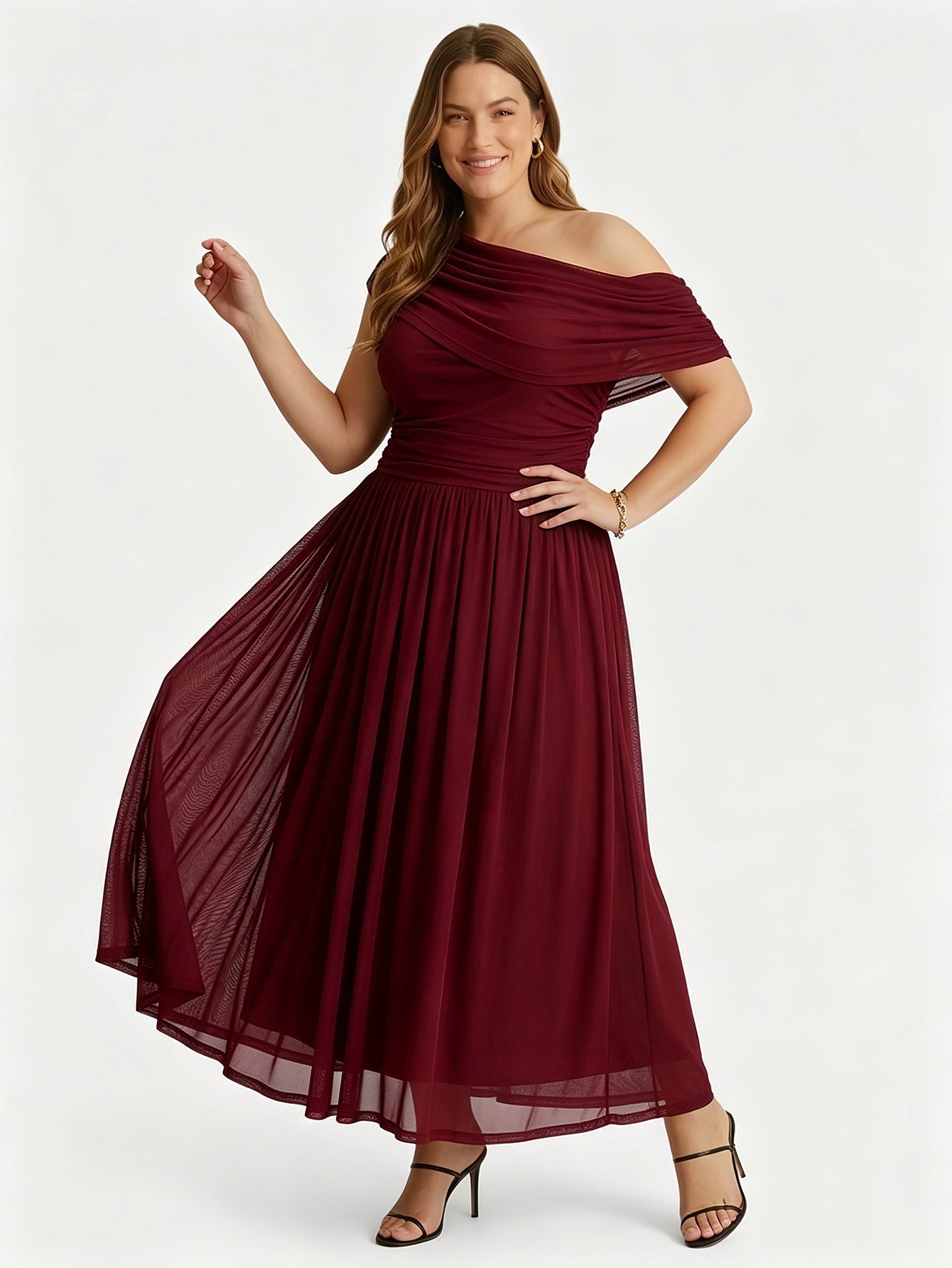
Consider a maxi or evening dress in burgundy, navy or deep plum.
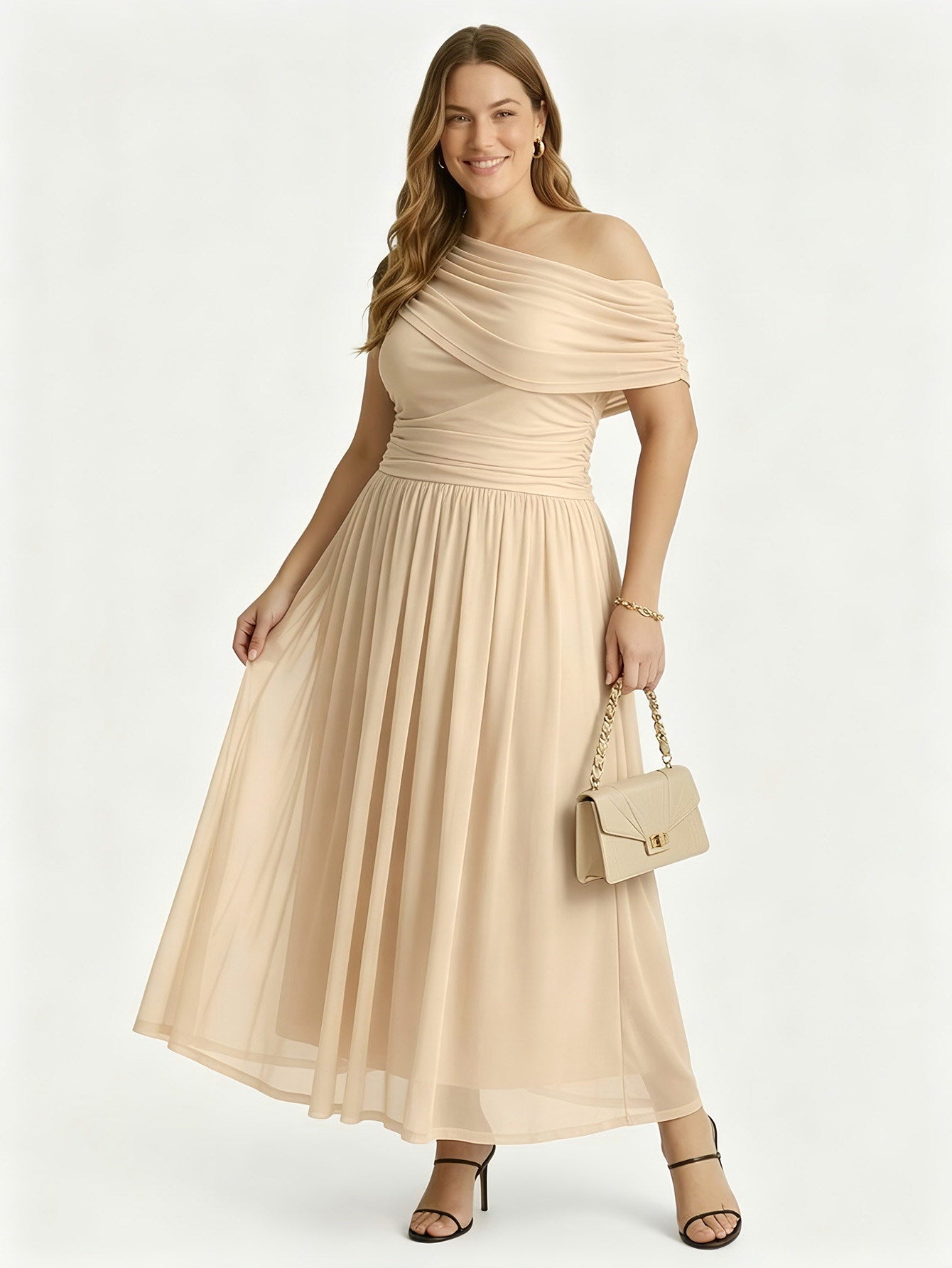
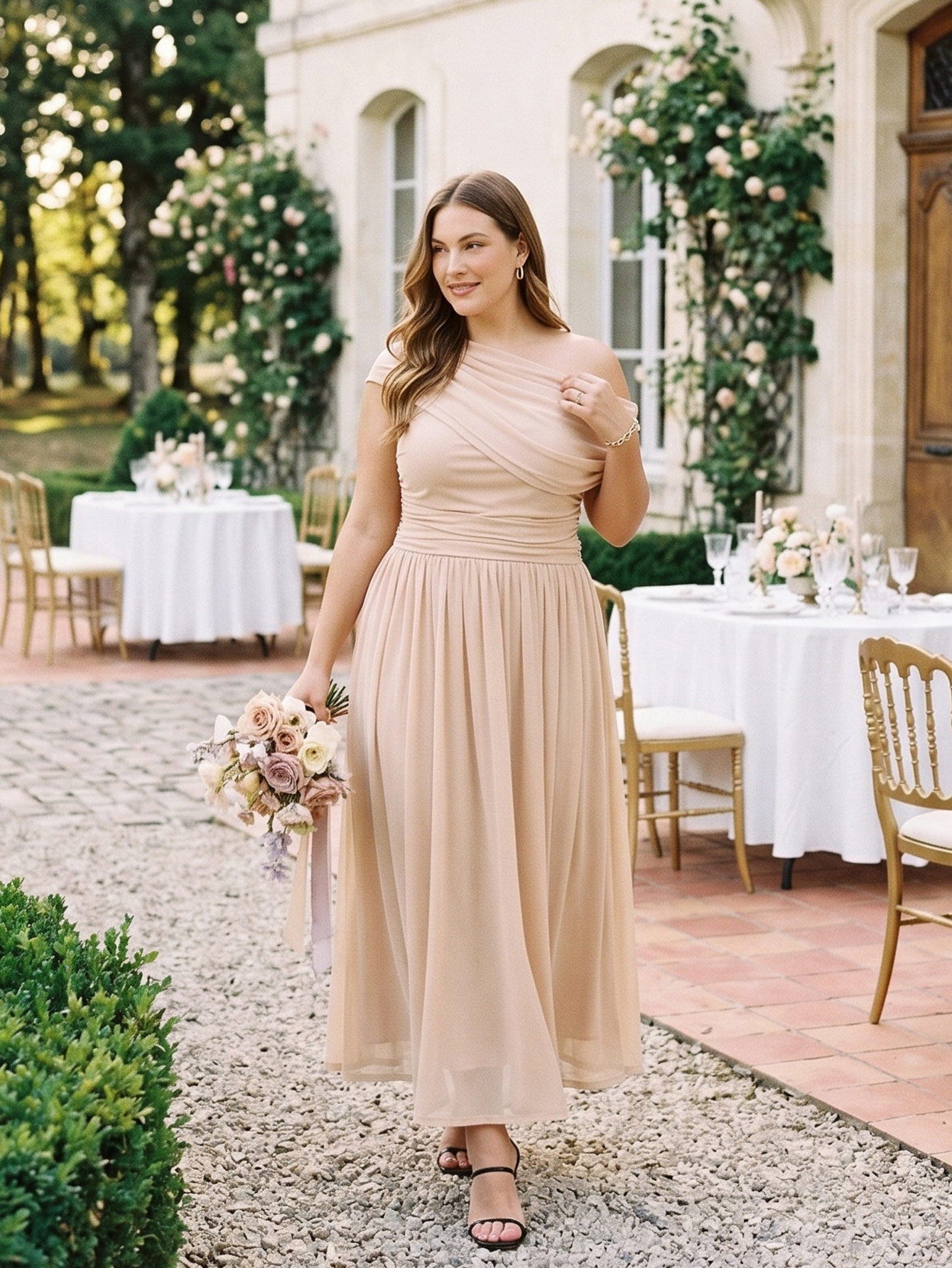
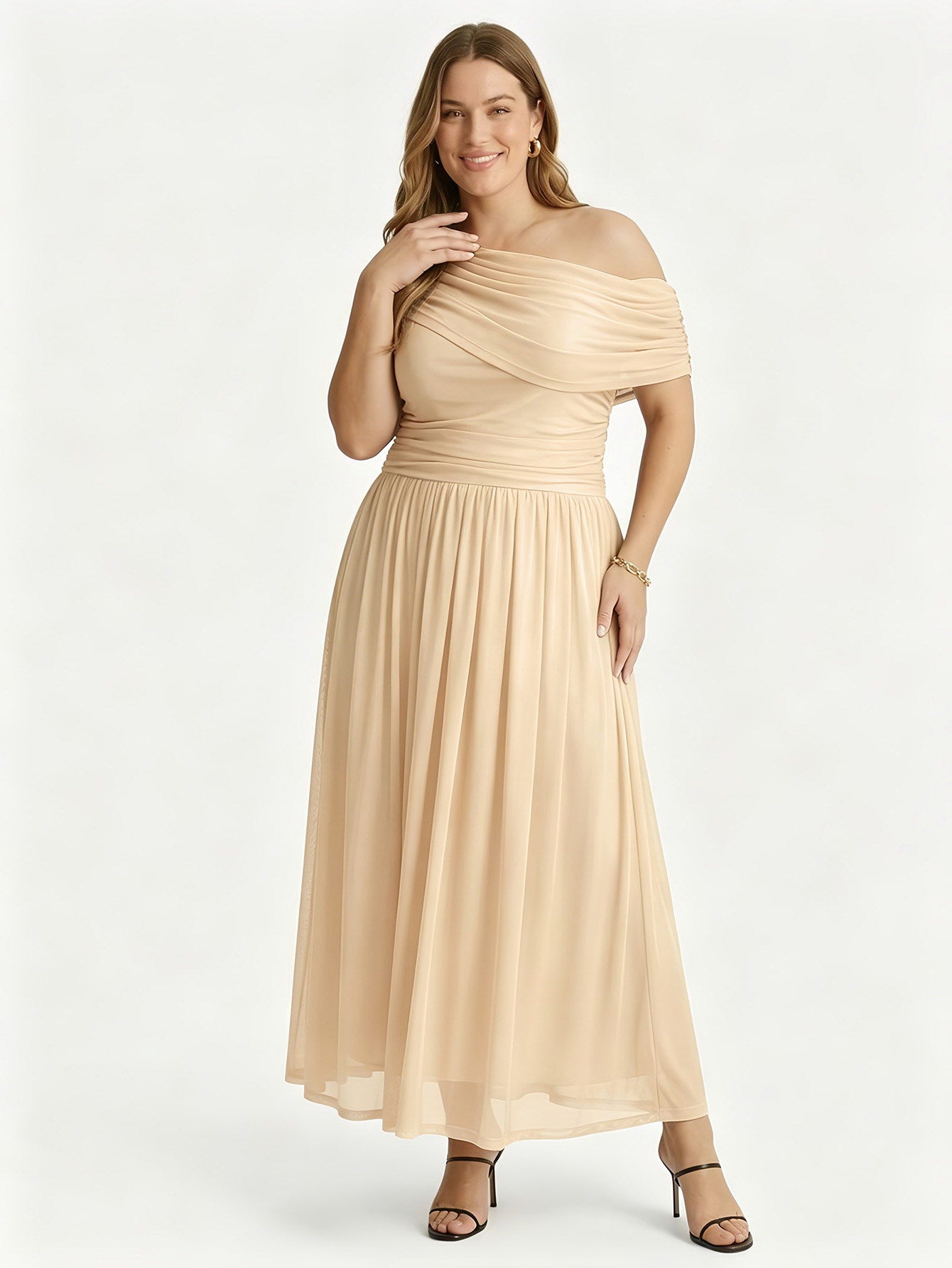
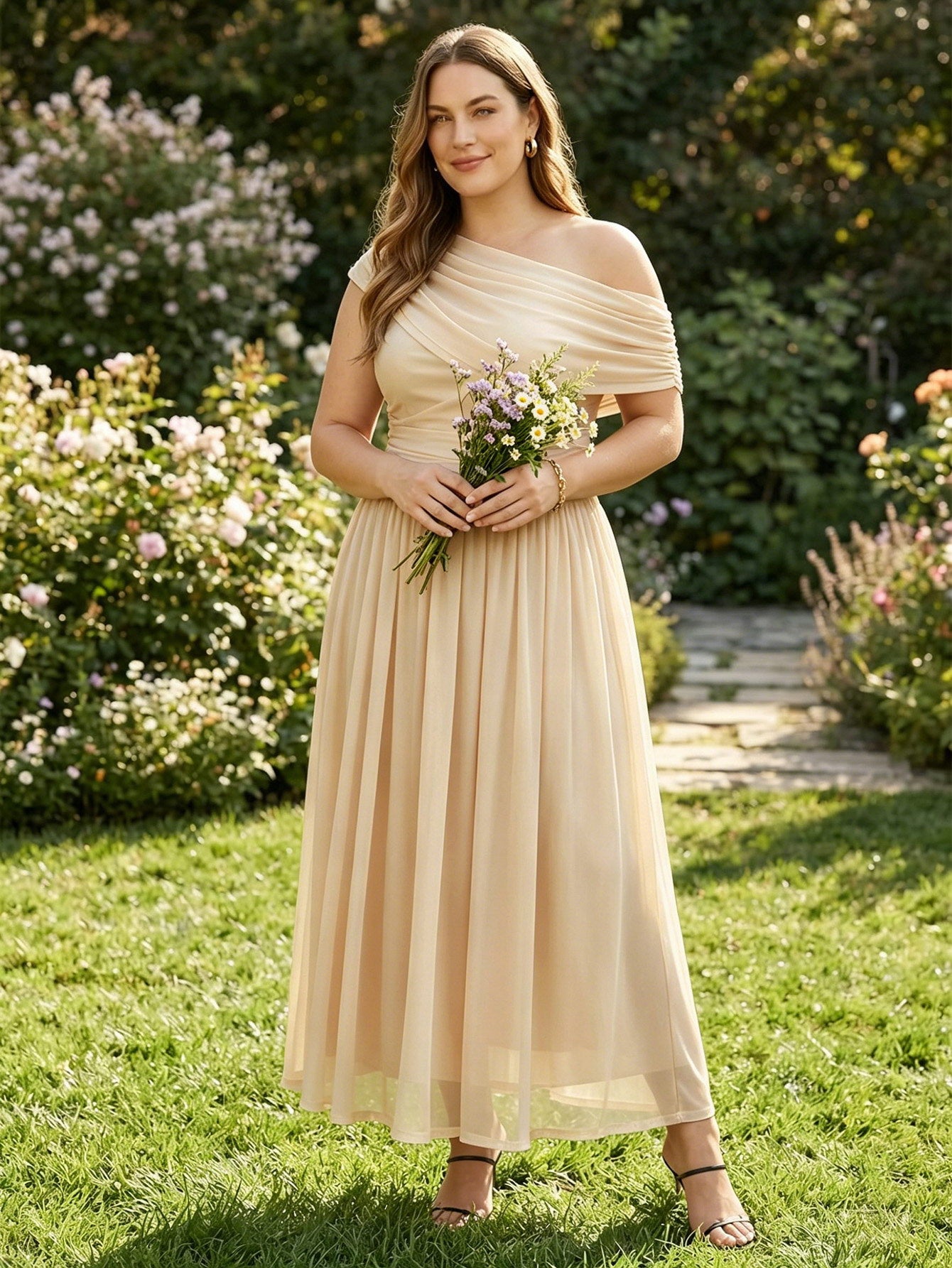
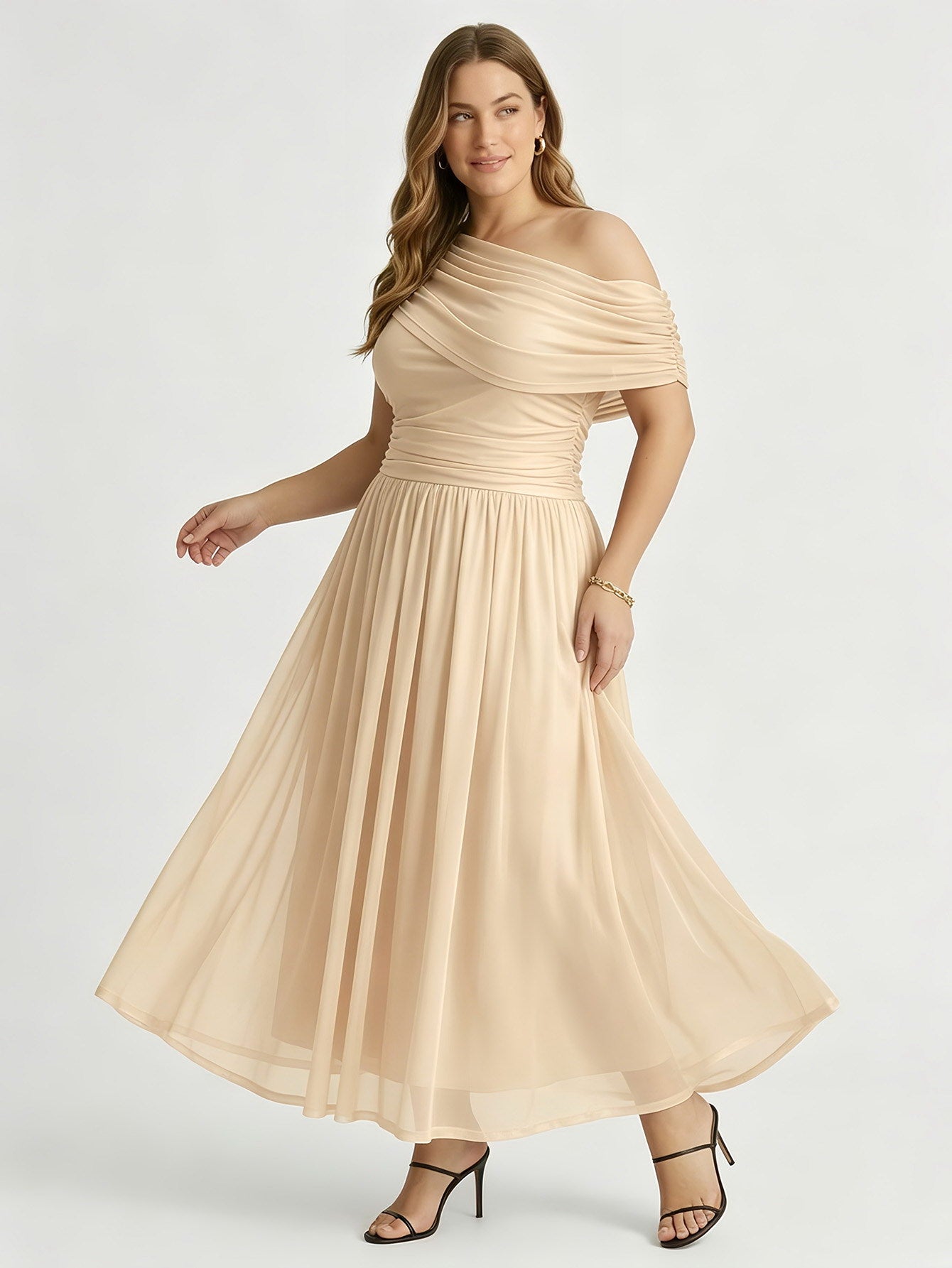
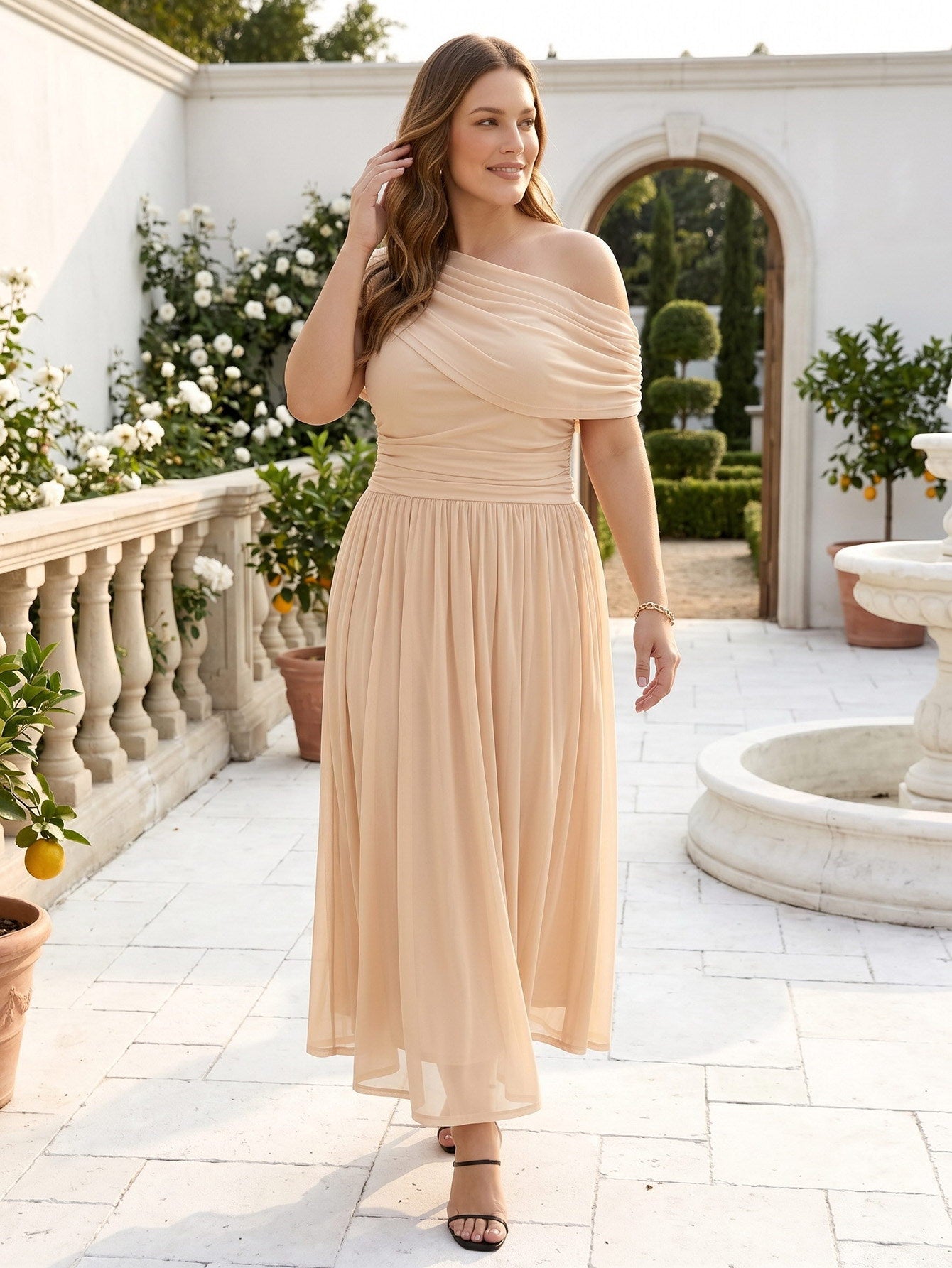
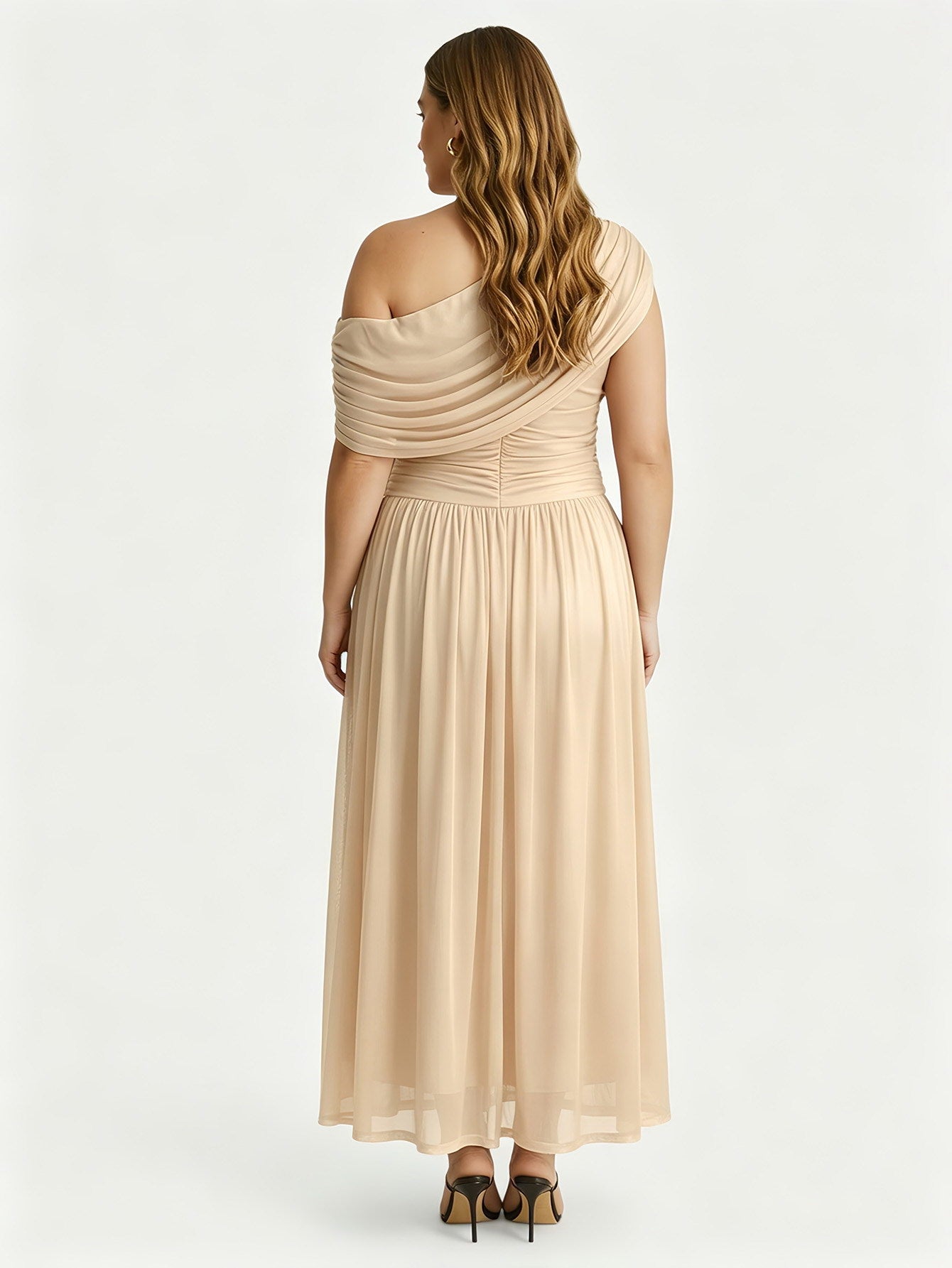
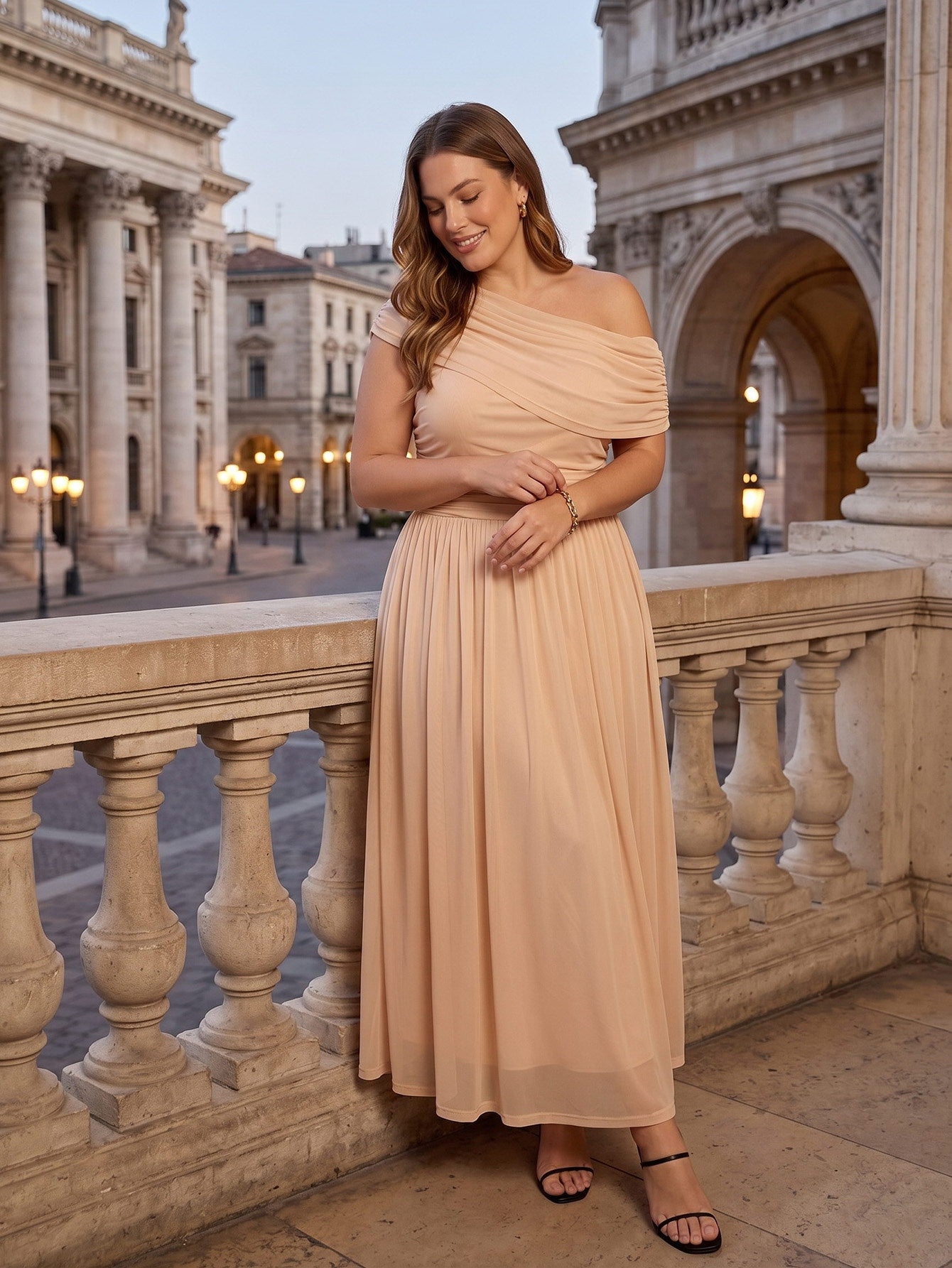
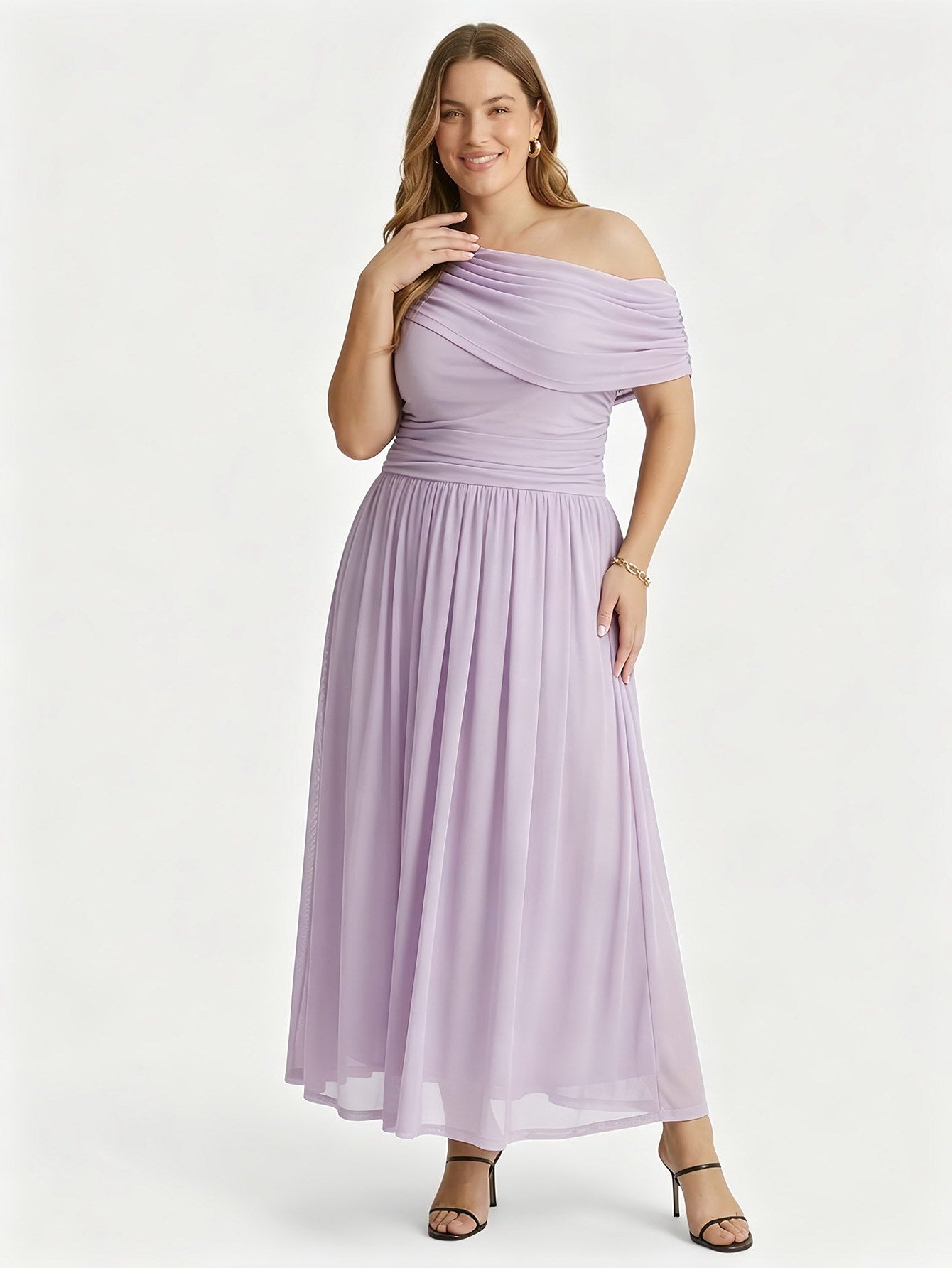
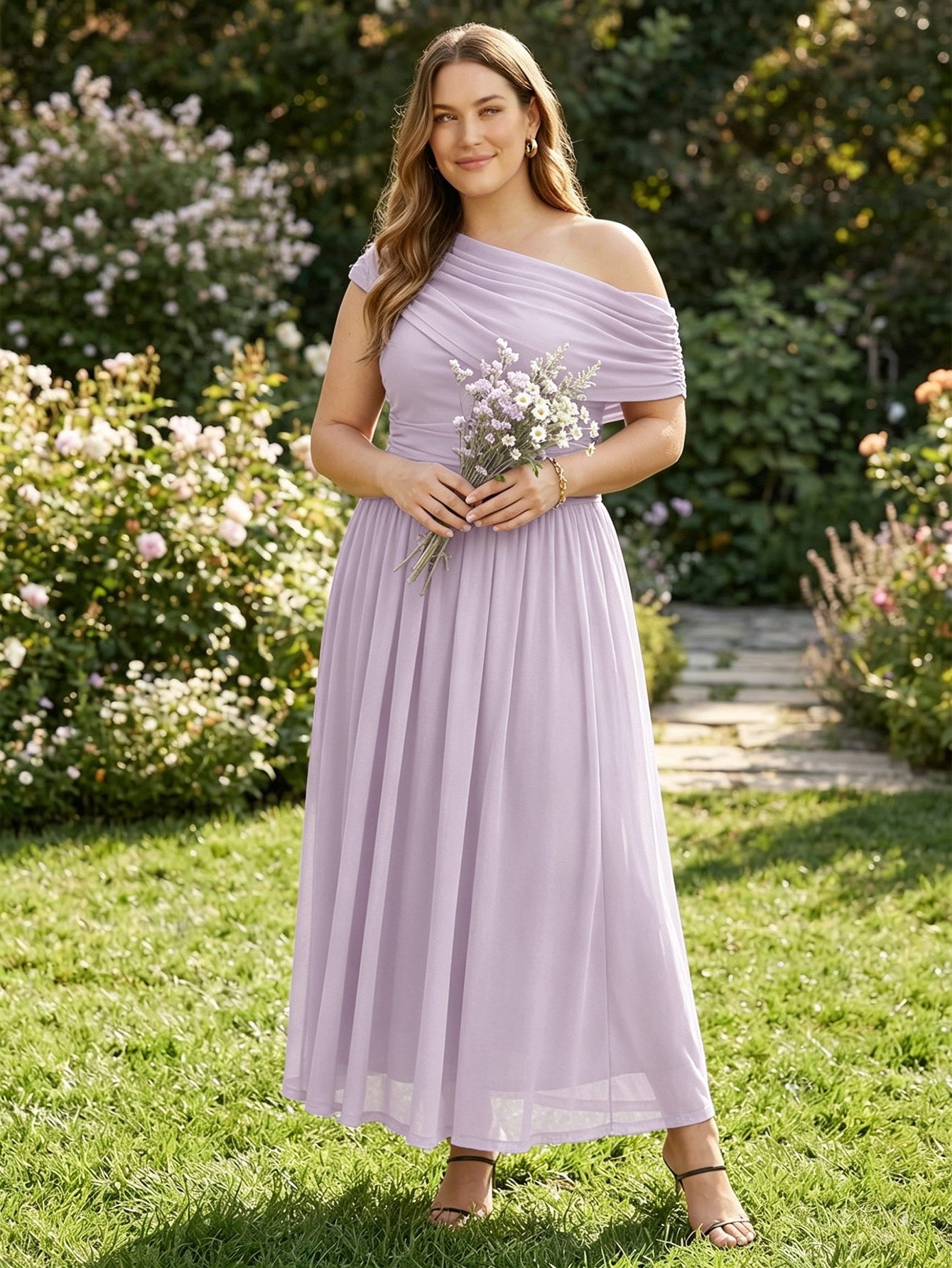
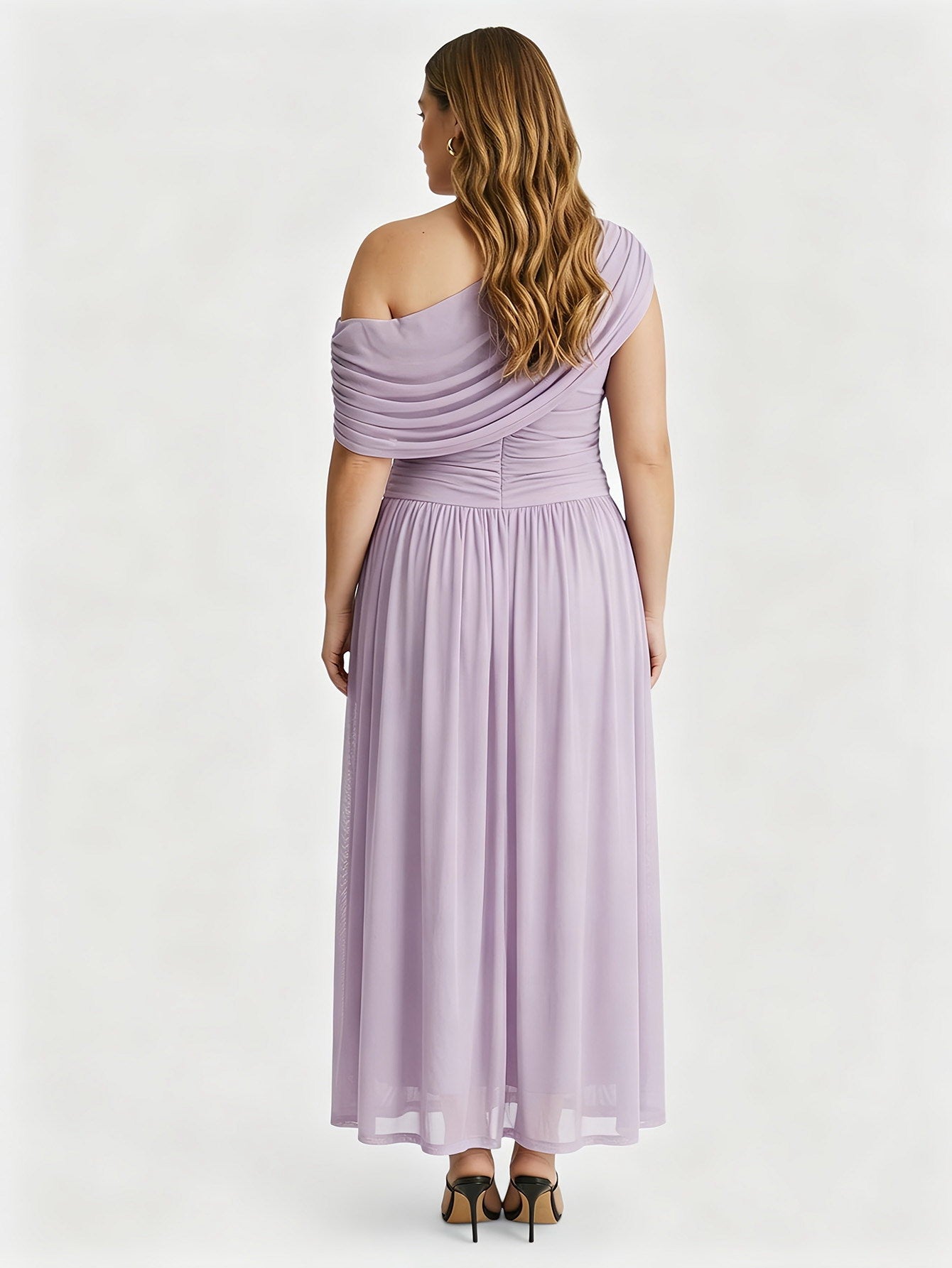
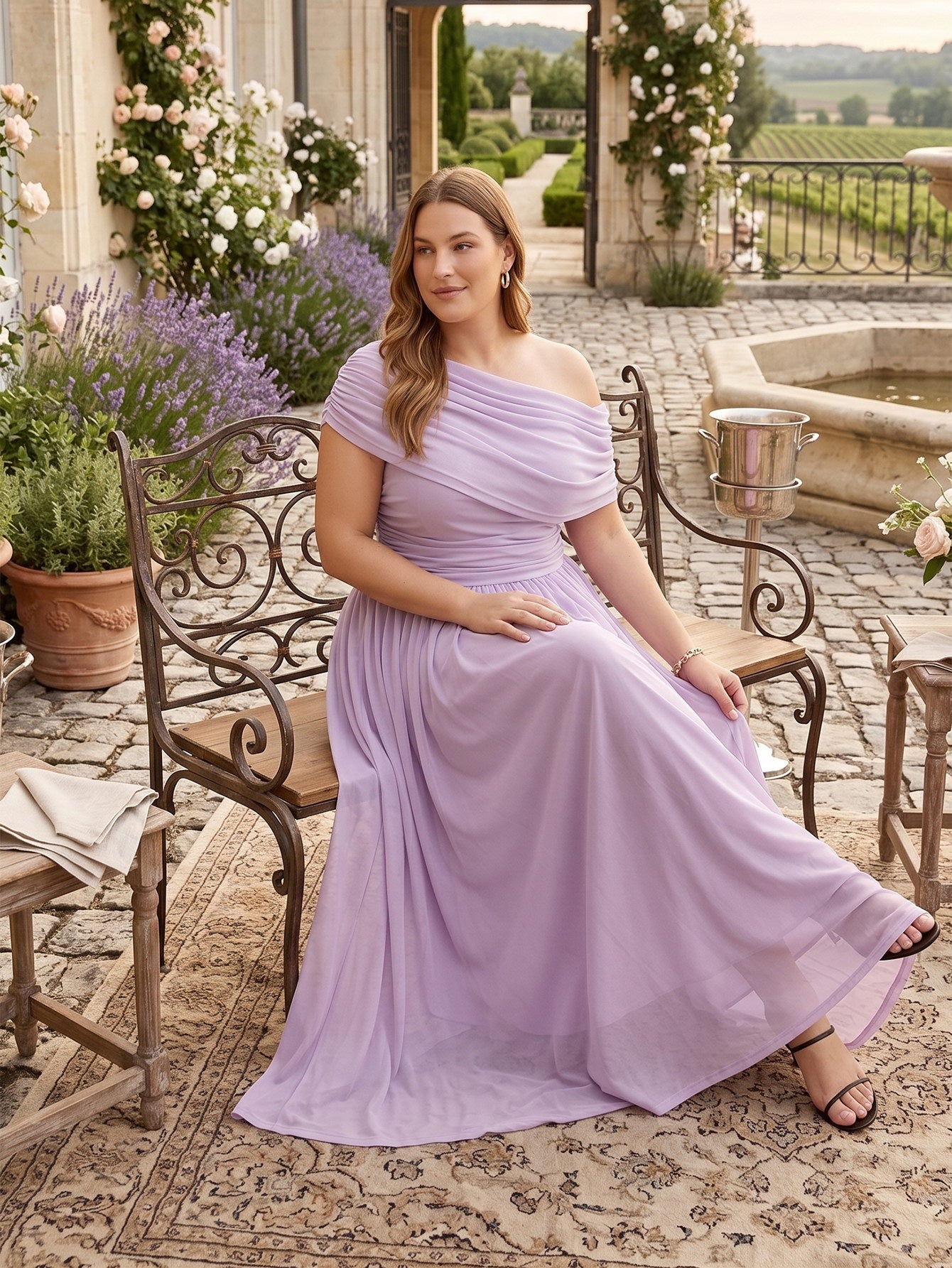
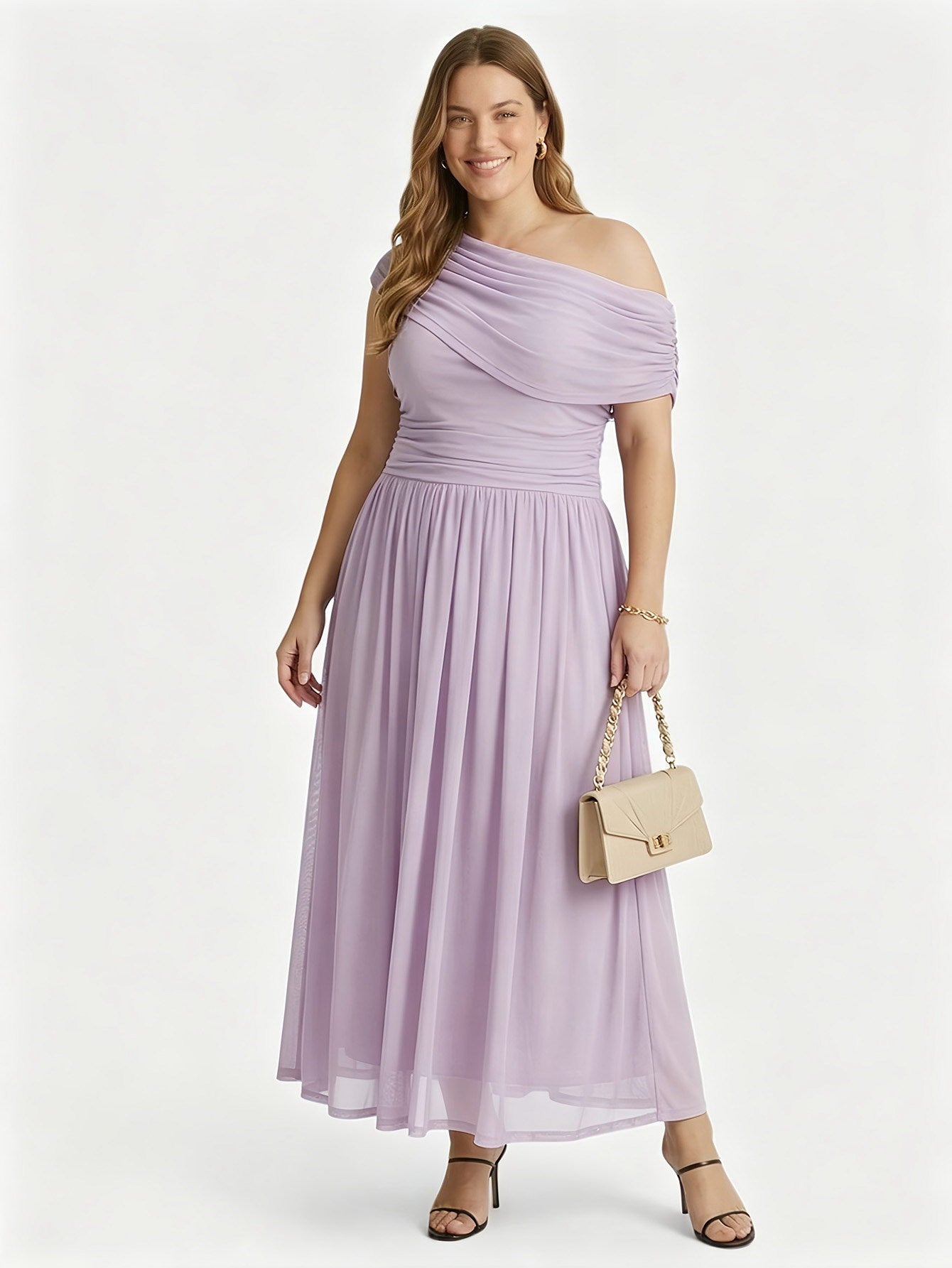
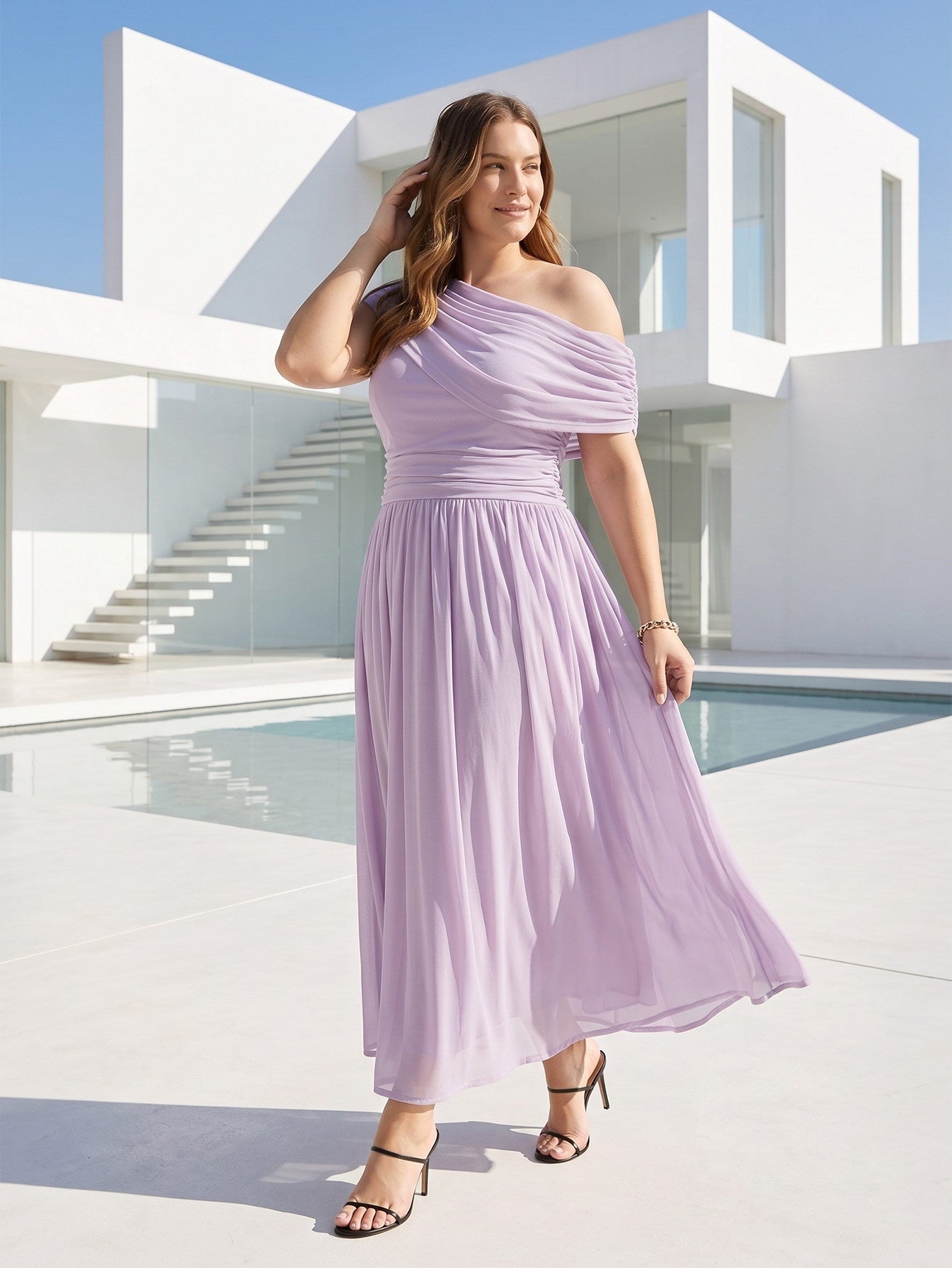
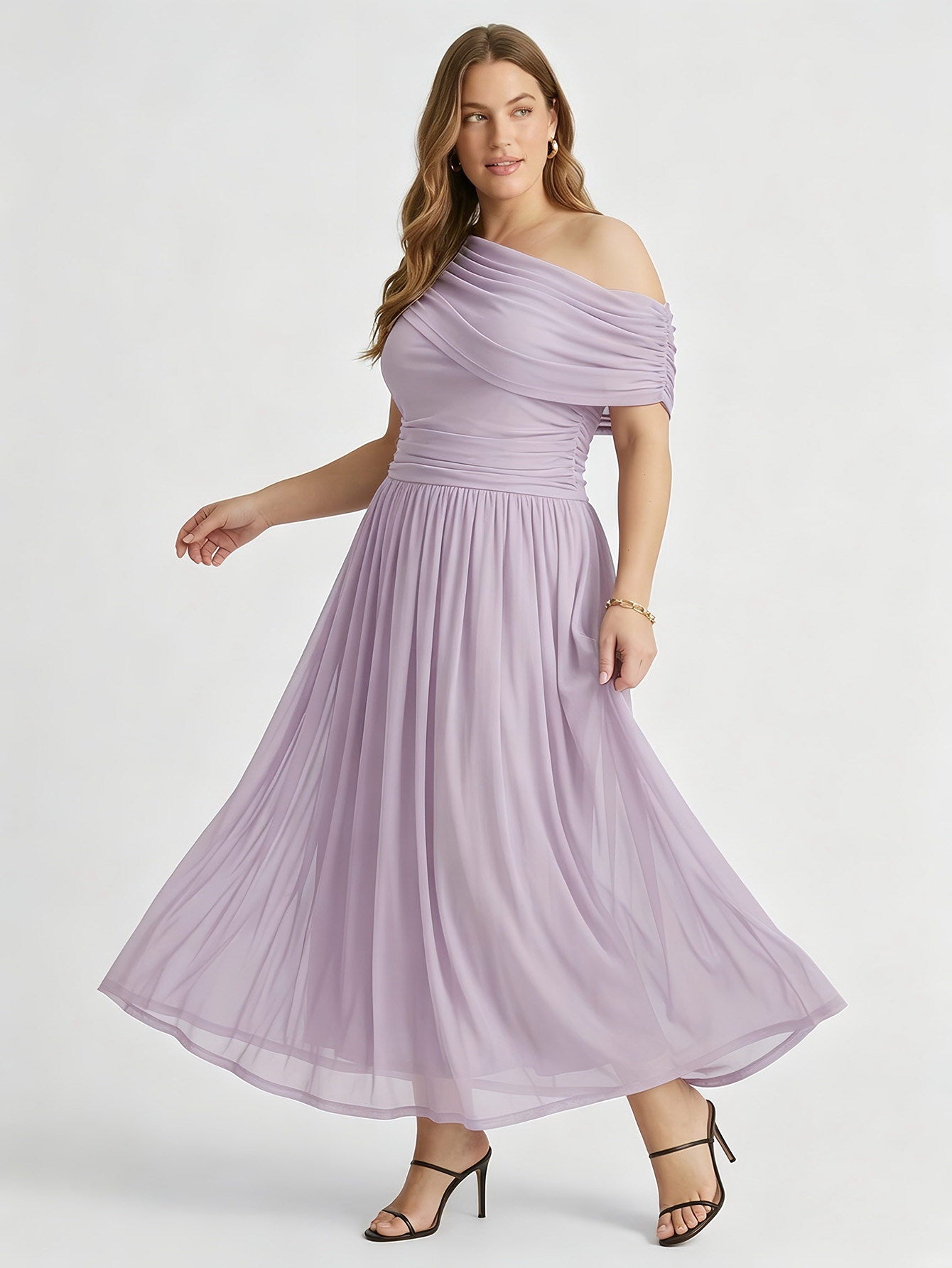
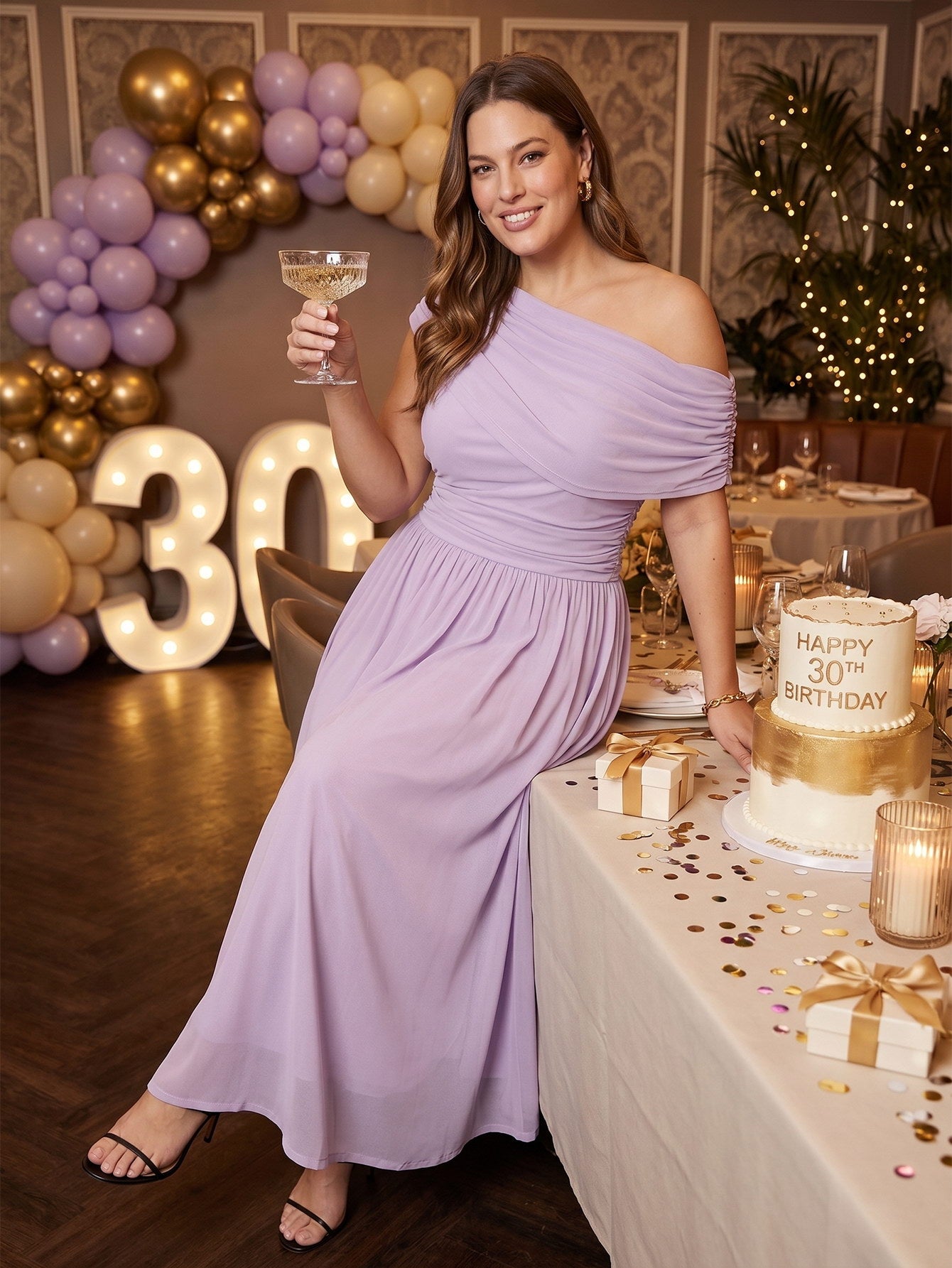
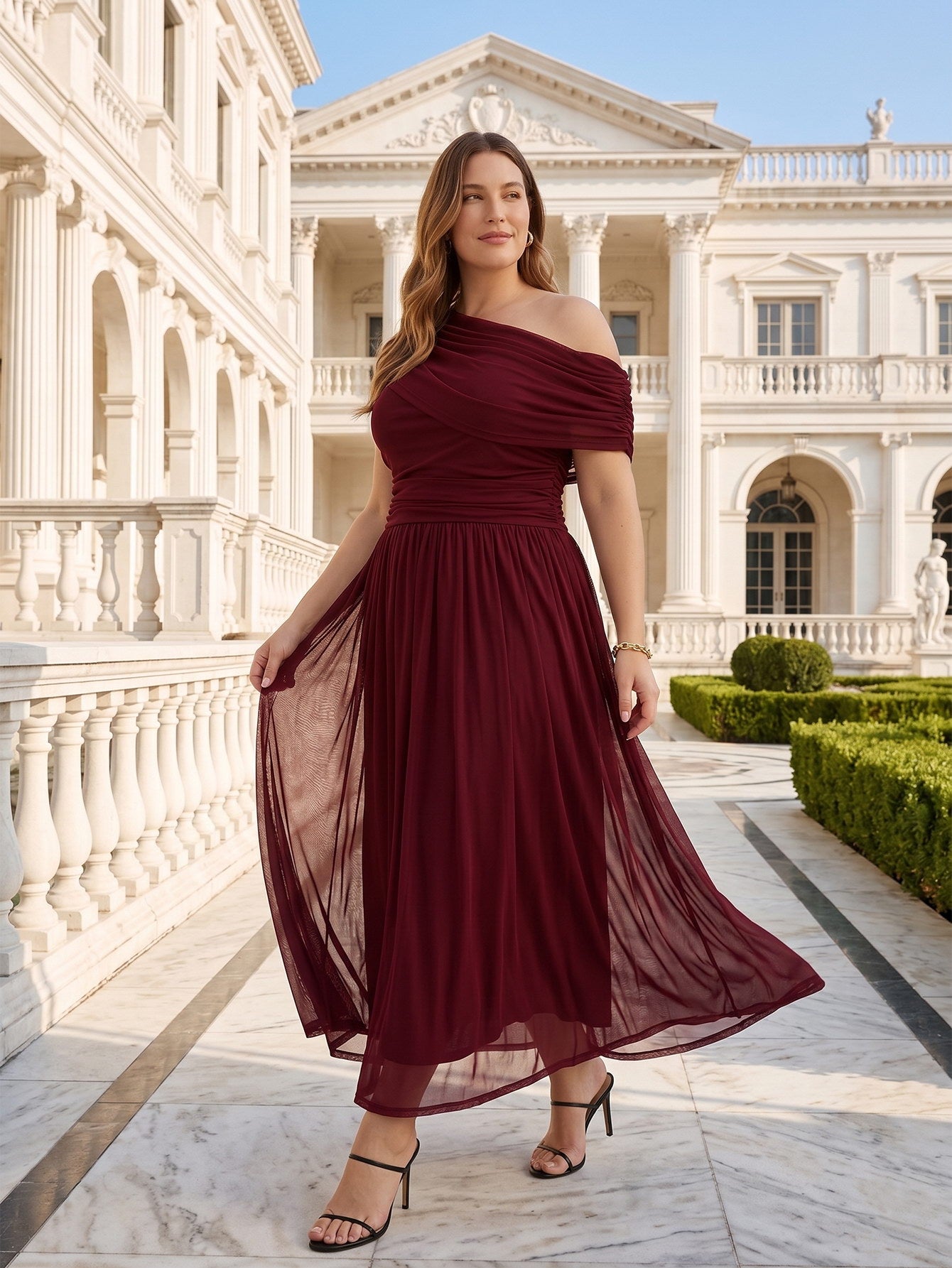
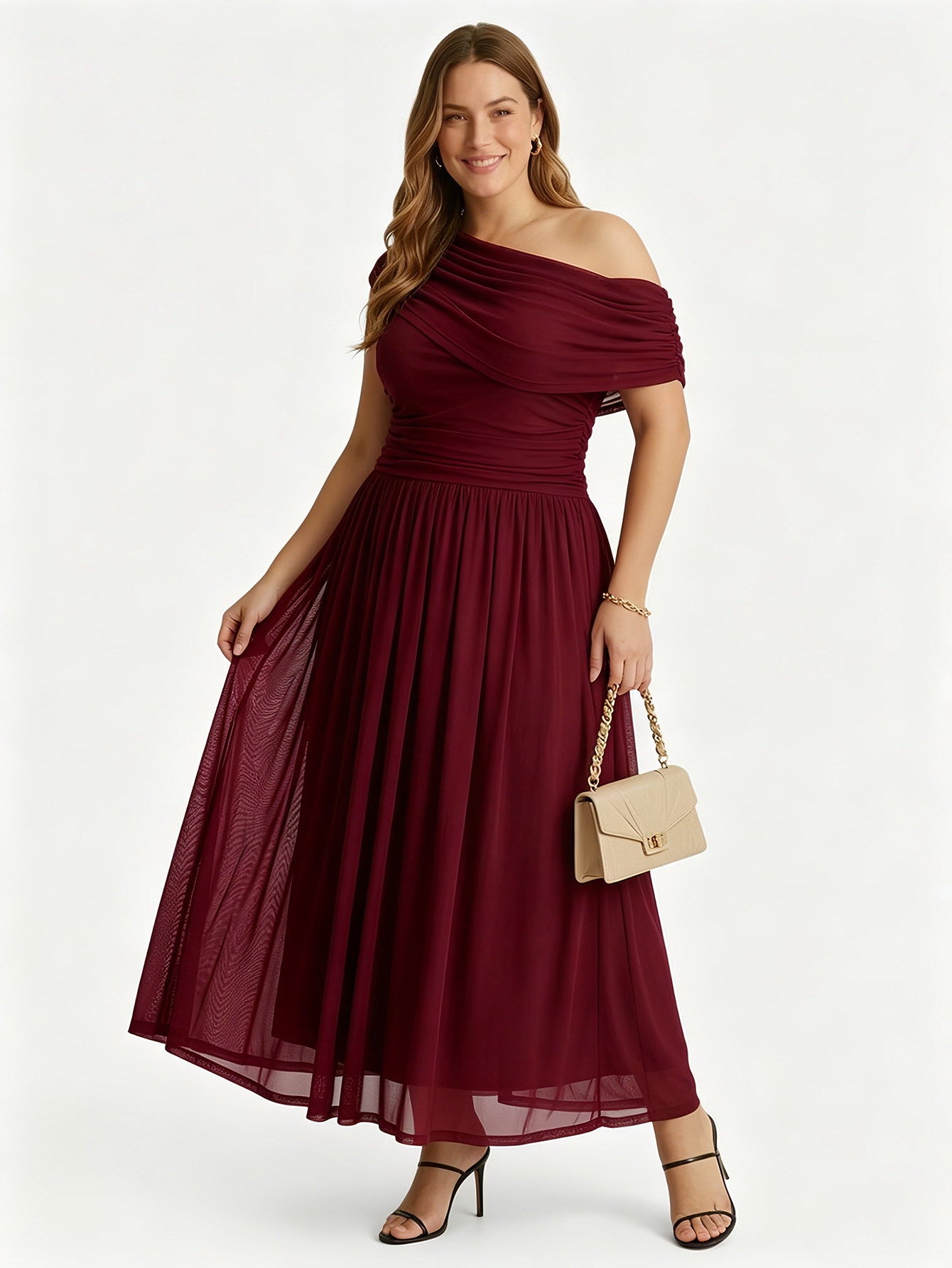
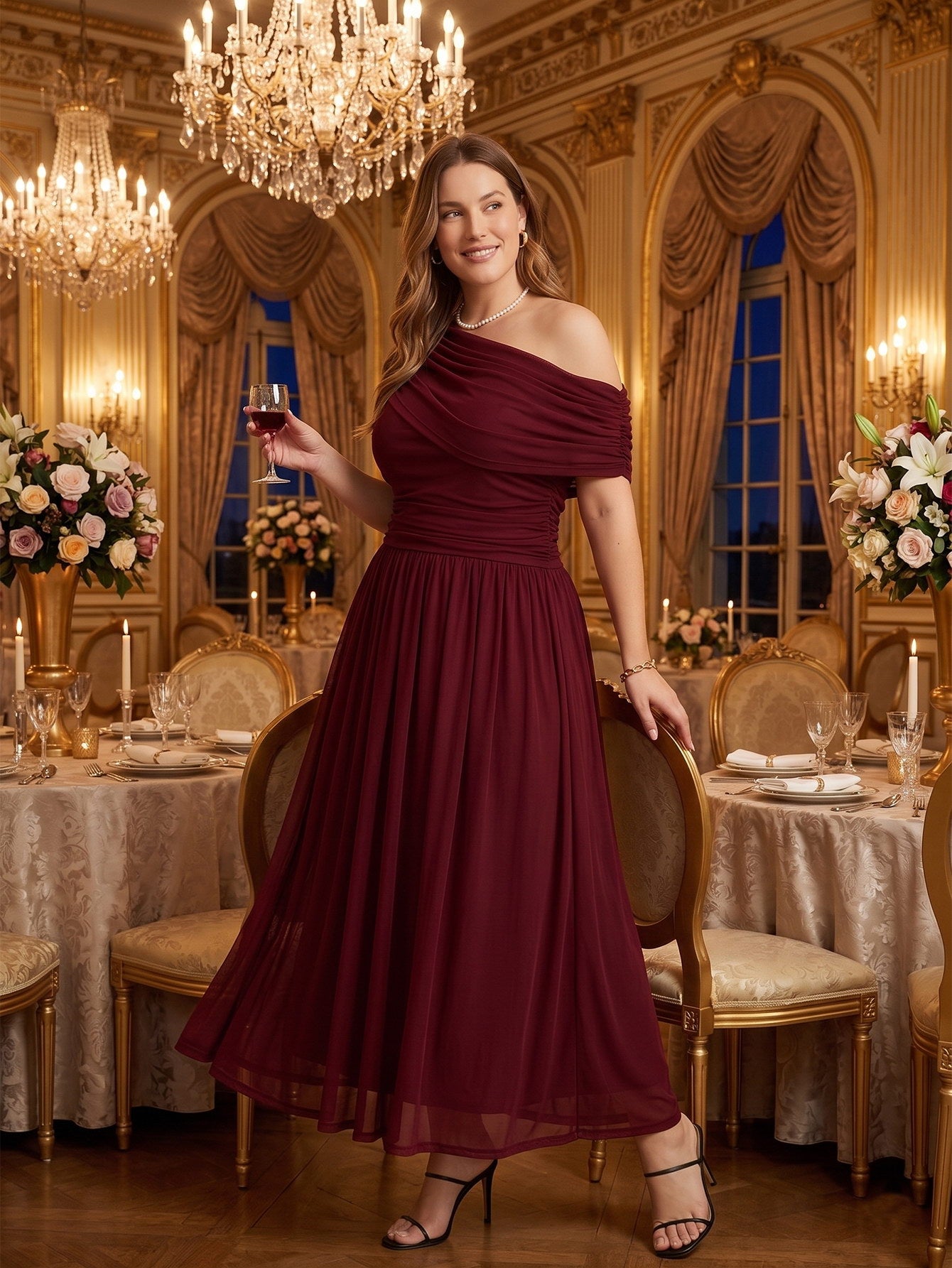
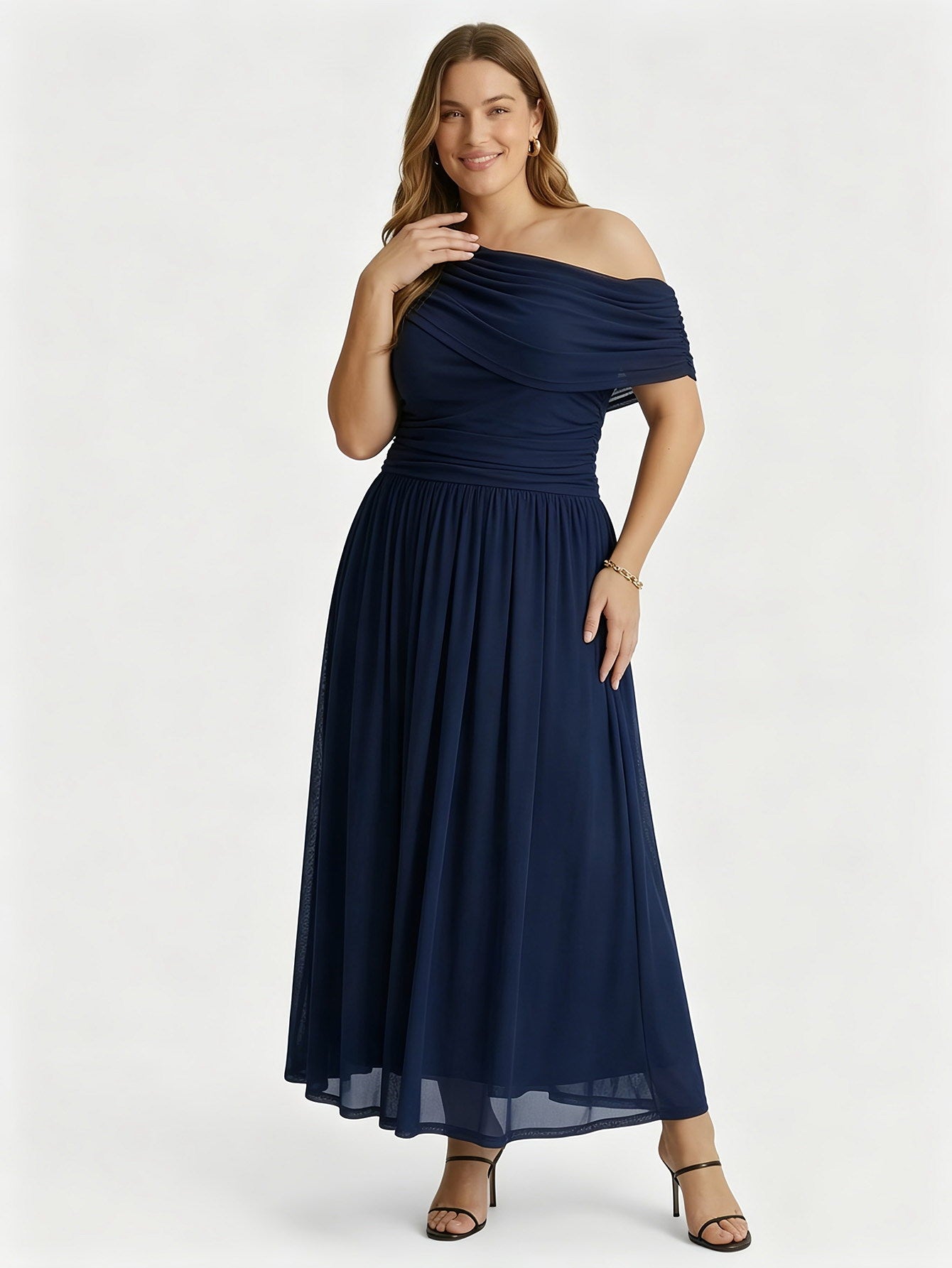
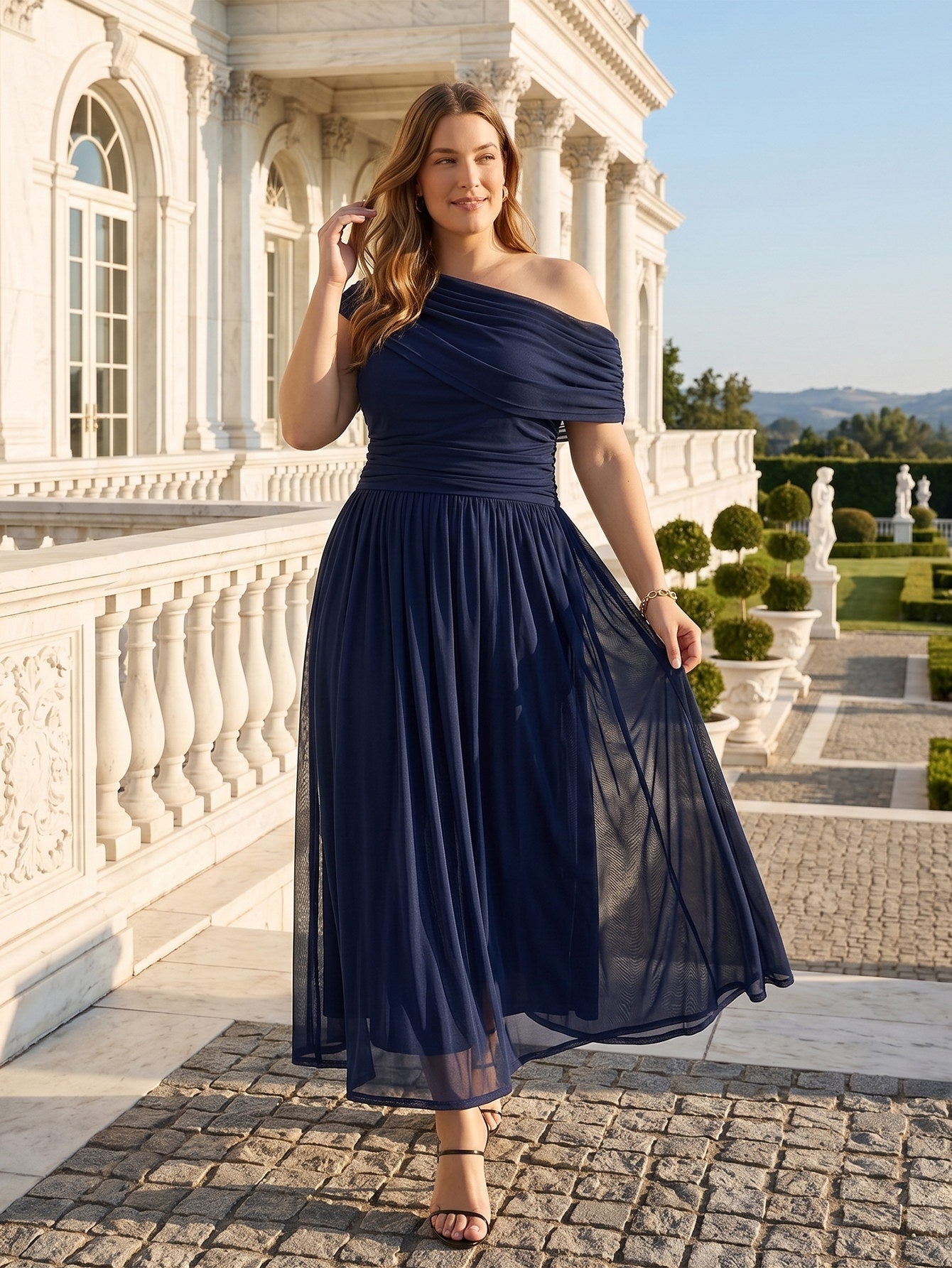
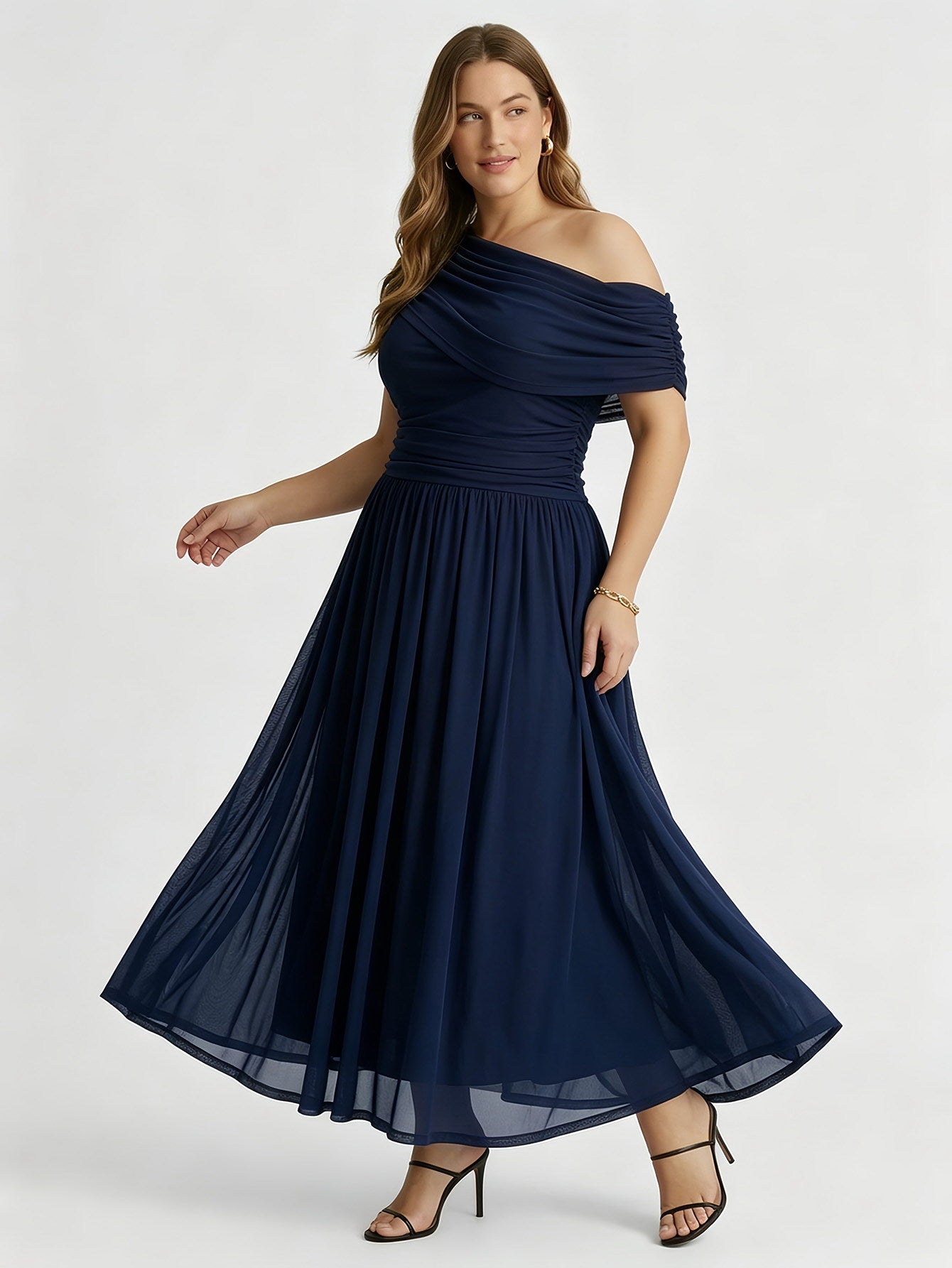
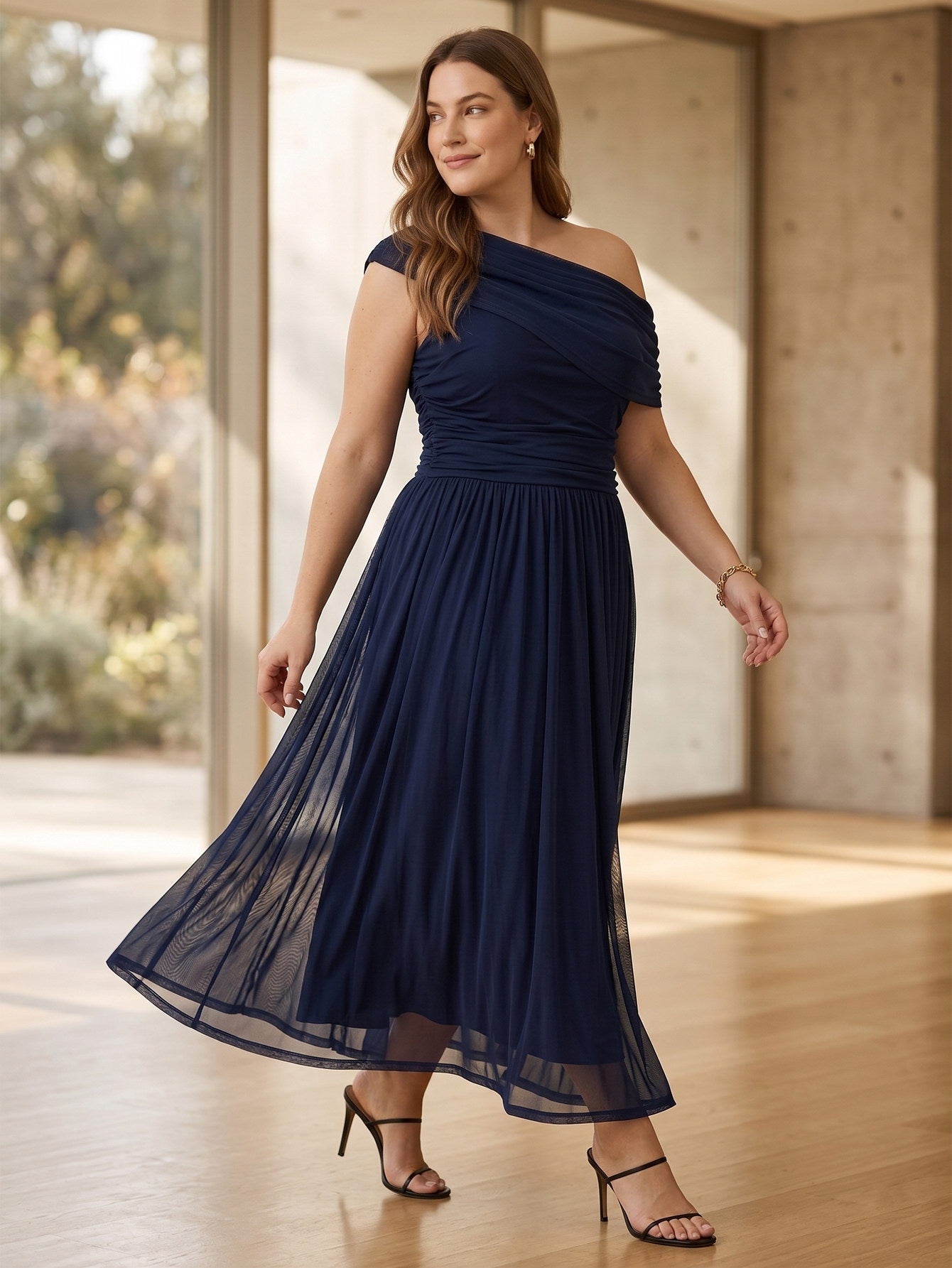
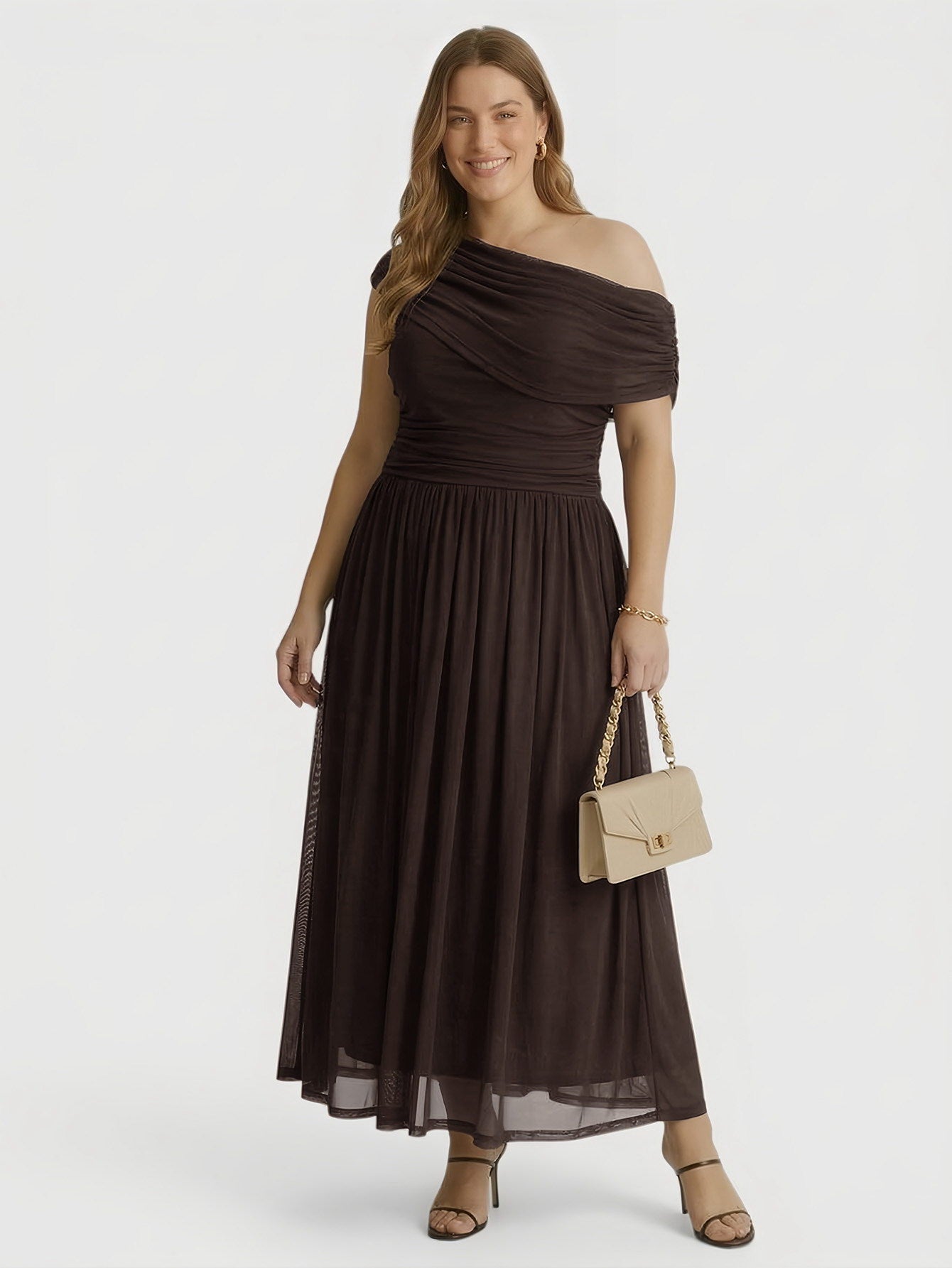
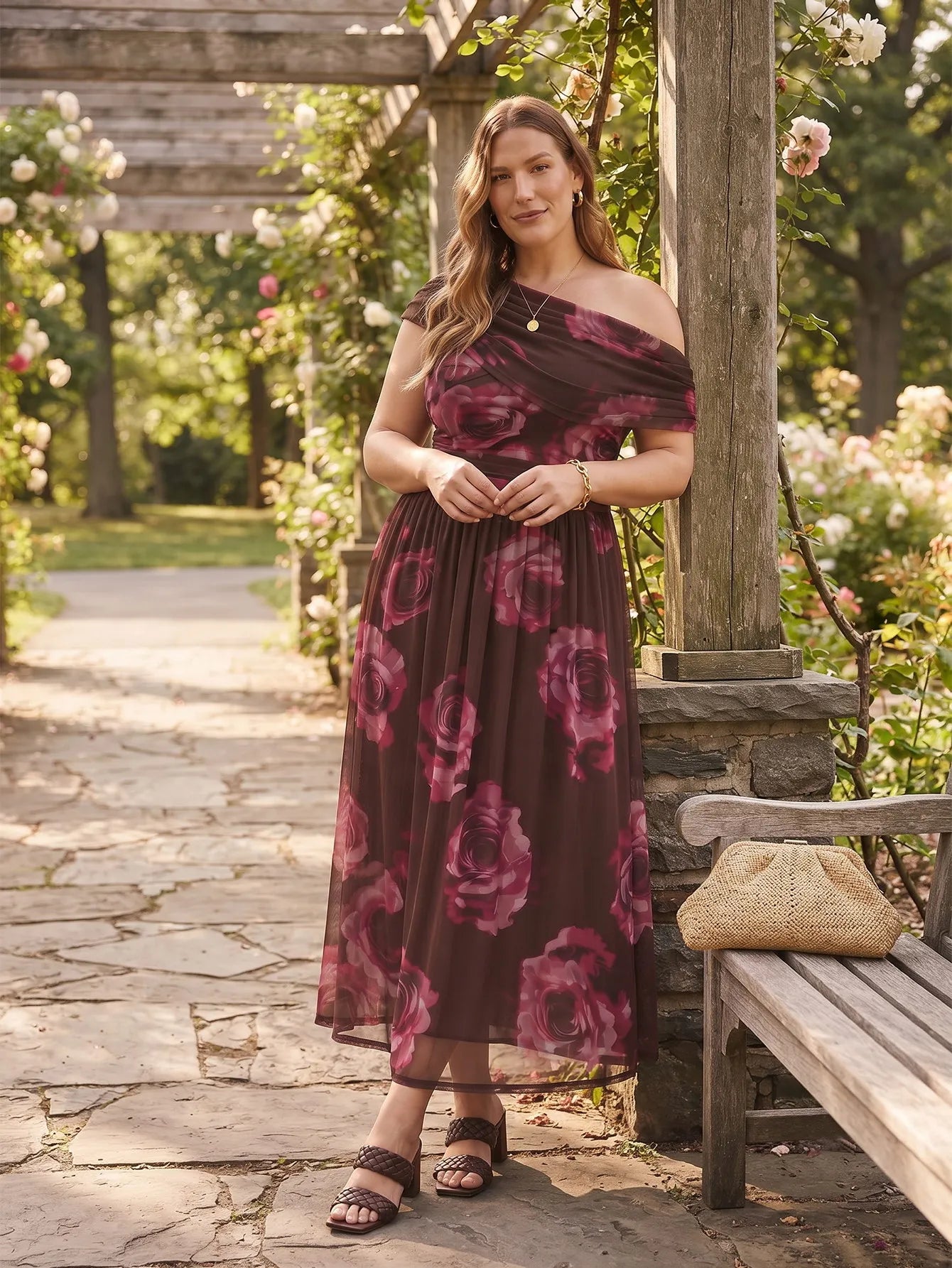
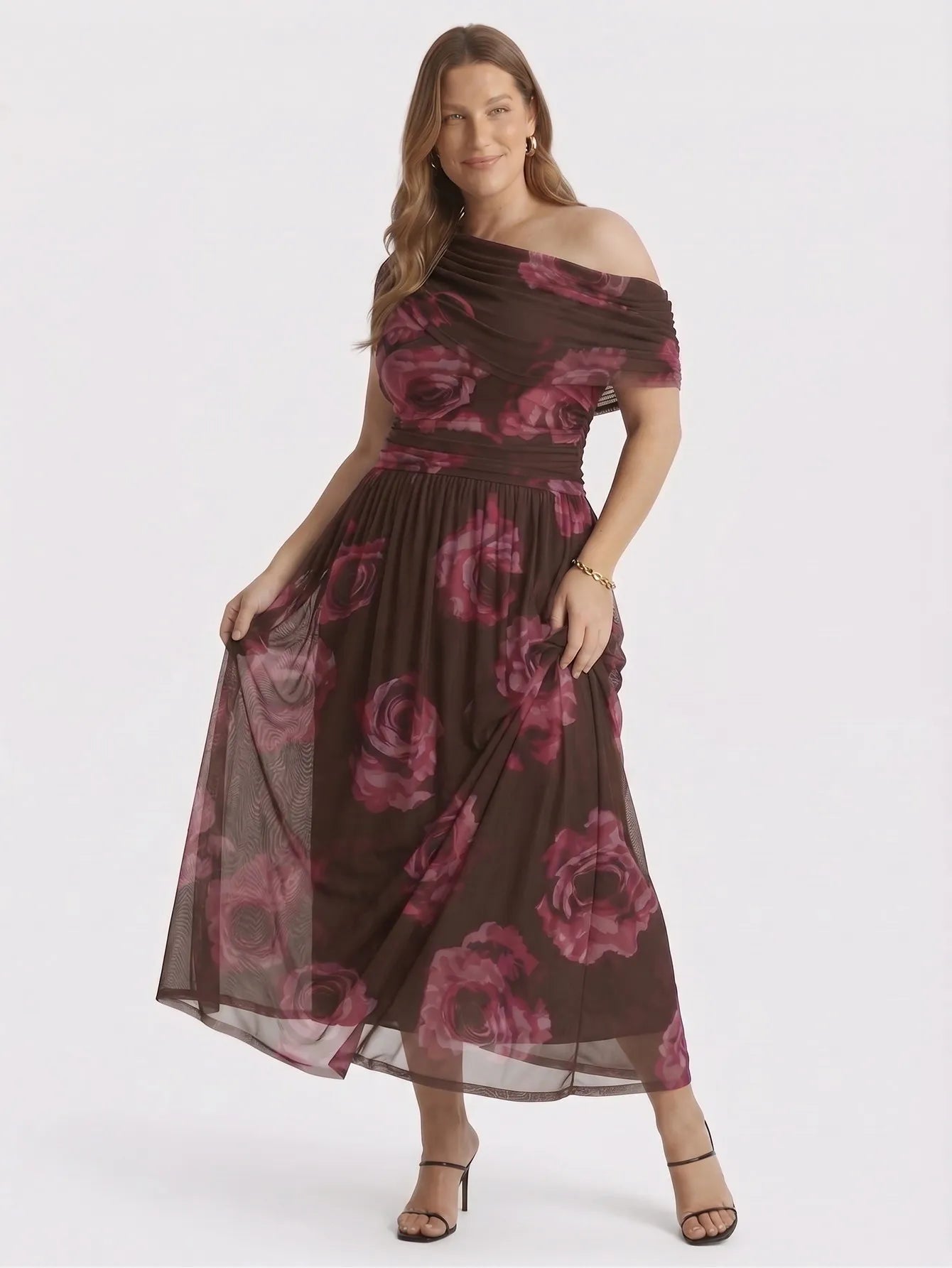
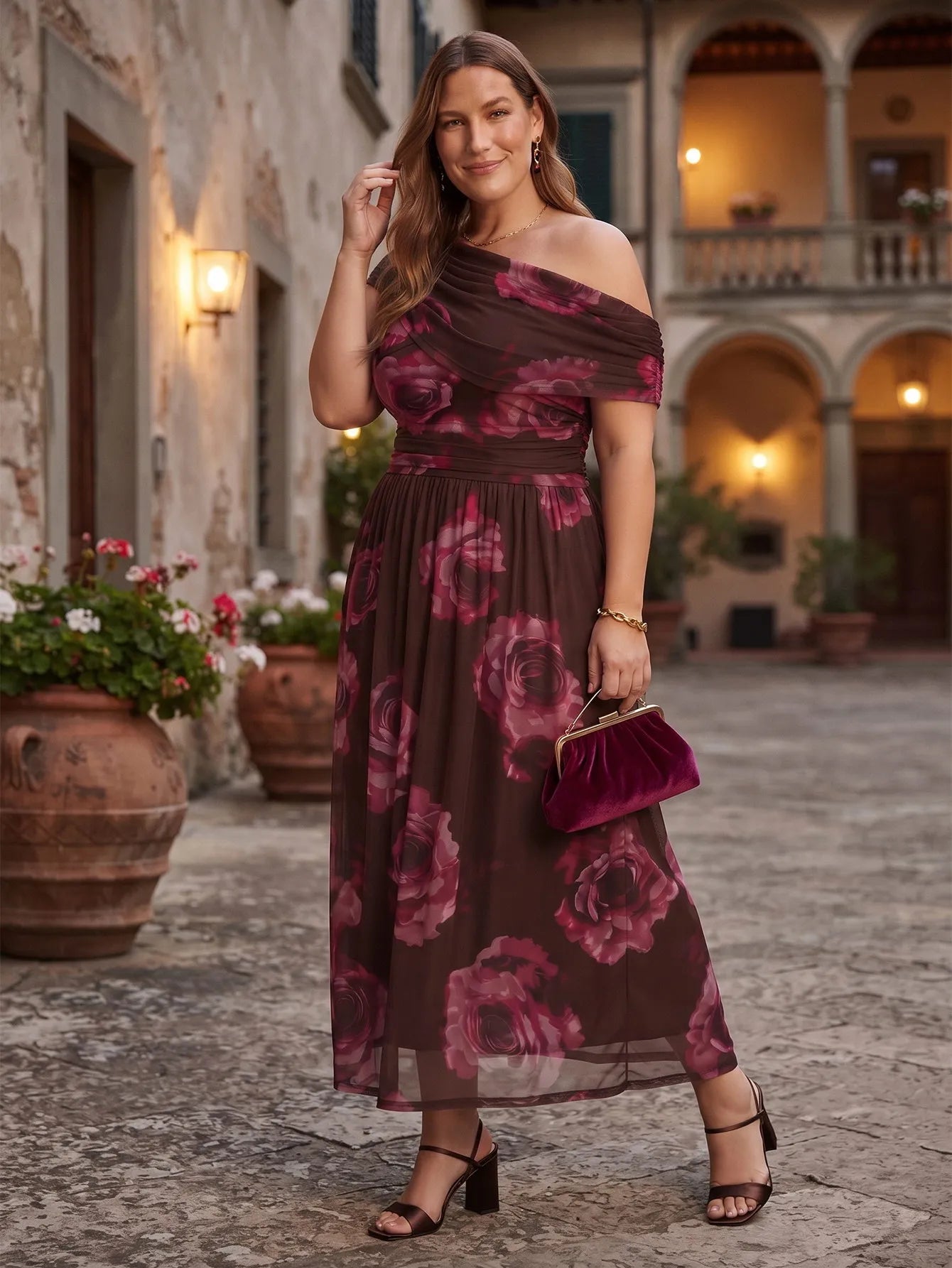
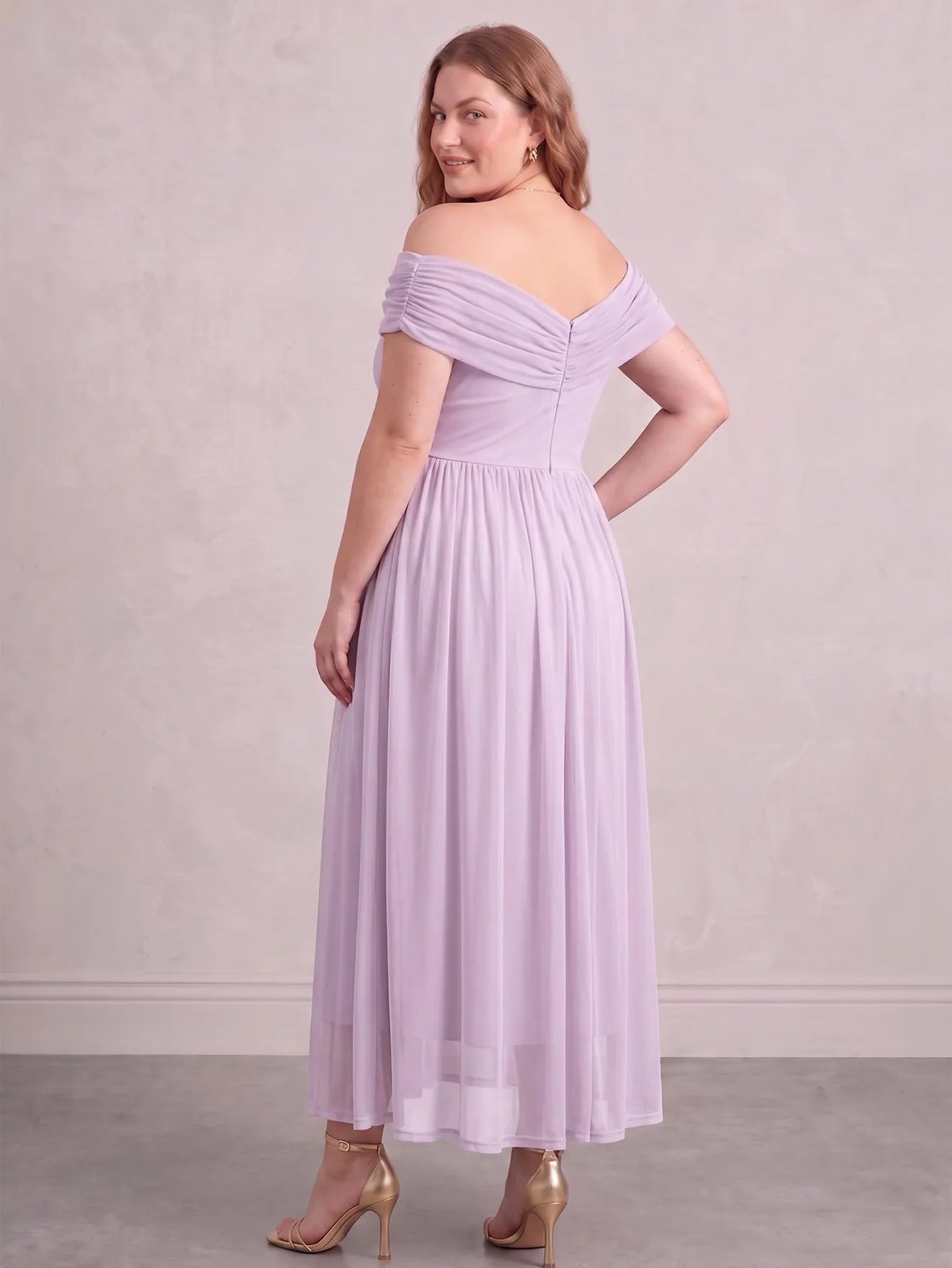
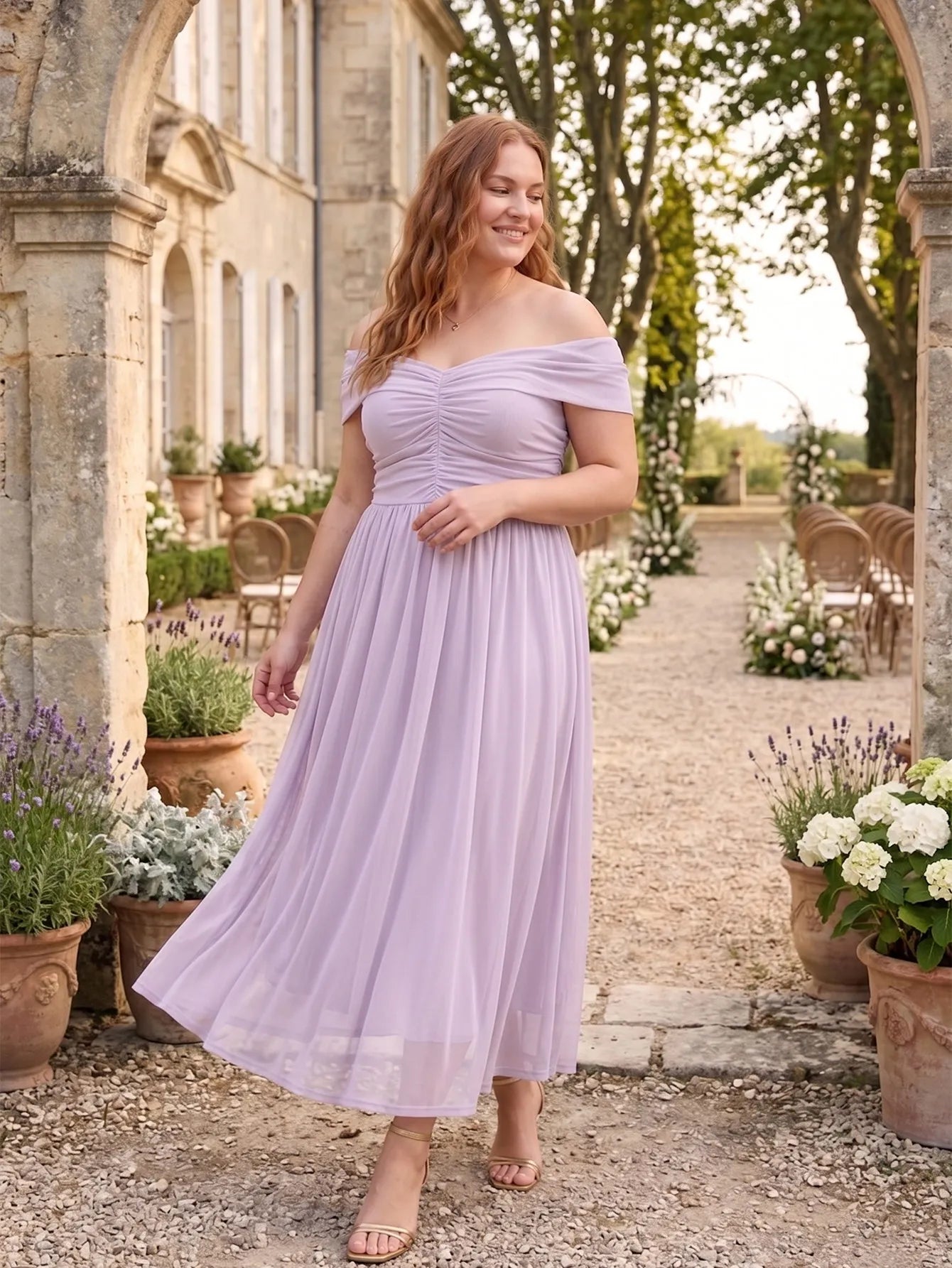
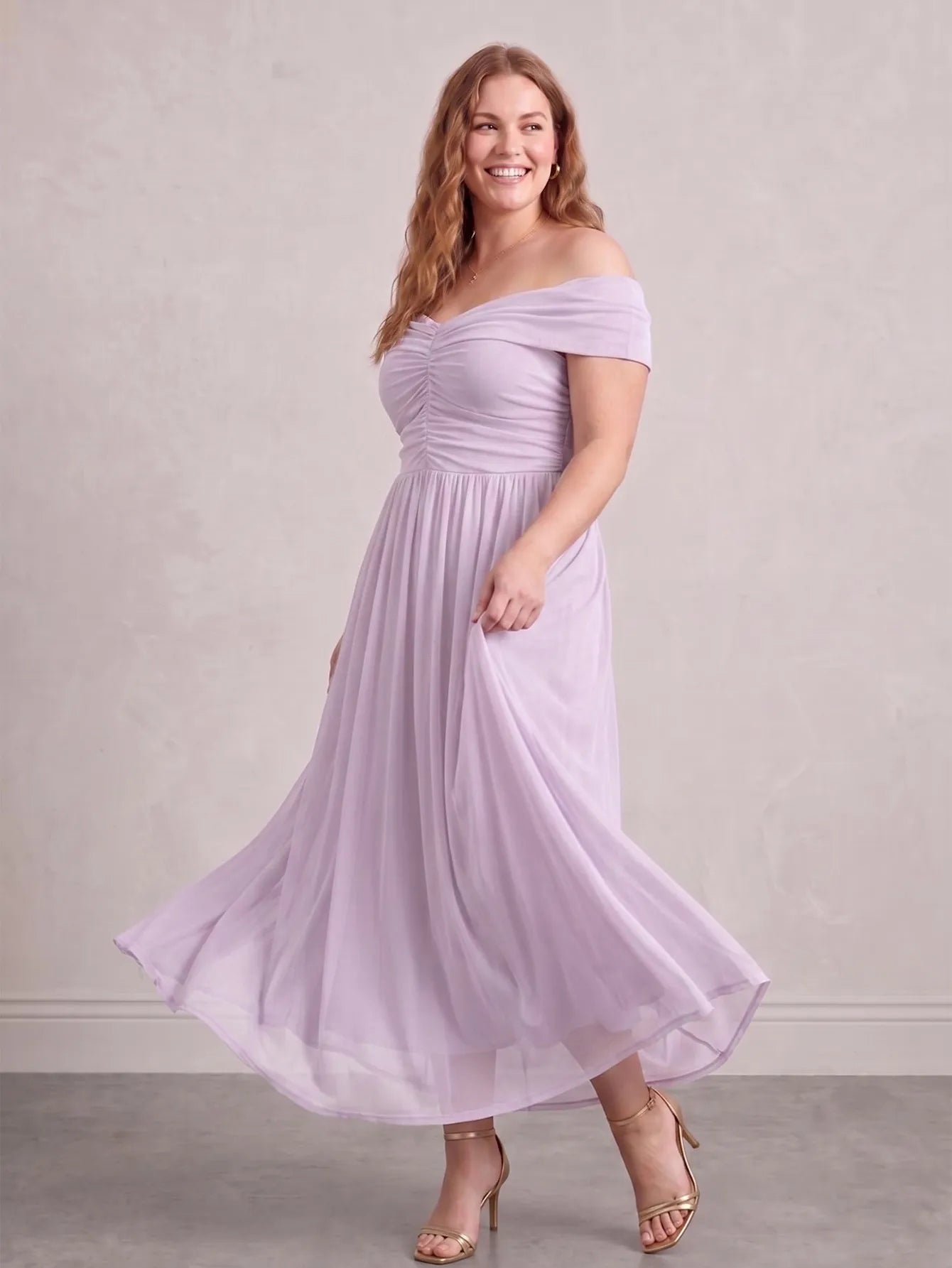
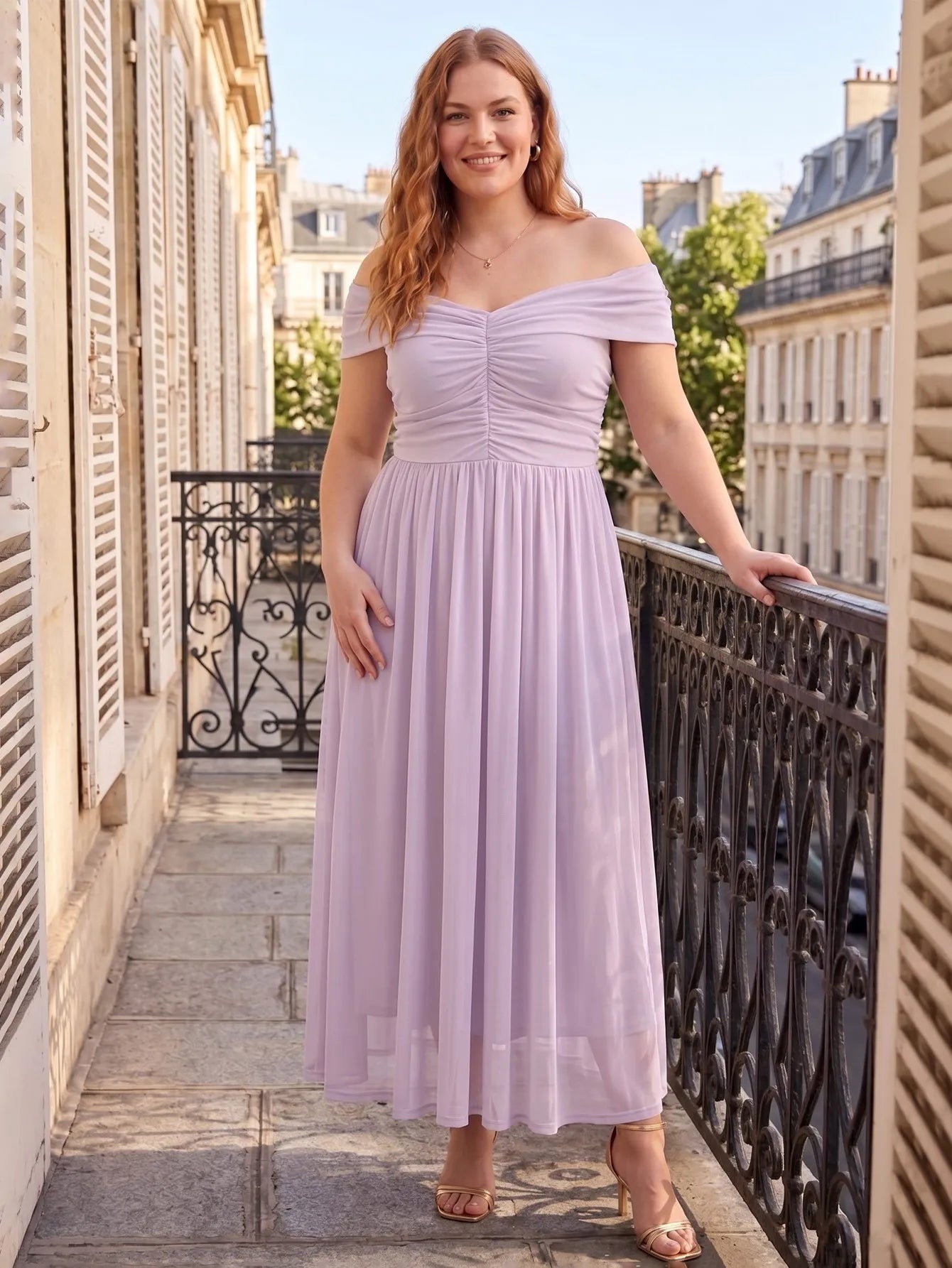
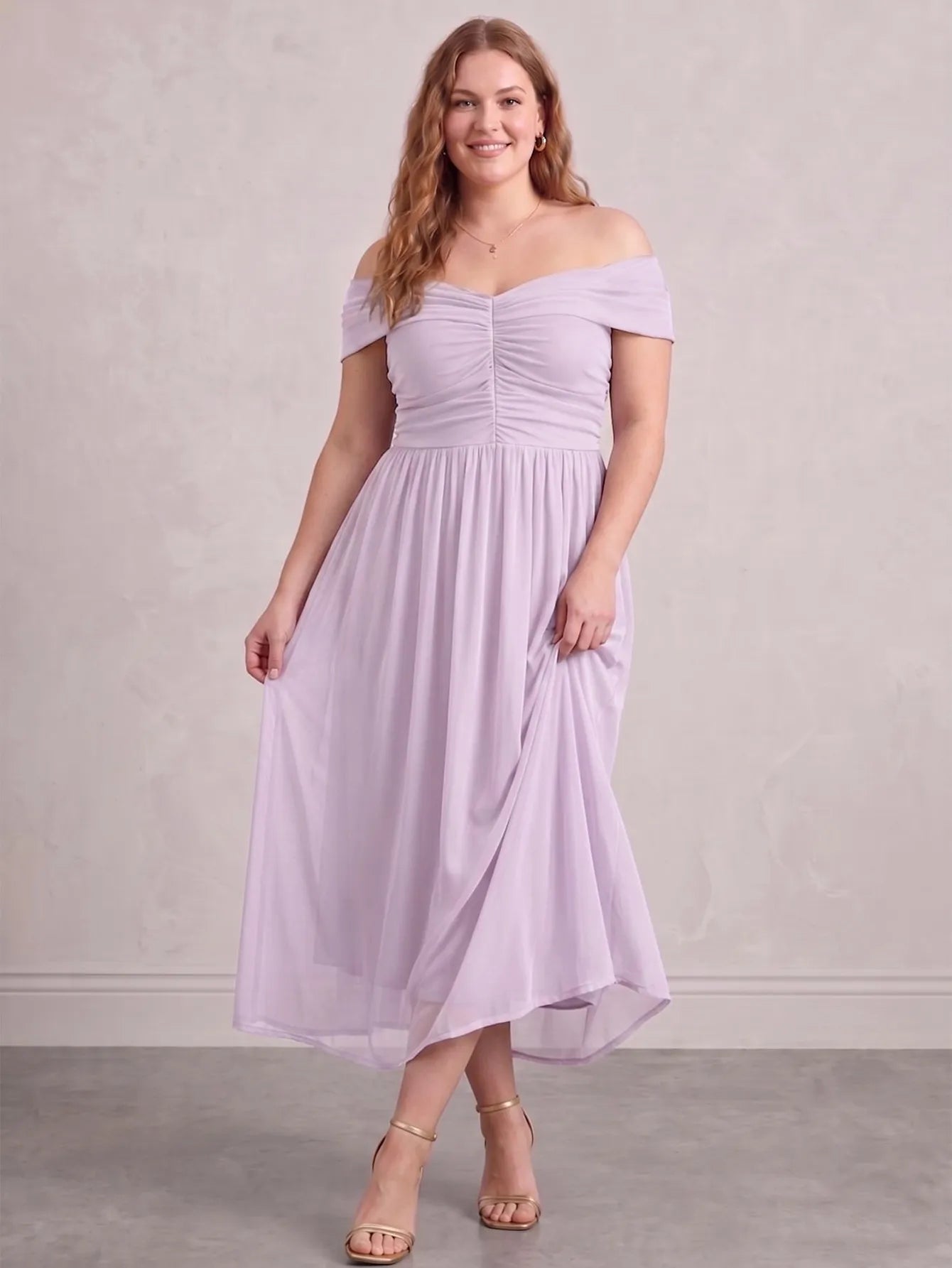
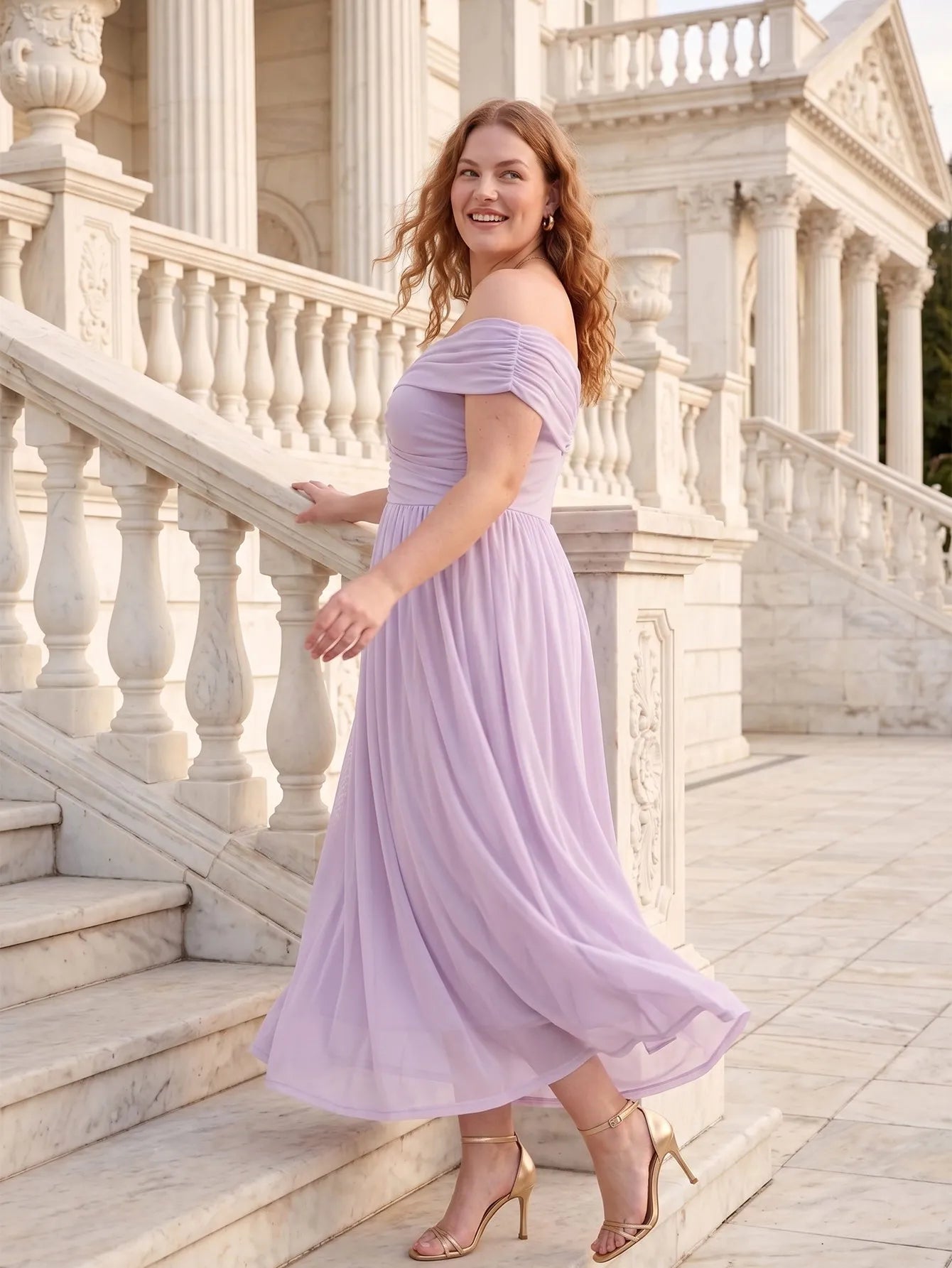
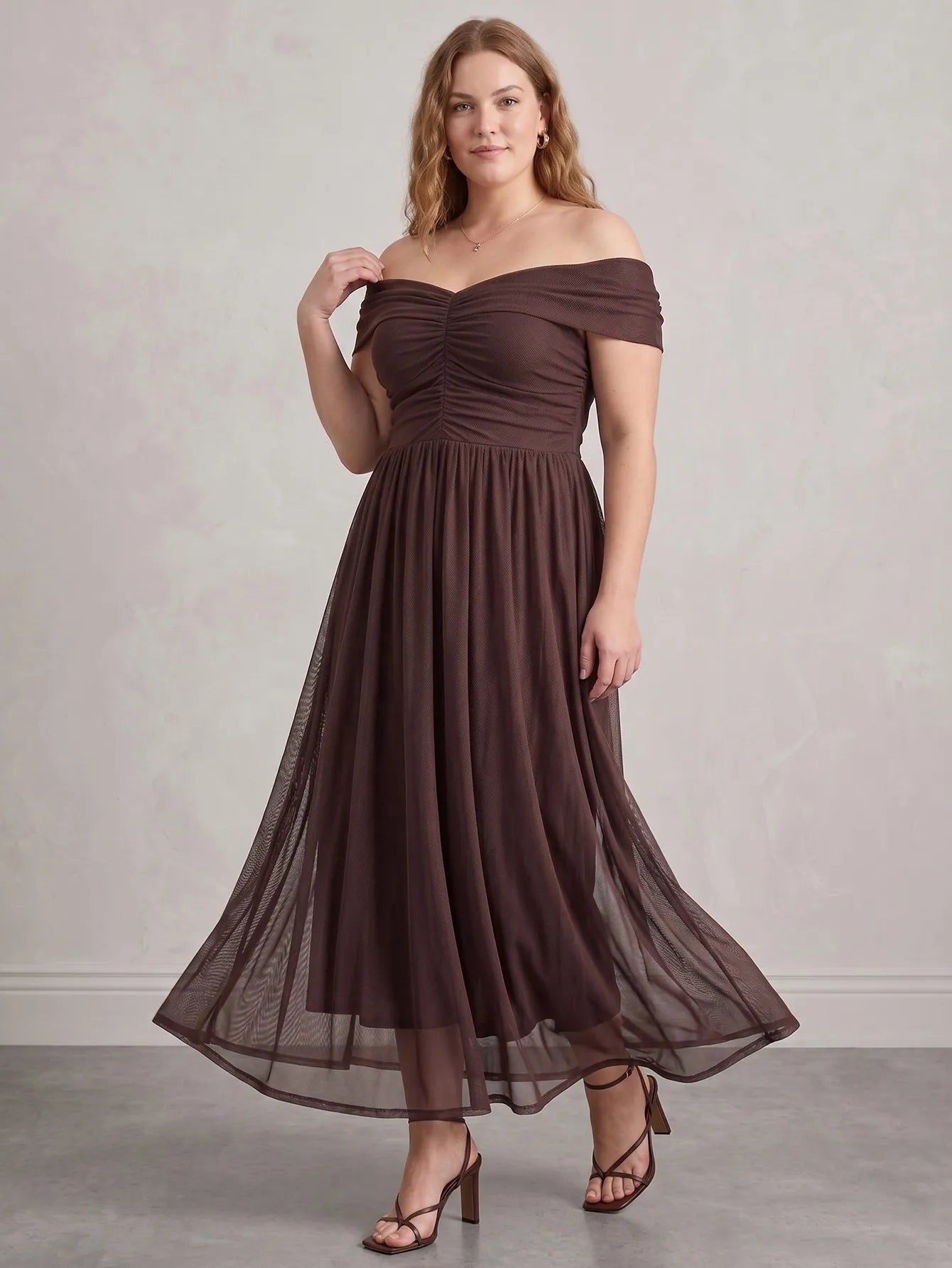
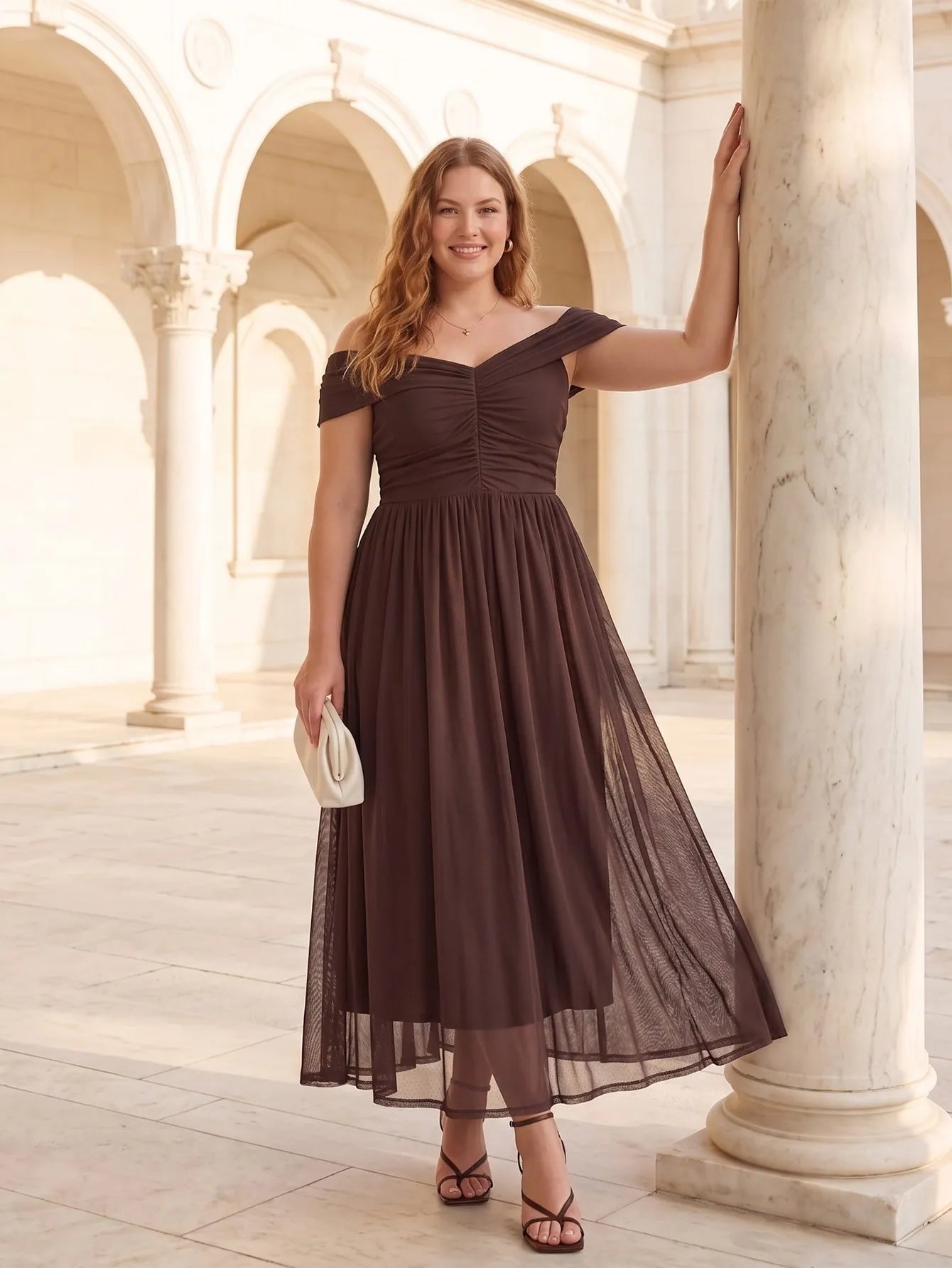
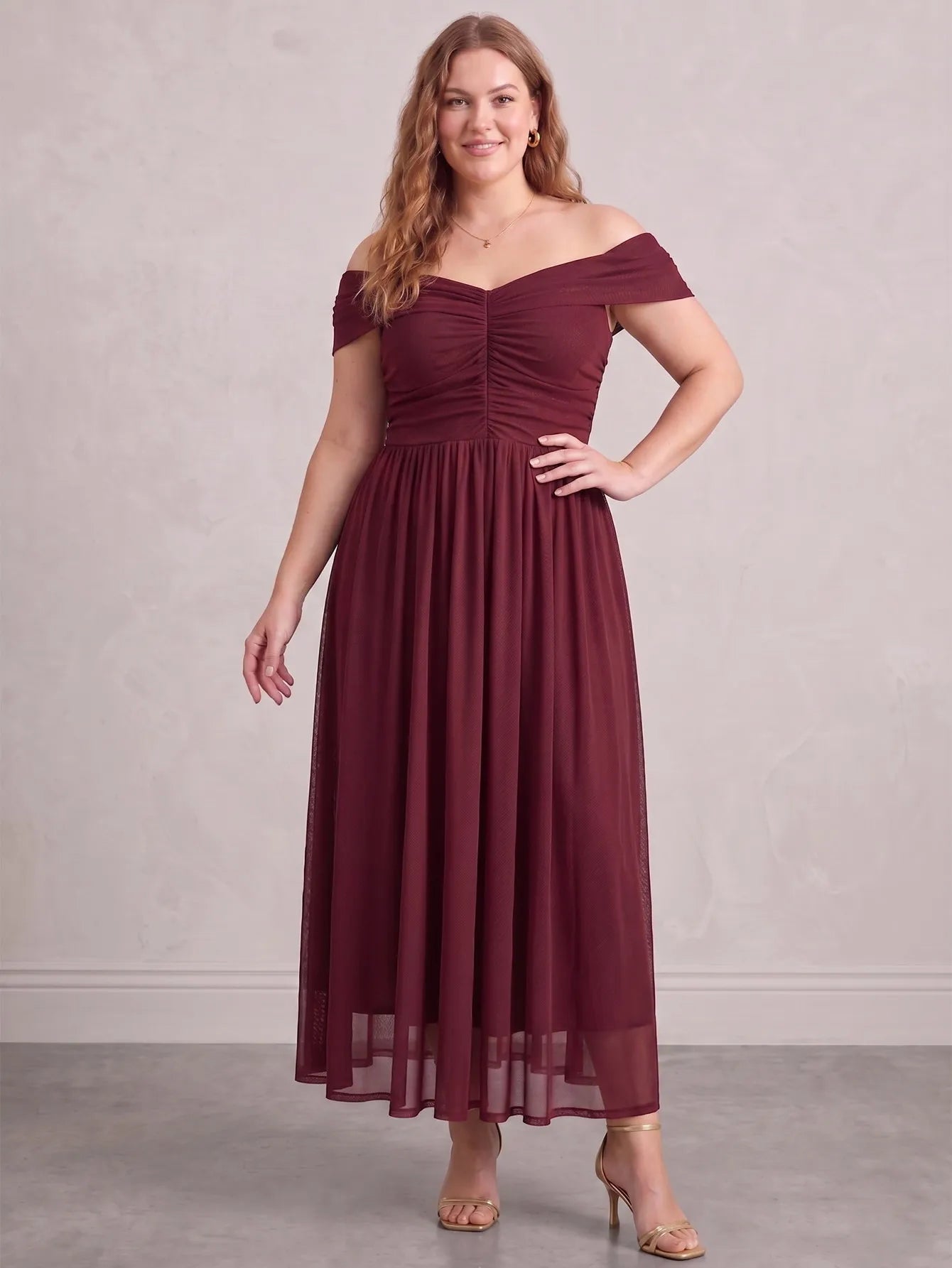
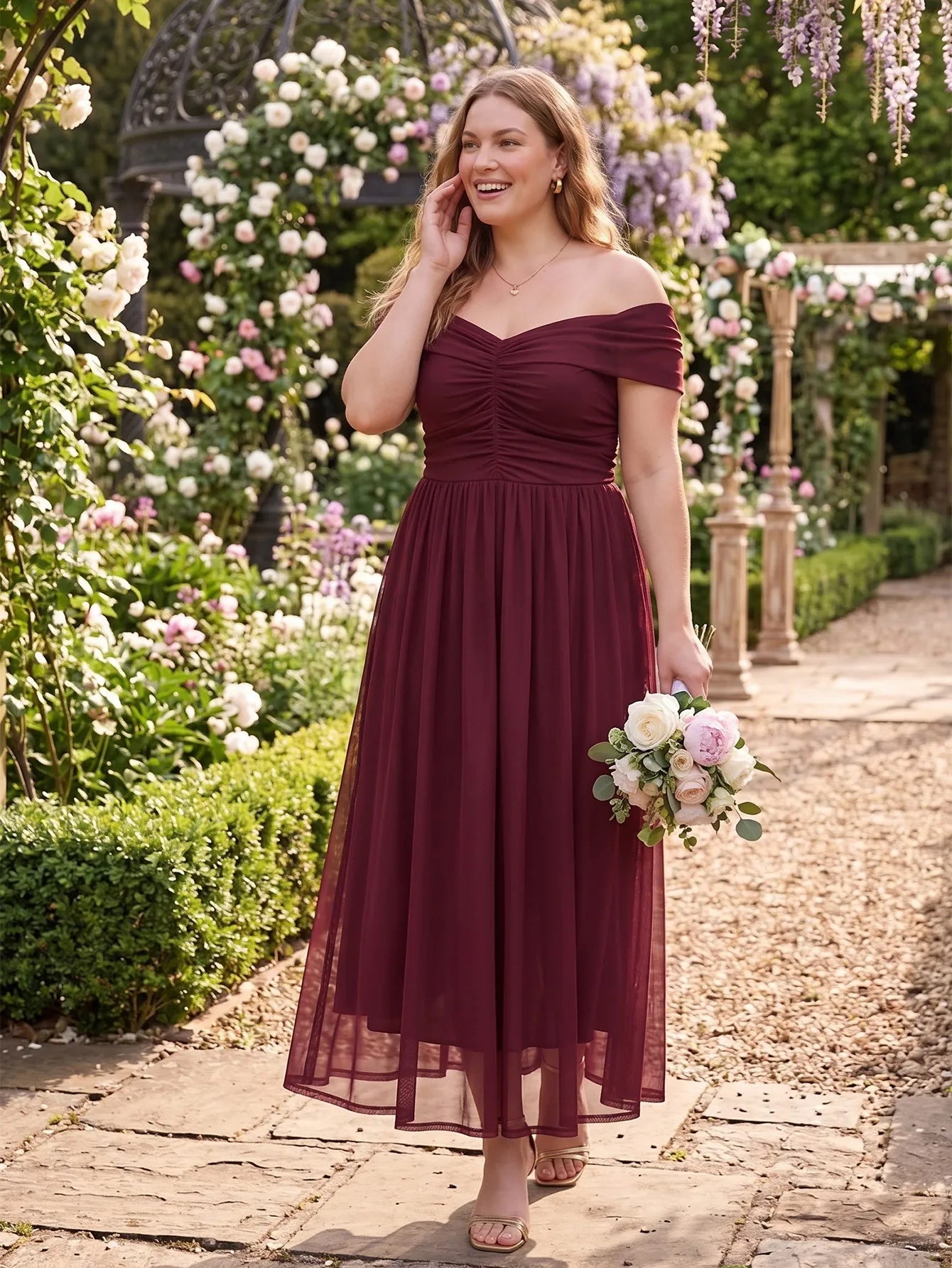
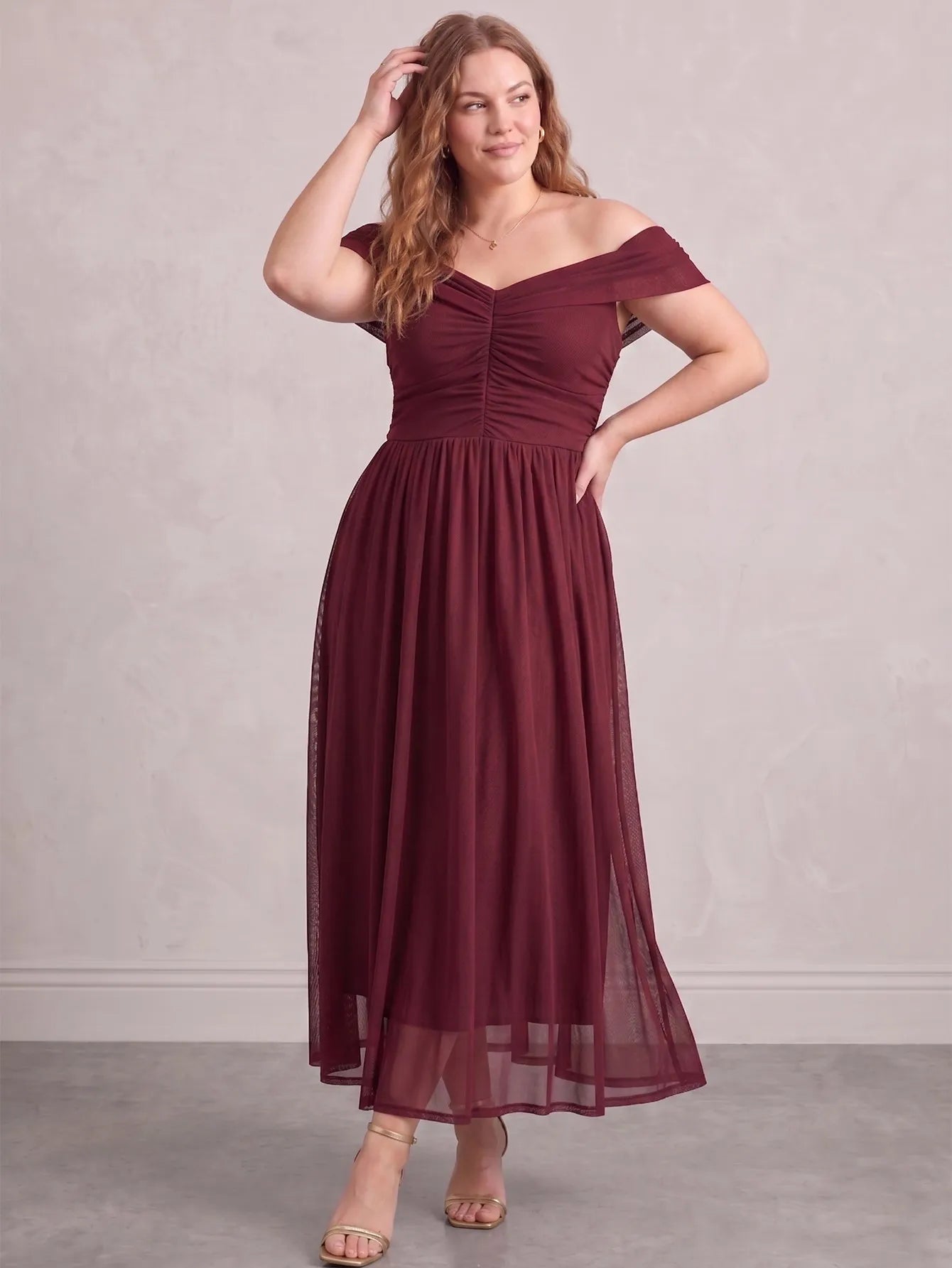
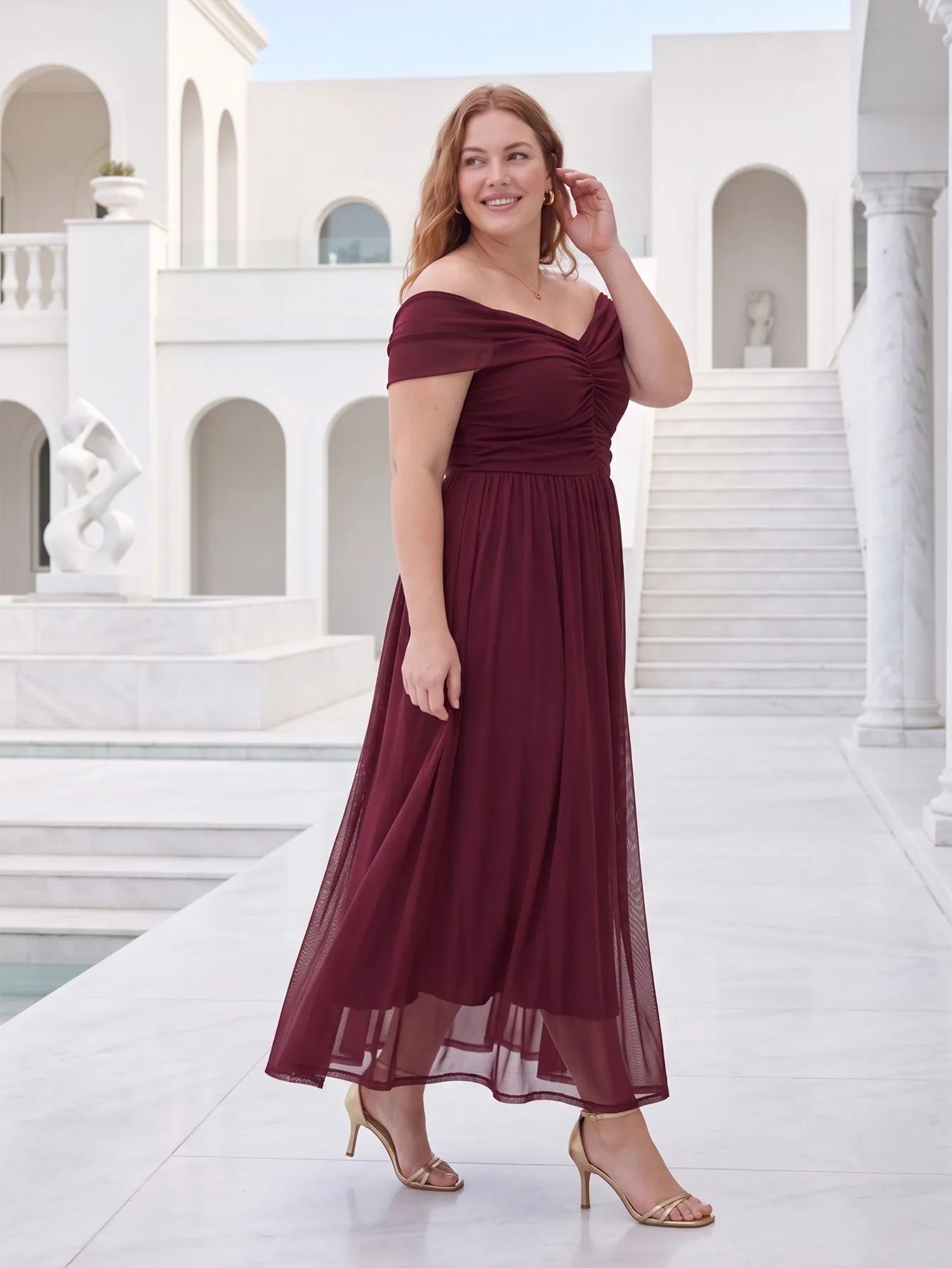
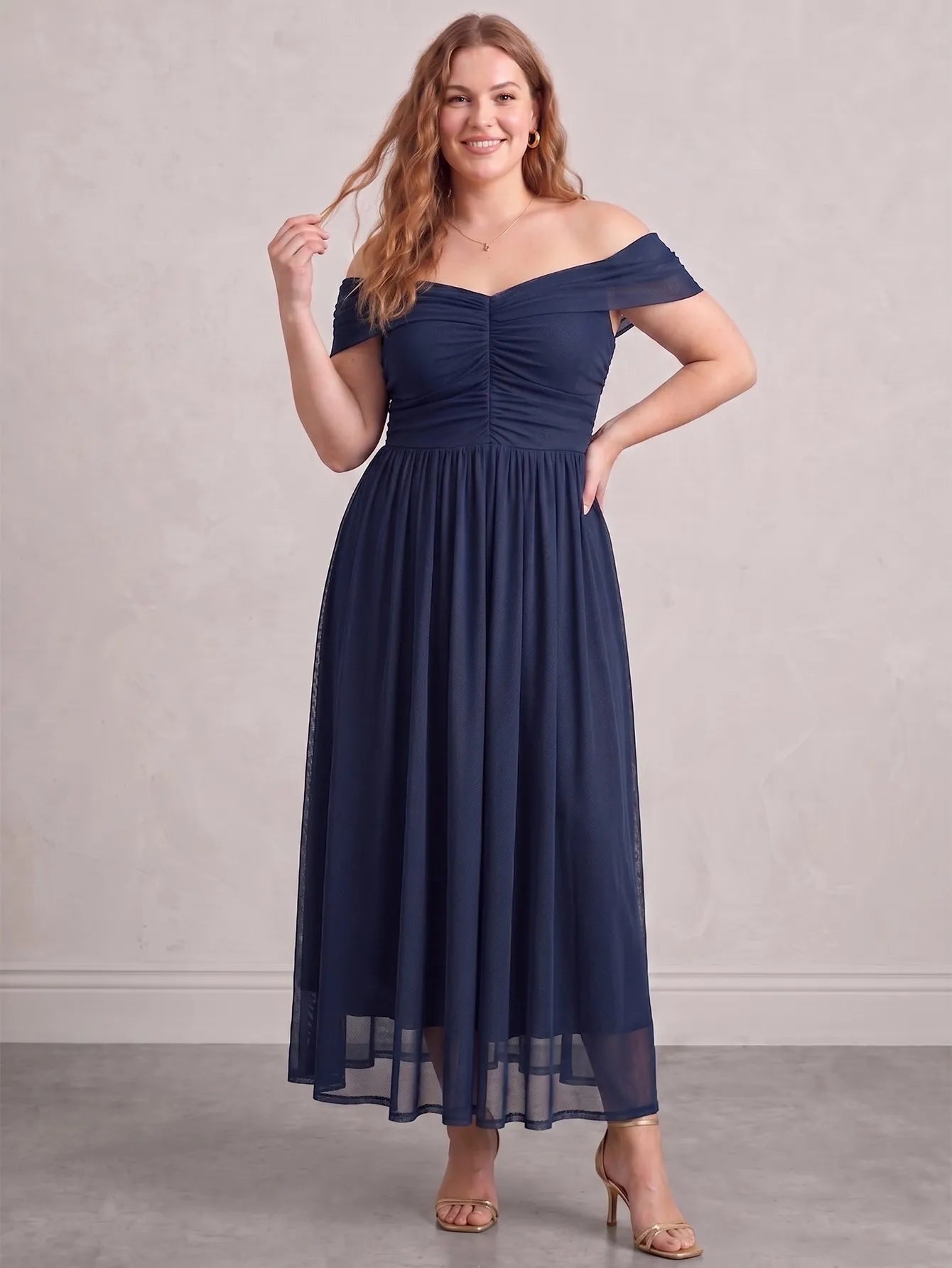
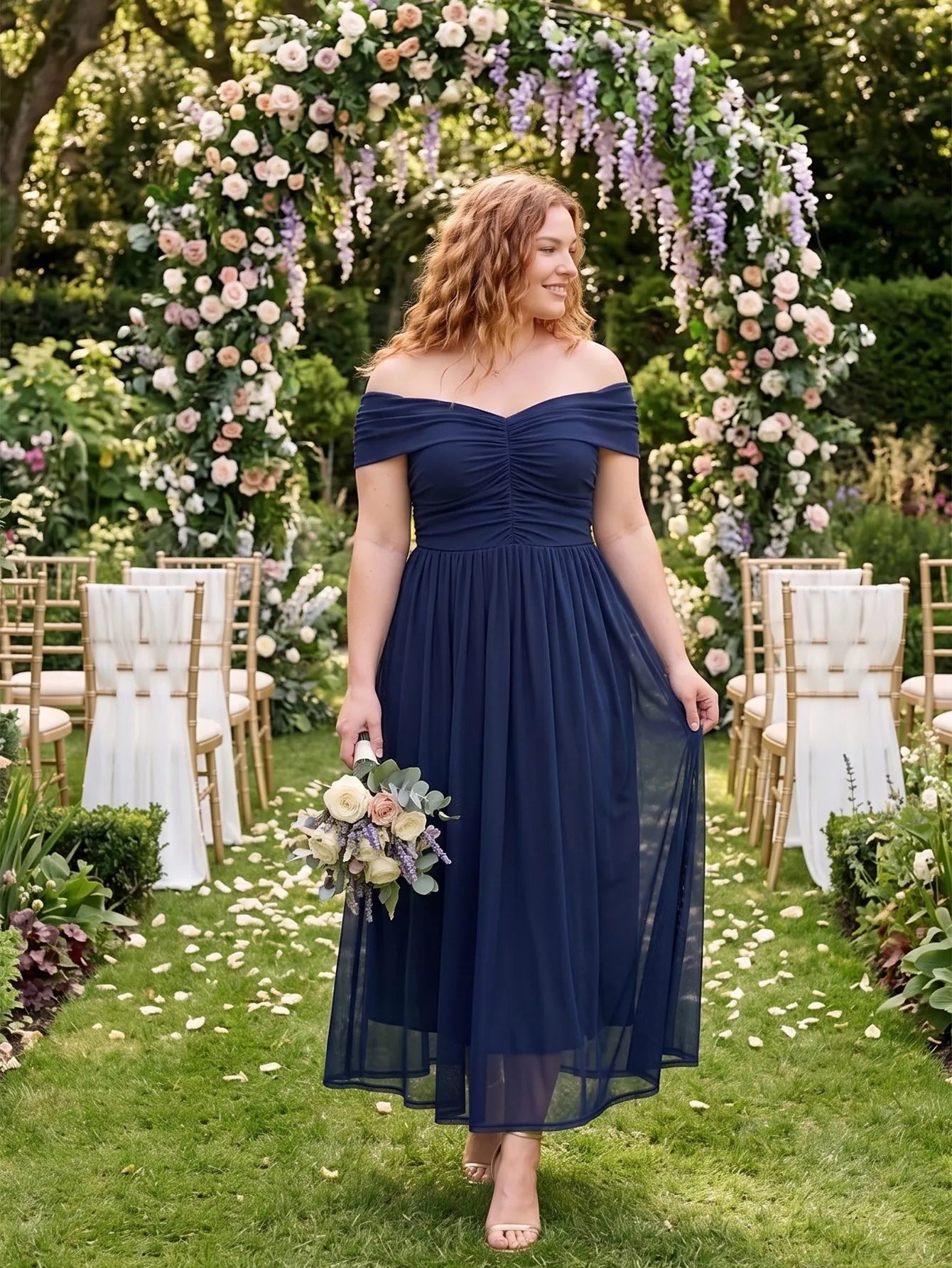
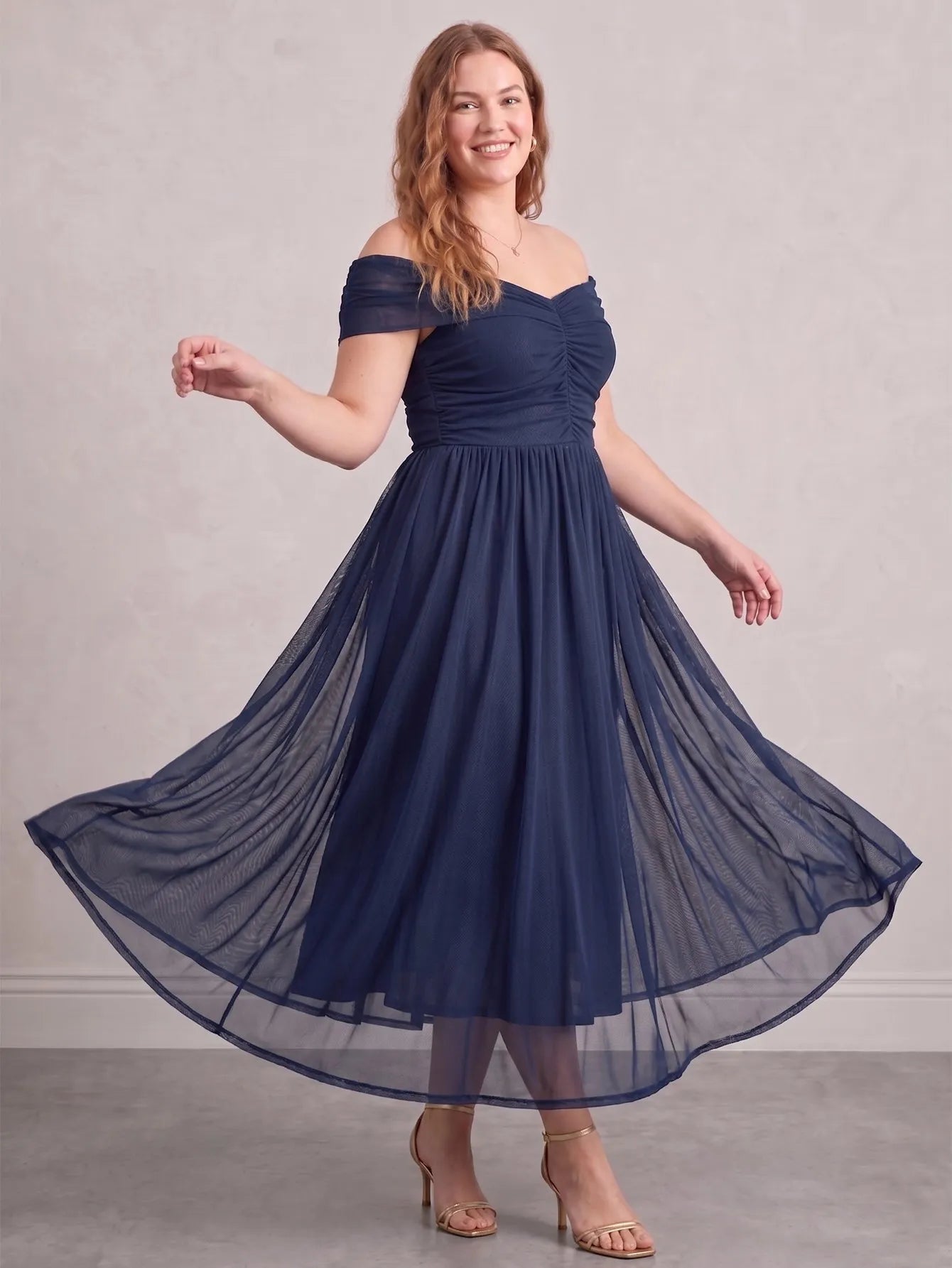
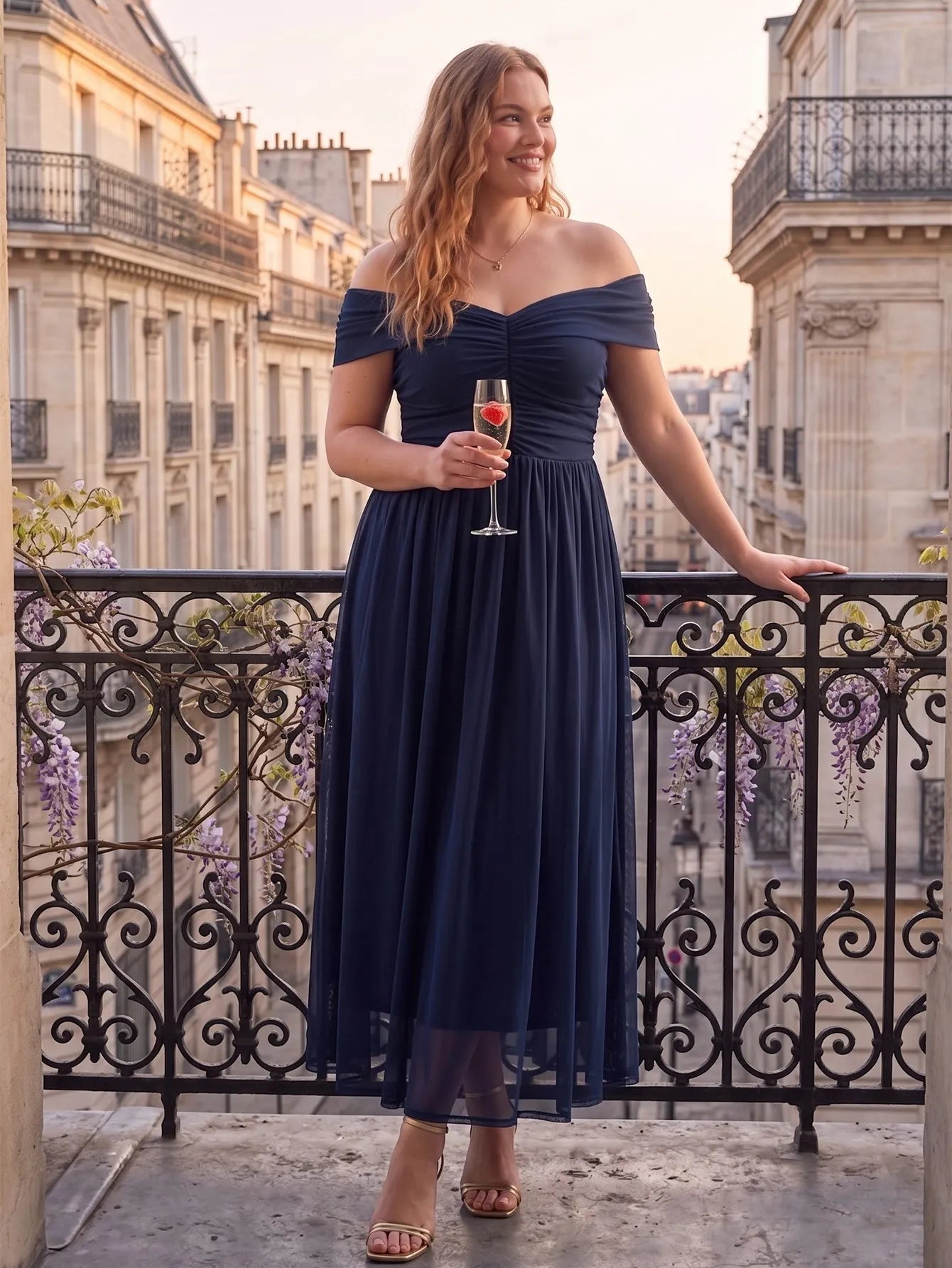
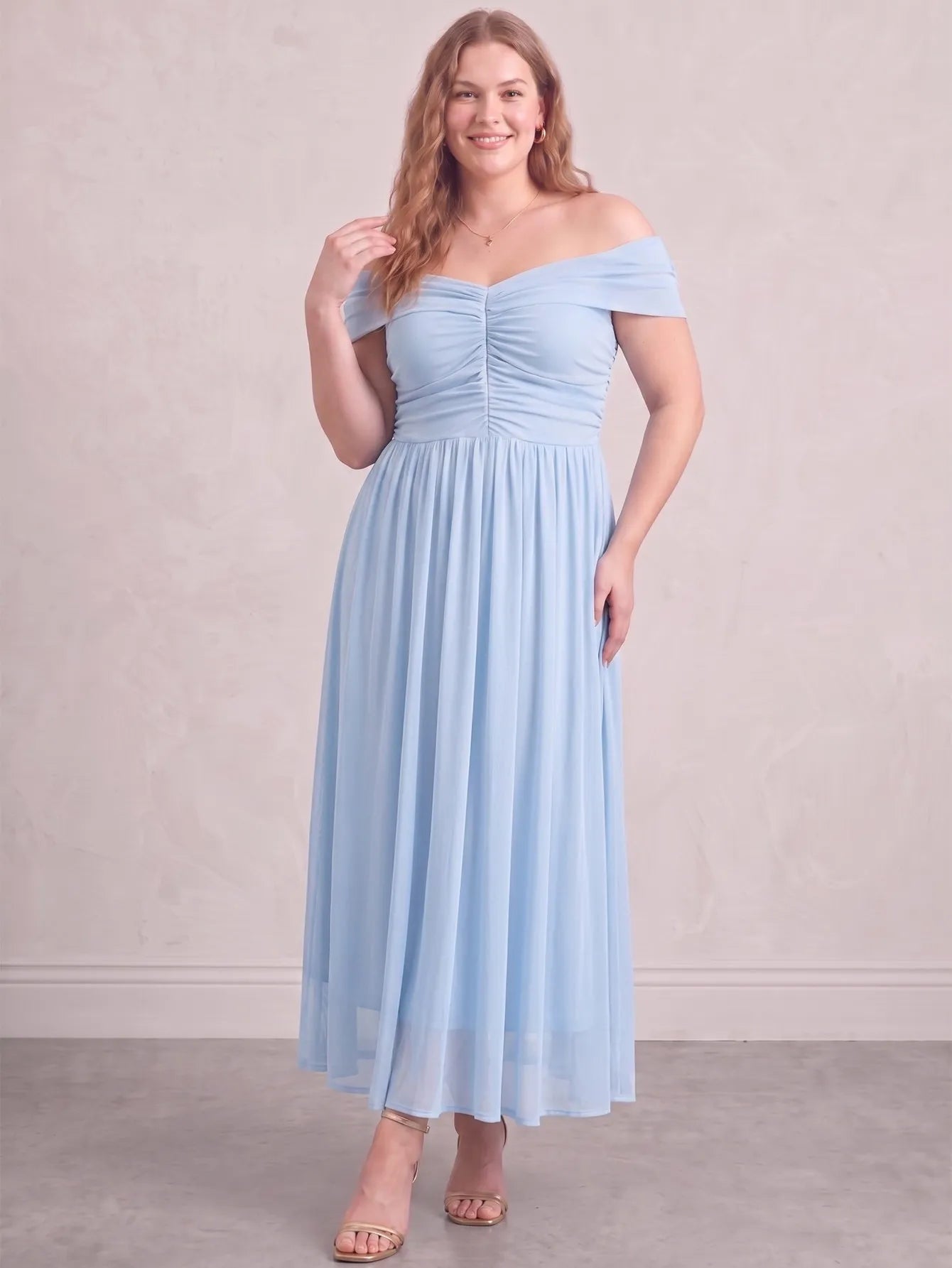
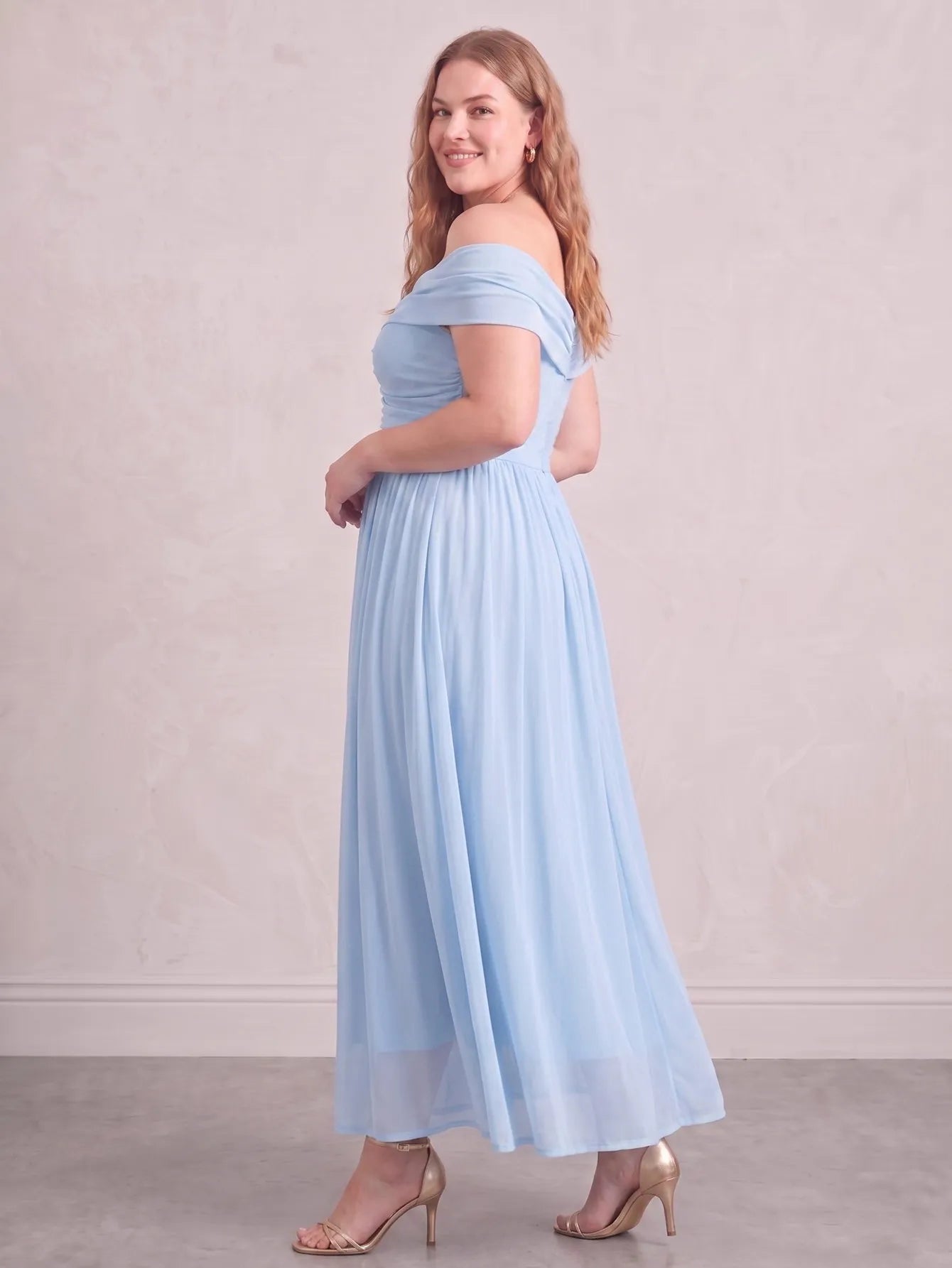
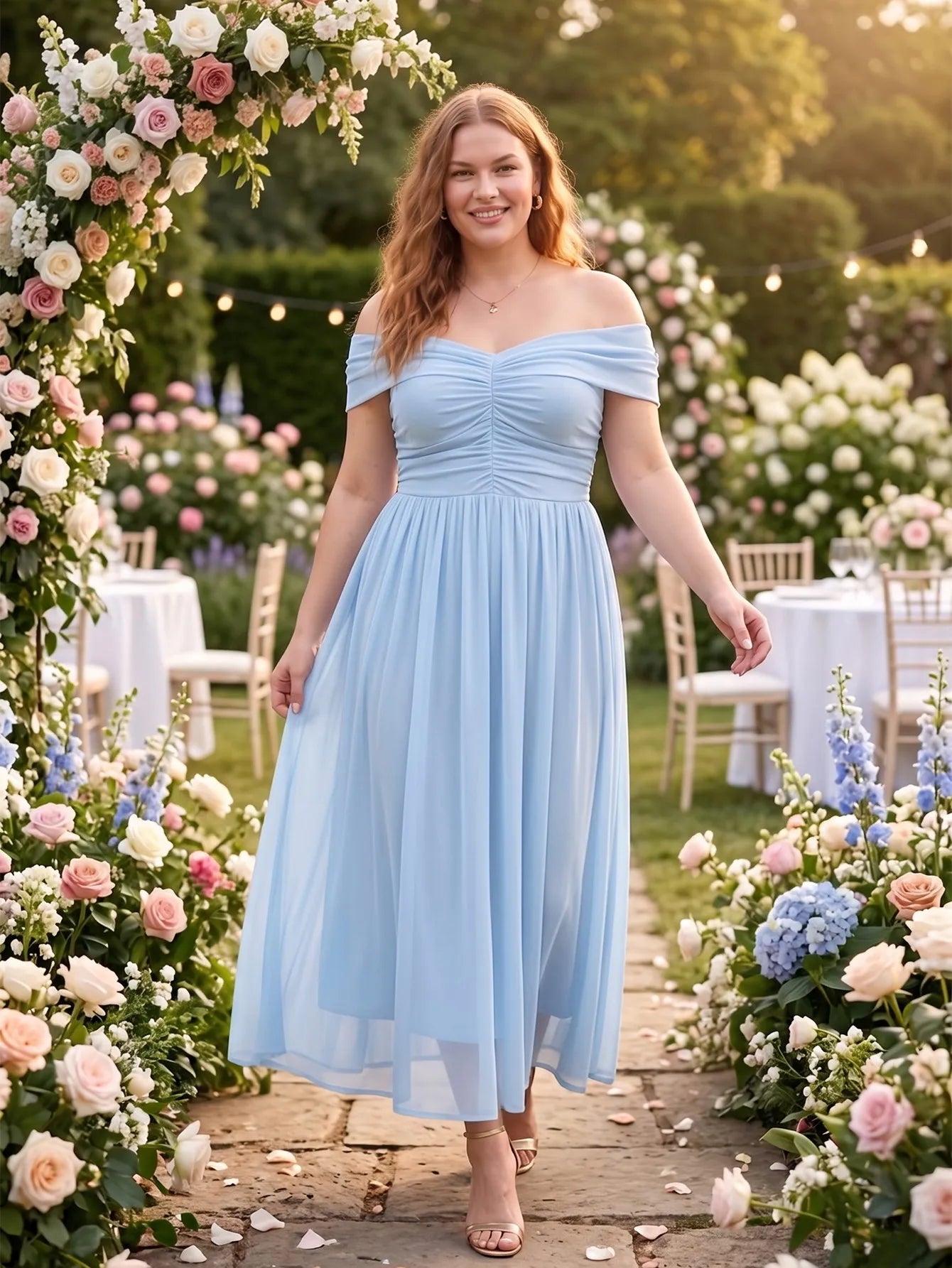
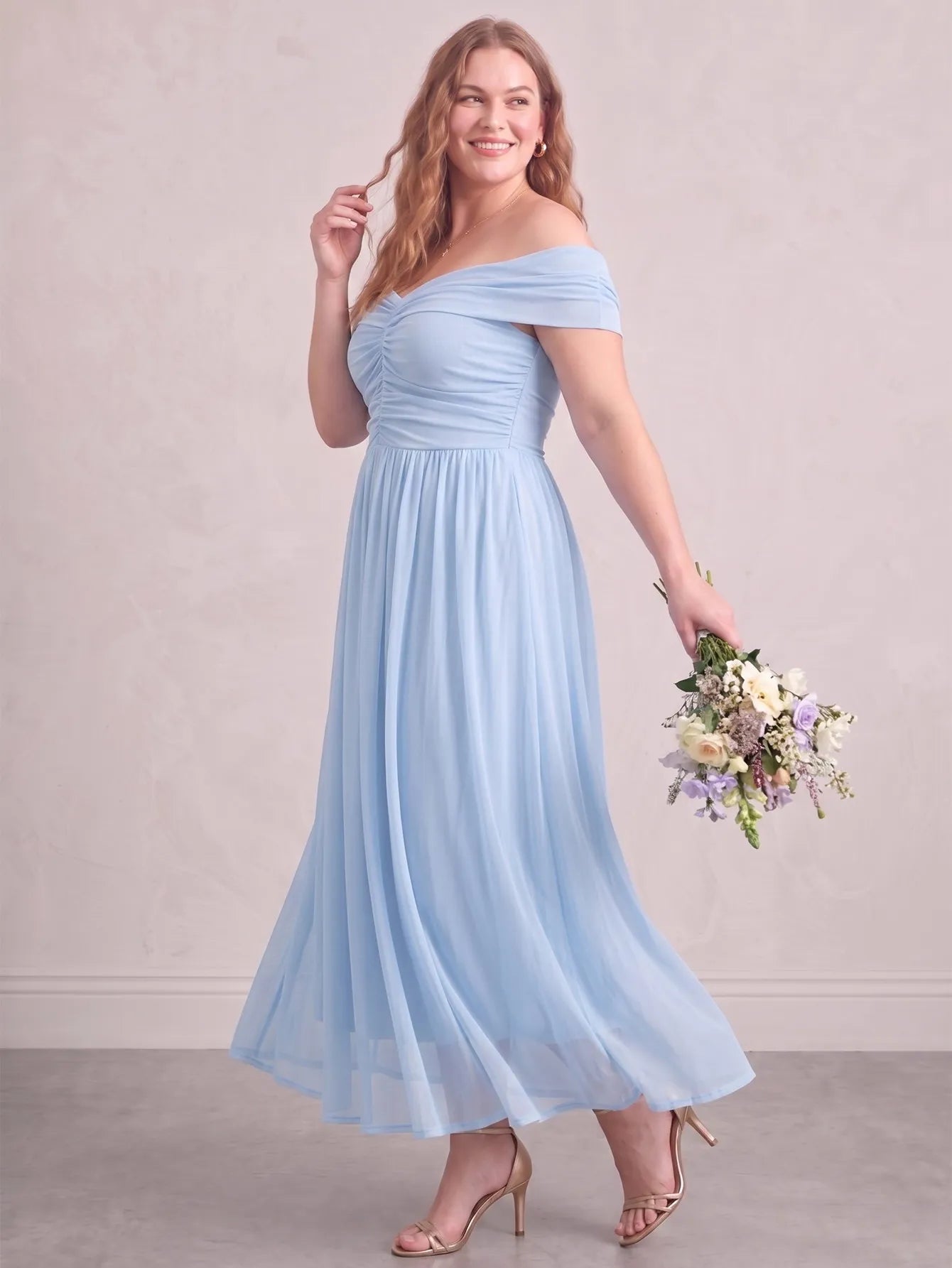
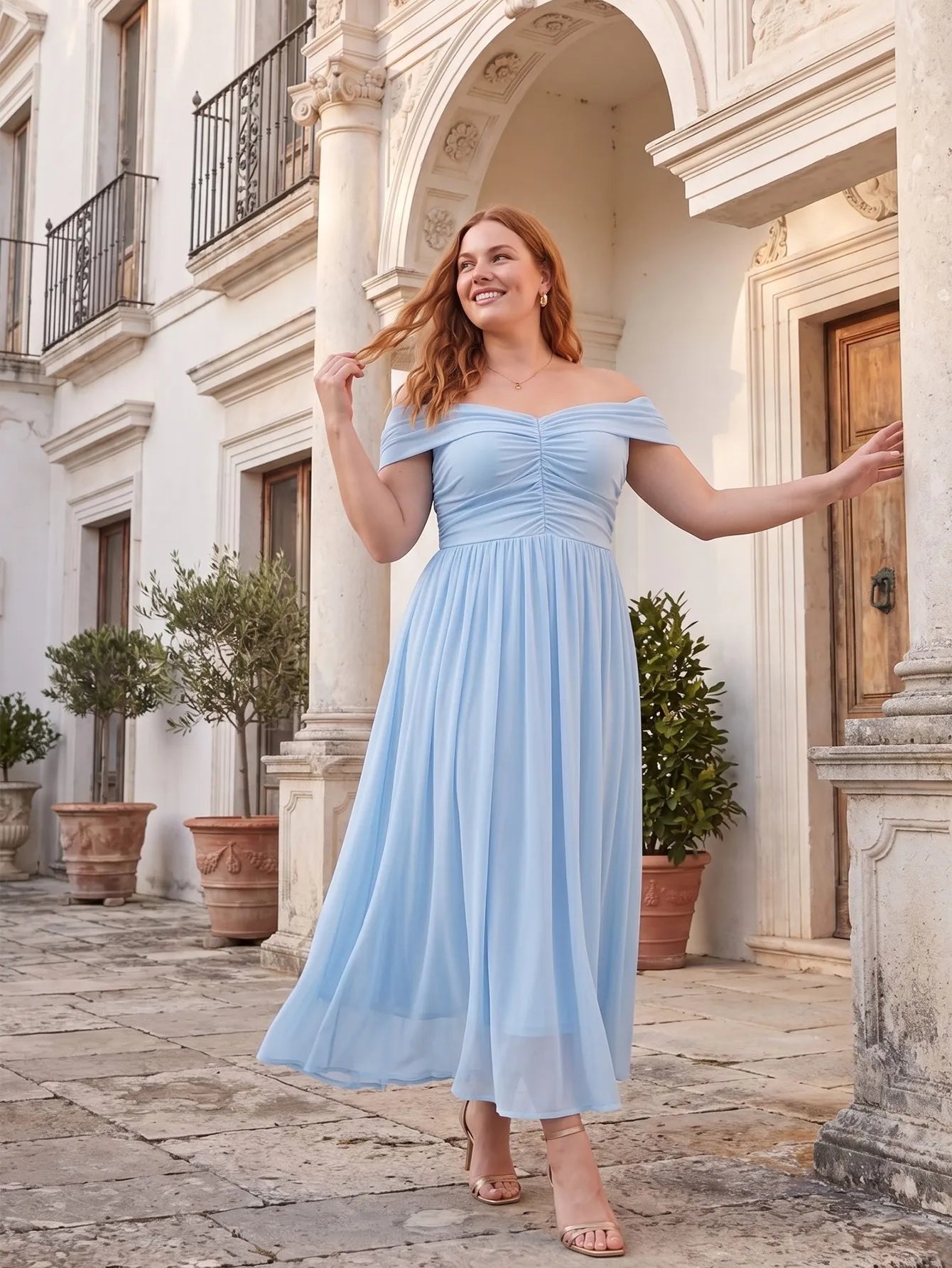
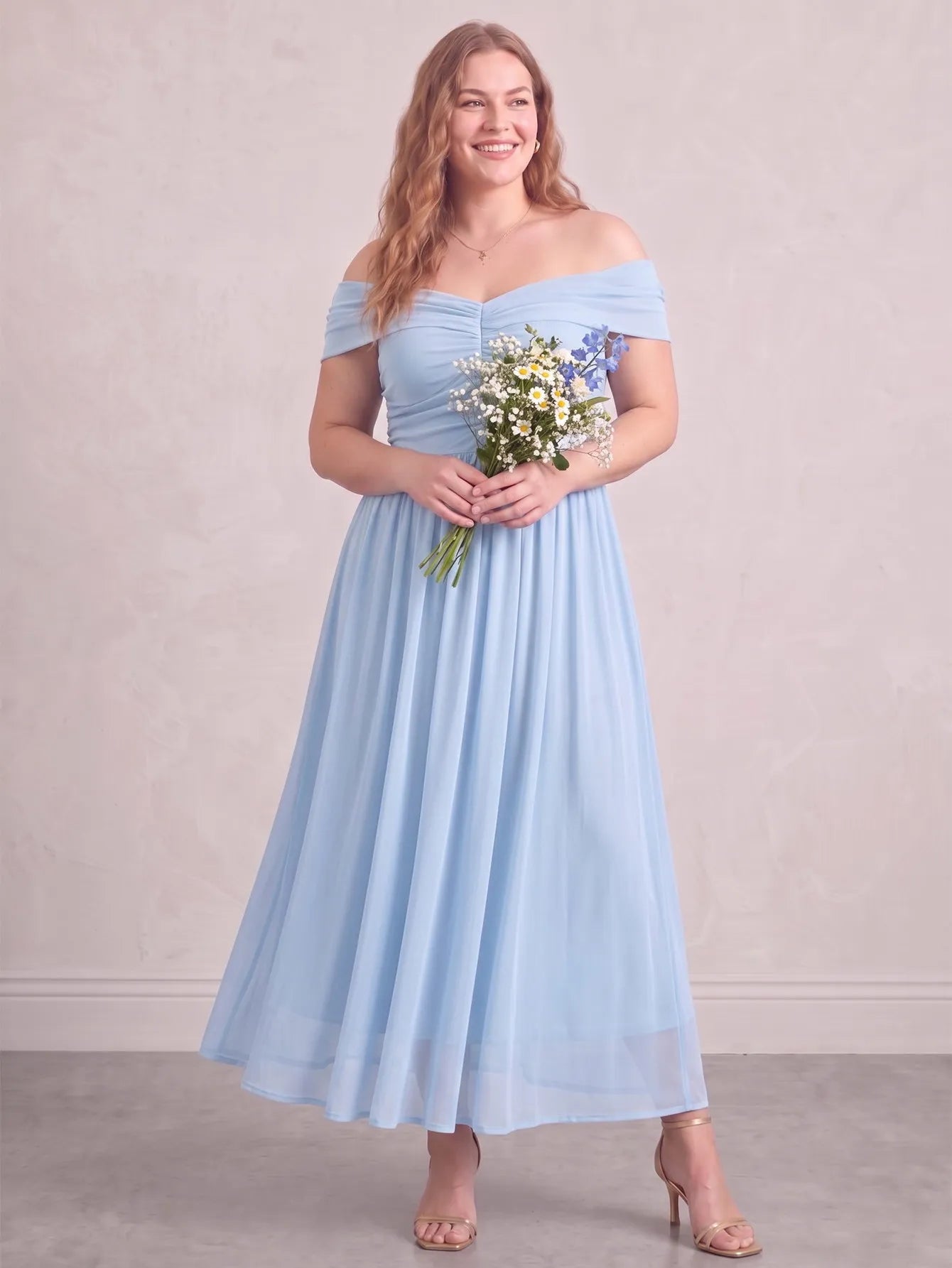
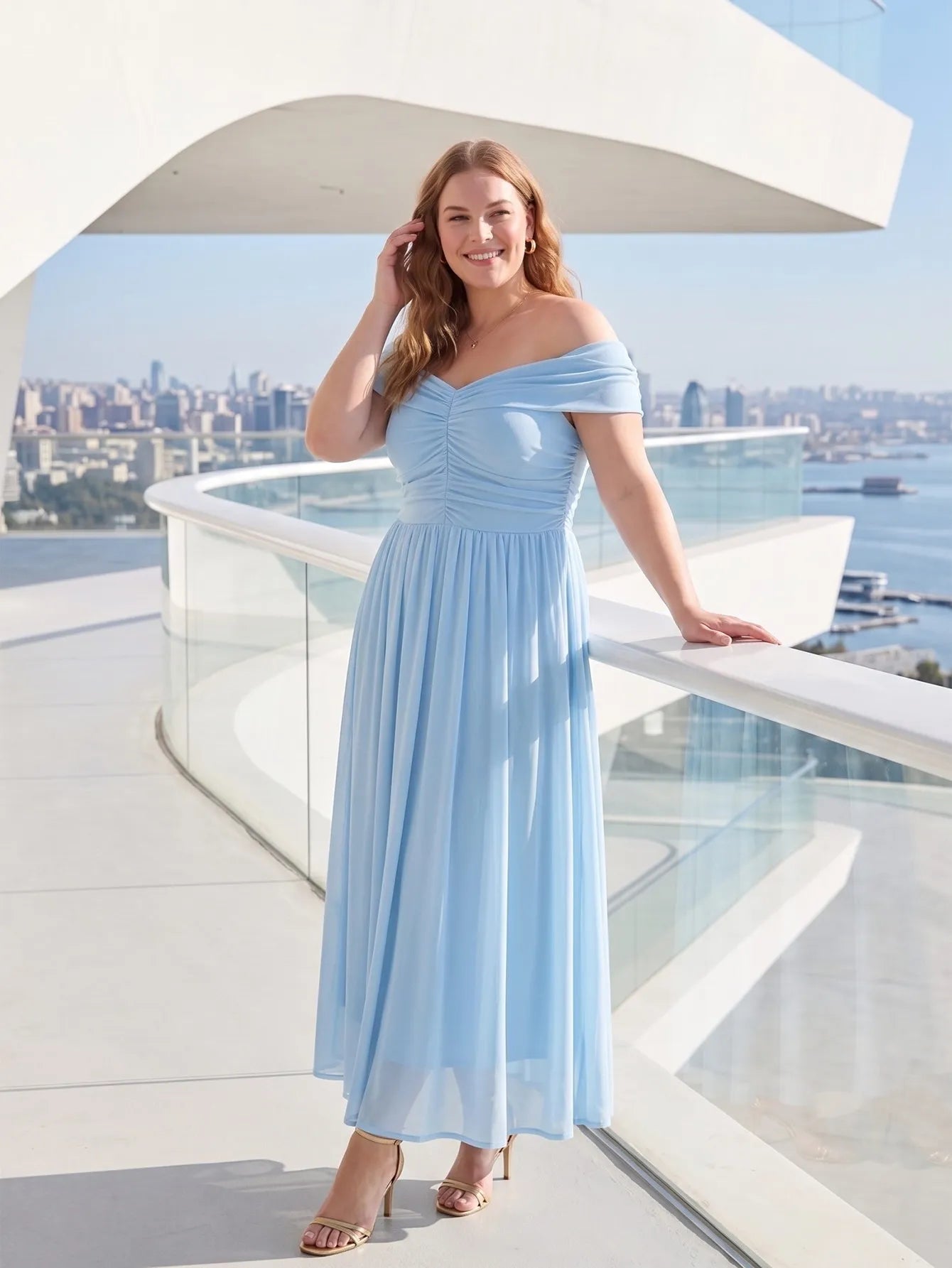
The YEESE Plus Size Mesh V-Neck Twist-Front Maxi Dress, available in shades including Burgundy, Deep Plum, Navy and Brown, fits naturally into this type of autumn color palette.
For More Sleeve Coverage
The YEESE Plus Size Mesh V-Neck Ruffled Long-Sleeve Dress offers a long-sleeve direction in Brown, Black and Deep Plum.
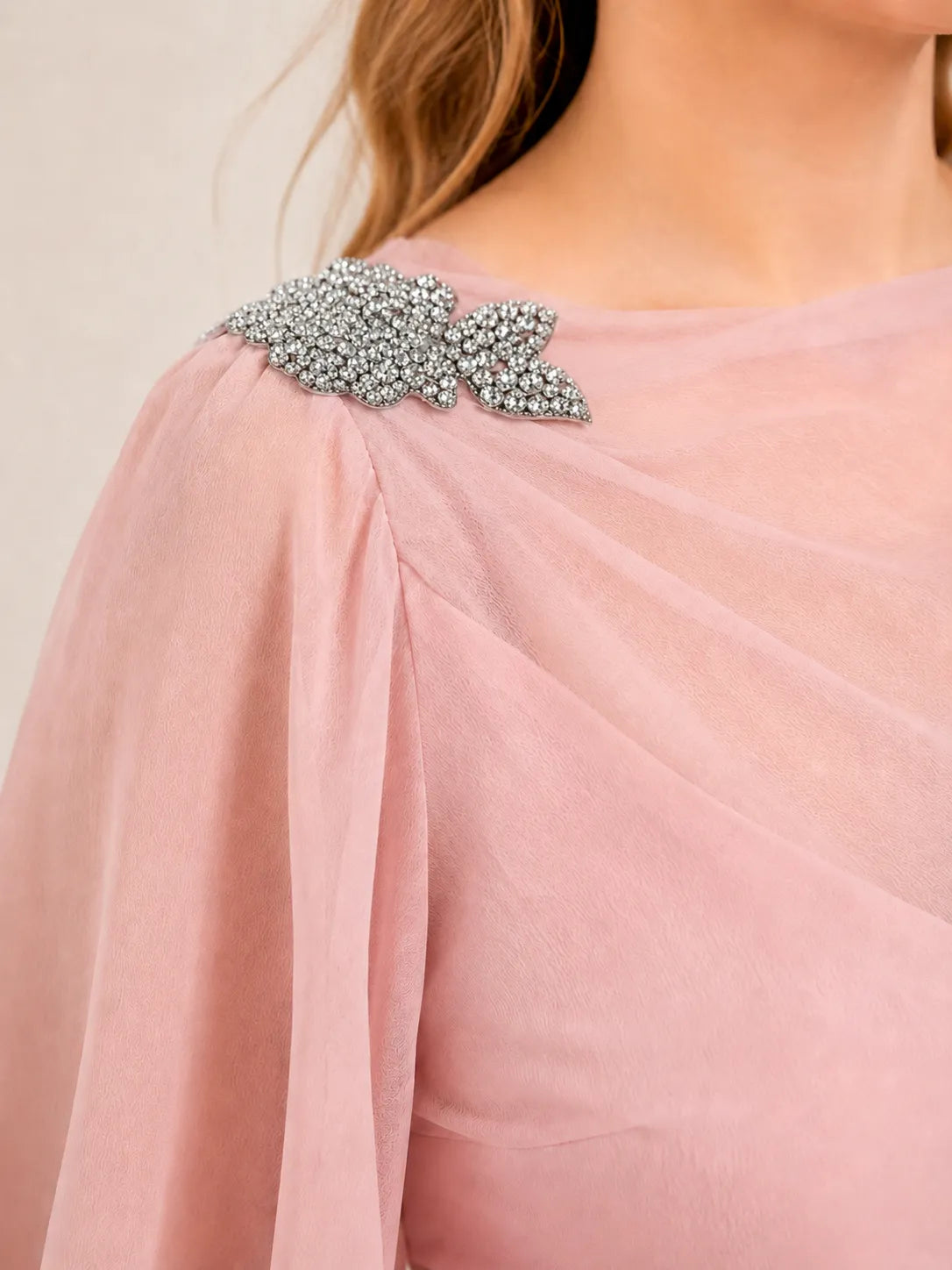
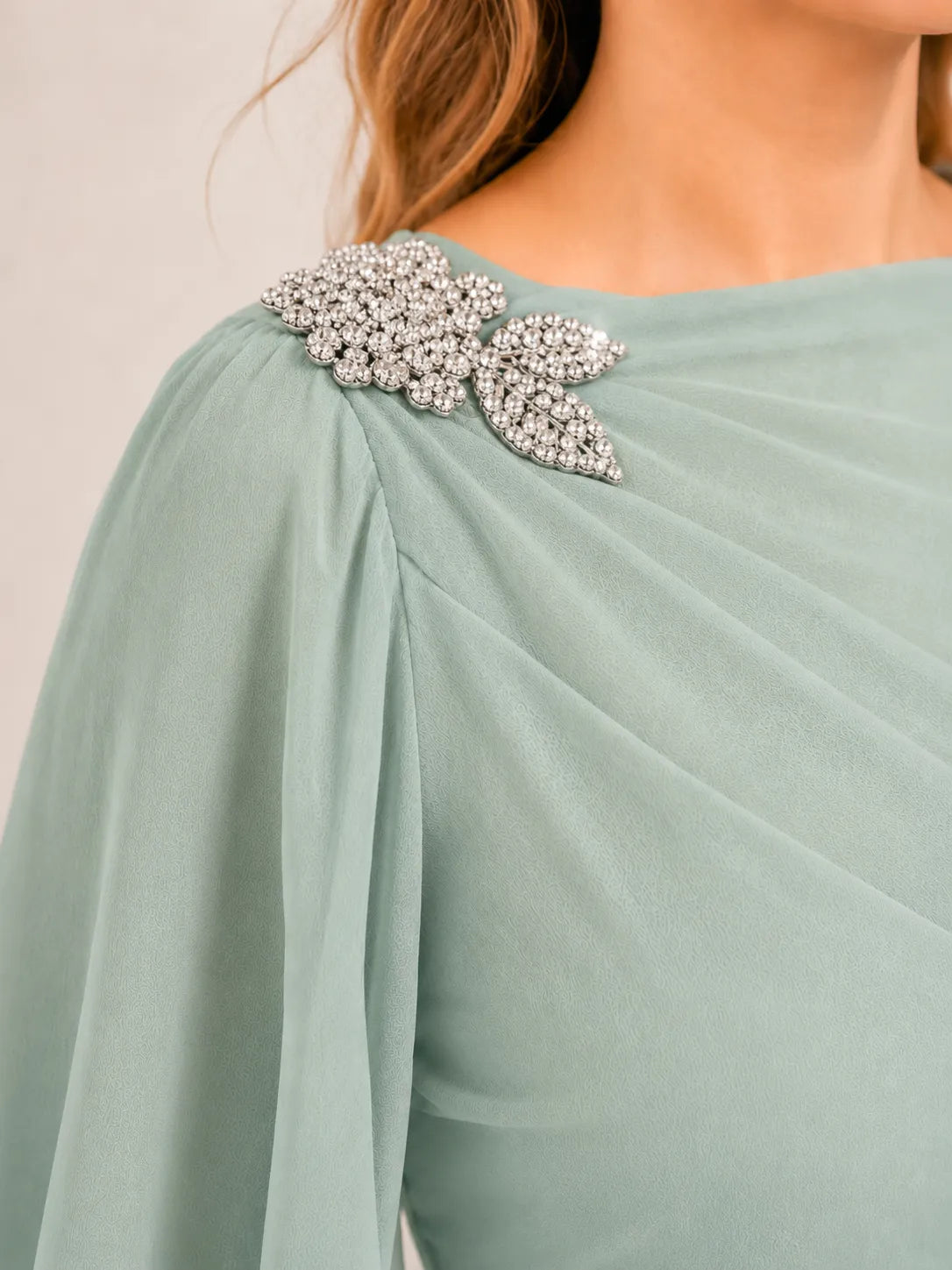
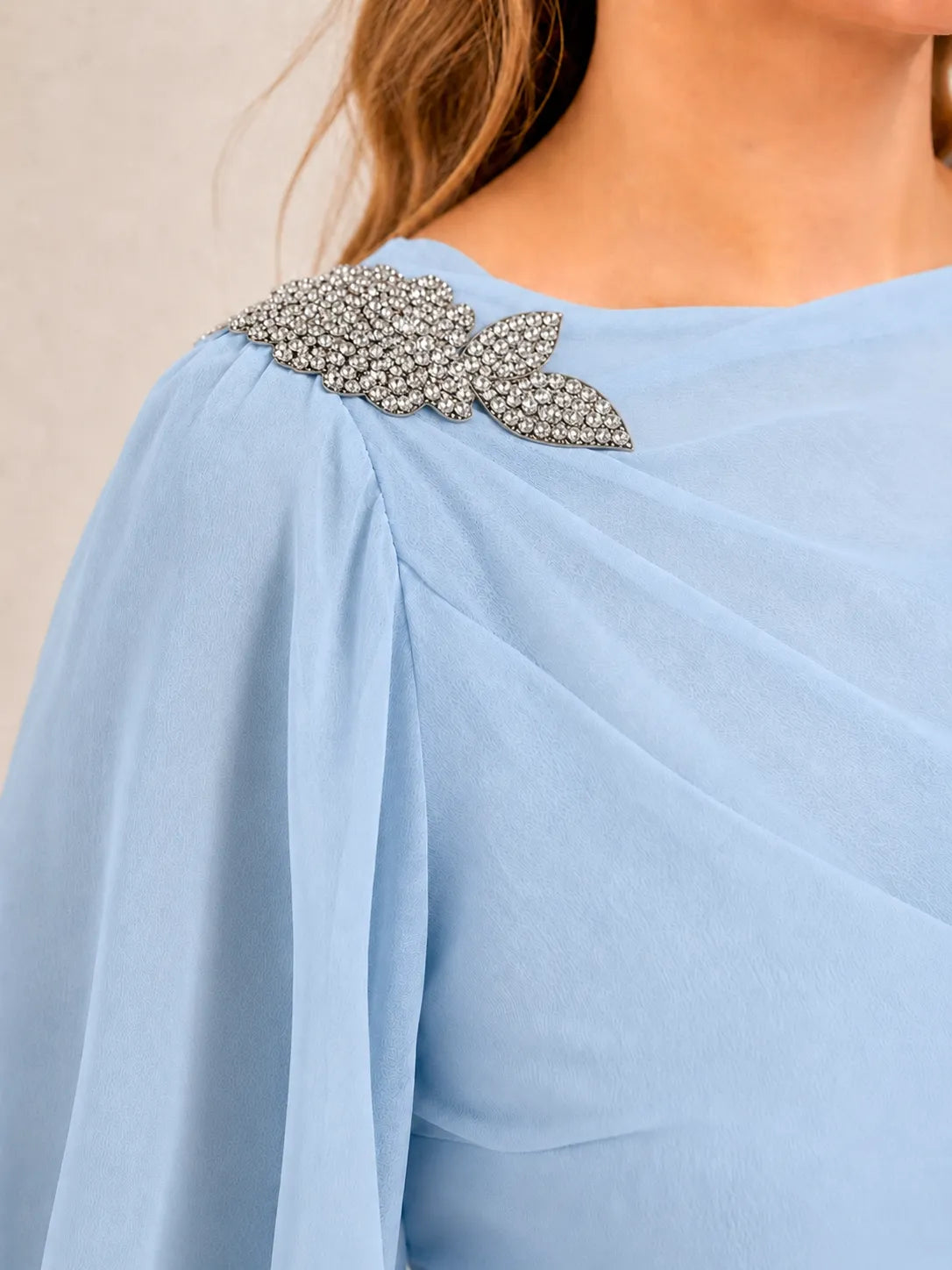
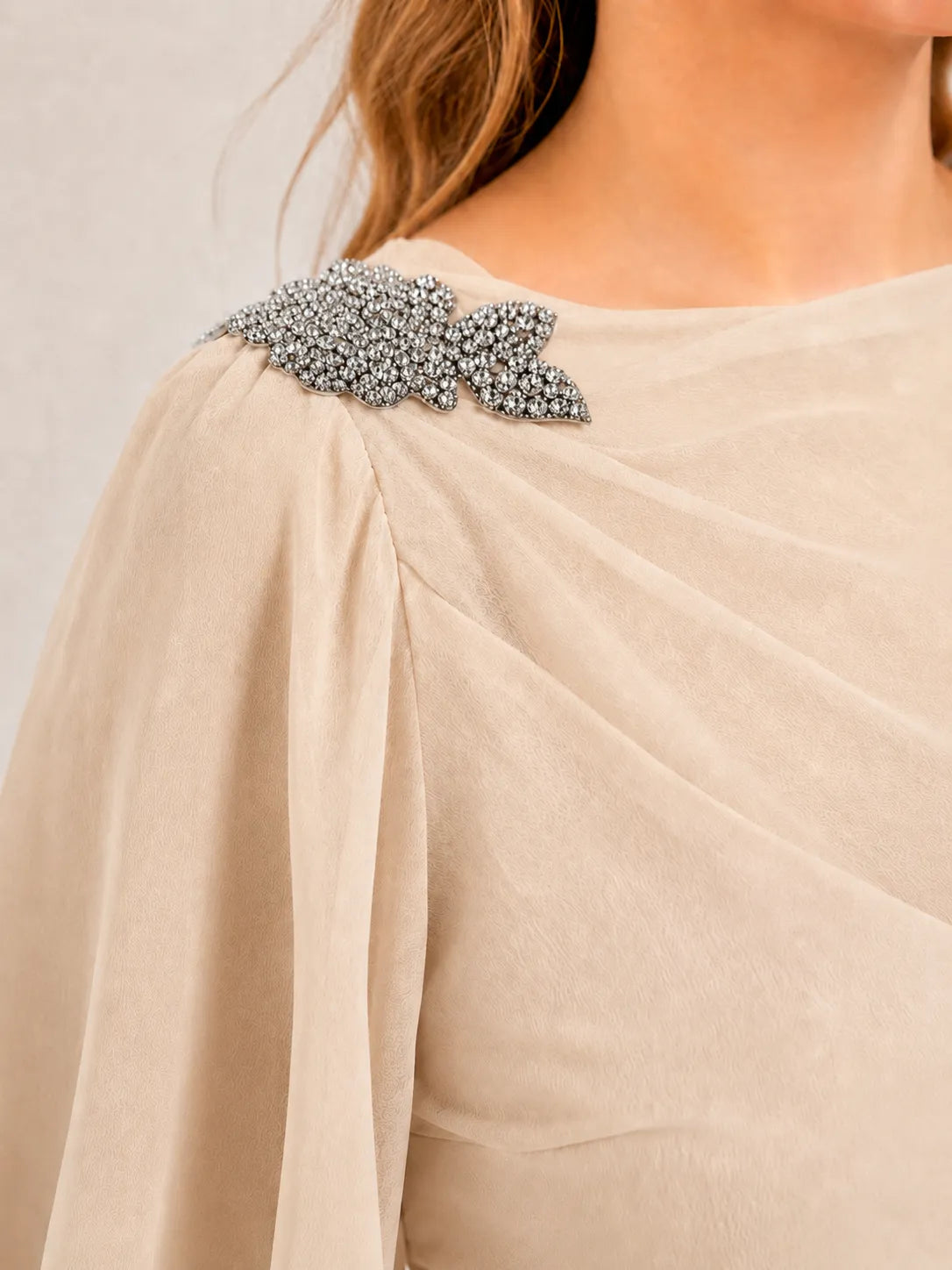
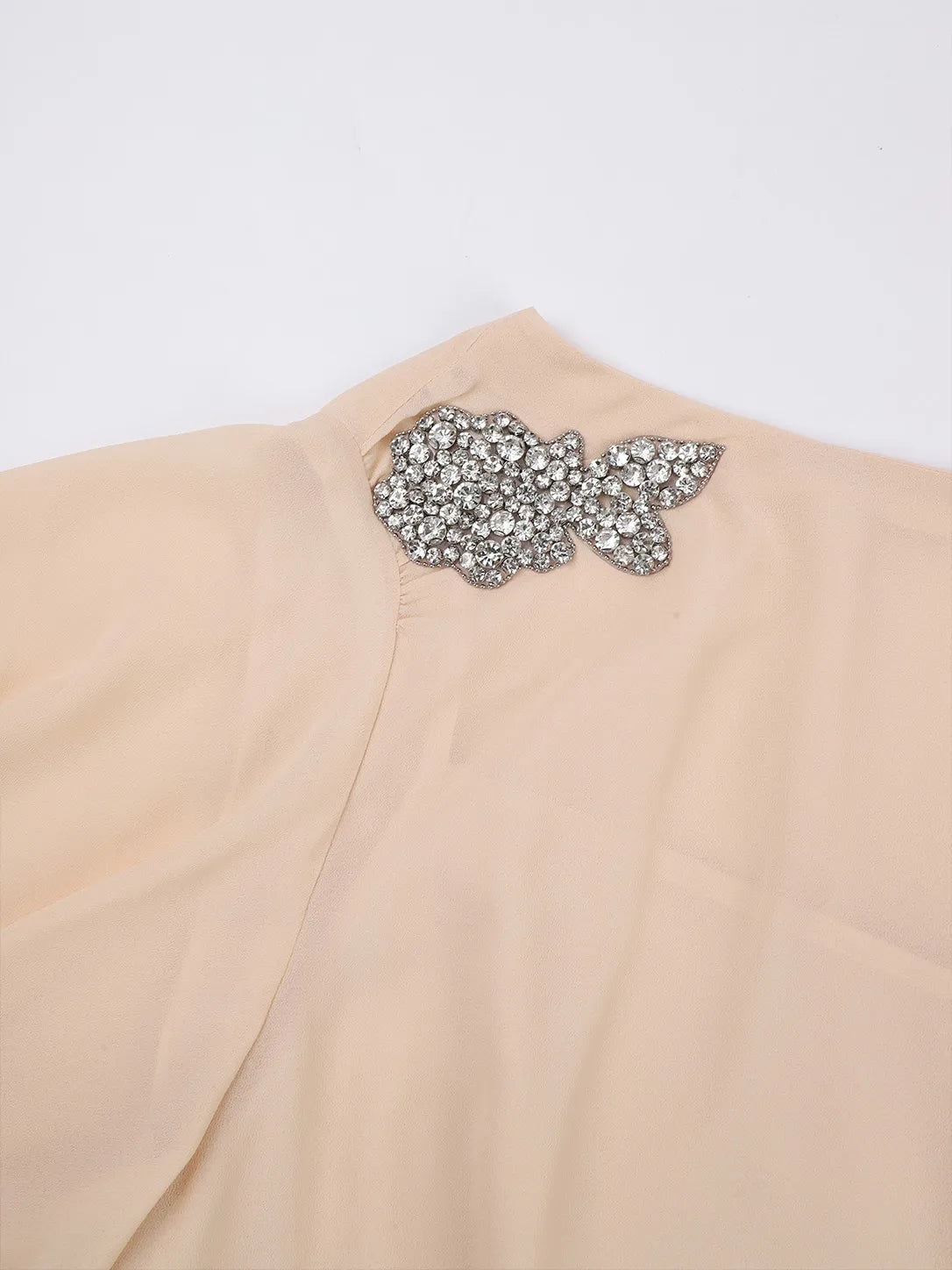
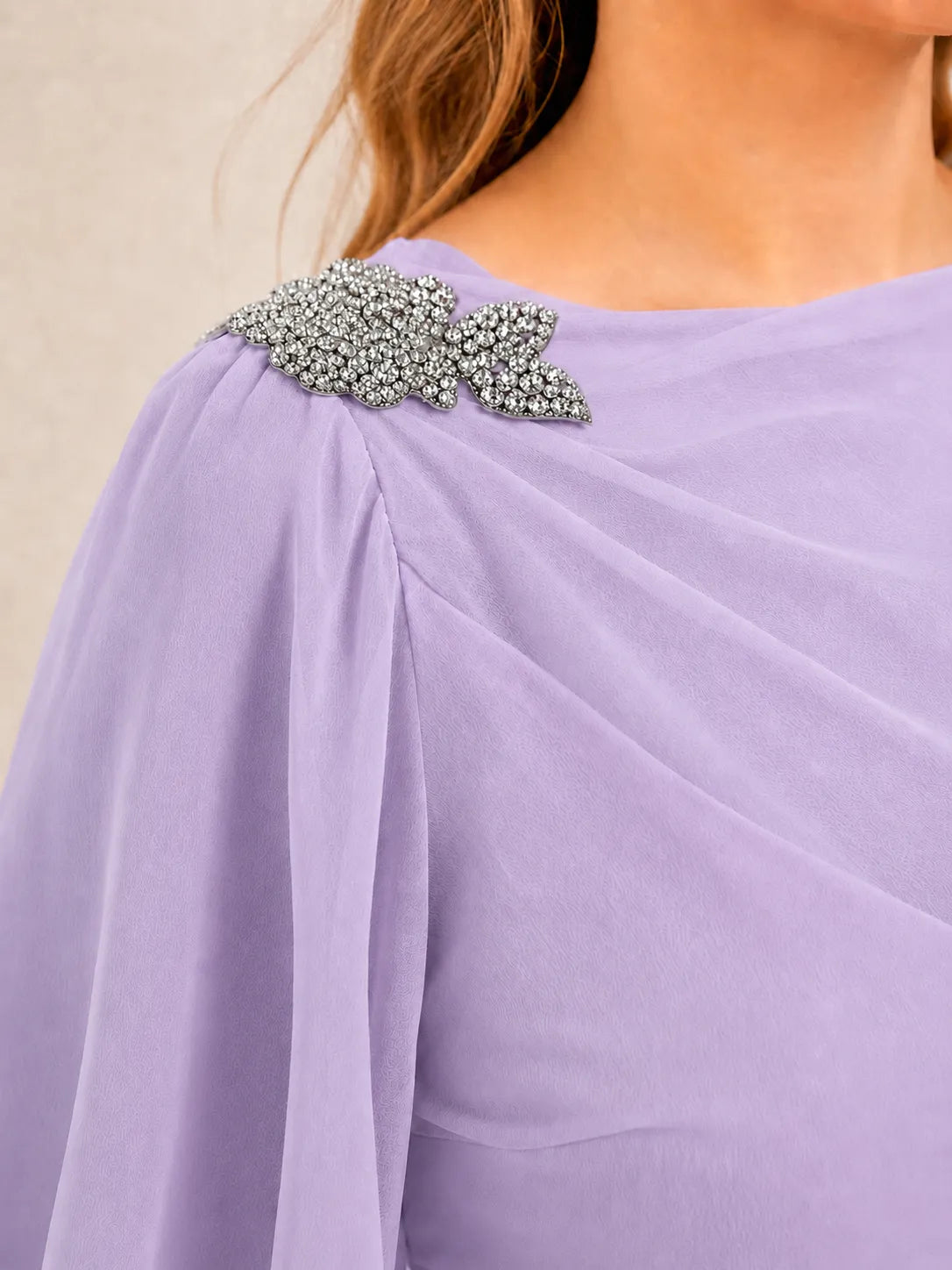
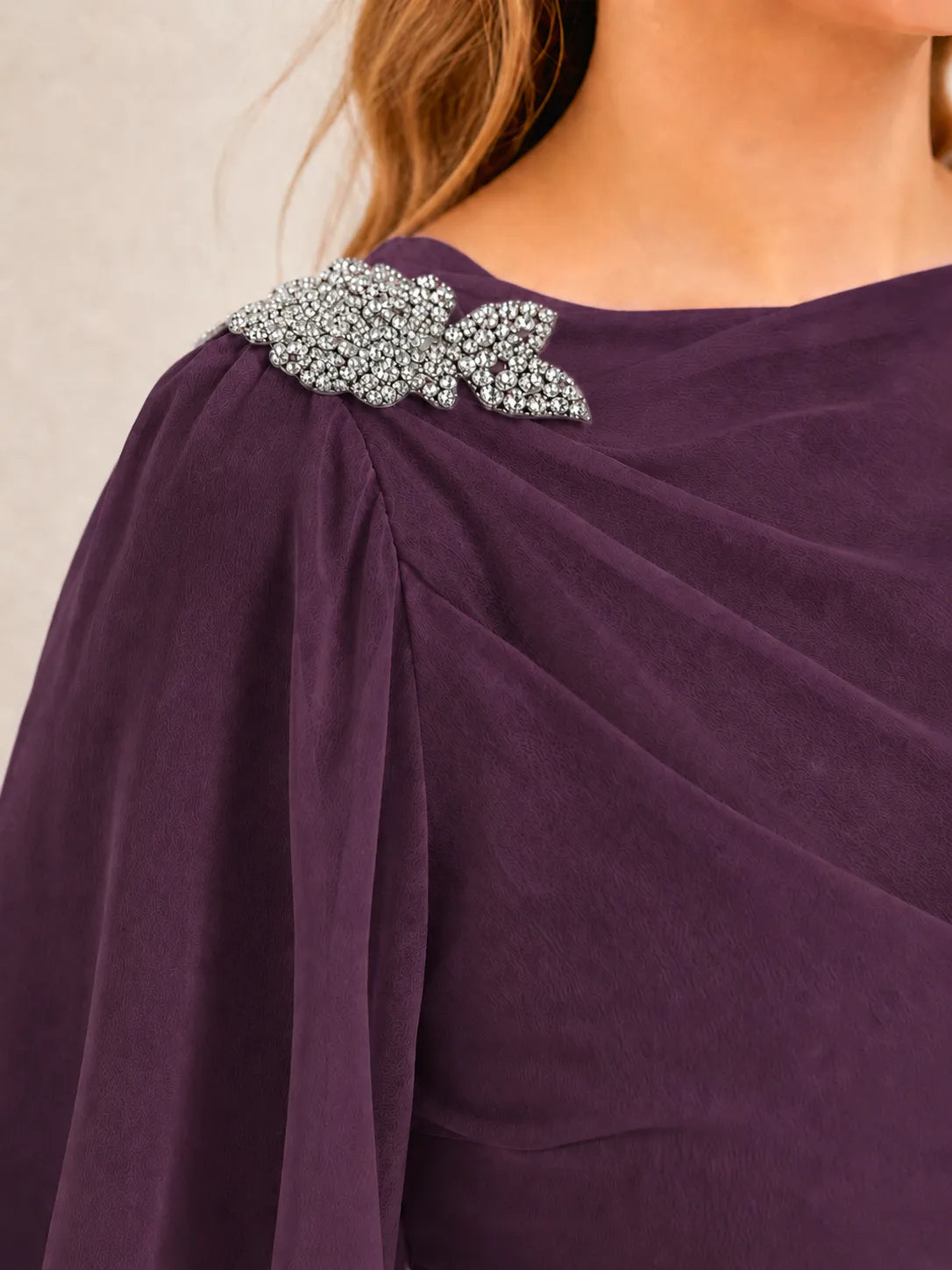
Another option is the YEESE Plus Size Chiffon 3D Floral Long Sleeves Dress, available in Burgundy, Navy and Deep Plum.
For a Softer Chiffon Look
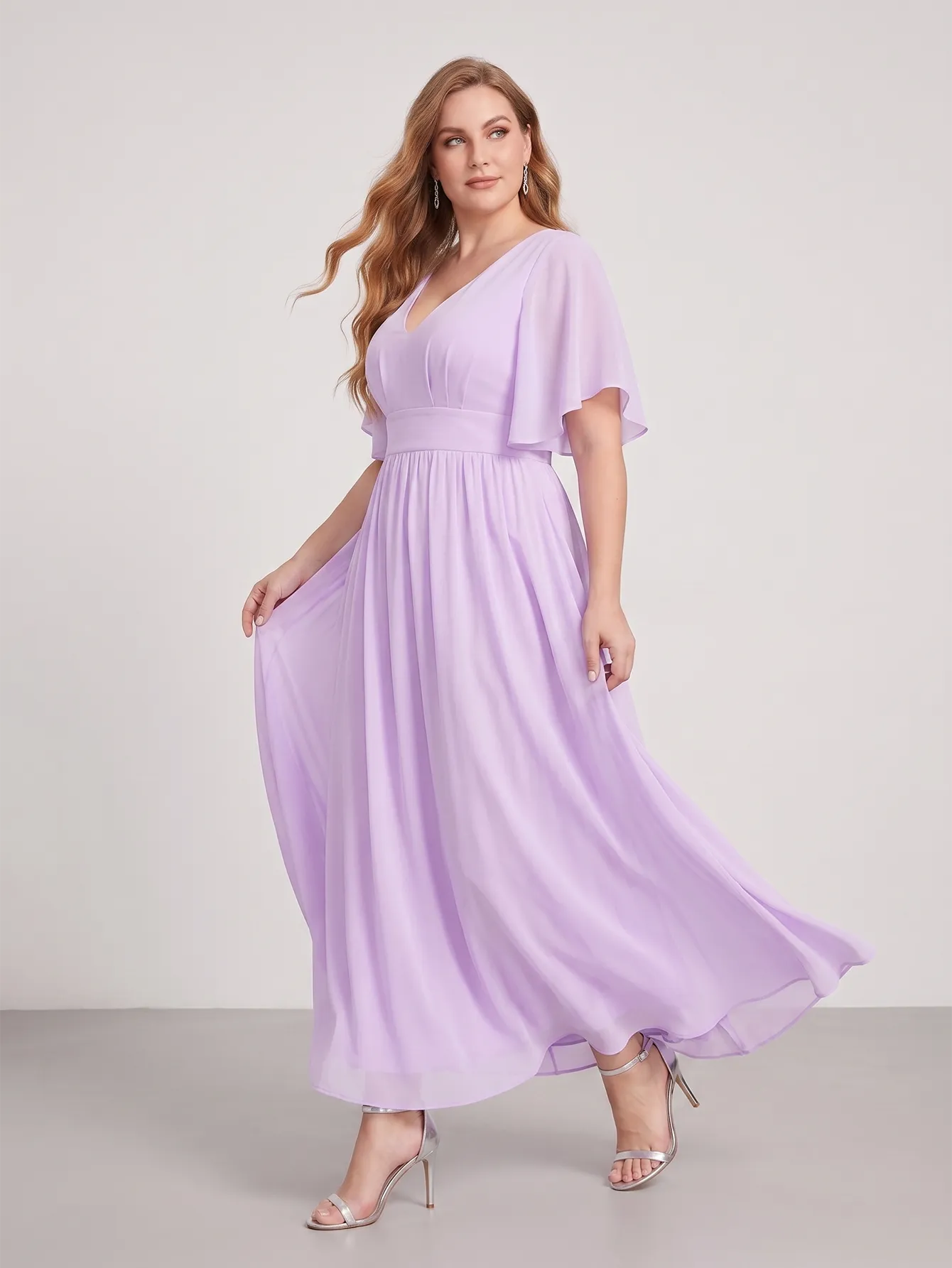
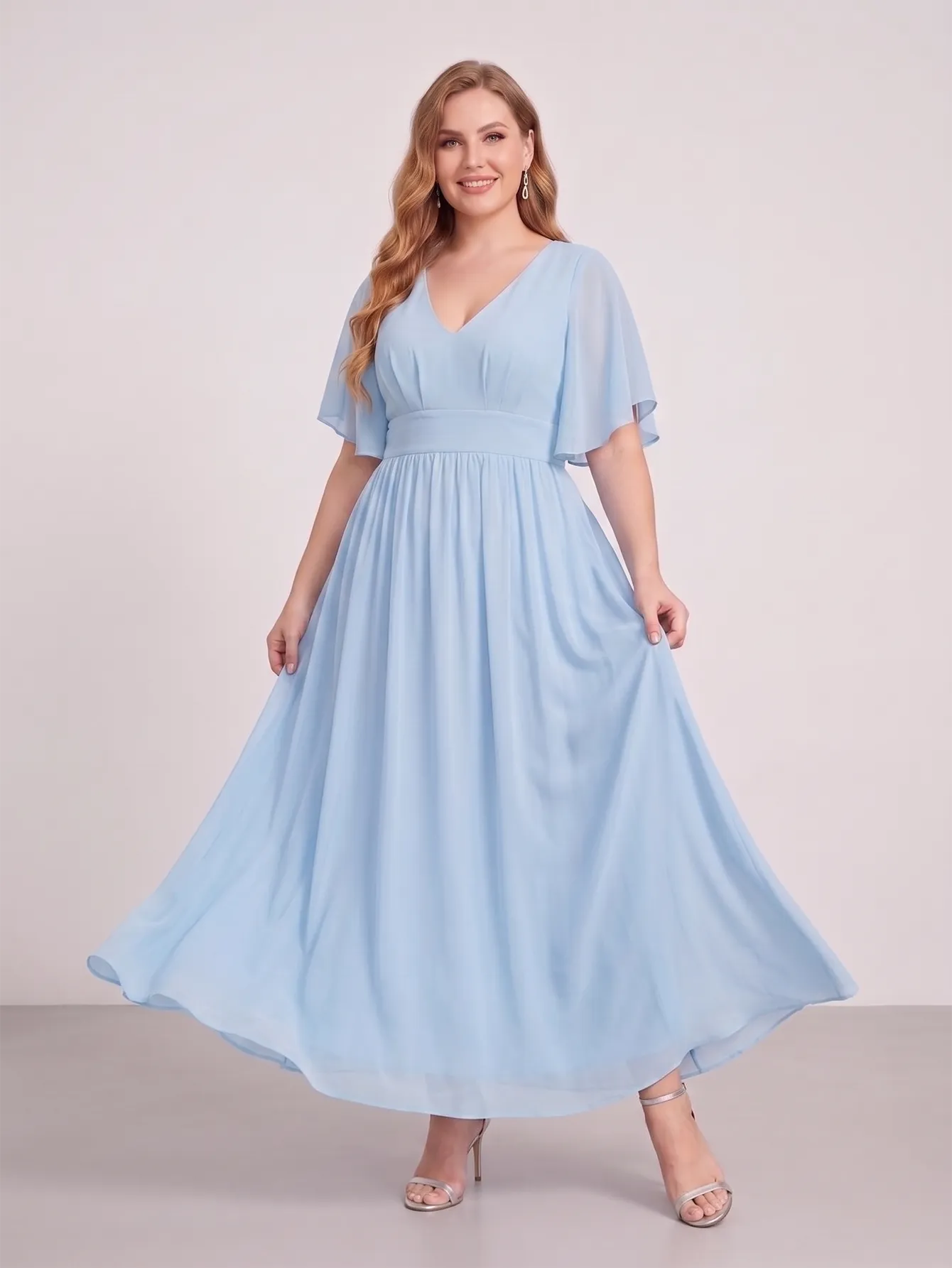
YEESE also carries several chiffon dresses in deeper colors including Burgundy, Deep Plum and Navy, making it easy to move chiffon beyond purely summer occasion dressing.
For a More Polished Satin Look
A satin maxi can work particularly well for an evening reception or formal indoor venue.
The YEESE Plus Size Satin V-Neck Batwing-Sleeve Maxi Dress is available in colors including Burgundy, giving you another route into autumn formal dressing.
Explore YEESE Plus-Size Dresses
Before ordering, always check the individual product page for current colors, measurements, lining, stretch, size availability and care information.
Plus-Size Fall Wedding Guest Dress Checklist
Before deciding, ask yourself:
- Does the dress match the invitation's dress code?
- Does it work for the venue?
- Have I checked the expected temperature?
- Can I comfortably sit in it?
- Can I raise my arms without pulling the bodice?
- Does the neckline work with my preferred bra?
- Have I checked the actual garment measurements?
- Is the lining comfortable and secure?
- Can I walk easily in the hem?
- Do my shoes work on the venue surface?
- Do I need a layer for the evening?
- Can I realistically wear this dress again?
A good wedding guest dress should make the event easier to enjoy—not give you another thing to manage all day.
Frequently Asked Questions
What should a plus-size guest wear to a fall wedding?
Start with the wedding dress code, venue and weather. Midi and maxi dresses in chiffon, mesh or satin can all work depending on the level of formality. Focus on garment measurements, comfortable movement, appropriate coverage and a color you genuinely enjoy wearing.
What colors are best for an autumn wedding guest dress?
Burgundy, deep plum, navy, brown and deeper greens are natural autumn options, but there is no requirement to wear only dark or earthy colors. The invitation, venue and wedding party colors matter more than the season alone.
Can I wear chiffon to a fall wedding?
Yes. Chiffon is not limited to summer. A lined chiffon dress in a deeper color, longer length or sleeved design can work very well for an autumn wedding. Add a separate layer if the temperature is expected to drop.
Are long sleeves better for a fall wedding?
They can be useful, especially for cooler weather, but sleeve length does not automatically make a dress warmer or more comfortable. Fabric, lining and armhole construction all matter.
Can I wear a midi dress to a fall wedding?
Yes, particularly for cocktail, semi-formal and many formal celebrations. For a very formal or black-tie event, check the invitation carefully, as a longer evening dress may be more appropriate.
Can I wear black to an autumn wedding?
Black can work for many modern weddings, particularly evening and city celebrations. However, cultural expectations and the couple's preferences can vary, so follow any guidance provided on the invitation.
Final Takeaway
The best plus-size fall wedding guest dress is not defined by one neckline, sleeve or supposedly flattering silhouette.
Start with what the event requires.
Then think about weather, venue, fabric, movement and fit.
Autumn gives you more room to experiment with burgundy, deep plum, navy, brown, chiffon, mesh, satin, longer sleeves and layered styling, but the final outfit should still feel like your own.
Choose a dress that lets you sit comfortably through dinner, move freely on the dance floor and enjoy the celebration without constantly adjusting what you are wearing.
That is a much better measure of a successful wedding guest outfit than any universal fashion rule.