
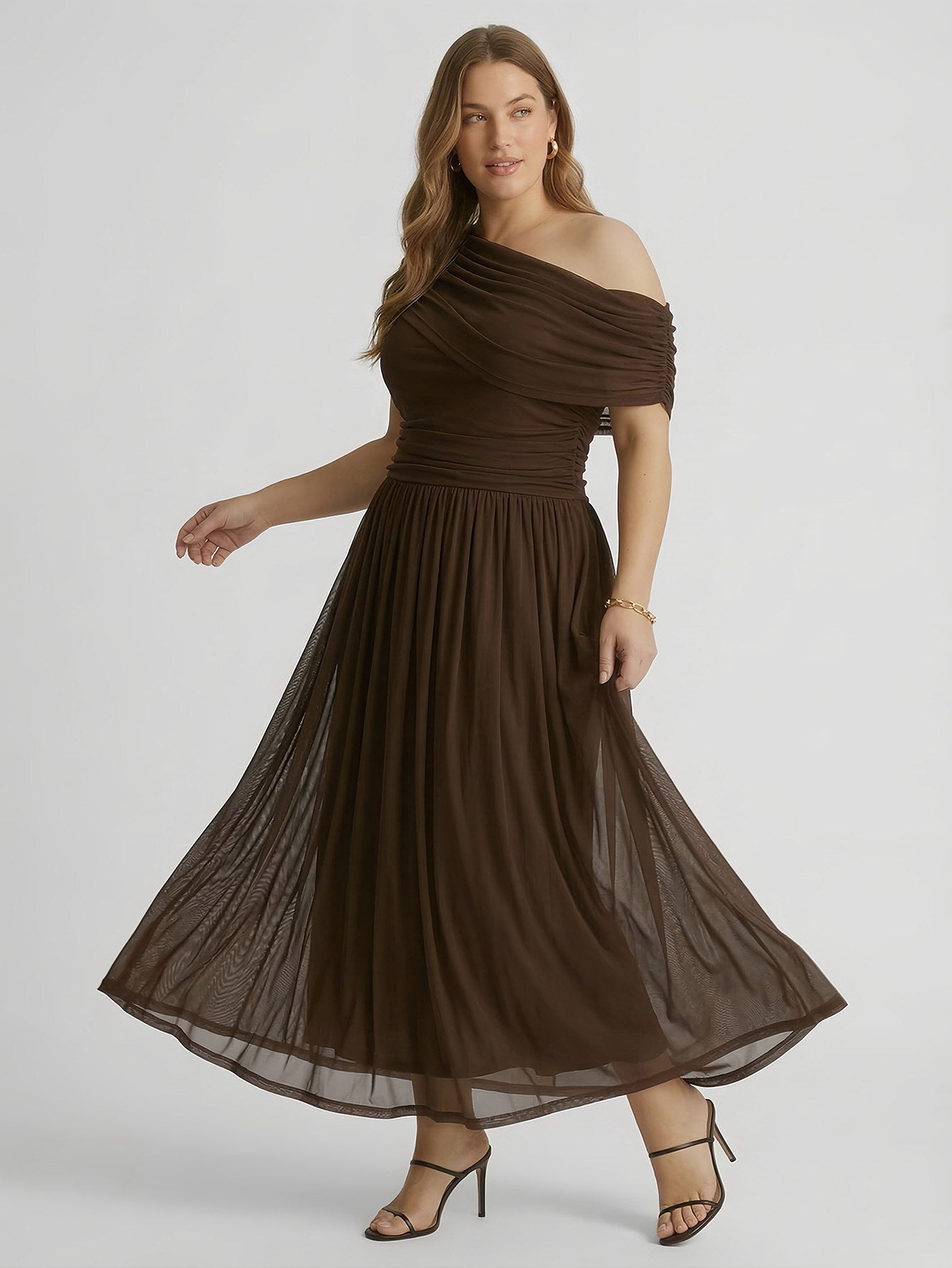
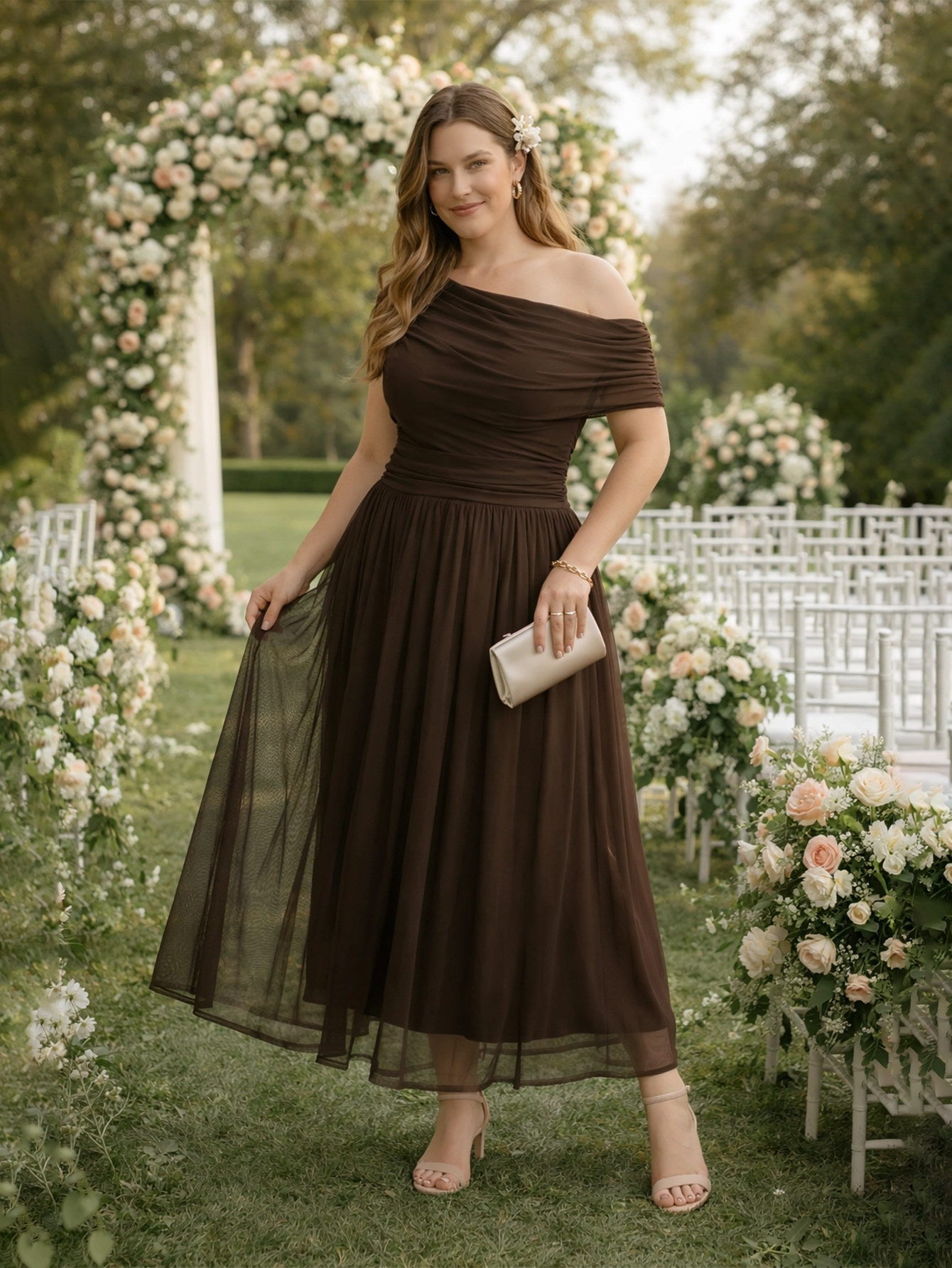
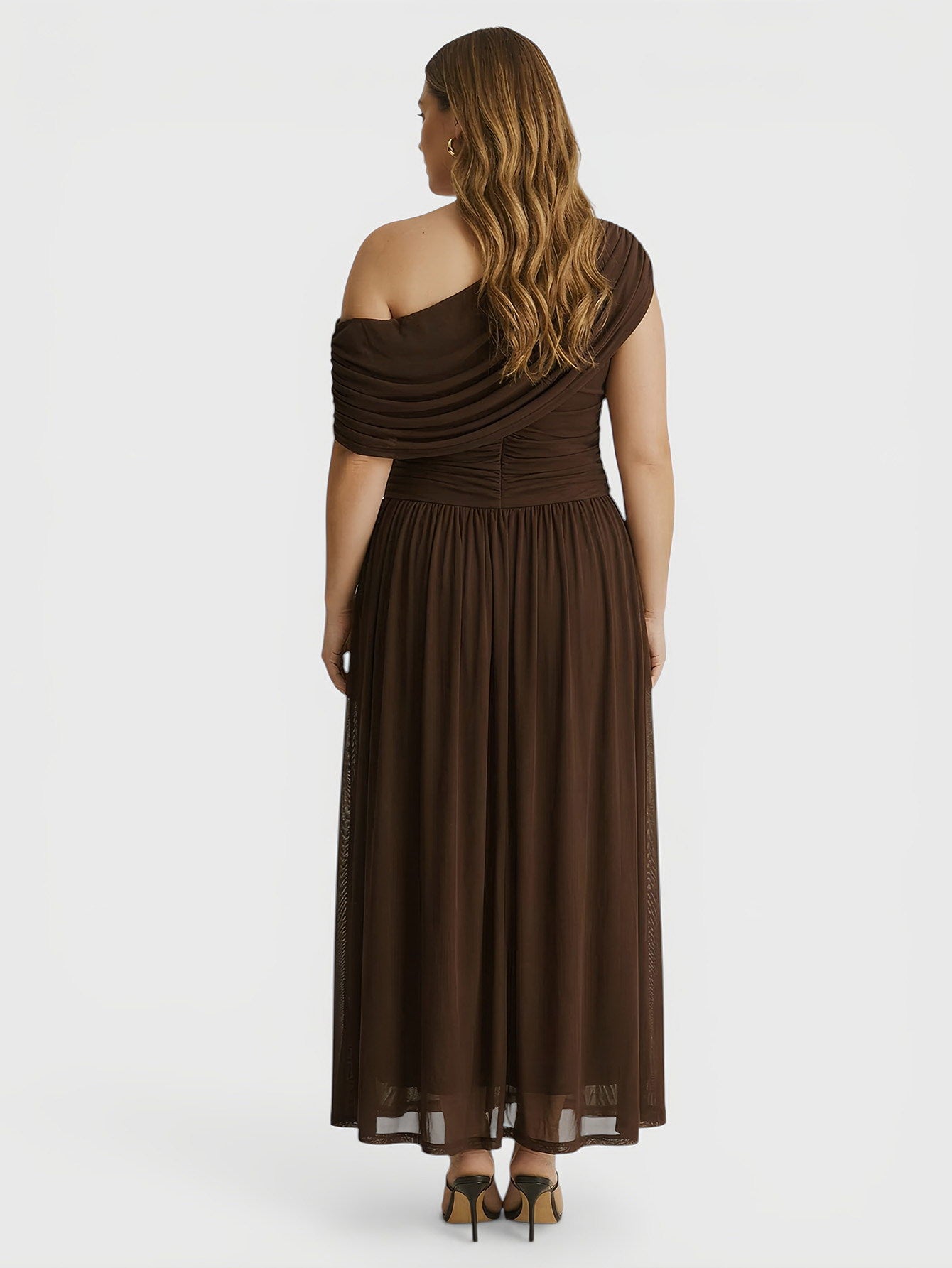

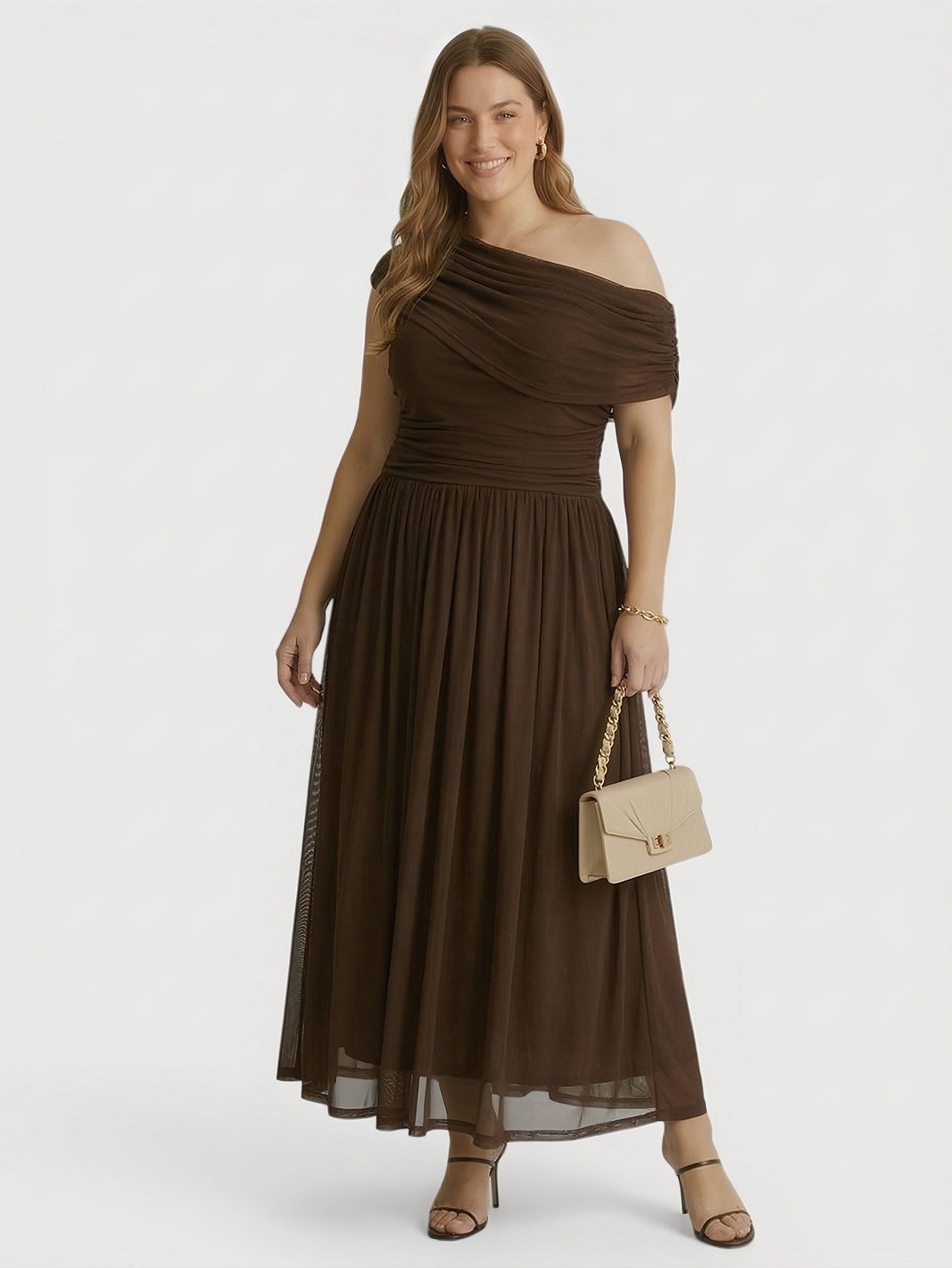
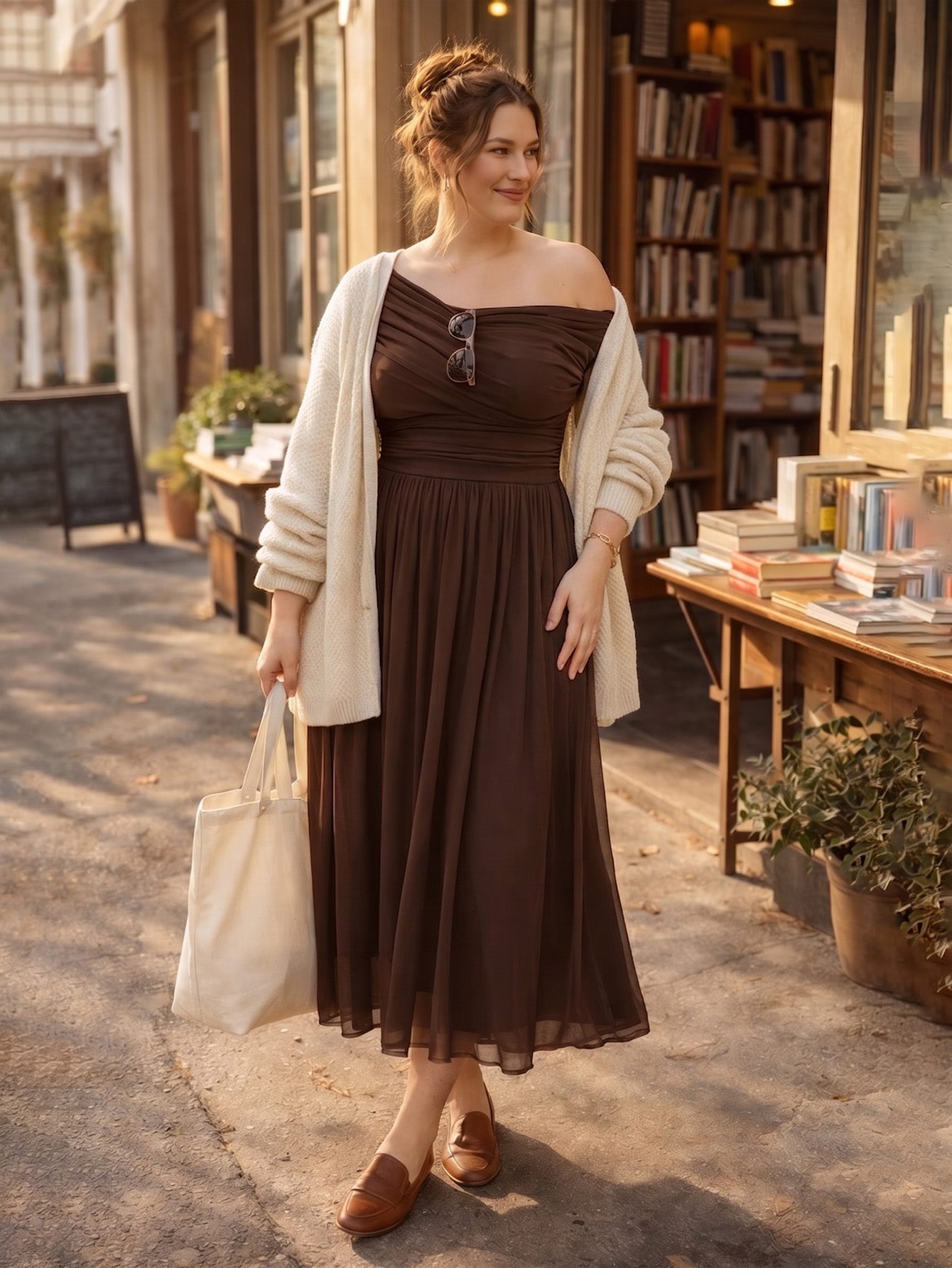
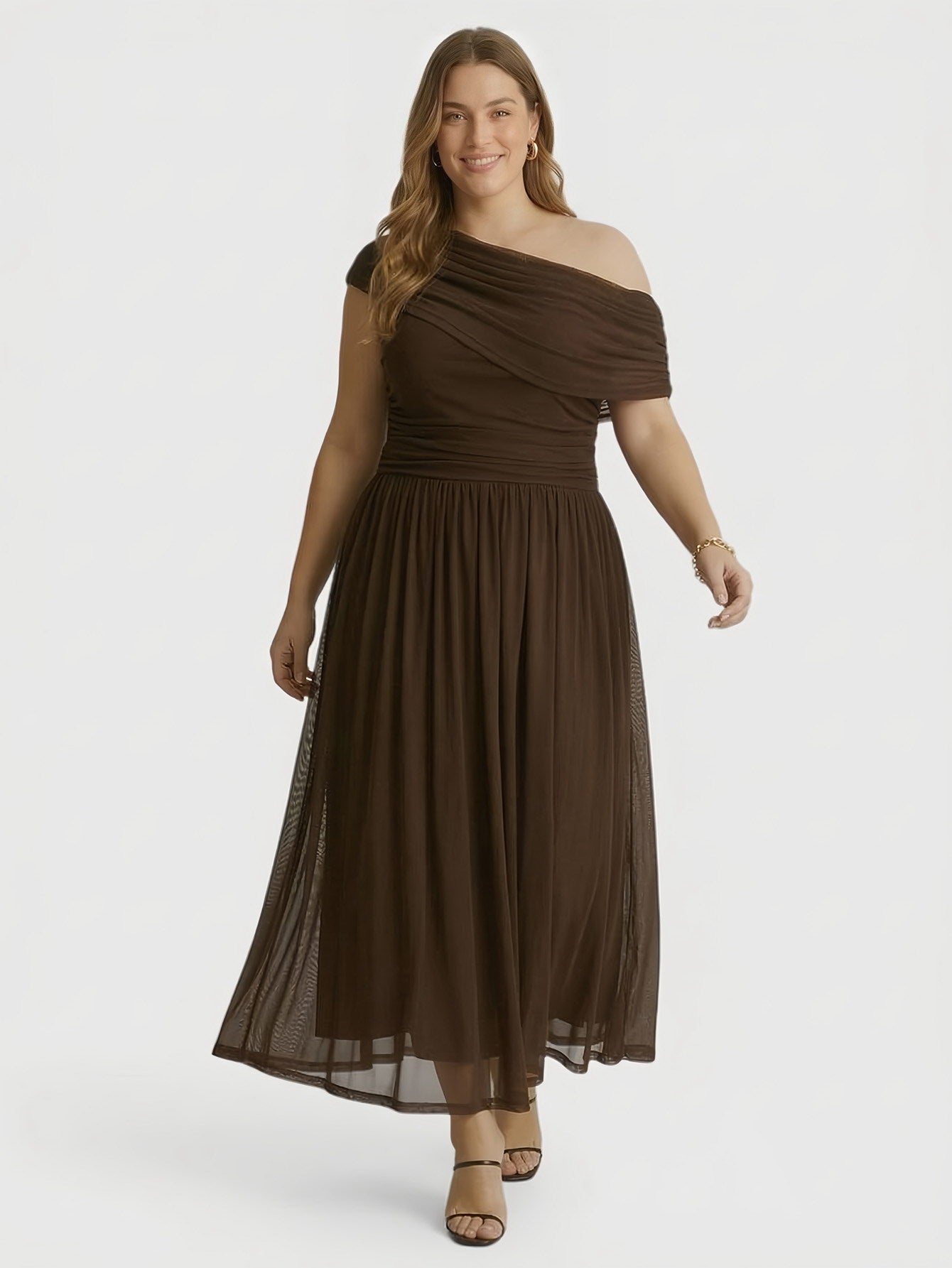
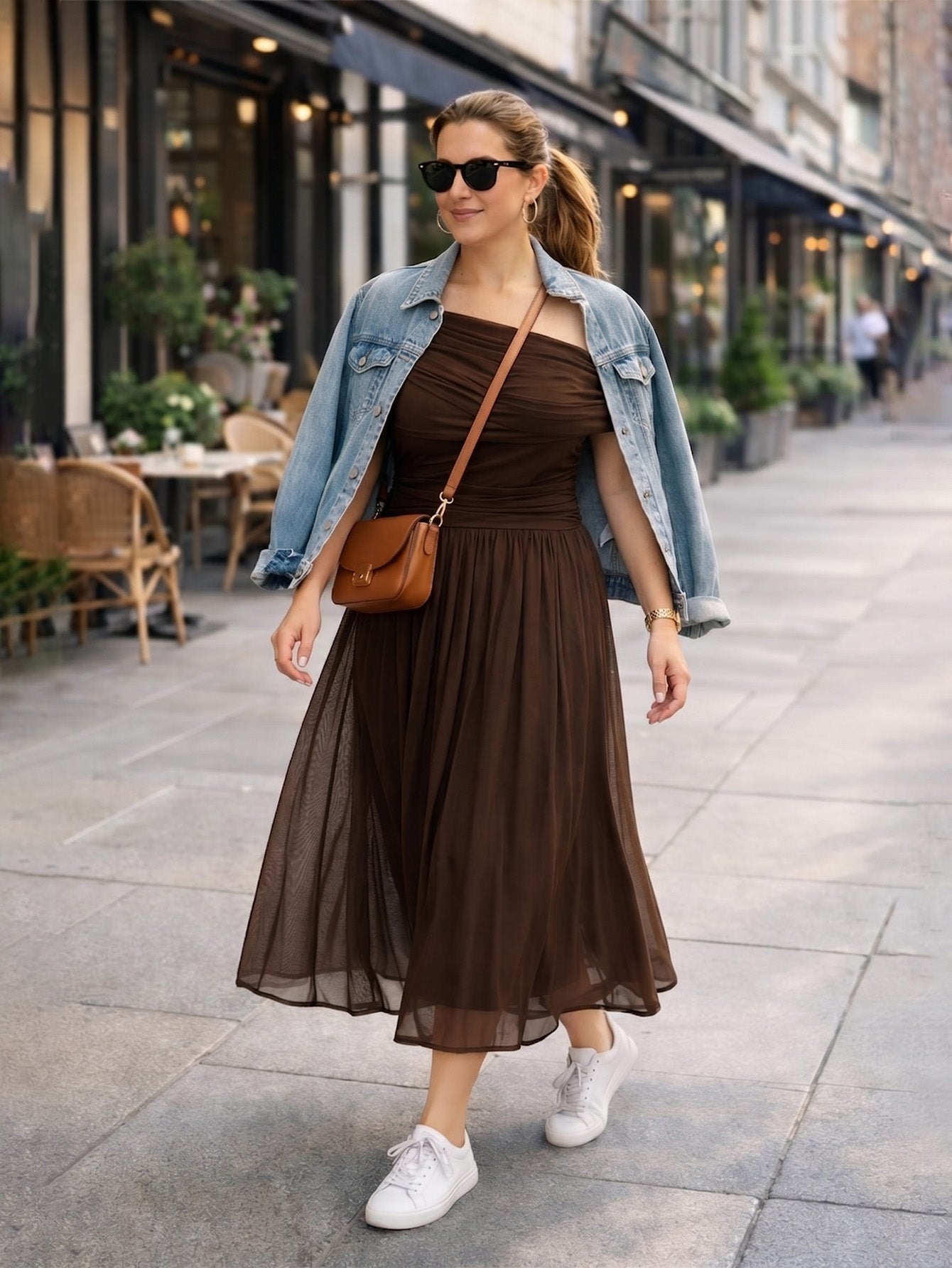
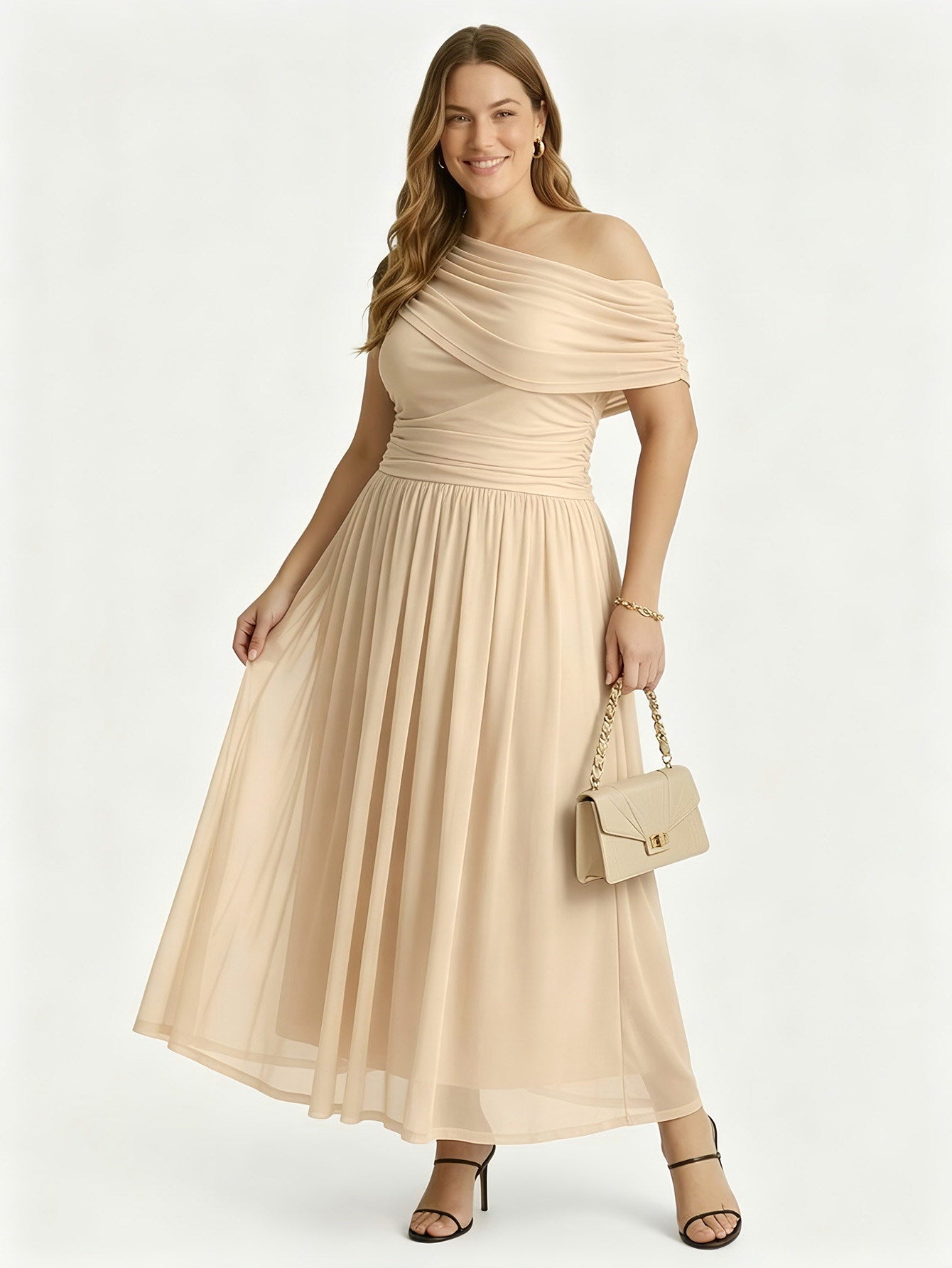
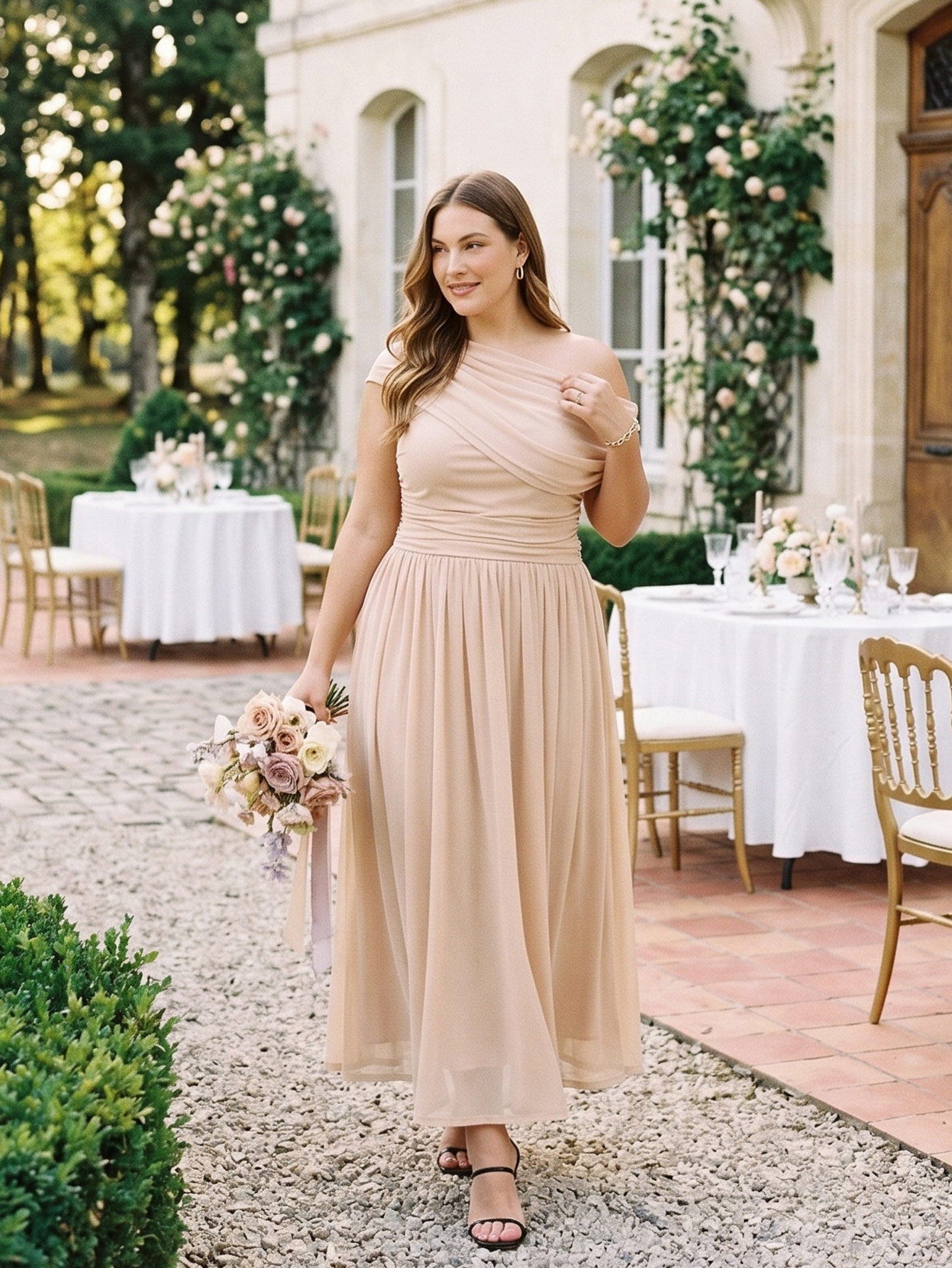
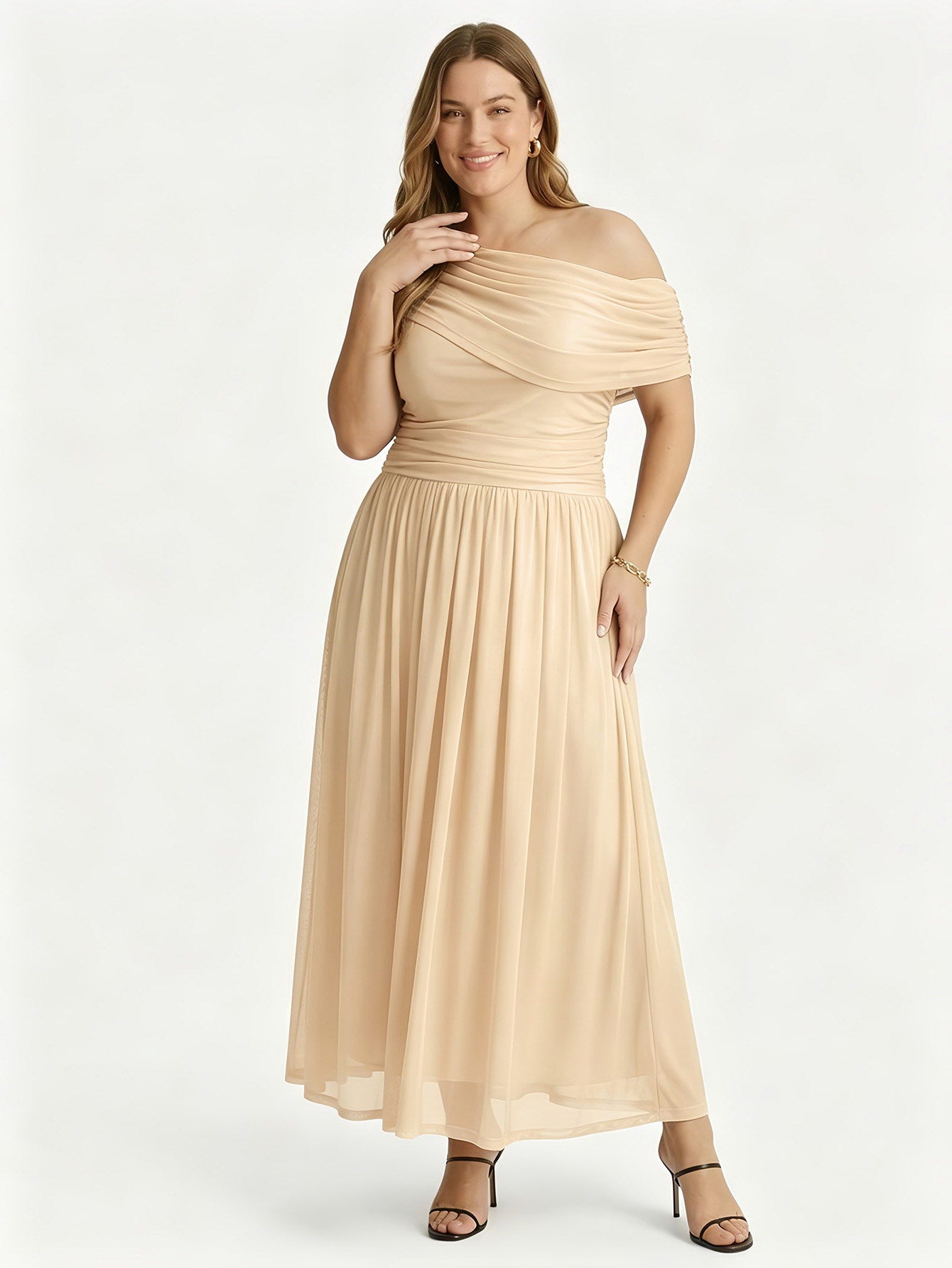
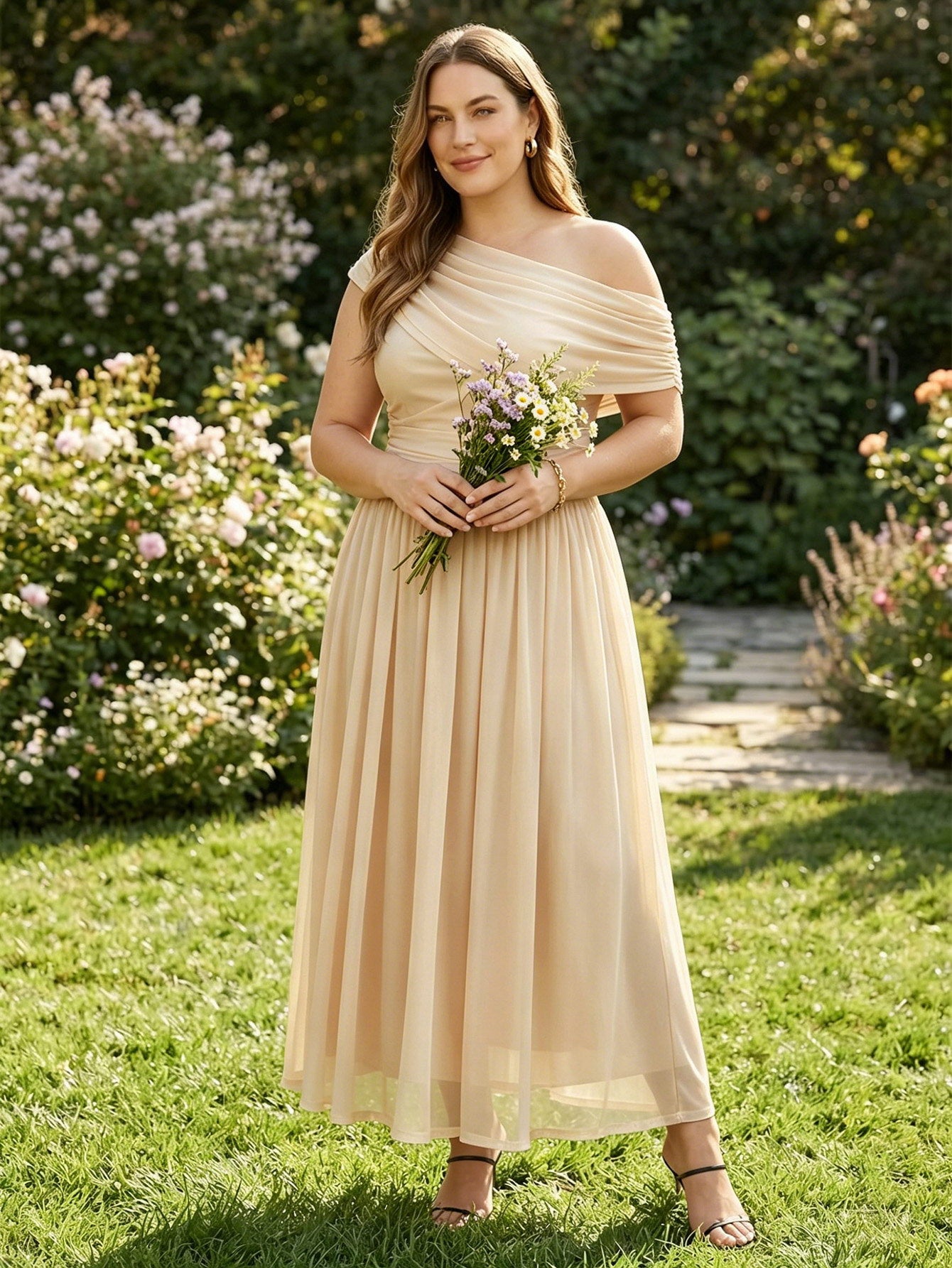
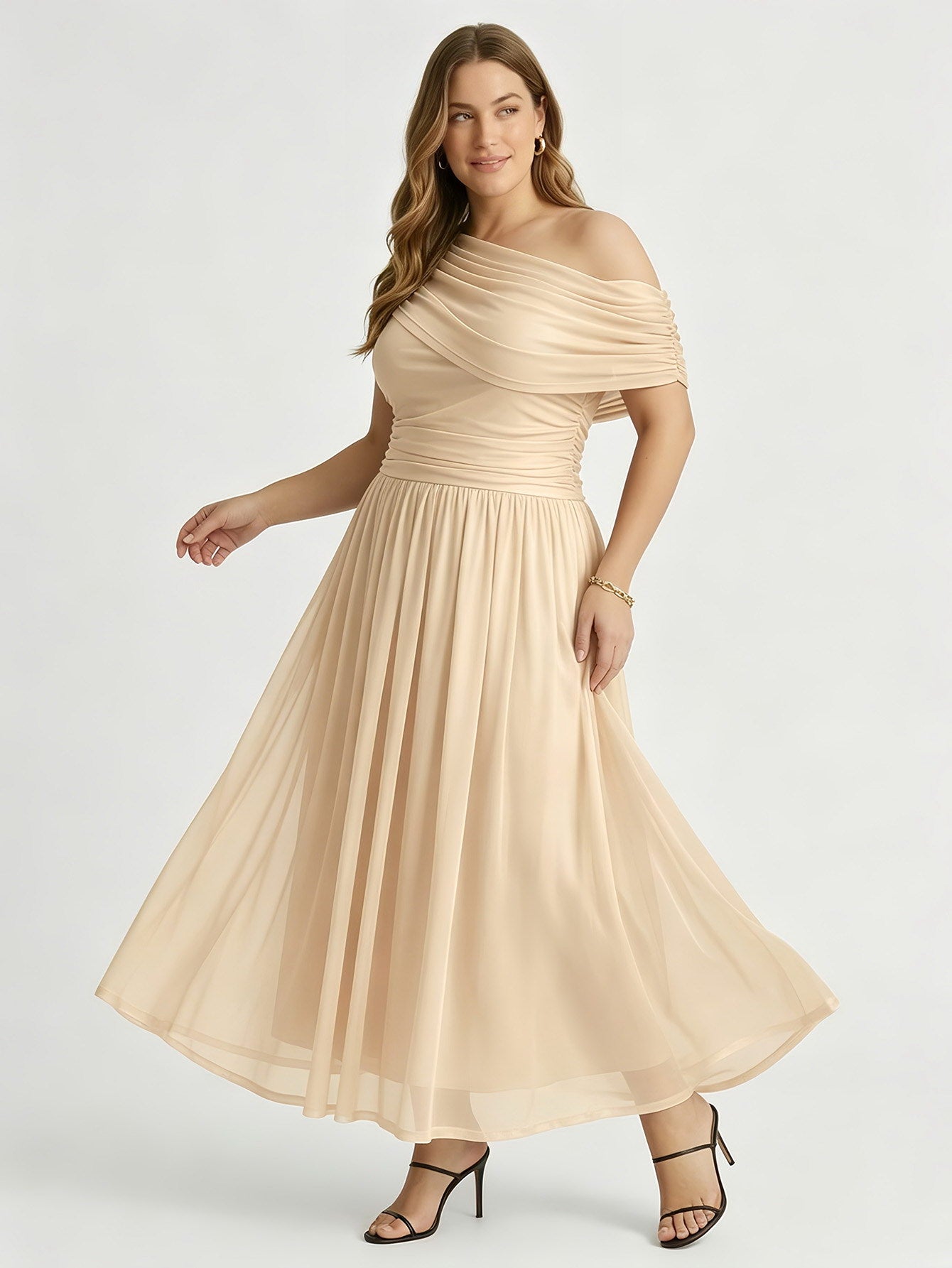
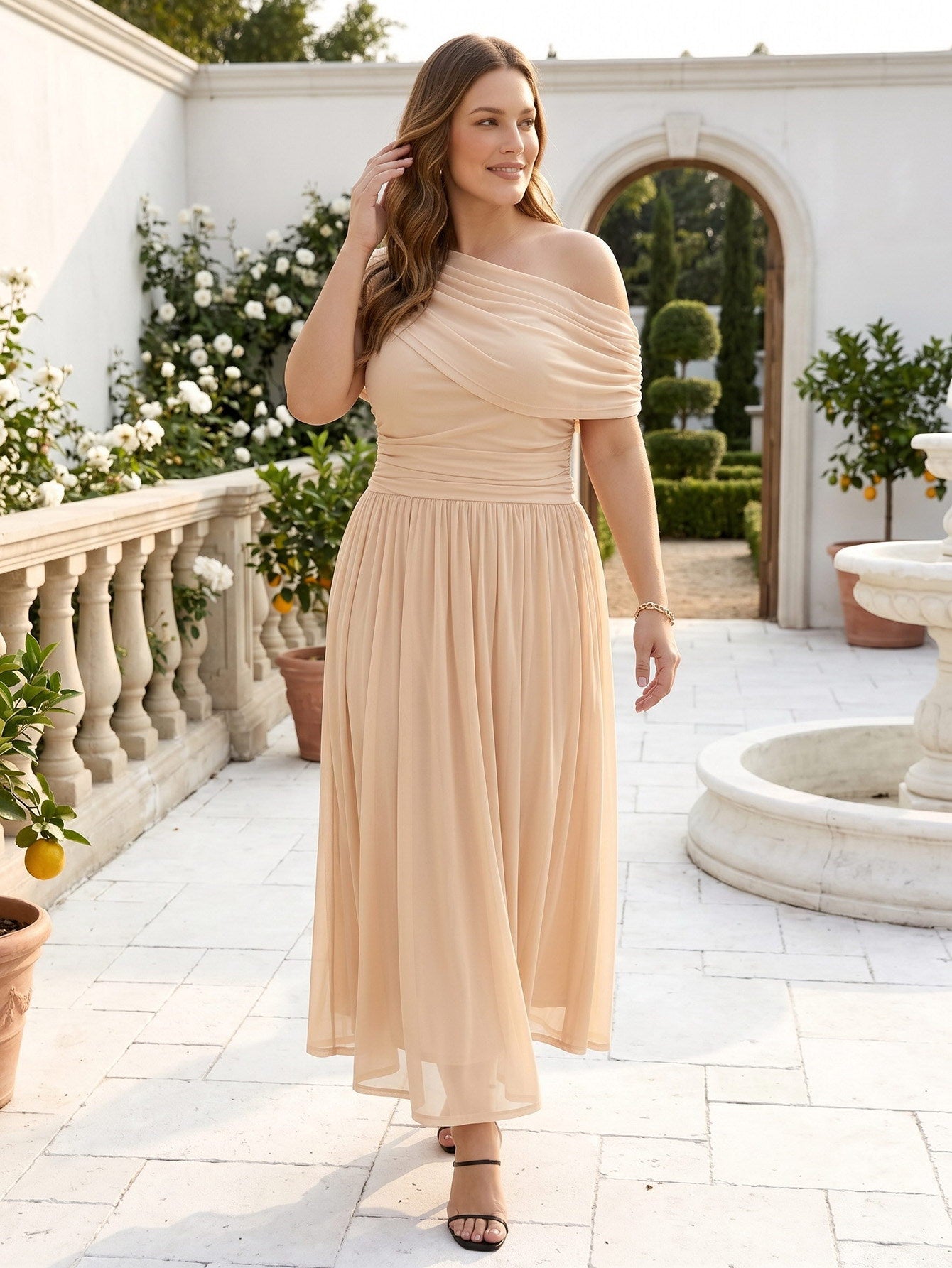
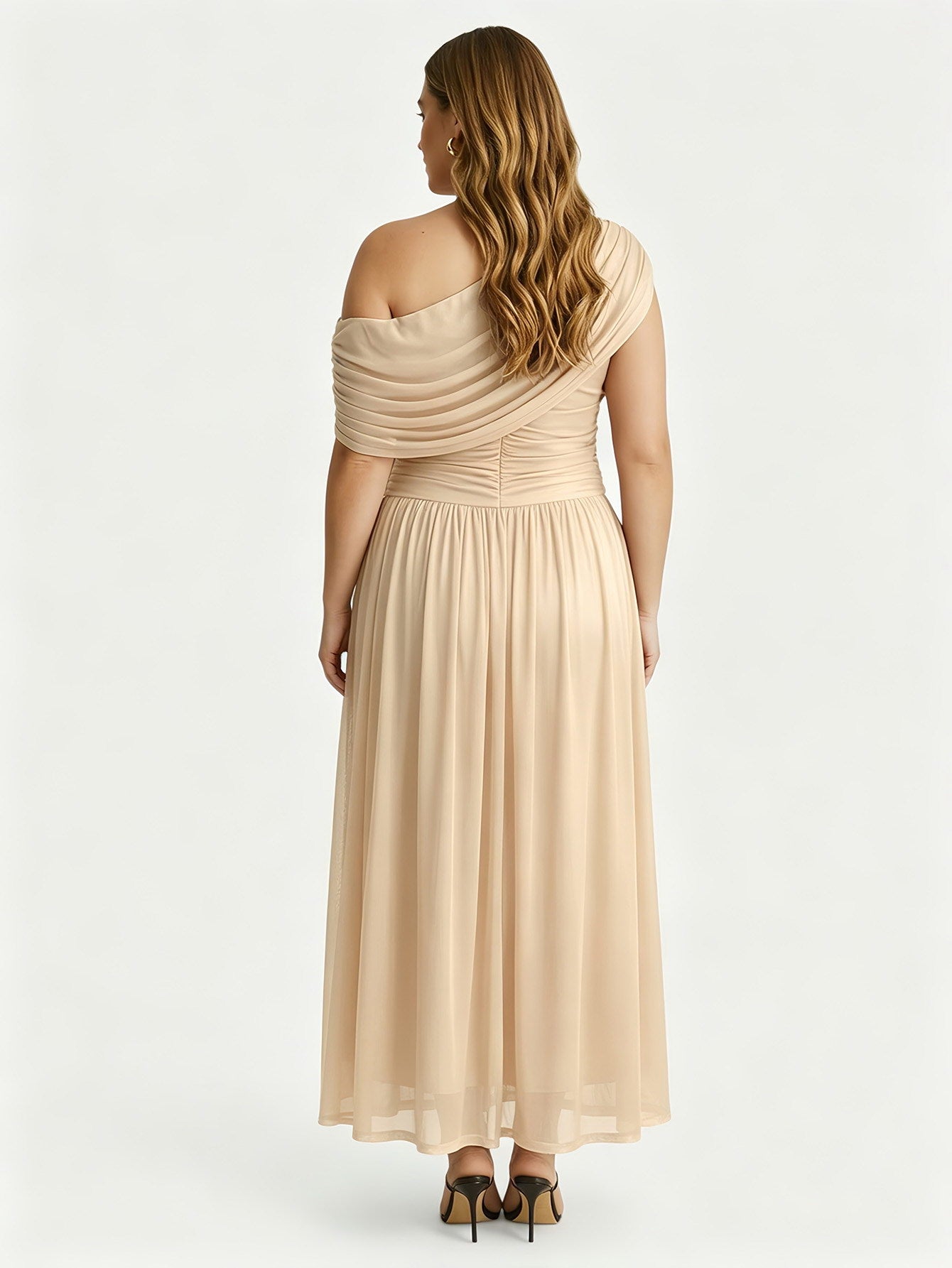
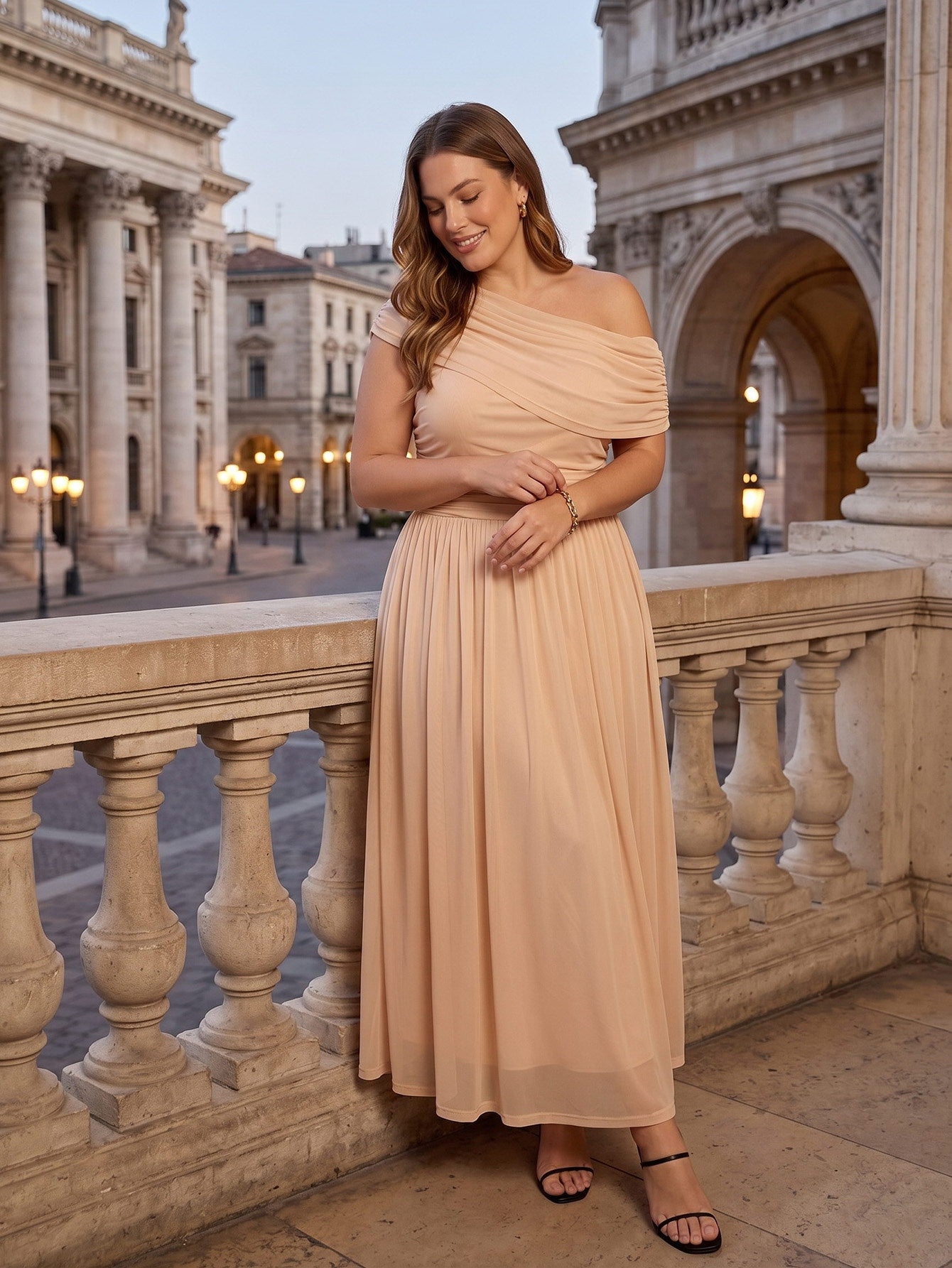
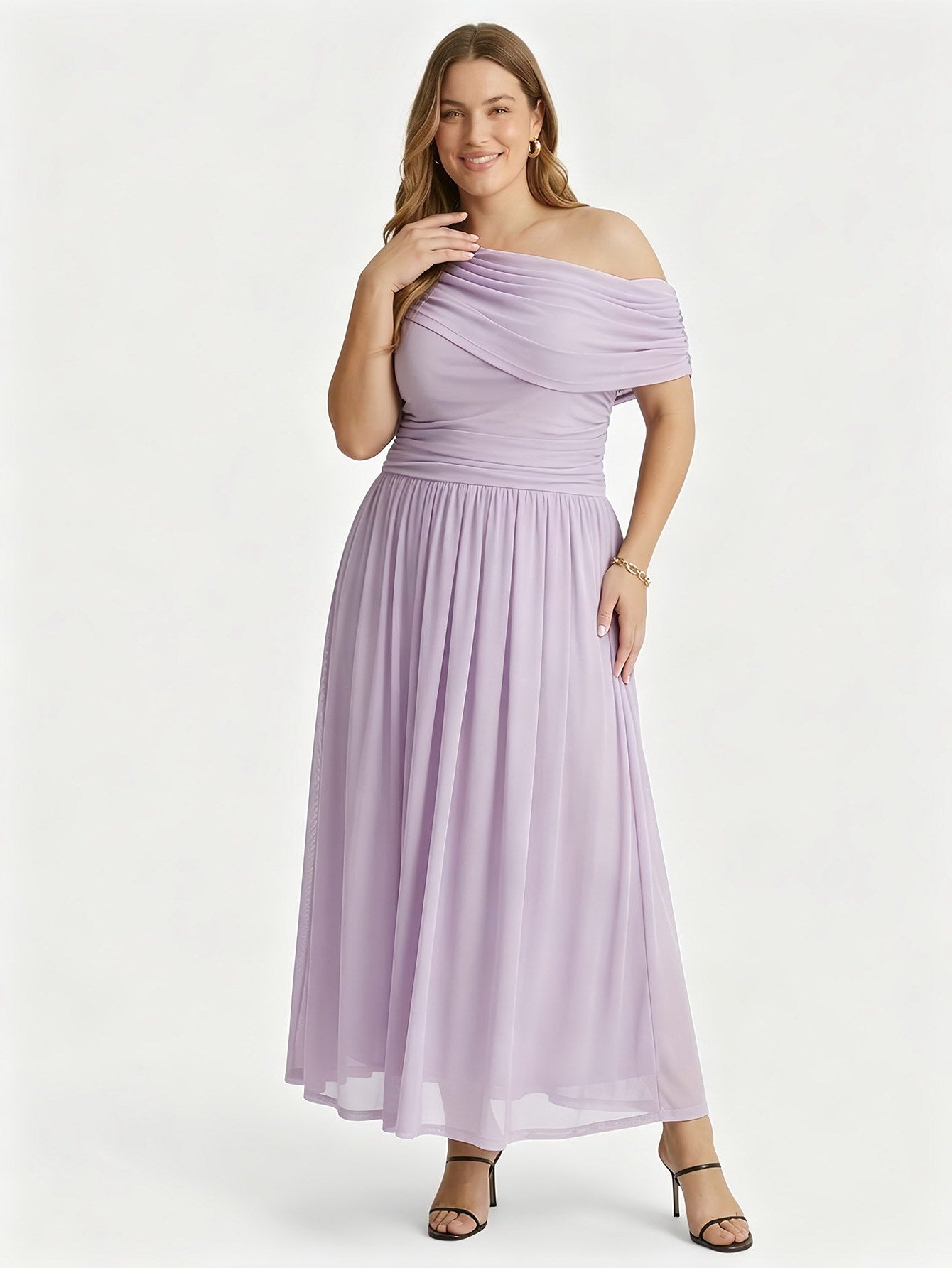
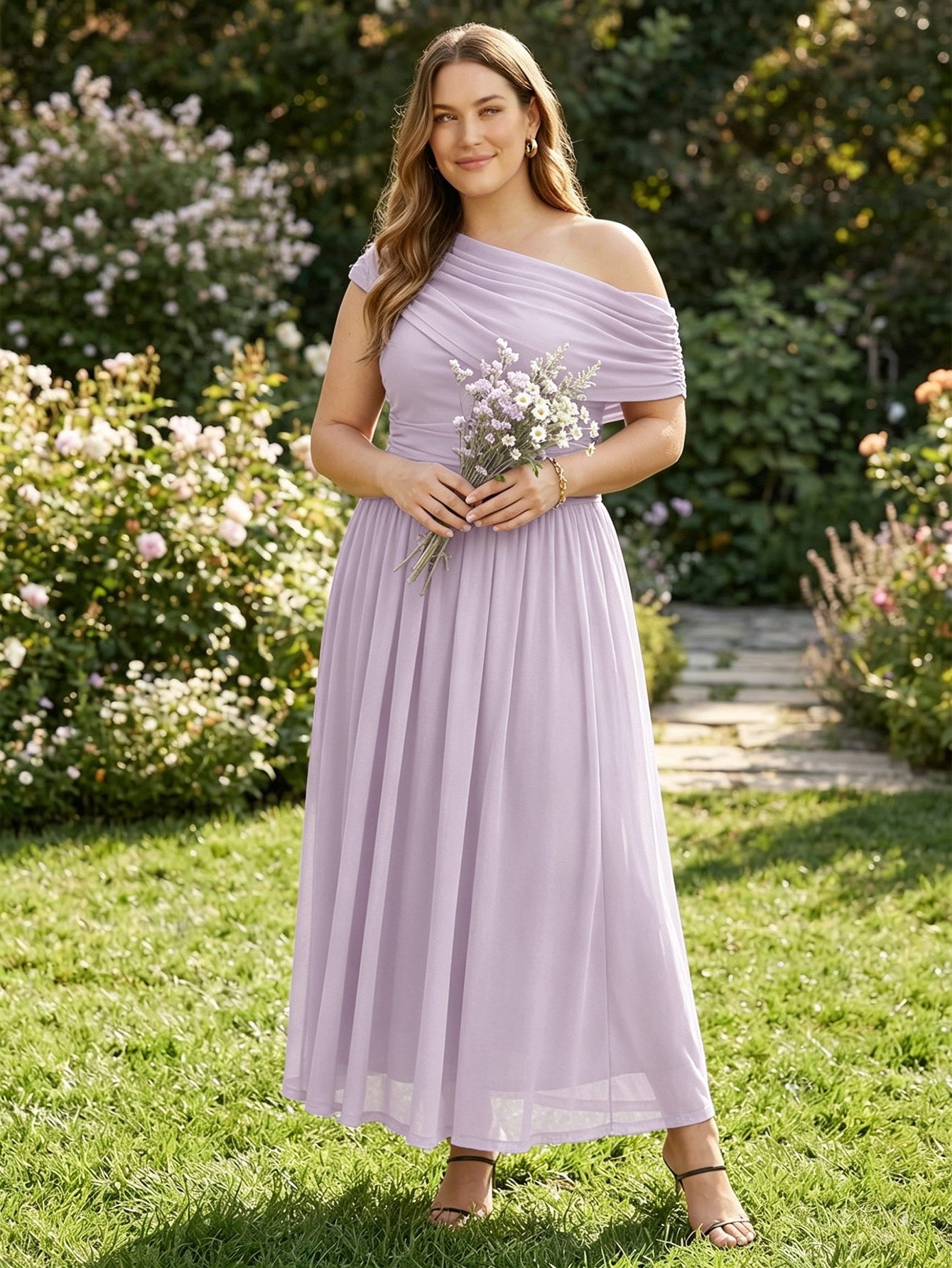
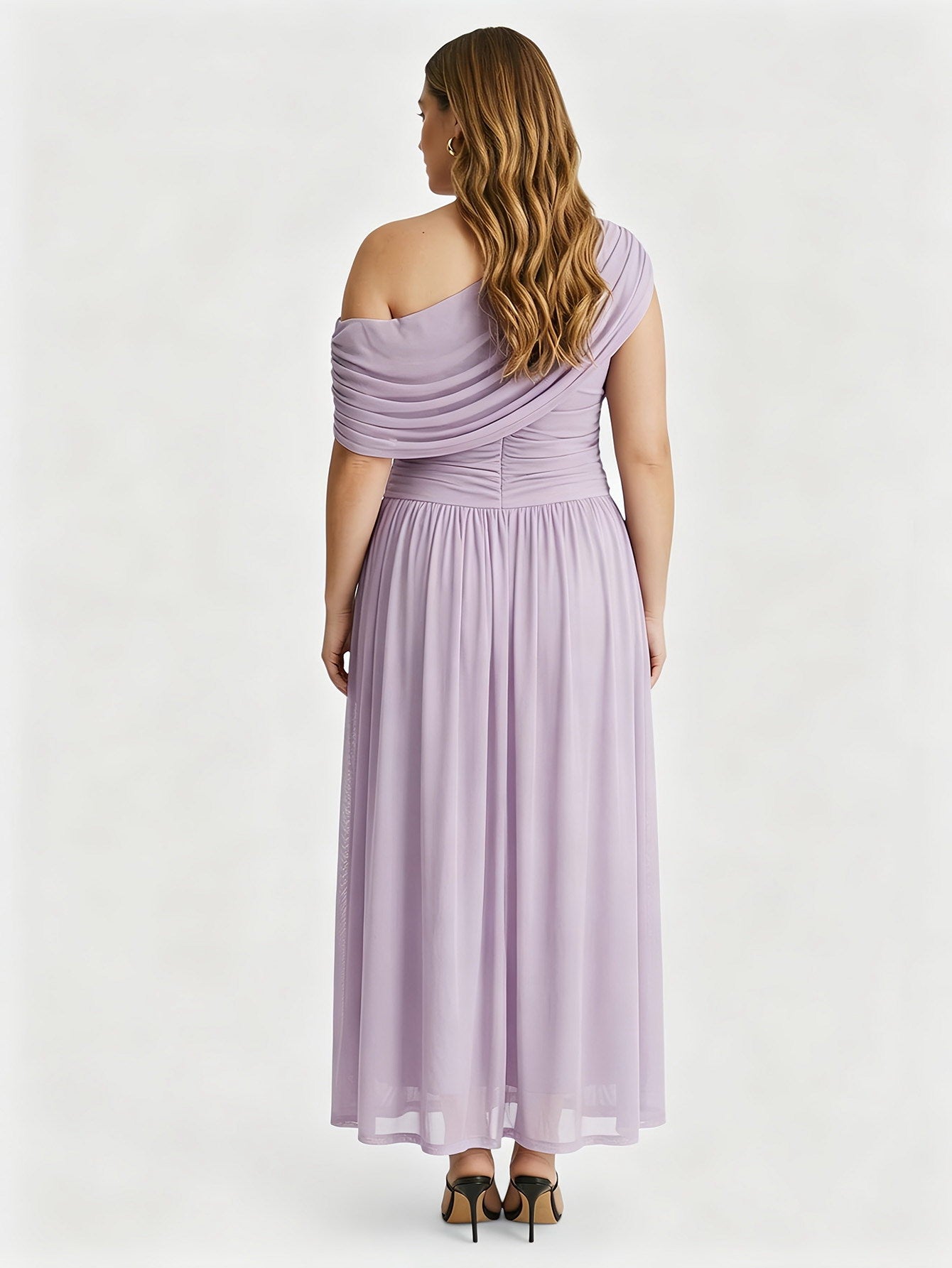
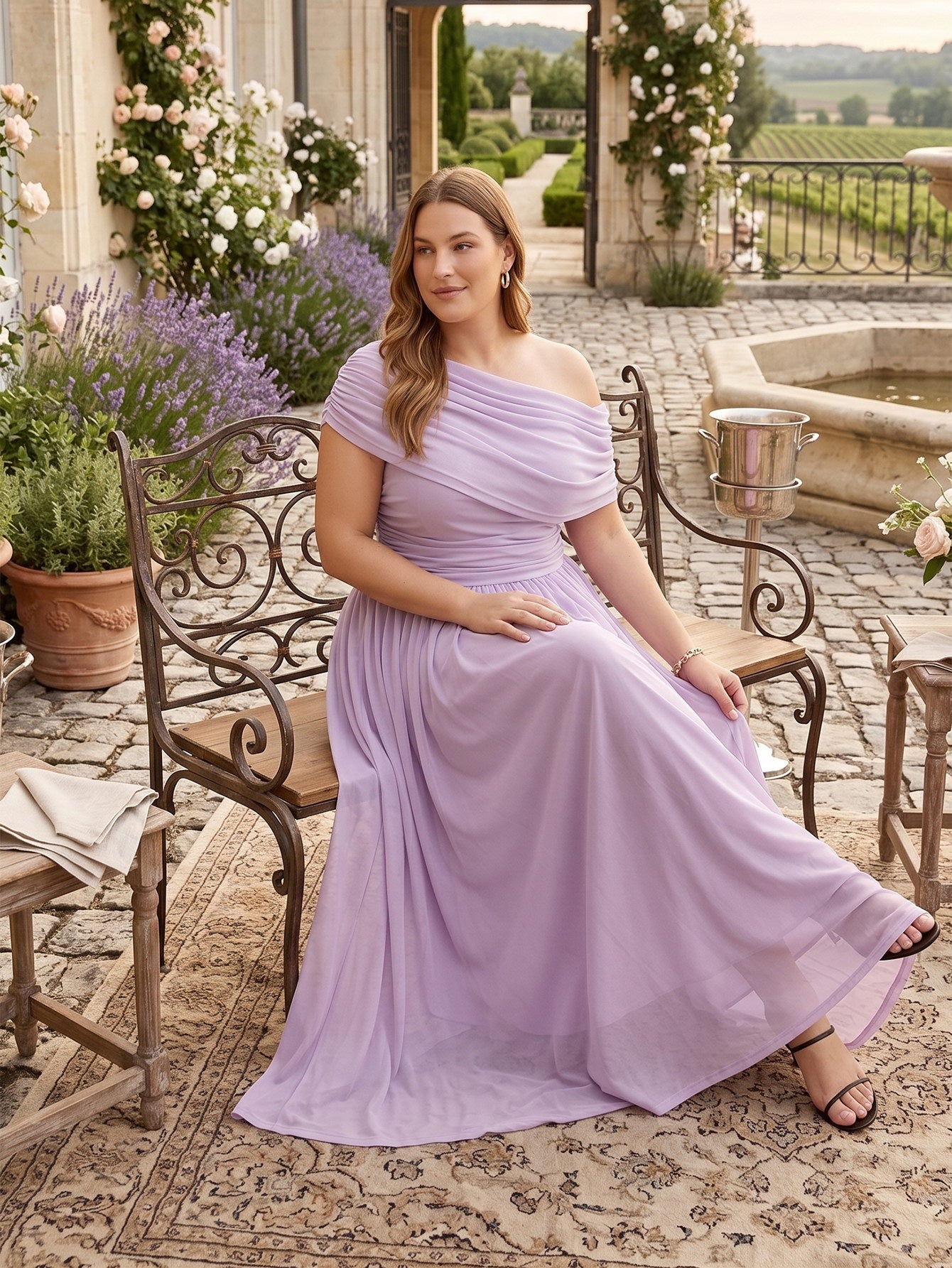
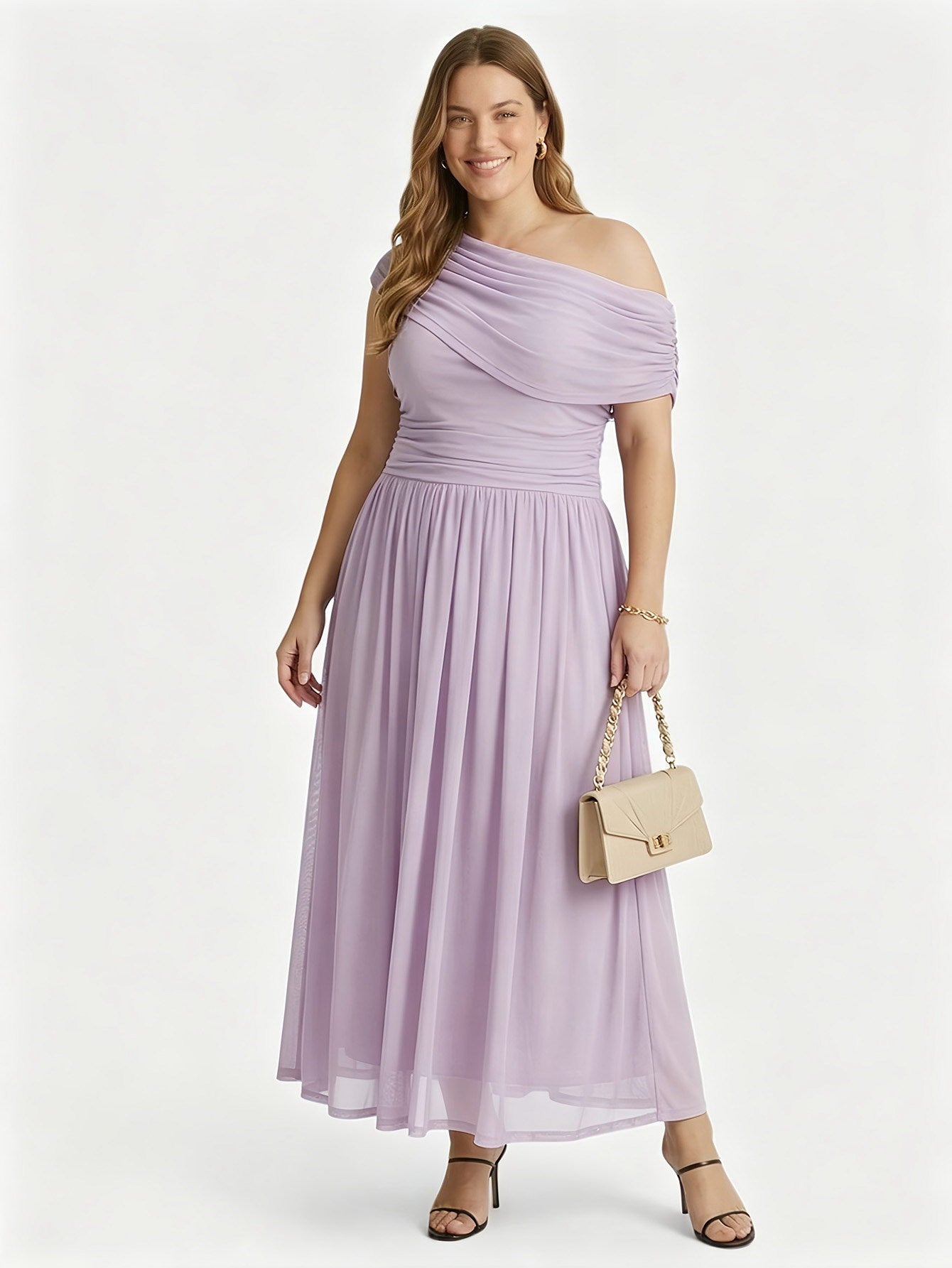
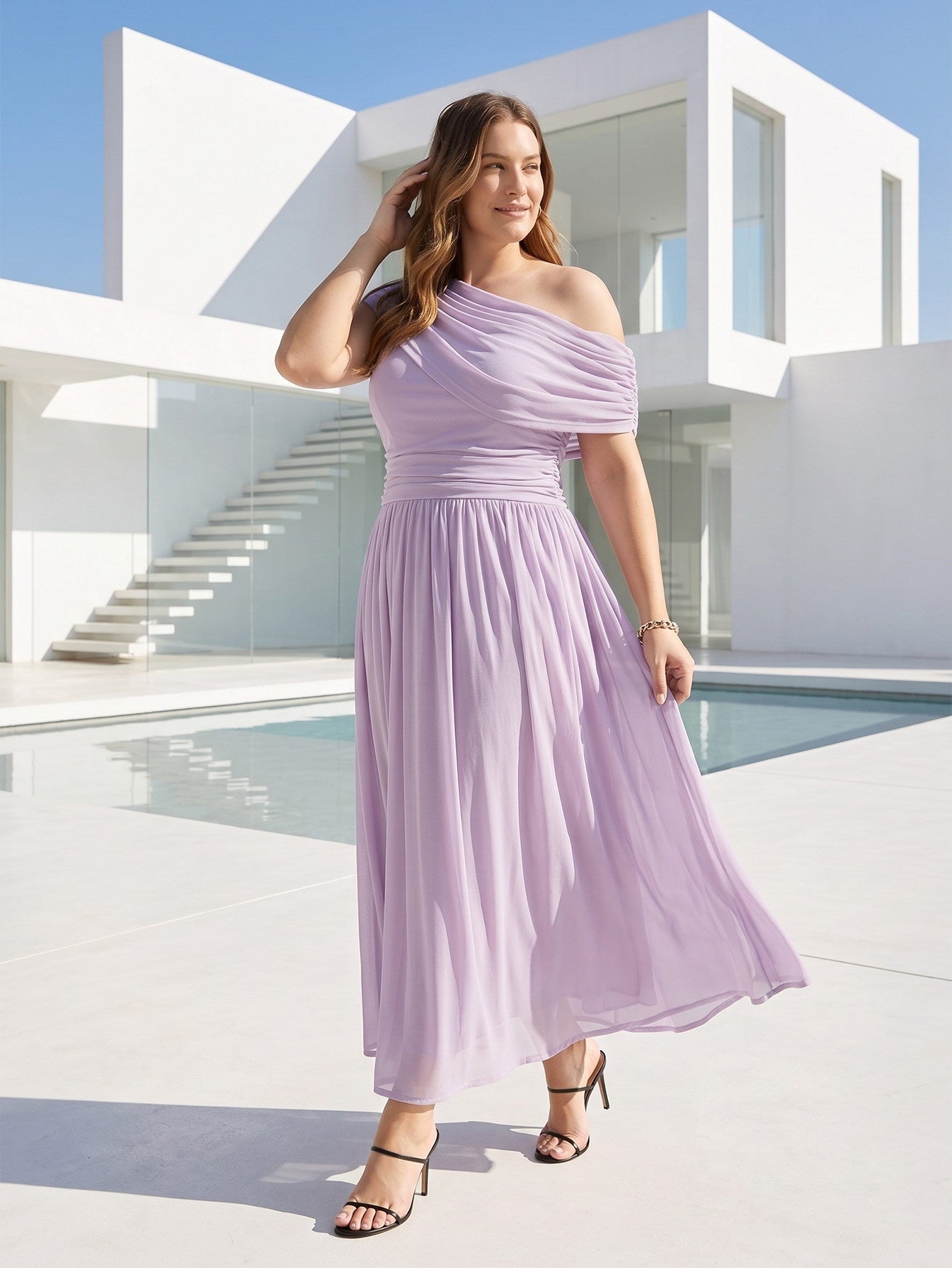
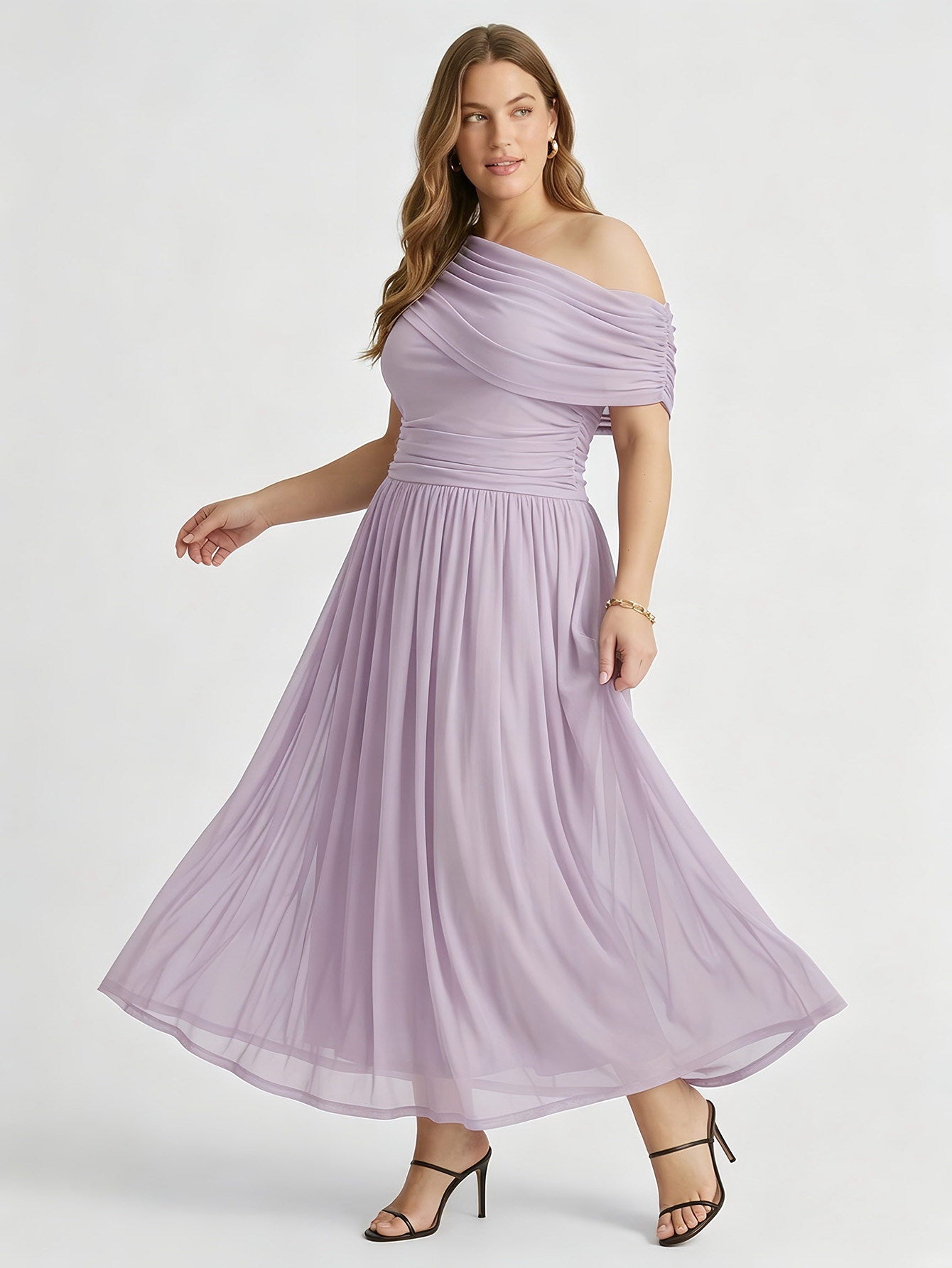
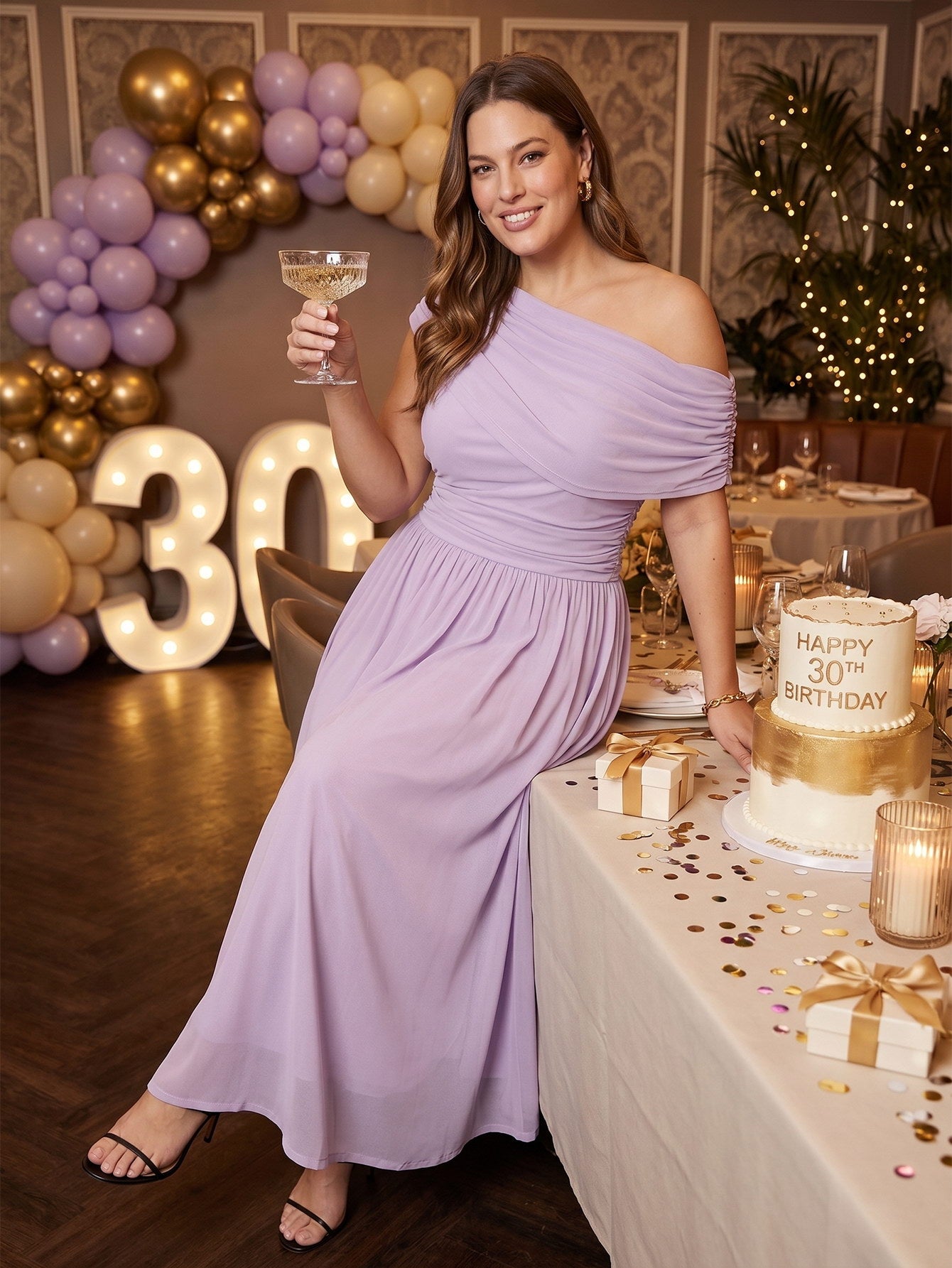
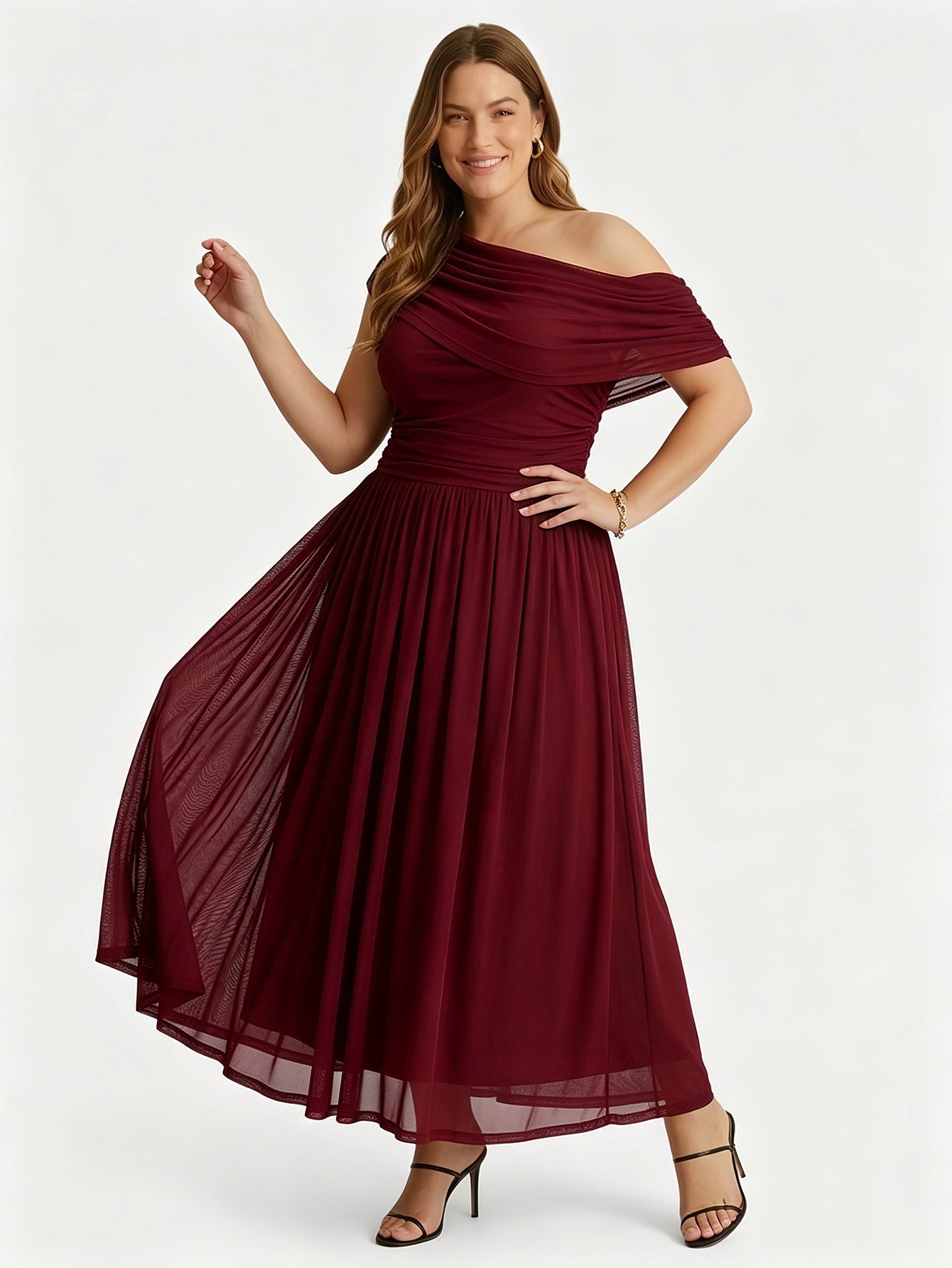
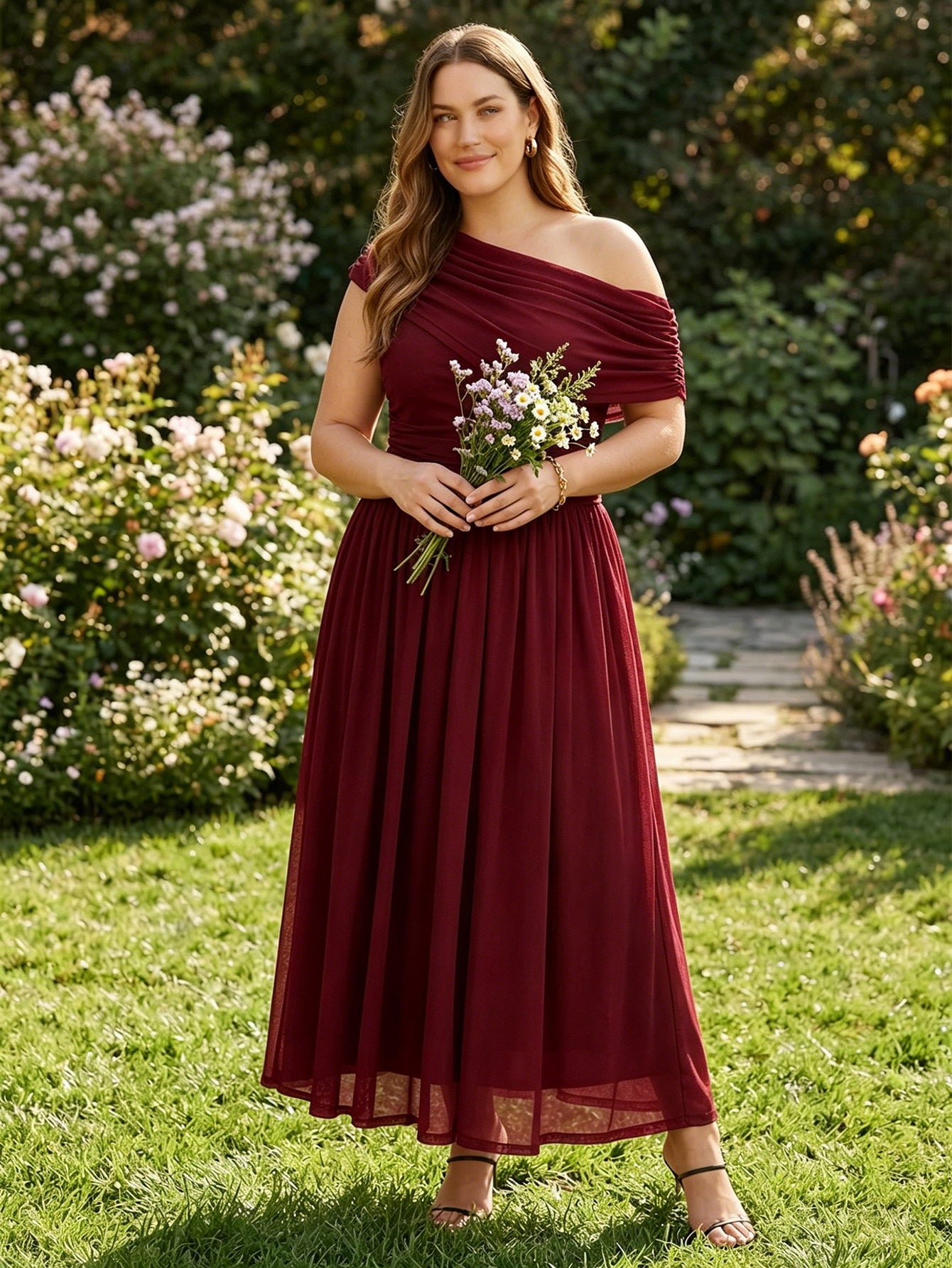
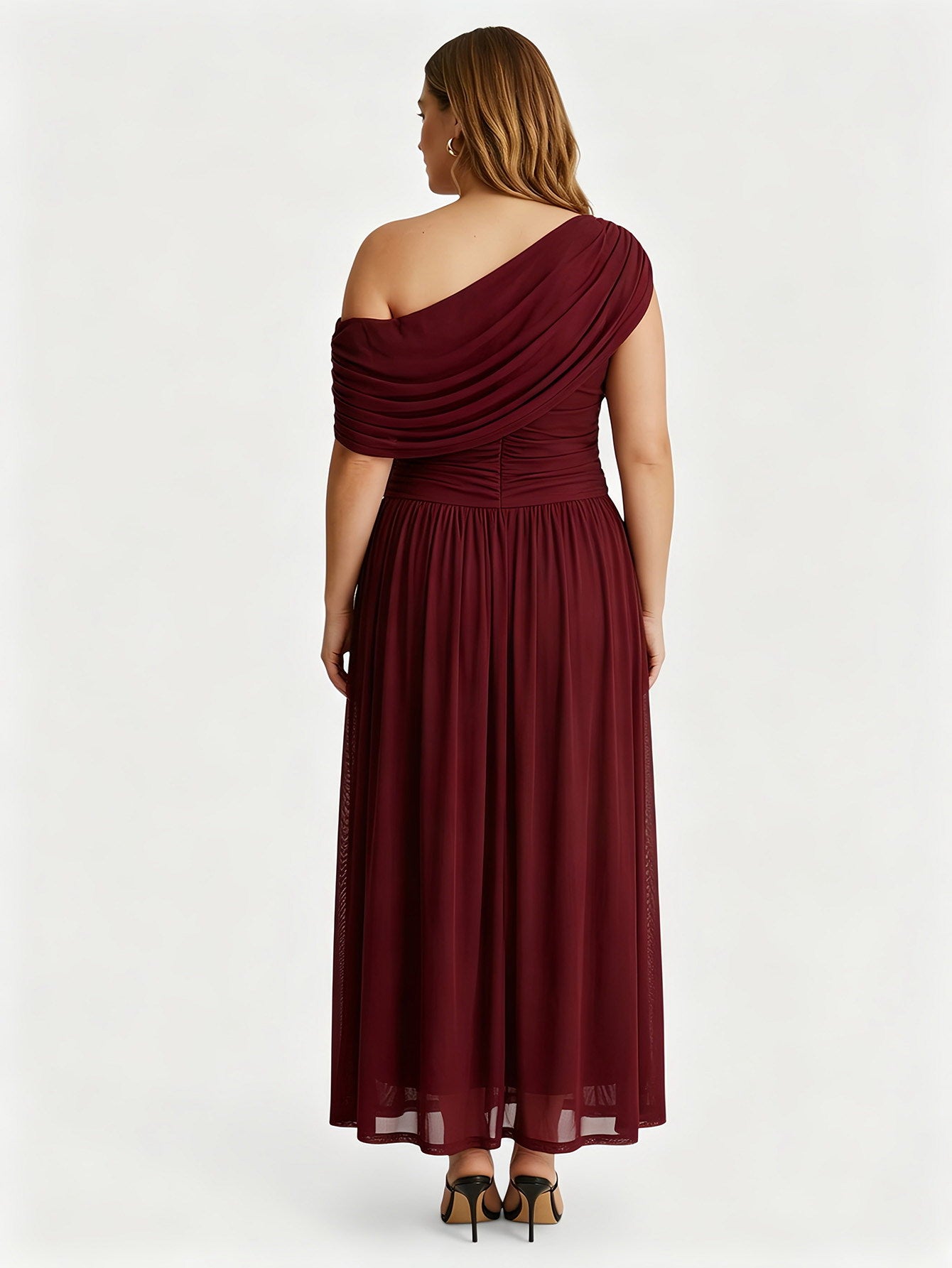
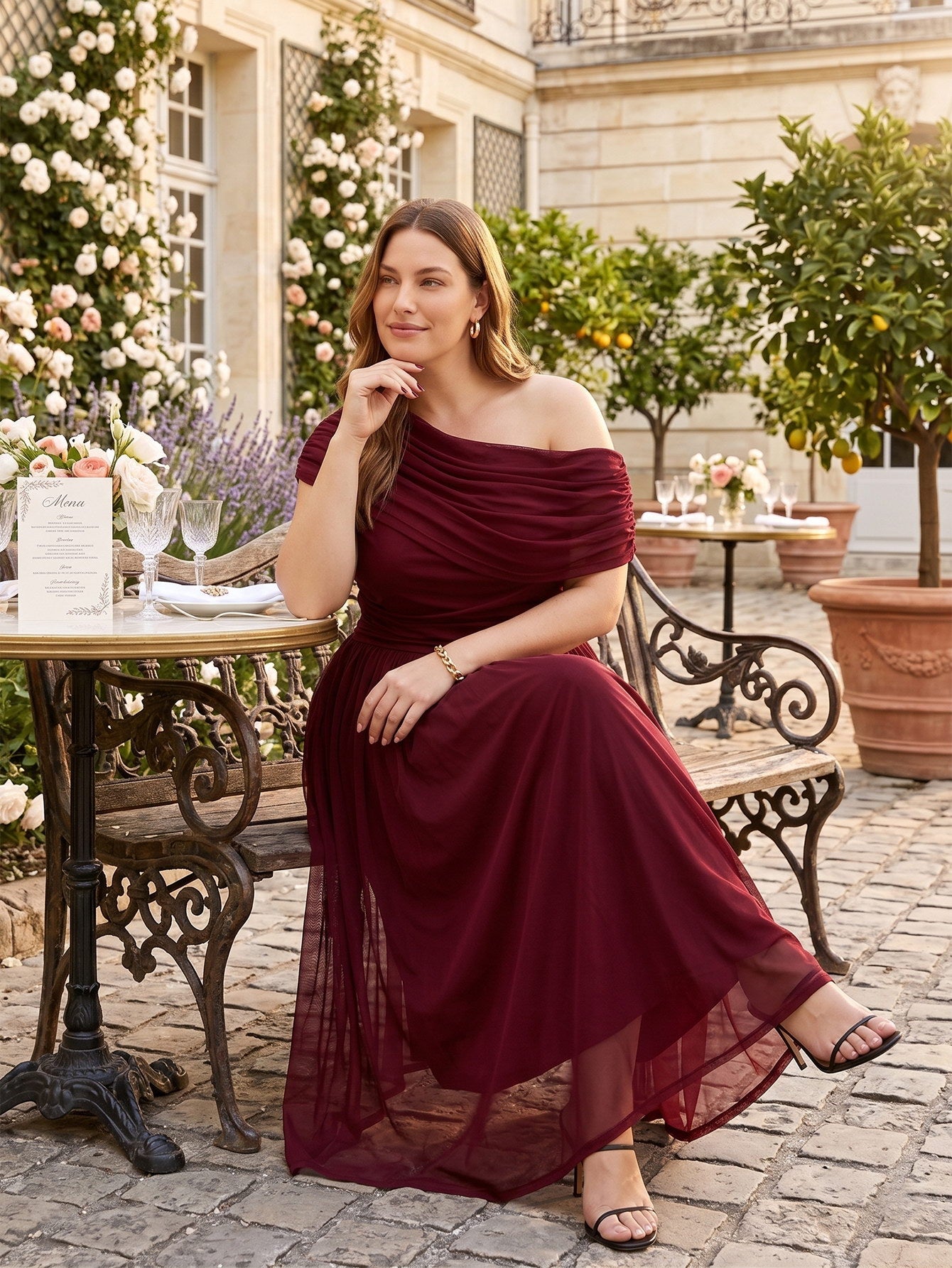
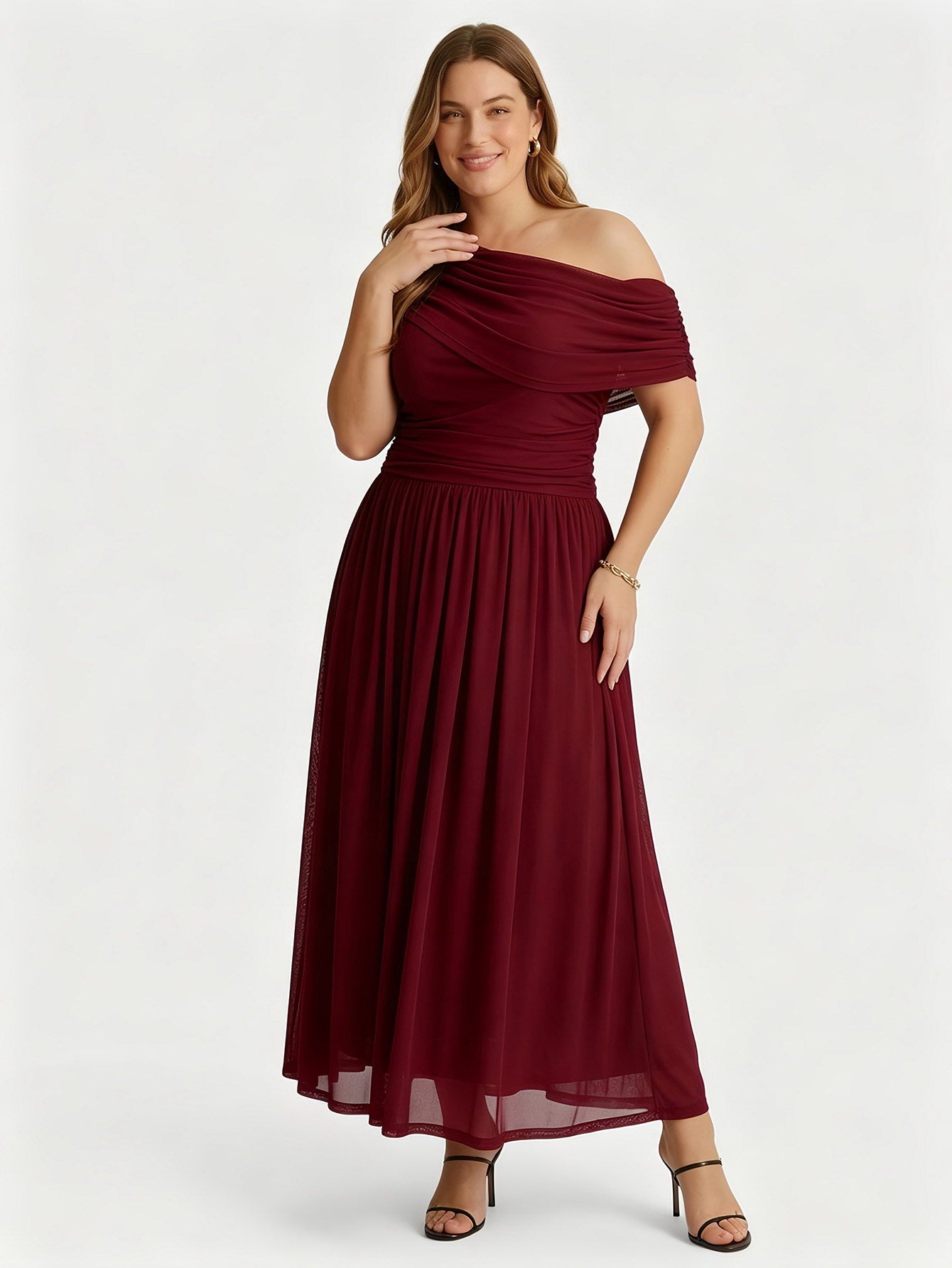
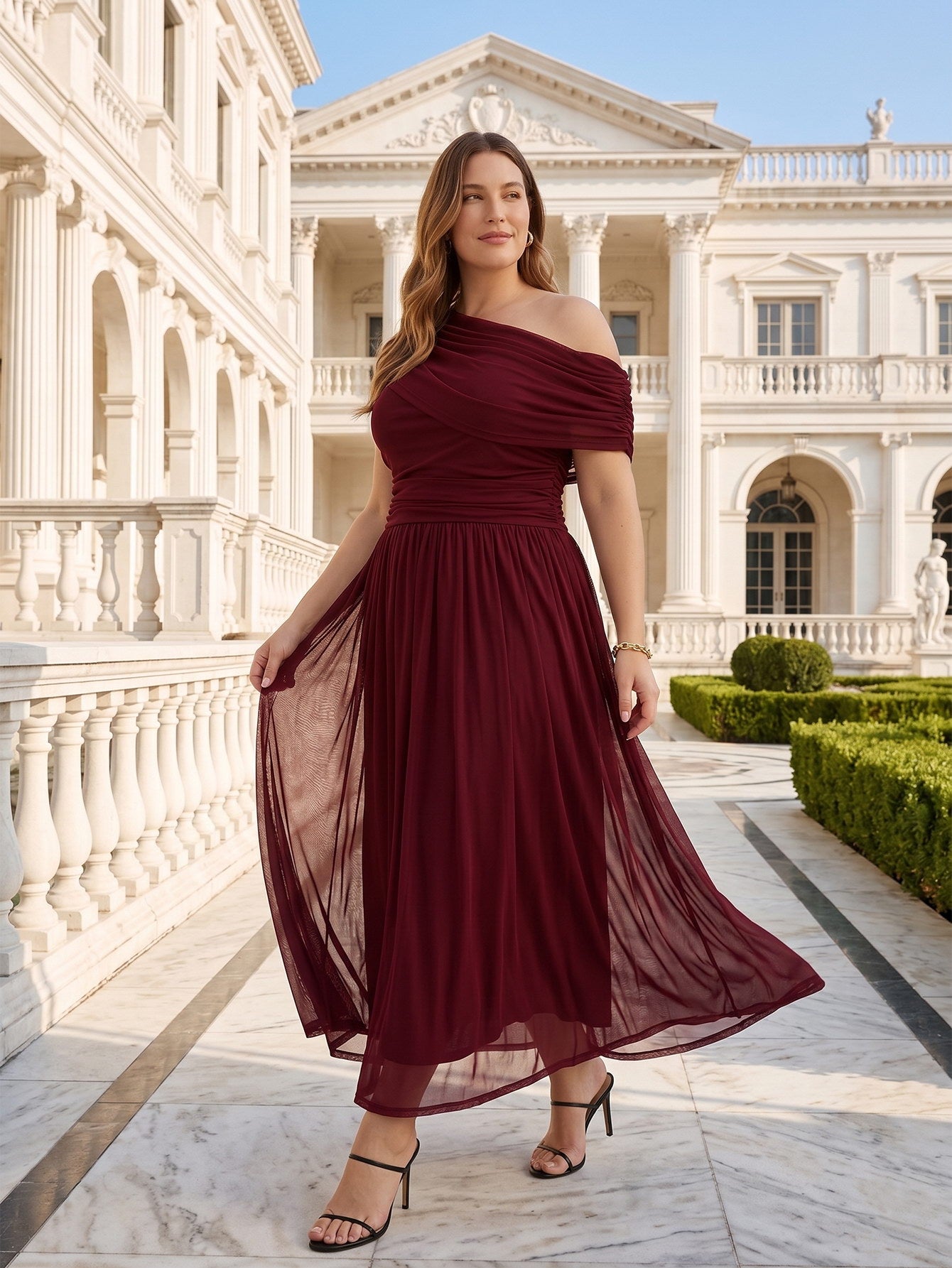
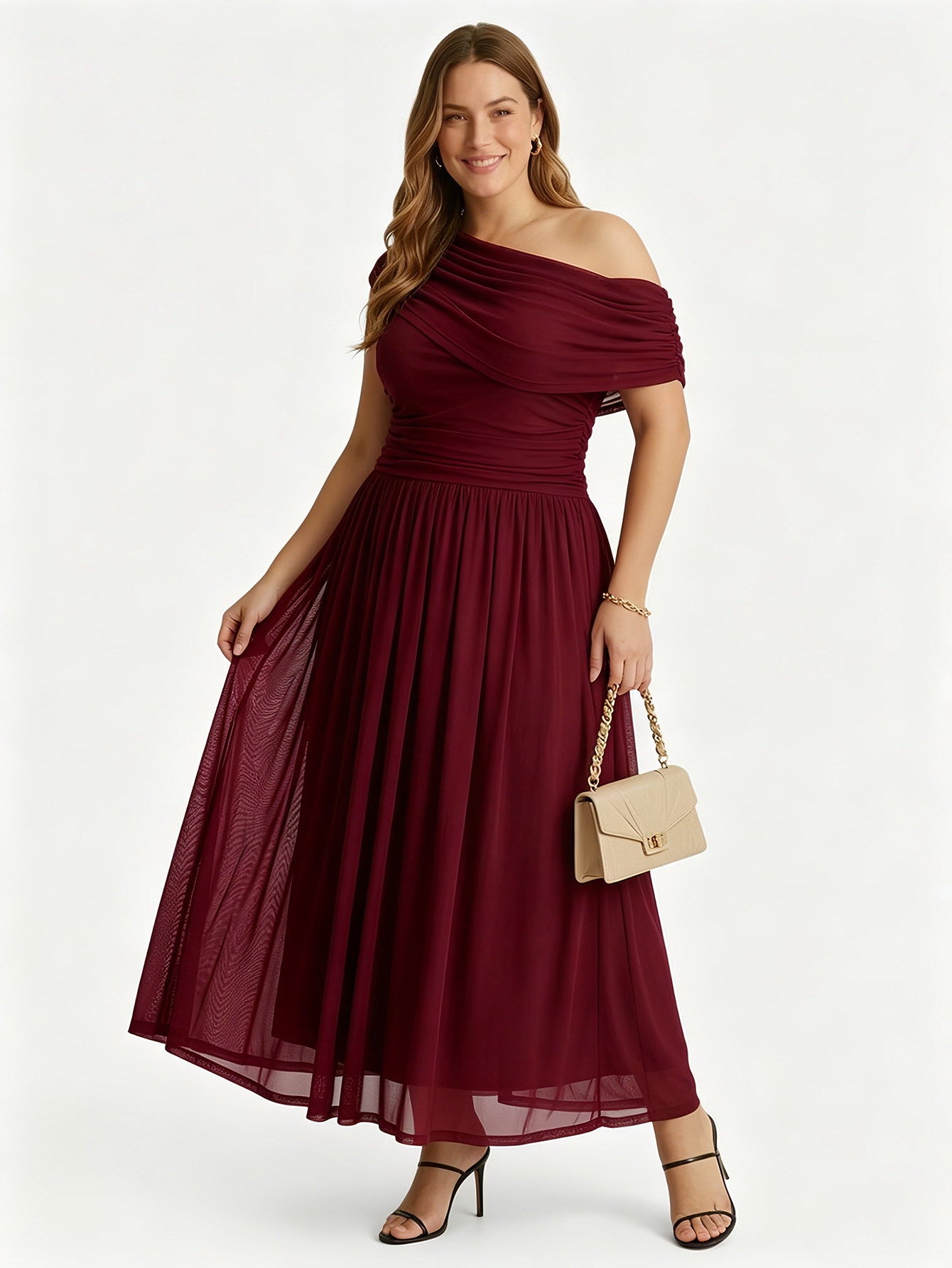
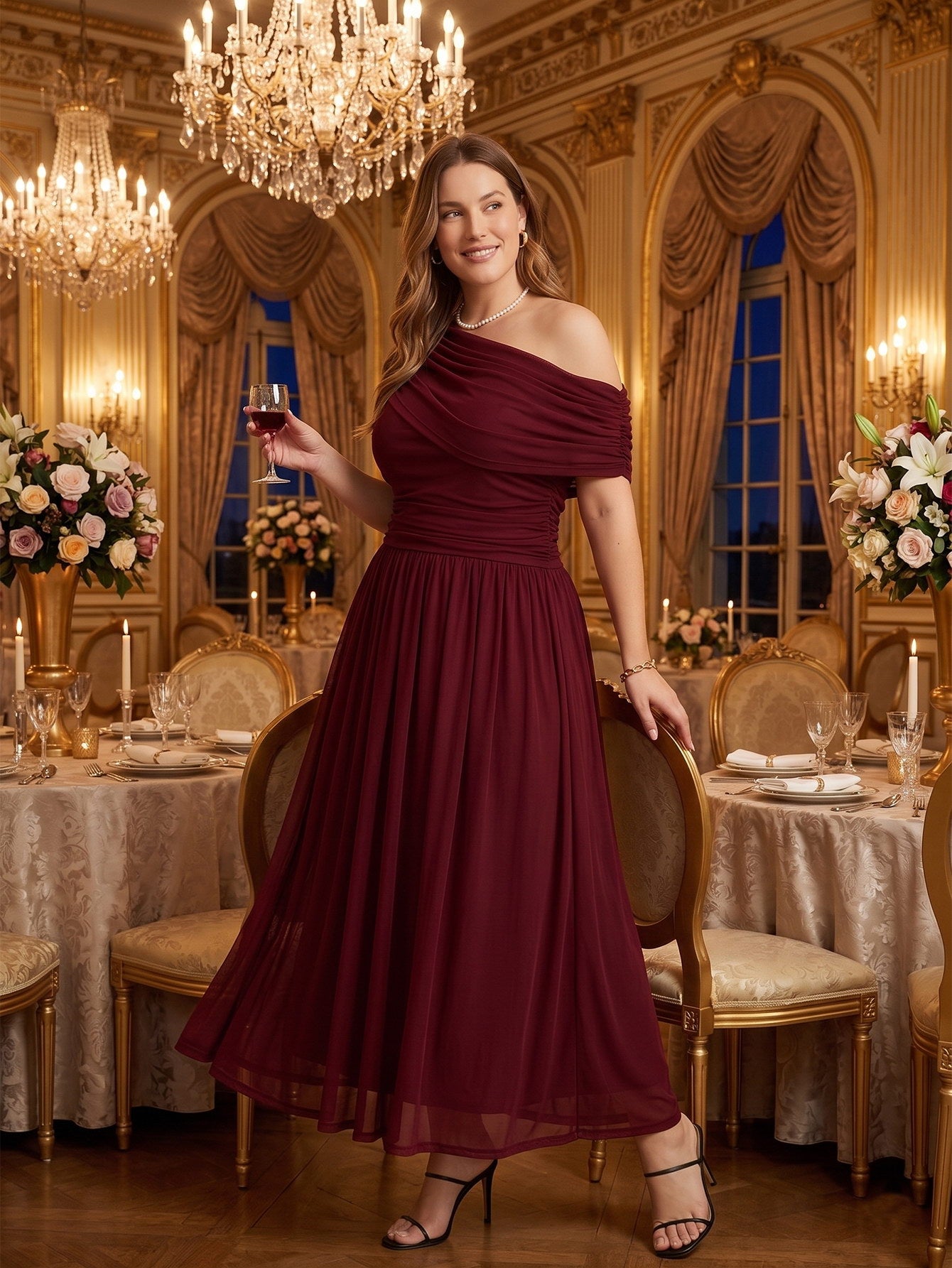
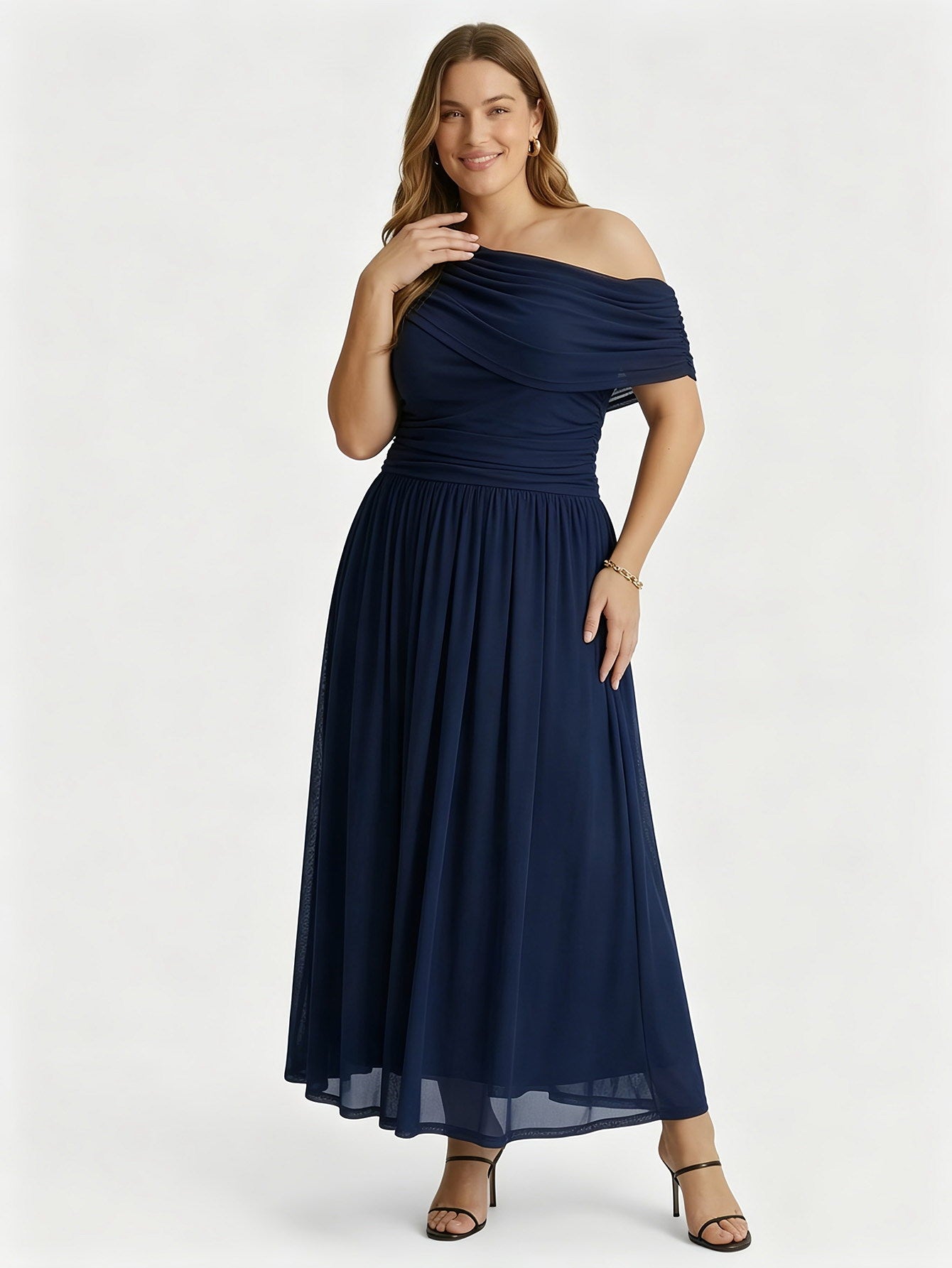
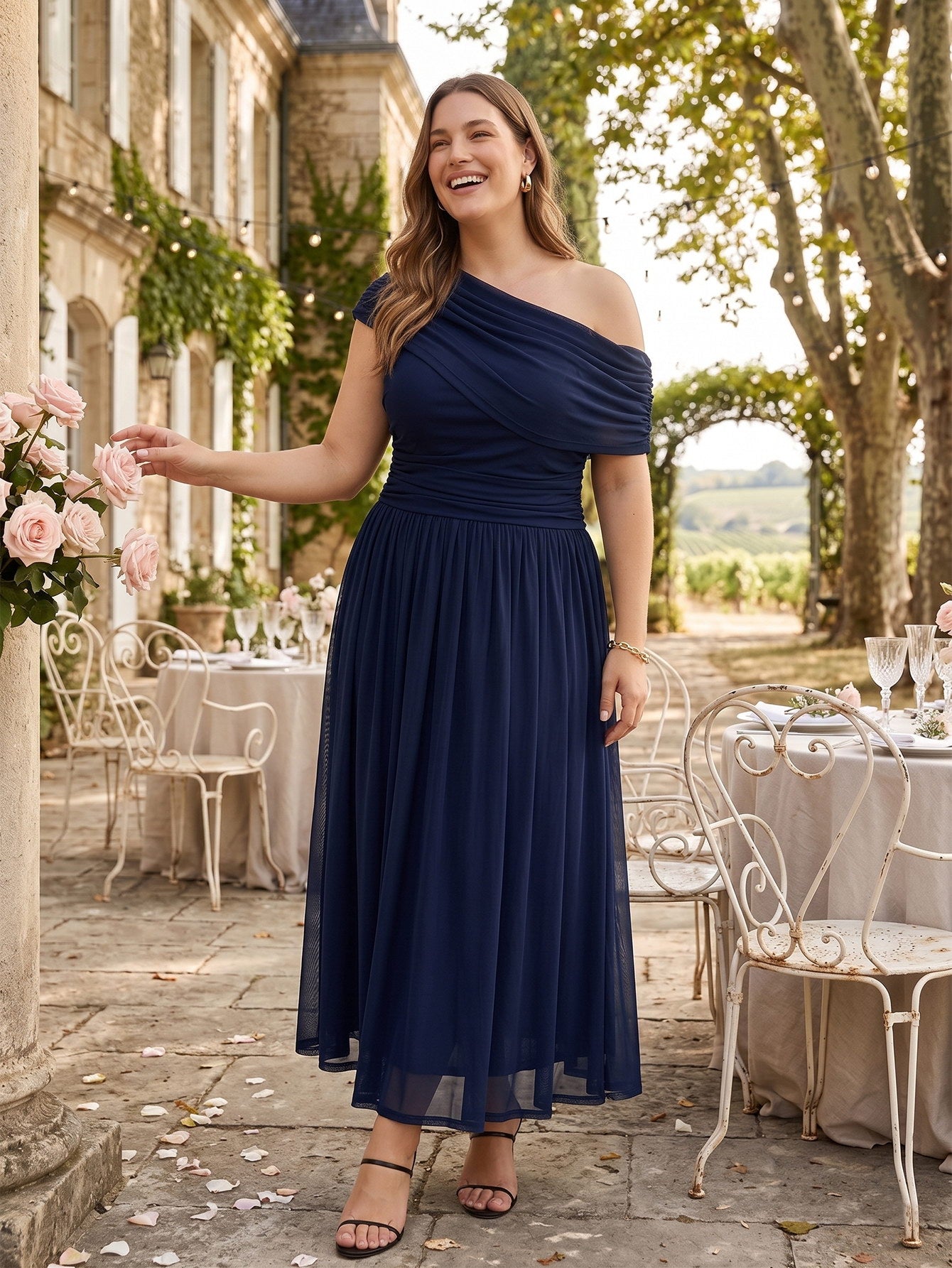
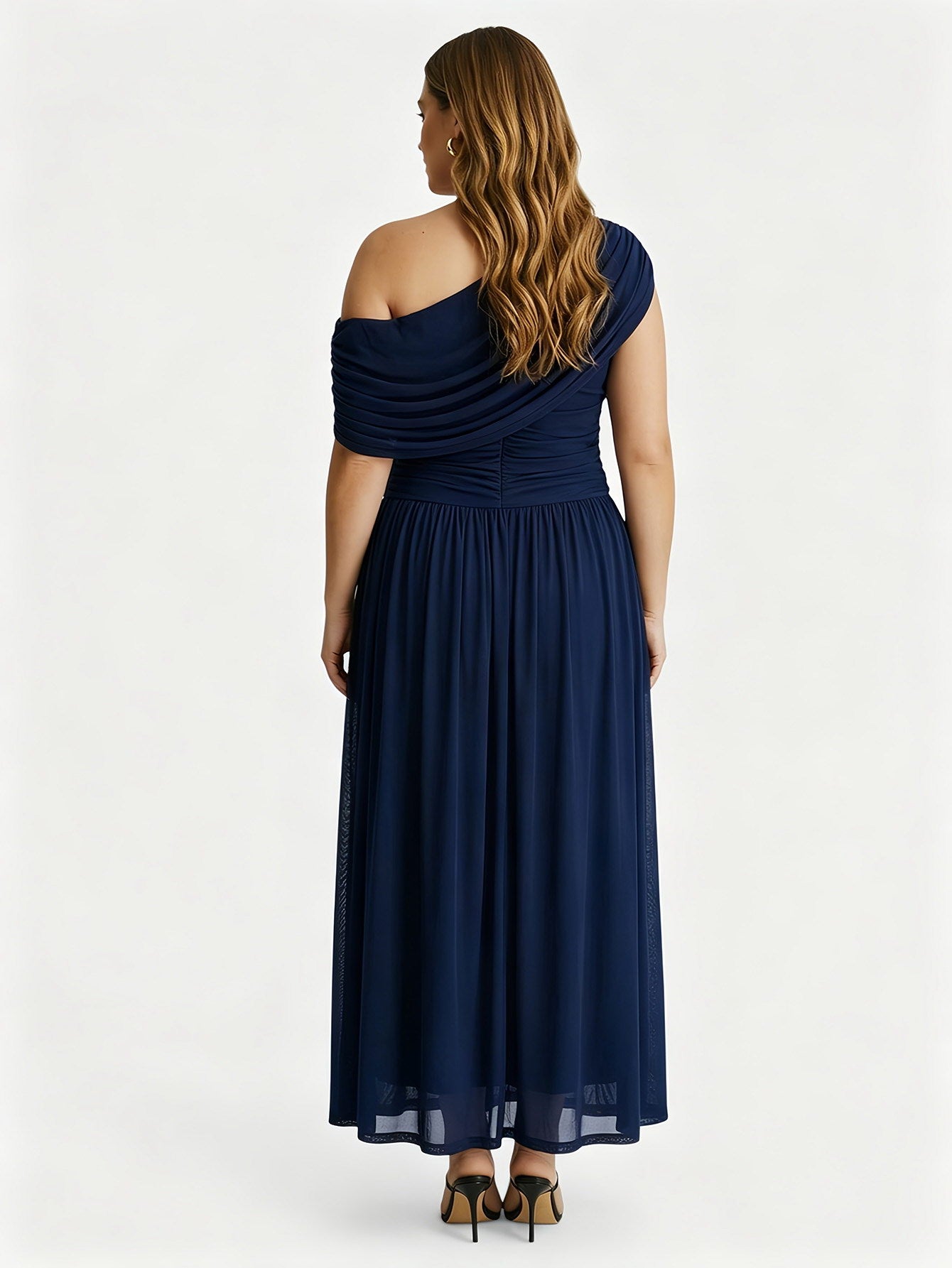
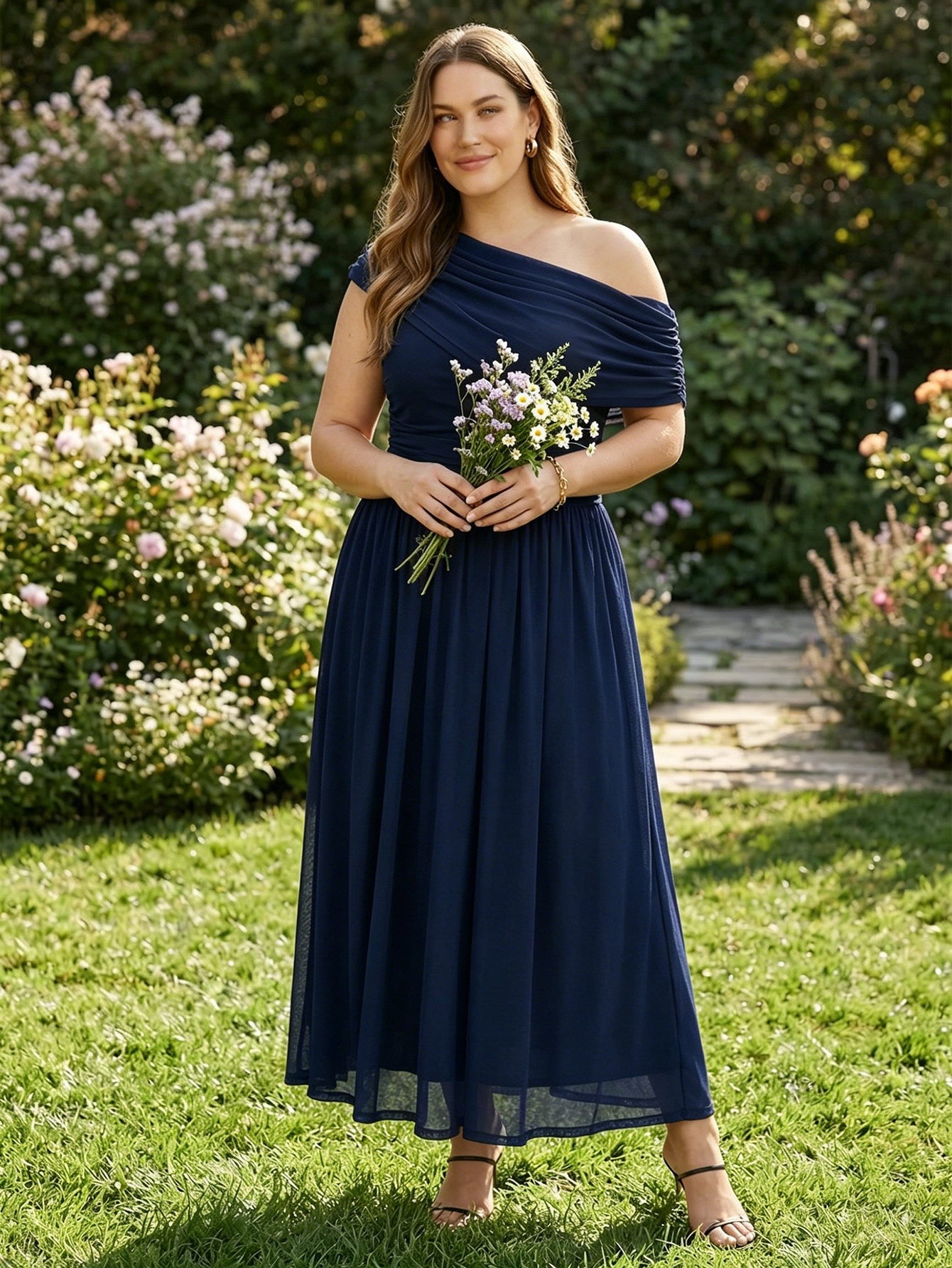
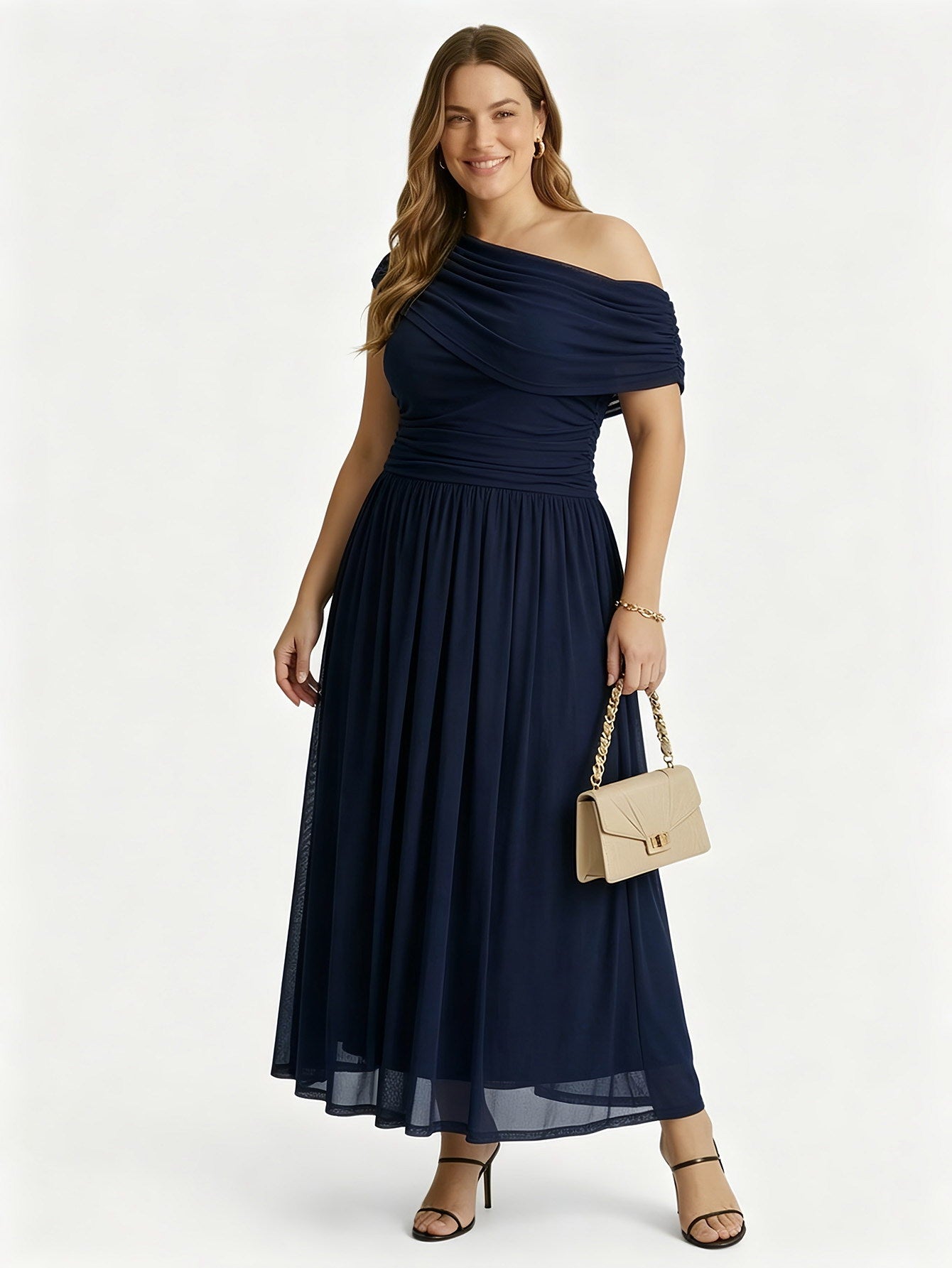
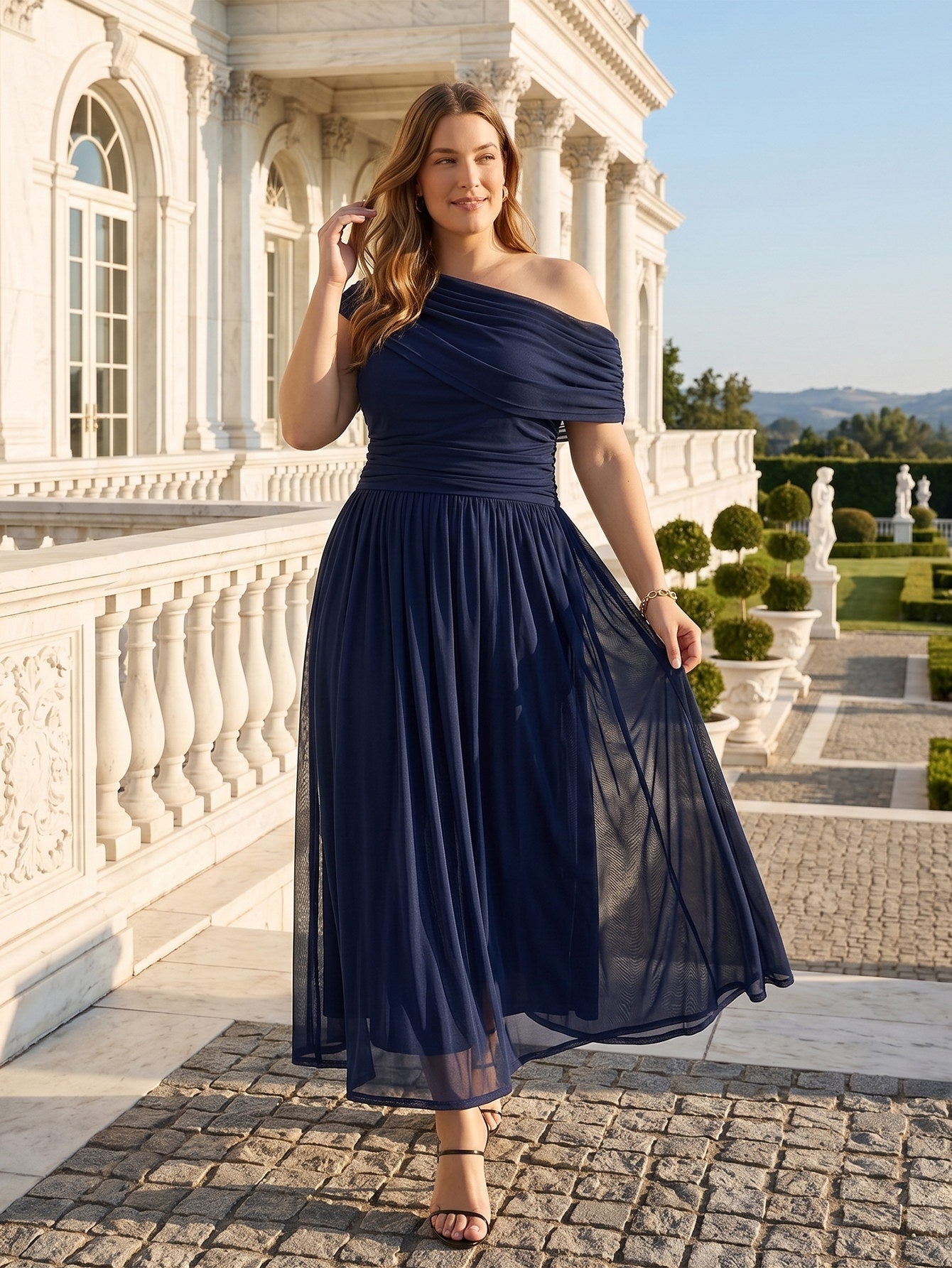
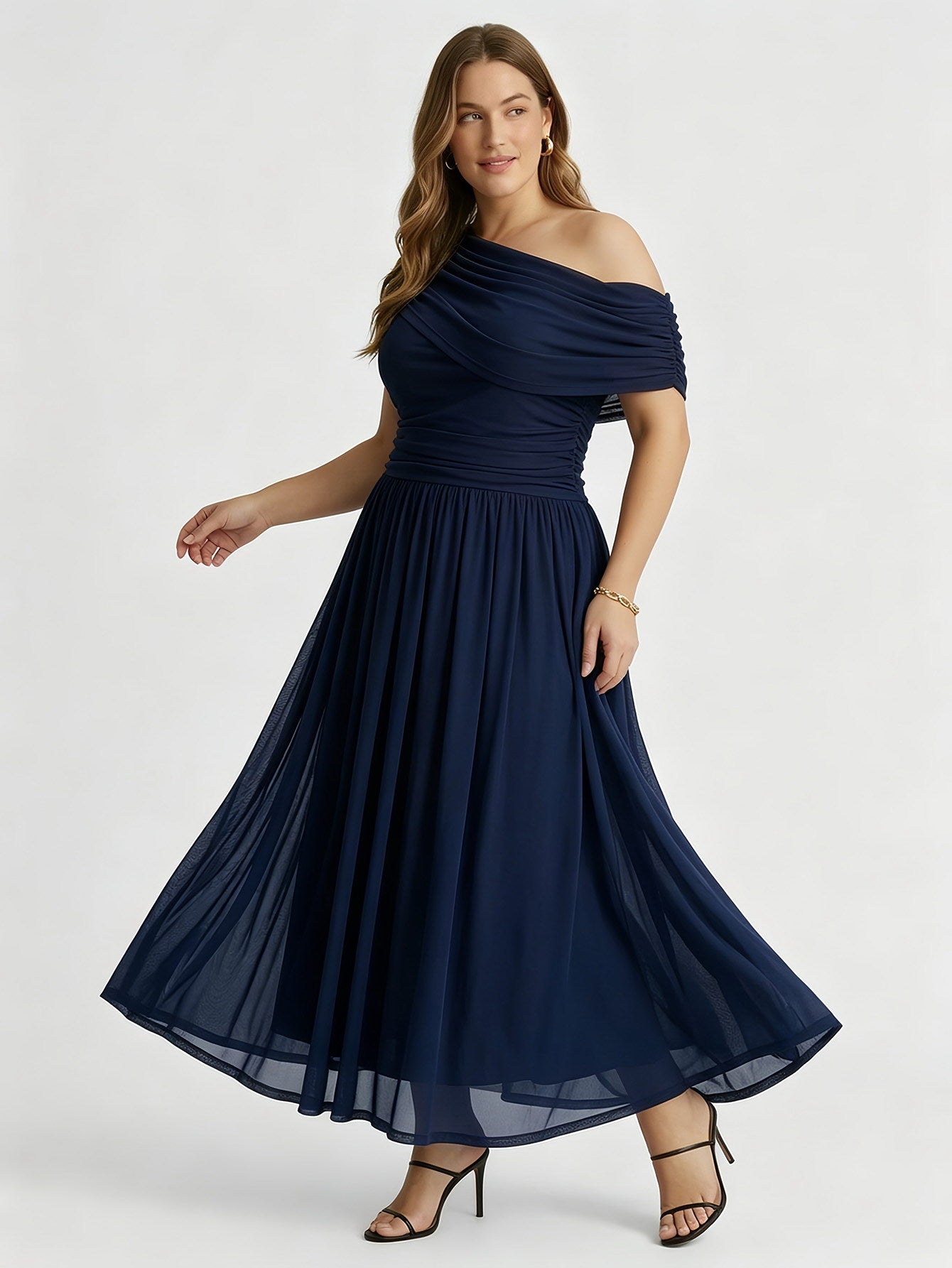
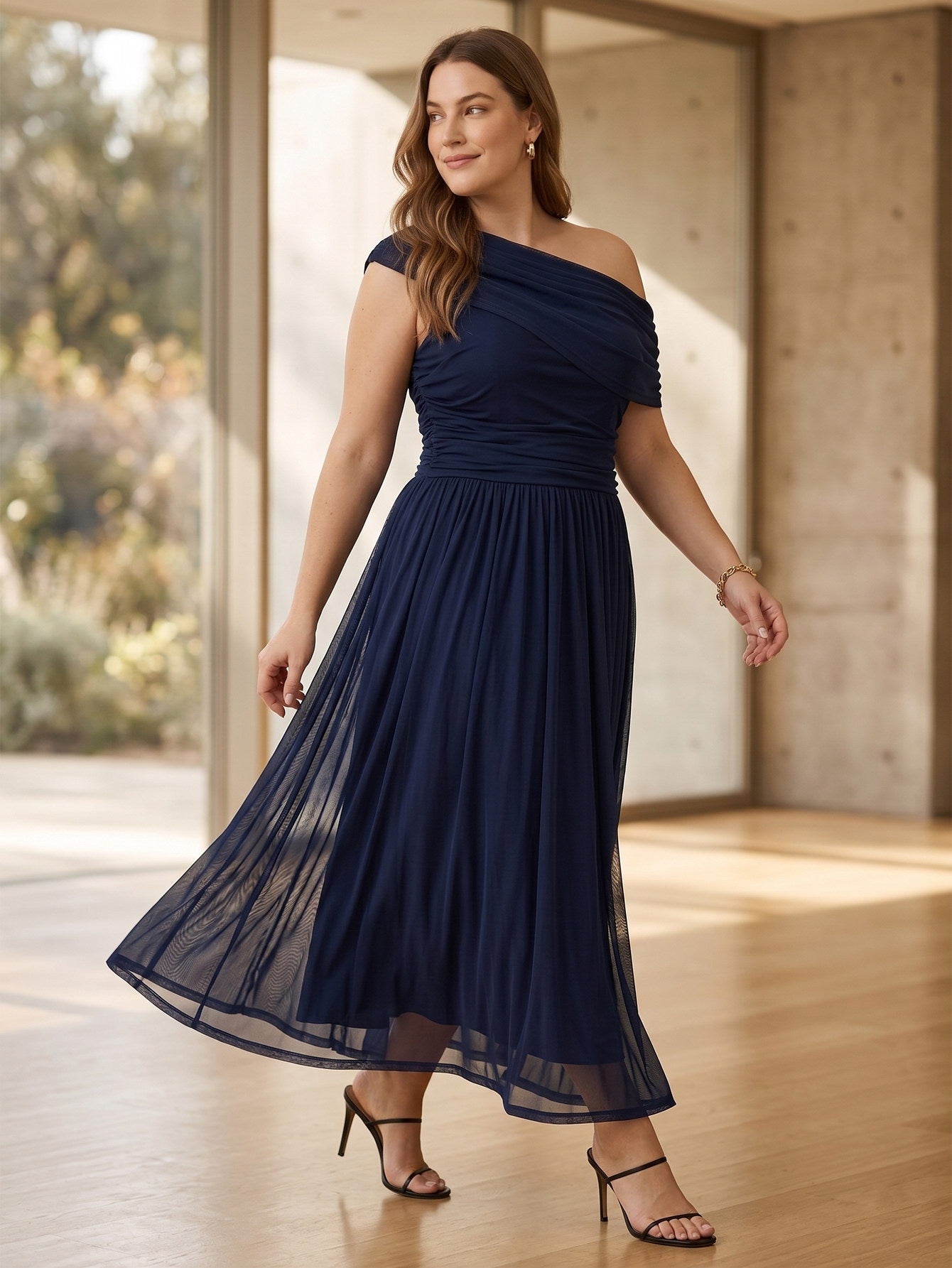
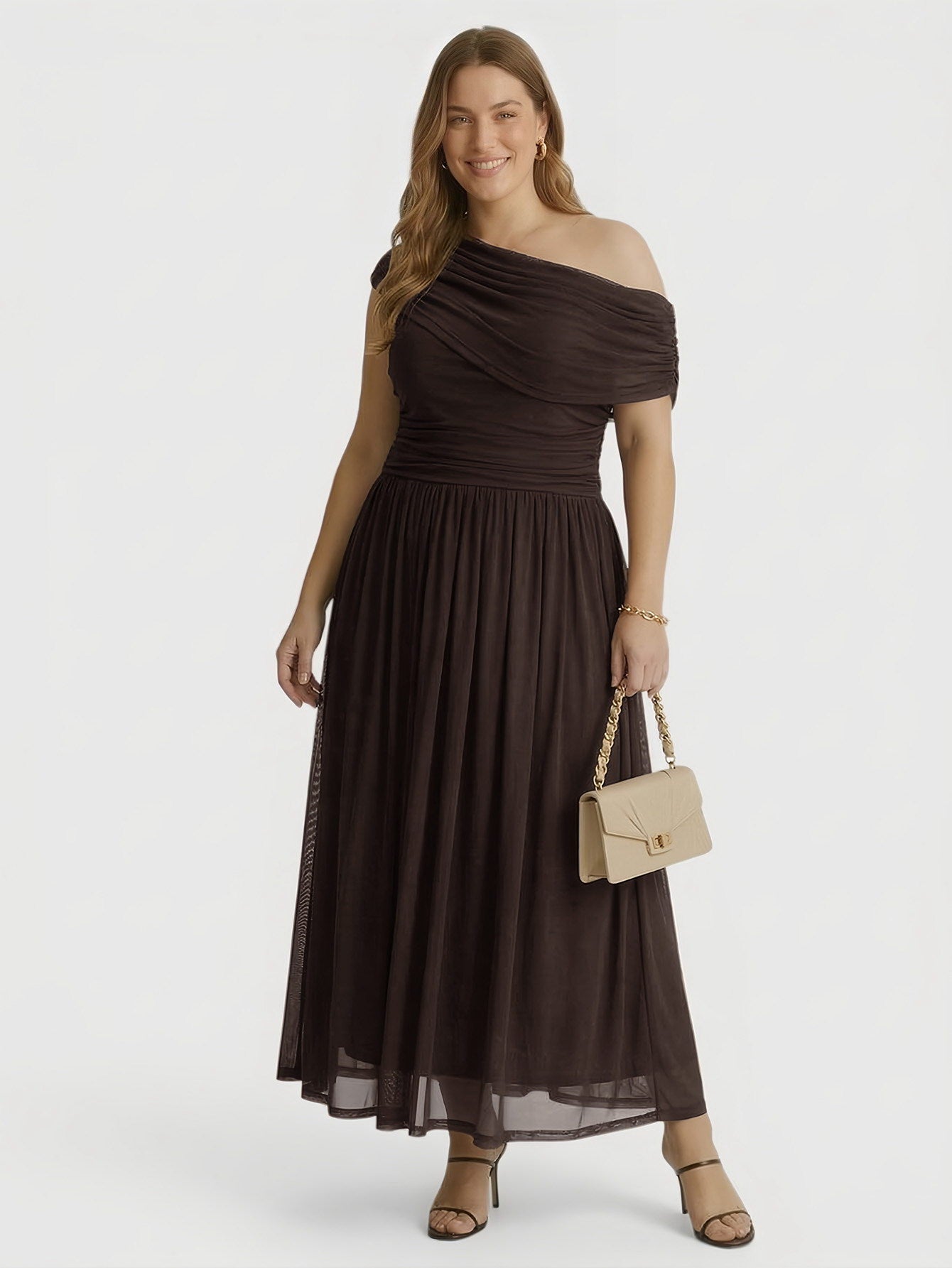
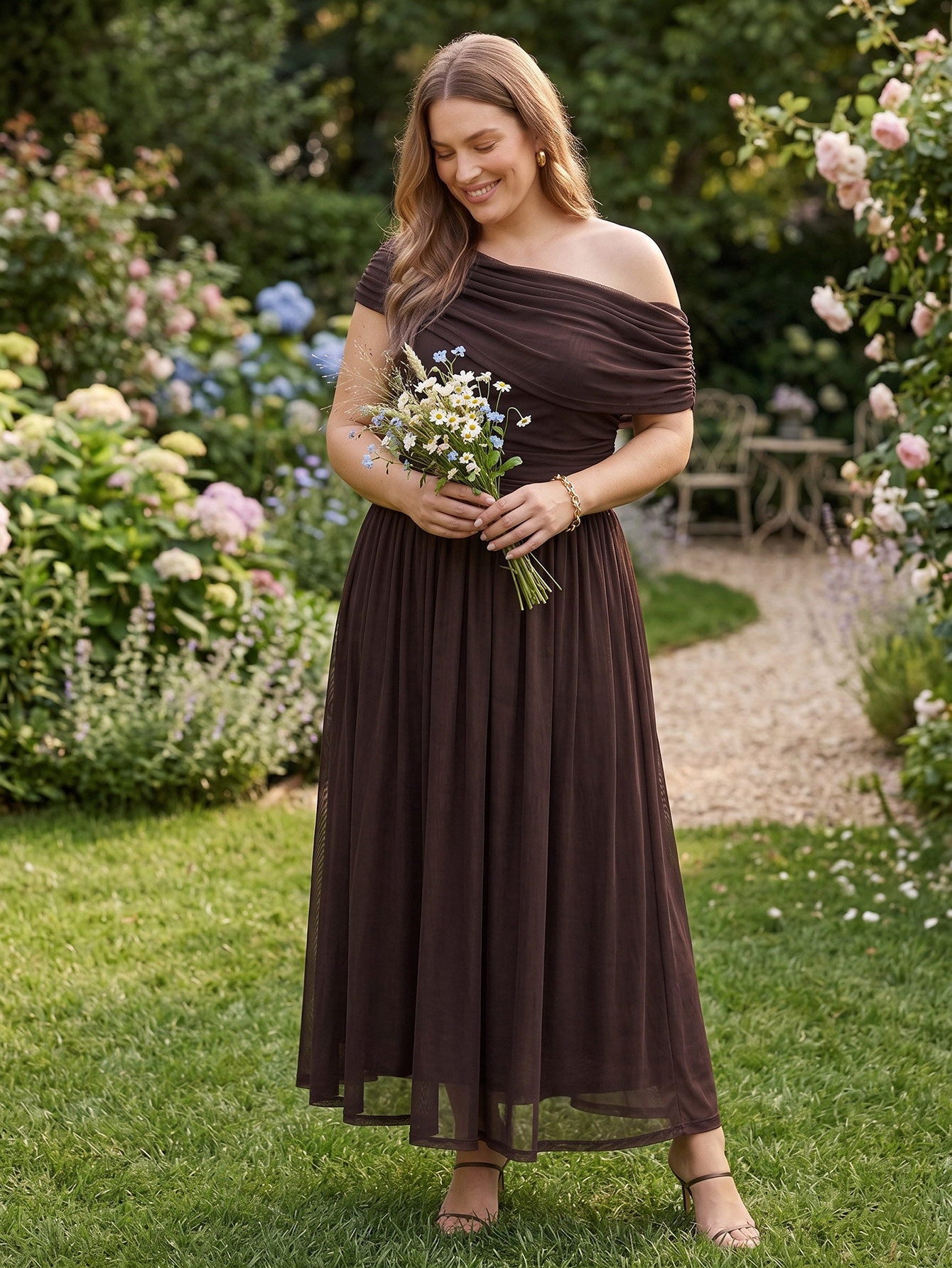
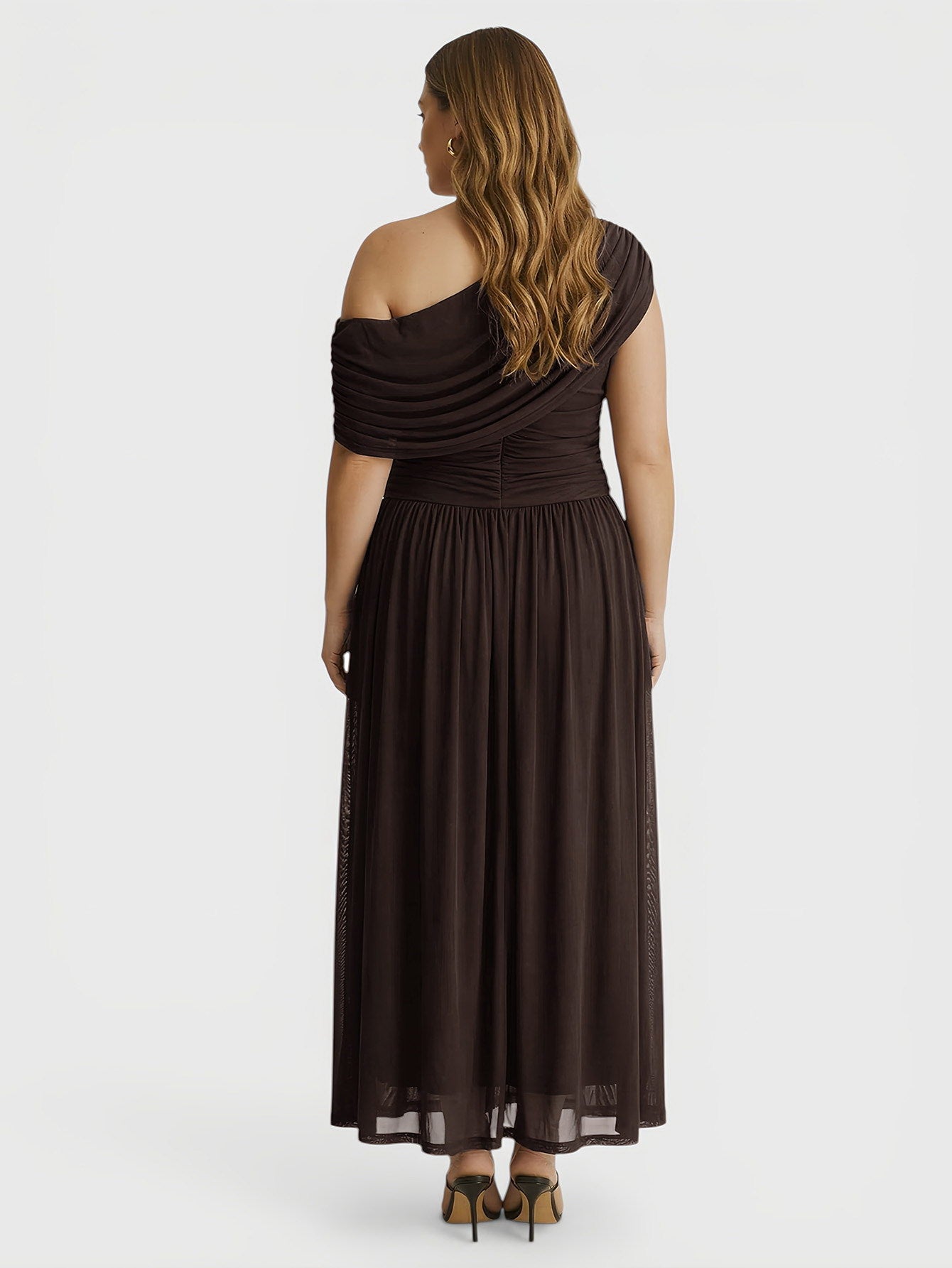
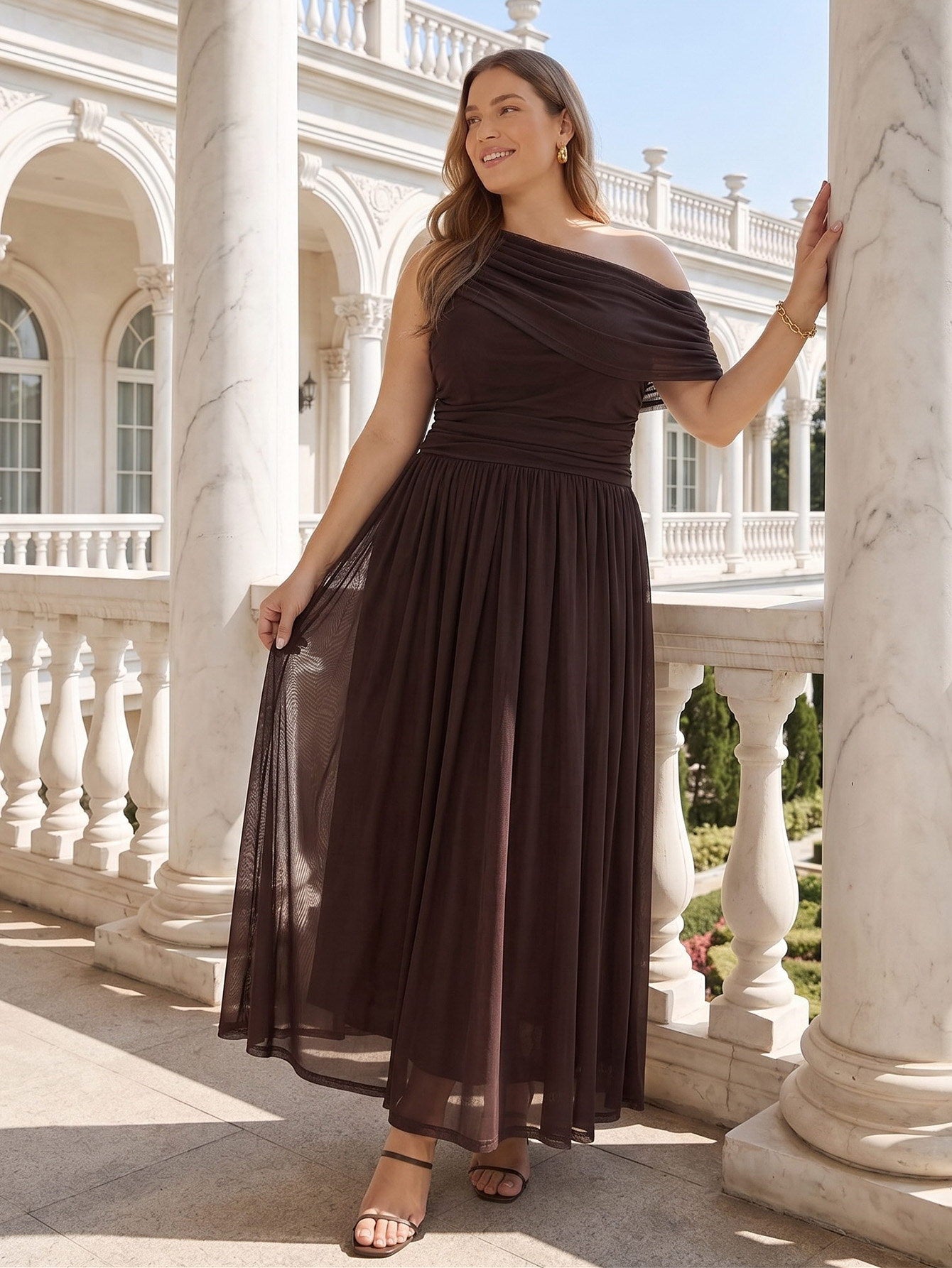
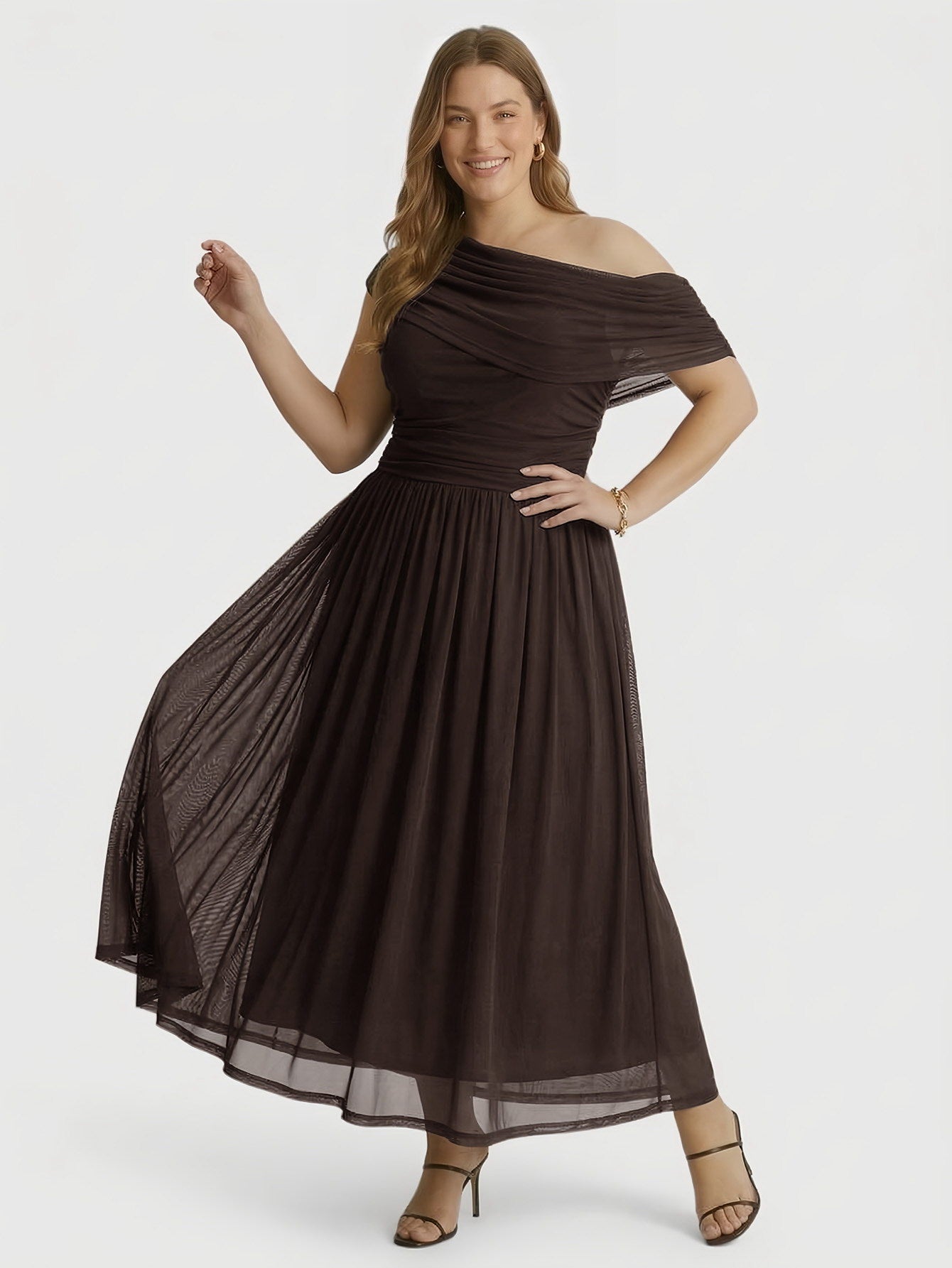
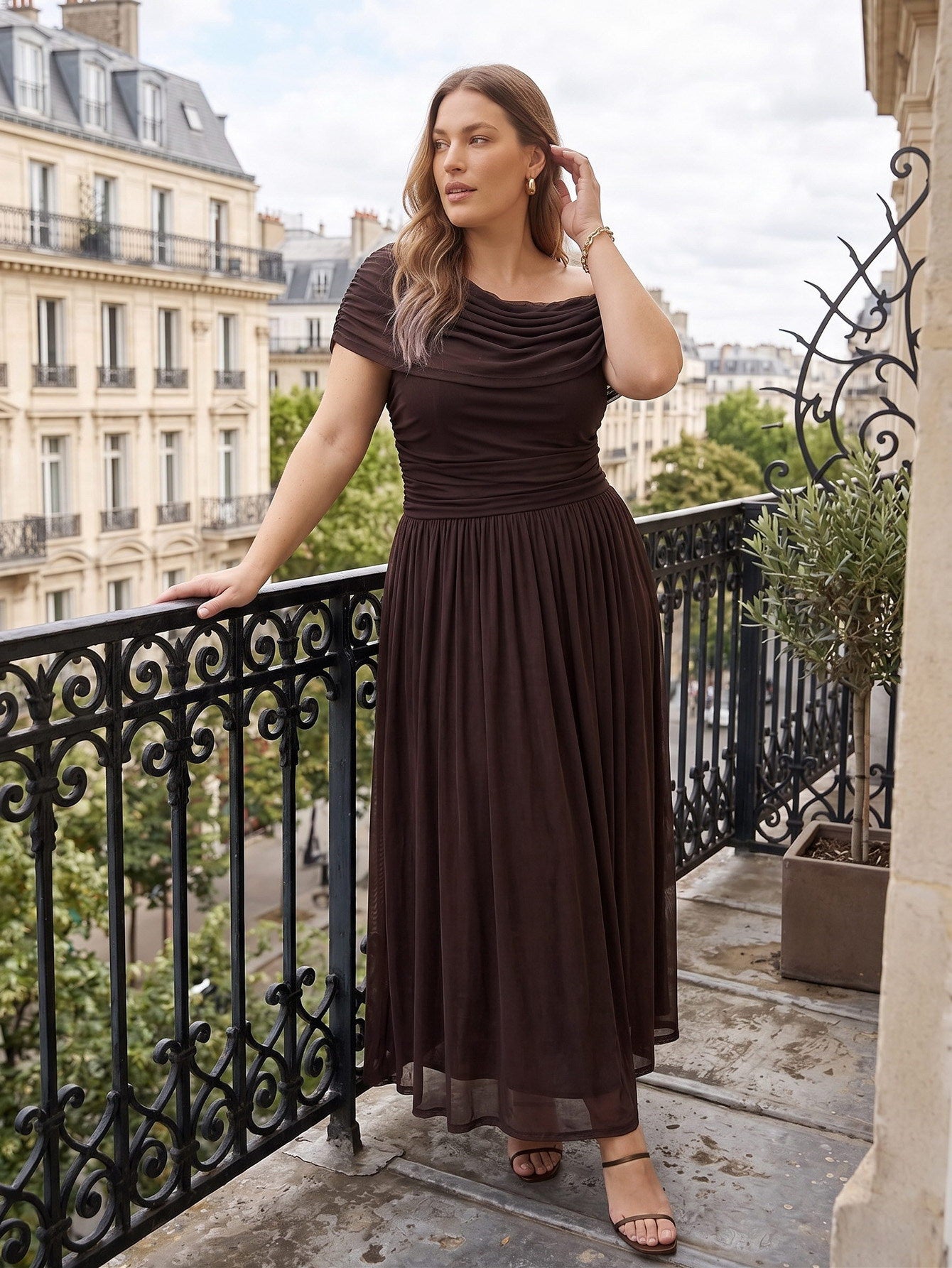
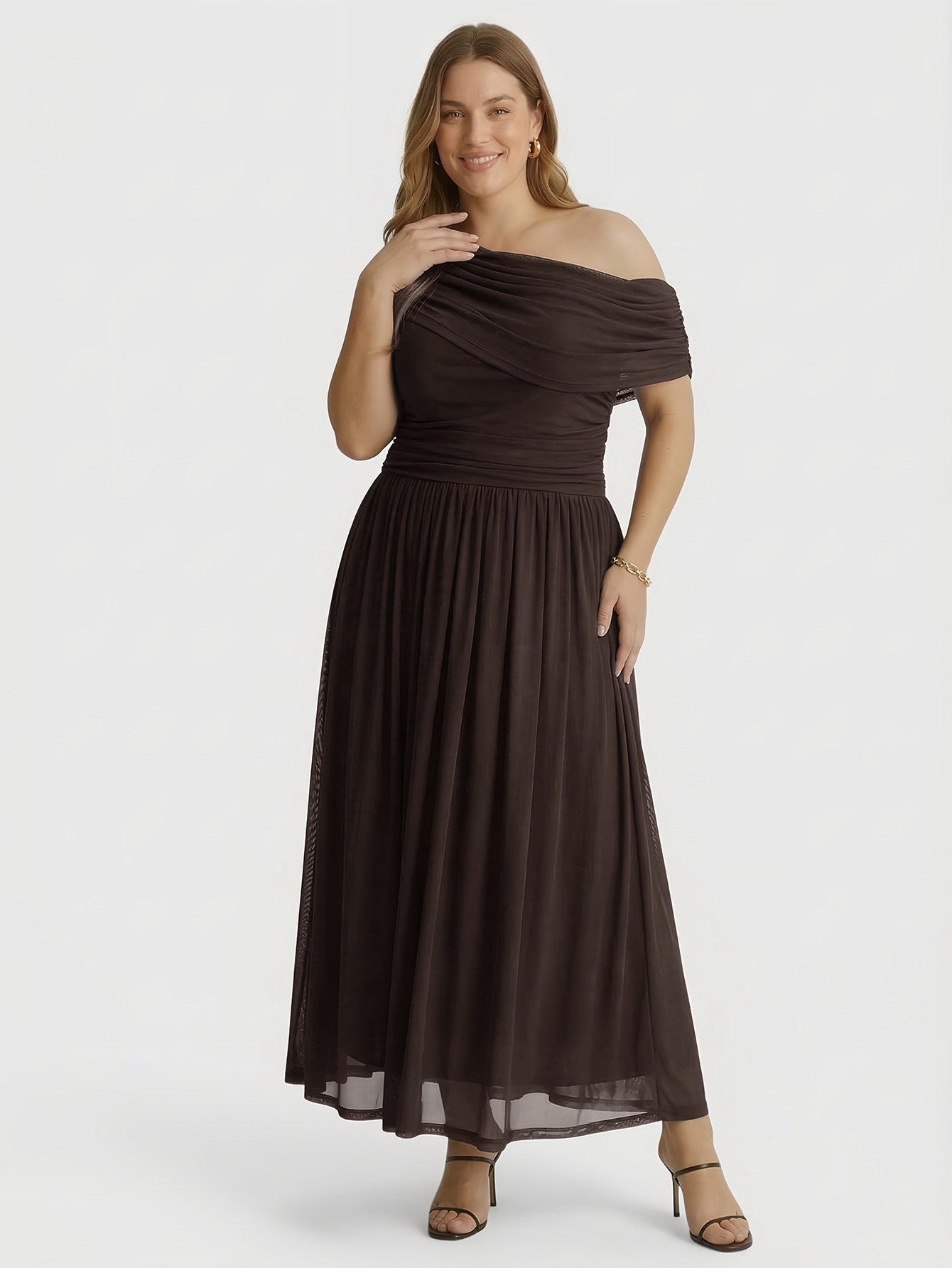
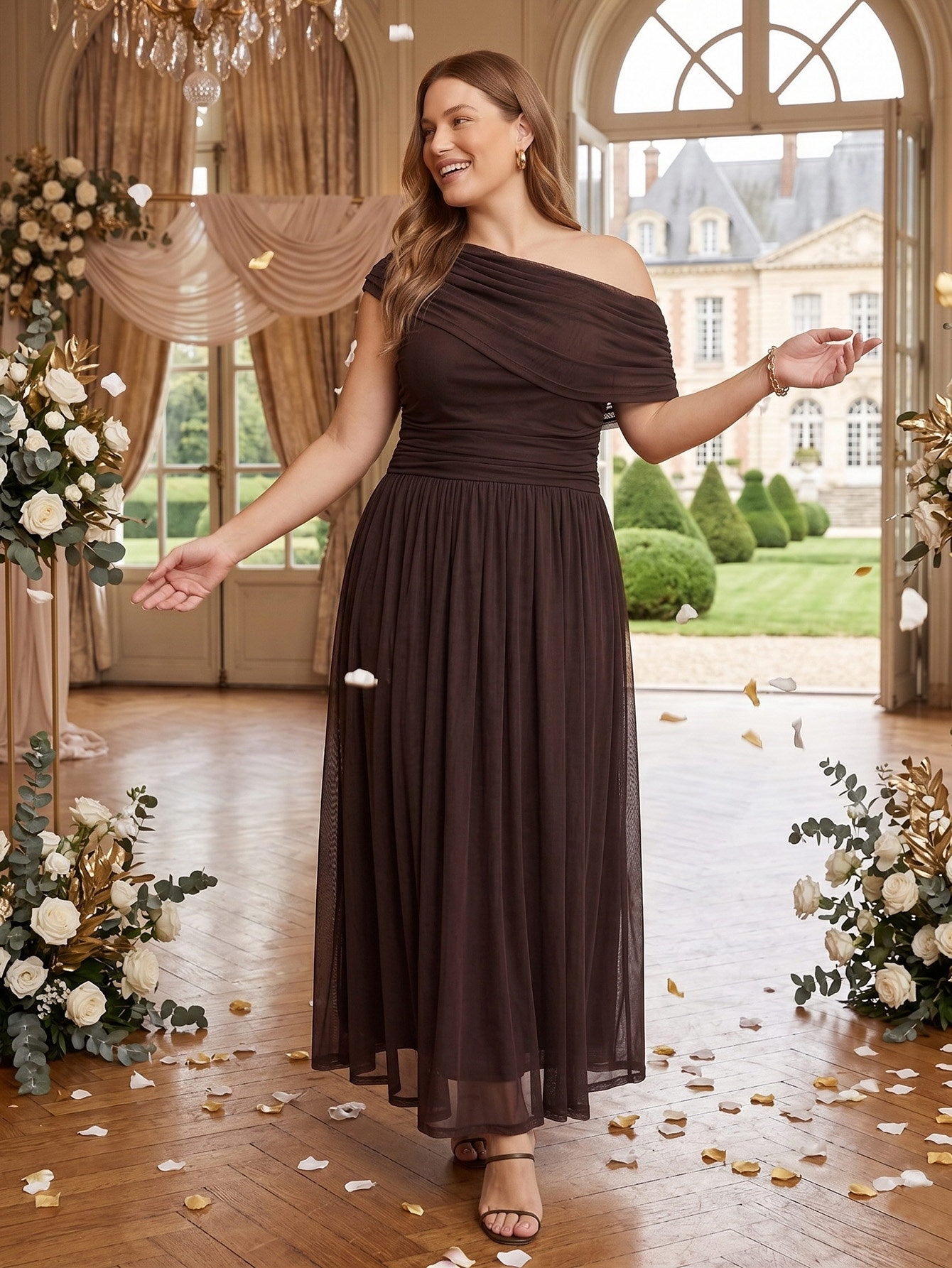
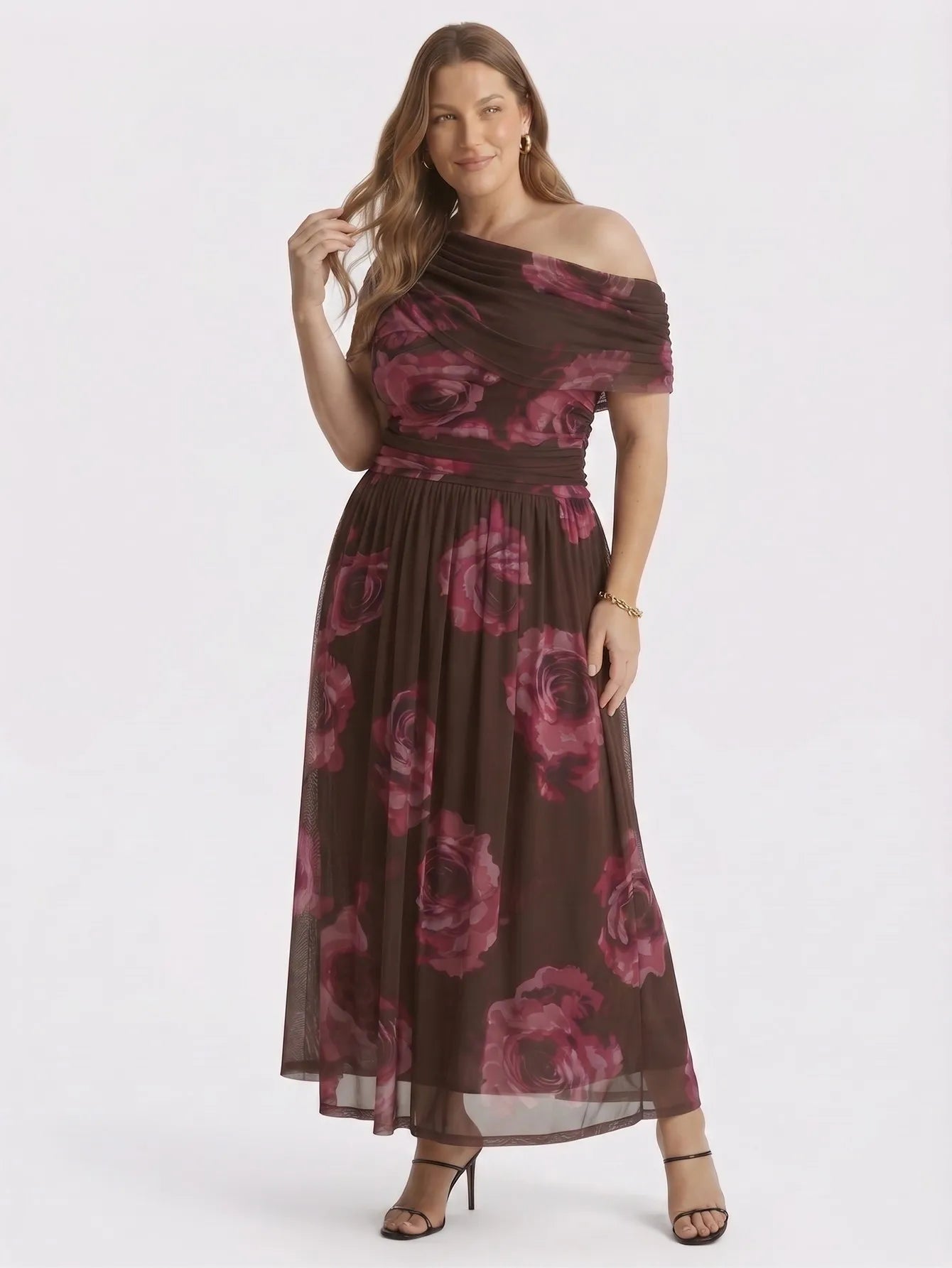
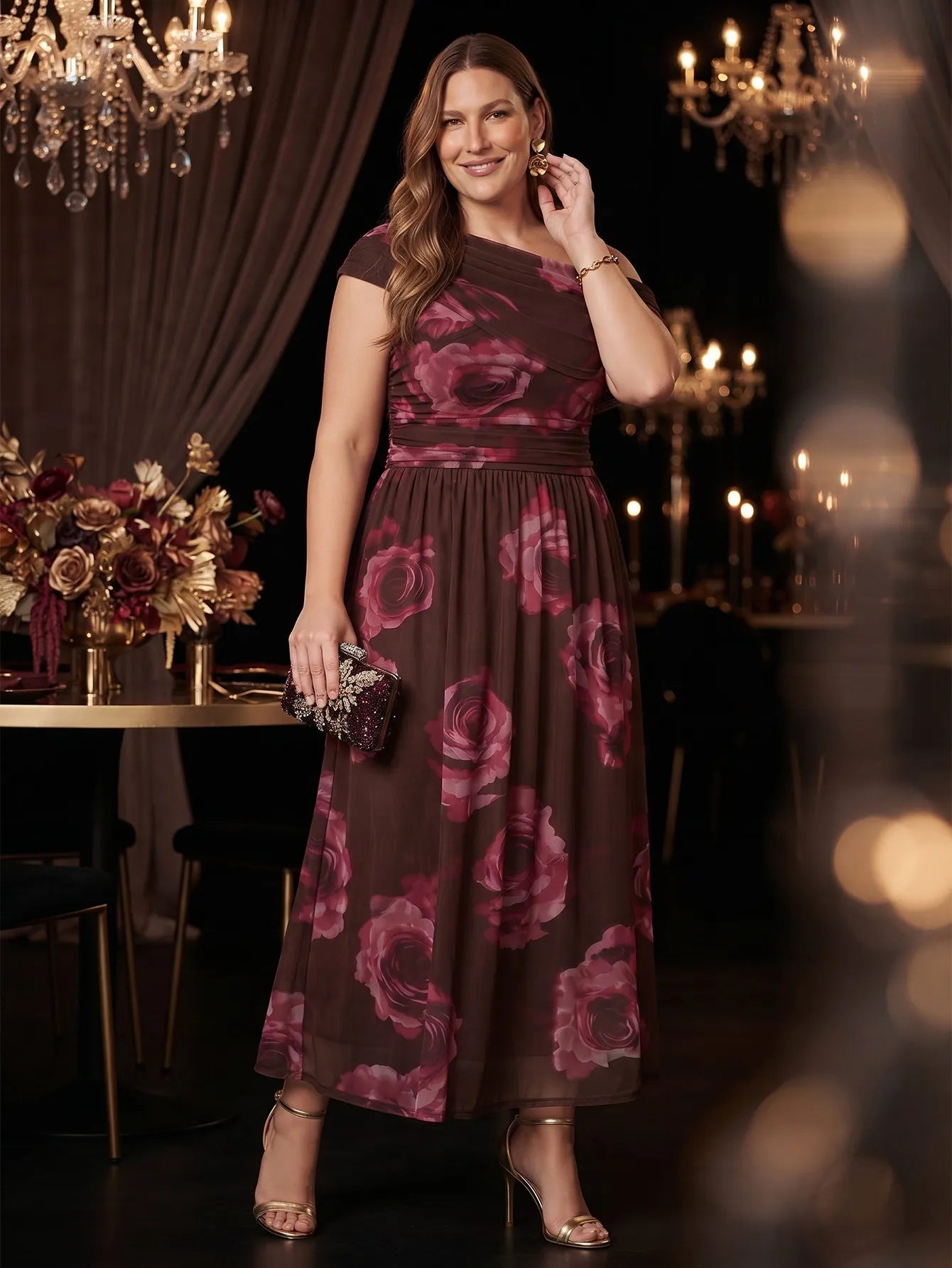
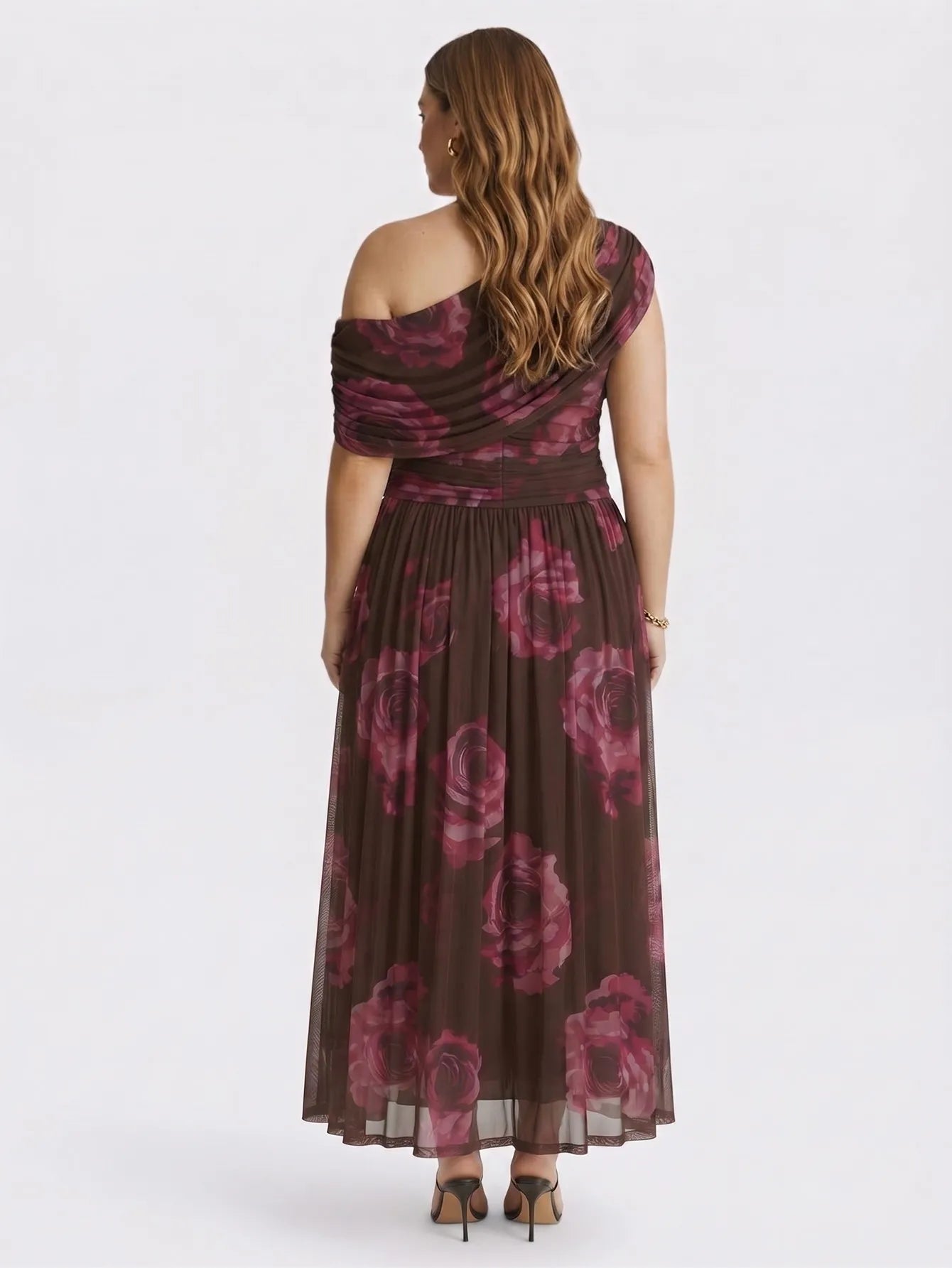
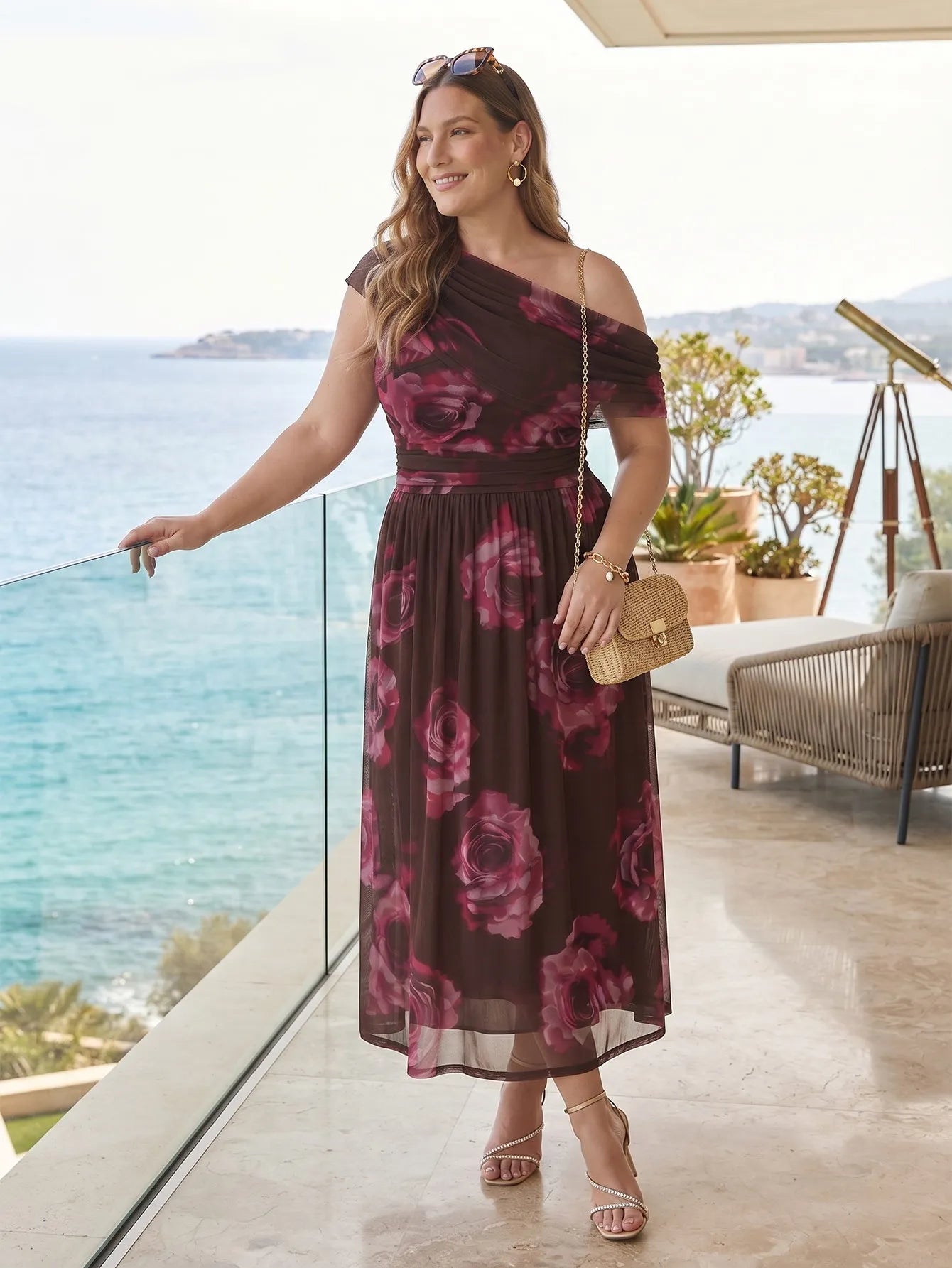
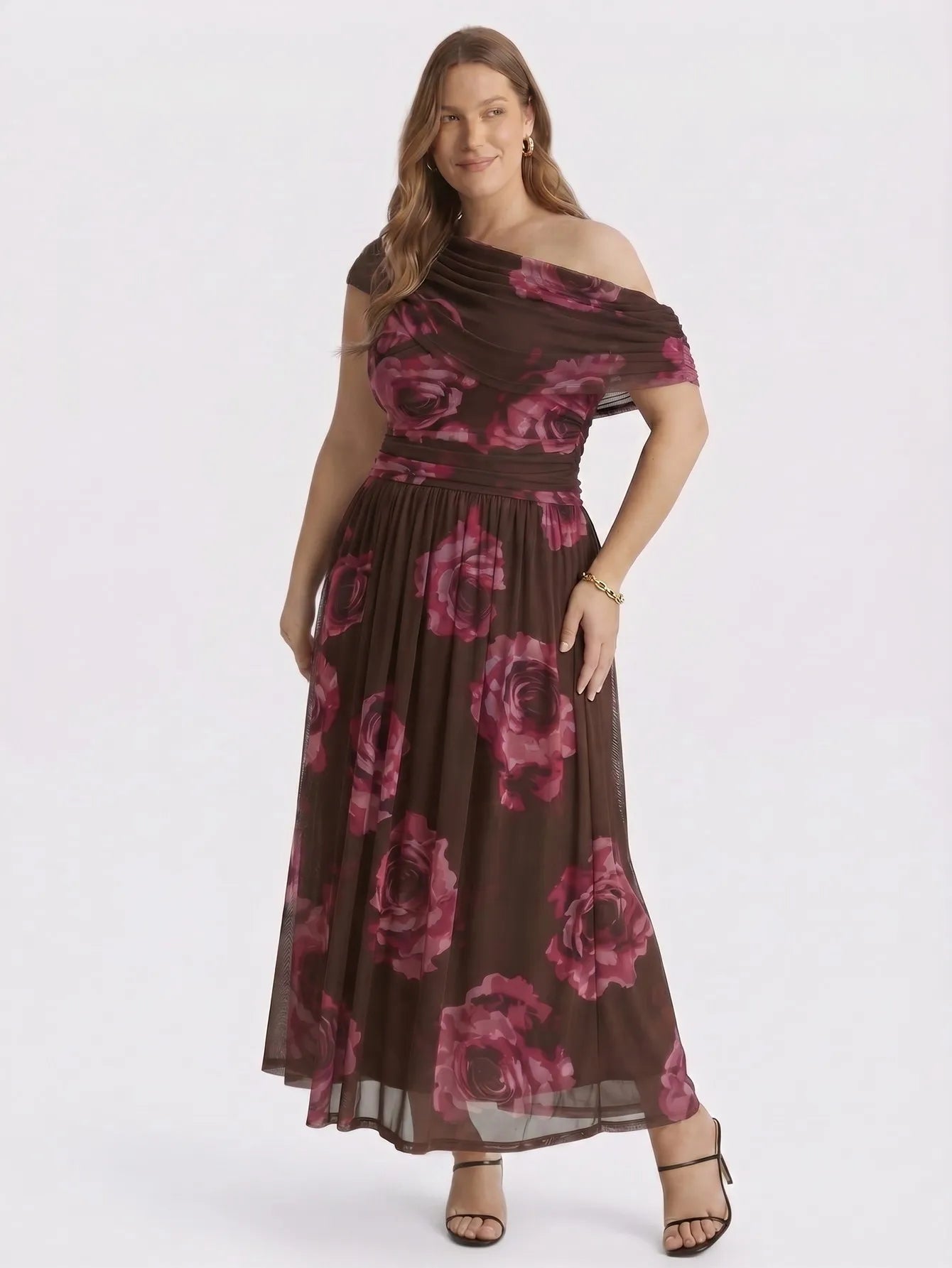
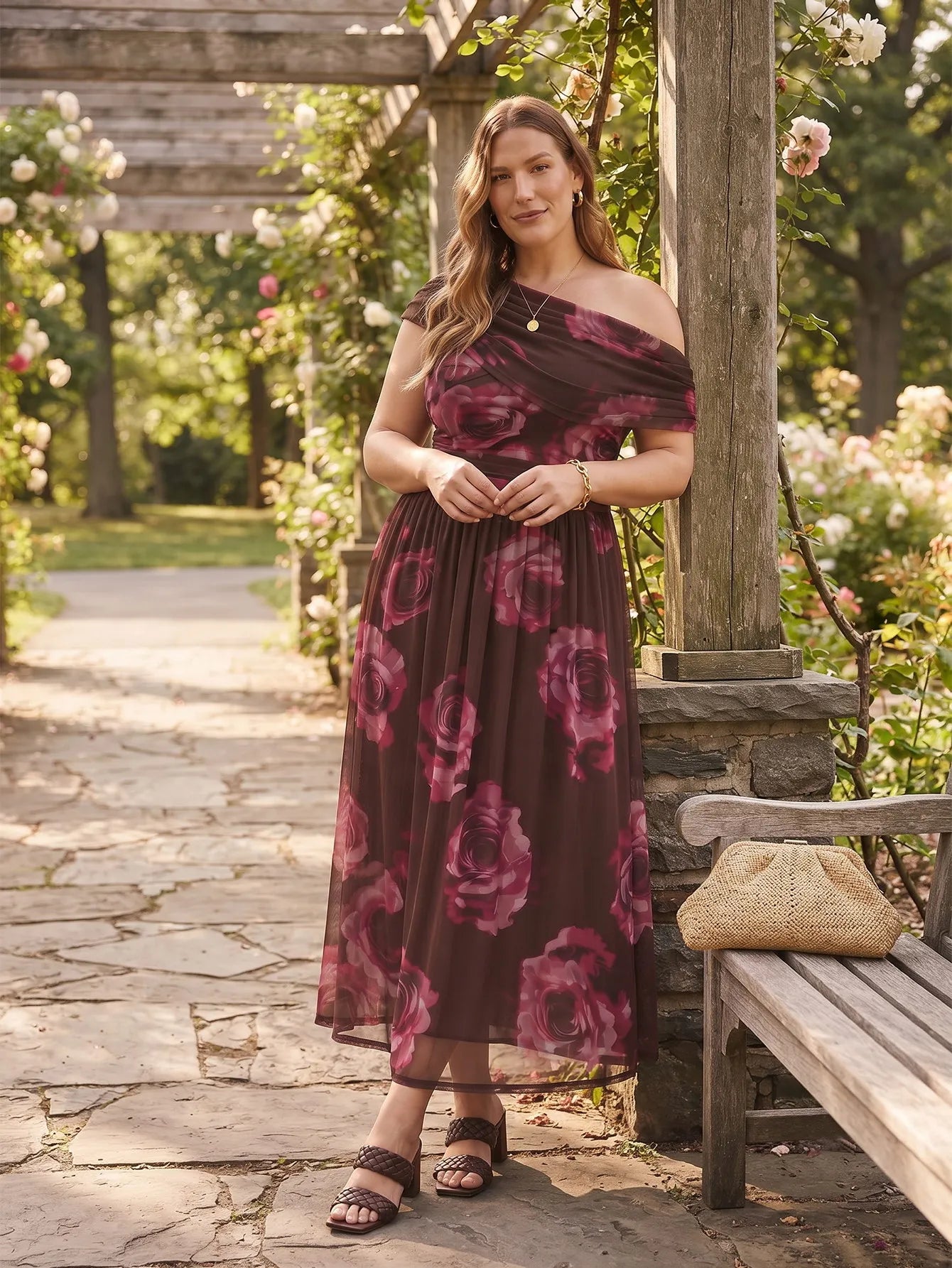
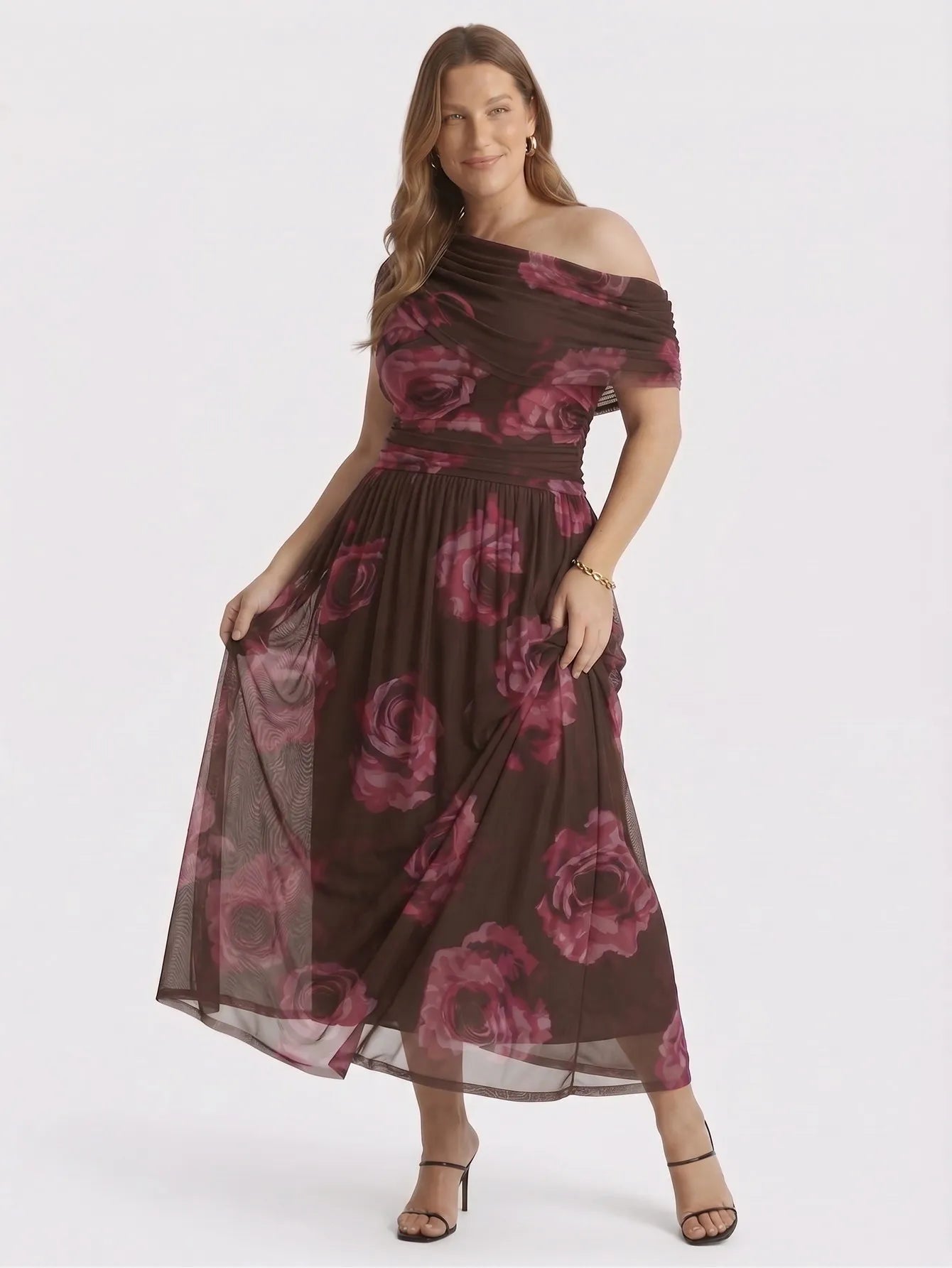
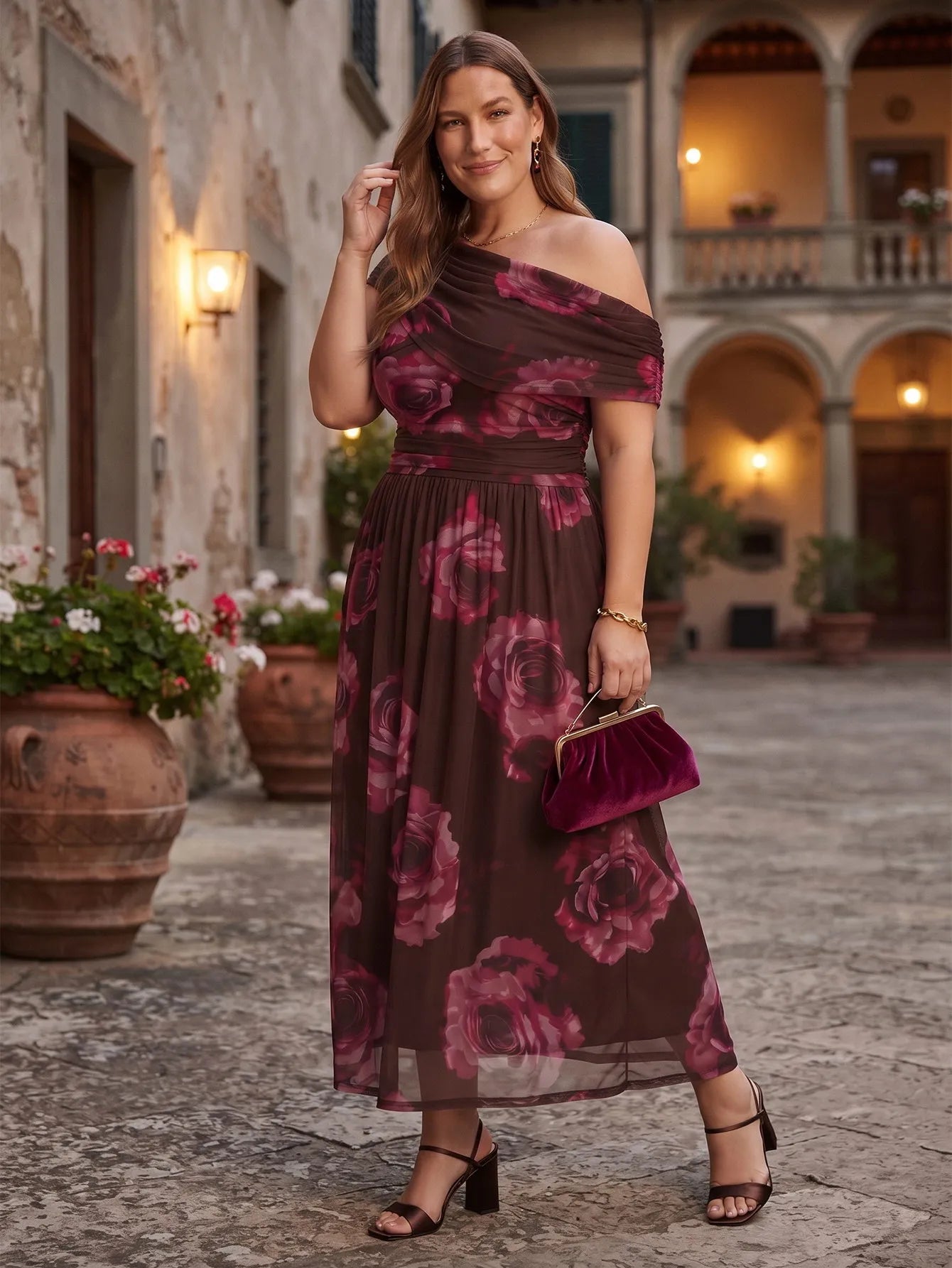

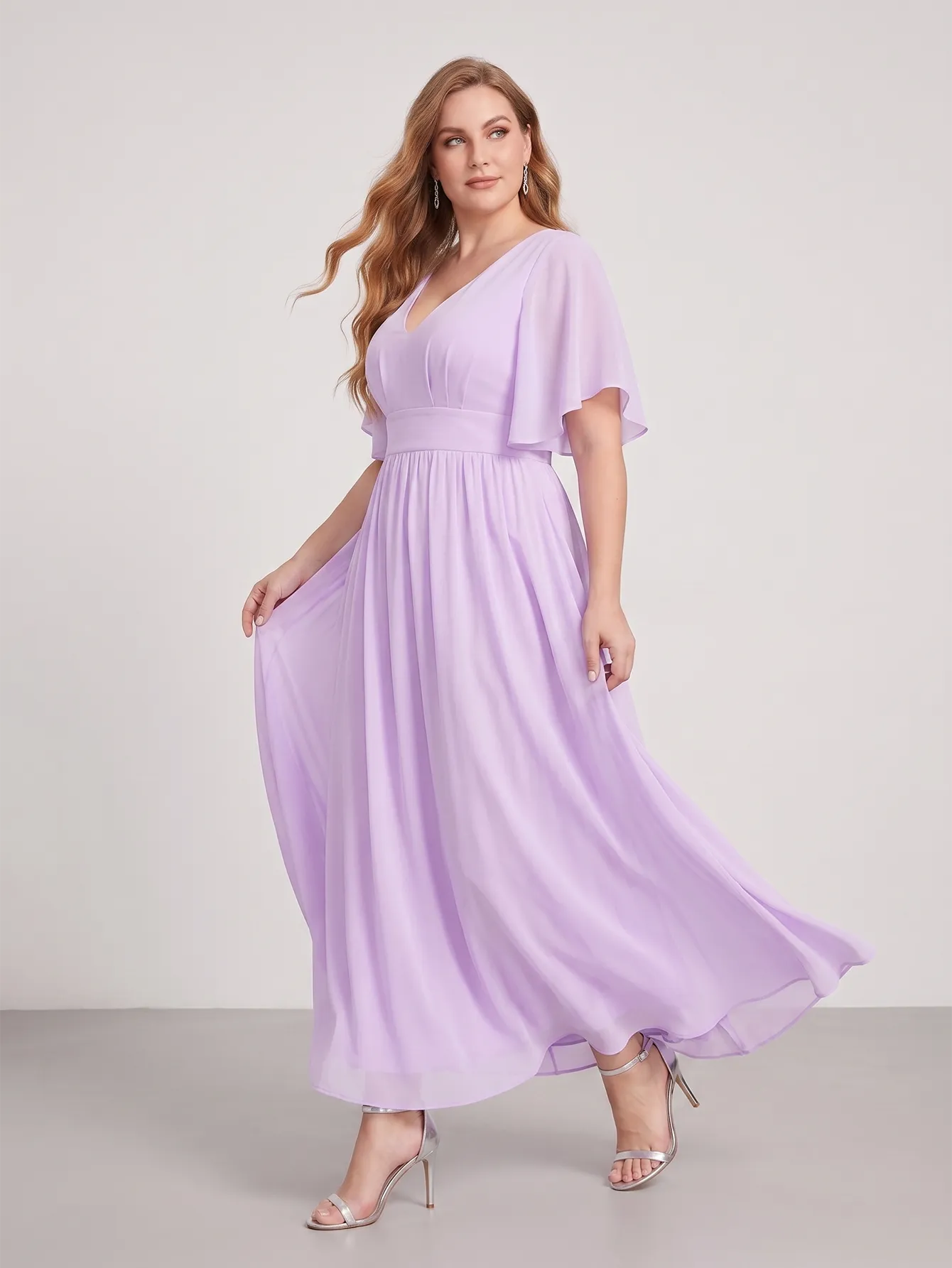
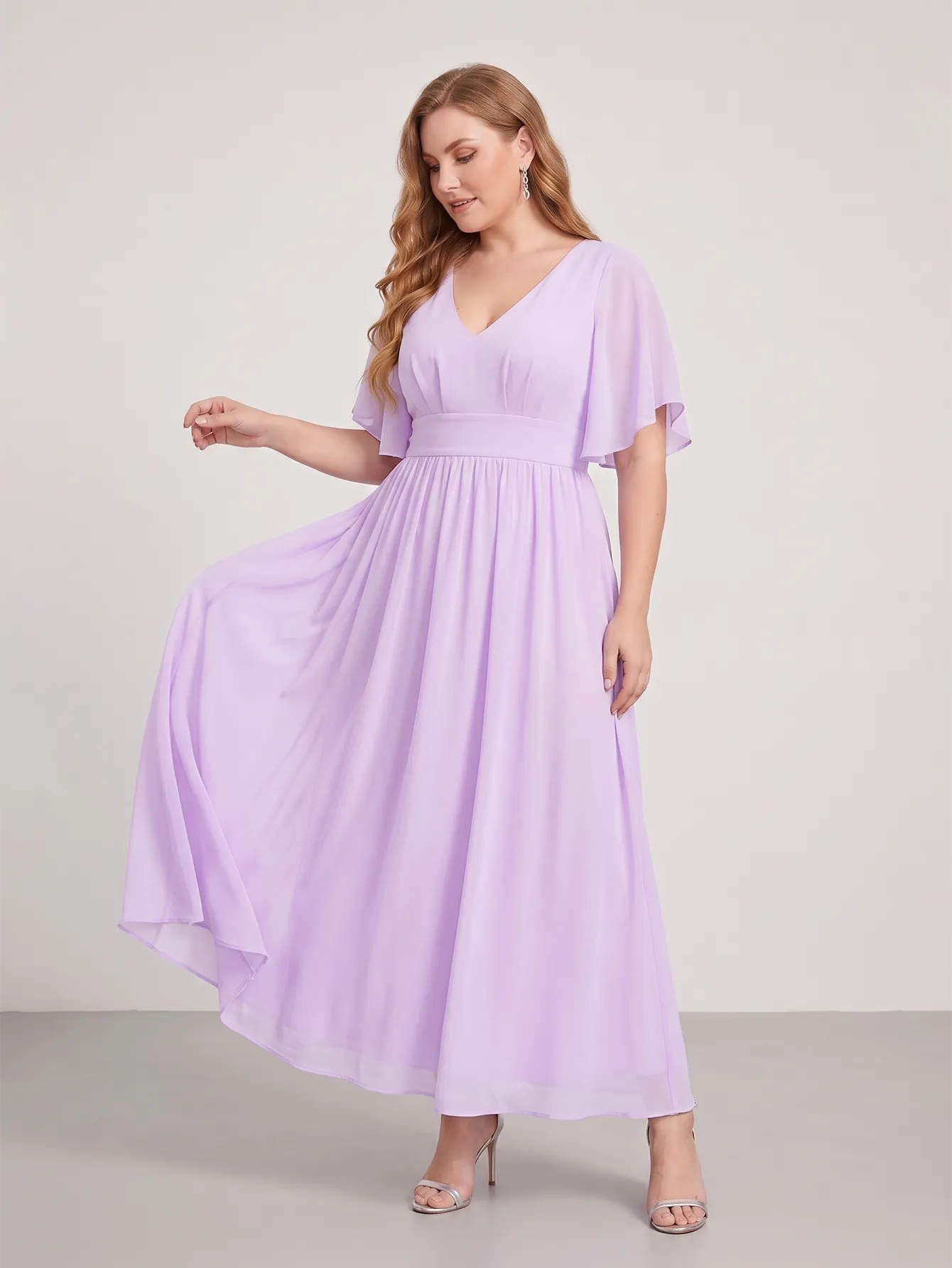
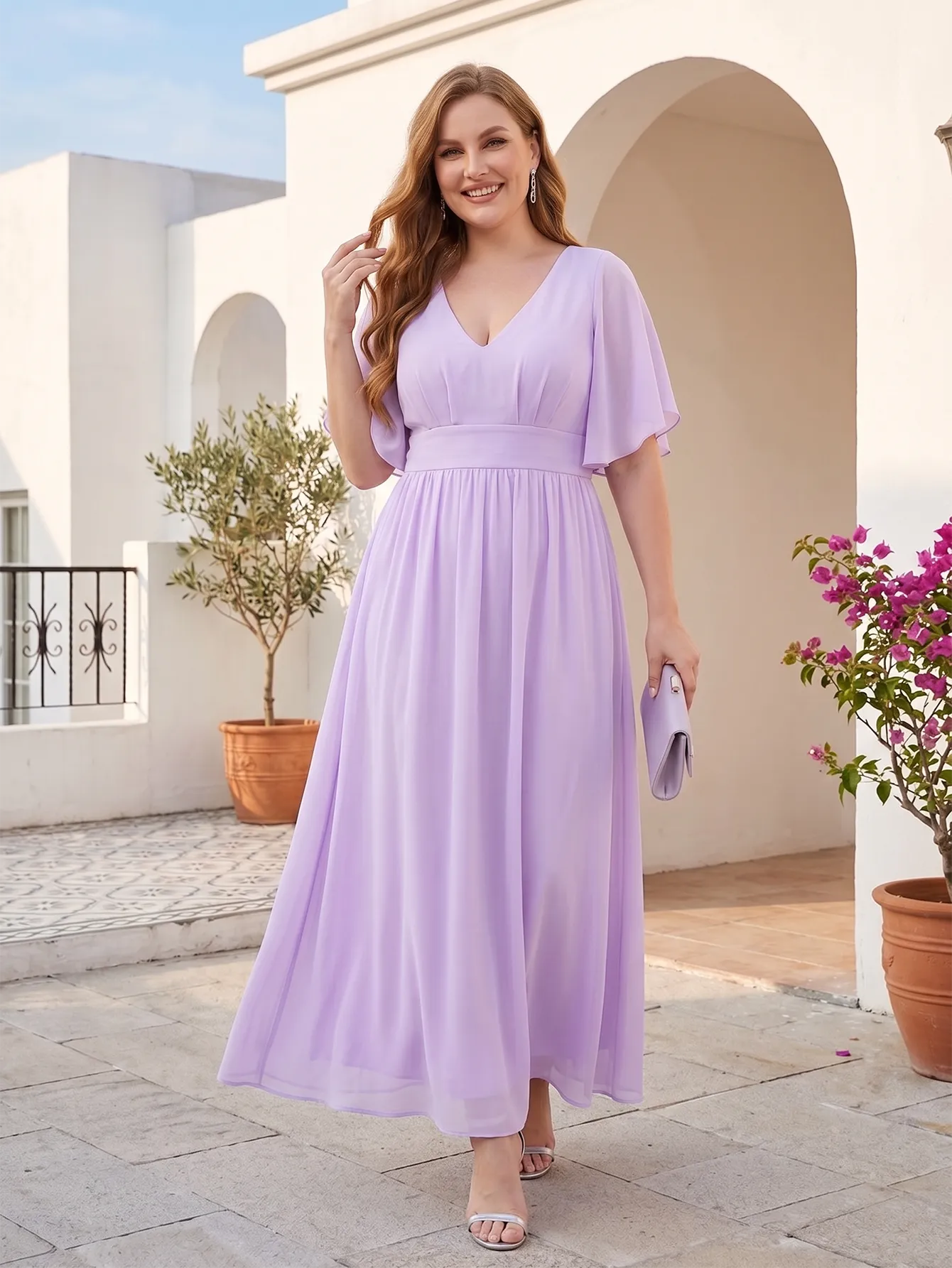
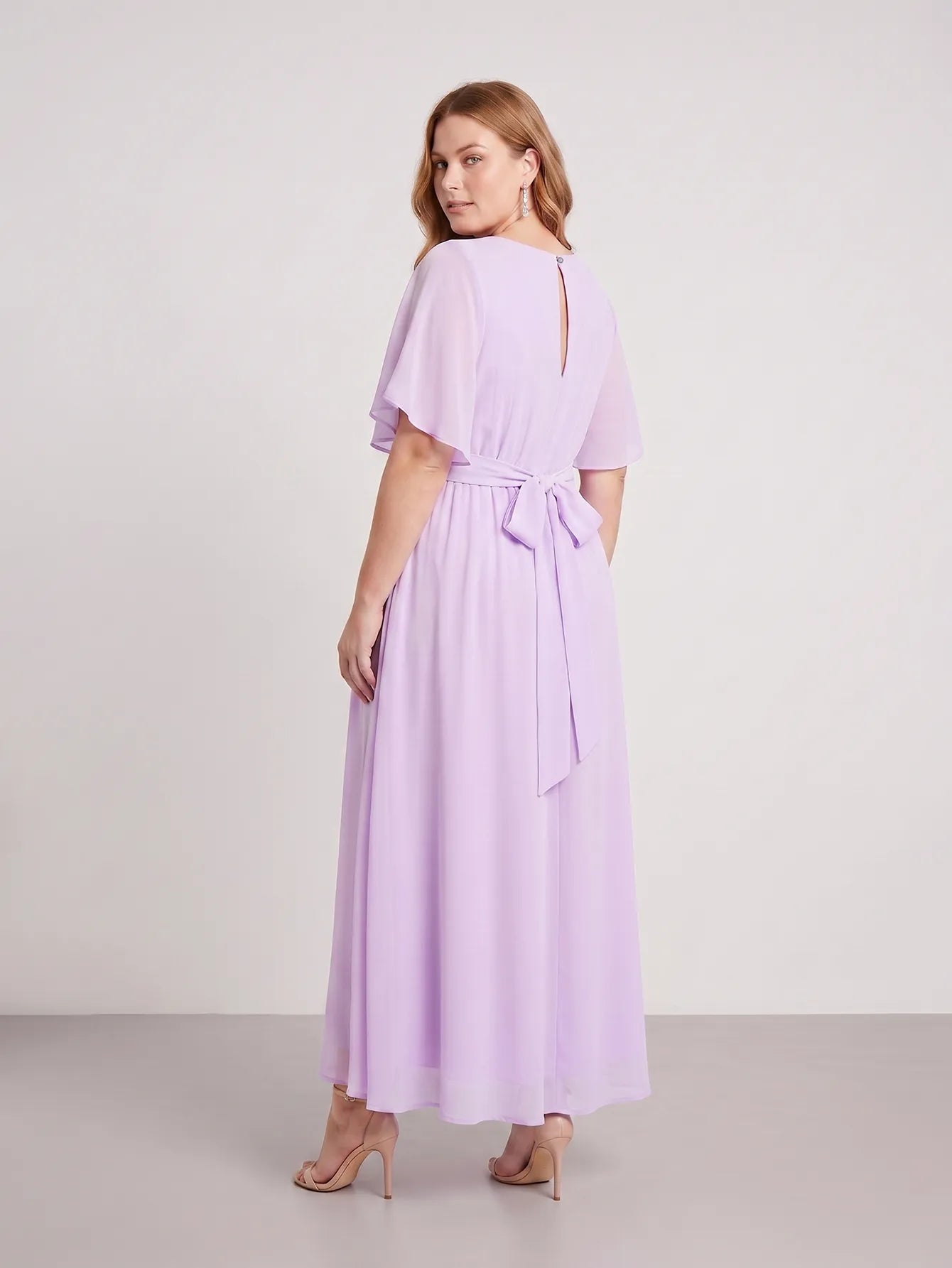
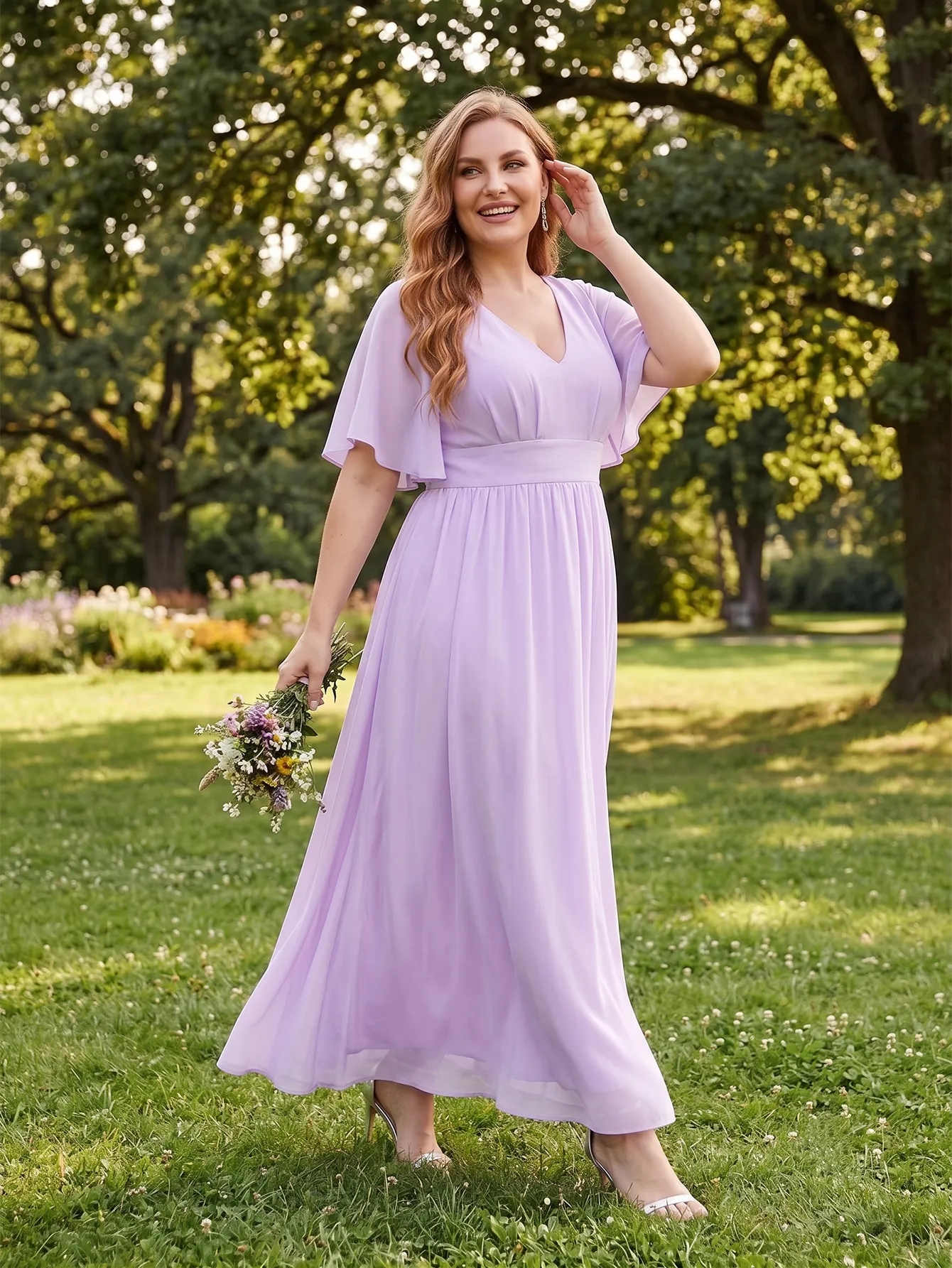
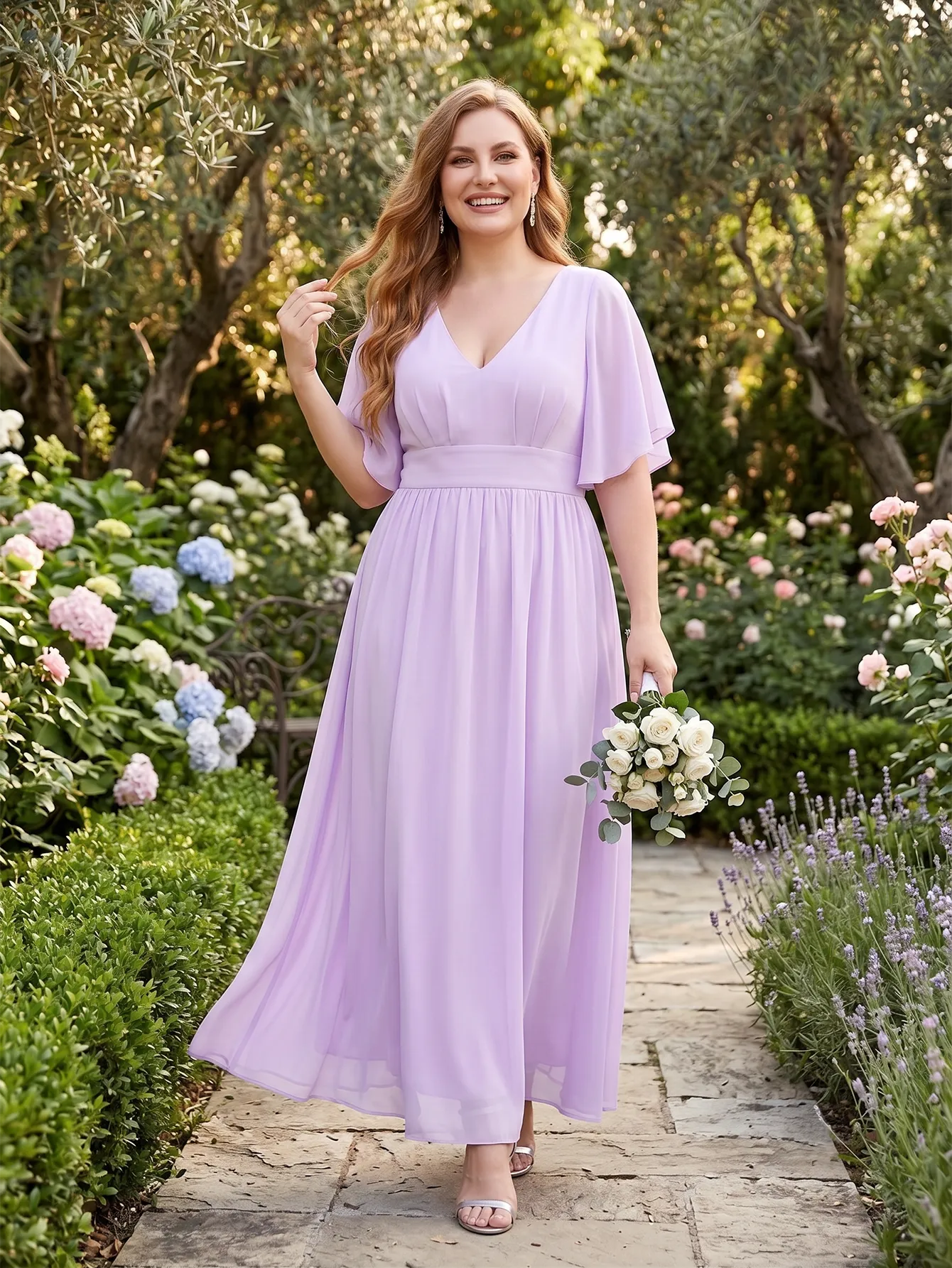
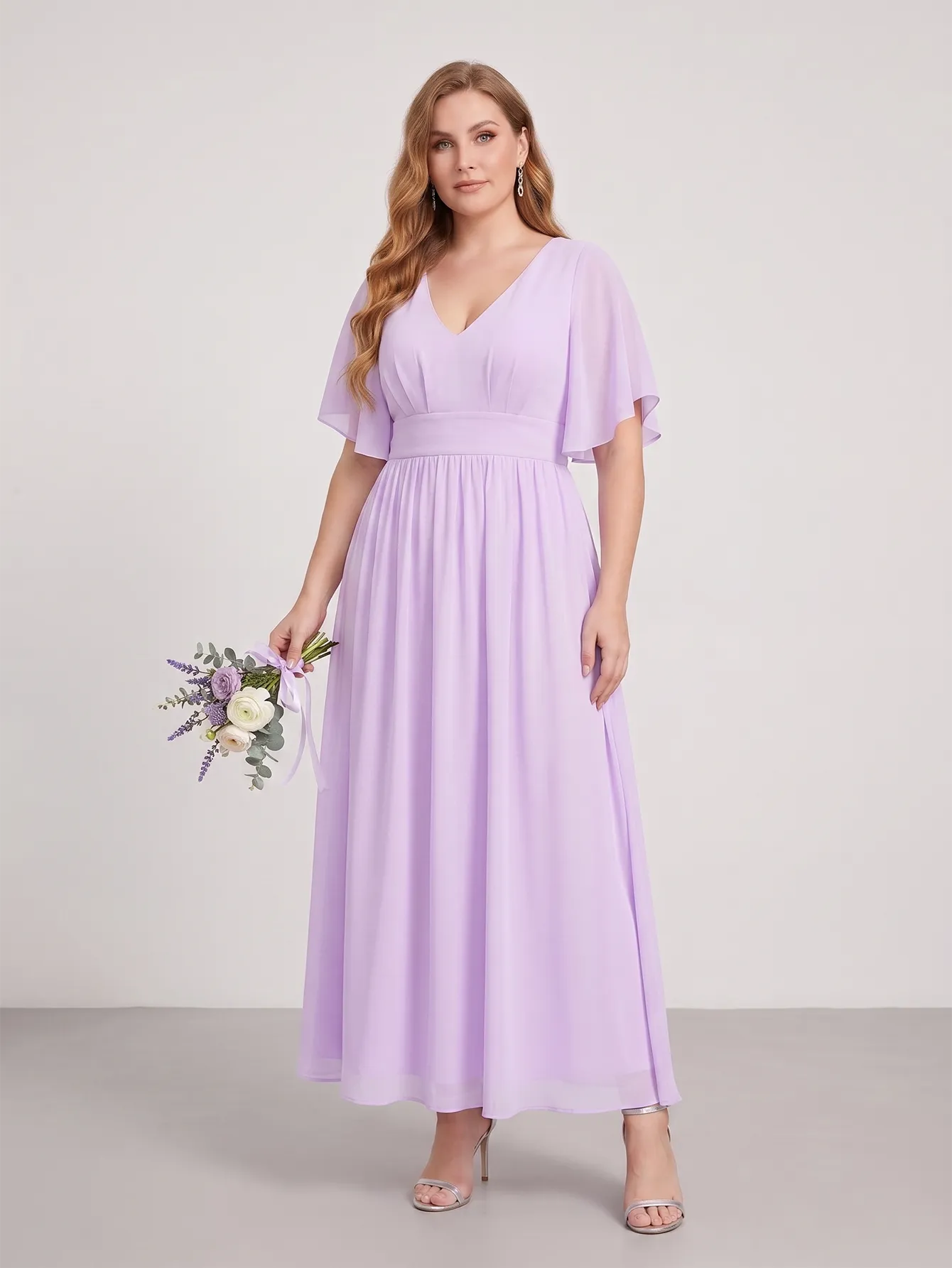
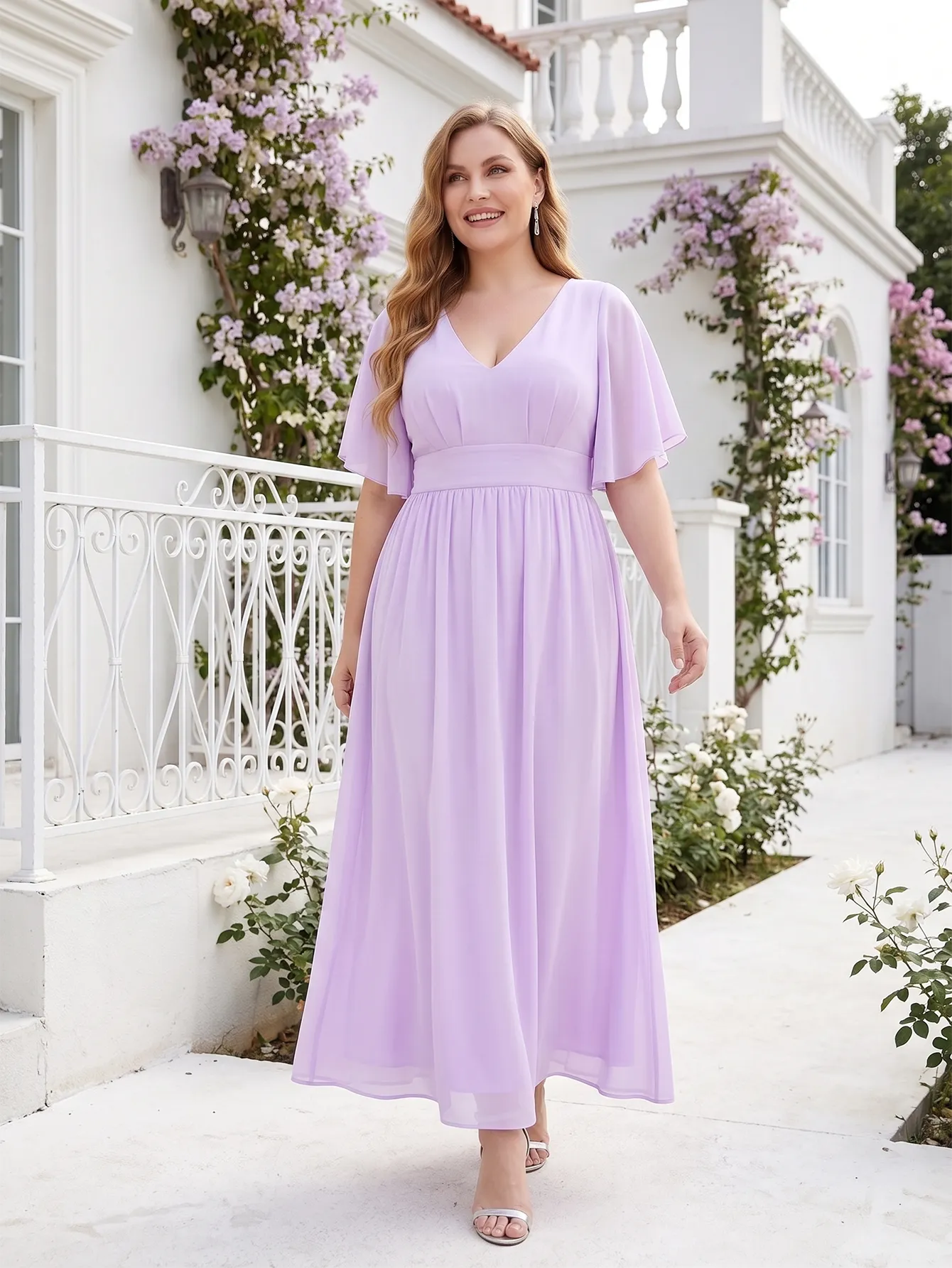
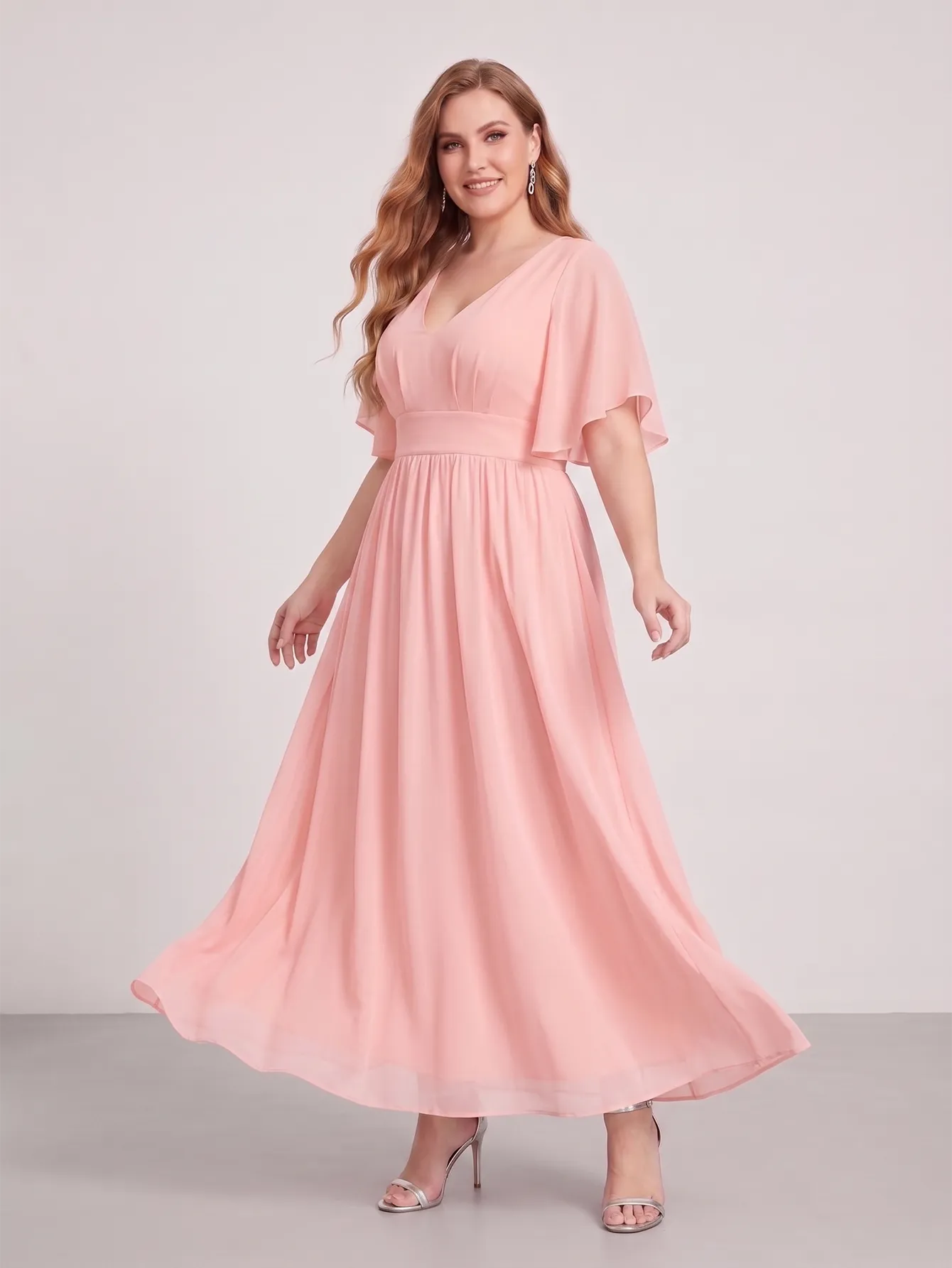
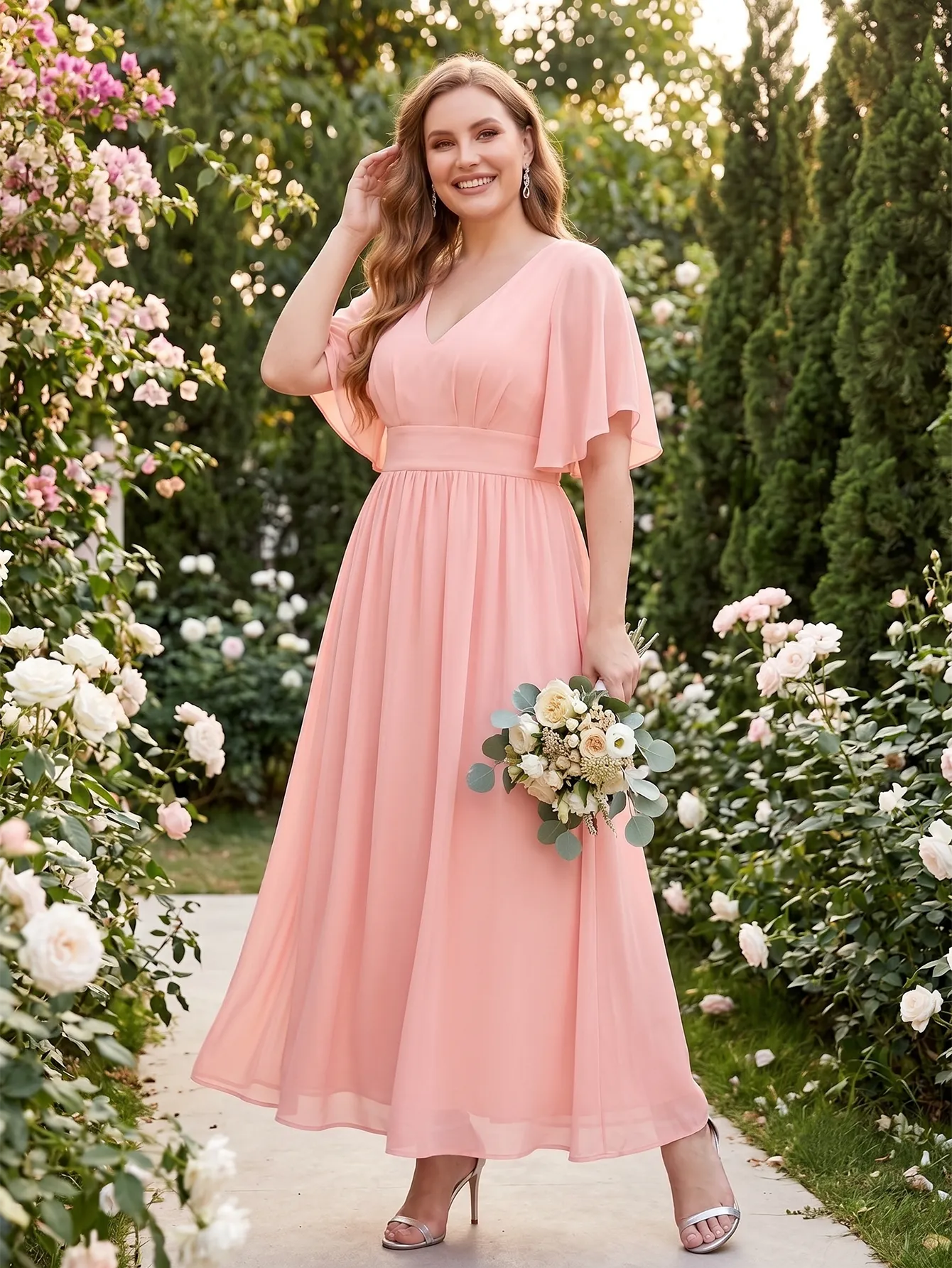

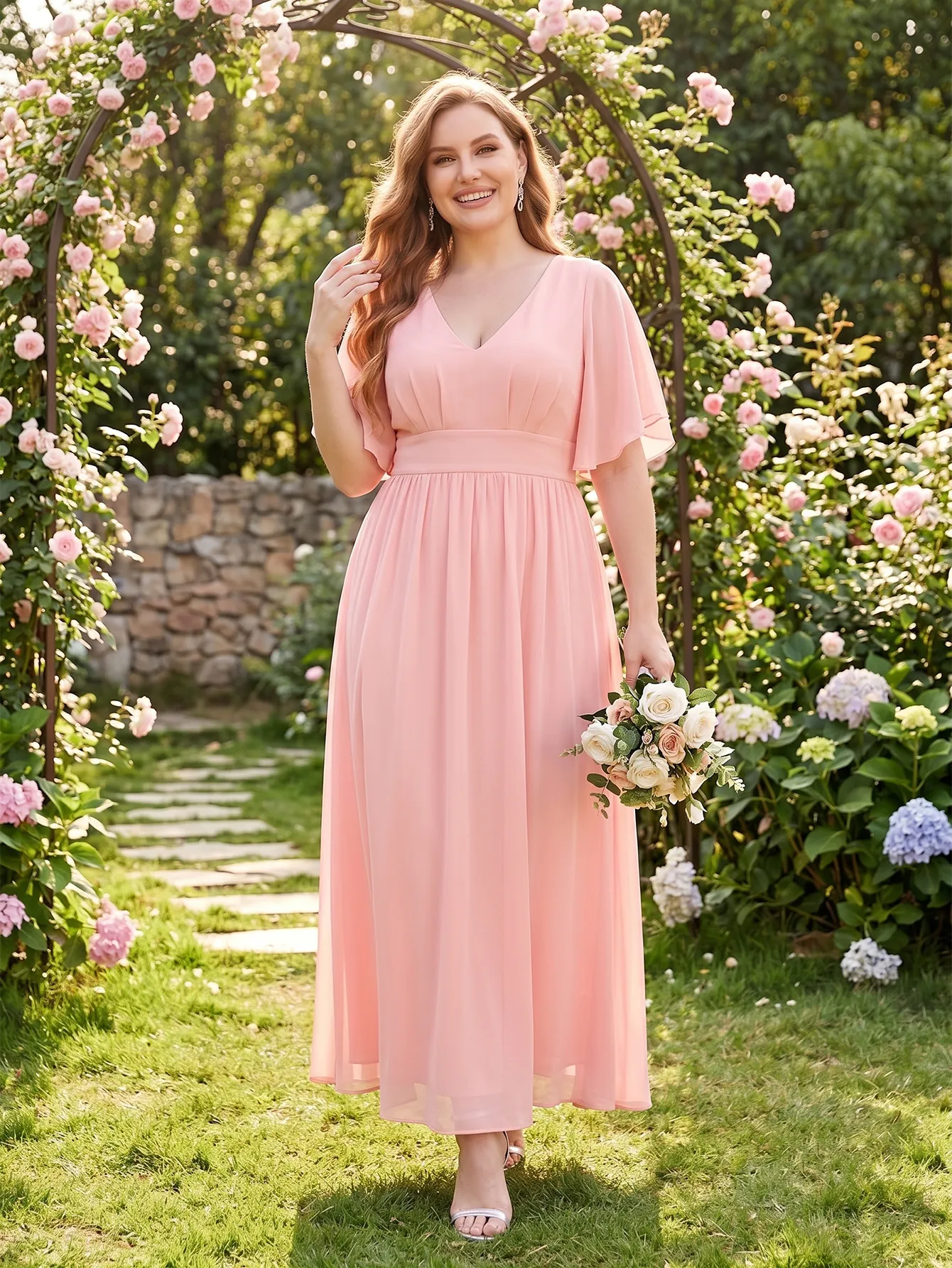
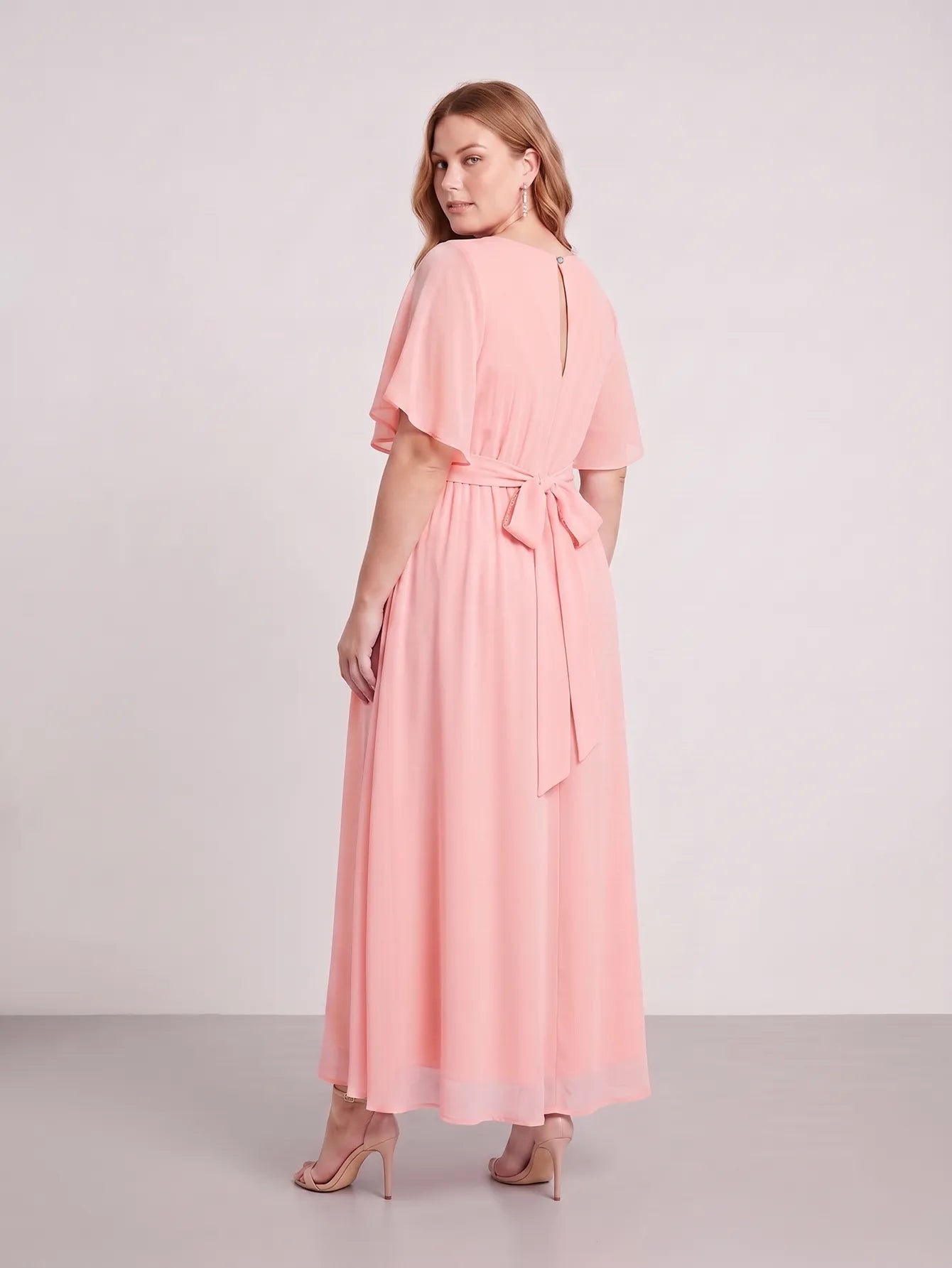
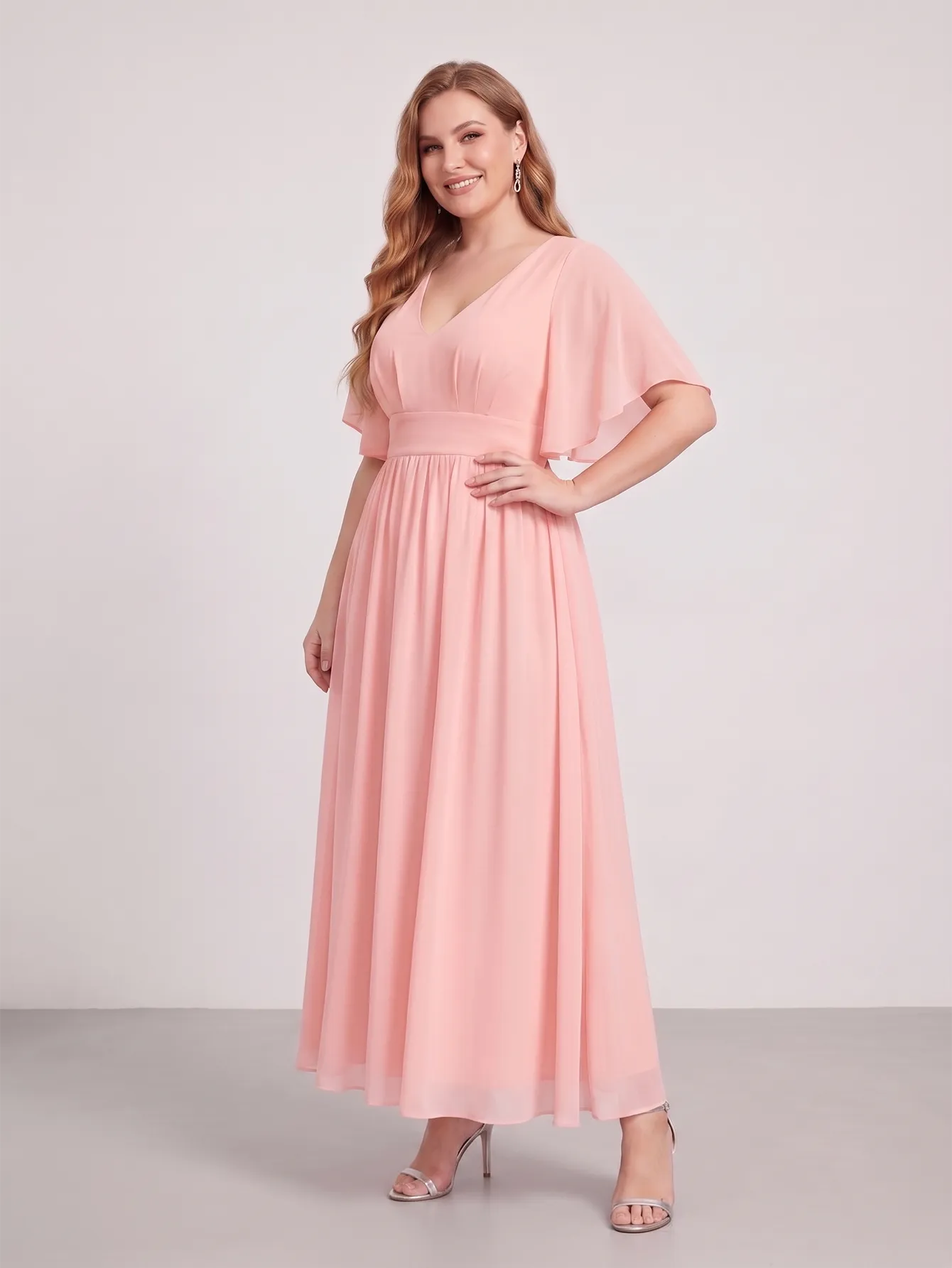
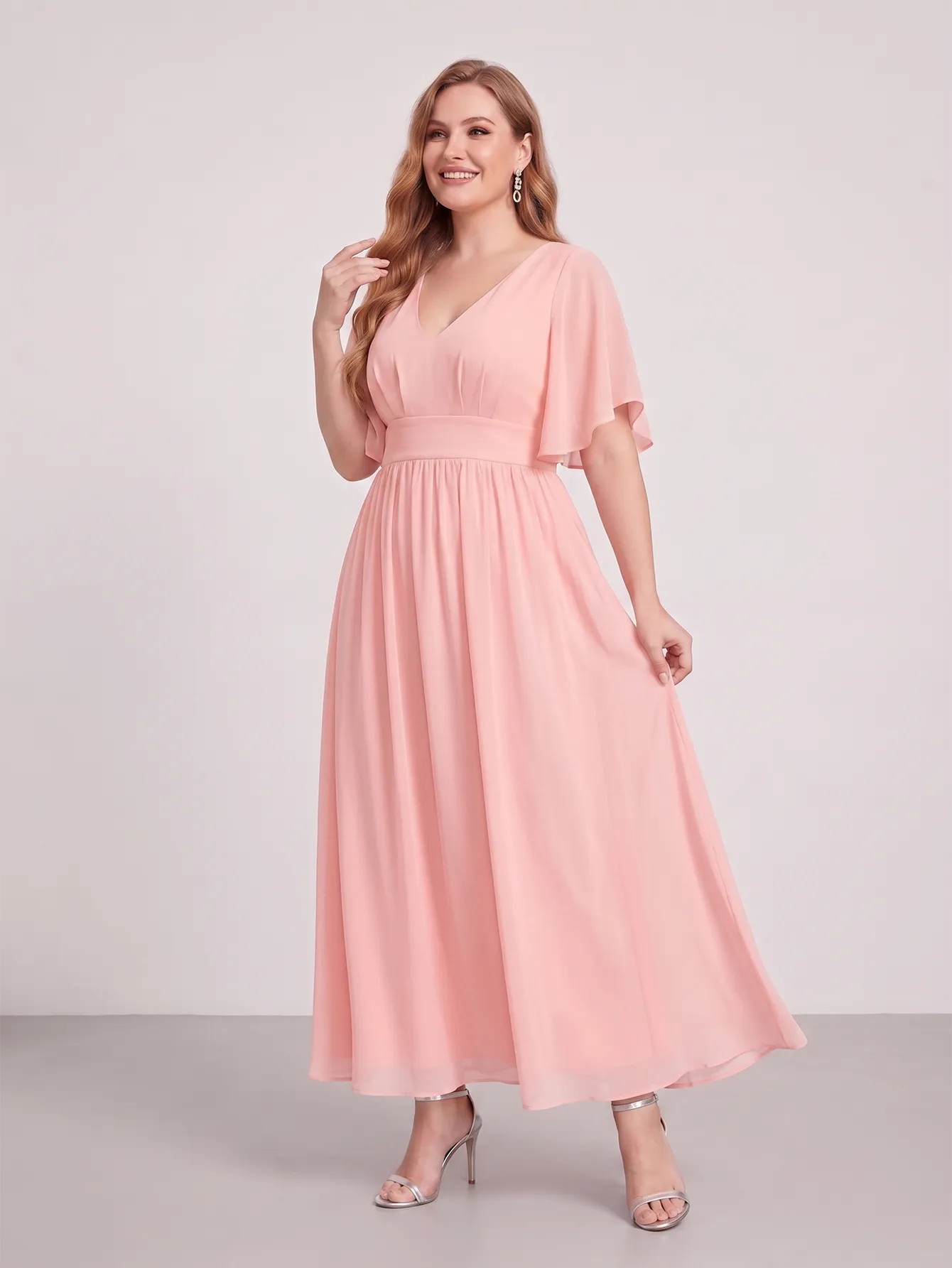

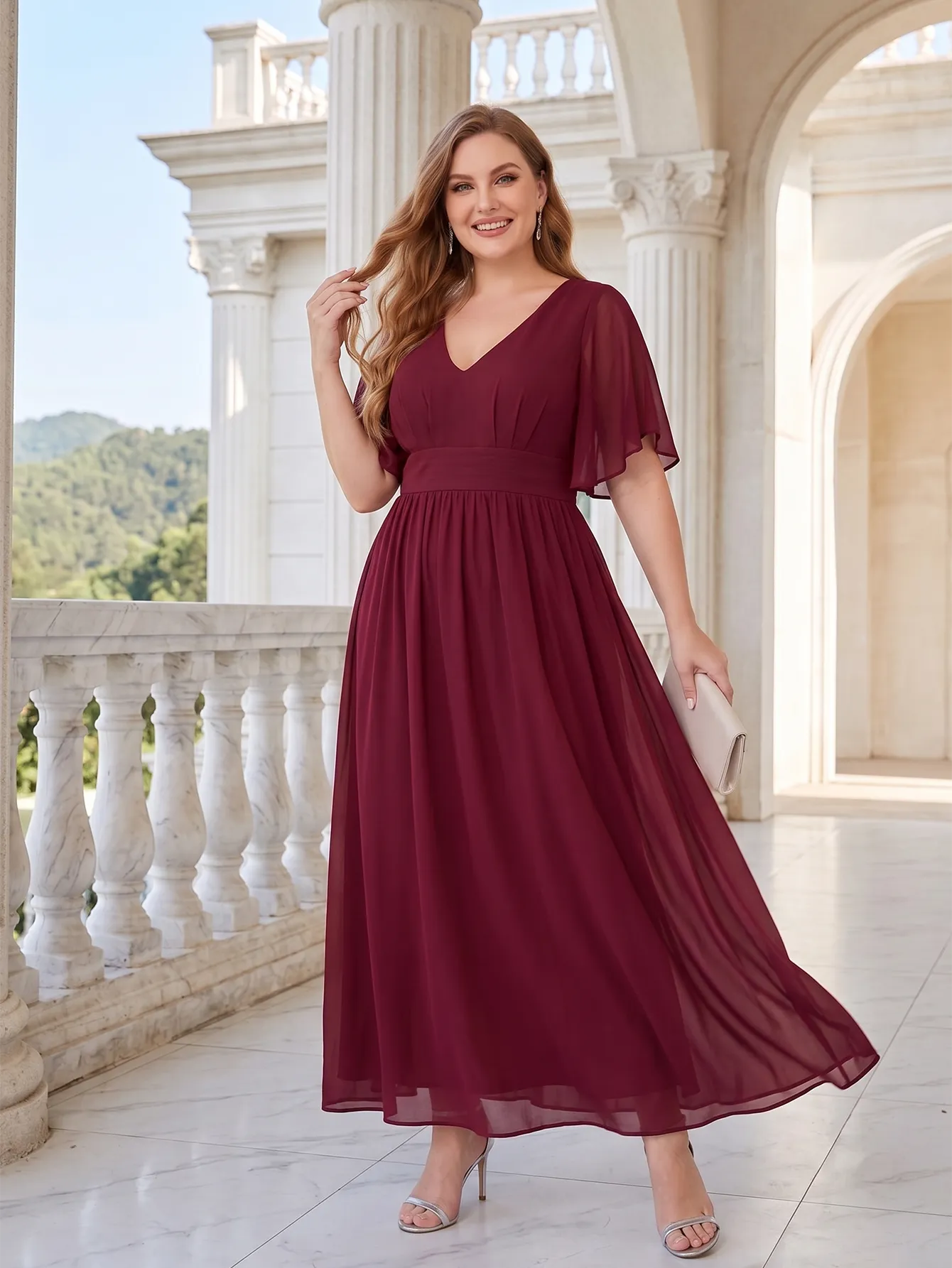
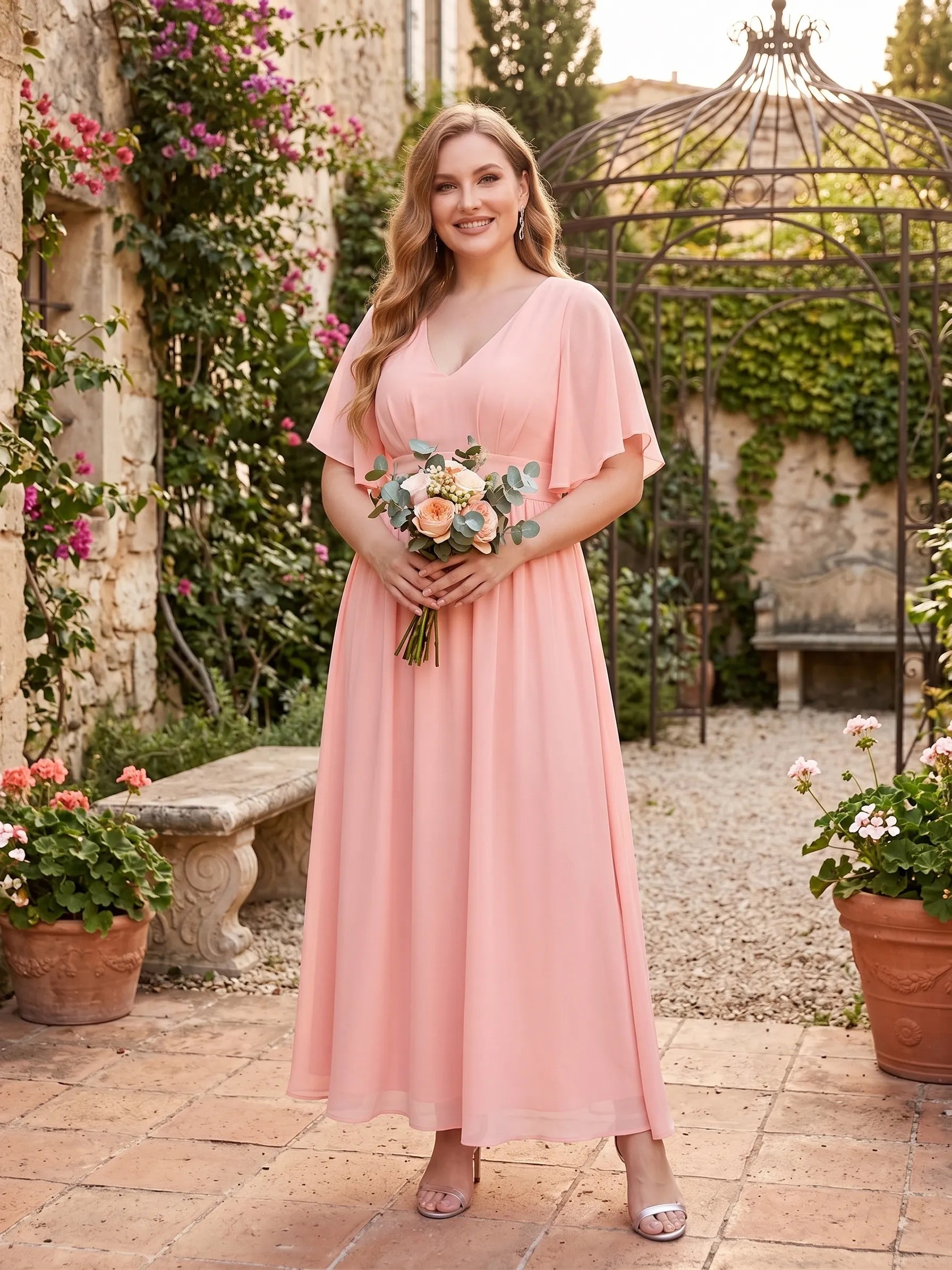

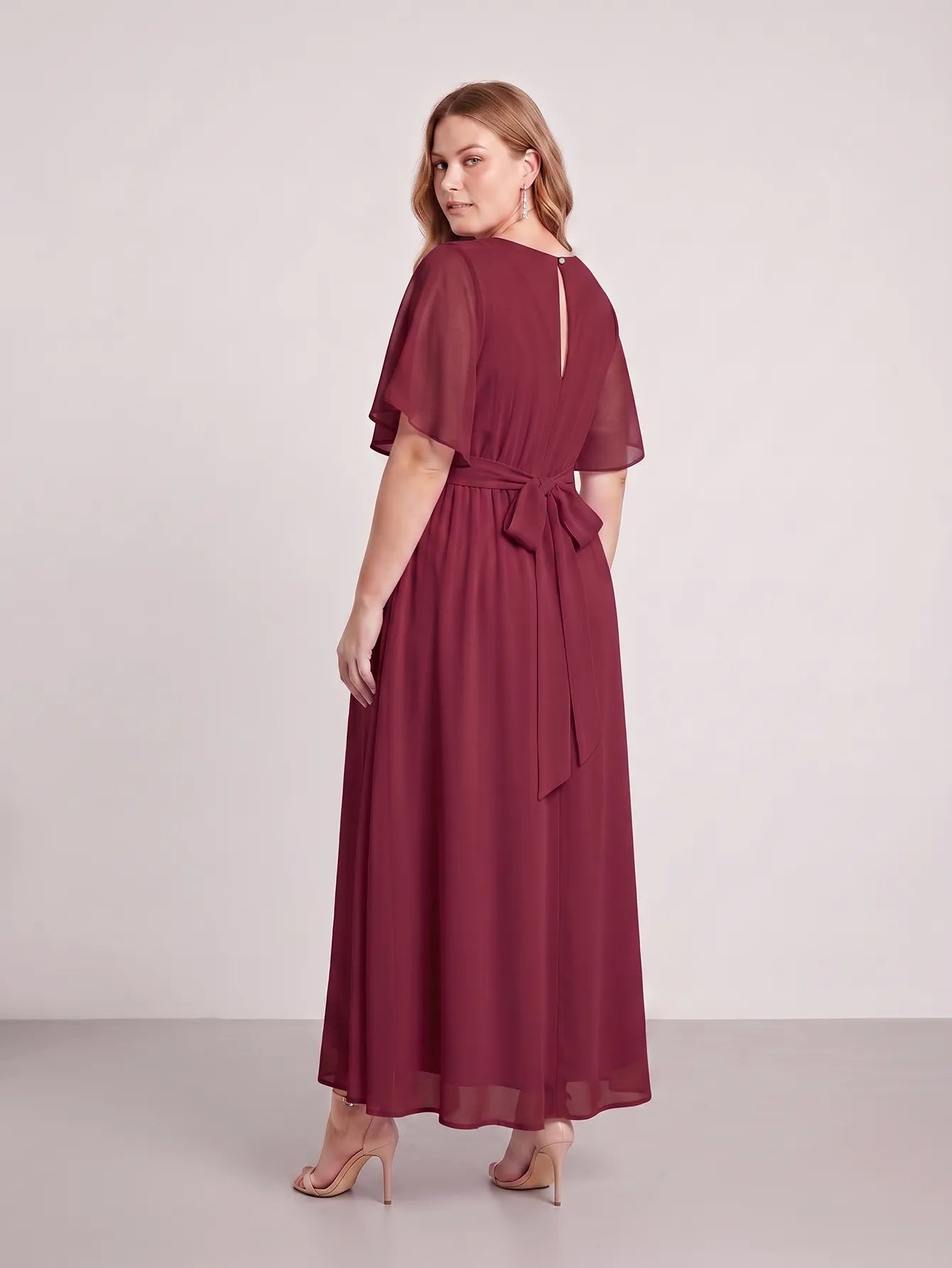
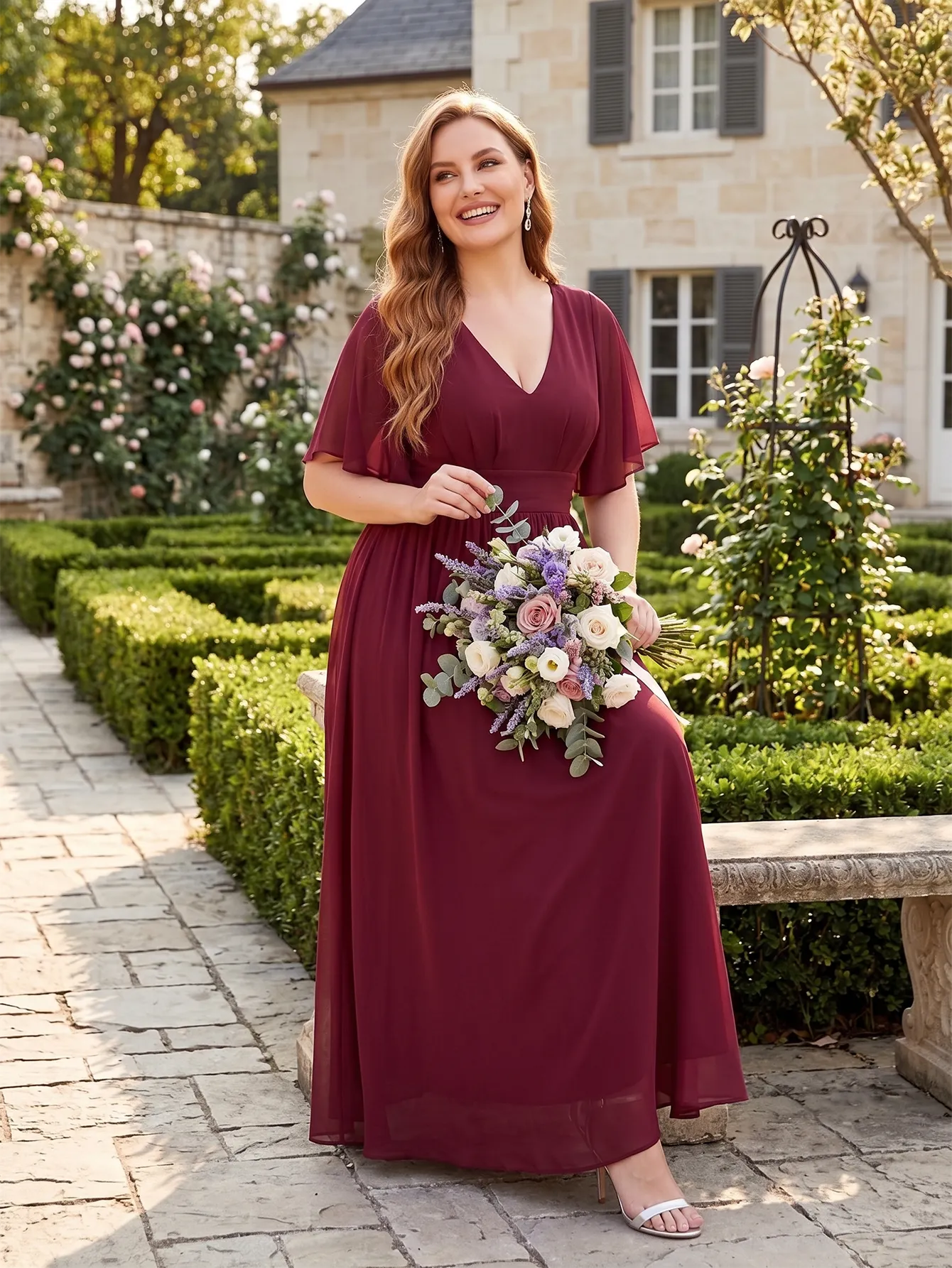
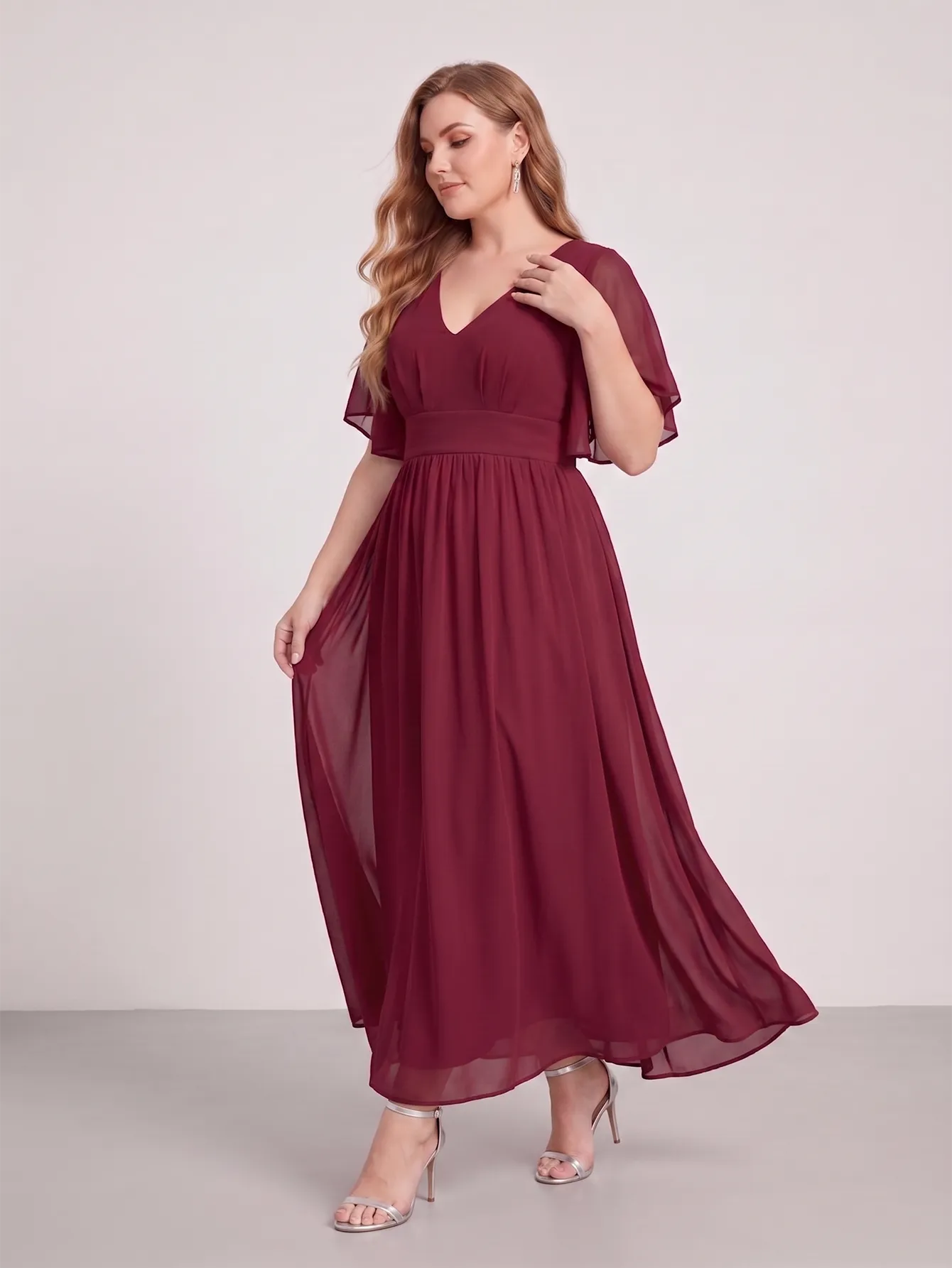
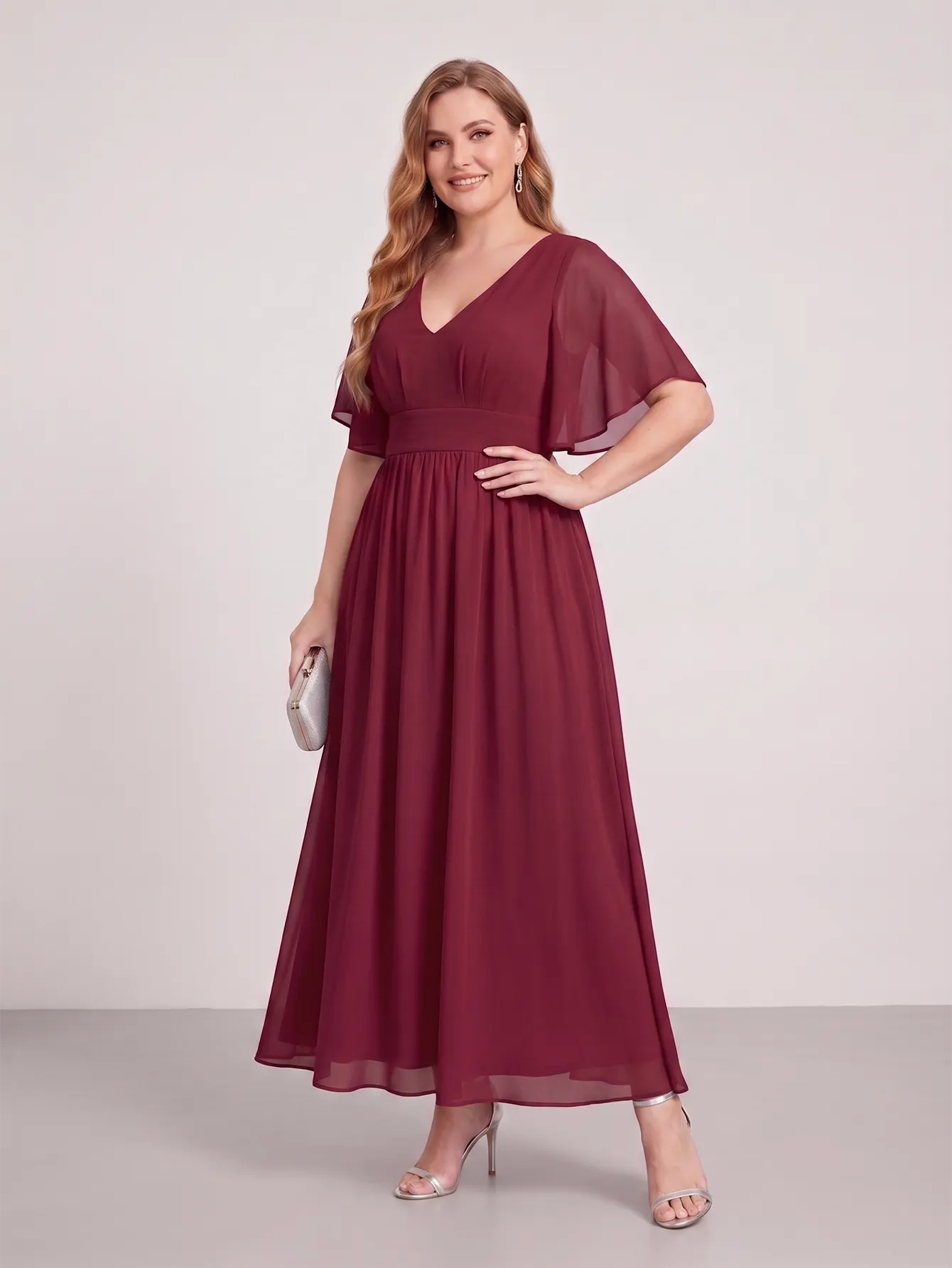
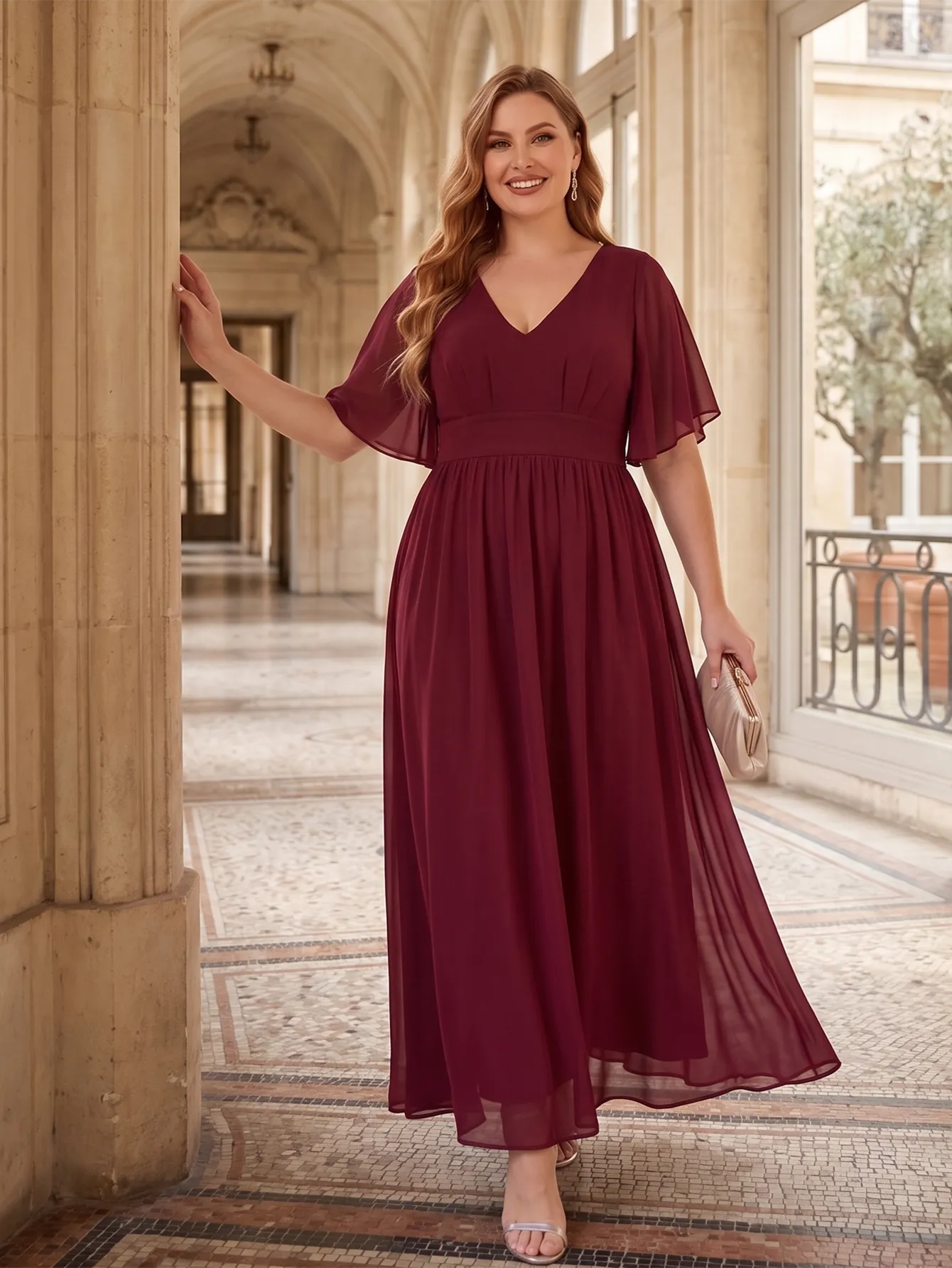
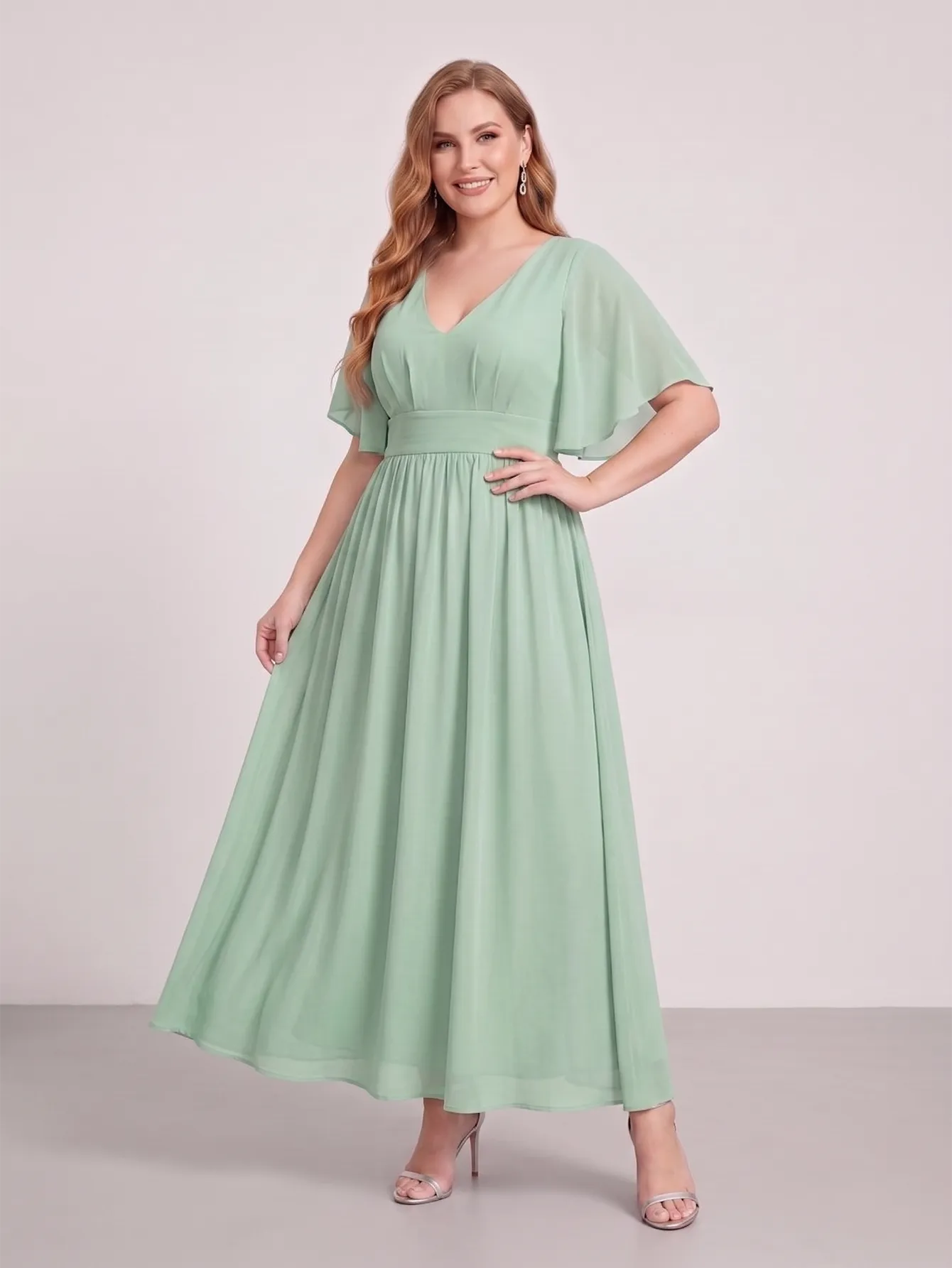
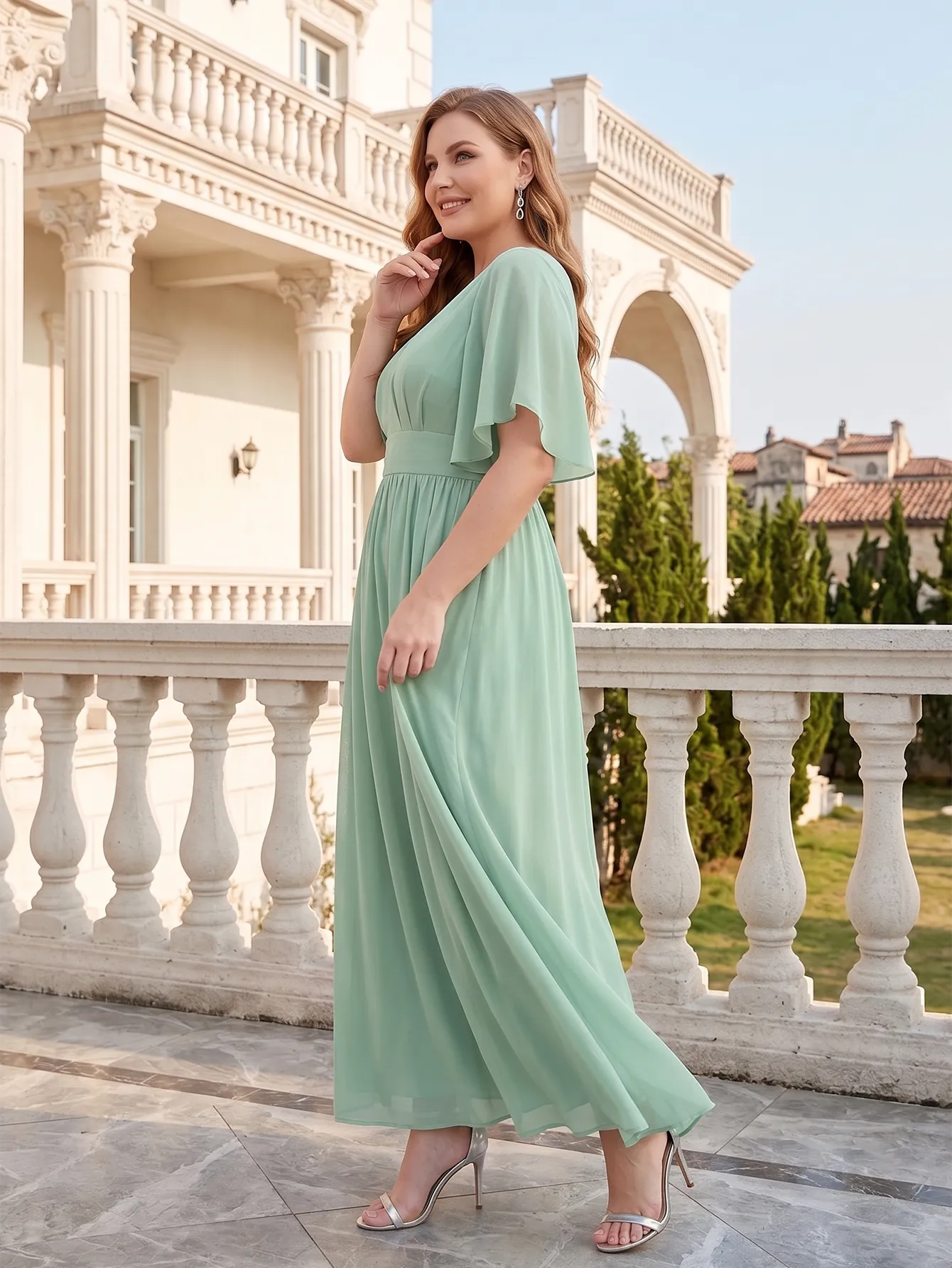
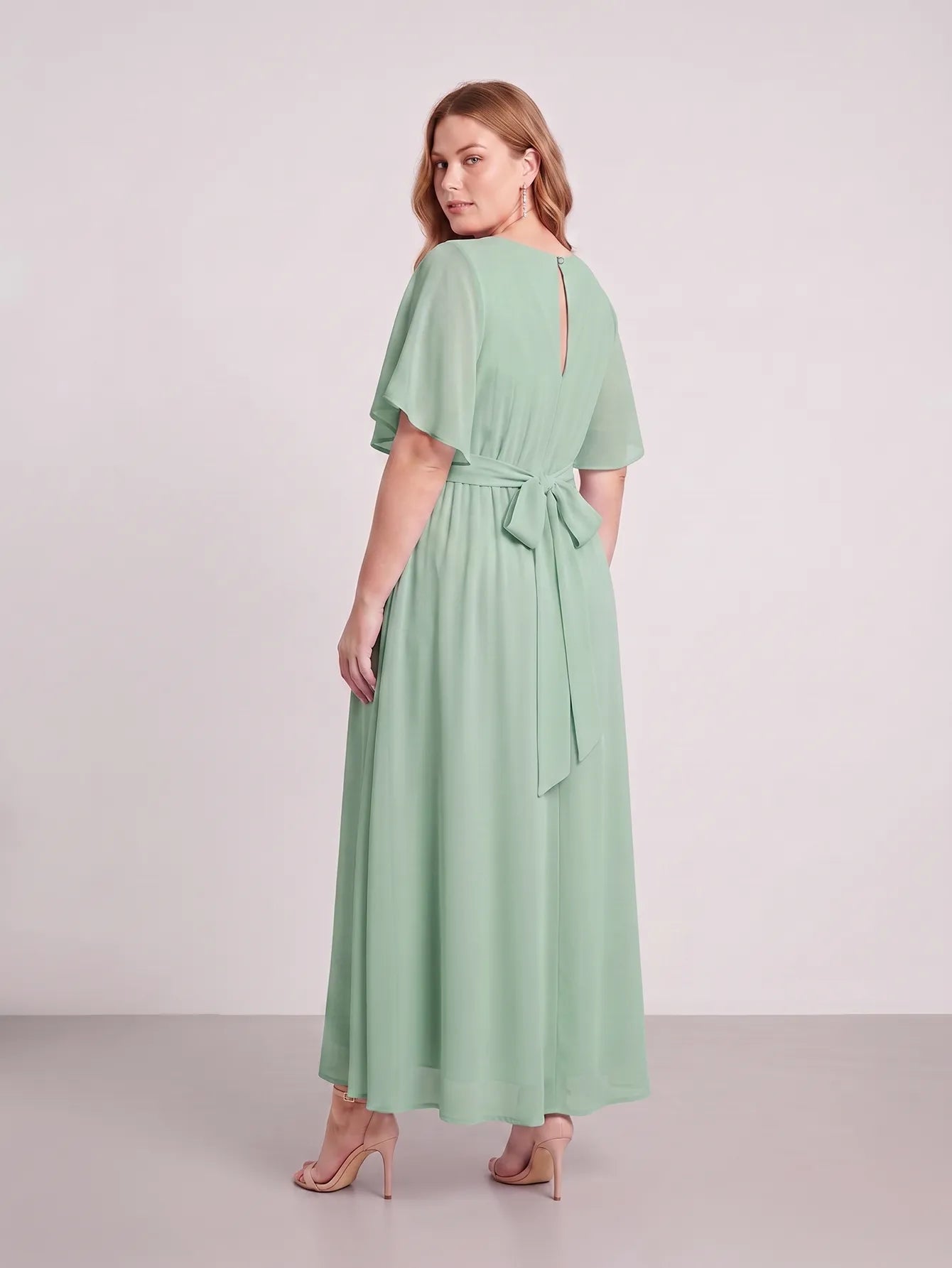
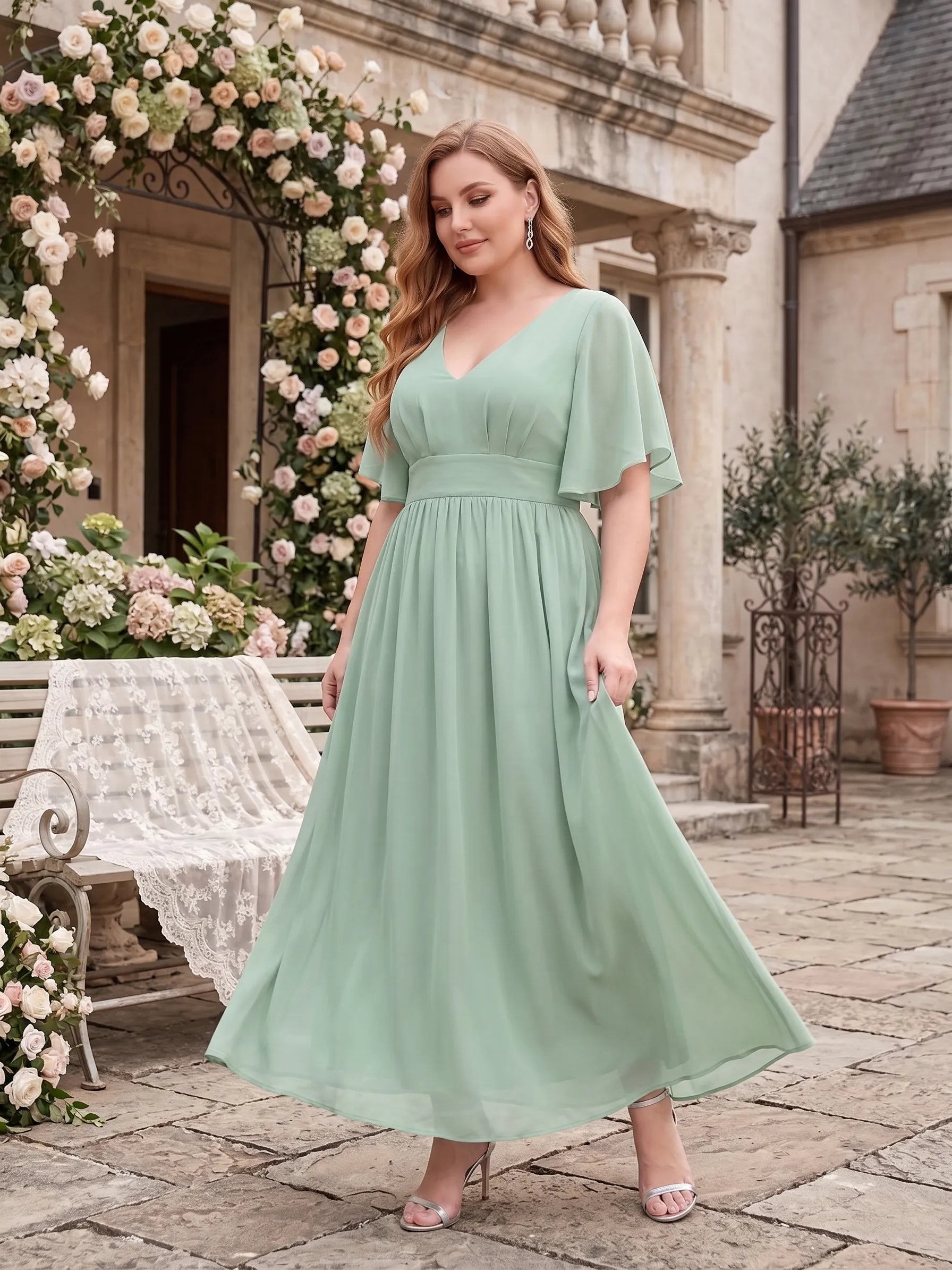
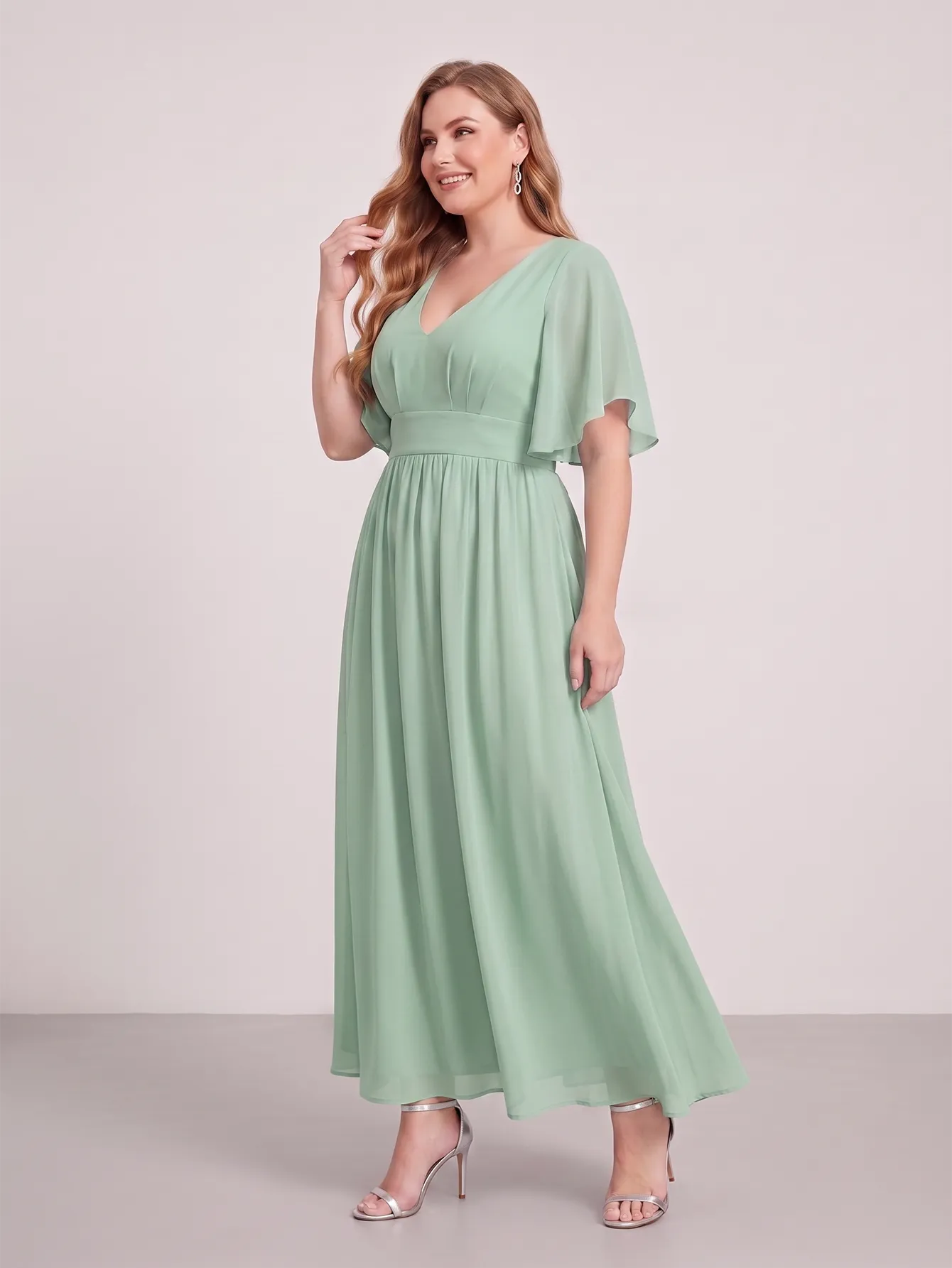

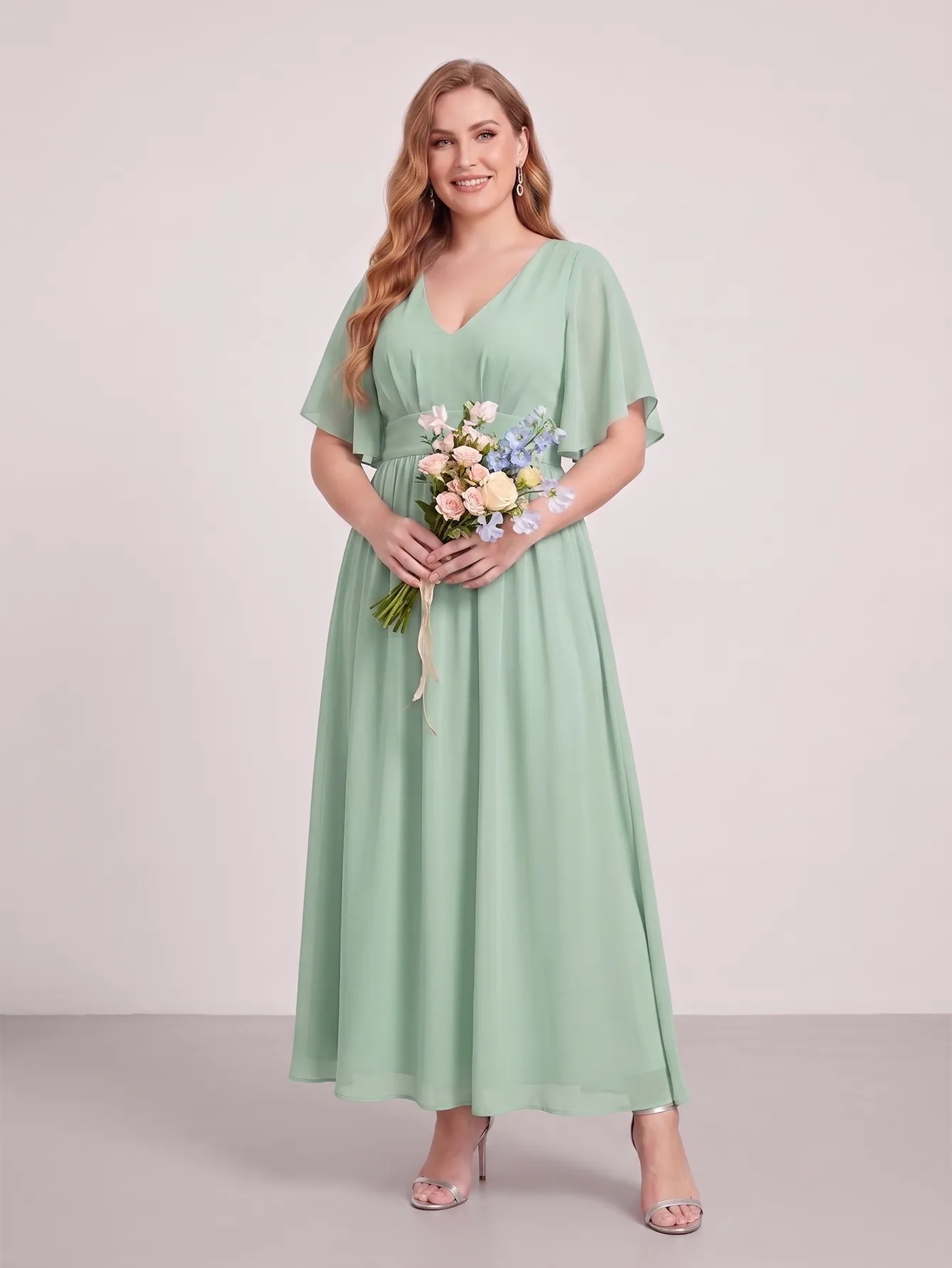
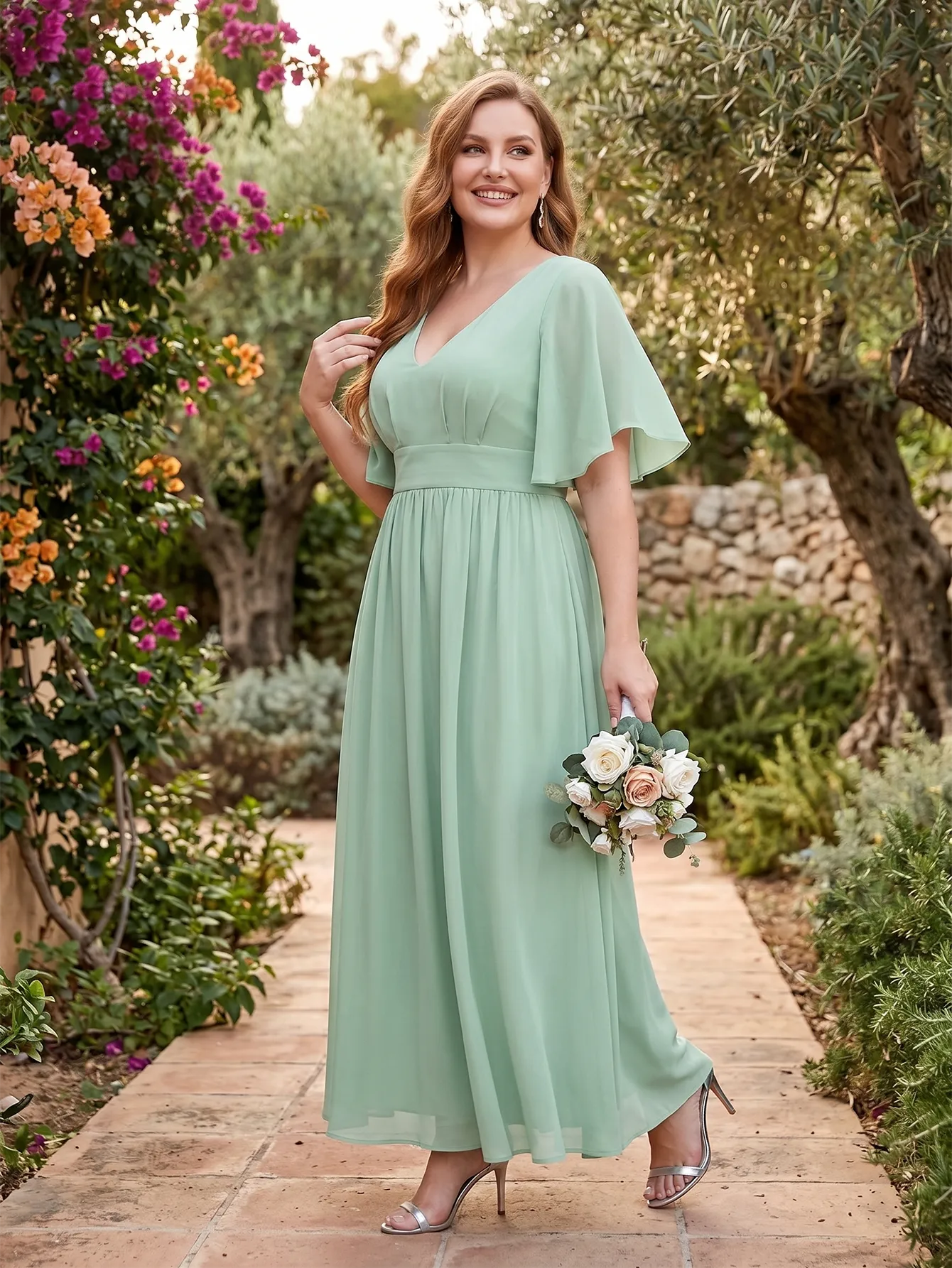
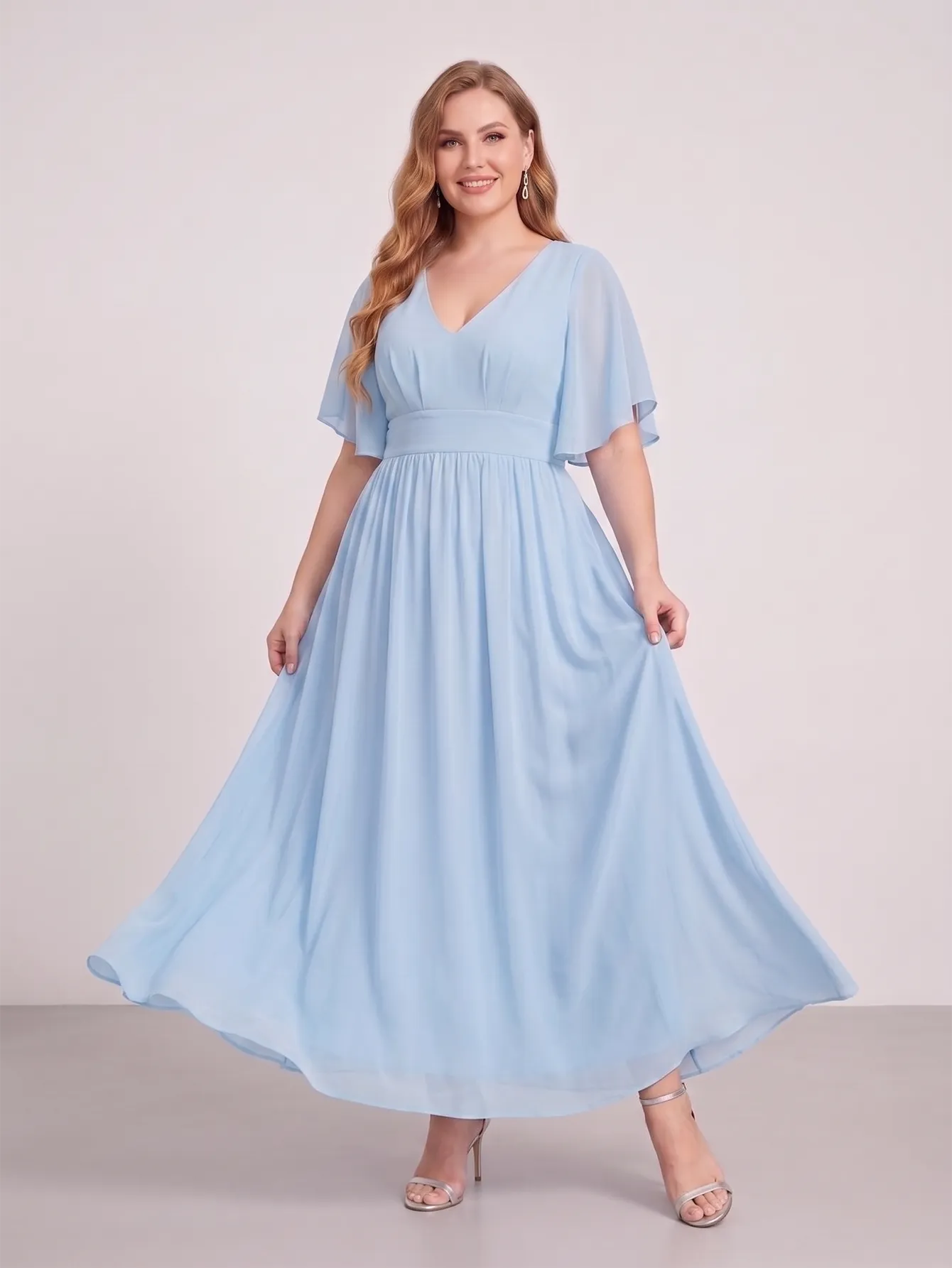
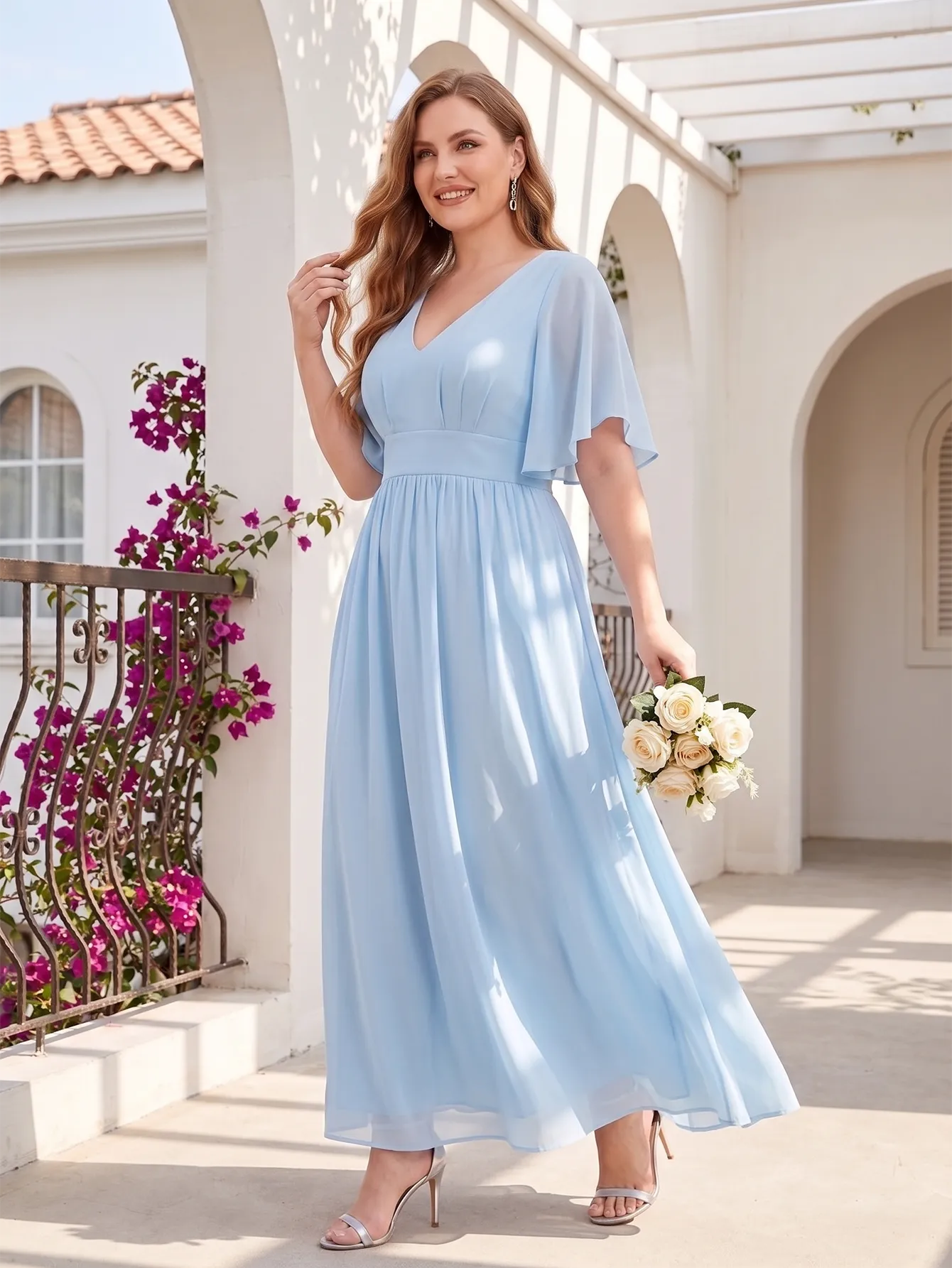
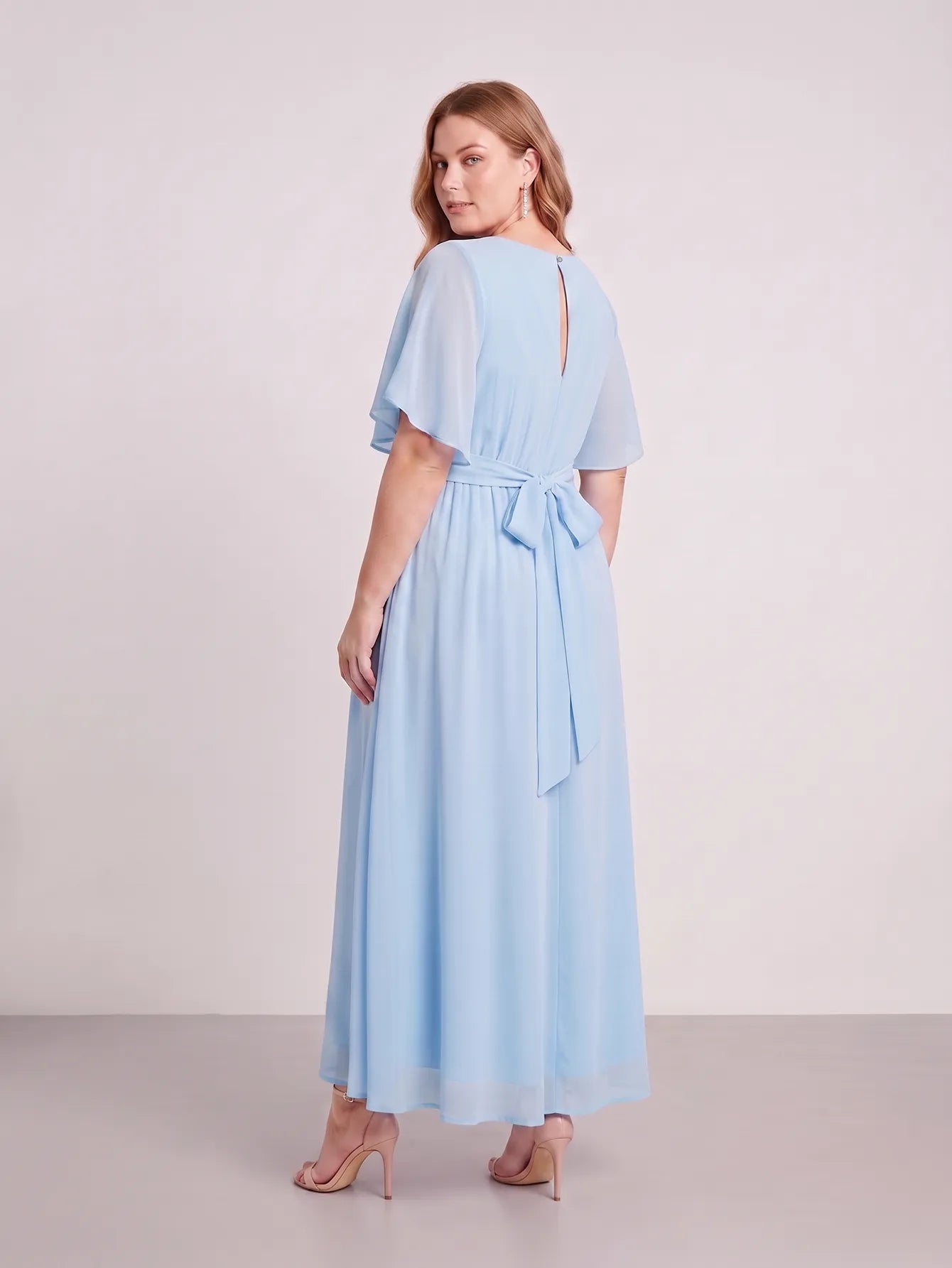

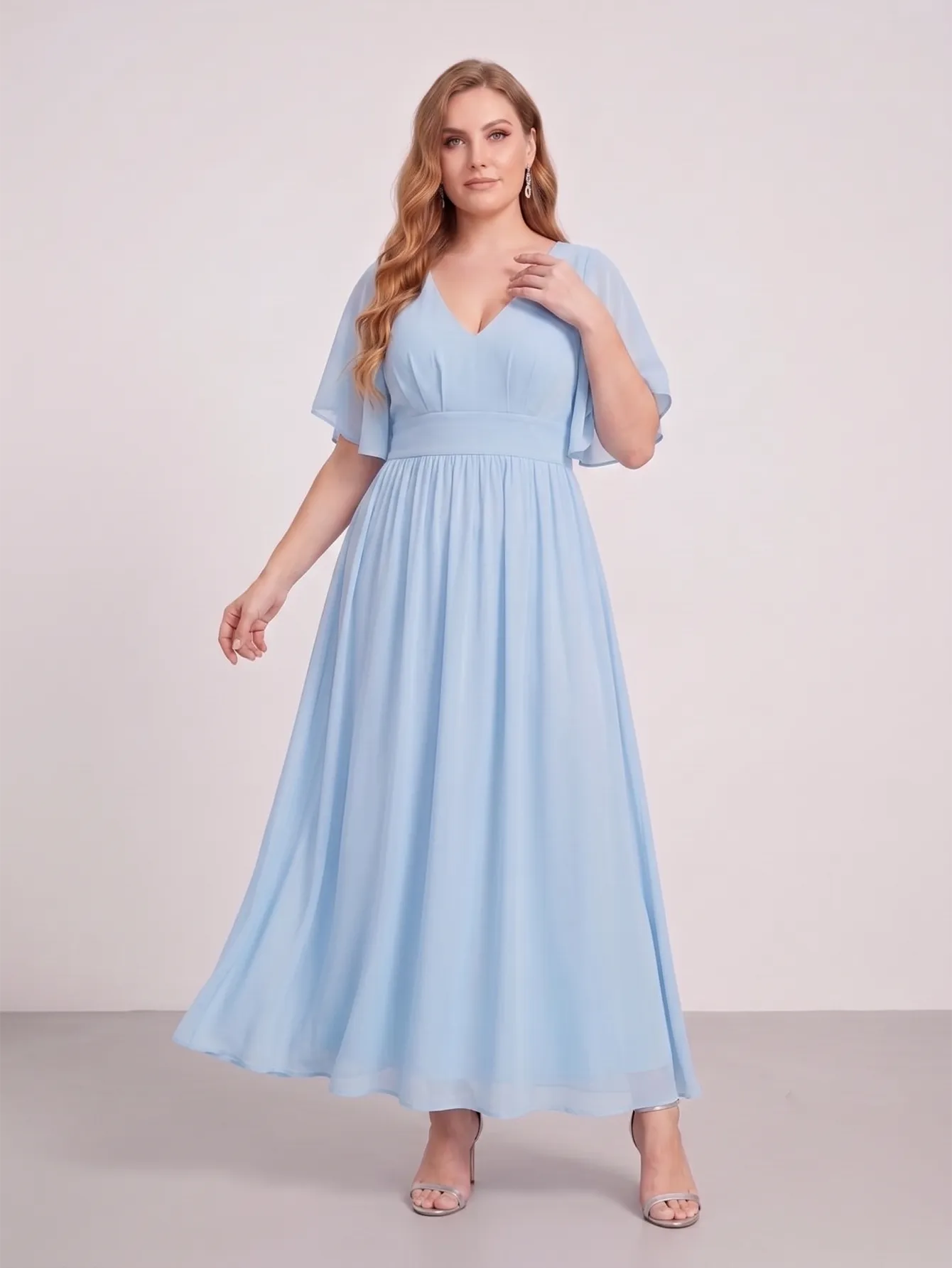
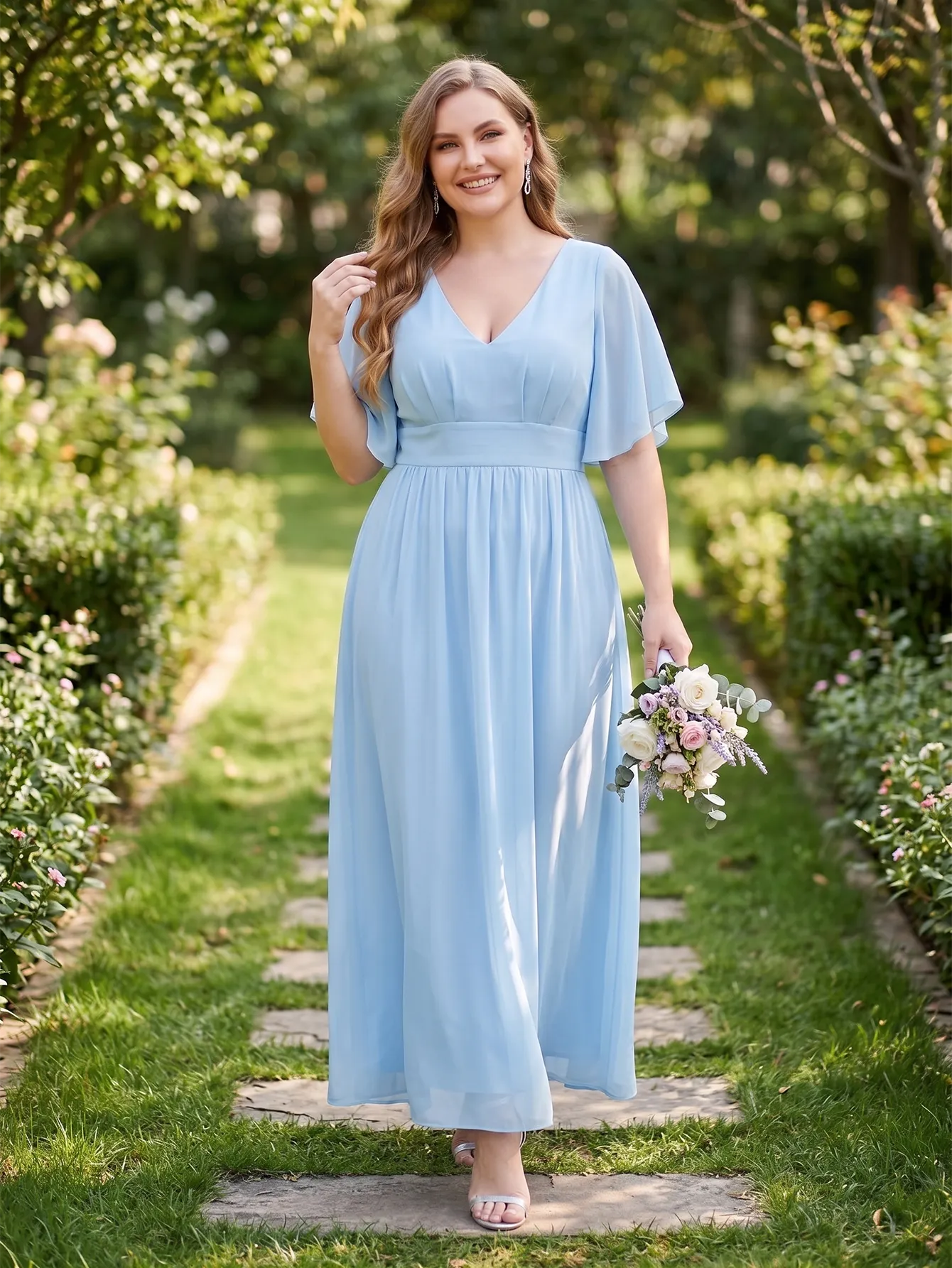
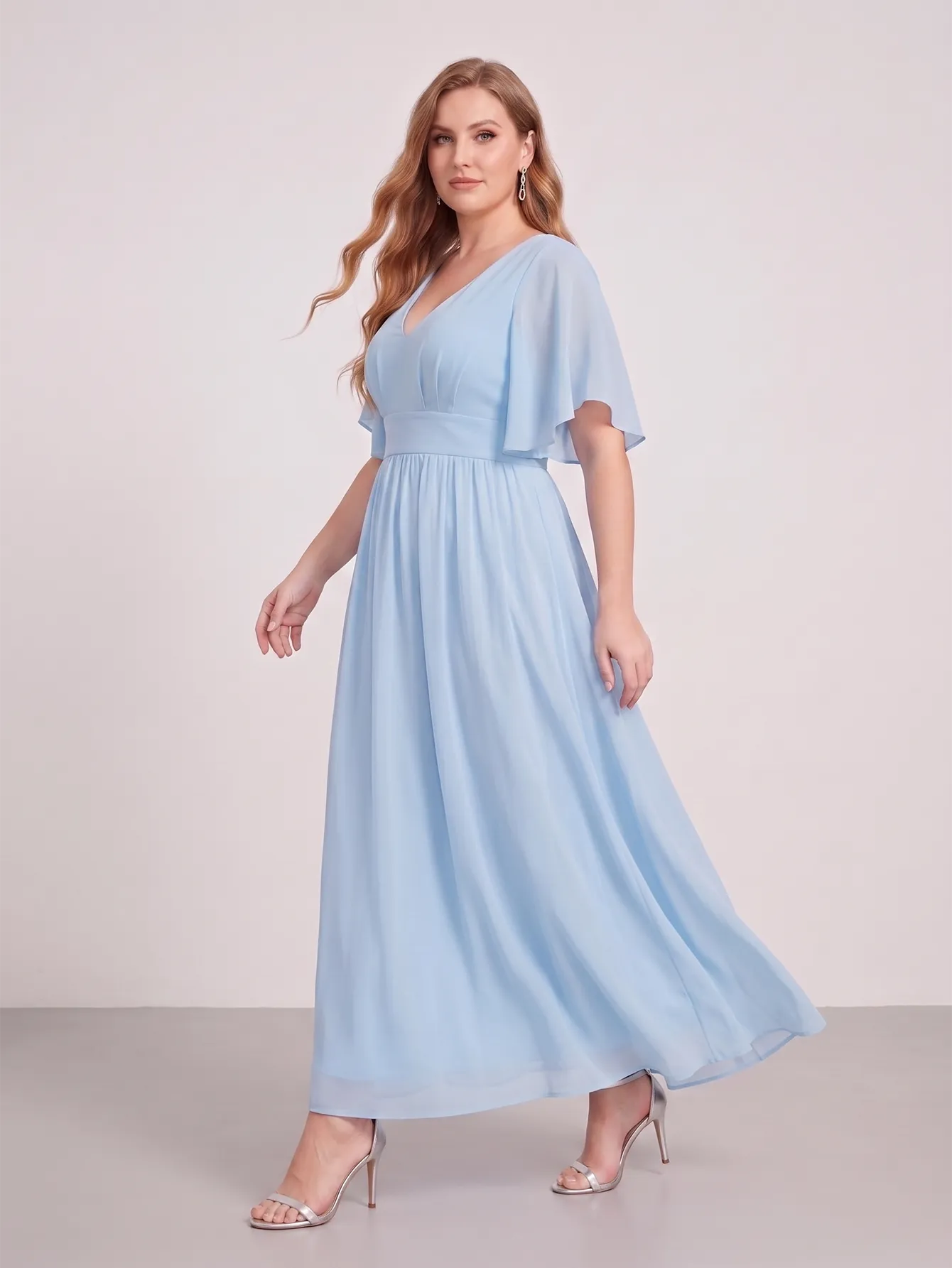
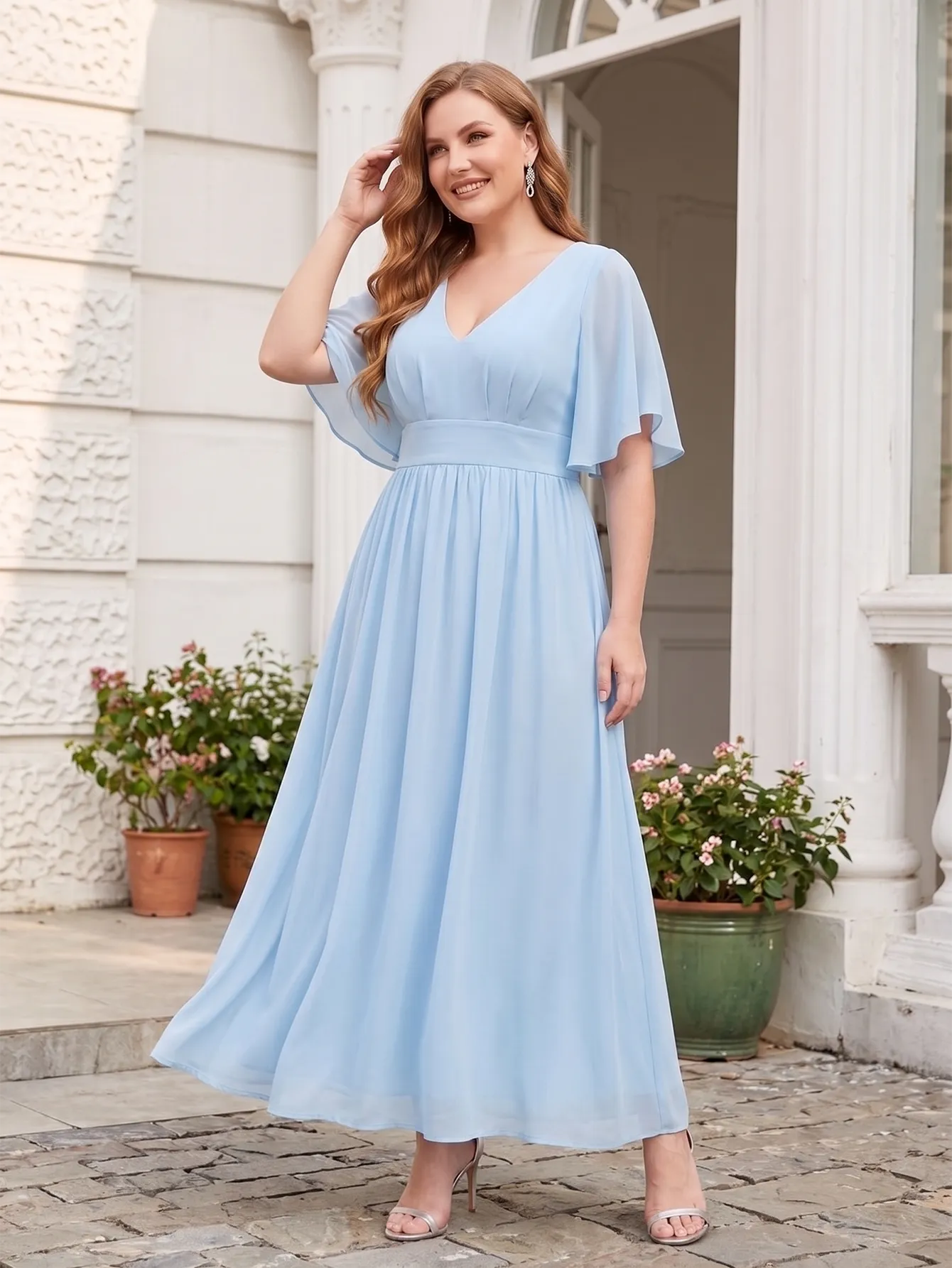
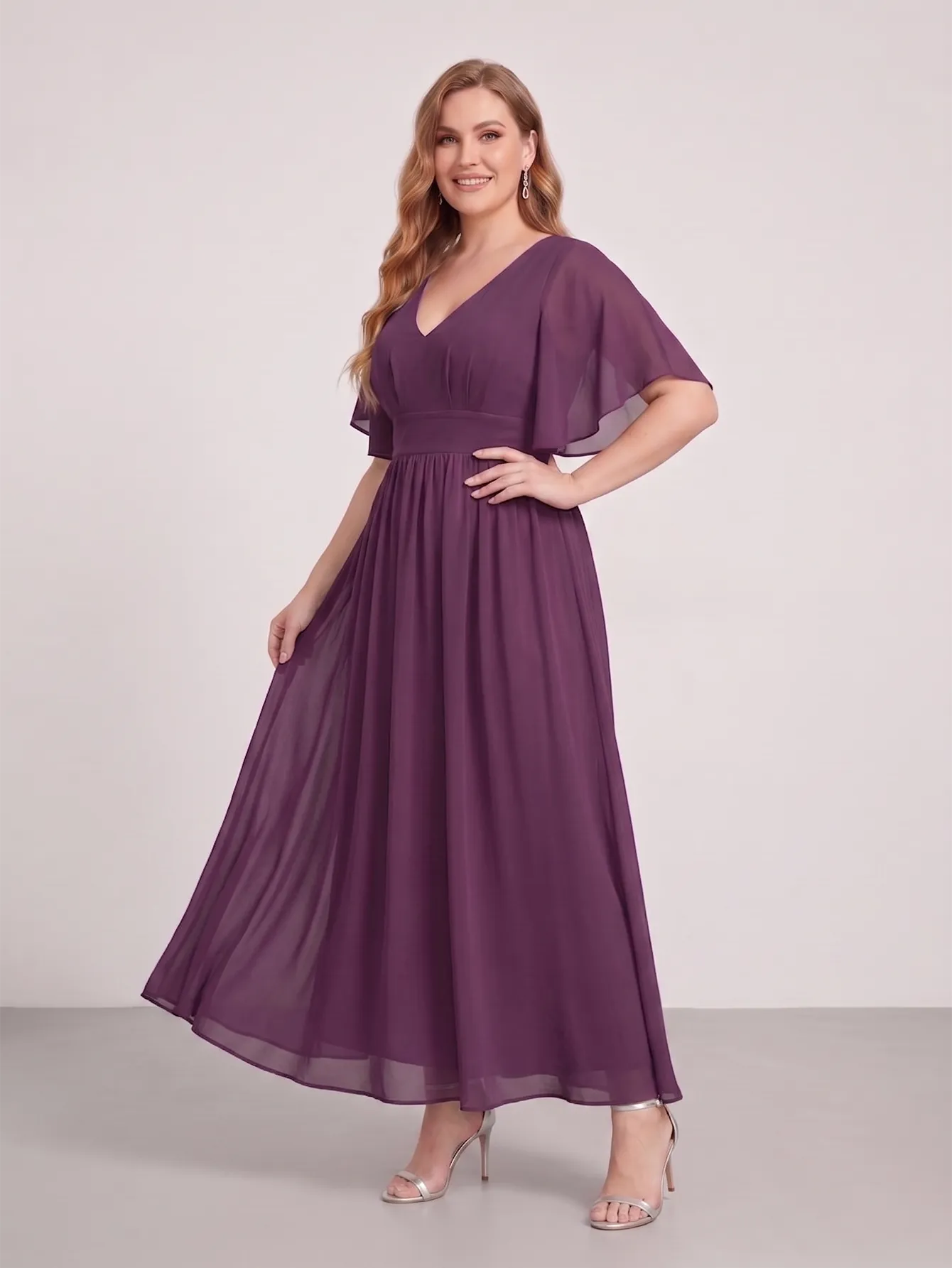
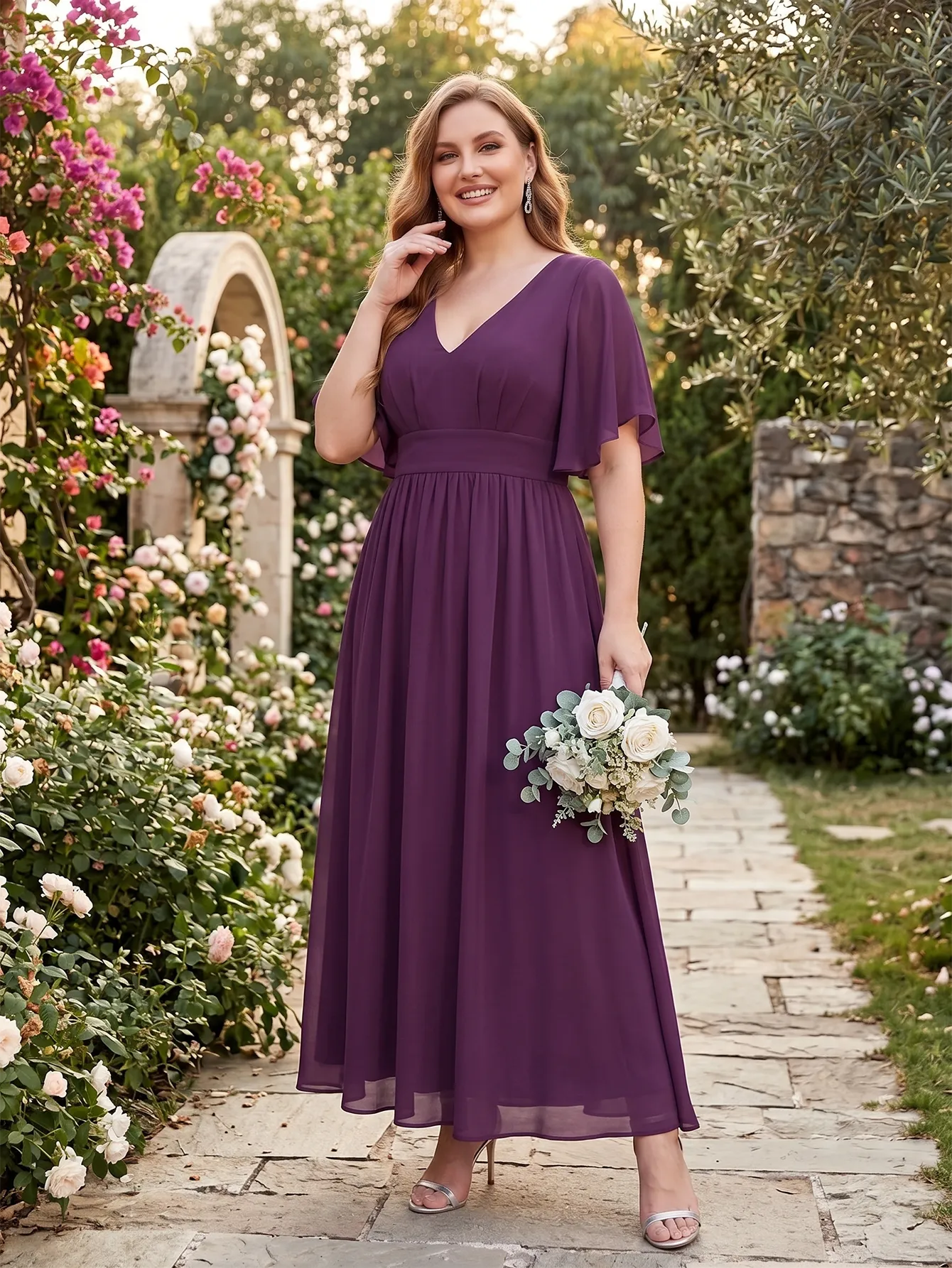
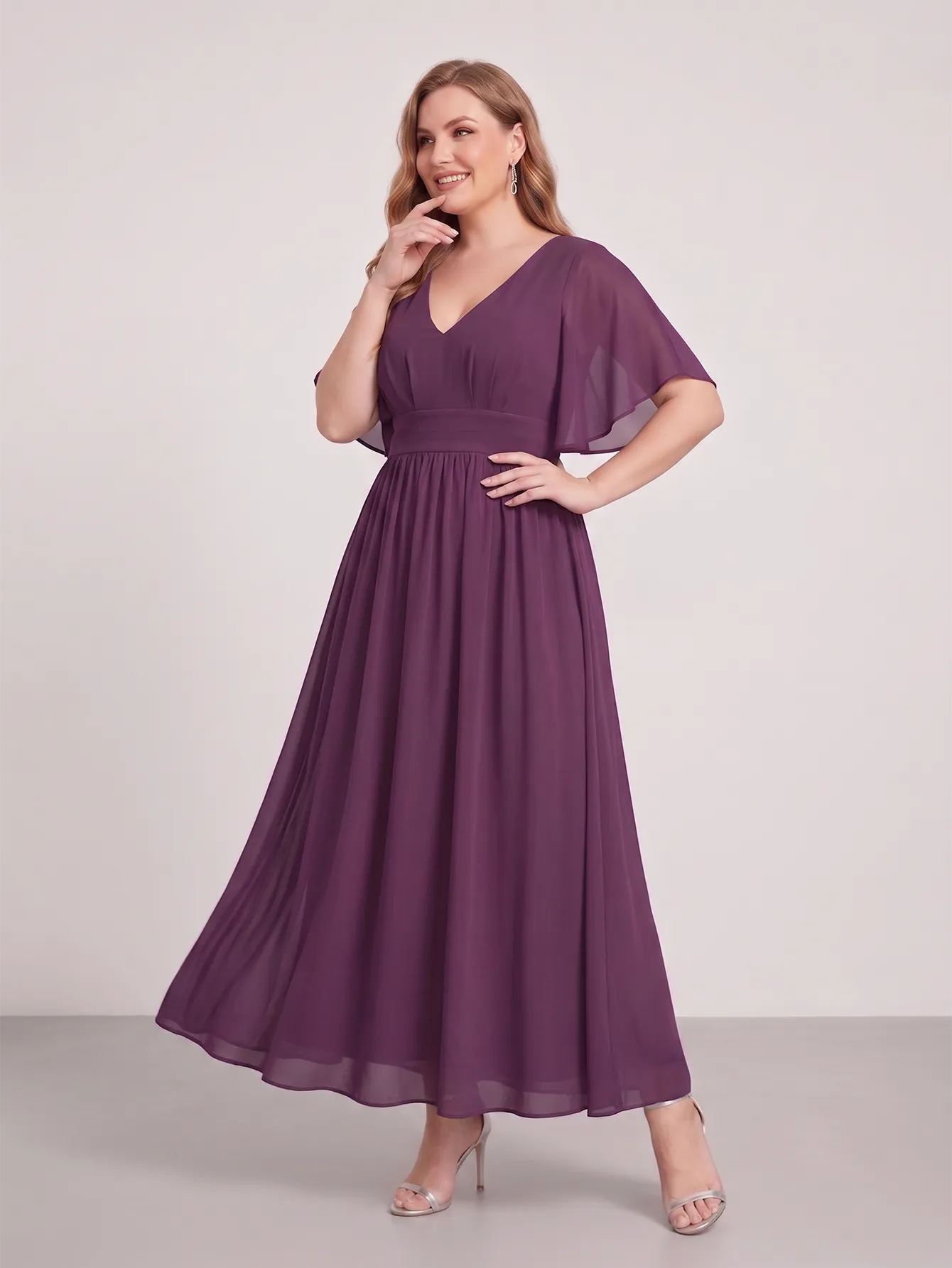
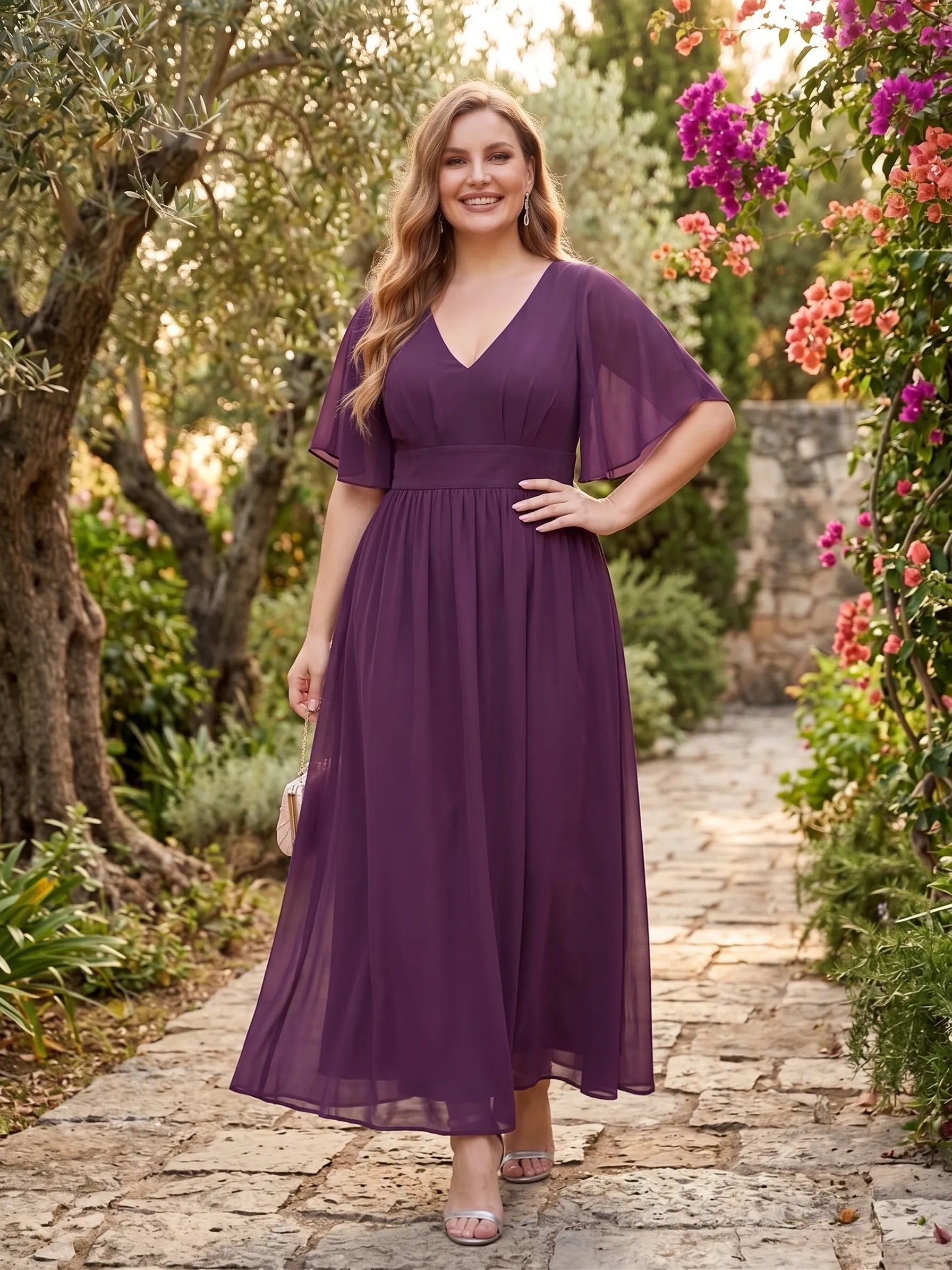
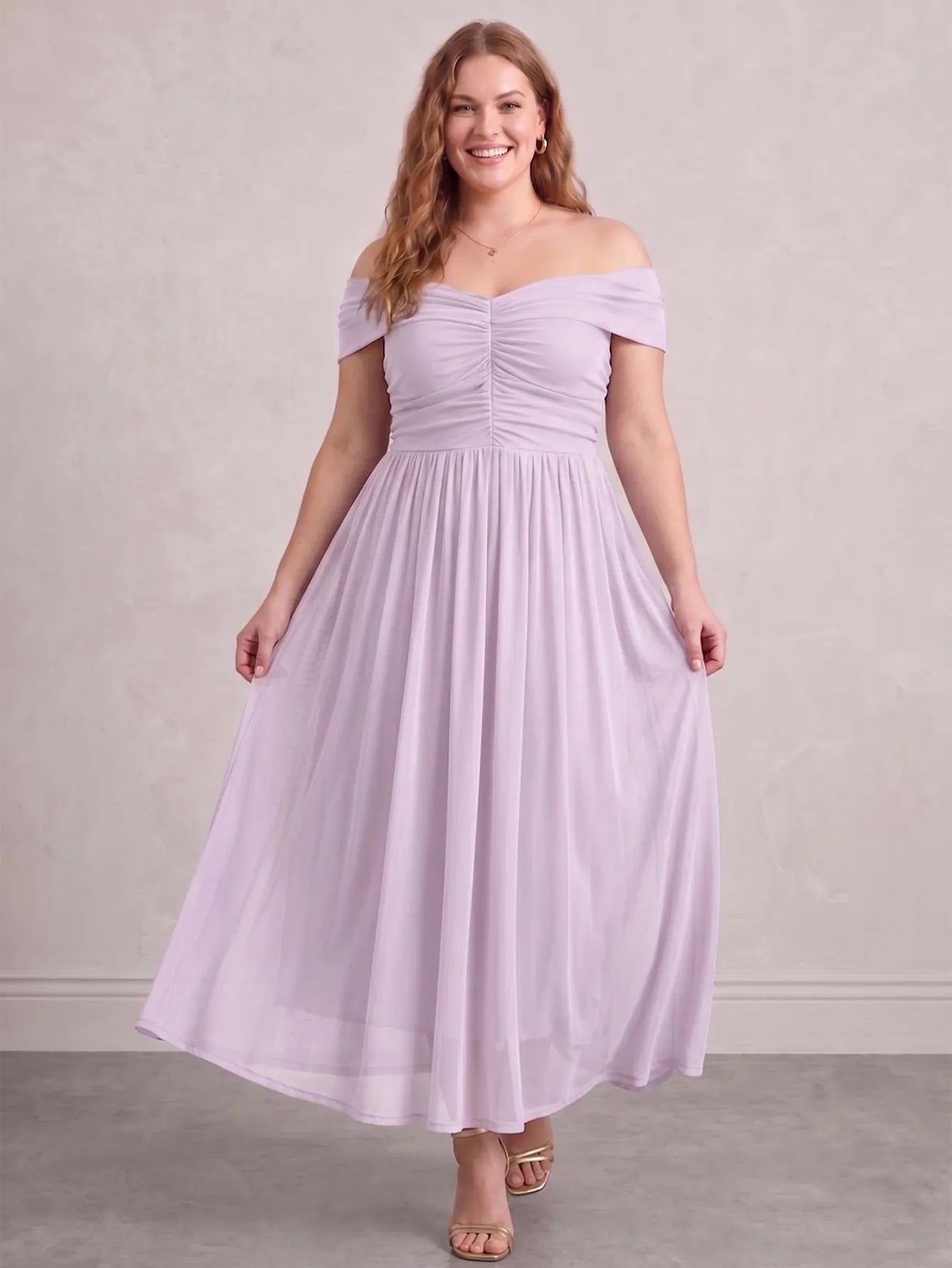
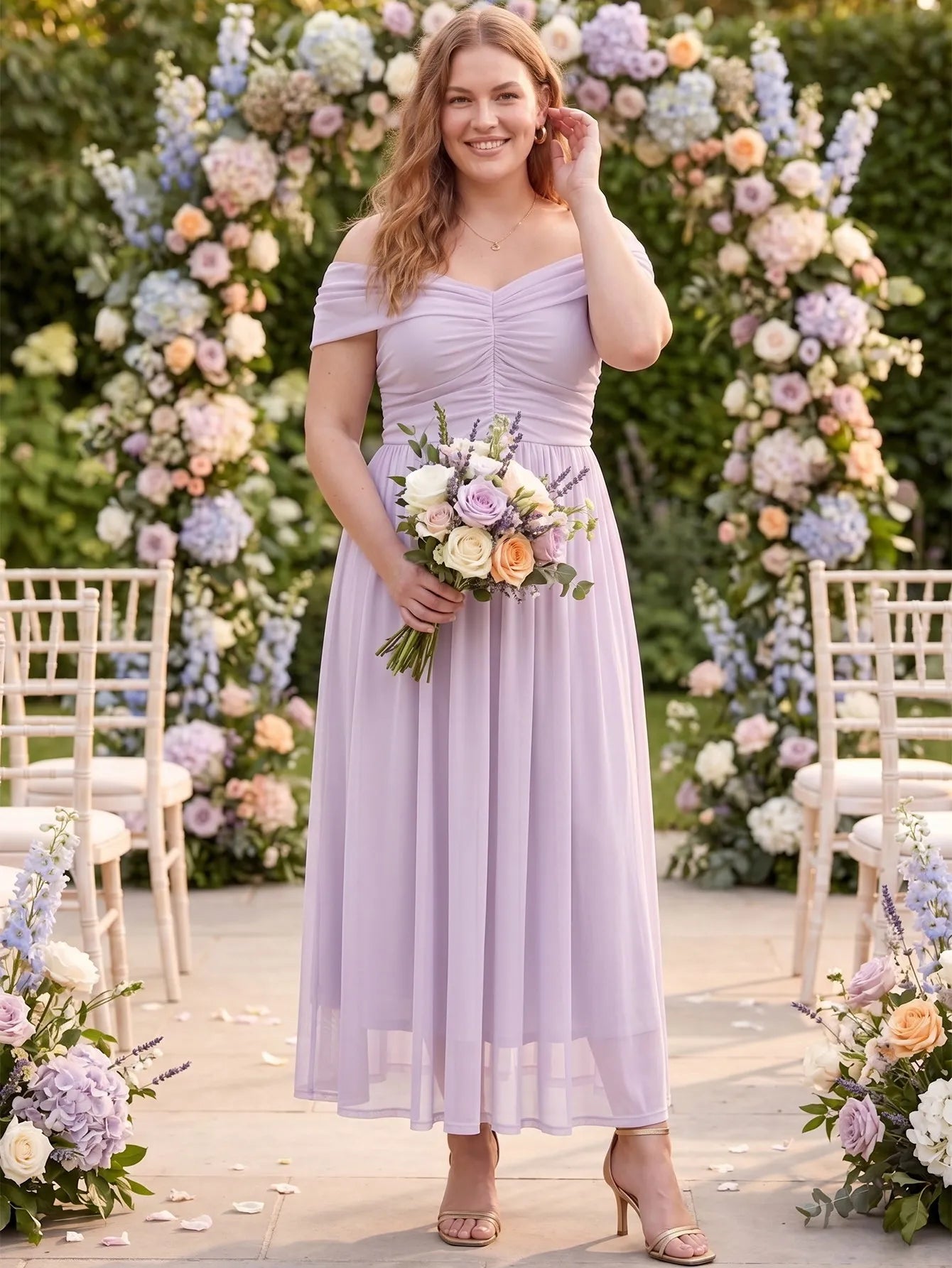
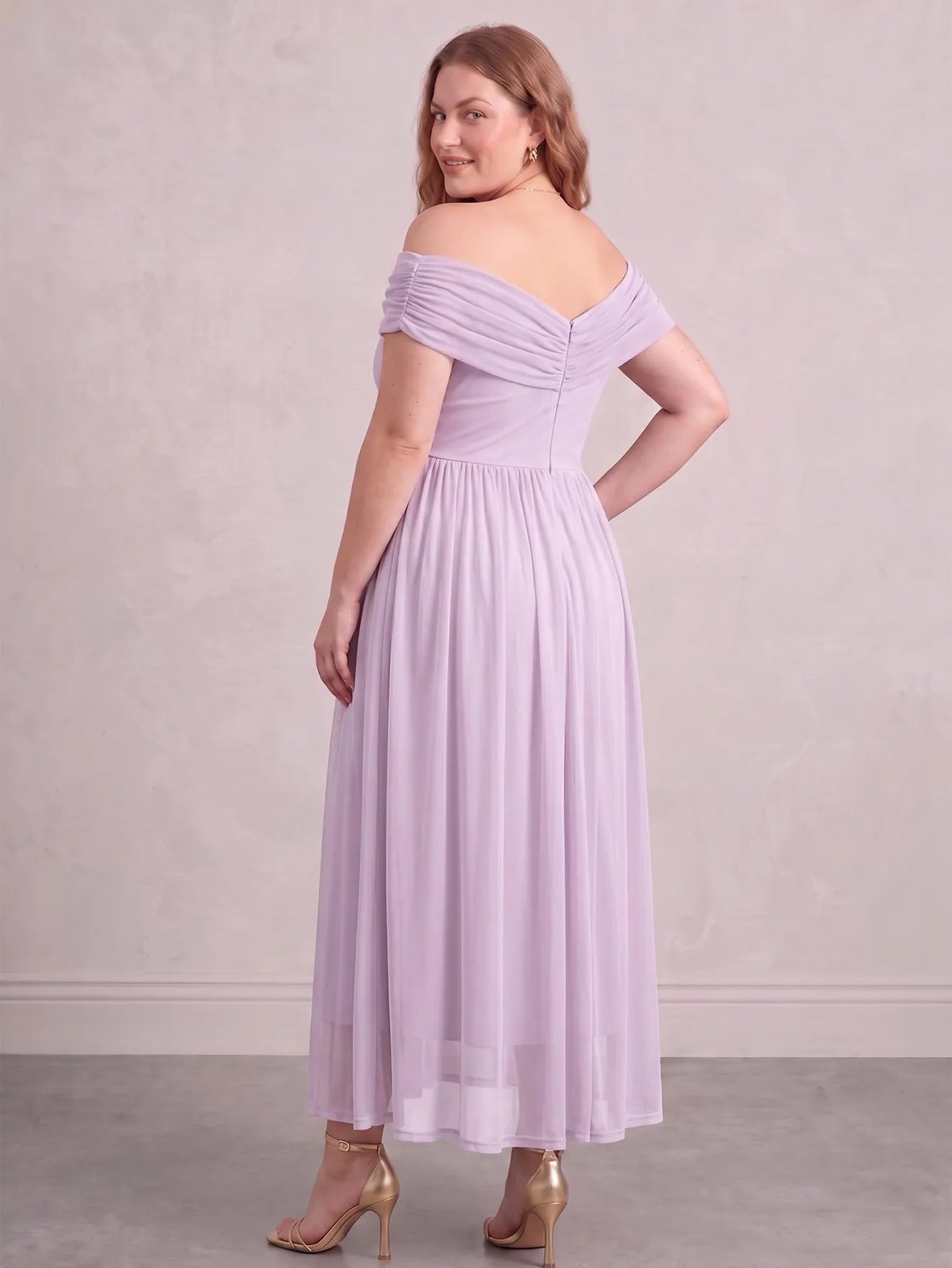
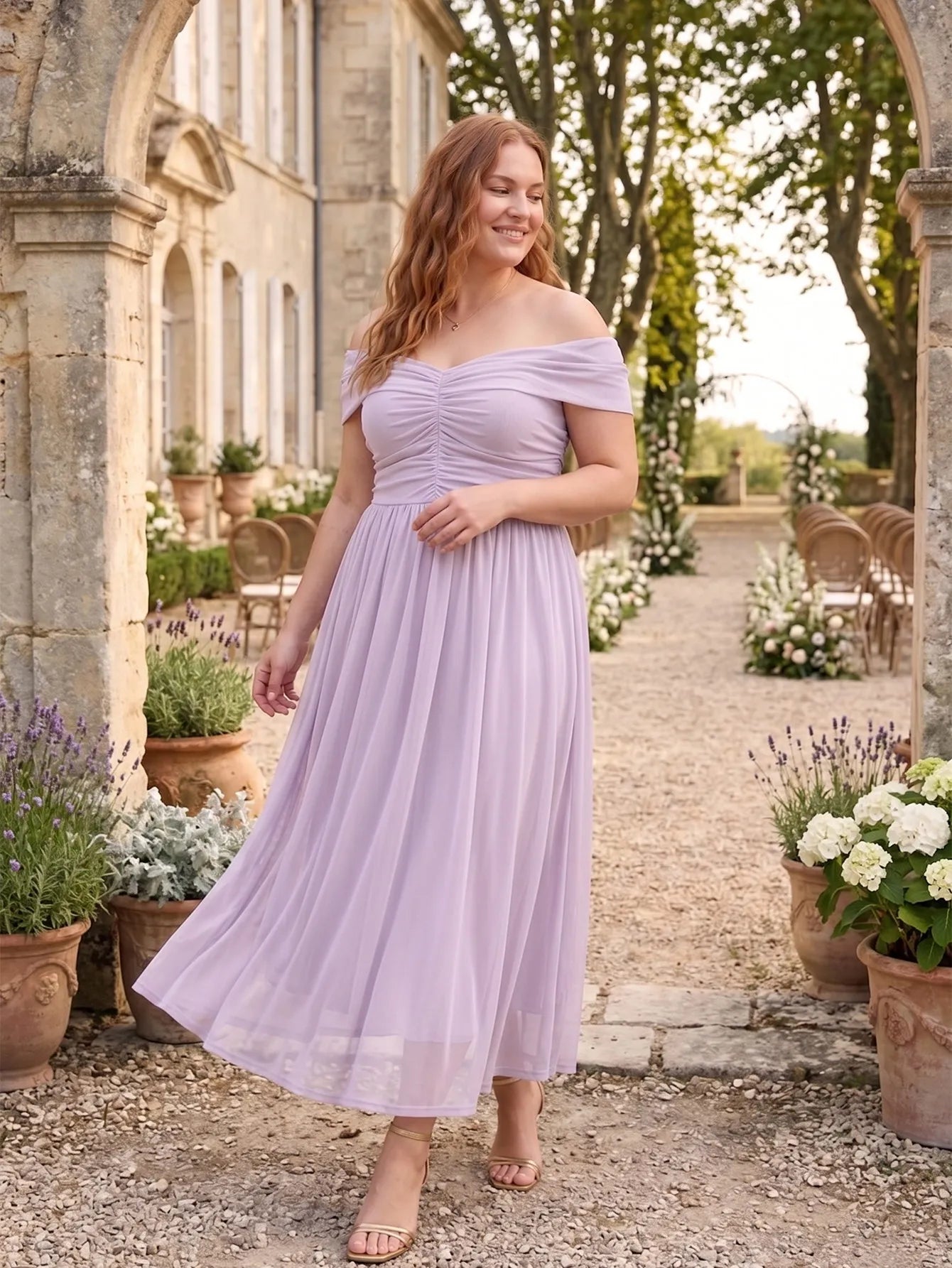
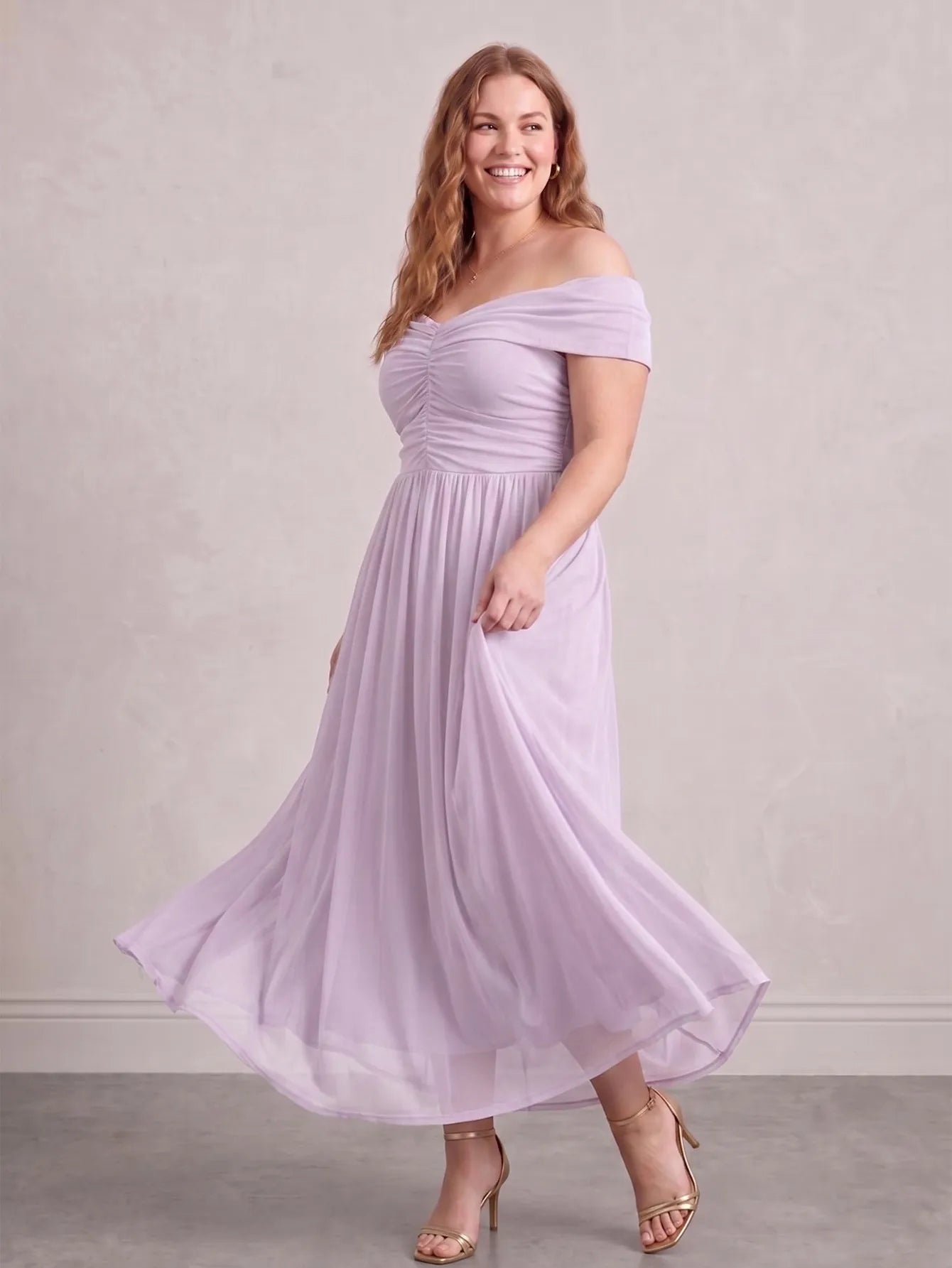
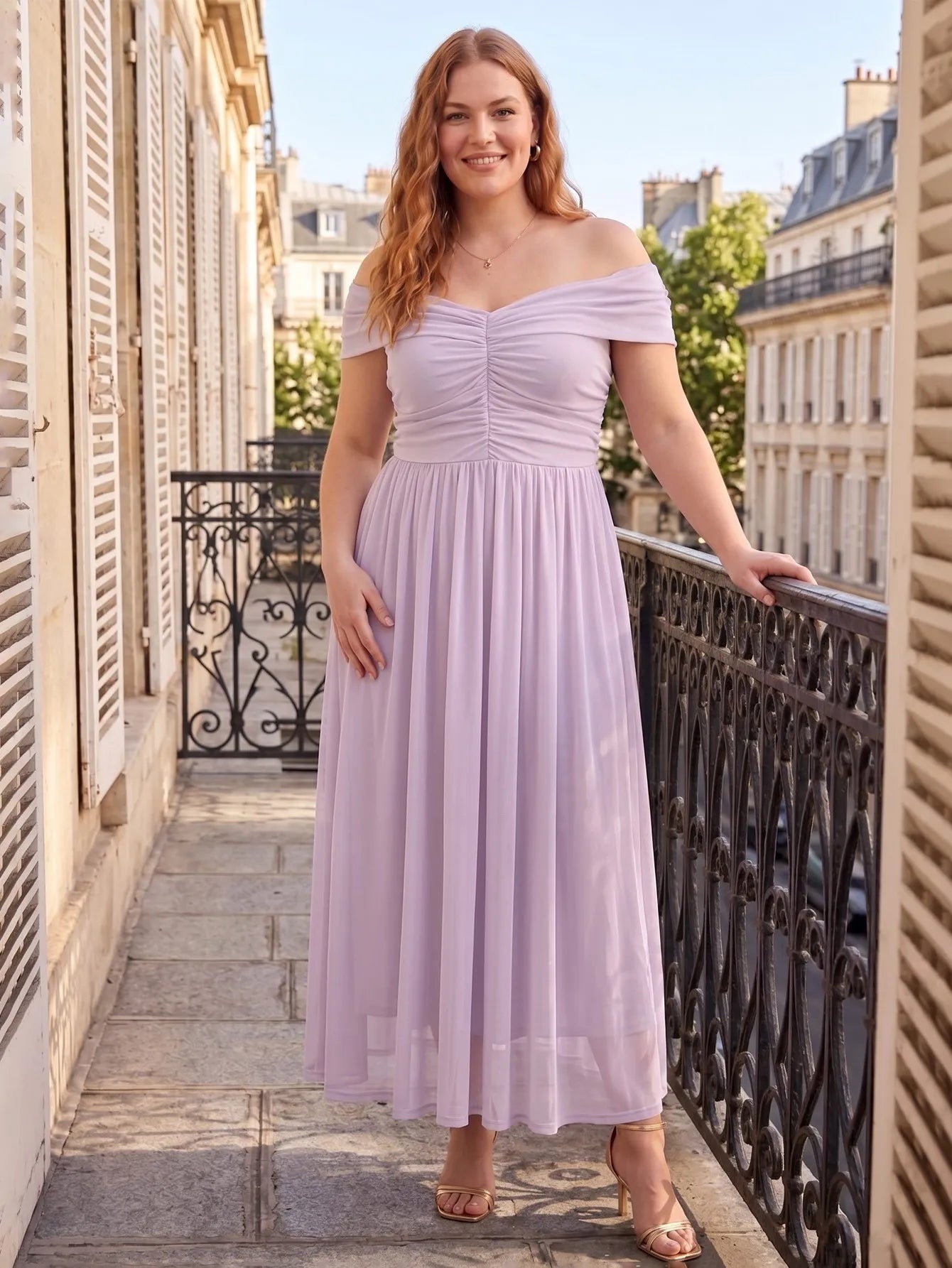
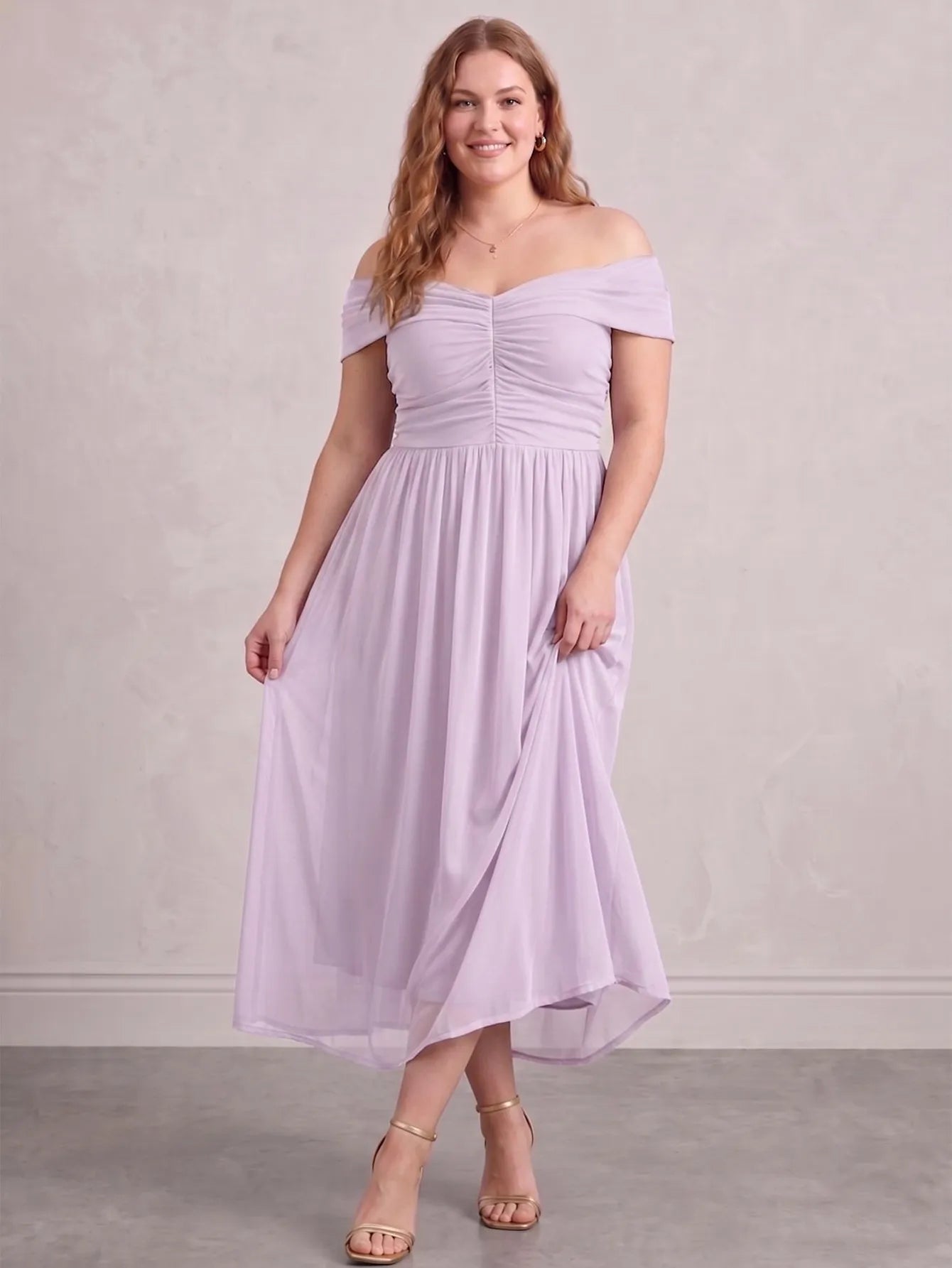
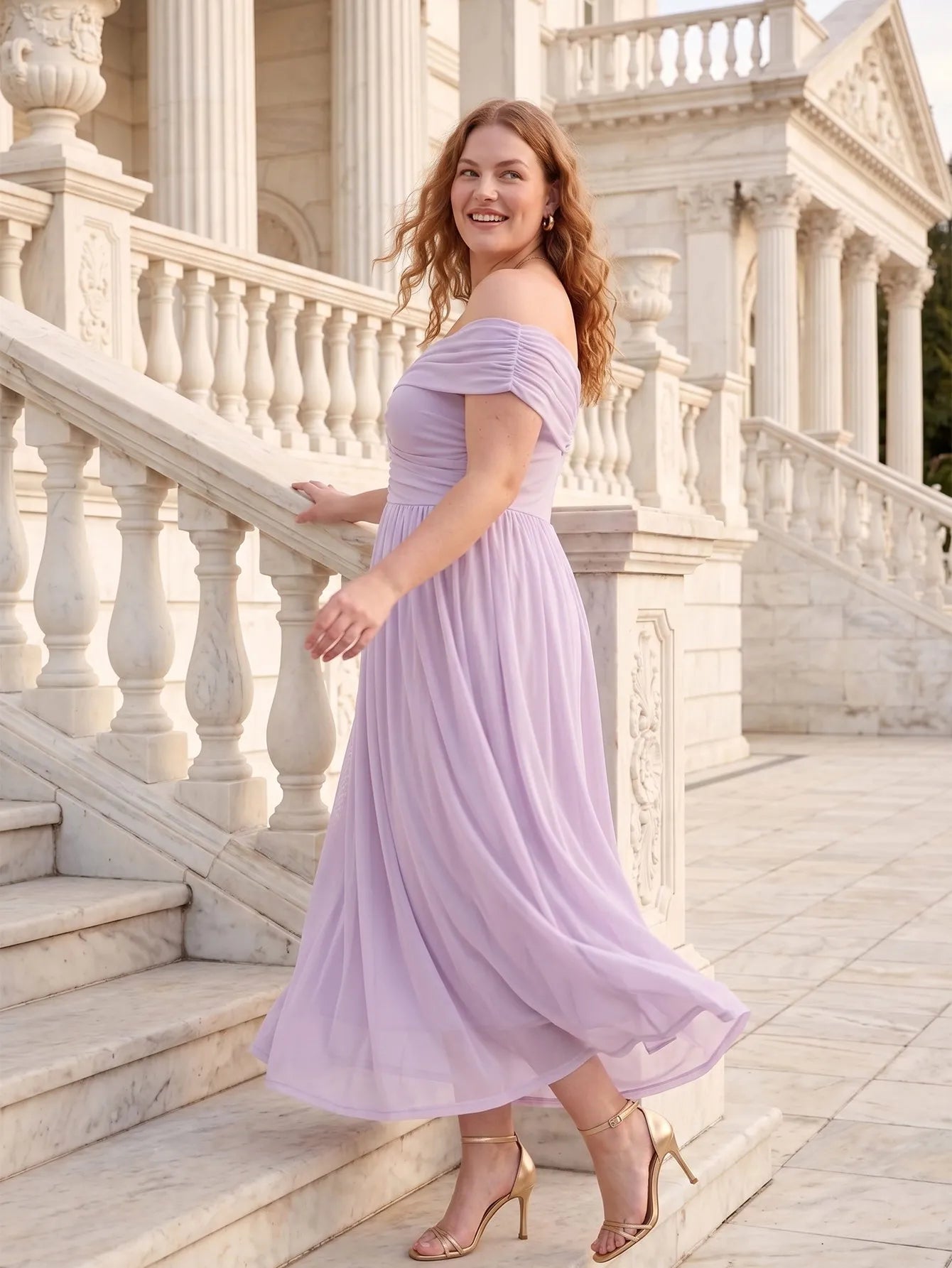
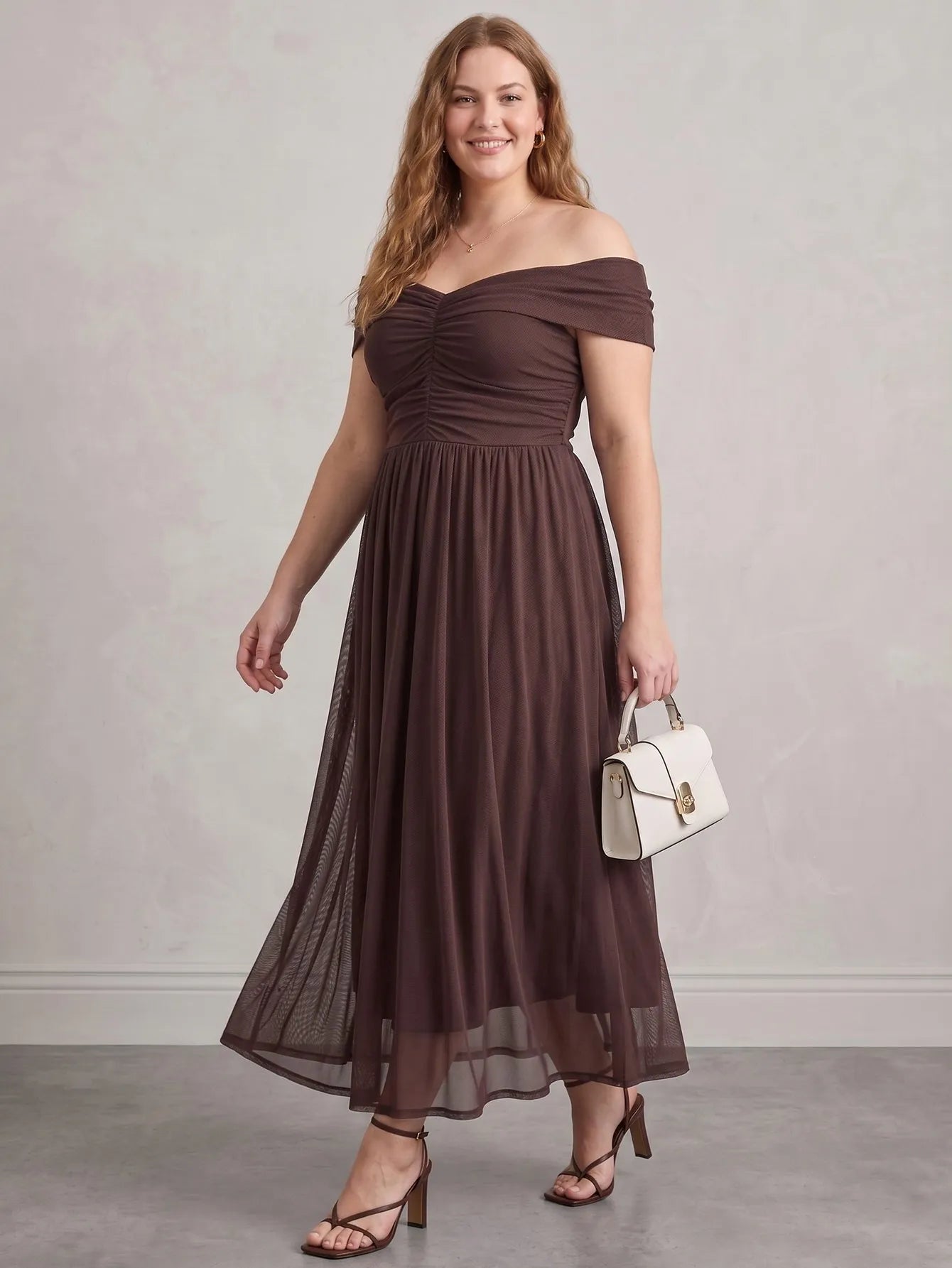
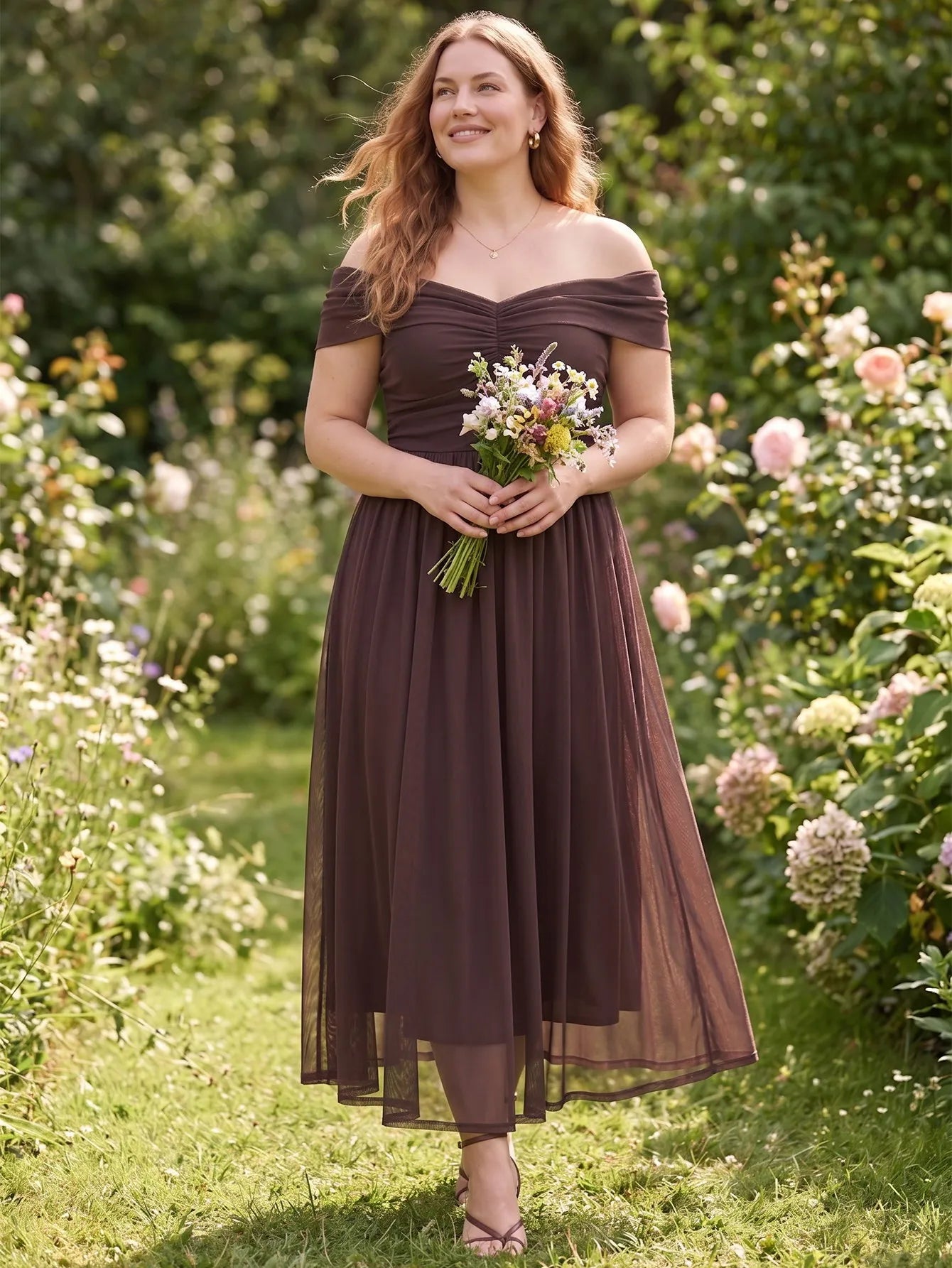
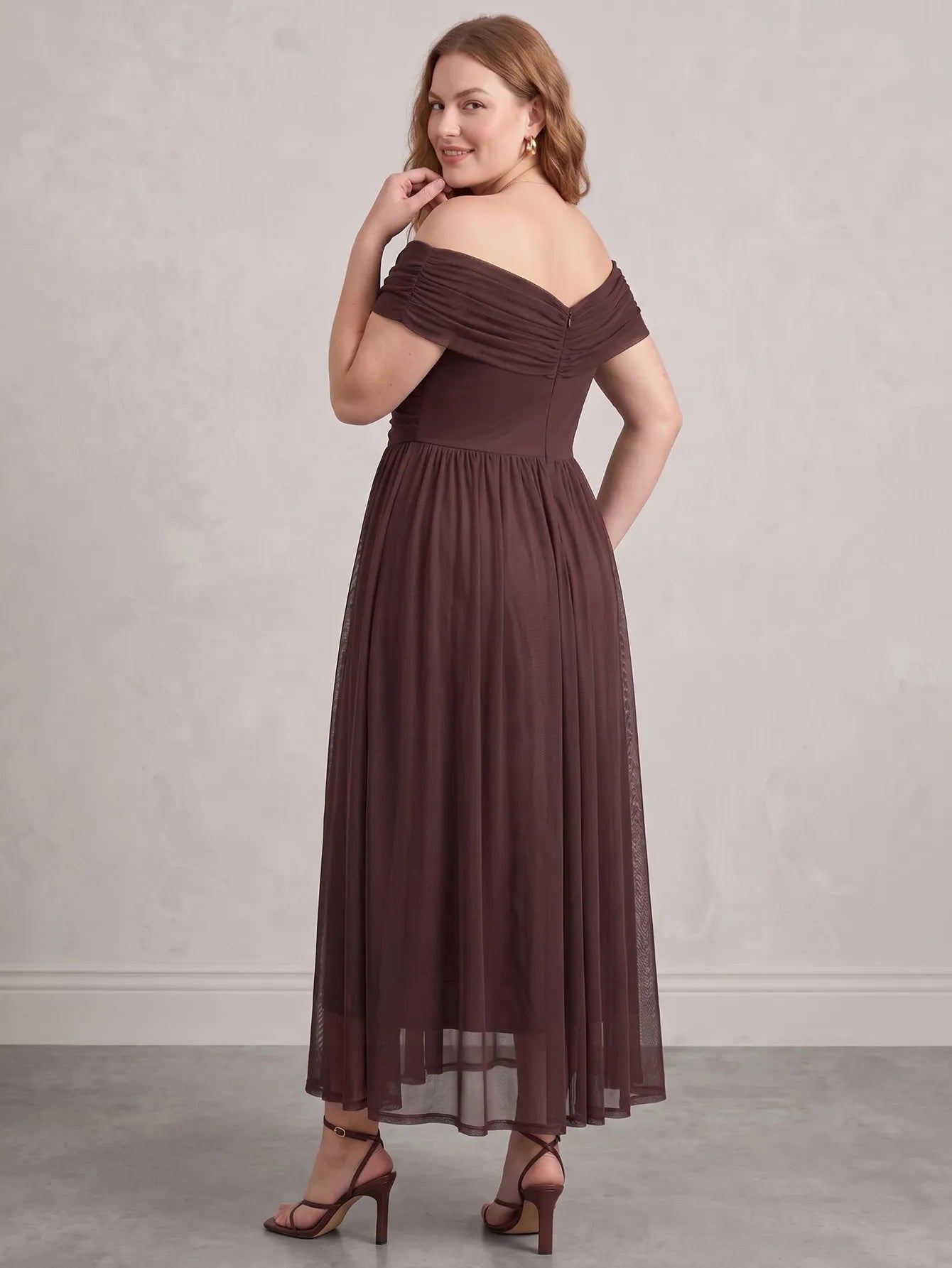
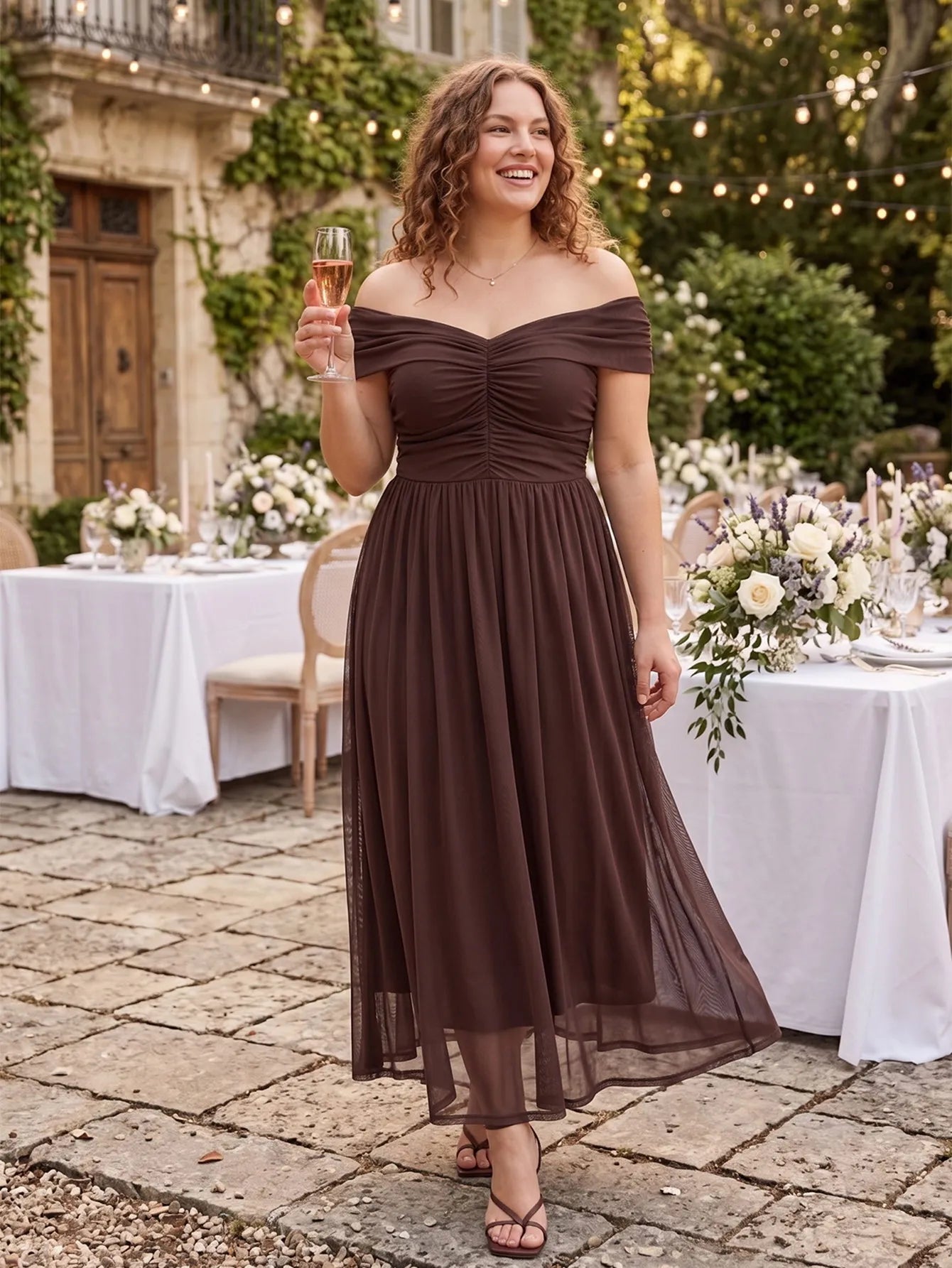
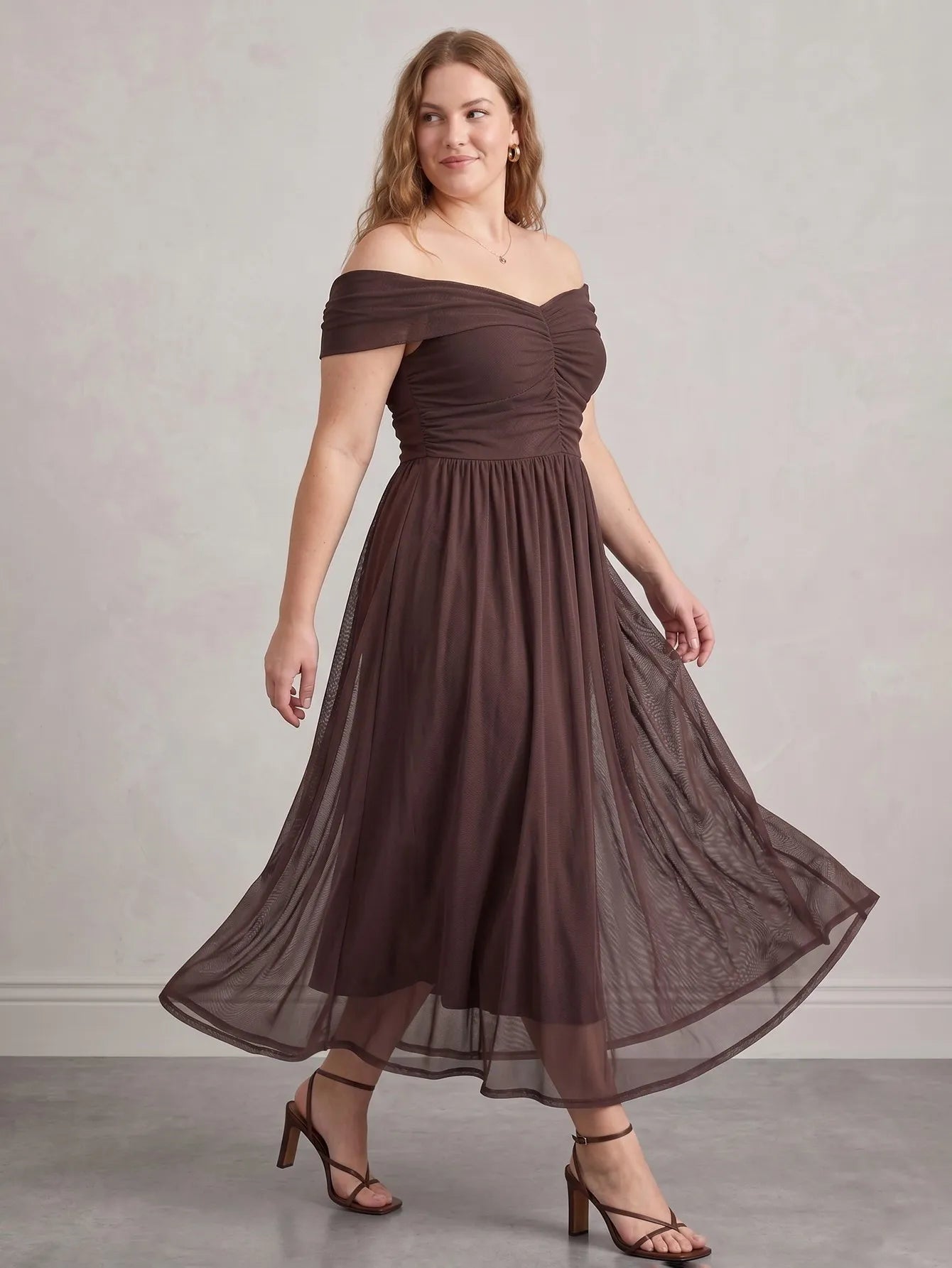
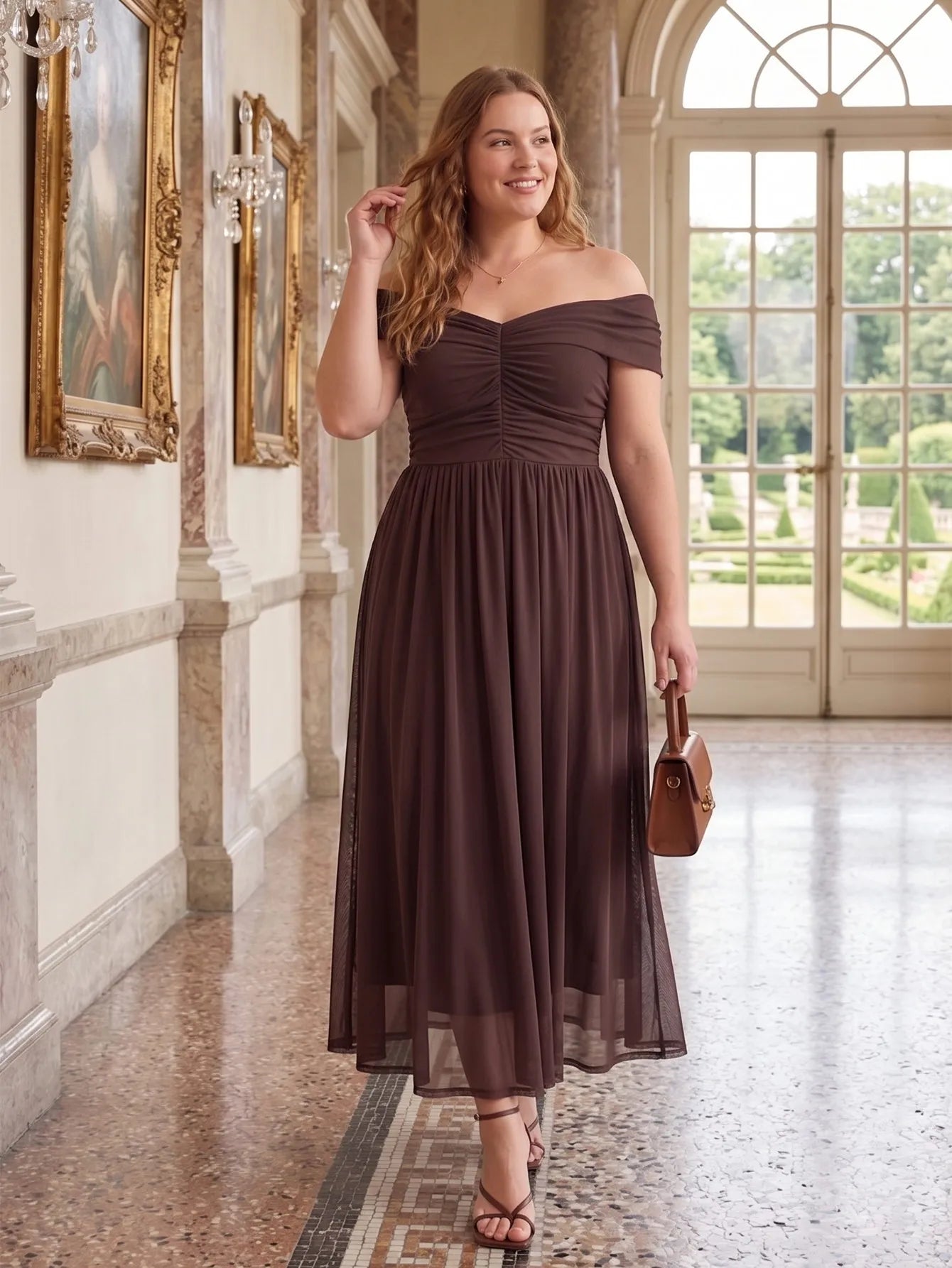
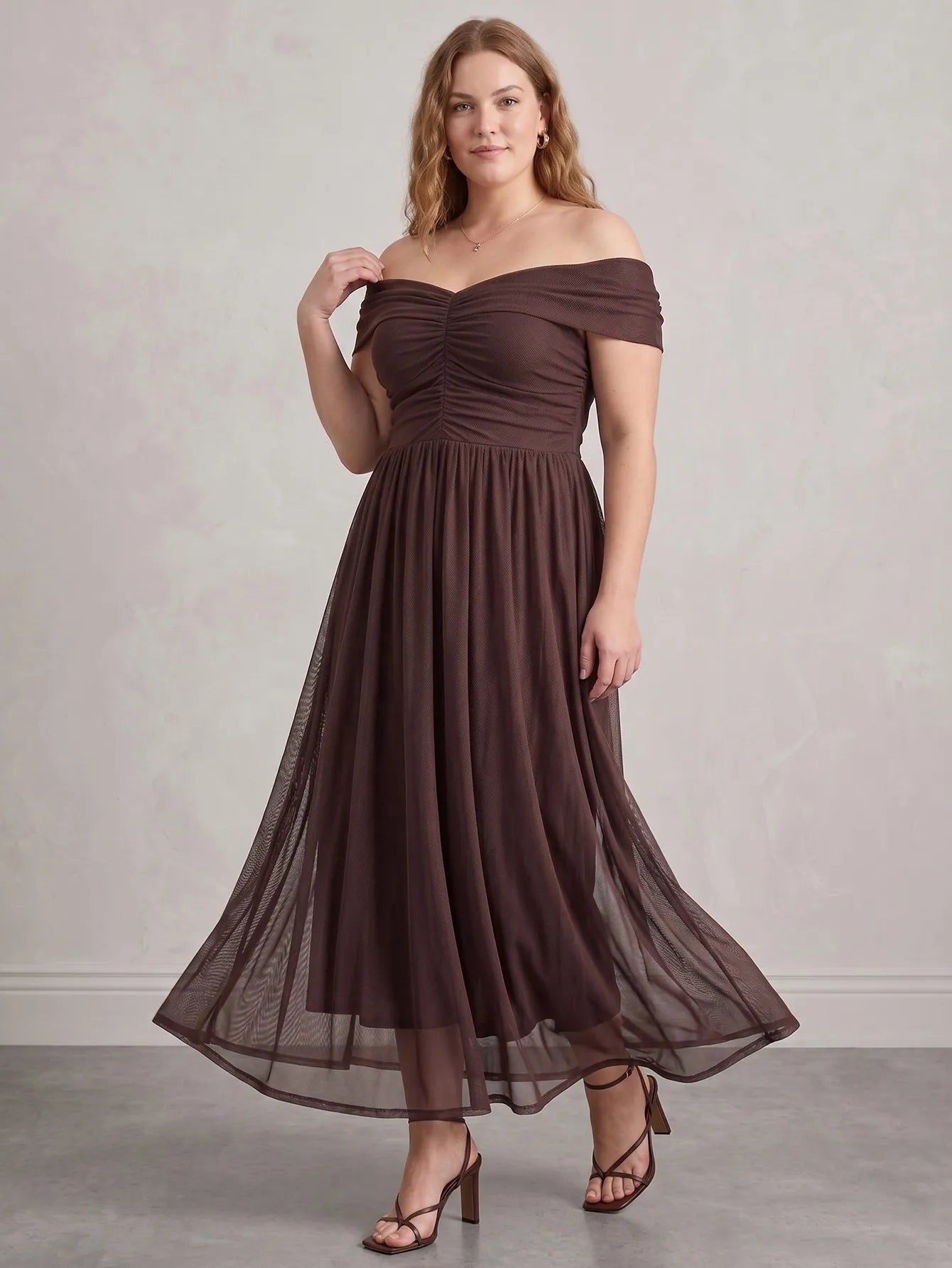
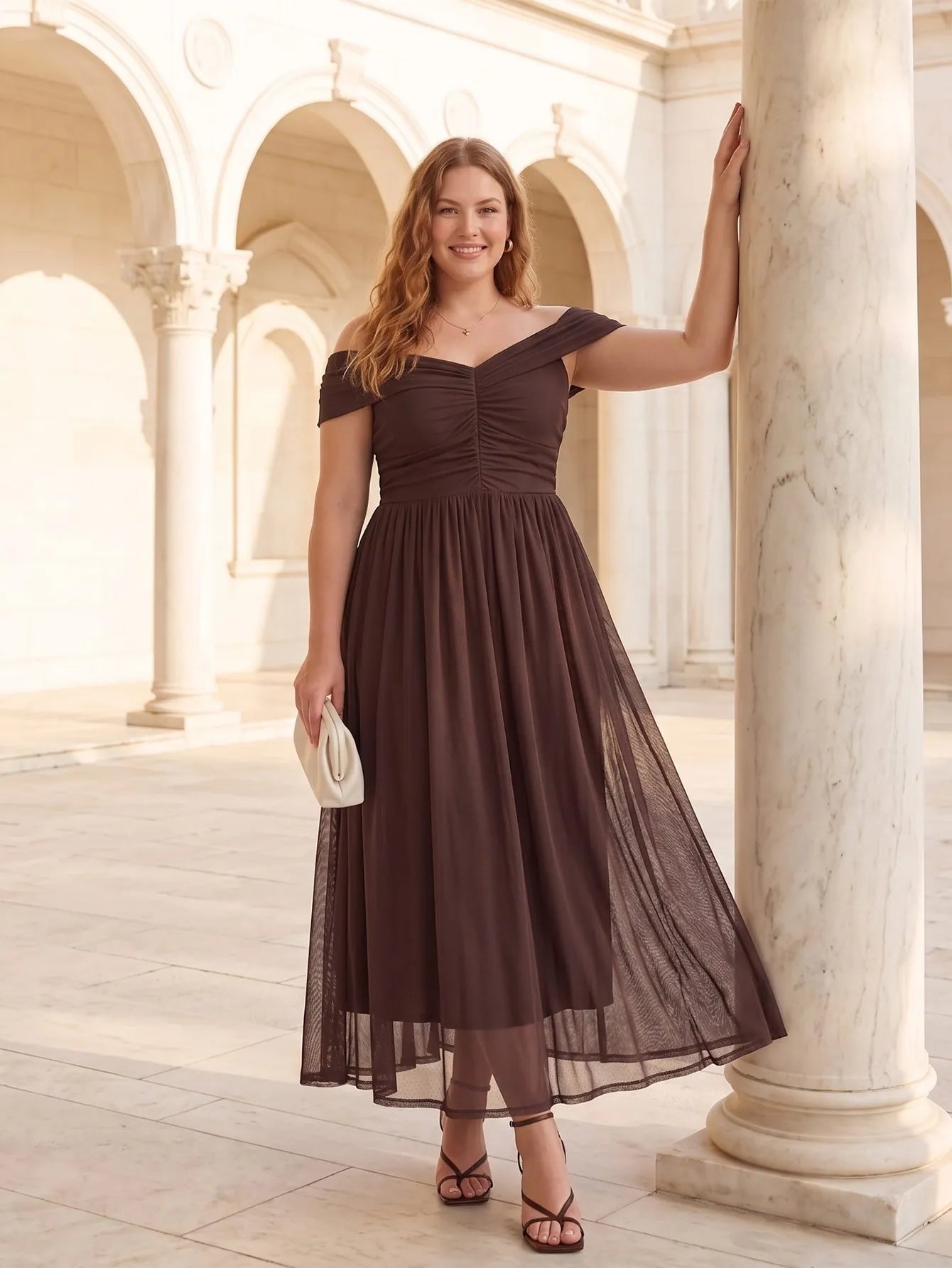
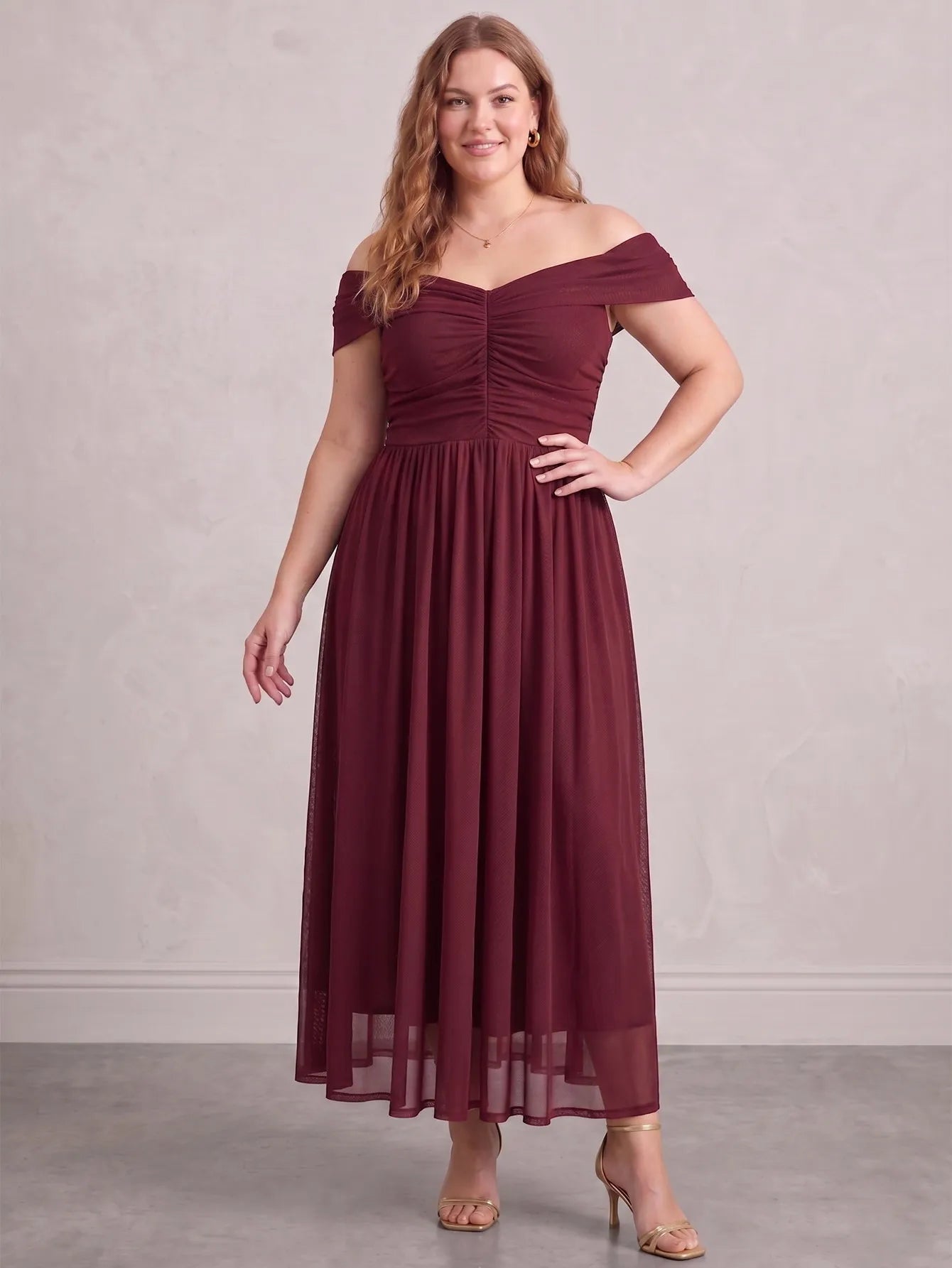
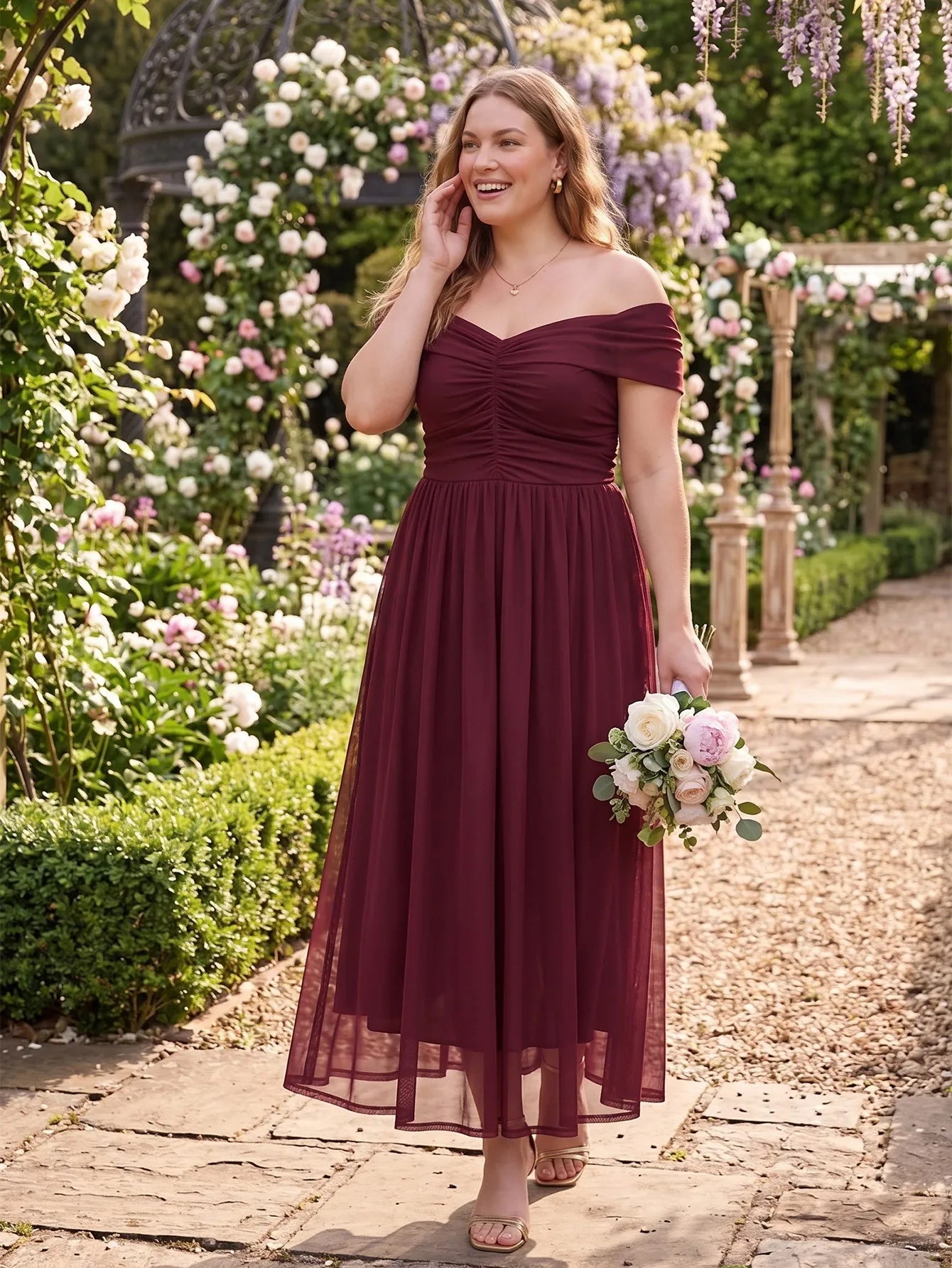
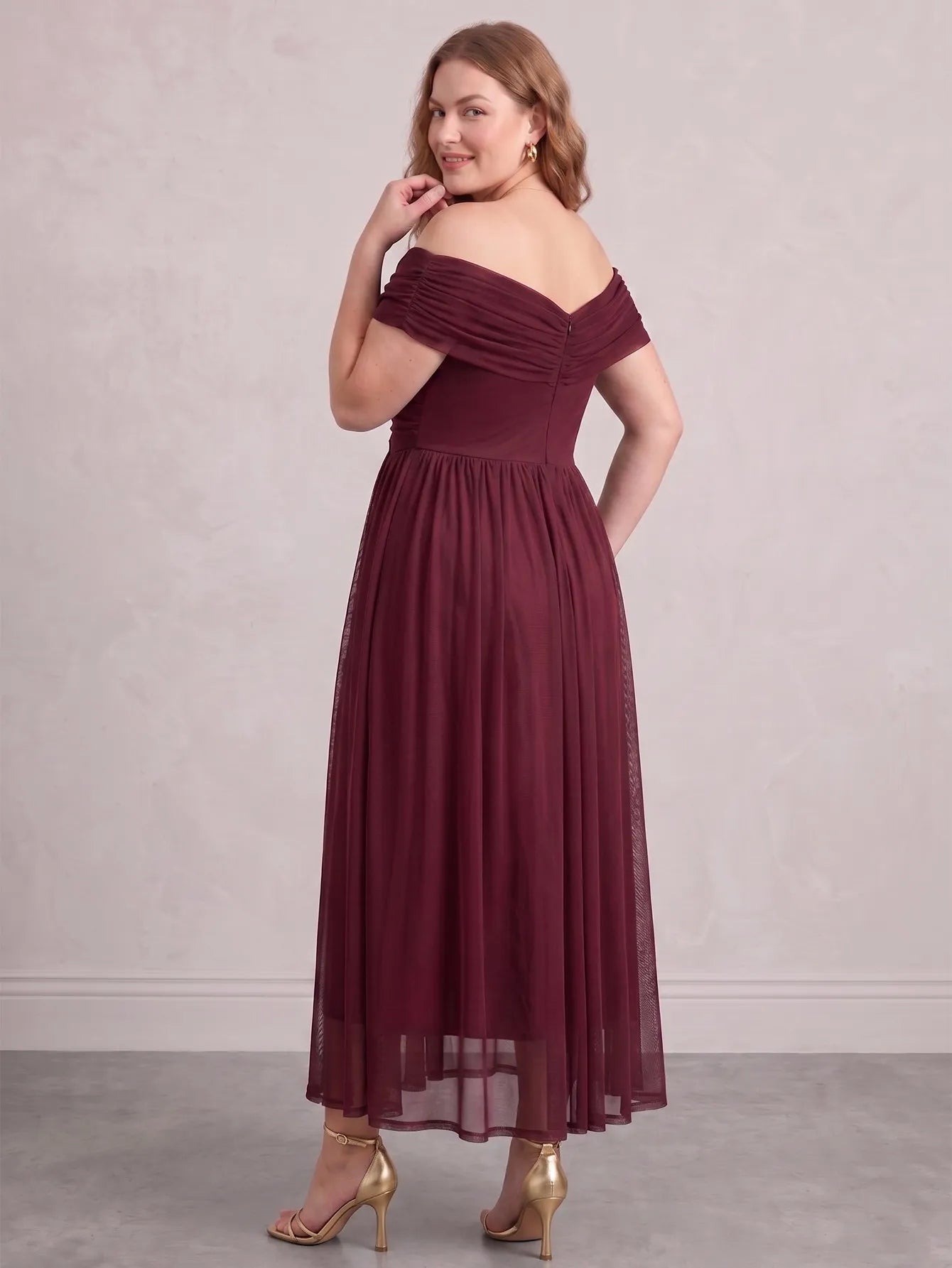
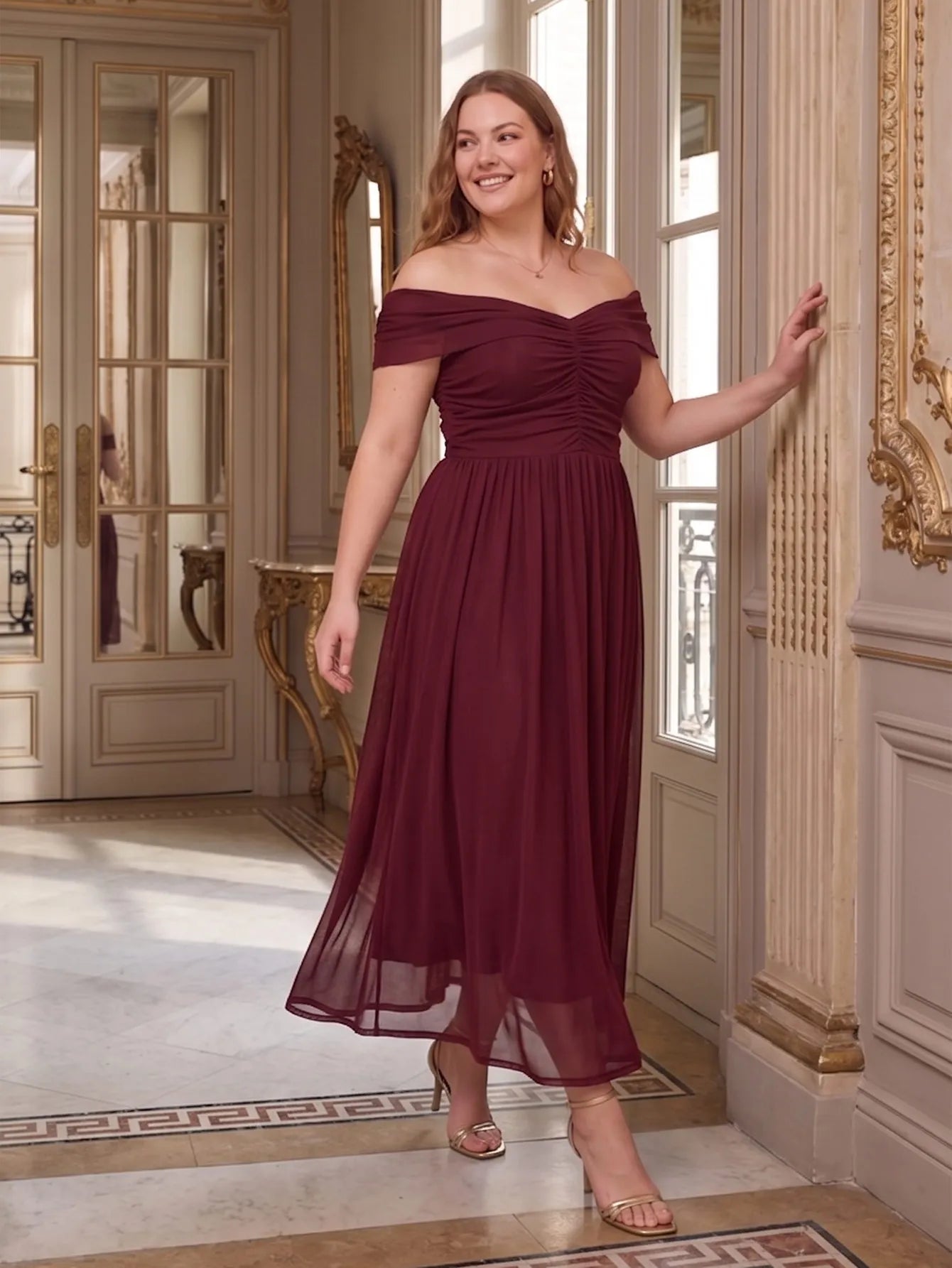
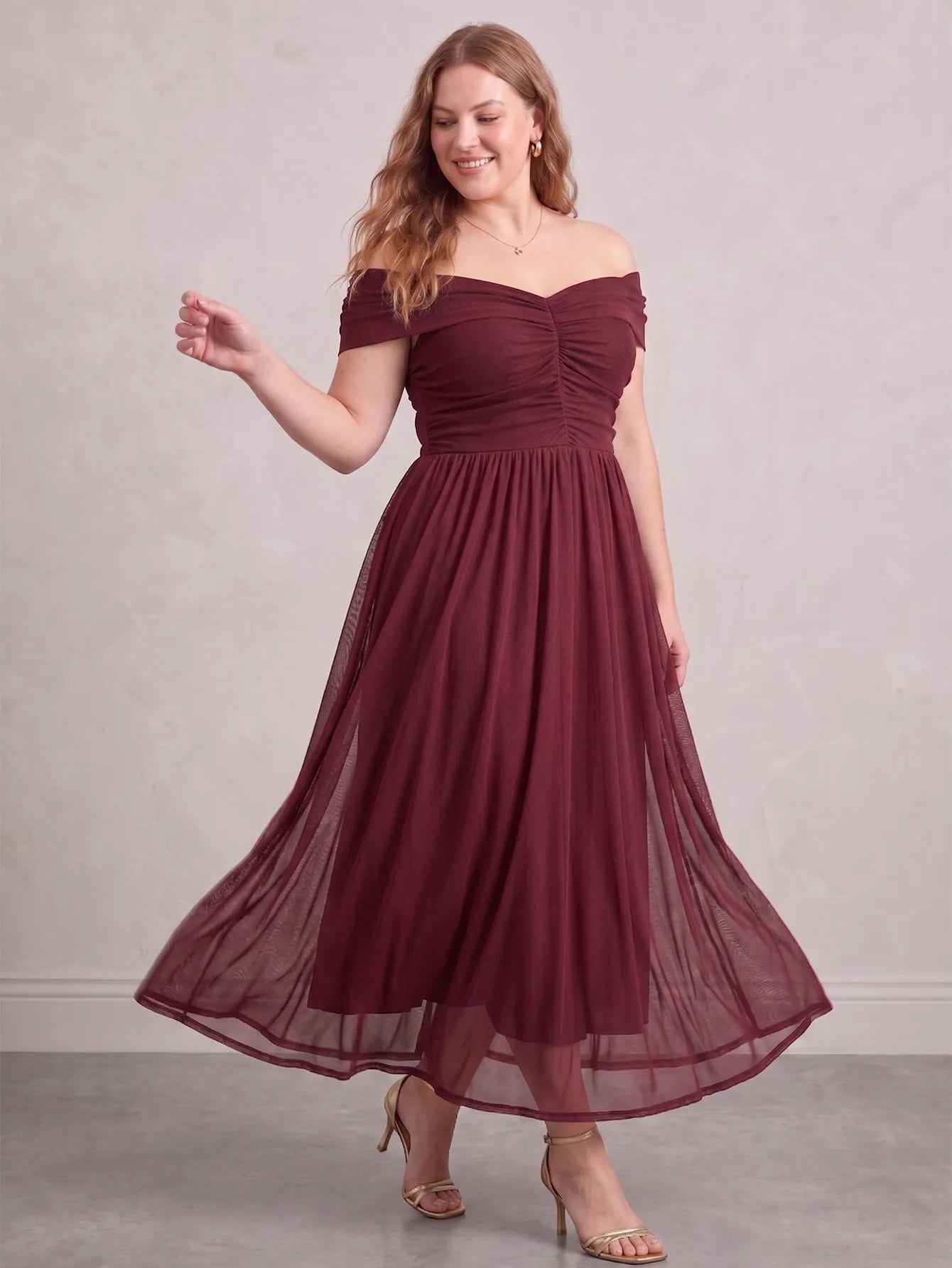

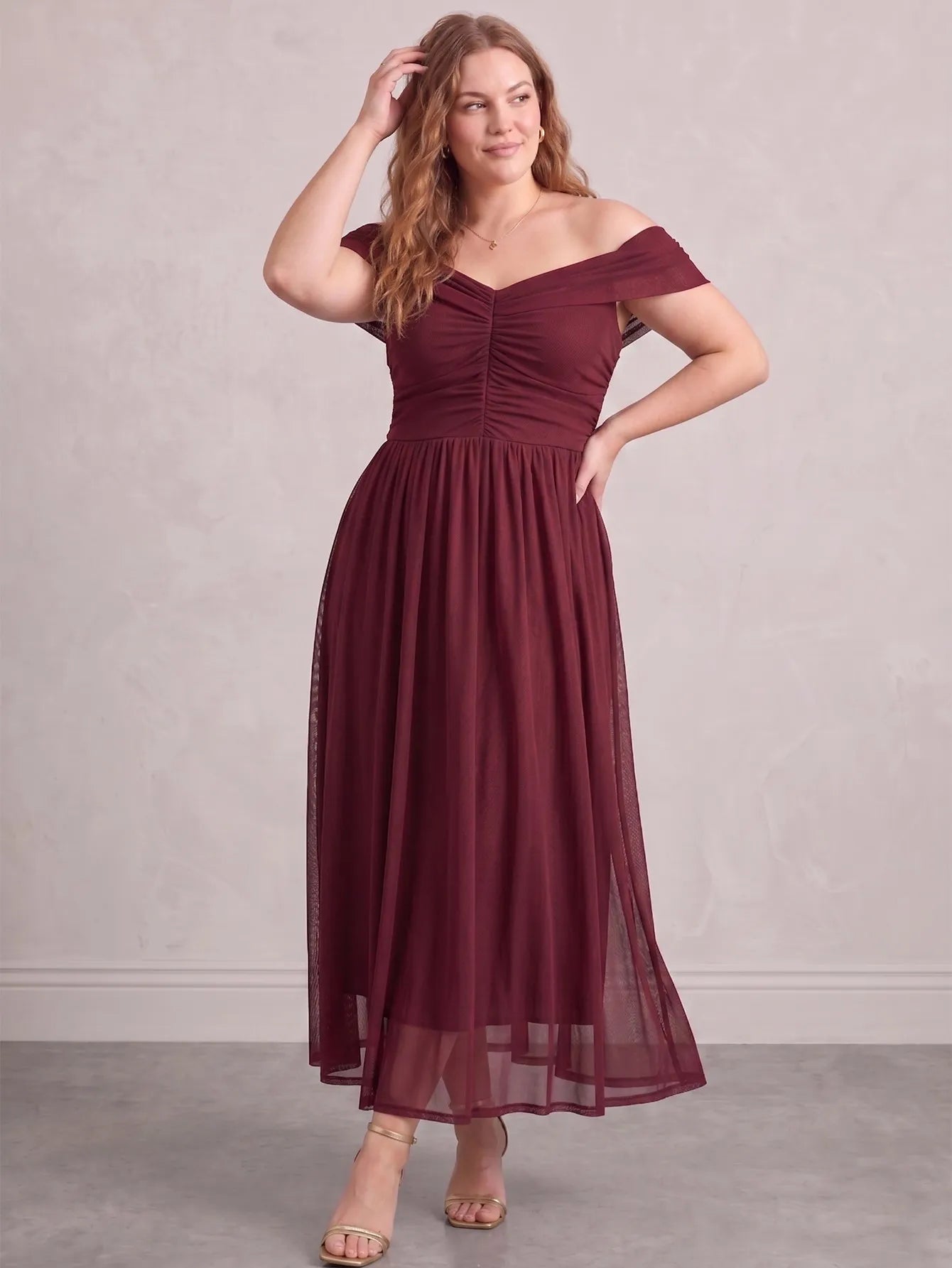
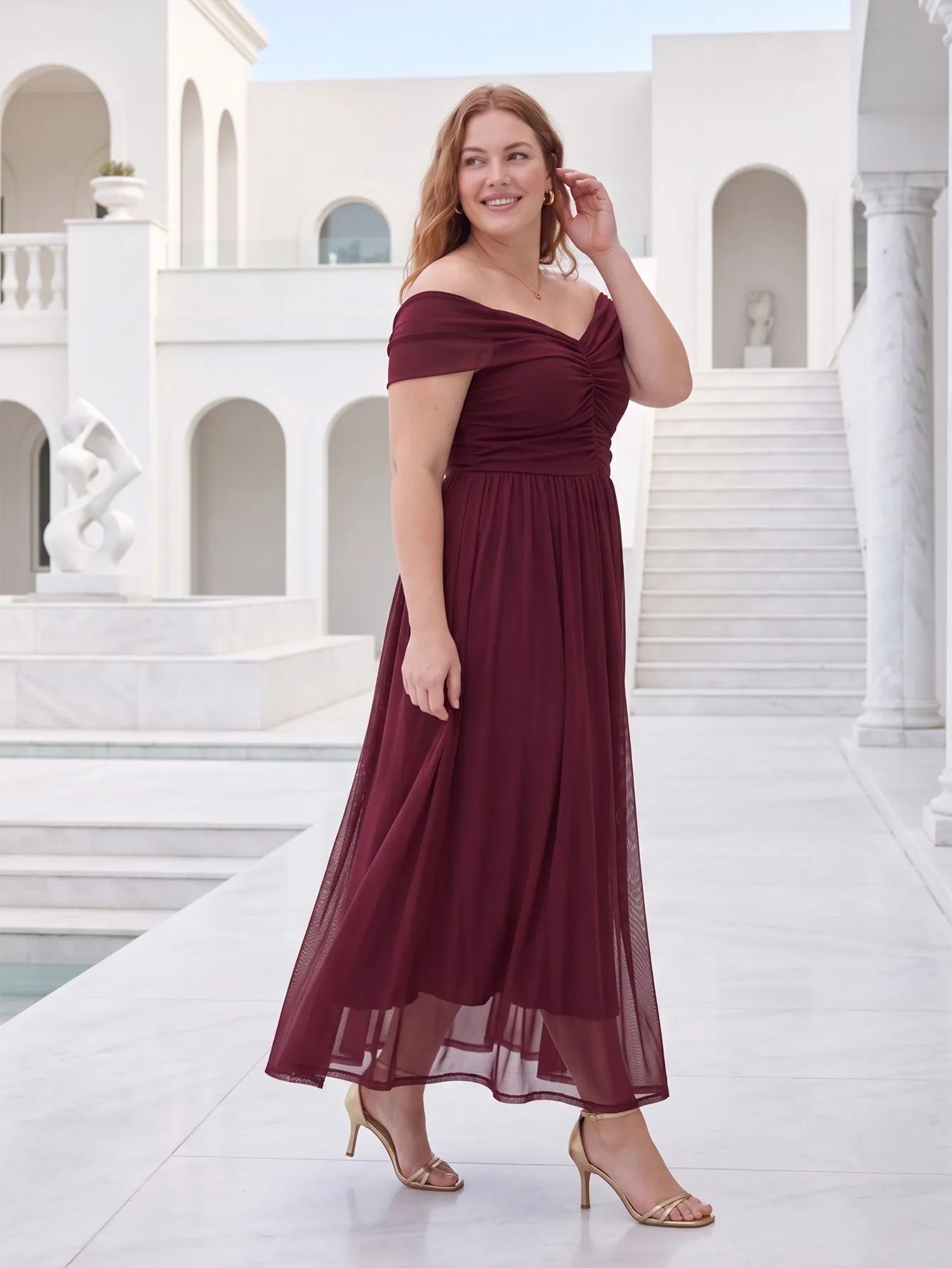
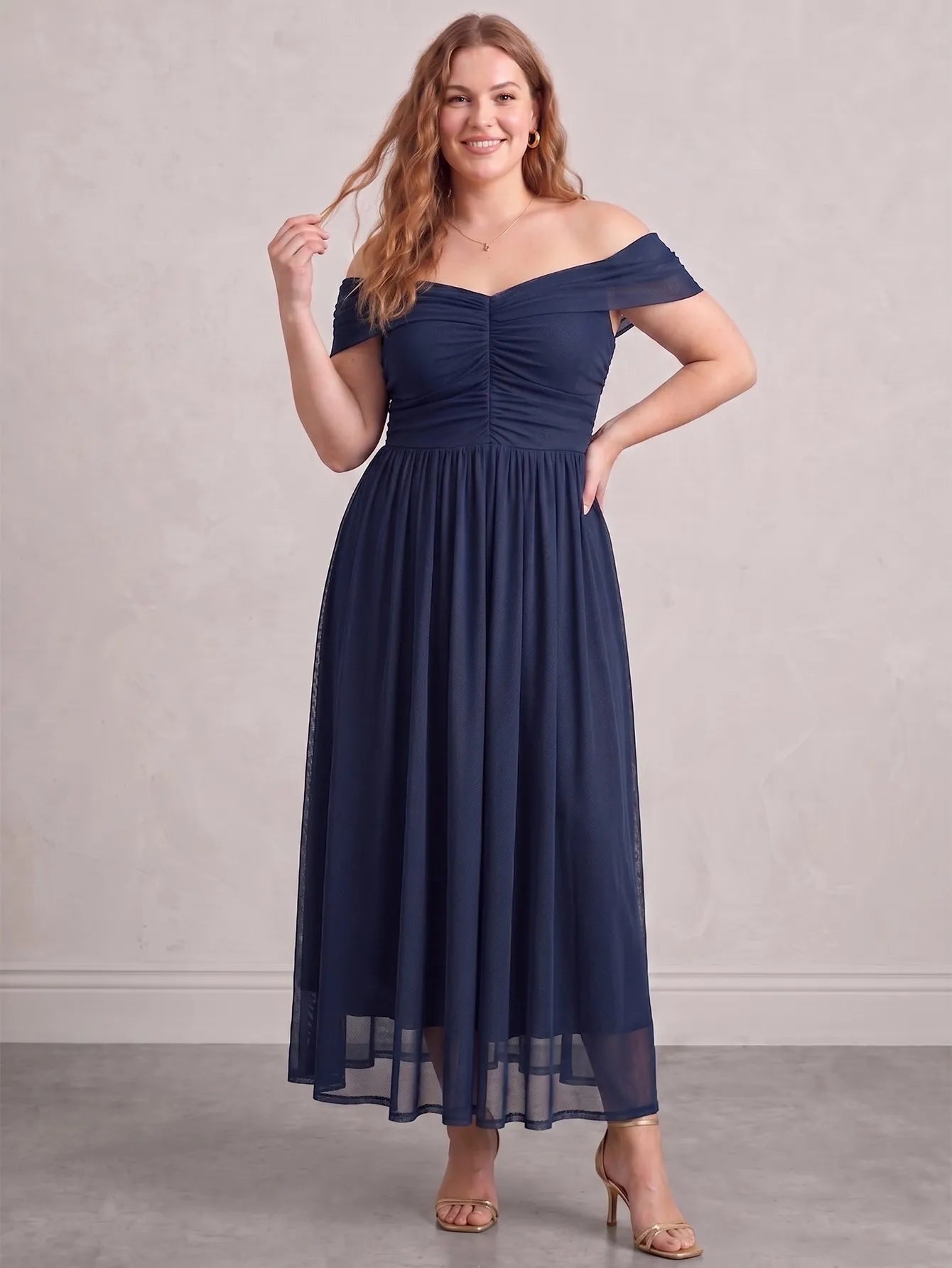
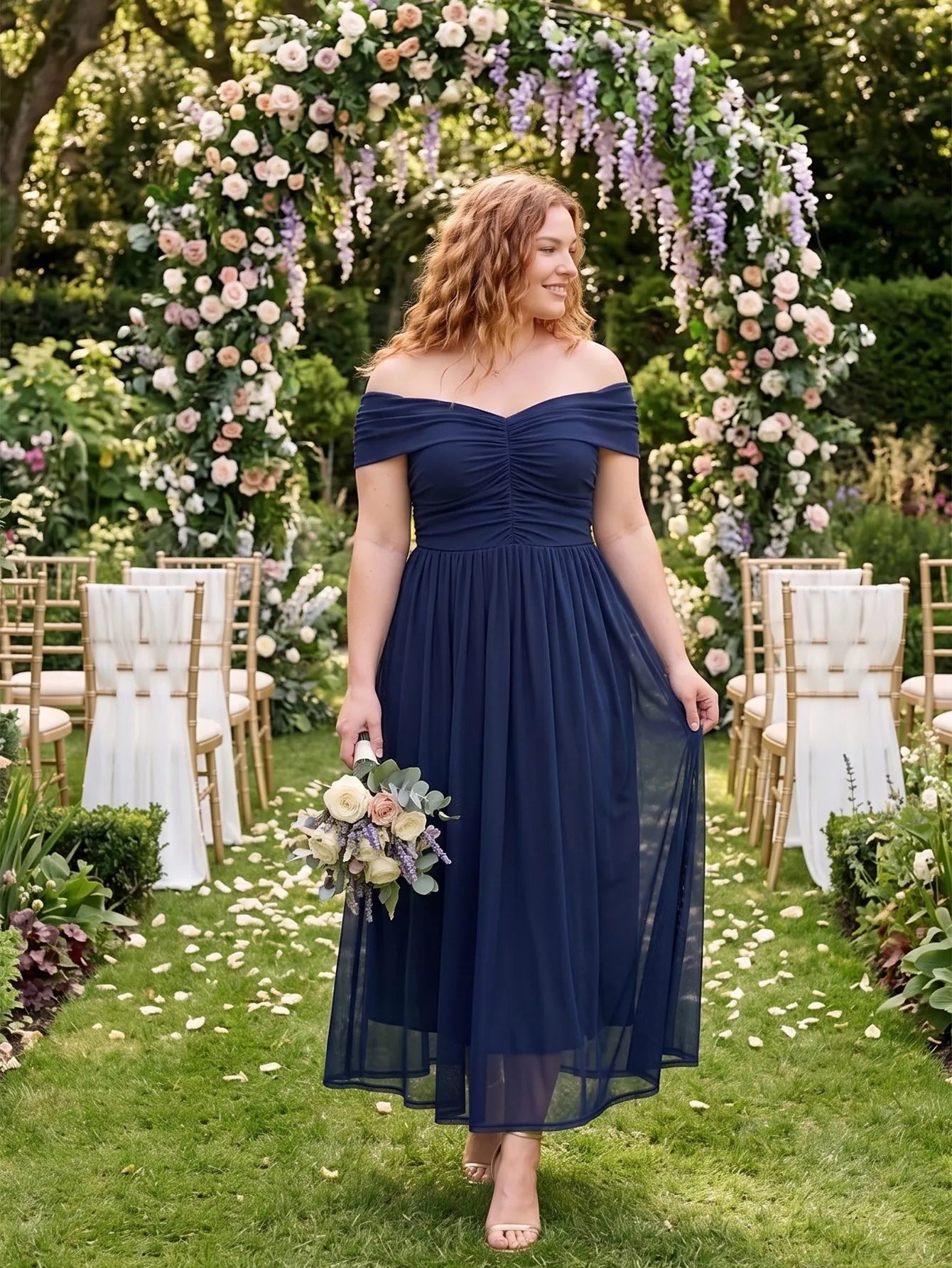
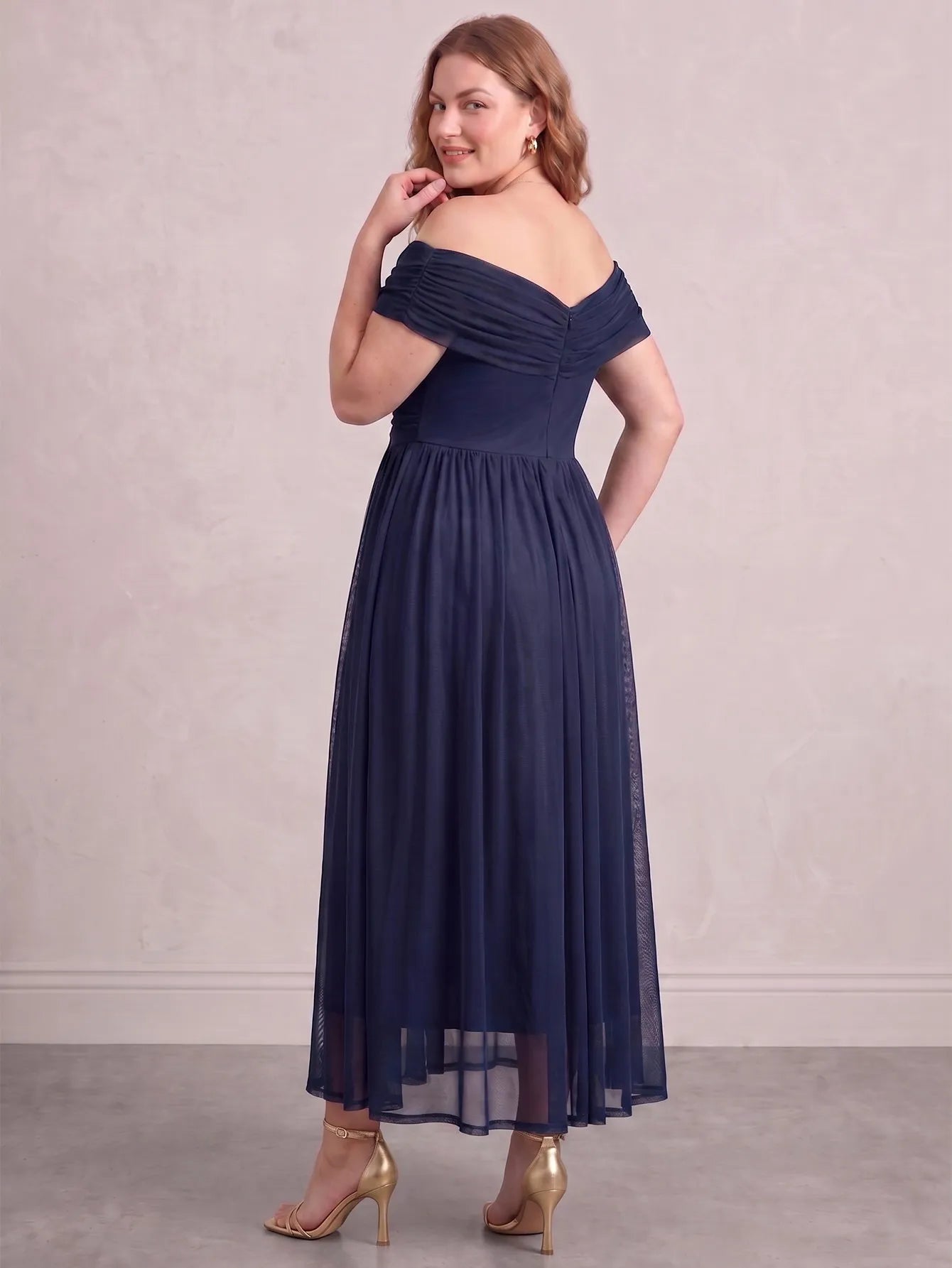
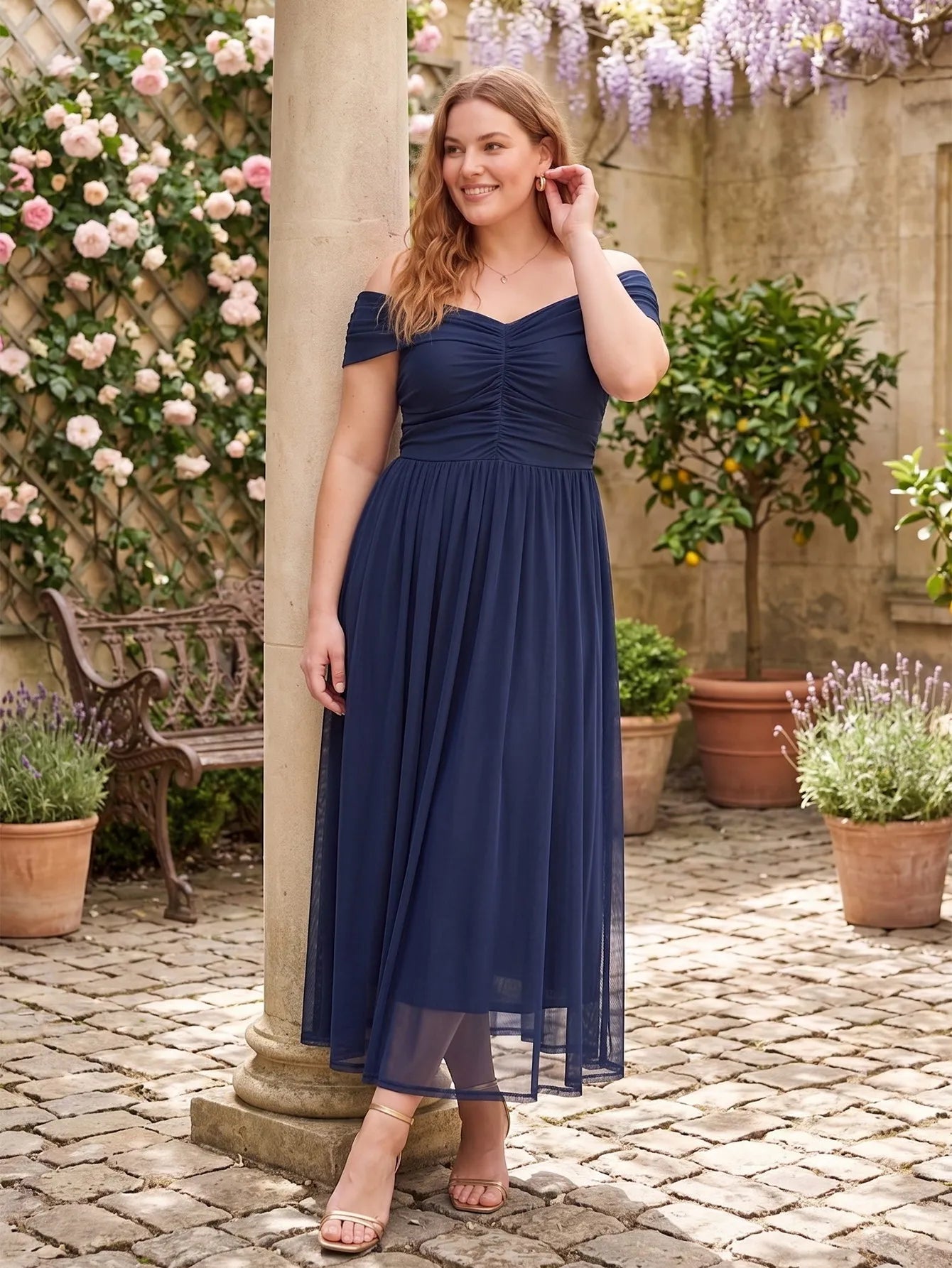
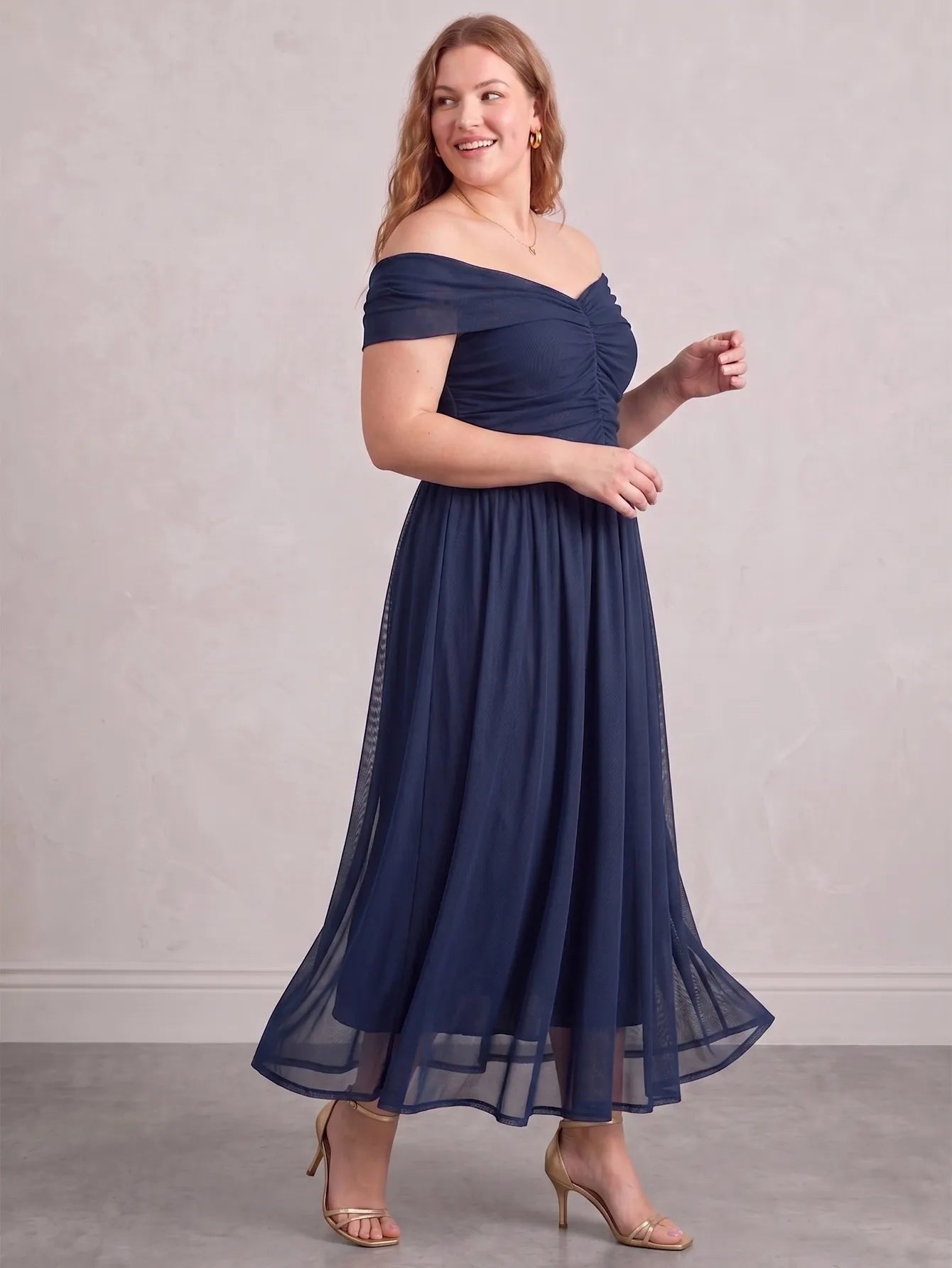
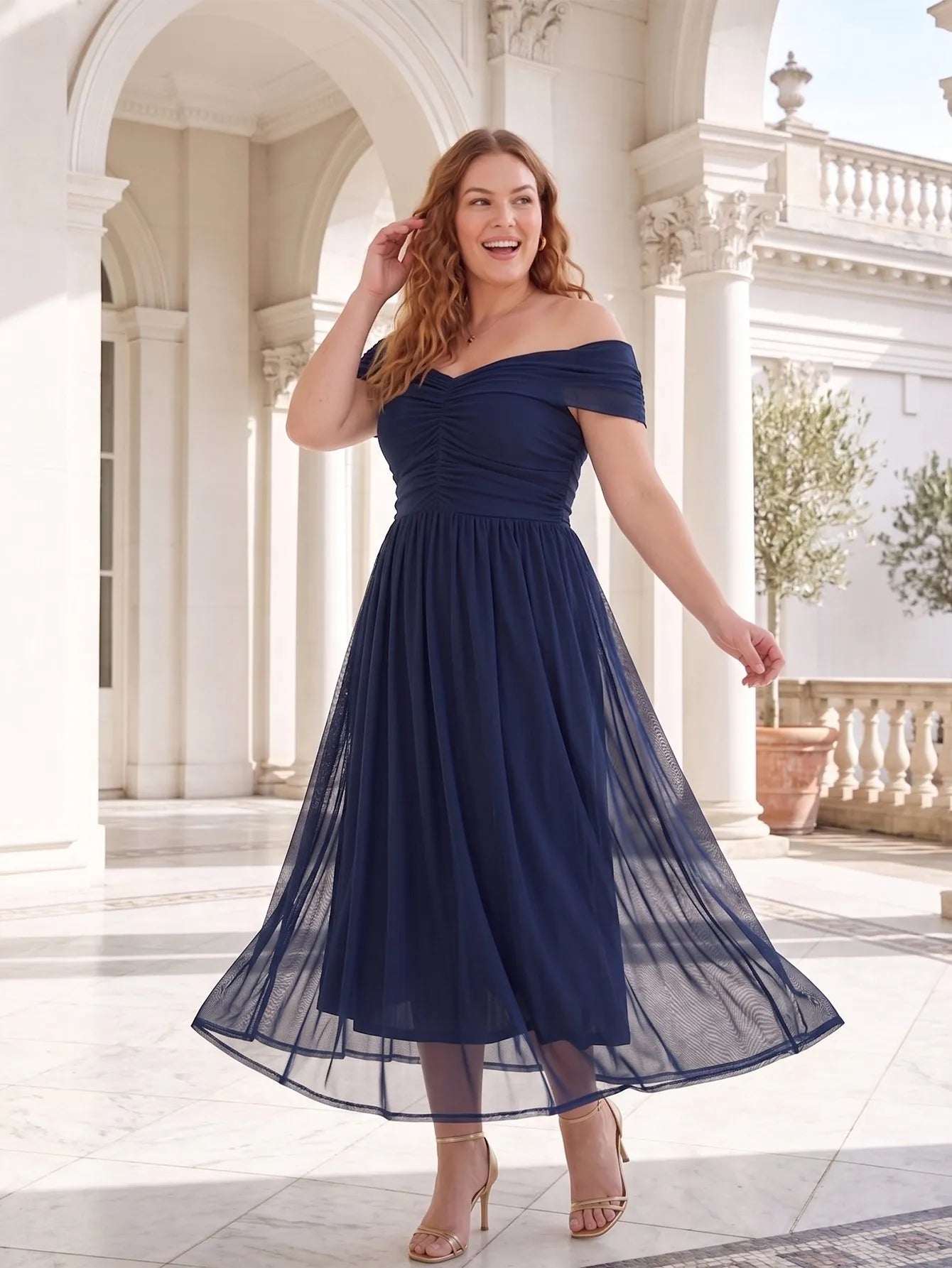
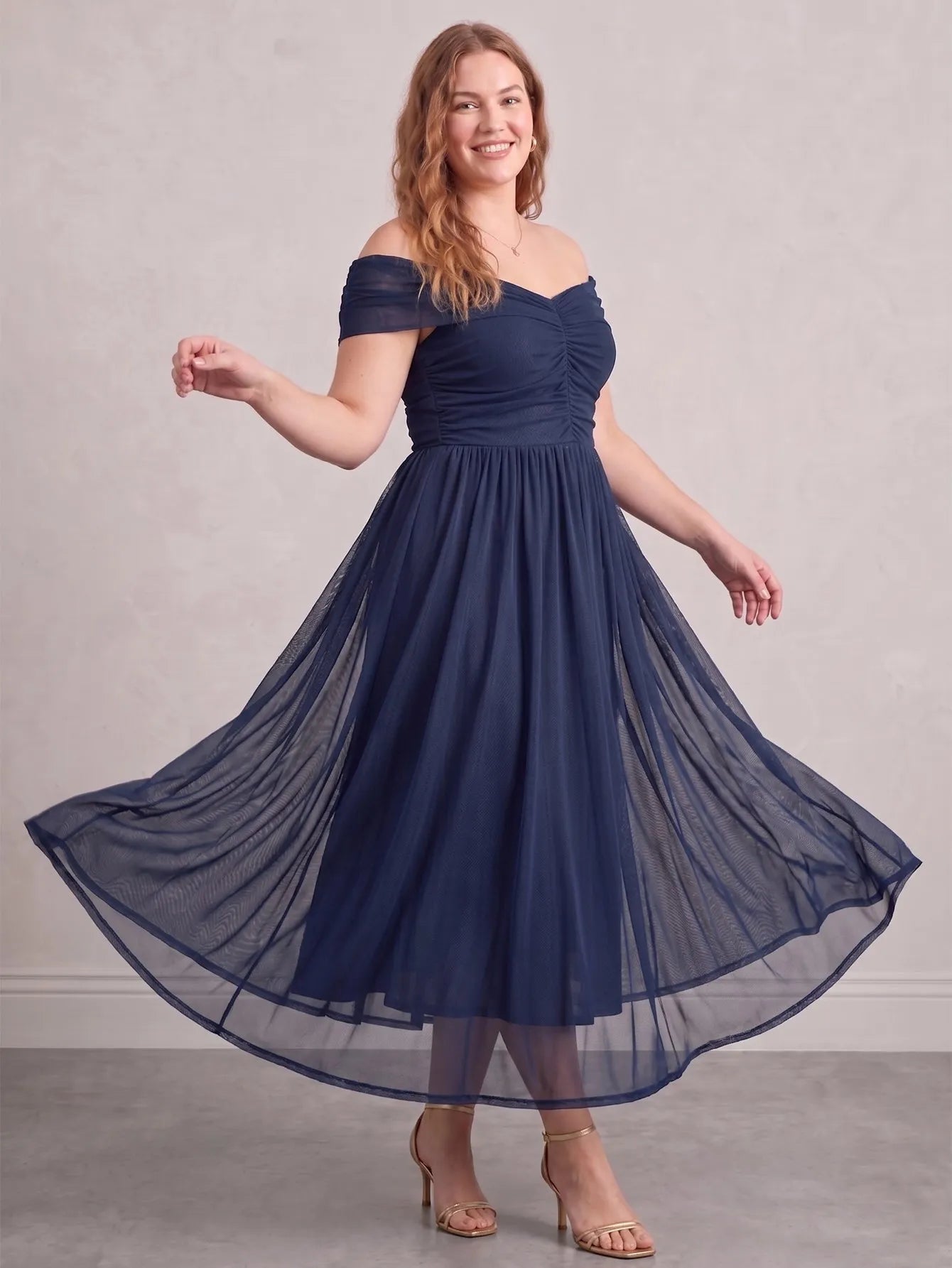
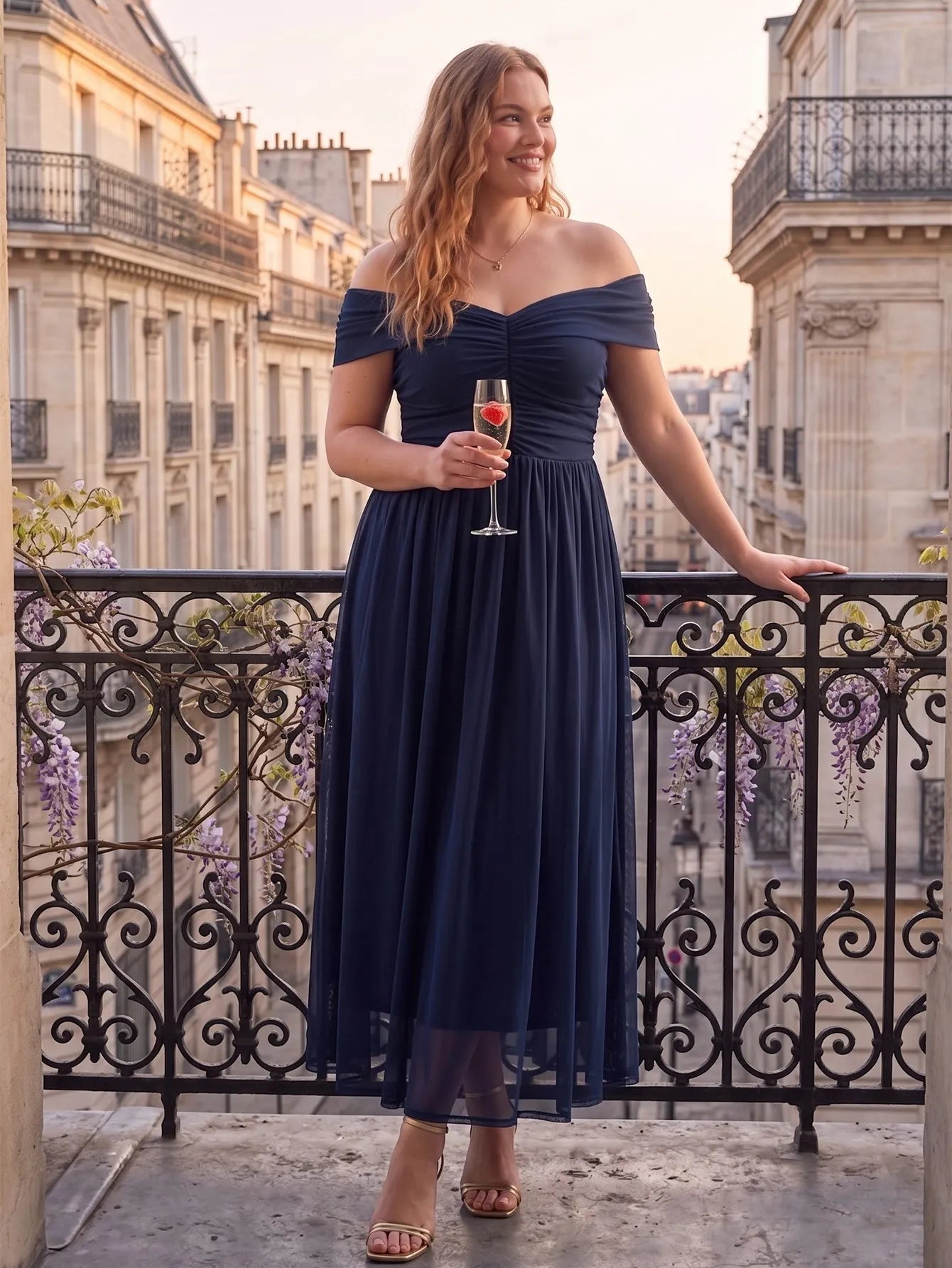
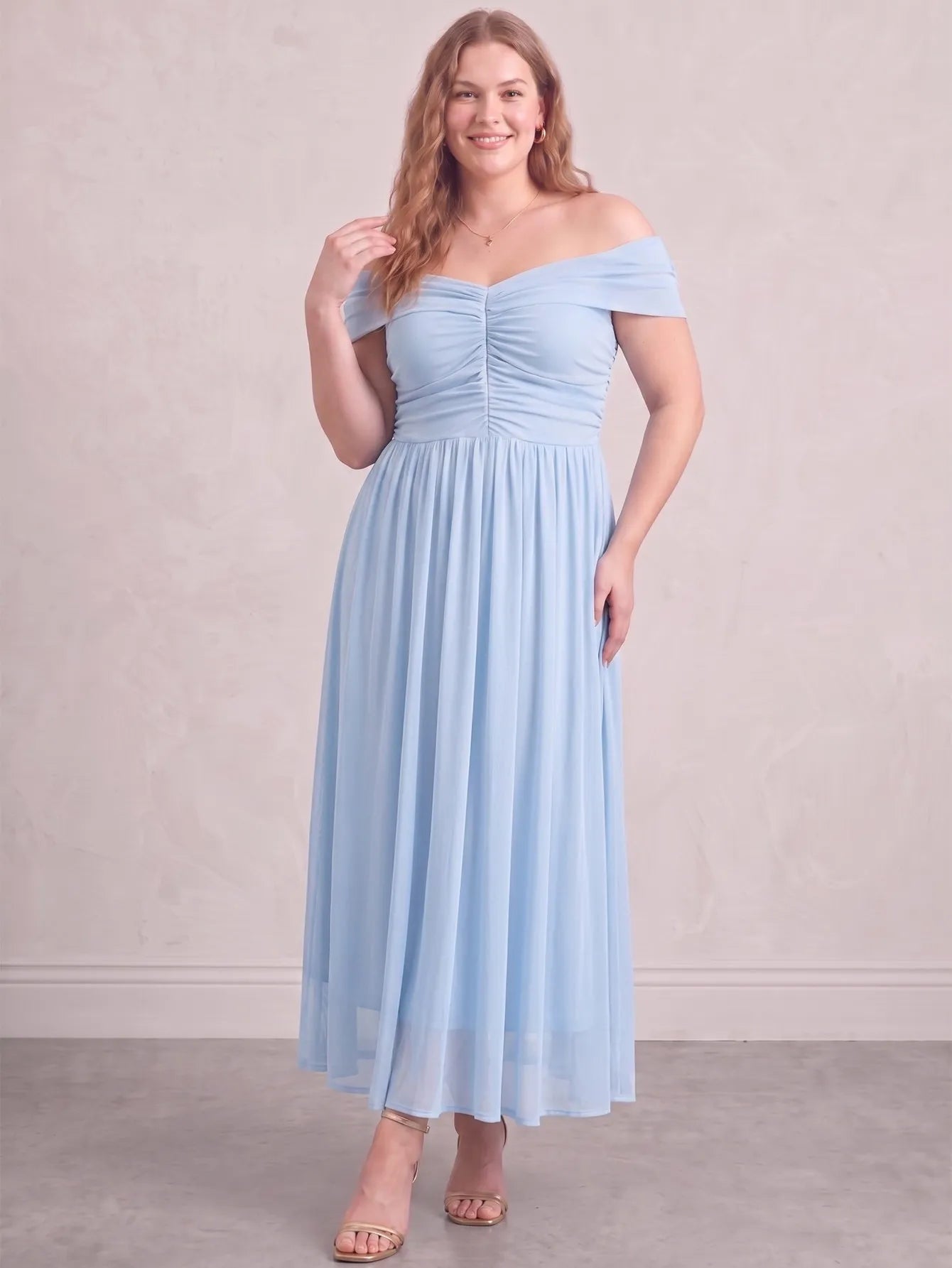
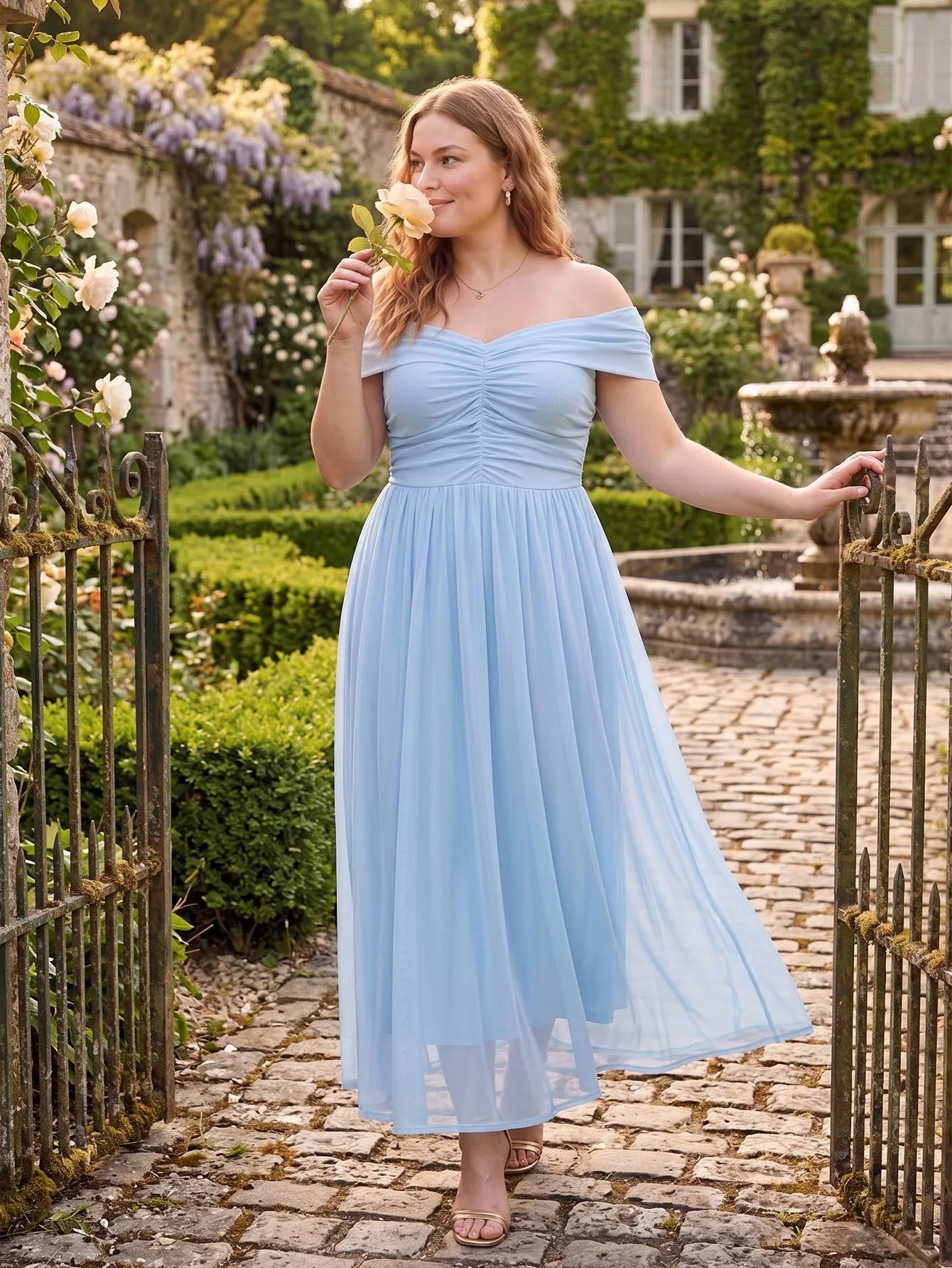
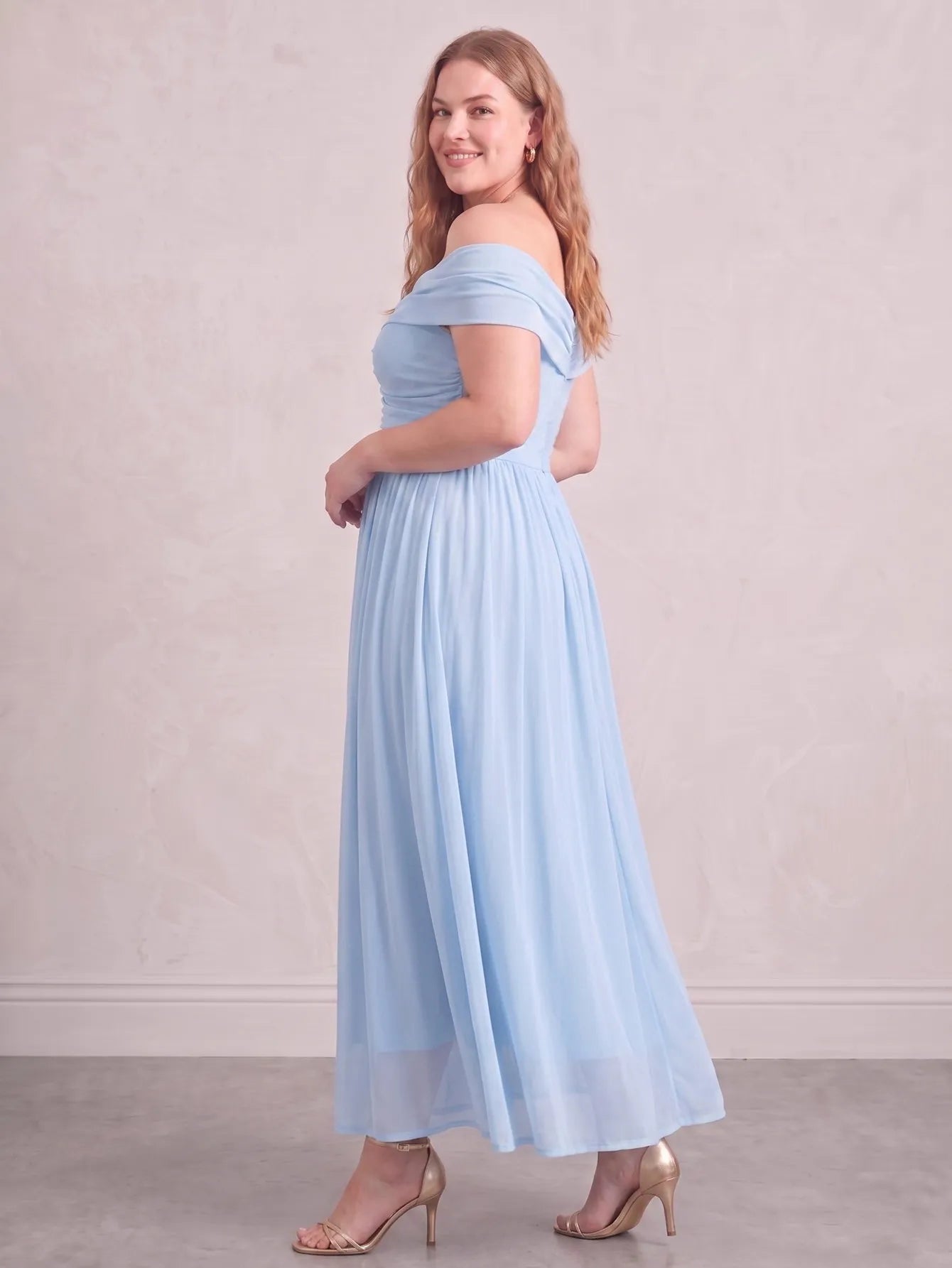
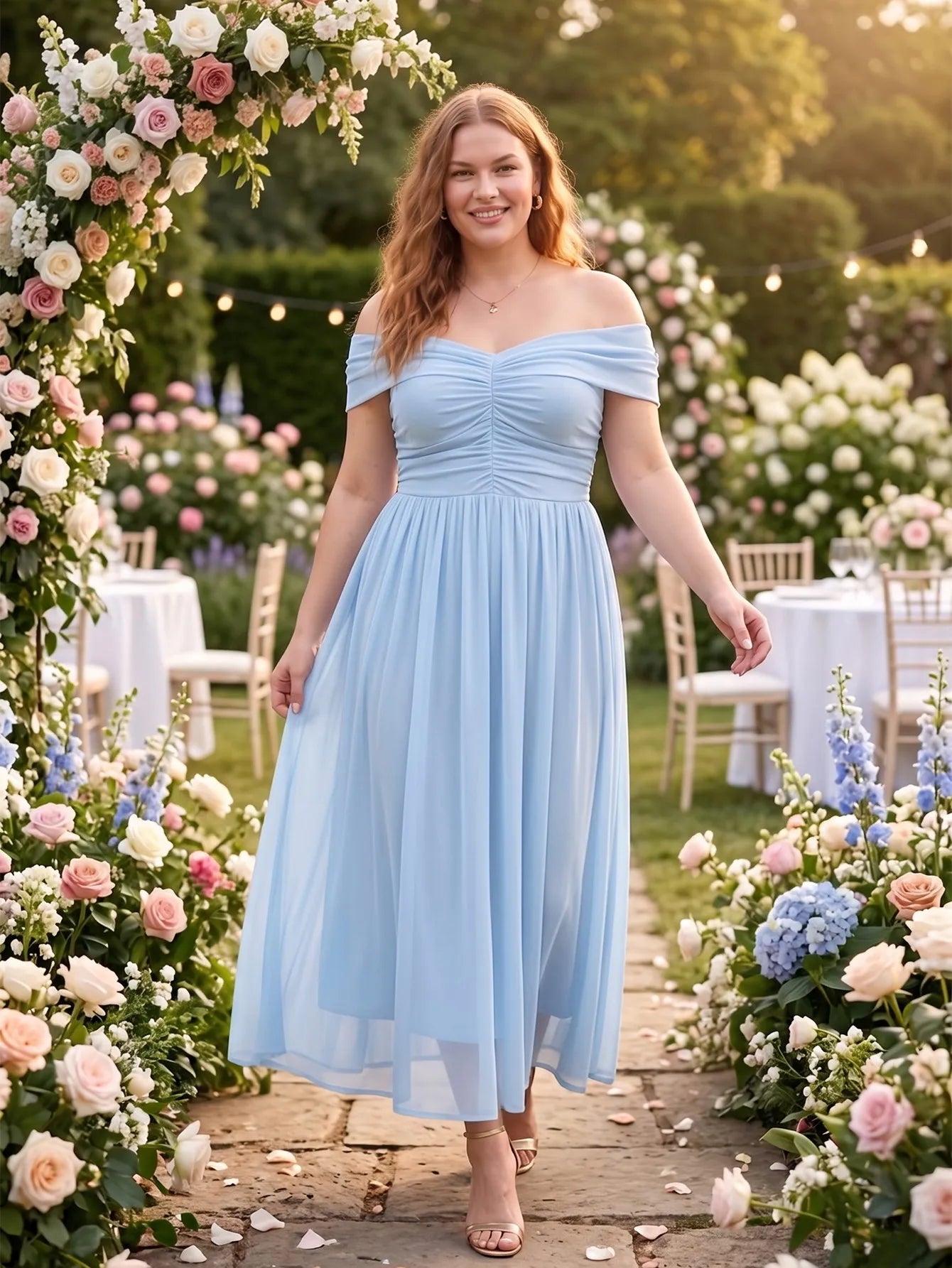
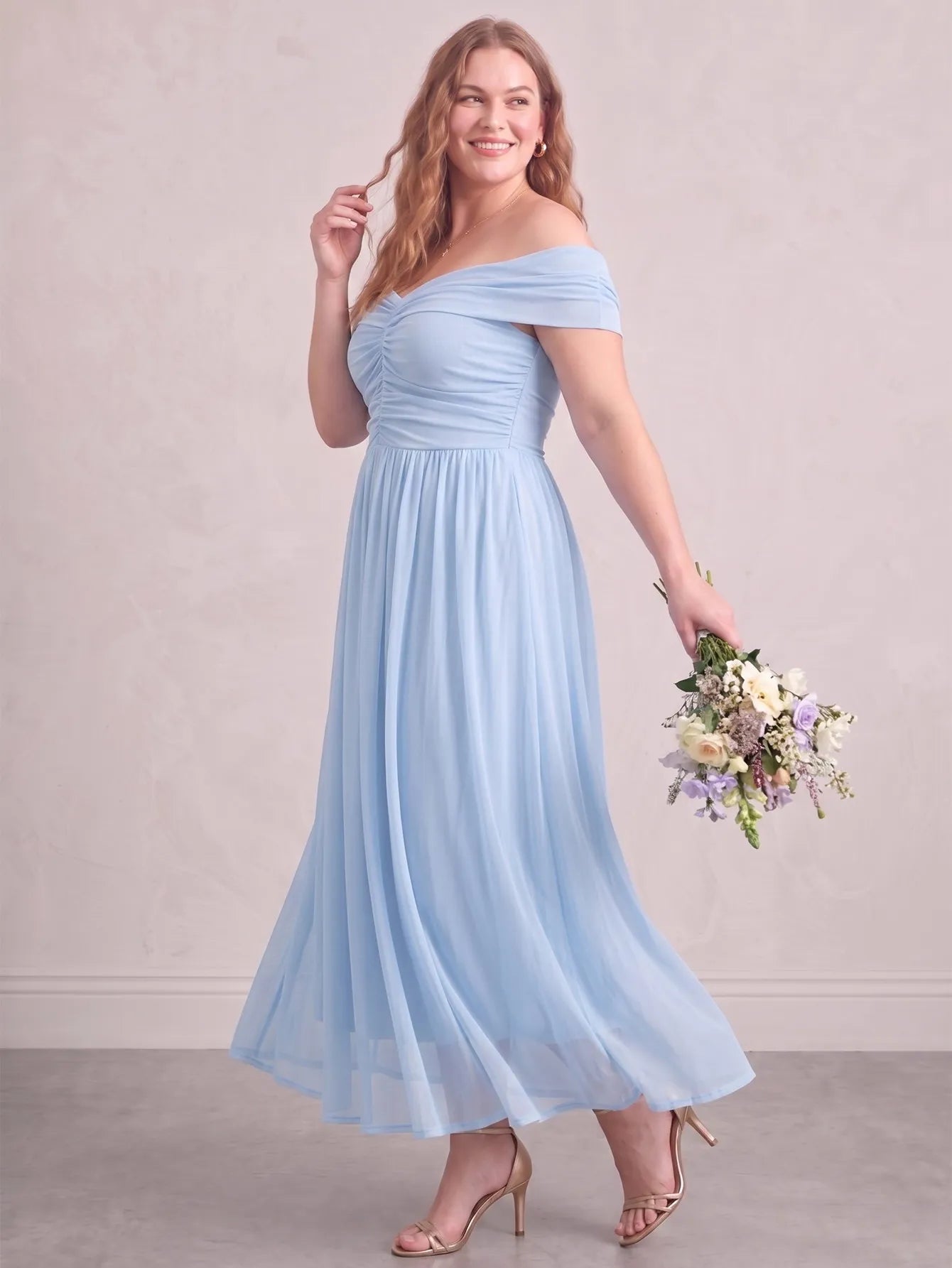
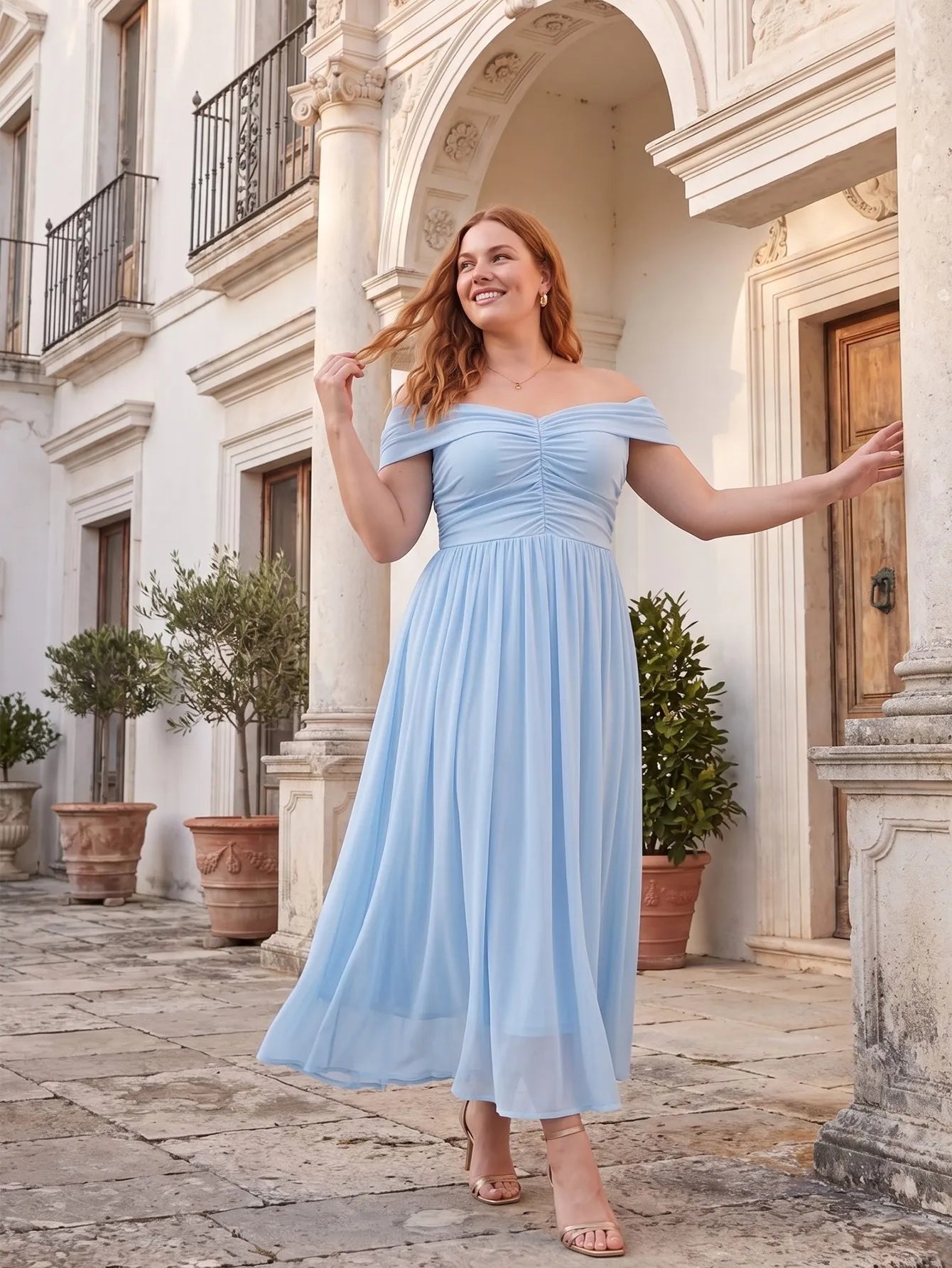
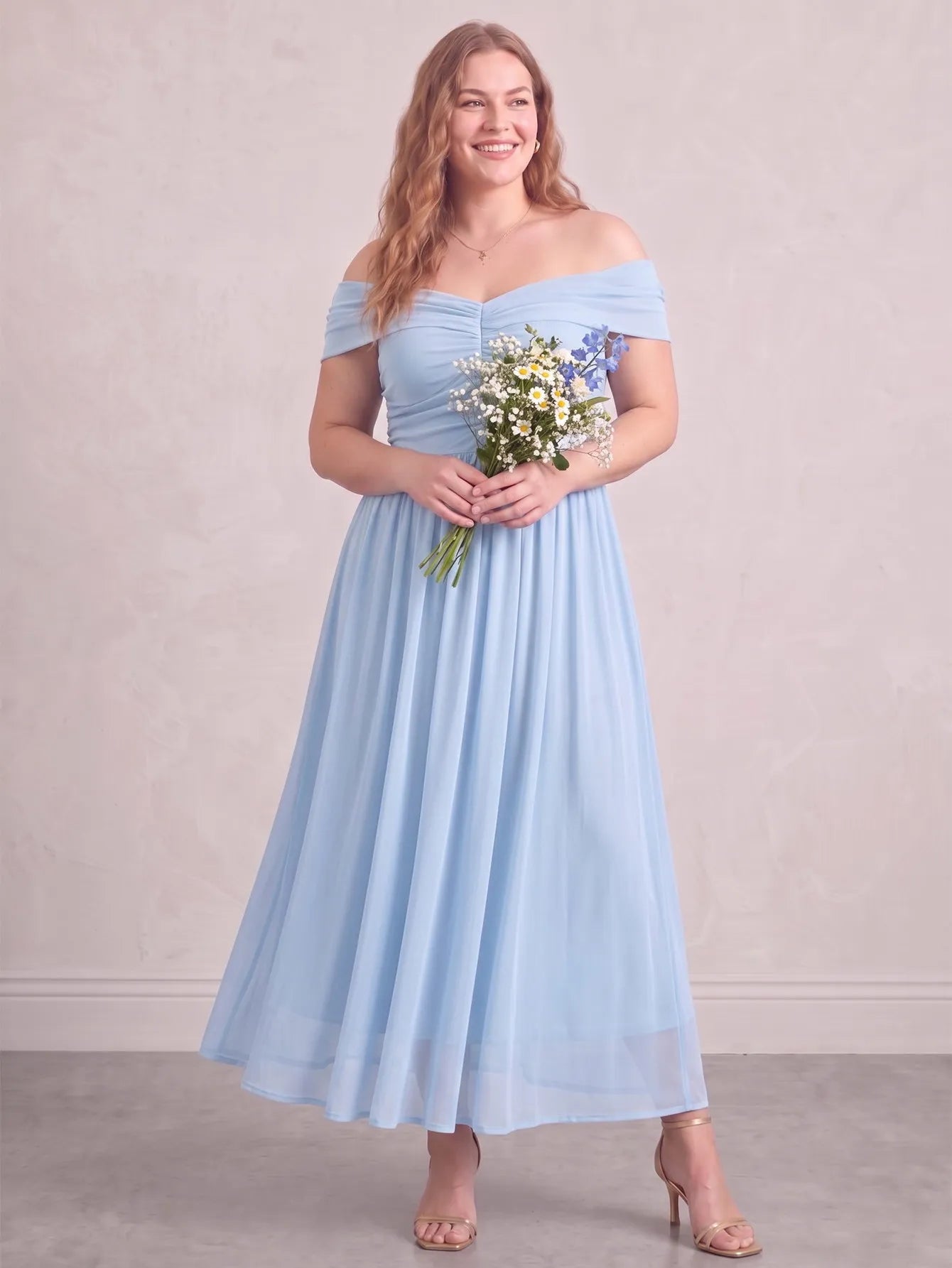
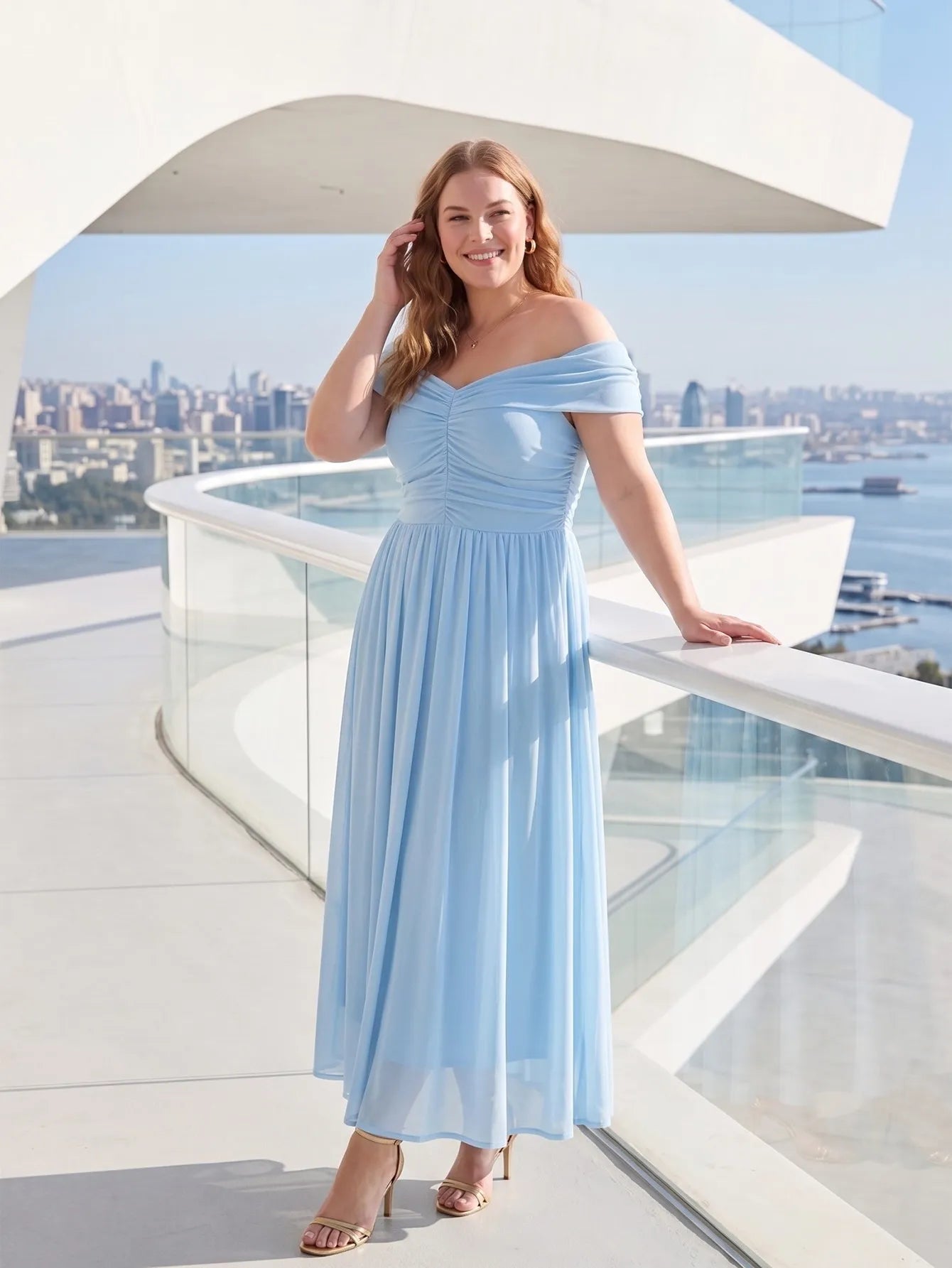










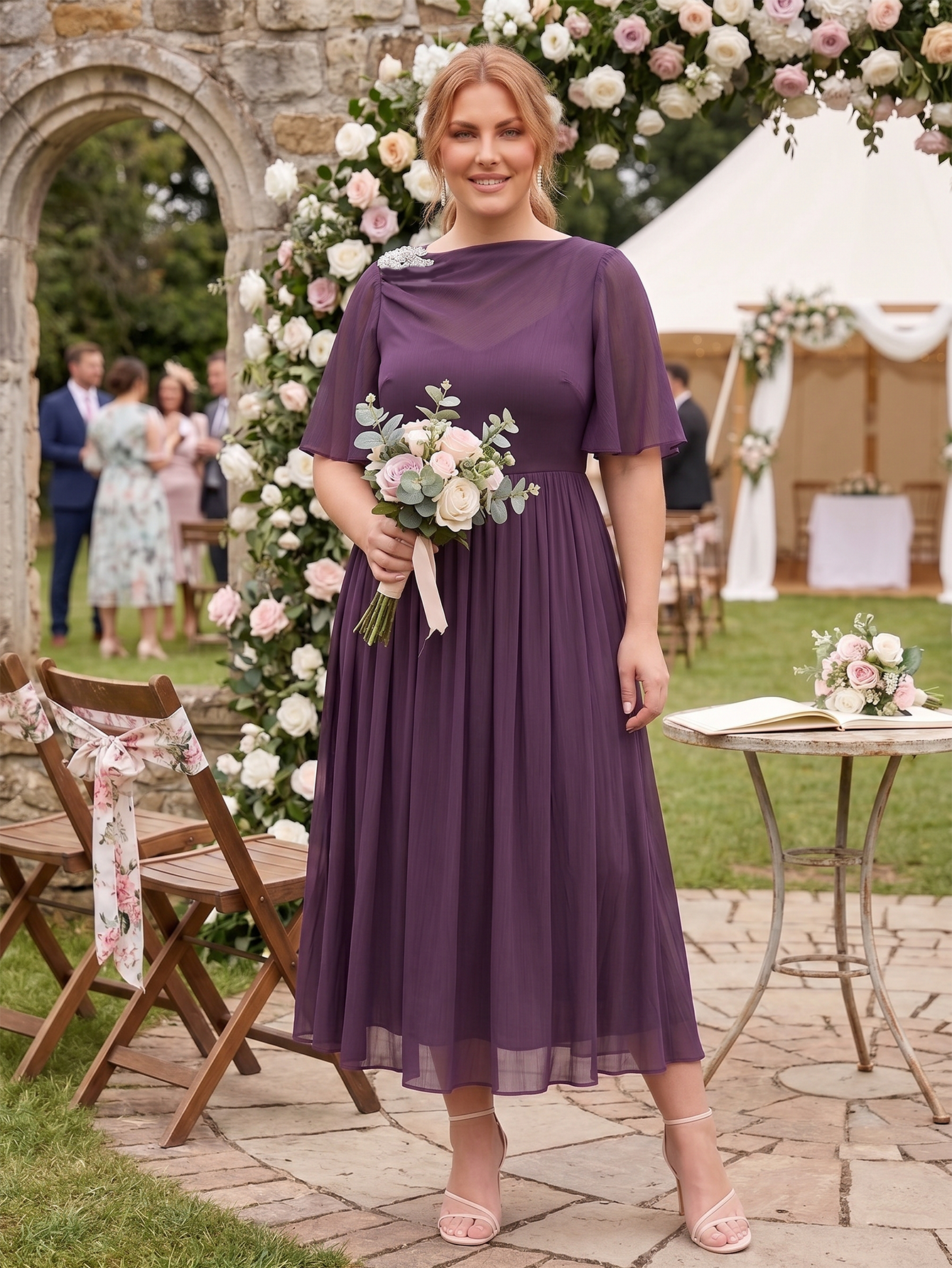
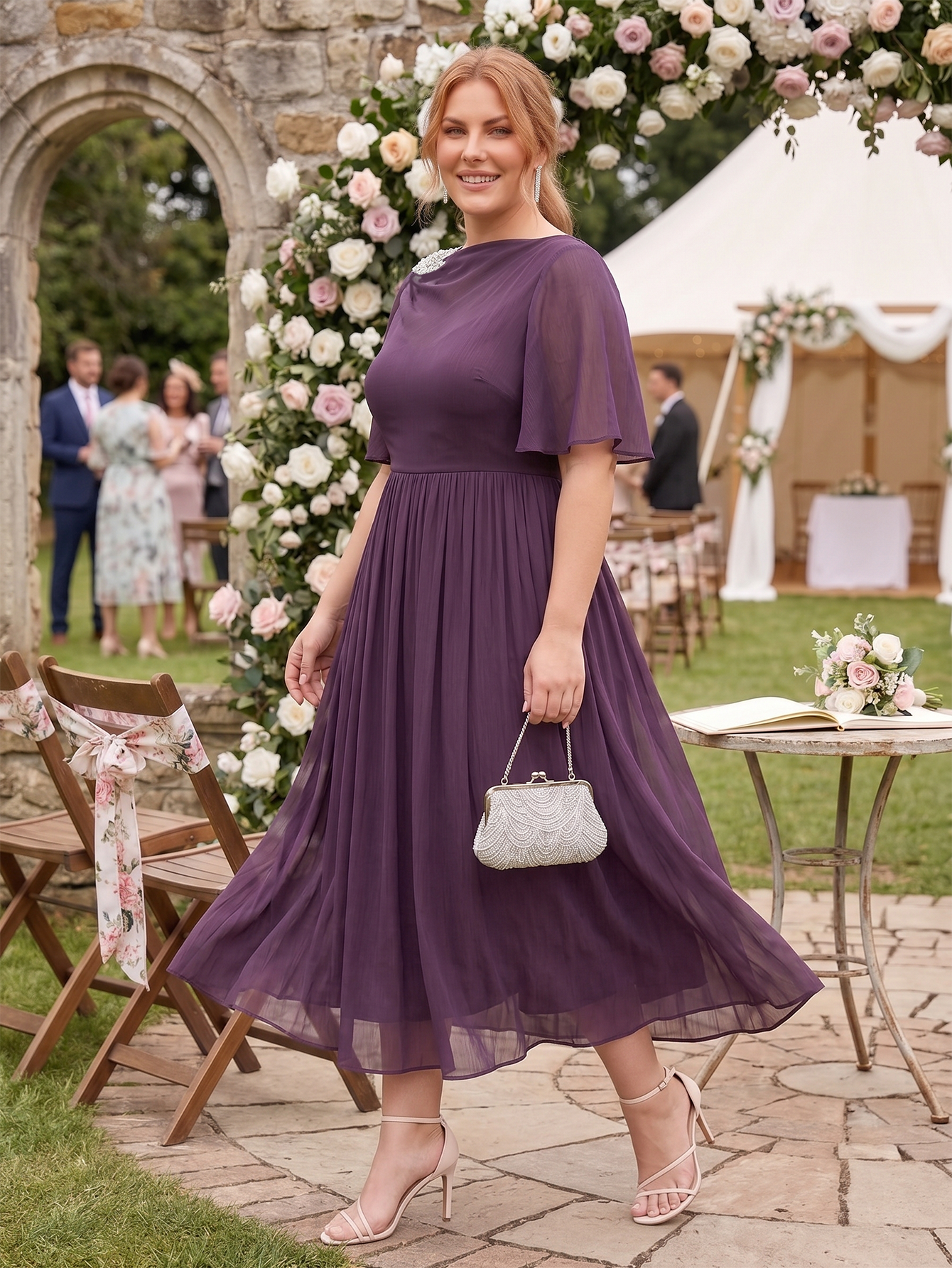
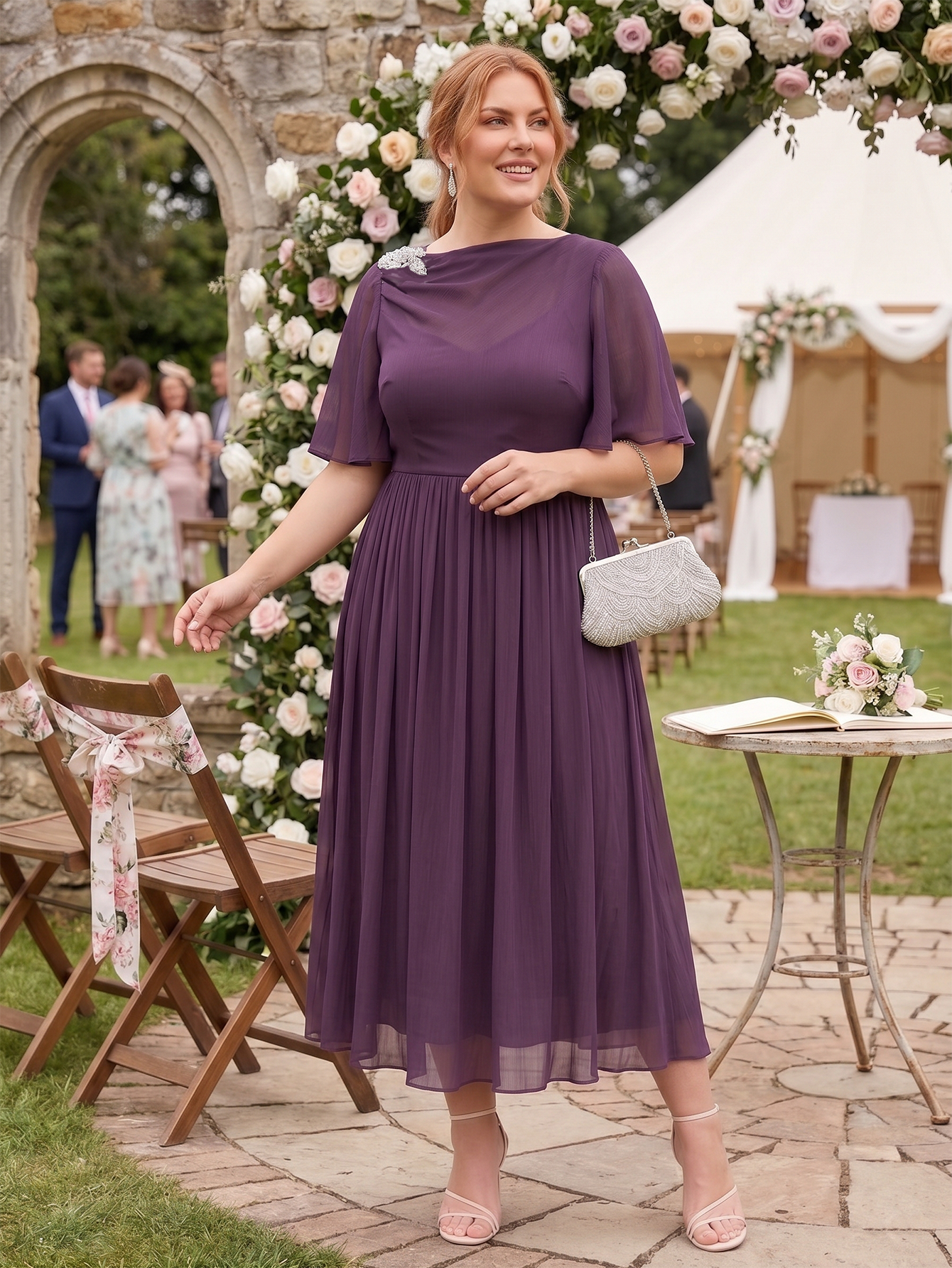
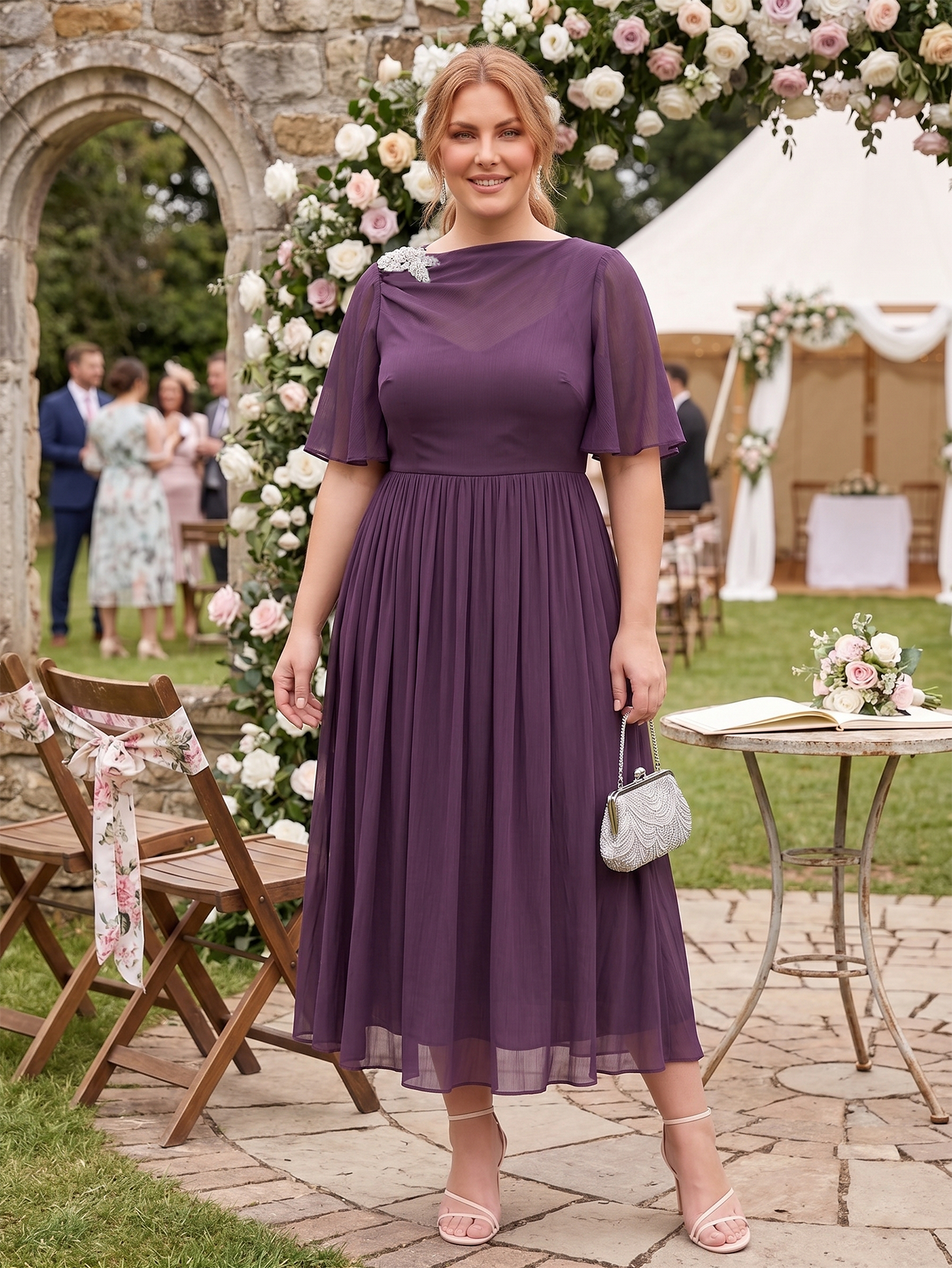
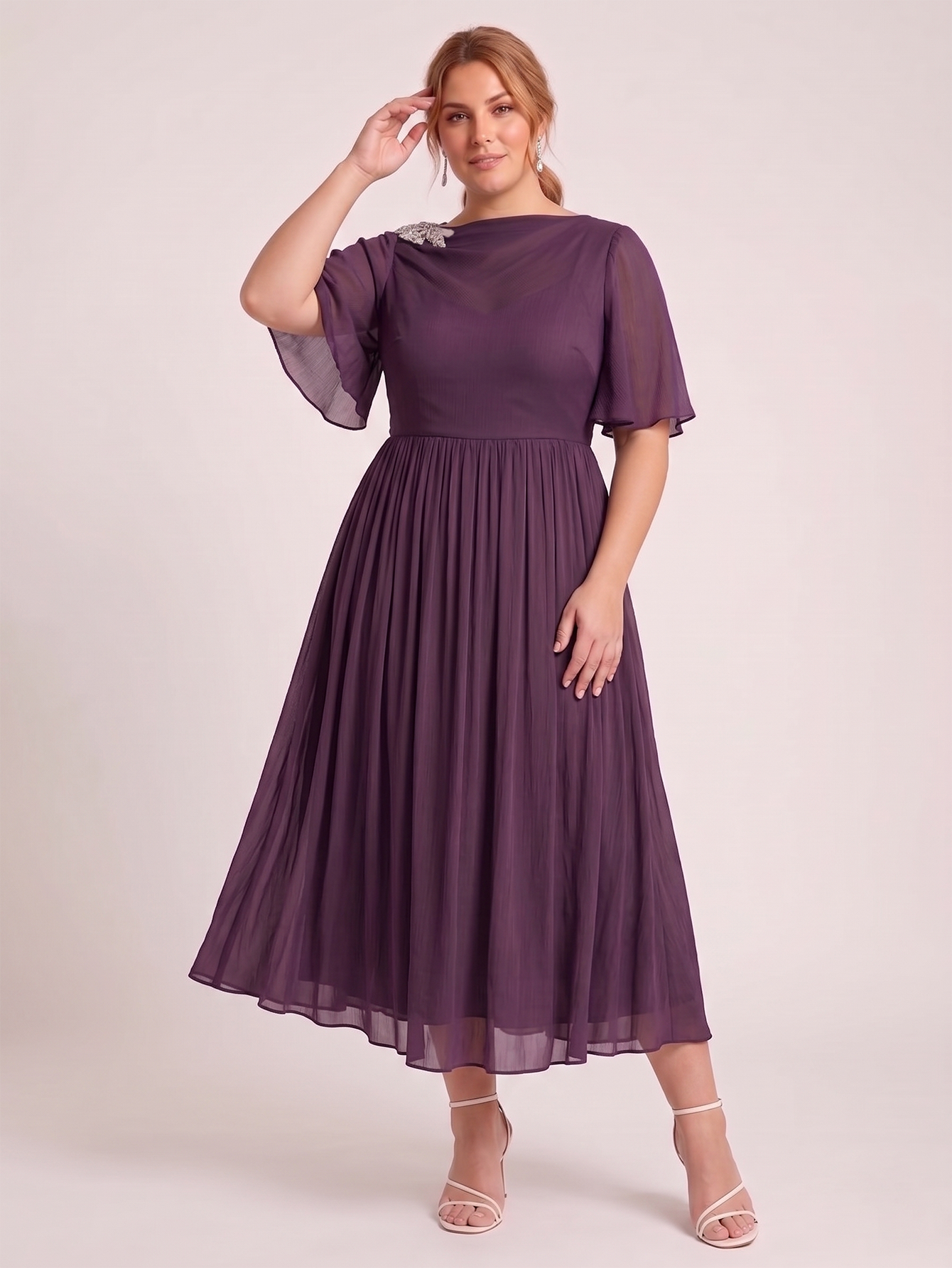
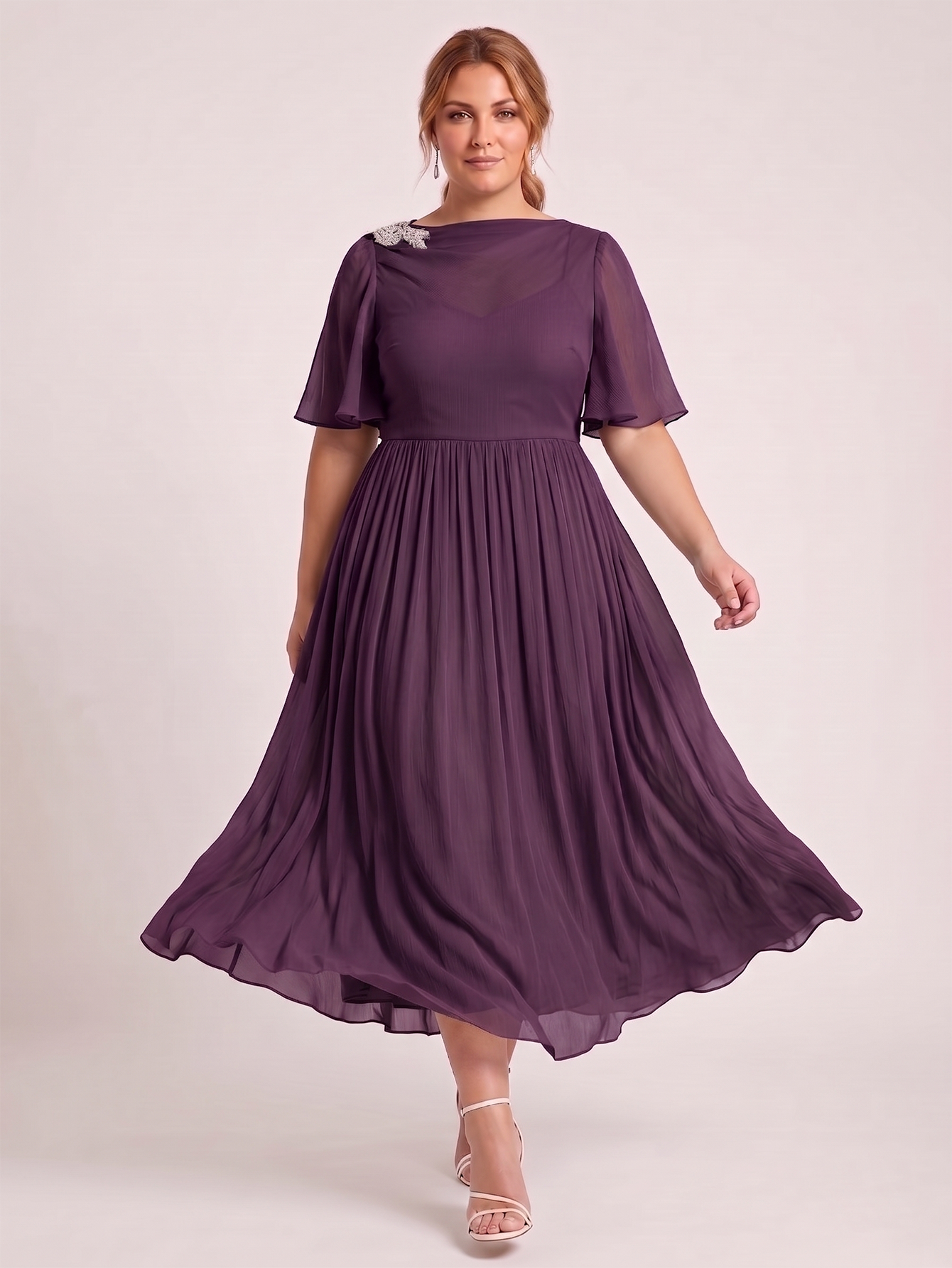
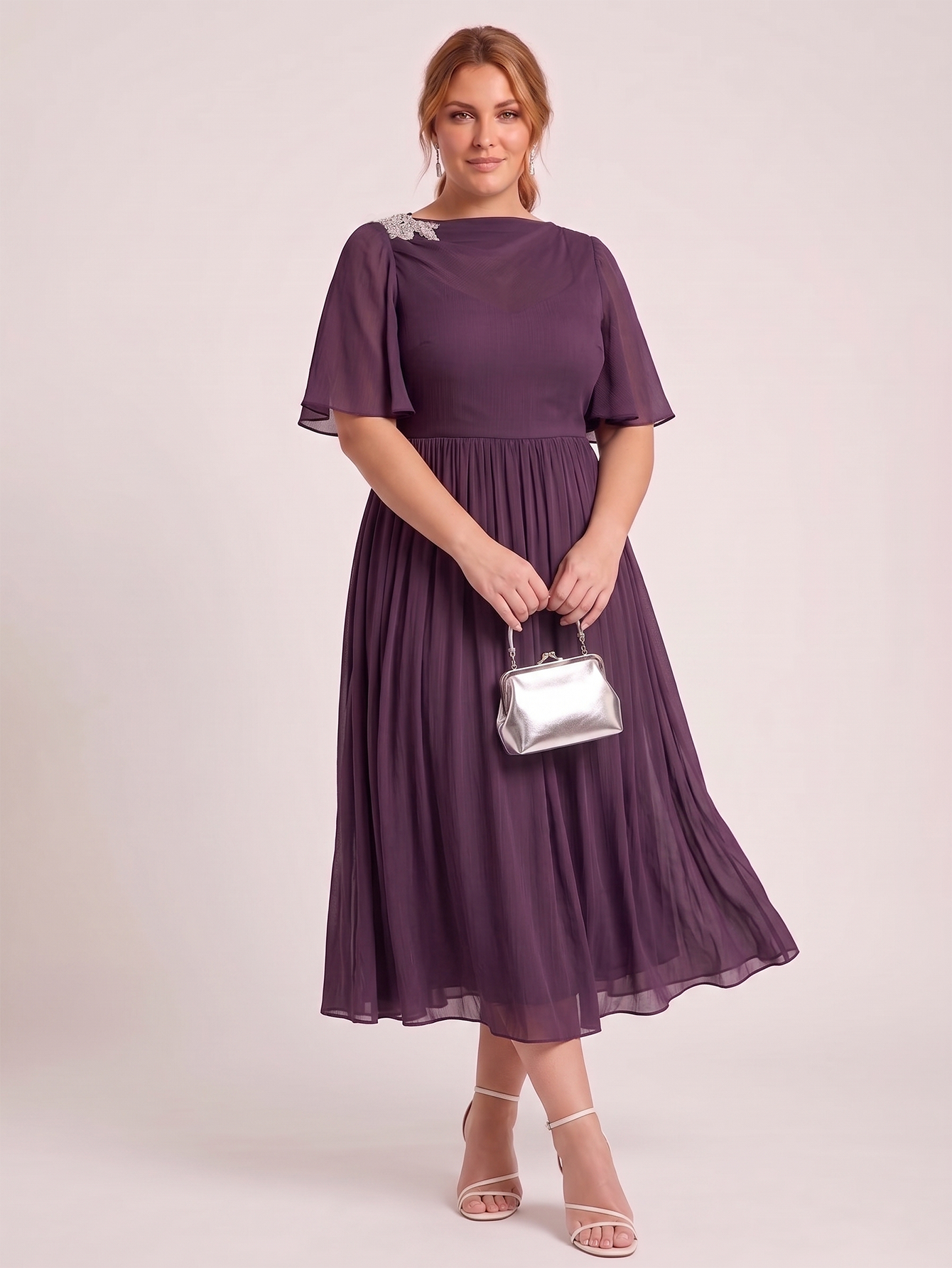
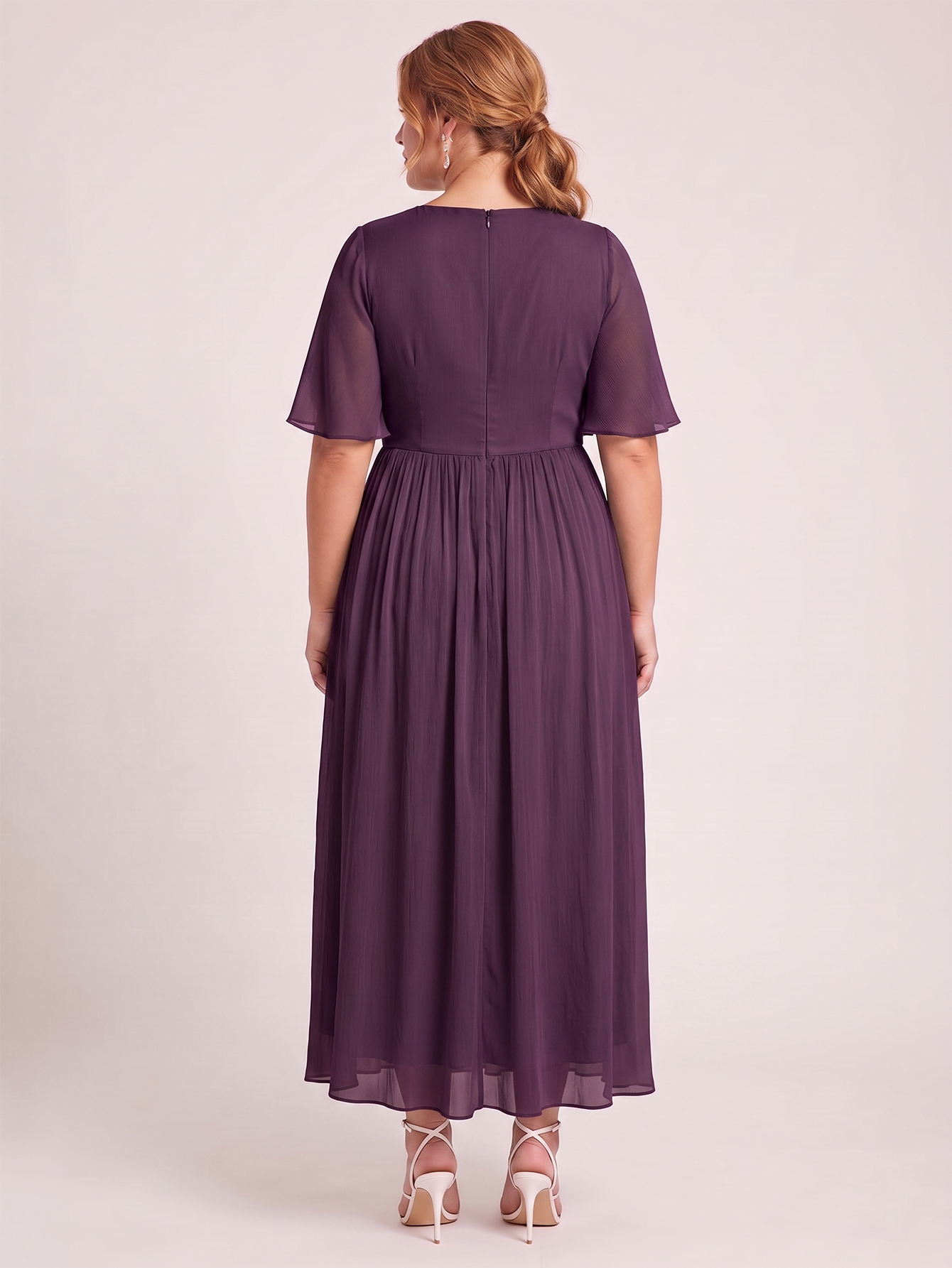
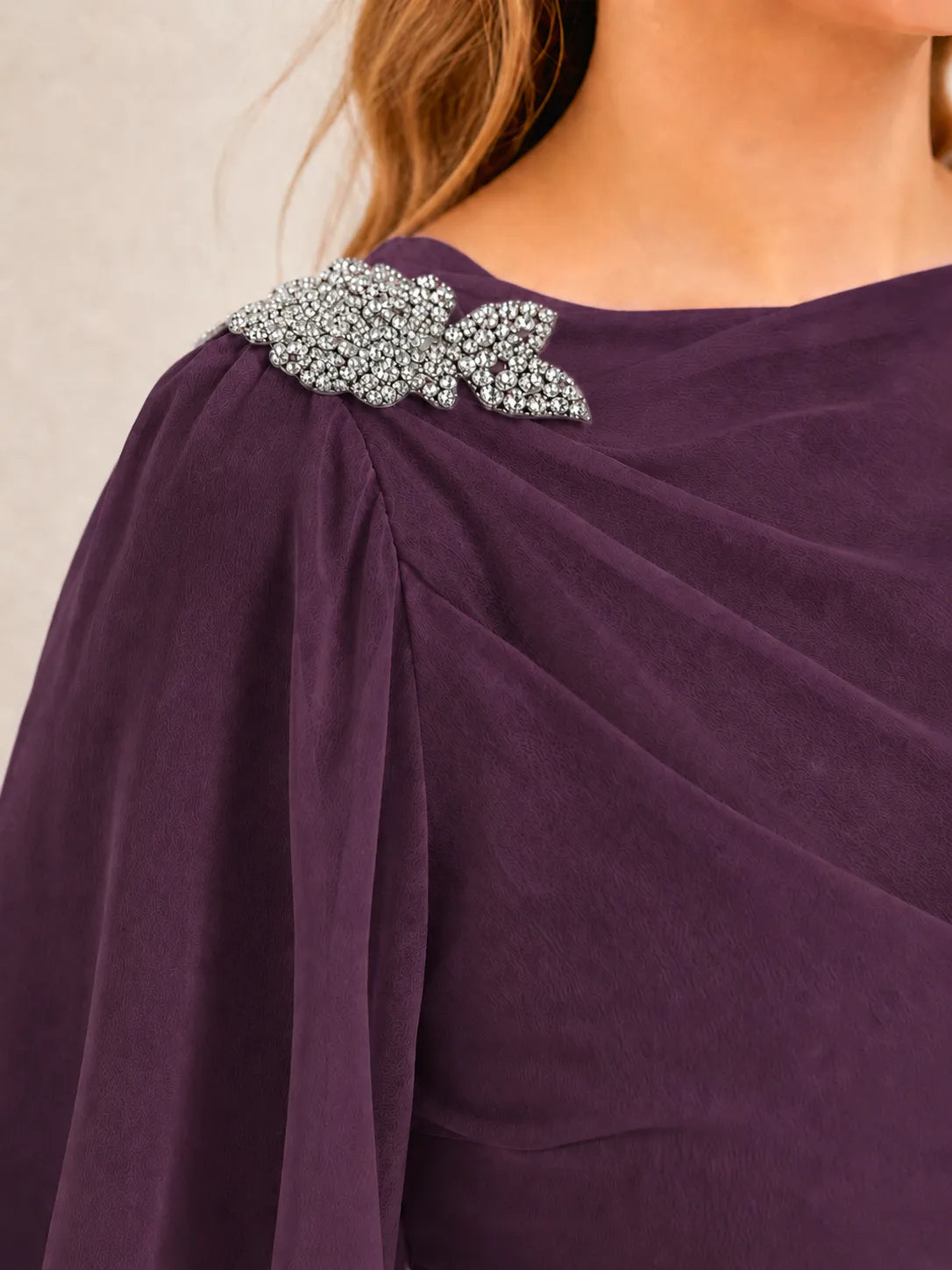
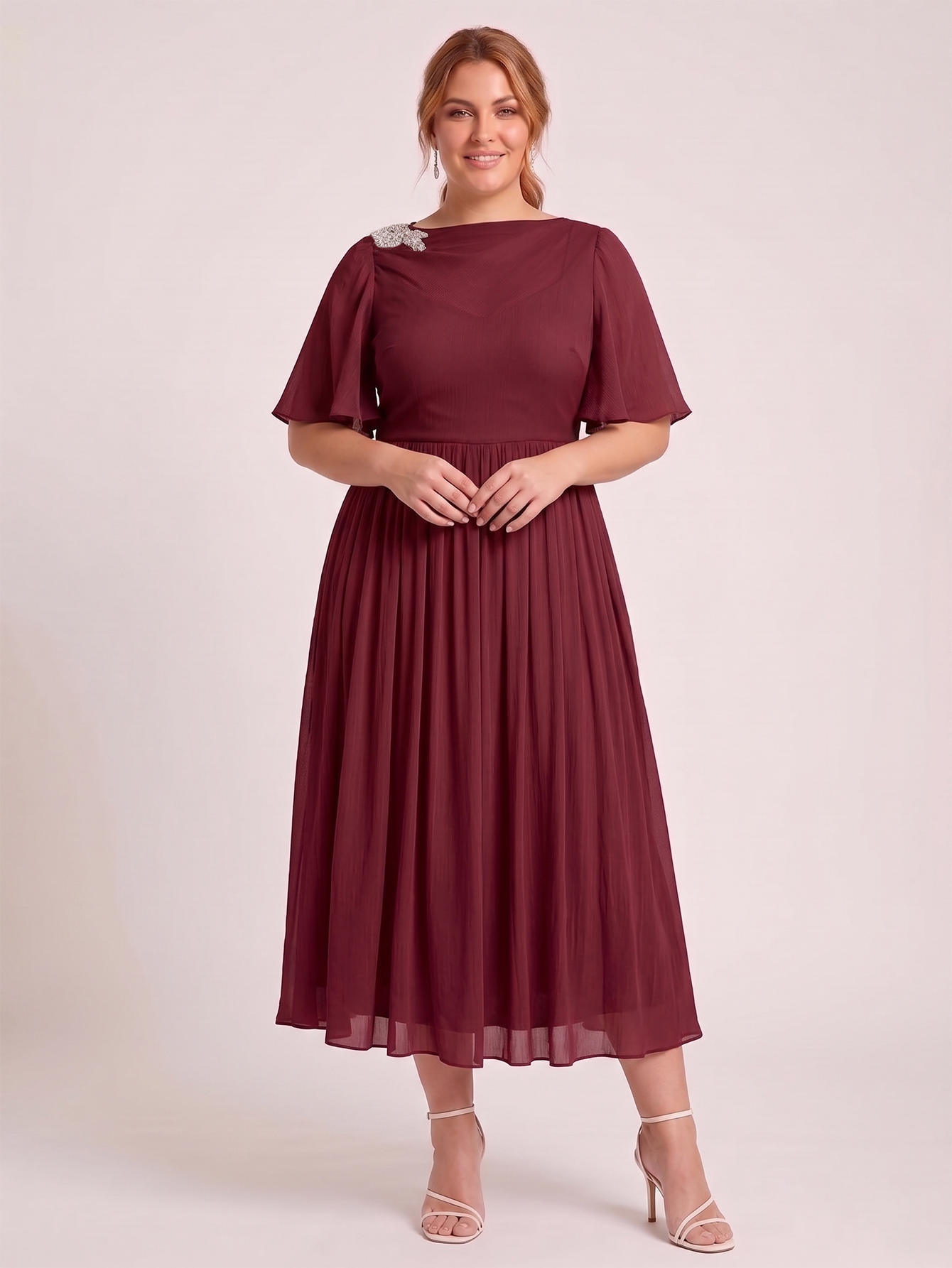
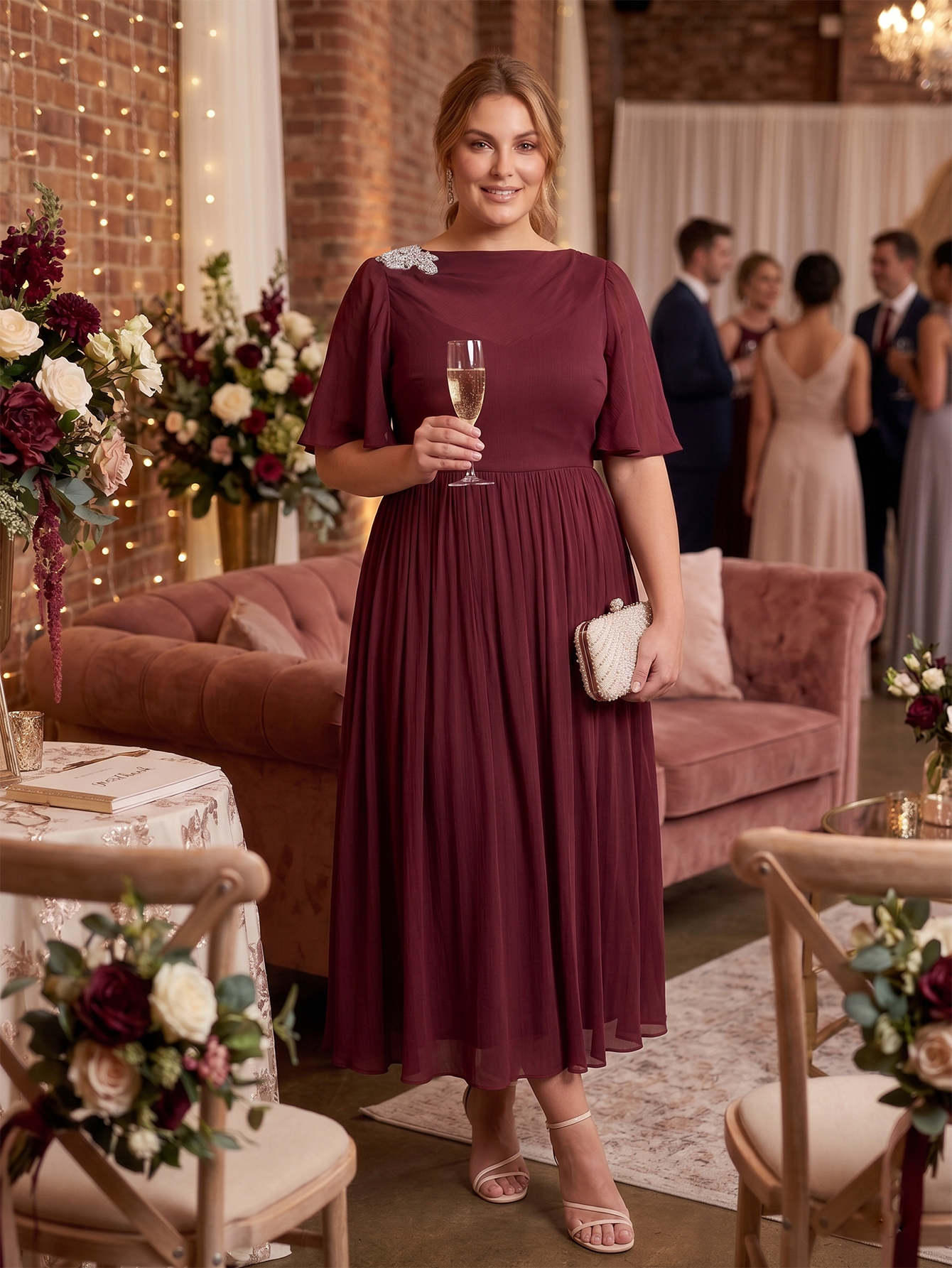
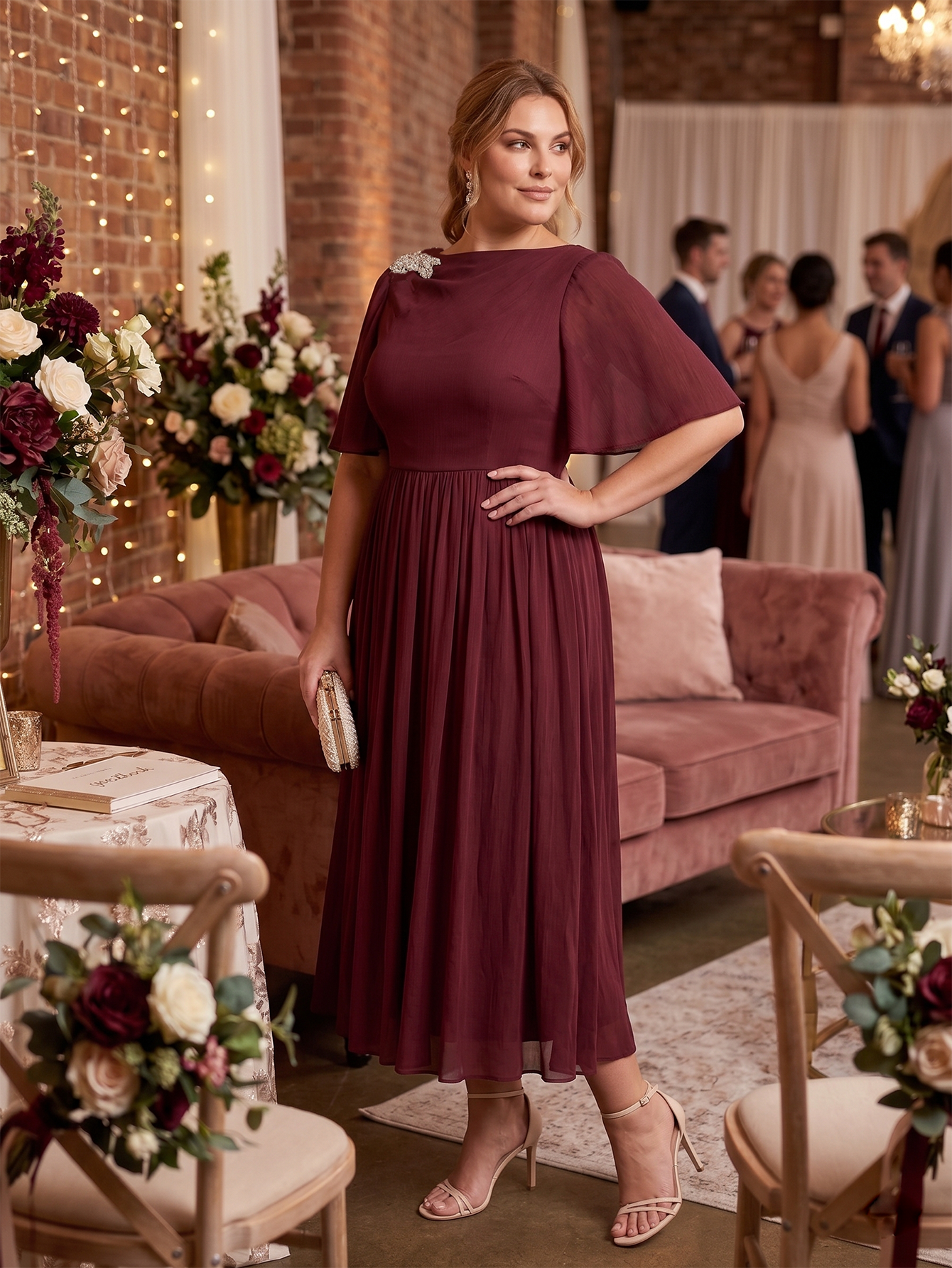
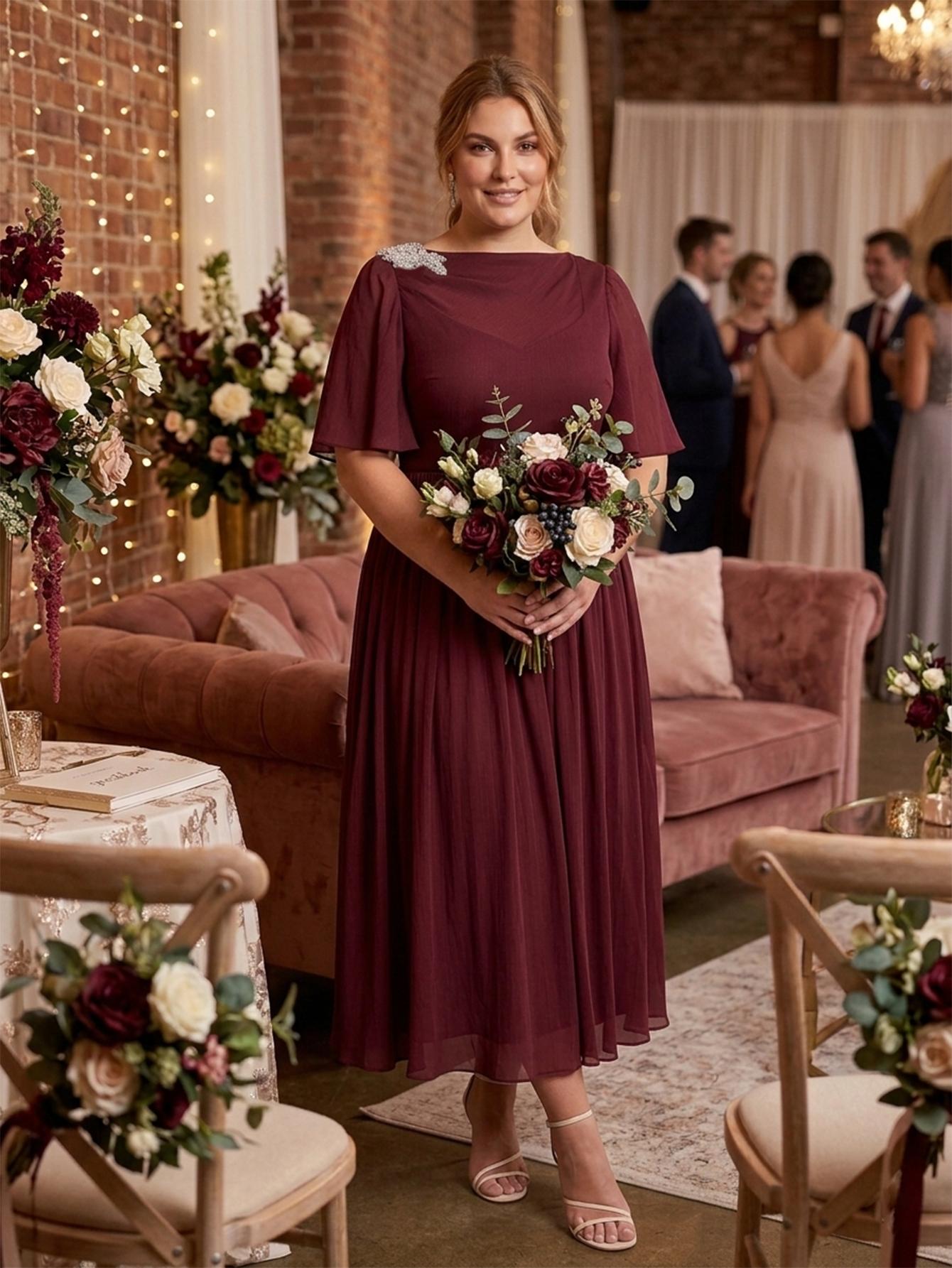
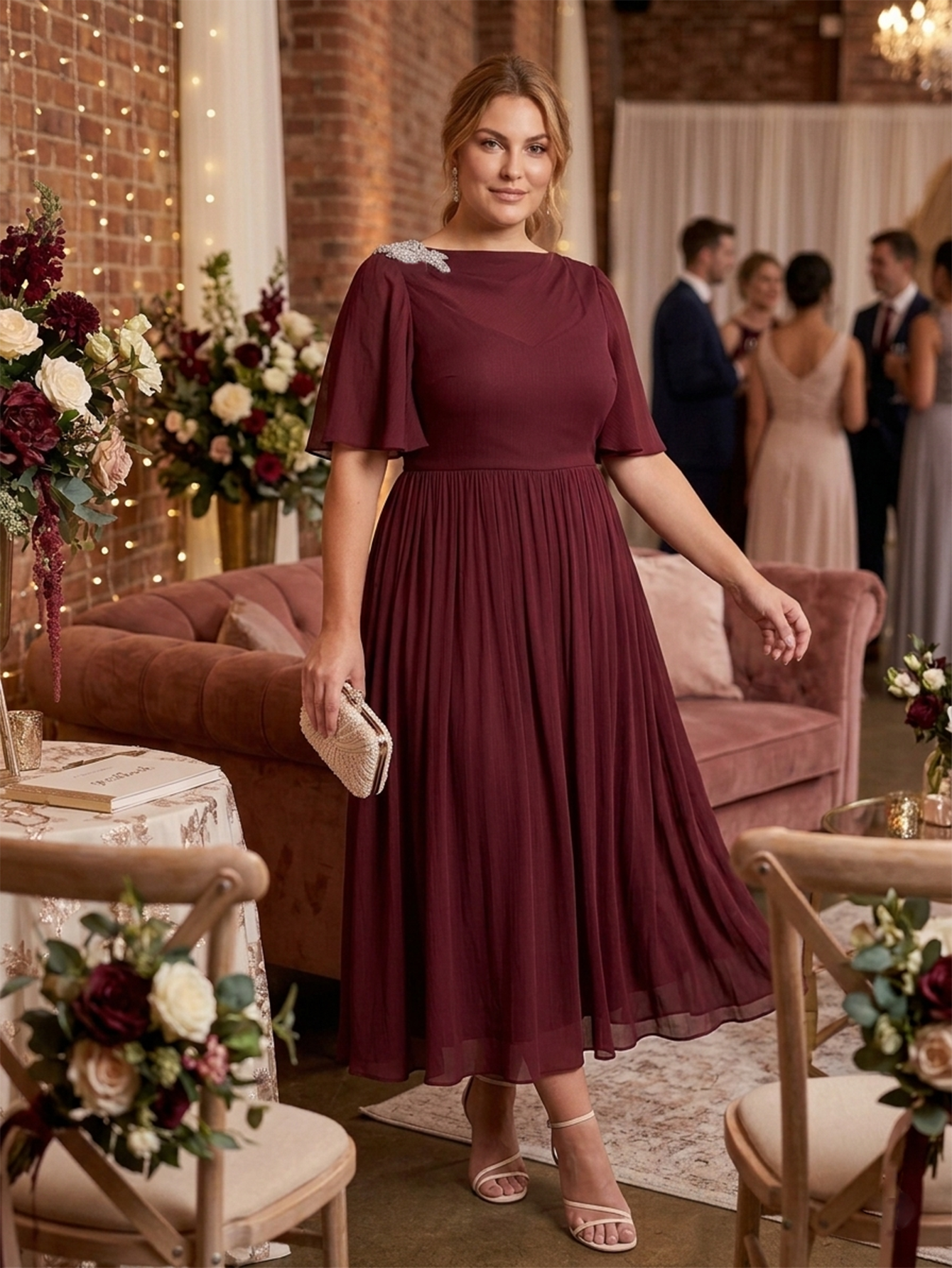
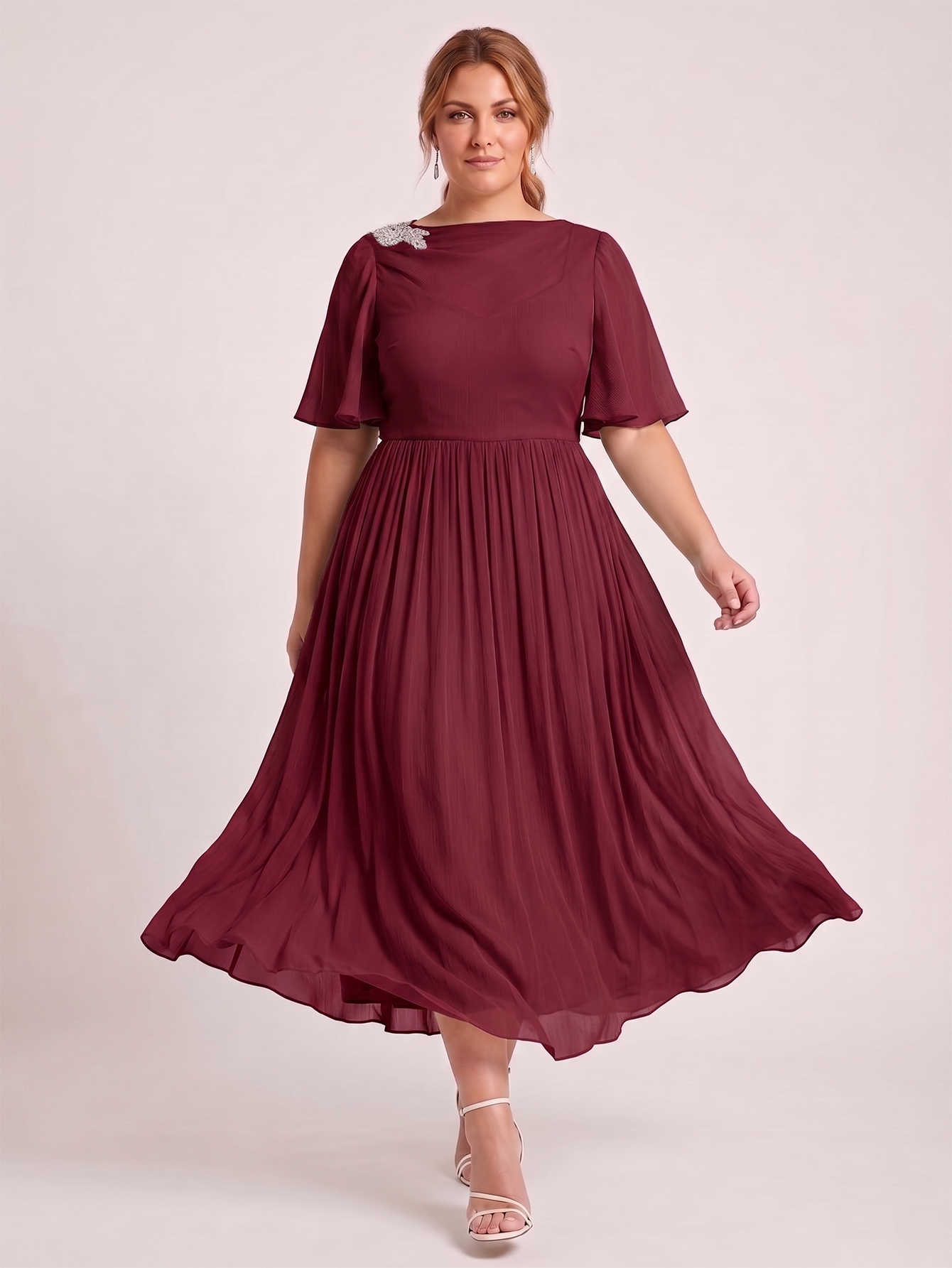
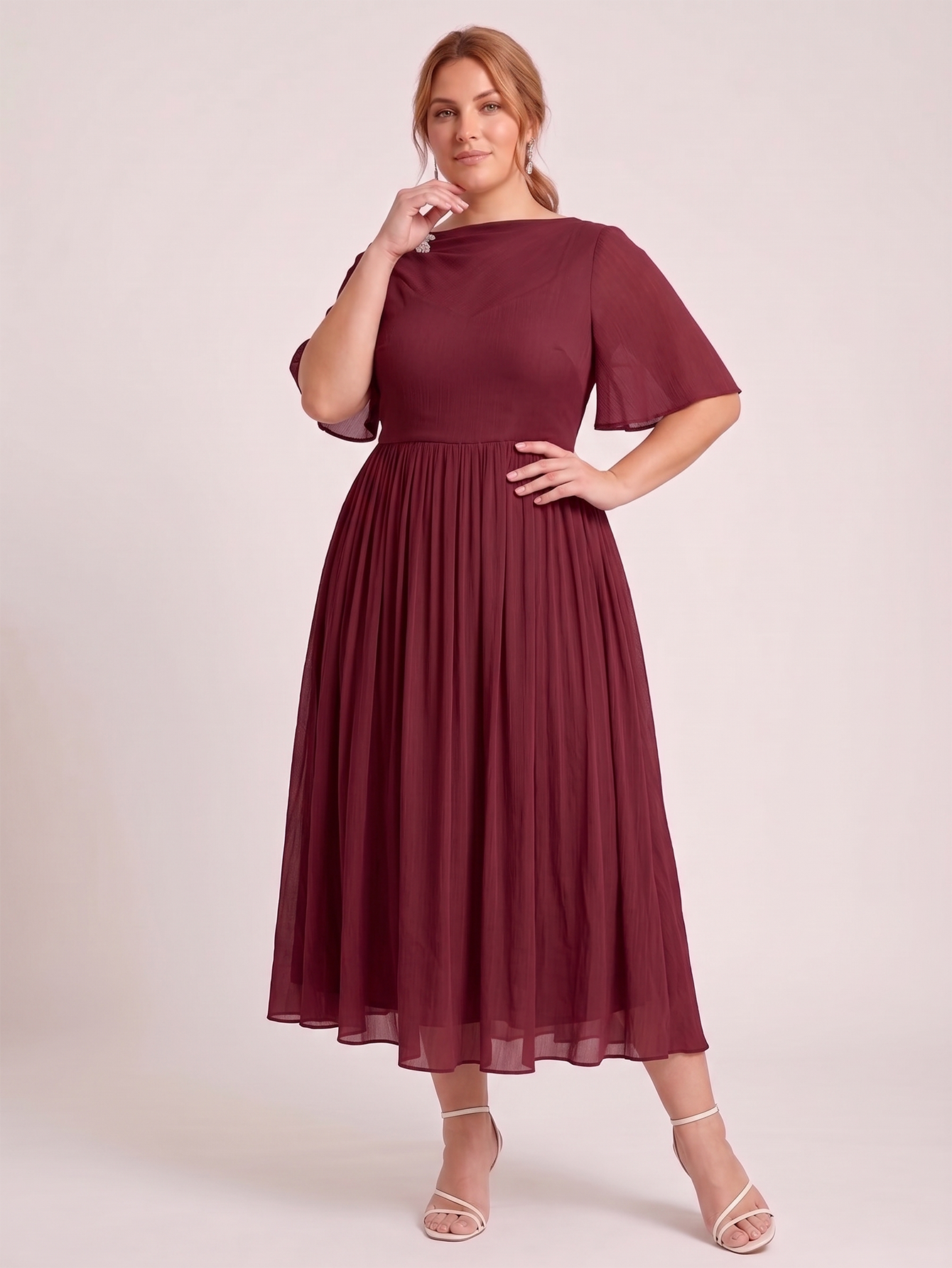
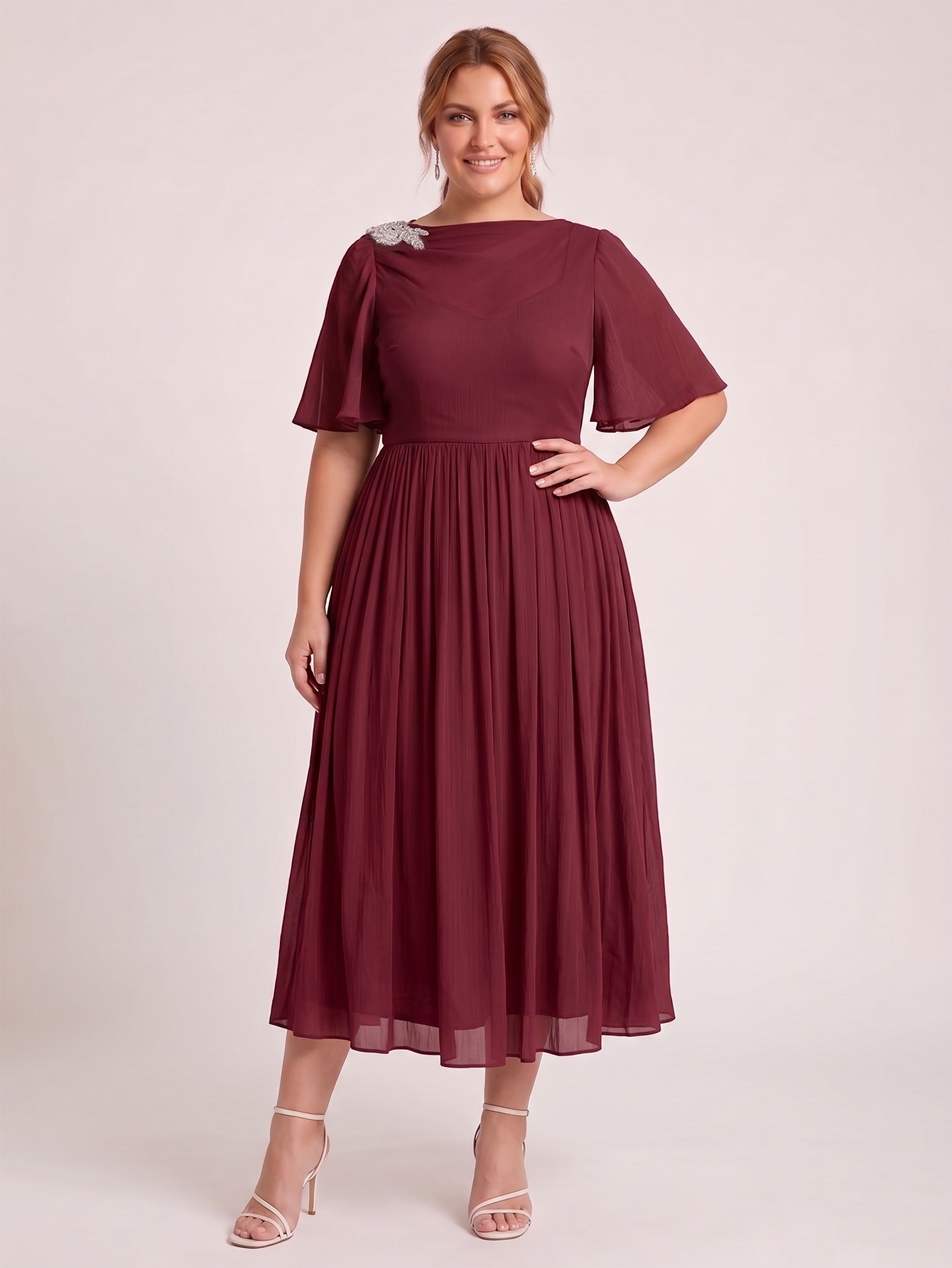
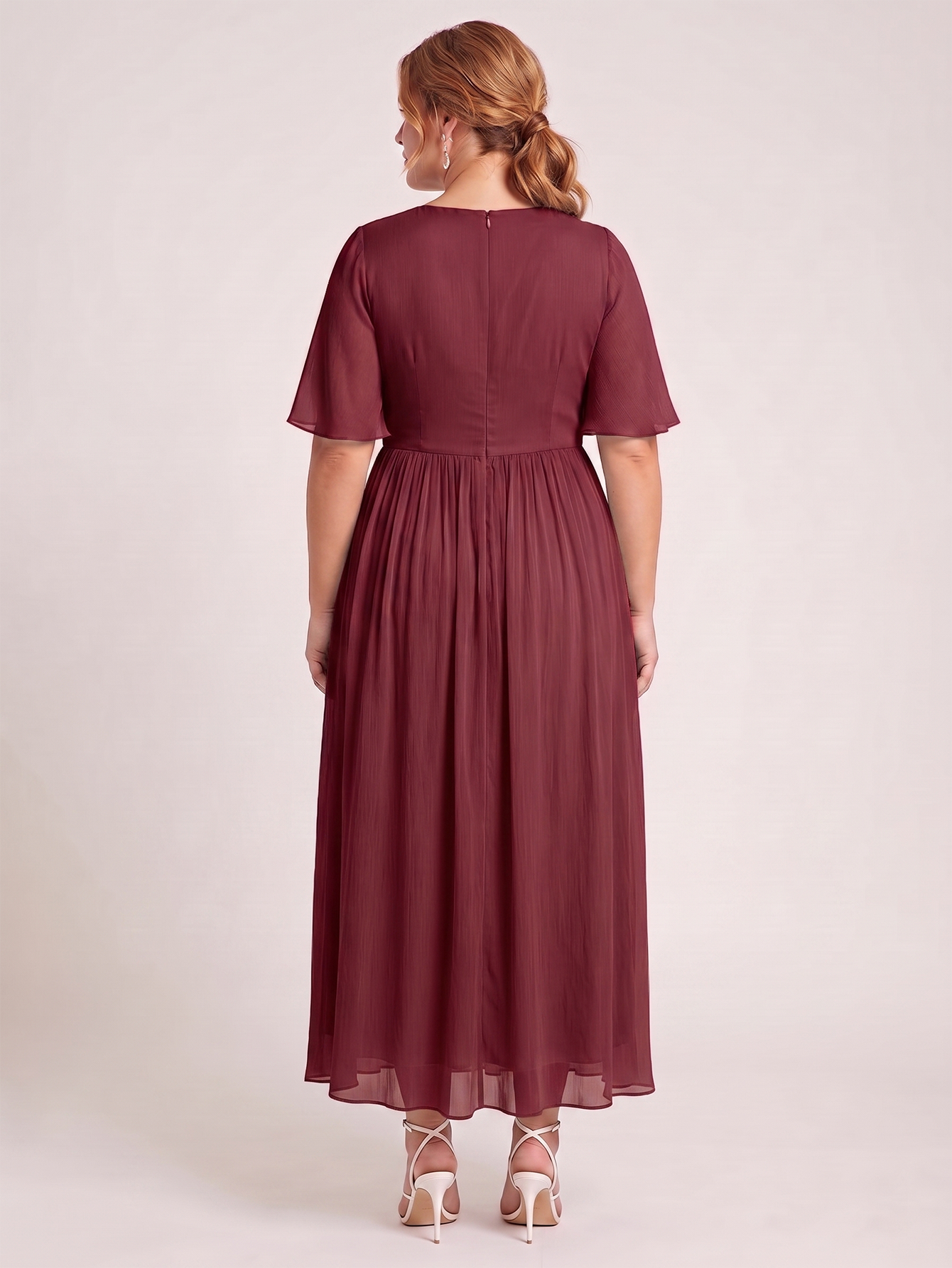
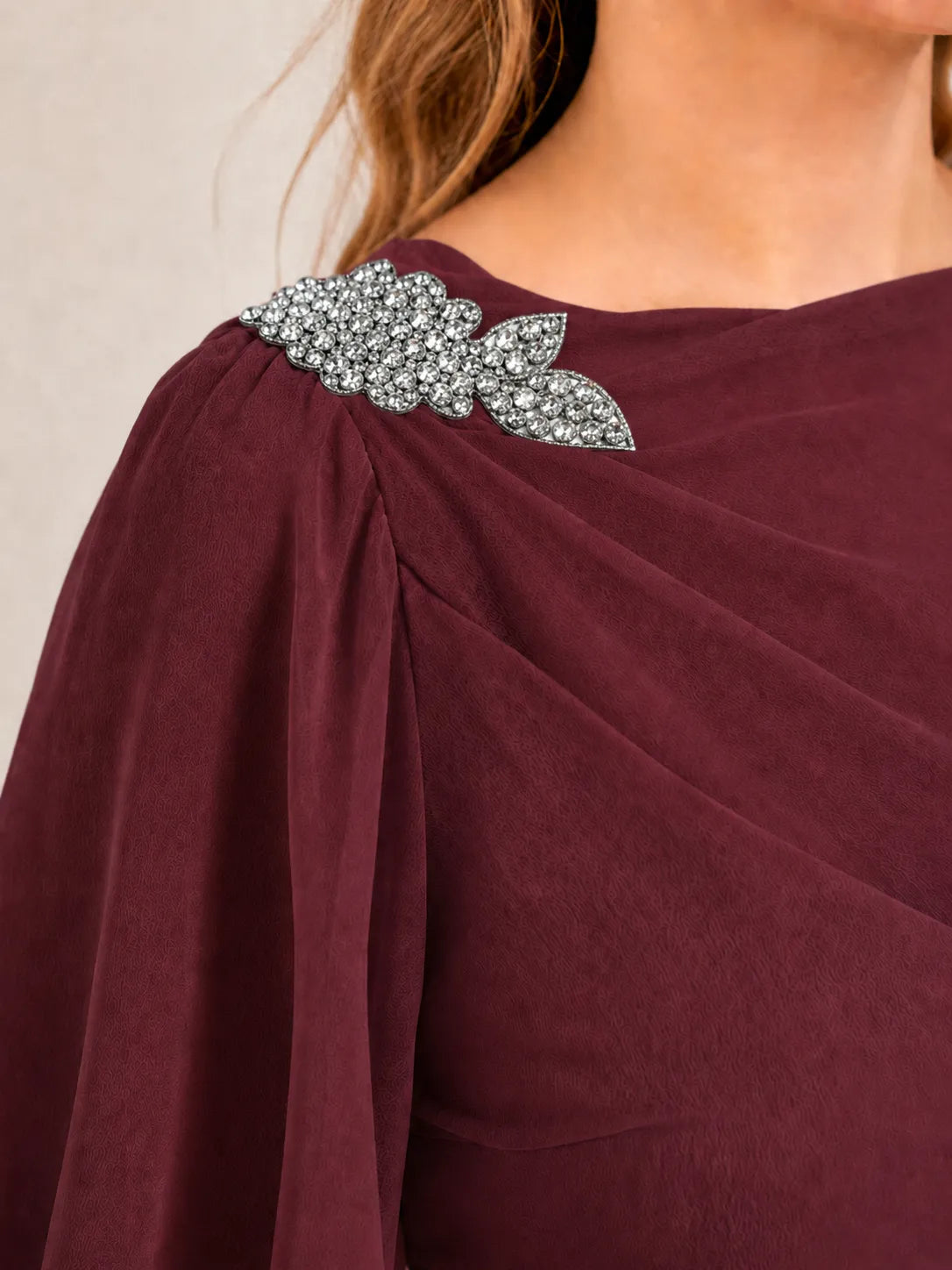


Choosing a chiffon dress is easier when comfort, movement and reliable garment information come before generic body-shape rules. This guide offers a practical framework for women comparing chiffon dresses for weddings, formal occasions and summer events.
Begin with the lining and bodice
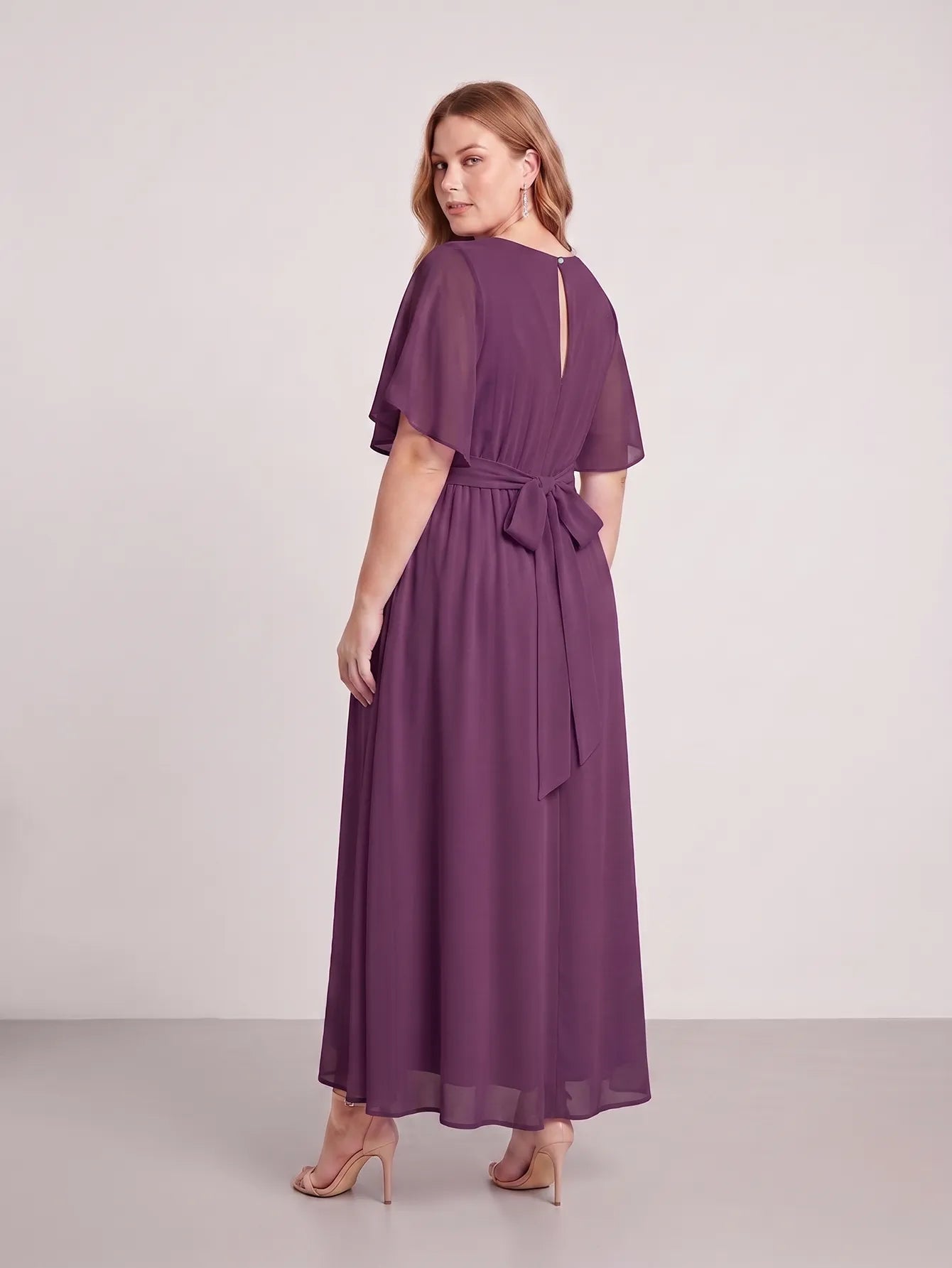
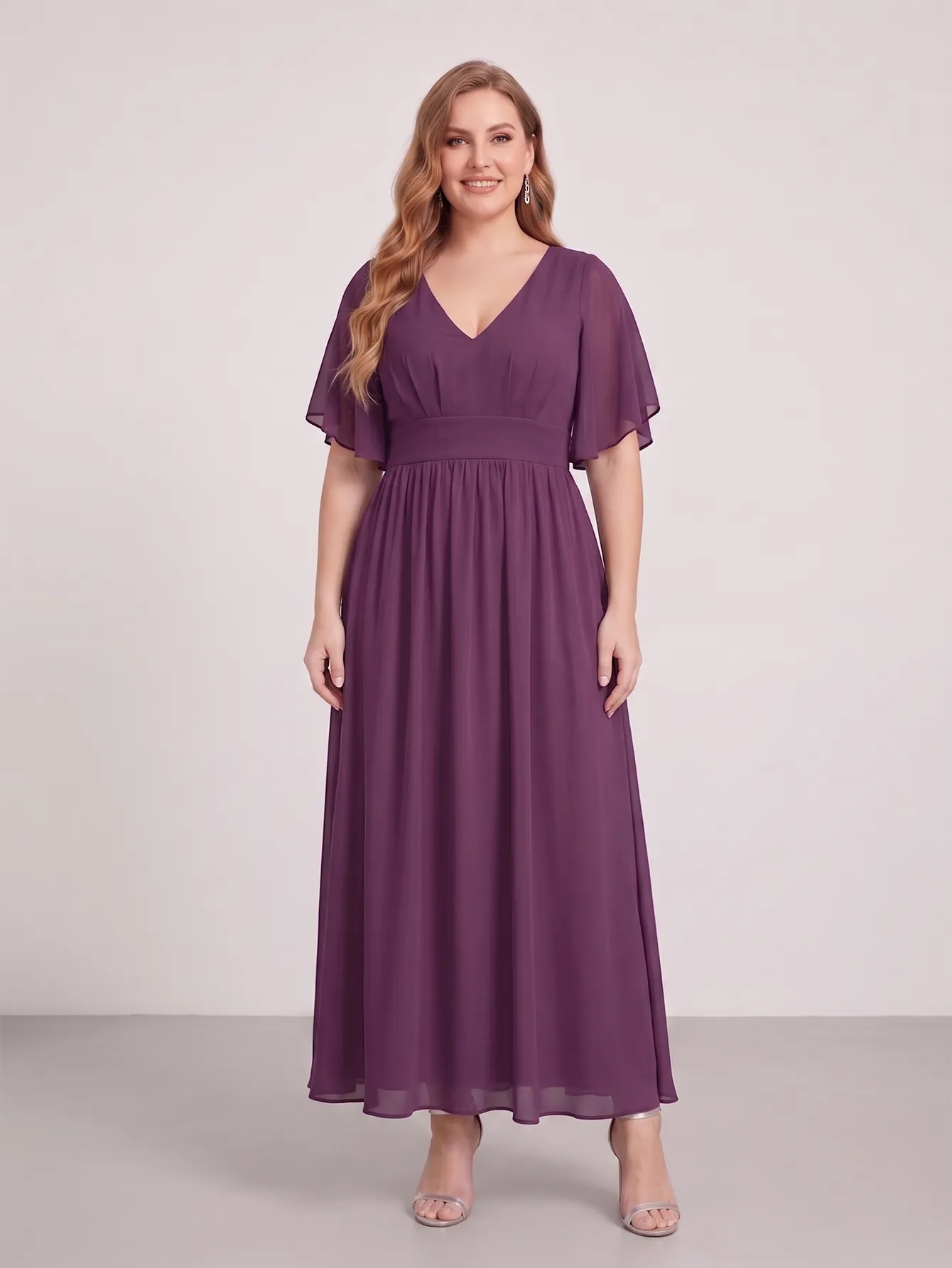
Chiffon is often used as an outer layer, so the lining and bodice carry much of the fit.
The lining should sit smoothly without pulling across the bust, waist or hips, while the chiffon layer should fall naturally without being dragged or distorted by tension underneath.
Check both layers in natural light and while moving. Opacity, stretch and lining composition can vary between garments.
Check the lining
The lining should provide comfortable coverage and move without pulling, riding upward or creating visible strain.
Check the chiffon layer
The outer layer should drape naturally and should not be distorted by tension in the bodice or lining underneath.
Check the bust without assuming the fabric will stretch
Many chiffon fabrics have little mechanical stretch unless the product information specifies otherwise.
Buttons, zips, wrap fronts and gathered seams should lie securely without visible strain. Raise your arms and sit down to see whether the neckline shifts or the bodice pulls.
For a fuller bust, compare the garment bust measurement with your body measurement and consider the undergarment you plan to wear.
Stand naturally
Check whether the neckline, seams and closures lie flat without pulling or gaping.
Raise your arms
Make sure the bodice and neckline remain reasonably stable when your arms move.
Sit down
Check whether the bust, waist and closures remain comfortable in a seated position.
Let gathering and drape move rather than pull
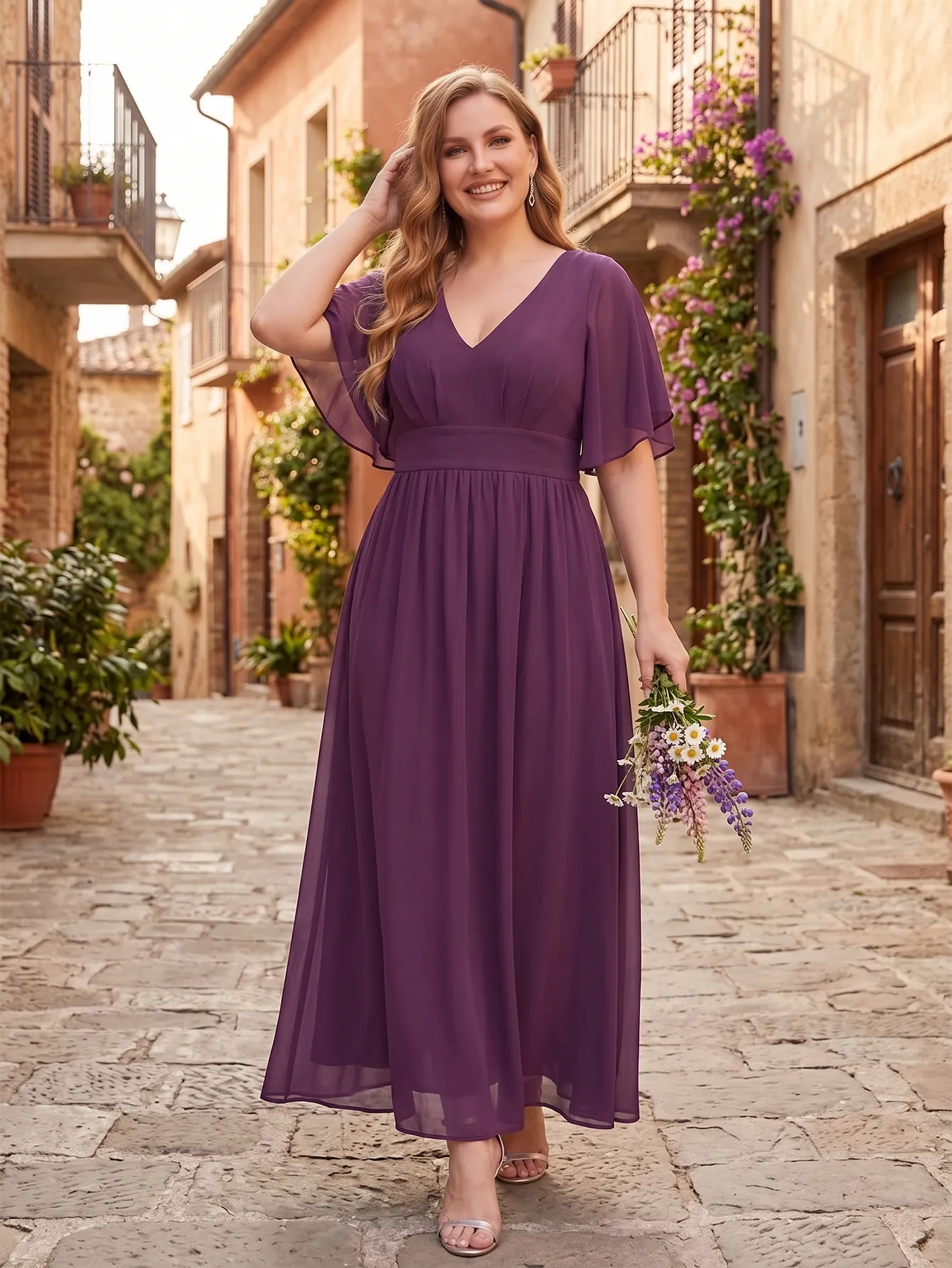
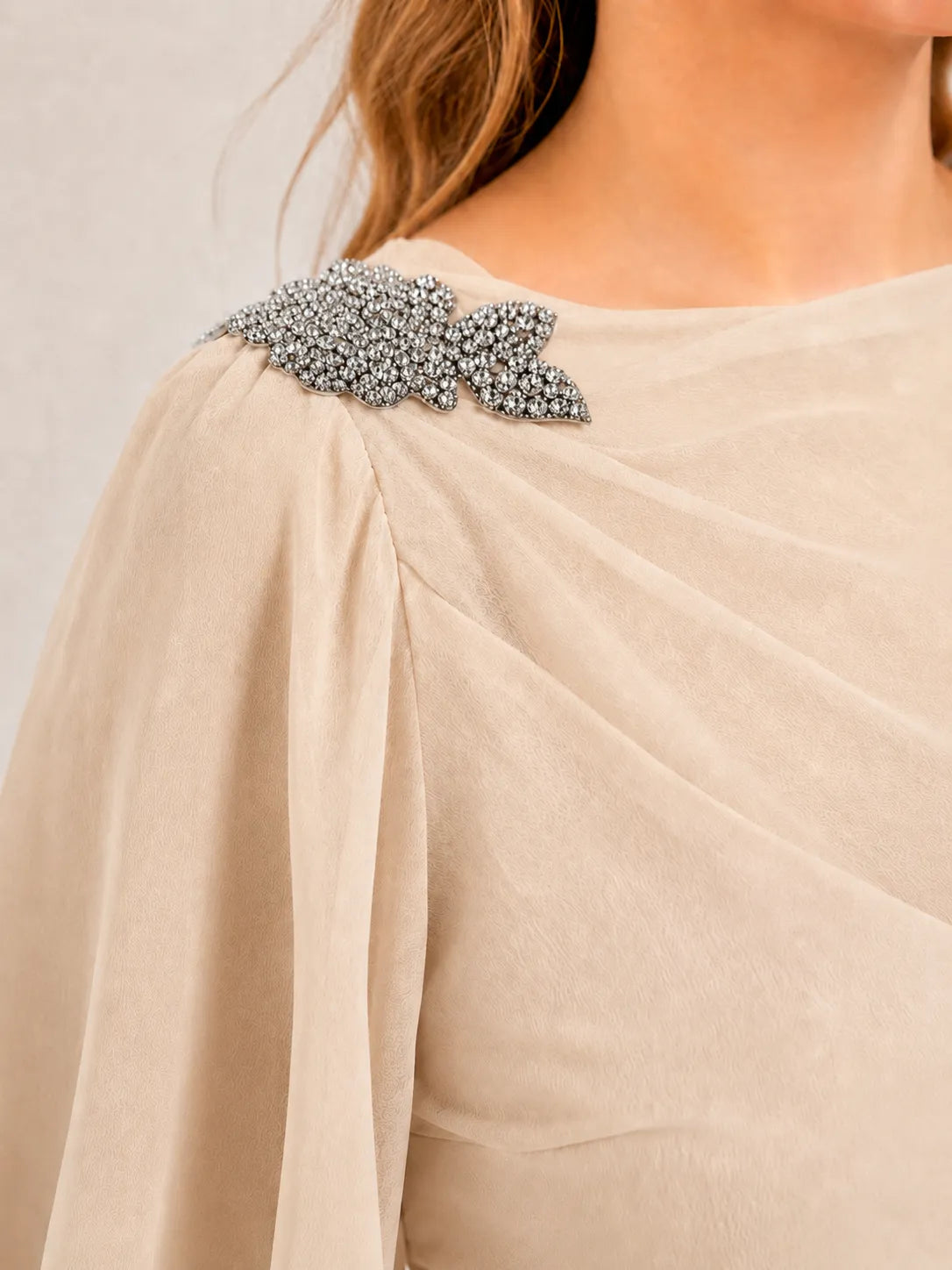
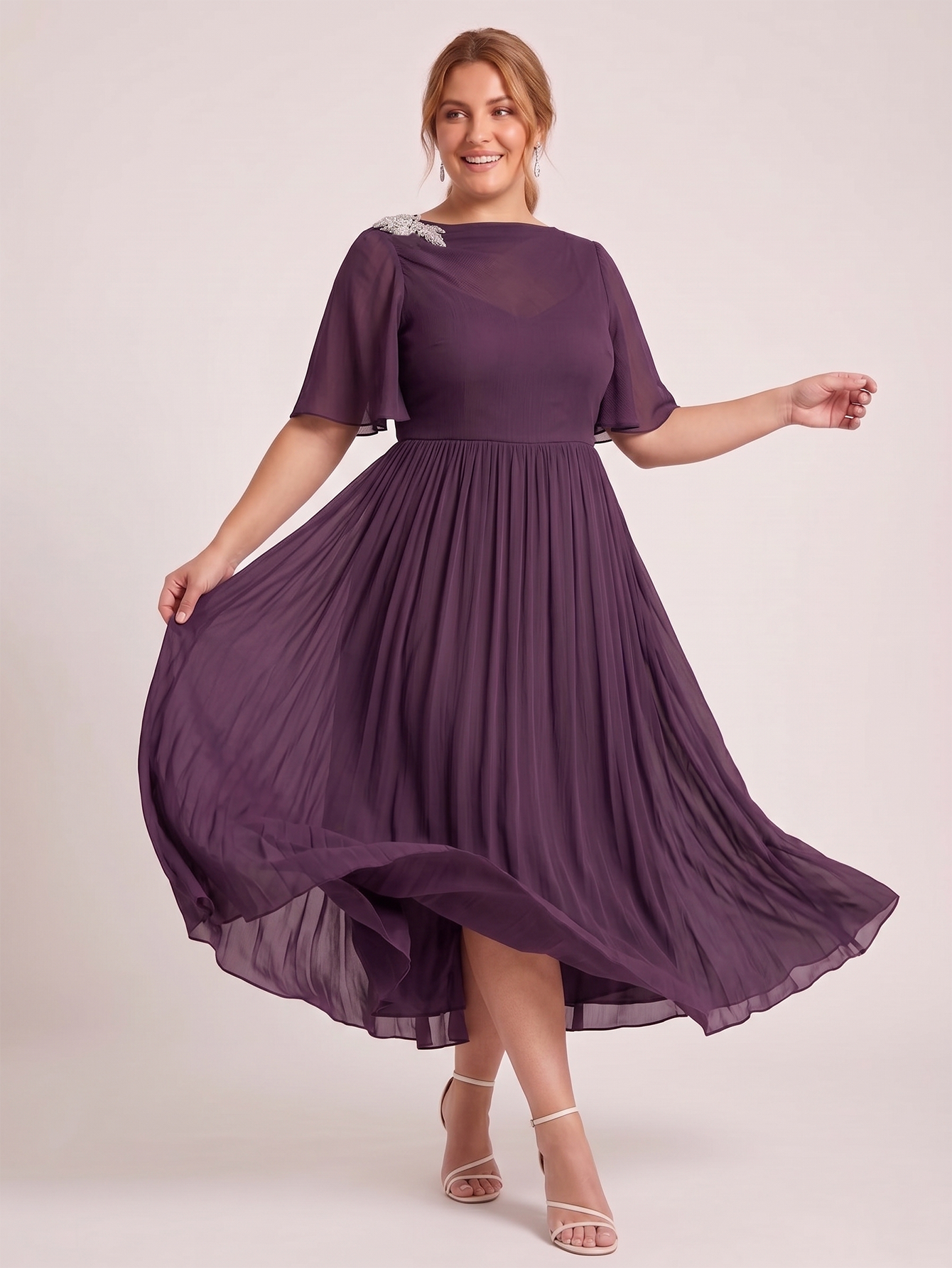
Pleats, ruching and gathered waists should create intentional texture and natural movement.
Horizontal pulling, distorted seams or a lining that rides upward can indicate that the garment does not have enough ease.
At the same time, excessive volume can alter the intended waist placement or overall silhouette. Judge the complete shape and your comfort rather than following a rule that one silhouette suits everyone.
Review sleeves and armholes together
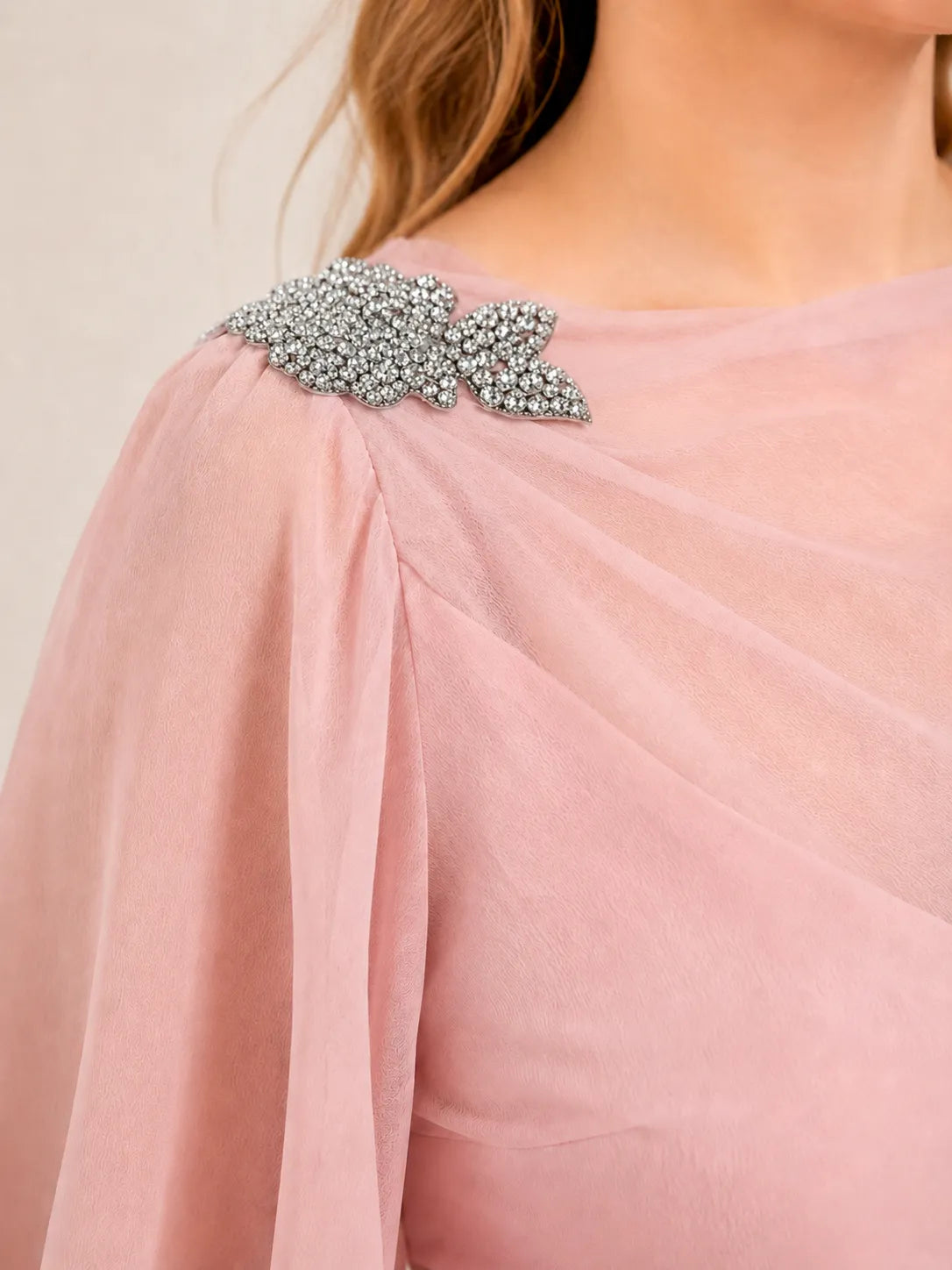
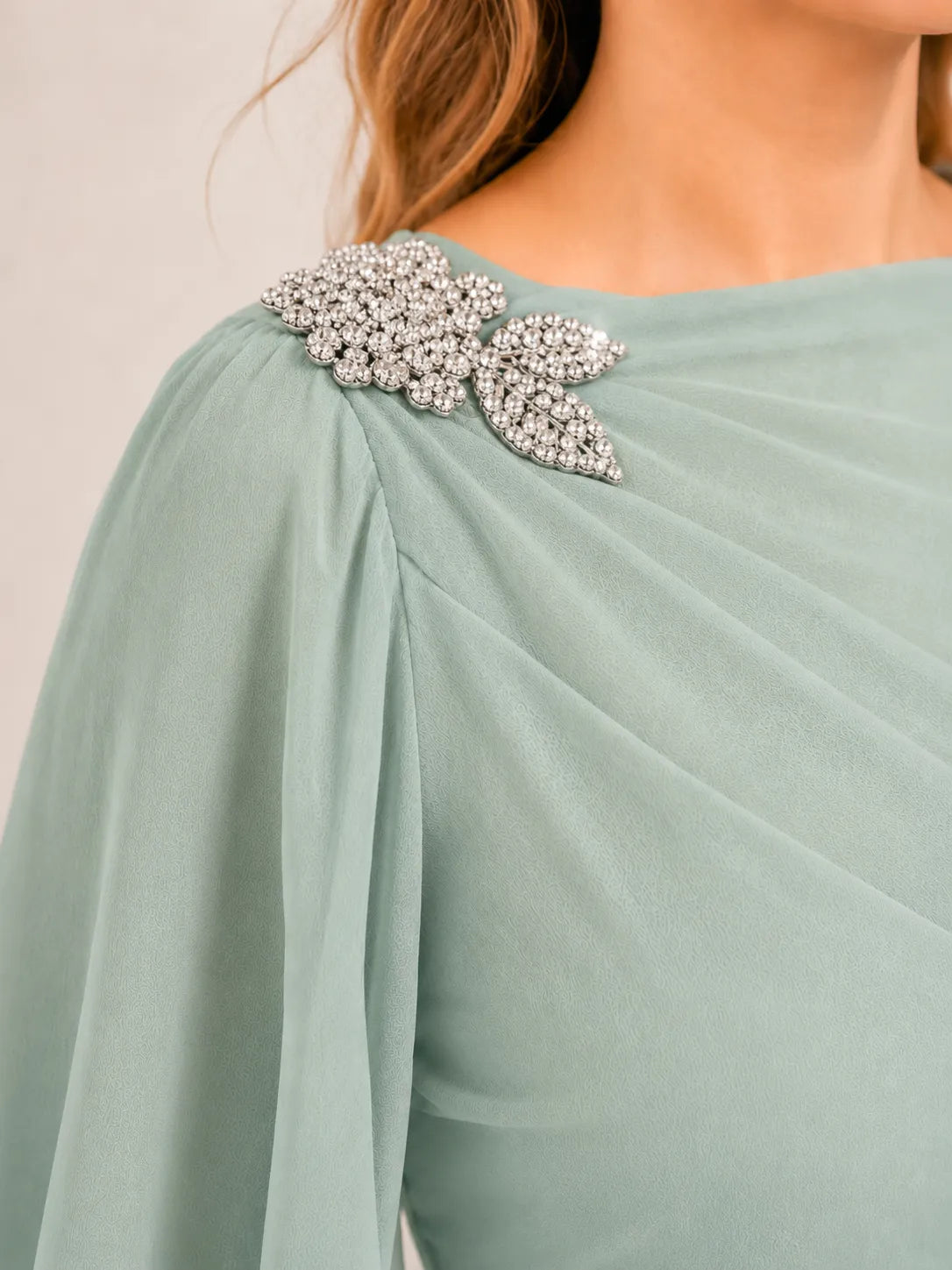
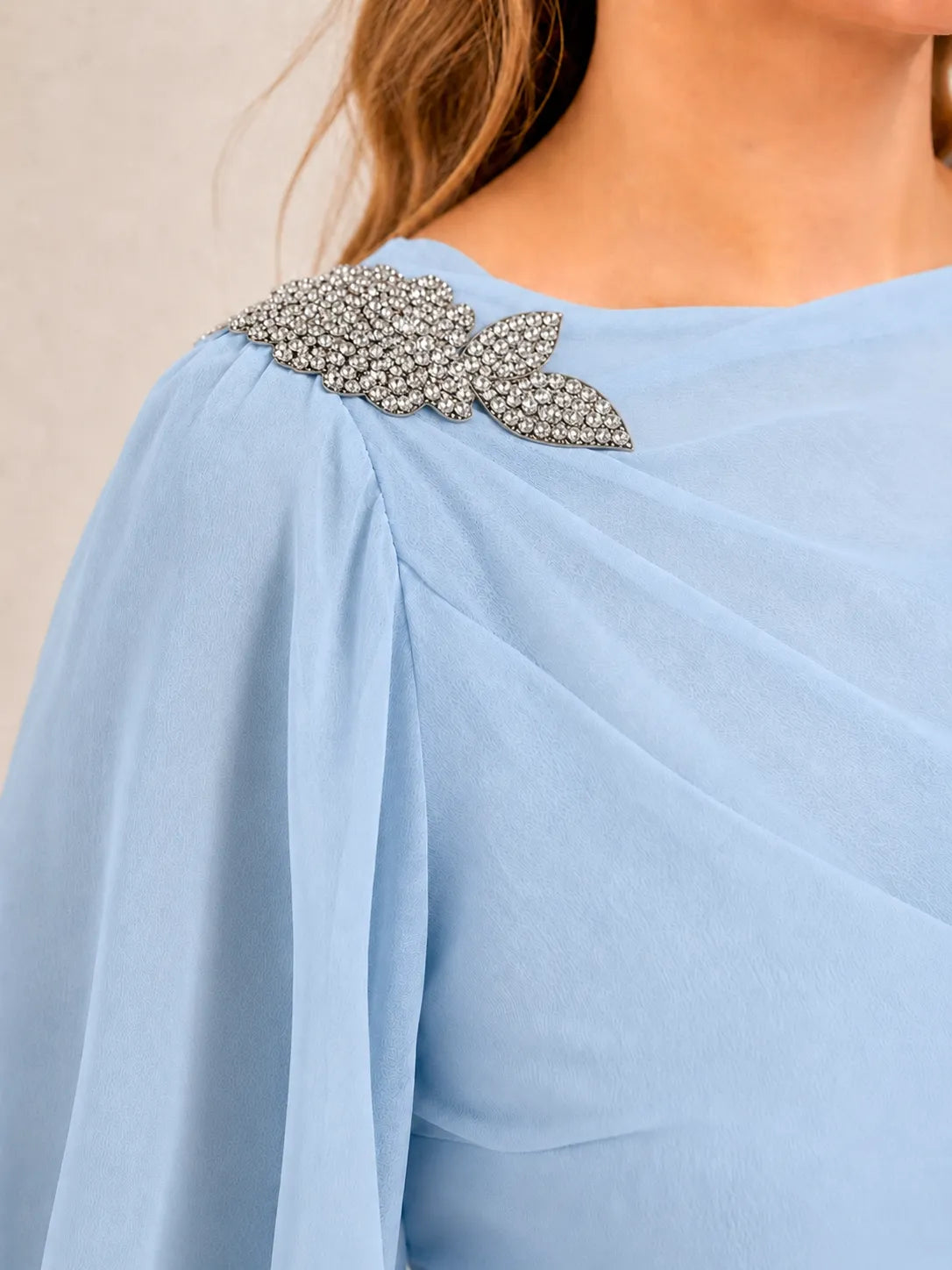
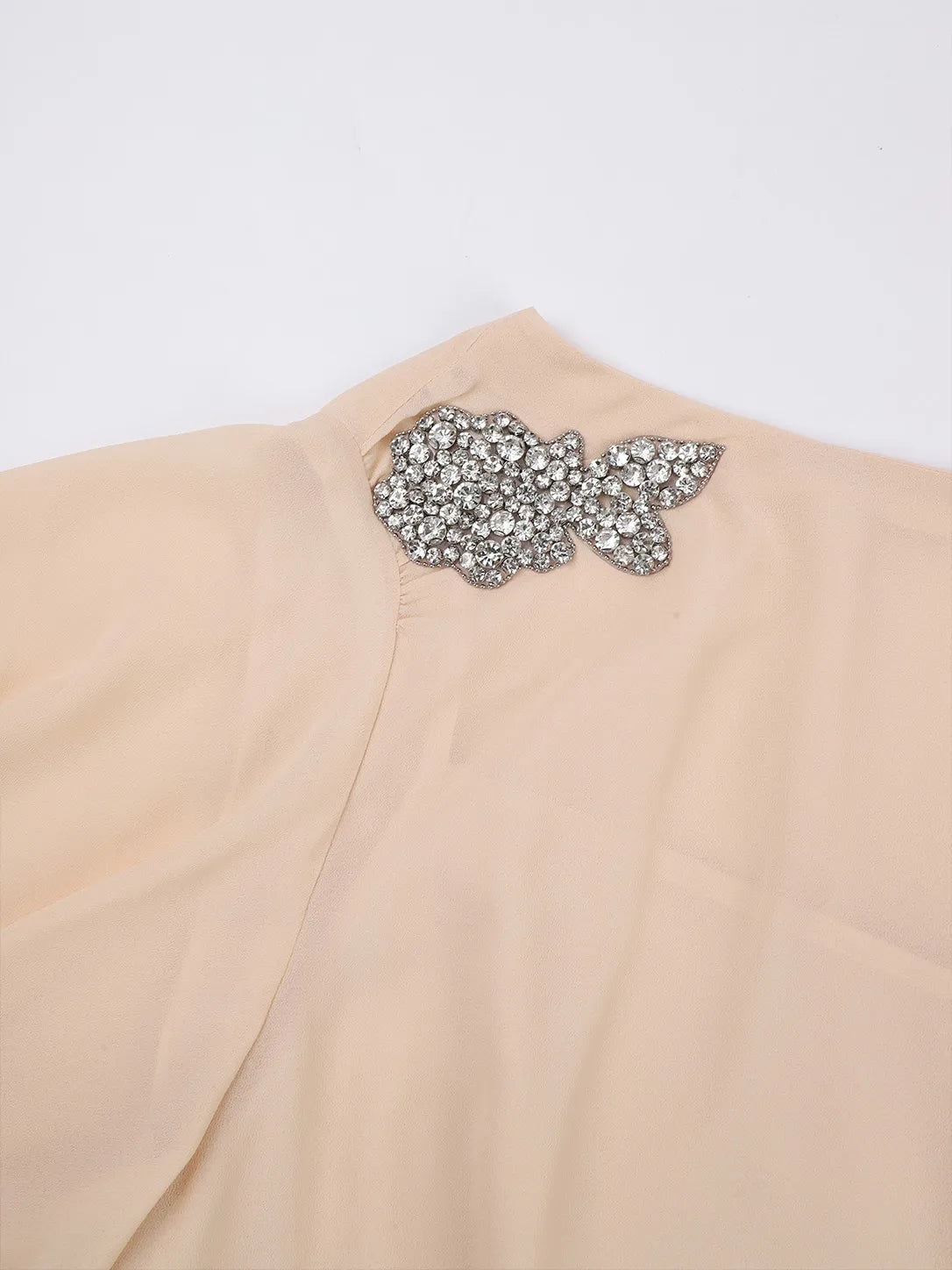
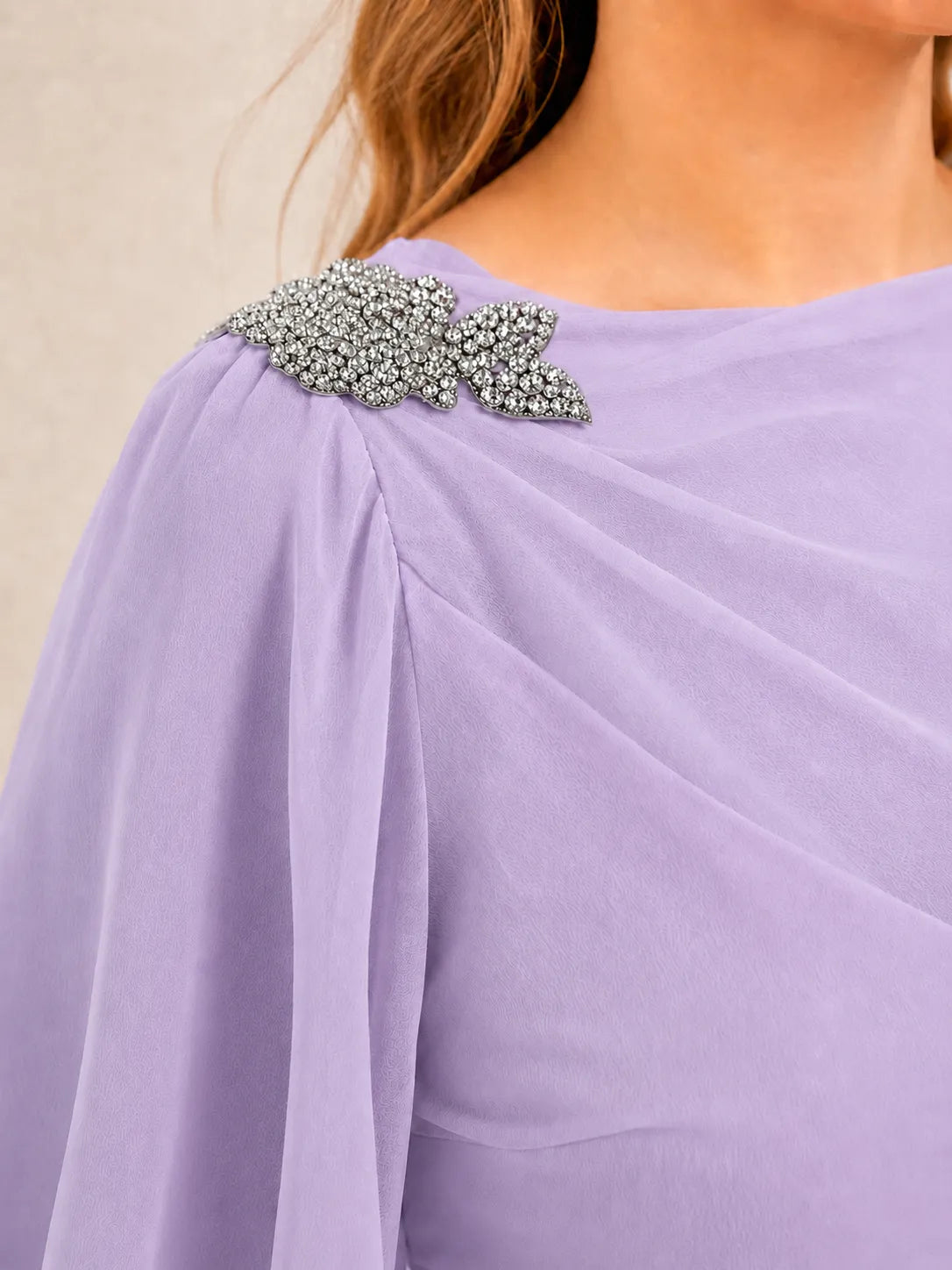
Sheer chiffon sleeves may look loose while the armhole, shoulder seam or cuff remains fitted.
Move your arms forward and upward, then check the upper back, shoulders and neckline.
If the entire bodice moves when you raise your arms, the restriction may come from the shoulder or armhole rather than the visible sleeve width.
Upper-arm comfort
The sleeve should allow natural movement without cutting into the upper arm or twisting around the body.
Armhole stability
The armhole should not pull the neckline, shoulder or upper bodice out of position when you move.
Confirm hem length with the final shoes
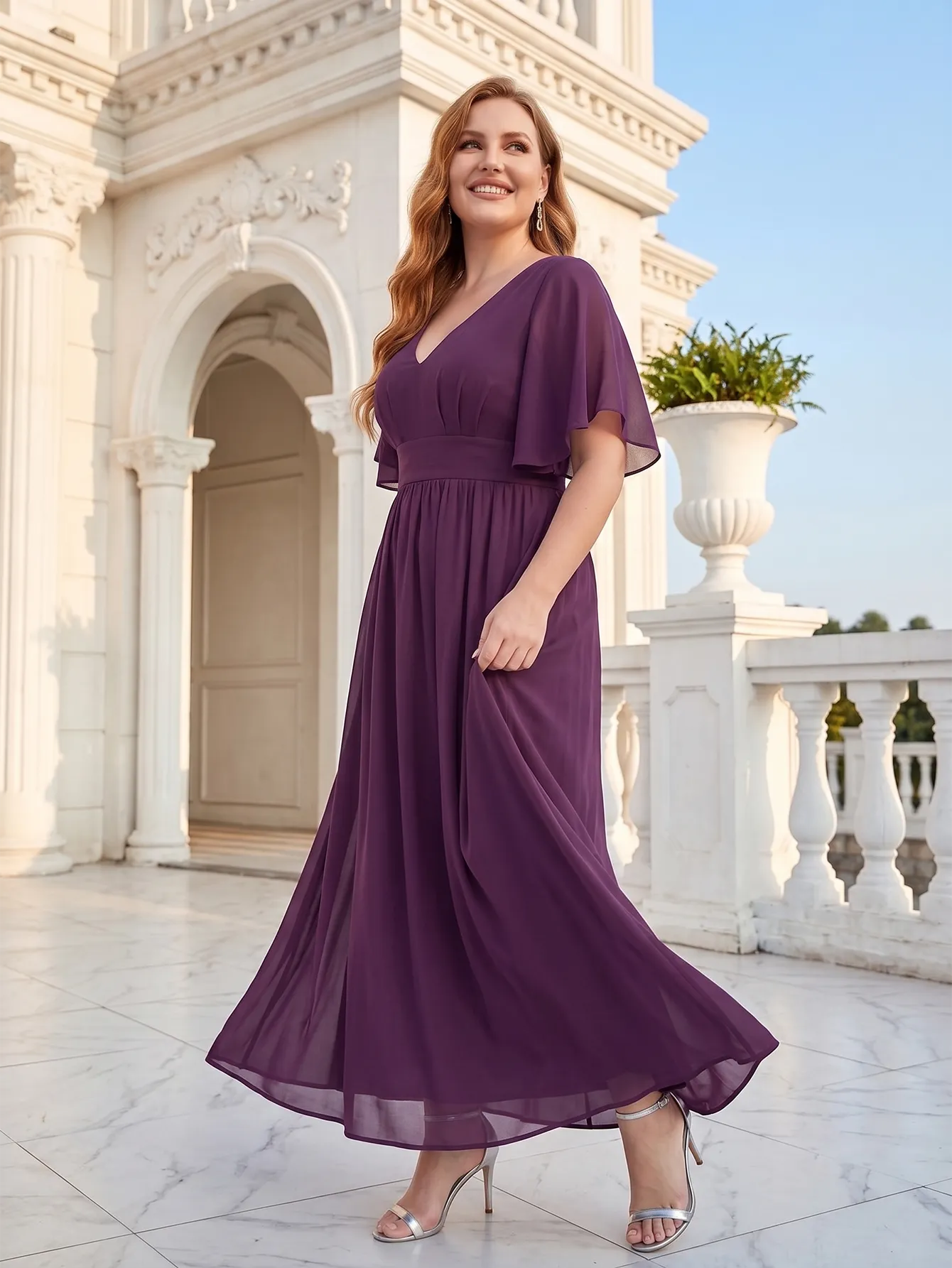
A flowing chiffon layer can be longer than its lining and may move differently in wind or while walking.
Check the shortest and longest points of an asymmetric hem, and make sure the dress remains practical on stairs and outdoor surfaces.
Try the dress with the shoes you intend to wear. If alterations are needed, the relationship between the chiffon shell and lining should be preserved.
Plus-size chiffon dress fit checklist
- Compare the garment measurements with your body measurements.
- Check the lining and chiffon outer layer separately.
- Check the fit while standing, sitting, walking and raising your arms.
- Confirm the closures, opacity, fiber content, lining and stretch from the product page.
- Make sure the neckline works with your preferred undergarment and support.
- Check whether pleats, gathers and seams remain balanced rather than pulling horizontally.
- Confirm the shortest and longest hem points with your intended shoes.
- Allow time for professional alterations when the layered hem, sleeves or bodice need adjustment.
Explore YEESE chiffon dresses
Looking for a chiffon dress for a wedding, formal event, party or summer occasion? Explore the YEESE Chiffon Clothing collection and use the available filters to compare styles by size, dress length, color and occasion.
When comparing styles, review the measurements, lining, closures and product details for the individual dress rather than assuming that all chiffon garments fit or move in the same way.
Explore Chiffon DressesFrequently asked questions
Should a chiffon dress be loose?
The chiffon layer may have fluid ease, but the lining and bodice still need a secure and comfortable fit. A garment being loose does not necessarily mean that it is correctly fitted.
Do chiffon dresses stretch?
Not necessarily. Stretch depends on the fiber content and garment construction. Check the exact product details and measurements rather than assuming that chiffon will stretch.
Can a chiffon dress be altered?
Many chiffon dresses can be altered, but layered hems, pleats and delicate seams may require an experienced professional. Ask a tailor before purchasing if substantial alteration is likely.
Final takeaway
A well-fitting chiffon dress should allow the lining, bodice and outer layer to work together without pulling or restricting movement. Use verified garment measurements, test the dress while moving and make the final decision around personal comfort and the intended occasion rather than a universal body-shape rule.